Care basics
Monstera Deliciosa Fertilizer: A Practical Feeding Schedule
How and when to fertilize Monstera deliciosa - half-strength liquid schedule, when to pause in winter, moss-pole adjustments, organic options, and how to reverse overfeeding.
How and when to fertilize Monstera deliciosa - half-strength liquid schedule, when to pause in winter, moss-pole adjustments, organic options, and how to reverse overfeeding.
Leggy stems, small leaves, no splits? Diagnose Monstera light deficiency, rule out overwatering, and correct light without scorching the foliage.
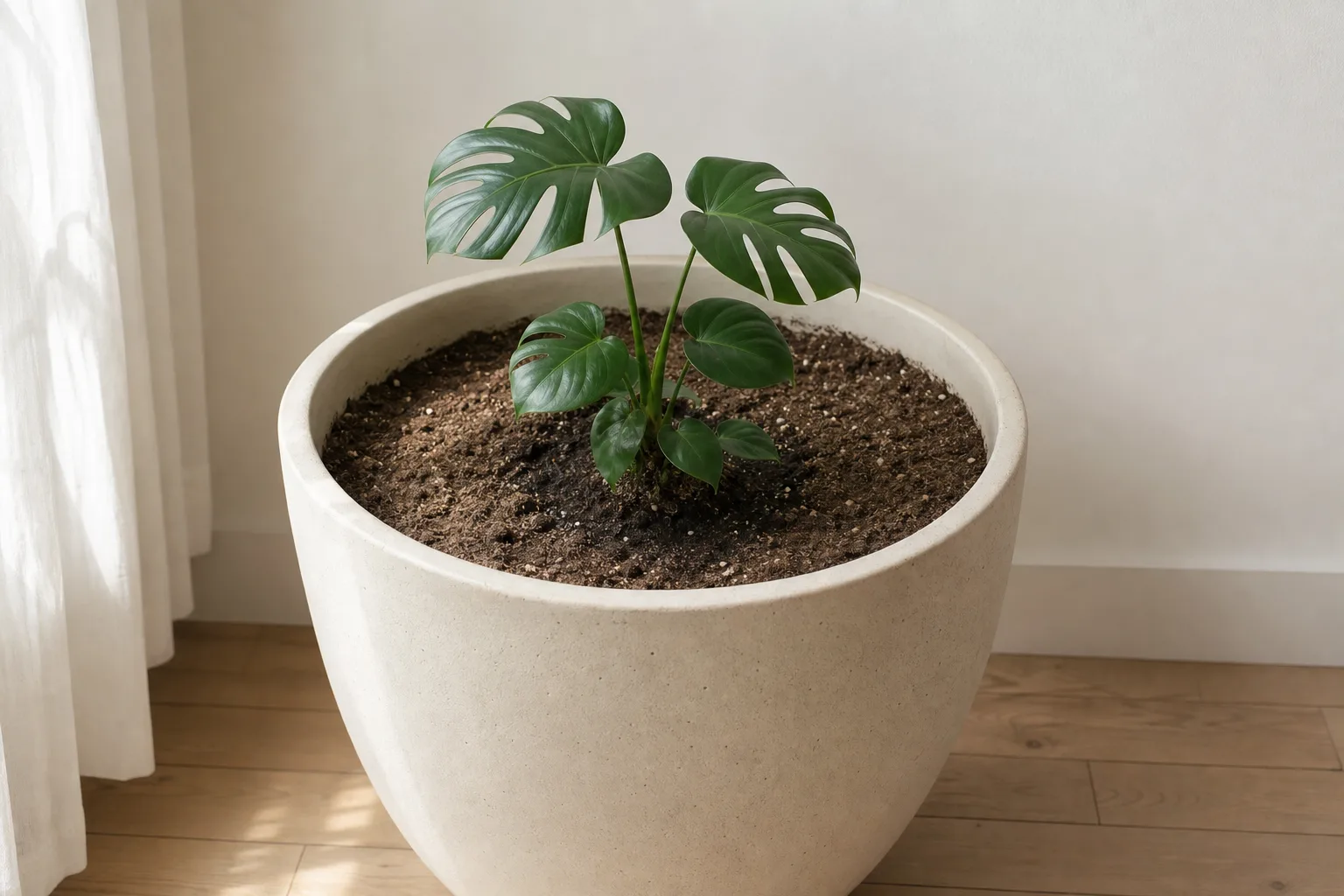
Check drainage roots, fast-drying soil, and a pot-shaped root ball - then confirm with a 60-second root inspection. Aerial vs. soil roots explained.

Most houseplant benefit lists repeat air-purifier myths. This guide covers five realistic surprises — stress routines, desk focus, humidity comfort, recovery corners, and biophilic home use — with a room map and species links.
Compare eight kitchen herbs by light, water, difficulty, and cuisine—plus windowsill care, harvest tips, and links to full basil, mint, and rosemary guides.

Rank nine cheap humidity fixes by cost, effort, and RH lift. Measure first, stack free tactics, and stay within EPA mold-safe ranges.
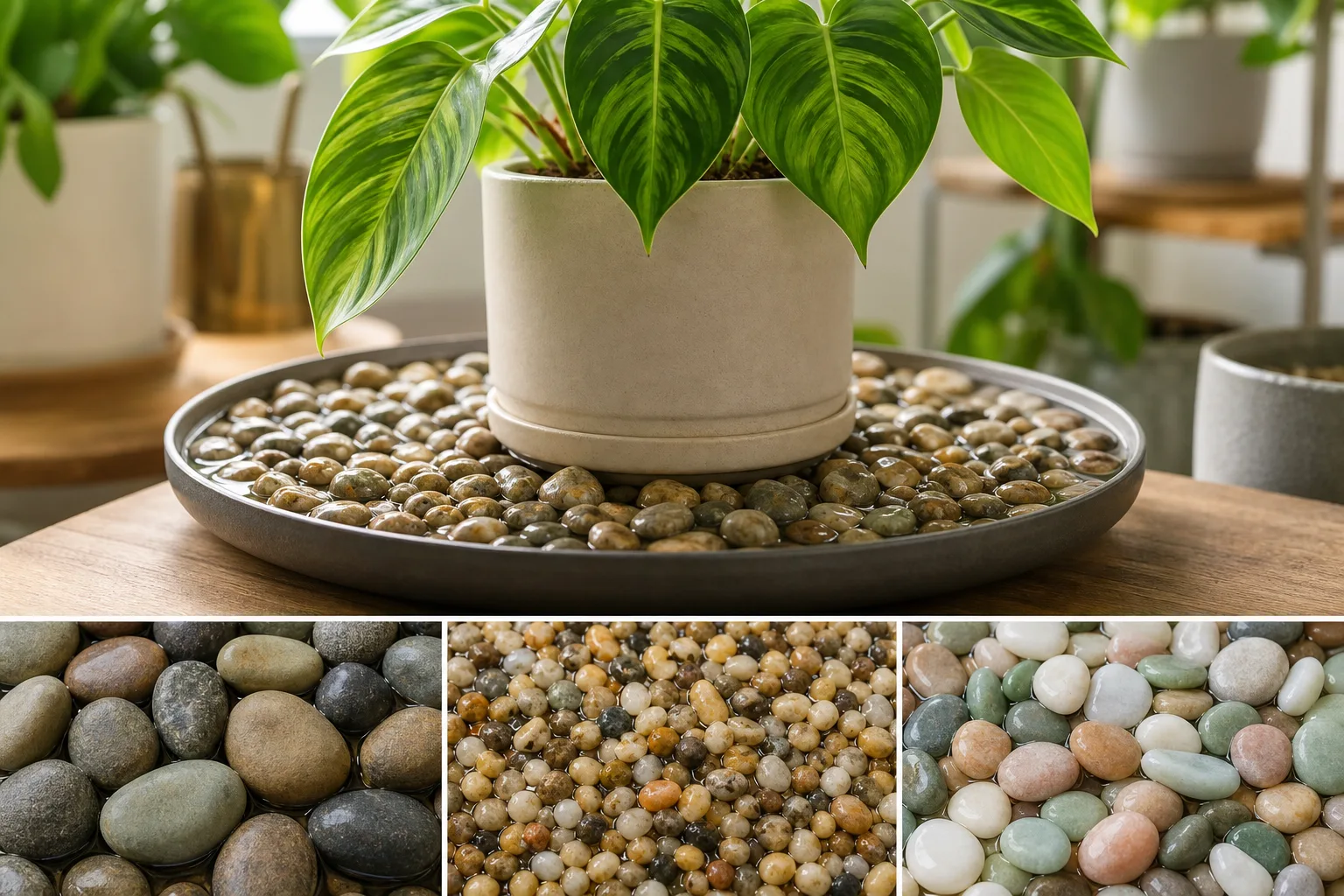
Compare pea gravel, river pebbles, and clay pebbles (LECA) for DIY humidity trays—size ranges, stability, porosity, and what to avoid.
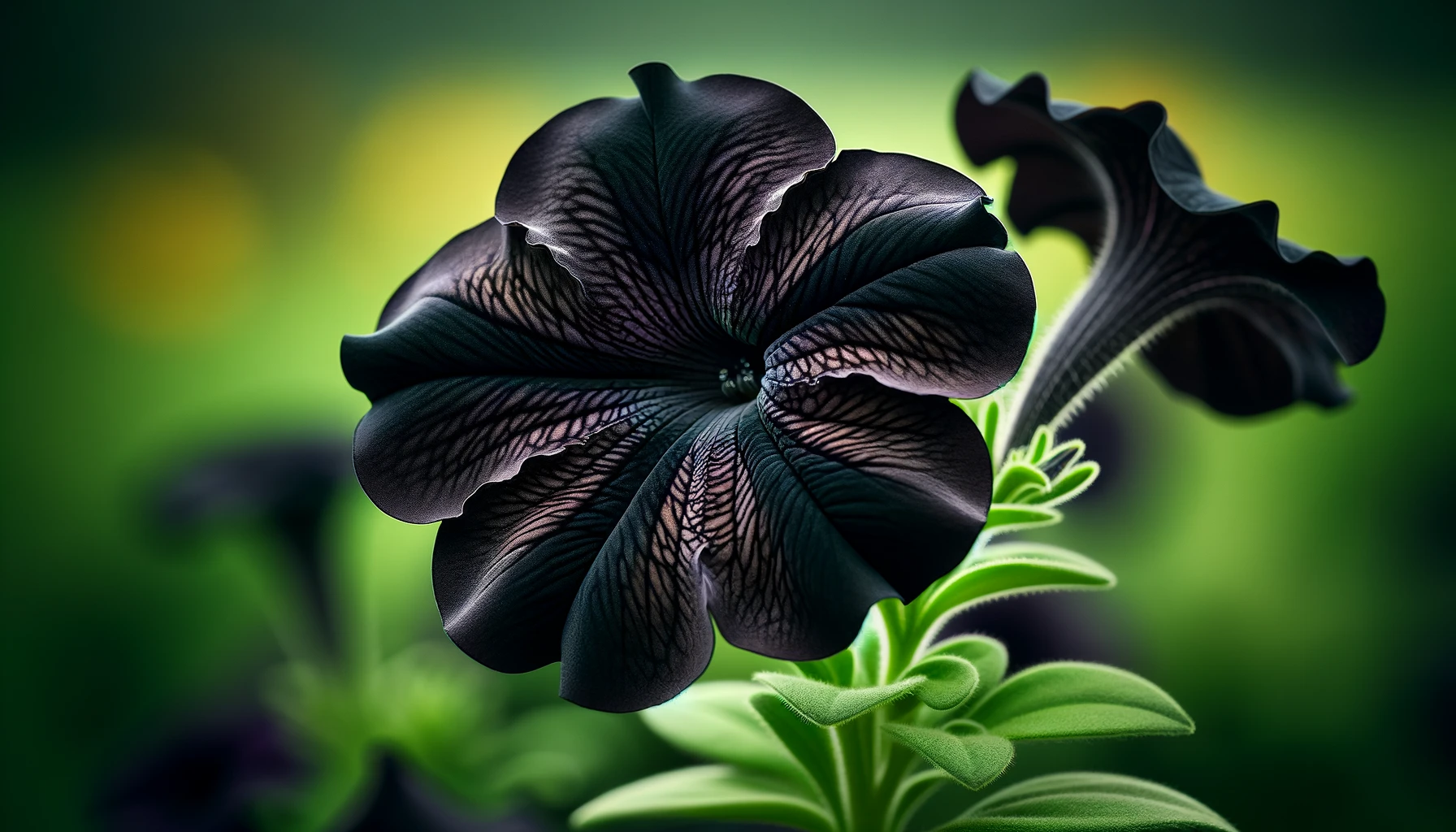
Black petunias are deep purple-black blooms, not true black. Compare Black Velvet, Phantom, and Black Cherry — plus container design tips.
Buying a Monstera plant? Compare deliciosa, adansonii, and variegated types, check leaves and roots in-store, and avoid expensive purchase mistakes.
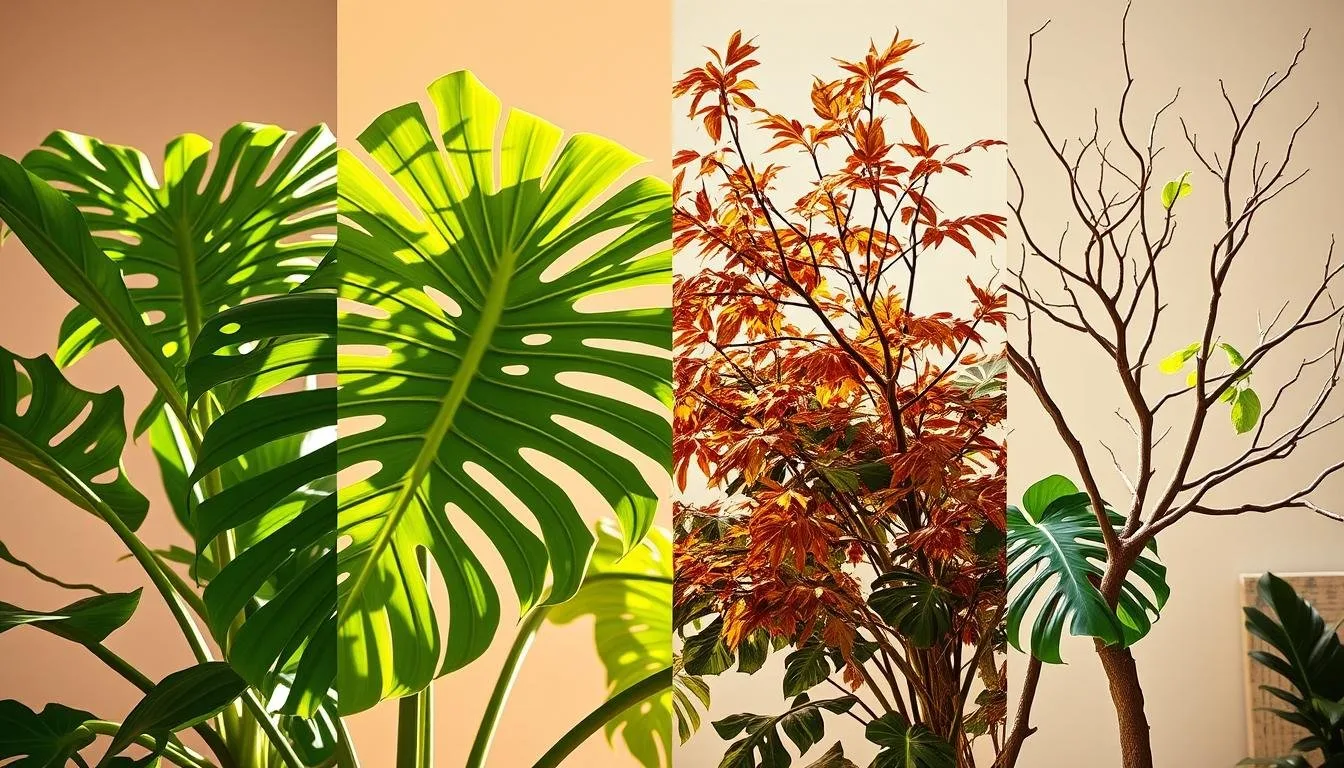
Match Monstera species to your room, choose planters that fit your style, and place the plant where light and sight lines work—with pet-safe placement tips.
Learn how to make DIY kokedama with a peat-free soil mix, beginner plant table, soak watering, and troubleshooting for moss balls that last.
Compare wick, bottle drip, reservoir, capillary mat, and bucket drip systems. Materials lists, build steps, test protocol, and plant matching for home gardeners.
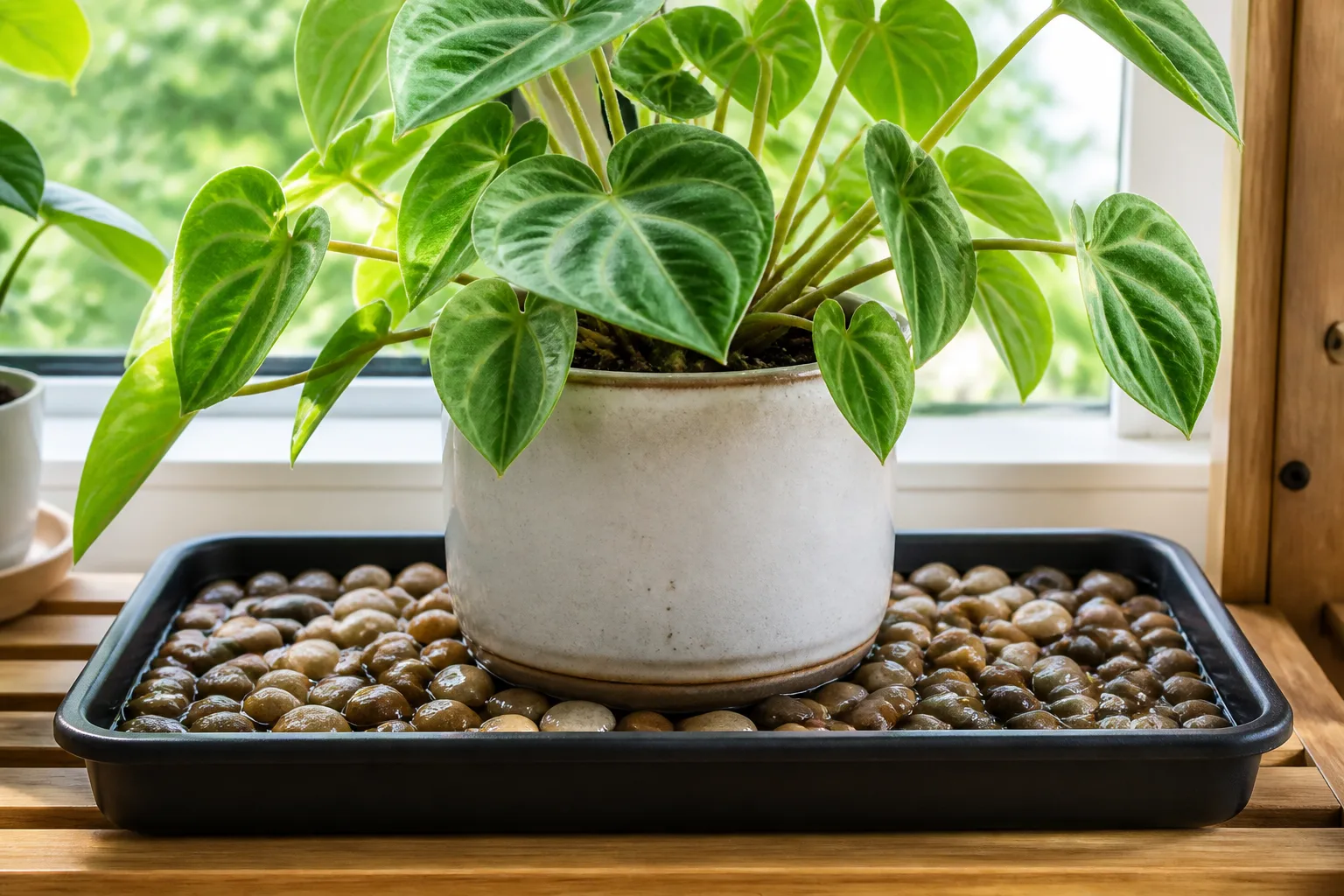
Pebble trays raise humidity only near the tray. Hygrometer readings at 2, 6, and 12 inches, a fan test, plant fit, and when a humidifier wins instead.
Grow a giant Monstera deliciosa indoors with brighter light, vertical support, airy roots, and steady feeding. Realistic 6–8 ft ceiling and maturity benchmarks included.
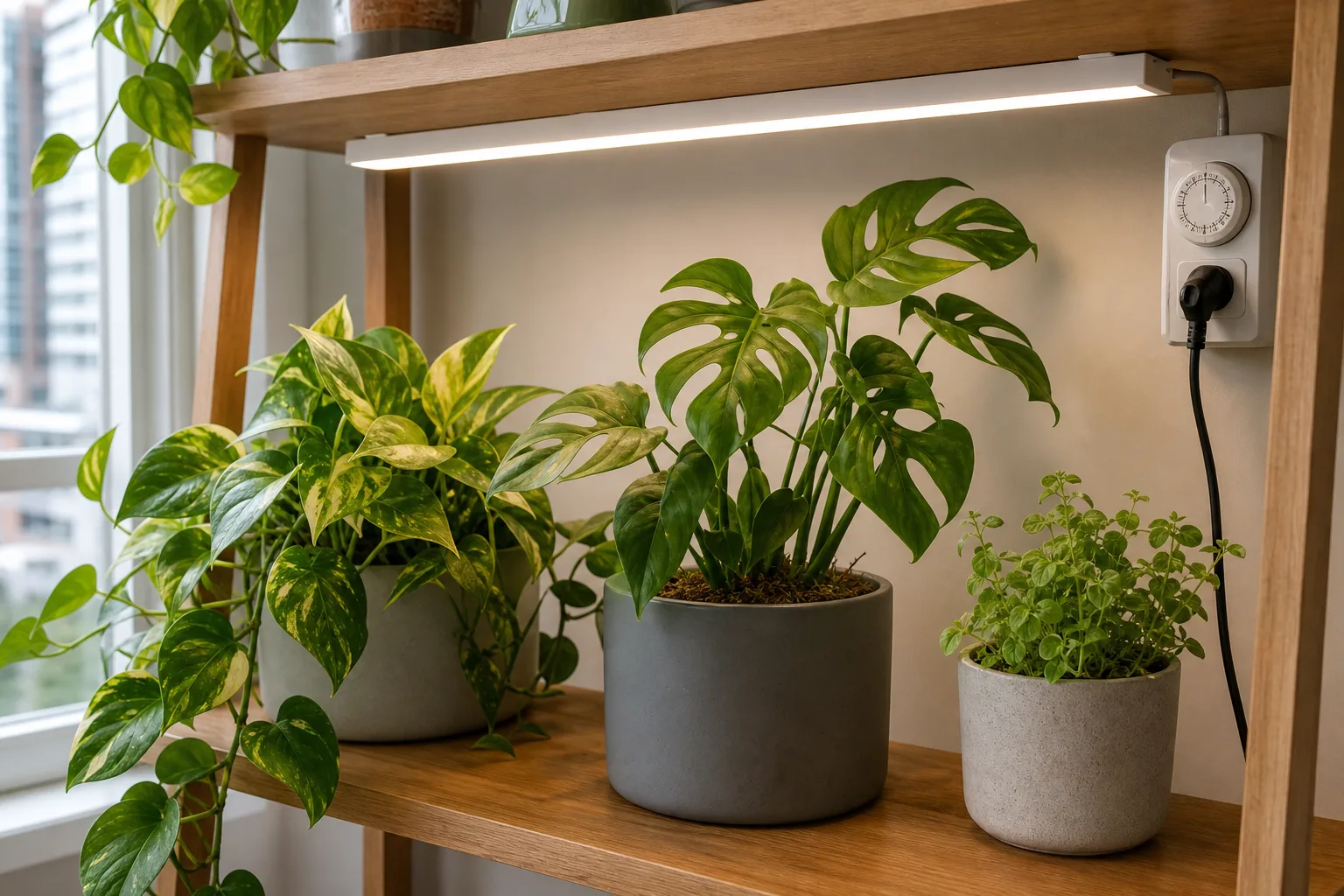
A practical grow lights guide for indoor plants—LEDs, spectrum, PPFD, timing, distance, costs, and common mistakes explained with extension-backed setup steps.
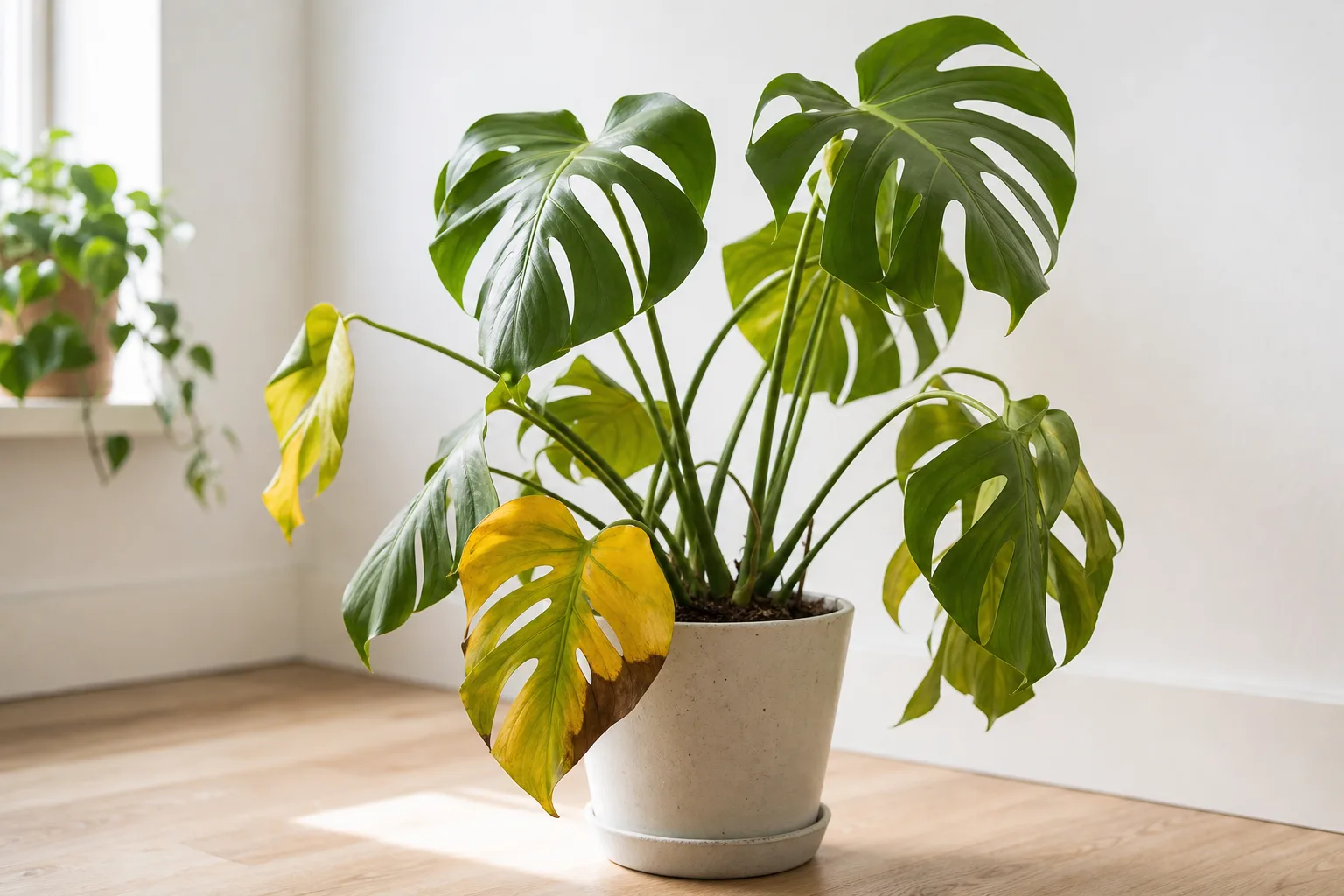
Learn how to diagnose houseplant diseases, treat root rot and leaf spots, prevent mildew, and know when a sick plant cannot be saved.
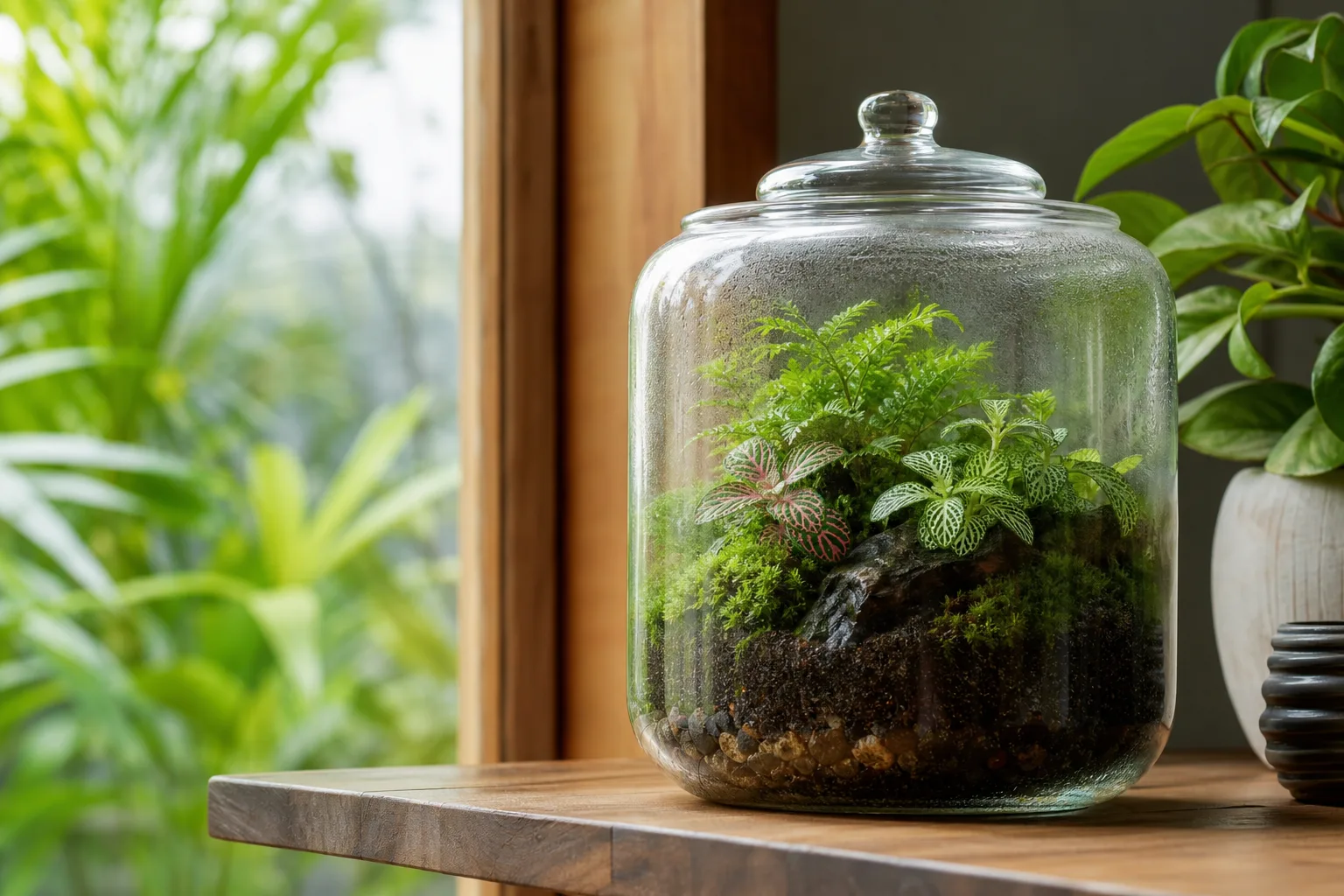
Build a DIY terrarium with the right container, layer depths, plant pairings, and watering cues. Materials table, cross-section diagram, and mold prevention tips.
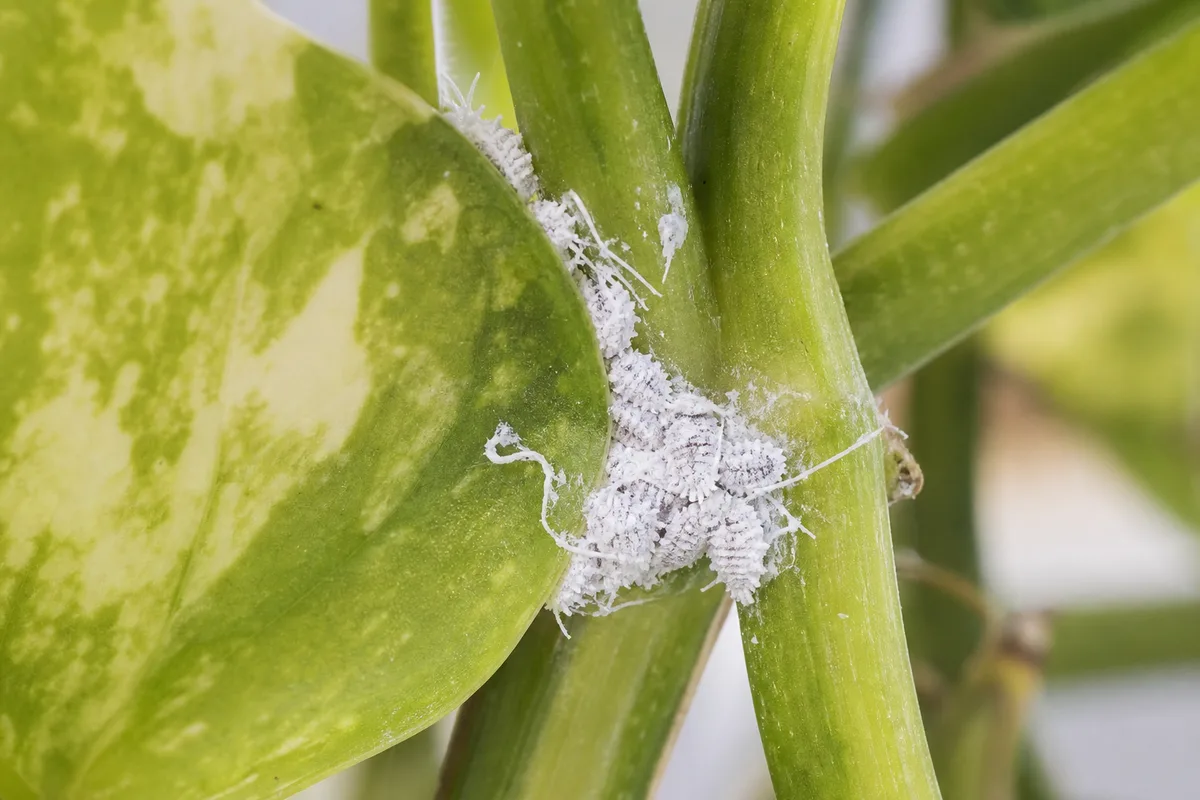
A practical guide to indoor plant pest identification, least-toxic treatment, and repeat schedules for mealybugs, scale, gnats, mites, and aphids.
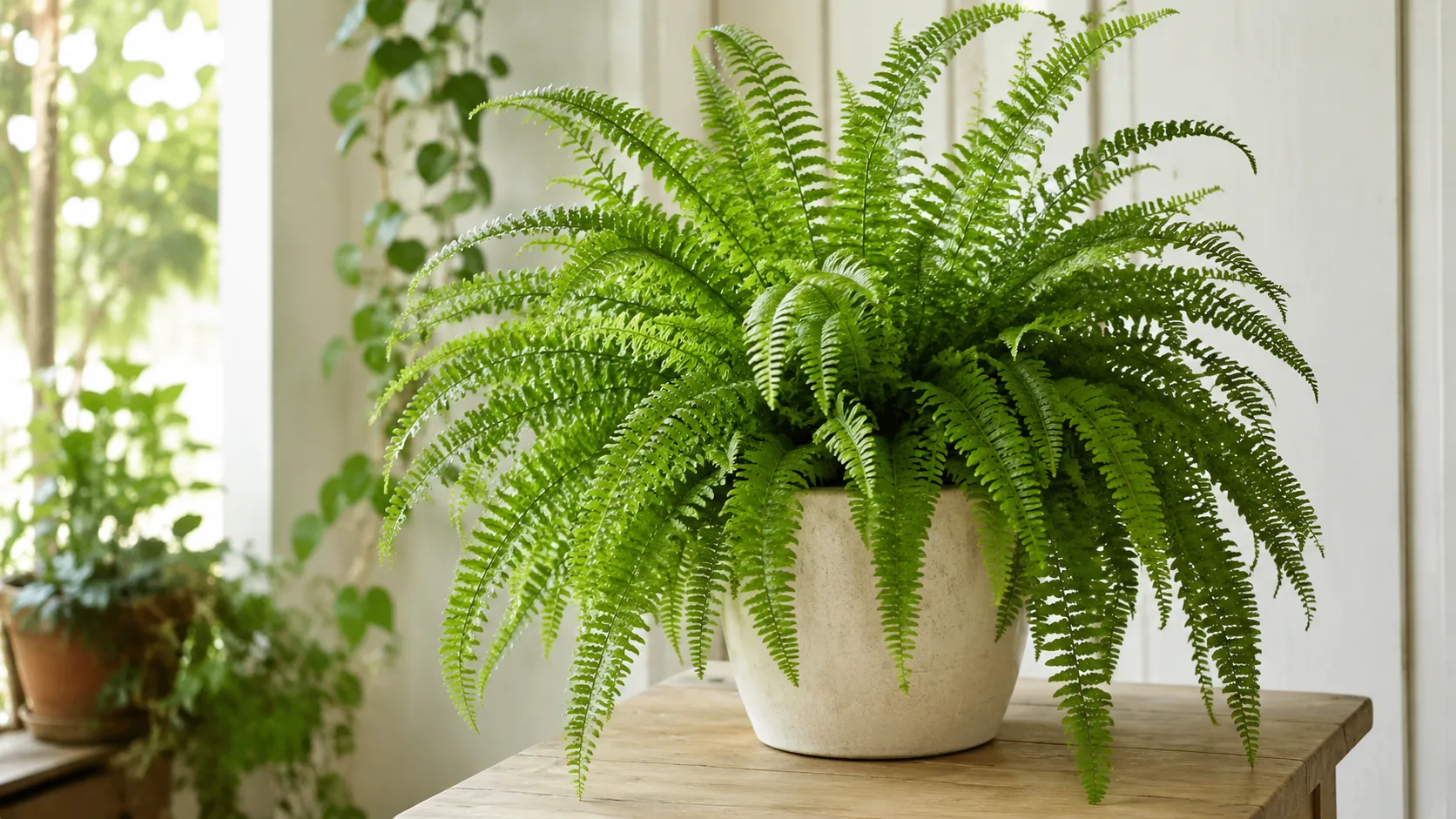
Learn indoor fern care with practical steps for light, watering, humidity, soil mix, repotting, and fixing brown tips across common fern types.
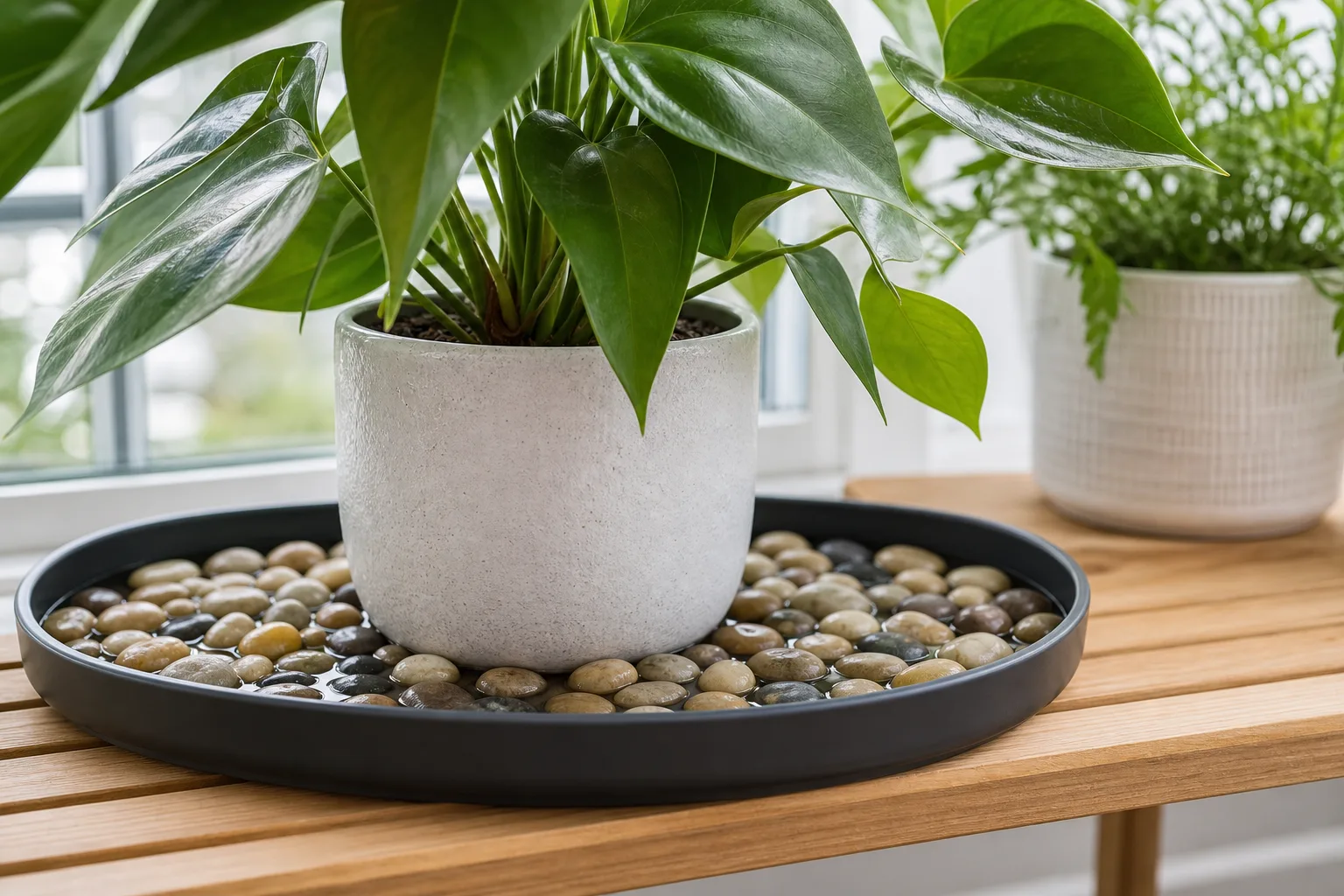
Indoor humidity math, plant target ranges, EPA guardrails, and a measured pebble-tray test — when a tray helps and when to use a humidifier instead.
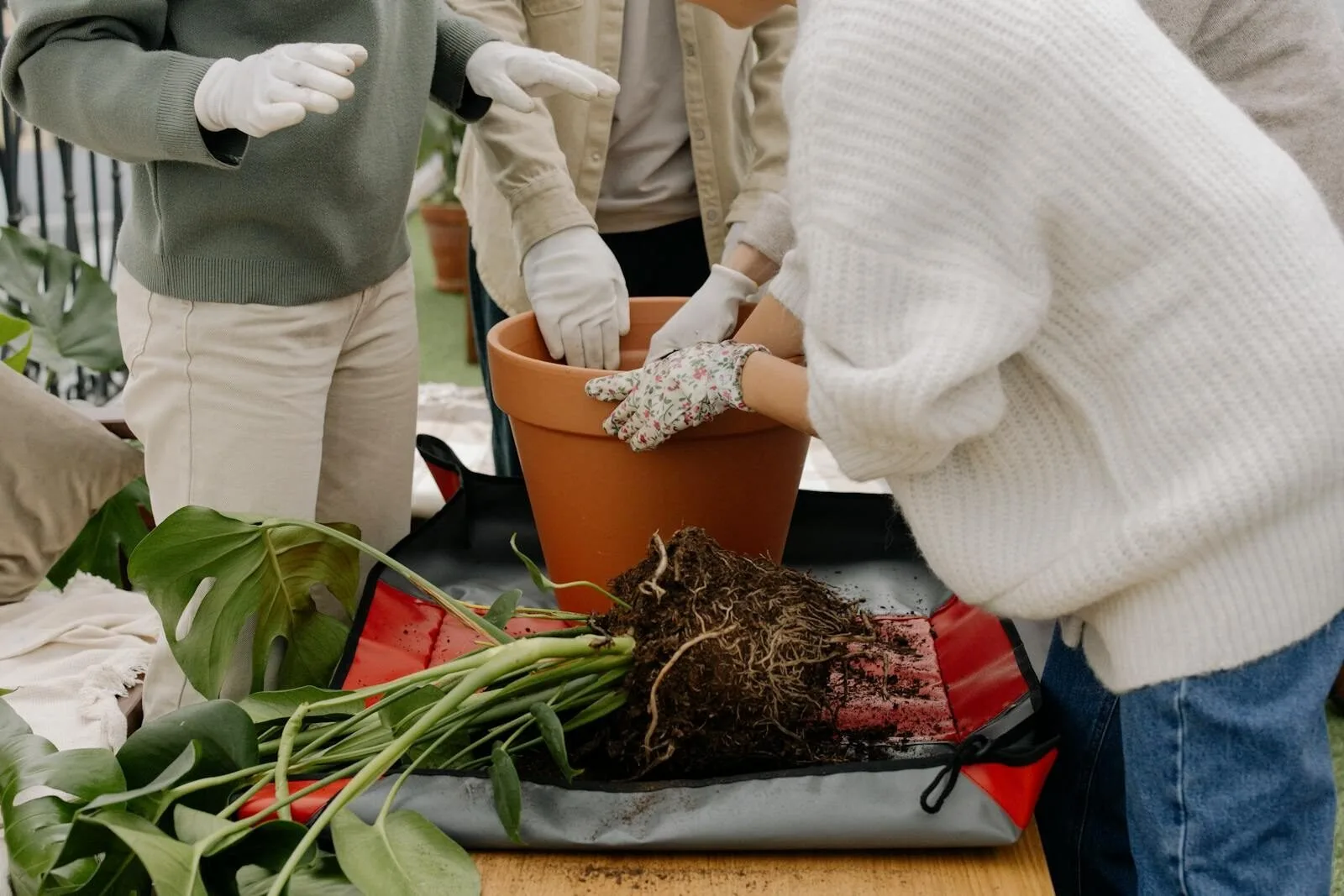
Monstera aerial roots are normal. Learn when to cut, train onto a moss pole, tuck into soil, or leave them — plus propagation and pet safety rules.
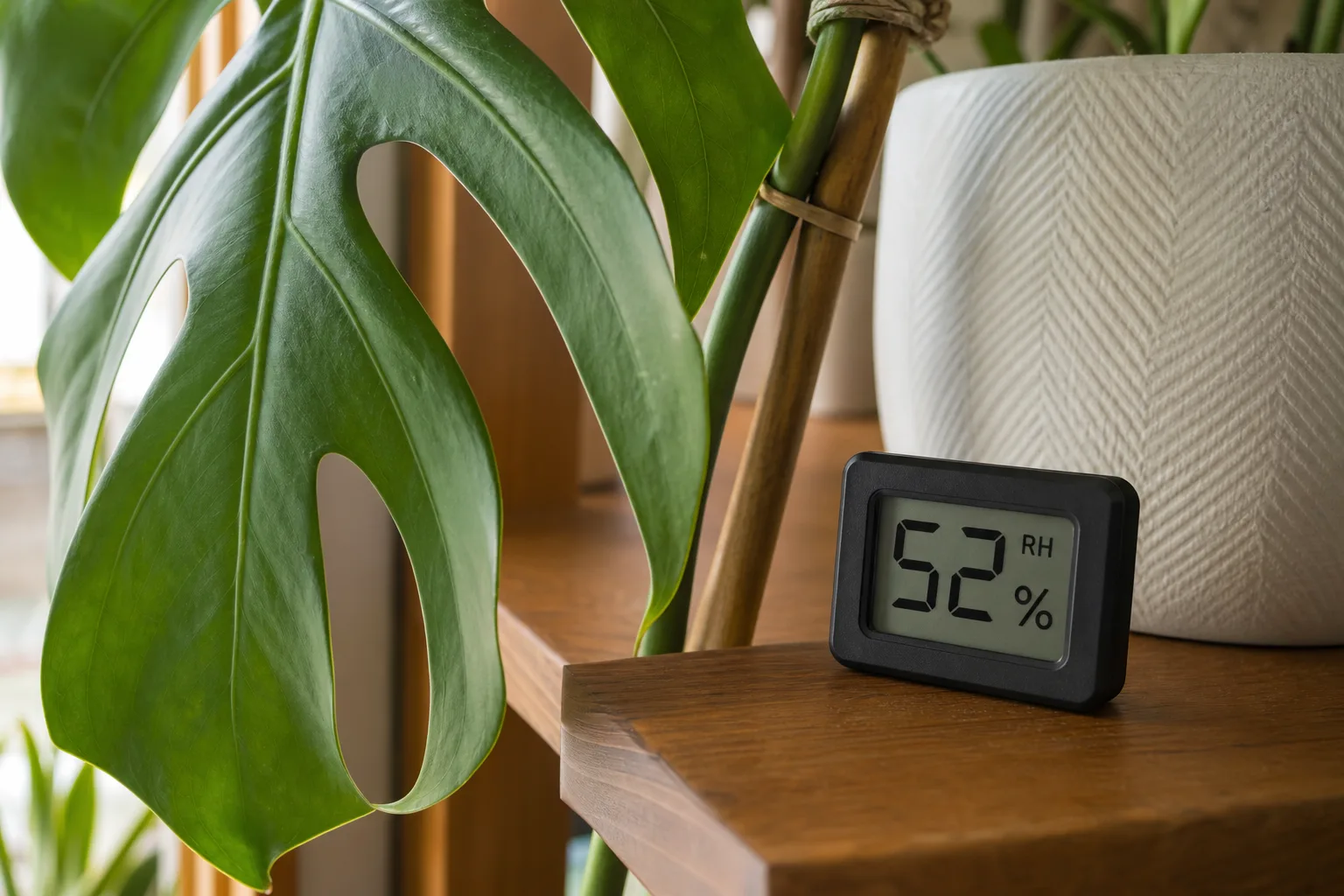
Monstera humidity targets: 40–60% RH for most homes, 50–60% for best growth. Symptom checklist, type comparison, and when a humidifier actually helps.
Learn Monstera deliciosa lifecycle stages, approximate indoor timelines, and what maturity actually looks like on a moss pole versus a juvenile pot plant.
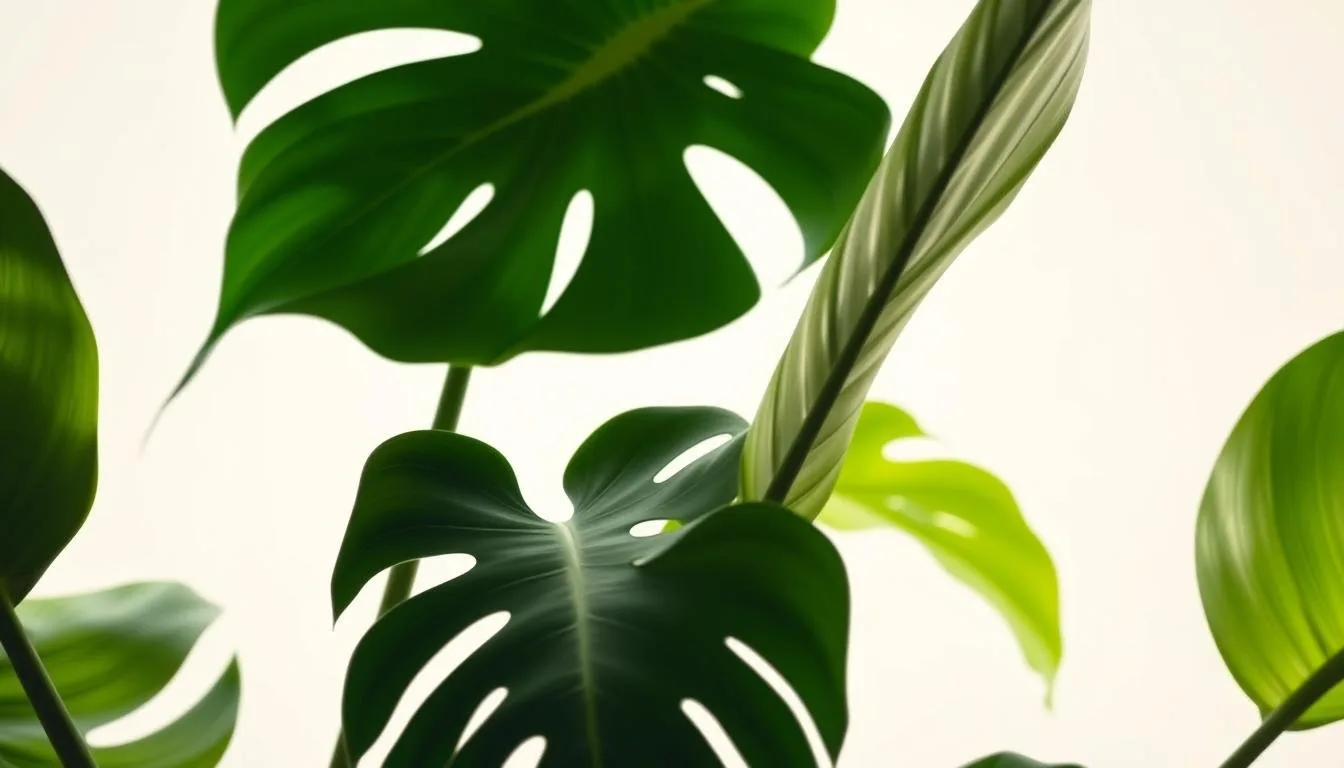
Monstera not splitting leaves usually comes down to age, light, support, or stress. Run this 5-minute diagnostic and follow the fix sequence that triggers fenestrations.
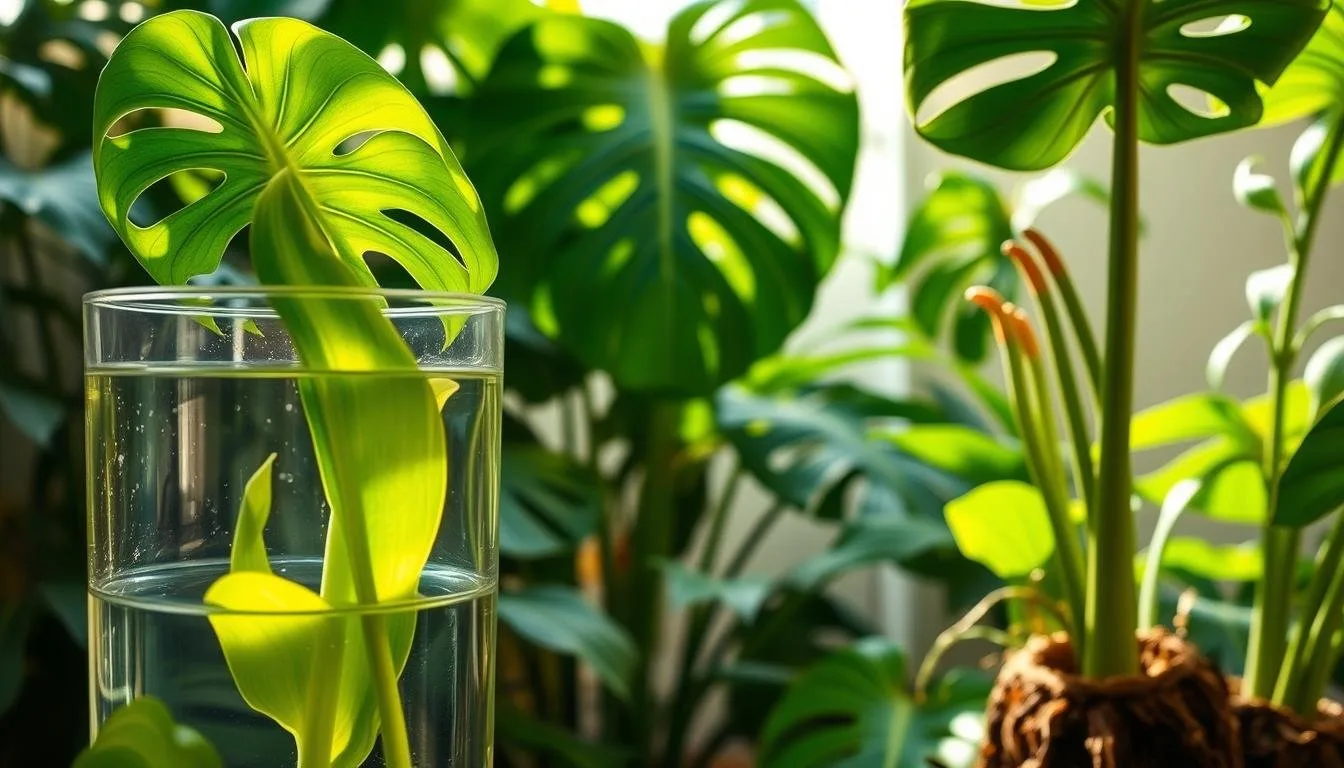
Water or soil for Monstera cuttings? Compare visibility, root strength, rot risk, and transplant timing so you pick the medium that fits your cutting and habits.
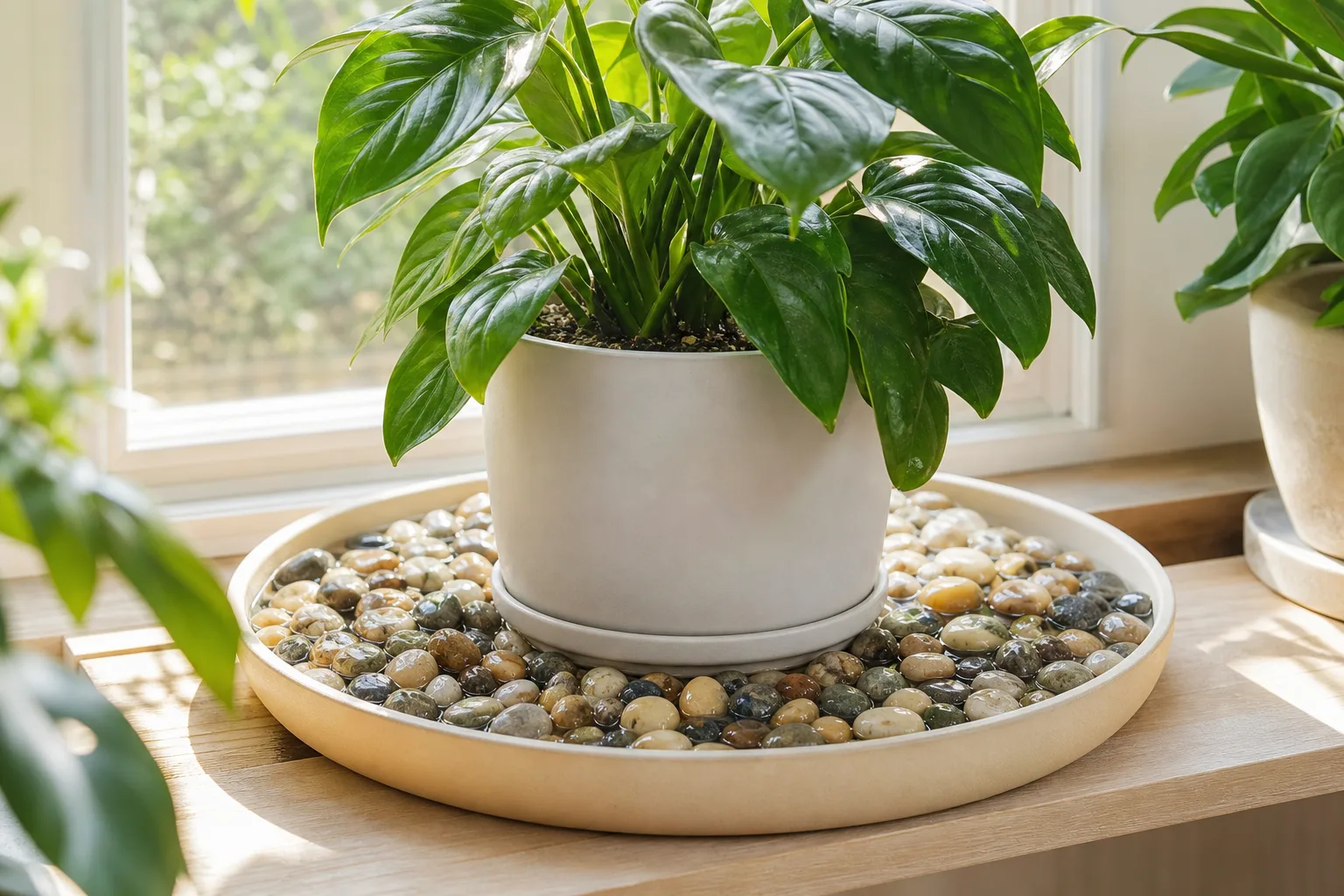
Compare pebble tray alternatives by plant count and room dryness. Decision matrix, setup steps, failure modes, and when to escalate to a humidifier.
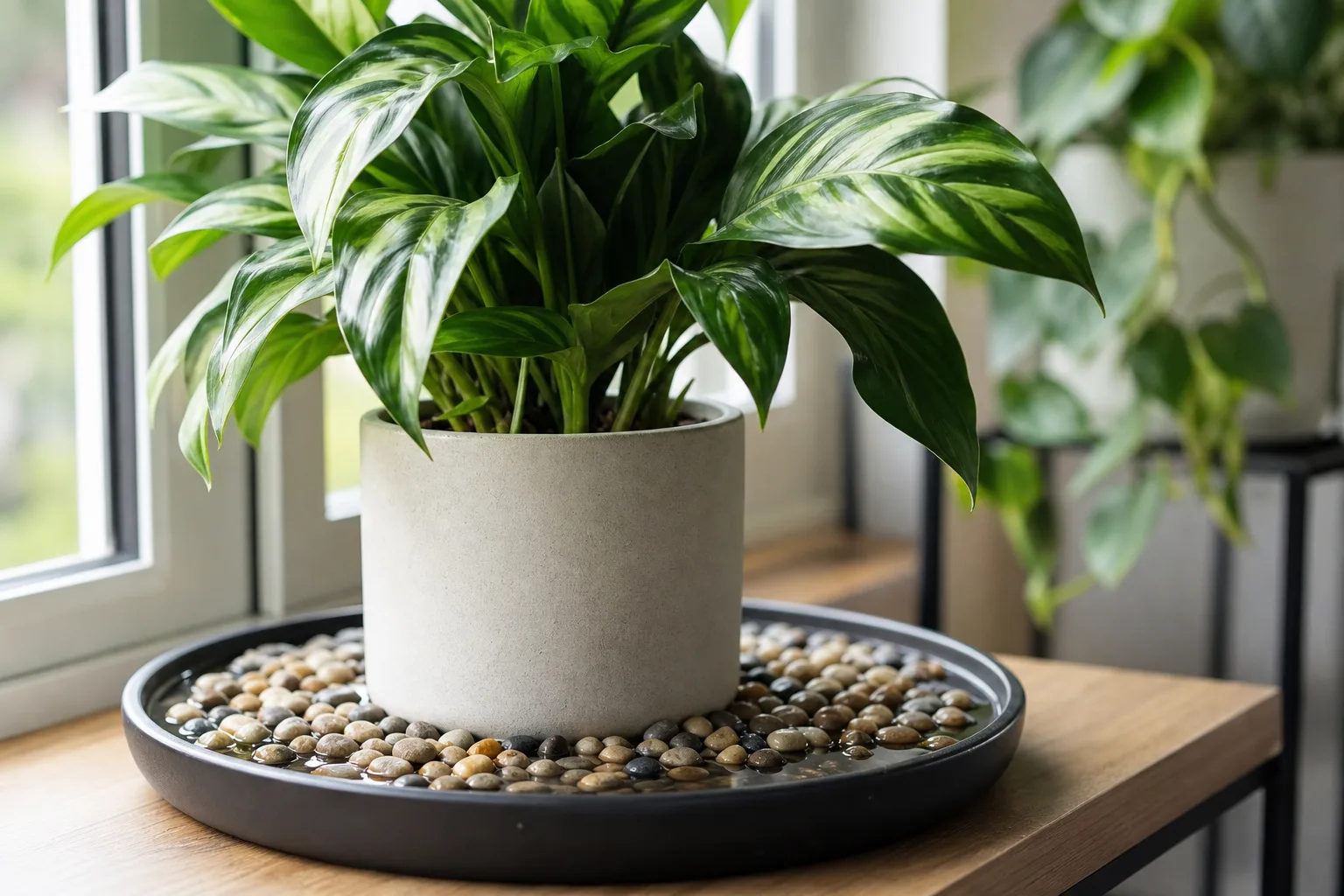
Learn when a pebble tray belongs in a care routine, when to skip it, and how to decide between trays, grouping, and humidifiers.
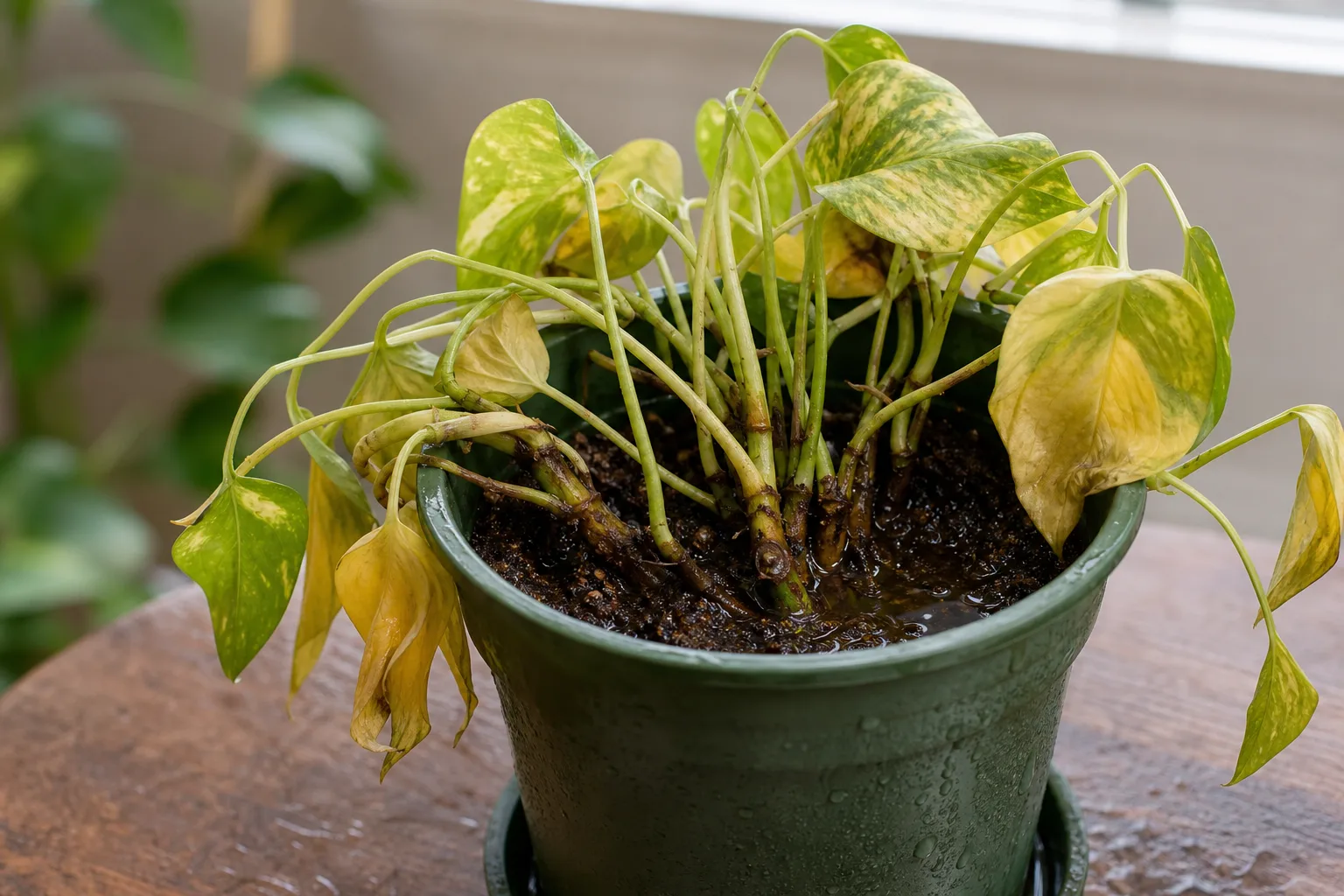
Learn how to save your dying houseplant by diagnosing the real problem first, then fixing roots, water, light, pests, and recovery care.
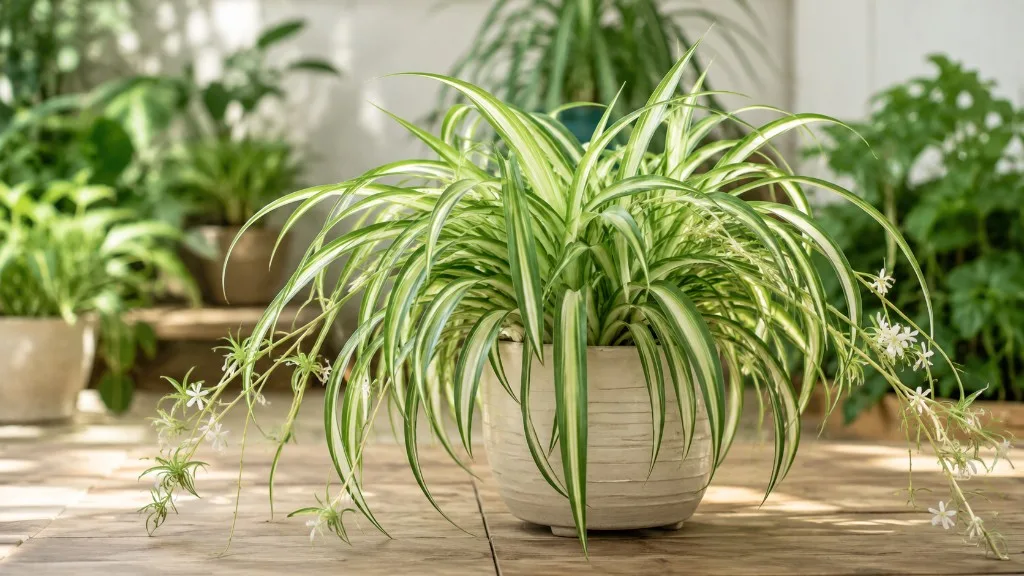
Practical spider plant care: bright indirect light, soak-and-dry watering, brown-tip fixes, spiderette propagation, and ASPCA pet safety—with extension-backed tips.
Compare seven large indoor plants by light, mature size, care level, and pet safety—plus links to full species care on LeafyPixels.
Do indoor plants really clean air or reduce stress? This evidence-graded guide covers seven proven benefits, study types, and realistic home expectations.
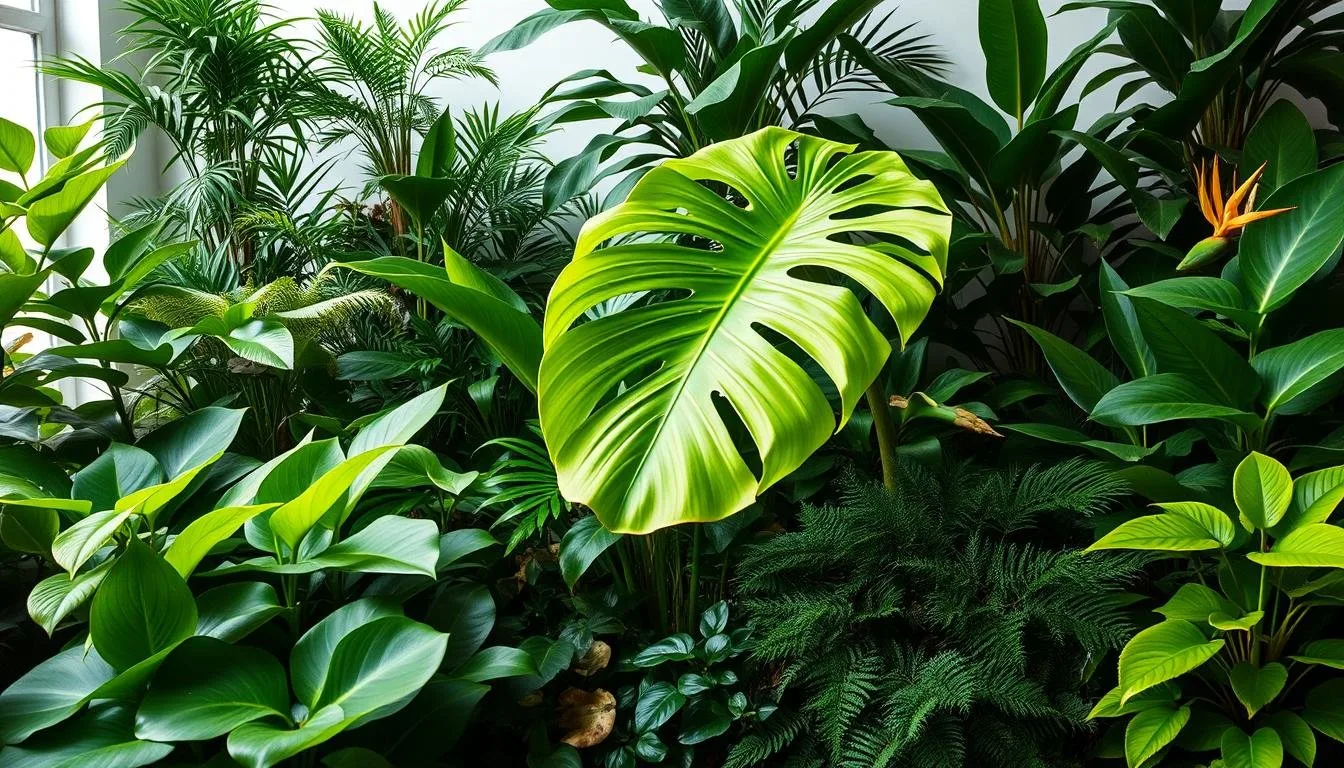
Identify 12 common Monstera types, tell species from cultivars and trade names, and avoid costly mislabels like obliqua and mini monstera.
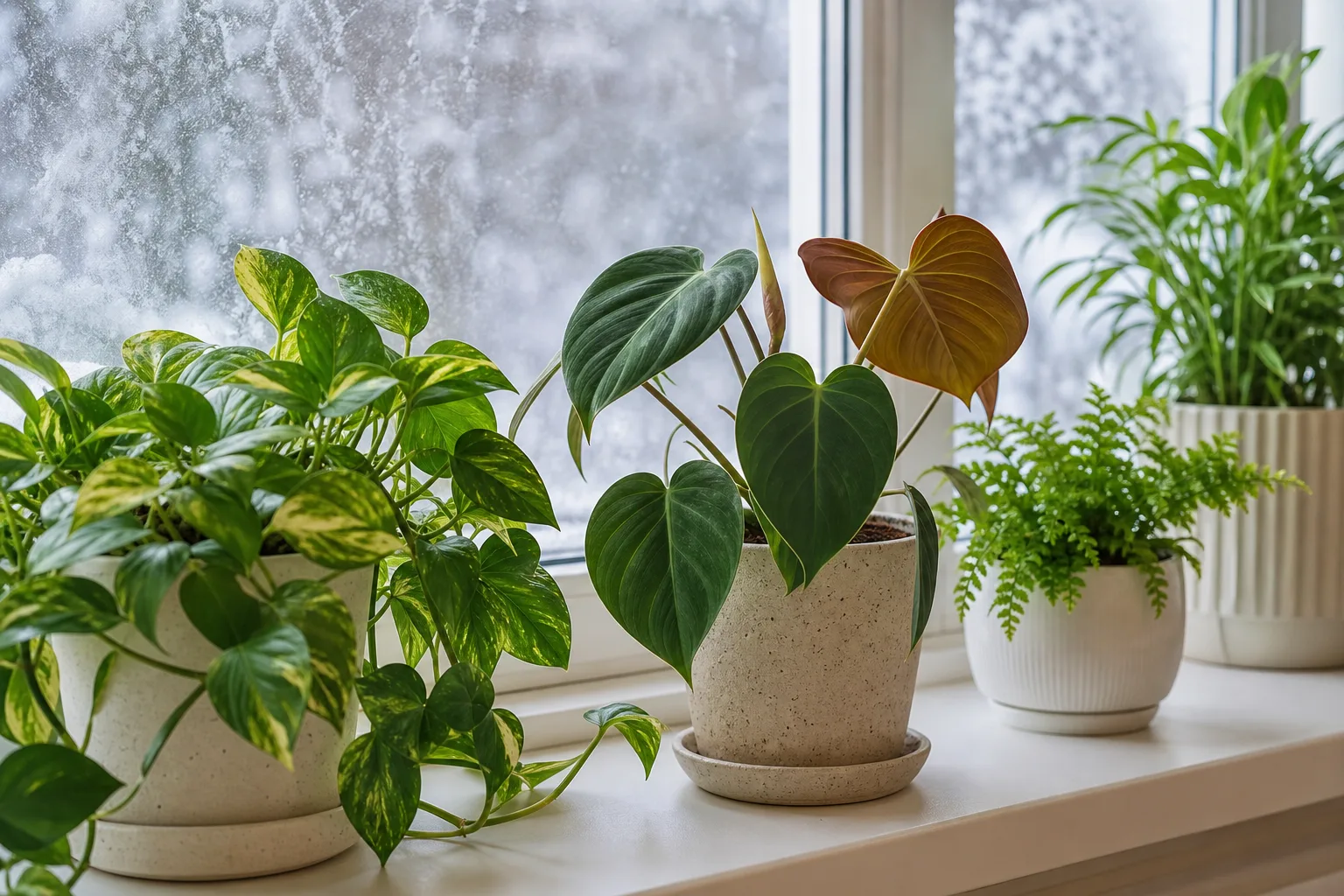
Adjust houseplant care in winter—water less, maximize light, manage humidity, pause fertilizer, and inspect for pests on a weekly rhythm.
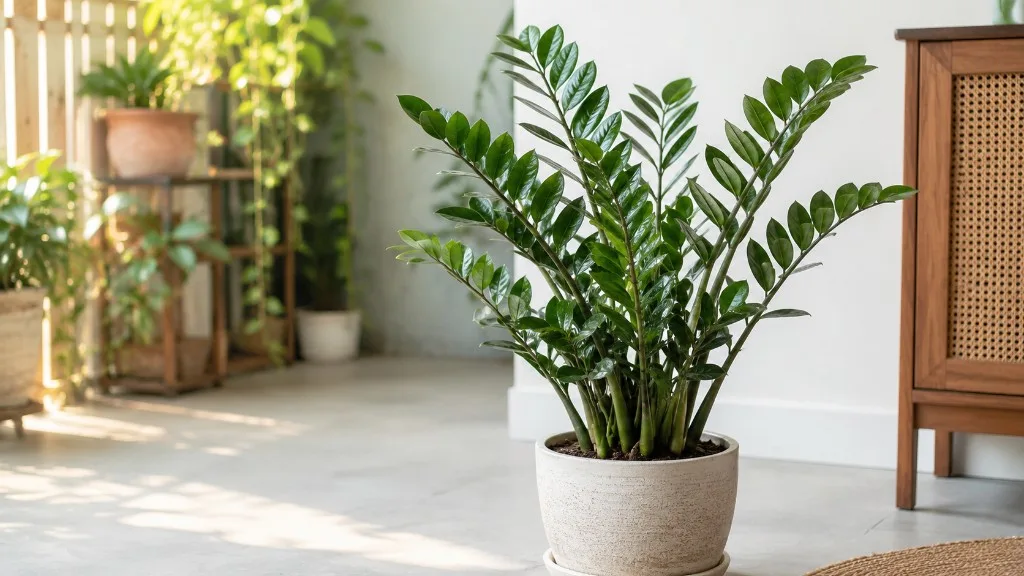
Learn ZZ plant care basics: light, watering, soil, repotting, pests, yellow leaves, and simple fixes for a healthy low-maintenance plant.
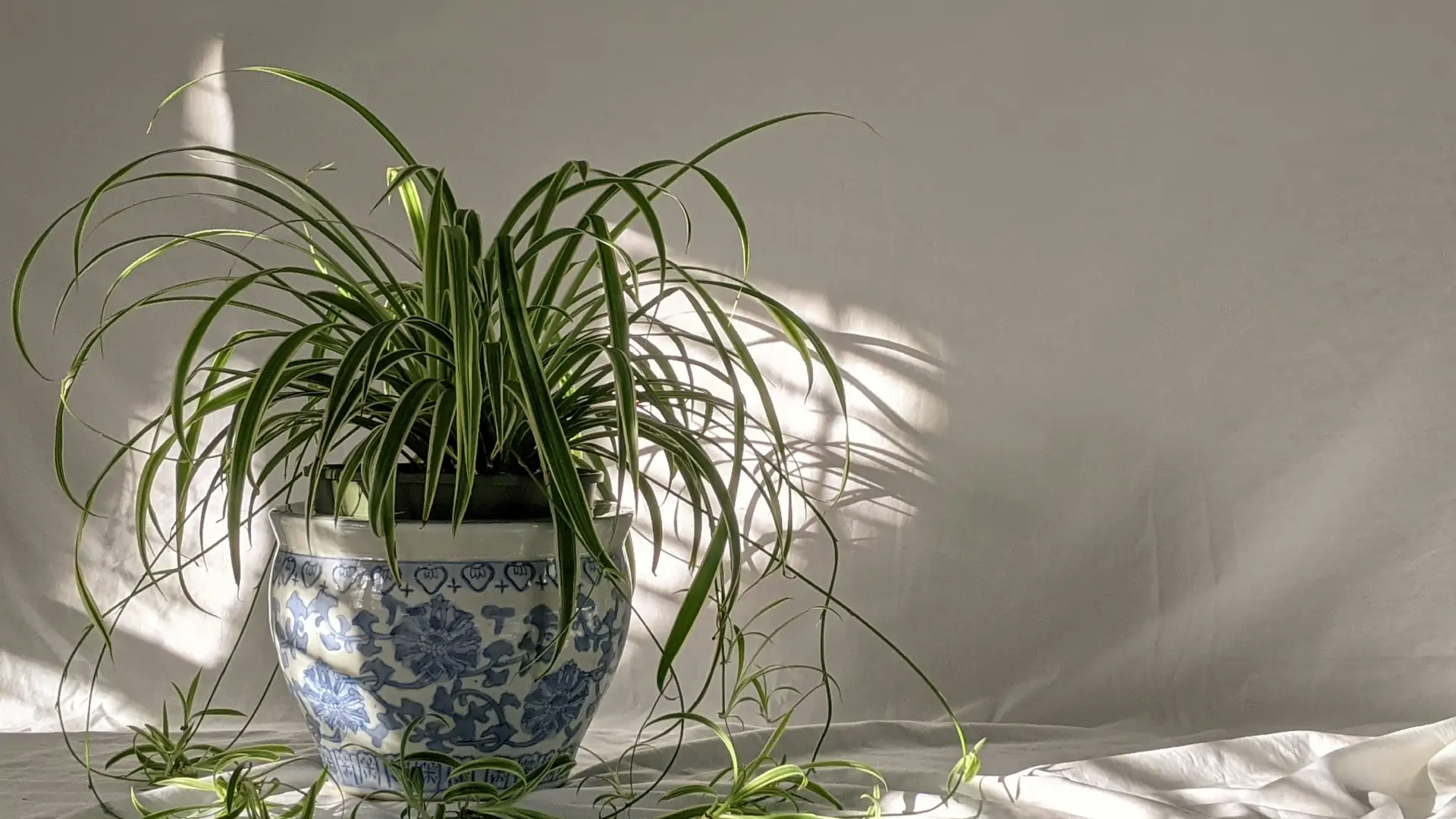
Brown tips, curling leaves, and bud drop often mean dry winter air-not bad watering. Learn the symptom patterns and a four-part check.
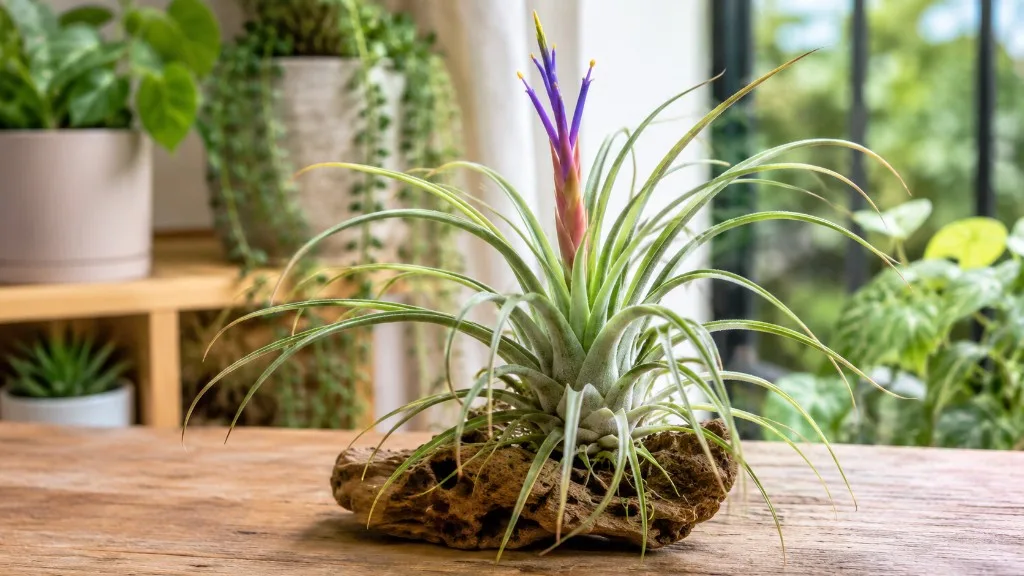
Six tillandsia mistakes that kill air plants indoors - mist-only watering, closed globes, xeric/mesic mix-ups - plus soak-and-dry fixes and hub links.
Learn how to choose, build, and maintain a DIY moss pole for climbing aroids - materials by plant size, training ties, watering, and troubleshooting.
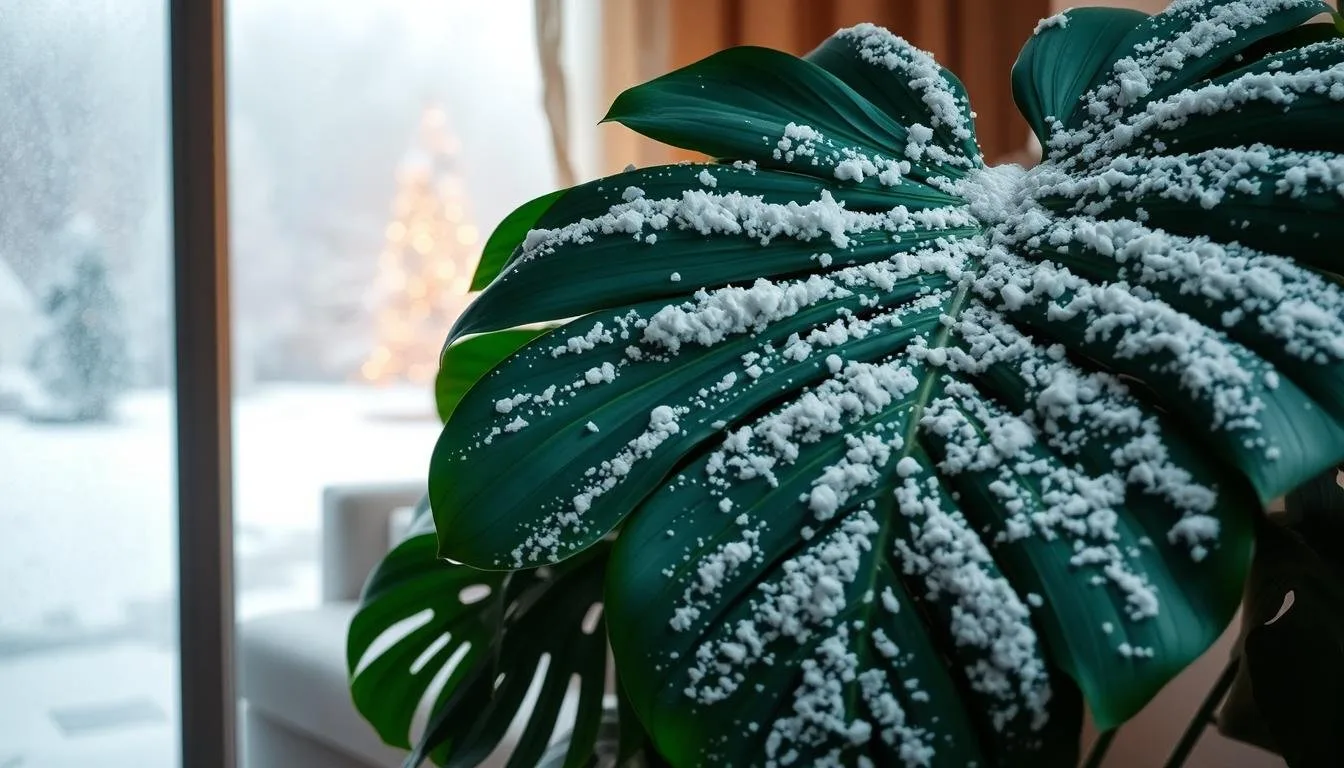
Learn why Monstera fenestration happens, when leaves split, and the light/support setup that encourages mature holes-without myths or shortcuts.
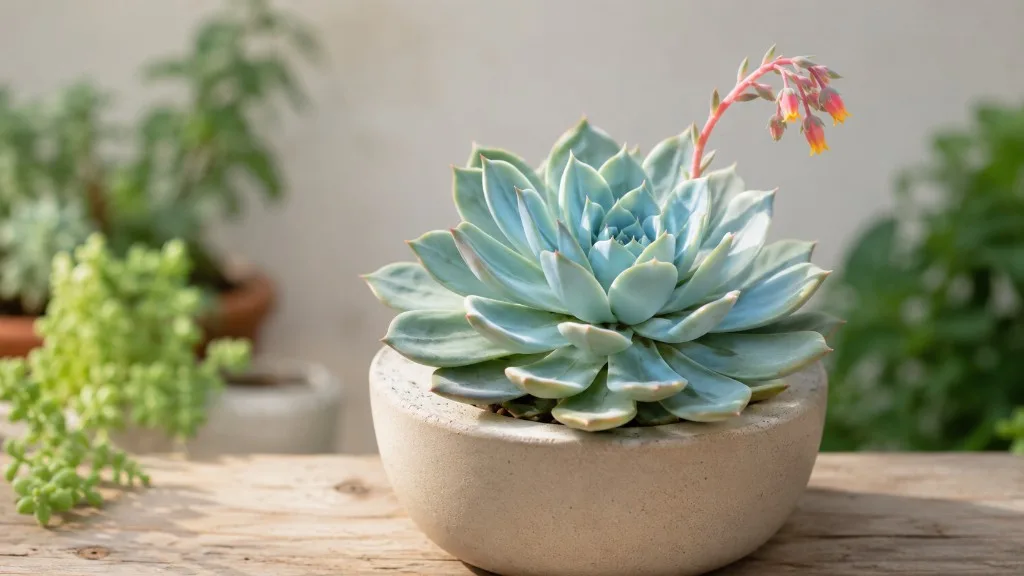
Stop overwatering succulents indoors. This beginner guide covers soak-and-dry watering, gritty soil, light bands by species, symptom photos, and links to species hubs.
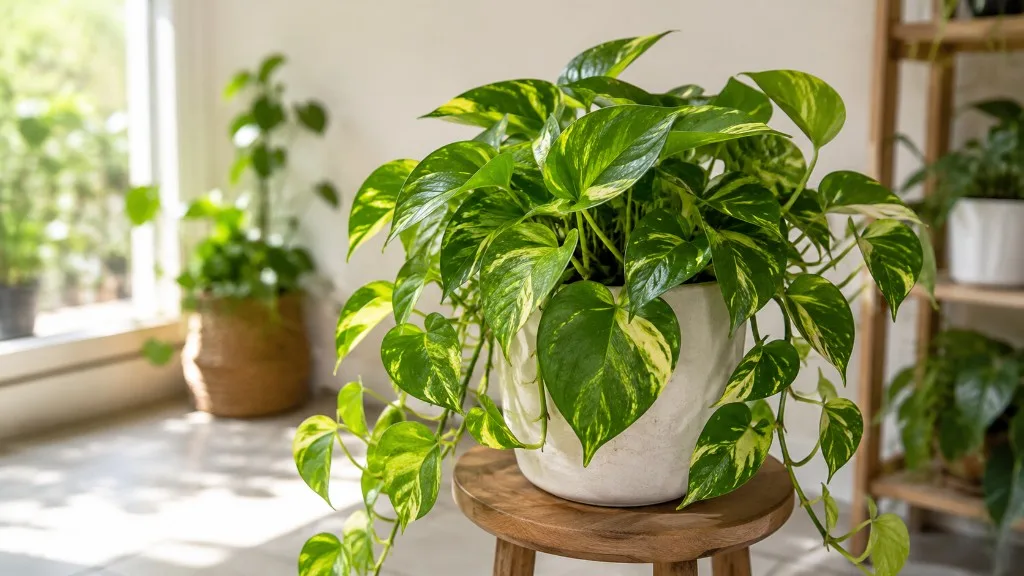
This pothos care guide explains bright indirect light, when to water, drainage, variegated cultivar needs, and how to fix yellow or leggy leaves indoors.
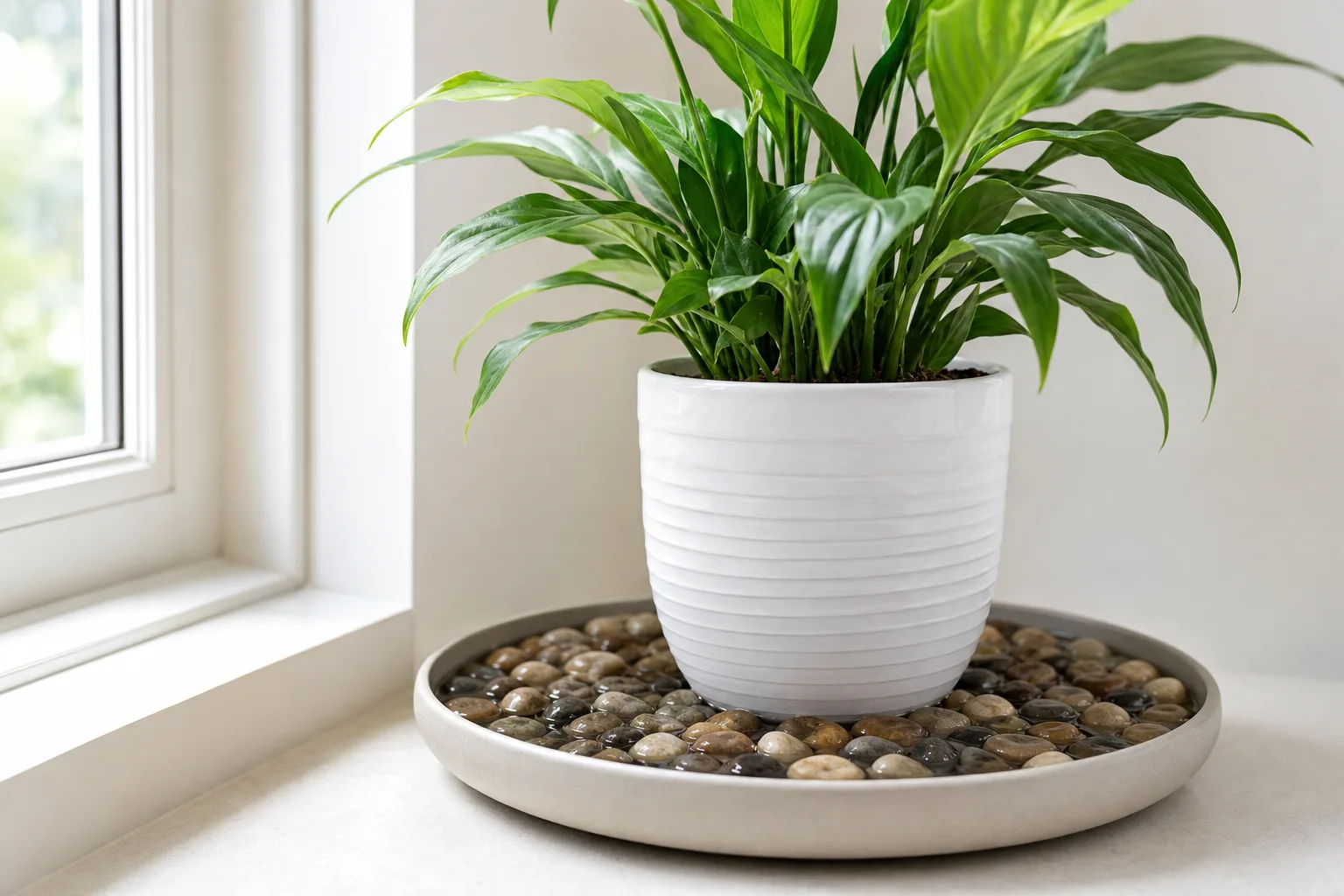
Build a DIY pebble tray for indoor plants with tray sizing, waterline rules, material choices, maintenance steps, and the failure modes to avoid.
Indoor plant watering basics in one screen: finger depth, saucer emptying, species dry windows, and triage for wet soil with yellow leaves.
Learn when to repot Monstera deliciosa, spot root-bound signs, size up only 1–2 inches, choose chunky aroid mix, and avoid transplant shock with this step-by-step guide.
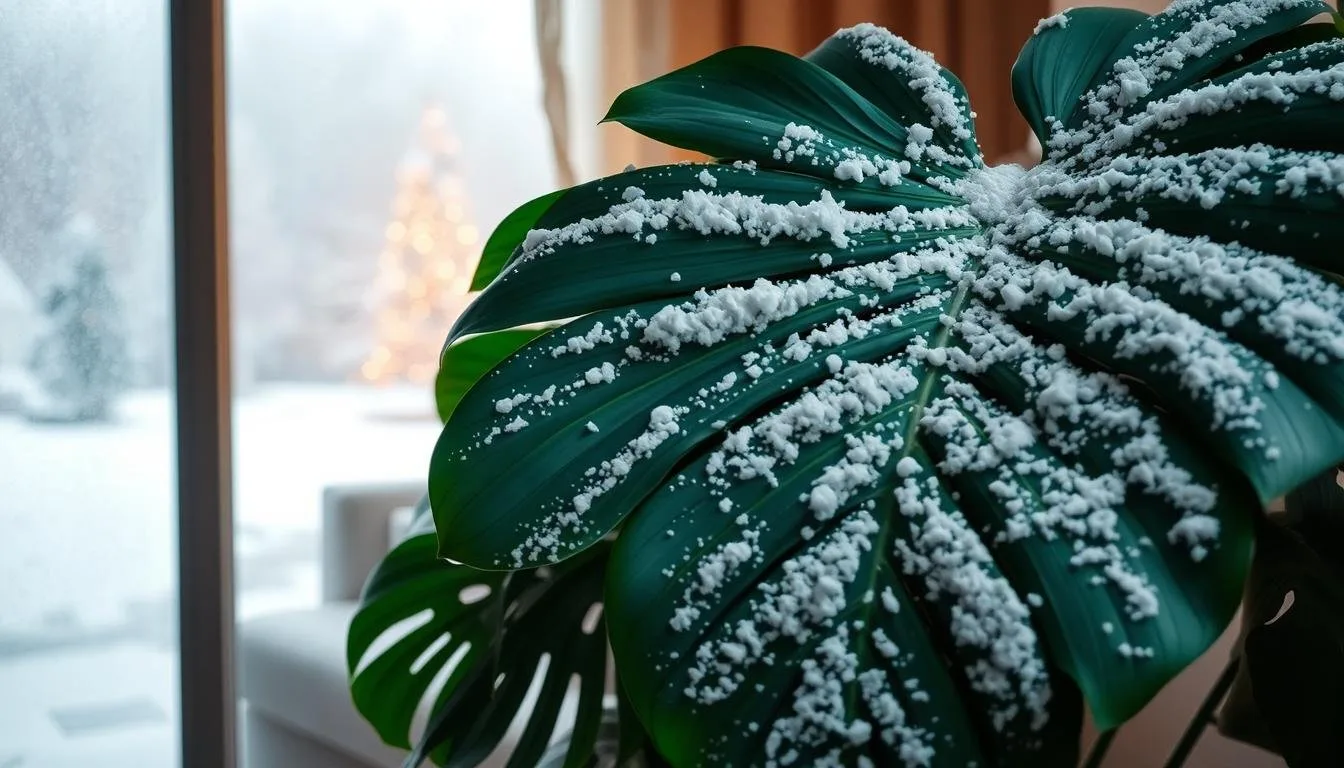
Learn how to water, light, and humidify Monstera deliciosa in winter without root rot, yellow leaves, or dry heater damage.
A practical guide to watering indoor plants, including soil checks, drainage, plant types, seasonal changes, and signs of too much or too little water.
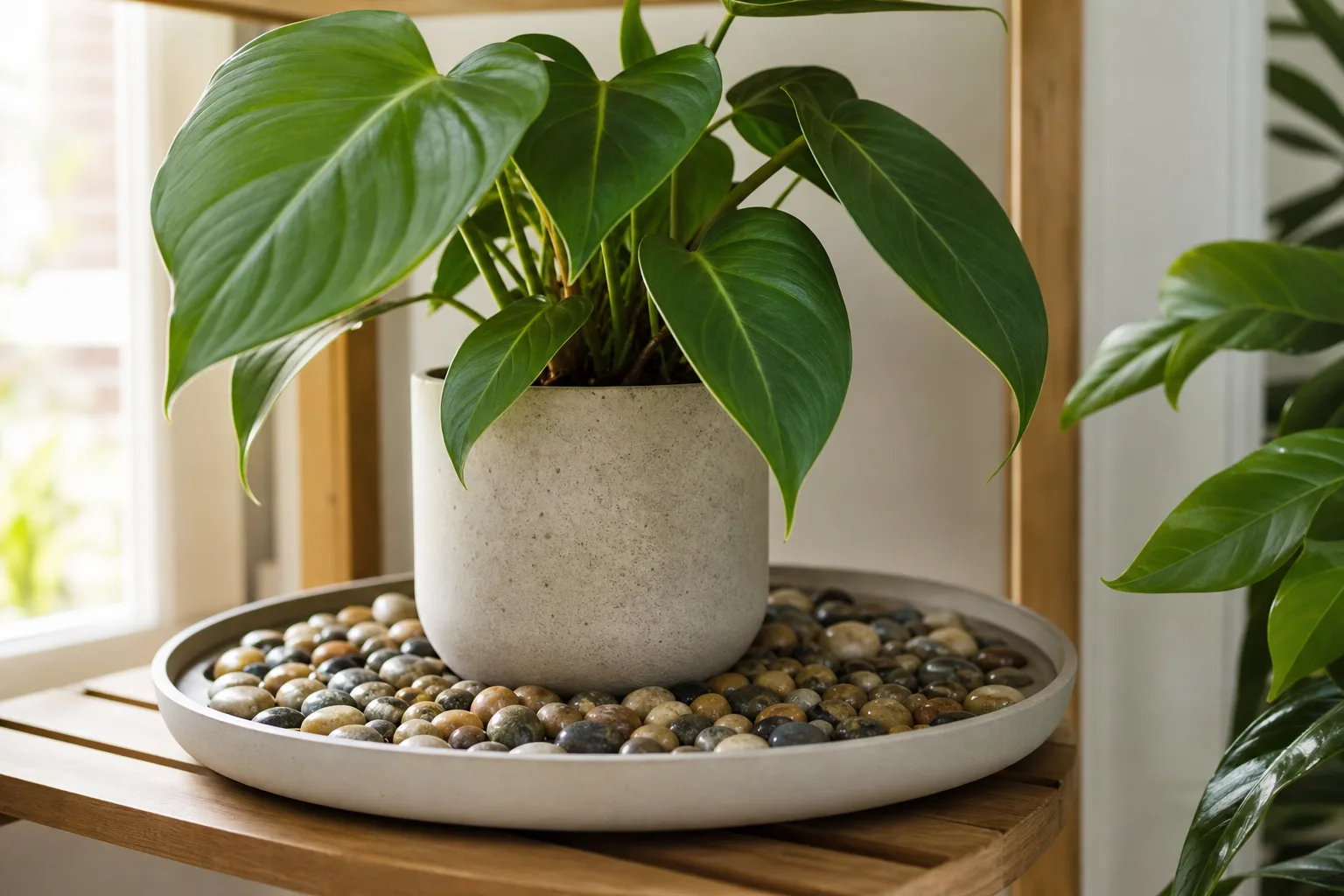
Can pebble trays prevent crispy leaves? Use a 5-cause triage (humidity, water, salts, heat, fluoride) to diagnose first, then test a tray as one controlled variable.
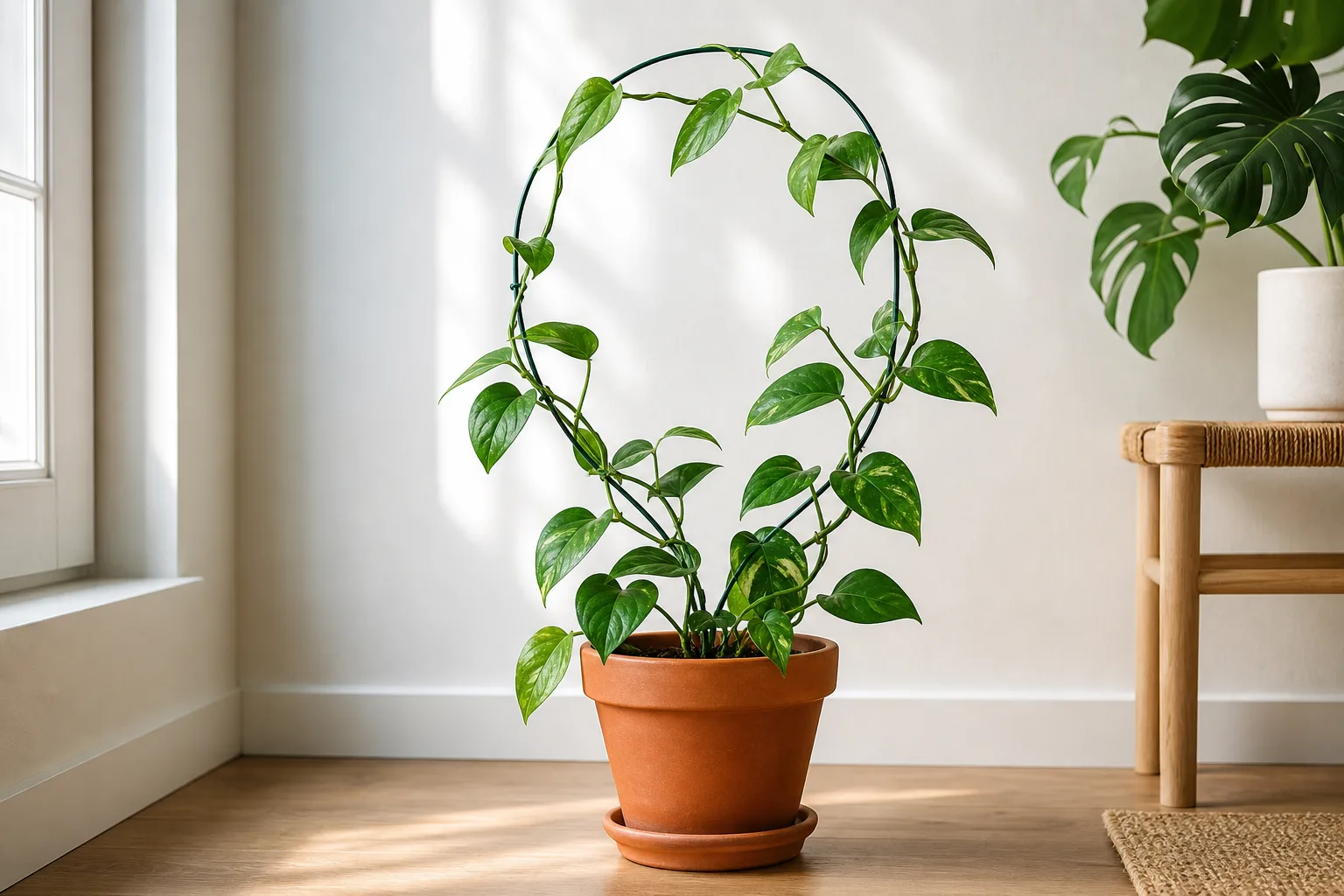
Build a stable DIY indoor plant trellis with bamboo ladder, wire hoop, and shelf string designs-materials lists, sizing formulas, training ties, and mistakes to avoid.
Learn pruning indoor plants with clear steps, timing, tools, plant-specific tips, common mistakes, and aftercare for healthier growth.
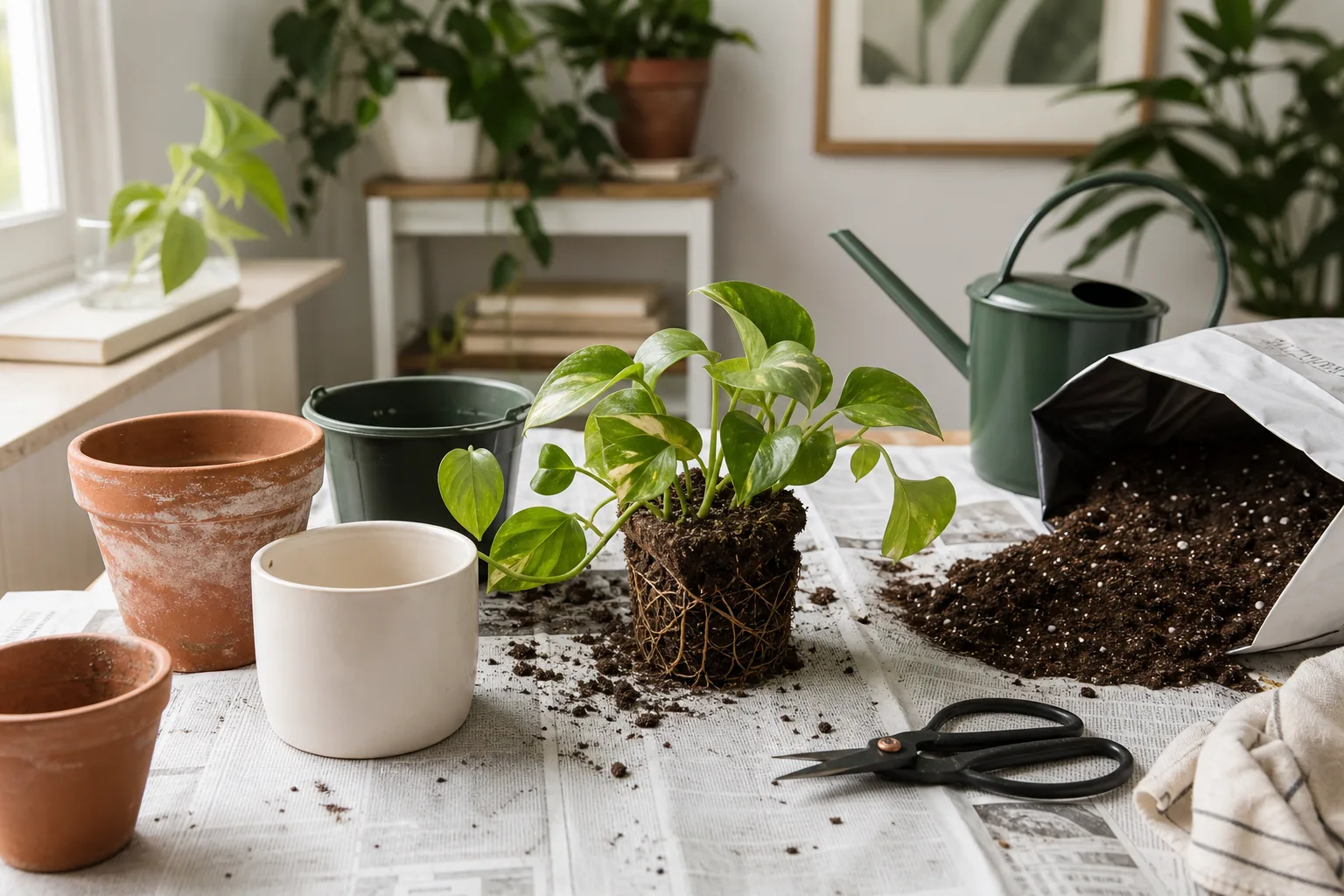
Learn when a houseplant actually needs repotting, how much bigger the new pot should be, which soil mix to use, and how to reduce transplant shock.
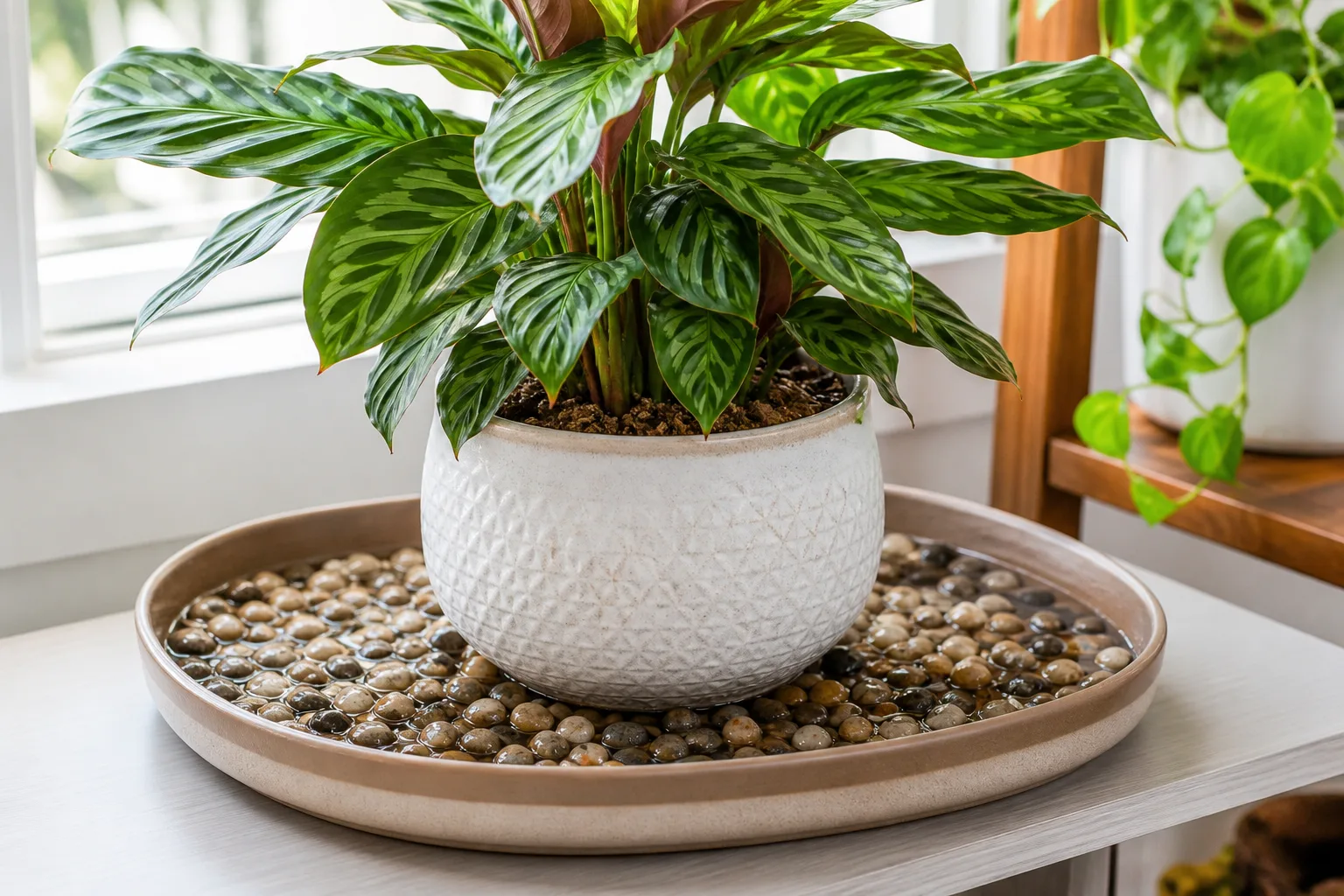
Get clear pebble tray FAQs on setup, water level, refills, LECA, mold, fungus gnats, calatheas, ferns, and realistic humidity limits.
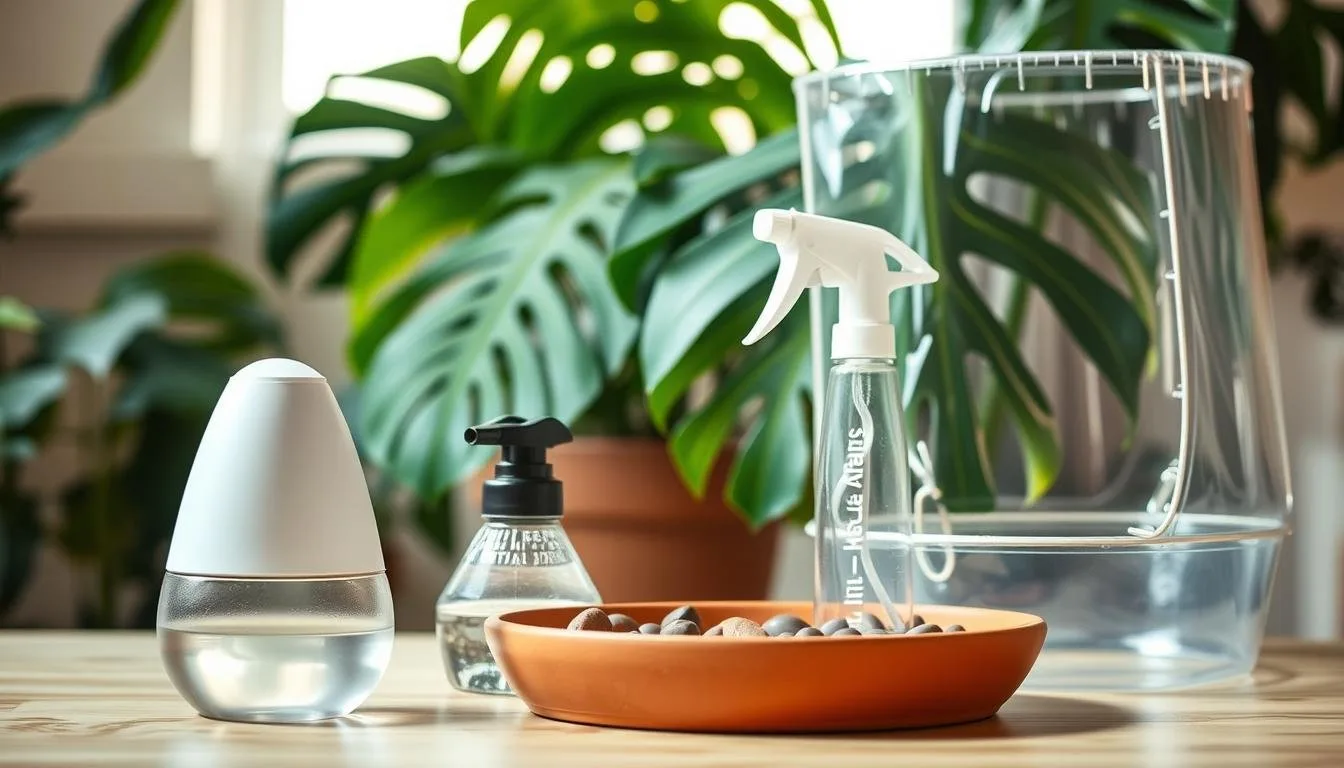
Summer houseplant care: adjust watering for heat, protect plants from AC dry drafts, check humidity with a hygrometer, and fix scorch before leaves crisp.
Is Monstera deliciosa an indoor plant? Yes - learn survive vs. thrive, deliciosa vs. adansonii, window placement, pet safety, and when to pick an easier plant.

Yellow Monstera leaves? Learn how wet versus dry soil, leaf texture, light, roots, and pests reveal the cause-and what to change first.
Build a 36-inch step-style tiered plant stand with our cut list, screw schedule, assembly photos, and load-planning tips for herbs, succulents, and houseplants.
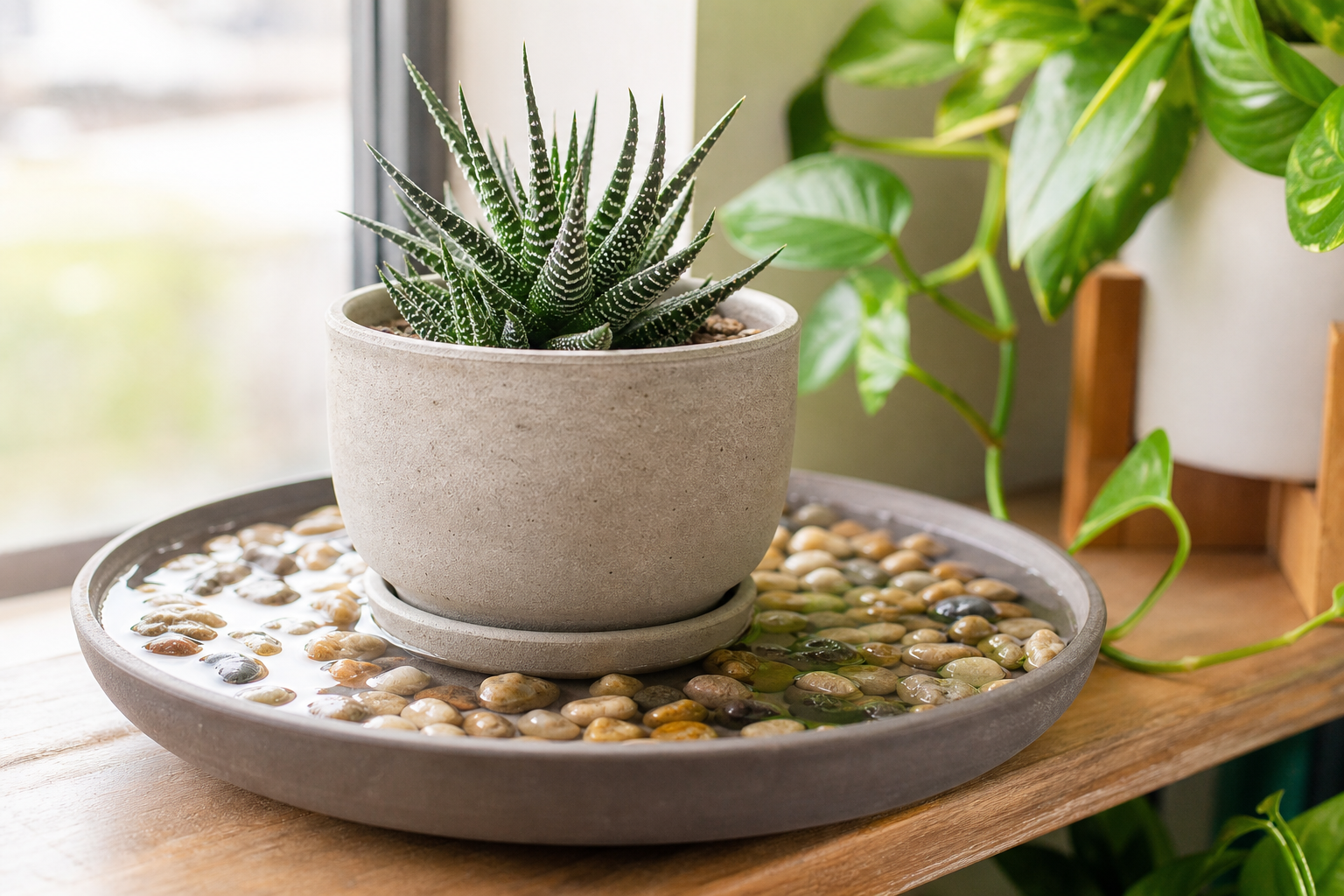
Usually no for desert succulents and cacti. See when a pebble tray helps (holiday cacti), species-fit table, safe setup steps, and better fixes.
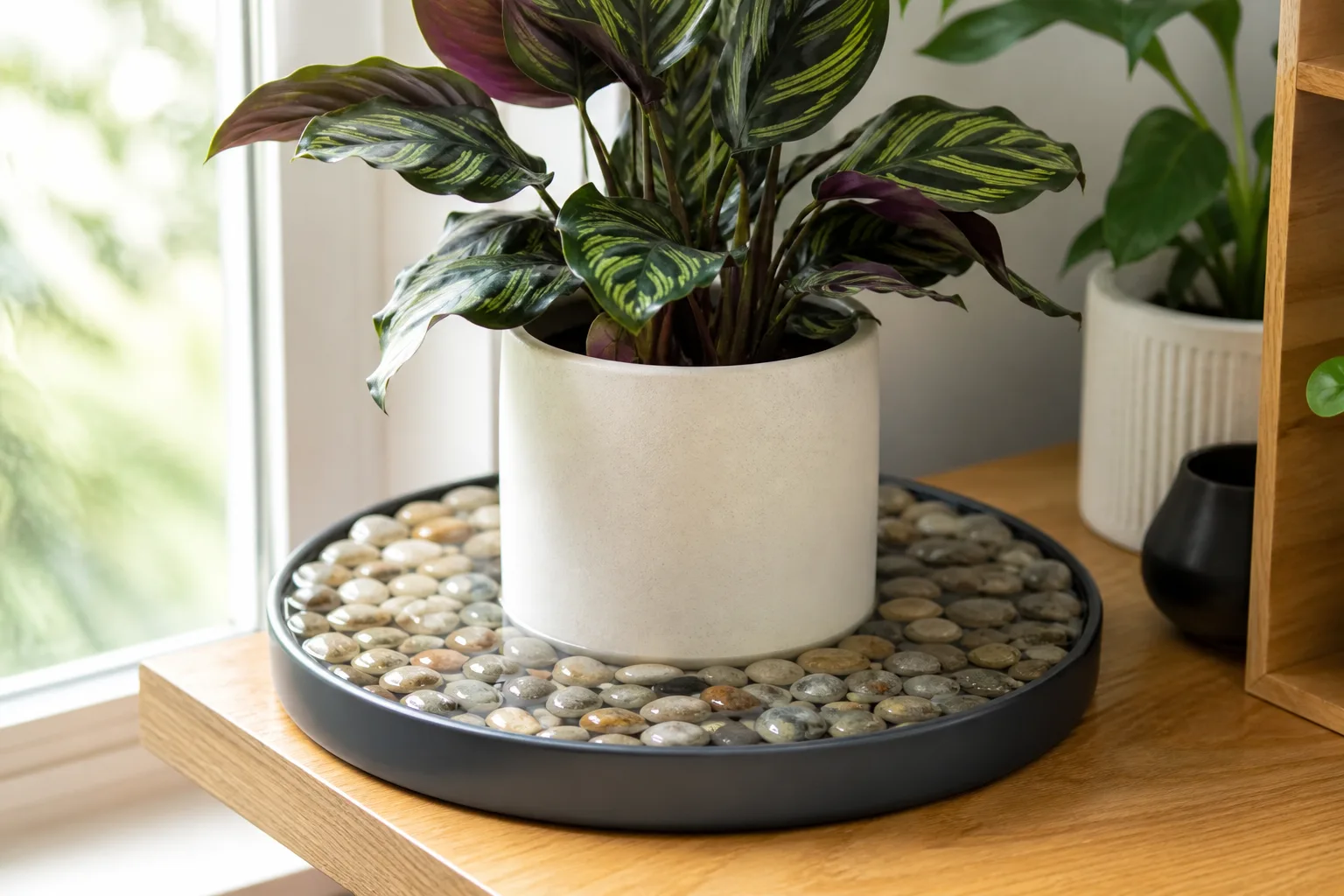
DIY pebble tray for tropical houseplants: which plants fit, how wide the tray should be, four safe build steps, and when a humidifier wins instead.
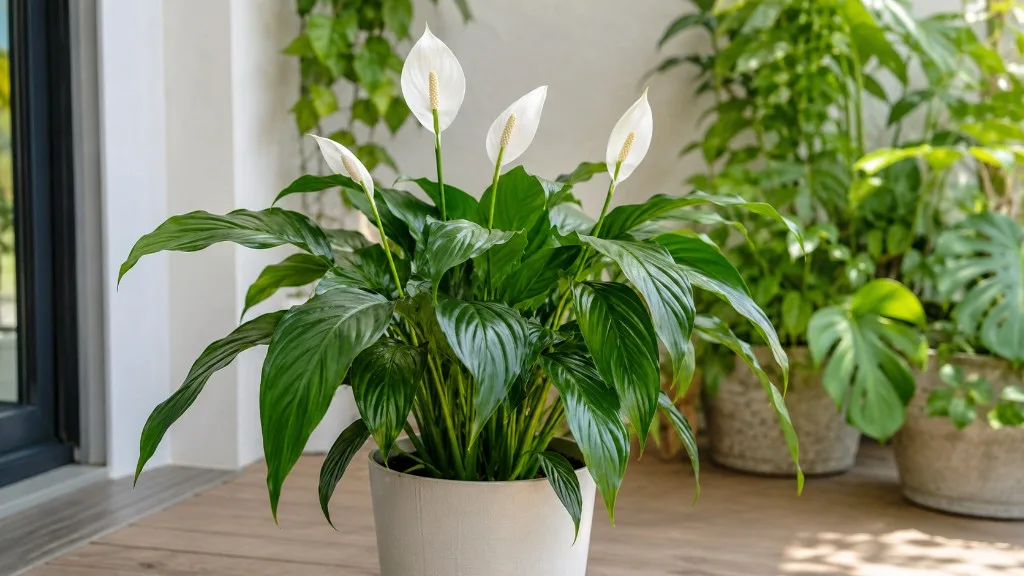
Peace lily care for beginners: bright indirect light, smart watering, drainage, reblooming, air-purifier myth correction, pet toxicity, and symptom routing.
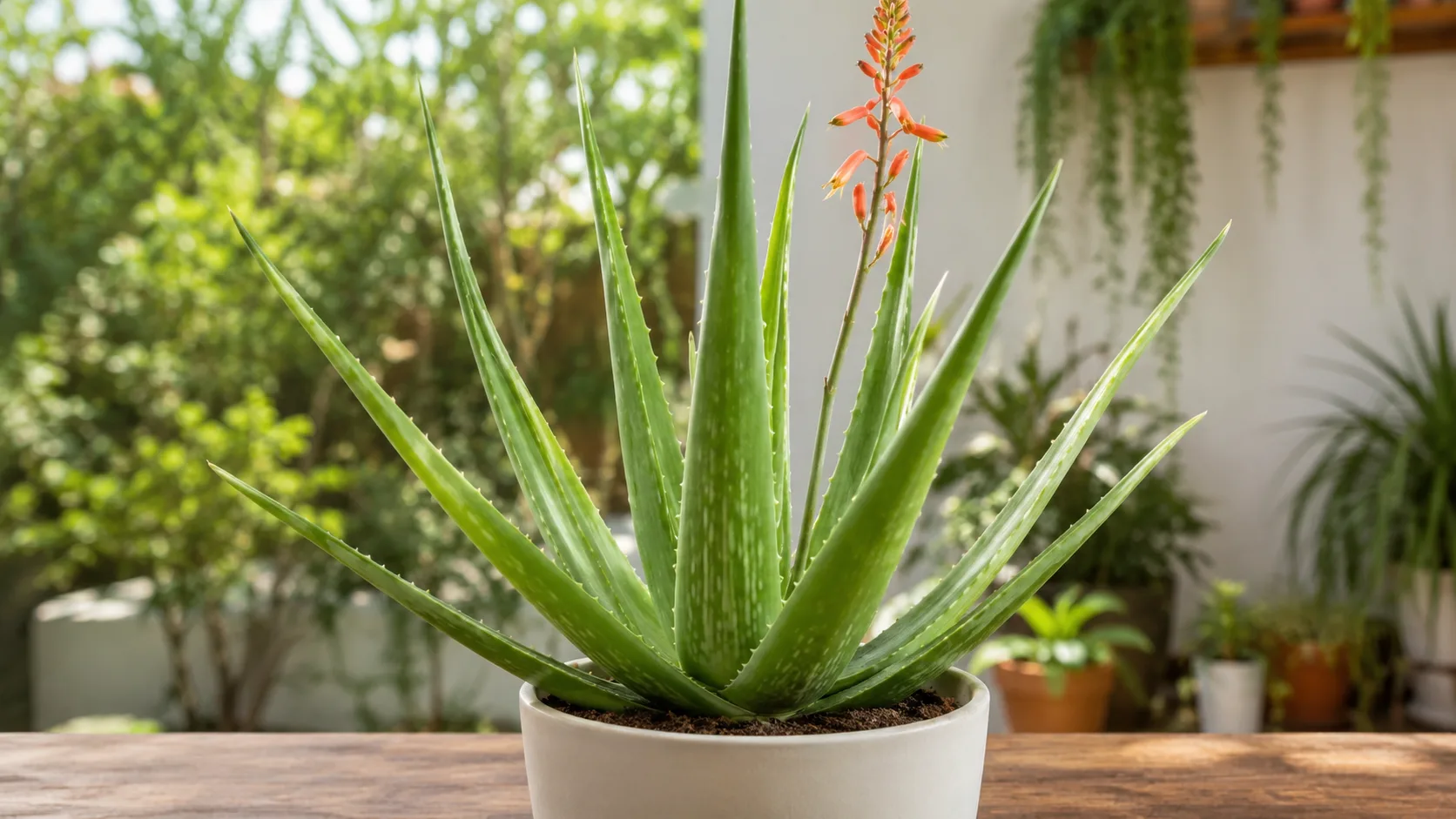
Most aloe vera deaths come from kindness, not neglect. See six beginner mistakes, diagnostic photos, and links to the LeafyPixels aloe hub.
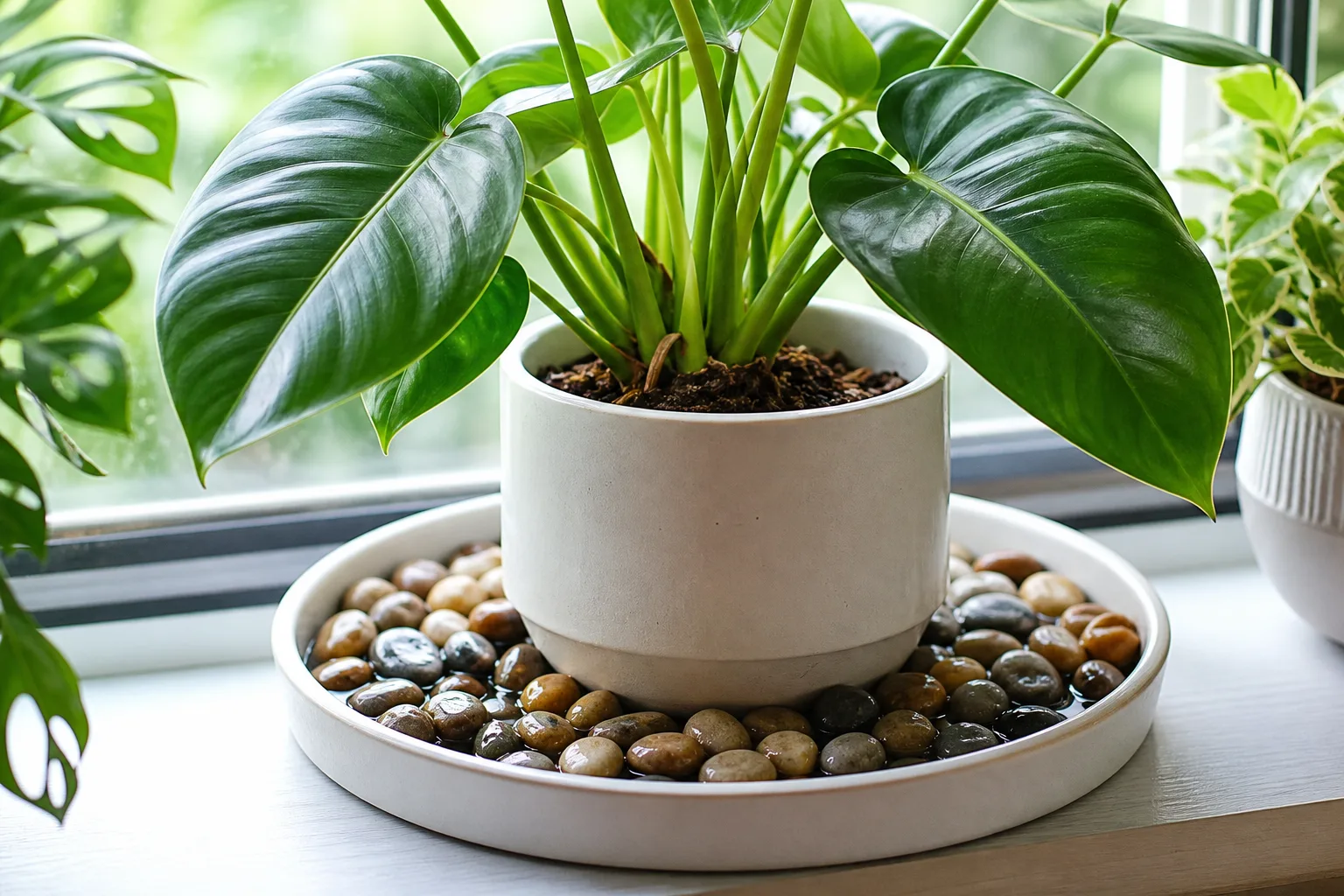
Make a DIY pebble tray for houseplants with the right tray, pebble depth, and water line-plus realistic humidity limits and cleaning advice.
Sparse Monstera? Stack brighter light, strategic pruning, and same-pot cuttings. Nine numbered fixes for fuller Monstera deliciosa indoors.
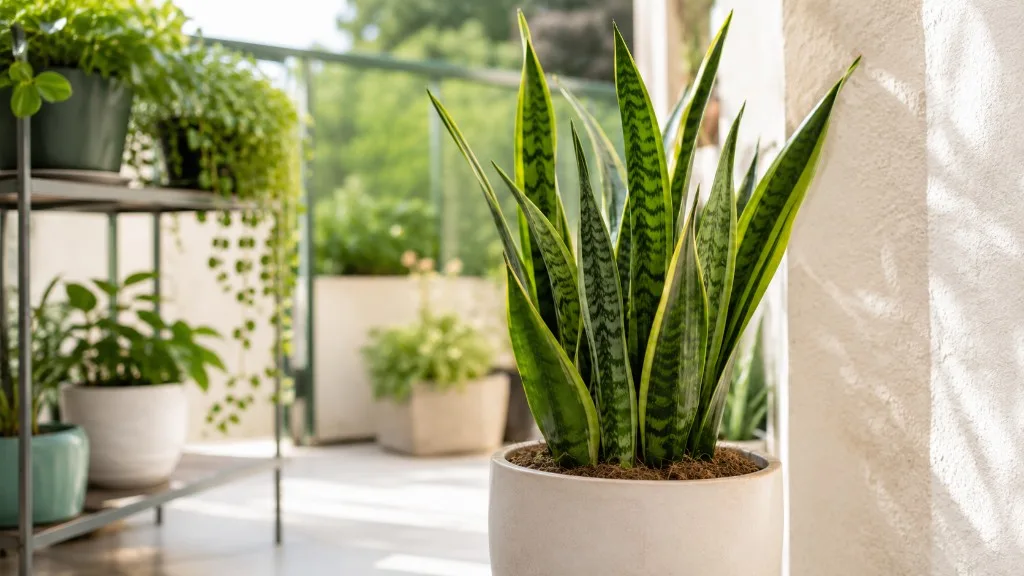
This snake plant care guide shows how to water, place, pot, feed, and troubleshoot your plant without overcomplicating it.
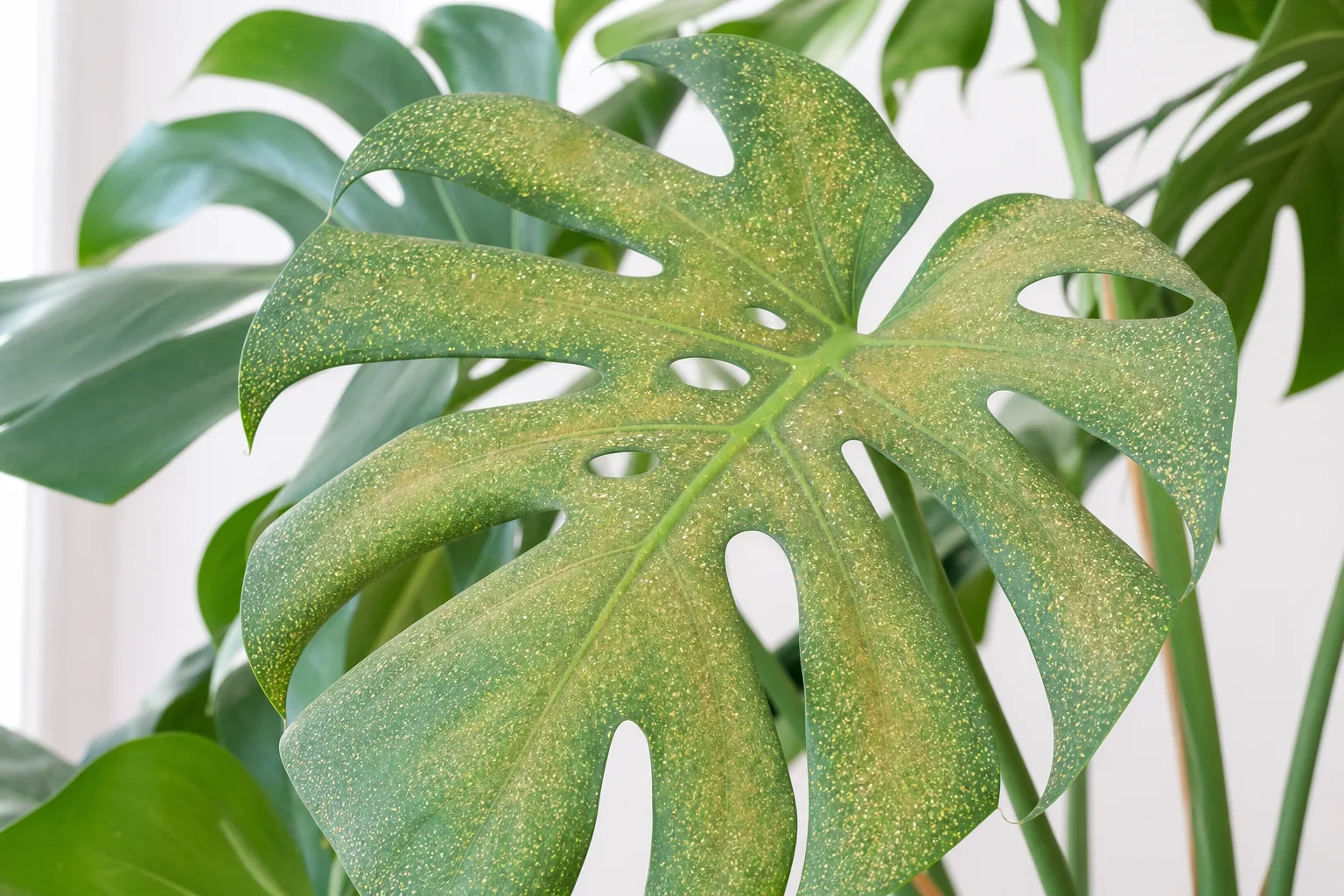
Use this Monstera pest and disease guide to identify thrips, mites, root rot, and leaf spot, then choose a safe treatment and prevention plan for indoor plants.
Learn Monstera deliciosa care for beginners with a first-week setup plan, clear light and watering rules, pet-safety notes, and early troubleshooting.
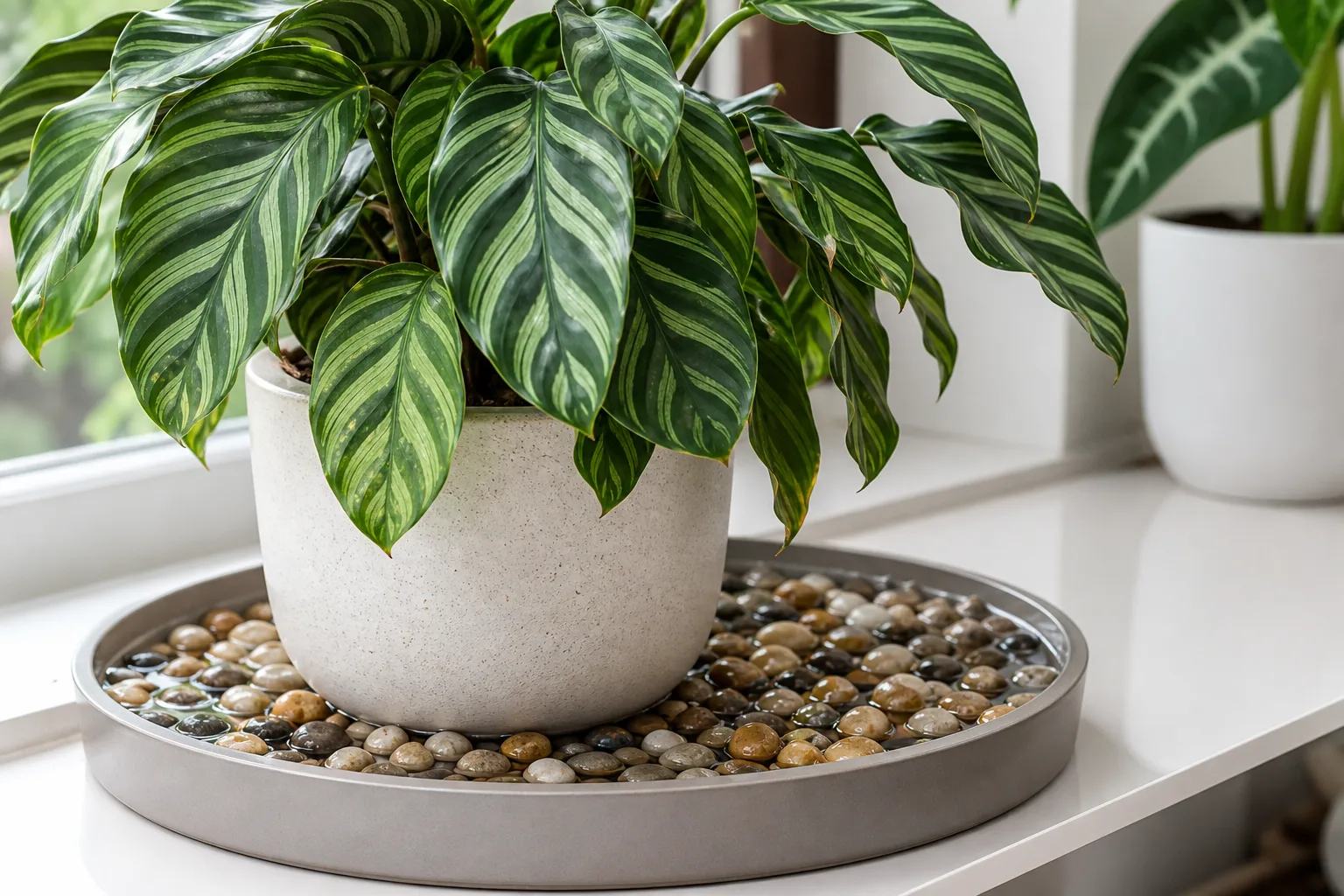
Compare pebble trays and humidifiers for houseplants: local vs room humidity, plant-type picks, EPA safety limits, and measured RH results.
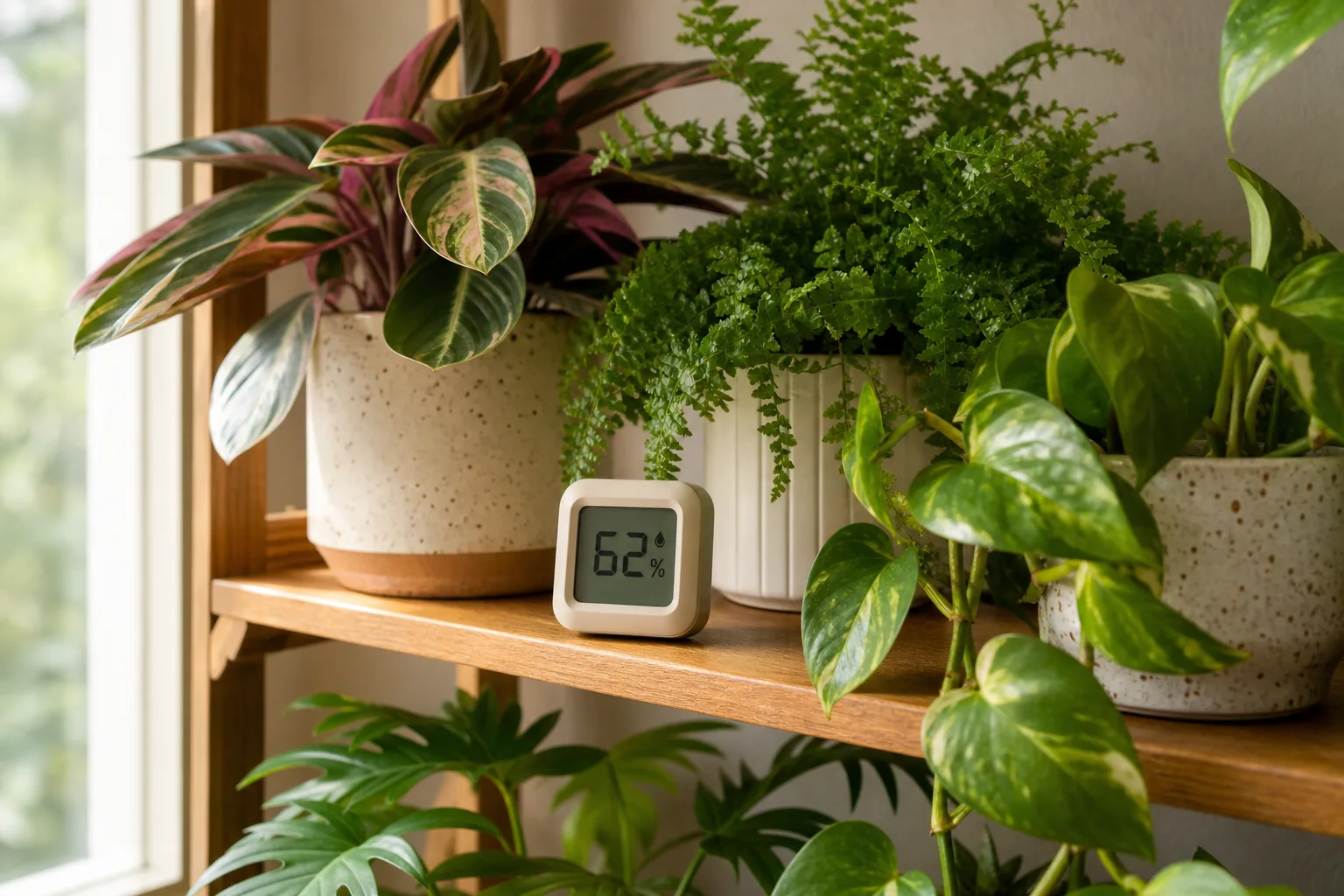
Learn what humidity indoor plants actually need, how to measure RH at leaf height, and when grouping, pebble trays, or humidifiers make sense.
Learn the safest way to clean Monstera deliciosa leaves-plain water, soft cloth, no shine sprays-and restore natural gloss without damaging foliage.
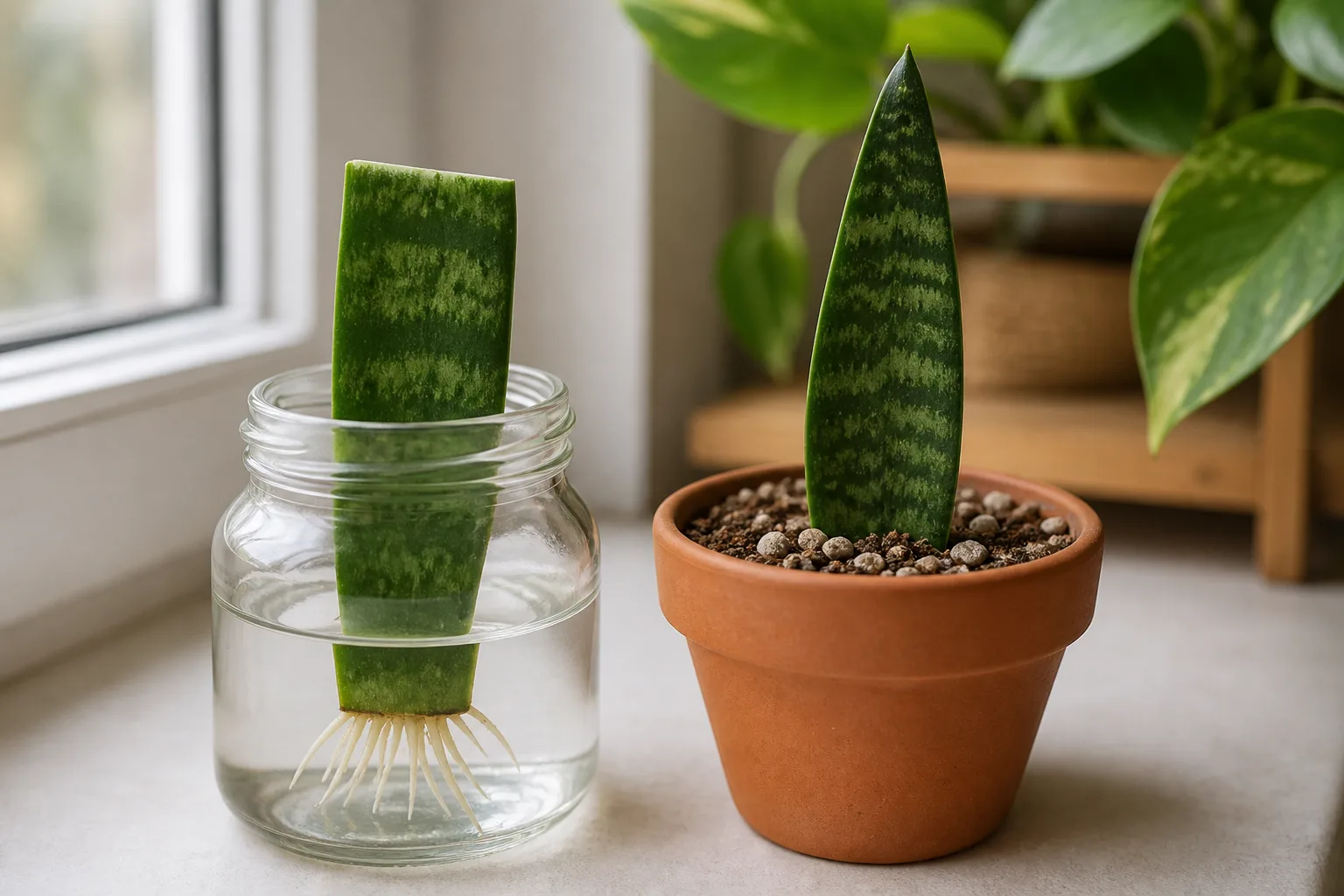
Water or soil for snake plant leaf cuttings? Compare visibility, rot risk, week-by-week timelines, variegation rules, and when division is the better choice.
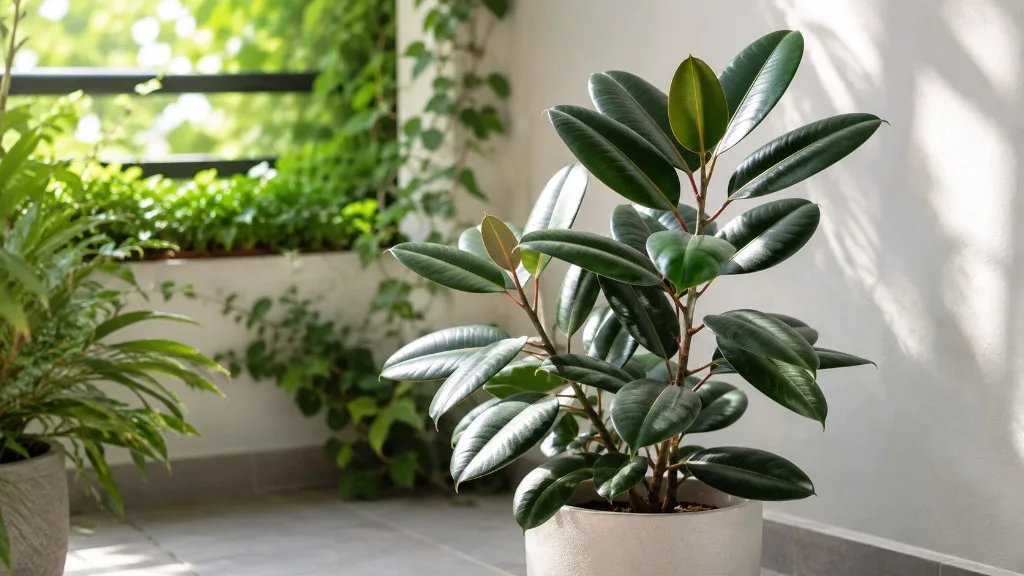
Learn why rubber plants fail in real homes, how light drives watering, variegation reversion, air-layering timelines, and when to use this guide vs. the full hub.
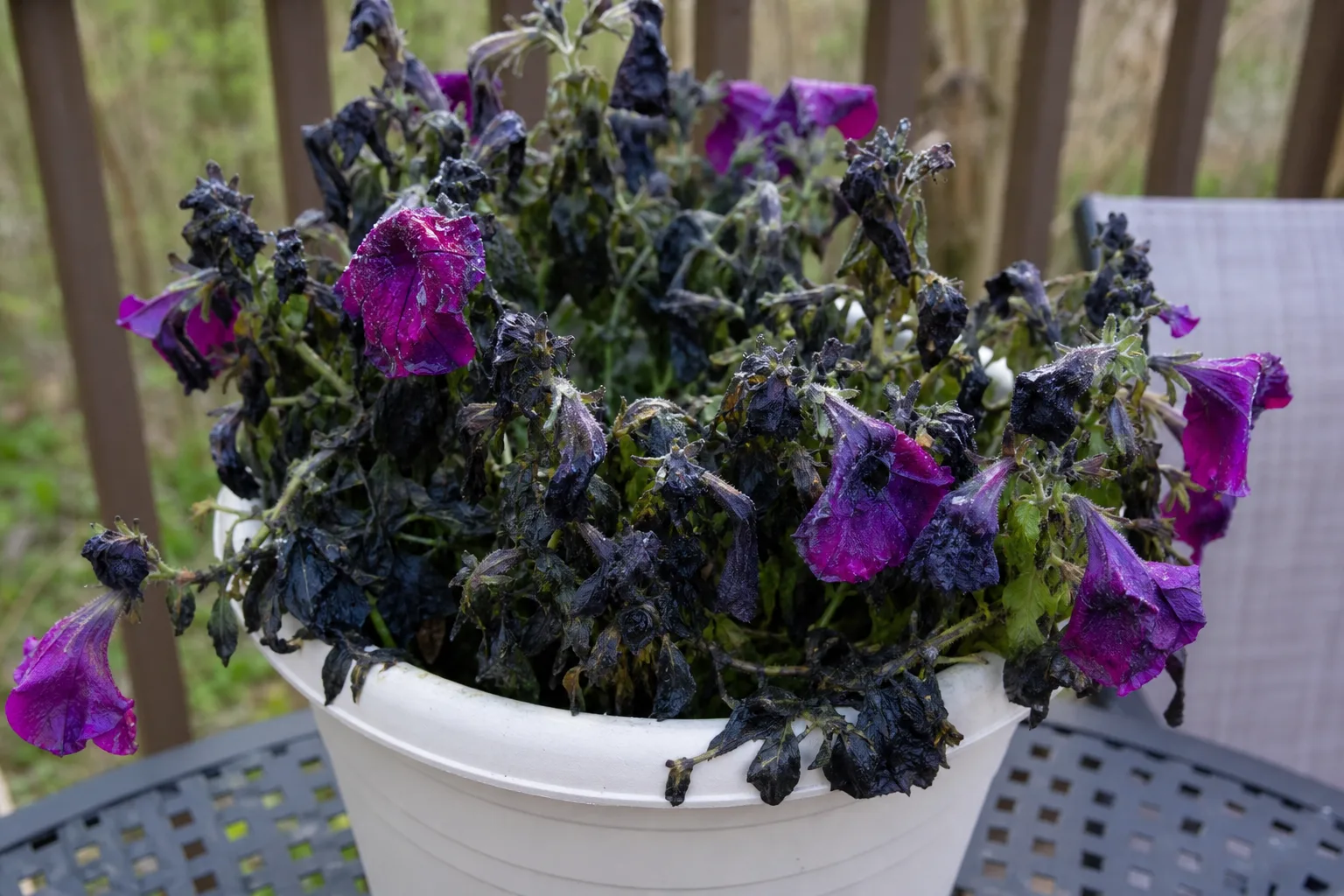
Container petunias need different winter care by climate. Learn when to protect, prune, overwinter, replace, or restart from cuttings.
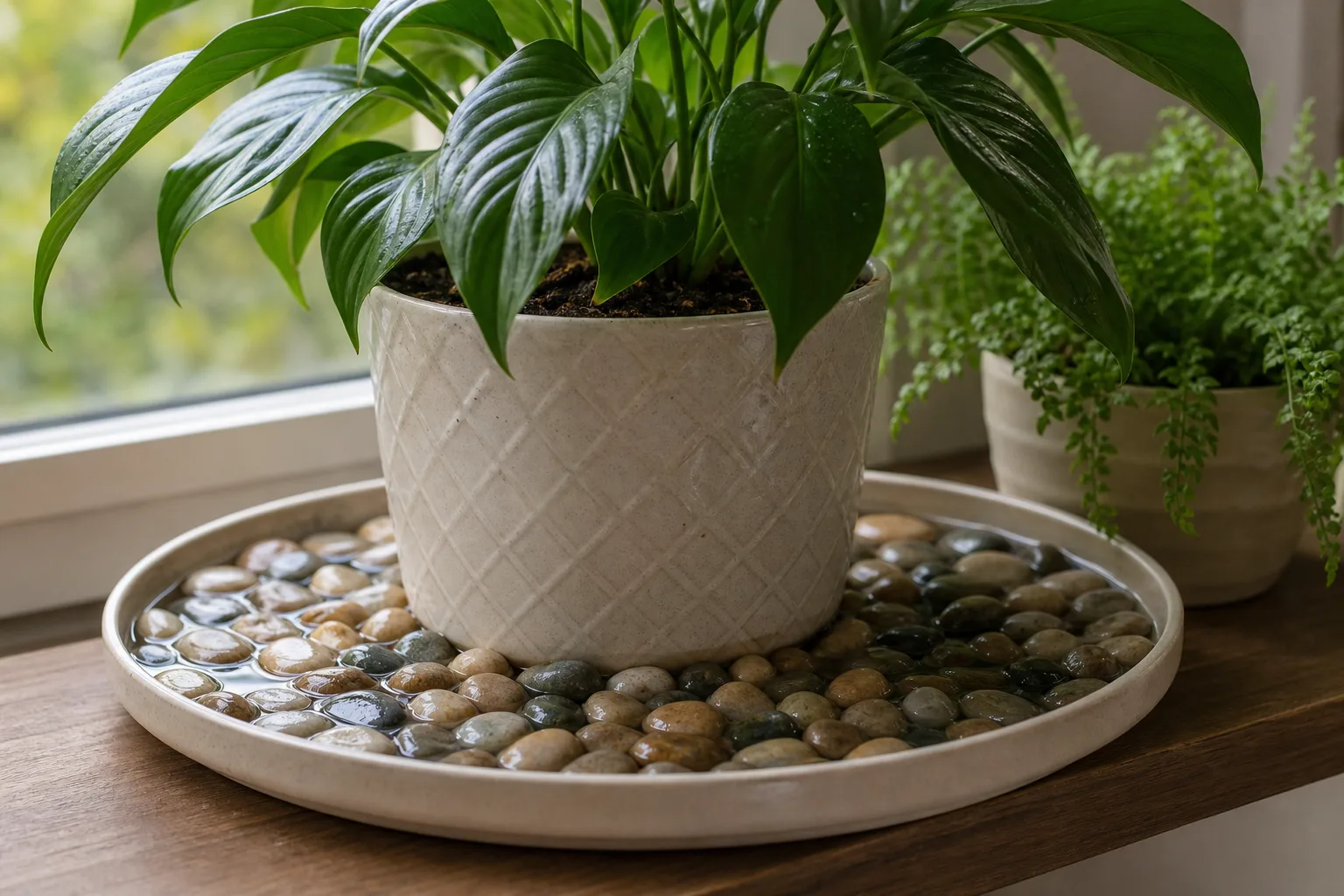
Learn what a pebble tray is, how it works, what it can and cannot do, and which houseplants are reasonable candidates.

Move beyond survival with five Monstera growth levers: light, watering, support, humidity, and feeding for larger leaves and steadier indoor growth.
Find the real cause of winter houseplant decline and fix low light, wet soil, dry air, drafts and pest problems without guessing.
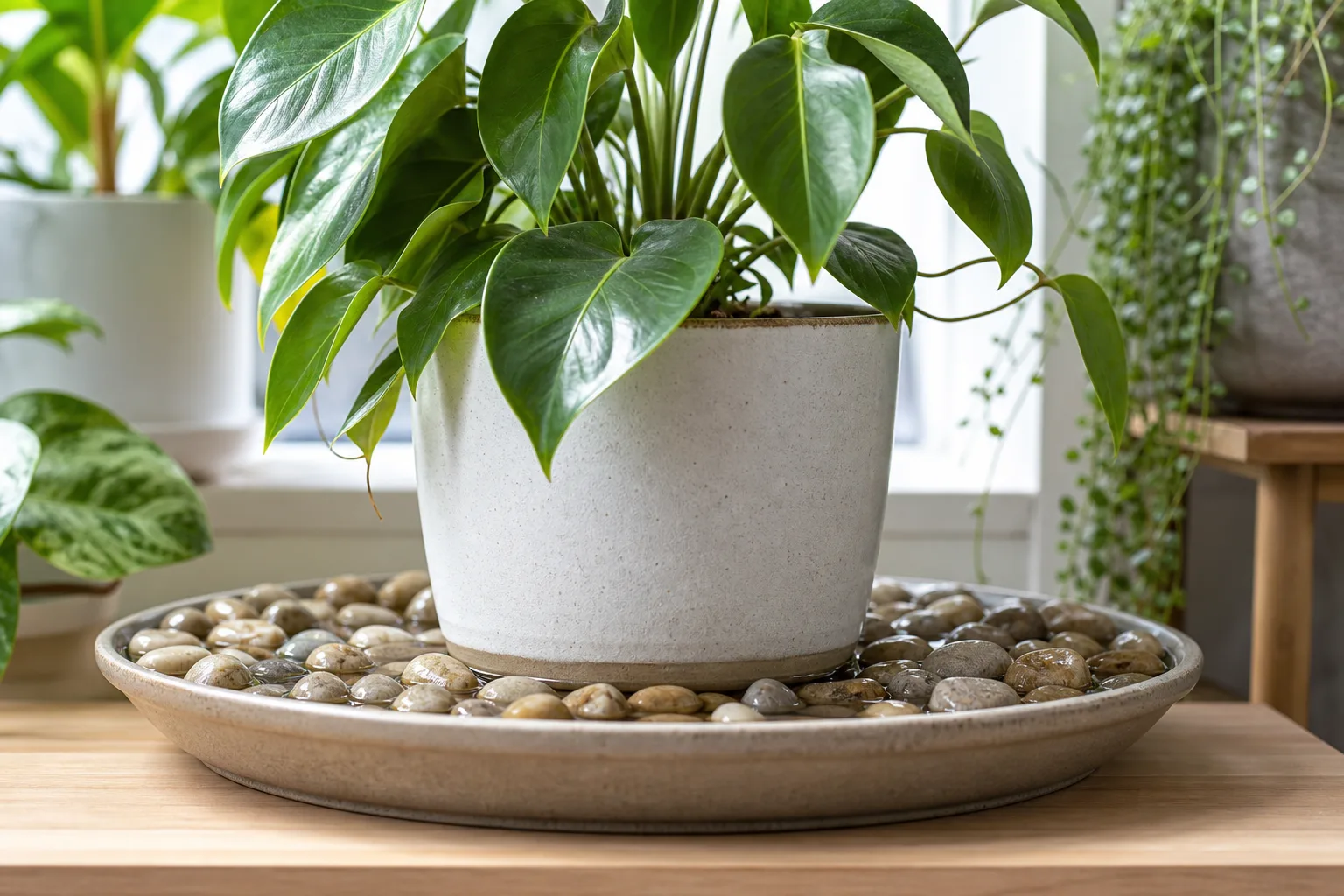
Can a pebble tray fix brown leaf tips? It may help when air is dry, but first check watering, fertilizer salts, tap water, drafts, and roots.
Use this Monstera light requirements guide to compare windows, measure usable light, prevent scorch, and choose a practical indoor placement.
Fertilizing indoor plants is simple when you match feeding to growth. Learn timing, dosage, fertilizer types, warning signs, and fixes.
Ratio recipes by plant type, ingredient functions, DIY blends, store-bought label tips, and common mix mistakes that cause root rot indoors.
Discover the top 5 most fragrant indoor plants, how each smells, where to place them, and how to keep them blooming indoors.
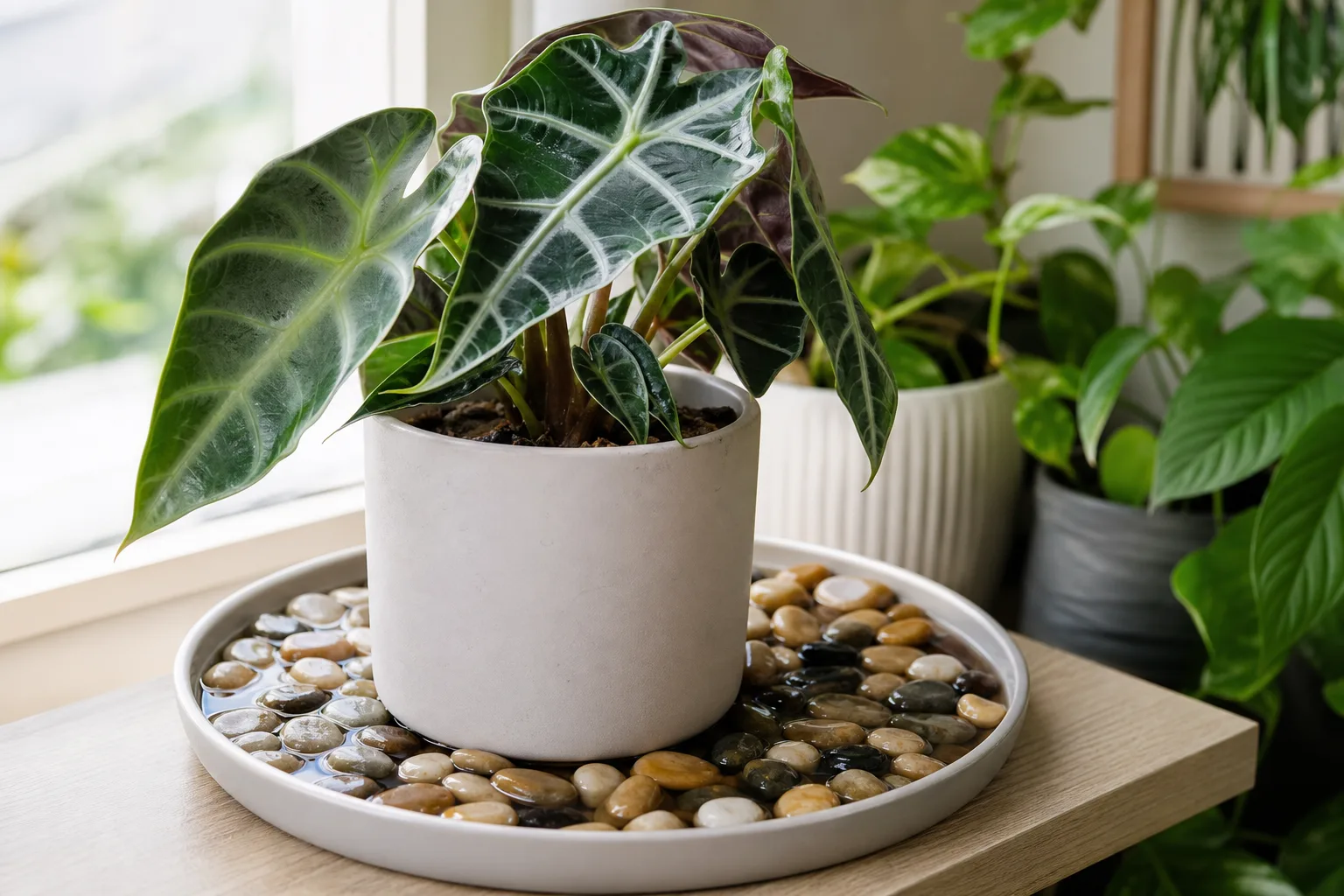
Five pebble tray layouts for apartments and small rooms-windowsill, desk, shelf, living room, and bathroom-with sizing, materials, and build steps.
Ten forgiving indoor plants for busy North American homes, with light and watering fit, pet notes, travel tips, and links to full care guides.
New to Monstera propagation? Pick water, soil, or air layer with a comparison table, cut rules, and 30-day aftercare for healthy roots.
Grow fuller container petunias with the right pot size, mix, watering rhythm, fertilizer, and midseason trim - plus variety matching for baskets and patio pots.
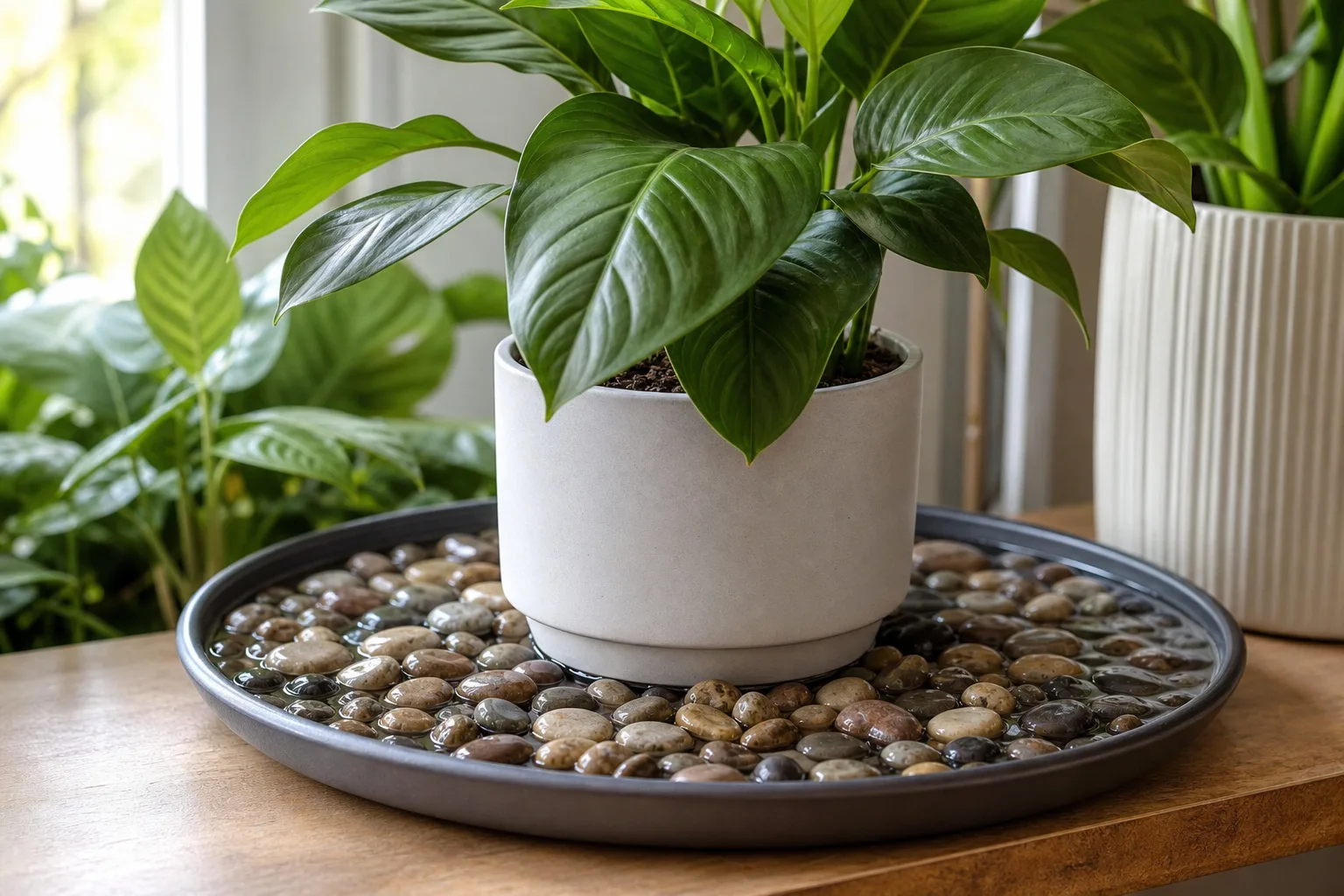
Stop soap rings and counter puddles with a DIY pebble tray sized for vanity and sink zones. Includes tray dimensions, glue choices, EPA mold tips, and a one-week build log.
Why Watering Monstera Deliciosa Is So Easy to Get Wrong Monstera deliciosa is forgiving, but its watering advice gets oversimplified fast. That is where most…
Set up a pebble tray correctly: wide shallow tray, 1–2 in. pebbles, water below the pot base, plus placement and maintenance tips.
Integrated pest management for indoor plants - step-by-step workflow, lifecycle timing, and a three-week treatment log you can copy.
Use this Monstera care 101 checklist for light, watering, drainage, support, pet safety, and the fastest symptom-to-fix routing.
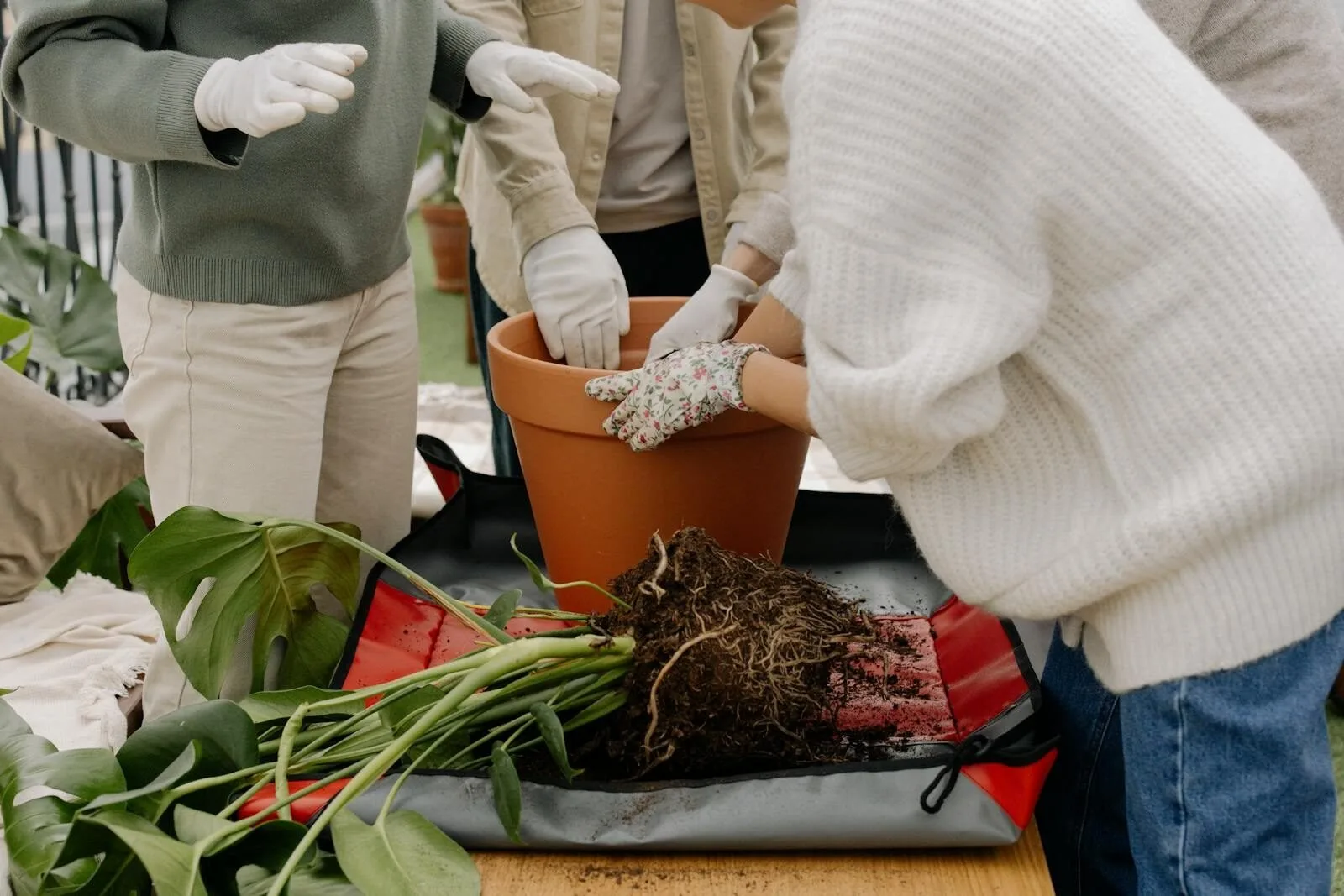
Diagnose a leggy Monstera deliciosa, rule out wet-soil trouble, then improve future growth with better light, support, pruning, and propagation.
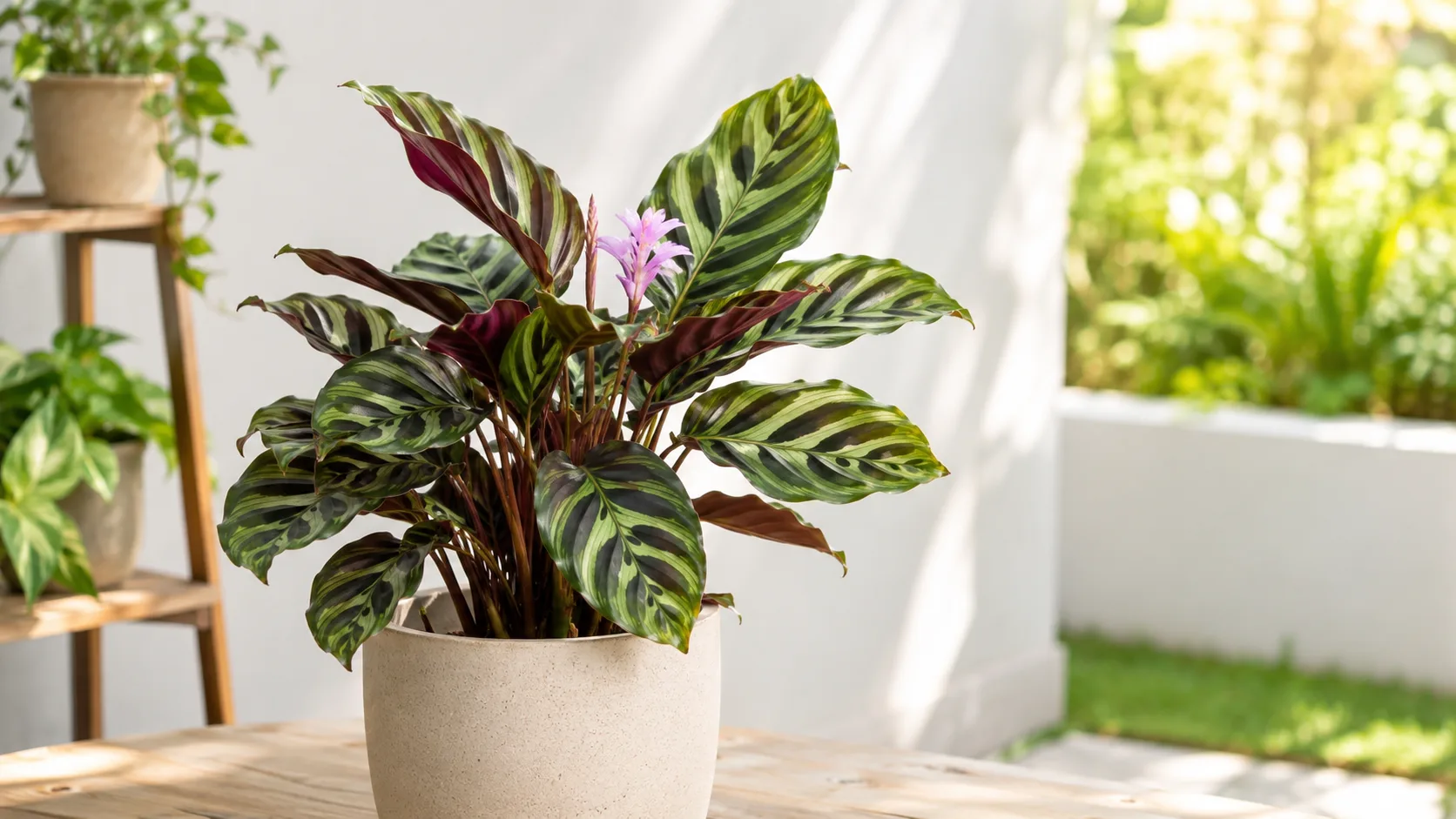
A practical calathea care guide covering bright indirect light, even moisture, humidity targets, soil mix, watering checks, and variety picks for beginners.
Learn Monstera care for your first 90 days: light, watering, support, repot timing, pet safety, and the symptom patterns beginners misread.
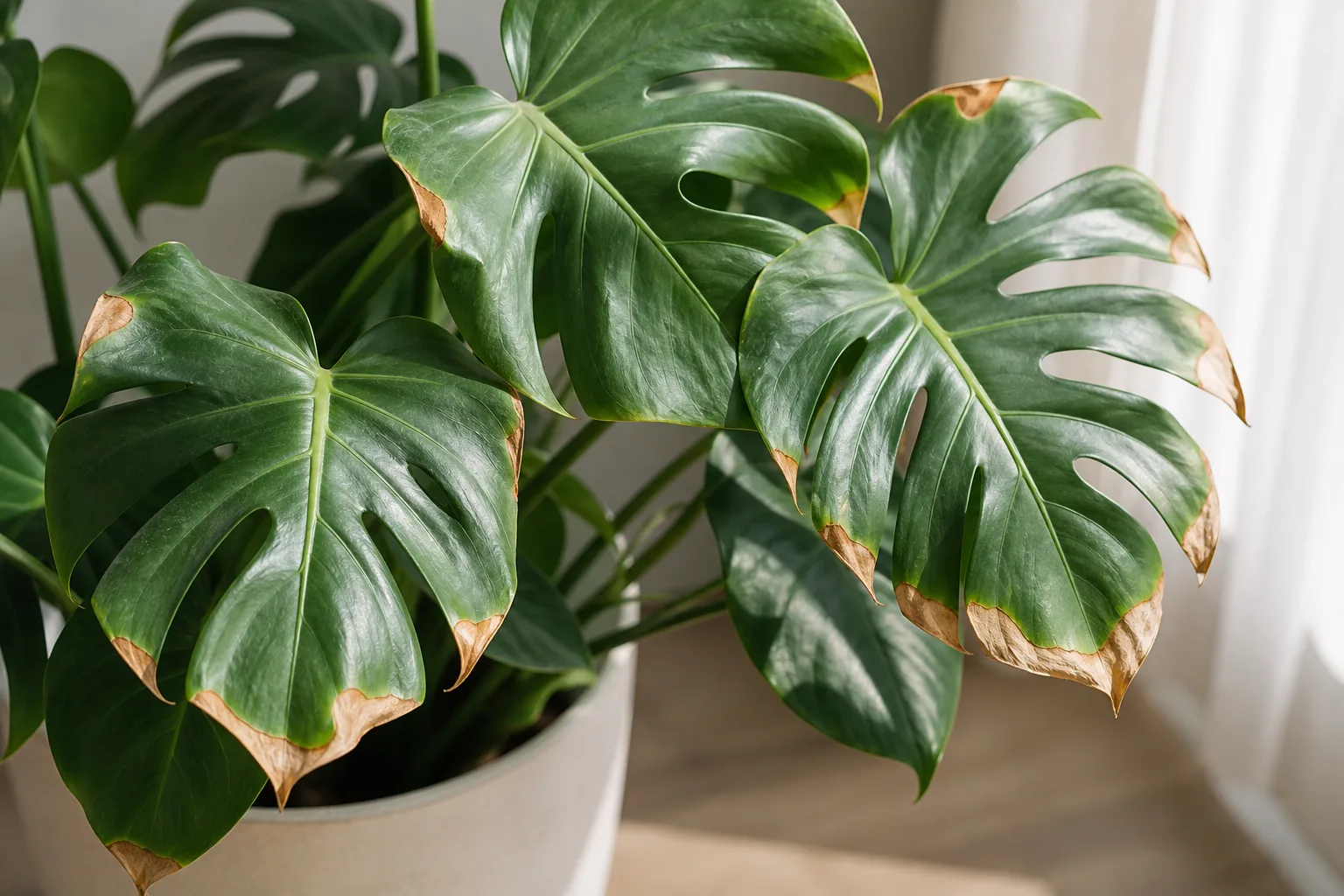
Monstera brown tips are a symptom, not a diagnosis. Check humidity, soil moisture, roots, and salts in the right order before changing care.
Ten pebble tray myths debunked: local humidity limits, brown-tip causes, humidifier wins, and when a tray still helps small plants.
Learn how to mix Monstera soil, choose each ingredient, adjust for humid or dry rooms, and test drainage before repotting.
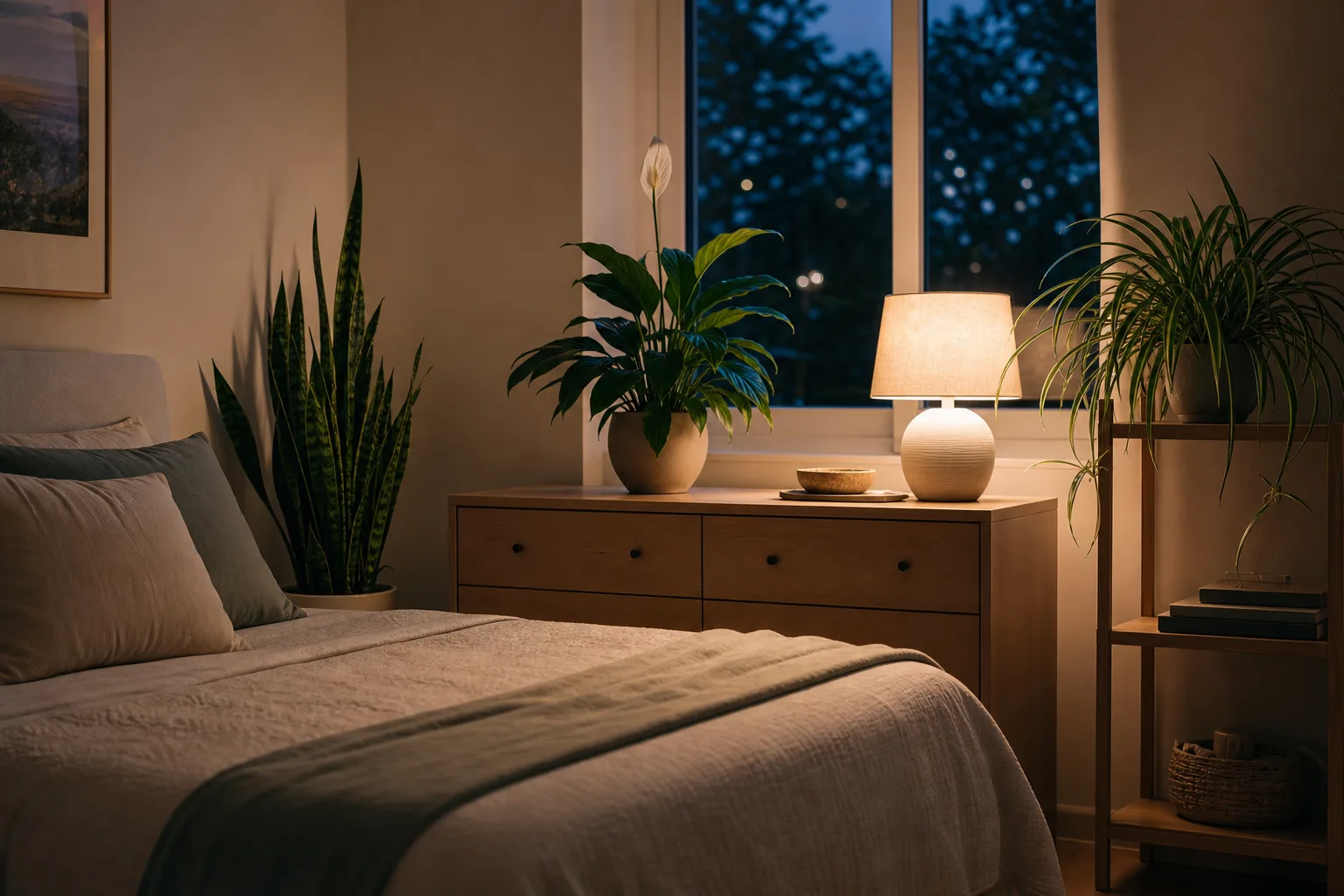
Seven calming bedroom plants (1–3 is enough) with honest sleep limits, ASPCA pet notes, placement tips, and links to full care guides on LeafyPixels.

Size a backyard rain garden with a LeafyPixels volume calculator, a worked residential case study, NEMO + EPA tool walkthroughs, and site checks before you dig.
Start with a simple support, propagation station, or measured potting-mix project because each has few failure points and an obvious purpose. Choose the project to solve a real plant need rather than adding moisture, weight, or materials the plant does not require.
A pebble tray can raise humidity slightly in the small area immediately above the water, but it is not a reliable whole-room substitute for a humidifier. Keep the pot base above the waterline; sitting a drainage hole in water can keep the root zone too wet.
Untreated bamboo, sealed wood, coated metal, plant-safe wire, and clean natural twine are common choices. Size the support for the plant’s mature weight, smooth sharp edges, and use soft ties that do not cut into expanding stems.
The safest approach is to keep the plant in a nursery pot with drainage and place that inside the decorative container. If you plant directly into a container without holes, water has nowhere to escape and small watering errors can create chronically saturated mix.
Choose compact, slow-growing plants that tolerate high humidity and consistently light moisture, such as many fittonias, small ferns, and mosses. Avoid cacti and most succulents in closed terrariums because trapped moisture and limited airflow favor rot.
Use clean materials, avoid garden soil, add water sparingly, remove dying foliage promptly, and vent the container when condensation remains heavy all day. Bright indirect light is safer than direct sun, which can overheat a closed glass container quickly.