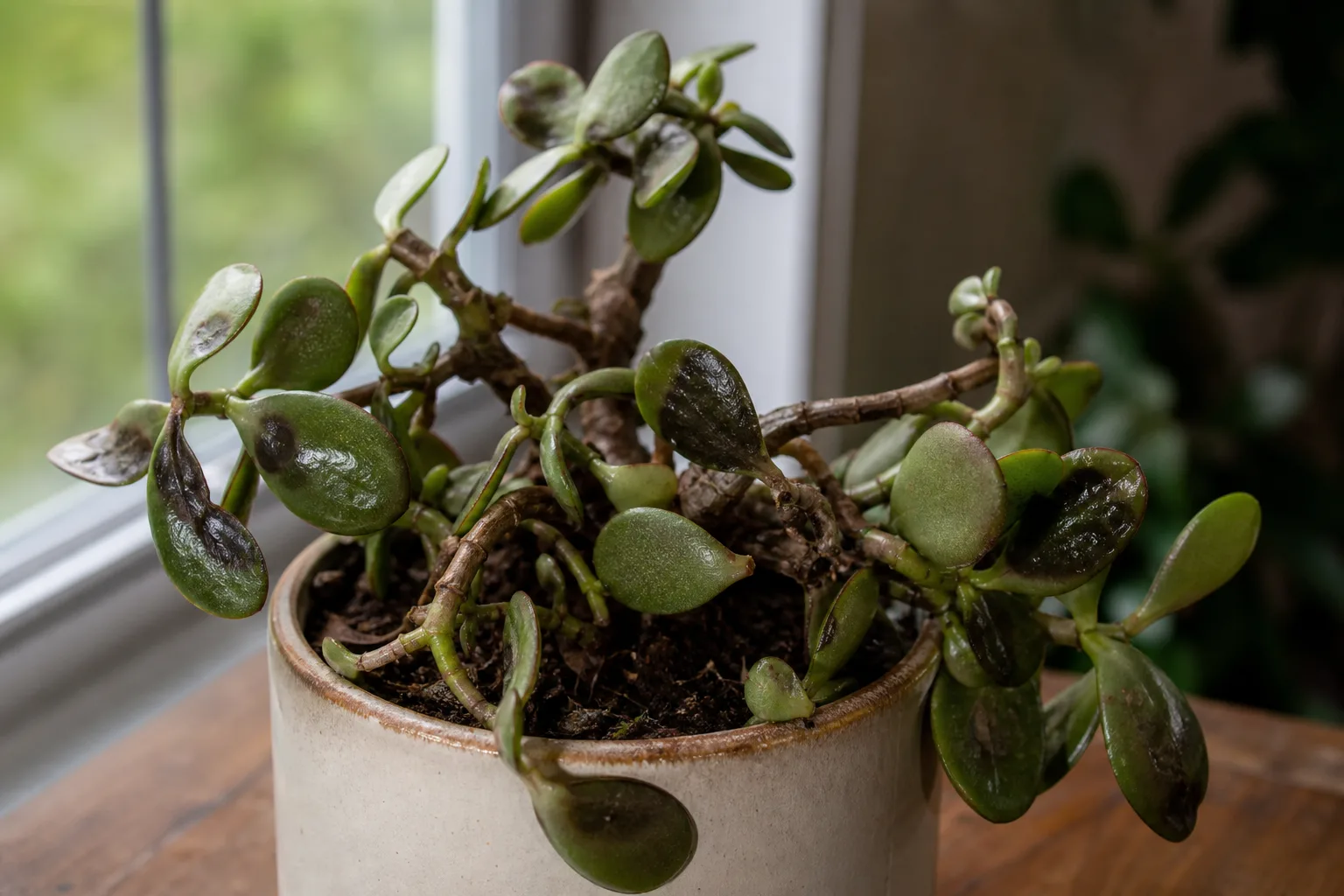
 DiseaseBacterial WiltIndoor plant diseases are usually fungal or bacterial infections favored by moisture on leaves and poor ventilation. Bacterial Wilt can weaken growth and spread to nearby plants if ignored. Use Sudden wilting despite moist soil as your starting point, then confirm whether you are dealing with infection, physical damage, or care stress. Track weekly progress after you change care, and note watering, light, and repotting dates so you can tell whether the symptom is improving or returning. Compare upper versus lower leaves, new versus old growth, and soil moisture at root depth before you treat, because the same visible symptom can come from watering, light, pests, or normal aging on different plants.
Disease problems
Fungal, bacterial, and viral issues and how to manage them.
Not sure where to start? Match symptoms in under a minute
Select what you see on your plant and we'll suggest the most likely problems to check first.
How to separate disease from care stress
Fungal and bacterial problems often follow wet leaves, stale air, contaminated tools, or stressed roots. Confirm the pattern before pruning, because ordinary watering stress can look similar in early stages.
- Look for spreading spots, halos, mushy tissue, powdery growth, or collapse.
- Remove badly affected leaves with clean tools and isolate the plant while you monitor spread.
- Improve airflow and avoid wet foliage before escalating to labeled treatments.
DiseaseBacterial WiltIndoor plant diseases are usually fungal or bacterial infections favored by moisture on leaves and poor ventilation. Bacterial Wilt can weaken growth and spread to nearby plants if ignored. Use Sudden wilting despite moist soil as your starting point, then confirm whether you are dealing with infection, physical damage, or care stress. Track weekly progress after you change care, and note watering, light, and repotting dates so you can tell whether the symptom is improving or returning. Compare upper versus lower leaves, new versus old growth, and soil moisture at root depth before you treat, because the same visible symptom can come from watering, light, pests, or normal aging on different plants.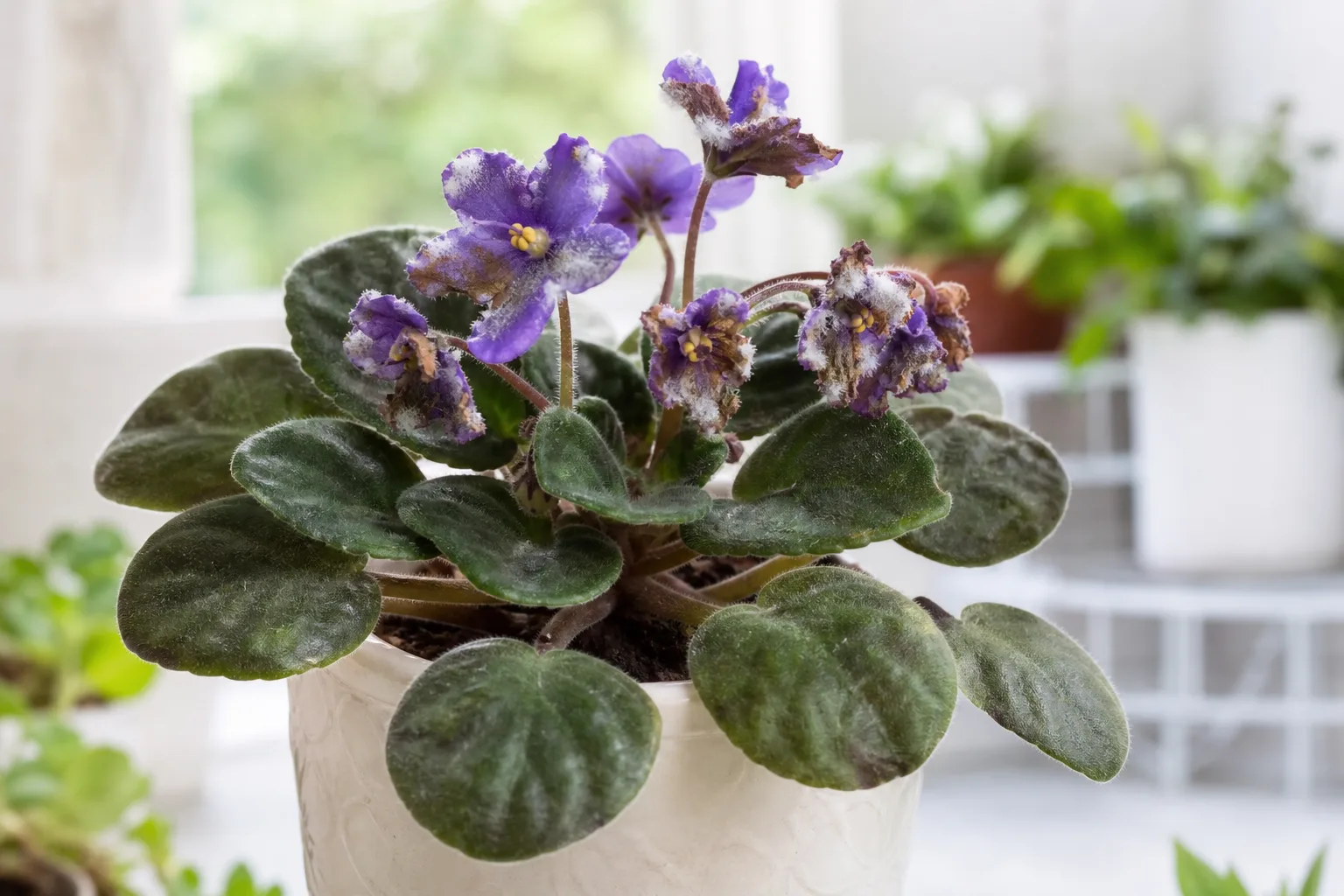 DiseaseBlightIndoor plant diseases are usually fungal or bacterial infections favored by moisture on leaves and poor ventilation. Blight can weaken growth and spread to nearby plants if ignored. Use Fast-spreading brown or black patches, collapsing leaves as your starting point, then confirm whether you are dealing with infection, physical damage, or care stress. Track weekly progress after you change care, and note watering, light, and repotting dates so you can tell whether the symptom is improving or returning. Compare upper versus lower leaves, new versus old growth, and soil moisture at root depth before you treat, because the same visible symptom can come from watering, light, pests, or normal aging on different plants.
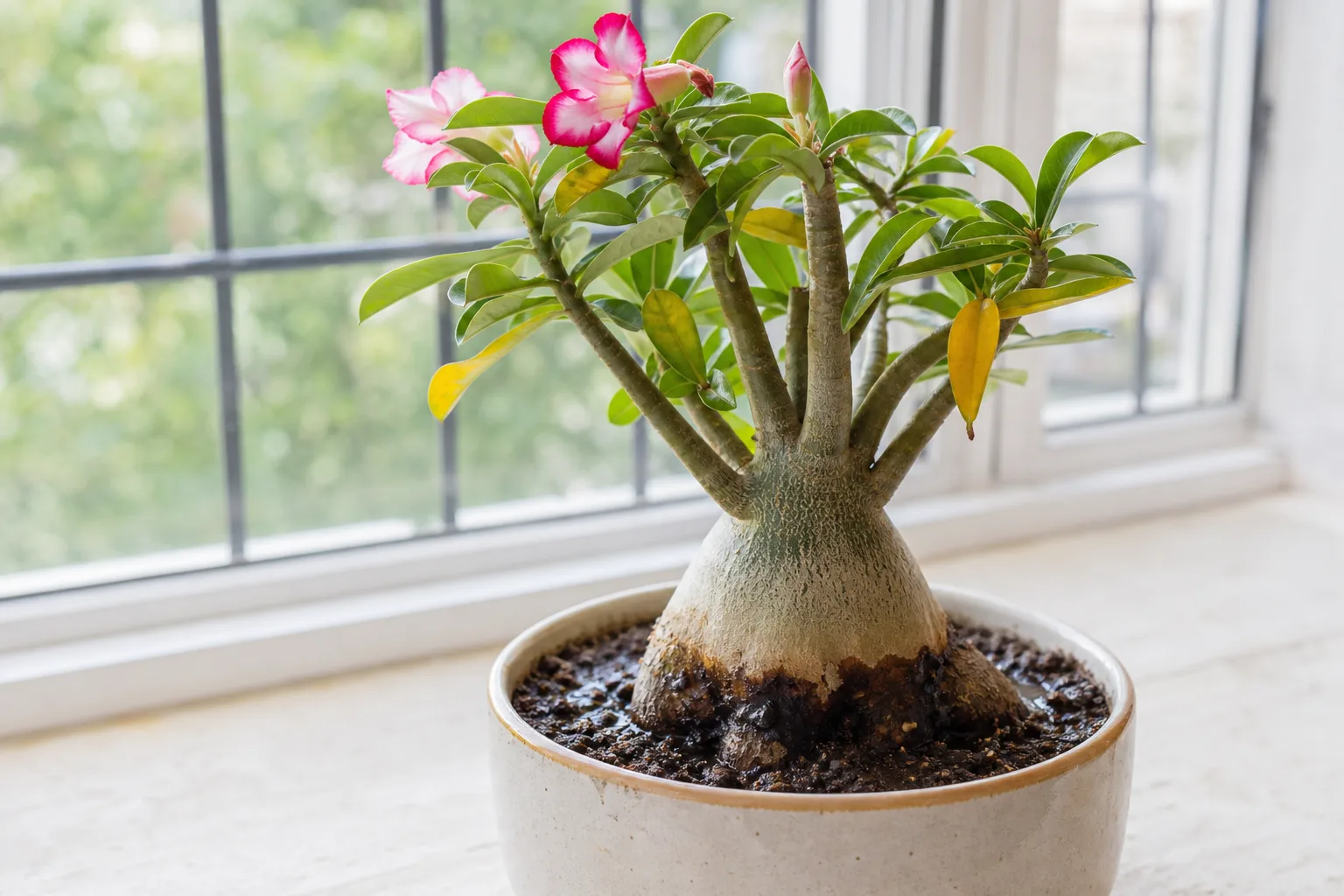 DiseaseCrown RotIndoor plant diseases are usually fungal or bacterial infections favored by moisture on leaves and poor ventilation. Crown Rot can weaken growth and spread to nearby plants if ignored. Use Base of plant becomes mushy and plant collapses as your starting point, then confirm whether you are dealing with infection, physical damage, or care stress. Track weekly progress after you change care, and note watering, light, and repotting dates so you can tell whether the symptom is improving or returning. Compare upper versus lower leaves, new versus old growth, and soil moisture at root depth before you treat, because the same visible symptom can come from watering, light, pests, or normal aging on different plants.
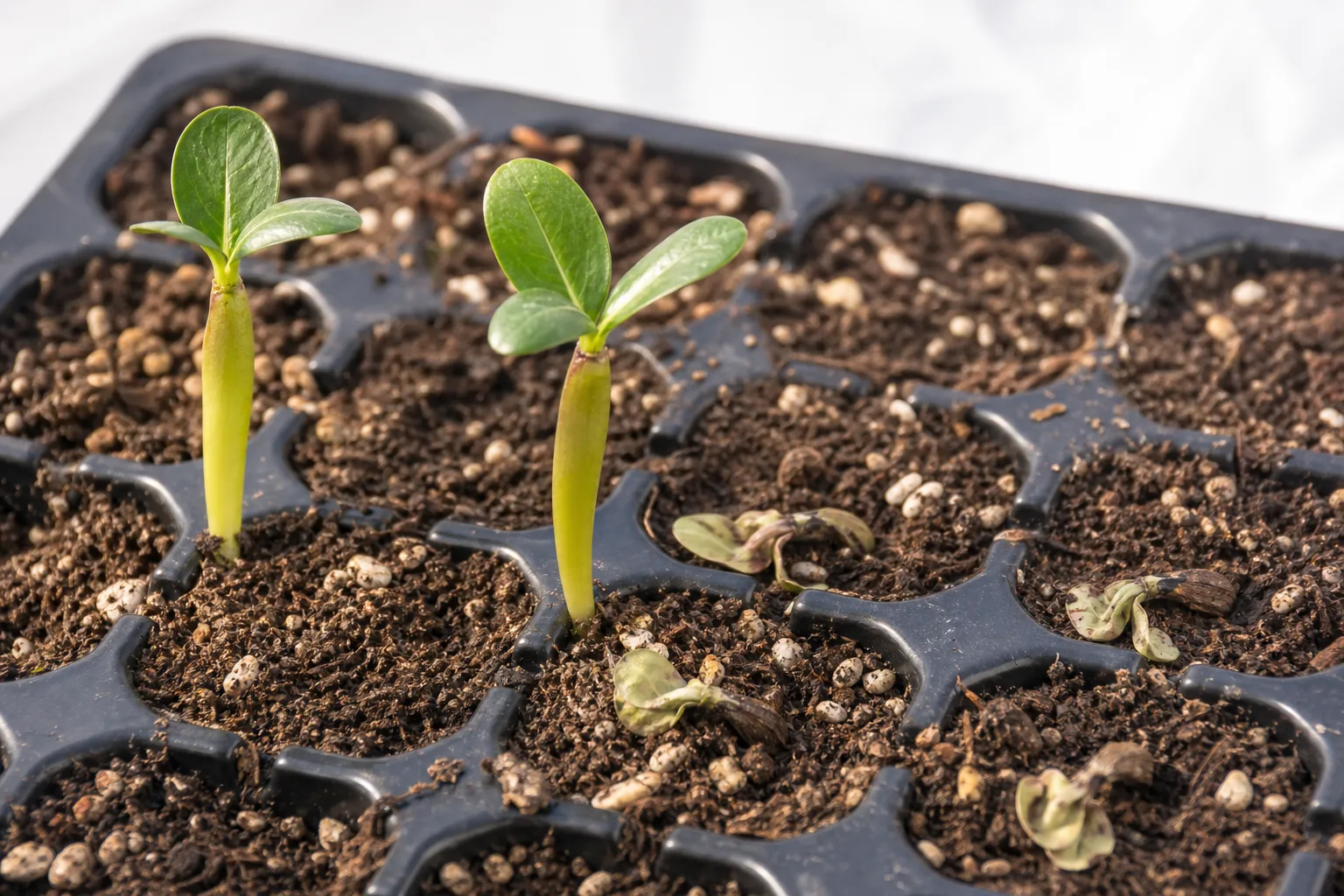 DiseaseDamping OffDamping off kills seedlings just after germination. Fungi attack the stem base, causing pinching, browning, and sudden collapse. It spreads fastest when trays stay humid, overcrowded, and wet on the surface.
Prevention beats cure: use clean trays and mix, avoid overwatering, remove humidity domes promptly after sprout, and improve airflow with a gentle fan. Discard affected cells early so spores do not spread to healthy seedlings in the same flat.
DiseaseDamping OffDamping off kills seedlings just after germination. Fungi attack the stem base, causing pinching, browning, and sudden collapse. It spreads fastest when trays stay humid, overcrowded, and wet on the surface.
Prevention beats cure: use clean trays and mix, avoid overwatering, remove humidity domes promptly after sprout, and improve airflow with a gentle fan. Discard affected cells early so spores do not spread to healthy seedlings in the same flat.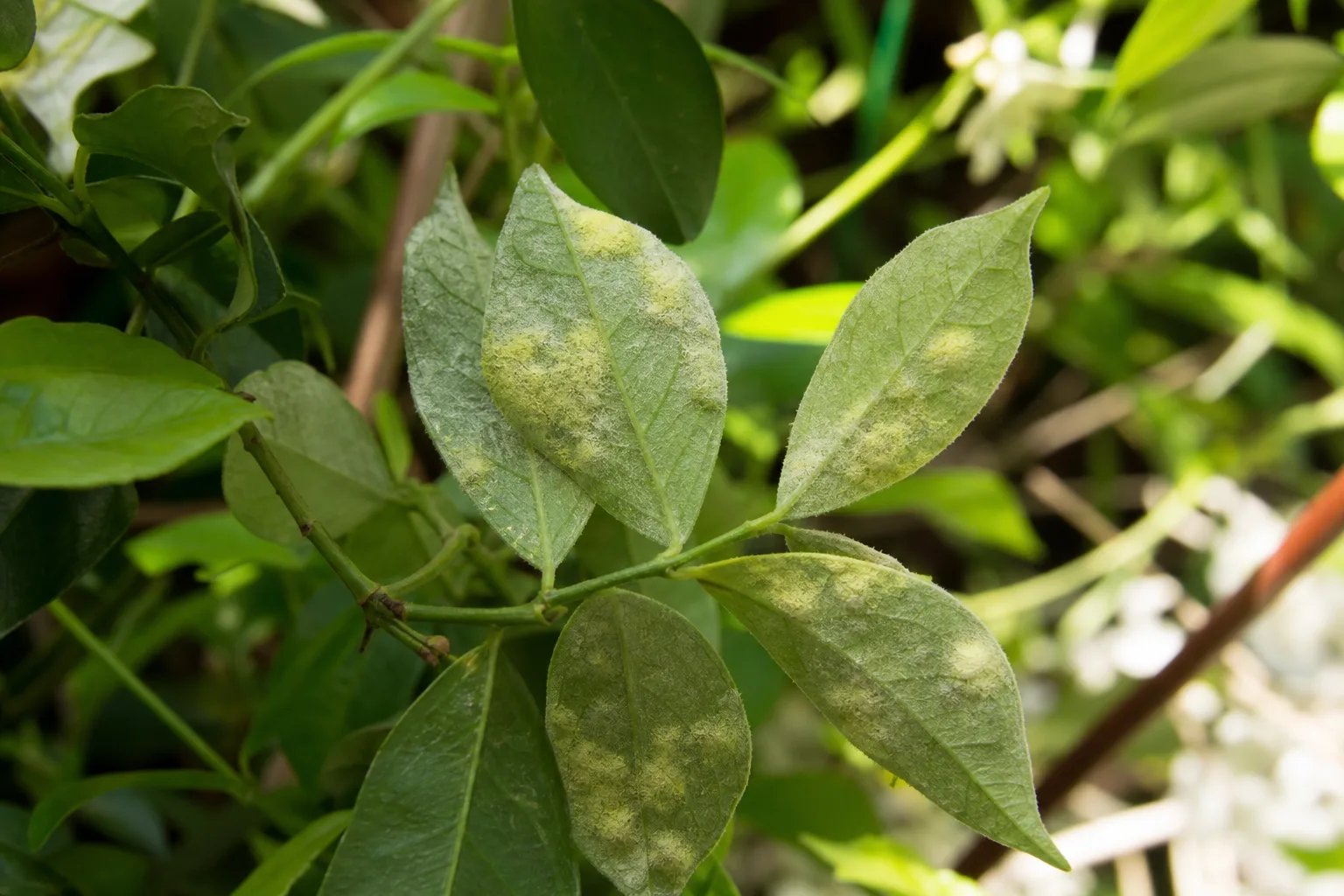 DiseaseDowny MildewIndoor plant diseases are usually fungal or bacterial infections favored by moisture on leaves and poor ventilation. Downy Mildew can weaken growth and spread to nearby plants if ignored. Use Yellow patches on top of leaves, fuzzy growth underneath as your starting point, then confirm whether you are dealing with infection, physical damage, or care stress. Track weekly progress after you change care, and note watering, light, and repotting dates so you can tell whether the symptom is improving or returning. Compare upper versus lower leaves, new versus old growth, and soil moisture at root depth before you treat, because the same visible symptom can come from watering, light, pests, or normal aging on different plants.
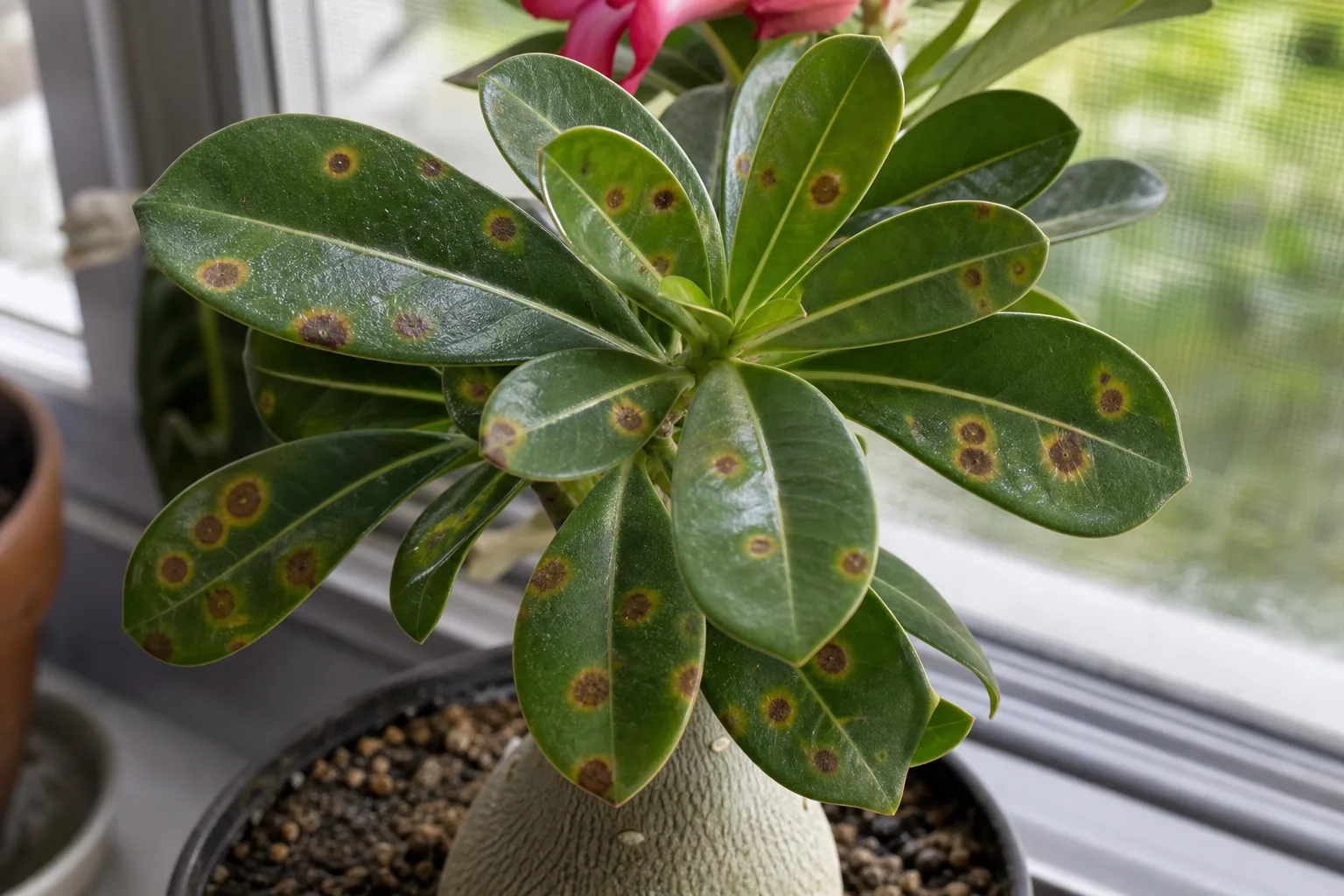 DiseaseLeaf Spot DiseaseIndoor plant diseases are usually fungal or bacterial infections favored by moisture on leaves and poor ventilation. Leaf Spot Disease can weaken growth and spread to nearby plants if ignored. Use Circular brown, black, or yellow-edged spots on leaves as your starting point, then confirm whether you are dealing with infection, physical damage, or care stress. Track weekly progress after you change care, and note watering, light, and repotting dates so you can tell whether the symptom is improving or returning. Compare upper versus lower leaves, new versus old growth, and soil moisture at root depth before you treat, because the same visible symptom can come from watering, light, pests, or normal aging on different plants.
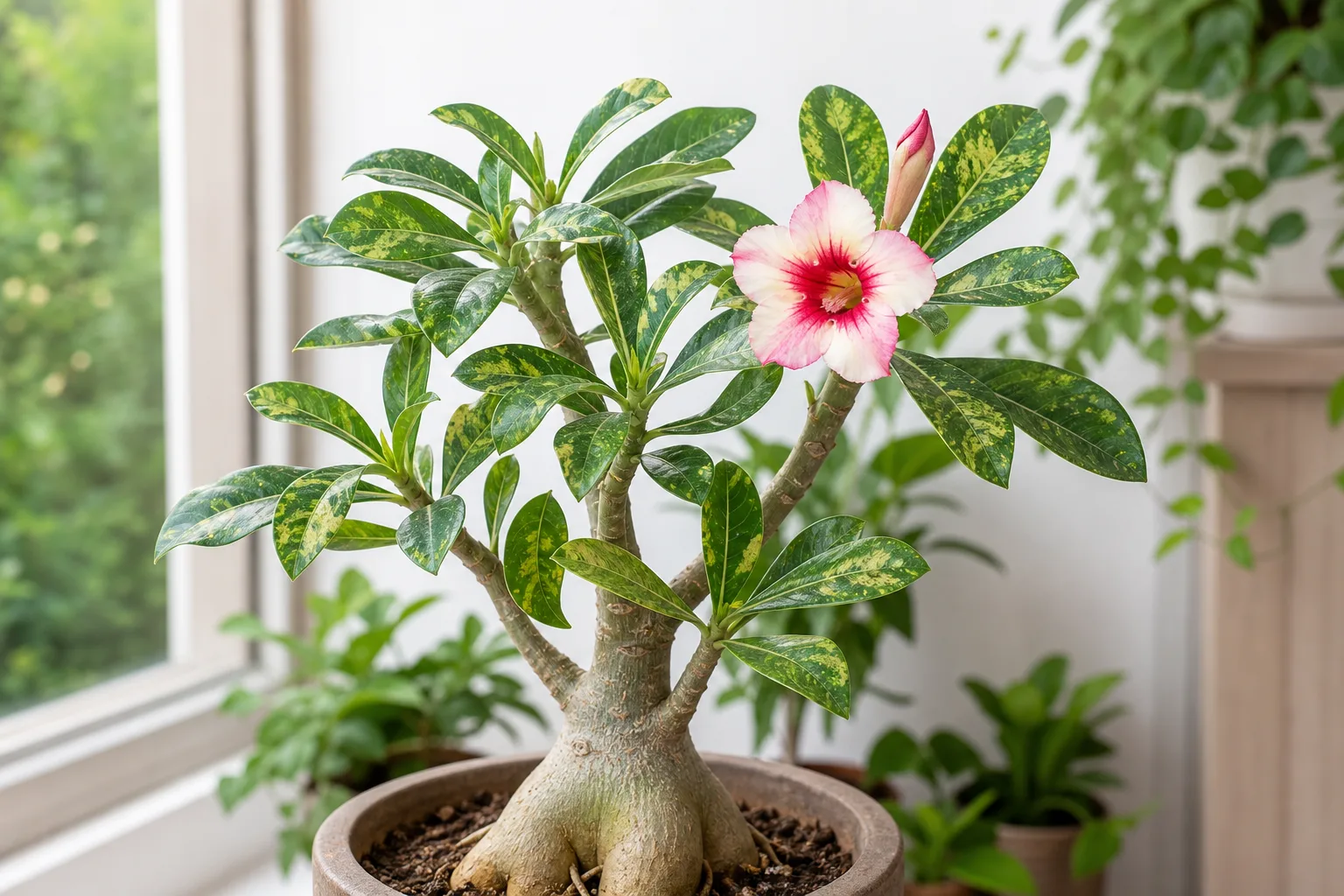 DiseaseMosaic VirusIndoor plant diseases are usually fungal or bacterial infections favored by moisture on leaves and poor ventilation. Mosaic Virus can weaken growth and spread to nearby plants if ignored. Use Mottled, patchy, distorted leaves with uneven coloring as your starting point, then confirm whether you are dealing with infection, physical damage, or care stress. Track weekly progress after you change care, and note watering, light, and repotting dates so you can tell whether the symptom is improving or returning. Compare upper versus lower leaves, new versus old growth, and soil moisture at root depth before you treat, because the same visible symptom can come from watering, light, pests, or normal aging on different plants.
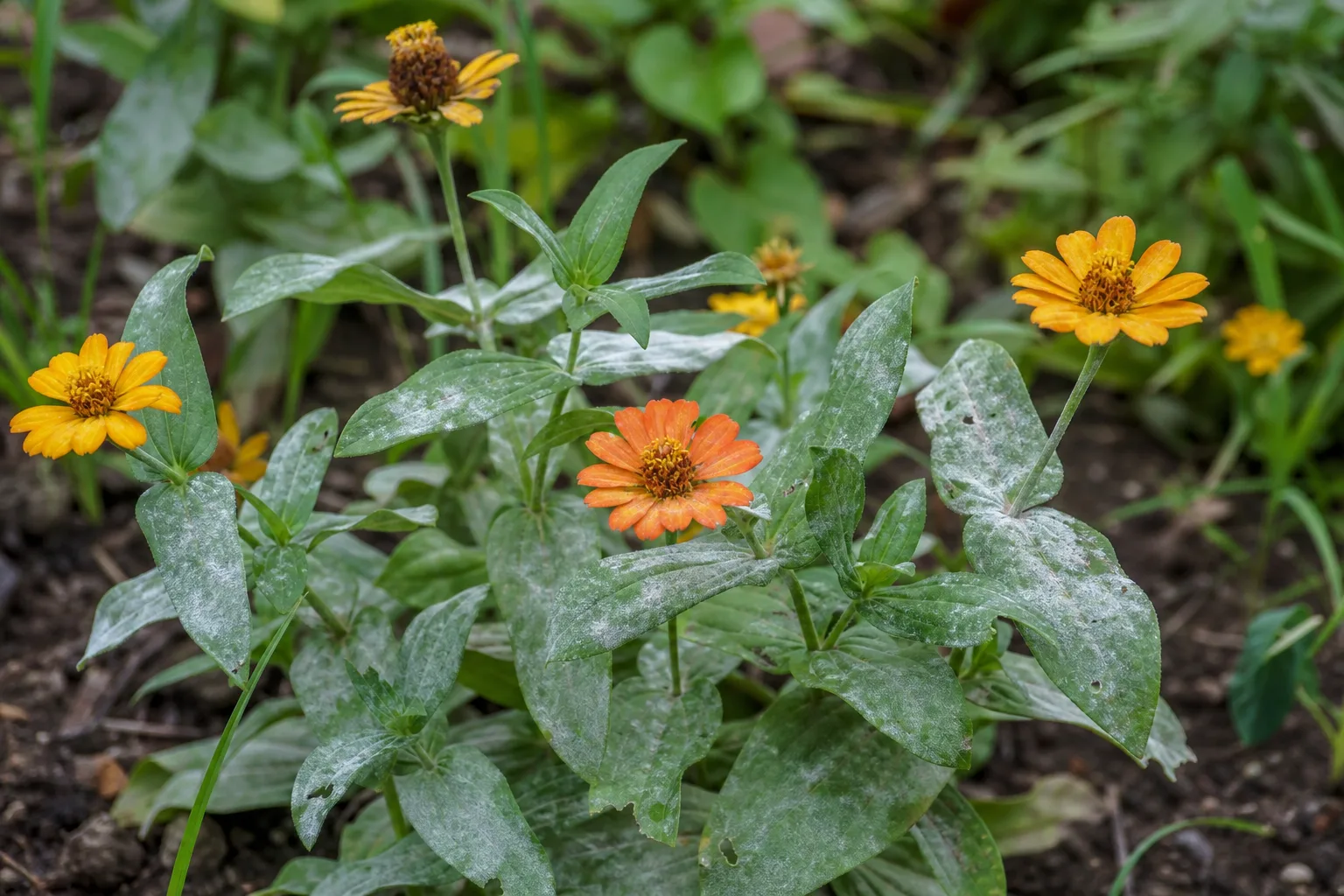 DiseasePowdery MildewPowdery mildew is one of the easier indoor plant diseases to recognize because it sits on the leaf surface like white dust or flour. It usually begins as small spots, then spreads into a broader coating that dulls leaves and slows growth. Susceptible houseplants include African violets, begonias, ivy, jade, kalanchoe, poinsettia, and rosemary.
The main job is to confirm that the white coating is living mildew rather than hard-water residue, dust, or mealybug wax. Mildew spreads across leaf surfaces and often returns after wiping if conditions stay favorable. Residue or mineral spots do not behave that way.
DiseasePowdery MildewPowdery mildew is one of the easier indoor plant diseases to recognize because it sits on the leaf surface like white dust or flour. It usually begins as small spots, then spreads into a broader coating that dulls leaves and slows growth. Susceptible houseplants include African violets, begonias, ivy, jade, kalanchoe, poinsettia, and rosemary.
The main job is to confirm that the white coating is living mildew rather than hard-water residue, dust, or mealybug wax. Mildew spreads across leaf surfaces and often returns after wiping if conditions stay favorable. Residue or mineral spots do not behave that way.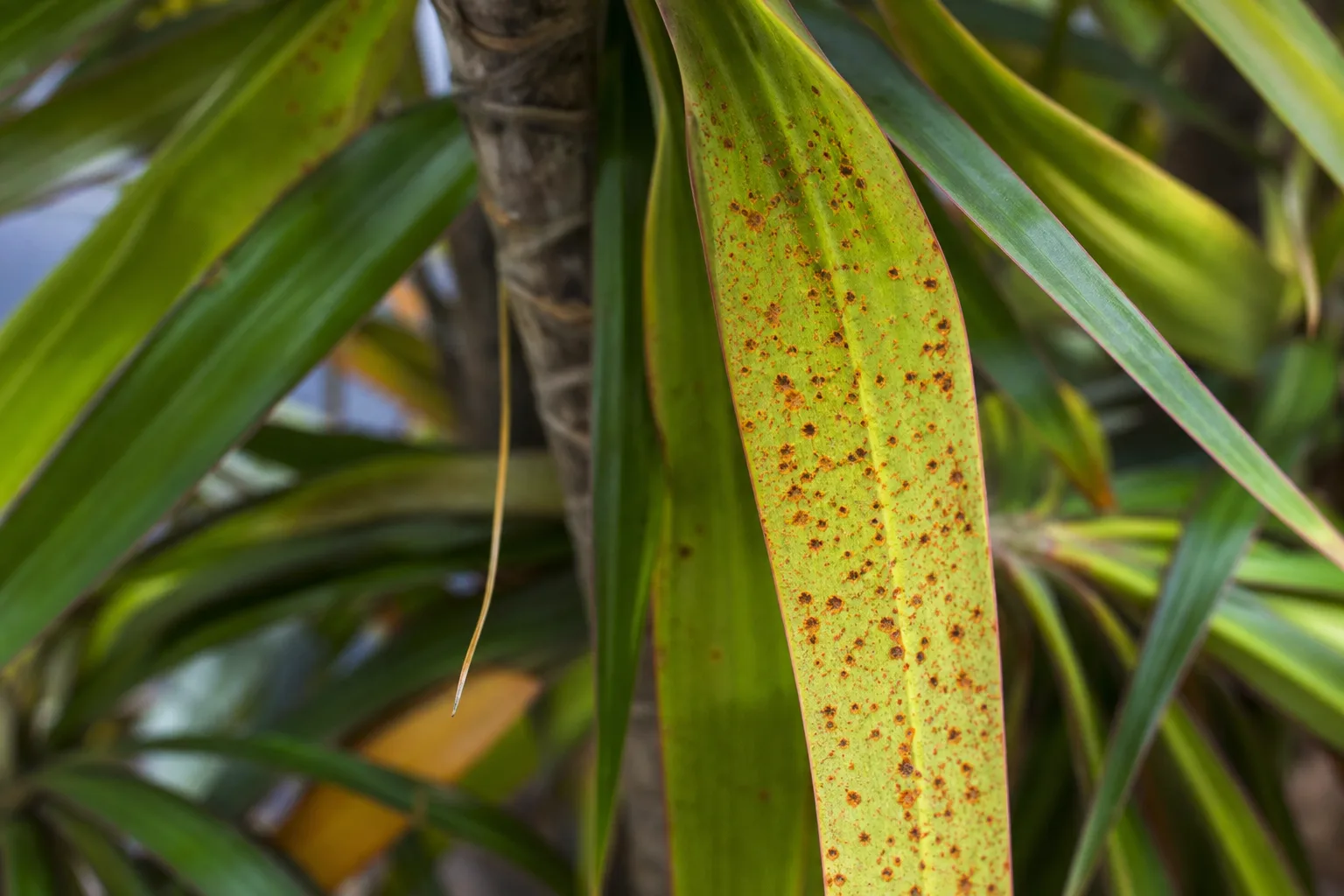 DiseaseRust DiseaseIndoor plant diseases are usually fungal or bacterial infections favored by moisture on leaves and poor ventilation. Rust Disease can weaken growth and spread to nearby plants if ignored. Use Orange, yellow, or brown powdery spots under leaves as your starting point, then confirm whether you are dealing with infection, physical damage, or care stress. Track weekly progress after you change care, and note watering, light, and repotting dates so you can tell whether the symptom is improving or returning. Compare upper versus lower leaves, new versus old growth, and soil moisture at root depth before you treat, because the same visible symptom can come from watering, light, pests, or normal aging on different plants.
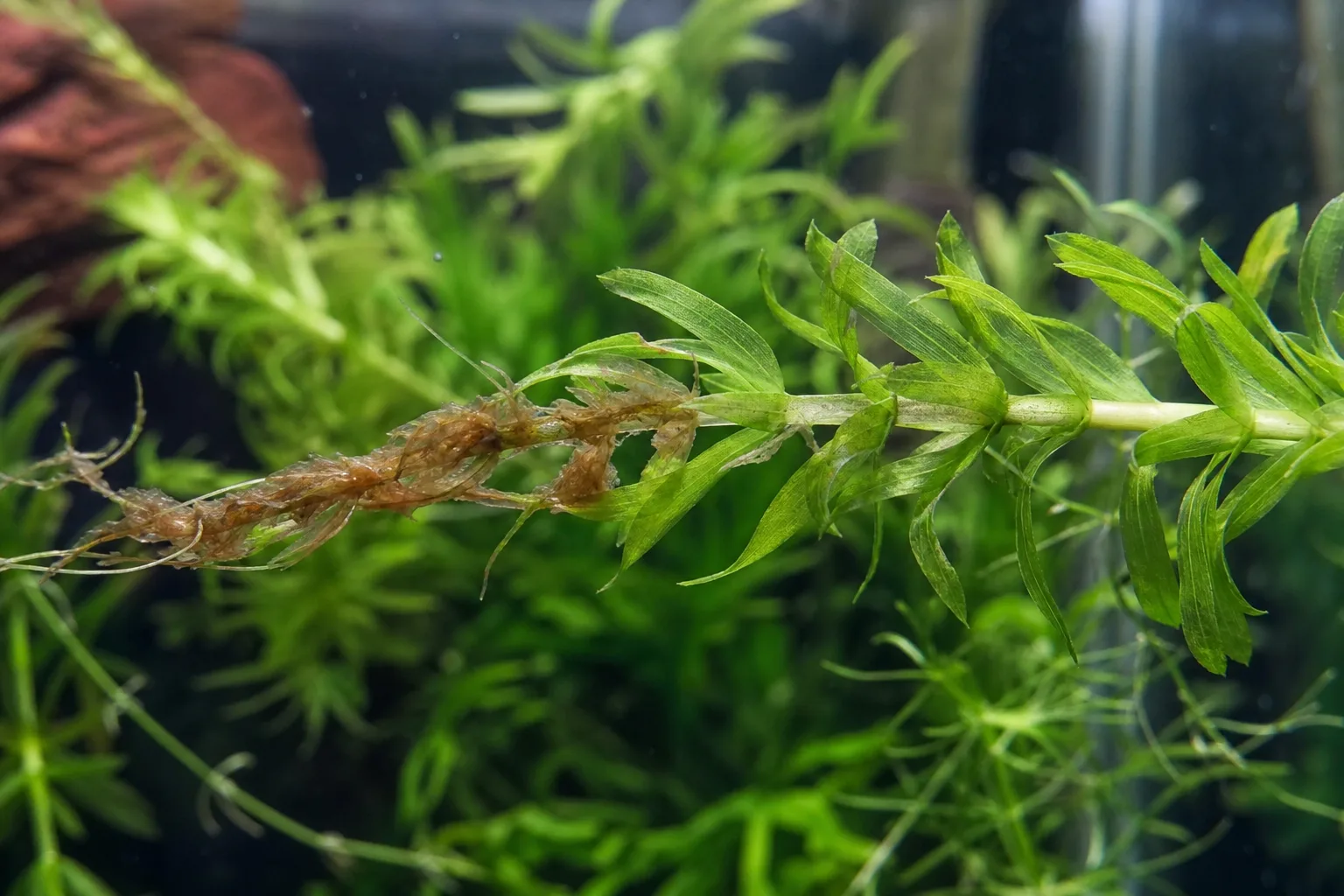 DiseaseStem RotIndoor plant diseases are usually fungal or bacterial infections favored by moisture on leaves and poor ventilation. Stem Rot can weaken growth and spread to nearby plants if ignored. Use Soft, dark, mushy stems near soil line as your starting point, then confirm whether you are dealing with infection, physical damage, or care stress. Track weekly progress after you change care, and note watering, light, and repotting dates so you can tell whether the symptom is improving or returning. Compare upper versus lower leaves, new versus old growth, and soil moisture at root depth before you treat, because the same visible symptom can come from watering, light, pests, or normal aging on different plants.
No problems matched your search. Try different keywords or clear the category filter.
This disease problems problem guide was researched and written by . Disease problems symptoms, lookalike causes, and step-by-step fixes are cross-checked against extension pest, disease, and care references before publication.
We prioritize sources that hold up under scrutiny:
- University cooperative extension bulletins and fact sheets (Penn State, Clemson, UMD, NC State, and similar programs)
- Botanical garden and horticultural society publications
- Peer-reviewed plant science and veterinary toxicology references where pet safety matters (including ASPCA Animal Poison Control)
- Established reference works on indoor plant culture
The LeafyPixels editorial team then reviews the draft for clarity, step-by-step usefulness, and fit with real apartment and home conditions-not ideal greenhouse setups. When guidance changes materially, we update the page and note the revision date.
Sources used
- Clemson HGIC (n.d.) Diseases of indoor plants. [Online]. Available at: https://hgic.clemson.edu/?s=diseases%20of%20indoor%20plants (Accessed: 29 June 2026).
- Cornell CALS (n.d.) Damping-off diseases of seedlings. [Online]. Available at: https://vegetablemdonline.ppath.cornell.edu/factsheets/Damping_Off.htm (Accessed: 29 June 2026).
- Missouri Botanical Garden (n.d.) Powdery mildew indoors. [Online]. Available at: https://www.missouribotanicalgarden.org/gardens-gardening/your-garden/help-for-the-home-gardener/advice-tips-resources/insects-pests-and-problems/diseases/powdery-mildew/powdery-mildew-indoors (Accessed: 29 June 2026).
- University of Maryland Extension (n.d.) Leaf spots on houseplants. [Online]. Available at: https://www.extension.umd.edu/resource/leaf-spots-indoor-plants (Accessed: 29 June 2026).
- University of Maryland Extension (n.d.) Diagnosing houseplant problems. [Online]. Available at: https://www.extension.umd.edu/resource/diagnose-indoor-plant-problems (Accessed: 29 June 2026).
- University of Maryland Extension (n.d.) Powdery mildew on indoor plants. [Online]. Available at: https://extension.umd.edu/resource/powdery-mildew-indoor-plants (Accessed: 29 June 2026).
- University of Maryland Extension (n.d.) Diagnose indoor plant problems. [Online]. Available at: https://extension.umd.edu/resource/diagnose-indoor-plant-problems (Accessed: 29 June 2026).
- University of Minnesota Extension (n.d.) Damping off of seedlings. [Online]. Available at: https://extension.umn.edu/diseases/damping (Accessed: 29 June 2026).