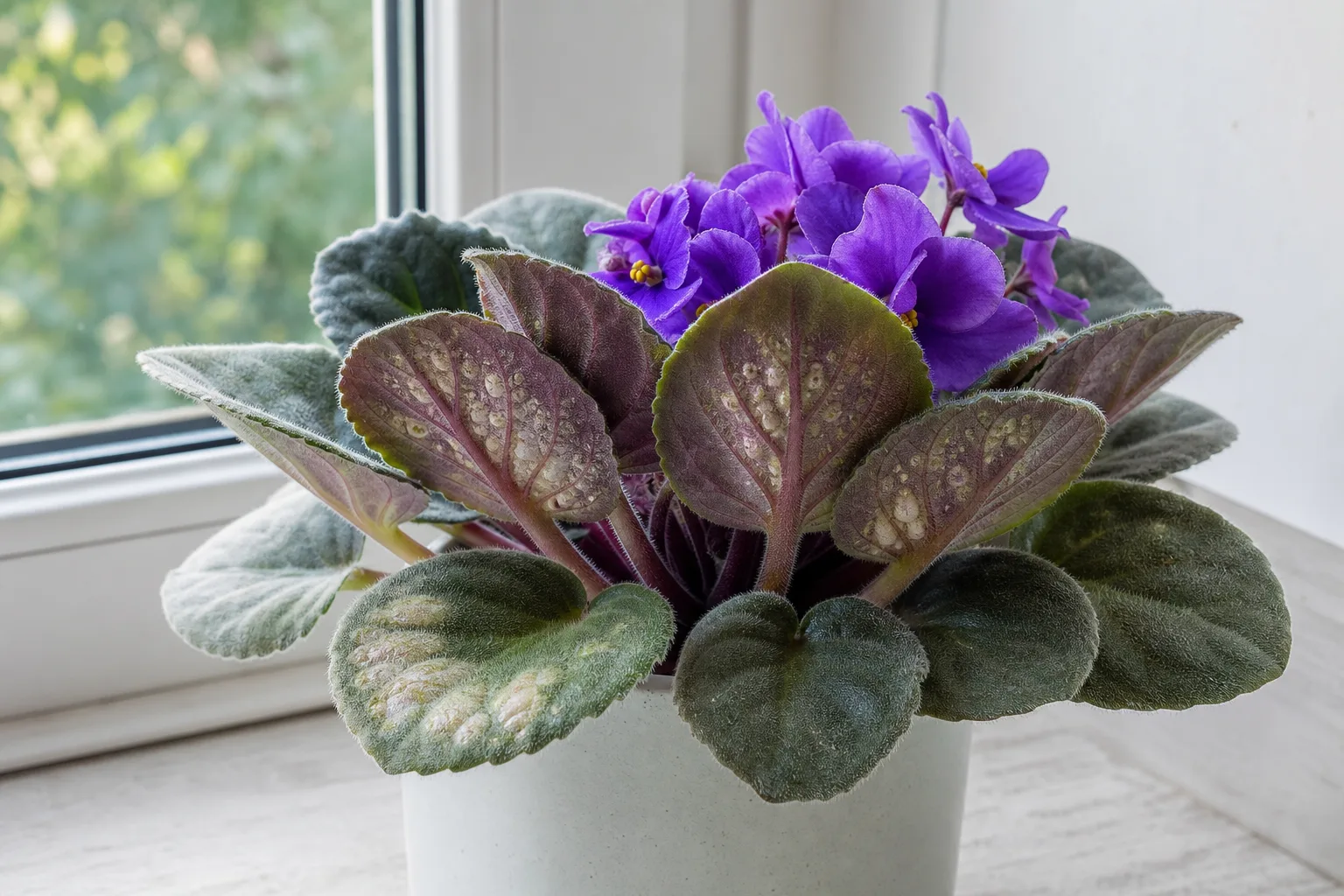
 WateringEdema'Edema is one of the most common houseplant issues because indoor watering is easy to get wrong. Pots, soil mix, season, and light all change how fast soil dries. When you see Blister-like bumps or corky spots caused by excess water uptake, the goal is to confirm whether the plant is getting too much water, too little, or uneven moisture before making big changes. Track weekly progress after you change care, and note watering, light, and repotting dates so you can tell whether the symptom is improving or returning.'. Compare upper versus lower leaves, new versus old growth, and soil moisture at root depth before you treat, because the same visible symptom can come from watering, light, pests, or normal aging on different plants.
Watering problems
Overwatering, underwatering, and moisture stress fixes for houseplants.
Not sure where to start? Match symptoms in under a minute
Select what you see on your plant and we'll suggest the most likely problems to check first.
How to diagnose watering problems
Watering issues are rarely about the calendar alone. Check the pot weight, drainage path, soil texture, and root condition before changing the schedule, because overwatering and underwatering can both cause wilted or yellow leaves.
- Lift the pot and test the top 2 inches of mix before watering again.
- Check drainage holes, saucers, and cachepots for trapped water.
- Compare symptoms on old leaves versus new growth to separate drought stress from root damage.
WateringEdema'Edema is one of the most common houseplant issues because indoor watering is easy to get wrong. Pots, soil mix, season, and light all change how fast soil dries. When you see Blister-like bumps or corky spots caused by excess water uptake, the goal is to confirm whether the plant is getting too much water, too little, or uneven moisture before making big changes. Track weekly progress after you change care, and note watering, light, and repotting dates so you can tell whether the symptom is improving or returning.'. Compare upper versus lower leaves, new versus old growth, and soil moisture at root depth before you treat, because the same visible symptom can come from watering, light, pests, or normal aging on different plants.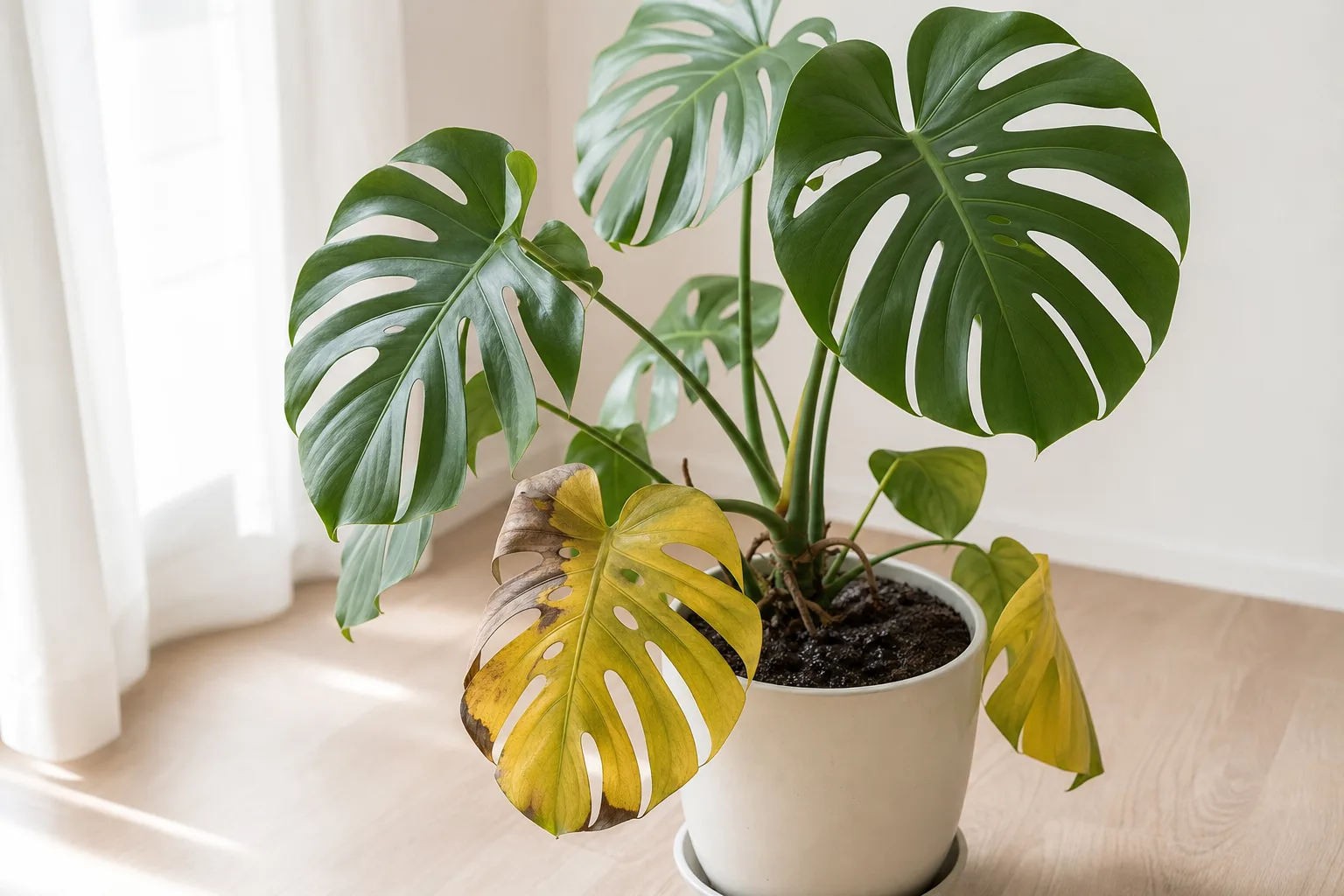 WateringOverwateringOverwatering is less about the number of ounces you pour and more about how long the root zone stays airless. Indoor pots dry at very different speeds based on light, temperature, pot size, and mix texture. A plant can wilt with wet soil because damaged roots are no longer moving water upward.
The best confirmation is the combination of persistent moisture and declining roots. If the pot stays heavy for days, smells sour, or the plant yellows while the mix is still wet, stop treating it as a thirsty plant and inspect the root zone before watering again.
WateringOverwateringOverwatering is less about the number of ounces you pour and more about how long the root zone stays airless. Indoor pots dry at very different speeds based on light, temperature, pot size, and mix texture. A plant can wilt with wet soil because damaged roots are no longer moving water upward.
The best confirmation is the combination of persistent moisture and declining roots. If the pot stays heavy for days, smells sour, or the plant yellows while the mix is still wet, stop treating it as a thirsty plant and inspect the root zone before watering again.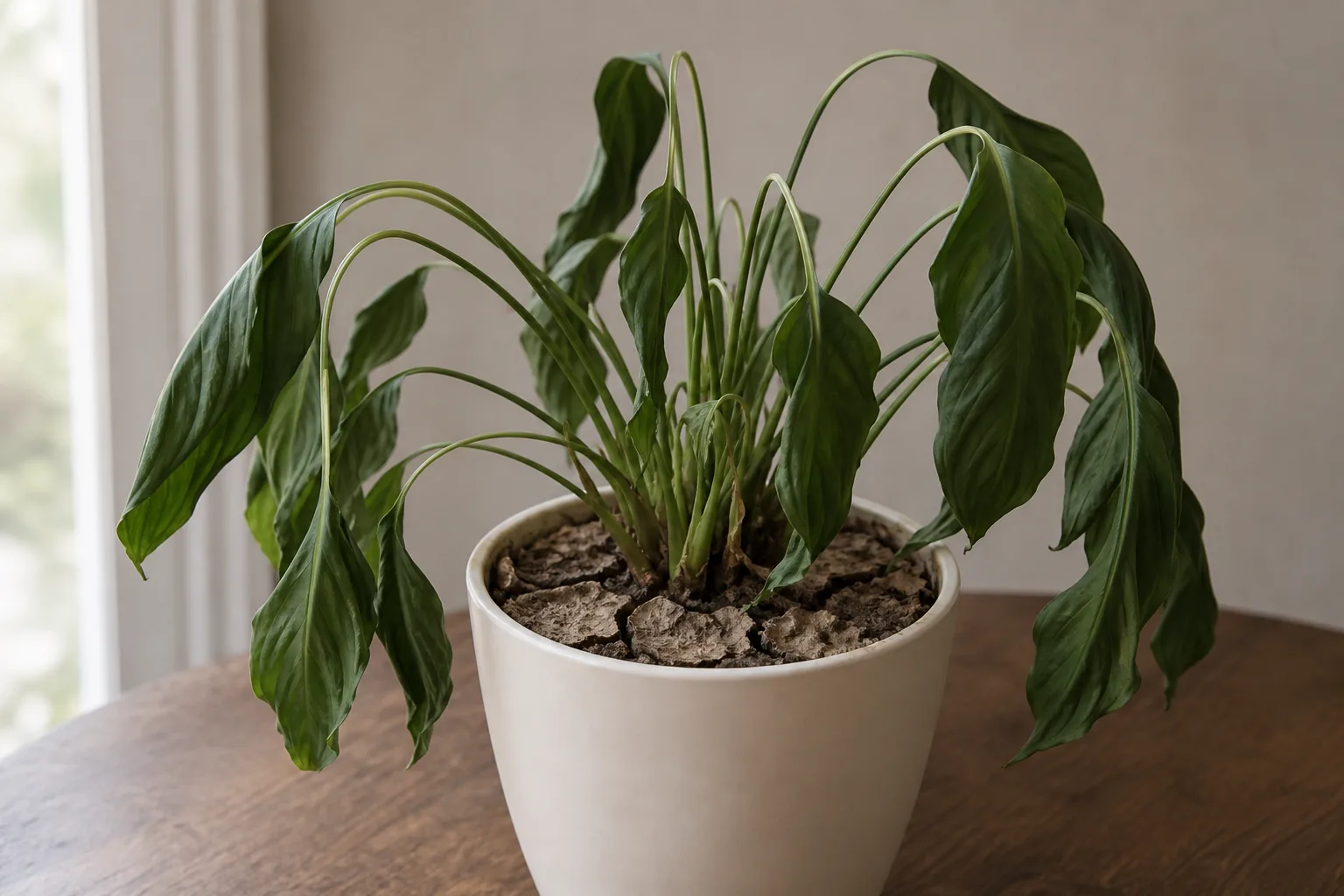 WateringUnderwateringUnderwatering means the root ball is drying beyond the plant's tolerance between waterings. That can happen because you simply waited too long, but it also happens when water runs around a shrunken root ball, the pot is packed with roots, or hot bright conditions make the mix dry faster than your routine accounts for.
The key check is whether the root zone is actually dry several inches down. A plant that perks up after a deep soak is usually telling you drought was the main problem. A plant that stays limp after watering needs a closer look for root damage, severe hydrophobic soil, or a second issue such as heat or pests.
WateringUnderwateringUnderwatering means the root ball is drying beyond the plant's tolerance between waterings. That can happen because you simply waited too long, but it also happens when water runs around a shrunken root ball, the pot is packed with roots, or hot bright conditions make the mix dry faster than your routine accounts for.
The key check is whether the root zone is actually dry several inches down. A plant that perks up after a deep soak is usually telling you drought was the main problem. A plant that stays limp after watering needs a closer look for root damage, severe hydrophobic soil, or a second issue such as heat or pests.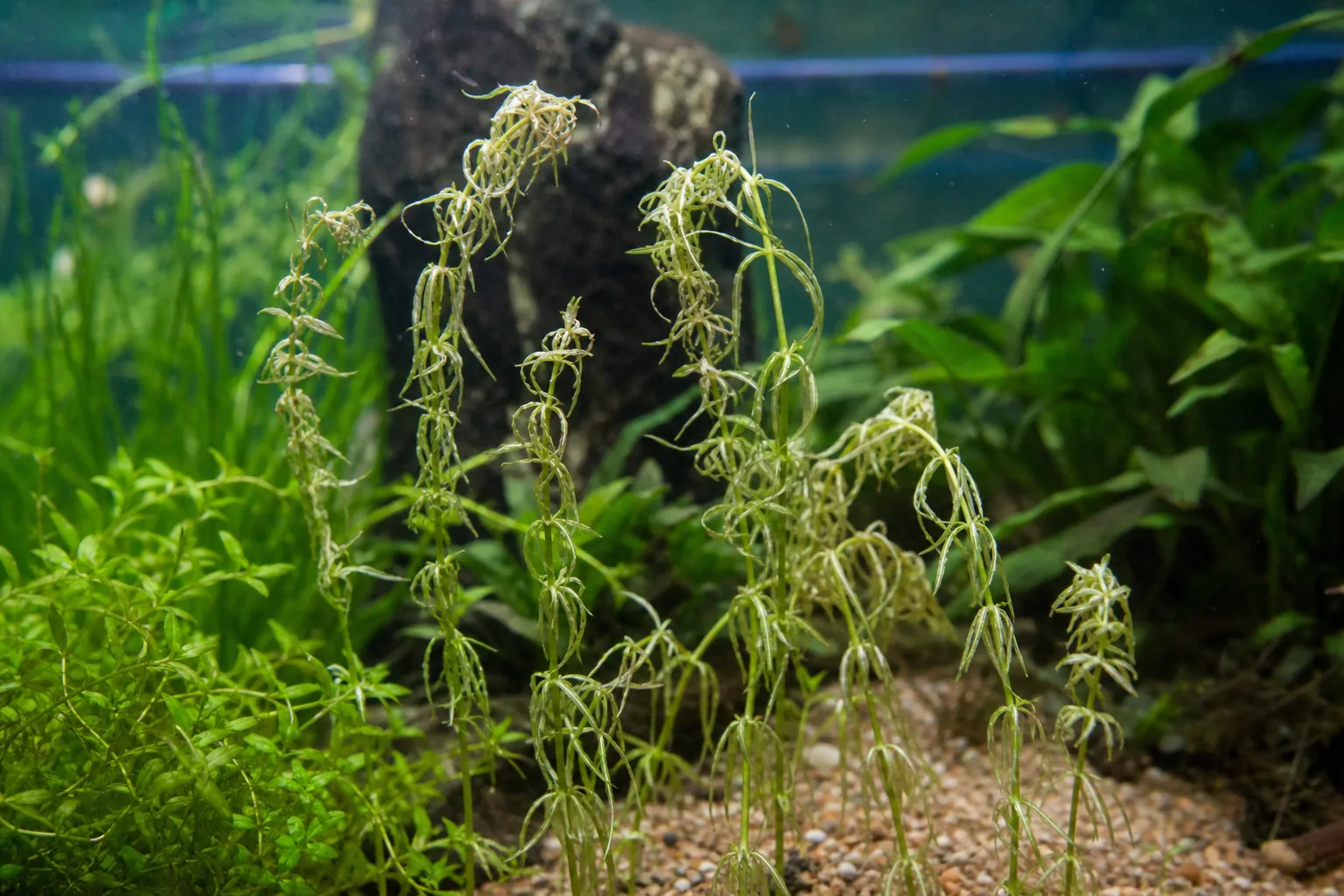 WateringWater Stress'Water Stress is one of the most common houseplant issues because indoor watering is easy to get wrong. Pots, soil mix, season, and light all change how fast soil dries. When you see Leaves curl, droop, yellow, or brown due to irregular watering, the goal is to confirm whether the plant is getting too much water, too little, or uneven moisture before making big changes. Track weekly progress after you change care, and note watering, light, and repotting dates so you can tell whether the symptom is improving or returning.'. Compare upper versus lower leaves, new versus old growth, and soil moisture at root depth before you treat, because the same visible symptom can come from watering, light, pests, or normal aging on different plants.
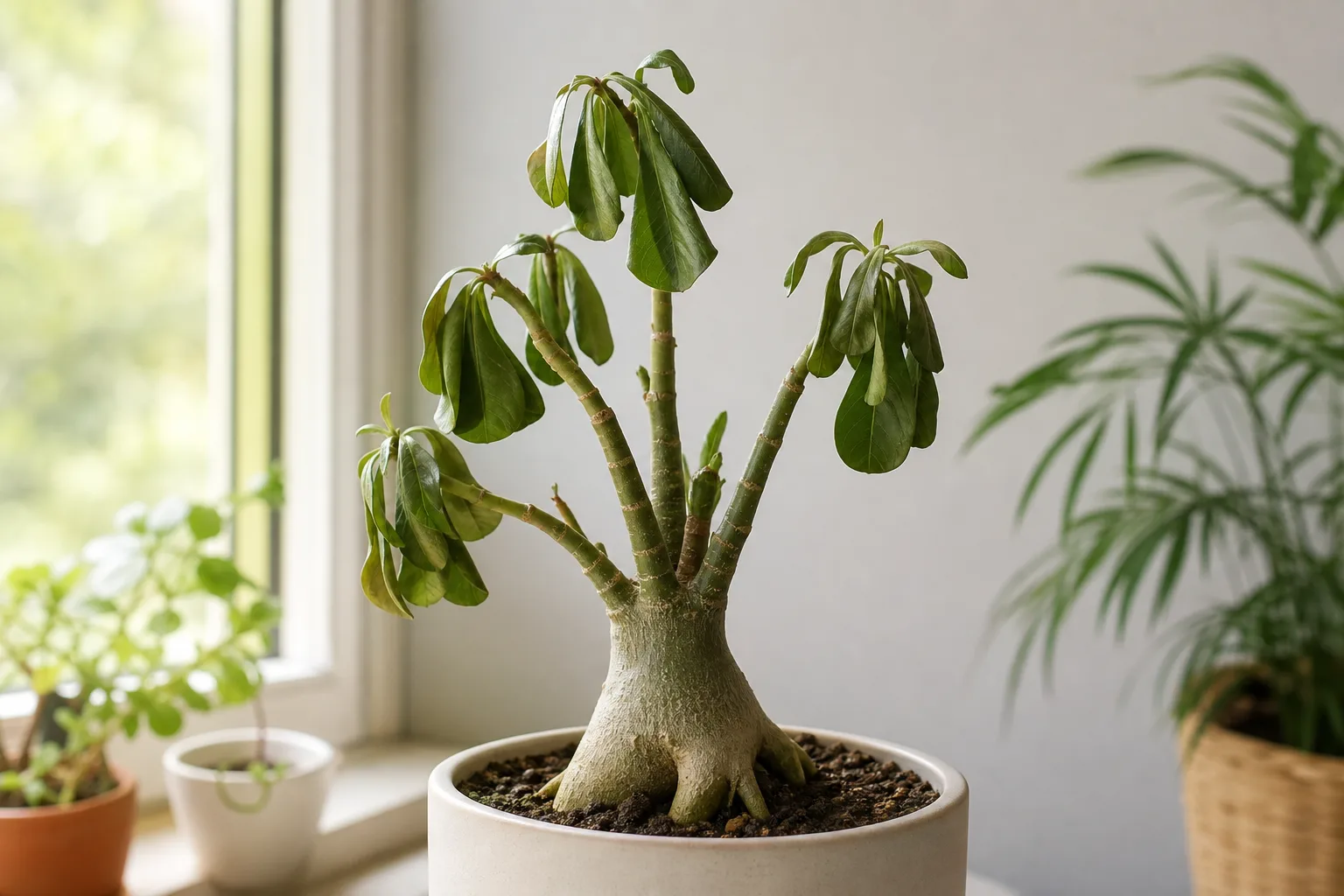 WateringWiltingWilting is a high-signal symptom that indicates the plant cannot maintain internal water pressure. Although people often assume underwatering, wilting can also result from overwatering, root rot, heat stress, and vascular damage. The same limp appearance can come from opposite causes, so checking soil moisture at depth is the first critical diagnostic step. Dry soil points toward dehydration, while wet soil with wilting suggests uptake failure.
Treatment success depends on correcting the water pathway rather than simply adding more water. Rehydrate genuinely dry plants thoroughly and gradually. For wet, wilted plants, prioritize root oxygen and drainage before the condition worsens. Environmental extremes can compound either scenario, so stabilize temperature and light exposure during recovery. Healthy recovery shows improved leaf firmness and steady new growth over days to weeks, depending on severity and species resilience.
WateringWiltingWilting is a high-signal symptom that indicates the plant cannot maintain internal water pressure. Although people often assume underwatering, wilting can also result from overwatering, root rot, heat stress, and vascular damage. The same limp appearance can come from opposite causes, so checking soil moisture at depth is the first critical diagnostic step. Dry soil points toward dehydration, while wet soil with wilting suggests uptake failure.
Treatment success depends on correcting the water pathway rather than simply adding more water. Rehydrate genuinely dry plants thoroughly and gradually. For wet, wilted plants, prioritize root oxygen and drainage before the condition worsens. Environmental extremes can compound either scenario, so stabilize temperature and light exposure during recovery. Healthy recovery shows improved leaf firmness and steady new growth over days to weeks, depending on severity and species resilience.No problems matched your search. Try different keywords or clear the category filter.
This watering problems problem guide was researched and written by . Watering problems symptoms, lookalike causes, and step-by-step fixes are cross-checked against extension pest, disease, and care references before publication.
We prioritize sources that hold up under scrutiny:
- University cooperative extension bulletins and fact sheets (Penn State, Clemson, UMD, NC State, and similar programs)
- Botanical garden and horticultural society publications
- Peer-reviewed plant science and veterinary toxicology references where pet safety matters (including ASPCA Animal Poison Control)
- Established reference works on indoor plant culture
The LeafyPixels editorial team then reviews the draft for clarity, step-by-step usefulness, and fit with real apartment and home conditions-not ideal greenhouse setups. When guidance changes materially, we update the page and note the revision date.
Sources used
- Clemson HGIC (n.d.) Diseases of indoor plants. [Online]. Available at: https://hgic.clemson.edu/?s=diseases%20of%20indoor%20plants (Accessed: 29 June 2026).
- Missouri Botanical Garden (n.d.) How to water indoor plants. [Online]. Available at: https://www.missouribotanicalgarden.org/gardens-gardening/your-garden/help-for-the-home-gardener/advice-tips-resources/visual-guides/how-to-water-indoor-plants (Accessed: 29 June 2026).
- Missouri Botanical Garden (n.d.) Problems common to many indoor plants. [Online]. Available at: https://www.missouribotanicalgarden.org/gardens-gardening/your-garden/help-for-the-home-gardener/advice-tips-resources/visual-guides/problems-common-to-many-indoor-plants (Accessed: 29 June 2026).
- Missouri Botanical Garden (n.d.) How often should I water my indoor plants?. [Online]. Available at: https://www.missouribotanicalgarden.org/gardens-gardening/your-garden/help-for-the-home-gardener/advice-tips-resources/gardening-help-faqs/question/1555/how-often-should-i-water-my-indoor-plants (Accessed: 29 June 2026).
- Penn State Extension (n.d.) Root rot of houseplants. [Online]. Available at: https://extension.psu.edu/pest-and-disease-problems-of-indoor-plants (Accessed: 29 June 2026).
- University of Maryland Extension (n.d.) Diagnosing houseplant problems. [Online]. Available at: https://www.extension.umd.edu/resource/diagnose-indoor-plant-problems (Accessed: 29 June 2026).
- University of Maryland Extension (n.d.) Overwatered indoor plants. [Online]. Available at: https://extension.umd.edu/resource/overwatered-indoor-plants (Accessed: 29 June 2026).
- University of Maryland Extension (n.d.) Watering indoor plants. [Online]. Available at: https://extension.umd.edu/resource/watering-indoor-plants (Accessed: 29 June 2026).
- University of Maryland Extension (n.d.) Drought stress to indoor plants. [Online]. Available at: https://extension.umd.edu/resource/drought-stress-indoor-plants (Accessed: 29 June 2026).