Overwatering Houseplants: Signs, Causes and Fixes
Overwatering is less about the number of ounces you pour and more about how long the root zone stays airless. Indoor pots dry at very different speeds based on light, temperature, pot size, and mix texture. A plant can wilt with wet soil because damaged roots are no longer moving water upward. The best confirmation is the combination of persistent moisture and declining roots. If the pot stays heavy for days, smells sour, or the plant yellows while the mix is still wet, stop treating it as a thirsty plant and inspect the root zone before watering again.
Overwatering on Houseplants
Still unsure?Match your symptoms to the most likely problems in under a minute.Run diagnosis →Understand and fix overwatering
Overwatering shows up as yellowing leaves, soggy soil, soft stems, and wilting that persists even when the pot feels wet - roots are drowning, not thirsty.
Overview
Overwatering is the most common killer of houseplants, yet it is often mistaken for underwatering because both can cause yellow leaves and wilting. The difference is in the root zone: overwatered plants sit in soil that stays wet for days, limiting oxygen and causing roots to rot. Without oxygen, roots cannot absorb water or nutrients, so the plant wilts despite wet soil.
Recovery starts with stopping water, improving drainage, and inspecting roots. Many plants bounce back after trimming damaged roots and repotting into airy mix, but severe cases need aggressive pruning. Prevention is simpler than rescue: water only when the top inch or two of soil is dry for most tropical houseplants, use pots with drainage holes, and match watering frequency to light and season.
How to identify it
- Soil stays wet more than 5–7 days after watering.
- Lower leaves yellow while stems remain soft, not crispy.
- Wilting occurs even though soil feels moist.
- White mold or fungus gnats appear on soil surface.
- Roots are brown, mushy, or smell unpleasant when inspected.
- New growth is stunted or absent for weeks.
When to worry
Act immediately if stems turn black at the base, soil smells sour, or leaves collapse across the whole plant within a week.
Common causes
Watering on a fixed schedule
Calendar watering ignores seasonal light changes and root uptake, leaving soil saturated too long.
Poor drainage
Pots without holes, compacted soil, or oversized decorative cachepots trap water around roots.
Low light slows water use
Plants in dim corners transpire less, so the same watering volume becomes excessive over time.
Heavy potting mix
Dense peat-heavy mixes retain moisture longer than chunky, well-aerated blends many houseplants need.
Cool temperatures
Cold soil and roots slow metabolism, so water lingers and oxygen depletion accelerates.
Step-by-step fix
Stop watering immediately
Let the root zone dry partially before any further water. Remove standing water from saucers.
Move to brighter indirect light
Better light helps the plant use moisture faster and supports root recovery without scorching leaves.
Inspect and trim rotten roots
Unpot gently, rinse roots, and cut mushy brown sections with sterile scissors. Keep firm white roots.
Repot into airy, fresh mix
Use a well-draining blend with perlite or bark. Choose a pot only slightly larger with open drainage holes.
Remove severely damaged foliage
Prune yellow or mushy leaves so energy goes to healthy tissue and new roots.
Resume watering conservatively
Water lightly once the top 2 inches dry. Increase gradually only as new growth appears.
Prevention tips
- Check soil moisture at finger depth before every watering.
- Empty saucers within 30 minutes of watering.
- Reduce watering frequency in winter and low-light months.
- Use pots with drainage and avoid waterlogged cachepots.
- Refresh compacted soil every 12–24 months.
Common mistakes
- Adding more water because leaves look wilted.
- Repotting into an oversized container that holds extra moisture.
- Misting instead of fixing watering and drainage habits.
- Fertilizing a stressed, waterlogged plant to force growth.
Related care topics
These care guides help prevent repeat issues once you have treated the immediate problem.
A drooping houseplant in damp soil looks thirsty, but another drink may be the one thing it cannot use. Wilt only tells you that water is not moving through the plant normally; it does not tell you whether the pot is too dry or the roots are failing in wet mix. Before reaching for the watering can, check the root zone.
Overwatering houseplants means keeping the potting mix wet for so long, or rewetting it so often, that roots lose access to enough air. Mild cases may recover after the mix dries and the growing conditions improve. A plant with soft, decaying roots needs a more active rescue, and a plant with no sound roots or viable stems may not be salvageable.
The most useful response is therefore not one universal trick. It is a short diagnostic process: establish how wet the whole pot is, make sure excess water can leave, evaluate the roots when warning signs justify it, and correct the condition that slowed drying in the first place.
Use the least disruptive action that fits the evidence:
| What you find | Likely severity | Best next action |
|---|---|---|
| Mix is wetter than usual, but stems are firm and decline is not progressing | Mild wet-root stress | Empty standing water, pause watering, and improve the drying conditions within the plant’s normal light and temperature range |
| Mix stays wet while yellowing, wilt, or leaf drop continues | Significant root stress | Check drainage and slide out the intact root ball to inspect smell, texture, and root integrity |
| Roots or the crown are soft, slimy, foul-smelling, hollow, or collapsing | Root death; disease may also be involved | Remove dead tissue, repot into a suitable fresh mix, or take viable cuttings if too few roots remain |
This table is a triage guide, not proof of cause. Cold injury, transplant shock, fertilizer salts, drought, and some diseases can overlap with these symptoms. If the evidence conflicts—for example, wilted leaves above a light, dry pot—recheck the diagnosis before disturbing the roots.
What Overwatering Really Means
Roots do more than absorb water. Living root cells also respire, and they depend on oxygen in the air spaces between particles of potting mix. When those spaces remain full of water, oxygen availability falls; prolonged saturation can stop root growth and eventually kill roots, according to Virginia Cooperative Extension.
That is why “too much water” is incomplete advice. The same volume may be appropriate in a bright, warm room where a leafy plant is actively growing and excessive in a cool, dim room where the same plant uses water slowly. Overwatering describes the relationship among the plant, its roots, the pot, the mix, and the drying environment—not a fixed number of cups.
It also helps to separate overwatering stress from root rot. Saturated conditions can injure roots by limiting oxygen, while damaged tissue and persistent moisture may also favor disease organisms. University of Florida specialists note that “root rot” may describe a physical condition caused by standing water, a pathogen-driven disease, or both, so a home inspection can identify failed roots without identifying a specific pathogen (UF Emerging Pathogens Institute).
That distinction changes what you can honestly conclude. Soft, sloughing roots tell you the tissue is dead; they do not tell you whether Pythium, Phytophthora, another organism, or oxygen deprivation initiated the damage. Avoid choosing a fungicide from appearance alone. Correct the waterlogged conditions, remove tissue that has clearly failed, and seek a local Extension or plant-diagnostic service if a valuable collection plant continues to decline after the physical problems are corrected.
Frequency Matters More Than One Thorough Drink
For most container houseplants, a thorough watering followed by complete drainage is safer than frequent small sips. A full watering evenly moistens the root ball and allows some accumulated soluble salts to move out through the drainage holes. The next watering should be triggered by the plant’s species-specific dry-down needs, not by the day printed on a calendar.
Virginia Cooperative Extension puts the distinction plainly: overwatering is about how often you water, not simply how much you apply at one time. After watering, the root zone needs a period in which larger pores drain and air returns. Rewatering while the mix is still too wet resets that saturated period.
Small sips are not a reliable correction. They may wet only part of the root ball, encourage shallow rooting, or leave a dry, water-repellent core while the surface appears damp. Instead, confirm that the mix actually needs water, soak it evenly, allow it to drain, and empty the outer pot or saucer.
Signs of an Overwatered Houseplant
No single leaf symptom proves overwatering. Yellowing can result from natural aging, low light, nutrient trouble, pests, temperature stress, root crowding, underwatering, or disease. The stronger diagnosis comes from a cluster of symptoms plus persistently wet mix.
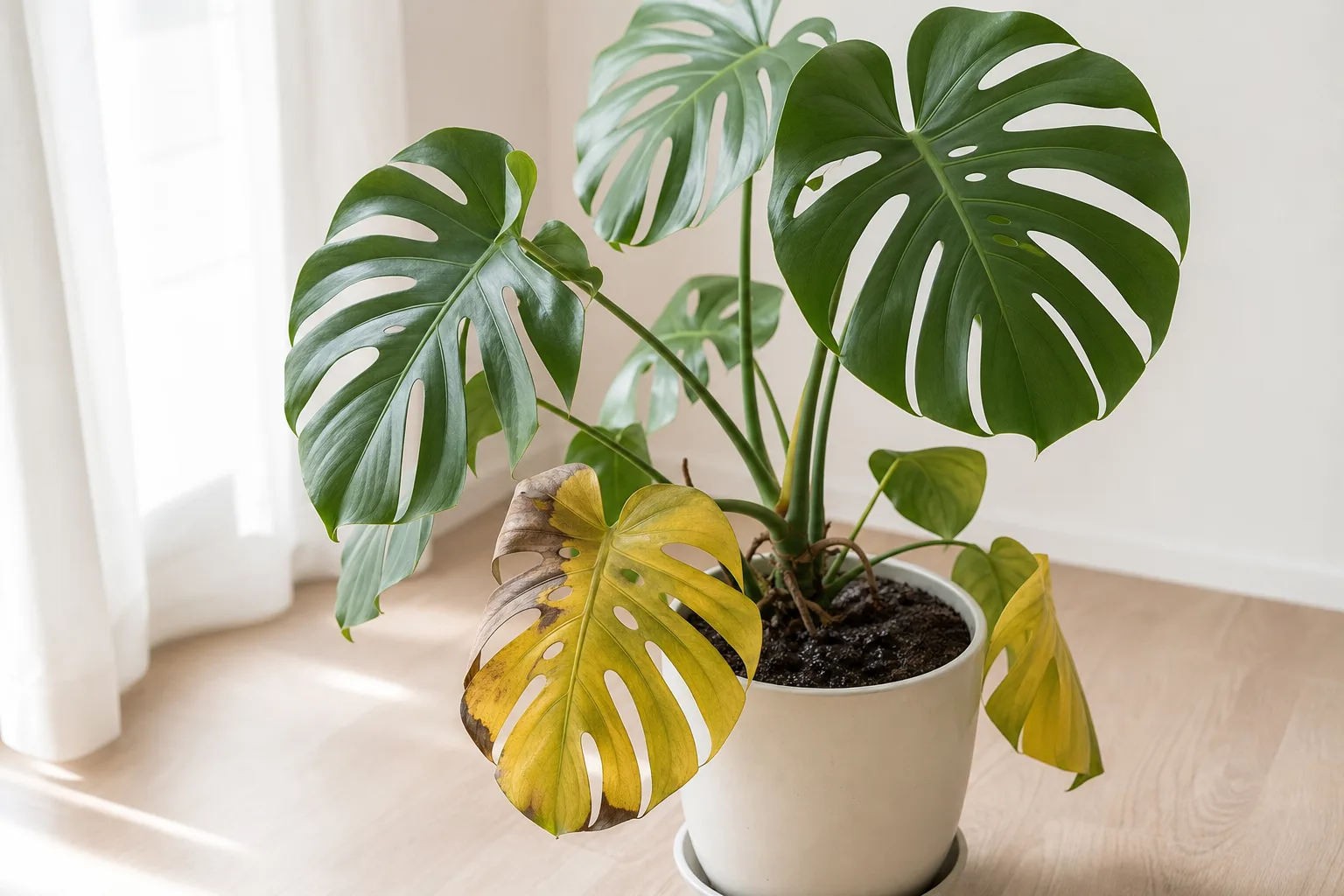
Look for change over time. One old yellow leaf on an otherwise vigorous Monstera is very different from several yellow leaves, stalled growth, a heavy pot, and mix that remains wet many days after watering. Recent events matter too: a move to lower light, a jump into a much larger pot, or water left inside a decorative cover pot can turn a previously workable routine into an overwatering problem.
In this Monstera image, multiple yellowing leaves and a lowered canopy justify checking the root zone. They do not prove overwatering by themselves. A useful image-based assessment names what is visible, then verifies what the photograph cannot show: moisture below the surface, pot weight, drainage, odor, and root texture.
Leaf and Stem Symptoms
Common above-ground signs include wilting, soft or yellowing foliage, leaf drop, slowed growth, brown or black areas, and soft tissue near the base in advanced cases. Utah State University Extension lists yellowing, necrosis, marginal scorch, wilting, leaf loss, and canopy dieback among symptoms that can follow oxygen-depriving saturation (Utah State University Extension).
Texture supplies context. Overwatered leaves may feel soft, limp, or swollen before they yellow, whereas severely underwatered foliage is more often thin, dry, curled, or crisp. Those are tendencies, not rules: succulents, aroids, ferns, and woody houseplants express stress differently, and tissue damaged by either extreme can eventually become brown and brittle.
Some plants develop small corky marks or blister-like swellings when roots take up water faster than foliage can release it, a disorder often called edema. Others shed lower leaves without dramatic wilt. The diagnosis still depends on moisture and root evidence rather than matching a photograph alone.
Soil and Root Clues
Start with the pot. Mix that remains wet far beyond its usual pattern, smells sour or stagnant, or feels cool and saturated well below the surface raises concern. Fungus gnats often accompany consistently moist organic media, but their presence does not prove that roots are rotting. A pot that stays conspicuously heavy is another clue because water accounts for much of the weight difference between a recently watered and a drying container.
Wilt in wet mix is particularly important. Saturated soil can displace necessary oxygen; as roots deteriorate, they take up less water and the plant may droop despite being surrounded by moisture, as the University of Connecticut Home & Garden Education Center explains. Adding water in response accelerates the cycle.
If decline continues, slide the root ball out gently. Healthy roots vary in color by species and substrate, so do not cut every tan or brown root on sight; strength and texture are more useful than color alone. Concerning roots are soft, slimy, collapsing, hollow, or easily stripped of their outer tissue, especially when accompanied by a sour smell or a dark, mushy crown.
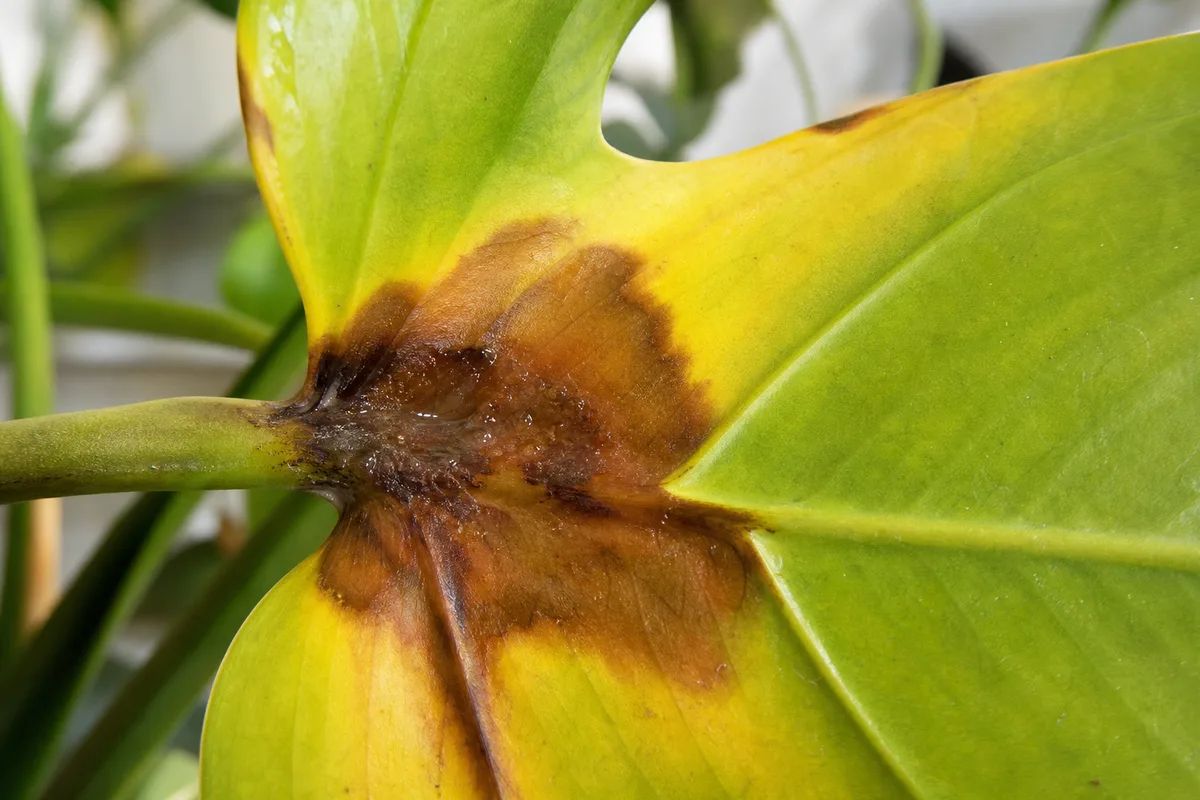
The close-up shows yellow tissue and a dark damaged area, but the pattern is not a pathogen test or a moisture reading. Treat it as a prompt to inspect the whole plant. If only one older leaf is affected while the pot dries normally and new growth remains sound, natural leaf aging or a local injury may fit better than systemic overwatering.
Overwatering vs Underwatering
Overwatering and underwatering can both cause wilt because both reduce the water reaching leaf cells—one through failing roots, the other through an empty reservoir. Use the whole pattern rather than the leaf alone.
| Check | More consistent with overwatering | More consistent with underwatering |
|---|---|---|
| Potting mix | Damp or saturated below the surface | Dry through much of the root ball |
| Pot weight | Heavy for days after watering | Noticeably light |
| Leaves | Often soft, yellowing, or dropping | Often thin, curled, dry, or crisp |
| Roots | May be soft, dark, or shedding tissue | Usually firm but may be dry or brittle after severe drought |
| Smell | Sour or stagnant odor may occur | Usually little odor |
| Response to watering | Does not perk up, or worsens | Often improves after the root ball is fully rehydrated |
This comparison is a guide, not a laboratory test. Virginia Cooperative Extension notes that underwatered and overwatered plants can share foliage wilt, while dry potting mix may shrink from the sides of the container (Virginia Cooperative Extension). If the surface is misleading, probe deeper before deciding.
How to Confirm the Diagnosis
First ask a more precise question than “Did I water too much?” Ask: Has the root zone stayed wetter than this plant can tolerate? That wording forces you to inspect the conditions instead of judging yourself by a single watering event.
Do not assume a moisture meter settles the issue. A reading at one point can miss a wet lower layer or a dry pocket, and coarse bark can produce poor contact around a probe. Treat the number as one clue and verify it with touch, pot weight, a wooden skewer, and the plant’s recent drying pattern. Compare the same pot with itself over time rather than comparing its weight with a different container made from another material.
Root inspection is justified when the plant continues to deteriorate in wet mix, the pot smells sour, the base is soft, or water has remained trapped around the nursery pot. It may be unnecessary when the plant is only mildly droopy, the roots were recently disturbed, and the container is already drying toward its established pattern. Pulling apart every stressed root ball can add injury when observation would have been enough.
A Five-Minute Check Before You Act
Work from least disruptive to most disruptive:
- Pause watering. Do not add more until you know what is happening below the surface.
- Check two depths. Feel the top layer, then use a clean wooden skewer or finger near the pot edge to assess deeper mix where practical.
- Lift the pot. Compare its weight with a known dry or recently watered state.
- Inspect drainage. Make sure holes are open and the nursery pot is not sitting in water inside a cachepot.
- Review the environment. Note recent changes in light, temperature, humidity, season, pot size, or location.
If the plant is stable and the mix is merely wetter than ideal, improve light within the species’ safe range, provide gentle air circulation, and allow natural drying. If yellowing or soft tissue is spreading, the root zone smells foul, or the pot remains saturated despite open drainage, remove the pot and inspect the intact root ball. This sequence avoids two common extremes: ignoring progressive root failure and repotting a plant that only needed time.
How to Save an Overwatered Houseplant
The rescue depends on severity. Firm roots in clean-smelling mix call for restraint; soft roots, a foul root zone, or a collapsing crown call for intervention. Do not apply every remedy at once, because cutting roots, changing soil, moving the plant, increasing light, and fertilizing simultaneously make an already stressed plant manage several new problems.
Never try to “bake” a wet pot dry with a hair dryer, heater, or harsh direct sun. Rapid heat can injure foliage and roots while the center of the root ball stays wet. Gentle airflow, appropriate light, normal room warmth, and unobstructed drainage produce a safer dry-down.
When the Roots Are Still Firm
For a mild case, remove any standing water from the saucer or decorative pot and keep the plant out of a sealed cover that blocks evaporation. Tip the pot briefly if water is perched above a blocked opening, then return it upright where it receives suitable light and ordinary air movement. Do not squeeze the root ball, repeatedly poke the roots, or place absorbent material deep into the mix.
Wait until the root zone reaches the dryness level appropriate for that species. A snake plant or many succulents should dry much more thoroughly than a fern or calathea; “let it dry completely” is therefore not universal advice. Monitor rather than water by date.
Remove a fully yellow or dead leaf if it comes away cleanly or can be cut with clean shears, but keep healthy green tissue. Green leaves support photosynthesis, which supplies energy for root recovery. Hold fertilizer until normal growth resumes because fertilizer does not restore oxygen and can add soluble salts to a stressed root zone.
When Roots Are Damaged or Rotting
Repot when the evidence justifies the disturbance: roots are soft or sloughing, the mix is sour and structurally collapsed, drainage is blocked beyond correction, or the plant continues declining while the pot stays saturated. Virginia Cooperative Extension includes allowing the mix to dry, clearing blocked drainage, repotting into fresh potting soil, and removing dead tissue among responses to overwatered symptoms.
Prepare a clean pot with drainage holes and fresh mix suited to the plant. Slide out the root ball, loosen saturated material gently, and cut only clearly dead roots with disinfected shears. Keep firm roots even if they are stained tan by bark or peat, and avoid washing or trimming more aggressively than needed.
Choose a container that fits the remaining roots rather than the former canopy. An oversized pot holds a greater volume of wet mix around a small root system; UConn warns that plants in pots too large for their roots can struggle to use the stored water and show overwatering symptoms (University of Connecticut Extension). If pruning removed much of the root system, a smaller pot may now be safer.
Set the plant at its previous depth, settle the mix without compressing it hard, and follow species-appropriate watering. If the retained roots and surrounding mix remain damp after the rescue, do not automatically soak again. If you removed most of the old mix and the replacement is dry, water enough to settle it around the roots and then drain thoroughly; the correct choice depends on the moisture actually present, not a blanket rule.
When almost all roots are gone but healthy stem nodes remain, propagation may be the better rescue. Take clean cuttings above any soft or dark stem tissue and root them using a method appropriate to the species. A collapsed crown, spreading soft stem, or absence of both viable roots and nodes makes recovery unlikely; discarding the plant and contaminated mix may be more sensible than repeated treatments.
What Recovery Looks Like
Recovery is measured by stability and new function, not by old damage reversing. A yellow leaf will not turn uniformly green again, and a dead root will not become firm. Better signs include the pot returning toward its own previous dry-down pattern, stems holding themselves up, no new yellowing or soft tissue, and eventually a new leaf or root.
Expect the timeline to vary. A fast-growing pothos in warm, bright conditions may show progress sooner than a slow-growing ZZ plant in winter. Plants that lost many roots may pause top growth while rebuilding below the surface, and some may shed additional leaves because the smaller root system cannot support the original canopy.
Check every few days without repeatedly unpotting the plant. Track pot weight, moisture, new damage, and the firmness of the crown. If the mix remains saturated, the smell worsens, or soft tissue continues moving upward, recheck the roots and consider taking healthy cuttings rather than waiting for an unlikely reversal.
Avoid interpreting one new leaf as permission to resume the old routine. The environment that caused the problem still needs correction. Let the next watering be based on current root-zone moisture, and remember that a reduced root system generally uses water more slowly until it regrows.
Why Houseplants Stay Wet Too Long
Overwatering is often blamed entirely on the person holding the can, but the system can be working against them. A plant can stay wet because the pot is too large, the mix has collapsed, the drainage hole is blocked, the nursery pot sits in hidden runoff, light has fallen, temperatures have cooled, or the plant has entered a slower growth phase.
Find the bottleneck before designing a new schedule. If the same plant was healthy for months and suddenly stays wet twice as long, something changed. Moving it three metres from a window, closing curtains for summer heat, repotting into a decorative container, or entering winter can reduce water use without any change in the amount poured.
Pot, Drainage and Potting Mix
Drainage holes provide an exit for gravitational water, but holes alone cannot correct dense, airless mix or repeated watering. Fine particles and fibrous materials tend to hold more water and less air, while coarser components such as bark and perlite increase drainage and air space; Virginia Cooperative Extension’s container guidance explains how mix composition controls the balance of water and oxygen.
Pot material changes drying too. Unglazed terracotta loses moisture through its walls, while plastic and glazed ceramic do not. That makes terracotta useful for some drought-tolerant plants and fast-draining setups, but it can dry too quickly for plants that prefer evenly moist conditions.
Pot size is equally important. Moving a small root ball into a dramatically larger container surrounds it with mix that no roots are yet using, so the center can remain wet long after the surface feels dry. Increase pot size modestly and choose the shape and substrate for the plant rather than using a large pot to reduce repotting frequency.
Decorative cachepots create a hidden failure point. Water can drain correctly from the nursery pot and still collect around its base; UF plant pathologists specifically identify trapped water in an outer pot as a route to oxygen-deprived, rotting roots. Take the inner pot out to water, let it drain, and empty the outer vessel before replacing it.
Light, Temperature, Season and Plant Type
Plants generally use water faster when light supports active photosynthesis and growth. In lower light, many houseplants grow more slowly and require less frequent watering; Virginia Cooperative Extension likewise notes that higher light can increase water use while lower-light plants often need watering less often. Moving a plant away from a window should therefore trigger closer moisture checks, not automatic continuation of its former routine.
Temperature and humidity influence evaporation and transpiration, while season changes day length and growth. A warm, bright summer root zone may dry quickly; the same pot can remain wet much longer during cool, short winter days. Indoor heating complicates the pattern because warm, dry air can increase moisture loss even in winter, so observe the pot instead of relying on the month alone.
Species and structure set different baselines. Cacti, many succulents, snake plants, and ZZ plants store water and usually tolerate a longer dry interval than thin-leaved ferns or moisture-loving tropicals. Root-to-leaf ratio matters too: a recently divided, propagated, or root-pruned plant has less root capacity and may dry more slowly than a full pot of established roots.
A Watering System That Prevents Repeat Problems
A sound routine is responsive rather than scheduled. Use a weekly reminder to check plants if that helps, but do not turn the reminder into a command to water every pot. Grouping plants by similar moisture needs makes the check faster and reduces the chance that a cactus receives the same treatment as a fern.
Use this repeatable sequence:
- Observe the plant and environment. Note light, temperature, growth, and any recent move.
- Check below the surface. Combine touch or a skewer with pot weight; use a moisture meter only as supporting evidence.
- Water thoroughly when the plant reaches its proper trigger. Wet the root ball evenly instead of giving routine sips.
- Drain completely. Let water leave the nursery pot and empty saucers or cachepots; UConn recommends removing collected water within about an hour (UConn Home & Garden Education Center).
- Review the dry-down. If the pot stays wet much longer than before, investigate light, temperature, mix, roots, and container size before the next watering.
Learn the lifted weight of each pot just after watering and again near its normal watering point. This simple comparison integrates moisture across more of the root ball than touching the top centimetre alone. A wooden skewer left briefly near the pot’s edge can add depth information without trusting a single electronic reading.
Finally, keep records only if they improve observation. A note such as “checked Saturday—still damp and heavy” is useful; “water every Saturday” ignores the plant. The goal is not perfect consistency in dates but consistent attention to what the root zone is doing. If a formerly healthy pot begins taking much longer to dry, treat the change as evidence: inspect seasonal light, temperature, root mass, drainage, and substrate condition before changing the calendar.
Conclusion
Overwatering houseplants is best understood as a root-zone oxygen problem caused by moisture persisting longer than the plant can use it. Yellow leaves and wilt can raise suspicion, but the diagnosis becomes credible only when they align with damp mix, a heavy pot, poor drainage, or damaged roots.
Respond according to severity. Let a mildly wet plant drain and dry under appropriate conditions; inspect and repot when roots are clearly failing; propagate healthy growth when the original root system cannot be saved. Then fix the combination of frequency, light, pot size, mix, season, and hidden standing water that produced the problem.
The safest long-term habit is simple: check first, water thoroughly only when the plant is ready, drain completely, and watch how long that individual pot takes to dry. If the plant remains stable, use restraint. If decline progresses in wet mix or soft tissue appears, inspect the roots and escalate the rescue. That turns watering from a calendar chore into a decision based on evidence from the plant in front of you.
Plants commonly affected
These houseplants often struggle with overwatering. Open a care guide or plant-specific troubleshooting page for tailored fixes.
 Medium
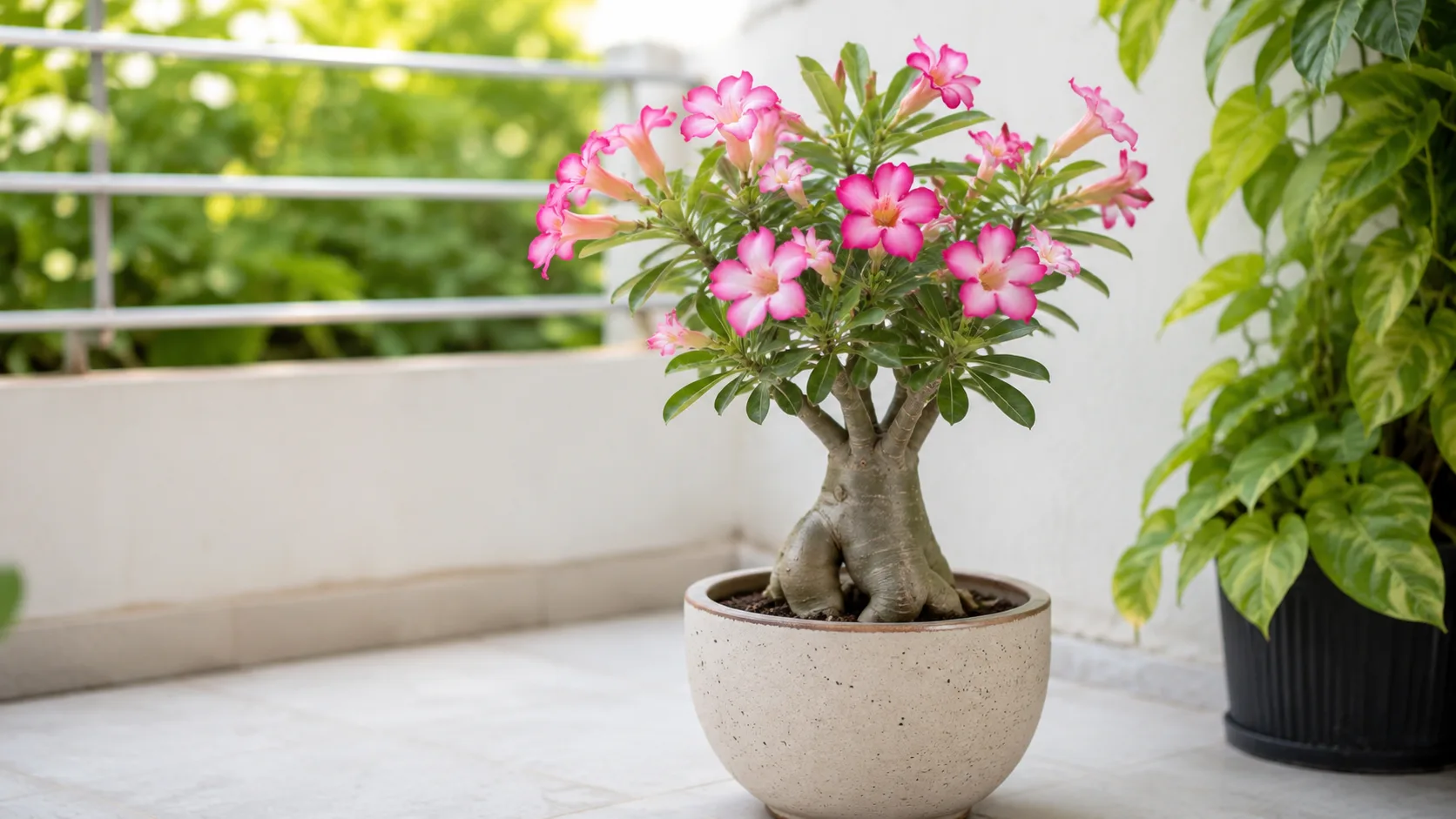
Adenium
Likely causeWet soil suffocates desert-rose roots, causing yellow leaves, soft caudex, and fatal rot in cool weather.
Quick fixStop watering, confirm mix is dry 5–7 cm down, and inspect roots if the caudex feels soft.
 Medium
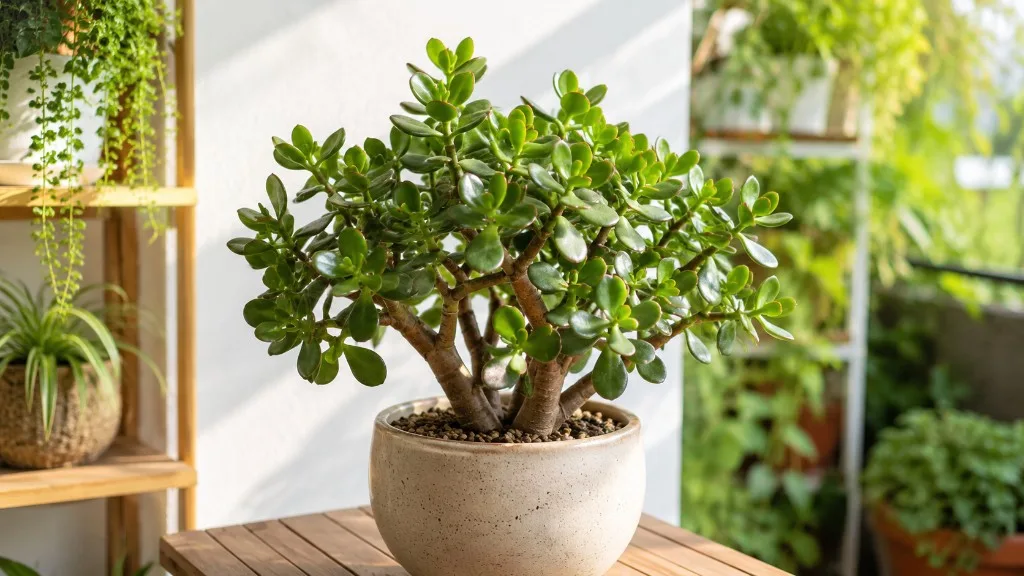
African Milk Tree
Likely causeCommon on this plant type; confirm with recent watering, light, and root checks.
Quick fixInspect the plant and correct the most likely care stressor before stacking treatments.
 Medium
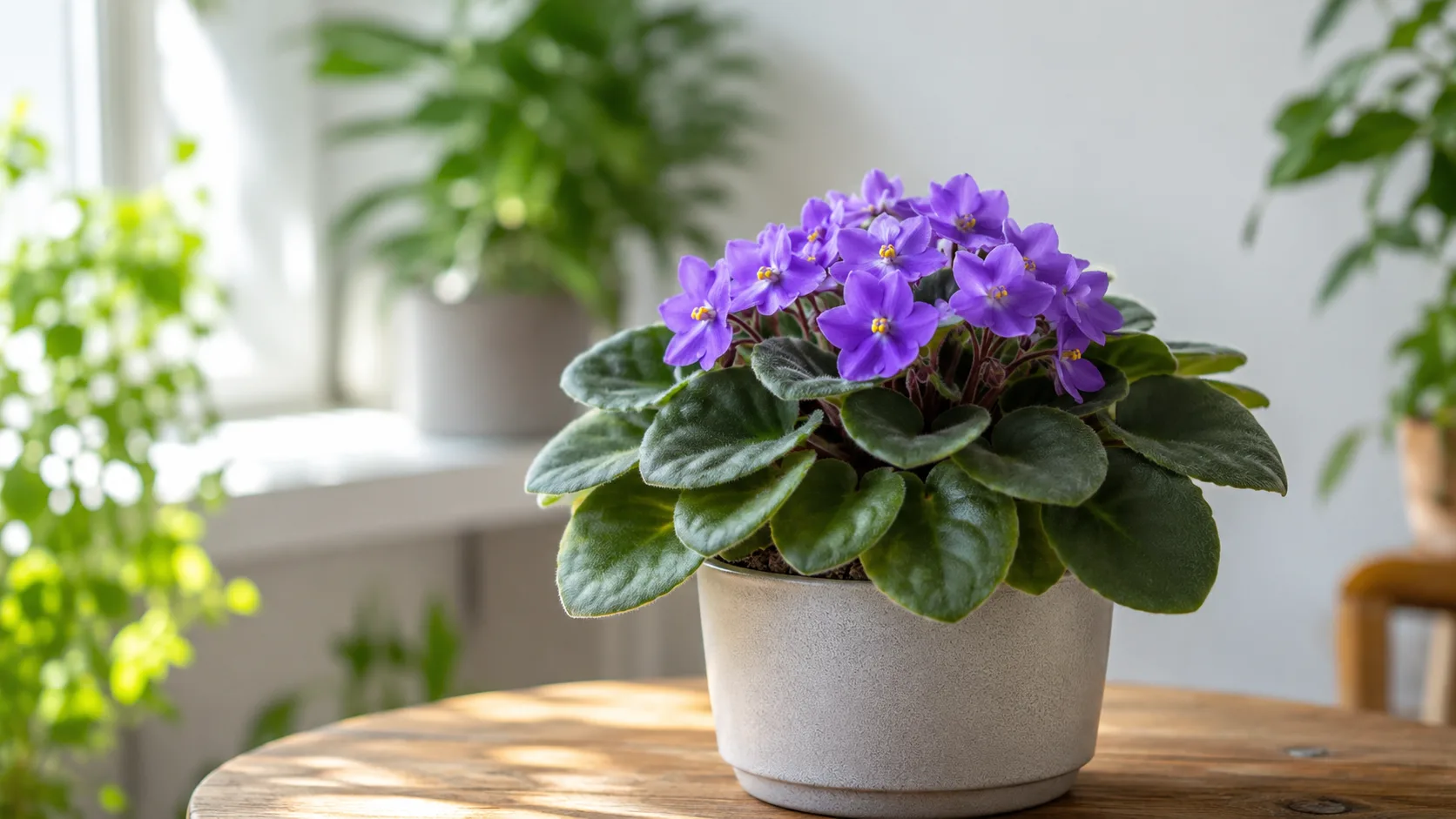
African Violet
Likely causeOverwatering on African Violet: What's Happening Overwatering in African violets is fundamentally about frequency, not volume. The succulent root system and water-storing leaf cells evolved for the well-draining cloud forest co
Quick fixInspect African Violet, confirm overwatering matches your symptoms, then adjust care or treat per authoritative guides.
 Medium
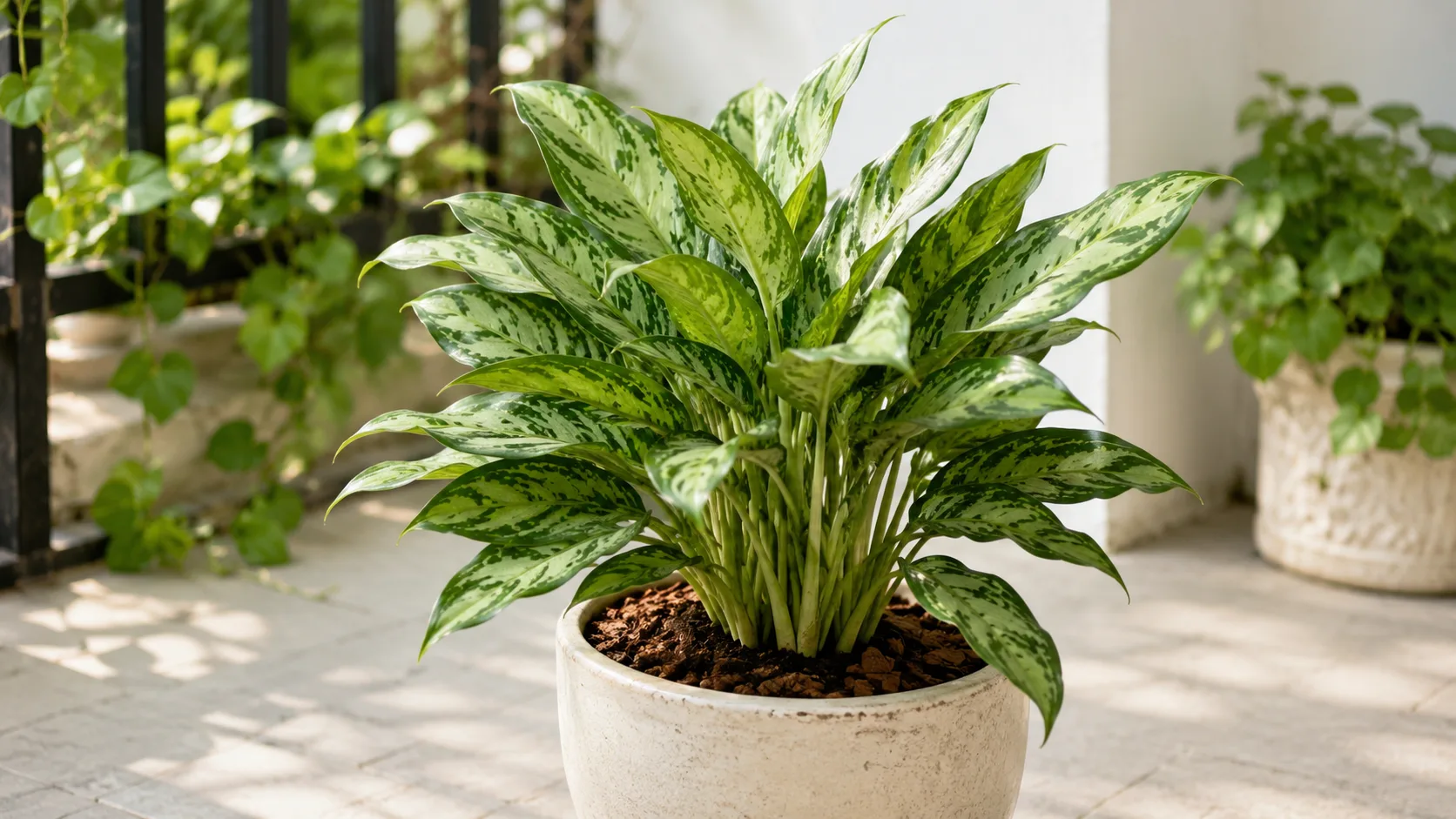
Aglaonema
Likely causeCommon on this plant type; confirm with recent watering, light, and root checks.
Quick fixInspect the plant and correct the most likely care stressor before stacking treatments.
 Medium
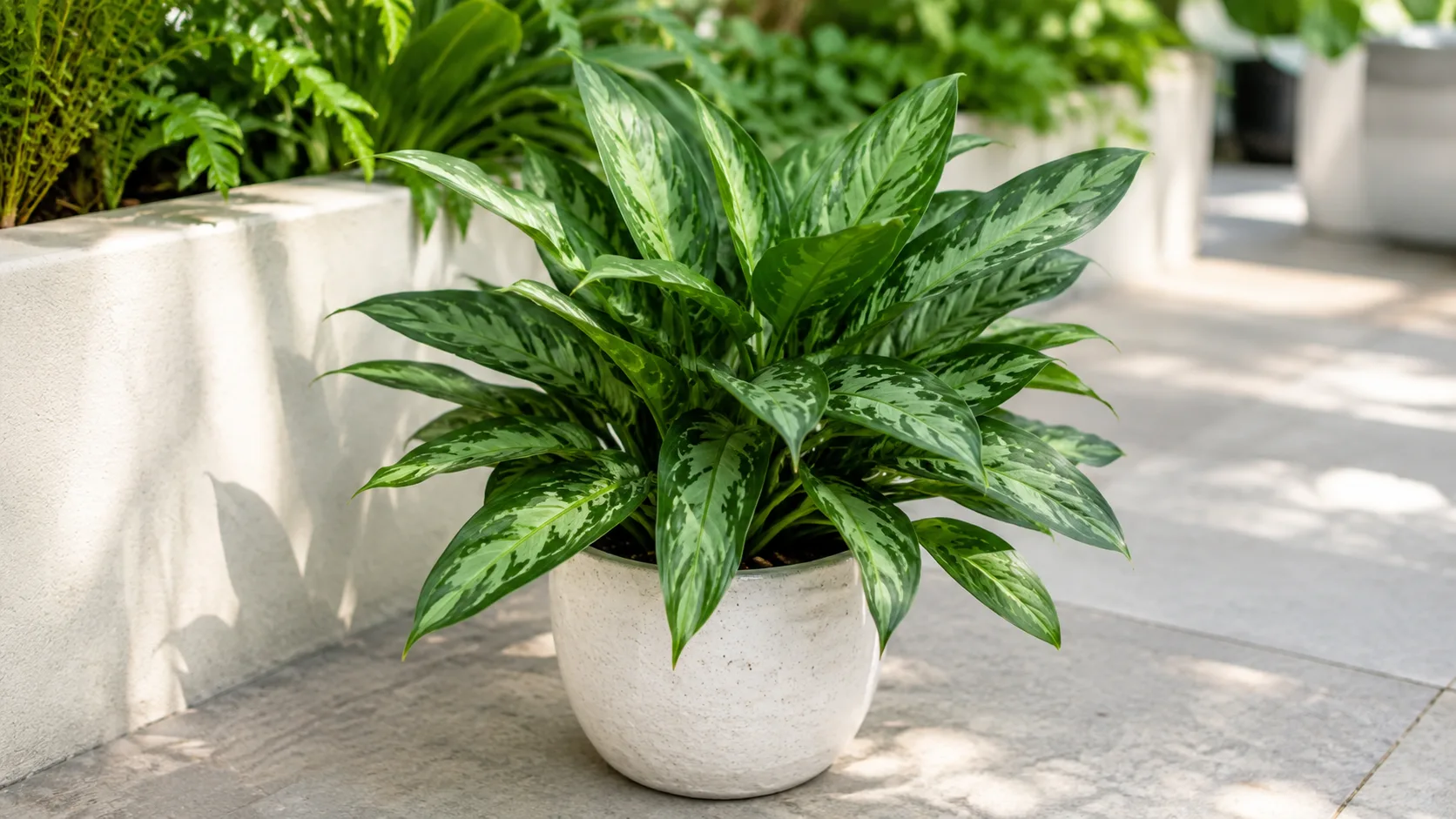
Aglaonema Cutlass
Likely causeCommon on this plant type; confirm with recent watering, light, and root checks.
Quick fixInspect the plant and correct the most likely care stressor before stacking treatments.
- Medium
Aglaonema Lady Valentine
Likely causeCommon on this plant type; confirm with recent watering, light, and root checks.
Quick fixInspect the plant and correct the most likely care stressor before stacking treatments.
- Medium
Aglaonema Maria
Likely causeCommon on this plant type; confirm with recent watering, light, and root checks.
Quick fixInspect the plant and correct the most likely care stressor before stacking treatments.
- Medium
Aglaonema Pictum Tricolor
Likely causeCommon on this plant type; confirm with recent watering, light, and root checks.
Quick fixInspect the plant and correct the most likely care stressor before stacking treatments.
 Medium
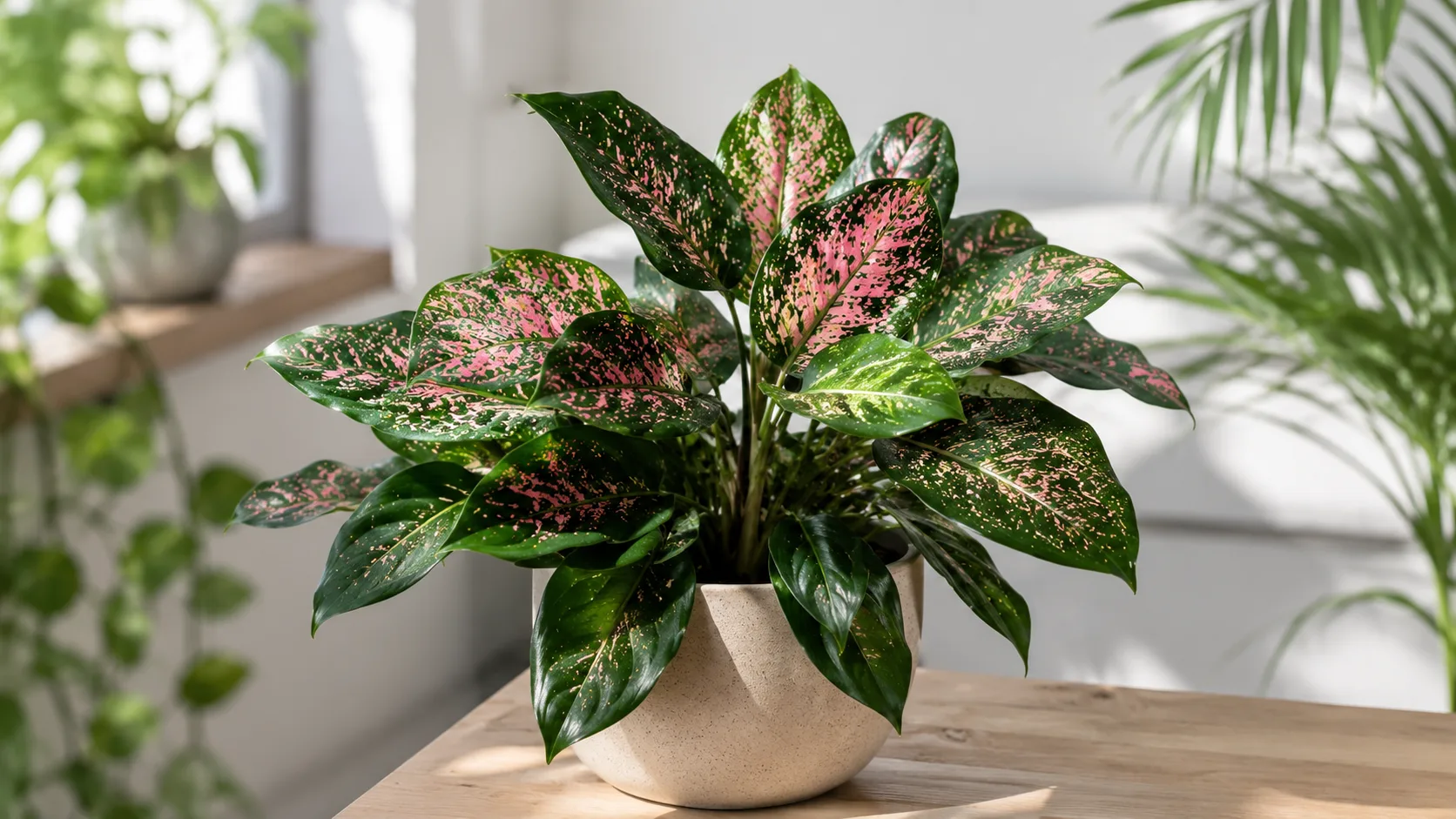
Aglaonema Pink Dalmatian
Likely causeCommon on this plant type; confirm with recent watering, light, and root checks.
Quick fixInspect the plant and correct the most likely care stressor before stacking treatments.
- Medium
Aglaonema Red Siam
Likely causeCommon on this plant type; confirm with recent watering, light, and root checks.
Quick fixInspect the plant and correct the most likely care stressor before stacking treatments.
 Medium
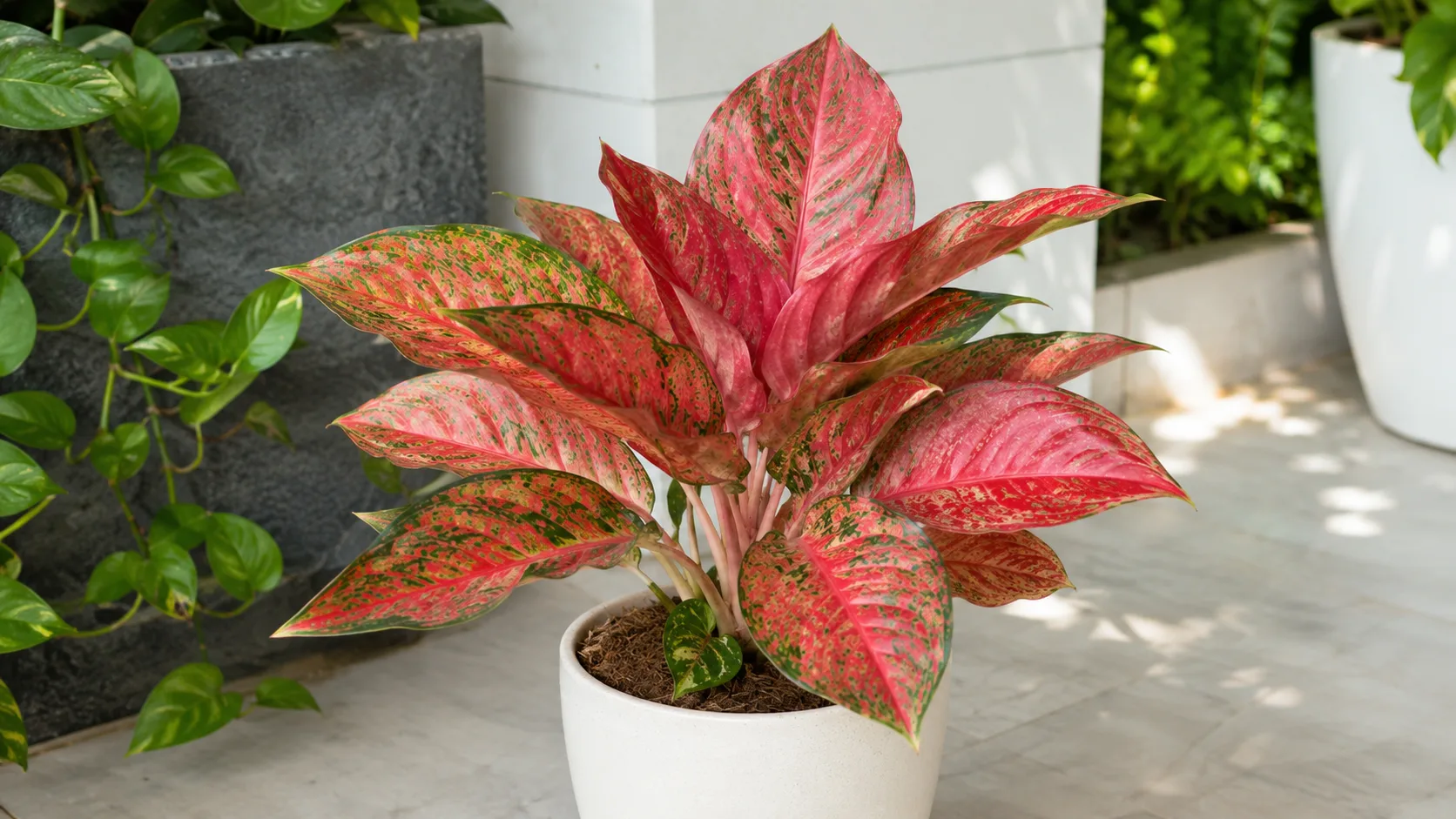
Aglaonema Red Valentine
Likely causeCommon on this plant type; confirm with recent watering, light, and root checks.
Quick fixInspect the plant and correct the most likely care stressor before stacking treatments.
 Medium
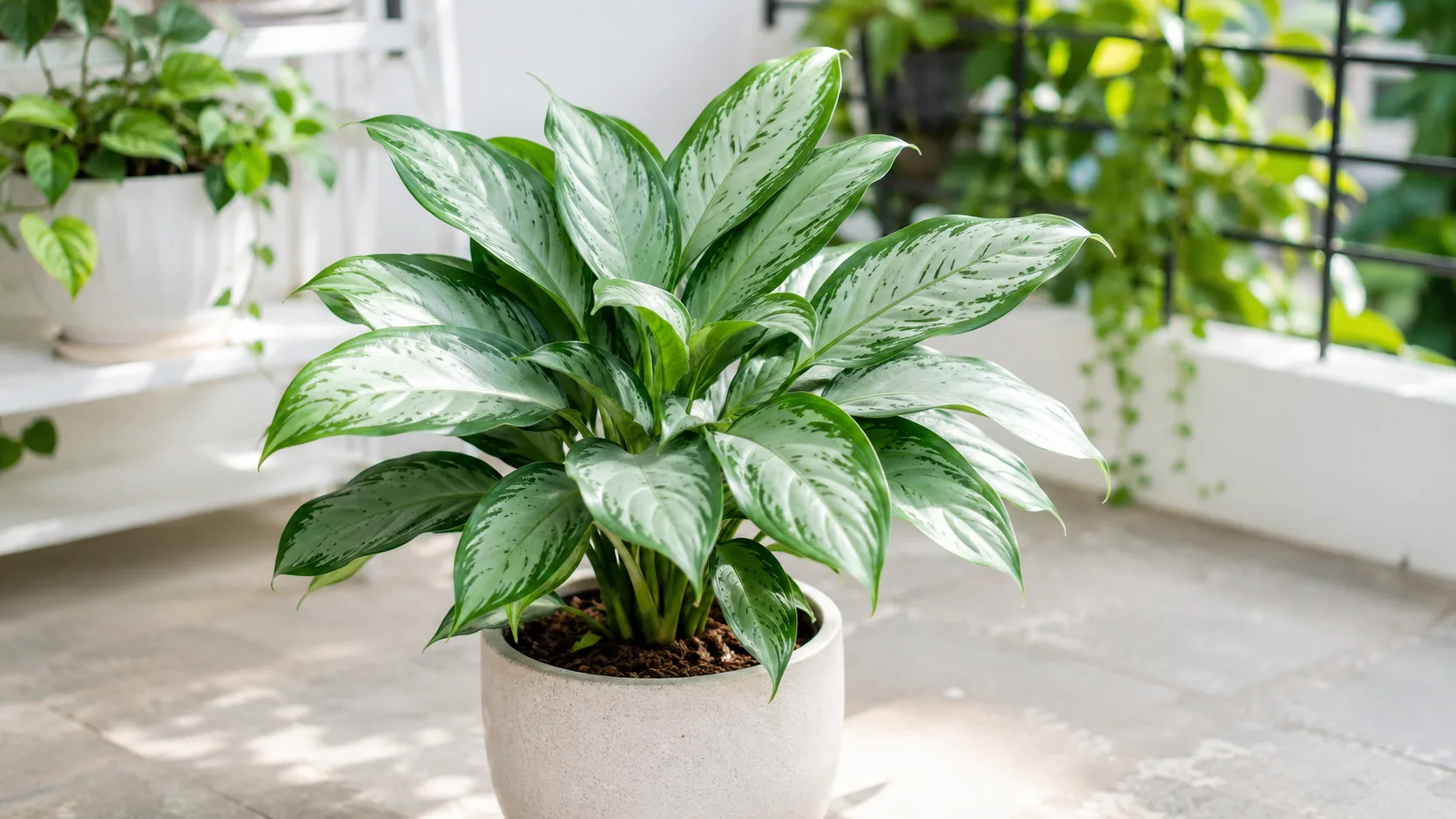
Aglaonema Silver Bay
Likely causeCommon on this plant type; confirm with recent watering, light, and root checks.
Quick fixInspect the plant and correct the most likely care stressor before stacking treatments.