Wilting Houseplants: Causes, Diagnosis, and Fixes
Wilting is a high-signal symptom that indicates the plant cannot maintain internal water pressure. Although people often assume underwatering, wilting can also result from overwatering, root rot, heat stress, and vascular damage. The same limp appearance can come from opposite causes, so checking soil moisture at depth is the first critical diagnostic step. Dry soil points toward dehydration, while wet soil with wilting suggests uptake failure. Treatment success depends on correcting the water pathway rather than simply adding more water. Rehydrate genuinely dry plants thoroughly and gradually. For wet, wilted plants, prioritize root oxygen and drainage before the condition worsens. Environmental extremes can compound either scenario, so stabilize temperature and light exposure during recovery. Healthy recovery shows improved leaf firmness and steady new growth over days to weeks, depending on severity and species resilience.
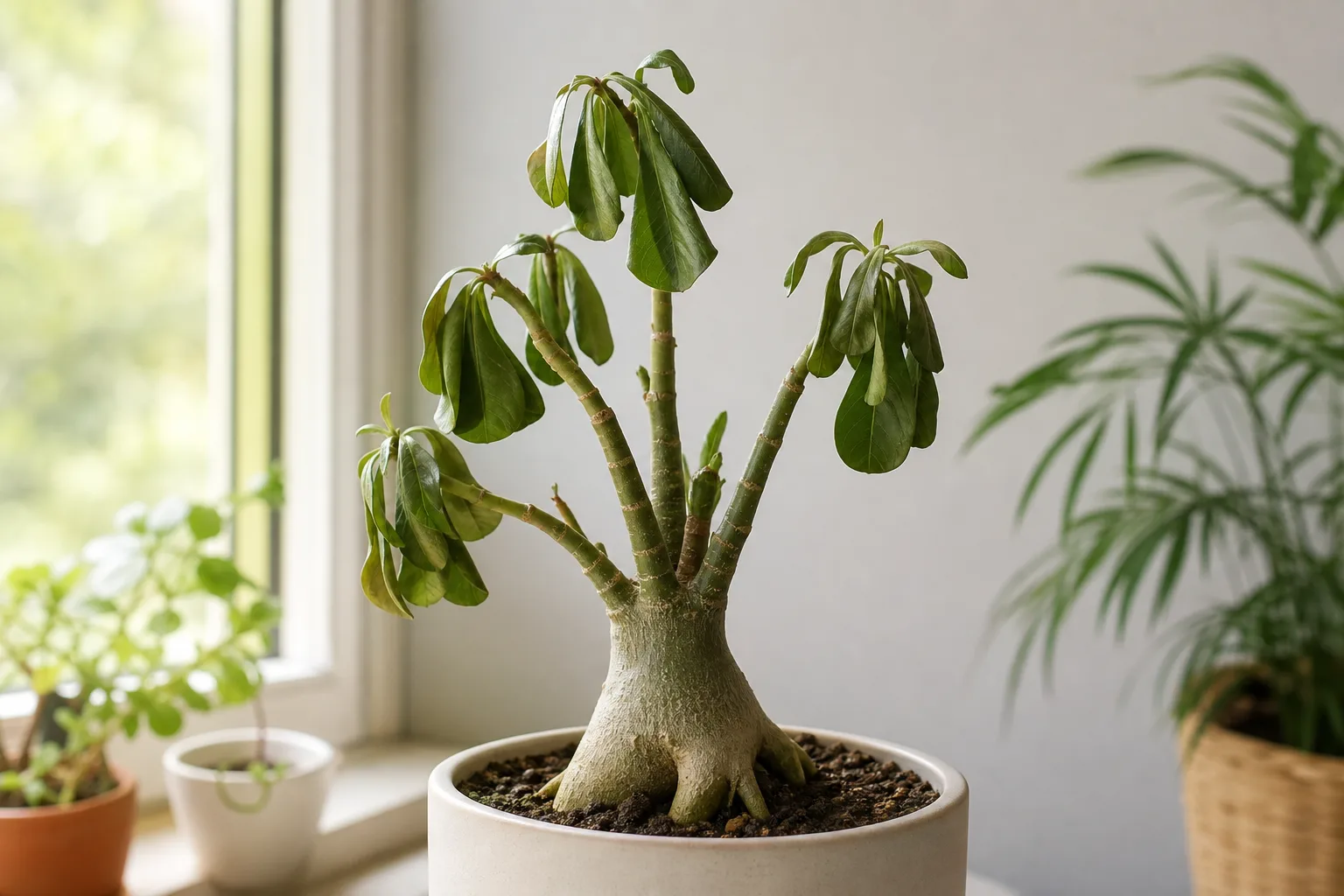
Wilting on Houseplants
Still unsure?Match your symptoms to the most likely problems in under a minute.Run diagnosis →Understand and fix wilting
Wilting is loss of leaf firmness from impaired water movement; soil moisture plus root condition determines whether dehydration or root failure is driving it.
Overview
Wilting is a high-signal symptom that indicates the plant cannot maintain internal water pressure. Although people often assume underwatering, wilting can also result from overwatering, root rot, heat stress, and vascular damage. The same limp appearance can come from opposite causes, so checking soil moisture at depth is the first critical diagnostic step. Dry soil points toward dehydration, while wet soil with wilting suggests uptake failure.
Treatment success depends on correcting the water pathway rather than simply adding more water. Rehydrate genuinely dry plants thoroughly and gradually. For wet, wilted plants, prioritize root oxygen and drainage before the condition worsens. Environmental extremes can compound either scenario, so stabilize temperature and light exposure during recovery. Healthy recovery shows improved leaf firmness and steady new growth over days to weeks, depending on severity and species resilience.
Wilting patterns: what you see vs. likely cause
Match your plant to the closest pattern, then start with the first step before trying other fixes.
| What you see | Likely cause | First step |
|---|---|---|
| Wilting with dry, lightweight soil | Underwatering | Water thoroughly; soak bottom if soil repels water |
| Wilting with soggy soil and yellow leaves | Root rot limiting water uptake | Stop watering; inspect and prune damaged roots |
| Wilting in afternoon, recovers by evening | Heat stress exceeding root supply | Filter sun and ensure even soil moisture |
| Wilting after heavy feeding | Fertilizer burn or salt stress | Flush soil; pause fertilizer for 3–4 weeks |
How to identify it
- Leaves and stems lose firmness and hang limp.
- Soil is either very dry or consistently soggy.
- Wilting may worsen during warm afternoons.
- Leaf edges can curl or brown in advanced dehydration.
- Wet-soil wilting often pairs with yellowing leaves.
- Stem base softening indicates severe root/stem involvement.
When to worry
Urgent care is needed if wilting persists after proper rehydration, appears with blackened stems, or spreads rapidly across the plant.
Common causes
Severe underwatering
Prolonged dryness reduces cell turgor and can damage fine roots, causing lasting wilting beyond a single watering.
Overwatering and root oxygen loss
Saturated media suffocates roots, limiting uptake and producing wilt symptoms despite abundant soil moisture.
Root rot progression
Decayed roots cannot transport water effectively, leading to persistent collapse and often rapid decline.
Heat stress
High temperatures increase transpiration demand beyond root supply, causing temporary or chronic wilting.
Transplant shock
Disturbed roots after repotting may underperform temporarily, especially if conditions are hot or dry.
Step-by-step fix
Differentiate dry versus wet wilt
Check deep moisture before acting; this prevents the common mistake of worsening root stress with extra water.
Rehydrate dry plants deeply
Water thoroughly or bottom-soak until root ball is evenly moist, then drain completely.
Correct saturated root zones
Pause watering, improve aeration, and inspect roots if wilting persists in wet soil.
Stabilize climate conditions
Provide bright indirect light and moderate temperatures while avoiding direct heat and cold drafts.
Trim irreversibly damaged tissue
Prune leaves or stems that stay collapsed and necrotic to reduce disease risk and stress load.
Reassess within 24-72 hours
Rapid improvement suggests reversible stress; no improvement signals deeper root or vascular issues.
Prevention tips
- Use moisture-guided watering practices year-round.
- Choose substrate with reliable drainage and aeration.
- Avoid extreme heat and draft exposure.
- Repot during active growth periods where possible.
- Monitor plants closely after travel or schedule disruptions.
Common mistakes
- Adding water repeatedly without checking existing moisture.
- Ignoring root rot signs in wet, wilted plants.
- Moving wilted plants into harsh direct sun.
- Fertilizing while roots are acutely stressed.
Related care topics
These care guides help prevent repeat issues once you have treated the immediate problem.
A wilting houseplant is signaling that its leaves and stems are not maintaining normal internal water pressure. It is not necessarily asking for more water. Dry roots can cause wilt, but so can saturated mix, decayed roots, heat, cold injury, a damaged stem, recent repotting, or a pest problem. Watering automatically can rescue a truly dry plant or push a wet-root problem further in the wrong direction.
The safest response is a short investigation. Check moisture at root depth, lift the pot, inspect drainage, compare affected and unaffected growth, and reconstruct what changed. Those observations usually narrow the problem enough to choose a modest first step. Treat visual resemblance as a clue, not a verdict.
This guide uses a conservative differential-diagnosis method synthesized from extension guidance: identify the root-zone state, map where the wilt occurs, connect the onset to a recent event, and choose the least disruptive action that fits all three. The photographs are examples of posture and tissue texture, not proof of a cause. A home diagnosis remains provisional when roots, crown tissue, or a suspected pathogen cannot be examined.
Quick answer: why a plant wilts
Plant cells stay firm when water inside them creates turgor pressure. Leaves wilt when water loss exceeds the roots’ ability to replace it, or when uptake and transport are impaired. Iowa State University Extension identifies both under- and overwatering as common reasons houseplants wilt. The same posture can therefore arise from opposite moisture conditions.
Start by putting a finger or wooden skewer well below the surface rather than judging the top crust. Then lift the pot. A very light container with dry mix supports dehydration; a heavy pot with cool, wet mix shifts suspicion toward poor aeration or root dysfunction. Neither test is perfect, but together they are much safer than watering by appearance alone.
Take urgent action when wilting accompanies a soft stem base, foul-smelling mix, rapidly expanding dark tissue, extensive leaf loss, or roots that are brown-black and slough apart. Isolate a plant if you also see pests, webbing, sticky residue, or contagious-looking lesions.
What wilting means inside plant tissue
Roots absorb water, and conductive tissues move it upward while leaves lose water through transpiration. This is a dynamic balance. On a warm bright afternoon, a healthy plant may lose water temporarily faster than roots can supply it and recover after conditions cool. Persistent overnight wilt is more concerning because the plant has had time to rebalance.
Wilted tissue is not automatically dead. Flexible leaves may regain firmness when the cause is corrected. Crispy, translucent, blackened, or mushy areas have suffered structural damage and will not become healthy tissue again. Judge recovery by stable posture, normal drying of the mix, and sound new growth—not by whether every old leaf looks perfect.
Species behavior matters. Peace lilies and fittonias can show dramatic thirst wilt before permanent damage, while many succulents store water and may become soft from root trouble rather than ordinary thirst. Ferns tolerate less drying than snake plants. A universal watering interval ignores these biological differences.
Check six clues before adding water
First, check moisture in several places and at depth. Second, lift the pot and compare its weight with a known freshly watered and appropriately dry state. Third, verify that drainage holes are open and no water is trapped in a decorative cover. Fourth, inspect leaf and stem texture. Fifth, map whether the whole plant, one side, or a single stem is affected. Sixth, review the preceding week: watering, heat, cold, repotting, fertilizer, relocation, and pest treatment.
Penn State’s plant-health diagnostic guide emphasizes that patterns and site history help separate causes. A whole canopy changing after missed watering suggests something different from one collapsing stem beside a cold window. Likewise, wilt immediately after a fertilizer application deserves a salt-injury check, not another dose.
Use the image to notice distribution and tissue posture. Do not identify the cause from the photograph alone; soil, roots, timing, and species requirements supply the missing evidence.
Dry-root wilt versus wet-root wilt
Dry-root wilt commonly comes with a light pot, mix pulling away from the container wall, curled or crisp margins, and water that runs down a gap without wetting the center. A wooden skewer emerges dry. In severe cases, fine roots have died, so one watering may not produce an immediate rebound.
Wet-root wilt more often comes with a heavy pot, slow drainage, yellowing, edema-like blisters, leaf drop, or a soft lower stem. Roots need oxygen as well as moisture. The Royal Horticultural Society explains that waterlogging excludes air from pore spaces and can suffocate roots. Impaired roots can leave a canopy thirsty even while the substrate is saturated.
Avoid assuming that yellow leaves prove overwatering or crisp edges prove underwatering. Both patterns can have multiple causes. The root-zone evidence should carry more weight than a single leaf feature.
Distribution, timing, and leaf texture
Whole-plant wilt points toward a root-zone or environment-wide problem. One-sided wilt can reflect window heat, a cold draft, a damaged root sector, or unequal light. One limp shoot invites inspection for a kink, crack, localized rot, or boring injury. New growth failing while older leaves remain firm may indicate root stress, nutrient uptake trouble, or pests concentrated in tender tissue.
Timing adds discrimination. Wilt that appears late in hot days but clears overnight may be temporary heat load. Wilt that begins after repotting can reflect disturbed roots or an abruptly different moisture pattern. Wilt after a move to dim light may develop because the previous watering schedule now exceeds the plant’s slower water use.
Feel, do not merely look. Thirsty leaves are often thin and flexible; overwatered plants may be soft, yellow, or water-soaked, although exceptions are common. Firm leaves on a single collapsed petiole suggest mechanical injury more than a whole-root failure.
The most likely causes
Rank causes by direct evidence rather than familiarity. Recent dryness plus a light pot makes underwatering likely. Persistent wetness plus yellowing and weak roots makes root dysfunction more likely. Sudden exposure to intense sun or heater air points toward environmental demand. A recent repot, fertilizer dose, or pesticide application supplies its own timeline.
Do not treat every possible cause at once. Watering, repotting, fertilizing, pruning, and moving the plant simultaneously destroys diagnostic information and adds stress. Choose the least disruptive correction that fits the strongest evidence, document it, and reassess.
One useful way to rank the possibilities is to ask what must be true for each explanation. Underwatering requires a root ball that is actually too dry or unable to rewet. Wet-root dysfunction requires persistent saturation, failed drainage, or damaged roots. Heat wilt requires a meaningful temperature or radiation load and often changes with time of day. Stem damage should follow a branch rather than the entire root system. This “required evidence” test is more dependable than collecting every symptom that could possibly fit.
Consider two realistic examples. A pothos wilts after a week away; the pot is light, the mix has pulled from the sides, and a skewer is dry. Complete rewetting is a reasonable first action. Another pothos looks equally limp, but its cachepot contains water, the inner pot is heavy, and lower leaves are yellow. Adding water would contradict the strongest evidence. The visible posture is similar; the root-zone facts are not.
Likewise, a peace lily that droops at the end of a hot day and stands up overnight does not present the same case as one that stays collapsed for three days in wet mix. The first pattern can reflect temporary demand; the second warrants a close drainage and root assessment. These examples are diagnostic models, not species guarantees.
Underwatering and uneven rewetting
Underwatering occurs when the root ball becomes drier than the species tolerates. Causes include a missed watering, a small rootbound pot, unusually hot weather, faster growth, or a porous mix drying sooner than expected. A peat-heavy mix can become water-repellent after severe drying, allowing water to bypass the center.
Rewet slowly and thoroughly. Apply water across the surface in stages until excess drains. If water races through while the core stays dry, stand the nursery pot in shallow water briefly, then remove it and let it drain completely. Do not leave it soaking indefinitely. Check that the center actually became moist.
Afterward, return to a moisture-based routine. Keeping the plant constantly saturated to “make up” for drought trades one stress for another. Severely dried roots may need days to resume normal function, and dead leaf portions will not recover.
Waterlogging, damaged roots, and root disease
Overwatering is not simply a large volume applied once; it is root-zone moisture remaining excessive for too long. Oversized pots, blocked holes, dense mix, cool low-light conditions, and water trapped in cachepots all slow drying. University of Maryland Extension notes that prolonged excess moisture reduces oxygen available to roots.
Root disease can follow or coexist with poor conditions, but wet soil alone does not identify a pathogen. Typical warning signs include persistent wilt, stunting, yellowing, root discoloration, soft tissue, and decline despite appropriate moisture correction. Penn State describes Phytophthora root rot as producing reduced root systems, discoloration, and wilting, though laboratory confirmation may be needed to name a pathogen.
Clemson Cooperative Extension likewise advises that houseplant root and stem diseases can produce wilting, discoloration, and decayed tissue, while emphasizing prevention through suitable moisture and sanitation.
If the mix is wet but roots are firm and odor-free, improve drainage, empty standing water, and allow appropriate drying. If roots are extensively soft or sloughing, remove the plant, trim clearly dead tissue with sanitized tools, and repot into a suitable clean mix and right-sized pot. Do not keep healthy roots exposed longer than needed.
Heat, bright light, cold, and dry air
High temperature, intense radiation, wind, or heater airflow can increase water loss faster than roots replace it. Move the plant away from the acute heat source, provide shade appropriate to the species, and check moisture before watering. Misting is not a substitute for correcting root moisture and ambient conditions.
Cold can impair roots and directly damage cells. Leaves may wilt, become translucent, or darken after touching cold glass or encountering a draft. Move the plant to a stable species-appropriate temperature, but avoid placing it immediately beside a heater.
Low humidity can aggravate water loss, especially in thin-leaved tropicals, but it rarely justifies saturating the pot. Grouping compatible plants or using a humidifier can help when measured humidity is low. Maintain airflow and clean equipment to avoid creating persistently wet foliage.
Repotting, rootbinding, salts, and pests
Repotting disturbs fine roots and changes the water-holding pattern around them. Mild temporary wilt may stabilize with gentle care; severe or worsening collapse demands a check for buried stems, damaged roots, unsuitable mix, or a pot much larger than the root system. Avoid fertilizer until active growth resumes.
A rootbound plant can wilt frequently because limited mix holds little water. Confirm by sliding the root ball out carefully: dense circling roots and very little usable medium support repotting. A few visible roots at the drain hole do not by themselves prove an emergency.
Excess fertilizer and accumulated salts can damage roots and interfere with water uptake. A white crust, recent heavy feeding, and scorched margins strengthen that possibility. Flush only if drainage is reliable and the species tolerates it; otherwise replace compromised mix cautiously.
Spider mites, thrips, scale, and other pests can weaken tissue, but severe whole-plant wilt usually warrants checking roots and environment too. Inspect leaf undersides, nodes, and tender growth under bright light. Isolate confirmed infestations and use a treatment labeled for the plant and setting.
Less common causes deserve attention when the common ones do not fit. A cracked petiole or constricted stem can interrupt one shoot. A plant tied too tightly to a support can be locally damaged. Burrowing larvae, crown injury, or a vascular disease can cause persistent sectoral wilt. In those cases, repeatedly changing watering will not address the affected pathway.
Indoor containers can also create hidden gradients. Fresh mix around an old compact root ball may be wet while the original core remains dry. A self-watering reservoir may keep the lower zone saturated while the surface looks normal. Insert a skewer at more than one position, and if the plant can be handled safely, compare the root ball with surrounding mix. Do not dismantle a stable plant only to satisfy curiosity.
A low-risk rescue plan
Stop and observe before intervening. Record pot weight, deep moisture, temperature, light exposure, and recent care. Remove standing water. Shift the plant away from acute heat, cold, or harsh sun without putting it in darkness. Do not fertilize a visibly stressed plant.
Choose one pathway—dry, wet, or structurally damaged—based on evidence. Photograph the plant from the same angle and reassess at 12, 24, and 72 hours. Improvement in firmness is meaningful; a cosmetic change in damaged tissue is not expected.
Use a simple decision record:
| Evidence | Lowest-risk next step | What would change the plan |
|---|---|---|
| Dry core, light pot, flexible wilt | Rewet completely and drain | No improvement despite verified moisture |
| Wet core, heavy pot, firm stems | Remove standing water and observe | Odor, soft base, or continued collapse |
| Wilt only in peak heat | Reduce acute heat and verify moisture | Wilt persists through the cool period |
| One shoot affected | Inspect for damage or localized rot | Symptoms spread to the whole plant |
| Wilt after repotting, roots otherwise sound | Hold stable conditions | Progressive root or crown deterioration |
The table does not replace species-specific care. It prevents the most common mismatch between evidence and action.
If the root ball is genuinely dry
Water evenly until the entire root ball is moist and excess exits the drainage holes. For repellent mix, use staged watering or a short bottom soak, then drain. Keep the plant in stable, moderate light while it rehydrates.
Do not prune every limp leaf immediately. Living leaves still contribute when they regain function. Remove only tissue that is clearly dead, rotting, or creating a sanitation problem. If the plant fails to improve, recheck the center of the root ball and inspect roots rather than repeating water automatically.
If the root ball is wet
Empty the saucer or cachepot, ensure holes are open, and increase gentle air movement. Let the mix approach the species’ suitable moisture point. Do not place a wet-root plant in intense sun to “dry it faster”; that increases canopy demand while roots are compromised.
If wetness persists because the container lacks drainage or the mix has collapsed, repotting may be justified. If the system is merely a day wetter than usual and the plant is stable, immediate root disturbance may cause more harm than watchful correction.
If roots or stems are failing
Inspect only when evidence supports it: persistent wet wilt, odor, soft base, rapid collapse, or no response to corrected conditions. Healthy roots vary in color, but they should generally be firm. Dead roots often feel mushy, hollow, or slough their outer tissue.
Trim clearly dead material with cleaned tools. Keep viable roots, use fresh appropriate medium, and choose a container only slightly larger than the remaining root system. If the crown or most roots are rotten, propagation from sound tissue may be more realistic than trying to save the original root ball.
Stop home troubleshooting when the crown is soft, most roots slough apart, collapse continues into previously firm stems, or several nearby plants develop the same unexplained wilt. Bag a clean sample if a local diagnostic service requests one; do not carry an uncovered infested or diseased plant through a collection. For a valuable or irreplaceable specimen, obtaining a diagnosis before discarding all original material preserves options.
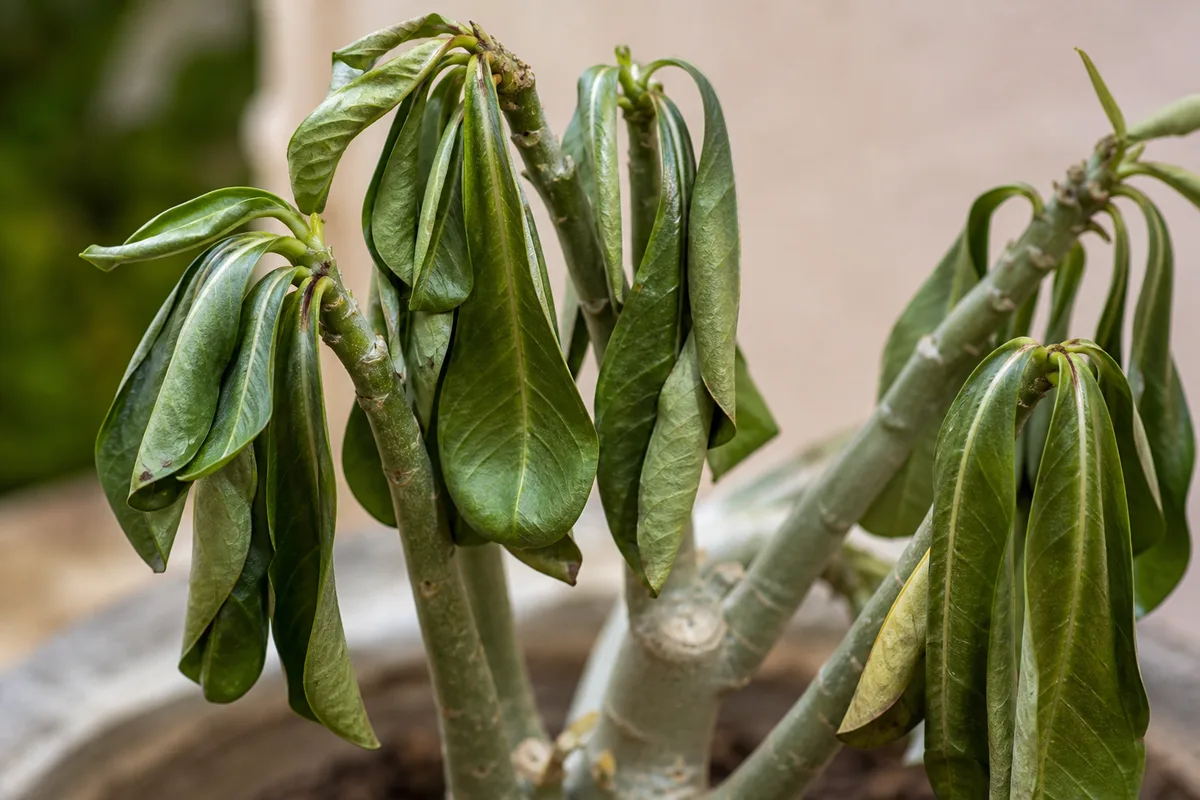
The close view helps distinguish flexible wilt from necrotic tissue, but a photo cannot reveal deep moisture or root integrity.
What recovery looks like
Mild thirst wilt may improve within hours after complete rewetting. Heat-related wilt can ease after conditions moderate. Root damage, transplant shock, or severe drought may require days or weeks, and recovery is less certain. Avoid promising a schedule that ignores cause and species.
Positive signs include firmer leaves, no new collapse, normal substrate drying, stable stems, and healthy new growth. Negative signs include continuing spread, recurring wilt while mix remains wet, softening at the crown, foul odor, or roots deteriorating further.
Old damaged leaves may remain scarred. Use new growth as the best long-term test. If a valuable plant continues declining after root-zone correction, consult a local extension service or qualified horticulturist; pathogen testing can be more informative than another home remedy.
Use a falsification rule as well as a recovery rule. If a dry root ball was rewetted completely but the plant remains limp while the mix stays evenly moist, “simple thirst” no longer explains the case well. If a wet-root plant continues to soften after standing water is removed, waiting alone is no longer enough. Reopen the diagnosis instead of repeating the first treatment.
Recovery monitoring should include the substrate, not only the canopy. A plant that briefly perks up but then wilts again while the pot remains wet may have absorbed surface water without restoring root function. A plant that repeatedly becomes bone dry in two days may be rootbound, in a very porous mix, or exposed to unusually high demand. The repeat pattern points to the underlying system.
Propagation can preserve a plant when the original root system or crown is failing, but only sound tissue should be used. The appropriate method varies: a stem cutting works for many vining plants, division suits some clumping species, and many palms cannot be rescued from a leaf cutting. Consult species-specific propagation guidance before cutting.
Prevention without a rigid schedule
Water from evidence rather than the calendar. Learn the pot’s weight at appropriate dryness, check moisture at depth, and adjust for season, light, temperature, plant size, and substrate. A schedule can remind you to inspect, but it should not command you to water.
Use containers with functional drainage and a mix suited to the species. Empty decorative covers promptly. Acclimate plants gradually to stronger light, inspect after repotting, and quarantine new plants for pests. Keep a short care log when a problem recurs.
Match pot size to the functioning roots. A very large volume of wet mix around a small root system can dry slowly; an extremely tight pot can hold too little water for the canopy. Repot because the root-to-container relationship or substrate structure calls for it, not because an arbitrary number of months has passed.
Review the system when seasons change. Shorter, cooler days usually slow water use indoors, while heating can increase leaf-level dryness. Summer sun, outdoor wind, and active growth can accelerate demand. The inspection interval may stay regular, but the decision to water should respond to current conditions.
The Royal Horticultural Society’s houseplant troubleshooting guidance recommends checking growing conditions and roots systematically. That habit prevents a dramatic but nonspecific symptom from triggering a dramatic, unnecessary intervention.
Conclusion
Wilting is evidence of a disrupted water pathway, not proof of thirst. Check deep moisture, pot weight, drainage, distribution, texture, and timing before acting. Rehydrate a genuinely dry root ball, correct prolonged wetness without forcing rapid drying, and inspect roots only when the evidence warrants disturbance. Stable conditions and one measured change preserve both the plant and the diagnostic clues. Recovery is shown by restored firmness, halted decline, normal drying, and sound new growth—not by instant perfection in already damaged leaves.
Plants commonly affected
These houseplants often struggle with wilting. Open a care guide or plant-specific troubleshooting page for tailored fixes.
 Medium
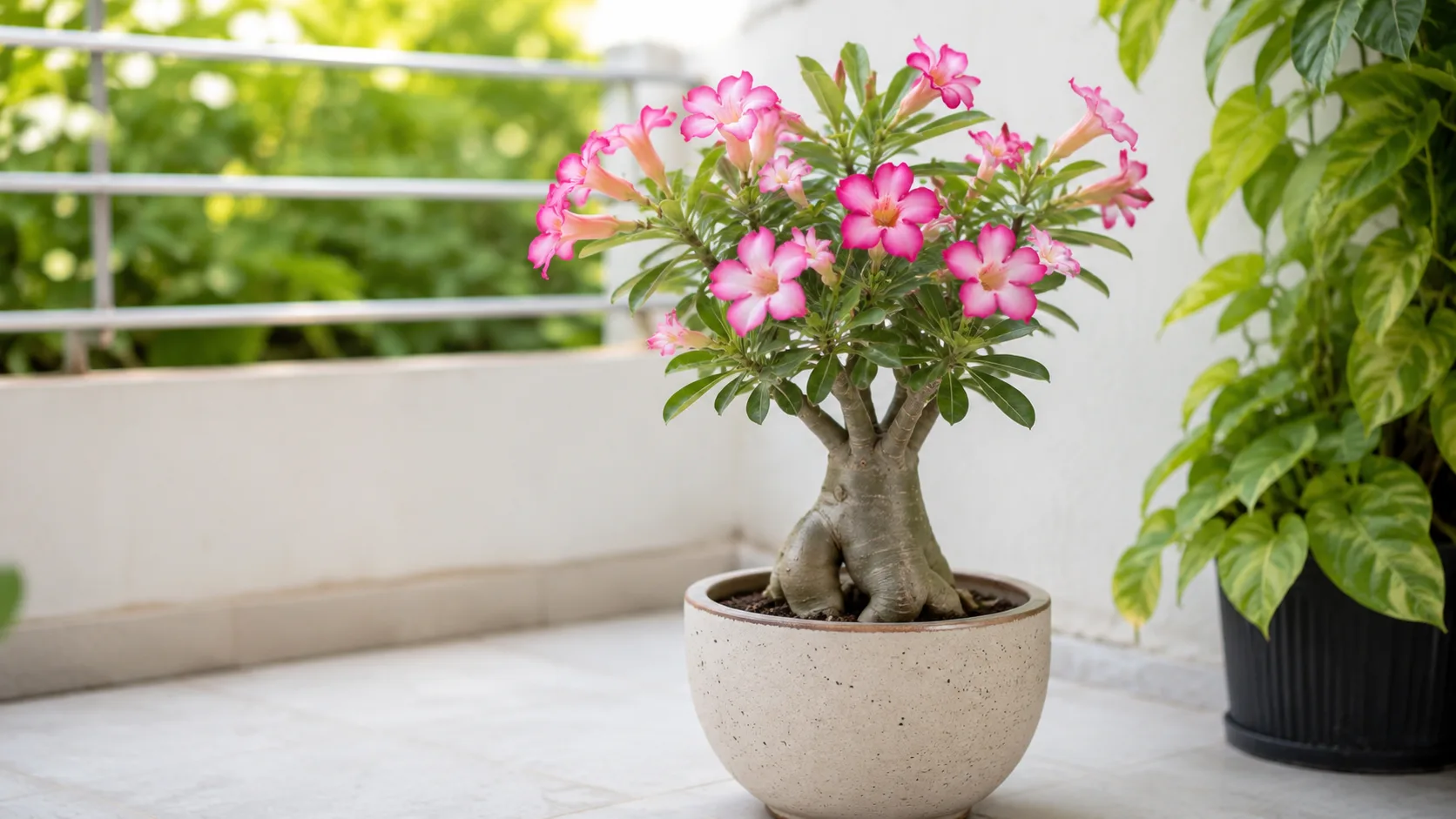
Adenium
Likely causeWilting stems and leaves occur with rotting wet roots or with drought on an otherwise firm caudex.
Quick fixCheck caudex firmness and soil moisture at depth before watering again.
 Medium
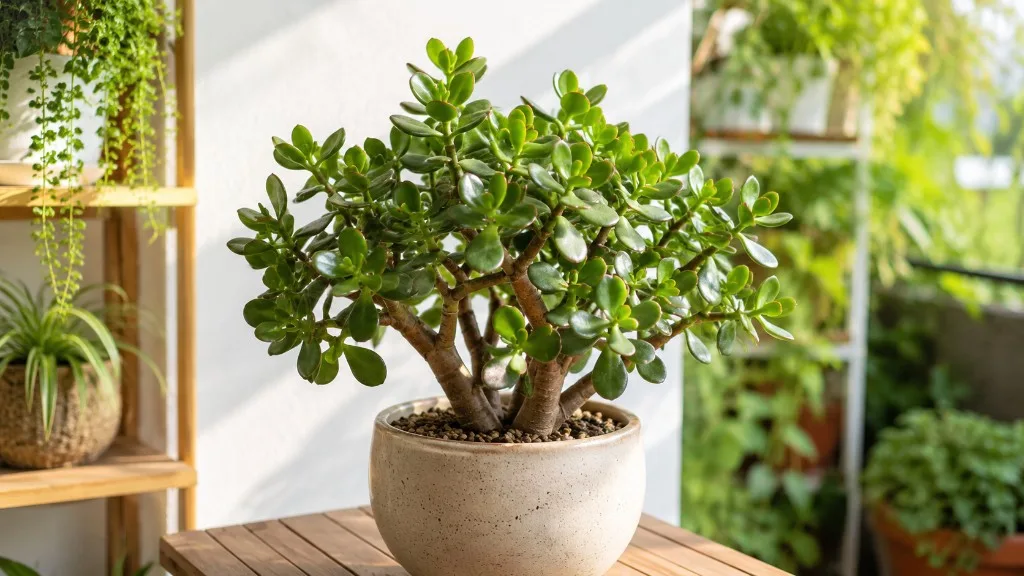
African Milk Tree
Likely causeCommon on this plant type; confirm with recent watering, light, and root checks.
Quick fixInspect the plant and correct the most likely care stressor before stacking treatments.
 Medium
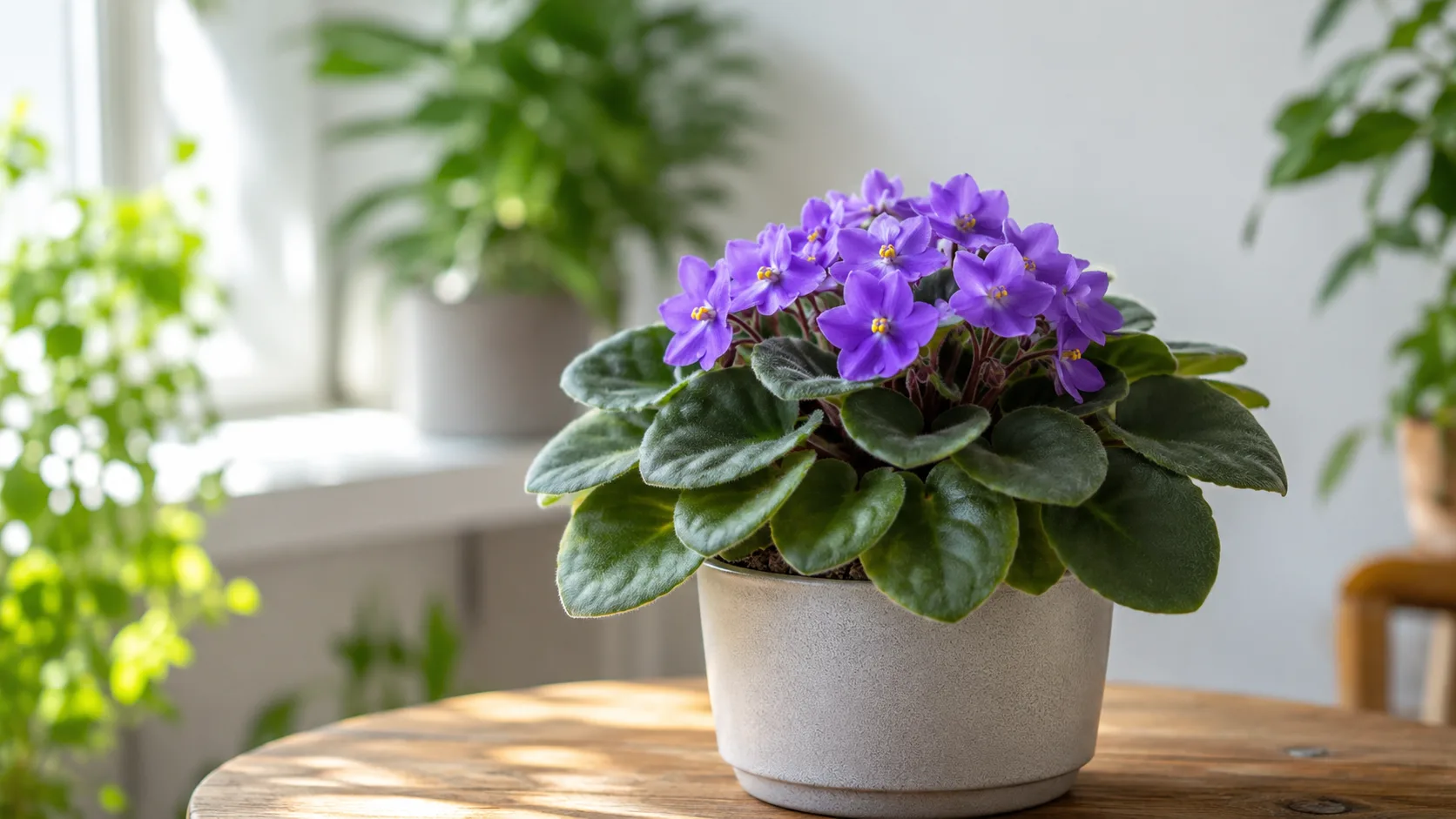
African Violet
Likely causeWilting on African Violet: There can be several reasons to ask why is my African violet wilting, ranging from watering issues to pest infestations
Quick fixInspect African Violet, confirm wilting matches your symptoms, then adjust care or treat per authoritative guides.
 Medium
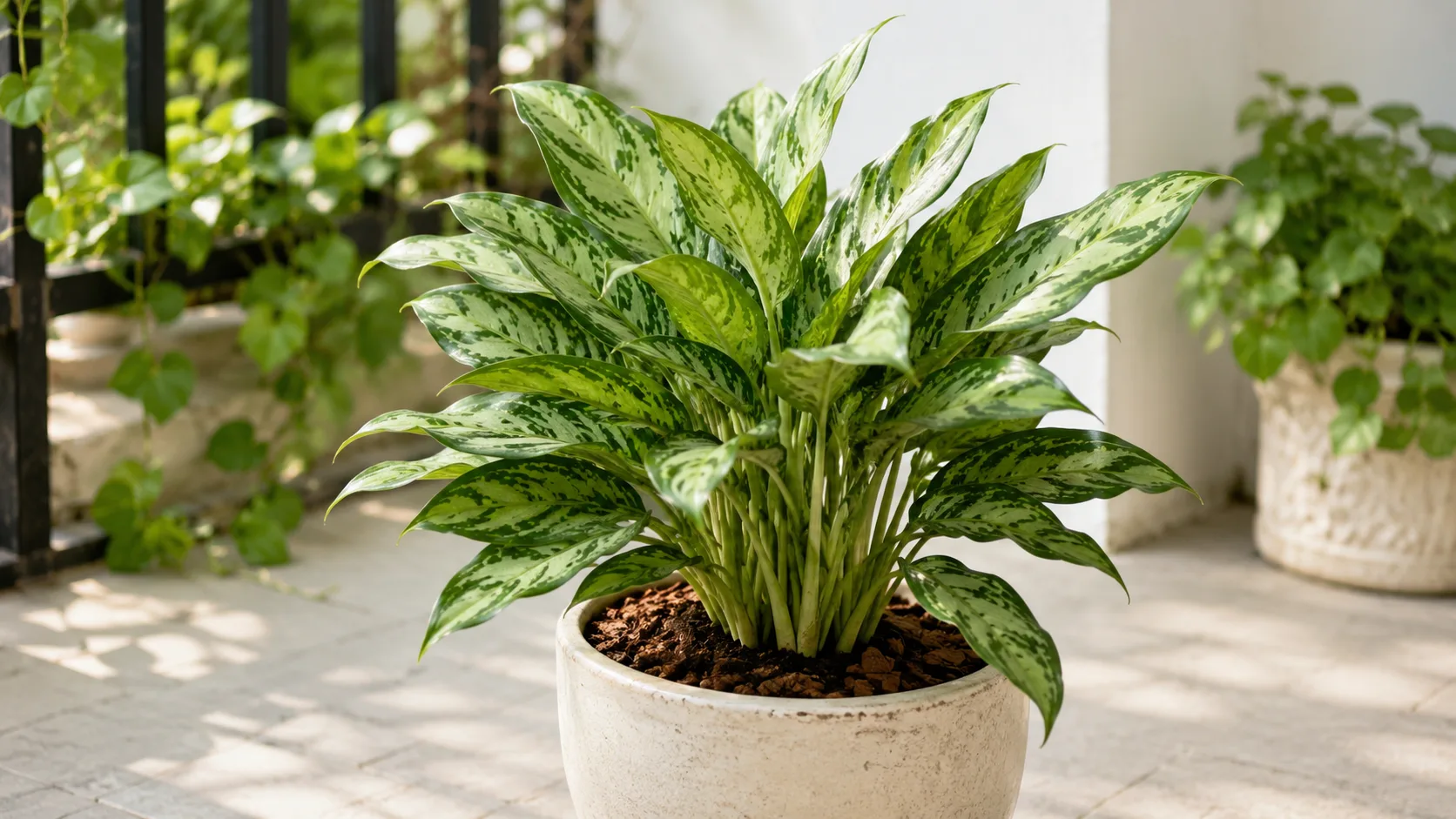
Aglaonema
Likely causeCommon on this plant type; confirm with recent watering, light, and root checks.
Quick fixInspect the plant and correct the most likely care stressor before stacking treatments.
 Medium
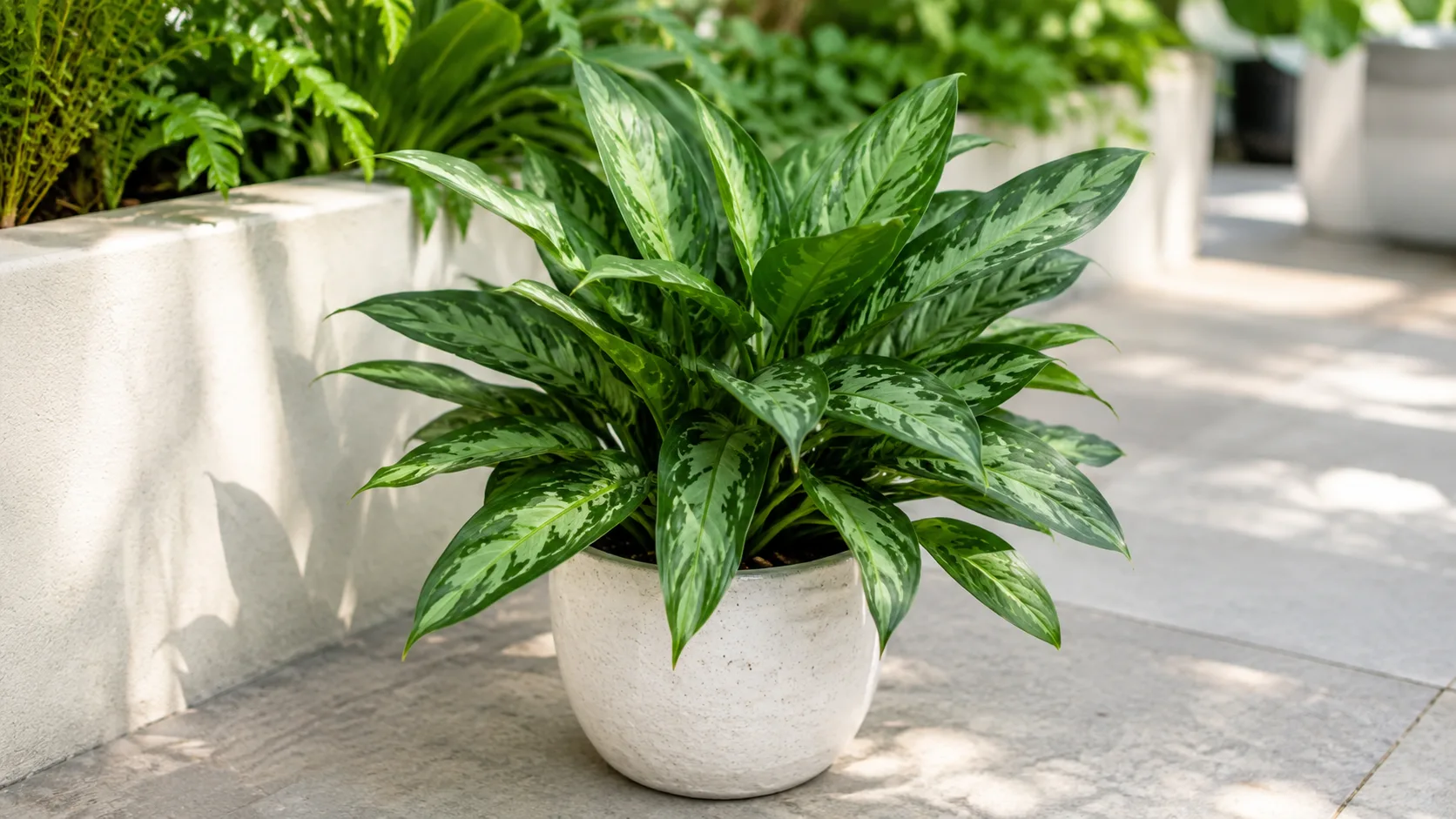
Aglaonema Cutlass
Likely causeCommon on this plant type; confirm with recent watering, light, and root checks.
Quick fixInspect the plant and correct the most likely care stressor before stacking treatments.
- Medium
Aglaonema Lady Valentine
Likely causeCommon on this plant type; confirm with recent watering, light, and root checks.
Quick fixInspect the plant and correct the most likely care stressor before stacking treatments.
- Medium
Aglaonema Maria
Likely causeCommon on this plant type; confirm with recent watering, light, and root checks.
Quick fixInspect the plant and correct the most likely care stressor before stacking treatments.
- Medium
Aglaonema Pictum Tricolor
Likely causeCommon on this plant type; confirm with recent watering, light, and root checks.
Quick fixInspect the plant and correct the most likely care stressor before stacking treatments.
 Medium
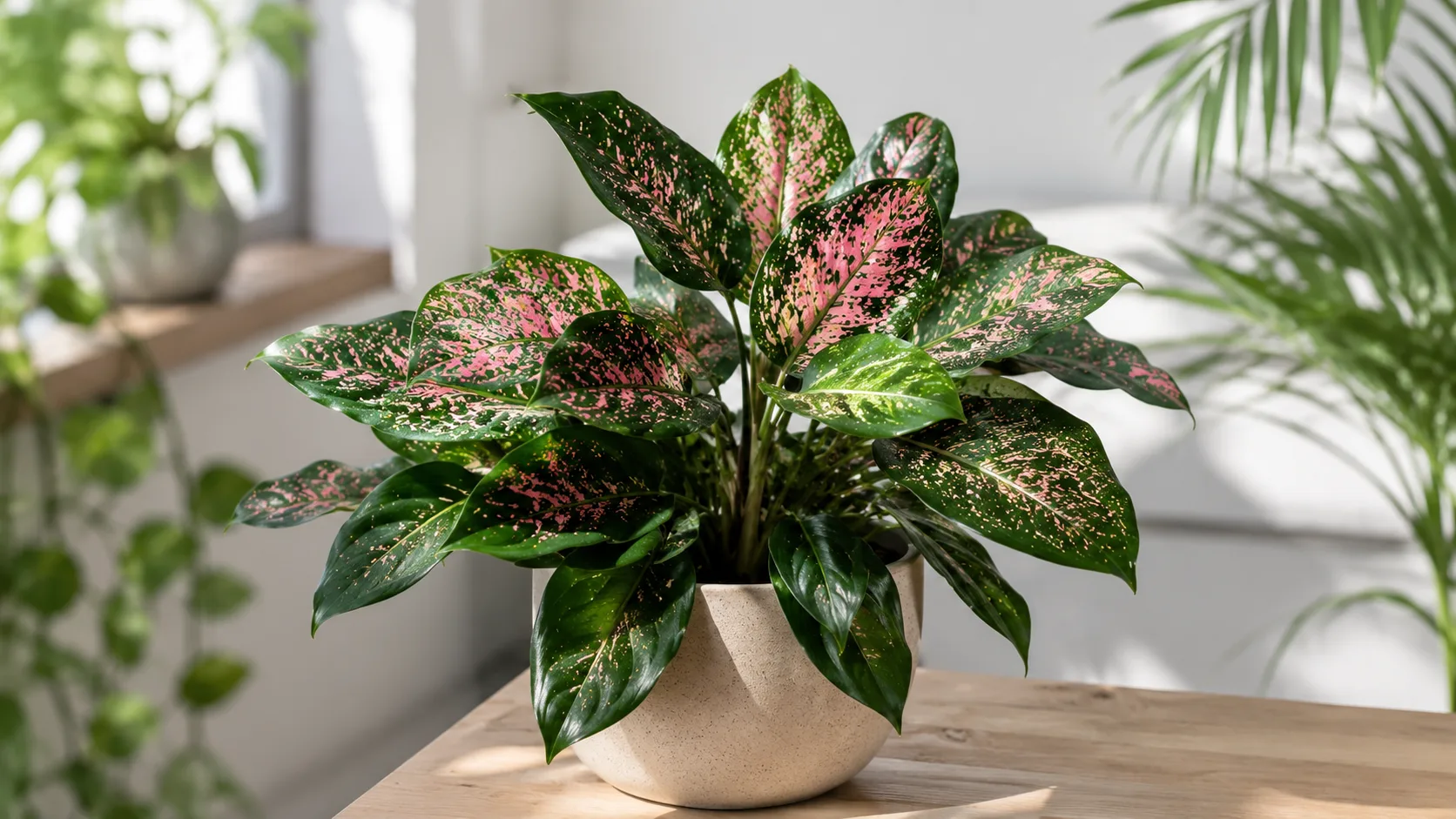
Aglaonema Pink Dalmatian
Likely causeCommon on this plant type; confirm with recent watering, light, and root checks.
Quick fixInspect the plant and correct the most likely care stressor before stacking treatments.
- Medium
Aglaonema Red Siam
Likely causeCommon on this plant type; confirm with recent watering, light, and root checks.
Quick fixInspect the plant and correct the most likely care stressor before stacking treatments.
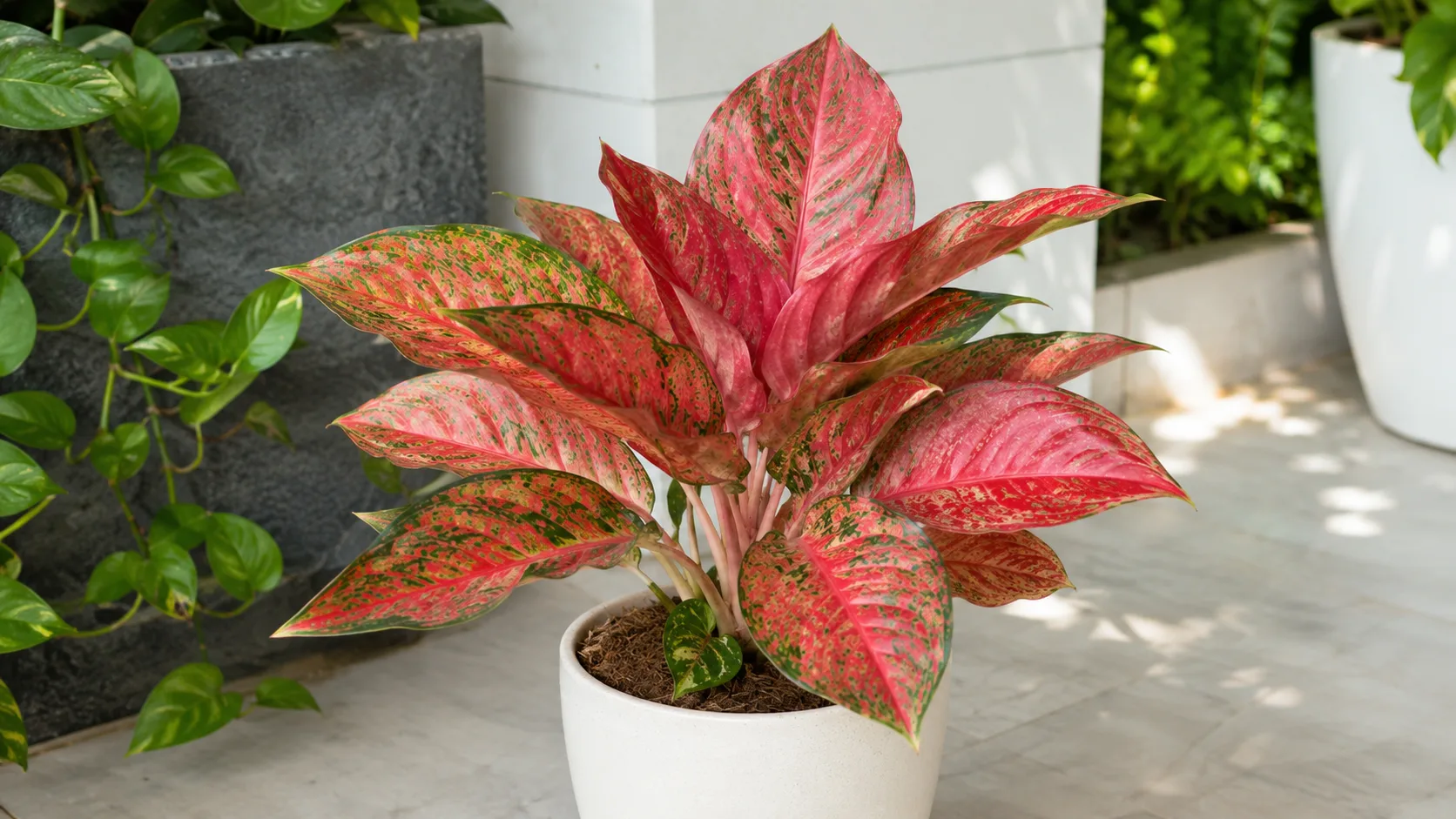 Medium
Aglaonema Red Valentine
Likely causeCommon on this plant type; confirm with recent watering, light, and root checks.
Quick fixInspect the plant and correct the most likely care stressor before stacking treatments.
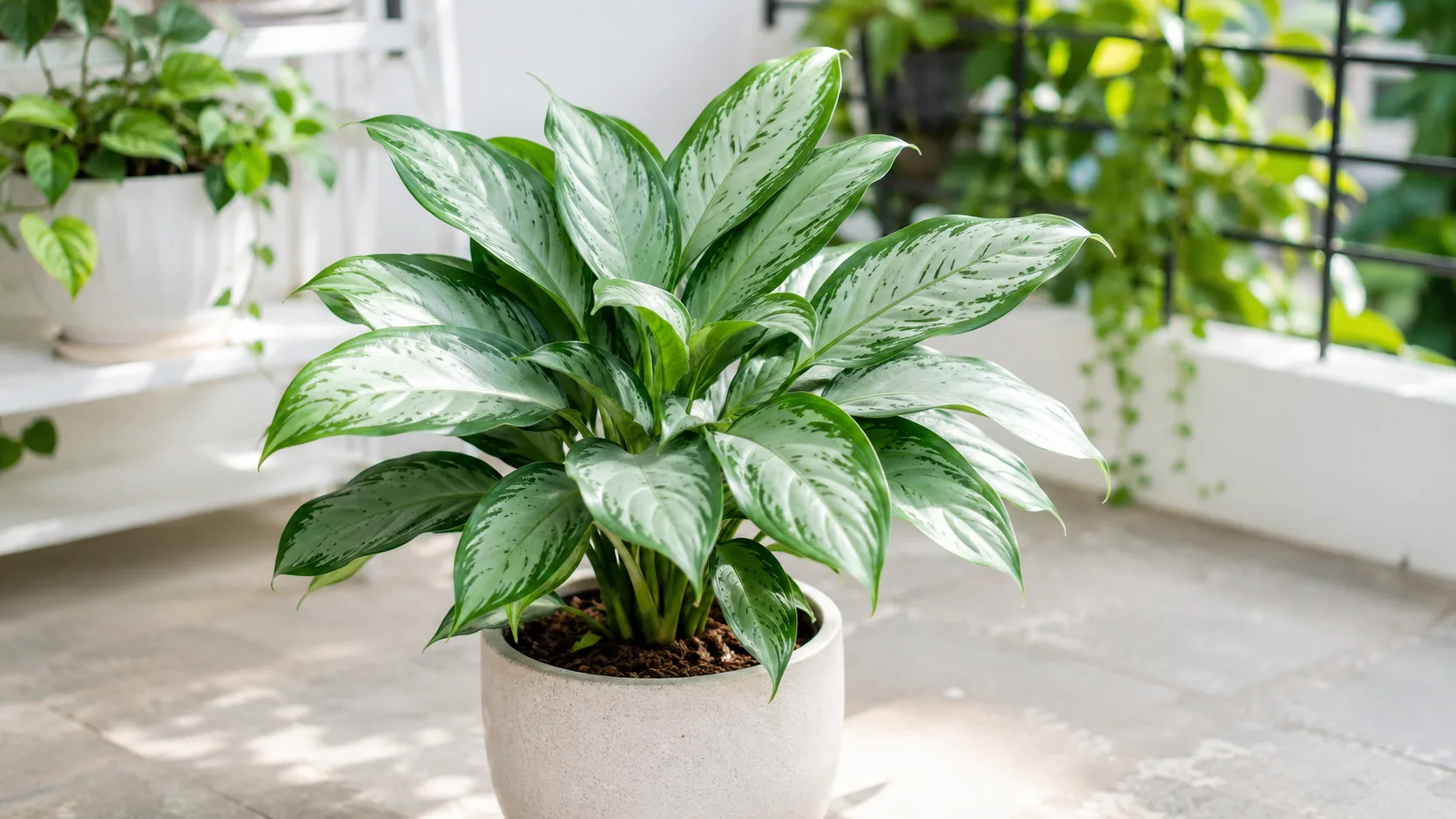 Medium
Aglaonema Silver Bay
Likely causeCommon on this plant type; confirm with recent watering, light, and root checks.
Quick fixInspect the plant and correct the most likely care stressor before stacking treatments.