Underwatering Houseplants: Signs, Rescue, Prevention
Underwatering means the root ball is drying beyond the plant's tolerance between waterings. That can happen because you simply waited too long, but it also happens when water runs around a shrunken root ball, the pot is packed with roots, or hot bright conditions make the mix dry faster than your routine accounts for. The key check is whether the root zone is actually dry several inches down. A plant that perks up after a deep soak is usually telling you drought was the main problem. A plant that stays limp after watering needs a closer look for root damage, severe hydrophobic soil, or a second issue such as heat or pests.
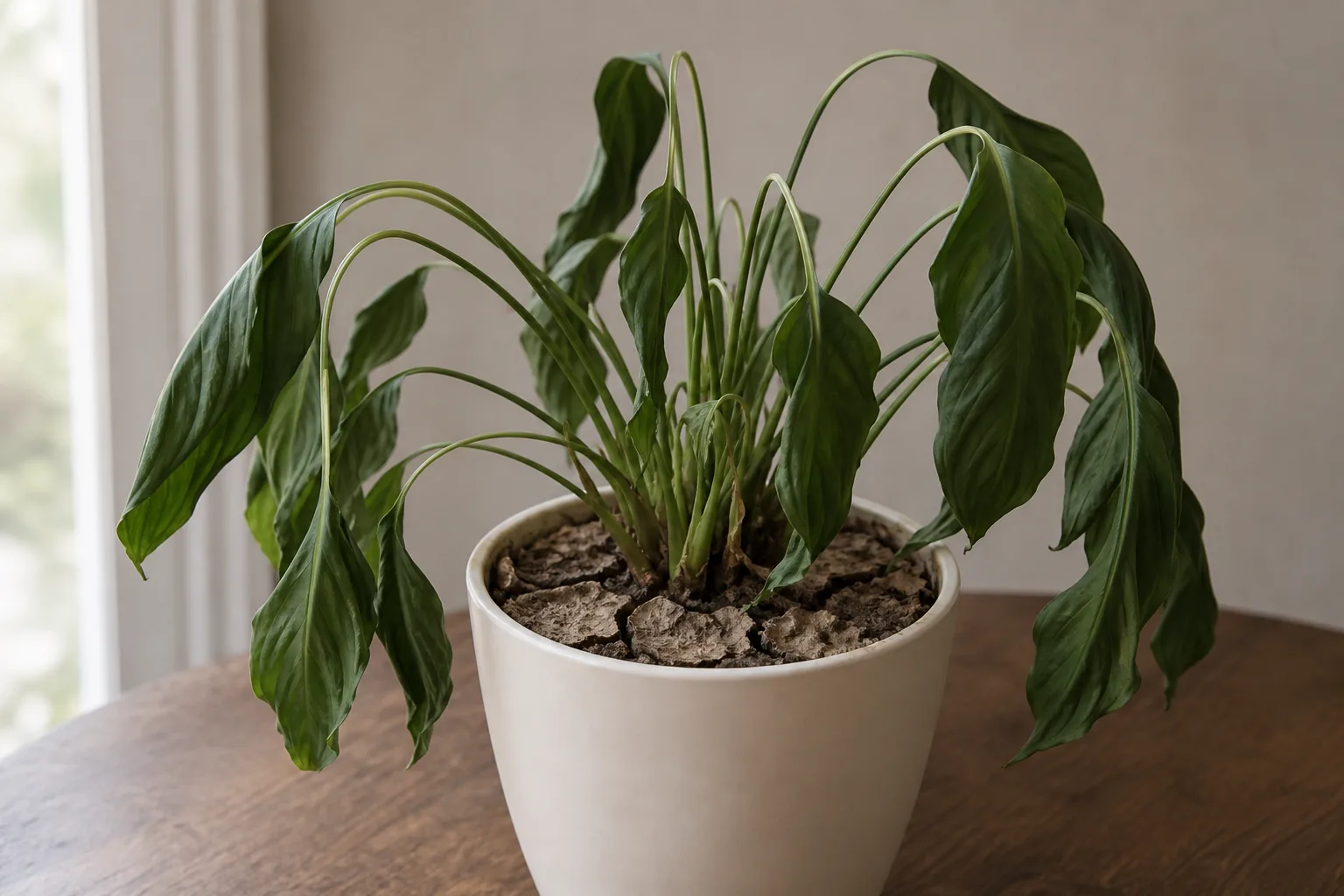
Underwatering on Houseplants
Still unsure?Match your symptoms to the most likely problems in under a minute.Run diagnosis →Understand and fix underwatering
Underwatered plants have dry, pulling-away soil, crispy leaf edges, and limp foliage that perks up within hours of a thorough soak.
Overview
Underwatering happens when soil dries out faster than you replace moisture, or when water runs through dry, hydrophobic soil without reaching roots. Unlike overwatering, the fix is usually straightforward: rehydrate the root ball fully and adjust your schedule. Chronic dryness damages fine feeder roots, making the plant less efficient at absorbing water even after you start caring for it again.
Signs include crispy brown tips, curling leaves, and pots that feel feather-light. Some plants like succulents tolerate drought; tropical foliage plants suffer quickly. Deep watering until excess drains out, combined with consistent checks, restores most houseplants within days to weeks.
Underwatering patterns: what you see vs. likely cause
Match your plant to the closest pattern, then start with the first step before trying other fixes.
| What you see | Likely cause | First step |
|---|---|---|
| Symptoms appear on new growth first while older leaves still look normal | Active pest feeding or early moisture stress on expanding tissue | Inspect stem tips and leaf undersides with good light before treating the whole plant |
| Multiple plants show similar damage within one to two weeks | Shared pest introduction, watering habit, or environmental stress | Isolate affected plants and compare recent care changes across the group |
How to identify it
- Soil is dry several inches down and pulls away from the pot edge.
- Leaves feel thin, crispy, or curl inward.
- Pot feels very light when lifted.
- Older leaves yellow and drop after prolonged dryness.
- Growth stalls and new leaves may be smaller than normal.
- Water runs straight through without absorbing on very dry soil.
When to worry
Seek help if stems shrivel, roots are completely desiccated, or leaves do not regain firmness after deep watering.
Common causes
Infrequent watering
Long gaps between waterings let the entire root ball dry, stressing even drought-tolerant species.
Hydrophobic soil
When peat dries completely, it repels water and channels run down the sides without wetting roots.
Small pots in hot windows
High light and heat increase transpiration, drying small containers in a day or two.
Root-bound plants
Dense root masses hold little moisture and dry out rapidly between waterings.
Seasonal neglect
Travel, busy schedules, or assuming winter dormancy means zero water can cause cumulative stress.
Step-by-step fix
Water thoroughly until drainage
Slowly soak the soil until water exits the bottom. Repeat once if the first pass ran through too quickly.
Bottom-soak severely dry plants
Set the pot in a basin of water for 20–30 minutes, then drain fully.
Trim dead tissue
Remove fully brown or crispy leaves that will not recover.
Move out of harsh direct sun temporarily
Reduce stress while roots rehydrate; return to proper light once turgor improves.
Adjust watering rhythm
Check soil every few days and water when the top 1–2 inches dry for most tropical plants.
Refresh or repot if soil won't hold water
Replace hydrophobic mix or upsize slightly if roots are circling and drying out instantly.
Prevention tips
- Set a reminder to check soil moisture, not to water blindly.
- Use pots with drainage and appropriate size for the root mass.
- Increase humidity for plants that crisp quickly in dry homes.
- Pre-soak peat-heavy mix when repotting to avoid dry pockets.
- Arrange care before travel with a trusted soak or self-watering aid.
Common mistakes
- Giving only a few sips instead of soaking the root ball.
- Assuming wilting always means overwatering.
- Placing a dry plant in full midday sun immediately after watering.
- Ignoring a plant because it is labeled low-maintenance.
Related care topics
These care guides help prevent repeat issues once you have treated the immediate problem.
A drooping plant looks like a request for water, but wilt alone cannot tell you what is happening below the soil. A genuinely underwatered houseplant has lost water faster than its roots could replace it; an overwatered plant can droop because damaged roots are no longer able to move enough water. The safest first move is therefore an inspection, not an automatic soak.
Check the growing medium several centimetres down, lift the pot, and look at the texture and distribution of the damage. If the root zone is dry and the pot is much lighter than it is after watering, rehydrate it thoroughly. If the mix is wet, the container is heavy, or the roots smell sour and feel mushy, adding water is the wrong treatment.
The quick answer: confirm dry roots before watering
Underwatering houseplants usually produces a cluster of clues: dry growing medium at root depth, a light pot, loss of leaf firmness, inward curling, crisp edges, and older leaves that may yellow or drop. The Royal Horticultural Society lists wilt, crisp leaf edges, and fading flowers among signs of insufficient water, while also warning that overwatering can cause wilt. No single symptom is decisive.
If the evidence points to dry roots, water the entire root ball and let excess water leave through the drainage holes. Do not give a token splash. Virginia Cooperative Extension advises that container media should be wet all the way through and then allowed to drain, because partial watering can leave dry pockets inside the pot.
The visible collapse starts with water balance inside the plant. Water enters mainly through roots and moves upward through xylem, while water vapor leaves through stomata in the foliage; the RHS explains this linked process of root uptake and transpiration. When loss exceeds uptake, cells lose the internal pressure that keeps soft tissues firm, so leaves and petioles sag. Restoring moisture can rebuild that pressure if the conducting tissues and enough roots are still alive, but it cannot revive cells already killed by prolonged drying.
Pause before repeating the treatment. The surface may dry while the middle remains adequately moist, and different plants tolerate different degrees of drying. A peace lily with thin, broad leaves responds differently from a cactus built to store water, so a universal “water every seven days” rule creates both drought and saturation problems.
Signs of underwatering in houseplants
Underwatering is a root-zone condition, not merely a leaf appearance. Leaves show the consequences, while the pot provides the strongest evidence. Read the foliage, growing medium, container weight, and recent care history together.
The symptom pattern also changes with severity. A short dry spell may produce temporary loss of firmness with no permanent injury, while repeated or prolonged drought can kill leaf margins, roots, buds, or entire stems. Recovery potential depends on how much living root and stem tissue remains, not on how dramatic the first photograph looks.
Early warning signs
Early dry stress often begins as softer-than-normal leaves, slight drooping, inward rolling, or a loss of the plant’s usual upright posture. The growing medium feels dry below the surface, the pot feels light, and the gap between the mix and the pot wall may begin to widen. Flowers can fade early, and new leaves may stop expanding until water balance improves.
Peace lilies are conspicuous examples because their leaves can collapse quickly when the mix becomes too dry. The RHS notes that lack of water can make peace lilies droop and that prompt watering often restores them. That response is useful diagnostic evidence only when the root zone was actually dry; frequent dramatic wilting should not become the plant’s watering signal because repeated stress can cause lasting injury.
Leaf feel matters. Underwatered foliage often becomes thin, limp, or dry rather than swollen and soft. Still, species differ: a succulent may show wrinkling or deflation before it droops, whereas a fern may develop crisp pinnae rapidly and a pothos may curl before losing an older leaf.
Advanced drought damage
With longer or repeated dehydration, leaf tips and margins turn tan or brown, whole leaves become papery, and lower foliage may yellow and fall. Small buds, tender new leaves, and flowers are often lost first because actively growing tissues need a reliable water supply. Stems may bend or shrivel, and roots near the dry edge of the pot can die.
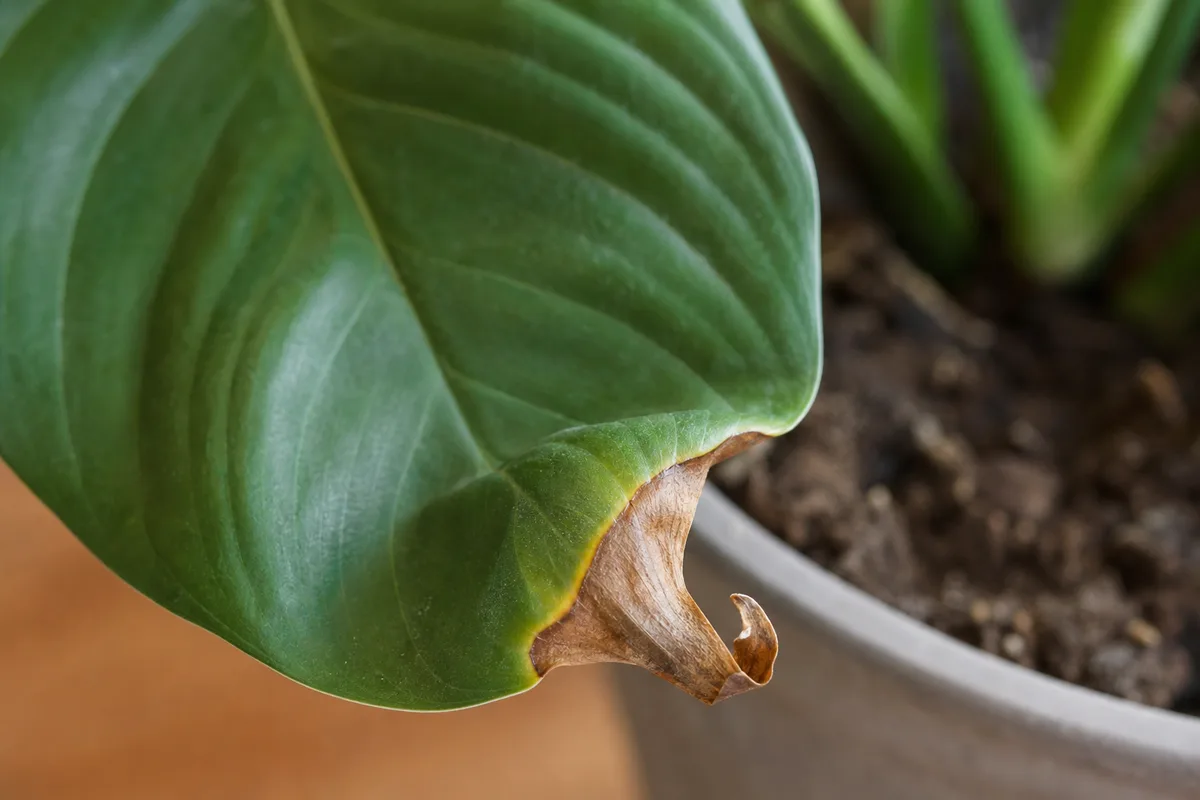
Completely brown or shrivelled tissue will not recover after watering. A plant can recover around that damage, but success should be measured by the brown area stopping, the remaining leaves regaining normal firmness, and later growth emerging healthy. Cutting off a crisp edge improves appearance; it does not repair the cause.
Severe drought may leave the plant unable to recover even after the mix is moist. A stem that is brittle all the way to the crown, roots that are dry and hollow throughout, or a plant with no viable buds may be lost. Do not keep a dead root ball continuously wet in the hope of forcing recovery, because saturated dead tissue creates conditions in which decay can develop.
Diagnose the cause before you reach for the watering can
Begin with context. When was the plant last watered thoroughly? Has the room become hotter, sunnier, or drier? Was the plant moved into terracotta, allowed to become rootbound, or left near a heating vent? A plant that dried in four days last summer may take two weeks in a cooler, darker season, so memory of a previous interval is weaker evidence than the pot in front of you.
Inspect in a useful order: foliage, moisture at depth, pot weight, drainage, and roots if the first four checks do not agree. This sequence starts with non-disruptive evidence and reserves unpotting for cases where root damage is plausible. It also protects a merely thirsty plant from an unnecessary repot.
Underwatering vs overwatering: the look-alike problem
Both dry roots and oxygen-starved wet roots can make foliage wilt. The University of Connecticut explains that saturated container media can displace oxygen, injure roots, and leave a plant appearing wilted or droopy even though water is abundant. Treating appearance alone can therefore intensify the real problem.
| Evidence | More consistent with underwatering | More consistent with overwatering or root damage |
|---|---|---|
| Growing medium | Dry at root depth; may shrink from pot wall | Wet for a long time; may smell sour |
| Pot weight | Noticeably light | Heavy days after watering |
| Leaf texture | Limp, thin, curled, or crisp | Soft, yellow, water-soaked, or collapsing |
| Leaf pattern | Older leaves may dry or yellow first | Old and new leaves may yellow together |
| Roots | Dry, firm, or brittle when severely damaged | Brown or black, mushy, hollow, foul-smelling |
| Recent history | Missed watering, heat, bright light, rootbound pot | Frequent watering, blocked drainage, low light, oversized pot |
Use the table as a comparison, not a scoring system. Low humidity can create crisp edges while the pot remains moist, fertilizer salts can damage margins, and heat can wilt a plant whose root zone is not yet dry. The diagnosis should explain the majority of the evidence, including what happened before symptoms appeared.
How to confirm dryness through the root zone
Push a clean finger into the mix where the pot size allows, or insert a wooden skewer and inspect it after a short pause. Dry mix leaves the skewer mostly clean and dry; moist mix darkens it and may cling. Test away from the very edge, since gaps beside the pot can be dry even when the centre remains moist.
Lift the container before and after a thorough watering to learn its weight range. This method becomes more informative with practice and works especially well for small and medium nursery pots. A moisture meter can add another reading, but inexpensive probes respond to conductivity and contact as well as moisture, so they should support—not replace—touch, weight, and knowledge of the species.
Look through the drainage holes. If the surface is dry but the bottom remains dark and damp, wait unless the plant’s specific needs say otherwise. If water recently ran straight through but the pot still feels light, do not assume the roots were watered; very dry peat- or bark-based media can become water-repellent and leave the centre dry.
How to rescue an underwatered houseplant
Choose the recovery method from how the mix behaves. A normally receptive mix needs a complete watering. A water-repellent root ball needs slow rewetting or a controlled soak, while a badly dehydrated plant needs gentle handling and conservative aftercare.
Before watering, confirm that the container has a working drainage route. If a nursery pot sits inside a decorative cachepot, remove it for treatment. Water should reach the root zone and then leave; the goal is even rehydration, not prolonged submersion.
When the potting mix accepts water normally
Apply room-temperature water slowly over the surface, pause as it sinks in, and repeat until water exits the drainage holes. Move the spout around the pot instead of pouring into one place. Let the container drain completely, then empty the saucer or cachepot rather than allowing the base to stand in runoff.
The University of Connecticut recommends checking moisture instead of watering by the calendar and applying a thorough, deep watering when the medium is dry. This does not mean every plant should be watered at the same dryness threshold. It means that once a plant genuinely needs water, the root system should receive it evenly.
Do not add fertilizer to the rescue water. Dry roots may already be injured, and a concentrated fertilizer solution adds another source of stress. Resume normal feeding only after the plant has stabilized and returned to active growth, using an appropriate product and dose for that species.
When dry potting mix repels water
Very dry peat and bark mixes can become hydrophobic, meaning water channels around or across them instead of soaking in. Virginia Cooperative Extension notes that fast drainage from a dry pot can signal poor rehydration, not excellent drainage. A light pot immediately after watering is an important clue.
First try two or three slow top-waterings several minutes apart. Break up only the loose surface gently; do not stab through a dense root mass. If the middle remains dry, place a pot with drainage holes in a shallow basin of water and allow the mix to absorb moisture from below, then remove it and let it drain.
For a root ball that has pulled far from the pot and refuses to wet, the University of Connecticut advises submerging the pot until bubbling stops and then draining it well. Keep foliage and the crown above water where possible, and use this as a rescue method rather than a permanent routine. Do not soak a plant if you suspect rot, the container lacks drainage, or the species requires a very airy, fast-drying root zone.
When dehydration is severe
Move a severely wilted plant out of hot direct sun while it rehydrates, but keep it in suitable indirect light rather than a dark cupboard. Reduce avoidable water loss from heaters, air-conditioning, or strong drafts. Do not seal the plant in plastic unless its species and disease risk make that technique appropriate; stagnant, wet foliage can trade drought stress for fungal problems.
Water the root ball evenly, allow it to drain, and then leave the roots undisturbed while you observe. Avoid emergency repotting unless the mix cannot be rewet, the pot has no drainage, or inspection reveals a separate root problem. Tearing apart dry, fragile roots immediately after drought adds mechanical injury at the moment the plant is least able to absorb water.
Prune only tissue that is fully dead, rotten, or likely to spread disease. Retain functioning green leaves because they support recovery, even if their margins are imperfect. If most top growth has died but stems remain flexible and alive near the base, species-appropriate pruning may eventually help, but wait long enough to distinguish dormant buds from dead tissue.
What to expect after watering
Recovery speed varies widely. A mildly dry peace lily may lift within hours; the RHS describes prompt recovery after watering as common for this plant. Woody plants, succulents, and specimens with root injury can respond more slowly, and crisp tissue will remain crisp regardless of how quickly turgor returns.
Recheck the mix before adding more water. If the plant remains wilted while the root ball is now evenly moist, repeated soaking is unlikely to help. Give it stable light and temperature, then investigate root damage, heat injury, cold exposure, pests, or stem problems if it fails to improve.
Some leaves may yellow and fall after the incident because their injury occurred before watering. That delayed loss does not automatically mean the rescue failed. More reliable signs are a stable crown, firm stems, no expansion of brown tissue, a normal wet-to-dry cycle, and eventual new growth.
Use a dated photograph to judge change. Human memory exaggerates day-to-day differences, especially with a dramatic wilt. Compare the newest leaves and the plant’s overall posture after one or two normal watering cycles rather than repeatedly changing care during the first afternoon.
How to prevent underwatering without keeping roots wet
Prevention is not about keeping every mix constantly moist. It is about noticing when a particular plant reaches its appropriate watering point and supplying water before damaging drought occurs. A moisture-loving fern and a drought-adapted succulent require different endpoints, even when they share the same room.
Check vulnerable plants more often than they need watering. Touching the mix or lifting a pot does not commit you to adding water; it builds a record of how the plant behaves. Once the pattern is familiar, you can anticipate change without tying care to an inflexible date.
Variables that change a plant’s water demand
Light, temperature, humidity, airflow, leaf area, active growth, root density, pot size, container material, and mix composition all change drying speed. Virginia Cooperative Extension explains that warm air and low humidity increase transpiration, while brighter light can increase water use and root-zone drying. A plant near a bright summer window may therefore need checks sooner than the same plant in winter.
Containers matter as much as the room. Small pots store less water, while unglazed clay dries faster than plastic or glazed pots because porous walls allow evaporation. A large plant crowded with roots can exhaust a small volume quickly, while a recently up-potted plant may sit in damp unused mix for much longer.
Build a simple trigger system around these variables. Check heat-exposed, rootbound, flowering, or small-potted plants first; check cool, low-light, large-potted plants less aggressively. During travel, move plants away from unusually hot windows, water those that are actually ready, and use a tested wick or self-watering system only for species suited to consistent moisture.
Match the pot and mix to the plant and your routine
A fast-drying plant is not always asking for more frequent rescue. It may need a modestly larger pot if roots densely circle the container, or a mix with slightly better water retention if its current medium is inappropriate. Conversely, adding water-holding material to a succulent mix can create saturation between waterings, so adjust the system to the plant rather than to one symptom.
Pot up gradually. A much larger container stores more water around a relatively small root system and can turn an underwatering correction into chronic excess moisture. Choose a container with drainage and a mix that can absorb water evenly while retaining the air space the species needs.
If your schedule regularly lets a moisture-loving plant dry too far, a self-watering planter may help after it has been tested for that plant and mix. Virginia Cooperative Extension describes reservoir systems as useful for many houseplants but not for plants that prefer a drier root zone. Clean the reservoir and monitor the mix rather than assuming the device removes all watering risk.
When the problem is more than underwatering
Escalate the diagnosis when the mix is moist but the plant keeps collapsing, or when symptoms include mushy roots, a soft stem base, foul odor, rapidly spreading spots, webbing, sticky residue, or visible insects. The University of Florida’s plant-diagnostic guidance emphasizes looking for patterns and signs rather than assuming every decline is a disease. The same discipline prevents every wilt from being labelled drought.
Low humidity can produce crisp tips even when root moisture is adequate. Heat scorch tends to affect exposed foliage, fertilizer or water-quality problems can burn margins, and severe rootbinding can cause a pot to alternate rapidly between saturated and dry. These conditions can overlap with underwatering, so correcting the dry root ball may be only the first step.
Seek species-specific help when decline continues after the root zone is evenly moist and environmental extremes have been corrected. A local cooperative extension diagnostic service can be valuable for spreading lesions, uncertain pests, or important specimens. Avoid spraying pesticides or fungicides until the problem has been identified; drought injury itself is not an infection.
Conclusion
Underwatering houseplants is best confirmed below the leaves. A dry root zone, unusually light pot, limp or curling foliage, and a recent missed watering form a coherent drought pattern; wilt in heavy, wet mix points elsewhere. That distinction matters because a thorough watering can rescue one plant and further damage the other.
Rehydrate receptive mix completely, rewet water-repellent media slowly, and give a severely stressed plant stable aftercare instead of a cascade of fertilizer, pruning, and repotting. Then watch for restored firmness, stable damage, normal drying, and healthy new growth. Those signals—not the disappearance of old brown tissue—show that the plant has recovered and its watering system now fits its needs.
Plants commonly affected
These houseplants often struggle with underwatering. Open a care guide or plant-specific troubleshooting page for tailored fixes.
 Medium
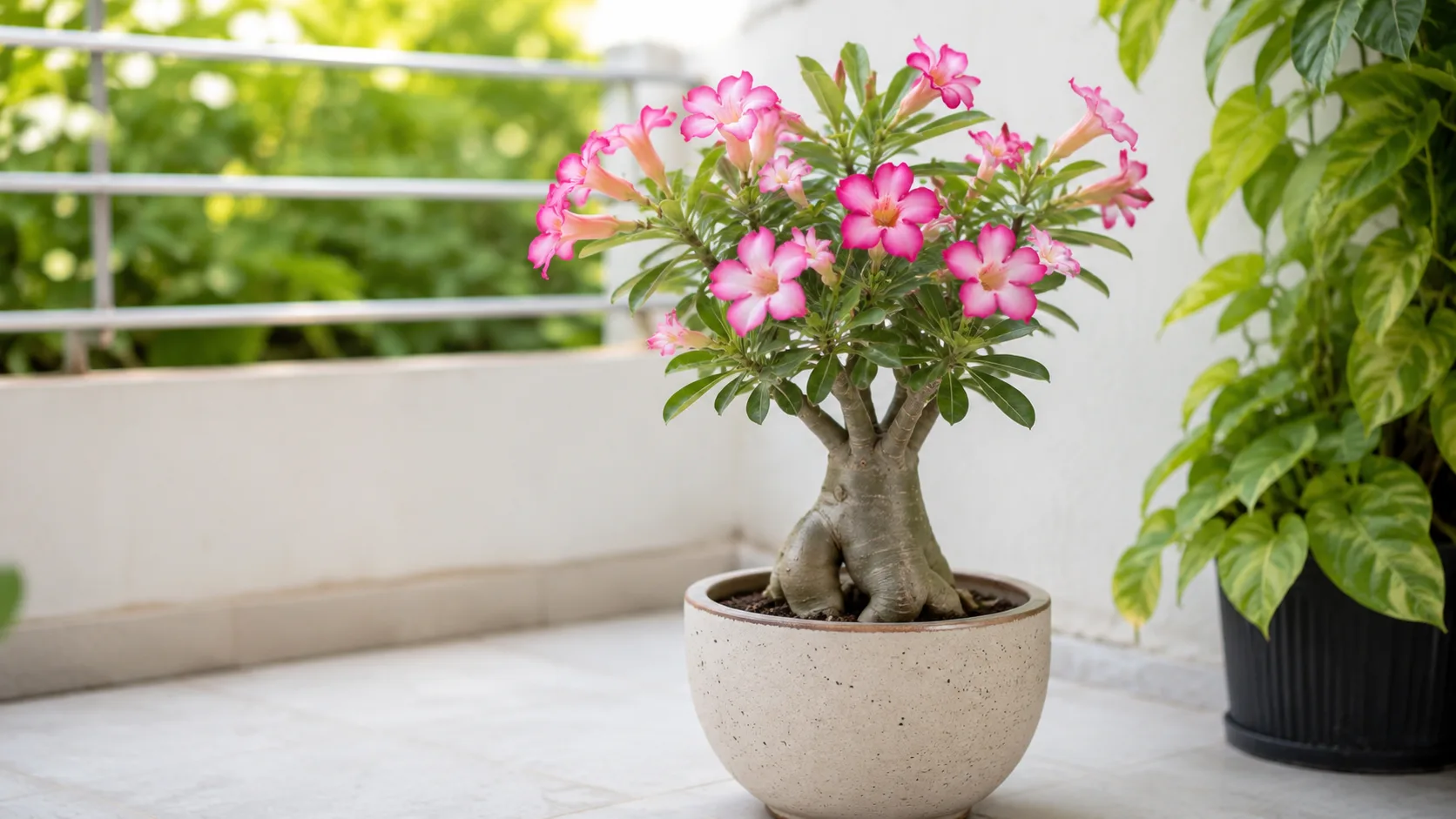
Adenium
Likely causeExtended dry periods in active growth dehydrate the caudex and cause curling, browning, and leaf loss.
Quick fixWater deeply when soil is dry throughout, then return to soak-and-dry intervals.
 Medium
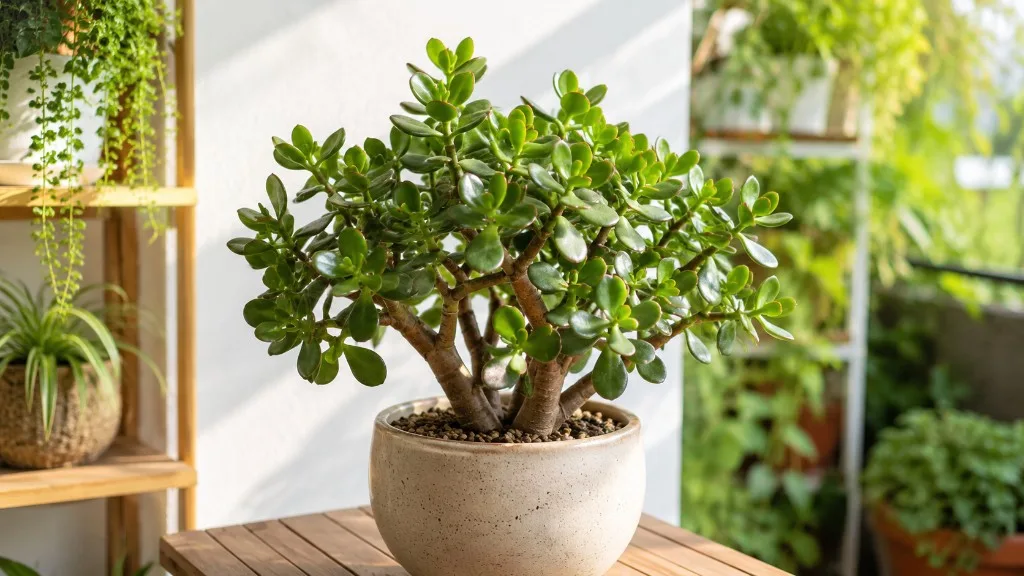
African Milk Tree
Likely causeCommon on this plant type; confirm with recent watering, light, and root checks.
Quick fixInspect the plant and correct the most likely care stressor before stacking treatments.
 Medium
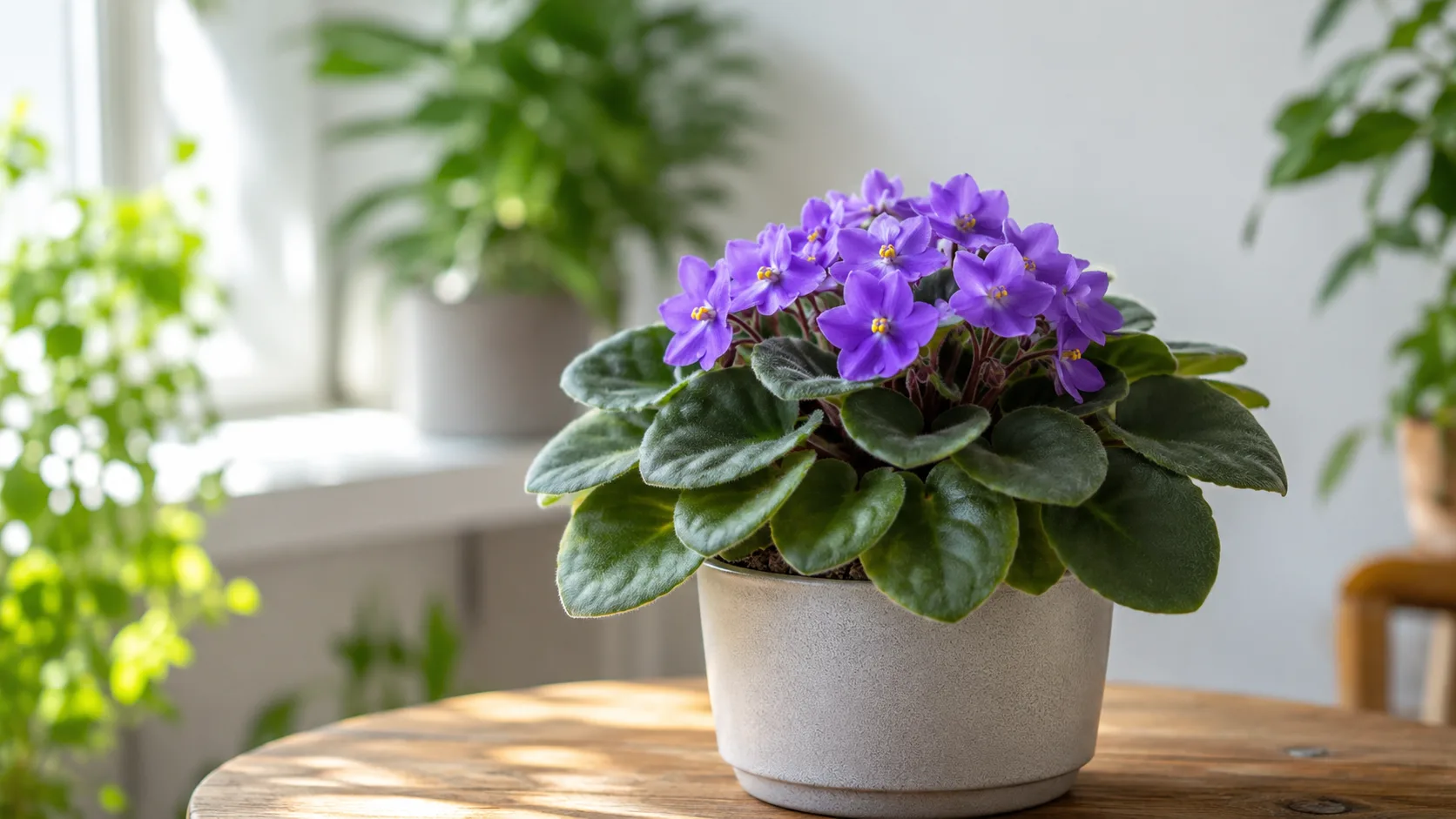
African Violet
Likely causeUnderwatering on African Violet: Underwatering African violets can lead to several adverse effects, undermining the plant's health and vitality. Consequences include wilted leaves, dry and brittle roots, reduced flowering, and i
Quick fixInspect African Violet, confirm underwatering matches your symptoms, then adjust care or treat per authoritative guides.
 Medium
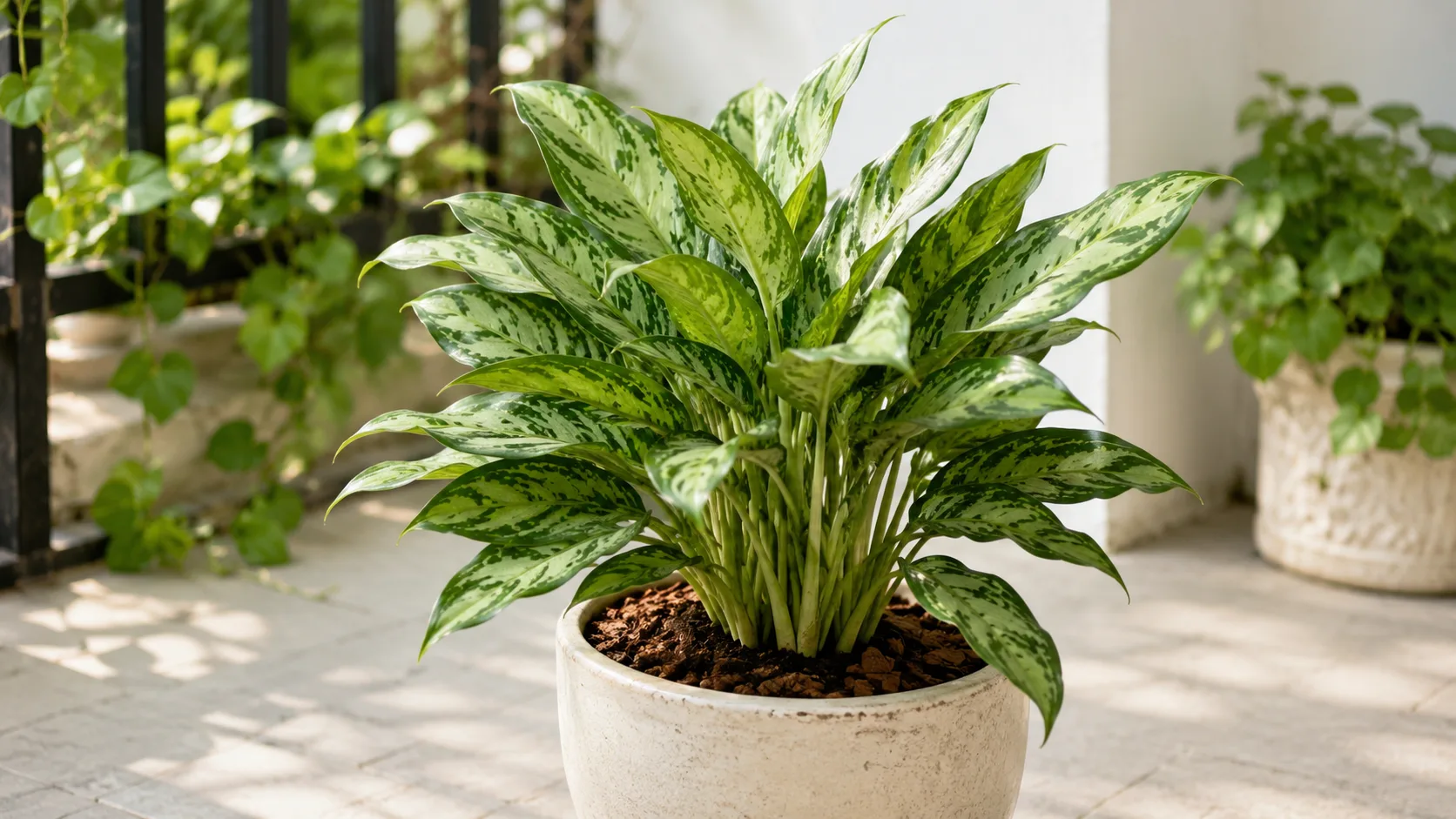
Aglaonema
Likely causeCommon on this plant type; confirm with recent watering, light, and root checks.
Quick fixInspect the plant and correct the most likely care stressor before stacking treatments.
 Medium
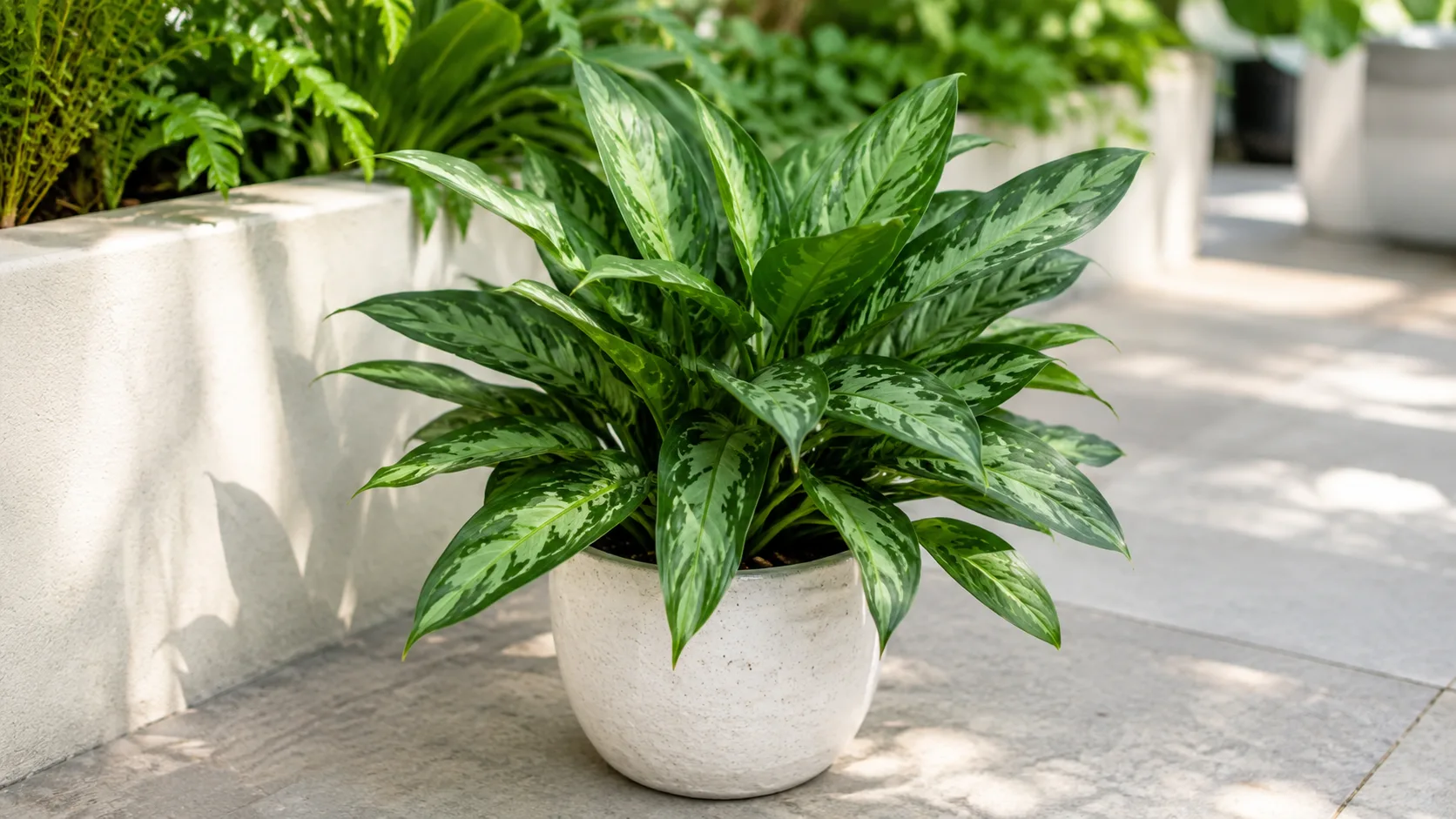
Aglaonema Cutlass
Likely causeCommon on this plant type; confirm with recent watering, light, and root checks.
Quick fixInspect the plant and correct the most likely care stressor before stacking treatments.
- Medium
Aglaonema Lady Valentine
Likely causeCommon on this plant type; confirm with recent watering, light, and root checks.
Quick fixInspect the plant and correct the most likely care stressor before stacking treatments.
- Medium
Aglaonema Maria
Likely causeCommon on this plant type; confirm with recent watering, light, and root checks.
Quick fixInspect the plant and correct the most likely care stressor before stacking treatments.
- Medium
Aglaonema Pictum Tricolor
Likely causeCommon on this plant type; confirm with recent watering, light, and root checks.
Quick fixInspect the plant and correct the most likely care stressor before stacking treatments.
 Medium
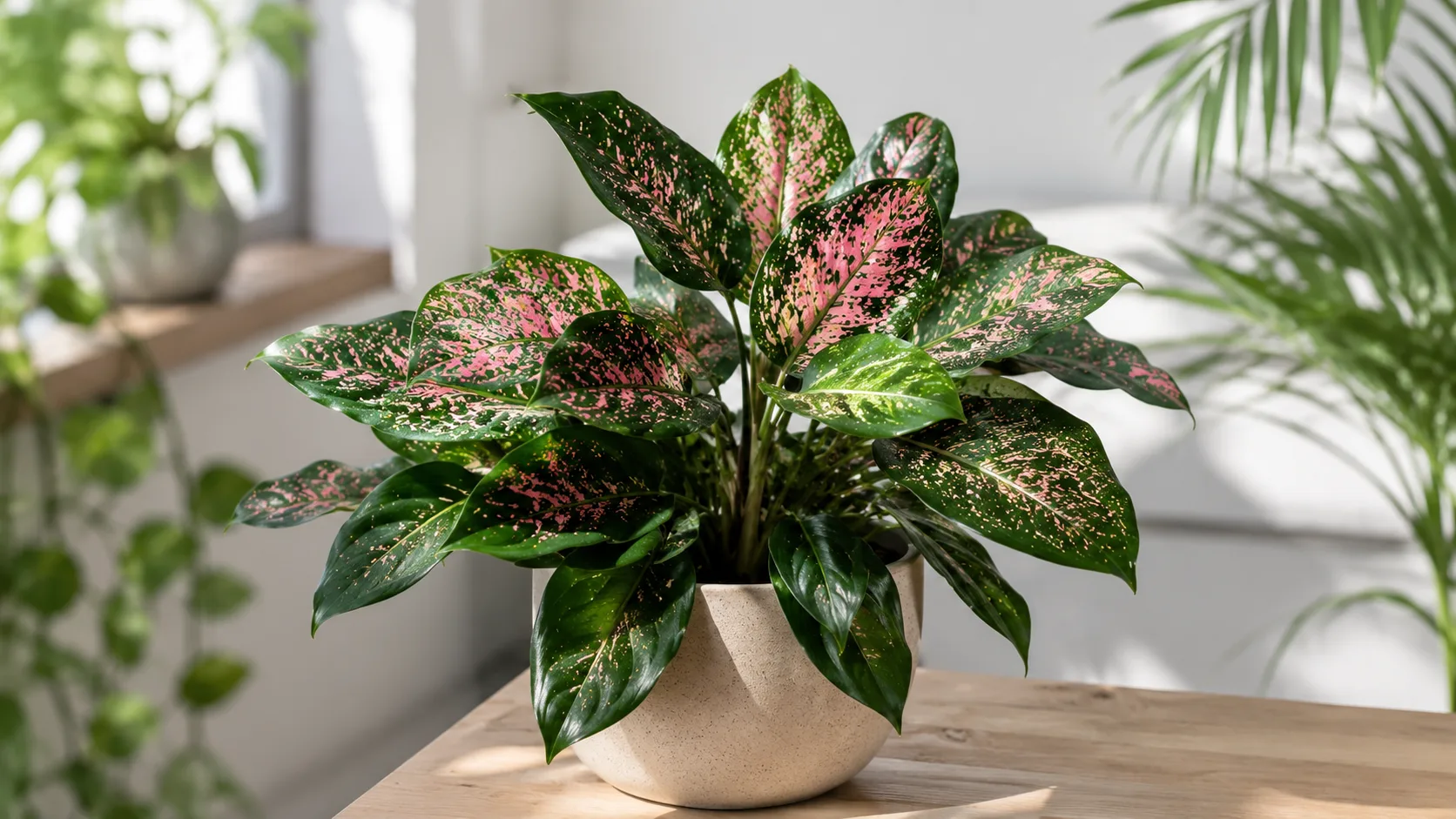
Aglaonema Pink Dalmatian
Likely causeCommon on this plant type; confirm with recent watering, light, and root checks.
Quick fixInspect the plant and correct the most likely care stressor before stacking treatments.
- Medium
Aglaonema Red Siam
Likely causeCommon on this plant type; confirm with recent watering, light, and root checks.
Quick fixInspect the plant and correct the most likely care stressor before stacking treatments.
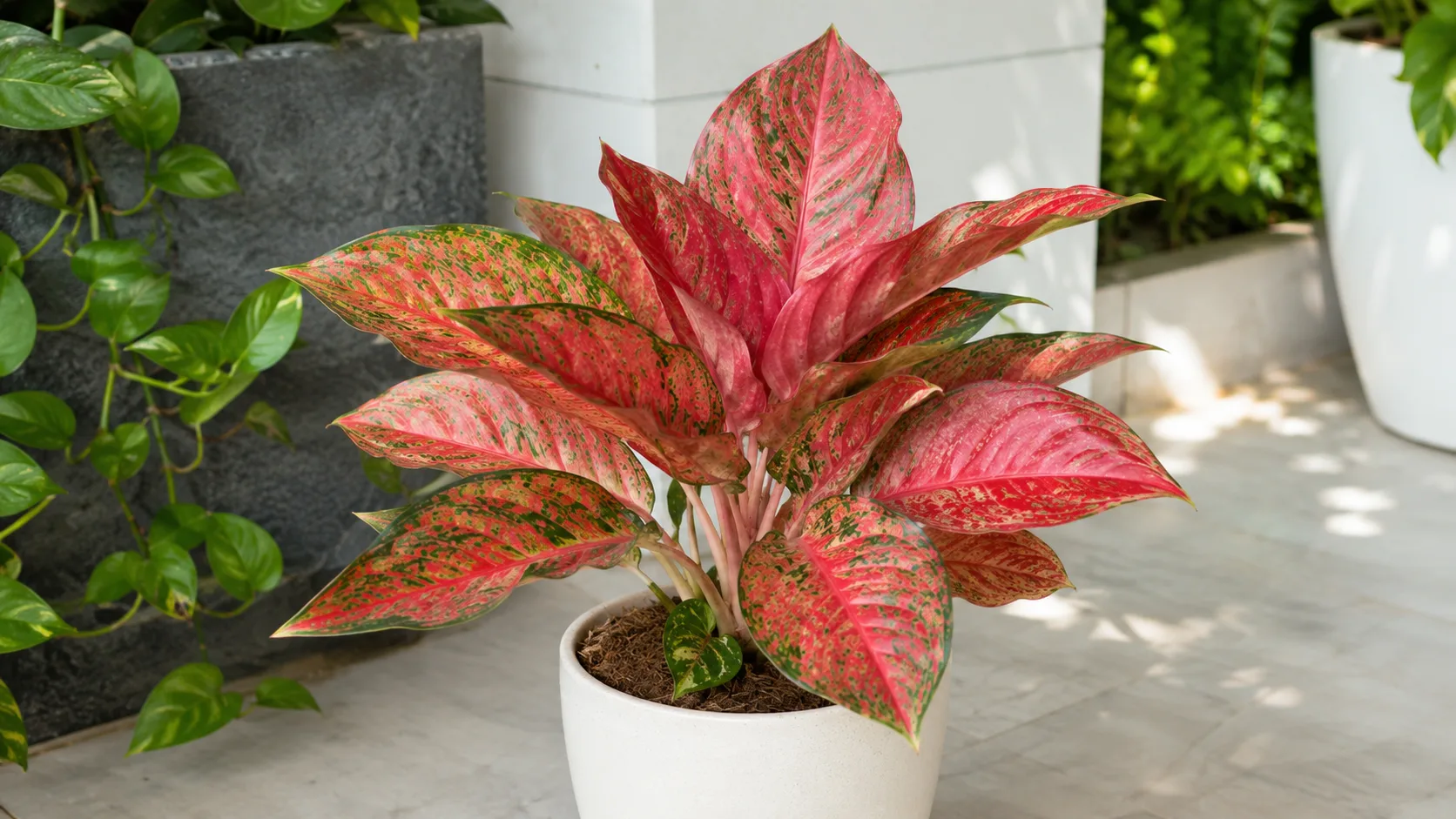 Medium
Aglaonema Red Valentine
Likely causeCommon on this plant type; confirm with recent watering, light, and root checks.
Quick fixInspect the plant and correct the most likely care stressor before stacking treatments.
 Medium
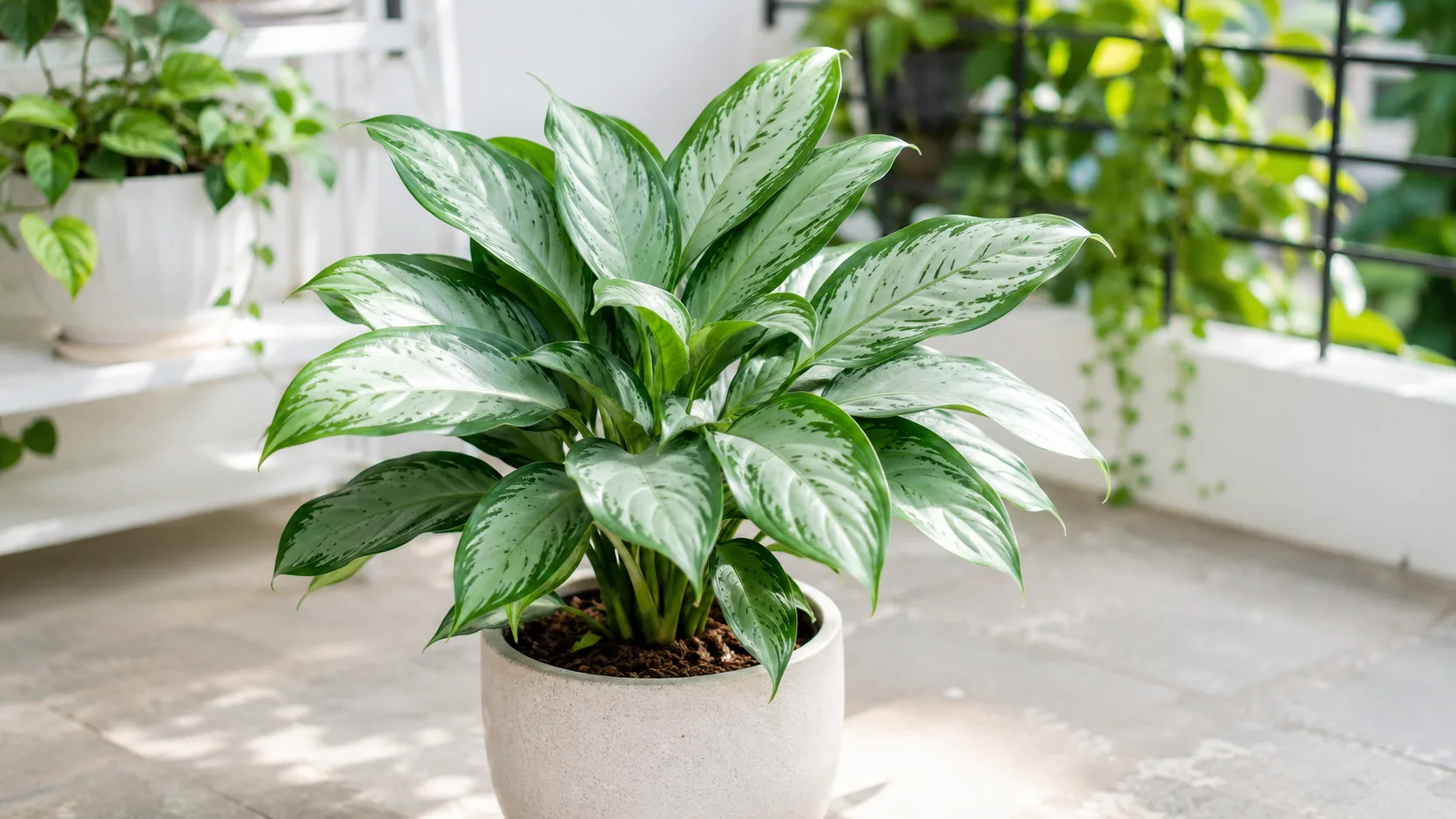
Aglaonema Silver Bay
Likely causeCommon on this plant type; confirm with recent watering, light, and root checks.
Quick fixInspect the plant and correct the most likely care stressor before stacking treatments.