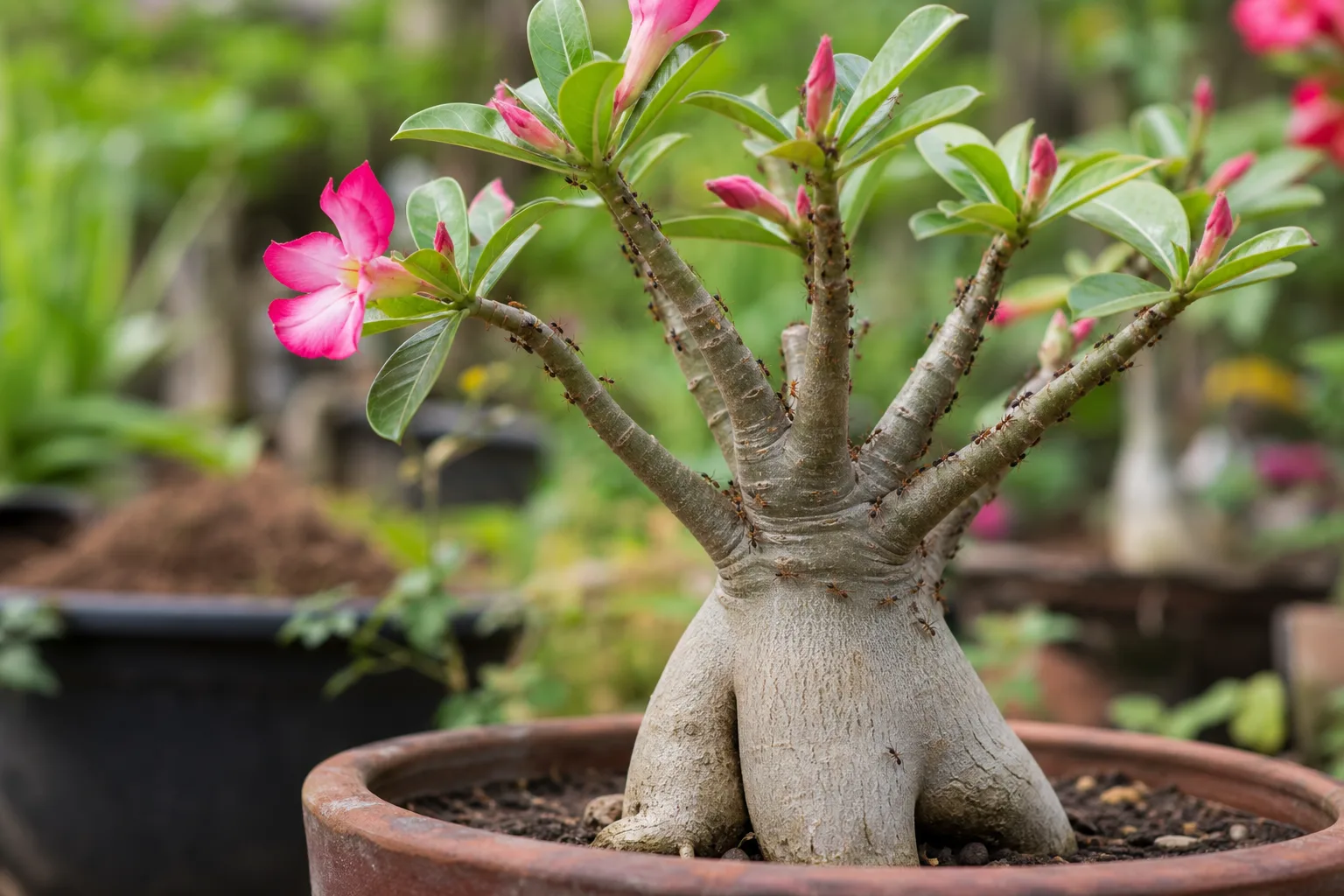
 PestsAnts on Plant'Houseplant pests are common indoors because conditions lack natural predators. Ants on Plant often arrives on new plants, open windows, or stressed specimens. When you notice Ants crawling around plant, often farming aphids or scale, act quickly: confirm the pest, isolate the plant, and treat before the population explodes. Track weekly progress after you change care, and note watering, light, and repotting dates so you can tell whether the symptom is improving or returning.'. Compare upper versus lower leaves, new versus old growth, and soil moisture at root depth before you treat, because the same visible symptom can come from watering, light, pests, or normal aging on different plants.
Pests problems
Identify and treat common houseplant pests before they spread.
Not sure where to start? Match symptoms in under a minute
Select what you see on your plant and we'll suggest the most likely problems to check first.
How to confirm pest pressure
Pest control works best when identification is precise. Sticky residue, webbing, cottony patches, stippling, and black specks point to different pests and need different treatment routines.
- Quarantine the plant before spraying so pests do not spread to nearby foliage.
- Use a hand lens to check leaf joints, undersides, new growth, and soil surface.
- Repeat treatment on the pest life cycle instead of relying on a single spray.
PestsAnts on Plant'Houseplant pests are common indoors because conditions lack natural predators. Ants on Plant often arrives on new plants, open windows, or stressed specimens. When you notice Ants crawling around plant, often farming aphids or scale, act quickly: confirm the pest, isolate the plant, and treat before the population explodes. Track weekly progress after you change care, and note watering, light, and repotting dates so you can tell whether the symptom is improving or returning.'. Compare upper versus lower leaves, new versus old growth, and soil moisture at root depth before you treat, because the same visible symptom can come from watering, light, pests, or normal aging on different plants.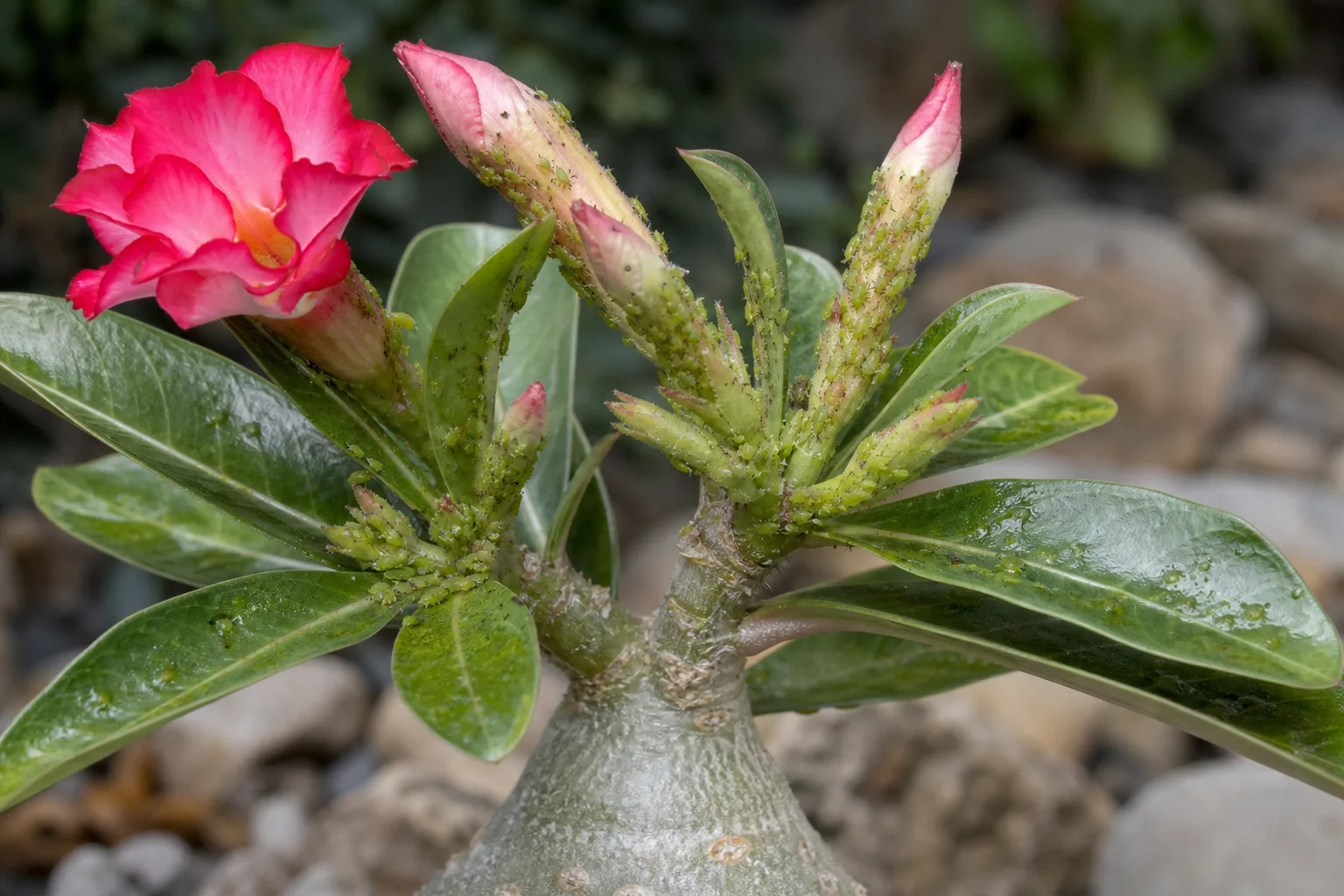 PestsAphidsHouseplant pests are common indoors because conditions lack natural predators. Aphids often arrives on new plants, open windows, or stressed specimens. When you notice Clusters of tiny insects on new growth, sticky residue, act quickly: confirm the pest, isolate the plant, and treat before the population explodes. Track weekly progress after you change care, and note watering, light, and repotting dates so you can tell whether the symptom is improving or returning. Compare upper versus lower leaves, new versus old growth, and soil moisture at root depth before you treat, because the same visible symptom can come from watering, light, pests, or normal aging on different plants.
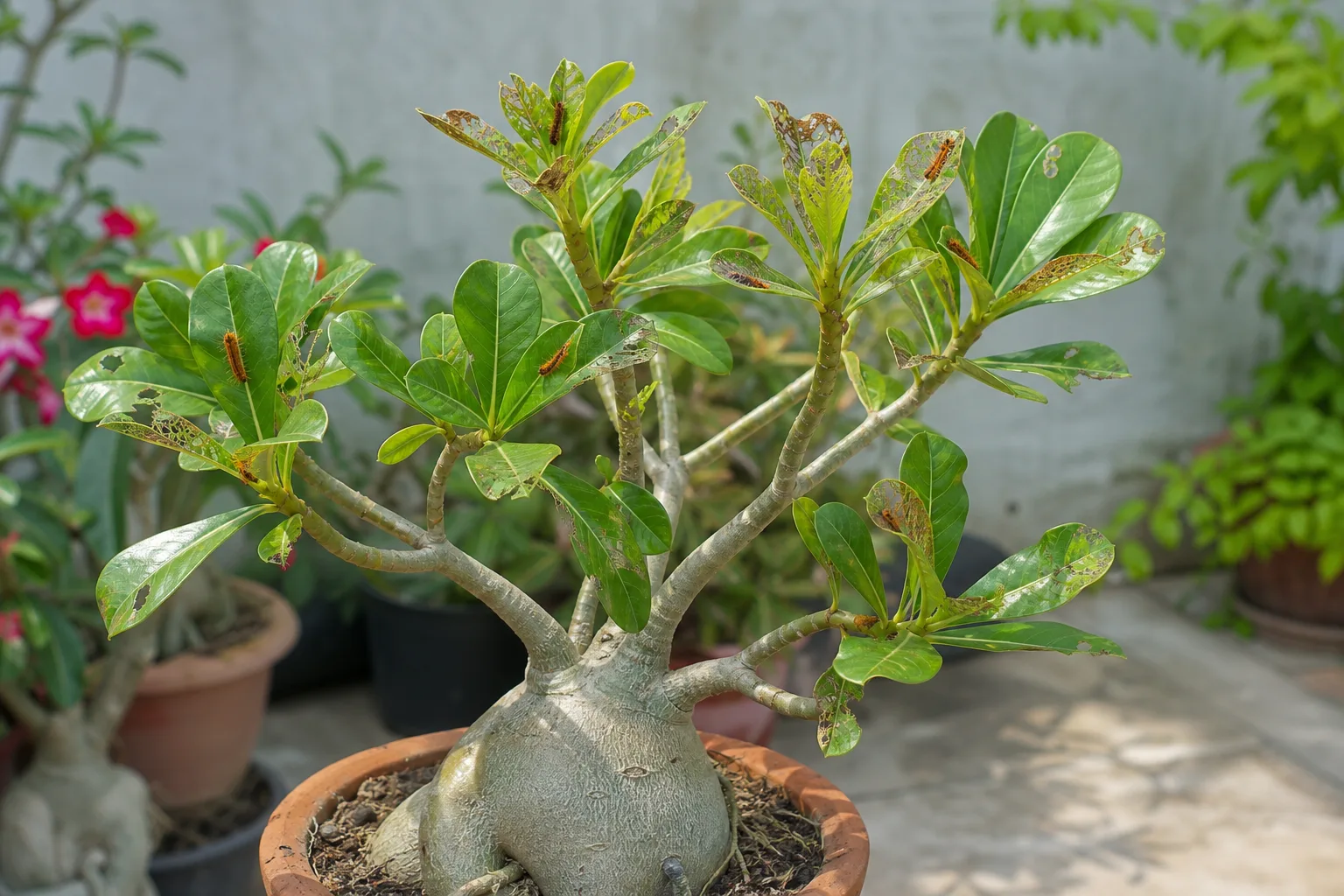 PestsCaterpillars'Houseplant pests are common indoors because conditions lack natural predators. Caterpillars often arrives on new plants, open windows, or stressed specimens. When you notice Chewed leaves, holes, missing leaf sections, act quickly: confirm the pest, isolate the plant, and treat before the population explodes. Track weekly progress after you change care, and note watering, light, and repotting dates so you can tell whether the symptom is improving or returning.'. Compare upper versus lower leaves, new versus old growth, and soil moisture at root depth before you treat, because the same visible symptom can come from watering, light, pests, or normal aging on different plants.
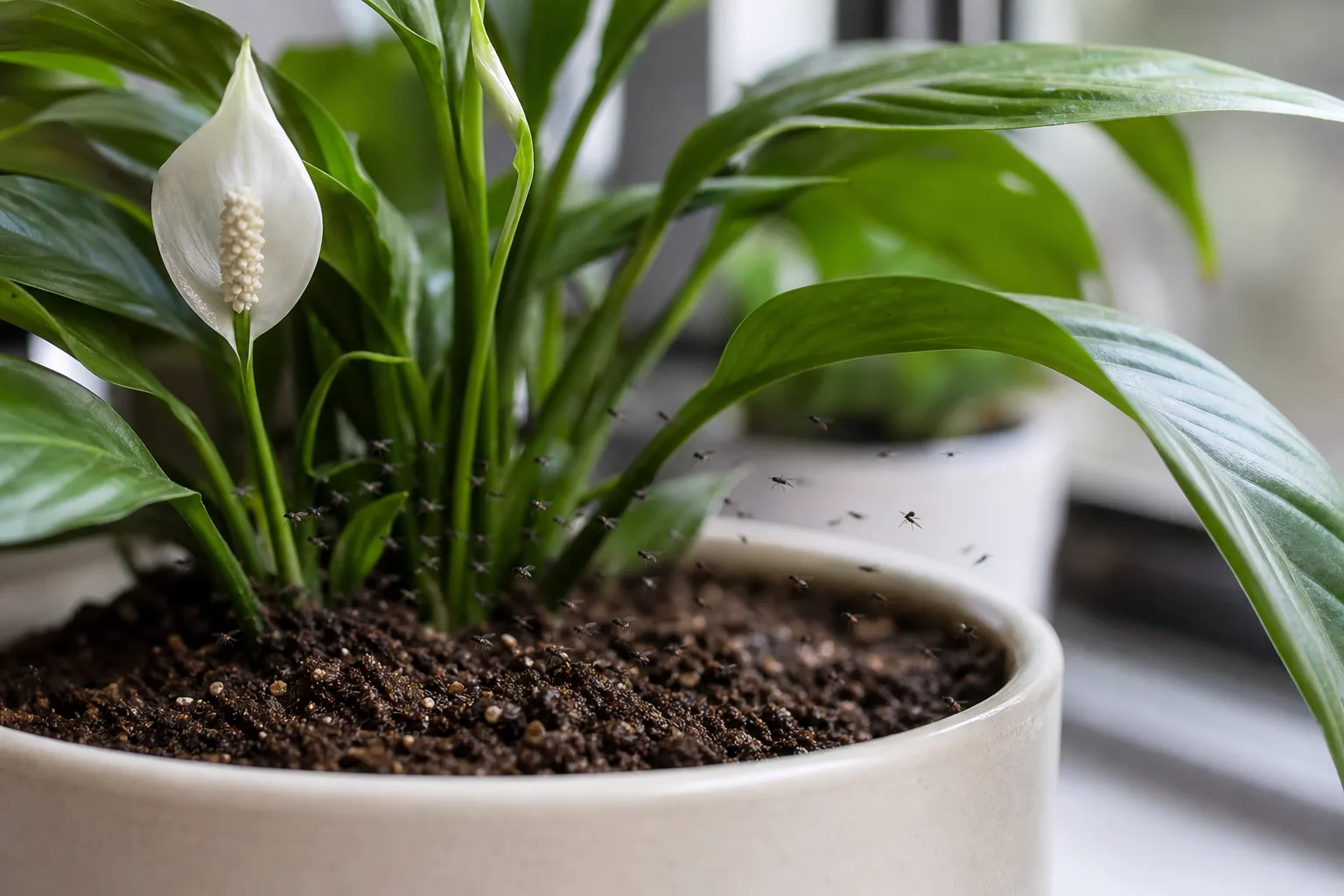 PestsFungus GnatsFungus gnats are common indoor pests linked more to soil moisture management than plant species. Adults are mostly a nuisance, but larvae in the top layer feed on fungi, organic debris, and tender feeder roots. In mature houseplants, damage is often mild, yet repeated infestations weaken root health and create chronic stress. Seedlings and recently rooted cuttings are most vulnerable to larval feeding.
The long-term fix is habitat disruption, not just killing flying adults. Gnats thrive in wet, organic topsoil with poor airflow. Letting the upper soil dry between waterings, improving drainage, and trapping adults breaks the life cycle. Biological controls such as BTI and beneficial nematodes are effective when applied consistently across all infested pots. Expect 2-6 weeks for full suppression because eggs and larvae continue to emerge in stages.
PestsFungus GnatsFungus gnats are common indoor pests linked more to soil moisture management than plant species. Adults are mostly a nuisance, but larvae in the top layer feed on fungi, organic debris, and tender feeder roots. In mature houseplants, damage is often mild, yet repeated infestations weaken root health and create chronic stress. Seedlings and recently rooted cuttings are most vulnerable to larval feeding.
The long-term fix is habitat disruption, not just killing flying adults. Gnats thrive in wet, organic topsoil with poor airflow. Letting the upper soil dry between waterings, improving drainage, and trapping adults breaks the life cycle. Biological controls such as BTI and beneficial nematodes are effective when applied consistently across all infested pots. Expect 2-6 weeks for full suppression because eggs and larvae continue to emerge in stages.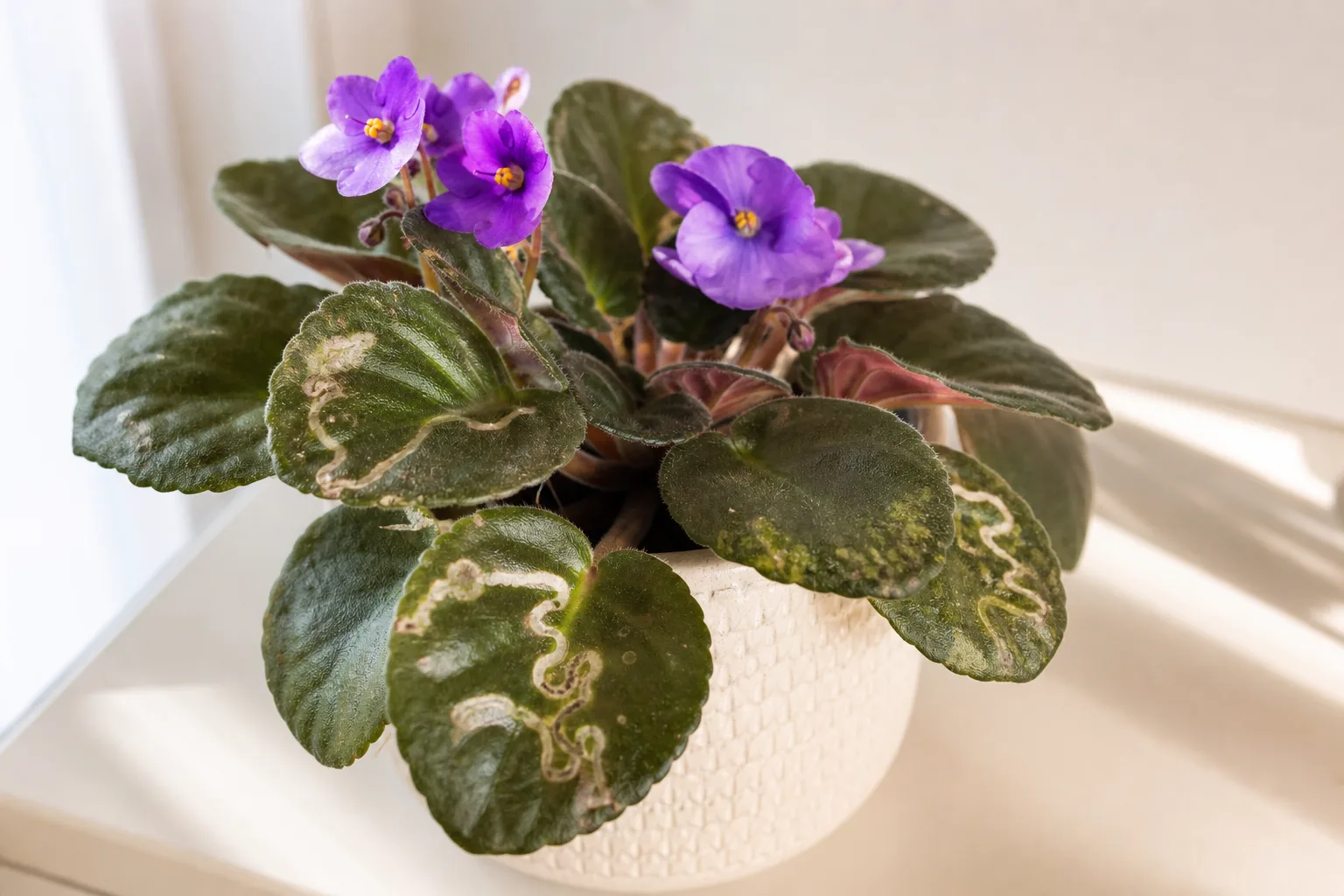 PestsLeaf Miners'Houseplant pests are common indoors because conditions lack natural predators. Leaf Miners often arrives on new plants, open windows, or stressed specimens. When you notice Winding pale trails inside leaves, act quickly: confirm the pest, isolate the plant, and treat before the population explodes. Track weekly progress after you change care, and note watering, light, and repotting dates so you can tell whether the symptom is improving or returning.'. Compare upper versus lower leaves, new versus old growth, and soil moisture at root depth before you treat, because the same visible symptom can come from watering, light, pests, or normal aging on different plants.
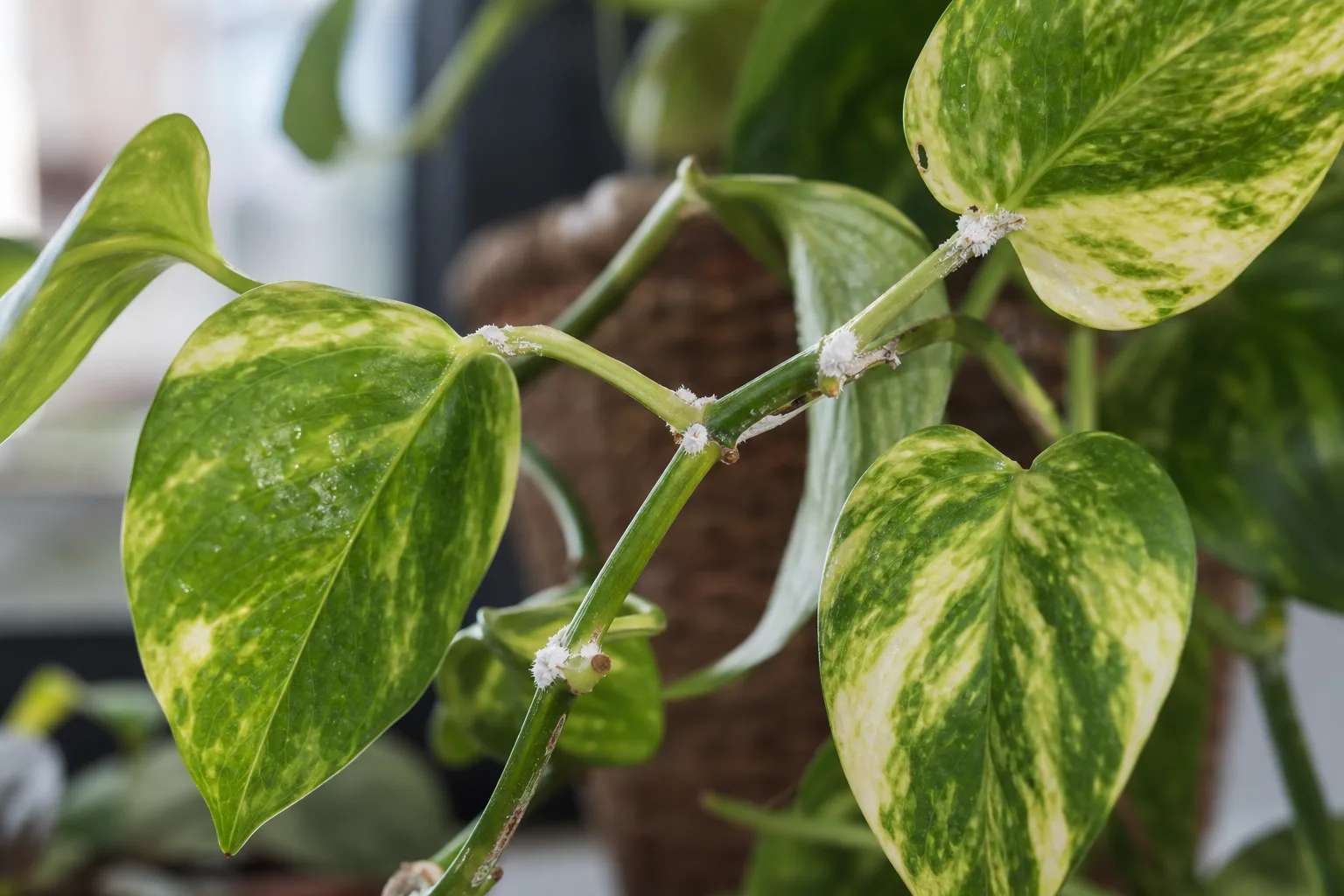 PestsMealybugsHouseplant pests are common indoors because conditions lack natural predators. Mealybugs often arrives on new plants, open windows, or stressed specimens. When you notice White cotton-like insects on stems, nodes, and leaf joints, act quickly: confirm the pest, isolate the plant, and treat before the population explodes. Track weekly progress after you change care, and note watering, light, and repotting dates so you can tell whether the symptom is improving or returning. Compare upper versus lower leaves, new versus old growth, and soil moisture at root depth before you treat, because the same visible symptom can come from watering, light, pests, or normal aging on different plants.
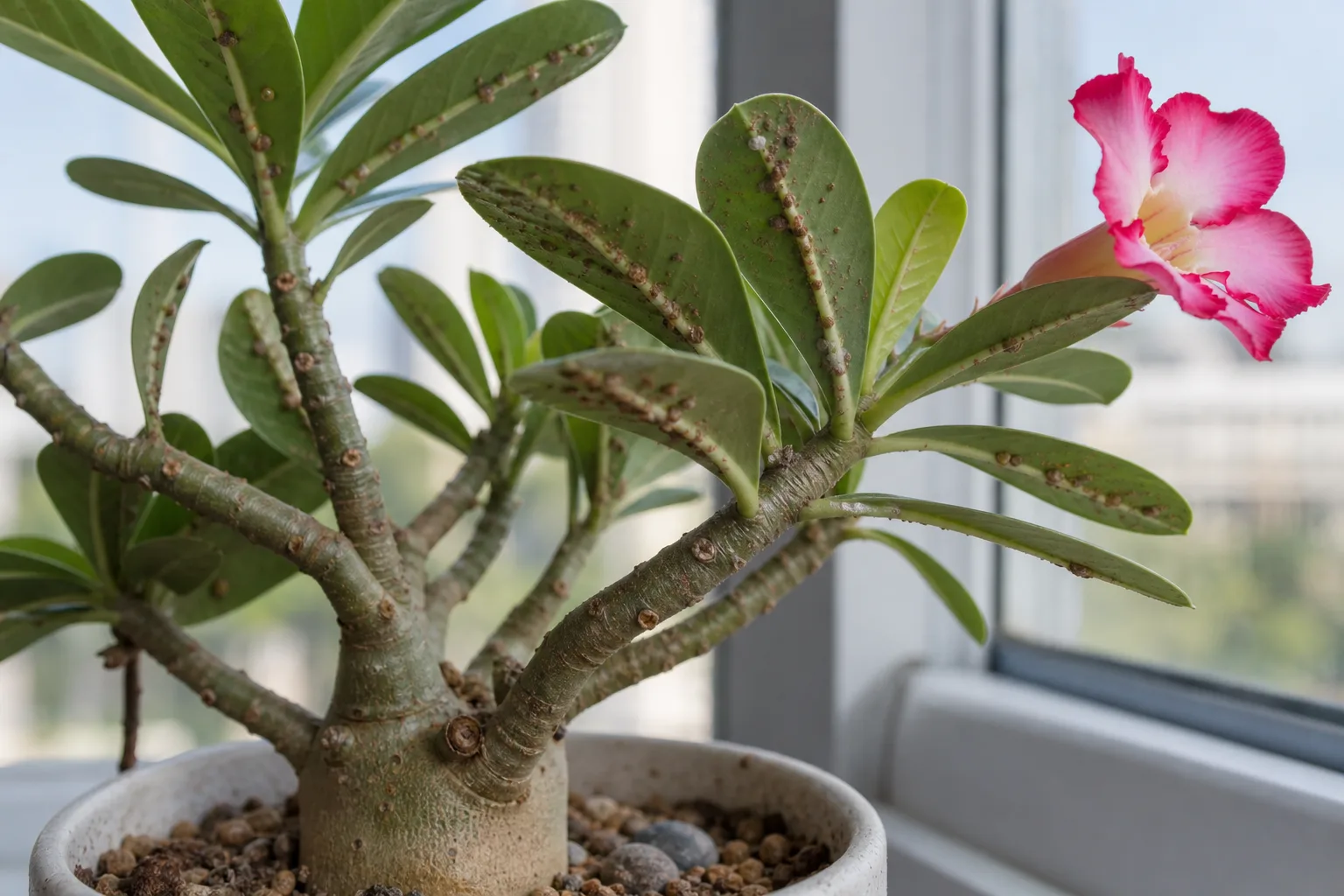 PestsScale InsectsHouseplant pests are common indoors because conditions lack natural predators. Scale Insects often arrives on new plants, open windows, or stressed specimens. When you notice Small brown bumps on stems or leaves, sticky honeydew, act quickly: confirm the pest, isolate the plant, and treat before the population explodes. Track weekly progress after you change care, and note watering, light, and repotting dates so you can tell whether the symptom is improving or returning. Compare upper versus lower leaves, new versus old growth, and soil moisture at root depth before you treat, because the same visible symptom can come from watering, light, pests, or normal aging on different plants.
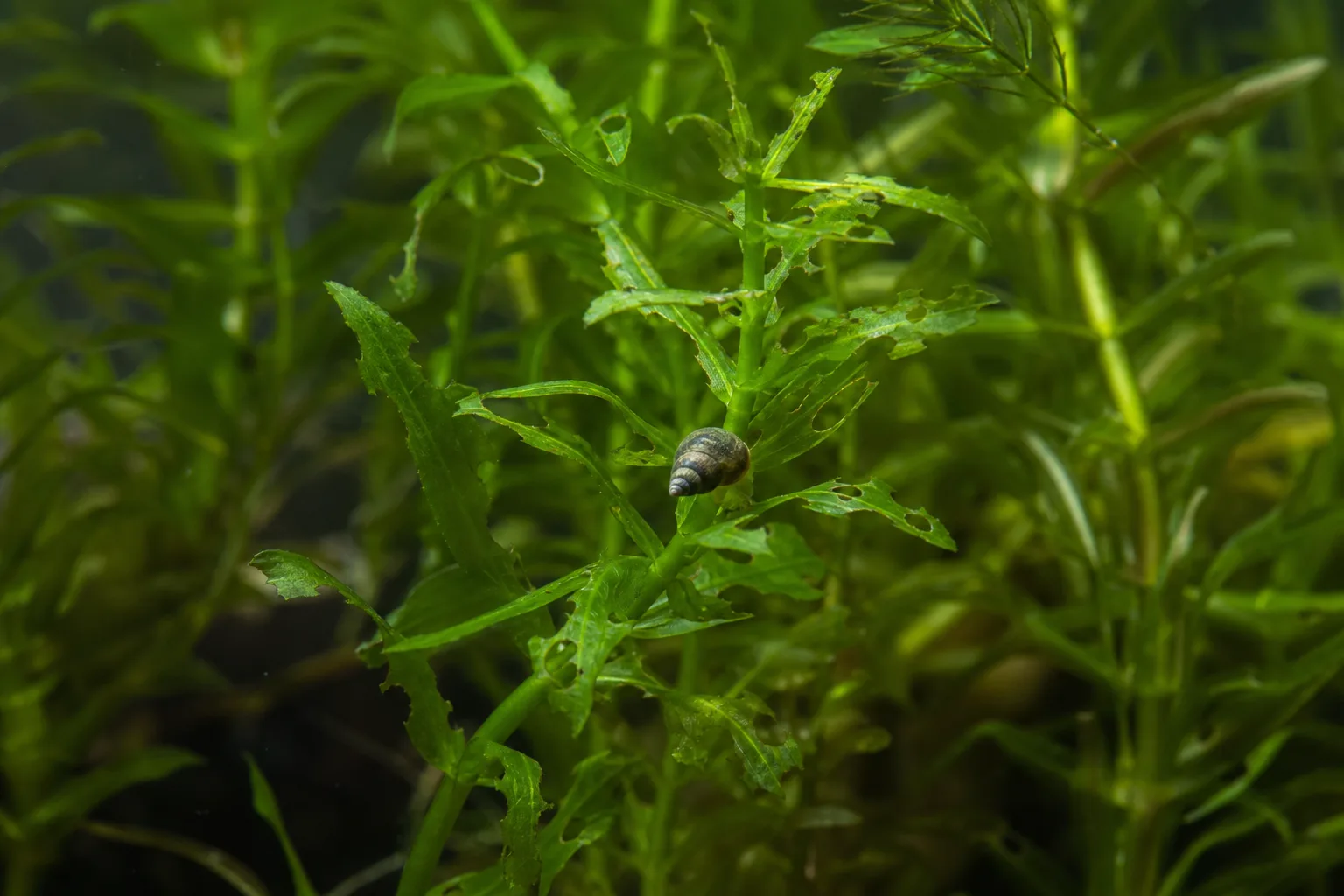 PestsSlugs and Snails'Houseplant pests are common indoors because conditions lack natural predators. Slugs and Snails often arrives on new plants, open windows, or stressed specimens. When you notice Ragged holes in leaves, slime trails nearby, act quickly: confirm the pest, isolate the plant, and treat before the population explodes. Track weekly progress after you change care, and note watering, light, and repotting dates so you can tell whether the symptom is improving or returning.'. Compare upper versus lower leaves, new versus old growth, and soil moisture at root depth before you treat, because the same visible symptom can come from watering, light, pests, or normal aging on different plants.
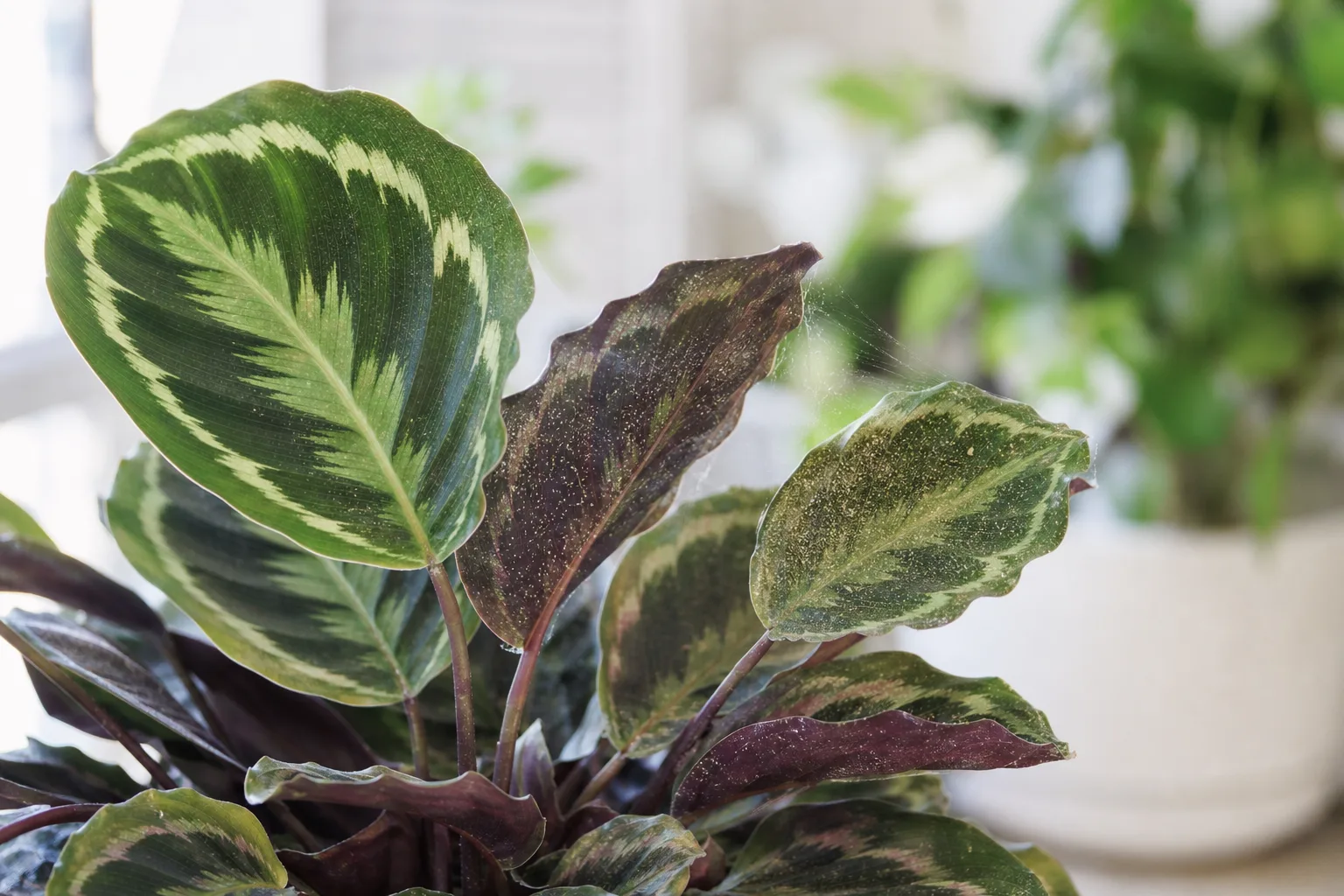 PestsSpider MitesSpider mites are microscopic sap-feeding pests that can multiply rapidly in warm, dry indoor environments. They puncture leaf cells and suck contents, leaving pale speckling, dull color, and eventual bronzing. Because they are tiny, infestations are often advanced before they are noticed. Fine webbing between leaves and stems is a late warning of significant population pressure.
Control success depends on early detection, repeated treatment, and environmental correction. A single spray is rarely enough because eggs hatch in cycles. Washing foliage, improving humidity, and applying contact controls at proper intervals can break the outbreak. Isolate affected plants immediately to limit spread. Even after mites are eliminated, damaged leaves may remain mottled, so evaluate recovery by cleaner new growth and reduced stippling over several weeks.
PestsSpider MitesSpider mites are microscopic sap-feeding pests that can multiply rapidly in warm, dry indoor environments. They puncture leaf cells and suck contents, leaving pale speckling, dull color, and eventual bronzing. Because they are tiny, infestations are often advanced before they are noticed. Fine webbing between leaves and stems is a late warning of significant population pressure.
Control success depends on early detection, repeated treatment, and environmental correction. A single spray is rarely enough because eggs hatch in cycles. Washing foliage, improving humidity, and applying contact controls at proper intervals can break the outbreak. Isolate affected plants immediately to limit spread. Even after mites are eliminated, damaged leaves may remain mottled, so evaluate recovery by cleaner new growth and reduced stippling over several weeks.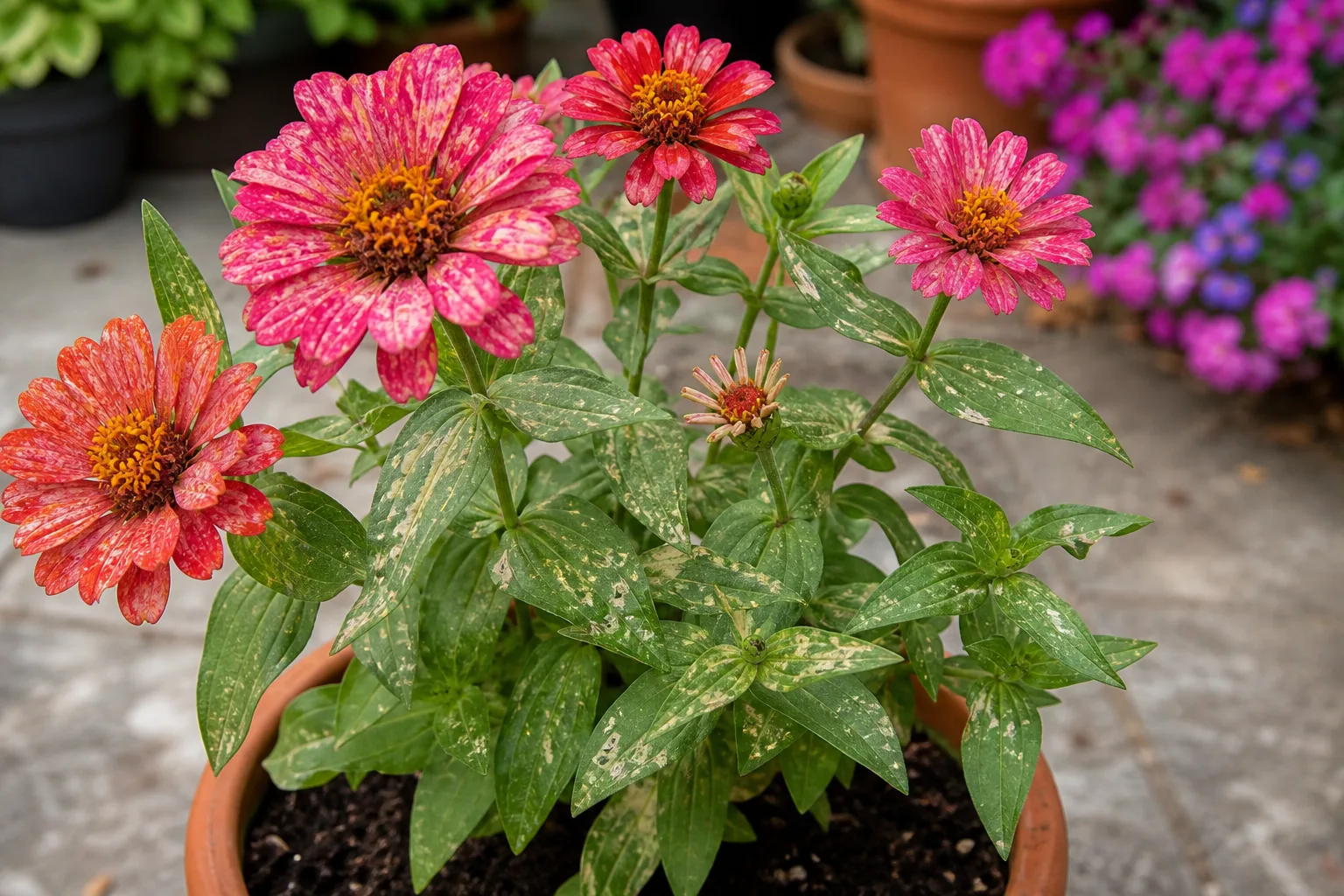 PestsThrips'Houseplant pests are common indoors because conditions lack natural predators. Thrips often arrives on new plants, open windows, or stressed specimens. When you notice Silvery streaks, black specks, distorted new leaves, act quickly: confirm the pest, isolate the plant, and treat before the population explodes. Track weekly progress after you change care, and note watering, light, and repotting dates so you can tell whether the symptom is improving or returning.'. Compare upper versus lower leaves, new versus old growth, and soil moisture at root depth before you treat, because the same visible symptom can come from watering, light, pests, or normal aging on different plants.
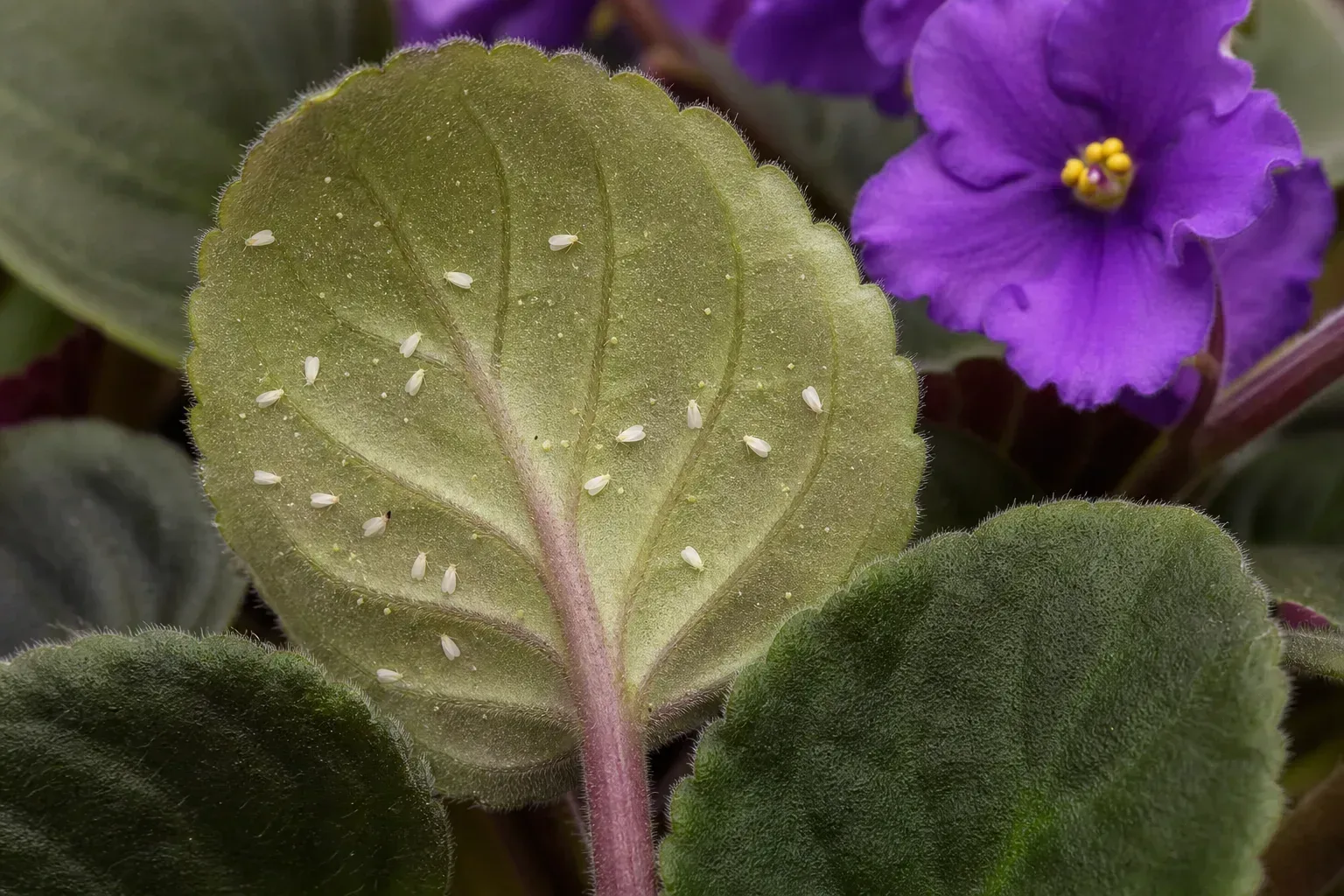 PestsWhiteflies'Houseplant pests are common indoors because conditions lack natural predators. Whiteflies often arrives on new plants, open windows, or stressed specimens. When you notice Tiny white flying insects under leaves, act quickly: confirm the pest, isolate the plant, and treat before the population explodes. Track weekly progress after you change care, and note watering, light, and repotting dates so you can tell whether the symptom is improving or returning.'. Compare upper versus lower leaves, new versus old growth, and soil moisture at root depth before you treat, because the same visible symptom can come from watering, light, pests, or normal aging on different plants.
No problems matched your search. Try different keywords or clear the category filter.
This pests problems problem guide was researched and written by . Pests problems symptoms, lookalike causes, and step-by-step fixes are cross-checked against extension pest, disease, and care references before publication.
We prioritize sources that hold up under scrutiny:
- University cooperative extension bulletins and fact sheets (Penn State, Clemson, UMD, NC State, and similar programs)
- Botanical garden and horticultural society publications
- Peer-reviewed plant science and veterinary toxicology references where pet safety matters (including ASPCA Animal Poison Control)
- Established reference works on indoor plant culture
The LeafyPixels editorial team then reviews the draft for clarity, step-by-step usefulness, and fit with real apartment and home conditions-not ideal greenhouse setups. When guidance changes materially, we update the page and note the revision date.
Sources used
- Clemson HGIC (n.d.) Diseases of indoor plants. [Online]. Available at: https://hgic.clemson.edu/?s=diseases%20of%20indoor%20plants (Accessed: 29 June 2026).
- Colorado State Extension (n.d.) Insect control on houseplants. [Online]. Available at: https://extension.colostate.edu/search/?q=insect%20control%20on%20houseplants%205%20584 (Accessed: 29 June 2026).
- Colorado State Extension (n.d.) Fungus gnats as houseplant pests. [Online]. Available at: https://extension.colostate.edu/search/?q=fungus%20gnats%20as%20houseplant%20pests%205%20584 (Accessed: 29 June 2026).
- Colorado State Extension (n.d.) Mealybugs on houseplants. [Online]. Available at: https://extension.colostate.edu/search/?q=mealybugs%20on%20houseplants%205%20505 (Accessed: 29 June 2026).
- Missouri Botanical Garden (n.d.) Spider mites. [Online]. Available at: https://www.missouribotanicalgarden.org/gardens-gardening/your-garden/help-for-the-home-gardener/advice-tips-resources/insects-pests-and-problems/insects/mites/spider-mites (Accessed: 29 June 2026).
- Missouri Botanical Garden (n.d.) Which insecticides or miticides can I use on indoor plants?. [Online]. Available at: https://www.missouribotanicalgarden.org/gardens-gardening/your-garden/help-for-the-home-gardener/advice-tips-resources/gardening-help-faqs/question/1604/which-insecticidesmiticides-can-i-use-on-indoor-plants (Accessed: 29 June 2026).
- University of California IPM (n.d.) Aphids. [Online]. Available at: https://ipm.ucanr.edu/PMG/PESTNOTES/pn7404.html (Accessed: 29 June 2026).
- University of California IPM (n.d.) Mealybugs. [Online]. Available at: https://ipm.ucanr.edu/PMG/PESTNOTES/pn74174.html (Accessed: 29 June 2026).
- University of Maryland Extension (n.d.) Diagnosing houseplant problems. [Online]. Available at: https://www.extension.umd.edu/resource/diagnose-indoor-plant-problems (Accessed: 29 June 2026).
- University of Maryland Extension (n.d.) Diagnose indoor plant problems. [Online]. Available at: https://extension.umd.edu/resource/diagnose-indoor-plant-problems (Accessed: 29 June 2026).
- University of Minnesota Extension (n.d.) Insects on indoor plants. [Online]. Available at: https://extension.umn.edu/product-and-houseplant-pests/insects-indoor-plants (Accessed: 29 June 2026).
- University of Minnesota Extension (n.d.) Aphids on houseplants. [Online]. Available at: https://extension.umn.edu/product-and-houseplant-pests/aphids-houseplants (Accessed: 29 June 2026).
- University of Minnesota Extension (n.d.) Fungus gnats. [Online]. Available at: https://extension.umn.edu/product-and-houseplant-pests/fungus-gnats (Accessed: 29 June 2026).