How to Get Rid of Mealybugs on Houseplants
Houseplant pests are common indoors because conditions lack natural predators. Mealybugs often arrives on new plants, open windows, or stressed specimens. When you notice White cotton-like insects on stems, nodes, and leaf joints, act quickly: confirm the pest, isolate the plant, and treat before the population explodes. Track weekly progress after you change care, and note watering, light, and repotting dates so you can tell whether the symptom is improving or returning. Compare upper versus lower leaves, new versus old growth, and soil moisture at root depth before you treat, because the same visible symptom can come from watering, light, pests, or normal aging on different plants.
Mealybugs on Houseplants
Still unsure?Match your symptoms to the most likely problems in under a minute.Run diagnosis →Understand and fix mealybugs
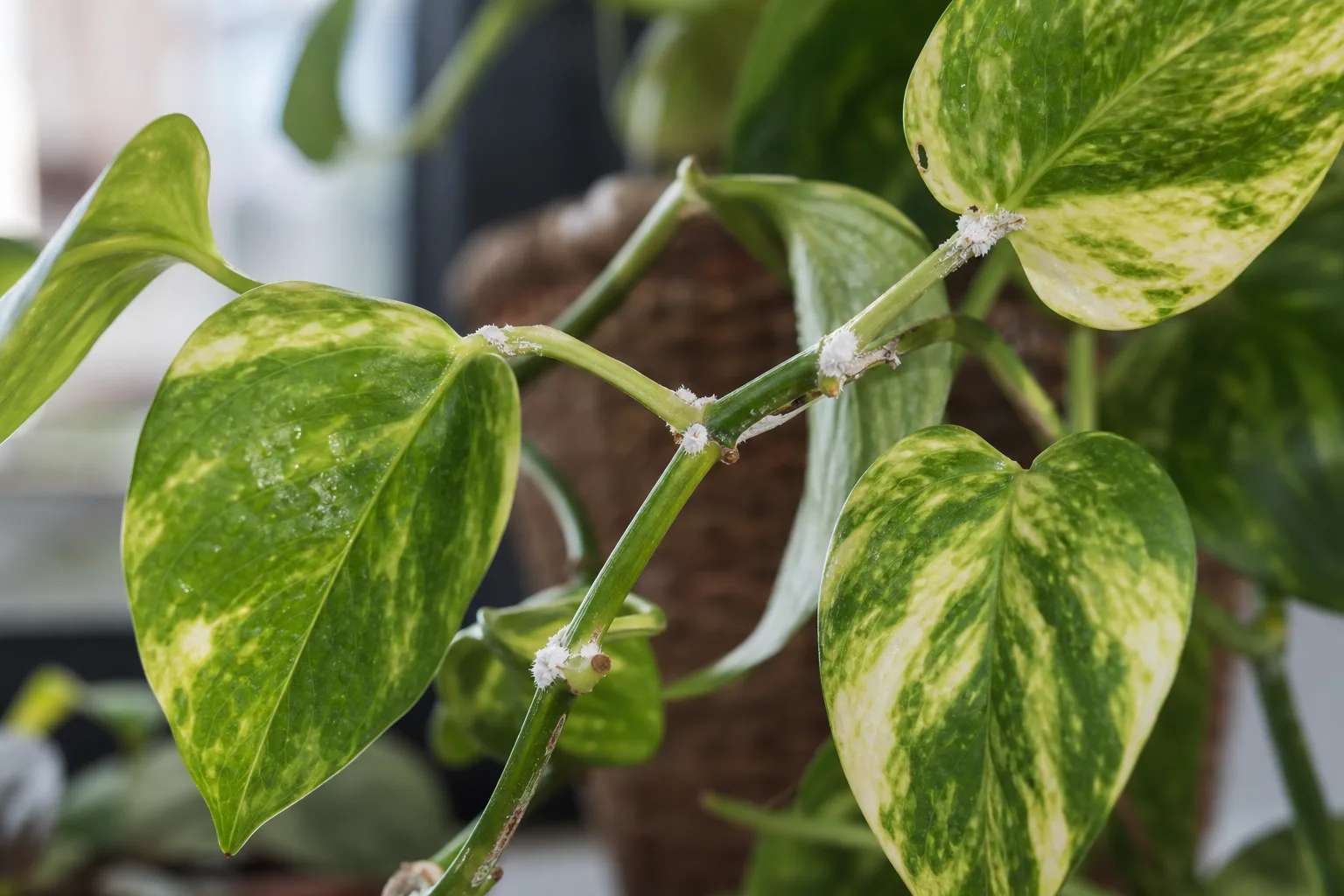
Mealybugs look like tiny white cotton clusters in leaf axils, stem joints, and undersides - they suck sap and leave sticky honeydew behind.
Overview
Mealybugs are soft-bodied insects that hide in protected crevices on houseplants. They feed on sap, weakening growth and excreting honeydew that attracts ants and sooty mold. Infestations often start on one stressed plant and spread via tools, hands, or adjacent leaves touching.
Effective control combines isolation, physical removal, and targeted treatment repeated over several weeks to catch newly hatched crawlers. Prevention focuses on quarantining new plants and inspecting favorites during regular care. Schedule a second treatment pass even when cottony clusters look gone, because eggs often hide in dry leaf sheaths and stem crevices indoors.
Mealybugs patterns: what you see vs. likely cause
Match your plant to the closest pattern, then start with the first step before trying other fixes.
| What you see | Likely cause | First step |
|---|---|---|
| Symptoms appear on new growth first while older leaves still look normal | Active pest feeding or early moisture stress on expanding tissue | Inspect stem tips and leaf undersides with good light before treating the whole plant |
| Multiple plants show similar damage within one to two weeks | Shared pest introduction, watering habit, or environmental stress | Isolate affected plants and compare recent care changes across the group |
How to identify it
- White, cottony masses at stem nodes and leaf bases.
- Sticky honeydew on leaves or nearby surfaces.
- Yellowing or distorted new growth on heavily infested areas.
- Ants trailing to the plant (farming honeydew).
- Black sooty mold on leaf surfaces in advanced cases.
- Flat oval crawlers visible under magnification on young leaves.
When to worry
Treat promptly if colonies spread to multiple plants, new growth deforms, or sooty mold appears on leaves.
Common causes
New plant introduction
Mealybugs often hitchhike on nursery plants and spread before symptoms are obvious.
Crowded plant shelves
Touching foliage between pots makes it easy for crawlers to migrate.
Plant stress
Overwatering, low light, and nutrient issues weaken plants and make them more susceptible.
Warm indoor temperatures
Consistent room temperatures allow mealybugs to reproduce year-round indoors.
Missed early treatment
Small colonies double quickly when not removed before the next generation hatches.
Step-by-step fix
Isolate the affected plant
Move it away from others until crawlers are gone for at least two weeks.
Remove visible bugs manually
Dab clusters with rubbing alcohol on a cotton swab or rinse with a steady stream of water.
Apply insecticidal soap or horticultural oil
Coat stems and leaf undersides thoroughly; repeat every 5–7 days for three cycles.
Inspect neighboring plants
Check axils and new growth on nearby pots; treat early if you find crawlers.
Clean the growing area
Wipe shelves and saucers to remove honeydew and hidden eggs.
Monitor for six weeks
New generations hatch in cycles; persistence matters more than a single spray.
Prevention tips
- Quarantine new plants for 2–3 weeks before placing with your collection.
- Inspect leaf joints during watering.
- Avoid over-fertilizing, which produces tender growth pests prefer.
- Keep tools clean between plants when pruning.
- Maintain airflow around crowded shelves.
Common mistakes
- Stopping treatment after one application.
- Using only water sprays on heavy infestations without follow-up.
- Returning an infested plant to the main collection too soon.
- Applying oil sprays in direct hot sun, which can burn leaves.
Related care topics
These care guides help prevent repeat issues once you have treated the immediate problem.
White fluff tucked into a leaf joint is easy to dismiss as dust until another patch appears. Look closely and you may find oval insects under the wax, sticky leaves below them, or tiny crawlers moving away from the colony. Mealybugs on houseplants are sap-feeding insects protected by waxy secretions and a habit of hiding where a casual spray cannot reach.
The workable response is a campaign, not a dramatic one-day cure. Confirm the pest, separate the plant, physically remove as much of the population as possible, apply an appropriate labelled treatment where needed, and keep checking the concealed sites where survivors reappear. This approach is slower than spraying everything in sight, but it gives you better control with less unnecessary chemical exposure and less risk of damaging an already stressed plant.
Start With a Fast Containment Plan
If the insect is already recognizable, move the plant away from the rest of your collection before doing anything messy. Choose a washable, well-lit space that still meets the plant’s basic temperature and light needs. Avoid brushing the foliage against healthy plants on the way, and do not carry dripping runoff across shelves or benches.
Next, inspect the plants that were touching it or sharing a crowded shelf. Mealybugs do not leap, but mobile stages can crawl, and moving infested plants is a common way houseplant pests enter a collection. Colorado State University Extension advises keeping new plants separate for at least three weeks because scale, mealybugs, and whiteflies are often introduced on purchased or gifted plants (Colorado State University Extension).
Do not begin by repotting every nearby plant or mixing several sprays. First remove obviously infested flowers, fallen leaves, and loose debris, then photograph the worst two or three sites. Those reference photos make it possible to tell whether the population is shrinking rather than relying on a vague sense that the plant looks cleaner.
A simple first-day sequence works for most aboveground infestations:
- Separate the affected plant and inspect its immediate neighbors.
- Confirm that the white material contains insects or egg masses.
- Remove visible colonies and badly infested disposable growth.
- Patch-test any intended treatment on a small area.
- Record the date, product, plant parts treated, and sites where insects were found.
This sequence buys clarity. It also prevents a common mistake: treating leaf damage as proof of mealybugs when the plant actually has mineral residue, mildew, scale, or an unrelated care problem.
How to Identify Mealybugs
Mealybugs belong to a group of soft-bodied, piercing-sucking insects. The visible females are usually oval, slow-moving, and coated in white, powdery or cottony wax. Wisconsin Horticulture describes common houseplant mealybugs as pink-bodied insects beneath that protective white material and notes that the citrus mealybug, Planococcus citri, is frequently found on indoor foliage (University of Wisconsin–Madison Extension).
Search the architecture of the plant, not just the broad leaf surfaces. Check leaf axils, stem nodes, the bases of petioles, folded new leaves, vine junctions, flower stalks, and the undersides of foliage. On orchids and tightly layered plants, look between sheaths; on succulents, look deep inside rosettes; on vines such as pothos and hoya, follow each stem through its nodes.
Use the wider golden-pothos view as a search map: the useful clue is not simply “white on a leaf,” but repeated waxy colonies concentrated at nodes, petiole bases, and tender growth. Inspect the same structural shelters on other houseplants even when their leaf shape is different.
The Signs That Confirm Mealybugs
The strongest clue is a white cottony cluster that reveals one or more oval insects when teased apart. You may also find cottony egg masses, individual insects edged with short wax filaments, or small immature stages moving over new growth. Some species look more powdery than fluffy, so do not wait for a perfect cotton-ball appearance.
Feeding damage is less specific. Mealybugs remove sap, and a sustained population can contribute to yellowing, stunting, wilting, leaf drop, distorted growth, and general decline. They also produce honeydew, a sticky excretion that can support black sooty mold; these damage patterns are documented by Wisconsin Extension, but none identifies the pest without finding the insects themselves (University of Wisconsin–Madison Extension).
Run a clean fingertip along the leaf below a suspected colony. Tackiness supports the presence of a honeydew-producing pest, but aphids, soft scale, and whiteflies can also leave honeydew. Ant activity may point you toward the source because ants use honeydew, yet ants alone do not prove the plant has mealybugs.
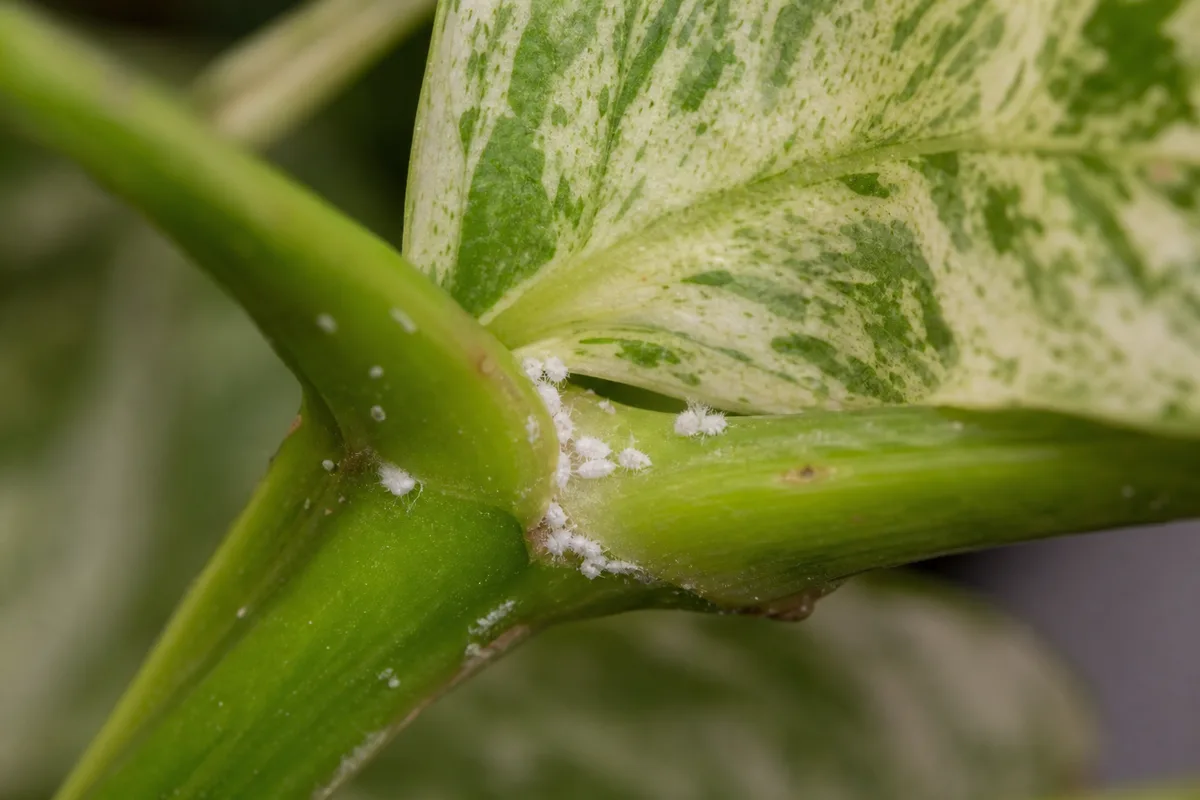
The close view shows why wiping the flat leaf surface is inadequate. Bodies and cottony material can sit below the petiole and inside the axil, so part leaves gently and inspect the protected junction from more than one angle.
Mealybugs, Scale, or Powdery Mildew?
Several houseplant problems create pale marks, and treating the wrong one wastes time. Use a magnifying lens and a wooden toothpick to examine a small sample before applying anything.
| Clue | Mealybugs | Scale insects | Powdery mildew or residue |
|---|---|---|---|
| Shape | Soft oval body under wax; cottony clusters or egg masses | Individual shell-like or flattened bumps | Flat dusty film, irregular patch, or crust |
| Likely location | Nodes, axils, folds, tender growth, roots in some species | Stems, veins, leaf undersides | Exposed leaf surface or splash pattern |
| Movement | Crawlers and many females can move slowly | Crawlers move; settled adults may not | No insect movement |
| Texture when disturbed | Waxy, soft, sometimes stringy | Firm bump that may lift or scrape | Powder smears, mineral crust dissolves, or fungal patch remains superficial |
| Associated clue | Honeydew, sooty mold, distorted growth | Honeydew from soft scales, plant decline | Usually no insects or egg sacs inside the patch |
Mineral deposits tend to follow leaf edges, humidifier fallout, or dried droplets. Powdery mildew spreads as a superficial fungal coating rather than discrete bodies packed into protected joints. A mealybug colony has structure: insects, shed wax, egg material, and often several life stages in the same small shelter.
Why One Treatment Usually Fails
The plant may look clean after adults are wiped away while eggs, small nymphs, and deeply hidden insects remain. Many female mealybugs produce cottony material around their eggs, and newly emerged crawlers move to new feeding sites. Colorado State Extension reports that houseplant mealybugs can take about two months to mature, which means a plant can hold overlapping, differently exposed stages at once (Colorado State University Extension).
Contact products add another limitation: they work where the liquid reaches a susceptible insect. Wax repels sprays, tight plant structures interrupt coverage, and a dried contact treatment may provide little or no continuing action. UC IPM explains that the waxy coating and concealed aggregations make mealybugs difficult to reach and that follow-up monitoring and treatment are often necessary (UC Statewide Integrated Pest Management).
This is why no responsible schedule can promise eradication after exactly two or three applications. Development changes with species and temperature, plants differ in complexity, and product labels specify different reapplication intervals. Use the label to set treatment timing, then use inspection results to decide how long monitoring should continue.
Isolate the Plant and Map the Infestation
Isolation should reduce contact without pushing the plant into a dark cupboard. A pothos suddenly deprived of usable light will consume less water and become harder to manage, while a sun-sensitive plant moved outdoors may scorch. Pick a location that supports the plant and is easy to clean, then create physical space between its foliage and every uninfested plant.
Inspect in a fixed route so hiding places do not depend on memory. Start at the growing tip, follow each stem downward, check both sides of every leaf, examine the crown and soil line, and finish with the pot rim, saucer, and drainage holes. Mark colonies with small loops of removable tape on the pot or note their locations in your phone.
Assign a practical severity level:
- Localized: a few colonies on one or two reachable shoots, with no insects found elsewhere.
- Widespread: insects or egg material on multiple stems, new growth, and several protected joints.
- Severe: colonies cover large areas, the plant is declining, nearby plants are affected, or pests return densely despite careful treatment.
- Possible root infestation: aboveground searching finds little, but insects or white wax appear at drainage holes or on roots.
Severity controls the effort. A localized outbreak on a smooth-leaved pothos invites patient removal. A dense colony inside every fold of a large, inexpensive plant may expose the rest of the collection for weeks and justify disposal.
A Practical Mealybug Treatment Plan
An integrated plan combines sanitation, mechanical removal, plant-safe contact treatment when necessary, and repeated inspection. No step compensates for careless coverage. Spraying a leaf face while colonies remain inside nodes is not treatment; it is wetting the easiest surface.
Before starting, read the entire pesticide label. Confirm that the product is labelled for the site, plant type, and pest; follow mixing, ventilation, protective-equipment, disposal, and re-entry directions. The U.S. Environmental Protection Agency emphasizes that pesticide labels define how a product may legally be used and contain the directions needed to reduce risks (U.S. EPA).
Remove Visible Bugs and Egg Masses
For a small infestation, direct removal gives immediate population reduction and shows you exactly where the insects are. Use a cotton swab to lift insects and wax from crevices, replacing the swab frequently rather than spreading debris along the stem. Hold a white sheet beneath the plant so displaced material does not vanish into carpet or adjacent pots.
Isopropyl alcohol can be useful as a precise spot treatment, but plant tolerance varies. UC IPM advises using 70% or less on a swab for small infestations, testing a small plant area one to two days in advance, and repeating weekly until the infestation is gone; it also notes that more dilute solutions may be appropriate for sensitive plants (UC Statewide Integrated Pest Management). That is not permission to soak a plant, pour alcohol into its soil, or assume every species tolerates the same concentration.
Keep alcohol away from flames and use it with ventilation. Test a hidden leaf or small stem section and wait for delayed spotting, bleaching, or tissue collapse before expanding treatment. On fuzzy, thin, wax-bloomed, or otherwise sensitive foliage, manual removal without alcohol may be the safer first pass.
Wash and Prune With Restraint
A controlled stream of lukewarm water can dislodge exposed insects and rinse honeydew from sturdy plants. Support the potting mix so it does not spill, wash leaf undersides and joints, and let excess water drain fully. Do not turn repeated pest washing into chronic overwatering; shield the root zone or adjust normal watering when the mix is already wet.
Prune a heavily colonized leaf, flower spike, or stem tip when its removal eliminates a major reservoir without stripping the plant of most of its functioning foliage. Seal the cut material in a bag and remove it from the growing area promptly. Wisconsin Extension notes that mealybugs can survive on detached plant parts while those parts retain moisture, so a pile of cuttings beside the plant is not sanitation (University of Wisconsin–Madison Extension).
Avoid aggressive cosmetic pruning. Yellowed but still functional leaves may support recovery, and too much cutting stresses the same plant you are asking to withstand repeated handling. The goal is to remove concentrated pest habitat, not to make the plant look perfect on day one.
Apply a Labelled Contact Treatment
When manual removal cannot reach or keep pace with the infestation, a product labelled for mealybugs on indoor ornamentals may help. Insecticidal soaps and horticultural or neem-based oils act through contact and coverage, so spray the insect and its shelter rather than misting the room around it. Apply to the leaf undersides, joints, stems, and other label-permitted sites without exceeding the listed rate.
Patch-test even a labelled product. Temperature, drought stress, recent repotting, tender new growth, and plant species can change the risk of phytotoxicity. Do not apply oil to a heat-stressed plant in strong sun, and do not combine soap, oil, alcohol, or another pesticide unless the labels explicitly allow the combination.
Protect people, pets, surfaces, and indoor air according to the label. Move treatment to a suitable ventilated location if instructed, prevent runoff into drains or outdoor water, and allow treated foliage to dry before returning the plant. Never use an ornamental-only pesticide on edible herbs or fruiting plants.
Choosing Between Soap, Oil, and Other Products
Insecticidal soap uses formulated potassium salts of fatty acids and must contact the pest to work. It is not interchangeable with an improvised squirt of dishwashing detergent, which may contain degreasers, fragrances, or other additives and can injure foliage. Choose a registered product whose label includes the pest and intended indoor use.
Horticultural oil or a neem-oil pesticide may suppress mealybugs when it thoroughly covers them, particularly less waxy young nymphs. UC IPM describes soaps, horticultural oil, and neem oil as suppression tools rather than guaranteed complete control and recommends testing them for plant injury first (UC Statewide Integrated Pest Management). “Natural” does not mean harmless to leaves, beneficial insects, skin, or pets.
Systemic insecticides are absorbed by the plant and may be considered for certain labelled indoor ornamental uses, but they are not a casual default. UC IPM notes that imidacloprid products may reduce houseplant crawler numbers yet can be less reliable for mealybugs than for other sap-feeding pests and can harm pollinators or natural enemies, especially on flowering plants. Product availability and permitted uses vary by location, so the current local label outranks general internet advice.
Biological control has a place mainly in greenhouses, conservatories, or large stable indoor plantings. The predatory lady beetle Cryptolaemus montrouzieri, often called the mealybug destroyer, can feed on mealybugs, but its larvae are waxy and may be mistaken for larger pests. UC IPM says releases are most useful when mealybug egg sacs are abundant; a few beneficial insects released into an ordinary home do not guarantee establishment or elimination.
Repeat, Inspect, and Record
Set follow-up timing from the chosen label, not from a homemade universal recipe. Between applications, inspect every few days at first and physically remove any obvious survivors. Once new finds slow, continue a consistent weekly check through the plant’s hidden sites.
Record four things: date, number and location of live insects, life stage if visible, and treatment used. “Three adults at two pothos nodes” is more useful than “some bugs.” A falling count with no expansion into new sites suggests progress; repeated dense egg material or new colonies on neighboring stems means the plan is missing a refuge.
Do not declare victory because white wax remains motionless, and do not declare failure because old residue persists. Clean a few mapped sites after treatment, then watch for new insects, fresh egg material, renewed honeydew, or expanding colonies. A useful release test is evidence-based rather than calendar-based: complete the label-directed treatment course, then require repeated clean inspections of the original hotspots, new growth, pot rim, and neighboring plants before ending isolation. If live insects reappear, restart the observation count from that find.
Root Mealybugs Need a Different Response
Some mealybugs live and feed below the surface. Suspect them when a plant declines despite reasonable light and watering, no convincing foliar pest is found, and white insects or waxy material appear around drainage holes or within the root ball. Those symptoms are not proof by themselves; fertilizer salts, fungal growth, and root disease can also create pale residue or poor growth.
To investigate, slide the root ball out without dismantling it immediately. Inspect the pot wall, outer roots, drainage area, and pockets of white wax with magnification. NC State Extension describes Rhizoecus root mealybugs as tiny, slow-moving, bluish-white insects covered with powdery fluff and notes that irrigation can drive them from drainage holes toward nearby plants (NC State Extension).
Foliar wiping will not reach an underground colony. Root infestations are particularly difficult, and Wisconsin Extension identifies discarding a badly affected plant as often the most practical way to eliminate them. If the plant is valuable enough to treat, consult a local Extension service or qualified pest professional for options legally labelled for indoor use on that plant; do not pour alcohol, detergent, or an unlabelled oil mixture through the root zone.
Repotting alone is not a guaranteed cure. Root mealybugs and wax can remain within a dense root mass, while rough bare-root washing may set a weak plant back severely. If professional or local guidance includes repotting, contain the old mix, clean the work surface and appropriate reusable pot according to that guidance, use fresh uncontaminated substrate, and keep the plant isolated during follow-up.
Why Mealybug Treatment Fails
The most common failure is incomplete inspection. A plant receives a beautiful coat of spray while adults remain under a sheath, inside a folded leaf, below the pot rim, or on a neighboring vine. Slow down and treat the plant as a three-dimensional structure with protected rooms.
The second failure is stopping after the visible females disappear. Eggs, tiny crawlers, and missed colonies create a false clean interval. Because contact materials have limited reach and often little residual action, the follow-up inspection is part of treatment, not optional aftercare.
Other frequent mistakes include:
- Using a product name instead of reading its label. Different neem, soap, and oil products can have different active ingredients, rates, and permitted uses.
- Mixing treatments to make them “stronger.” Unapproved mixtures can burn foliage or increase exposure without increasing control.
- Treating every white mark. Mineral deposits and mildew do not respond to insecticides.
- Ignoring nearby plants and pot hardware. Touching foliage, saucers, stakes, and cachepots can hide the path of reinfestation.
- Overfertilizing during recovery. Forced tender growth does not replace tissue already lost and may complicate care.
- Repotting reflexively. Disturbing healthy roots adds stress and does not solve an aboveground colony.
- Keeping a severe infestation indefinitely. One hard-to-treat plant can remain a source for a much larger collection.
Treatment may also fail for reasons outside your technique. The insect may have been misidentified, the product may not be effective against that stage, or the plant’s architecture may make adequate contact unrealistic. When several careful cycles following the label do not reduce live finds, reassess the identification and strategy rather than simply increasing concentration.
Prevent Mealybugs From Spreading or Returning
Prevention begins at acquisition. Inspect a new plant under bright light before purchase, including its leaf joints, tender shoots, pot rim, and drainage holes. At home, keep it physically separate long enough for hidden pests to become detectable; three weeks is a conservative Extension-backed quarantine period, though no duration makes inspection unnecessary.
Inspect high-risk structures during routine watering. Rotate the pot, look under two or three leaves, and scan new growth rather than waiting for yellowing. Keep vines from different pots from tangling, clean tools between suspect plants, and wash reusable stakes or supports before moving them.
Good cultivation supports recovery but does not make a plant immune. Provide species-appropriate light, water according to the root zone rather than a rigid calendar, and avoid excessive fertilizer. A vigorous plant may tolerate some feeding better, yet mealybugs can infest healthy plants as readily as stressed ones when they arrive unnoticed.
If a plant has completed treatment, do not return it to a dense shelf after one clean glance. Inspect the exact original hotspots plus new growth, undersides, pot edges, and soil line. Continue periodic checks on its former neighbors because a crawler that moved before isolation may take time to reveal itself.
Keep the prevention system simple enough to sustain:
- Inspect before buying or accepting a plant.
- Quarantine new and infested plants in usable light.
- Prevent leaves and vines from bridging between pots.
- Check sheltered growth during normal care.
- Clean tools and contain discarded plant material.
- Record and respond to the first confirmed colony.
There is little value in spraying healthy plants “just in case” without a label-supported reason. Inspection and separation reduce exposure while preserving your ability to see where the actual population is moving.
When Saving the Plant No Longer Makes Sense
Discarding is pest management, not a failure of plant care. Colorado State Extension notes that seriously infested houseplants are often best discarded because control can demand extraordinary effort and the plant can continue to infest others (Colorado State University Extension). The threshold depends on the plant’s value, your collection, available isolation space, and willingness to sustain careful treatment.
Disposal becomes reasonable when colonies occupy most growing points, the plant is already in serious decline, root mealybugs are confirmed, several labelled treatment cycles have not reduced live finds, or isolation cannot protect valuable neighboring plants. It may also be the lower-impact choice when continued pesticide use would create more cost, exposure, and waste than replacing a common plant.
If a sentimental plant still has clean, propagatable tissue, taking cuttings may preserve it, but inspect every node and keep the propagation isolated. A cutting from an infested plant is not automatically pest-free. Remove no material for sharing, composting, or outdoor disposal where the pest could move to another host.
Bag a discarded plant and its mix before carrying it through the collection. Follow local waste rules and the disposal instructions on any pesticide label if the plant was recently treated. Then clean the shelf, saucer, and reusable equipment, and keep watching nearby plants.
Conclusion
Getting rid of mealybugs on houseplants depends less on finding the harshest spray than on finding every refuge. Confirm the insect, isolate the plant in workable conditions, remove visible colonies, use a labelled and patch-tested treatment when needed, and repeat inspection long enough to catch survivors that were protected or too small to see.
Let evidence control the next step. A steadily falling count supports continued treatment; persistent colonies, underground insects, or spread through the collection call for reassessment or disposal. That measured approach protects the plant when rescue is realistic and protects the rest of your collection when it is not.
Plants commonly affected
These houseplants often struggle with mealybugs. Open a care guide or plant-specific troubleshooting page for tailored fixes.
 Medium
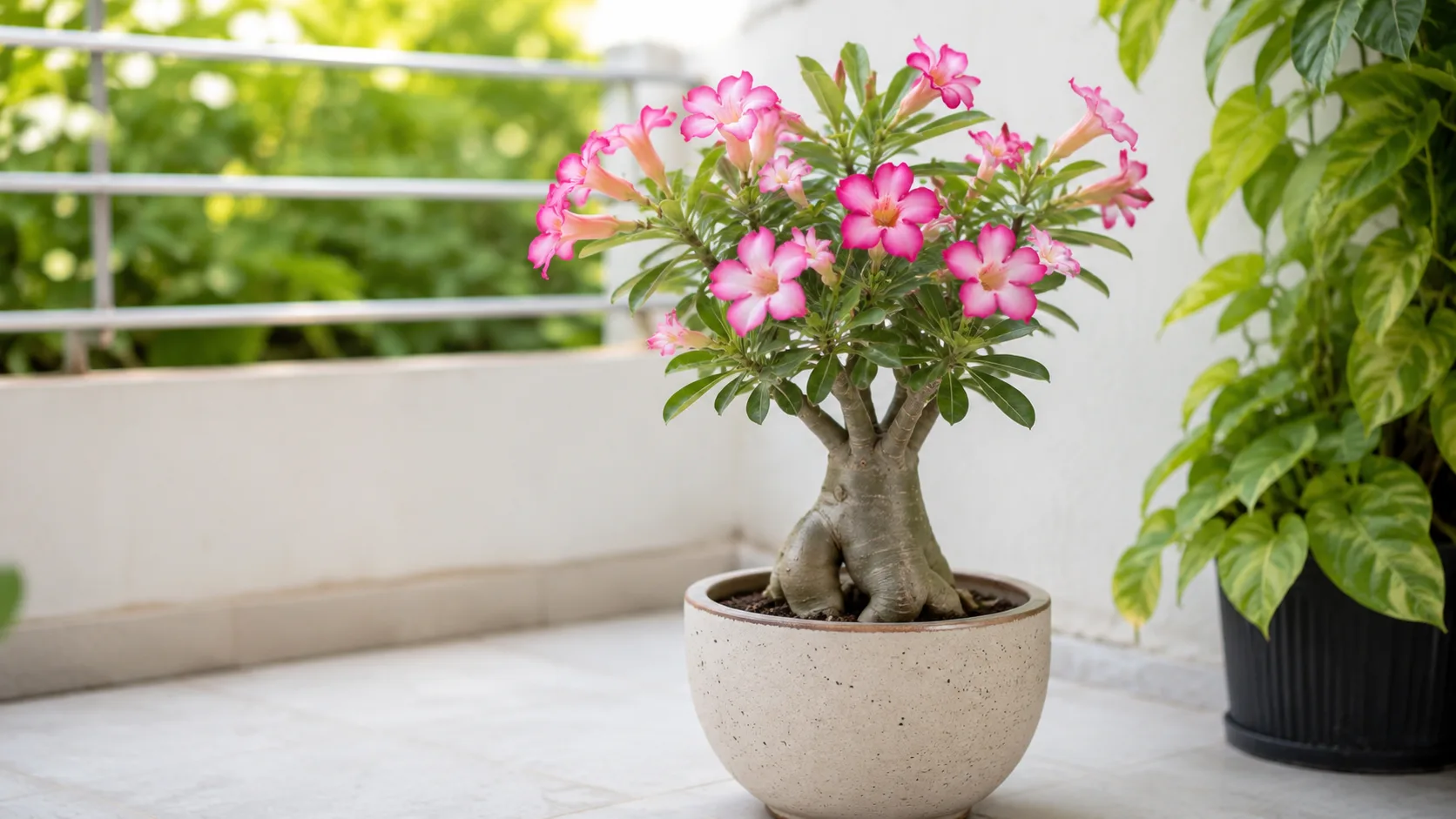
Adenium
Likely causeMealybugs hide in leaf axils and caudex crevices, sucking sap and excreting honeydew.
Quick fixDab clusters with rubbing alcohol or spray insecticidal soap into crevices; repeat weekly.
 Medium
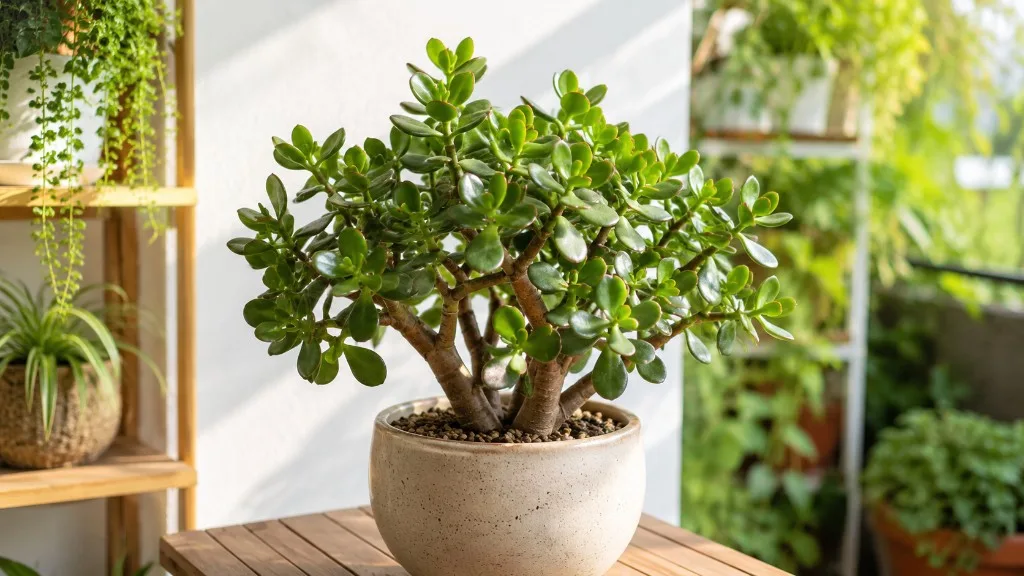
African Milk Tree
Likely causeCommon on this plant type; confirm with recent watering, light, and root checks.
Quick fixInspect the plant and correct the most likely care stressor before stacking treatments.
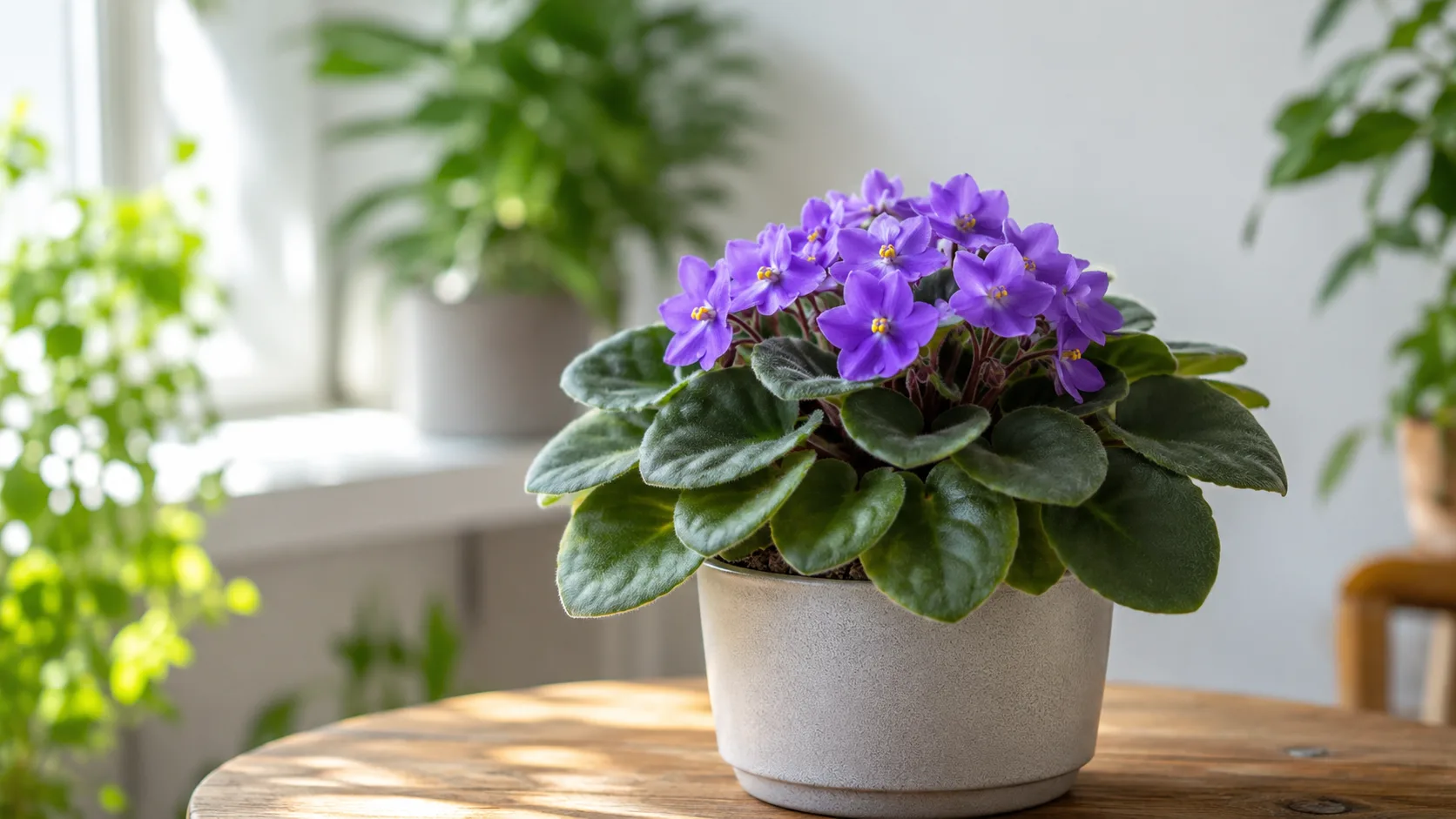 Medium
African Violet
Likely causeMealybugs nest in the compact rosette centre
Quick fixApply isopropyl alcohol with a fine brush directly to insects; repeat weekly
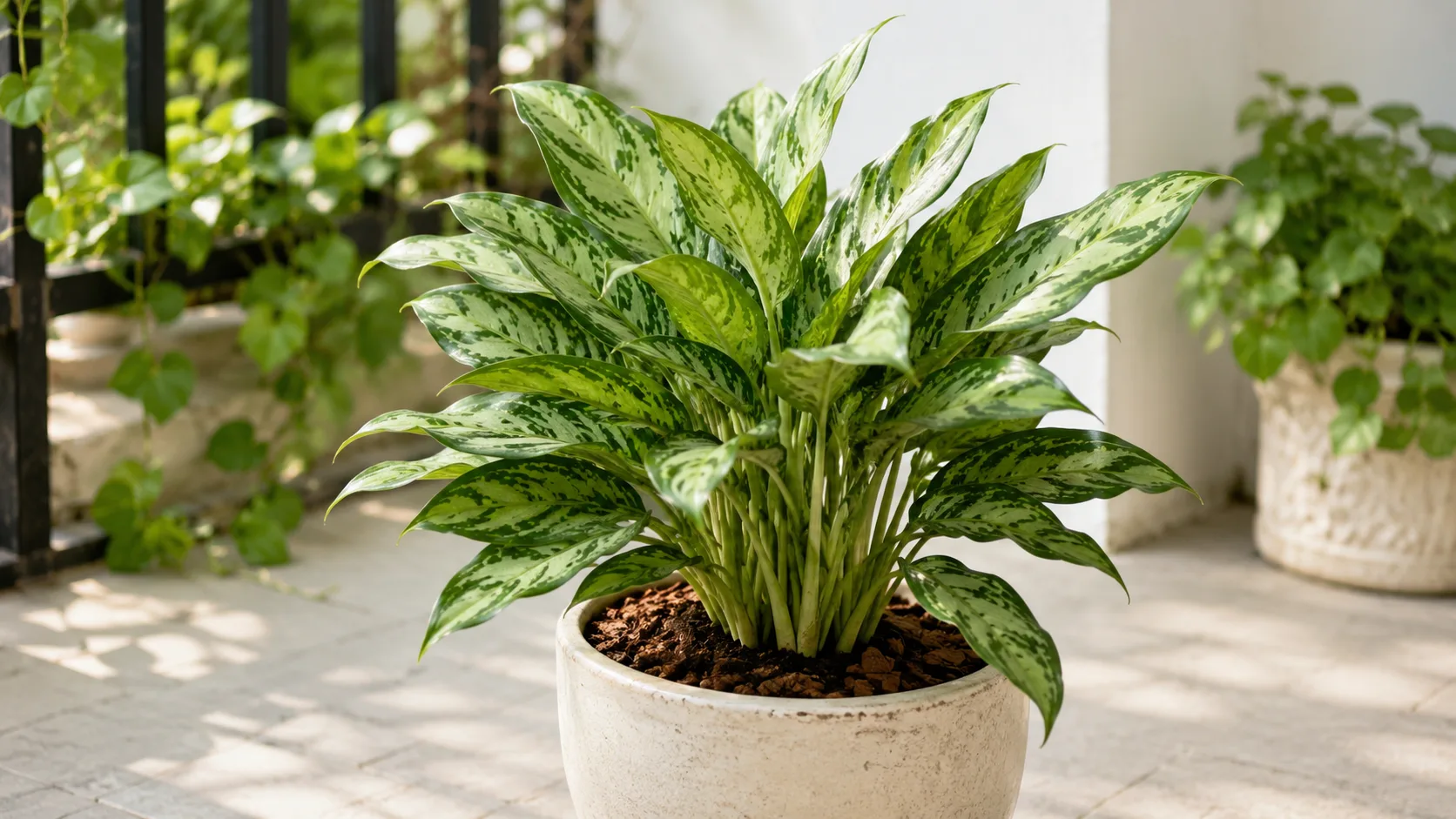 Medium
Aglaonema
Likely causeCommon on this plant type; confirm with recent watering, light, and root checks.
Quick fixInspect the plant and correct the most likely care stressor before stacking treatments.
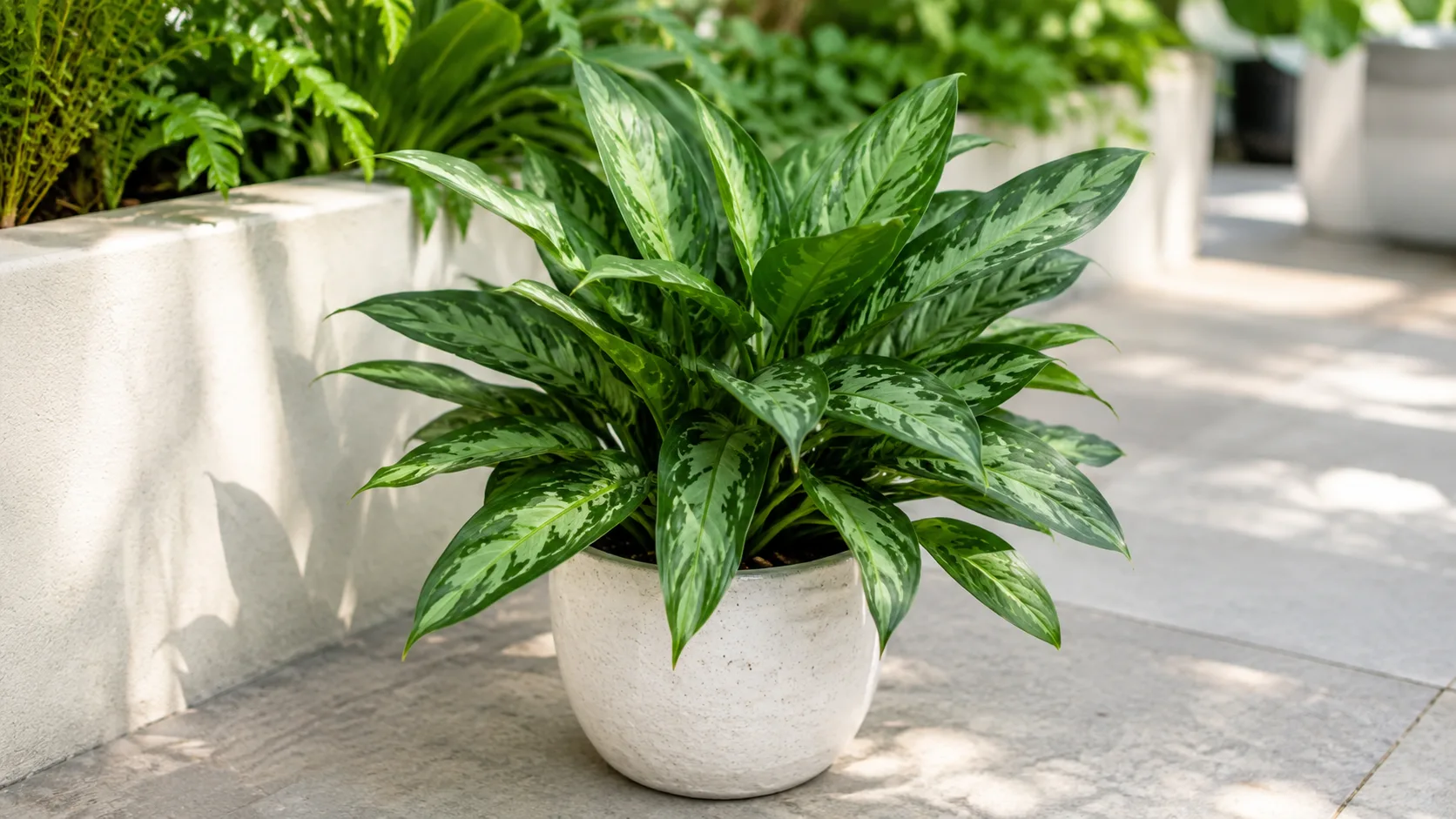 Medium
Aglaonema Cutlass
Likely causeCommon on this plant type; confirm with recent watering, light, and root checks.
Quick fixInspect the plant and correct the most likely care stressor before stacking treatments.
- Medium
Aglaonema Lady Valentine
Likely causeCommon on this plant type; confirm with recent watering, light, and root checks.
Quick fixInspect the plant and correct the most likely care stressor before stacking treatments.
- Medium
Aglaonema Maria
Likely causeCommon on this plant type; confirm with recent watering, light, and root checks.
Quick fixInspect the plant and correct the most likely care stressor before stacking treatments.
- Medium
Aglaonema Pictum Tricolor
Likely causeCommon on this plant type; confirm with recent watering, light, and root checks.
Quick fixInspect the plant and correct the most likely care stressor before stacking treatments.
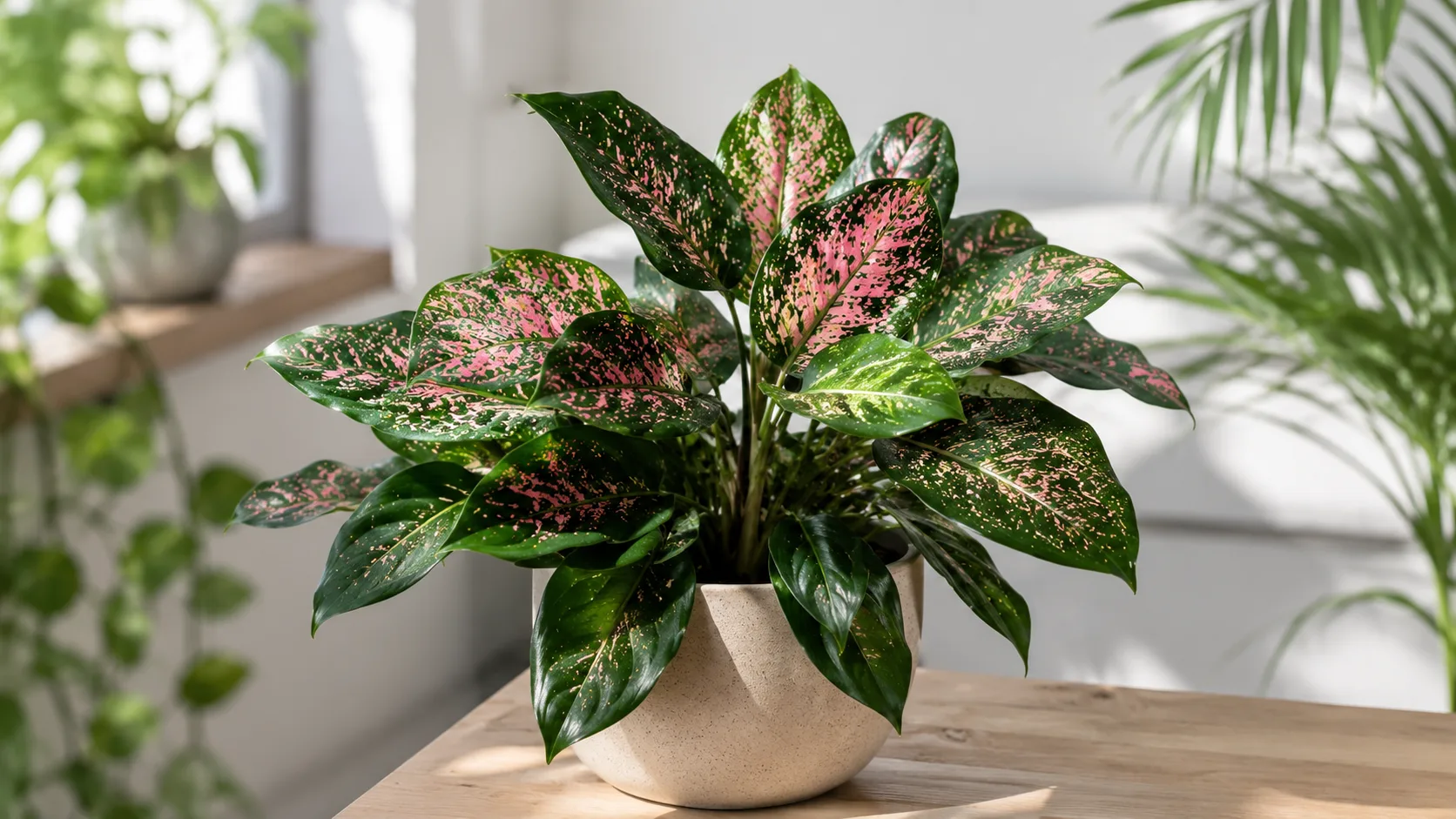 Medium
Aglaonema Pink Dalmatian
Likely causeCommon on this plant type; confirm with recent watering, light, and root checks.
Quick fixInspect the plant and correct the most likely care stressor before stacking treatments.
- Medium
Aglaonema Red Siam
Likely causeCommon on this plant type; confirm with recent watering, light, and root checks.
Quick fixInspect the plant and correct the most likely care stressor before stacking treatments.
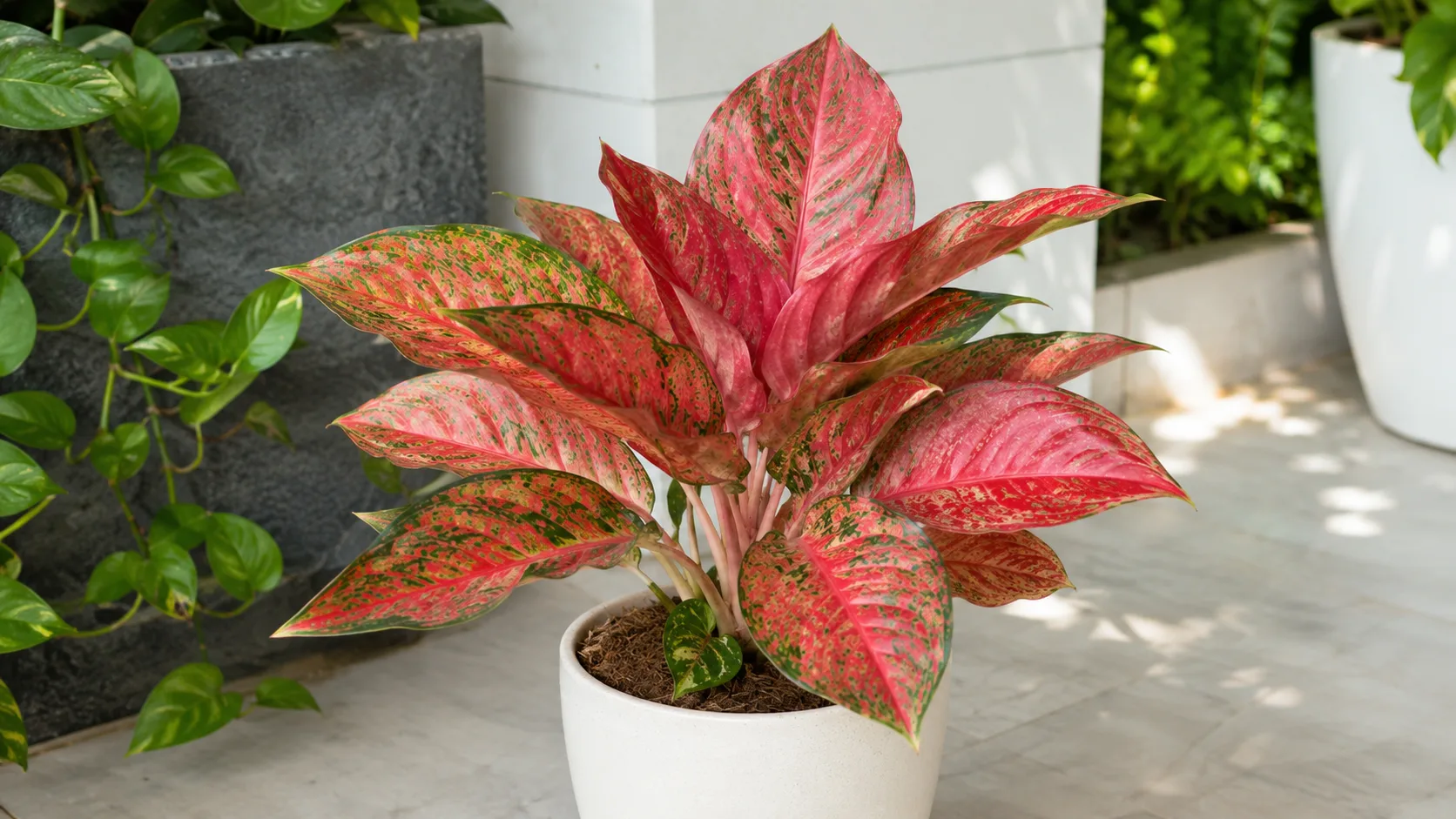 Medium
Aglaonema Red Valentine
Likely causeCommon on this plant type; confirm with recent watering, light, and root checks.
Quick fixInspect the plant and correct the most likely care stressor before stacking treatments.
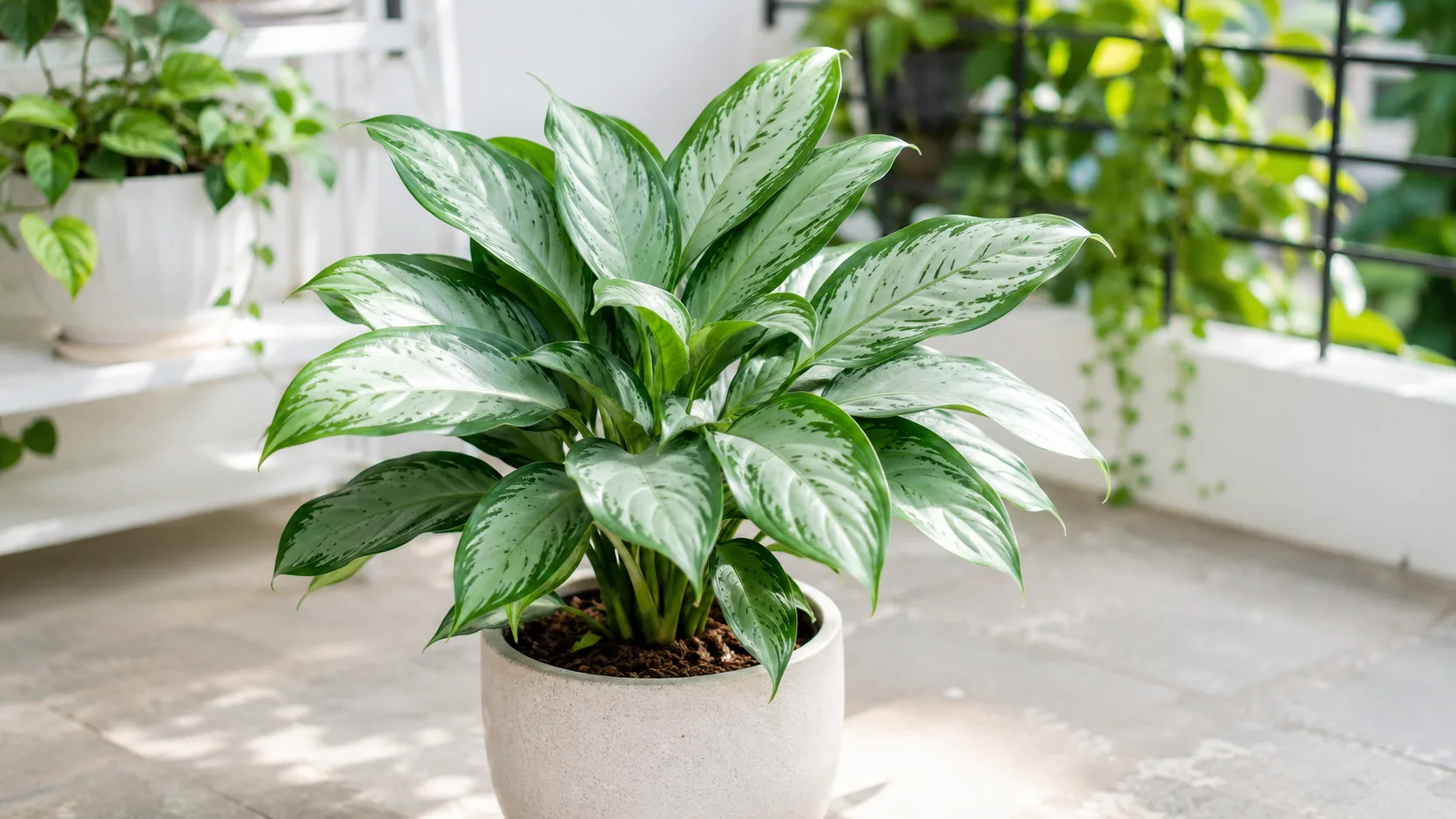 Medium
Aglaonema Silver Bay
Likely causeCommon on this plant type; confirm with recent watering, light, and root checks.
Quick fixInspect the plant and correct the most likely care stressor before stacking treatments.