Sticky Leaves on Houseplants: Causes and Treatment
'Leaf problems are often the first sign something is off with a houseplant. Sticky Leaves can look alarming, but the fix depends on where symptoms start, how fast they spread, and what the soil and roots are doing. This guide walks through how to identify Sticky residue from sap-sucking pests like aphids or scale, rule out look-alikes, and treat the underlying cause. Track weekly progress after you change care, and note watering, light, and repotting dates so you can tell whether the symptom is improving or returning.'. Compare upper versus lower leaves, new versus old growth, and soil moisture at root depth before you treat, because the same visible symptom can come from watering, light, pests, or normal aging on different plants.
Sticky Leaves on Houseplants
Still unsure?Match your symptoms to the most likely problems in under a minute.Run diagnosis →Understand and fix sticky leaves
'Leaf problems are often the first sign something is off with a houseplant. Sticky Leaves can look alarming, but the fix depends on where symptoms start, how fast they spread, and what the soil and roots are doing. This guide walks through how to identify Sticky residue from sap-sucking pests like aphids or scale, rule out look-alikes, and treat the underlying cause. Track weekly progress after you change care, and note watering, light, and repotting dates so you can tell whether the symptom is improving or returning.'. Compare upper versus lower leaves, new versus old growth, and soil moisture at root depth before you treat, because the same visible symptom can come from watering, light, pests, or normal aging on different plants.
Overview
'Leaf problems are often the first sign something is off with a houseplant. Sticky Leaves can look alarming, but the fix depends on where symptoms start, how fast they spread, and what the soil and roots are doing. This guide walks through how to identify Sticky residue from sap-sucking pests like aphids or scale, rule out look-alikes, and treat the underlying cause. Track weekly progress after you change care, and note watering, light, and repotting dates so you can tell whether the symptom is improving or returning.'. Compare upper versus lower leaves, new versus old growth, and soil moisture at root depth before you treat, because the same visible symptom can come from watering, light, pests, or normal aging on different plants.
How to identify it
- Note which leaves are affected-oldest lower leaves vs newest growth
- Check whether spots are dry and crispy or soft and spreading
- Inspect leaf undersides for pests, webbing, or sticky residue
- Compare light exposure-did the plant move or get direct sun recently?
- Feel soil moisture before assuming the issue is only on the leaves
When to worry
Soft brown patches spreading fast, black stems, or more than a third of leaves declining in a week warrants urgent inspection for rot or disease.
Common causes
Watering stress
Both over- and underwatering show up on leaves first. Yellowing, browning, and drop often trace back to roots sitting too wet or too dry.
Low humidity or harsh tap water
Dry indoor air and mineral buildup cause brown tips and edges on sensitive plants like calatheas and peace lilies.
Incorrect light
Too little light weakens leaves; too much direct sun scorches them. Sticky residue from sap-sucking pests like aphids or scale after a window move often points to light.
Pests or fungal disease
Stippling, webbing, spots with halos, or powdery patches mean the leaf damage may be infectious or insect-related-not just care stress.
Step-by-step fix
Document the pattern
Photograph affected leaves and note whether damage is on old growth, new growth, or one side of the plant.
Check soil, roots, and drainage
Confirm moisture at root level and that the pot drains. Many leaf issues resolve once watering stabilizes.
Adjust light and humidity
Move to bright indirect light if leggy or faded; pull back from harsh sun if scorched. Group plants or use a humidifier for crispy edges.
Treat pests or fungus if present
Isolate affected plants. Wipe leaves, use insecticidal soap for pests, and improve airflow for fungal spots.
Remove damaged tissue
Trim fully yellow or brown leaves at the base. Partial brown tips can be trimmed for appearance; they will not turn green again.
Prevention tips
- Water based on soil dryness, not leaf appearance alone
- Keep plants in appropriate light for their species
- Inspect leaves monthly for early pest signs
- Use filtered water on sensitive foliage plants
Common mistakes
- Removing all yellow leaves before fixing the root cause
- Fertilizing a stressed plant hoping leaves green up faster
- Spraying leaves at night, which encourages fungal spots
Sticky leaves are most often a clue that sap-feeding insects are active somewhere on the plant. Aphids, soft scales, mealybugs, and whiteflies feed on plant fluids and release a sugary waste called honeydew. It may coat leaves, drip onto lower foliage, collect on a shelf, or make the floor beneath a large plant tacky.
Cleaning the residue improves the plant’s appearance, but it does not stop the source. The insects may be hidden under leaves, inside leaf sheaths, along stems, at nodes, or beneath scale covers. A successful response therefore has two parts: locate and control the pest, then remove the honeydew from the plant and nearby surfaces.
Not every sticky leaf is honeydew. Some plants exude sap after damage; flowers may release nectar; sprays can leave a tacky film; and kitchen residue can settle on foliage. The fastest diagnosis comes from the residue pattern, a close inspection, and signs such as insects, cast skins, cottony wax, sooty mold, or ants.
Quick Diagnosis: Sticky Usually Means Honeydew
If several leaves are glossy or tacky and the residue returns after cleaning, inspect for honeydew-producing pests first. The UC IPM houseplant guide identifies aphids, mealybugs, soft scales, and whiteflies as sap-feeding houseplant pests that can excrete honeydew.
Do this before applying any product:
- Move the plant away from the rest of the collection.
- Look directly above the stickiest area.
- Inspect leaf undersides, veins, new growth, petiole joints, and stems with a hand lens.
- Tap a leaf over white paper and watch for moving insects.
- Check for black film, ants, white cast skins, cottony material, or brown bumps.
- Photograph anything suspicious before wiping it away.
The residue may be far below the feeding site. Honeydew falls under gravity, so a sticky lower leaf can be catching droplets from insects higher on the plant. A hanging plant can make a nearby windowsill sticky even when its lower leaves look clean.
Before cleaning, make a small evidence map. Mark the stickiest leaf on a photograph, record which surfaces below it are affected, and count visible insects on one stem or leaf. Repeat the same count after each treatment. This simple record separates three situations that otherwise look alike: an active population producing fresh honeydew, old residue that was never removed, and plant sap from a one-time wound.
Fresh honeydew often appears as separate clear beads before it spreads into a film. Dust adheres to older deposits, and black fungal growth may develop later. If a cleaned leaf becomes tacky again while the same stem remains occupied by insects, the association is much stronger than finding a single sticky patch with no pest evidence.
| Evidence | Likely source | Best next check |
|---|---|---|
| Pear-shaped insects clustered on new growth | Aphids | Curled tips and white cast skins |
| Brown, tan, or gray bumps on stems or veins | Scale | Whether covers lift and whether residue is present |
| White cottony clusters in nodes | Mealybugs | Leaf bases, roots, and sheltered crevices |
| Tiny white adults fly when disturbed | Whiteflies | Flat juveniles on leaf undersides |
| Sticky liquid from one wound | Plant sap | Broken petiole, cut, or split stem |
| Even greasy film with no insects | Household or spray residue | Location near cooking, polish, or prior treatment |
Follow the Drip Pattern Upward
Begin at the stickiest surface and trace vertically upward. On an upright ficus, soft scale may sit on a stem above glossy lower leaves. On a trailing pothos, aphids may occupy one tender vine while honeydew coats foliage below it. On a palm or tightly layered aroid, mealybugs can shelter deep in leaf bases.
Use a bright flashlight at a low angle. Scale insects are easier to see as raised silhouettes; honeydew shines; mealybug wax looks fibrous rather than powdery. Rotate the pot slowly and inspect one section at a time. Mark infested stems with removable ties so you can revisit the same sites after treatment.
The Colorado State University Extension houseplant pest guide notes that several important indoor pests establish from newly acquired plants. Check recent purchases and neighboring plants even if only one is sticky.
Honeydew, Sap, and Other Sticky Look-Alikes
Honeydew is a sugary excretion produced by several insects that feed on phloem sap. It is usually clear and shiny when fresh, then becomes dull as dust or fungal growth accumulates. It can feel tacky rather than oily and may occur in scattered droplets.
Sooty mold often grows on honeydew. The University of Maryland Extension explains that the dark fungal coating develops on sugary deposits associated with sap-feeding insects. Sooty mold is therefore a secondary clue: removing the black film without controlling the insect food source will not solve the problem.
Plant sap from a broken stem tends to originate at a visible wound and may stop once the injury seals. Floral nectar is associated with flowers or nectaries and may be normal for the species. Spray residue usually matches the application pattern; it may cover exposed upper surfaces evenly rather than collecting below hidden insects.
Do not taste unknown residue. Wash hands after inspection, especially with plants whose sap can irritate skin or eyes. Keep children and pets away from sticky surfaces and any treated plant.
Species context can eliminate false alarms. Some orchids and other flowering plants produce nectar at flowers or specialized glands. Ficus and euphorbia relatives may leak sap after a petiole breaks. Carnivorous plants intentionally make sticky trapping surfaces. Compare the location with reliable information for the species: normal nectar tends to occur in repeatable anatomical sites, while honeydew is distributed beneath feeding insects.
Kitchen grease usually coats nearby objects as well as plants and is strongest near the cooking source. Aerosolized cleaners or leaf-shine products create a more uniform film. In either case, the residue should not regenerate from a specific stem after the plant is cleaned and moved.
Aphids: Clusters on Tender Growth
Aphids are small, soft-bodied insects commonly found on young shoots, buds, and leaf undersides. They may be green, black, brown, red, or pale. Colonies often include white cast skins that look like tiny flakes. Feeding can curl or distort new growth.
The University of Minnesota Extension aphid guide describes honeydew and sooty mold as common consequences of aphid feeding. Indoors, aphids can reproduce quickly because weather and outdoor predators are absent.
For a small colony, remove the worst-infested tips when the plant can tolerate pruning and rinse remaining insects with water. Support delicate leaves and keep soil from washing out of the pot. Recheck the same growing points every few days because small aphids can remain inside folded leaves.
Avoid fertilizing heavily during control. Flushes of tender growth can provide more feeding sites, and fertilizer does not compensate for active sap loss.
Scale Insects: Bumps That Hide in Plain Sight
Scale insects often resemble part of the plant. Adults settle along stems, veins, petioles, or leaf undersides and develop waxy or hard coverings. A fingernail or blunt tool may lift some covers, but do not gouge tender tissue.
Soft scales are the group most associated with sticky leaves. UC IPM explains that soft scales excrete abundant honeydew, while armored scales generally do not. This distinction is diagnostically useful: a plant covered with scale-like bumps but no honeydew may have armored scale, old scars, corking, or another feature.
Scale management takes patience because stationary adults can be protected by their covering while newly hatched crawlers are small and mobile. Physical removal reduces the population, but follow-up inspection is essential. Check stem forks and the undersides of midribs, where small scales are easily overlooked.
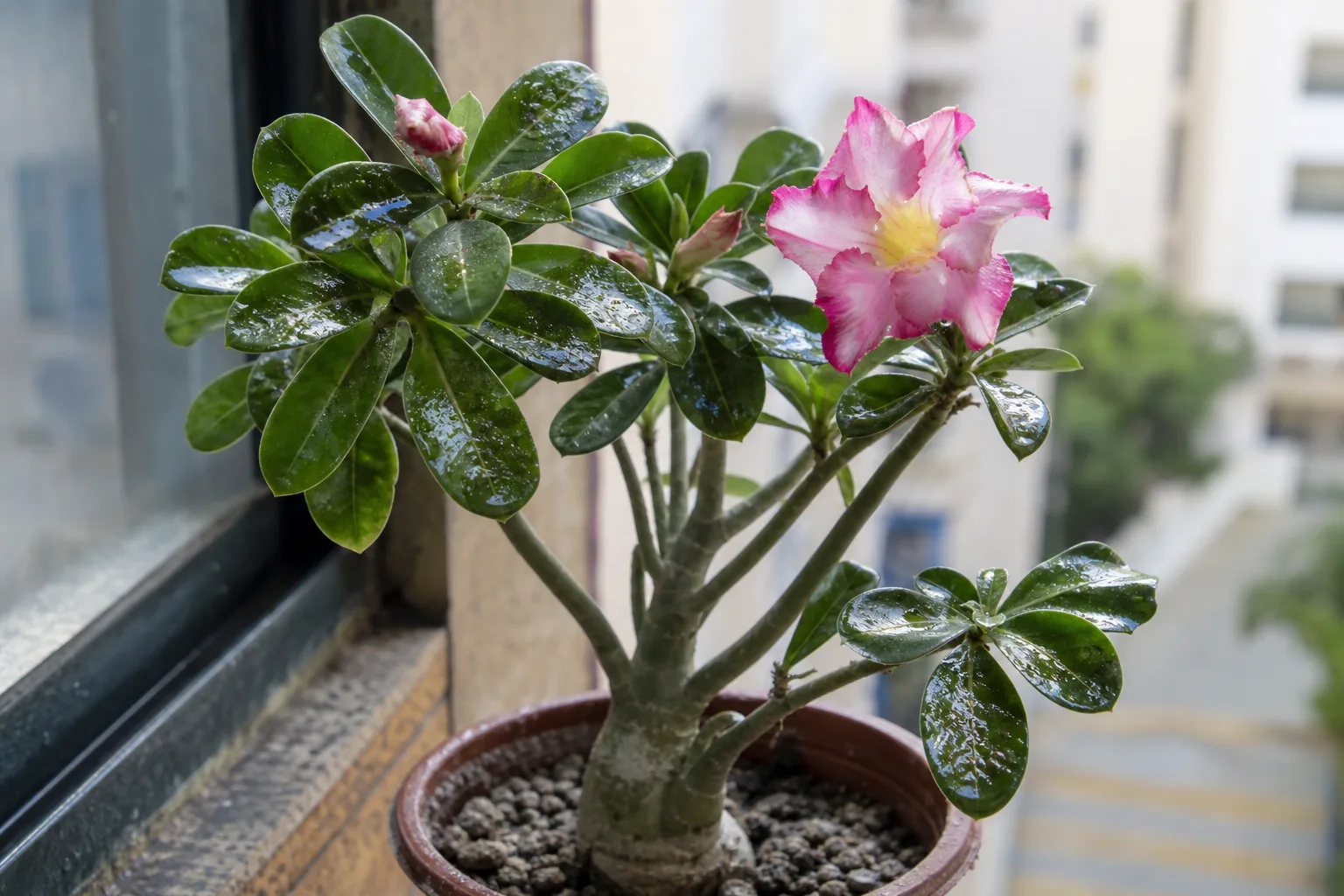
Use the image to compare gloss and residue distribution. A photograph cannot show whether the residue is tacky or reveal tiny insects behind leaves, so confirm with touch-free visual inspection and magnification.
Soft Scale Versus Armored Scale
Soft scales tend to be more rounded and their body wall is integrated with the outer covering. Many species produce honeydew. Armored scales have a separate protective cover that may lift away from the insect, and they do not produce honeydew.
Why it matters:
- sticky residue strongly supports soft scale over armored scale;
- treatment effectiveness differs among products and life stages;
- dead scales can remain attached after successful control;
- counting bumps alone can make an effective treatment appear to have failed.
To test whether a scale is alive, examine a few gently after treatment rather than scraping every stem. Living individuals may release fluid when crushed; dry, hollow covers may be old. UC IPM recommends confirming pest identity and activity before deciding on repeated insecticide use.
Mealybugs and Whiteflies
Mealybugs are mobile relatives of scale covered in white wax. They hide along veins, in leaf axils, around stem joints, and sometimes on roots. Wisconsin Horticulture describes mealybugs as common houseplant pests whose feeding can weaken plants and whose honeydew supports sooty mold.
Do not confuse mealybugs with powdery mildew. Mealybugs form discrete cottony bodies or clusters, often in protected crevices. Powdery mildew spreads as a superficial white fungal growth across tissue. Under magnification, a mealybug has a defined oval body and may move.
Whiteflies are tiny winged insects. Adults rise in a small cloud when leaves are disturbed, while the flatter juvenile stages remain on leaf undersides. Colorado State Extension notes that whiteflies feed on sap and produce sticky honeydew; heavy infestations can reduce vigor and contribute to leaf drop.
Inspect every plant that touched or overlapped the affected one. Crawlers and mobile adults can spread across a closely packed collection.
Sooty Mold, Ants, and Secondary Clues
Sooty mold looks like black or charcoal dust. It grows on honeydew at the plant surface rather than feeding directly from living tissue, but a heavy coating can shade the leaf and signals that the honeydew has persisted.
Ants are another useful clue. They seek sugary honeydew and may protect honeydew-producing insects outdoors. Indoors, a line of ants visiting one plant justifies a careful scale, aphid, or mealybug inspection. Address both the insect source and the ant access route rather than spraying the leaf indiscriminately.
Sticky shelves, nearby objects, and lower leaves help estimate the spread of residue but not necessarily the severity of plant injury. A large soft scale can produce noticeable honeydew before the plant visibly declines. Conversely, a few old droplets may remain after insects are gone. Monitoring for fresh residue matters more than the initial mess.
Match the Evidence to Control and Escalation
Confirm an active cause before choosing a product. Cleaning makes new activity easier to see, but control depends on the pest, its exposed life stages, and the product label.
| Evidence you can confirm | First control step | Reassess or escalate when |
|---|---|---|
| Aphids clustered on tender growth with fresh honeydew | Rinse or remove colonies and recheck folded growth | Colonies rebuild despite correctly repeated label-directed control |
| Soft scale on stems or veins with renewed stickiness | Remove accessible insects and target susceptible stages with a labeled control | Live scales or fresh honeydew persist in inaccessible parts |
| Mealybugs in nodes, sheaths, or roots | Isolate, remove visible insects, and inspect protected sites repeatedly | Root-zone infestation or widespread colonies remain |
| Whitefly adults rise when leaves are disturbed and juveniles remain below | Wash leaf undersides and use a labeled control if needed | Adults and juveniles continue across multiple plants |
| Sticky film returns with no insects found | Reinspect above the plant and review wounds, nectar, sprays, and room residue | The plant declines or the source remains unexplained |
Do not use the same calendar for every pest or product. The four-week plan below is an inspection framework, not a promise that an infestation will end in four weeks. Reapplication timing, permitted sites, protective measures, and maximum use frequency come from the label.
Clean the Plant and Its Surroundings
Clean after you have photographed and identified the pest. Place a waterproof cover over the potting mix, then rinse sturdy foliage with lukewarm water or wipe with a soft damp cloth. Support each leaf from below. Use plain water first; many residues loosen without detergent.
For intricate foliage, a gentle shower can remove honeydew and some mobile pests. Keep water pressure low enough to avoid tearing leaves, and allow the plant to drain away from direct sun or cold air.
Clean the pot exterior, saucer, shelf, window glass, and tools. Honeydew itself does not hatch into pests, but cleaning makes new droplets and renewed activity easier to detect. Wash cloths before using them on another plant.
Do not confuse cleaning with control. Eggs, crawlers, and protected insects can remain after the foliage looks clean.
What Not to Put on Leaves
Avoid household dish detergents, degreasers, alcohol sprays, essential oils, mayonnaise, and commercial leaf-shine products unless they are specifically labeled or reliably known to be safe for that plant and purpose. Household formulations can damage leaf cuticles or burn sensitive tissue.
Alcohol applied directly to individual mealybugs is sometimes used, but the UC IPM houseplant guidance cautions that it should be tested on a small area first and notes its flammability. Broad spraying increases exposure and phytotoxicity risk.
Never mix pesticides, soaps, oils, or home remedies. More ingredients do not create more reliable control.
Treat the Identified Pest
Begin with the least disruptive method suited to the pest and infestation:
- Aphids: rinse or remove colonies; prune badly infested tender tips when appropriate.
- Mealybugs: physically remove visible insects; follow with a labeled soap or oil if needed.
- Soft scale: remove accessible adults and target crawlers with a labeled product.
- Whiteflies: wash leaf undersides and use a product labeled for indoor plants and whiteflies when required.
Insecticidal soaps and horticultural oils work through contact, so coverage matters. They are not interchangeable with household soap. Test a small section, follow the label, avoid treating drought-stressed plants, and keep treated foliage away from intense light until dry.
The pesticide label is the legal and practical instruction for where and how a product may be used. The US EPA introduction to pesticide labels explains that labels contain directions, hazards, and use restrictions. Confirm that both the pest and the indoor plant or site are listed.
Systemic insecticides are not a default solution. Suitability depends on the pest, plant, location, local law, and label. Some products perform poorly against particular scale groups, and indoor exposure considerations matter.
Treatment timing should follow both the product label and pest biology. Contact products work only where the spray reaches, so tightly folded leaves, waxy colonies, and scale covers reduce performance. An application that kills exposed crawlers may leave eggs or protected adults, which is why inspection—not automatic calendar spraying—should determine whether follow-up is needed.
Protect the growing environment during any treatment. Move the plant away from food-preparation areas, aquariums, pets, and children as the label directs. Prevent runoff into the pot unless soil application is explicitly intended. Ventilate the room when required, wash application equipment, and store the product in its original container.
A Four-Week Control and Monitoring Plan
Week 1: Isolate, identify, remove visible insects, clean honeydew, and apply a suitable labeled treatment if physical removal is insufficient. Inspect neighboring plants.
Week 2: Recheck every marked site. Look for new sticky droplets, crawlers, whitefly adults, or mealybugs in sheltered crevices. Repeat only as the product label permits.
Week 3: Inspect new growth and the plant’s least accessible areas. Clean fresh honeydew so renewed deposits remain easy to see. Maintain appropriate watering and light; do not “boost” the plant with extra fertilizer.
Week 4: Compare photographs and counts. Continue isolation until repeated inspections show no live pests or fresh honeydew. Some pests have overlapping life stages, so one clean-looking week is not always enough.
At every inspection, distinguish live pests from remains. White aphid skins, empty scale covers, and dried mealybug wax can persist. Look for movement, fresh feeding damage, new crawlers, or renewed honeydew. If the residue does not return and counts consistently fall, avoid extending chemical treatment merely because old debris remains attached.
If honeydew returns but the obvious pest is absent, inspect the plant’s highest and tightest growth again. Also check hanging plants above it. In mixed collections, the sticky plant may be receiving honeydew from a different infested plant rather than hosting the main population itself.
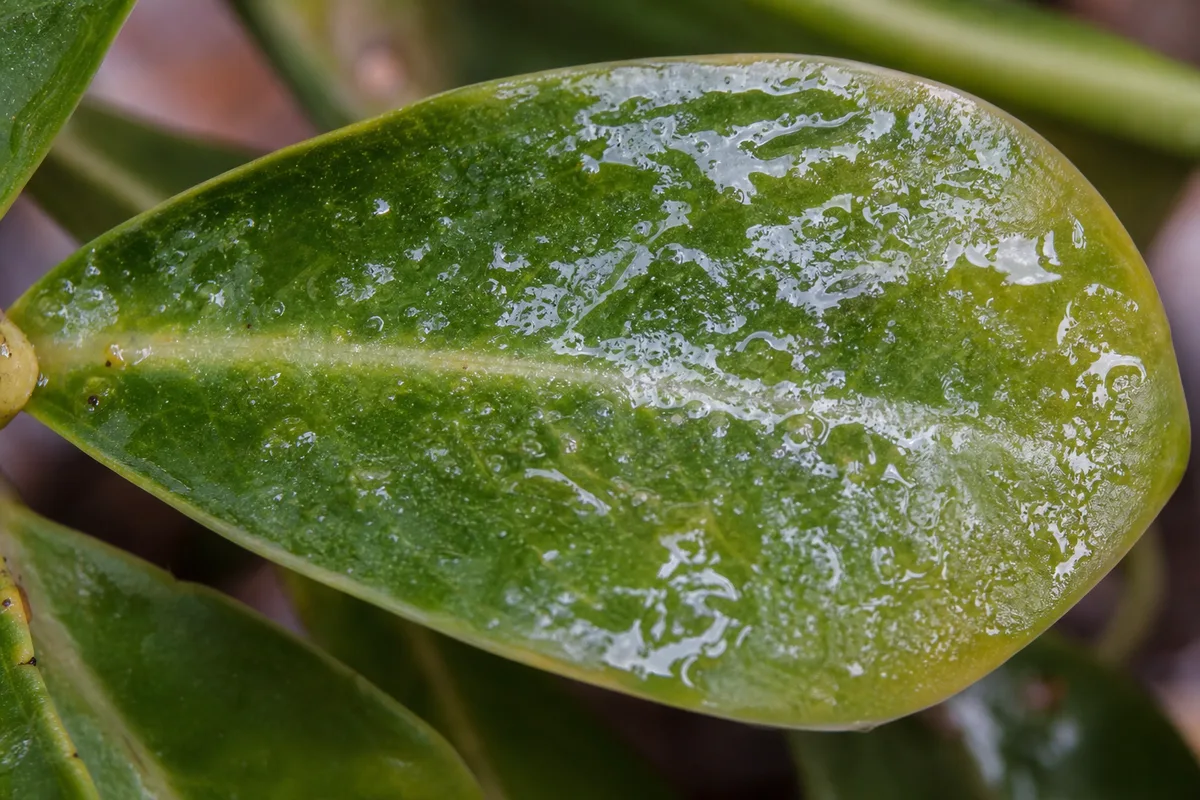
The close image is a visual inspection aid. Confirm the cause by finding insects or characteristic signs; gloss alone can be natural, sprayed, or environmental.
When to Discard or Escalate
Discarding can be reasonable when a low-value plant has a heavy infestation in inaccessible leaf bases, when repeated correctly timed controls fail, or when keeping it threatens a valuable collection. Bag it before moving it through the home. Do not compost heavily infested indoor material unless local guidance supports it.
Escalate to an extension plant clinic or licensed pest professional when:
- identification remains uncertain;
- a large indoor specimen cannot be moved or treated safely;
- sensitive occupants share the space;
- products labeled for the situation are unavailable;
- sticky residue continues without any visible pest;
- the plant declines despite pest counts falling.
Prevent Sticky Leaves From Returning
Quarantine new plants in a separate area and inspect them repeatedly before joining the collection. Colorado State Extension recommends a precautionary isolation period for newly acquired houseplants because pests frequently arrive on purchases or gifts.
Space plants so leaves do not overlap. Check new growth, leaf undersides, and stem joints during routine watering. Clean dusty leaves so insects and honeydew are easier to see. Examine cut flowers and outdoor plants brought inside.
Keep plants in species-appropriate light and water them according to root-zone moisture. Healthy care does not make a plant pest-proof, but it improves tolerance and makes abnormal growth easier to recognize.
Record the pest, product, date, and treatment interval. Good records prevent accidental overapplication and show whether a method is reducing live insects rather than merely removing residue.
Continue quick weekly inspections after reintegration. Early colonies are easier to remove, and one new honeydew droplet is more informative when the foliage and shelf began clean.
Conclusion
Sticky houseplant leaves usually point to honeydew from aphids, soft scales, mealybugs, or whiteflies, but sap, nectar, sprays, and household residue can look similar. Follow the drip pattern upward and confirm the source before treating.
Isolate the plant, inspect hidden sites, clean the residue, and use the least disruptive control appropriate to the identified pest. Repeat inspections over several weeks and follow every product label. The real sign of success is not one clean leaf—it is the absence of live pests and fresh stickiness over time.
Plants commonly affected
These houseplants often struggle with sticky leaves. Open a care guide or plant-specific troubleshooting page for tailored fixes.
 Medium
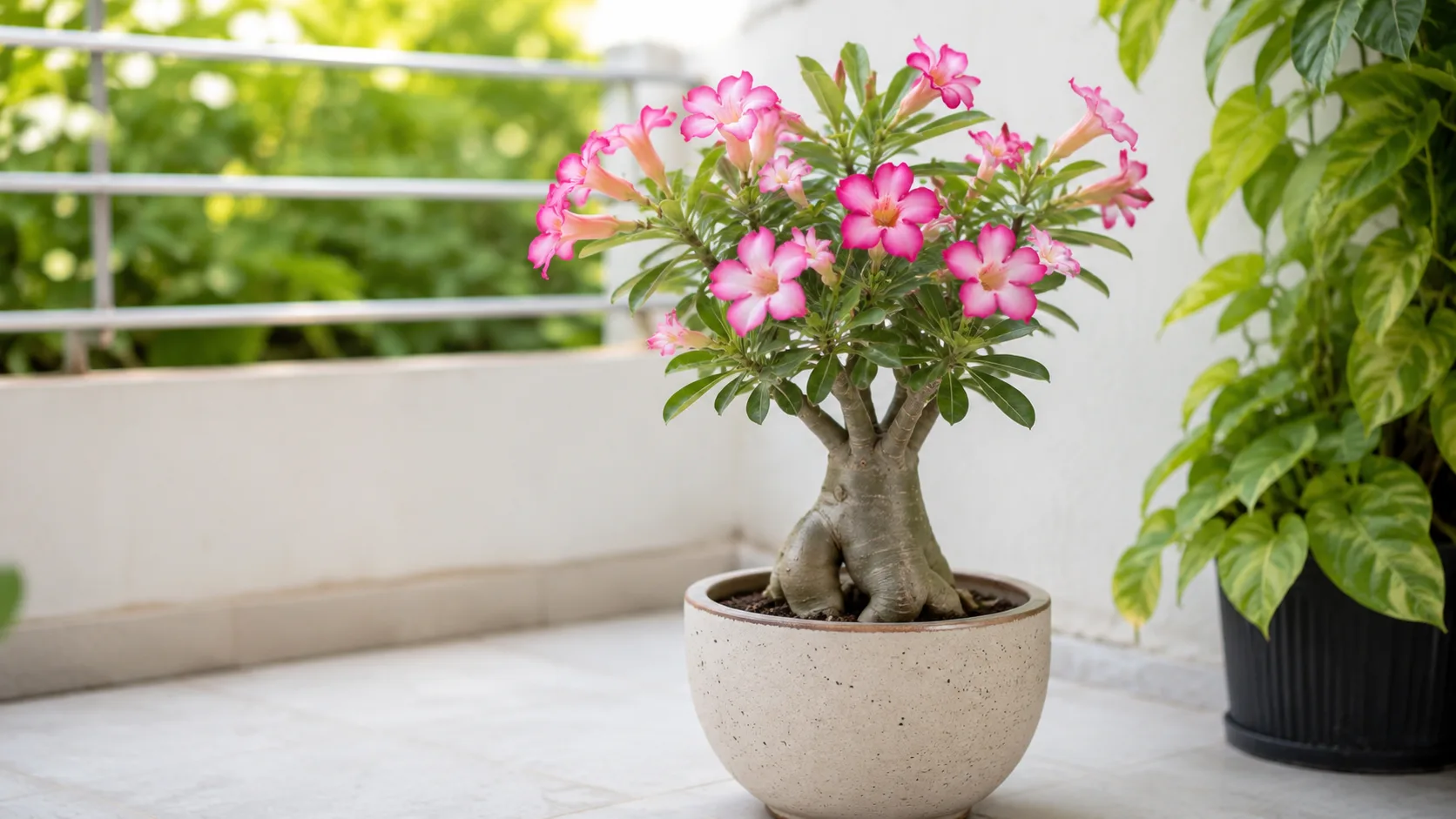
Adenium
Likely causeSap-sucking pests excrete honeydew that coats leaves and can lead to sooty mold.
Quick fixIdentify and treat the pest, wipe sticky leaves, and monitor for returning insects.
 Medium
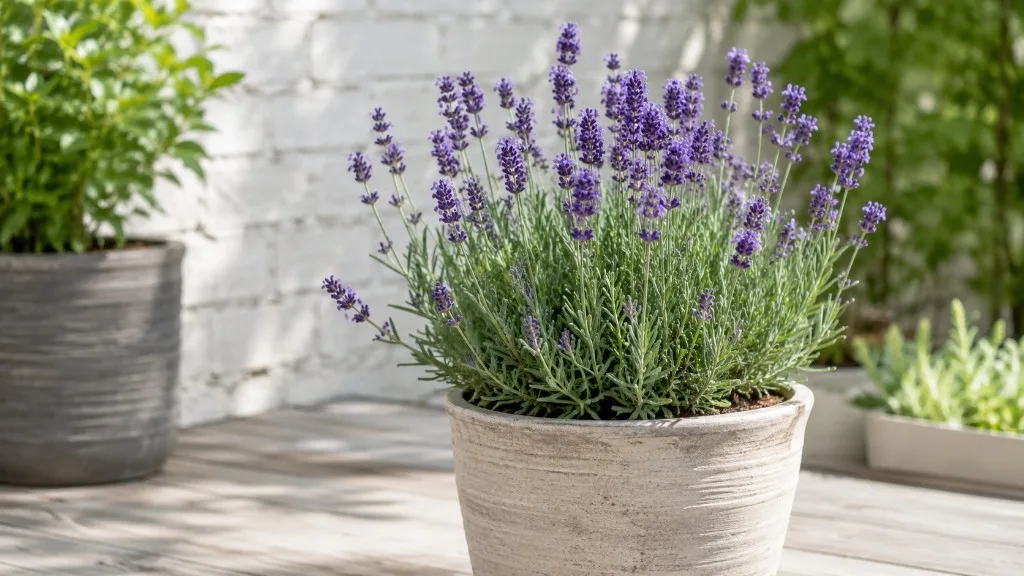
Lavender
Likely causeOct 6, 2023 · When it’s planted in waterlogged, heavy, or clay soils, its roots can start to rot and lead to wilted, droopy leaves . The easiest way to fix this is to use a broadfork to loosen the soil around the plant and generously mix in
Quick fixFollow extension or botanical guidance for Lavender sticky leaves; adjust care before applying broad treatments.
 Medium
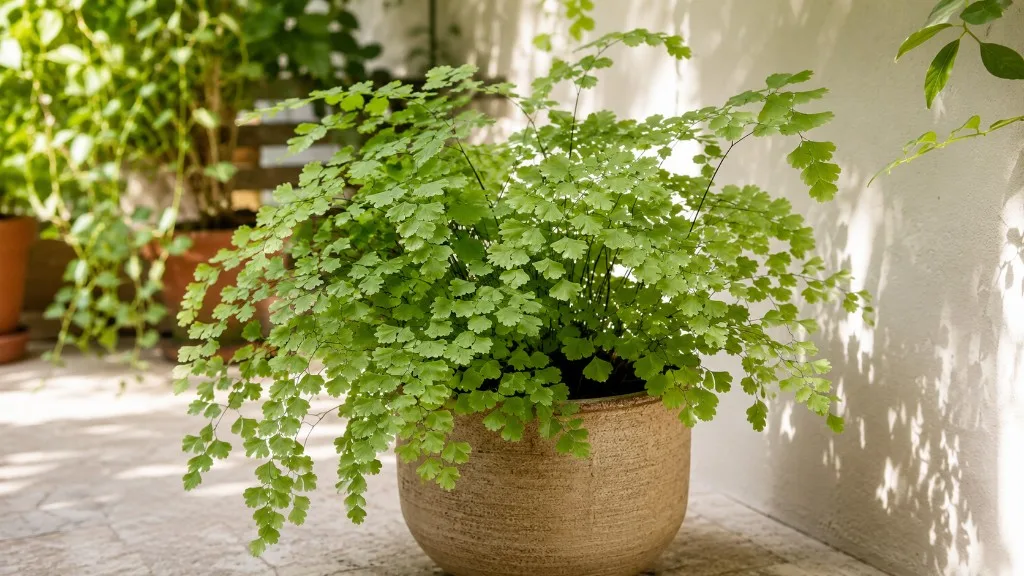
Maidenhair Fern
Likely causeAug 14, 2025 · Increasing humidity can deter them, while wiping leaves with a damp cloth or applying insecticidal soap or neem oil controls infestations. A strong spray of water can also dislodge them.
Quick fixConfirm diagnosis on your Maidenhair Fern, then address the most likely care or pest factor described in current extension guidance.
 Medium
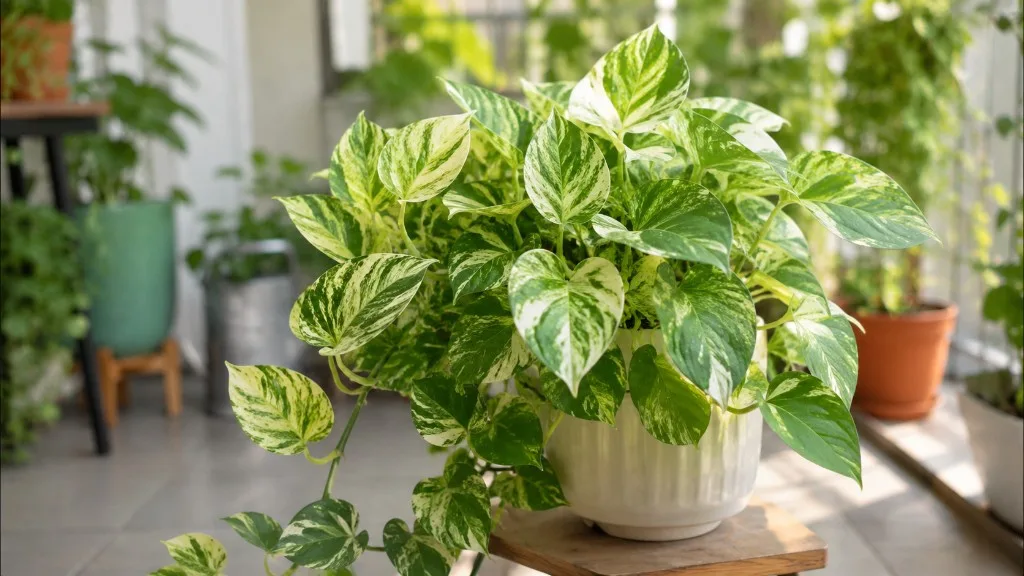
Manjula Pothos
Likely causeFeb 27, 2024 · Just snip a piece of vine with 2-3 leaves , pull off the lowest leaf , and stick that bare node (the bump on the stem) in a glass of water. In a few weeks, you’ll see roots, and once they’re an inch or two long, you can plant
Quick fixConfirm diagnosis on your Manjula Pothos, then address the most likely care or pest factor described in current extension guidance.
 Medium
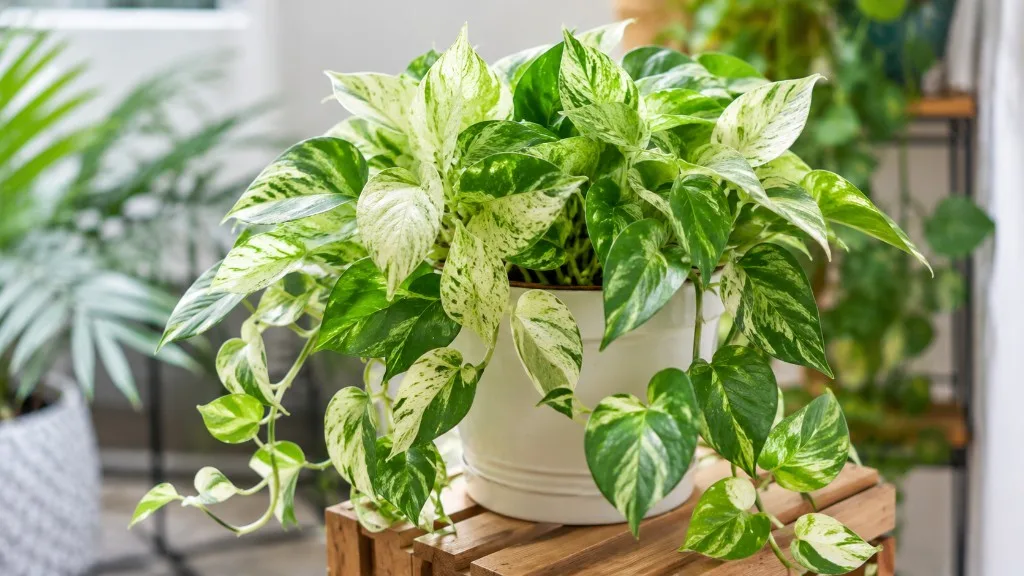
Marble Queen Pothos
Likely causeDiscover complete Marble Queen Pothos care. Learn about watering, light, soil, propagation & common issues for this stunning variegated Epipremnum aureum ' Marble Queen '. The scientific name for Marble Queen Pothos is Epipremnum aureum ‘Ma
Quick fixConfirm diagnosis on your Marble Queen Pothos, then address the most likely care or pest factor described in current extension guidance.
 Medium
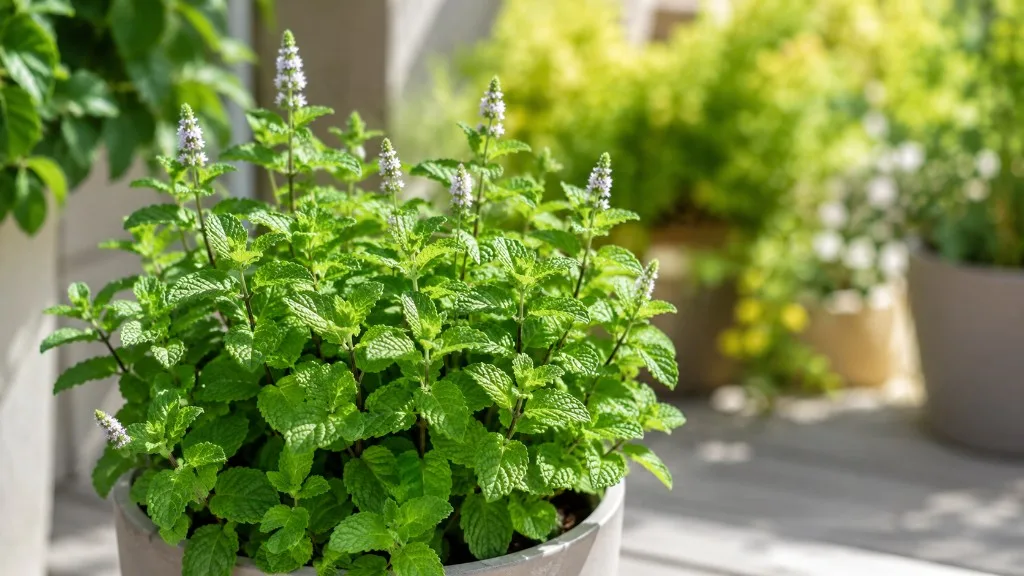
Mint
Likely causeAphid and mealybug honeydew coats mint leaves, attracting ants and sooty mold on kitchen herbs.
Quick fixRinse leaves; treat underlying sap-sucking pests with insecticidal soap; prune sticky shoot tips.
 Medium
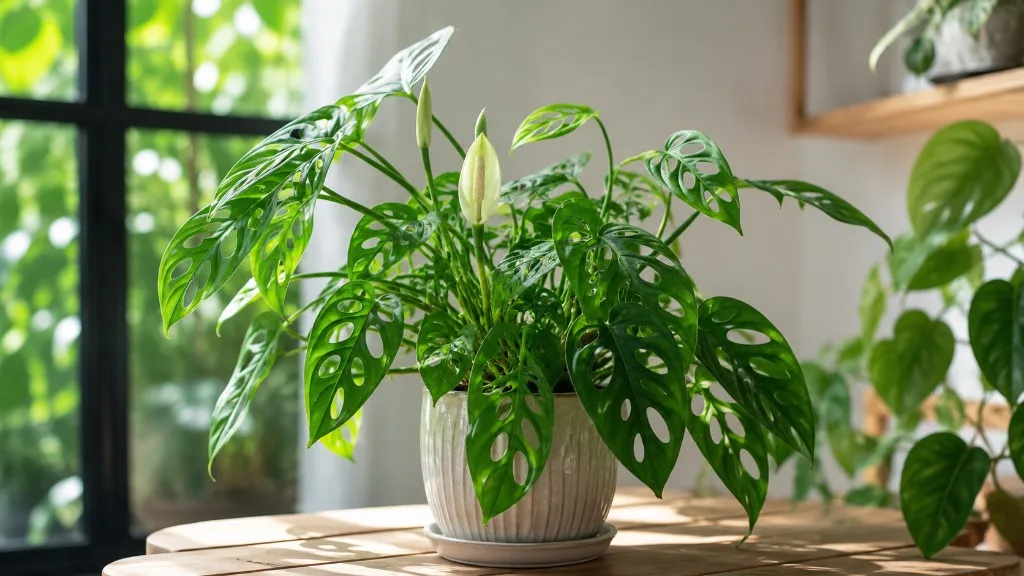
Monstera Adansonii
Likely causeMar 13, 2025 · Monstera deliciosa: The most popular variety, Monstera deliciosa, is known for its large, dark green leaves that can reach 2 feet or more across and are decorated with fenestrations, says …
Quick fixConfirm diagnosis on your Monstera Adansonii, then address the most likely care or pest factor described in current extension guidance.
 Medium
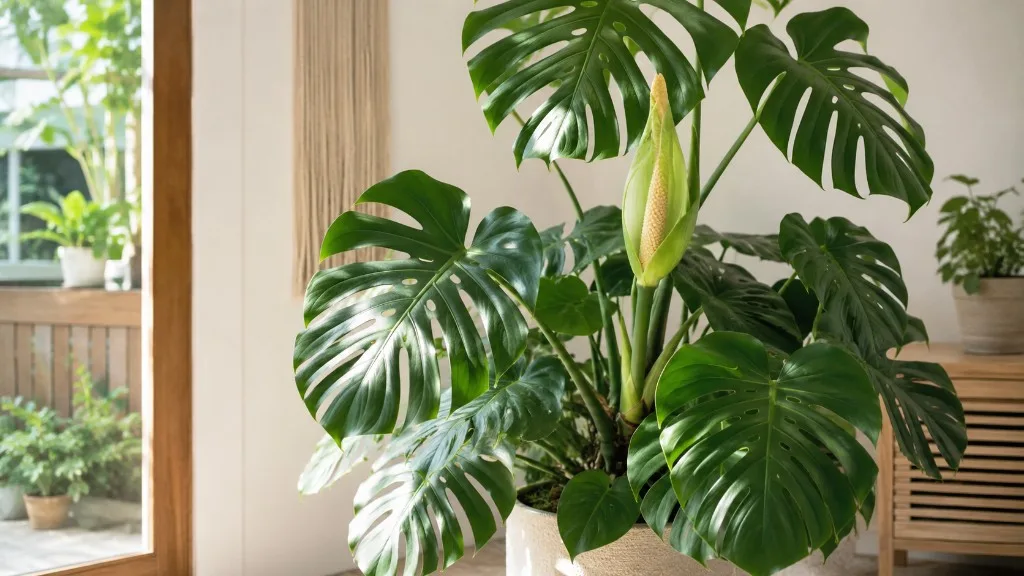
Monstera Deliciosa
Likely causeMar 13, 2025 · Monstera deliciosa: The most popular variety, Monstera deliciosa, is known for its large, dark green leaves that can reach 2 feet or more across and are decorated with fenestrations, says …
Quick fixConfirm diagnosis on your Monstera Deliciosa, then address the most likely care or pest factor described in current extension guidance.
 Medium
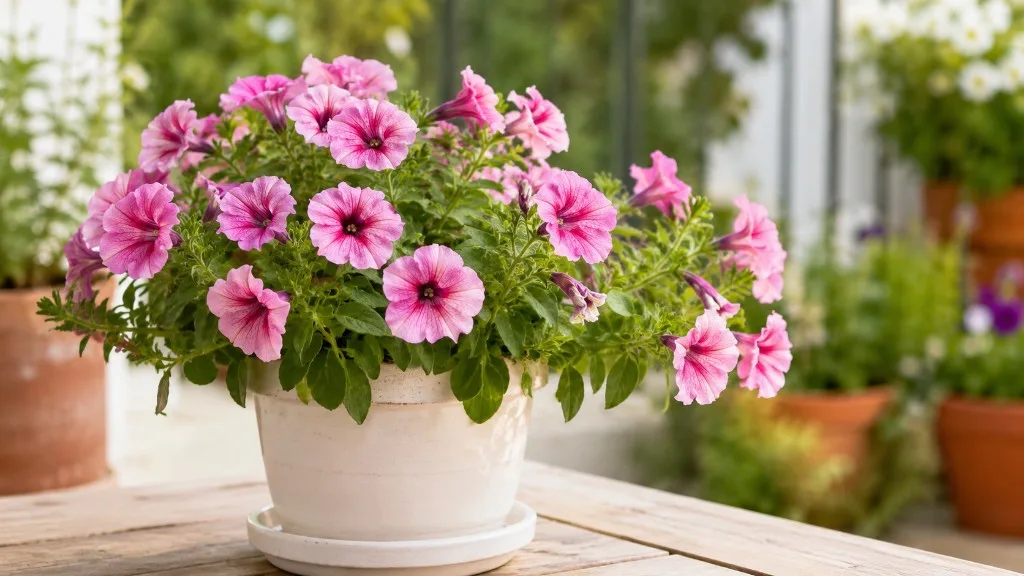
Petunia
Likely causeAphid and whitefly honeydew coats petunia leaves, sometimes followed by sooty mold.
Quick fixInspect leaf undersides for aphids or whiteflies; wash foliage and treat with insecticidal soap.
 Medium
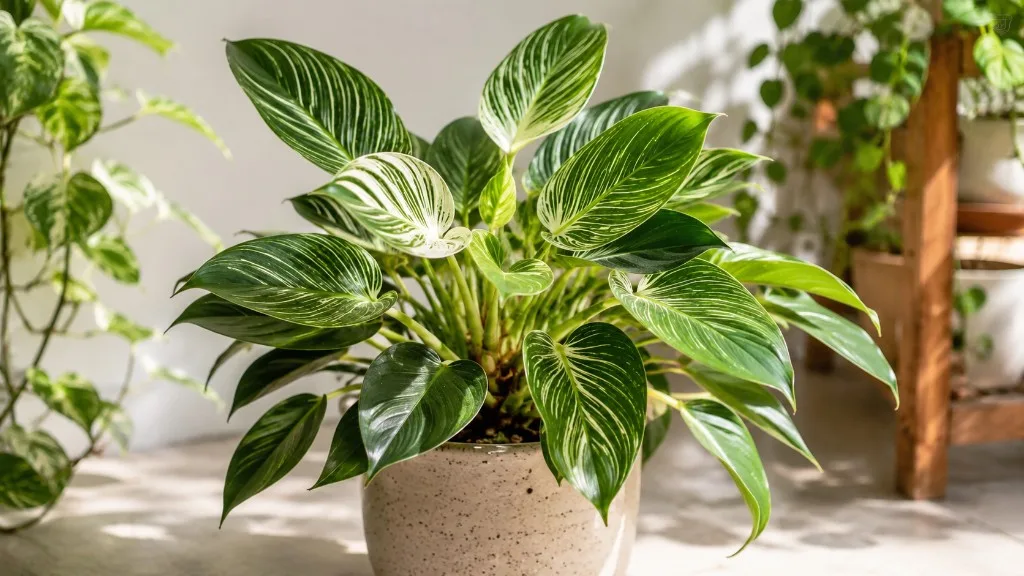
Philodendron Birkin
Likely causeClusters of tiny yellow specks on new leaves are one of the most common Philodendron Birkin problems, often signaling a pest infestation – typically from spider mites or thrips. These pests pierce the leaf surface and suck out its juices, l
Quick fixConfirm diagnosis on your Philodendron Birkin, then address the most likely care or pest factor described in current extension guidance.
 Medium
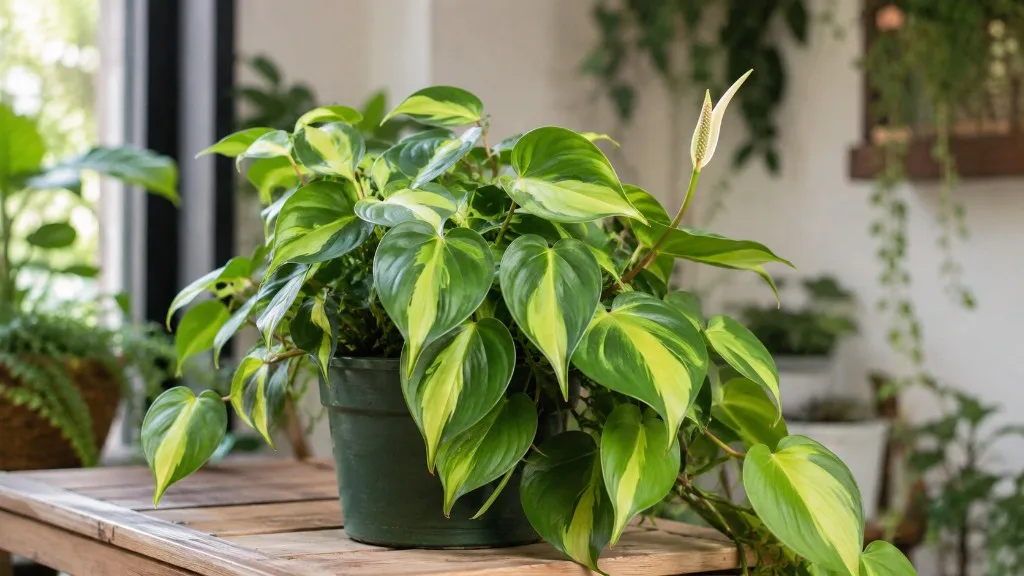
Philodendron Brasil
Likely causeAug 24, 2025 · One of the most common problems with Philodendron Brasil is when it starts to lose its beautiful lime-green variegation and produces solid green leaves instead.
Quick fixConfirm diagnosis on your Philodendron Brasil, then address the most likely care or pest factor described in current extension guidance.
 Medium
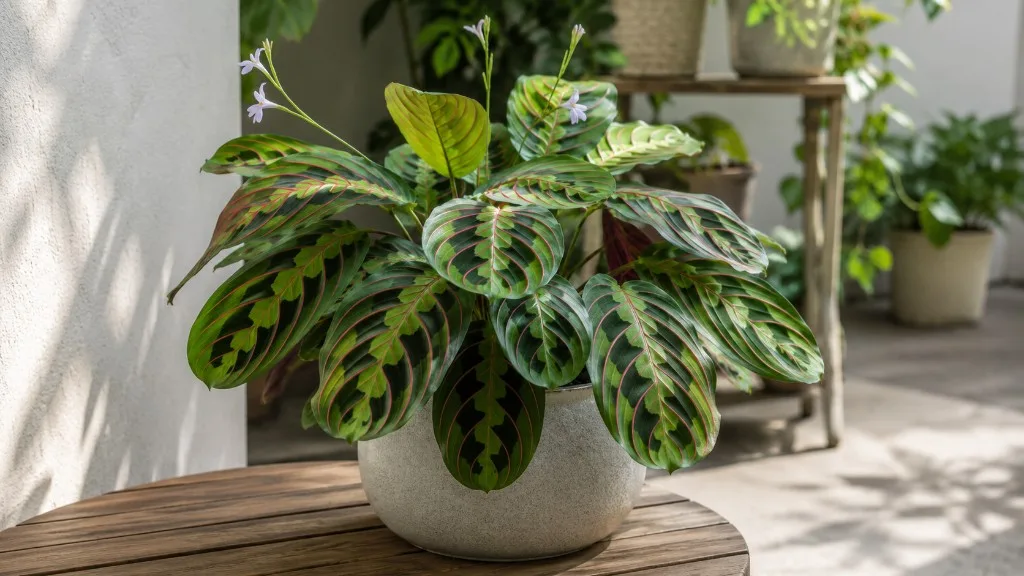
Prayer Plant
Likely causeOct 2, 2025 · Curled and drooping leaves on your prayer plant often signal that something’s off with its basic care routine. When leaves curl inward and droop, check your humidity levels first – they should stay between 50-60%. Place a humi
Quick fixConfirm diagnosis on your Prayer Plant, then address the most likely care or pest factor described in current extension guidance.