Sticky Leaves on Maidenhair Fern: Causes, Checks & Fixes
Quick answer
Sticky Maidenhair Fern fronds almost always mean honeydew from sap-sucking pests - aphids, soft scale, or mealybugs - not normal fern texture. First step: isolate the plant and inspect new croziers and leaflet undersides before spraying anything.
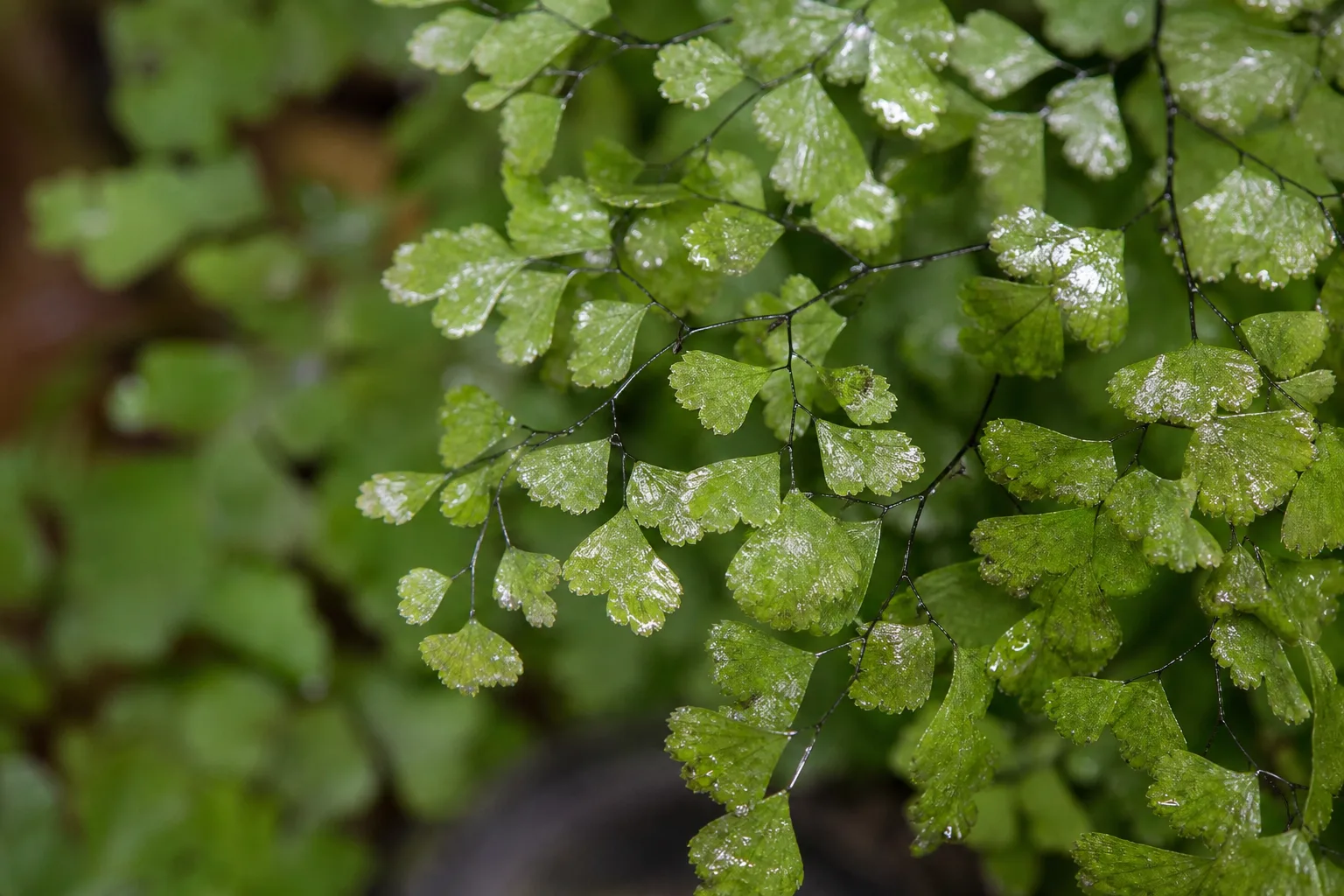
Sticky Leaves on Maidenhair Fern: Causes, Checks & Fixes
This guide covers sticky leaves on Maidenhair Fern. See also the general Sticky Leaves guide, watering, and light pages for this plant.
Sticky Leaves on Maidenhair Fern: Causes, Checks & Fixes
Quick answer
Sticky Maidenhair Fern fronds are not a normal texture for this plant. Unlike some flowering houseplants with naturally resinous foliage, tackiness on Adiantum raddianum almost always means honeydew - excess sugar excreted by sap-sucking insects such as aphids and soft scale.
First step: isolate the fern and inspect new croziers and leaflet undersides along the black stems. If you find aphids, mealybugs, scale bumps, ants, or wipe-able sooty mold, you have a pest issue to treat. If the surface feels gritty when dry and no insects are present, rule out hard water deposits before assuming pests.
This page is the sticky-frond symptom hub for delicate maidenhair ferns. Once you confirm honeydew, use the pest-routing table below to open the right sibling guide - aphids, mealybugs, or scale insects - for species-specific treatment depth. For baseline culture while you treat, see the overview and watering guide.
What sticky leaves look like on Maidenhair Fern
Honeydew stickiness on Maidenhair Fern shows up differently from the plant’s normal dewy, fine-textured leaflets:
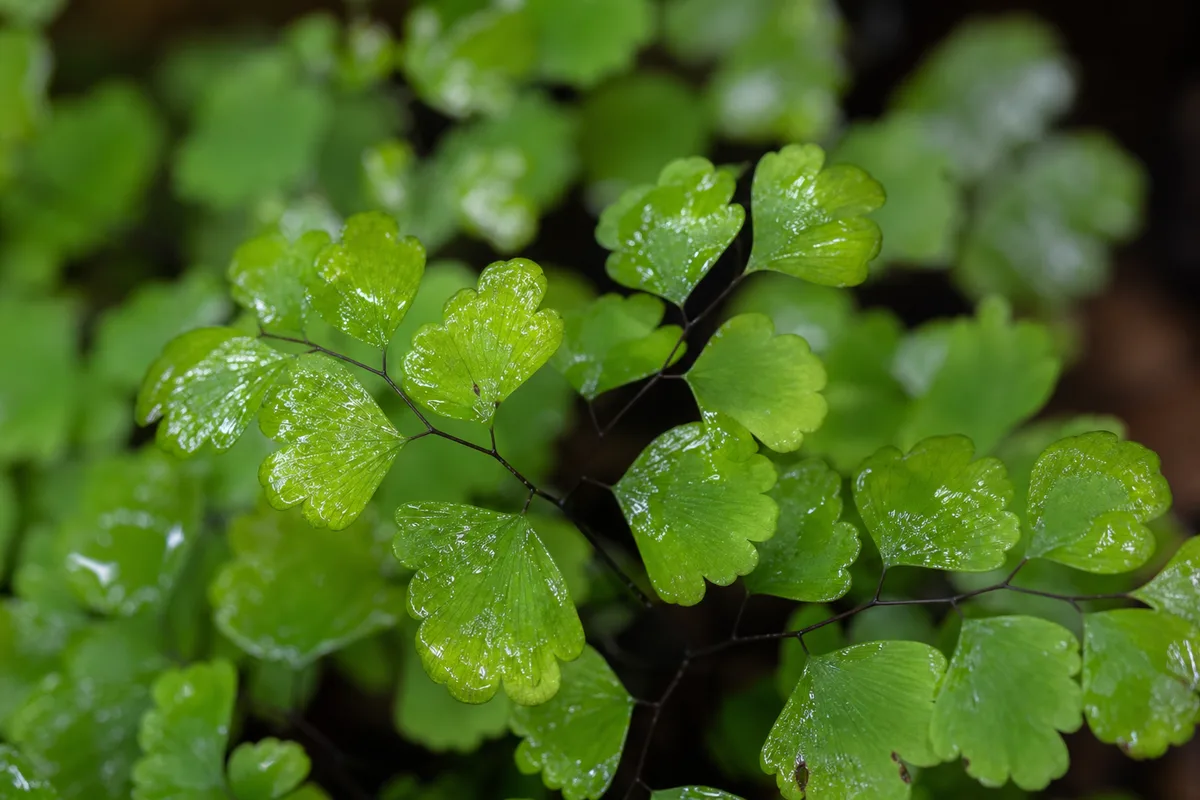
Sticky Leaves symptoms on Maidenhair Fern - compare with healthy tissue on the same plant.
Pest honeydew stickiness:
- Shiny, tacky film on leaflet surfaces, especially near growing tips
- Residue concentrated on new croziers and undersides of soft leaflets
- Soft green, black, or pear-shaped aphid clusters on unfurling fronds
- White cottony mealybug wax at frond bases and stem joints
- Flat brown soft scale bumps along black wiry stems or leaflet veins
- Black sooty mold that smears and wipes off with a damp cloth
- Ant trails on pot rims, shelves, or nearby surfaces
Lookalikes that are not pest honeydew:
- Hard water spots - chalky white or tan crust when dry; not uniformly tacky
- Mist or condensation - dries within hours without insects or mold
- Mineral film from fertilizer splash - powdery when dry, no ants
Maidenhair Fern’s delicate leaflets make honeydew especially visible. The fine frond architecture collects drips, so a small aphid colony on one crozier can leave several leaflets below feeling sticky within days - often before you notice immobile scale bumps hidden against the black petioles during casual watering.
Honeydew vs. hard water, mist, and fertilizer splash
| What you notice | Touch / location | Insects or ants? | Likely cause | Next step |
|---|---|---|---|---|
| Tacky new croziers, glossy pot rim | Sticky when dry | Aphids, mealybugs, scale, or ants | Honeydew from sap feeders | This page → pest routing table below |
| Chalky white or tan crust after tap water dries | Gritty, not glue-like | None | Hard-water mineral deposits | Rinse with filtered water; cosmetic only |
| Brief wetness on fronds in bathroom or terrarium | Dries within hours | None | Mist or condensation | Recheck in afternoon; no treatment needed |
| Powdery film after fertilizer splash | Not tacky | None | Dried fertilizer residue | Wipe leaflets; adjust feeding technique |
| Black film on tacky leaflets | Smears when wiped | Often with pests above | Sooty mold on honeydew | Control insects first; see mold on soil for sooty overlap |
| Fine stippling, webbing, dry texture | Not glossy | Microscopic mites | Spider mites | Spider mites on Maidenhair Fern |
Why Maidenhair Fern gets sticky leaves
Sticky fronds trace back to insects feeding on phloem sap and excreting undigested sugars as honeydew. On Maidenhair Fern, the most common culprits are:
Aphids - They cluster on tender new croziers and leaflet undersides, reproducing quickly on the soft growth this fern produces year-round in bright indoor light. See aphids on Maidenhair Fern for wash cadence and soap patch testing.
Soft scale - Brown soft scale occurs on ferns and other houseplants; sticky leaves are often the first sign. Immobile brown bumps along stems and leaflet veins blend into the fern’s black petioles. Full scraping and repeat treatment live on the scale insects guide.
Mealybugs - Cottony clusters hide at frond bases and soil line, dripping honeydew onto lower leaflets. The dedicated mealybugs page covers alcohol swabs and crown inspection.
Why this fern is vulnerable:
- Constant new growth - Unfurling croziers offer fresh feeding sites every week in stable conditions.
- Crowded crown architecture - Dense frond bases trap humidity and conceal scale and mealybugs - a common issue in terrarium groupings.
- Nursery introduction - New acquisitions and summer outdoor placement bring pests indoors unnoticed.
- Stress from care swings - Missed watering or low humidity weakens ferns, but pests also colonize healthy specimens when introduced.
Low humidity alone does not create stickiness. Dry air causes brown tips and frond collapse on Maidenhair Fern - see low humidity - not tacky residue. Sticky leaflets point you toward insects, not humidity trays.
On this fern, honeydew often appears on fine leaflets before stem bumps are obvious during a quick crown glance - the drip-collection effect of delicate pinnae means tackiness spreads downward fast from a single crozier infestation.
How to confirm the cause
Work through these checks in order:
- Location pattern - Stickiness near growing tips and upper fronds suggests active feeding above. Uniform tackiness across old lower fronds with no insects may be dried honeydew from an earlier infestation.
- Underside inspection - Lift fronds gently and examine leaflet backs and black stems with a hand lens. Aphids appear as soft clusters; scale as oval brown bumps; mealybugs as white wax patches.
- Sooty mold test - Rub a darkened leaflet. Sooty mold grows on honeydew and wipes away; mineral deposits feel gritty.
- Ant activity - Ants harvesting honeydew strongly confirm sap feeders are present even when insects are hard to spot. Disrupt ant trails on fern shelves so natural enemies can reach colonies ants would otherwise protect.
- Shake or blow test - Disturbing a frond may reveal tiny crawling aphids or scale crawlers; avoid rough handling that tears delicate leaflets.
- Neighbor check - Inspect plants sharing the same bathroom shelf, terrarium, or window. Honeydew does not spread plant-to-plant without insects or ants carrying crawlers.
If no insects, ants, or wipe-able sooty mold appear after a thorough crown inspection, reconsider hard water or fertilizer splash using the comparison table above before treating for pests.
First fix for Maidenhair Fern
Isolate the fern and wash all fronds gently with lukewarm water, targeting leaflet undersides and stem joints.
Move Maidenhair Fern away from other plants immediately. Support each frond while rinsing in a sink or shower - use low pressure to avoid tearing fine leaflets. This single step dislodges aphids, knocks off fresh honeydew before sooty mold spreads, and lets you see remaining pests clearly after the plant drains.
Shower rinsing and humidity during recovery: A gentle shower rinse is compatible with this fern’s 60–80% humidity needs - let fronds air-dry the same day in bright indirect light rather than returning a dripping crown to a closed terrarium overnight. The watering guide rhythm should continue during pest recovery; drought-stressed maidenhair handles treatment poorly and drops fronds faster.
After washing:
- Spot-treat visible mealybugs or scale with a cotton swab dipped in 70% isopropyl alcohol - dab individual clusters only, not entire fronds.
- If insects persist after two washes, test insecticidal soap on one small frond section and wait 48 hours. Maidenhair fern is listed among plants sensitive to insecticidal soap; many growers prefer repeated washing and alcohol spot treatment over full-frond soap sprays on this species.
Do not fertilize, repot, or prune heavily on day one. Correct the pest issue first while keeping the fern’s usual moisture and humidity stable.
Which pest page to read next
| What you find on Maidenhair Fern | Read next |
|---|---|
| Soft pear-shaped insects on unfurling croziers with shed white skins | Aphids on Maidenhair Fern - wash cadence, soap patch test, yellow sticky traps |
| White cottony wax at frond bases and black stem joints | Mealybugs on Maidenhair Fern - alcohol swabs, crown treatment, quarantine |
| Immobile brown bumps along black stems or leaflet veins | Scale insects on Maidenhair Fern - scraping, repeat oil or soap cycles |
| Unsure after inspection | Re-check with a hand lens in bright light; start with isolation and washing while you identify |
Step-by-step recovery
- Isolate infested fern away from the collection.
- Wash fronds thoroughly with lukewarm water; repeat weekly.
- Alcohol-dab visible mealybugs and scale bumps on stems.
- If using insecticidal soap, test one frond first; apply only to affected areas per label if no burn appears.
- Wipe sooty mold from leaflets with a damp cloth once insects are reduced.
- Inspect croziers and stem bases every four to seven days until no live pests remain.
- Quarantine two weeks after the last confirmed insect.
- Trim badly distorted or yellowed fronds only after new clean growth emerges.
Maintain 60–80% humidity and consistent soil moisture during recovery - drought-stressed Maidenhair Fern handles pest treatment poorly and drops fronds faster. See low humidity if leaflets crisp while you treat.
Documented bathroom-shelf case (June 2026): 20 cm Adiantum raddianum on a humidity tray beside a shower, sticky new croziers noticed during weekly watering; pear-shaped aphids on undersides, ants on the pot rim. Isolated, shower-rinsed weekly for two weeks with alcohol spot treatment on two mealybug clusters at the crown; pot rim lost gloss by day 12, clean unfurling croziers by day 18. Old coated lower leaflets stayed dull until trimmed after replacement growth appeared.
Recovery timeline
Light aphid or mealybug infestations often clear in two to three weeks with weekly washing and spot treatment. New croziers unfurling without stickiness or distortion confirm success.
Scale infestations move slower because immobile adults resist rinsing - expect three to five weeks of repeated treatment. Repeat applications every four to seven days when using soap, following label directions.
Old leaflets coated in dried honeydew or sooty mold do not turn green again; judge recovery by clean new fronds, not old tissue.
| Milestone | What to expect |
|---|---|
| 24–48 hours | Live pest count drops after first wash; honeydew may still feel sticky until wiped |
| 1–2 weeks | Fewer insects on inspection; new croziers open without tacky coating if treatment matched the pest |
| 2–3 weeks | Aphids or mealybugs usually controlled with weekly washing and spot treatment |
| 3–5 weeks | Scale may need this long because immobile adults resist rinsing |
| Ongoing | Judge success on clean new fronds, not old dull leaflets |
Lookalike symptoms
- Spider mites - Fine webbing and stippled yellow leaflets, not thick tacky honeydew (though heavy mite damage can coexist with other pests). See spider mites on Maidenhair Fern.
- Powdery mildew - Dry white dust on leaflets, not shiny sugar residue.
- Fungus gnats - Small flies above moist soil; they do not cause sticky fronds.
- Root rot or overwatering - Yellowing and collapse without surface tackiness or insects.
Mistakes to avoid
Do not scrub fronds with cloths or brushes - Maidenhair Fern leaflets tear easily. Avoid homemade soap sprays; do not mix homemade soap products as this can burn plants. Do not apply alcohol across entire fronds - spot-dab pests only. Do not return the fern to the collection while live insects or fresh honeydew remain. Do not increase fertilizer to “push through” pest damage - soft nitrogen-rich growth attracts more aphids. Do not reach for neem oil as a first response on delicate maidenhair fronds under grow lights without a patch test - oils can phytotoxically burn foliage in warm, bright conditions.
Maidenhair Fern care during recovery
Pest recovery depends on stable basics: medium indirect light, consistently moist but not waterlogged soil, and 60%+ humidity. NC State notes mealybugs and soft scale among common insect problems on Adiantum raddianum - routine crown inspection during watering catches stickiness early.
Cross-check watering and low-humidity guides if fronds crisp or collapse while you treat - moisture stress compounds pest damage on this species.
Maidenhair Fern is non-toxic to cats and dogs, but keep alcohol and pesticides away from pets during treatment. Contact your veterinarian if a pet ingests alcohol-soaked swabs or recently treated foliage.
How to prevent sticky leaves next time
Quarantine new ferns at least two weeks before placing near collections - especially before adding them to terrarium groupings where condensation can hide early honeydew. Inspect new croziers weekly - the same attention you already give soil moisture. Avoid over-fertilizing during active growth; half-strength monthly feeding is enough when basics are right. Watch for scale and mealybugs as part of routine Maidenhair Fern care, especially after summer outdoor placement.
Improve airflow slightly if fronds stay wet overnight, but do not sacrifice the humidity this fern needs - balance matters more than extreme changes.
Ant management on fern shelves: When honeydew attracts ants to bathroom shelves or terrarium stands, set enclosed ant bait stations away from pots (not inside terrariums) and wipe honeydew trails so ants stop protecting pest colonies. Ants do not cause stickiness themselves - they signal active sap feeders above.
When to worry - and when to discard
Escalate when new croziers stop unfurling, tackiness spreads to multiple plants, ants swarm the growing area, or sooty mold blocks light across most fronds. A small sticky patch on one new frond with a few aphids responds well to immediate washing.
If stickiness returns five weeks after correct treatment on a firm crown, contact your local cooperative extension office with photos of croziers, insects, and your humidity setup - chronic indoor infestations may need professional IPM guidance beyond repeated washing.
Consider discarding a severely weakened fern with crown-wide scale if repeated treatment fails - bag the plant before removal to protect the rest of the collection.
When to use this page vs. sibling guides
| Your main question | Start here | Or use sibling page |
|---|---|---|
| ”My maidenhair fronds feel sticky - is it pests or hard water?” | This page - honeydew confirmation and lookalike table | |
| ”I see green aphids on new croziers” | Skim routing here, then | Aphids on Maidenhair Fern |
| ”White cottony clumps at the crown” | Mealybugs on Maidenhair Fern | |
| ”Brown bumps along black stems” | Scale insects on Maidenhair Fern | |
| ”Stippling and webbing without gloss” | Spider mites on Maidenhair Fern | |
| ”Black mold after pests are gone” | Honeydew context here | Mold on soil |
This URL is the sticky-frond differential hub for Adiantum maidenhair ferns. Sibling pest pages go deeper on one insect; start here when the symptom is tacky foliage and you need to confirm honeydew, rule out mineral deposits, and route to the right treatment guide.
Related tool
Use the Plant Problem Diagnosis Tool to narrow causes for sticky leaves on this plant before changing multiple variables at once.