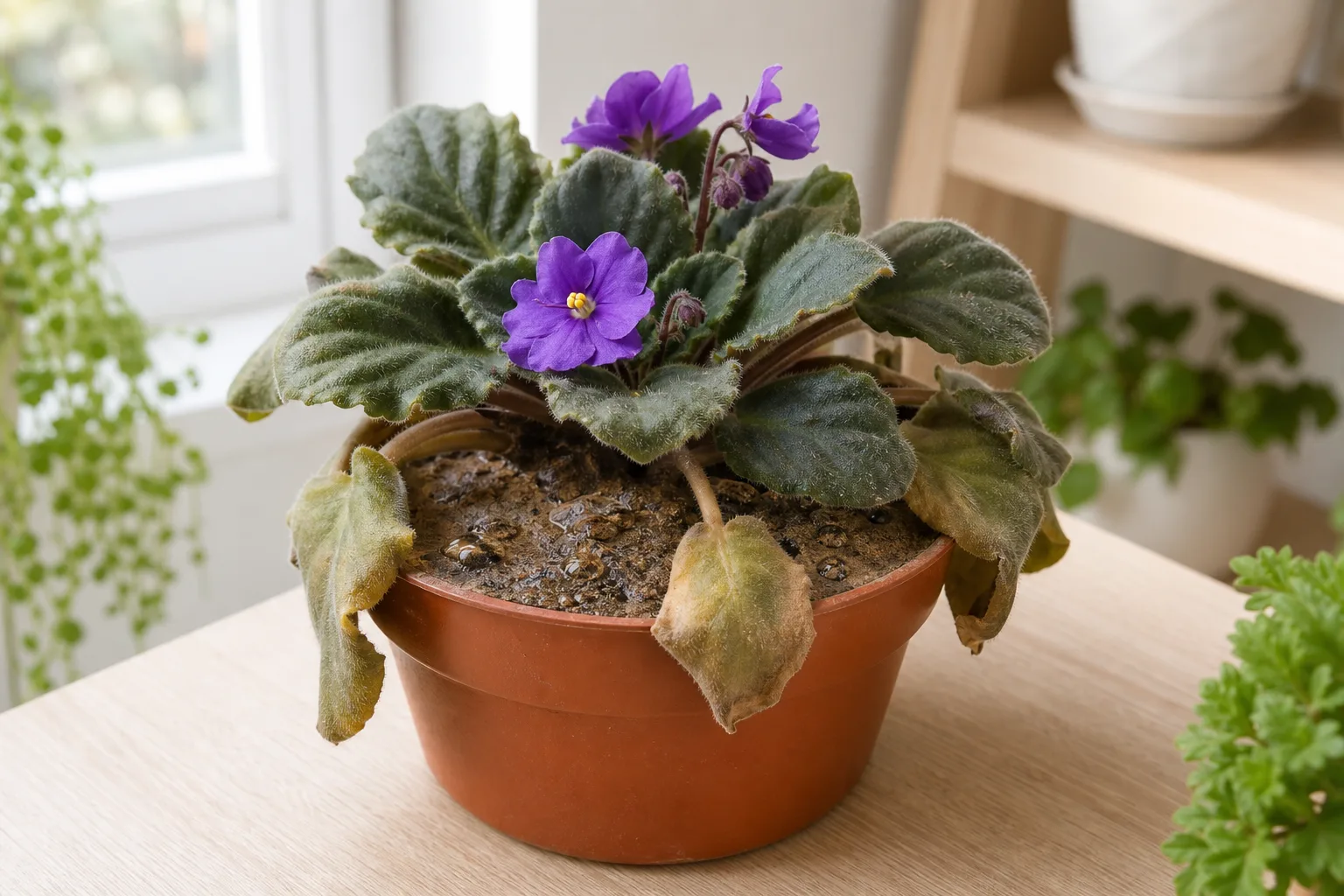
 SoilCompacted SoilPotting mix is the foundation of houseplant health. When you see Water sits on top, roots struggle, slow growth, the soil may be holding too much water, repelling water, or locking out nutrients. Fixing Compacted Soil often means adjusting mix, pot size, or watering habits-not just treating leaves. Track weekly progress after you change care, and note watering, light, and repotting dates so you can tell whether the symptom is improving or returning. Compare upper versus lower leaves, new versus old growth, and soil moisture at root depth before you treat, because the same visible symptom can come from watering, light, pests, or normal aging on different plants.
Soil problems
Drainage, compaction, pH, and potting mix problems.
Not sure where to start? Match symptoms in under a minute
Select what you see on your plant and we'll suggest the most likely problems to check first.
How to evaluate the potting mix
Soil problems show up as slow drying, sour smell, salt crust, poor root growth, or water running around a hardened root ball. The fix depends on whether the mix holds too much water, repels water, or lacks air.
- Probe below the surface; the top can look dry while the root zone stays wet.
- Flush salt buildup only when drainage is clear and the plant is actively growing.
- Repot into a mix that matches the plant type instead of using one generic recipe.
SoilCompacted SoilPotting mix is the foundation of houseplant health. When you see Water sits on top, roots struggle, slow growth, the soil may be holding too much water, repelling water, or locking out nutrients. Fixing Compacted Soil often means adjusting mix, pot size, or watering habits-not just treating leaves. Track weekly progress after you change care, and note watering, light, and repotting dates so you can tell whether the symptom is improving or returning. Compare upper versus lower leaves, new versus old growth, and soil moisture at root depth before you treat, because the same visible symptom can come from watering, light, pests, or normal aging on different plants.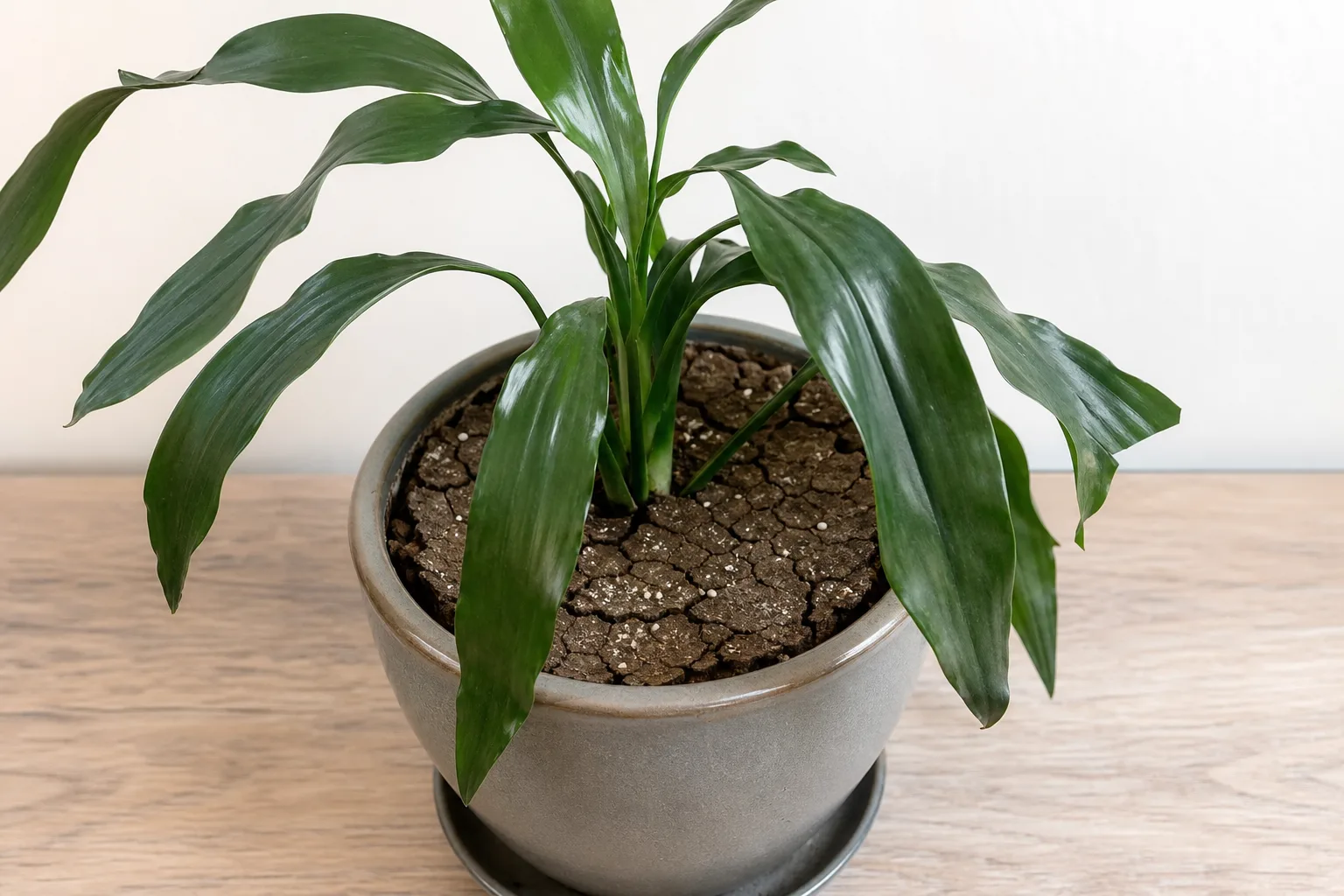 SoilDry Hydrophobic Soil'Potting mix is the foundation of houseplant health. When you see Water runs off or through the pot without soaking in, the soil may be holding too much water, repelling water, or locking out nutrients. Fixing Dry Hydrophobic Soil often means adjusting mix, pot size, or watering habits-not just treating leaves. Track weekly progress after you change care, and note watering, light, and repotting dates so you can tell whether the symptom is improving or returning.'. Compare upper versus lower leaves, new versus old growth, and soil moisture at root depth before you treat, because the same visible symptom can come from watering, light, pests, or normal aging on different plants.
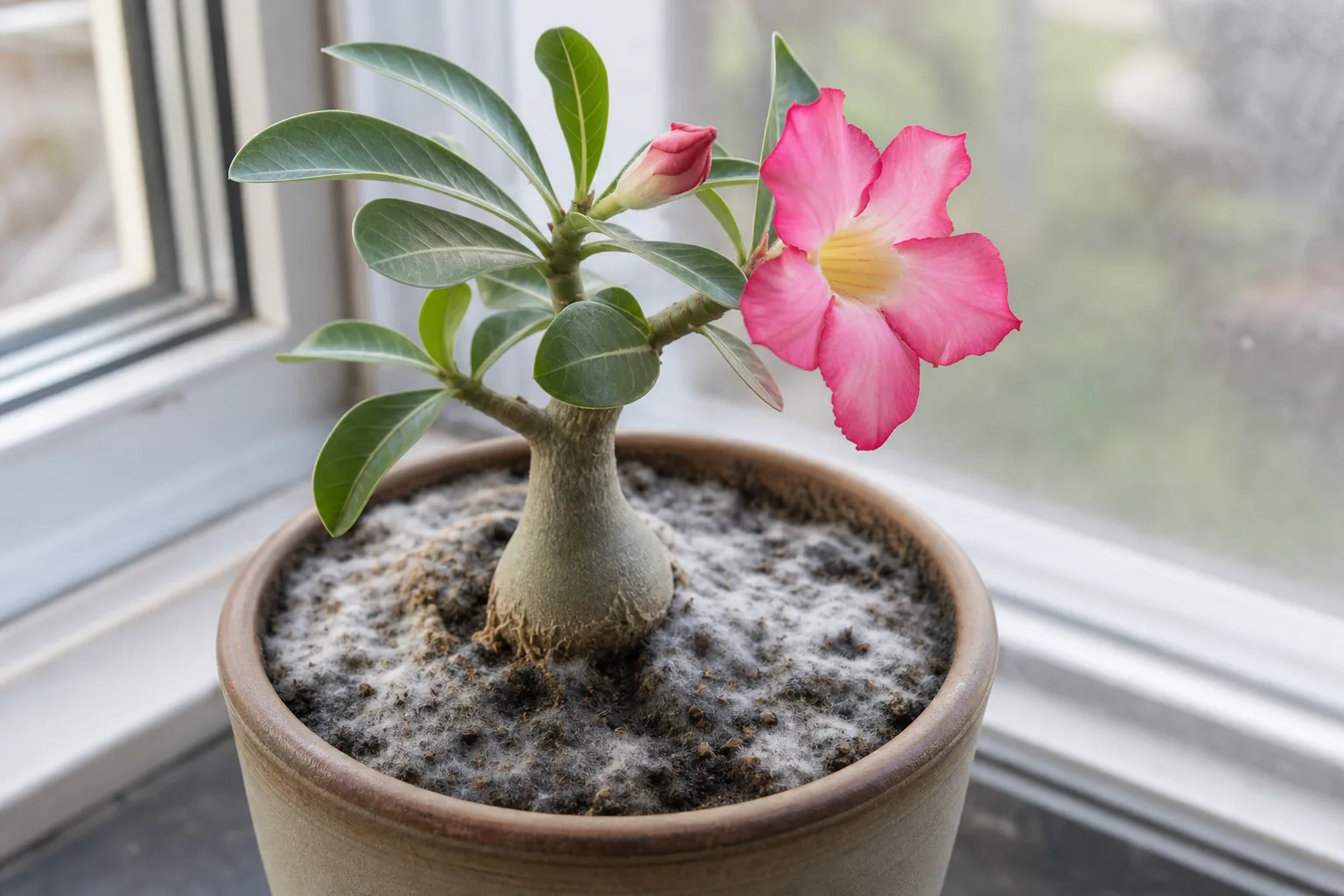 SoilMold on SoilMold on potting soil is common in indoor setups where moisture lingers and air movement is limited. In many cases it is a surface saprophytic fungus feeding on organic matter, not directly infecting the plant. Even so, recurring mold signals a care imbalance that can increase risk of root stress, fungus gnats, and unpleasant indoor air quality. Treat it as an environmental warning sign rather than only a cosmetic issue.
Long-term control comes from changing conditions that support fungal growth. Letting the top layer dry appropriately, improving drainage, and increasing airflow are more effective than scraping mold alone. Replacing the upper layer of old, decomposed media often helps. If mold repeatedly returns, review pot size, watering frequency, and substrate composition. Healthy roots and balanced drying cycles usually eliminate chronic surface mold pressure.
SoilMold on SoilMold on potting soil is common in indoor setups where moisture lingers and air movement is limited. In many cases it is a surface saprophytic fungus feeding on organic matter, not directly infecting the plant. Even so, recurring mold signals a care imbalance that can increase risk of root stress, fungus gnats, and unpleasant indoor air quality. Treat it as an environmental warning sign rather than only a cosmetic issue.
Long-term control comes from changing conditions that support fungal growth. Letting the top layer dry appropriately, improving drainage, and increasing airflow are more effective than scraping mold alone. Replacing the upper layer of old, decomposed media often helps. If mold repeatedly returns, review pot size, watering frequency, and substrate composition. Healthy roots and balanced drying cycles usually eliminate chronic surface mold pressure.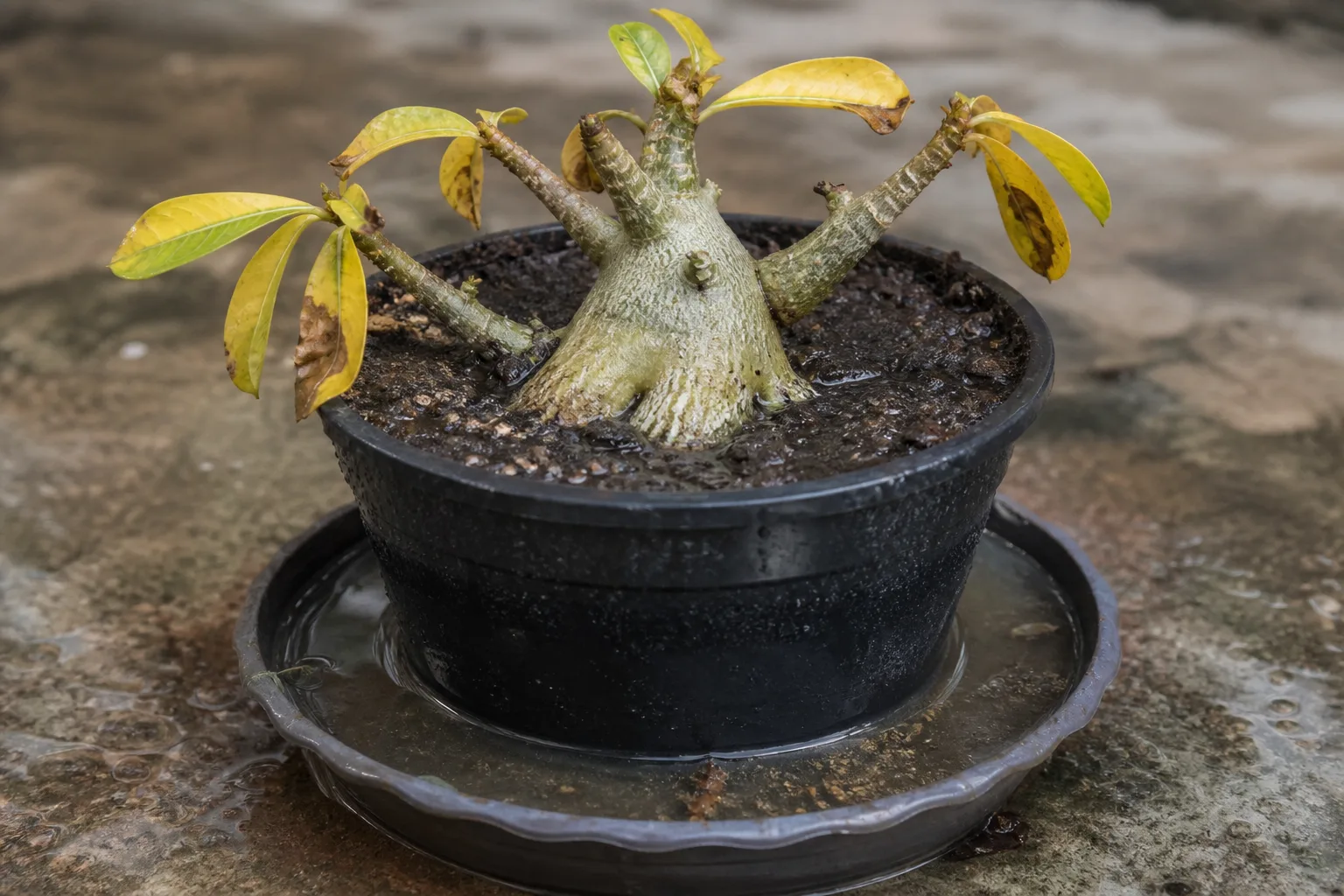 SoilPoor DrainagePotting mix is the foundation of houseplant health. When you see Soil stays wet too long, root rot risk increases, the soil may be holding too much water, repelling water, or locking out nutrients. Fixing Poor Drainage often means adjusting mix, pot size, or watering habits-not just treating leaves. Track weekly progress after you change care, and note watering, light, and repotting dates so you can tell whether the symptom is improving or returning. Compare upper versus lower leaves, new versus old growth, and soil moisture at root depth before you treat, because the same visible symptom can come from watering, light, pests, or normal aging on different plants.
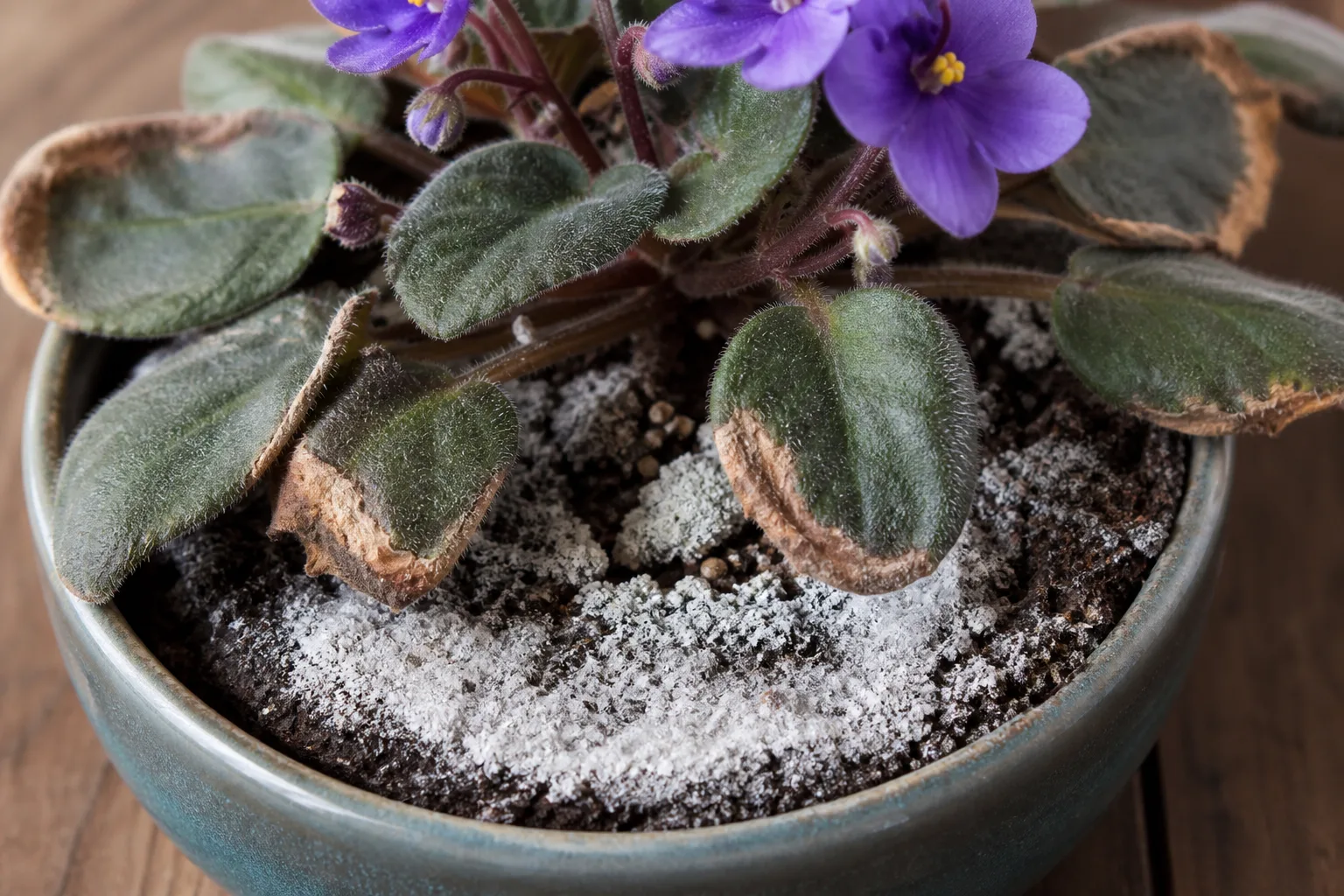 SoilSalt Build-up'Potting mix is the foundation of houseplant health. When you see White crust on soil or pot edges, brown leaf tips, the soil may be holding too much water, repelling water, or locking out nutrients. Fixing Salt Build-up often means adjusting mix, pot size, or watering habits-not just treating leaves. Track weekly progress after you change care, and note watering, light, and repotting dates so you can tell whether the symptom is improving or returning.'. Compare upper versus lower leaves, new versus old growth, and soil moisture at root depth before you treat, because the same visible symptom can come from watering, light, pests, or normal aging on different plants.
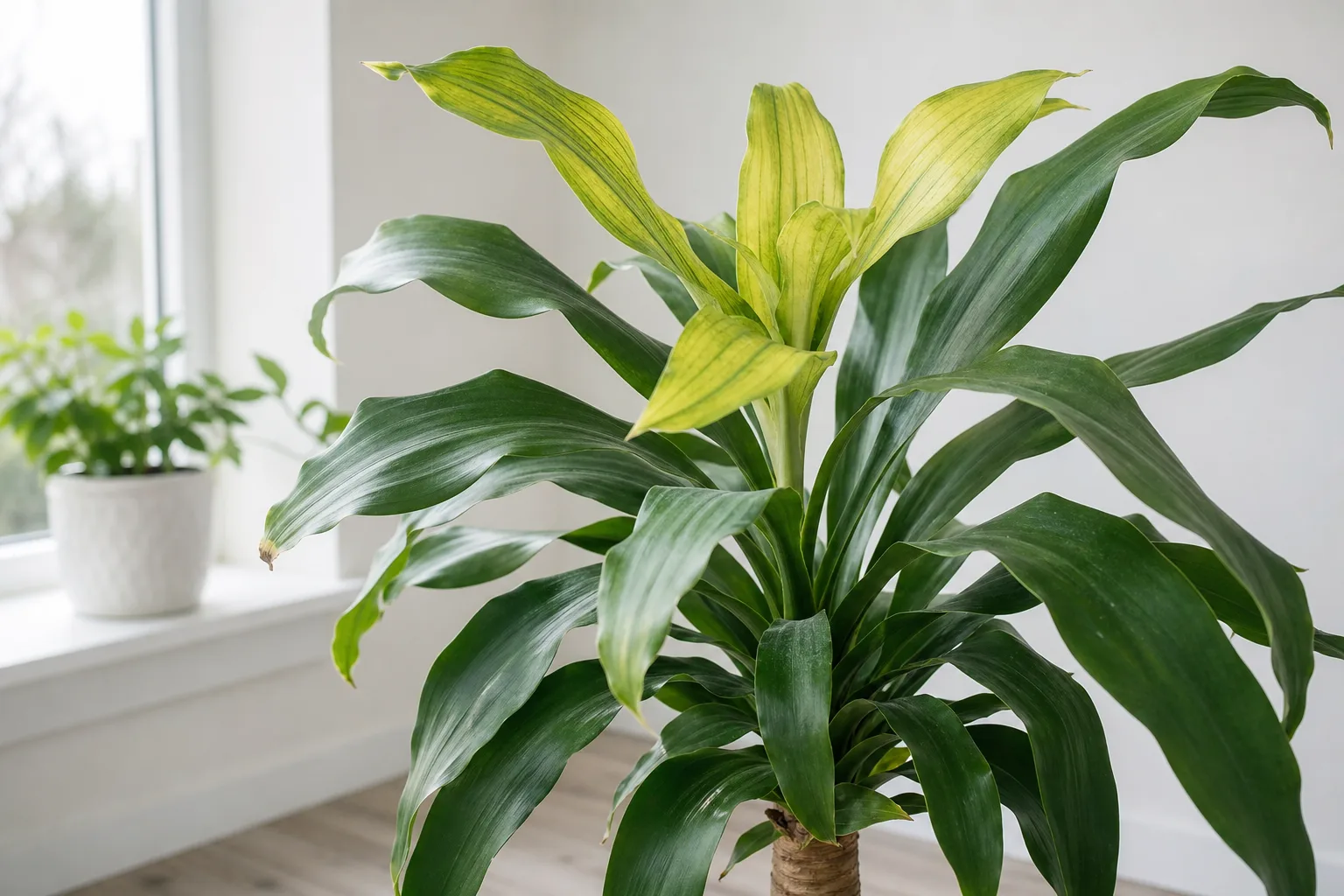 SoilSoil Too AcidicPotting mix is the foundation of houseplant health. When you see Yellowing, weak roots, nutrient uptake problems, the soil may be holding too much water, repelling water, or locking out nutrients. Fixing Soil Too Acidic often means adjusting mix, pot size, or watering habits-not just treating leaves. Track weekly progress after you change care, and note watering, light, and repotting dates so you can tell whether the symptom is improving or returning. Compare upper versus lower leaves, new versus old growth, and soil moisture at root depth before you treat, because the same visible symptom can come from watering, light, pests, or normal aging on different plants.
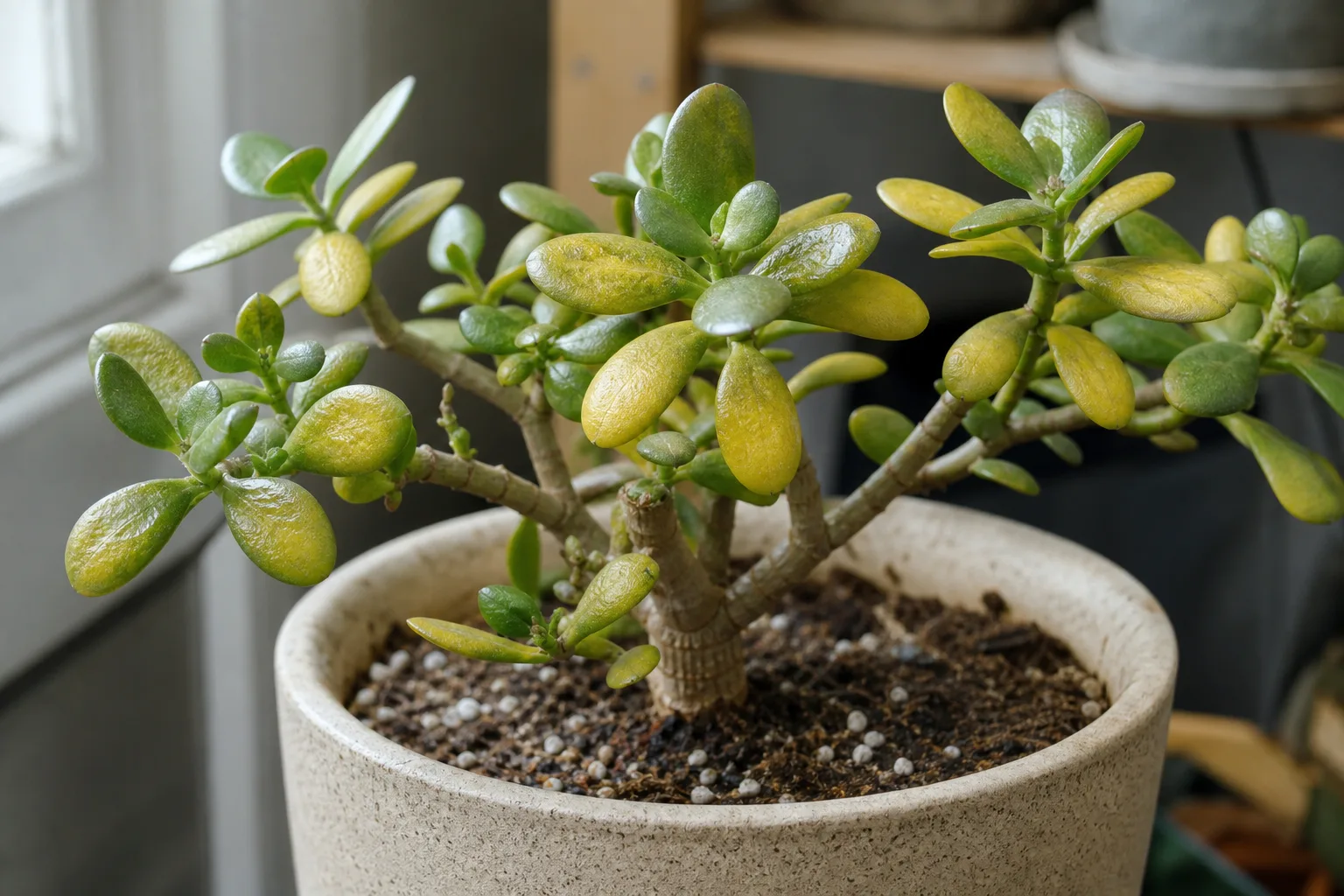 SoilSoil Too AlkalinePotting mix is the foundation of houseplant health. When you see Pale leaves, nutrient deficiency symptoms, the soil may be holding too much water, repelling water, or locking out nutrients. Fixing Soil Too Alkaline often means adjusting mix, pot size, or watering habits-not just treating leaves. Track weekly progress after you change care, and note watering, light, and repotting dates so you can tell whether the symptom is improving or returning. Compare upper versus lower leaves, new versus old growth, and soil moisture at root depth before you treat, because the same visible symptom can come from watering, light, pests, or normal aging on different plants.
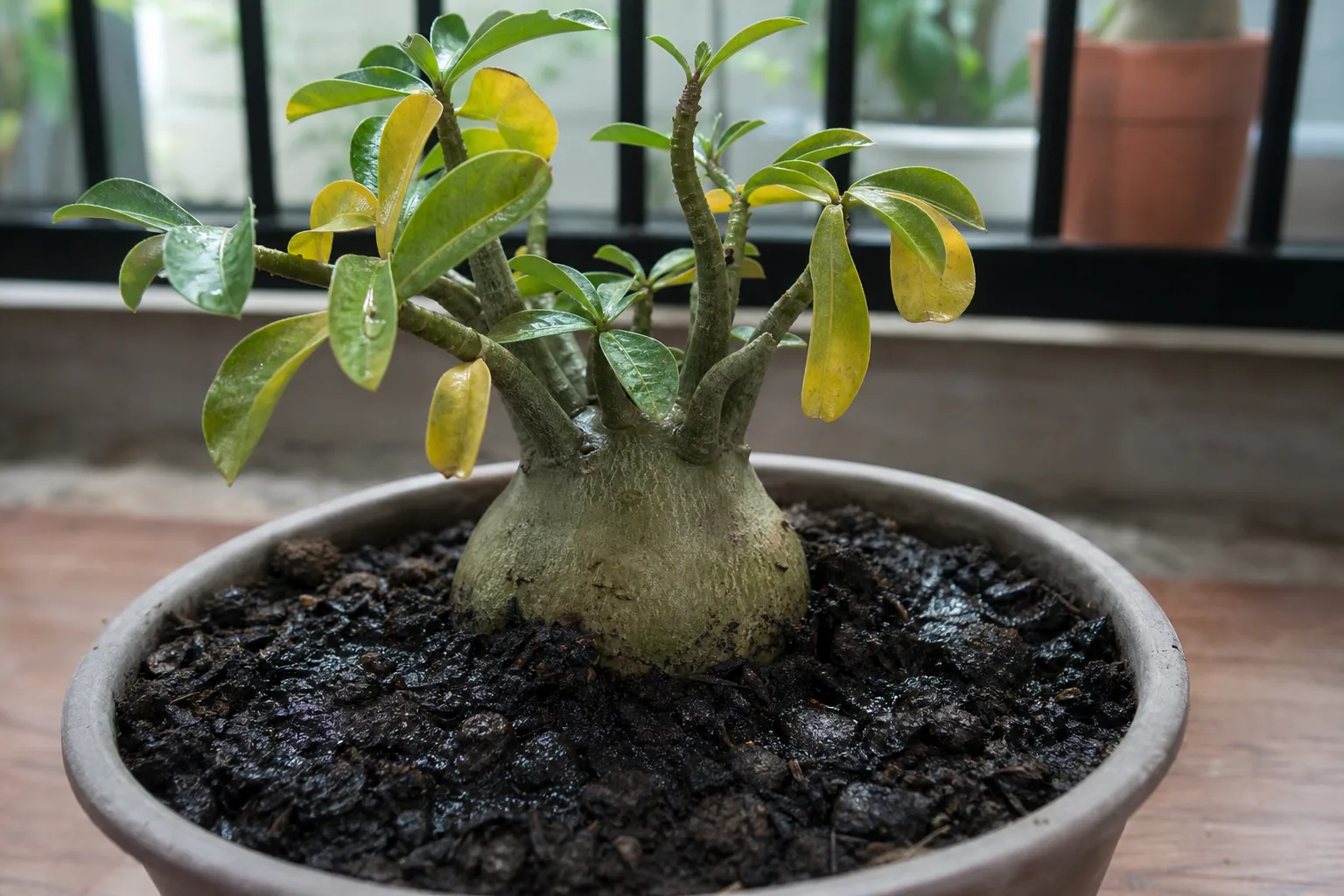 SoilWrong Soil Mix'Potting mix is the foundation of houseplant health. When you see Plant declines because soil is too heavy, too dry, or too dense, the soil may be holding too much water, repelling water, or locking out nutrients. Fixing Wrong Soil Mix often means adjusting mix, pot size, or watering habits-not just treating leaves. Track weekly progress after you change care, and note watering, light, and repotting dates so you can tell whether the symptom is improving or returning.'. Compare upper versus lower leaves, new versus old growth, and soil moisture at root depth before you treat, because the same visible symptom can come from watering, light, pests, or normal aging on different plants.
No problems matched your search. Try different keywords or clear the category filter.
This soil problems problem guide was researched and written by . Soil problems symptoms, lookalike causes, and step-by-step fixes are cross-checked against extension pest, disease, and care references before publication.
We prioritize sources that hold up under scrutiny:
- University cooperative extension bulletins and fact sheets (Penn State, Clemson, UMD, NC State, and similar programs)
- Botanical garden and horticultural society publications
- Peer-reviewed plant science and veterinary toxicology references where pet safety matters (including ASPCA Animal Poison Control)
- Established reference works on indoor plant culture
The LeafyPixels editorial team then reviews the draft for clarity, step-by-step usefulness, and fit with real apartment and home conditions-not ideal greenhouse setups. When guidance changes materially, we update the page and note the revision date.
Sources used
- Colorado State Extension (n.d.) Fungus gnats as houseplant pests. [Online]. Available at: https://extension.colostate.edu/search/?q=fungus%20gnats%20as%20houseplant%20pests%205%20584 (Accessed: 29 June 2026).
- University of Maryland Extension (n.d.) Watering indoor plants. [Online]. Available at: https://extension.umd.edu/resource/watering-indoor-plants (Accessed: 29 June 2026).
- University of Maryland Extension (n.d.) Diagnosing houseplant problems. [Online]. Available at: https://www.extension.umd.edu/resource/diagnose-indoor-plant-problems (Accessed: 29 June 2026).
- University of Missouri Extension (n.d.) Caring for houseplants. [Online]. Available at: https://extension.missouri.edu/publications/g6510 (Accessed: 29 June 2026).