Poor Drainage in Plant Pots: Diagnosis and Fixes
Potting mix is the foundation of houseplant health. When you see Soil stays wet too long, root rot risk increases, the soil may be holding too much water, repelling water, or locking out nutrients. Fixing Poor Drainage often means adjusting mix, pot size, or watering habits-not just treating leaves. Track weekly progress after you change care, and note watering, light, and repotting dates so you can tell whether the symptom is improving or returning. Compare upper versus lower leaves, new versus old growth, and soil moisture at root depth before you treat, because the same visible symptom can come from watering, light, pests, or normal aging on different plants.
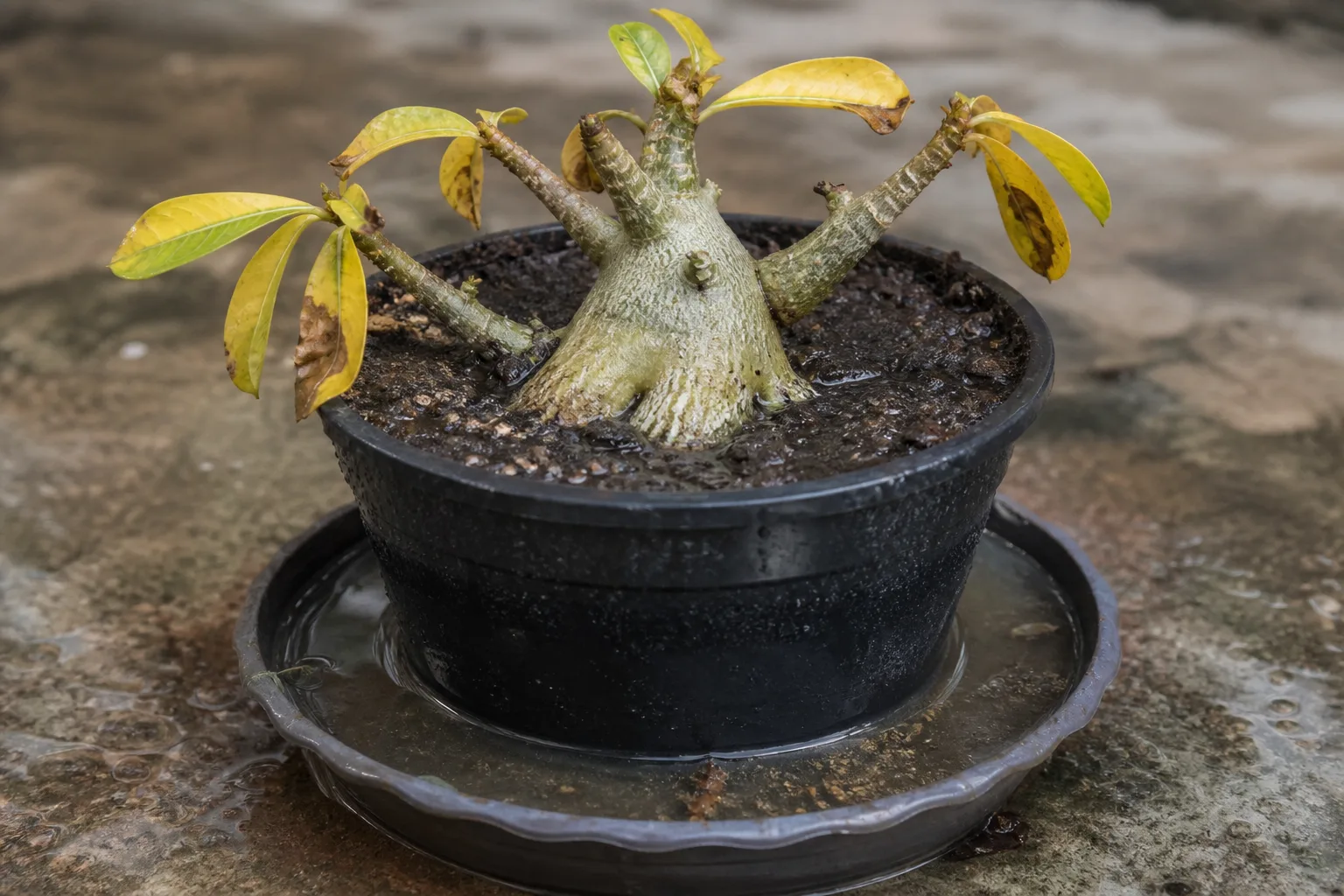
Poor Drainage on Houseplants
Still unsure?Match your symptoms to the most likely problems in under a minute.Run diagnosis →Understand and fix poor drainage
Potting mix is the foundation of houseplant health. When you see Soil stays wet too long, root rot risk increases, the soil may be holding too much water, repelling water, or locking out nutrients. Fixing Poor Drainage often means adjusting mix, pot size, or watering habits-not just treating leaves. Track weekly progress after you change care, and note watering, light, and repotting dates so you can tell whether the symptom is improving or returning. Compare upper versus lower leaves, new versus old growth, and soil moisture at root depth before you treat, because the same visible symptom can come from watering, light, pests, or normal aging on different plants.
Overview
Potting mix is the foundation of houseplant health. When you see Soil stays wet too long, root rot risk increases, the soil may be holding too much water, repelling water, or locking out nutrients. Fixing Poor Drainage often means adjusting mix, pot size, or watering habits-not just treating leaves. Track weekly progress after you change care, and note watering, light, and repotting dates so you can tell whether the symptom is improving or returning. Compare upper versus lower leaves, new versus old growth, and soil moisture at root depth before you treat, because the same visible symptom can come from watering, light, pests, or normal aging on different plants.
How to identify it
- Water pools on top or runs straight through without soaking in
- Soil stays wet for many days after one watering
- White crust on soil surface or pot rim
- Roots circling tightly or growing out drainage holes
- Musty smell or visible mold on soil surface
When to worry
Roots turning black, plant collapsing despite watering, or salt crust thick on soil means repot and flush before permanent damage.
Common causes
Old, broken-down potting mix
Peat-heavy soil compacts over time, reducing air pockets roots need. Poor Drainage is common in plants not repotted for years.
Wrong mix for the plant type
Succulents in all-peat mix rot; moisture lovers in pure bark dry out too fast. Mismatch shows up as Soil stays wet too long, root rot risk increases.
Salt and mineral buildup
Tap water and fertilizer leave salts that burn roots and cause crusty soil surfaces.
Pot too large for root ball
Excess soil holds water the roots cannot use, leading to chronic sogginess.
Step-by-step fix
Assess soil texture and moisture retention
Slide the plant out and smell the root ball. Crumbly, airy mix is healthy; dense, wet muck needs replacement.
Repot with appropriate fresh mix
Choose a blend matched to your plant-add perlite or bark for drainage, or more water-retentive components for ferns.
Flush salts if crust is present
Water deeply until excess runs from drainage holes. Repeat once, then resume normal care.
Right-size the container
Move up only 1–2 inches in diameter. Too large a pot worsens wet soil problems.
Adjust watering to new mix
Fresh soil dries on a different schedule-recheck moisture daily for the first two weeks.
Prevention tips
- Repot every 1–2 years for fast growers
- Use mixes suited to plant type, not garden soil indoors
- Flush soil periodically if using tap water and fertilizer
- Match pot size to root mass
Common mistakes
- Adding gravel at the bottom instead of using proper mix
- Repotting only with garden soil
- Jumping to a pot much larger than needed
Poor drainage is not simply “water comes out slowly.” It is a root-zone condition in which too much of the medium remains saturated for too long, leaving too little air for healthy roots. A blocked hole can cause it, but so can a collapsed mix, an oversized pot, a small root system, standing runoff, or watering that never matches the plant’s actual demand.
That definition matters because water can rush from a pot while the root ball remains unhealthy. It may travel down a crack around a shrunken, dry core, or bypass compacted pockets. Conversely, a moisture-loving plant in a well-designed mix can stay evenly moist without being waterlogged. Diagnose water distribution, drainage, and drying as separate processes.
This guide synthesizes container-media and indoor-plant guidance; it does not report a controlled potting-mix trial. The photographs illustrate one plant’s visible condition, not a universal diagnosis. Use the observation sequence below to decide whether the problem is blocked outflow, uneven wetting, excessive water retention, or root loss before changing the substrate.
Quick Diagnosis: What Poor Drainage Means
A healthy container medium holds some water after irrigation and also contains pores that refill with air. Cornell’s greenhouse-media overview explains that container substrates must balance water retention and aeration. “Fast draining” is not automatically healthy if water bypasses roots; “moist” is not automatically unhealthy if adequate air remains.
Suspect poor drainage when a thoroughly watered pot remains unusually heavy and wet for the plant, room, season, and pot size. Supporting signs include a sour odor, persistent algae or surface mold, yellowing and leaf drop, edema-like blisters, fungus gnats, or wilting despite wet medium. None is conclusive alone.
An urgent case includes a soft crown, black or collapsing roots, widespread yellowing, or rapid wilting in saturated mix. A non-urgent case is a stable plant whose surface puddles briefly but whose medium then wets evenly, drains, and dries on a suitable cycle. Let root evidence determine the level of intervention.
| Observation | What it suggests | Next check |
|---|---|---|
| Water exits quickly but the center stays dry | Channeling around a hydrophobic or compacted core | Inspect moisture at the center and lower root ball |
| Water ponds and exits slowly; pot remains heavy | Blockage or medium with too little connected air space | Inspect holes, cachepot runoff, and lower media |
| Drainage is open but a small root system sits in a large wet volume | Overpotting or recent root loss | Slide out the root ball and compare living roots with pot volume |
| Mix is evenly moist and roots are firm | Possibly normal retention for that plant and environment | Track pot weight and plant response before intervening |
Read How Water Moves Through the Pot
Before changing the mix, watch one normal watering from start to finish. Apply water slowly across the surface, note where it pools, time the first runoff, and see whether water exits all available holes. After drainage stops, lift the pot and record its weight.
Check again over several days. The important comparison is not an internet rule such as “dry in seven days”; it is the behavior expected for that species under its current light, temperature, humidity, root mass, and container. Winter conditions or a recent root loss can lengthen drying without a change in the mix.
Remove the nursery pot from its decorative cover for the test. Water trapped out of sight can keep the lower medium saturated even when the pot itself has open holes. Empty runoff promptly unless the growing system is specifically designed to maintain a reservoir with an air gap.
Four Simple Drainage Tests
First, inspect the holes. Roots, compacted medium, labels, mesh, or a flat saucer can obstruct them. Do not stab blindly upward into a root ball; clear only visible external obstruction and avoid damaging major roots.
Second, compare moisture at three depths. A wooden skewer inserted near the center, a finger at the surface, and the feel through a lower hole can reveal a wet bottom beneath a dry top. A single moisture-meter number cannot describe uneven media and may be distorted by salt concentration or poor probe contact.
Third, test pot weight. Lift immediately after complete drainage, then daily. Weight change is often a more reliable trend than surface color, especially in mixes topped with bark or decorative stone.
Fourth, inspect the root ball if symptoms persist. Slide it out intact and examine the outer and lower zones. Firm roots and visible pore space suggest that the medium may simply need more time; dark mushy roots, sludge-like mix, or a soaked lower layer support drainage failure.
Poor Drainage Versus Hydrophobic Soil
Hydrophobic mix repels water after becoming very dry. Water may pool briefly, then race down the pot wall while the root-ball center stays dry. Poorly draining mix accepts water but remains saturated too long; the pot stays heavy, and the lower root zone may smell stale.
Both can occur in one pot. An old peat-rich core may shrink away from the wall, while a dense lower layer retains the water that reaches it. Split the diagnosis by checking the root ball after watering rather than assuming fast runoff proves good drainage.
Compaction is another lookalike. Dense media may admit water slowly because surface pores have collapsed, yet cracks can still create channels. The repair depends on whether the root zone is mainly too dry, too wet, or uneven, so do not add more water until you know.
Why Drainage Fails
Drainage emerges from a system: particle sizes, pore continuity, container height and shape, root mass, hole placement, irrigation, evaporation, and plant uptake. Changing one component may help, but no single additive guarantees success.
Watering too frequently can create waterlogging even in a suitable mix. Poor drainage can also make a reasonable watering frequency excessive. Treat the distinction as causal: ask whether the medium fails under a normal irrigation or whether irrigation is being repeated before the medium needs it.
Temperature and root activity change the answer. A warm, actively growing plant moves more water than the same plant in a cool room after seasonal growth has slowed. A recently divided or root-pruned plant may also leave moisture behind because the container now holds more medium per functioning root, even though neither the pot nor the recipe changed.
Mix Structure and Decomposition
Potting components change over time. Bark breaks down, peat settles, fine particles migrate, roots fill pores, and repeated compression reduces air space. Penn State Extension describes potting media as engineered combinations selected for physical and chemical functions, not ordinary garden soil placed in a container.
Garden soil often performs poorly indoors because small mineral particles pack tightly in the confined pot. It can also carry pests, weed seeds, or pathogens. Use a reputable container medium and modify only when you understand the plant’s needs and the properties of each component.
Adding a small amount of coarse material to the top of an intact dense root ball does not alter the root-zone structure. Mixing amendments effectively usually requires repotting. Poking random holes can tear roots and create temporary channels without restoring stable pore space.
Pot Size, Shape, Holes, and Cachepots
An oversized pot surrounds a small root system with medium that the plant cannot dry quickly. The issue is not that roots “dislike space”; it is that water storage has increased while uptake has not. Choose a pot only modestly larger than the healthy root mass unless the species or growing system requires otherwise.
Tall and shallow containers can retain different proportions of saturated medium because capillary forces and container geometry affect water distribution. A shallow decorative bowl may leave a large fraction of its depth wet after drainage. Match container shape as well as width to root architecture.
A drainage hole must remain open and sit where water can escape. A pot resting flush on a flat tray may drain more slowly, while a plug or attached saucer can hide standing water. Feet or spacers can help an outdoor container drain, but they do not repair unsuitable medium.
Hole count is less important than whether the available openings can release water from the lowest point. One unobstructed central hole may work in a small, stable container, while several tiny elevated holes can leave a pool below them. Inspect the actual base rather than choosing a pot from a marketing label such as “drainage friendly.”
Terracotta can lose water through its walls; glazed ceramic and plastic usually lose less. That changes drying speed, not the need for a suitable medium. A plant moved from terracotta to plastic may need a new watering rhythm even if pot size remains identical.
The Gravel-at-the-Bottom Myth
A layer of gravel does not transform dense potting mix into a freely aerated root zone. Water tends to remain in the finer material until it is sufficiently saturated to cross into the coarser layer. The texture boundary can therefore leave a saturated zone perched higher in the pot while reducing the volume available for roots.
The same principle applies to other abrupt layers. A band of coarse bark, foam pieces, pottery shards, or packing peanuts is not a substitute for a continuous compatible substrate. If you need to reduce weight in a large decorative planter, keep the plant in its own correctly sized draining nursery pot rather than filling a giant root container with improvised layers.
Use one suitable medium through the root zone and keep the drainage opening from becoming physically blocked. A small piece of screen can retain loose mix without creating a thick separate layer, but avoid fine fabric that clogs. The aim is continuity of pores, not a false “drainage reservoir.”
Gravel may add ballast to a top-heavy pot, but stability is a different function. Put weight in an outer cachepot or choose a heavier container while preserving the nursery pot’s drainage. Do not use ballast as evidence that root-zone drainage improved.
Check Roots Before Choosing a Fix
Root condition separates a maintenance problem from a rescue. Healthy roots may be white, cream, tan, brown, or even naturally colored by species and medium; texture is often more informative than color. They should feel firm rather than slimy, hollow, or easily stripped.
University of Maryland identifies persistent excess moisture and poor drainage as important conditions behind root rots of indoor plants. If only a few tips are damaged, correcting the environment may be enough. If most roots and the crown have collapsed, propagation of healthy tissue may be more realistic than repotting.
Examine whether roots occupy the whole pot. A small central plug surrounded by untouched wet mix suggests overpotting or recent root loss. A dense circling mass can create uneven watering, although being rootbound does not automatically make a pot slow-draining.
Choose the response from the strongest evidence, not from a single symptom:
| Root and medium evidence | Proportionate response |
|---|---|
| Firm roots; one blocked hole or hidden runoff | Clear the external obstruction, empty runoff, and monitor |
| Firm roots; hydrophobic center | Rewet gradually or replace only media that cannot rehydrate evenly |
| Firm roots; structurally collapsed, persistently saturated mix | Repot into a compatible medium in a closely sized draining pot |
| Localized soft roots; viable crown and substantial firm roots | Remove clearly failed tissue and repot conservatively |
| Extensive root loss or crown collapse | Seek a diagnosis or propagate viable tissue; repotting alone may not be a realistic rescue |
Use the Least Disruptive Repair
For a healthy plant with a one-time puddle, clear external obstruction, raise the pot off standing runoff, and allow the root zone to dry appropriately. Improve light within the species’ tolerance and pause fertilizer until active growth resumes. Monitor before repotting.
If the mix is slightly settled but roots are sound, adjust irrigation and plan a repot during active growth. Do not repeatedly squeeze, churn, or spike the medium around roots. Temporary surface aeration is not equivalent to rebuilding the substrate.
If water bypasses a hydrophobic core, rewet gradually with repeated slow applications or a controlled bottom soak, then drain completely. If the core cannot rehydrate evenly, replace it. This is a different fix from trying to dry an already saturated root ball.
Remove decorative moss or dense top dressing during recovery so you can observe moisture. Do not add a sand cap; fine sand can further reduce surface pore space. Leave the crown exposed at its correct planting depth.
Repot a Chronically Wet Plant
Repot when the medium has collapsed, the pot lacks a safe drainage route, the container greatly exceeds the healthy root mass, or root decay is confirmed. Gather the new pot, medium, clean tools, gloves, and a work surface first so roots are not left exposed while you improvise.
Slide the plant out and remove loose, sour medium gently. Trim only roots that are demonstrably soft or dead, disinfecting the tool between cuts. Extensive washing can damage fine roots, so reserve it for situations where contaminated or waterlogged material cannot otherwise be removed.
Use a clean pot close to the remaining root mass, with open holes. Set the plant at its original depth and settle medium around roots without crushing it. Water once to distribute moisture and identify drainage behavior, then discard runoff.
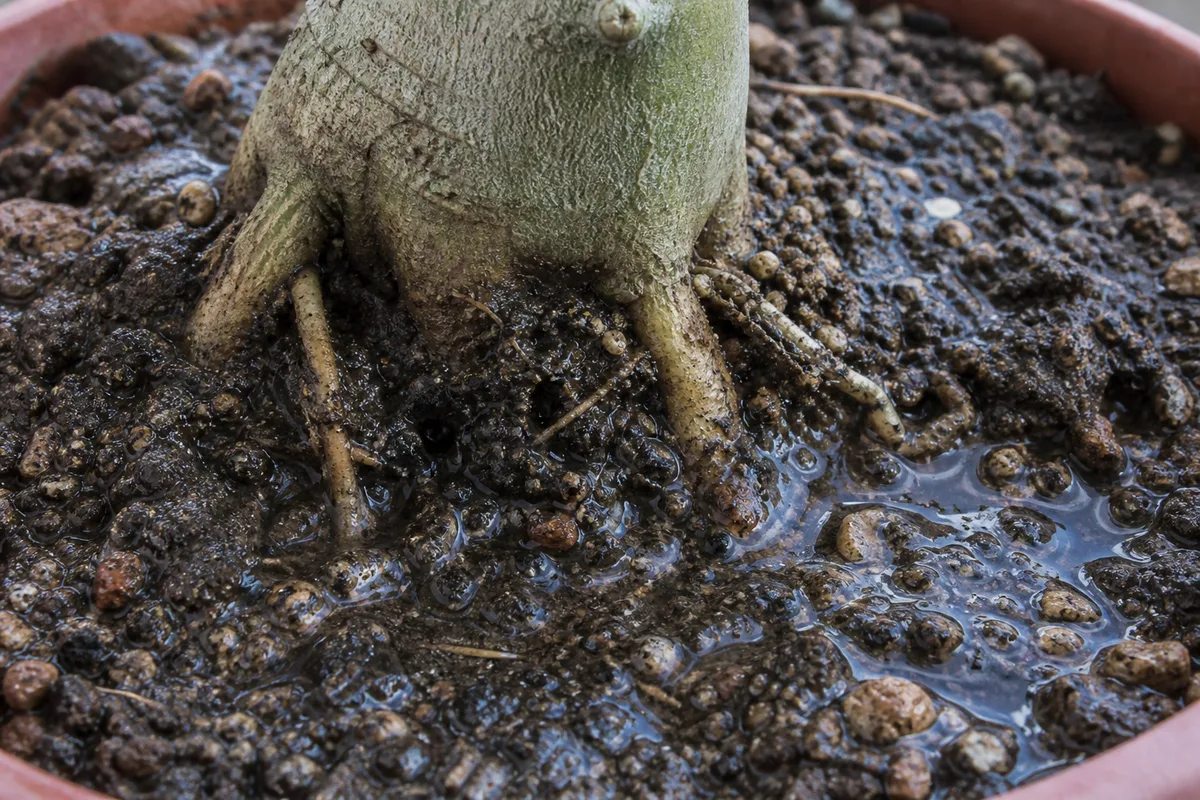
Do not fertilize immediately as compensation. Damaged roots may be more sensitive to soluble salts. Resume conservative feeding only after the plant shows stable new growth and the medium follows an appropriate wet-dry cycle.
Build a Species-Appropriate Mix
Choose by function, not by a universal recipe. Bark and coarse mineral particles can increase large pore spaces; peat and coir can hold water; compost contributes organic matter but may add fine particles and salts; perlite and pumice differ in weight and water behavior. Product grades vary.
Cacti and many succulents generally need a medium that releases excess water readily, while ferns and many tropical foliage plants need more continuous moisture. An orchid grown as an epiphyte may need chunky bark, while a terrestrial orchid does not share the same root environment. Identify the plant before amending.
Clemson Cooperative Extension notes that indoor-plant disorders often arise from interacting cultural factors in its houseplant diseases and disorders guide. That is why a “chunky mix” cannot compensate for inadequate light, a huge pot, or constant watering.
Test a new mix in the actual container before using it for a valuable plant. Wet it thoroughly, watch distribution and runoff, then assess the retained moisture after drainage. A mix that sheds all water or collapses under irrigation is not ready simply because its ingredient list sounds appropriate.
Water Correctly After the Repair
Fresh medium behaves differently from old medium. Check moisture frequently for the first two weeks, but do not water merely because you checked. Use pot weight, a skewer, root-zone feel, and the plant’s condition together.
Water evenly across the surface until runoff appears, then allow complete drainage. The Royal Horticultural Society recommends watering according to plant need and ensuring excess water can escape in its houseplant growing guidance. Empty the cachepot afterward.
Avoid fixed weekly schedules. Light intensity, temperature, plant growth, and season change water use. A pot that needed water every five days in summer may need much longer in winter, especially after root pruning.
If water again remains stagnant, stop and reassess rather than repeatedly adding amendments. Verify that the new hole is open, the root ball was not left as a dense core, and the container is not sitting in runoff.
Special Containers and Plant Groups
Self-watering containers are not inherently poorly drained. They depend on a reservoir, wick, air gap, suitable medium, and established roots. Keep the reservoir below the designed maximum and allow the system to cycle as the manufacturer and plant require.
Semi-hydroponic systems use mineral substrates and managed nutrient solution. Their “wetness” cannot be interpreted by peat-based houseplant rules. Monitor solution level, oxygenation, pH, electrical conductivity, and root adaptation according to the system.
Pots without holes can work only with precise water accounting or as outer cachepots, leaving little margin for error. For ordinary care, keep the plant in a draining inner pot. Drilling ceramic or glass can cause shattering and injury; use appropriate equipment and protective gear or replace the container.
Large floor pots may conceal a small nursery pot inside decorative fill. Determine which part actually holds roots before watering. Outdoor containers also receive rain and may need open elevated holes, while indoor plants do not have wind and sun to accelerate drying.
Mistakes That Make Drainage Worse
Do not add water because wilting automatically “means thirsty.” Oxygen-starved or decayed roots cannot supply shoots even when the mix is wet. Check moisture first.
Do not move directly to a much larger pot, bury the crown, pack mix tightly, or add garden soil. Each can increase saturation or limit aeration. Do not reuse foul, collapsed medium in other indoor pots.
Avoid repotting, fertilizing, pruning, relocating, and treating with pesticide on the same day unless survival demands it. Layered interventions make outcomes difficult to interpret and add stress. Stabilize the root zone, then change one secondary factor at a time.
Do not equate rapid runoff with success. Confirm that the interior wetted evenly and retained appropriate moisture. A plant can be drought-stressed in a pot that appears to “drain perfectly.”
Monitor Recovery and Prevent Recurrence
Existing yellow leaves and dead roots will not return to normal. Look instead for firm stems, stable foliage, healthy new roots, appropriate new growth, and a predictable decline in pot weight between waterings. Recovery can take weeks, especially in cool or low-light conditions.
Keep a simple log of watering date, drainage time, pot weight, and visible change. Inspect weekly for fungus gnats, mold, odor, and crown softness. If decline continues after the physical environment is corrected, seek a plant-disease diagnosis rather than assuming the medium remains the only cause.
Compare observations made under similar conditions. “Seven days to dry” is not a universal pass/fail threshold, so the useful result is a repeatable trend for the same plant, pot, season, and position. Record major changes such as root pruning, relocation, or lower seasonal light because each changes water use.
Prevent recurrence by matching pot size to root mass, using a stable compatible medium, keeping drainage routes open, emptying runoff, and adjusting watering to light and season. Repot when physical structure has failed, not by an inflexible annual rule.
Quarantine new plants long enough to learn how their nursery mix behaves. Many production substrates are suitable under greenhouse irrigation but dry differently in a home. A careful transition is safer than an automatic bare-root repot.
Conclusion
Poor drainage in a plant pot is excessive saturation in the root zone, not merely slow visible runoff. Diagnose it by following water from the surface through the medium and out of the container, then by checking drying time and root condition.
Clear simple obstructions and standing runoff first. Repot only when the mix, pot, or roots provide evidence that structural repair is needed, and rebuild with a species-appropriate medium rather than a gravel layer or universal recipe. The successful outcome is not the fastest possible drain—it is a root zone that receives water evenly, releases the excess, and regains enough air for healthy growth.
Plants commonly affected
These houseplants often struggle with poor drainage. Open a care guide or plant-specific troubleshooting page for tailored fixes.
 Medium
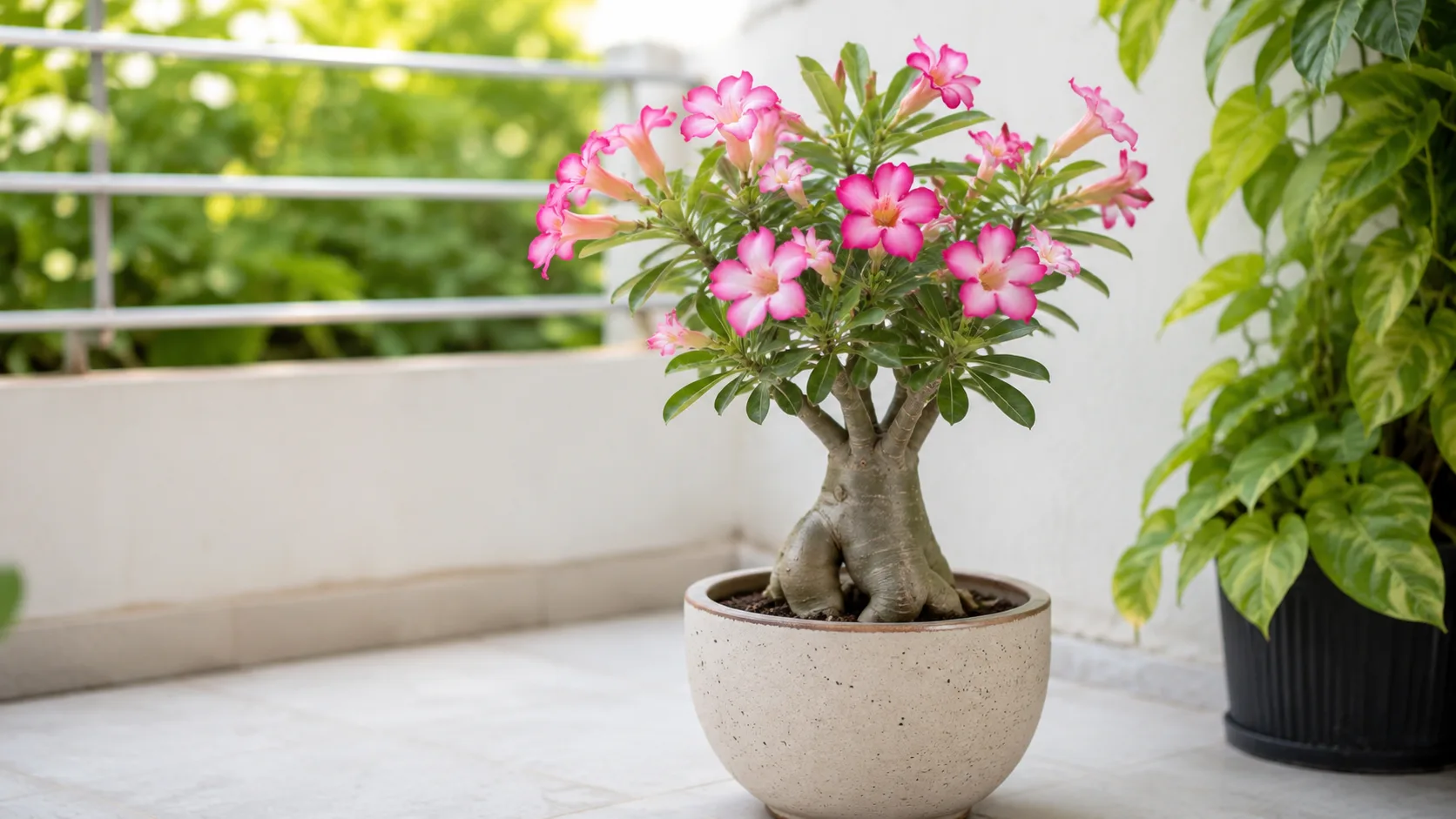
Adenium
Likely causeHeavy or water-retentive mix and blocked drainage keep roots wet, triggering rot within days.
Quick fixRepot into gritty succulent mix with perlite/pumice and never let the pot sit in a full saucer.
 Medium
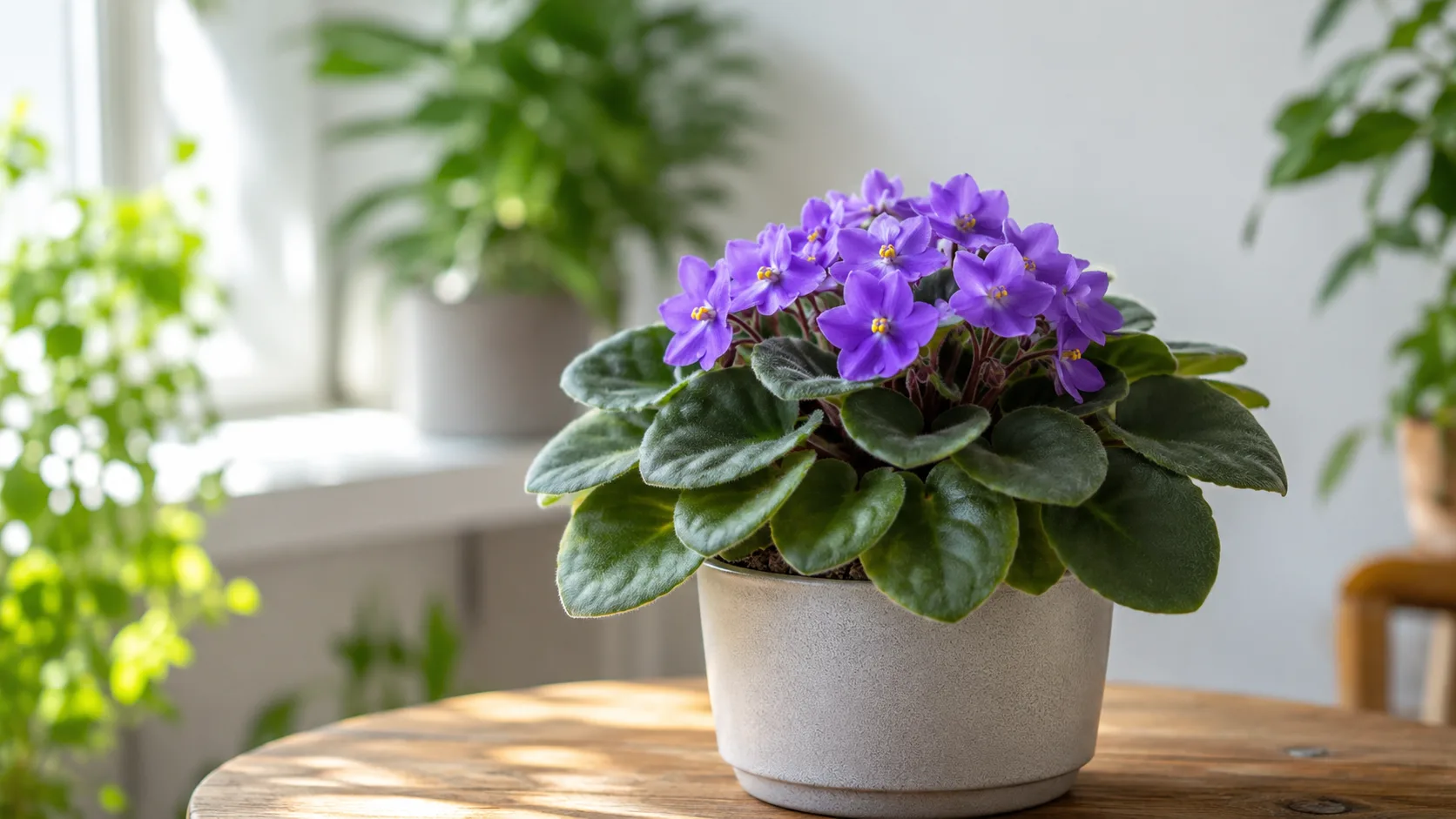
African Violet
Likely causePoor Drainage on African Violet: Your african violet has soil drainage? Don't panic — African violet root systems are fine, fibrous, and shallow—evolutionarily adapted to…. Here's exactly how to fix it.
Quick fixInspect African Violet, confirm poor drainage matches your symptoms, then adjust care or treat per authoritative guides.
 Medium
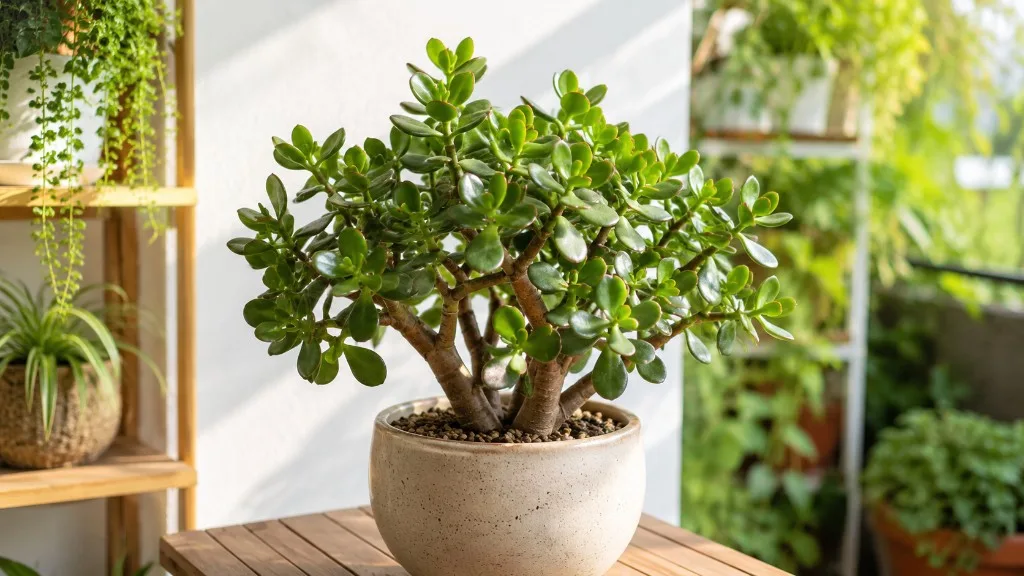
Jade Plant
Likely causeYour jade plant has poor soil drainage ? Don't panic — Standard potting soil retains too much moisture for drought-adapted jade plant roots.…. Here's exactly how to fix it.
Quick fixConfirm diagnosis on your Jade Plant, then address the most likely care or pest factor described in current extension guidance.
 Medium
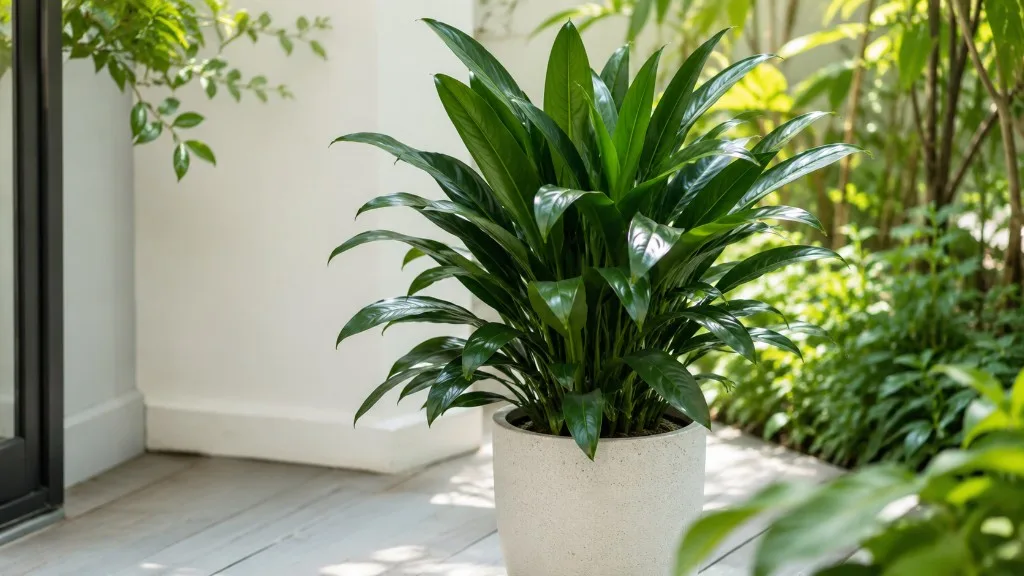
Janet Craig Dracaena
Likely causeNov 5, 2025 · Soil Needs: Dracaena 'Janet Craig ' prefers a lean, well- draining soil. Ensure the pot has good drainage to prevent roots from sitting in water. Repotting: When repotting, allow space for roots to expand, ensuring the soil is
Quick fixConfirm diagnosis on your Janet Craig Dracaena, then address the most likely care or pest factor described in current extension guidance.
 Medium
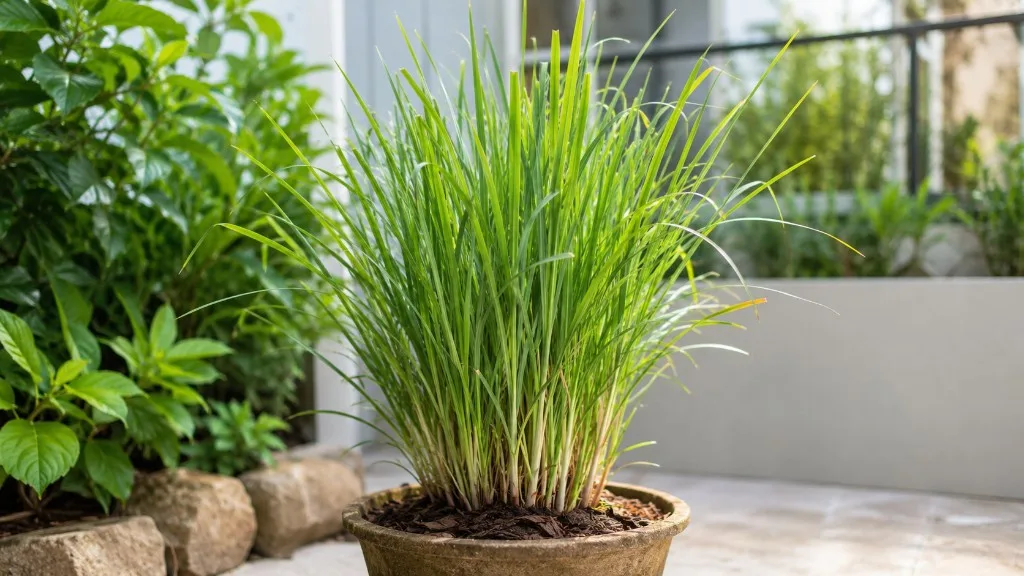
Lemongrass
Likely causeIf you’re working with poor soil — whether it’s sandy, compacted, or low in nutrients — you can still cultivate healthy lemongrass plants by improving drainage , amending the soil, and applying consistent care. Here’s a step-by-step guide t
Quick fixConfirm diagnosis on your Lemongrass, then address the most likely care or pest factor described in current extension guidance.
 Medium
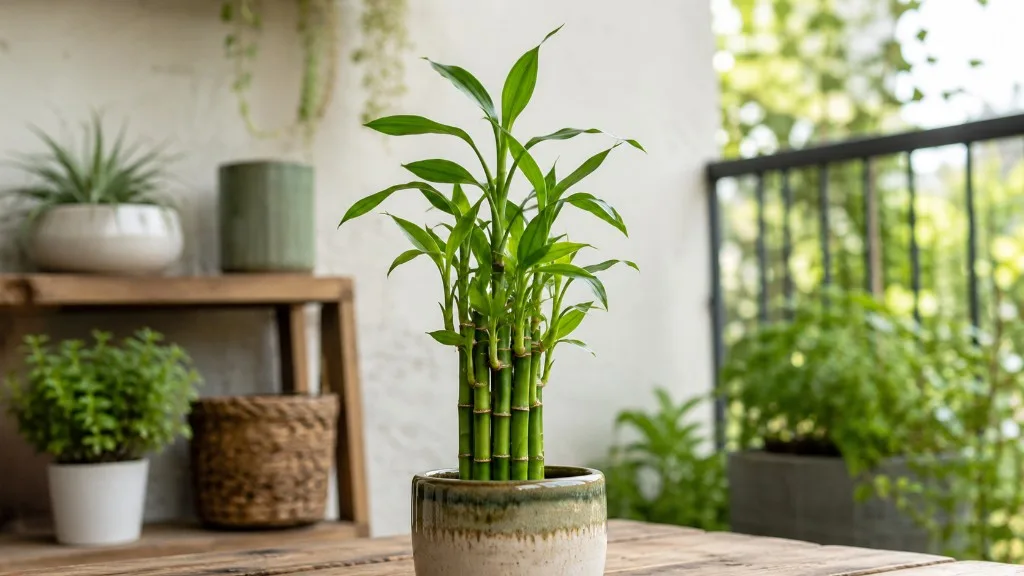
Lucky Bamboo
Likely causeAug 14, 2025 · When grown in water, drainage holes are not necessary. Lucky bamboo, a Dracaena species, thrives in consistently moist conditions, though it is not a true aquatic plant.
Quick fixConfirm diagnosis on your Lucky Bamboo, then address the most likely care or pest factor described in current extension guidance.
 Medium
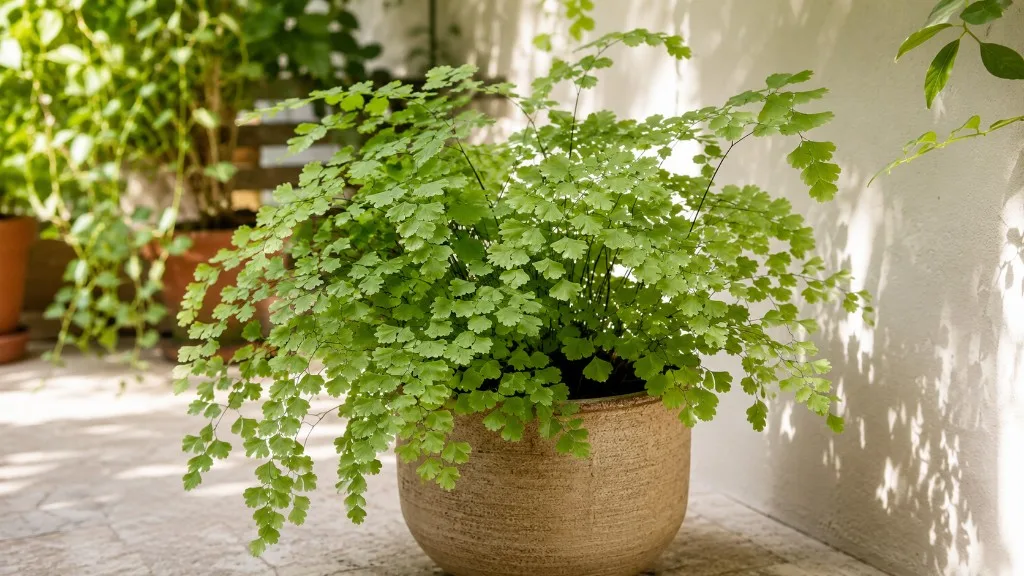
Maidenhair Fern
Likely causeJan 11, 2025 · Root rot is a serious condition that can cause significant damage to your maidenhair fern . It's usually caused by overwatering and poor drainage . Signs of Root Rot: Look for wilting, yellowing leaves and a foul smell coming
Quick fixConfirm diagnosis on your Maidenhair Fern, then address the most likely care or pest factor described in current extension guidance.
 Medium
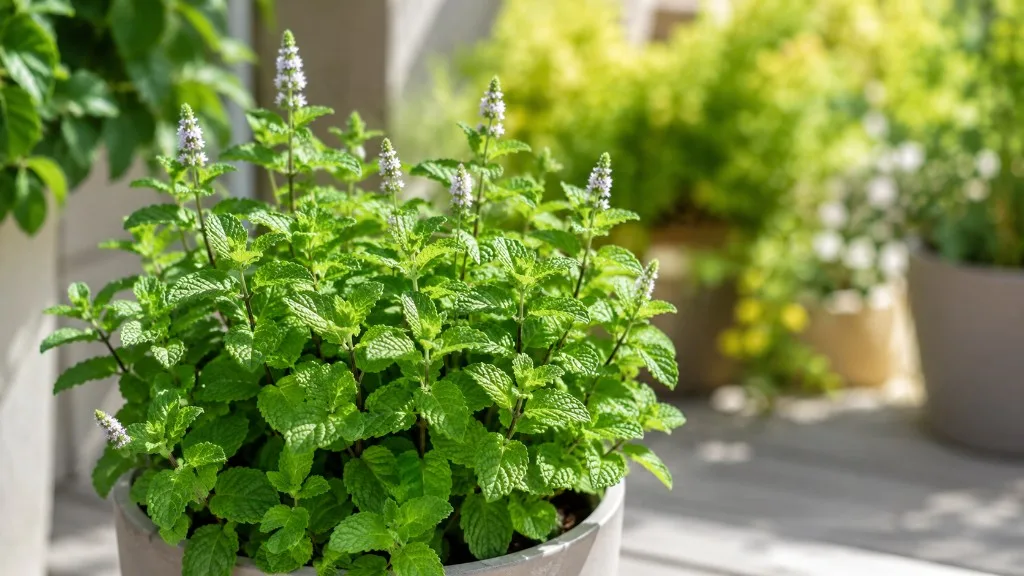
Mint
Likely causeHeavy compost or blocked holes keep mint roots waterlogged, the primary driver of container root rot.
Quick fixRepot with 15–20% perlite; clear drainage holes; never let pot sit in standing water.
 Medium
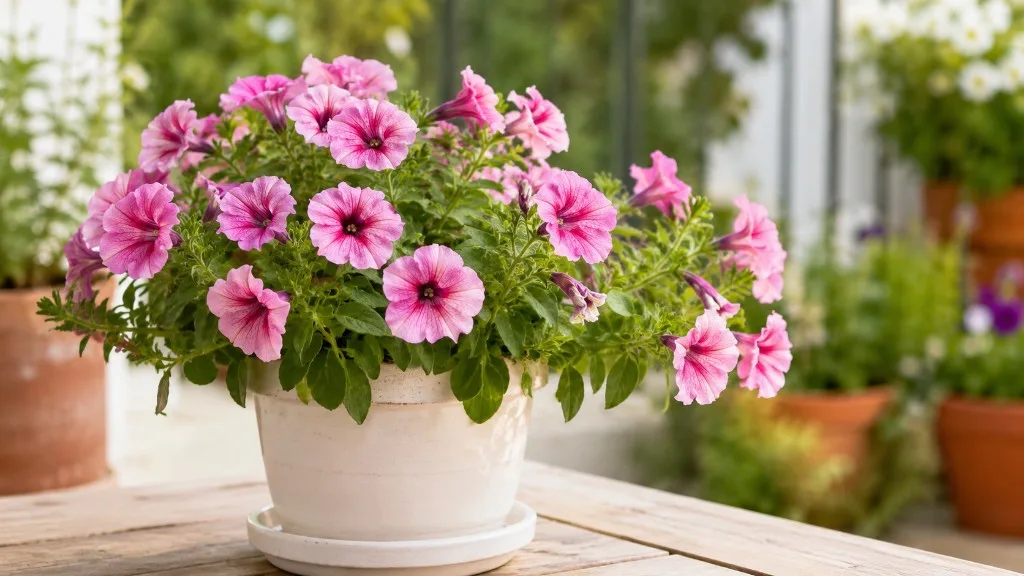
Petunia
Likely causeHeavy or compacted mix in petunia containers stays wet and triggers root rot and yellowing.
Quick fixRepot into lightweight mix with 20% perlite; confirm water exits drainage holes within minutes.
 Medium
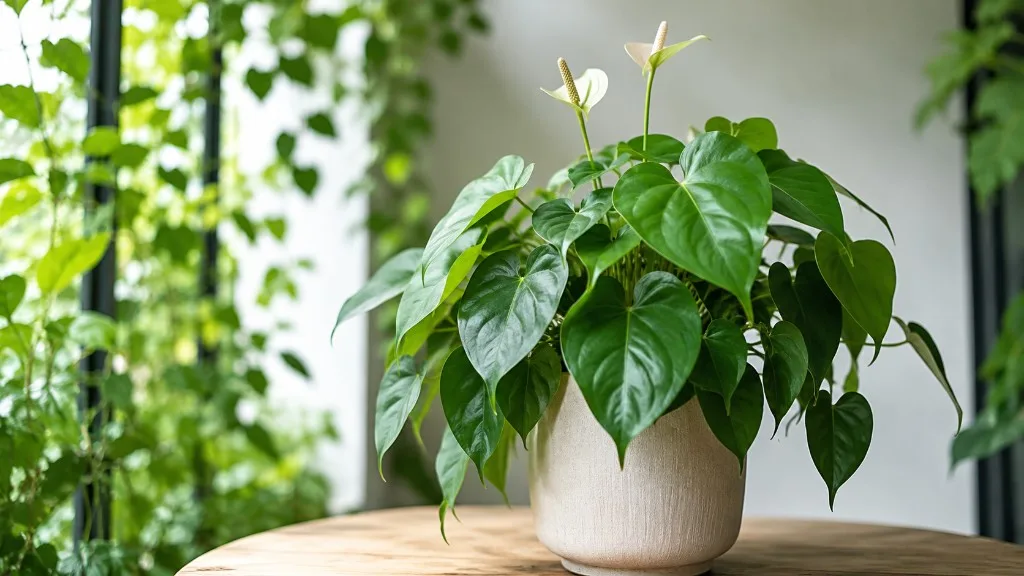
Heartleaf Philodendron
Likely causeBut the soil had broken down, it was compacted, nutrient- poor , and couldn’t hold moisture or air properly anymore. And poor soil is one of the hidden causes behind many Philodendron Heartleaf problems.
Quick fixConfirm diagnosis on your Heartleaf Philodendron, then address the most likely care or pest factor described in current extension guidance.
 Medium
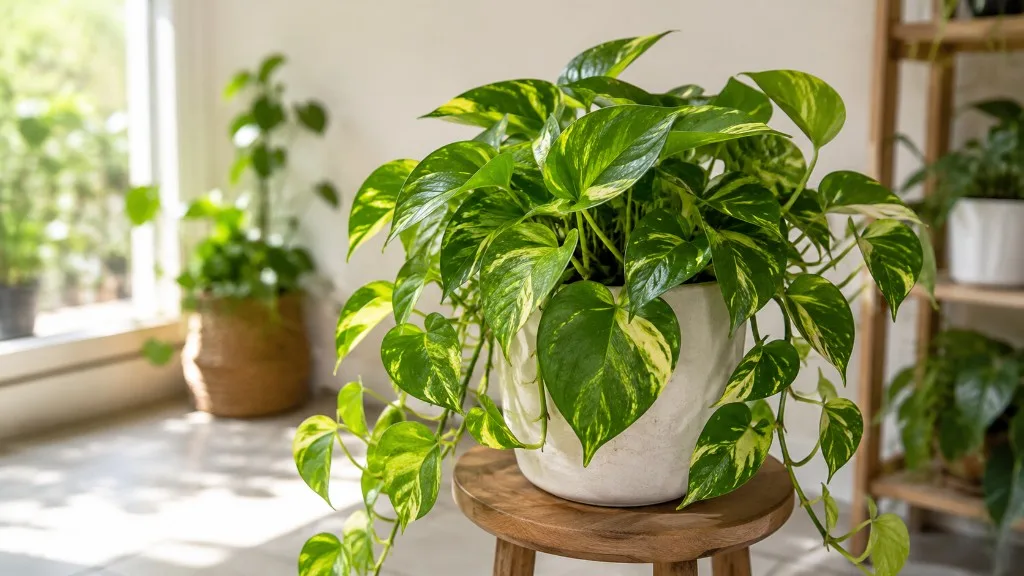
Pothos
Likely causeDec 27, 2025 · Let’s cut right to the chase: Yes, pothos absolutely need drainage to thrive long-term. While they can survive for a short while in less-than-ideal conditions (that’s their trademark toughness!), they cannot flourish without
Quick fixConfirm diagnosis on your Pothos, then address the most likely care or pest factor described in current extension guidance.
 Medium
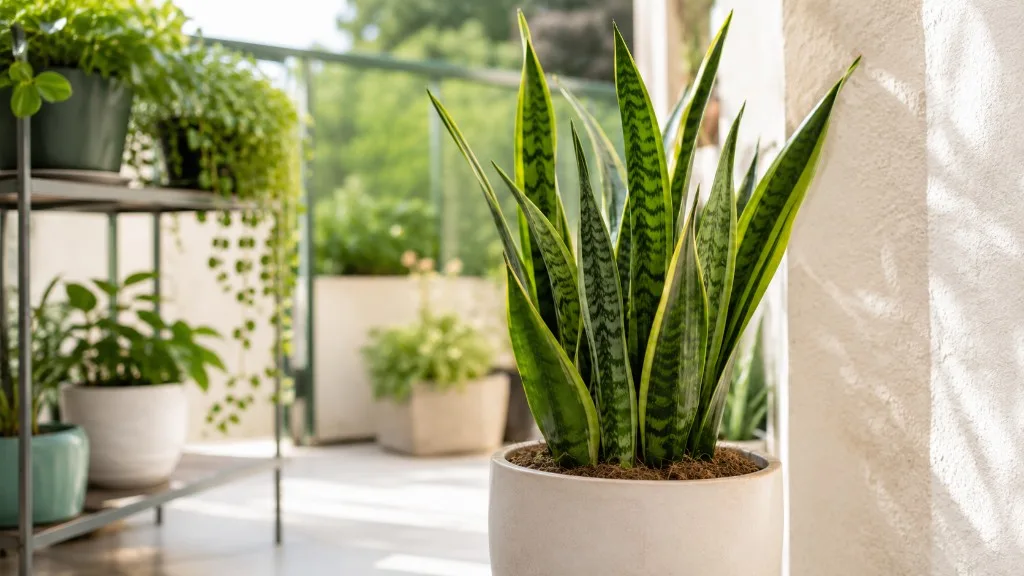
Snake Plant
Likely causePeat-heavy potting mix or blocked holes keep Sansevieria roots in anaerobic wet soil, leading to rot even with cautious watering.
Quick fixRepot into cactus mix with 30–50% perlite; confirm pot has open drainage holes and empty saucers after watering.