Hydrophobic Soil in Pots: Signs, Causes, and Fixes
'Potting mix is the foundation of houseplant health. When you see Water runs off or through the pot without soaking in, the soil may be holding too much water, repelling water, or locking out nutrients. Fixing Dry Hydrophobic Soil often means adjusting mix, pot size, or watering habits-not just treating leaves. Track weekly progress after you change care, and note watering, light, and repotting dates so you can tell whether the symptom is improving or returning.'. Compare upper versus lower leaves, new versus old growth, and soil moisture at root depth before you treat, because the same visible symptom can come from watering, light, pests, or normal aging on different plants.
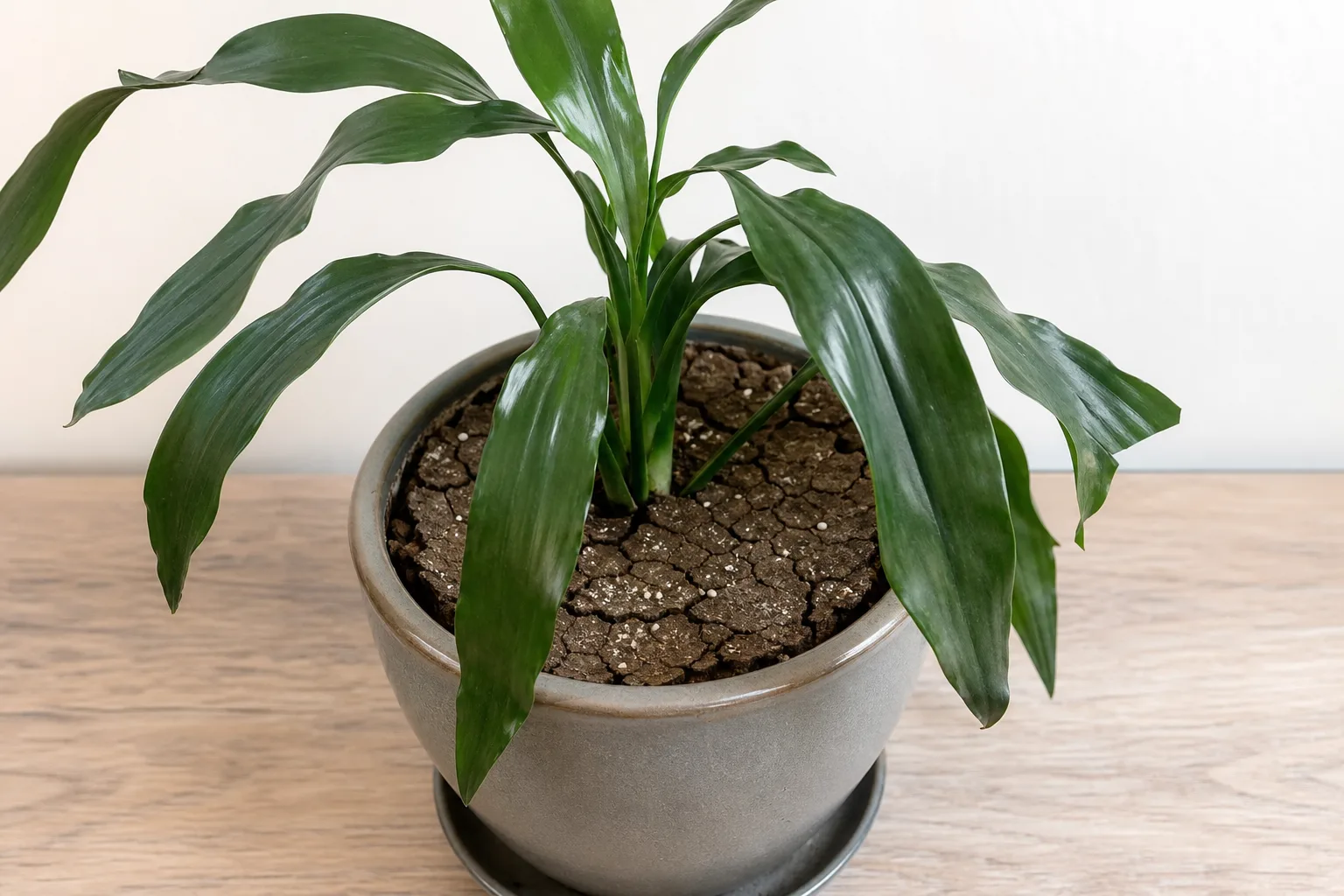
Dry Hydrophobic Soil on Houseplants
Still unsure?Match your symptoms to the most likely problems in under a minute.Run diagnosis →Understand and fix dry hydrophobic soil
'Potting mix is the foundation of houseplant health. When you see Water runs off or through the pot without soaking in, the soil may be holding too much water, repelling water, or locking out nutrients. Fixing Dry Hydrophobic Soil often means adjusting mix, pot size, or watering habits-not just treating leaves. Track weekly progress after you change care, and note watering, light, and repotting dates so you can tell whether the symptom is improving or returning.'. Compare upper versus lower leaves, new versus old growth, and soil moisture at root depth before you treat, because the same visible symptom can come from watering, light, pests, or normal aging on different plants.
Overview
'Potting mix is the foundation of houseplant health. When you see Water runs off or through the pot without soaking in, the soil may be holding too much water, repelling water, or locking out nutrients. Fixing Dry Hydrophobic Soil often means adjusting mix, pot size, or watering habits-not just treating leaves. Track weekly progress after you change care, and note watering, light, and repotting dates so you can tell whether the symptom is improving or returning.'. Compare upper versus lower leaves, new versus old growth, and soil moisture at root depth before you treat, because the same visible symptom can come from watering, light, pests, or normal aging on different plants.
How to identify it
- Water pools on top or runs straight through without soaking in
- Soil stays wet for many days after one watering
- White crust on soil surface or pot rim
- Roots circling tightly or growing out drainage holes
- Musty smell or visible mold on soil surface
When to worry
Roots turning black, plant collapsing despite watering, or salt crust thick on soil means repot and flush before permanent damage.
Common causes
Old, broken-down potting mix
Peat-heavy soil compacts over time, reducing air pockets roots need. Dry Hydrophobic Soil is common in plants not repotted for years.
Wrong mix for the plant type
Succulents in all-peat mix rot; moisture lovers in pure bark dry out too fast. Mismatch shows up as Water runs off or through the pot without soaking in.
Salt and mineral buildup
Tap water and fertilizer leave salts that burn roots and cause crusty soil surfaces.
Pot too large for root ball
Excess soil holds water the roots cannot use, leading to chronic sogginess.
Step-by-step fix
Assess soil texture and moisture retention
Slide the plant out and smell the root ball. Crumbly, airy mix is healthy; dense, wet muck needs replacement.
Repot with appropriate fresh mix
Choose a blend matched to your plant-add perlite or bark for drainage, or more water-retentive components for ferns.
Flush salts if crust is present
Water deeply until excess runs from drainage holes. Repeat once, then resume normal care.
Right-size the container
Move up only 1–2 inches in diameter. Too large a pot worsens wet soil problems.
Adjust watering to new mix
Fresh soil dries on a different schedule-recheck moisture daily for the first two weeks.
Prevention tips
- Repot every 1–2 years for fast growers
- Use mixes suited to plant type, not garden soil indoors
- Flush soil periodically if using tap water and fertilizer
- Match pot size to root mass
Common mistakes
- Adding gravel at the bottom instead of using proper mix
- Repotting only with garden soil
- Jumping to a pot much larger than needed
Hydrophobic soil is soil or potting medium that resists wetting. Water beads on the surface, runs down the pot wall, or exits the drainage hole while much of the root ball remains dry. The result is deceptive: you can “water” generously and still leave roots without usable moisture.
The condition is common in peat- or bark-based mixes that have dried severely, but fast drainage alone does not prove water repellency. A coarse healthy mix may accept and release water quickly, while a compacted mix may pool because pores are blocked. Confirm moisture inside the root ball before choosing a remedy.
What hydrophobic soil is
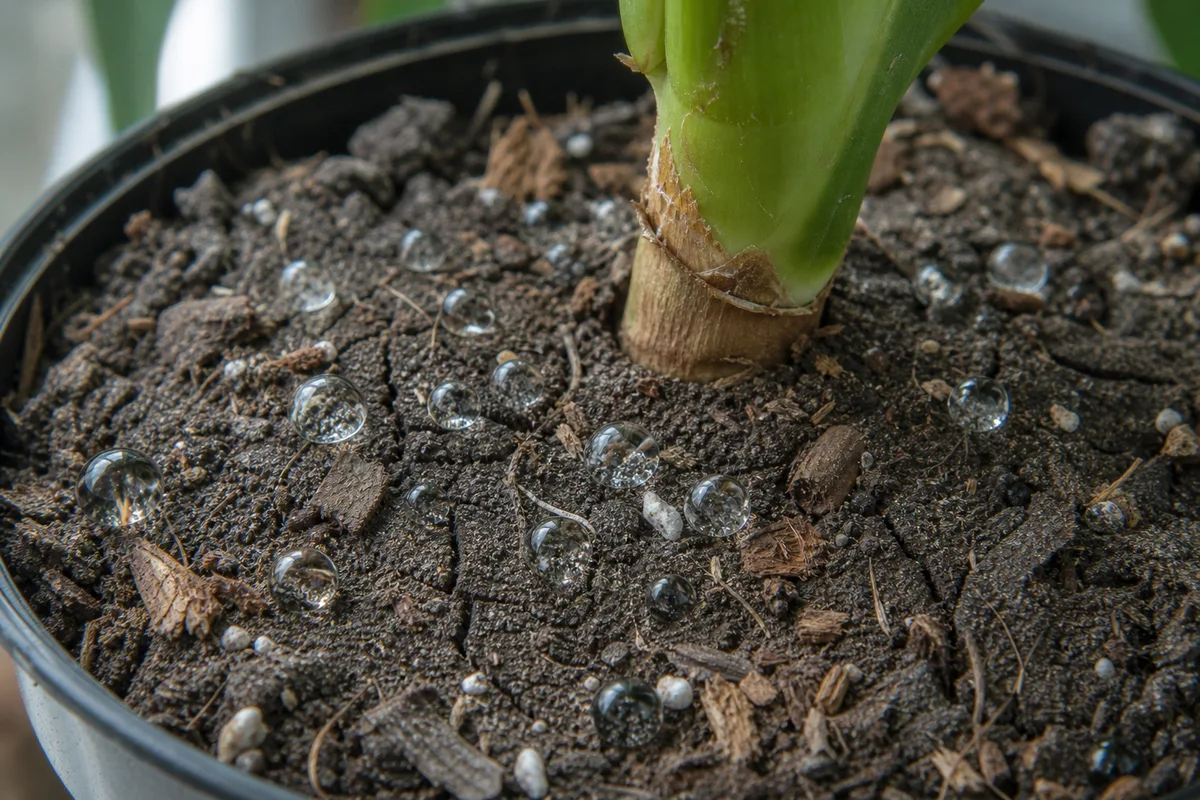
Hydrophobic literally means “water avoiding.” In a growing medium, particle surfaces become difficult to wet, so water does not spread evenly through pores. Instead, it follows cracks, pot edges, old root channels, or a few already-wet pathways. Dry regions persist beside wet ones.
This behavior is not the same as ordinary dryness. Many dry mineral soils accept water once it contacts them. Water-repellent organic media can remain patchy after repeated applications because the initial drops do not adhere and spread across the particles.
Commercial producers manage rewetting because uniform moisture is crucial in containers. University of Maryland Extension notes that soilless mixes tend to repel water and recommends thoroughly wetting dry mix before use. Home growers encounter the same physical issue on a smaller scale, especially after peat-based media contracts away from the pot wall.
Recognize the water-bypass pattern
The clearest sign is a mismatch between runoff and root-zone moisture. Water appears under the pot almost immediately, yet a skewer pushed through the center emerges dry. The root ball may have shrunk away from the wall, creating a visible gap that acts like a drainpipe.
Surface beading is another clue. Drops sit as rounded beads or roll toward one side instead of soaking. When you lift the plant, the pot remains unexpectedly light after watering. Leaves may wilt, curl, develop dry tips, or drop, but these symptoms alone cannot identify the medium problem.
Severe cases form a hard light-weight core. Water may wet only the top few millimeters and outer edge. If the plant is root-bound, dense roots can make the core difficult to inspect and rewet, so repellency and root crowding may need to be addressed together.
Distinguish repellency from other soil problems
| What water does | Likely issue | Confirmation |
|---|---|---|
| Runs down a gap, center stays dry | Hydrophobic/shrunken root ball | Probe center after runoff |
| Pools, then mix remains saturated | Compaction or blocked drainage | Check holes, texture, odor |
| Passes quickly but all mix is moist | Normal coarse drainage | Check moisture in several locations |
| Avoids crusted white patches | Mineral-salt surface | Review fertilizer and water quality |
| Pot stays light and roots fill nearly all space | Root-bound, little medium remains | Slide out and inspect |
| One section wets, another remains dry | Preferential channel flow | Compare multiple probes |
Do not confuse a dry surface with a dry pot. Moisture-loving plants can have damp lower media beneath a pale top layer, while succulents may appropriately dry throughout between waterings. The problem is resistance to rewetting when water is intentionally applied.
Likewise, do not assume all old peat is hydrophobic. Storage, ingredients, particle size, wetting agents, and drying history change performance. Test the specific pot.
Test whether the root ball is actually wet
Water a measured amount slowly, collect runoff, and wait several minutes. Insert clean wooden skewers near the center and edge to different depths. Damp darkened wood and clinging particles show contact; clean dry wood after visible runoff shows bypass.
Pot weight provides a second check. Learn the weight after an evenly thorough watering and again when the plant is ready for water. A pot that barely gains weight during irrigation has not retained much, although heavy ceramic and stone components reduce sensitivity.
For persistent problems, slide the root ball out while supporting the plant. Look for a dry pale center, wet exterior streaks, wall gaps, and root condition. Avoid pulling on stems or performing this inspection every watering.
Probe, weight, and cross-section checks
A moisture meter can supplement but not replace inspection. Cheap meters respond to electrical properties influenced by salts and media composition. Test several positions and compare with a skewer or tactile sample rather than treating one number as fact.
When a plant can tolerate brief disturbance, expose a narrow cross-section at the root-ball edge. Hydrophobic media often shows sharply separated wet and dry zones. Compacted saturated medium looks uniformly dark and dense instead.
Record how much water was applied and how long infiltration took. A repeatable observation lets you compare methods. Without measurement, runoff can create the false impression that the plant received “plenty.”
Interpret roots and plant symptoms
Firm roots with dry surrounding medium support a moisture-delivery problem. Soft, dark, hollow, or foul-smelling roots suggest decay, even if some areas are dry. Uneven wetting can produce both: roots in dry pockets desiccate while roots beside wet channels remain saturated.
Leaf recovery depends on damage severity. Limp but living leaves may regain turgor after roots receive water. Crispy, yellow, or necrotic tissue will not repair. Use new growth and a more predictable wet-dry cycle as recovery signs.
If a plant remains wilted after the entire root ball is evenly moist, stop adding water. Root injury, stem damage, heat, disease, or another cause may be limiting uptake. Saturating the pot repeatedly can turn drought stress into oxygen stress.
Understand why potting mix becomes water-repellent
Peat has valuable water-holding properties when moist, but severely dried peat can be difficult to rewet. Bark and other organic particles can also develop water-repellent surfaces as they age or dry. Fine roots and fungal or microbial residues may influence how water moves through an old mix.
Drying intensity matters. A mix allowed to contract into a hard block has fewer contact points with the pot and may develop large bypass gaps. Repeated small surface sips can worsen the pattern by wetting the same channels without reaching the core.
Some commercial media contain wetting agents to improve initial and repeated hydration. Their effectiveness is not permanent, and products differ. eOrganic’s discussion of organic greenhouse media describes physical and chemical media considerations that influence production; home use likewise benefits from treating medium as a designed system.
Root binding complicates rewetting. When roots occupy most of the volume, little medium remains to store water, and a dry interior can be difficult to reach. Repotting may solve both restricted roots and uneven moisture, but only if the plant is healthy enough for the disturbance.
Choose between gradual watering and soaking
Use gradual top watering when the medium is mildly repellent, the plant is large or difficult to lift, and drainage works. Use bottom soaking when a manageable container has a very dry core and the species tolerates thorough rehydration. Replace the mix when structure has collapsed, roots are unhealthy, or rewetting repeatedly fails.
Species and current condition matter. A severely wilted fern may need prompt even moisture. A dormant succulent in cool conditions should not be left saturated merely because the surface repelled the first pour. The objective is even wetting followed by appropriate drainage—not maximum water retention.
Before any method, empty the saucer, confirm holes are open, and use water at a moderate temperature. Extremely cold or hot water adds stress. Work over a sink, tub, or outdoor area where runoff is safe.
Rewet from the top
Break surface tension mechanically with time, not force. Apply a small amount across the whole surface, wait several minutes, then repeat. The first pass moistens pathways; later passes can spread farther as particle surfaces begin accepting water.
Use a gentle rose or narrow-spout can. A strong jet excavates channels and may compact the surface. Rotate the pot between passes so one low edge does not receive everything.
When runoff begins, pause and test the center. Runoff is not the stopping signal if it came entirely through a wall gap, but endless pouring is not the answer either. Let capillary movement occur, then apply another controlled pass.
For a visible wall gap, gently press only loose outer medium toward the pot or add compatible moist mix to a true void. Do not ram the root ball or bury the crown. If the block remains separated and rigid, plan a corrective repot.
Bottom-water without leaving roots submerged
Place the pot in a shallow container of water so drainage holes contact water. Capillary action can pull moisture upward through connected pores. The time required varies widely with pot height, medium, dryness, and holes, so use observation rather than a universal number of minutes.
Check the surface and pot weight periodically. Remove the pot when the root zone is evenly moist enough for the species, then let it drain completely. Do not leave it standing for hours by default or return it to a water-filled cachepot.
There is no evidence-based universal soak duration for every pot. A shallow African-violet pot, a tall nursery container, and a bark-heavy orchid pot have different capillary paths and water needs. End the soak based on multi-point moisture and weight, not because a timer reached a popular number.
Bottom watering can fail when the medium lacks connected pores, the holes do not contact the mix, or a dense root mat blocks movement. If the bottom becomes saturated while the top and center remain dry, stop and reassess rather than extending the soak indefinitely.
Sanitize communal trays between plants when pests or disease are possible. Fungus gnat larvae, algae, and pathogens can move with shared water. Individual containers reduce cross-contamination.
Decide when to replace the medium
Replace potting mix when repeated careful rewetting leaves persistent dry pockets, the medium has become powdery or structurally collapsed, roots are decaying, salt accumulation is heavy, or the plant is severely root-bound. A fresh compatible medium restores a manageable baseline.
Repot gently. Prepare and pre-moisten the new medium, choose a container close to the healthy root mass, and remove only loose dysfunctional material. Do not wash every root bare merely because the old mix was dry.
Trim dead roots with clean tools, preserve firm roots, and keep the crown at its previous correct depth. Water to settle the new medium and confirm drainage. Afterward, monitor more frequently because the new mix will not follow the old schedule.
If the plant is too stressed for major root work but is valuable, stabilize it after one thorough rewetting and consider propagation from healthy material. Repot once it can tolerate handling, unless decay or absent drainage makes delay riskier.
Treat large containers and garden soil carefully
Large indoor pots are difficult to soak and may contain moisture gradients. Use multiple probe points and apply water in slow measured passes. A watering tube can become another bypass channel if poorly placed, so confirm distribution rather than trusting the device.
Do not tip a massive container without help. Moving soil, ceramic, and a top-heavy plant creates injury and breakage hazards. Partial media replacement may improve access, but it cannot repair a persistently dry core hidden beneath healthy-looking top-dressing.
Water repellency also occurs in field soils and landscapes, sometimes following severe drying or fire. Remedies depend on soil, slope, vegetation, and scale. Avoid applying a container wetting-agent recipe broadly to a garden; local extension or soil professionals can assess infiltration and erosion risk.
On slopes, apply water at a rate the soil can accept and use basins, mulch, or staged irrigation where appropriate. Heavy application to repellent soil can run off, erode the surface, and carry amendments away.
Avoid soaps and improvised wetting agents
Household dish soap is not formulated as a horticultural soil surfactant. Fragrances, degreasers, salts, and other ingredients may injure roots or alter media biology. Do not pour an improvised soap solution into a valued plant.
Commercial wetting agents are also not interchangeable. Use only a product labeled for the intended horticultural setting, at its label rate, and with awareness that some plants are sensitive. More product is not a stronger cure.
A product label establishes where and how that product may be used; it does not prove the medium’s structure is still sound. If the label does not cover container growing media or the plant category, do not improvise a dose. When the cause is uncertain, controlled water and physical inspection are safer diagnostic steps than combining surfactants, fertilizer, and pesticides.
A surfactant can improve water contact but cannot restore decomposed particle structure, cure root rot, or correct an oversized container. If physical media failure is the primary problem, replacement is more direct.
Plain water, time, controlled soaking, and a compatible fresh mix are usually sufficient for household cases. The Penn State potting-media guide provides a sound basis for selecting media components rather than improvising chemical fixes.
Monitor recovery after rehydration
After even wetting, let excess drain and return the plant to stable appropriate light. Do not fertilize immediately to compensate for wilt. Stressed roots need a workable moisture-air balance before additional soluble nutrients.
Check the pot over the next several days. The medium should dry in a more even, predictable pattern. If one area remains wet while another becomes dry, structure or root distribution may still be directing channels.
Photograph foliage weekly. Limp living leaves may firm within hours or days, while growth recovery takes longer. Damaged old leaves remain evidence of the episode; remove them only when dead, diseased, or no longer useful.
Watch for secondary overwatering. Once hydrophobic mix accepts water, it may retain more than expected, and a previously frequent schedule can become excessive. Reset the watering decision around actual root-zone moisture.
Prevent hydrophobic soil
Do not let moisture-sensitive plants repeatedly dry into a shrunken block. Water thoroughly when their root zone reaches the appropriate dryness, rather than giving frequent tiny sips. The RHS emphasizes slow, thorough watering in its general watering guidance.
Match media to the plant and your environment. A highly water-retentive mix may suit one plant but stay wet too long for another; an extremely coarse mix may require more frequent attention. Use fresh, properly stored products and moisten very dry peat-based mix before potting.
Maintain a practical headspace so water can pool briefly and infiltrate instead of spilling over the rim. Keep drainage holes open, empty standing water, and inspect wall gaps when the pot becomes unusually light.
Reassess root binding and media condition during active growth. Replace structurally failed mix rather than relying on ever-longer soaks. Keep a simple watering record during hot, windy, or low-humidity periods when drying accelerates.
Water quality and application equipment can influence what you observe. A narrow jet aimed at one spot encourages repeated channel flow, while a gentle rose distributes water across more of the surface. University of Maryland Extension recommends checking the root medium and watering until excess drains in its indoor-plant watering guidance, but drainage should be paired with confirmation that the interior was actually wetted.
If you travel, do not compensate by saturating every pot days in advance. Group plants by water need, move only species that tolerate the temporary light change, and arrange a tested care plan. Wick systems and reservoirs should be trialed while you are present; an untested wick can leave hydrophobic media dry or keep another pot too wet.
Top dressings can hide the warning signs. Moss, stones, and decorative bark make it harder to see shrinking, beading, and wall gaps. Remove or lift the dressing during diagnosis and ensure it does not prevent even application. Replace it only after the wetting pattern is predictable.
New bags of dry peat-based medium may also resist initial wetting. Pre-moisten small batches in a clean tub, adding water gradually and mixing until moisture is uniform without squeezing out free water. This step is easier and less disruptive before roots enter the mix.
For collections, label pots that have needed repeated rewetting. A pattern across one brand or batch suggests media behavior; a pattern confined to one sunny shelf suggests exposure and interval. Comparing pots turns an anecdote into a practical diagnosis and helps you change the correct variable.
Never treat visual leaf recovery as proof that the root zone is fixed. Stored water can briefly restore firmness while dry pockets remain. Repeat the multi-point moisture check on the next watering cycle, then extend the interval only when wetting and drying are consistently even.
Clean saucers after runoff from a severely dry pot. Loose peat, accumulated fertilizer salts, and pests can collect there and be drawn back into the medium during later watering. A clean dry saucer also makes fresh drainage easier to observe.
Conclusion
Hydrophobic soil is an uneven-wetting problem: water bypasses dry particles and roots even while runoff appears plentiful. Confirm it by comparing center and edge moisture, pot weight, infiltration, and root condition. Rule out normal coarse drainage, compaction, blocked holes, and root binding.
Restore moisture gradually from the top or use a monitored bottom soak, then drain completely. Replace the medium when repellency persists or structure and roots are failing. Avoid household soaps and rigid watering schedules. The durable solution is a compatible medium, thorough watering at the right time, and observation of the whole root zone rather than the surface alone.
Plants commonly affected
These houseplants often struggle with dry hydrophobic soil. Open a care guide or plant-specific troubleshooting page for tailored fixes.
 Medium
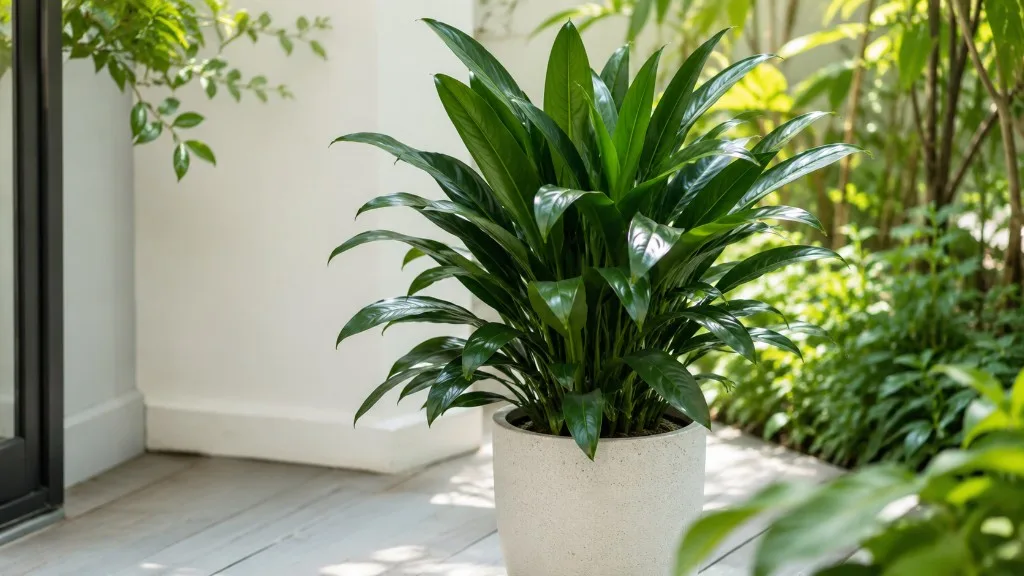
Janet Craig Dracaena
Likely causeJun 3, 2022 · In this article, we'll chat about everything you need to know to choose the best soil for your Janet Craig Dracaena . From understanding its natural habitat to mixing your own soil blend, we'll cover it all.
Quick fixConfirm diagnosis on your Janet Craig Dracaena, then address the most likely care or pest factor described in current extension guidance.
 Medium
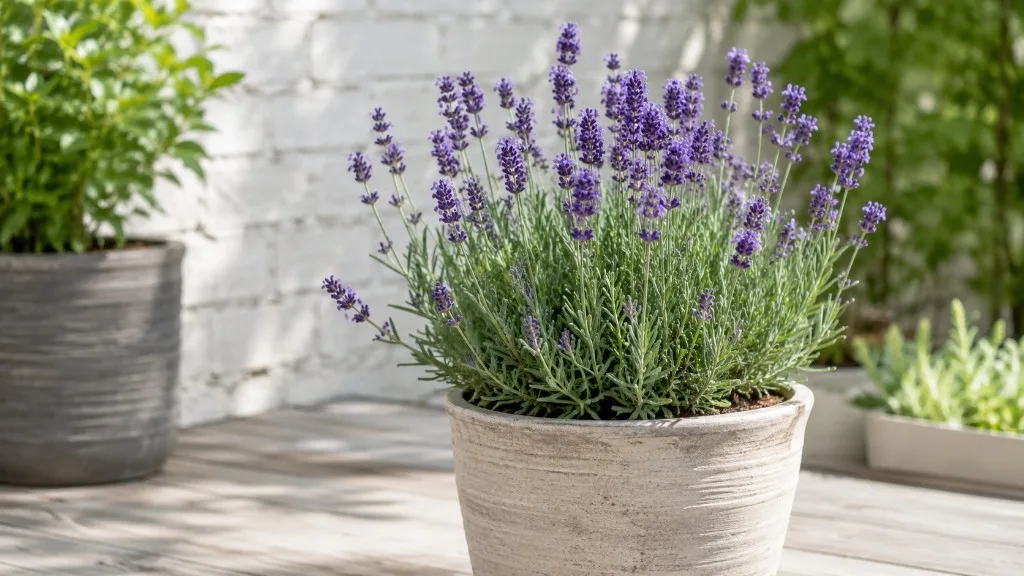
Lavender
Likely causeApr 18, 2026 · This guide compares five soil products that give lavender what it actually needs: fast drainage, slightly alkaline pH, and lean nutrition. I’ve noted which grower type each suits best, what ingredients make them work, and whe
Quick fixConfirm diagnosis on your Lavender, then address the most likely care or pest factor described in current extension guidance.
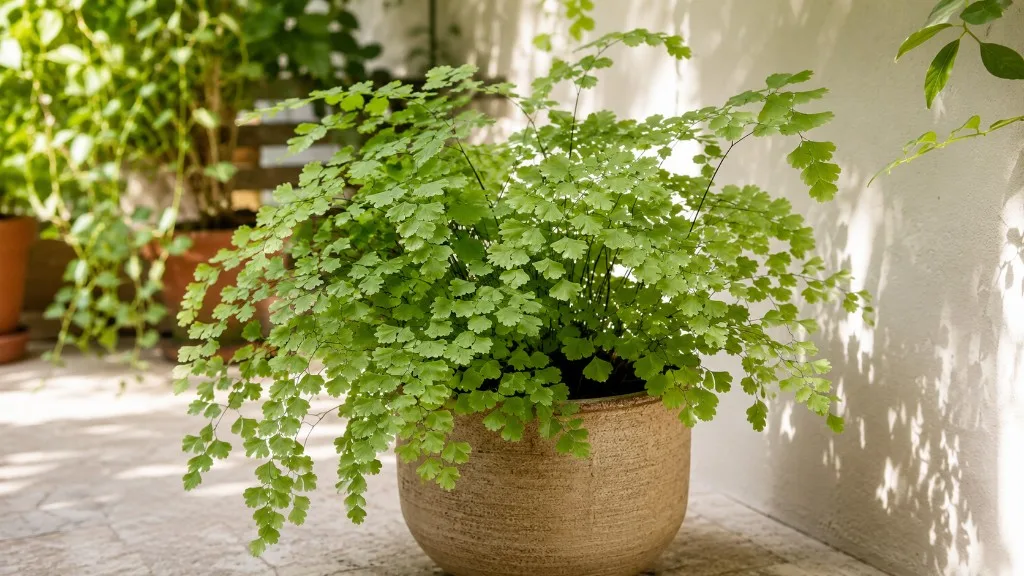 Medium
Maidenhair Fern
Likely causeJan 21, 2024 · For maidenhair ferns , the right soil provides the perfect blend of moisture retention and drainage, so the roots have constant access to water without being suffocated. Improper soil can lead to a host of problems. Too dense
Quick fixConfirm diagnosis on your Maidenhair Fern, then address the most likely care or pest factor described in current extension guidance.
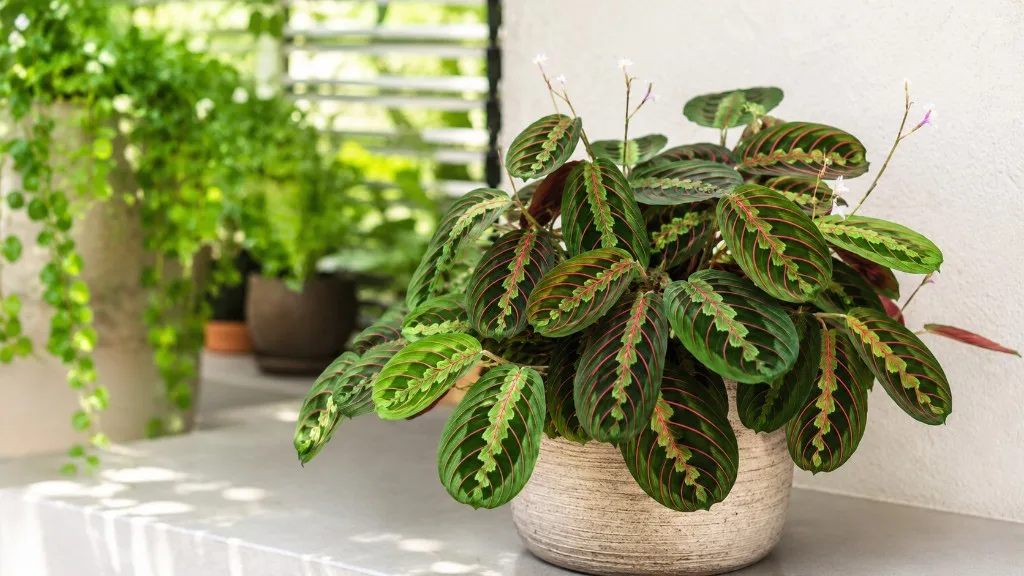 Medium
Maranta Leuconeura
Likely causeKeep the soil consistently moist and avoid overwatering to prevent rotting, drooping, yellowing and loss of the plant. Decrease watering in fall and winter since growth is minimal at this time. Do not allow the soil to dry out completely to
Quick fixConfirm diagnosis on your Maranta Leuconeura, then address the most likely care or pest factor described in current extension guidance.
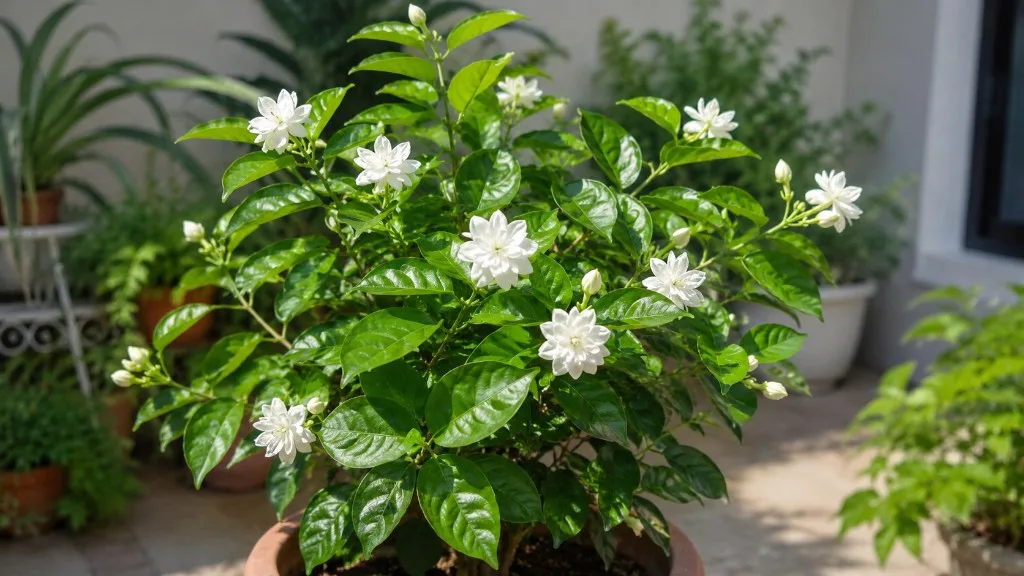 Medium
Mogra
Likely causeAug 6, 2025 · Incorporate compost or well-decomposed cow dung manure (2:1 ratio with loamy soil ) to improve soil structure and nutrient retention. Good drainage prevents waterlogging and root rot. Mogra requires consistent moisture, avoidi
Quick fixConfirm diagnosis on your Mogra, then address the most likely care or pest factor described in current extension guidance.
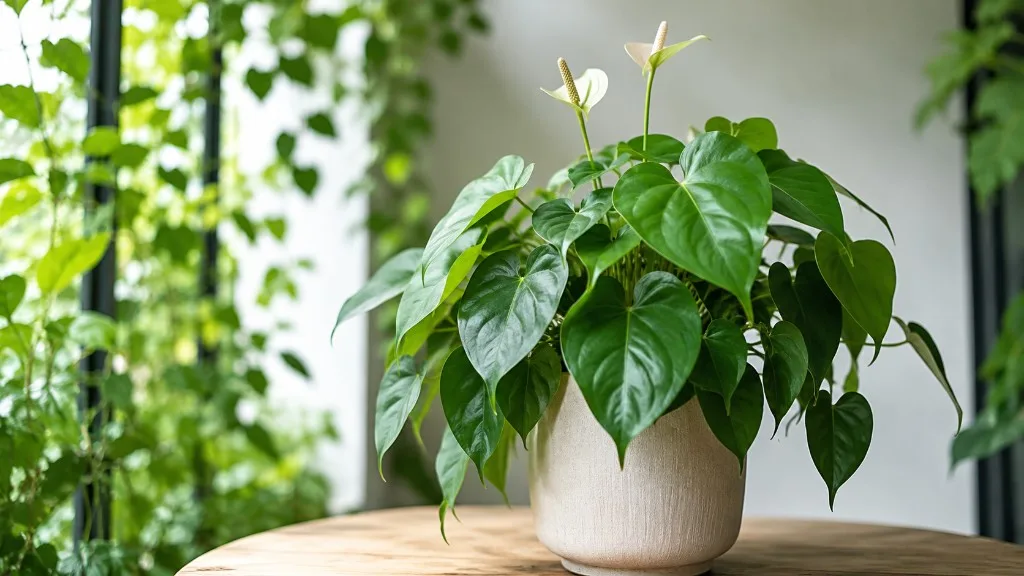 Medium
Heartleaf Philodendron
Likely causeMar 22, 2026 · Learn how to care for Philodendron hederaceum , the Heartleaf Philodendron , a low-maintenance trailing plant perfect for indoor spaces. This complete guide covers light, watering, soil , humidity, and propagation to help you
Quick fixConfirm diagnosis on your Heartleaf Philodendron, then address the most likely care or pest factor described in current extension guidance.
 Medium
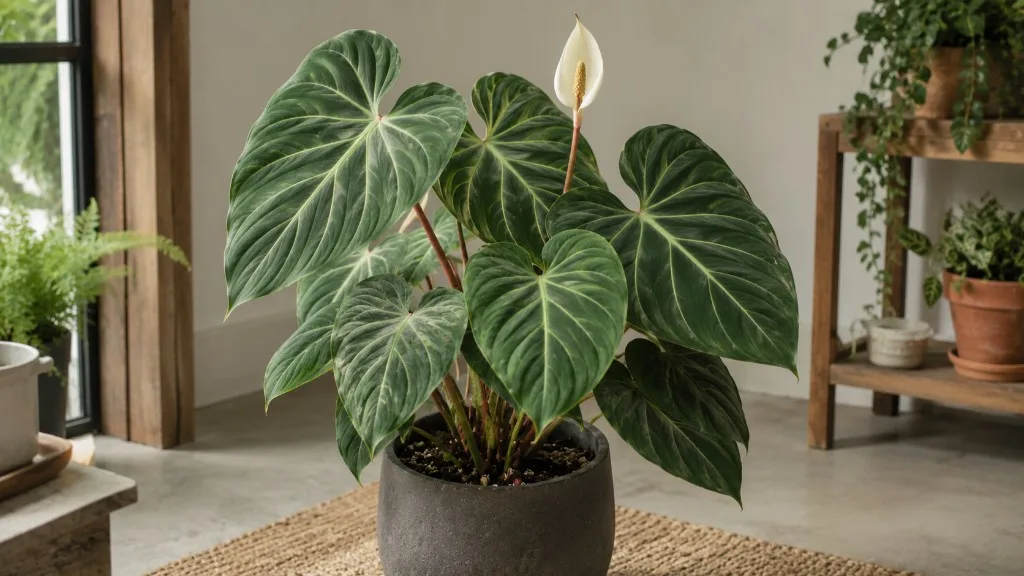
Philodendron Gloriosum
Likely causeLearn about the best soil for Philodendron gloriosum ( Philodendron gloriosum ). Discover optimal soil types, pH levels, drainage requirements, and soil care tips for healthy growth.
Quick fixConfirm diagnosis on your Philodendron Gloriosum, then address the most likely care or pest factor described in current extension guidance.
 Medium
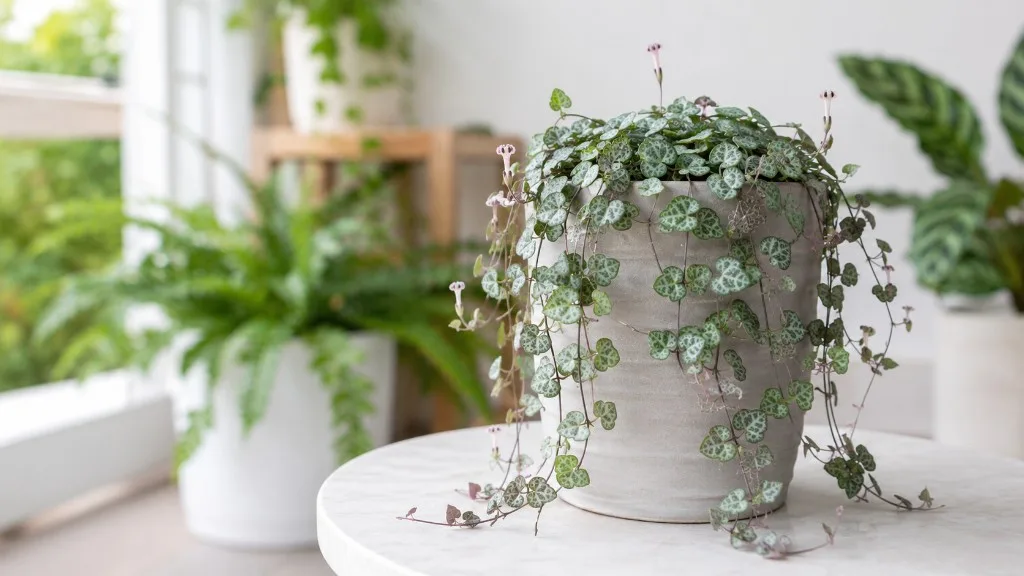
String of Hearts
Likely causeRegular potting soil is too dense and water-retentive for String of Hearts . It lacks the coarse amendments like perlite, pumice, or bark that create air pockets.
Quick fixConfirm diagnosis on your String of Hearts, then address the most likely care or pest factor described in current extension guidance.
 Medium
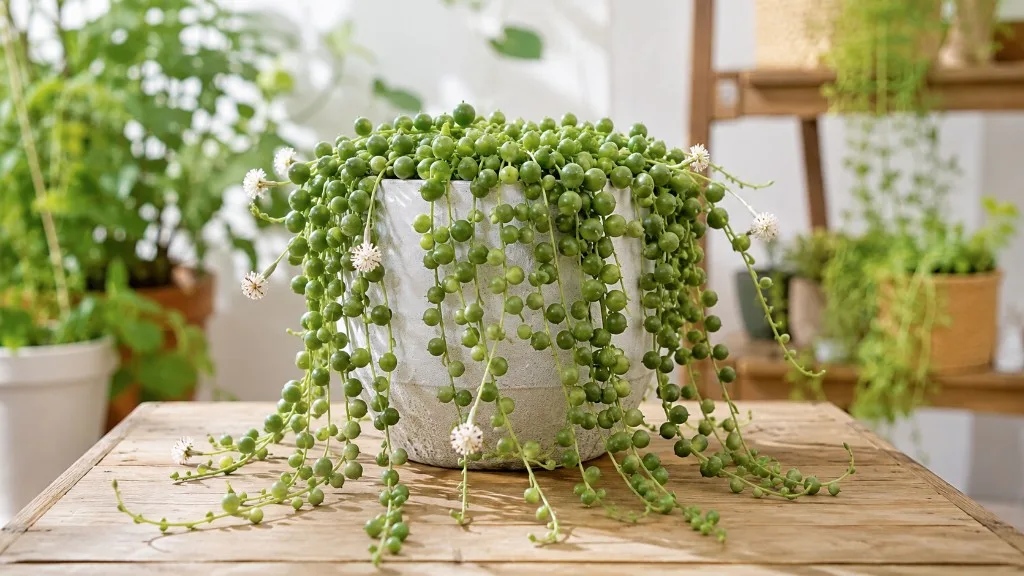
String of Pearls
Likely causeString of Pearls looking shriveled, dry , or bare? Use this simple diagnostic flow to spot underwatering, rot, sunburn, pests, compacted soil , handling stress, or dormancy and fix it fast.
Quick fixConfirm diagnosis on your String of Pearls, then address the most likely care or pest factor described in current extension guidance.
 Medium
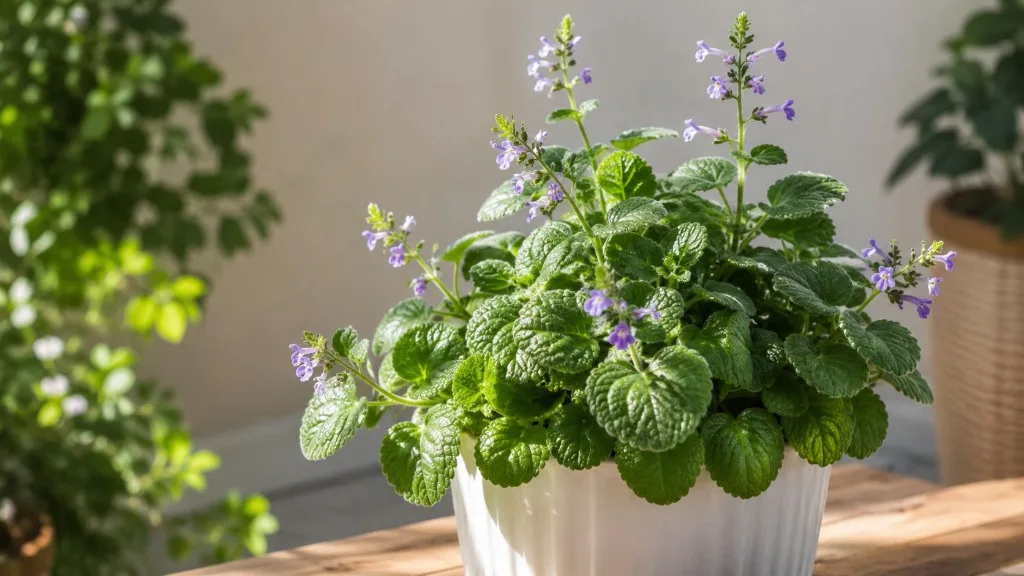
Swedish Ivy
Likely causeMay 11, 2025 · While Swedish ivy can survive neglect and tolerate drought , it will look its healthiest with consistently moist, well-draining soil . Overwatering can cause root rot. A constant room temperature between 60°F and 75°F is idea
Quick fixFollow extension or botanical guidance for Swedish Ivy dry hydrophobic soil; adjust care before applying broad treatments.