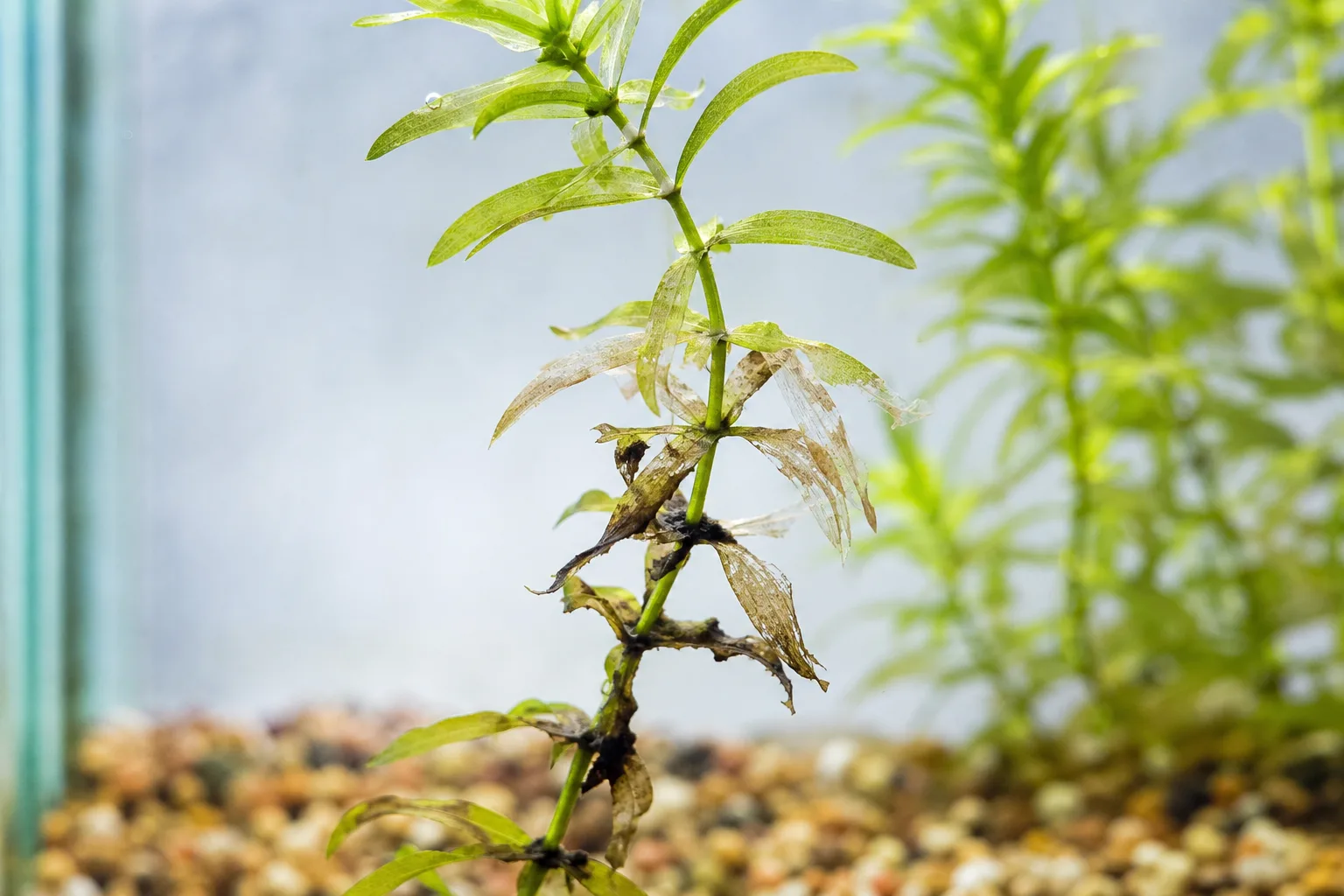
 EnvironmentChemical DamageHomes are not greenhouses. Chemical Damage appears when humidity, temperature, or air movement falls outside what your plant tolerates. Leaf burn from sprays, cleaners, or pesticides after a move, heat wave, or dry winter often points to environment-not necessarily wrong watering. Track weekly progress after you change care, and note watering, light, and repotting dates so you can tell whether the symptom is improving or returning. Compare upper versus lower leaves, new versus old growth, and soil moisture at root depth before you treat, because the same visible symptom can come from watering, light, pests, or normal aging on different plants.
Environment problems
Humidity, temperature, drafts, and transplant stress.
Not sure where to start? Match symptoms in under a minute
Select what you see on your plant and we'll suggest the most likely problems to check first.
How to read room-condition stress
Humidity, drafts, heat, cold glass, and sudden moves can stress plants even when care seems correct. Look at the exact microclimate around the leaves, especially near vents and windows.
- Check night temperatures and cold window contact, not only daytime room temperature.
- Move plants away from AC vents, heaters, and doors that create repeated drafts.
- Increase humidity only for plants that actually need it and still keep airflow moving.
EnvironmentChemical DamageHomes are not greenhouses. Chemical Damage appears when humidity, temperature, or air movement falls outside what your plant tolerates. Leaf burn from sprays, cleaners, or pesticides after a move, heat wave, or dry winter often points to environment-not necessarily wrong watering. Track weekly progress after you change care, and note watering, light, and repotting dates so you can tell whether the symptom is improving or returning. Compare upper versus lower leaves, new versus old growth, and soil moisture at root depth before you treat, because the same visible symptom can come from watering, light, pests, or normal aging on different plants.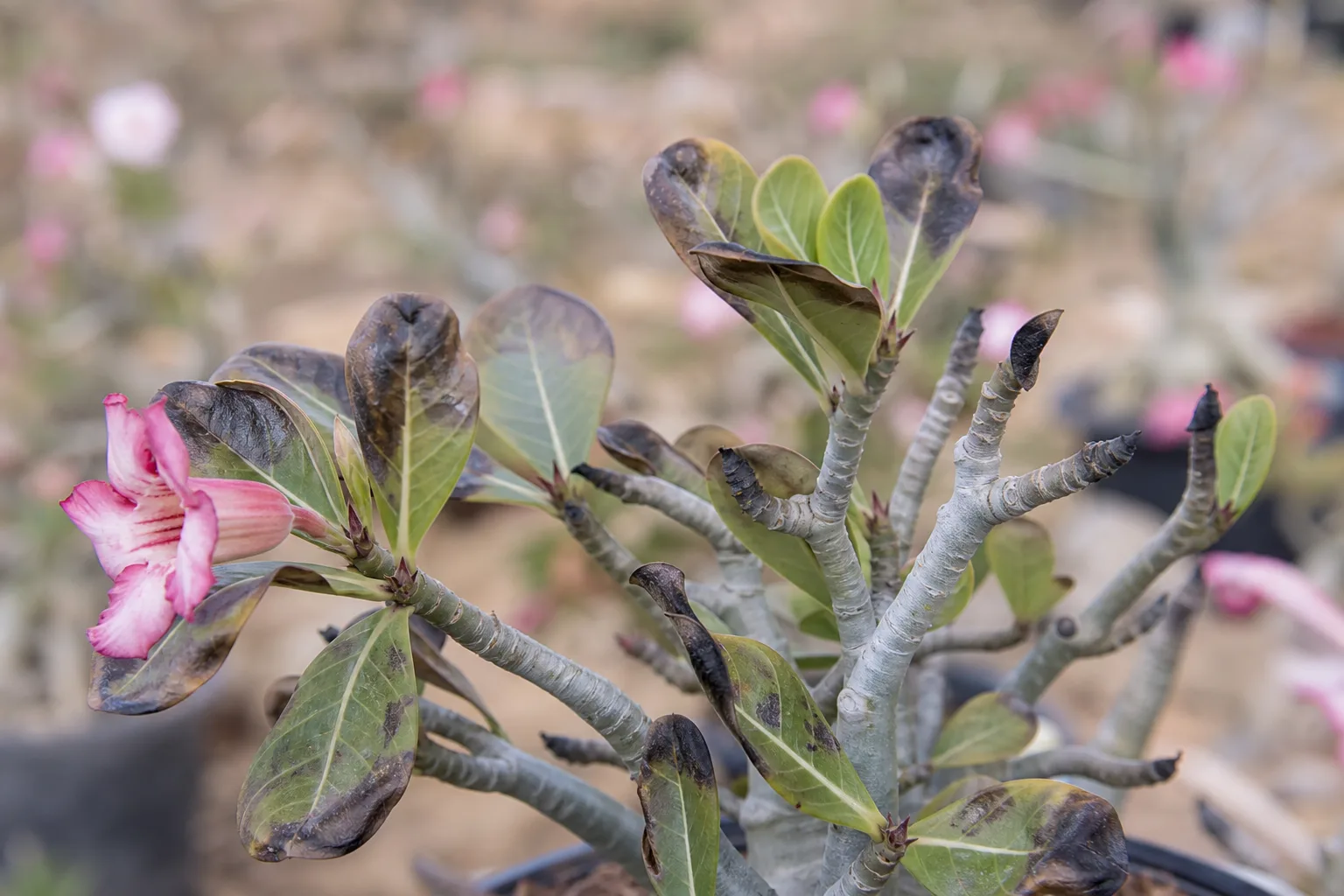 EnvironmentCold DamageHomes are not greenhouses. Cold Damage appears when humidity, temperature, or air movement falls outside what your plant tolerates. Dark, limp, or blackened leaves after cold exposure after a move, heat wave, or dry winter often points to environment-not necessarily wrong watering. Track weekly progress after you change care, and note watering, light, and repotting dates so you can tell whether the symptom is improving or returning. Compare upper versus lower leaves, new versus old growth, and soil moisture at root depth before you treat, because the same visible symptom can come from watering, light, pests, or normal aging on different plants.
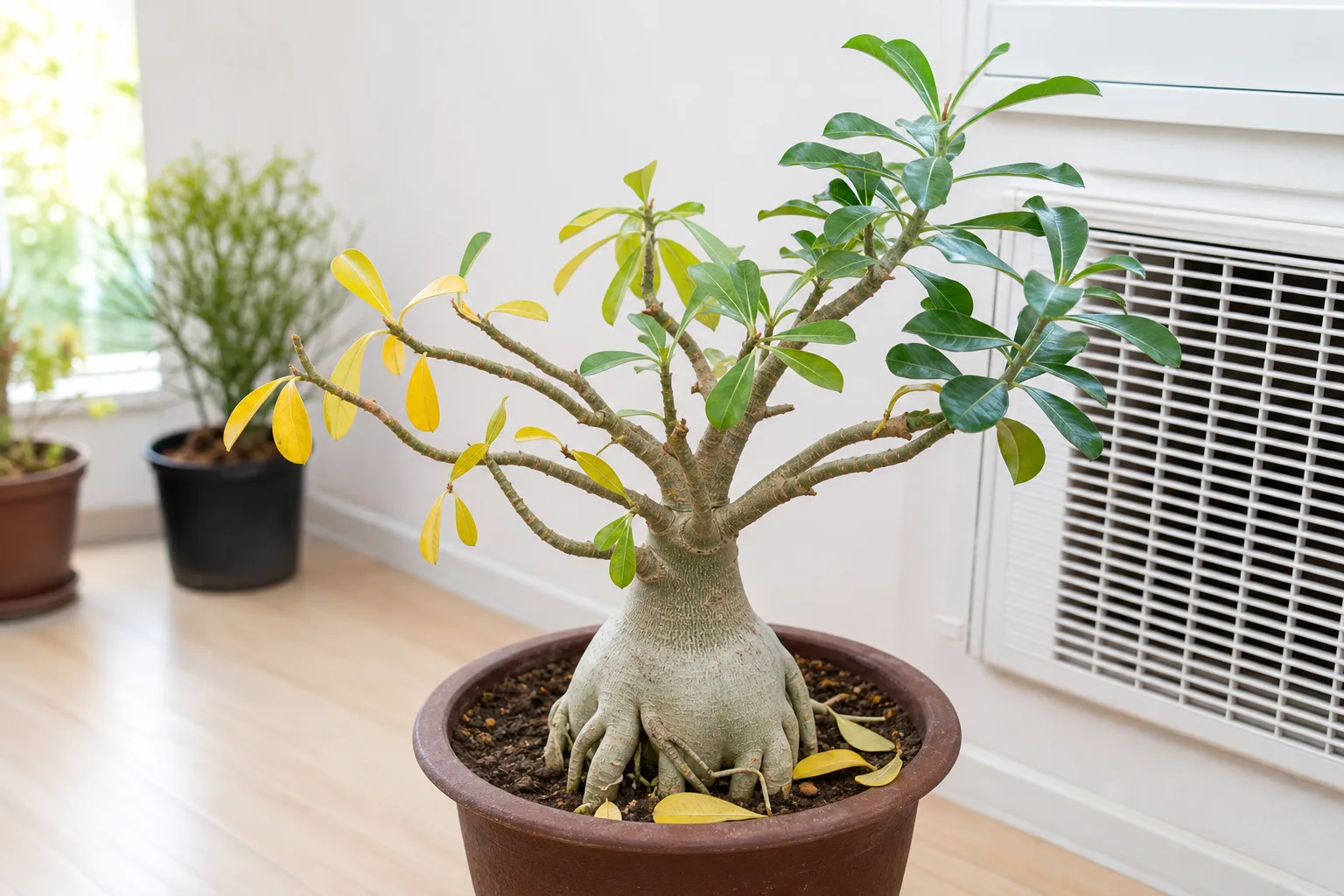 EnvironmentDraft StressHomes are not greenhouses. Draft Stress appears when humidity, temperature, or air movement falls outside what your plant tolerates. Sudden leaf drop or curling near windows, fans, or AC after a move, heat wave, or dry winter often points to environment-not necessarily wrong watering. Track weekly progress after you change care, and note watering, light, and repotting dates so you can tell whether the symptom is improving or returning. Compare upper versus lower leaves, new versus old growth, and soil moisture at root depth before you treat, because the same visible symptom can come from watering, light, pests, or normal aging on different plants.
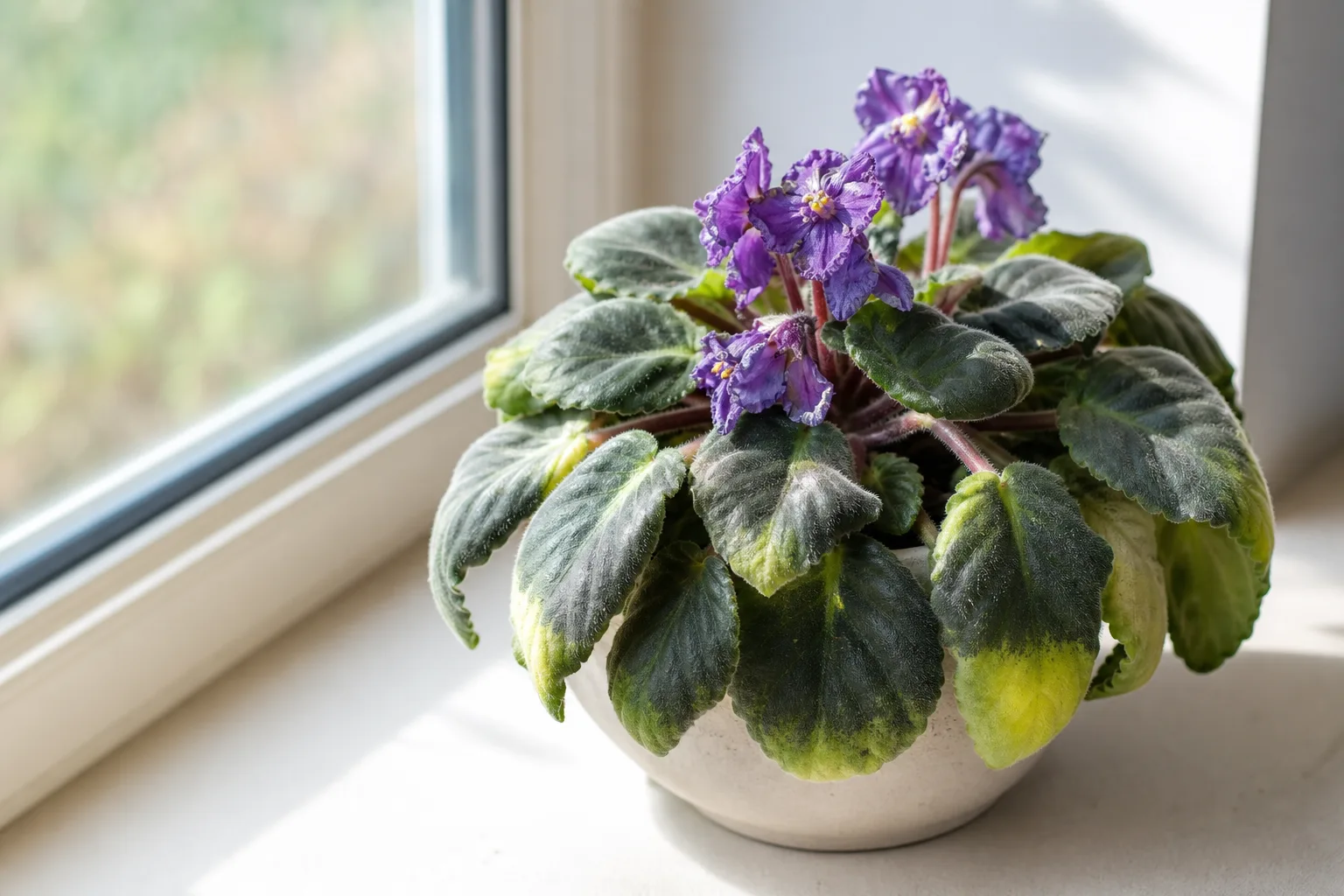 EnvironmentHeat StressHomes are not greenhouses. Heat Stress appears when humidity, temperature, or air movement falls outside what your plant tolerates. Wilting, curled leaves, scorched patches after a move, heat wave, or dry winter often points to environment-not necessarily wrong watering. Track weekly progress after you change care, and note watering, light, and repotting dates so you can tell whether the symptom is improving or returning. Compare upper versus lower leaves, new versus old growth, and soil moisture at root depth before you treat, because the same visible symptom can come from watering, light, pests, or normal aging on different plants.
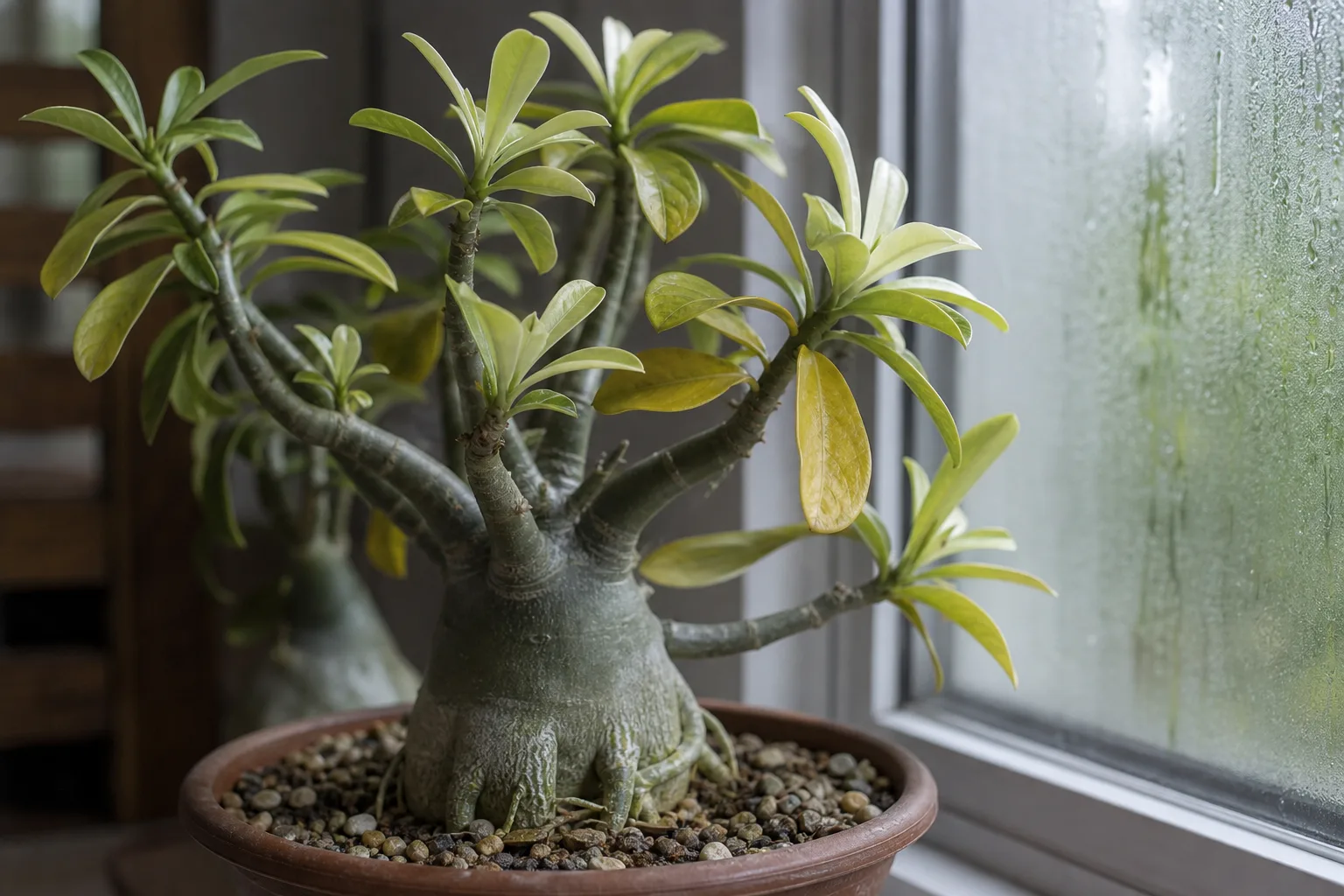 EnvironmentHigh HumidityHomes are not greenhouses. High Humidity appears when humidity, temperature, or air movement falls outside what your plant tolerates. Mold, fungus, soft leaves, disease risk after a move, heat wave, or dry winter often points to environment-not necessarily wrong watering. Track weekly progress after you change care, and note watering, light, and repotting dates so you can tell whether the symptom is improving or returning. Compare upper versus lower leaves, new versus old growth, and soil moisture at root depth before you treat, because the same visible symptom can come from watering, light, pests, or normal aging on different plants.
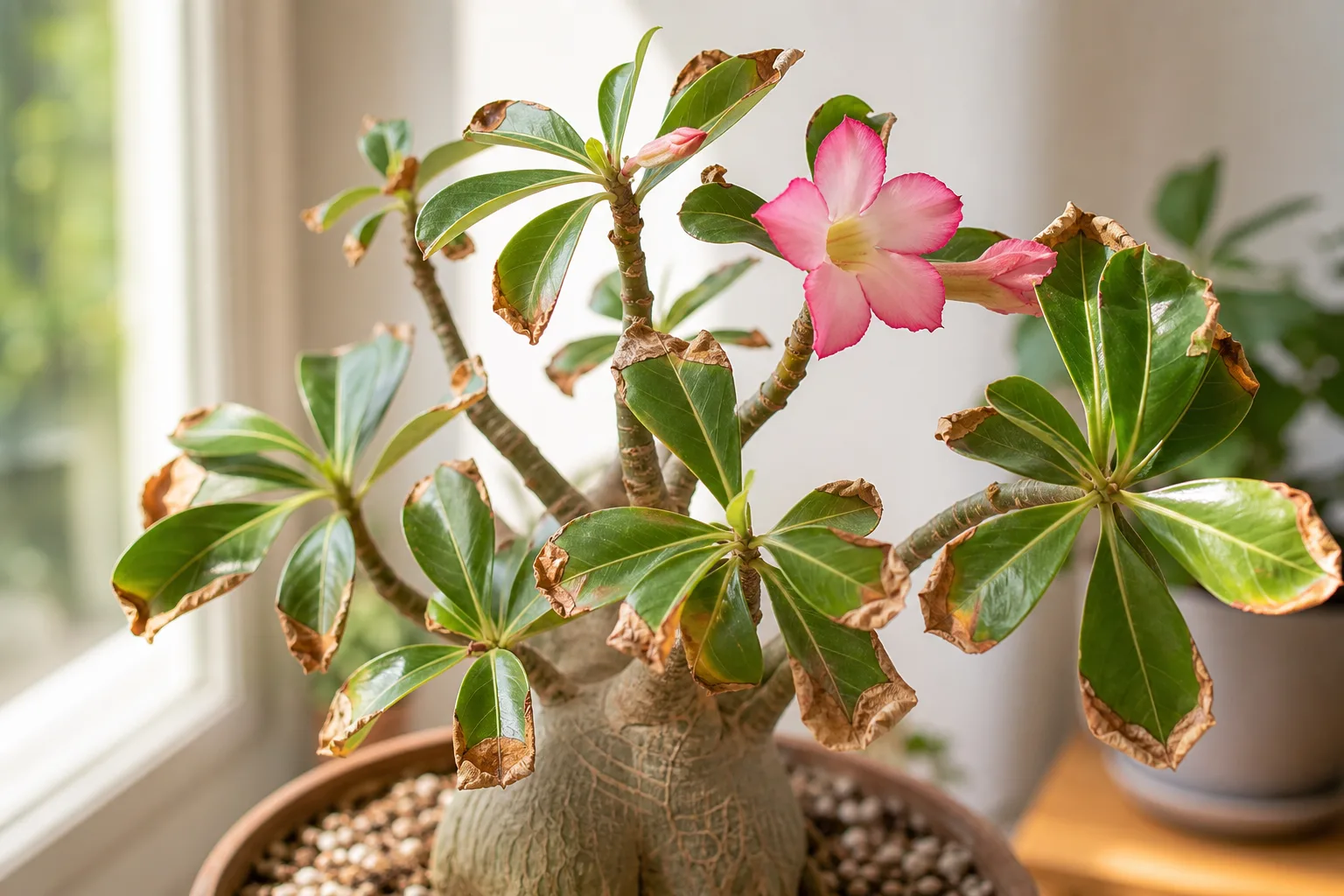 EnvironmentLow HumidityLow humidity damage happens when leaves lose water faster than roots can replace it. This is most common in winter heating season, near forced-air vents, or after moving a plant from a greenhouse or humid nursery into a dry room. Tropical foliage plants feel it first, while cacti and many succulents usually do not.
Dry-air stress often overlaps with watering stress, so the goal is to separate the two. If the soil is reasonably moist but leaf edges still crisp, curl, or brown near vents and windows, the environment is usually the first thing to correct.
EnvironmentLow HumidityLow humidity damage happens when leaves lose water faster than roots can replace it. This is most common in winter heating season, near forced-air vents, or after moving a plant from a greenhouse or humid nursery into a dry room. Tropical foliage plants feel it first, while cacti and many succulents usually do not.
Dry-air stress often overlaps with watering stress, so the goal is to separate the two. If the soil is reasonably moist but leaf edges still crisp, curl, or brown near vents and windows, the environment is usually the first thing to correct.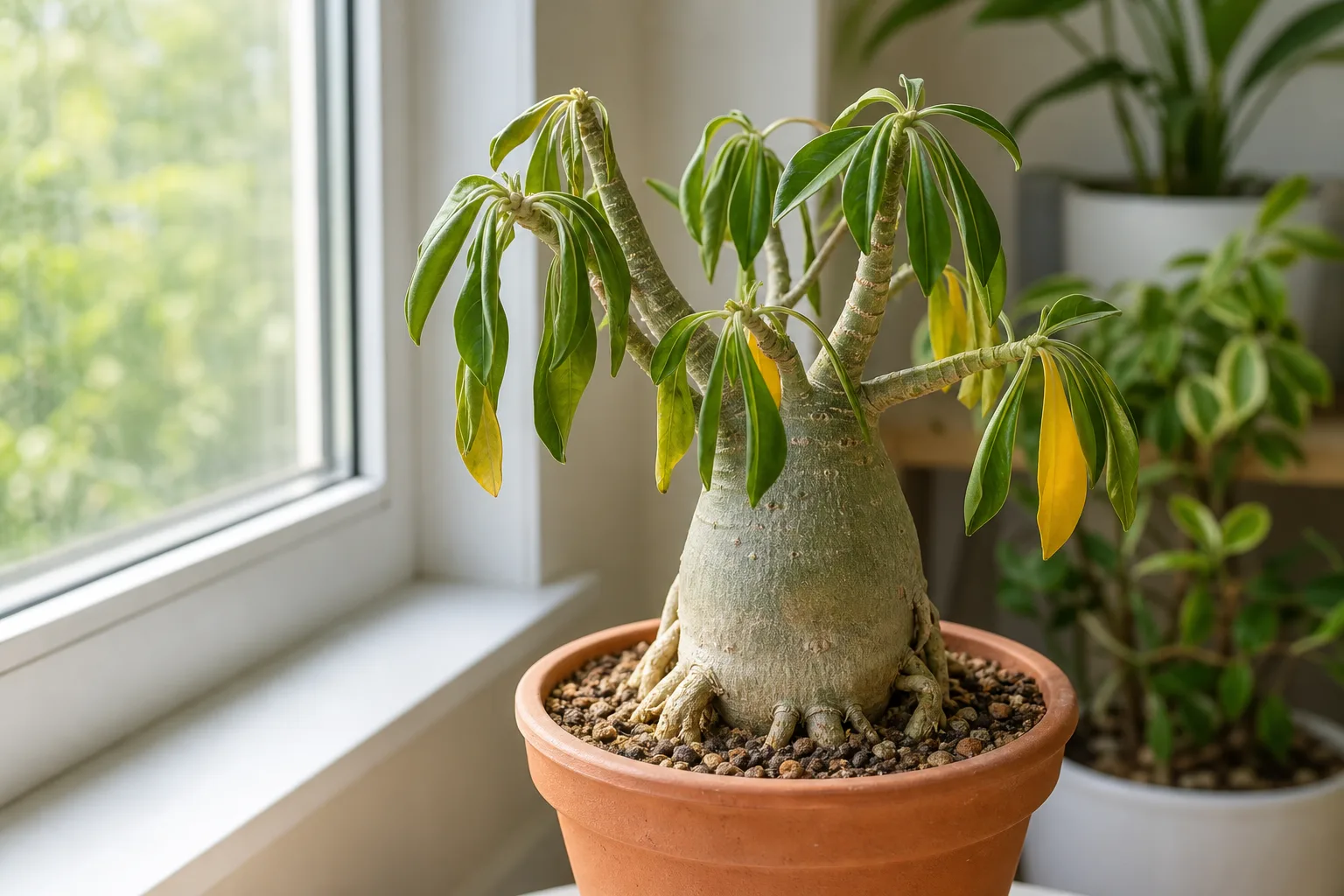 EnvironmentRepotting StressHomes are not greenhouses. Repotting Stress appears when humidity, temperature, or air movement falls outside what your plant tolerates. Drooping or slowed growth after moving to a new pot after a move, heat wave, or dry winter often points to environment-not necessarily wrong watering. Track weekly progress after you change care, and note watering, light, and repotting dates so you can tell whether the symptom is improving or returning. Compare upper versus lower leaves, new versus old growth, and soil moisture at root depth before you treat, because the same visible symptom can come from watering, light, pests, or normal aging on different plants.
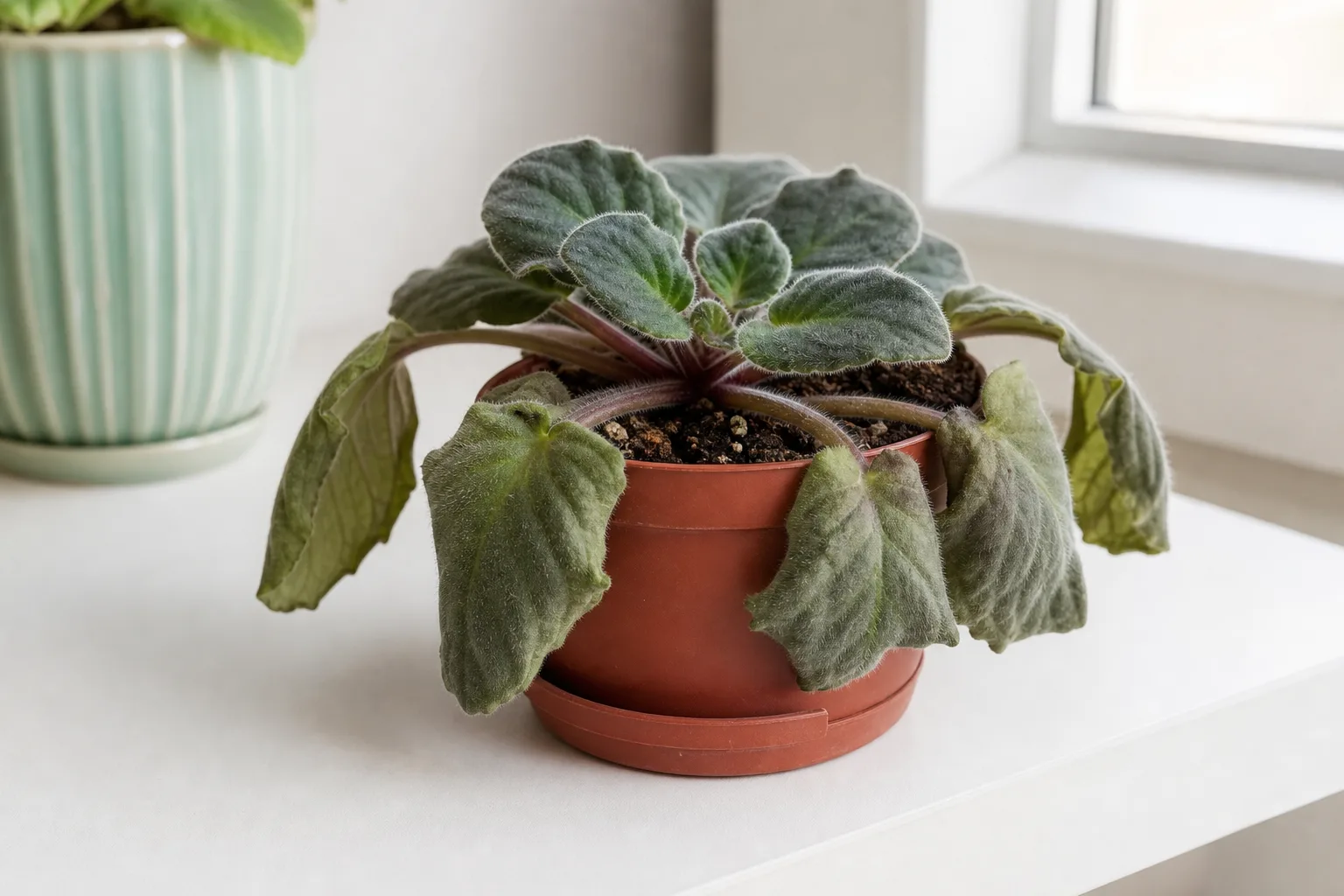 EnvironmentTransplant ShockHomes are not greenhouses. Transplant Shock appears when humidity, temperature, or air movement falls outside what your plant tolerates. Wilting, yellowing, or leaf drop after repotting after a move, heat wave, or dry winter often points to environment-not necessarily wrong watering. Track weekly progress after you change care, and note watering, light, and repotting dates so you can tell whether the symptom is improving or returning. Compare upper versus lower leaves, new versus old growth, and soil moisture at root depth before you treat, because the same visible symptom can come from watering, light, pests, or normal aging on different plants.
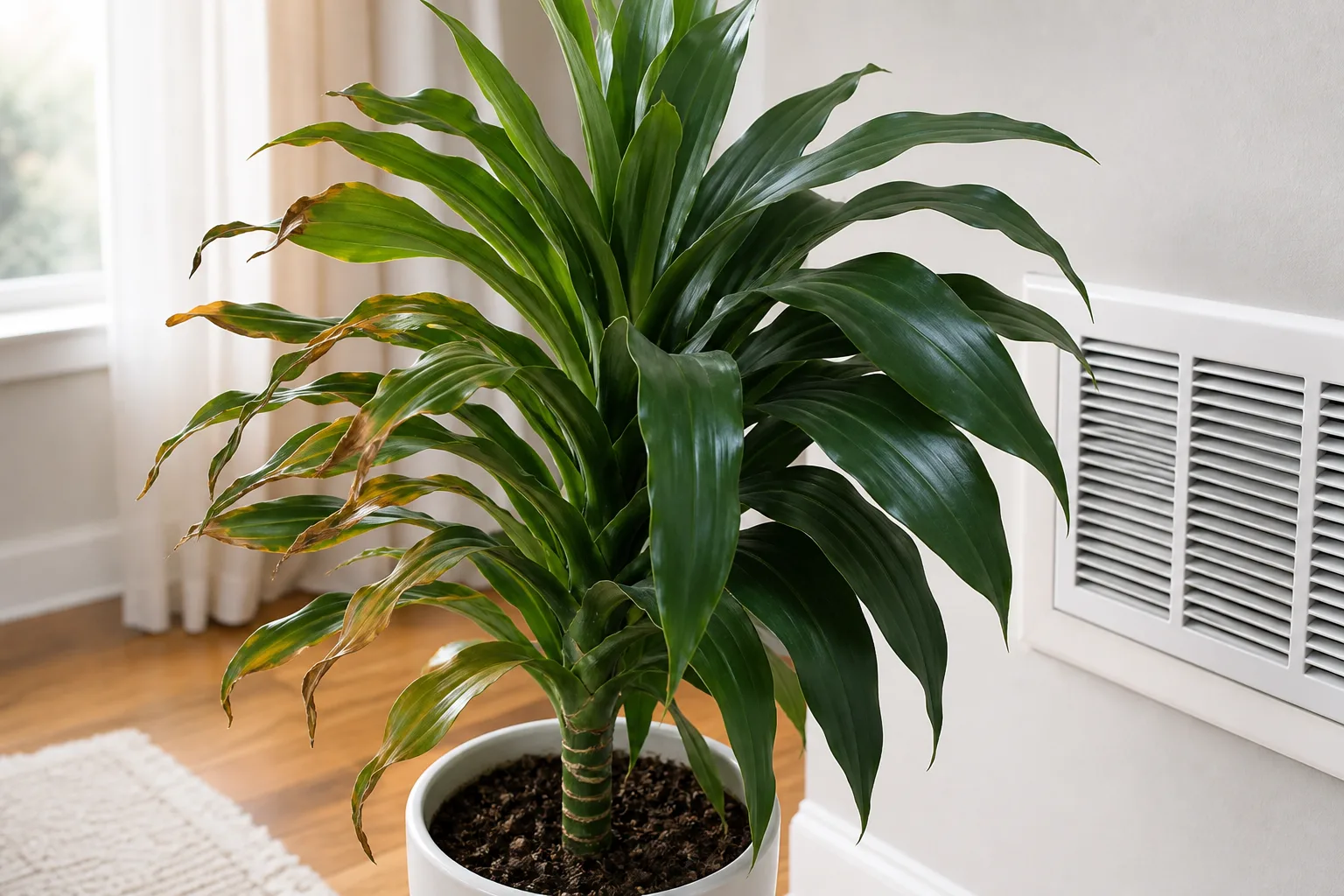 EnvironmentWind DamageHomes are not greenhouses. Wind Damage appears when humidity, temperature, or air movement falls outside what your plant tolerates. Torn leaves, bent stems, dry edges after a move, heat wave, or dry winter often points to environment-not necessarily wrong watering. Track weekly progress after you change care, and note watering, light, and repotting dates so you can tell whether the symptom is improving or returning. Compare upper versus lower leaves, new versus old growth, and soil moisture at root depth before you treat, because the same visible symptom can come from watering, light, pests, or normal aging on different plants.
No problems matched your search. Try different keywords or clear the category filter.
This environment problems problem guide was researched and written by . Environment problems symptoms, lookalike causes, and step-by-step fixes are cross-checked against extension pest, disease, and care references before publication.
We prioritize sources that hold up under scrutiny:
- University cooperative extension bulletins and fact sheets (Penn State, Clemson, UMD, NC State, and similar programs)
- Botanical garden and horticultural society publications
- Peer-reviewed plant science and veterinary toxicology references where pet safety matters (including ASPCA Animal Poison Control)
- Established reference works on indoor plant culture
The LeafyPixels editorial team then reviews the draft for clarity, step-by-step usefulness, and fit with real apartment and home conditions-not ideal greenhouse setups. When guidance changes materially, we update the page and note the revision date.
Sources used
- Clemson HGIC (n.d.) Leaf drop and yellowing of houseplants. [Online]. Available at: https://hgic.clemson.edu/?s=leaf%20drop%20and%20yellowing%20of%20houseplants (Accessed: 29 June 2026).
- Missouri Botanical Garden (n.d.) Why does my indoor plant have leaves with brown tips?. [Online]. Available at: https://www.missouribotanicalgarden.org/gardens-gardening/your-garden/help-for-the-home-gardener/advice-tips-resources/gardening-help-faqs/question/1578/why-does-my-indoor-plant-have-leaves-with-brown-tips (Accessed: 29 June 2026).
- Missouri Botanical Garden (n.d.) How do I bring plants indoors for winter?. [Online]. Available at: https://www.missouribotanicalgarden.org/gardens-gardening/your-garden/help-for-the-home-gardener/advice-tips-resources/gardening-help-faqs/question/1553/how-do-i-bring-plants-indoors-for-winter (Accessed: 29 June 2026).
- University of Maryland Extension (n.d.) Diagnosing houseplant problems. [Online]. Available at: https://www.extension.umd.edu/resource/diagnose-indoor-plant-problems (Accessed: 29 June 2026).
- University of Maryland Extension (n.d.) Temperature and humidity for indoor plants. [Online]. Available at: https://extension.umd.edu/resource/temperature-and-humidity-indoor-plants (Accessed: 29 June 2026).