Wind Damage to Plants: Symptoms, Care, Prevention
Homes are not greenhouses. Wind Damage appears when humidity, temperature, or air movement falls outside what your plant tolerates. Torn leaves, bent stems, dry edges after a move, heat wave, or dry winter often points to environment-not necessarily wrong watering. Track weekly progress after you change care, and note watering, light, and repotting dates so you can tell whether the symptom is improving or returning. Compare upper versus lower leaves, new versus old growth, and soil moisture at root depth before you treat, because the same visible symptom can come from watering, light, pests, or normal aging on different plants.
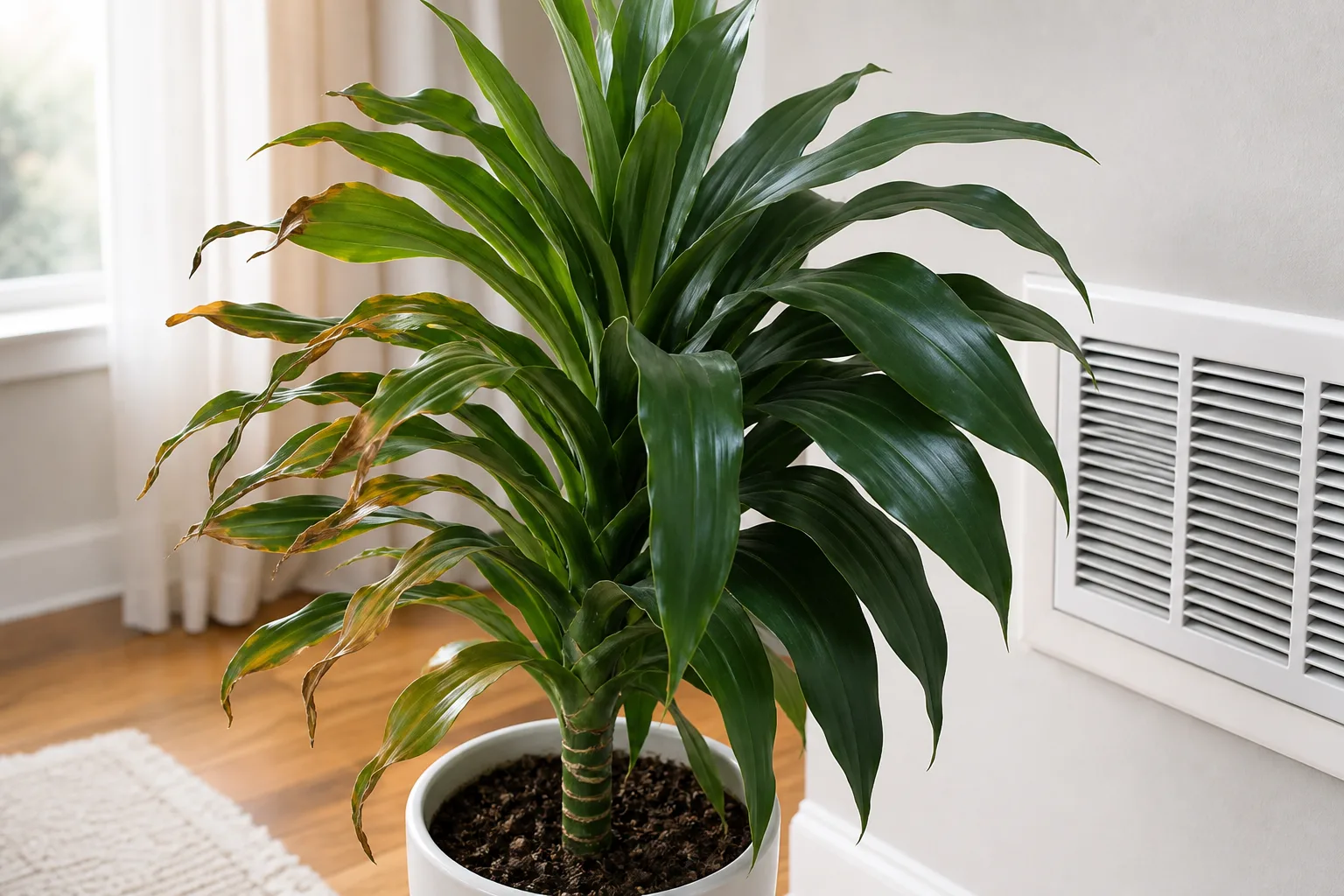
Wind Damage on Houseplants
Still unsure?Match your symptoms to the most likely problems in under a minute.Run diagnosis →Understand and fix wind damage
Homes are not greenhouses. Wind Damage appears when humidity, temperature, or air movement falls outside what your plant tolerates. Torn leaves, bent stems, dry edges after a move, heat wave, or dry winter often points to environment-not necessarily wrong watering. Track weekly progress after you change care, and note watering, light, and repotting dates so you can tell whether the symptom is improving or returning. Compare upper versus lower leaves, new versus old growth, and soil moisture at root depth before you treat, because the same visible symptom can come from watering, light, pests, or normal aging on different plants.
Overview
Homes are not greenhouses. Wind Damage appears when humidity, temperature, or air movement falls outside what your plant tolerates. Torn leaves, bent stems, dry edges after a move, heat wave, or dry winter often points to environment-not necessarily wrong watering. Track weekly progress after you change care, and note watering, light, and repotting dates so you can tell whether the symptom is improving or returning. Compare upper versus lower leaves, new versus old growth, and soil moisture at root depth before you treat, because the same visible symptom can come from watering, light, pests, or normal aging on different plants.
How to identify it
- Symptoms started after AC, heat, or window season change
- Crispy leaf edges in winter near radiators
- Wilting during a heat spell despite moist soil
- Leaf drop within days of bringing plant home or repotting
- Only plants near one vent or draft show damage
When to worry
Blackened tissue after frost exposure, or widespread collapse after heat above 95°F, may leave permanent damage-trim and stabilize fast.
Common causes
Low indoor humidity
Winter heating drops humidity below what tropical plants prefer, causing brown tips and curl.
Temperature extremes
Cold window glass, hot afternoon sun through glass, and heat vents create localized Wind Damage.
Transplant or relocation shock
Roots and leaves need time to adjust after repotting or room changes-temporary drop is common.
Sudden environmental flip
Moving from greenhouse to home, or outdoor to indoor, shocks plants before they acclimate.
Step-by-step fix
Identify the environmental trigger
Note heat vents, drafty windows, and recent moves. Fix placement before heavy pruning.
Stabilize temperature and humidity
Group plants, use humidifiers, or pebble trays. Keep foliage away from hot and cold glass.
Reduce additional stress
Hold repotting and fertilizer until the plant looks stable for 2–3 weeks.
Trim permanently damaged tissue
Remove leaves that are fully brown or black. Partial tip damage can wait until conditions improve.
Acclimate gradually next time
Move plants in steps over a week when changing rooms or bringing them indoors for winter.
Prevention tips
- Keep tropical plants away from heating vents and cold drafts
- Run a humidifier in dry winter rooms
- Acclimate new plants slowly to your home
- Repot during active growth, not during stress
- Document which leaves show symptoms first and whether the soil is wet, dry, or compacted before changing multiple variables at once.
Common mistakes
- Misting once daily instead of raising ambient humidity
- Placing plants touching cold window glass in winter
- Repotting immediately when a plant arrives stressed
Wind can injure a plant in several ways at once. It tears leaves, snaps stems, rubs branches, loosens roots, overturns containers, and accelerates water loss. A storm may also bring cold, hail, salt spray, flooding, or flying debris, so “wind damage” should begin an inspection rather than end the diagnosis.
Start with safety and structure. Stay away from hanging limbs, damaged power lines, unstable trees, and broken glass. For a small plant, stabilize the container and root zone before deciding whether ragged foliage needs attention. For a tree, a split main stem or lifted root plate is a professional hazard, not a home-pruning project.
What wind damage includes
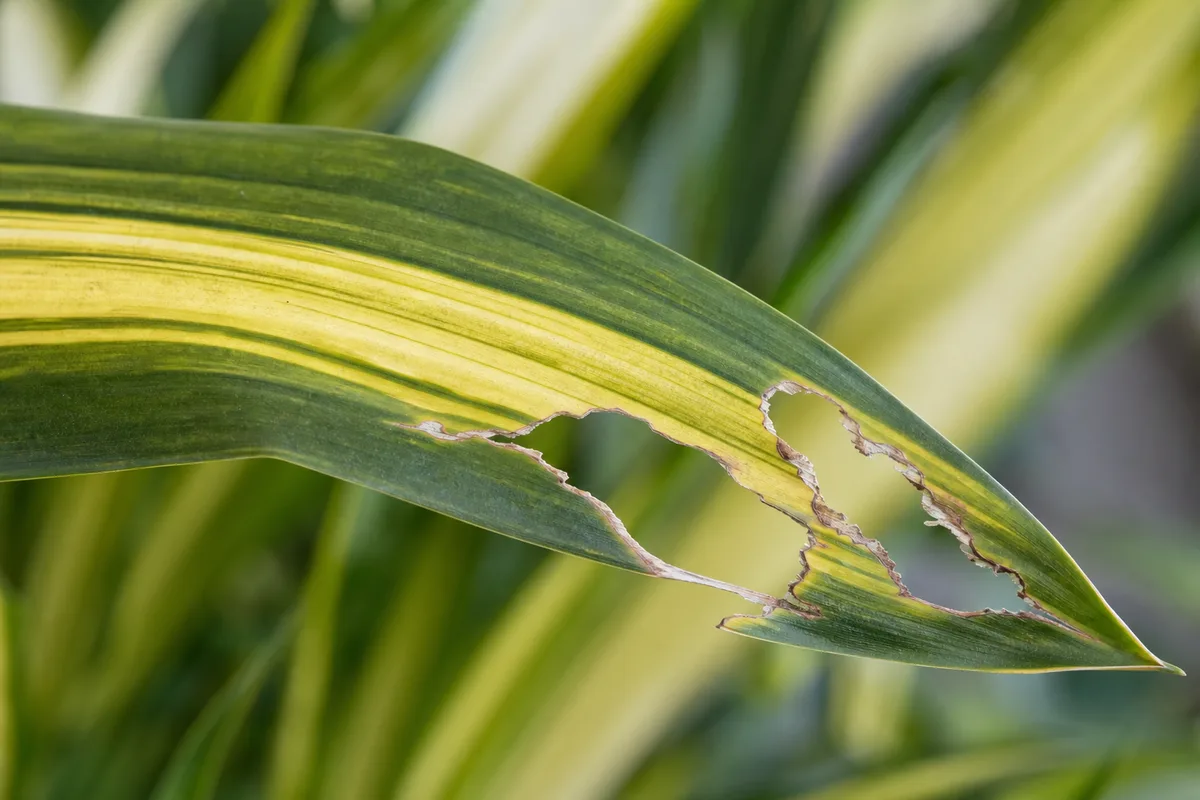
Mechanical injury is the obvious category: torn blades, creased petioles, shredded petals, snapped shoots, bark abrasion, and fractured branches. Broad, thin leaves catch more force than small flexible leaves, while top-heavy plants and weak branch unions can fail at leverage points. Young transplants may rock in loose soil before stems visibly break.
Wind also changes plant water relations. Moving air removes humid air from the leaf boundary layer and can increase transpiration when stomata are open. The Royal Horticultural Society’s explanation of plant water loss notes the roles of air movement, humidity, light, and temperature. If roots cannot replace that water, margins scorch and leaves wilt even though no tissue was physically torn.
These mechanisms overlap. A wind-whipped leaf may develop bruised, brown patches along folds, while the same plant dries faster than usual. Diagnosis improves when you map symptoms to exposure: the windward side, tallest shoots, unsupported stems, balcony edge, or gap between buildings often shows the worst damage.
Recognize the main symptom patterns
Fresh mechanical damage has sharp folds, splits, holes without feeding residue, or branches broken at a visible point. The injury often appears immediately after a windy event and is concentrated on exposed surfaces. Detached leaves around the plant provide useful context.
Desiccation or “windburn” tends to produce dry margins, tips, or patches rather than clean breaks. Foliage may look dull, curled, or scorched. Tender new growth suffers first because it has less structural reinforcement and a thinner protective surface.
Root disturbance shows differently. A plant may lean, a gap may open around the stem, the root ball may shift when the trunk moves, or surface roots may be exposed. Containers can rotate or slide without falling, twisting stems and disconnecting roots from parts of the medium.
Separate wind injury from look-alikes
| Pattern | Wind is more likely when | Consider instead |
|---|---|---|
| Torn foliage | Damage follows a storm and faces one direction | Hail, pets, chewing pests, handling |
| Brown margins | Exposed side is worse; soil dried quickly | Low humidity, salt injury, drought, fertilizer burn |
| Blackened tissue | Wind arrived with freezing weather | Frost or chilling injury |
| White or tan patches | Leaves were suddenly exposed after movement | Sunscald |
| Leaning | Soil cracked or root ball shifted | Phototropism, weak light, root rot |
| Distorted new growth | No storm relationship or tearing | Thrips, mites, herbicide exposure, nutrient issues |
Wind damage is an event pattern. If symptoms continue to appear in still conditions, inspect for pests, root dysfunction, irrigation problems, or ongoing drafts. Indoor plants directly beside fans and vents can experience chronic drying, but their injury is generally subtler than storm damage.
Salt carried by coastal wind or winter road spray is another look-alike and companion. Salt injury alters water relations and can burn foliage. Treat the exposure source and avoid assuming that extra fertilizer will correct discoloration.
Inspect safely after a storm
Photograph the plant before moving it. Record which direction it leaned, where branches failed, and whether the root zone lifted. This evidence helps distinguish a structural weakness from a random broken leaf and creates a baseline for recovery.
Work from the ground upward. Check the container, anchorage, drainage, root ball, main stems, branch attachments, then leaves. Soil that is saturated after rain may not tolerate heavy foot traffic or aggressive straightening. Compaction around landscape roots can add a second problem.
Leaves and soft stems
Torn leaf tissue does not knit back together, but a damaged leaf may continue photosynthesizing. Keep it if most of the surface remains green and the tear is not creating a soft, diseased area. Remove a leaf when it is nearly detached, crushed at the base, rotting, or interfering with safe handling.
Soft annual stems can sometimes be supported if bent but not severed. A splint is most useful for a valued stem with vascular connection intact; it is less useful for many small broken shoots that the plant can replace. Keep ties broad and loose enough not to constrict growth.
Do not wash or coat every tear with household products. Clean cuts, dry foliage, and appropriate airflow are safer than improvised sealants. Inspect torn areas over the following days for spreading softness or discoloration.
Branches, trunks, roots, and containers
Small, fully broken branches can be pruned back to an appropriate branch collar or healthy node. Partially attached large limbs may be under tension and can move unpredictably. The International Society of Arboriculture’s tree-care guidance is a useful starting point, but hazardous or high work belongs to a qualified arborist.
The University of Minnesota’s storm-damage guidance draws the same practical boundary: homeowners can address minor damage, while severe damage and branches that threaten people or property call for professional tree care. This is a safety threshold, not a judgment about whether a tree is aesthetically worth saving.
A leaning tree with lifted roots is not merely crooked. Its anchorage may be compromised, and straightening can damage remaining roots or create a fall hazard. Do not stand in the likely fall path or use a vehicle and rope for improvised pulling.
For containers, inspect the pot for cracks and the root ball for separation. Reset the plant at its original depth, fill only true voids, and water enough to settle the medium. Do not automatically move it into a much larger pot; extra wet mix can complicate recovery.
Give immediate first aid
Move portable plants to shelter after checking that the new location still suits their light and temperature needs. Set upright pots on a stable surface, remove standing water from cachepots, and isolate sharp broken stakes. A sheltered bright position is usually preferable to a dark room.
For outdoor plants, clear loose debris and make only cuts needed for safety or to remove cleanly detached material. Delay cosmetic pruning until you can see the full structure. After major storms, emergency cuts made in haste frequently remove viable tissue or leave poor stubs.
Check root-zone moisture rather than watering reflexively. Wind may have dried a container rapidly, but a storm can also saturate soil. Water when the root zone actually needs it, and ensure drainage remains open.
Decide what to prune and what to keep
Pruning priorities are safety, disease prevention, and sound structure—not immediate neatness. Remove hanging, split, crushed, or clearly dead material first. Preserve green leaves and intact branches when they remain functional and do not pose a hazard.
Use clean, sharp tools sized for the cut. Prune a small branch just outside the branch collar rather than flush with the trunk, and avoid leaving long stubs. For perennials and houseplants, cut to healthy tissue or a node appropriate to the species.
Wait before assuming brown tissue is dead after combined wind and cold. Scratch tests and bud development can reveal living wood later. Pruning too early may stimulate tender growth before weather settles or remove protection from lower tissues.
Large crowns require structural judgment. Removing too much canopy at once changes load distribution and reduces the plant’s energy-producing surface. Topping a damaged tree creates weak regrowth and does not restore sound architecture.
Stake and support without creating weakness
Stake only when a plant cannot remain upright or root movement prevents establishment. A stake should reduce excessive motion while allowing some natural movement. Rigid, indefinite staking can prevent normal strengthening and can girdle stems when ties are forgotten.
For trees, use a defined inspection point rather than leaving hardware indefinitely. University of Minnesota Extension advises that staking is often unnecessary, calls for wide flexible attachments, and recommends checking stability when attachments are removed after the establishment period. Herbaceous plants and balcony containers need species- and site-specific support rather than tree-guying rules.
Place ties so they do not rub bark or leaves. Use broad, flexible material and inspect it frequently. Remove or adjust support once the root system and stem can hold the plant safely; the appropriate period varies with plant size, site, and root establishment.
Multiple guys may be required for a newly planted tree, but a storm-shifted mature tree is a different case. Get professional assessment rather than anchoring it with makeshift wires. Never attach supports to utilities, fences that cannot carry the load, or unstable structures.
For balcony pots, physical prevention is better than emergency staking. Use stable, appropriately weighted containers, secure approved railing planters, and place top-heavy plants lower during forecasts. Do not create falling-object hazards by tying pots to weak railings.
Restore water balance
Wind increases evaporative demand, but root-zone moisture still controls the watering decision. Probe several centimeters into a pot or inspect soil near, not against, a landscape stem. Water slowly and thoroughly when needed, then allow drainage.
Do not keep damaged plants permanently saturated. Roots require oxygen, and storm-compacted or flooded soil drains slowly. If a pot remains waterlogged, clear its drainage and shelter it from additional rain; do not fertilize a stressed root system.
Mulch can moderate moisture loss in garden beds. Spread an appropriate layer over the root area while keeping it away from trunks and crowns. The RHS recommends thorough watering and moisture-conserving practices in its general watering advice, but frequency must respond to soil and weather.
Antitranspirant products are not universal cures. Performance depends on plant, formulation, climate, and application, and coatings may interfere with normal gas exchange or appearance. Prioritize shelter, root-zone water, and correct species placement.
Care for windburn and salt exposure
Wind-scorched tissue will not become green again. Keep partly functional leaves and watch whether damage expands after exposure ends. If new leaves emerge normally, the environmental correction is working even when old margins remain brown.
Where salt spray is plausible, rinse foliage with fresh water when temperatures permit and prevent more exposure. Leach a container only if it drains freely; repeated large flushes through poorly drained media can worsen root stress. Landscape salt problems may require drainage and soil assessment rather than one watering.
Cold wind can produce dark, water-soaked tissue that later dries. Keep the plant at a stable temperature and delay heavy pruning until damage boundaries are clear. Heat and wind can instead cause rapid wilting and bleaching; provide temporary shade without eliminating light for weeks.
Indoor vent injury is managed by relocation or airflow redirection. Measure the actual pattern: if only leaves directly in the stream dry, move the plant a modest distance. Raising room humidity cannot fully compensate for a constant hot or cold blast.
Track recovery over the next season
Herbaceous plants may replace leaves within weeks during active growth. Woody plants can reveal the full extent of branch injury only when buds break or fail later. Recovery time depends on species, season, reserves, root damage, and whether the stressful exposure continues.
Mark branch tips or photograph them weekly. Look for firm new growth, stable anchorage, wounds drying rather than spreading, and a normal wet-dry cycle. Do not judge success by the disappearance of old tears; scars remain.
Watch for delayed problems. Damaged bark and broken stems can create entry points for opportunistic organisms, though a wound does not guarantee infection. Root rocking can continue quietly after the canopy looks better. Recheck supports and soil contact after subsequent winds.
Avoid compensatory overfeeding. New growth produced by heavy nitrogen can be soft, and fertilizer cannot reconnect broken vascular tissue. Resume ordinary nutrition only when the plant is actively growing and root conditions are stable.
Protect balconies and exposed gardens
Know the wind path. Corners, rooftop edges, gaps between buildings, and open slopes can concentrate airflow. Observe which plants lean and where lightweight objects collect before deciding placement.
Choose plants whose mature structure suits the exposure. Flexible stems, smaller leaves, low growth, and robust anchorage often perform better than large thin leaves or top-heavy forms. “Wind tolerant” does not mean immune, especially in a container with restricted roots.
Group containers without blocking drainage or airflow completely. Lower the center of gravity with broad-based pots and suitable medium rather than stones piled over roots. Confirm that the balcony can carry the load and that local rules allow attachments.
Use permeable screening rather than a fully solid panel where turbulence is a concern. Any screen must be securely engineered for wind load. Temporary cloth attached badly can become a sail and create more danger than it prevents.
Design an effective windbreak
A windbreak reduces speed across a protected zone; it should not be treated as a wall. Porous plantings tend to filter airflow, while solid barriers can create strong turbulence immediately behind them. Height, density, continuity, orientation, and local topography all affect performance.
The USDA Natural Resources Conservation Service defines technical criteria for windbreak and shelterbelt establishment, and its principles apply most directly to landscape-scale designs. Home gardens can borrow the ideas while choosing smaller, site-appropriate plants and structures.
Plant a windbreak far enough from valued plants to avoid root competition and excessive shade, yet positioned across prevailing damaging winds. Include species suited to the soil, water, climate, and available width. A failing hedge is not reliable protection.
Maintain the barrier. Replace gaps, prune for health rather than shearing into a dense weak shell, and monitor irrigation. Government guidance on field windbreaks emphasizes planned establishment and maintenance; the South Dakota conservation resource illustrates how continuity and design serve protection goals.
Know when professional help is necessary
Call an arborist for hanging limbs, split trunks, damaged utility-adjacent trees, significant root-plate lifting, or large branches requiring climbing or powered equipment. Keep people and vehicles outside the potential fall zone until assessment.
Contact an extension diagnostic service when new damage continues without wind, lesions spread beyond wounds, or salt, herbicide, or disease is suspected. Provide the exposure history and whole-plant photographs rather than only a close-up of one brown leaf.
For rented property, shared landscaping, or balcony structures, notify the responsible owner or manager before installing anchors or removing woody plants. Structural attachments and falling containers can affect other people, so prevention includes legal and physical responsibility.
Insurance documentation and plant care are separate tasks, but good records help both. Photograph the entire site, damaged structures, root movement, and branch failures before cleanup, provided it is safe to do so. Note storm timing and wind direction, then keep receipts for qualified tree work if the property owner or insurer requests them. Never delay barricading a hazard merely to obtain better photographs.
When damage affects a food garden, do not eat produce that may have contacted floodwater, sewage, broken glass, or unknown chemicals rather than assuming washing makes it safe. The FDA states that food exposed directly to flood water should not be eaten. Wind alone does not contaminate crops, but storms can combine hazards; follow local public-health or extension advice for the specific event, especially after coastal surge or urban flooding.
Young plants deserve a different threshold from old structural trees. A snapped annual can often be cut back or replaced economically; attempting elaborate splints may consume time without improving the planting. A mature specimen may justify professional preservation, but sentimental value cannot make an unstable trunk safe.
Recovery planning should include the next weather event. Temporary shade fabric, loose pots, and damaged supports must be secured or removed before more wind arrives. Recheck forecasts, reduce the sail area of temporary covers, and move portable plants early rather than during the storm. Prevention carried out calmly is safer for both plants and people.
Evaluate the site after recovery. Repeated one-sided injury indicates chronic exposure, not bad luck. Consider relocating susceptible plants, changing the planting palette, or installing a properly designed barrier. A plant that survives repeated damage may still remain sparse, unstable, and demanding; replacement with a better-adapted species can be the responsible horticultural decision.
Sanitize shared pruning tools when moving between plants, especially if damaged tissue is soft or discolored. Wind injury itself is not contagious, but a storm can spread infected debris and leave many fresh wounds at once. Clean tools also make smoother cuts, which are easier to inspect during follow-up.
Conclusion
Wind damage is a combination of mechanical force and altered water balance. Diagnose it by timing, direction, tissue pattern, root stability, and associated weather. Torn leaves alone are usually cosmetic; split trunks, lifted roots, falling hazards, and continued collapse require a different level of response.
Stabilize first, water from evidence, prune only broken or unsafe tissue, and use supports temporarily. Track new growth instead of expecting old scars to disappear. Long-term protection comes from better placement, secure containers, suitable plants, and thoughtfully designed windbreaks—not from repeatedly treating damaged leaves.
Plants commonly affected
These houseplants often struggle with wind damage. Open a care guide or plant-specific troubleshooting page for tailored fixes.
 Medium
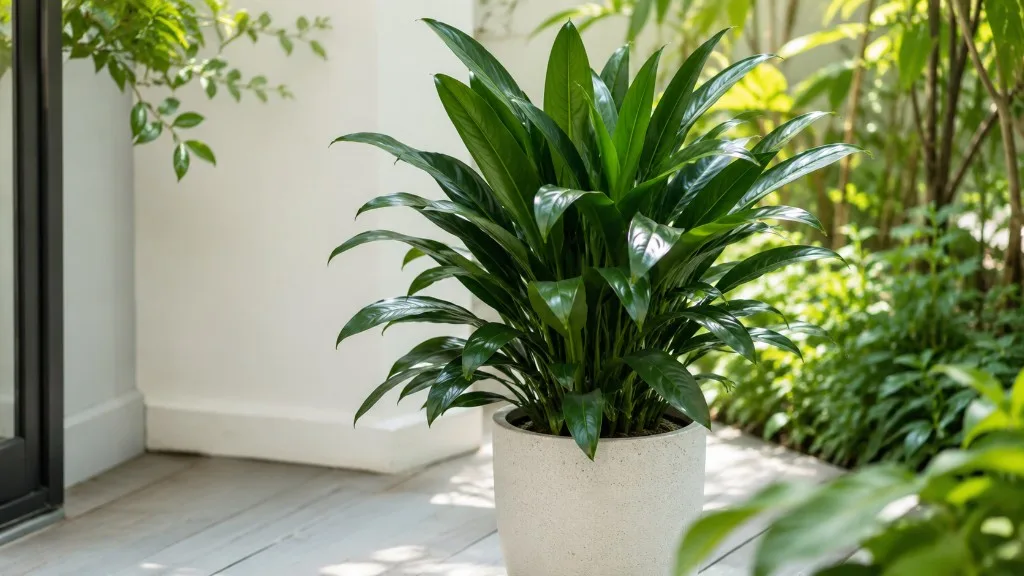
Janet Craig Dracaena
Likely causeJun 12, 2024 · You're not alone, and with a little love and care, your Janet Craig Dracaena can bounce back to its former glory. In this article, we’ll chat about why heat damage happens, how to recognize it, and most importantly, what you
Quick fixConfirm diagnosis on your Janet Craig Dracaena, then address the most likely care or pest factor described in current extension guidance.
 Medium
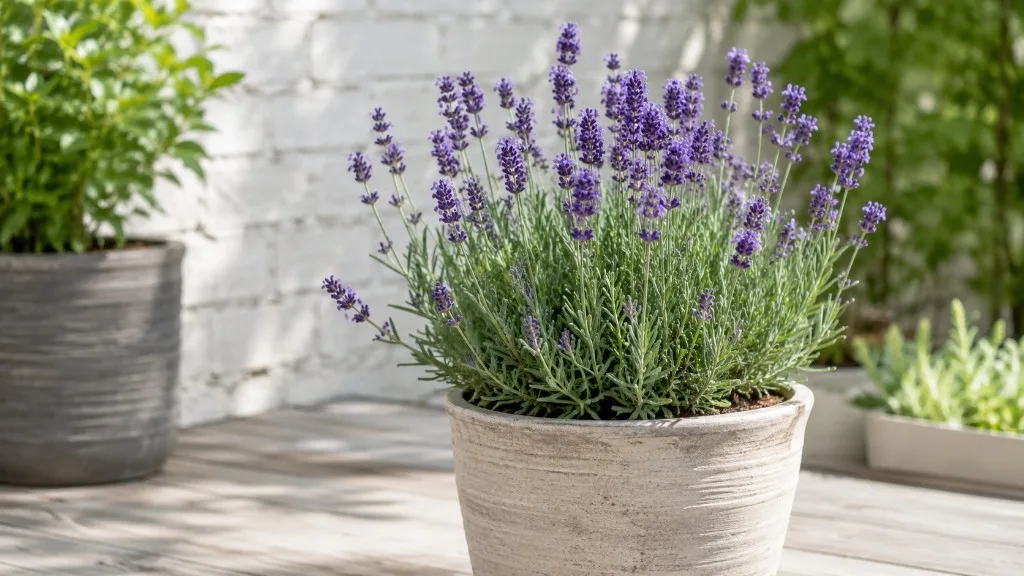
Lavender
Likely causeNov 9, 2025 · In summary, lavender plants can indeed be affected by strong winds , experiencing physical damage , desiccation, and reduced flowering if not properly protected. While lavender is generally a hardy and adaptable plant, wind ca
Quick fixConfirm diagnosis on your Lavender, then address the most likely care or pest factor described in current extension guidance.
 Medium
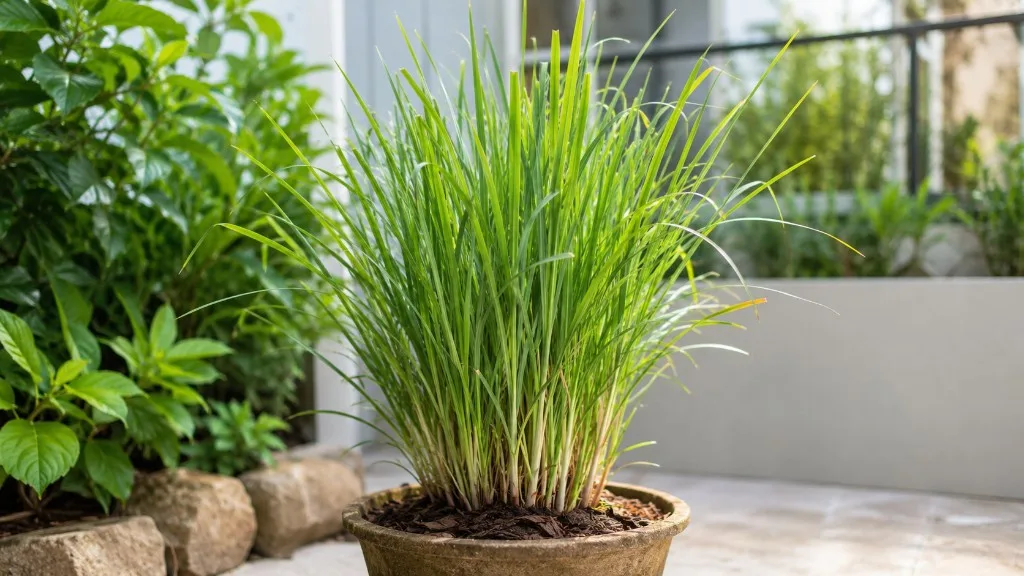
Lemongrass
Likely causeNov 25, 2025 · One of the most notable benefits of using lemongrass for wind protection is its ability to withstand strong gusts and reduce the impact of flying debris. The herb’s sturdy stems can absorb shock waves from powerful winds , pr
Quick fixConfirm diagnosis on your Lemongrass, then address the most likely care or pest factor described in current extension guidance.
 Medium
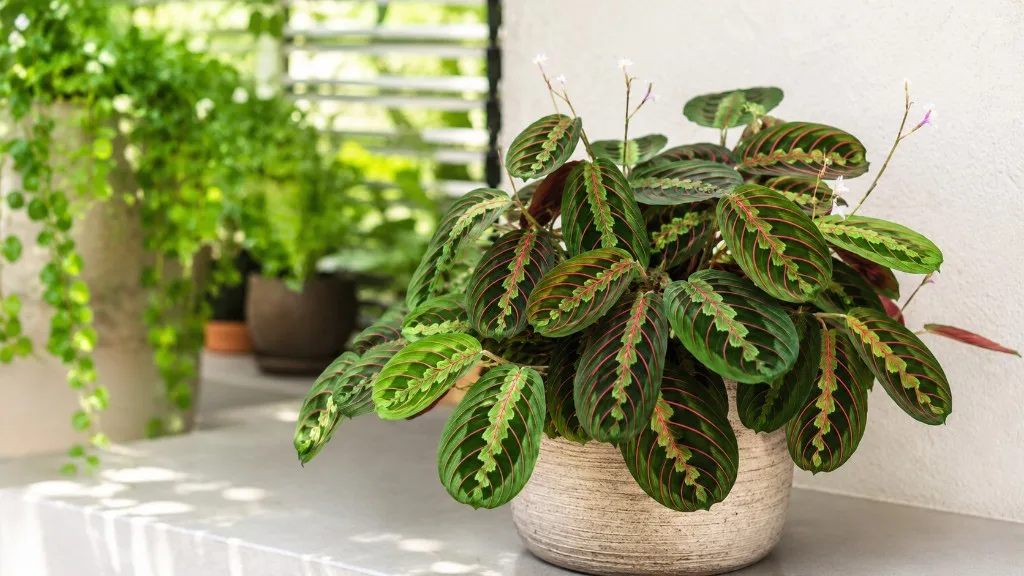
Maranta Leuconeura
Likely causeThe plant’s leaves will begin to suffer damage if the ambient temperature drops below 55° degrees Fahrenheit or goes above 80° degrees Fahrenheit. Good air circulation is beneficial, but Maranta leuconeura must stay away from drafts.
Quick fixConfirm diagnosis on your Maranta Leuconeura, then address the most likely care or pest factor described in current extension guidance.
 Medium
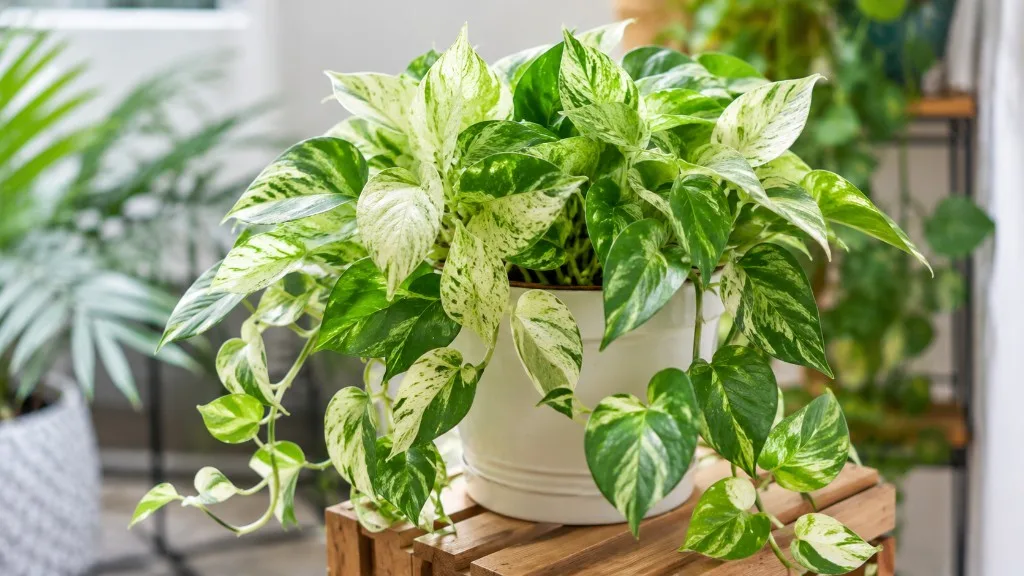
Marble Queen Pothos
Likely causeA Marble Queen pothosplant is a beautiful variegated form of the regular pothos plant. It has heart-shaped leaves that are variegated with yellow, white, and green colors. The Marble Queen is a trailing plant, meaning it will grow down or a
Quick fixConfirm diagnosis on your Marble Queen Pothos, then address the most likely care or pest factor described in current extension guidance.
 Medium
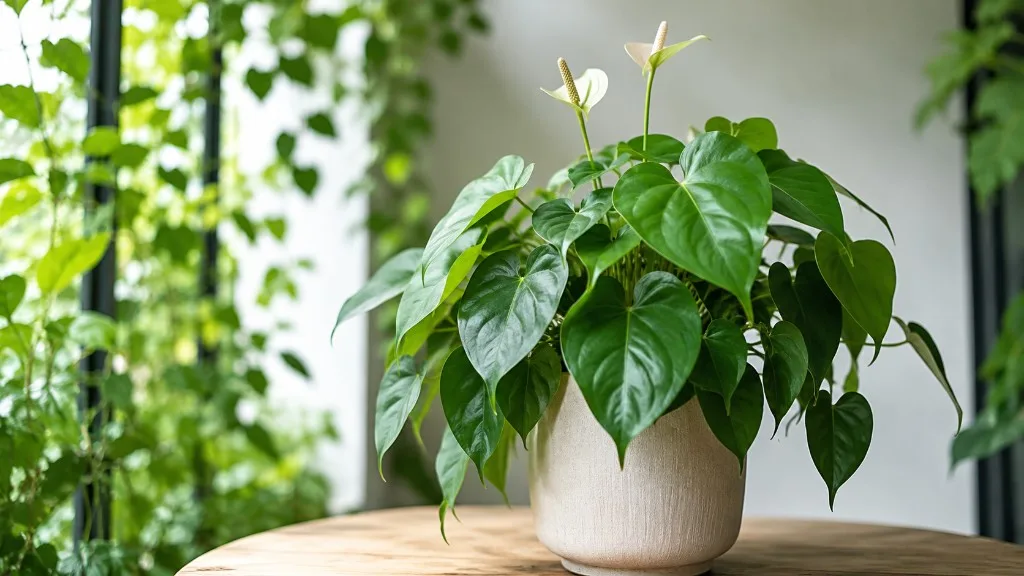
Heartleaf Philodendron
Likely causeFeb 4, 2026 · Protection from the Elements: Shield your Heartleaf Philodendron from strong winds, which can damage the vines and dry out the leaves. A sheltered location near a wall or fence can offer good protection.
Quick fixConfirm diagnosis on your Heartleaf Philodendron, then address the most likely care or pest factor described in current extension guidance.
 Medium
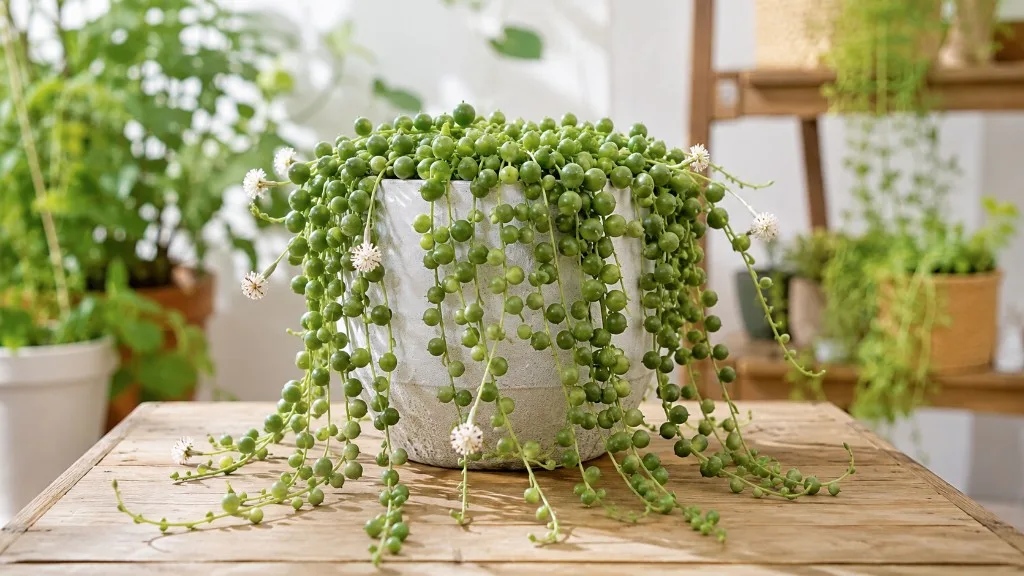
String of Pearls
Likely causeBy recognizing these symptoms early, you can take corrective action to save your succulent and prevent further damage . With a little practice and patience, you’ll be able to strike the perfect balance and keep your String of Pearls happy a
Quick fixConfirm diagnosis on your String of Pearls, then address the most likely care or pest factor described in current extension guidance.
 Medium
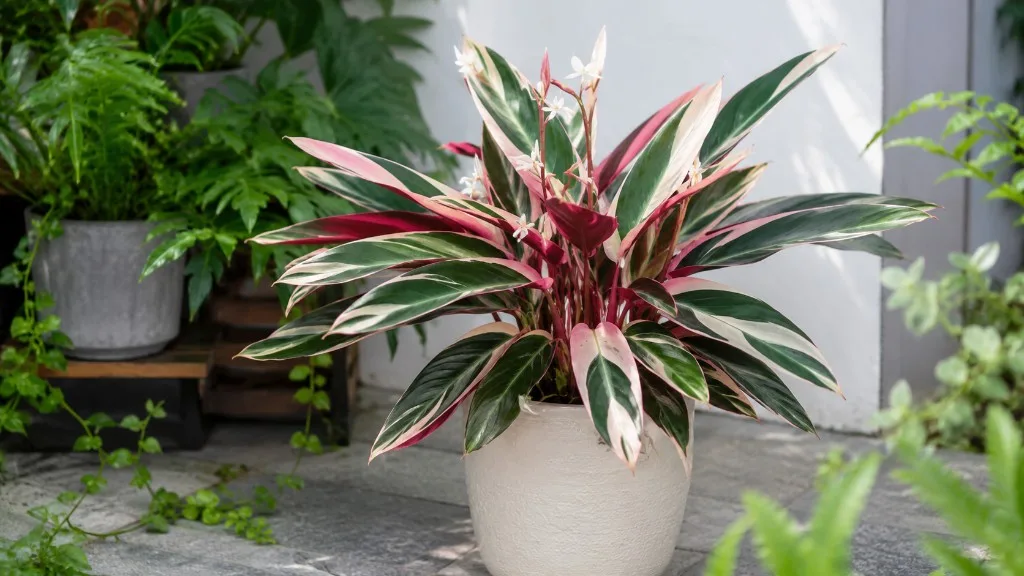
Stromanthe Triostar
Likely causeJan 22, 2024 · Protected from wind : Strong winds can damage the delicate leaves, so find a sheltered spot that offers some protection. Temperature considerations: This plant loves warmth, but it doesn't take kindly to frost.
Quick fixConfirm diagnosis on your Stromanthe Triostar, then address the most likely care or pest factor described in current extension guidance.
 Medium
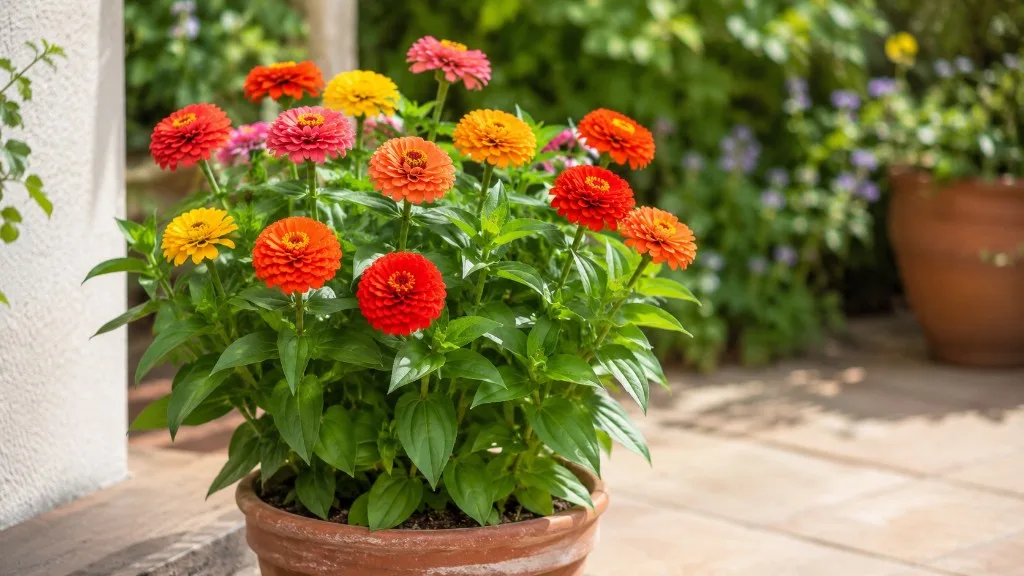
Zinnia
Likely causeStrong wind snaps tall zinnia stems and damages open flower heads.
Quick fixStake tall varieties; plant in sheltered sunny spots with windbreak.