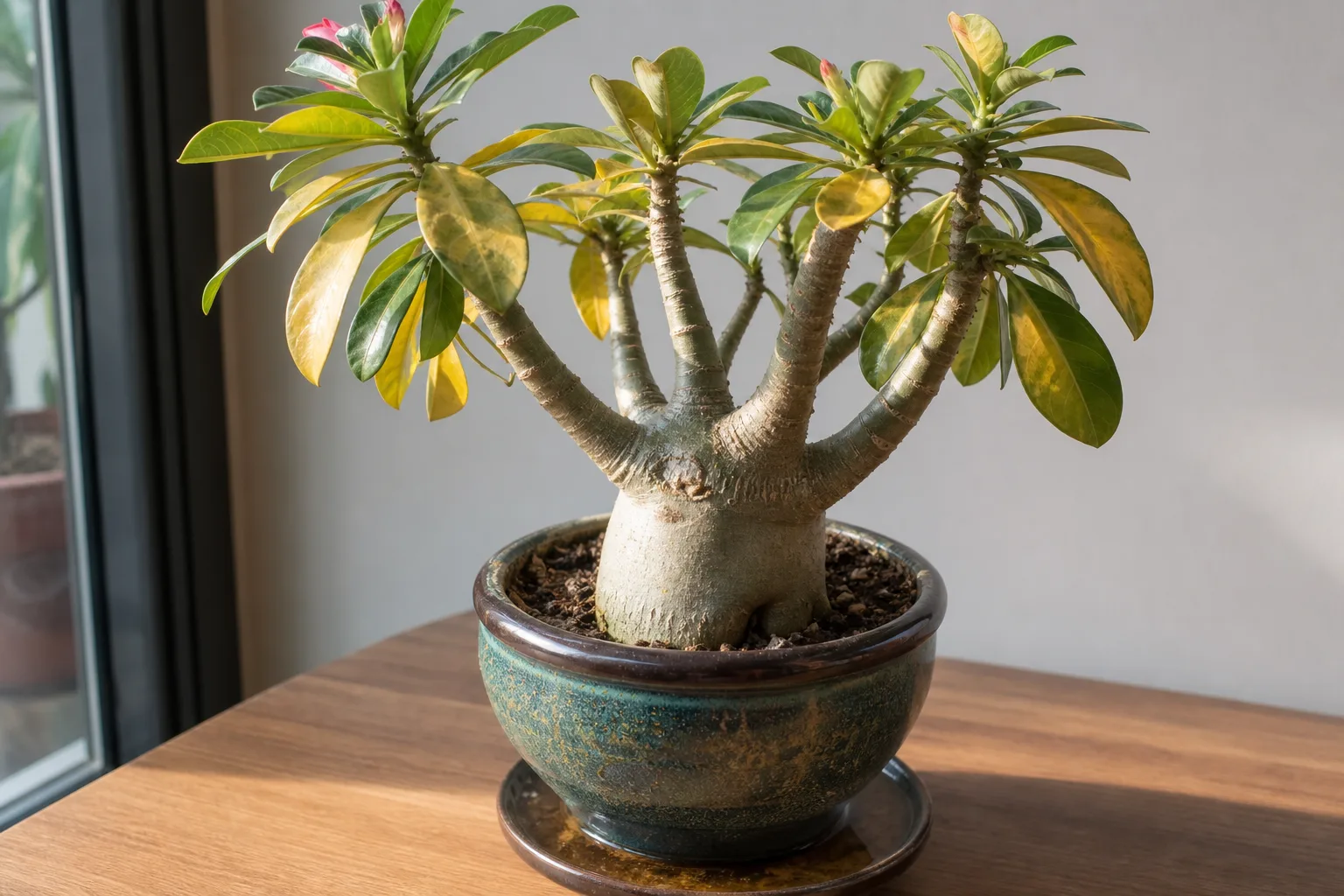
 Pot / ContainerNo Drainage HoleThe container matters as much as soil and watering. No Drainage Hole with Water collects at bottom, causing root rot often means the pot is wrong sized, lacks holes, or traps water in a decorative outer shell. Track weekly progress after you change care, and note watering, light, and repotting dates so you can tell whether the symptom is improving or returning. Compare upper versus lower leaves, new versus old growth, and soil moisture at root depth before you treat, because the same visible symptom can come from watering, light, pests, or normal aging on different plants.
Pot / Container problems
Pot size, drainage holes, and container setup issues.
Not sure where to start? Match symptoms in under a minute
Select what you see on your plant and we'll suggest the most likely problems to check first.
How to evaluate the container
The pot controls how quickly roots receive air and how long the mix stays wet. A decorative container without drainage can turn a good care routine into a root problem.
- Confirm water exits freely and is not trapped inside a cachepot.
- Choose pot size based on root ball size, not leaf size.
- Use heavier containers or supports for top-heavy plants before roots are disturbed.
Pot / ContainerNo Drainage HoleThe container matters as much as soil and watering. No Drainage Hole with Water collects at bottom, causing root rot often means the pot is wrong sized, lacks holes, or traps water in a decorative outer shell. Track weekly progress after you change care, and note watering, light, and repotting dates so you can tell whether the symptom is improving or returning. Compare upper versus lower leaves, new versus old growth, and soil moisture at root depth before you treat, because the same visible symptom can come from watering, light, pests, or normal aging on different plants.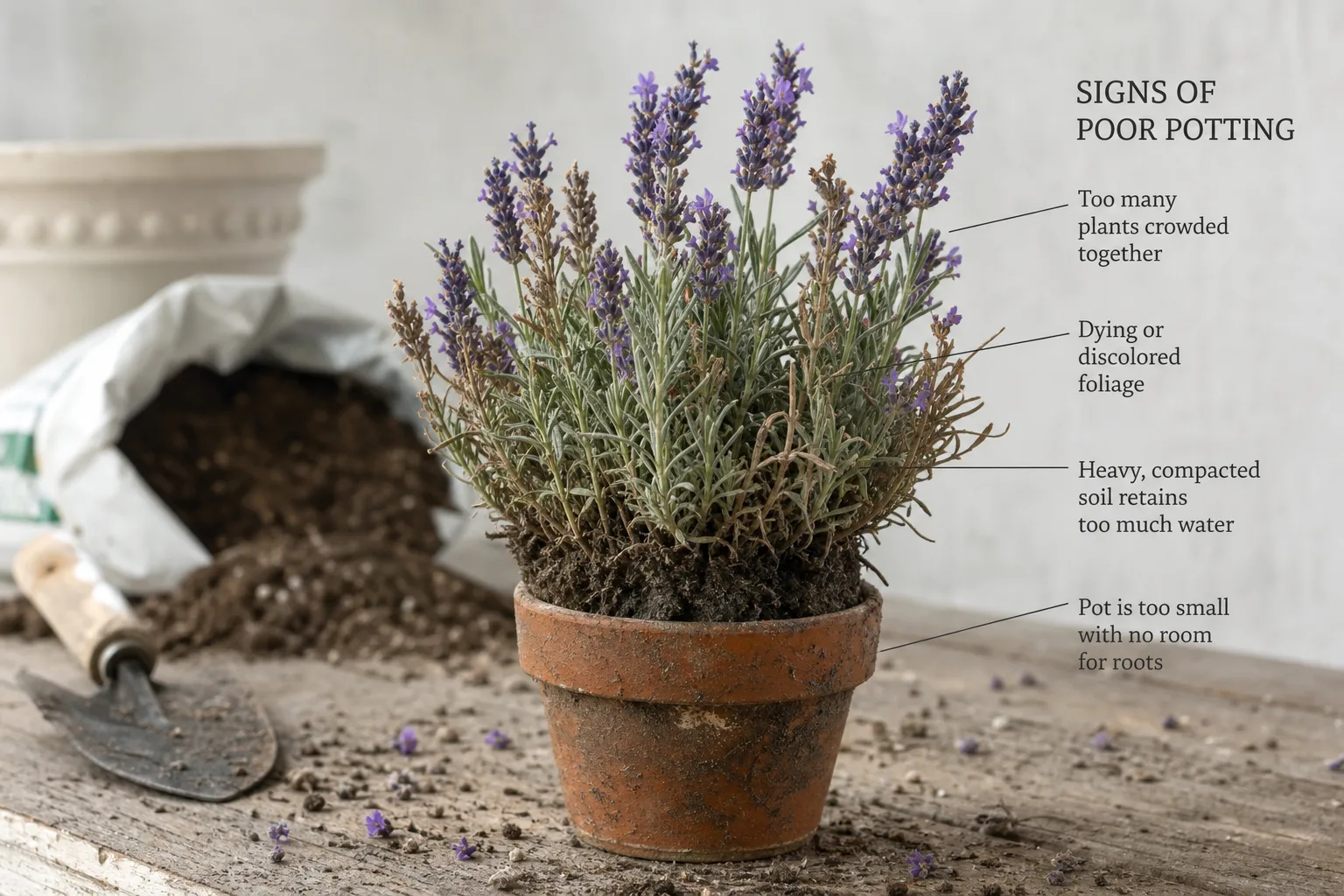 Pot / ContainerPoor Potting SetupThe container matters as much as soil and watering. Poor Potting Setup with Wrong pot size, drainage, or soil combination causes decline often means the pot is wrong sized, lacks holes, or traps water in a decorative outer shell. Track weekly progress after you change care, and note watering, light, and repotting dates so you can tell whether the symptom is improving or returning. Compare upper versus lower leaves, new versus old growth, and soil moisture at root depth before you treat, because the same visible symptom can come from watering, light, pests, or normal aging on different plants.
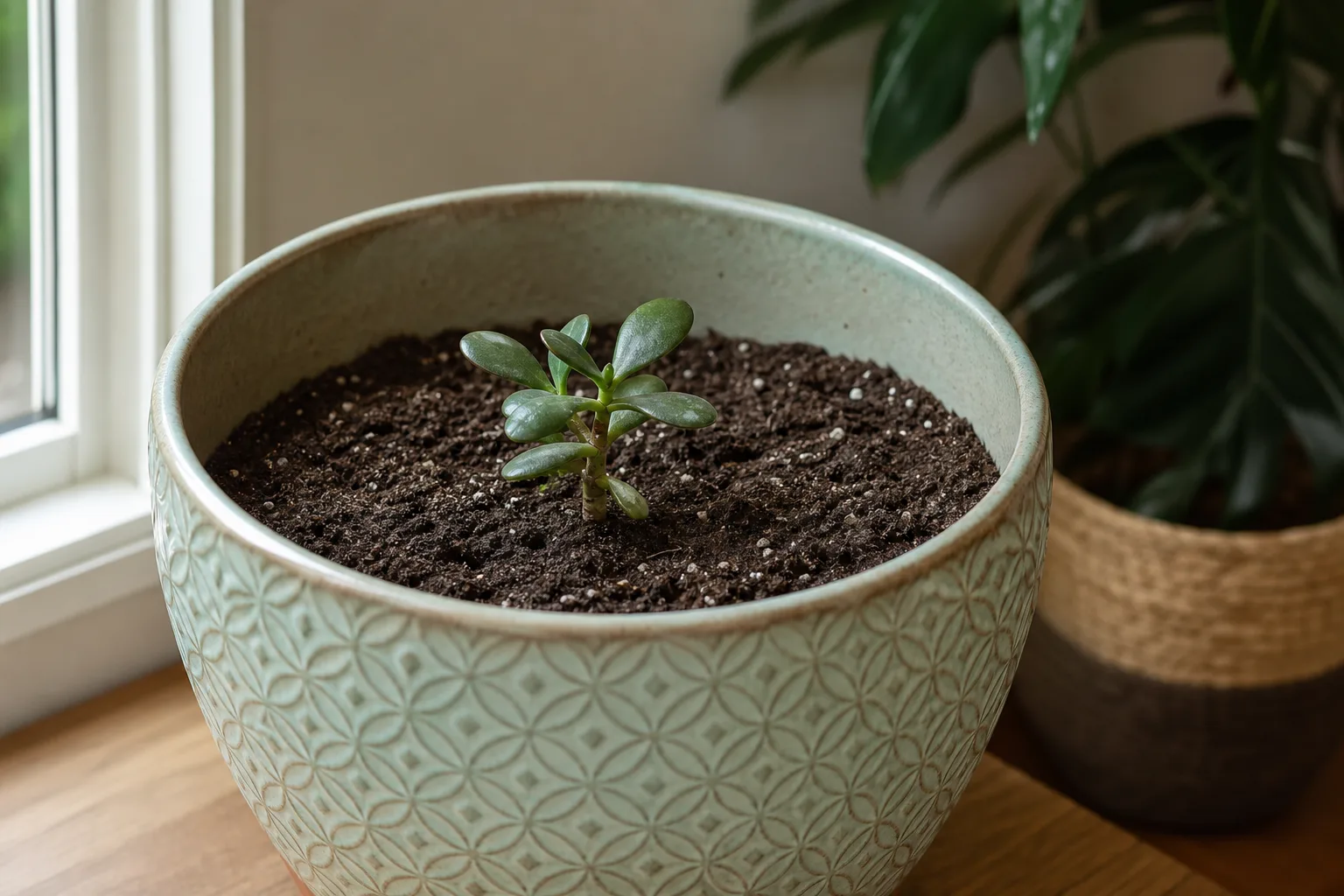 Pot / ContainerPot Too LargeThe container matters as much as soil and watering. Pot Too Large with Soil stays wet too long, root rot risk increases often means the pot is wrong sized, lacks holes, or traps water in a decorative outer shell. Track weekly progress after you change care, and note watering, light, and repotting dates so you can tell whether the symptom is improving or returning. Compare upper versus lower leaves, new versus old growth, and soil moisture at root depth before you treat, because the same visible symptom can come from watering, light, pests, or normal aging on different plants.
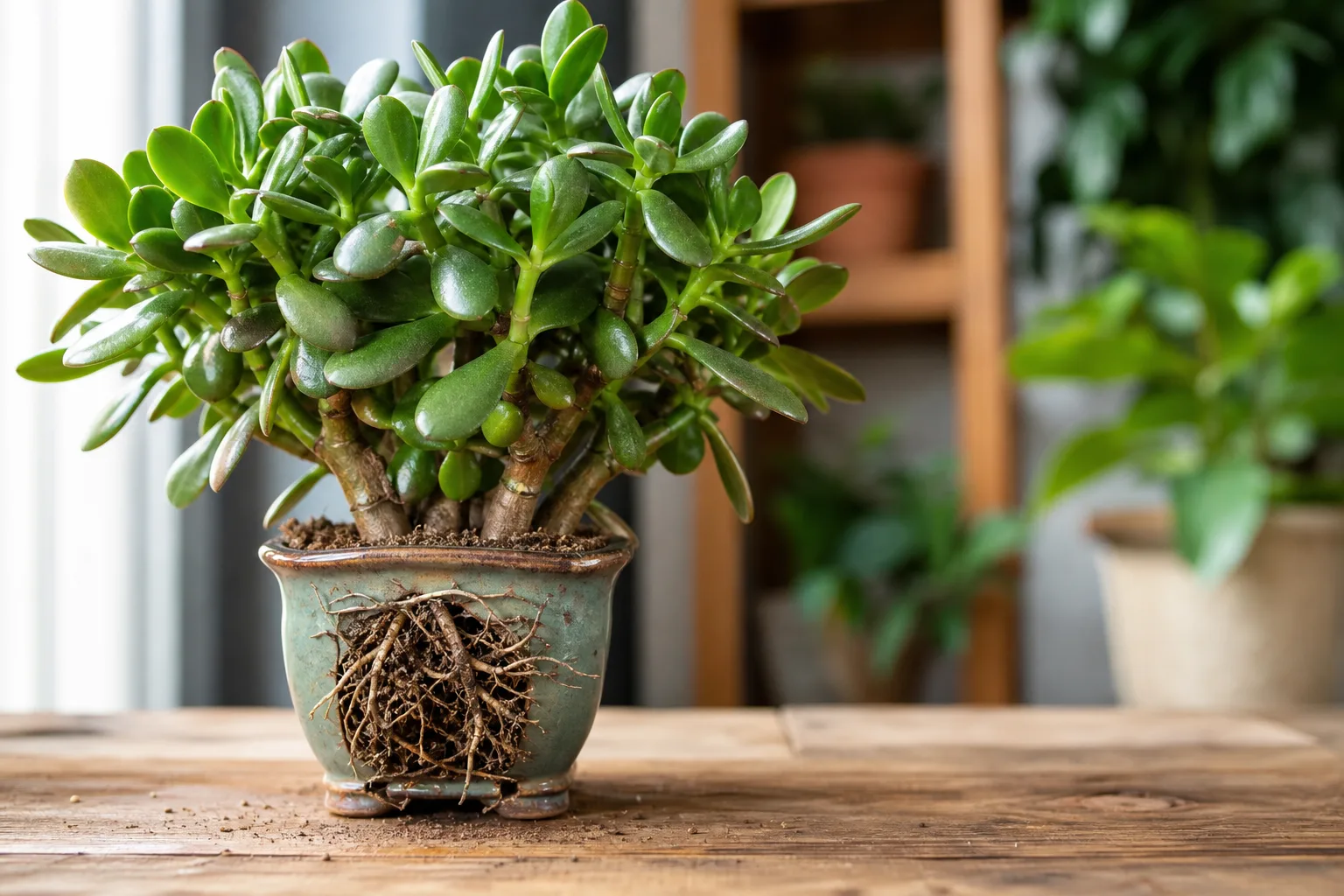 Pot / ContainerPot Too SmallThe container matters as much as soil and watering. Pot Too Small with Roots crowded, plant dries quickly, growth slows often means the pot is wrong sized, lacks holes, or traps water in a decorative outer shell. Track weekly progress after you change care, and note watering, light, and repotting dates so you can tell whether the symptom is improving or returning. Compare upper versus lower leaves, new versus old growth, and soil moisture at root depth before you treat, because the same visible symptom can come from watering, light, pests, or normal aging on different plants.
No problems matched your search. Try different keywords or clear the category filter.
This pot / container problems problem guide was researched and written by . Pot / container problems symptoms, lookalike causes, and step-by-step fixes are cross-checked against extension pest, disease, and care references before publication.
We prioritize sources that hold up under scrutiny:
- University cooperative extension bulletins and fact sheets (Penn State, Clemson, UMD, NC State, and similar programs)
- Botanical garden and horticultural society publications
- Peer-reviewed plant science and veterinary toxicology references where pet safety matters (including ASPCA Animal Poison Control)
- Established reference works on indoor plant culture
The LeafyPixels editorial team then reviews the draft for clarity, step-by-step usefulness, and fit with real apartment and home conditions-not ideal greenhouse setups. When guidance changes materially, we update the page and note the revision date.
Sources used
- University of Maryland Extension (n.d.) Watering indoor plants. [Online]. Available at: https://extension.umd.edu/resource/watering-indoor-plants (Accessed: 29 June 2026).
- University of Missouri Extension (n.d.) Caring for houseplants. [Online]. Available at: https://extension.missouri.edu/publications/g6510 (Accessed: 29 June 2026).