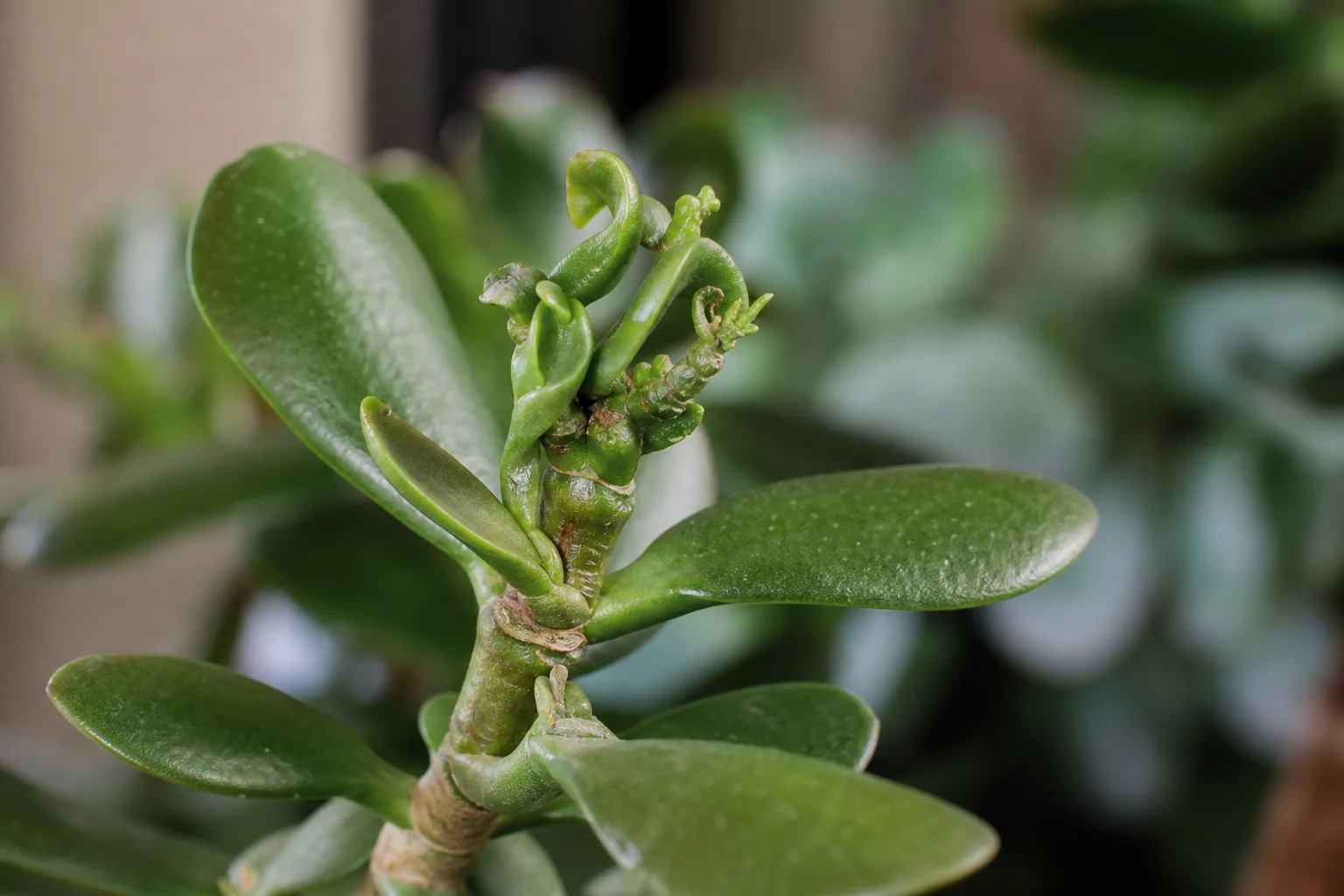
 GrowthDeformed New GrowthWhen a houseplant stops producing new leaves or stems look weak, owners often assume fertilizer is the fix. Deformed New Growth with New shoots emerge curled, damaged, or uneven usually traces to light, roots, temperature, or season. This guide helps you distinguish normal slow periods from problems that need intervention. Track weekly progress after you change care, and note watering, light, and repotting dates so you can tell whether the symptom is improving or returning. Compare upper versus lower leaves, new versus old growth, and soil moisture at root depth before you treat, because the same visible symptom can come from watering, light, pests, or normal aging on different plants.
Growth problems
Leggy, stunted, and weak growth troubleshooting.
Not sure where to start? Match symptoms in under a minute
Select what you see on your plant and we'll suggest the most likely problems to check first.
How to investigate weak growth
Slow, leggy, or stunted growth usually reflects a limiting factor: light, root space, season, nutrition, pest pressure, or watering. Fix the constraint instead of adding fertilizer by default.
- Compare new growth size and internode spacing against older healthy growth.
- Check roots before fertilizing a plant that has stopped growing.
- Account for seasonal slowdown before treating normal winter rest as a problem.
GrowthDeformed New GrowthWhen a houseplant stops producing new leaves or stems look weak, owners often assume fertilizer is the fix. Deformed New Growth with New shoots emerge curled, damaged, or uneven usually traces to light, roots, temperature, or season. This guide helps you distinguish normal slow periods from problems that need intervention. Track weekly progress after you change care, and note watering, light, and repotting dates so you can tell whether the symptom is improving or returning. Compare upper versus lower leaves, new versus old growth, and soil moisture at root depth before you treat, because the same visible symptom can come from watering, light, pests, or normal aging on different plants.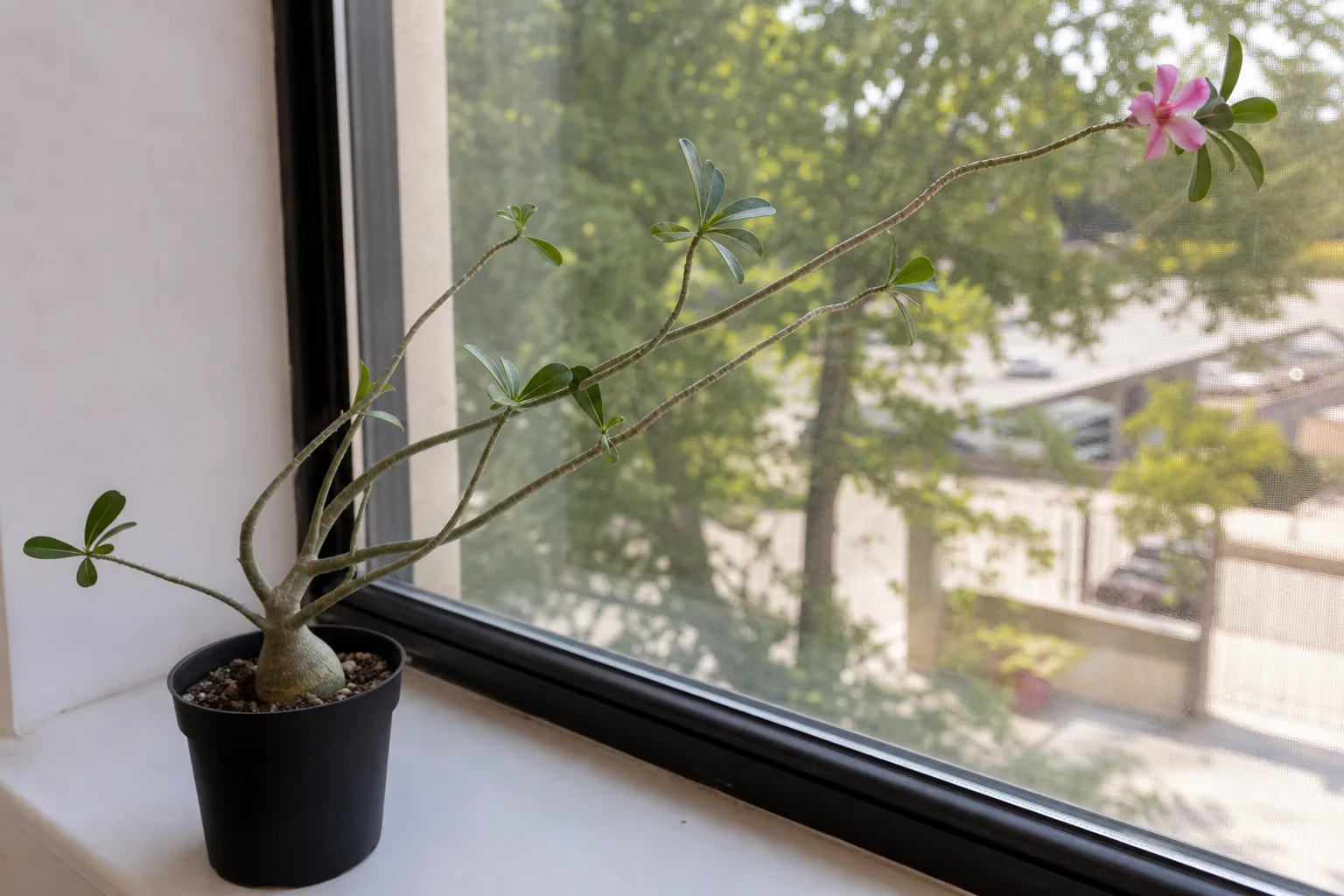 GrowthLeggy GrowthLeggy growth is a classic low-light adaptation where plants stretch toward available light at the expense of dense, compact foliage. Internodes lengthen, leaves become smaller, and stems may bend or flop. Many growers mistake this as fast healthy growth, but it usually signals that the plant is producing weaker tissue with lower structural strength. Over time, leggy plants become sparse and less resilient.
The fix centers on improving light quality and training growth back to balance. Move plants closer to bright indirect light or supplement with grow lights, then prune strategically to encourage branching. Rotating pots helps prevent one-sided lean. Recovery is gradual: old stretched sections do not shrink, but new growth can become compact under better conditions. Combining improved light with correct watering and moderate feeding produces denser regrowth over subsequent cycles.
GrowthLeggy GrowthLeggy growth is a classic low-light adaptation where plants stretch toward available light at the expense of dense, compact foliage. Internodes lengthen, leaves become smaller, and stems may bend or flop. Many growers mistake this as fast healthy growth, but it usually signals that the plant is producing weaker tissue with lower structural strength. Over time, leggy plants become sparse and less resilient.
The fix centers on improving light quality and training growth back to balance. Move plants closer to bright indirect light or supplement with grow lights, then prune strategically to encourage branching. Rotating pots helps prevent one-sided lean. Recovery is gradual: old stretched sections do not shrink, but new growth can become compact under better conditions. Combining improved light with correct watering and moderate feeding produces denser regrowth over subsequent cycles.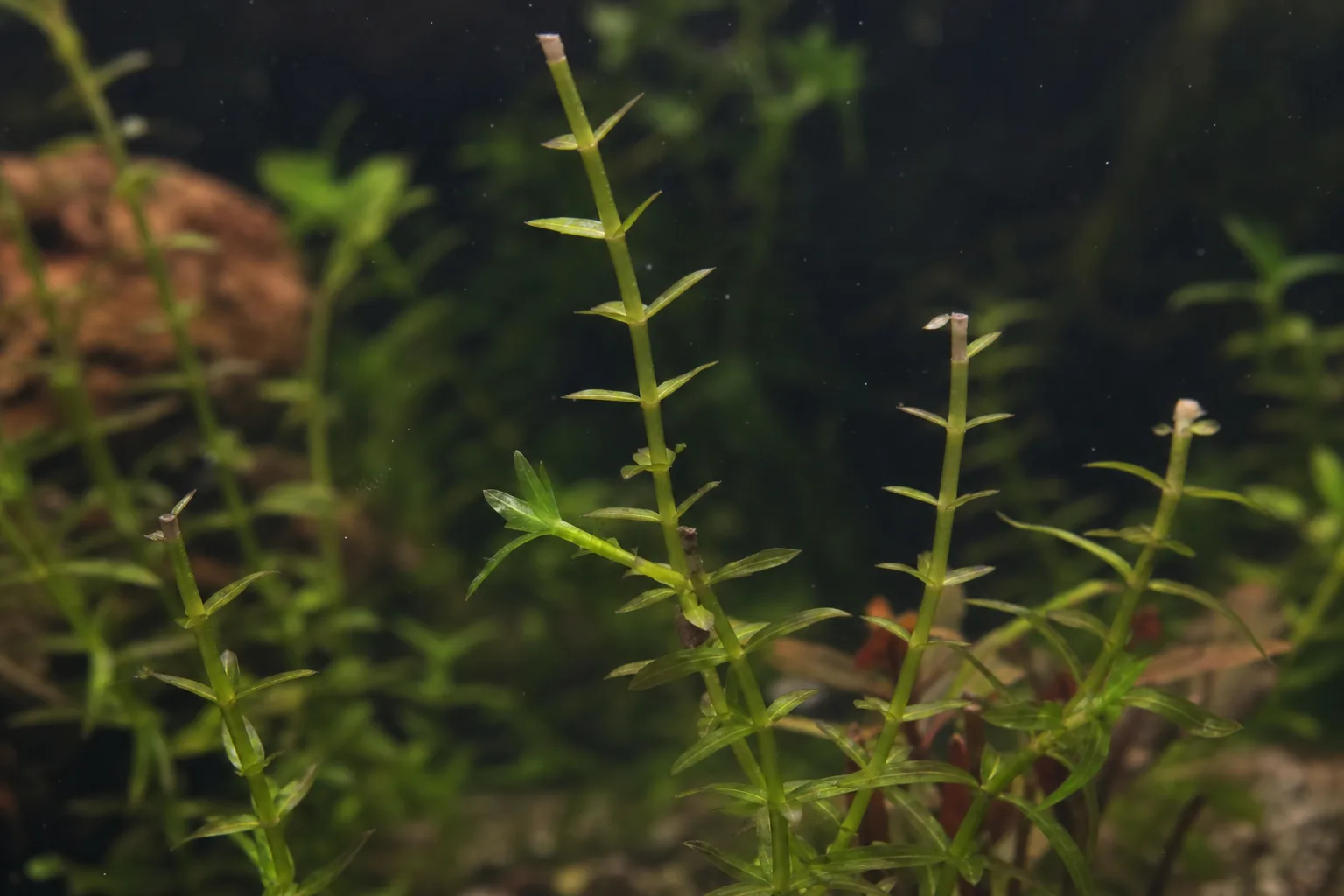 GrowthNo New GrowthNo new growth is a timing and context problem, not always a crisis. Many indoor plants pause naturally in winter, after repotting, or after a move. Concern starts when a plant should be growing but stays static for weeks or months while light, temperature, and watering are supposedly "normal." In that situation, the issue is usually not lack of motivation from the plant. It is an energy or root-zone bottleneck.
The most useful first distinction is seasonal rest versus true stall. A plant resting through short cool days may be behaving normally. A plant frozen in place during warm bright growing weather is not. To diagnose it well, look at light level, root space, recent stress, and whether the plant is maintaining healthy leaves or quietly declining while growth stays absent.
GrowthNo New GrowthNo new growth is a timing and context problem, not always a crisis. Many indoor plants pause naturally in winter, after repotting, or after a move. Concern starts when a plant should be growing but stays static for weeks or months while light, temperature, and watering are supposedly "normal." In that situation, the issue is usually not lack of motivation from the plant. It is an energy or root-zone bottleneck.
The most useful first distinction is seasonal rest versus true stall. A plant resting through short cool days may be behaving normally. A plant frozen in place during warm bright growing weather is not. To diagnose it well, look at light level, root space, recent stress, and whether the plant is maintaining healthy leaves or quietly declining while growth stays absent.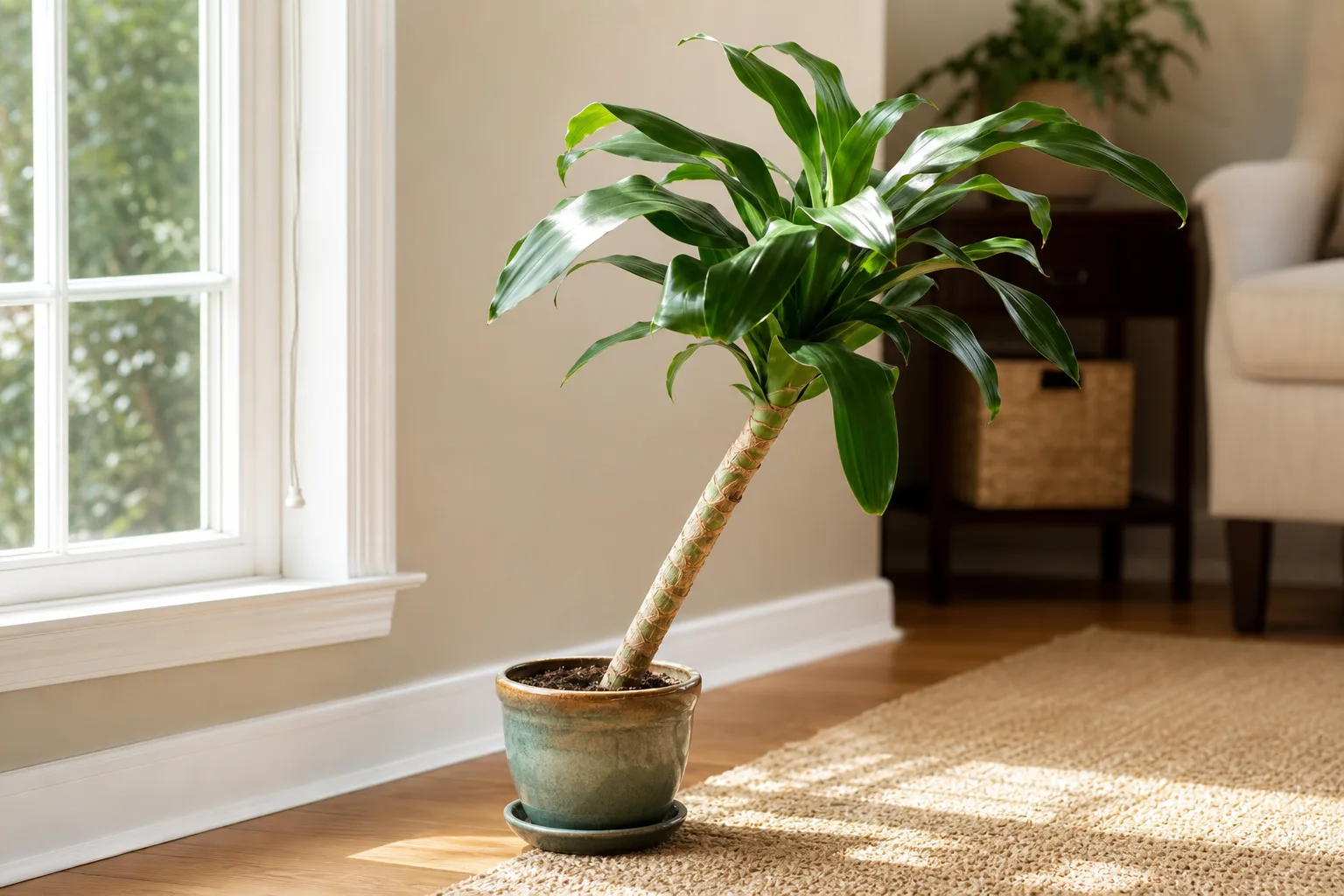 GrowthPlant LeaningWhen a houseplant stops producing new leaves or stems look weak, owners often assume fertilizer is the fix. Plant Leaning with Plant bends strongly toward light or becomes unstable usually traces to light, roots, temperature, or season. This guide helps you distinguish normal slow periods from problems that need intervention. Track weekly progress after you change care, and note watering, light, and repotting dates so you can tell whether the symptom is improving or returning. Compare upper versus lower leaves, new versus old growth, and soil moisture at root depth before you treat, because the same visible symptom can come from watering, light, pests, or normal aging on different plants.
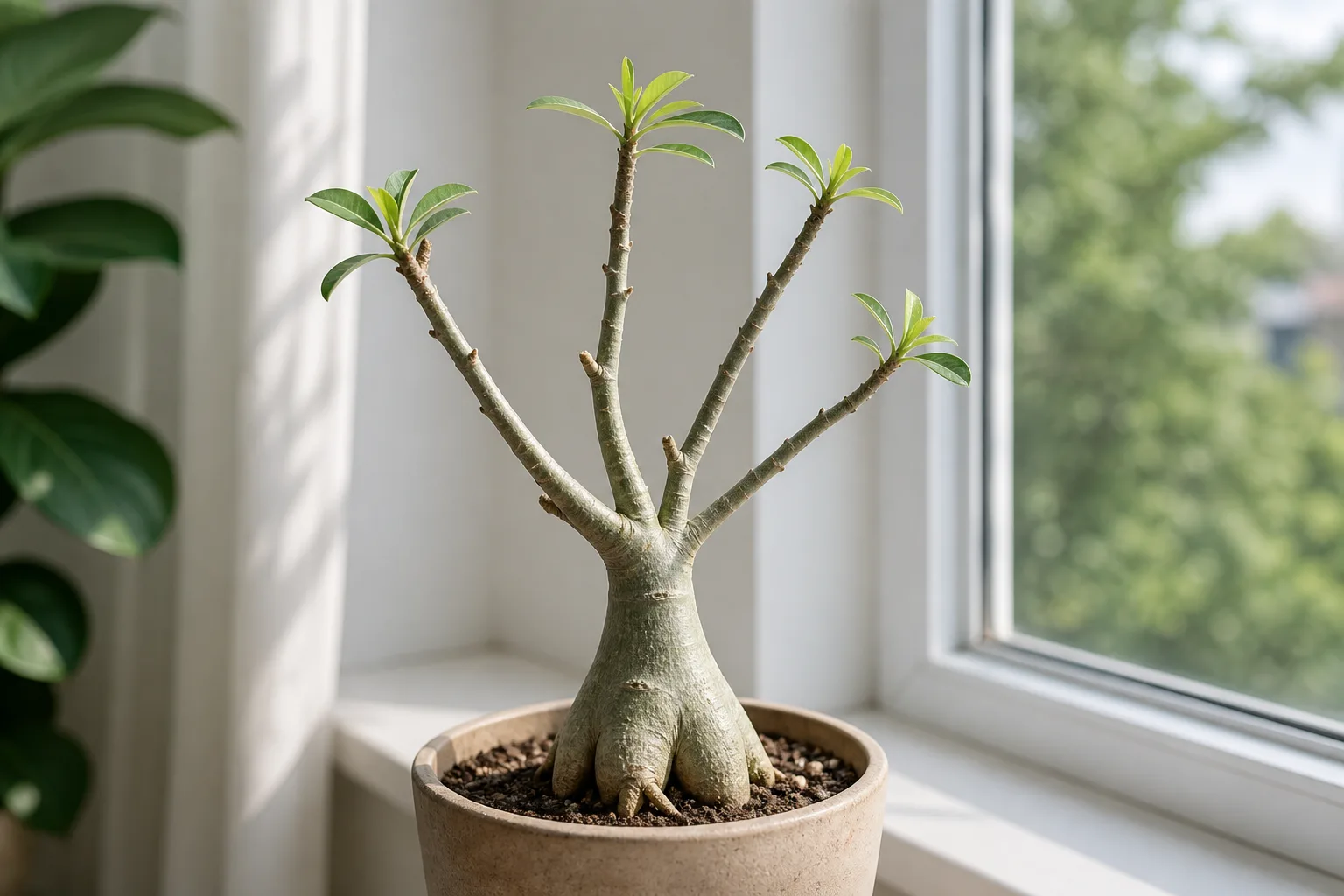 GrowthSlow GrowthSlow growth is not always a problem, since many houseplants naturally pause in winter or after repotting. Concern begins when growth remains minimal through favorable seasons despite stable care. In most cases, growth rate is constrained by low light, cool temperatures, root congestion, depleted substrate, or mismatched watering and feeding. The plant may look stable but fail to produce meaningful new foliage.
Diagnosing slow growth works best as a system check: evaluate light intensity, root health, pot size, substrate age, and nutrition together. A single fix rarely solves chronic stagnation if multiple bottlenecks exist. Once constraints are removed, growth usually resumes gradually rather than suddenly. Track progress by new leaf frequency and size over 6-8 weeks, not day-to-day changes.
GrowthSlow GrowthSlow growth is not always a problem, since many houseplants naturally pause in winter or after repotting. Concern begins when growth remains minimal through favorable seasons despite stable care. In most cases, growth rate is constrained by low light, cool temperatures, root congestion, depleted substrate, or mismatched watering and feeding. The plant may look stable but fail to produce meaningful new foliage.
Diagnosing slow growth works best as a system check: evaluate light intensity, root health, pot size, substrate age, and nutrition together. A single fix rarely solves chronic stagnation if multiple bottlenecks exist. Once constraints are removed, growth usually resumes gradually rather than suddenly. Track progress by new leaf frequency and size over 6-8 weeks, not day-to-day changes.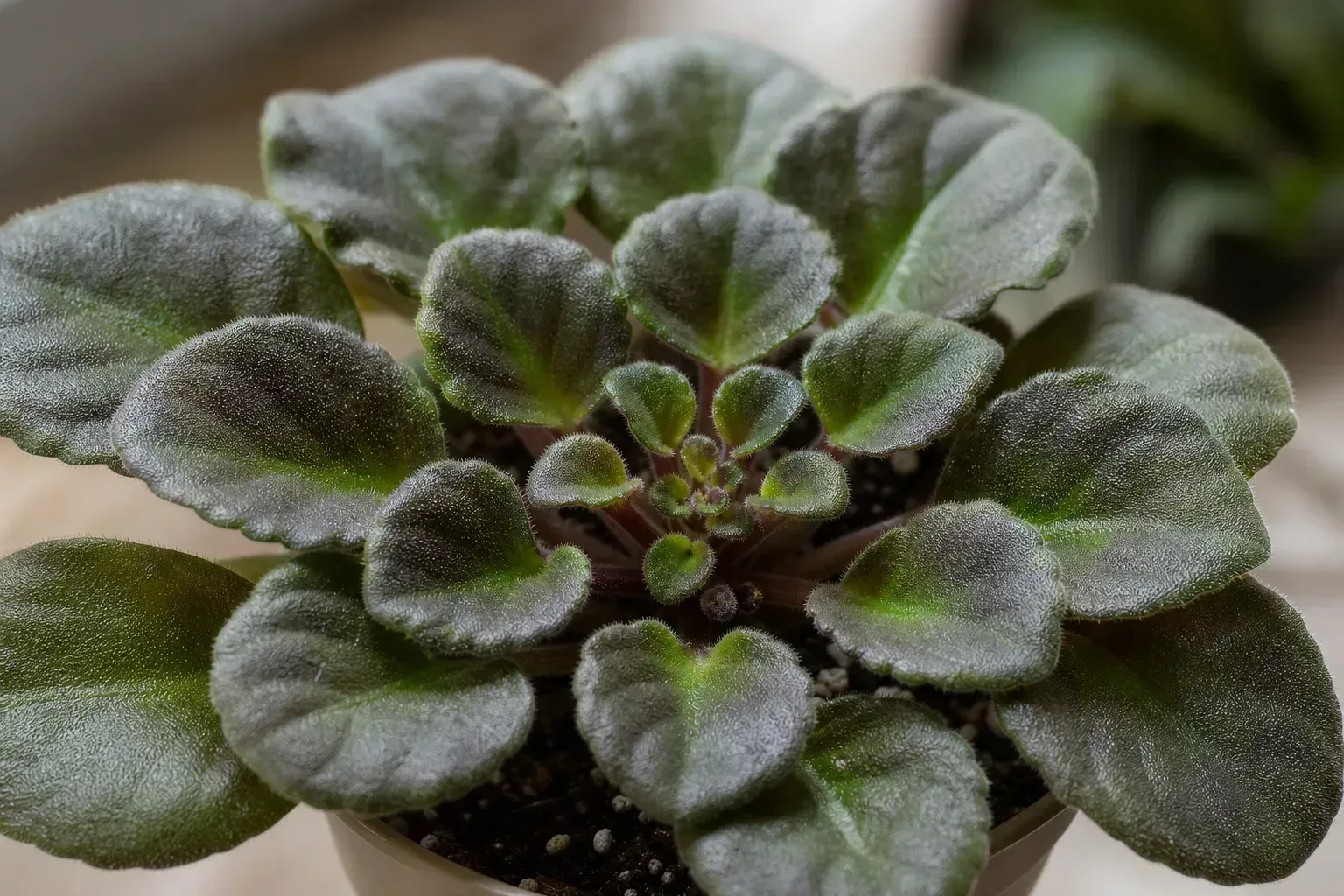 GrowthStunted GrowthWhen a houseplant stops producing new leaves or stems look weak, owners often assume fertilizer is the fix. Stunted Growth with Plant stays small and weak despite care usually traces to light, roots, temperature, or season. This guide helps you distinguish normal slow periods from problems that need intervention. Track weekly progress after you change care, and note watering, light, and repotting dates so you can tell whether the symptom is improving or returning. Compare upper versus lower leaves, new versus old growth, and soil moisture at root depth before you treat, because the same visible symptom can come from watering, light, pests, or normal aging on different plants.
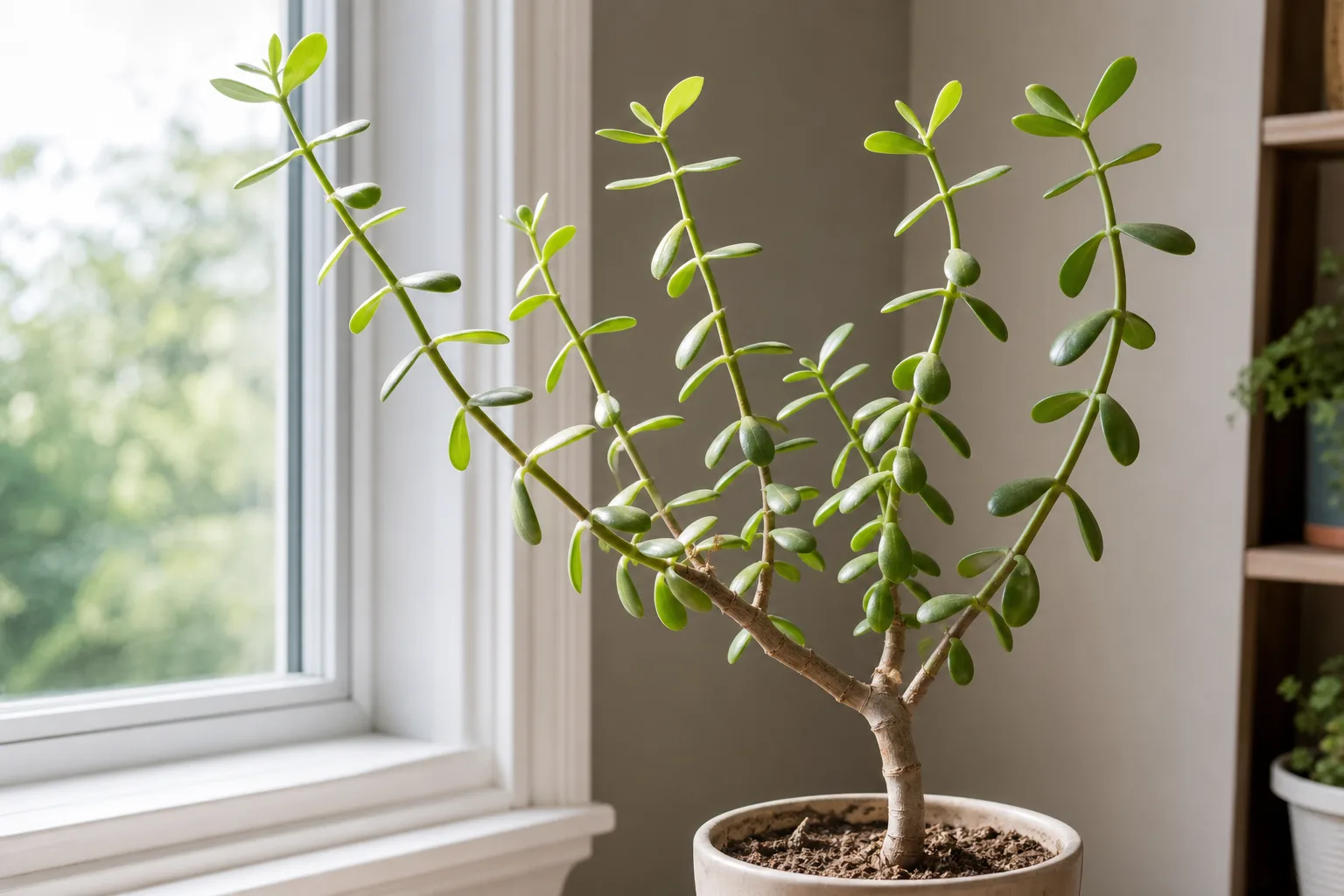 GrowthThin StemsWhen a houseplant stops producing new leaves or stems look weak, owners often assume fertilizer is the fix. Thin Stems with Long, weak stems caused by low light or crowding usually traces to light, roots, temperature, or season. This guide helps you distinguish normal slow periods from problems that need intervention. Track weekly progress after you change care, and note watering, light, and repotting dates so you can tell whether the symptom is improving or returning. Compare upper versus lower leaves, new versus old growth, and soil moisture at root depth before you treat, because the same visible symptom can come from watering, light, pests, or normal aging on different plants.
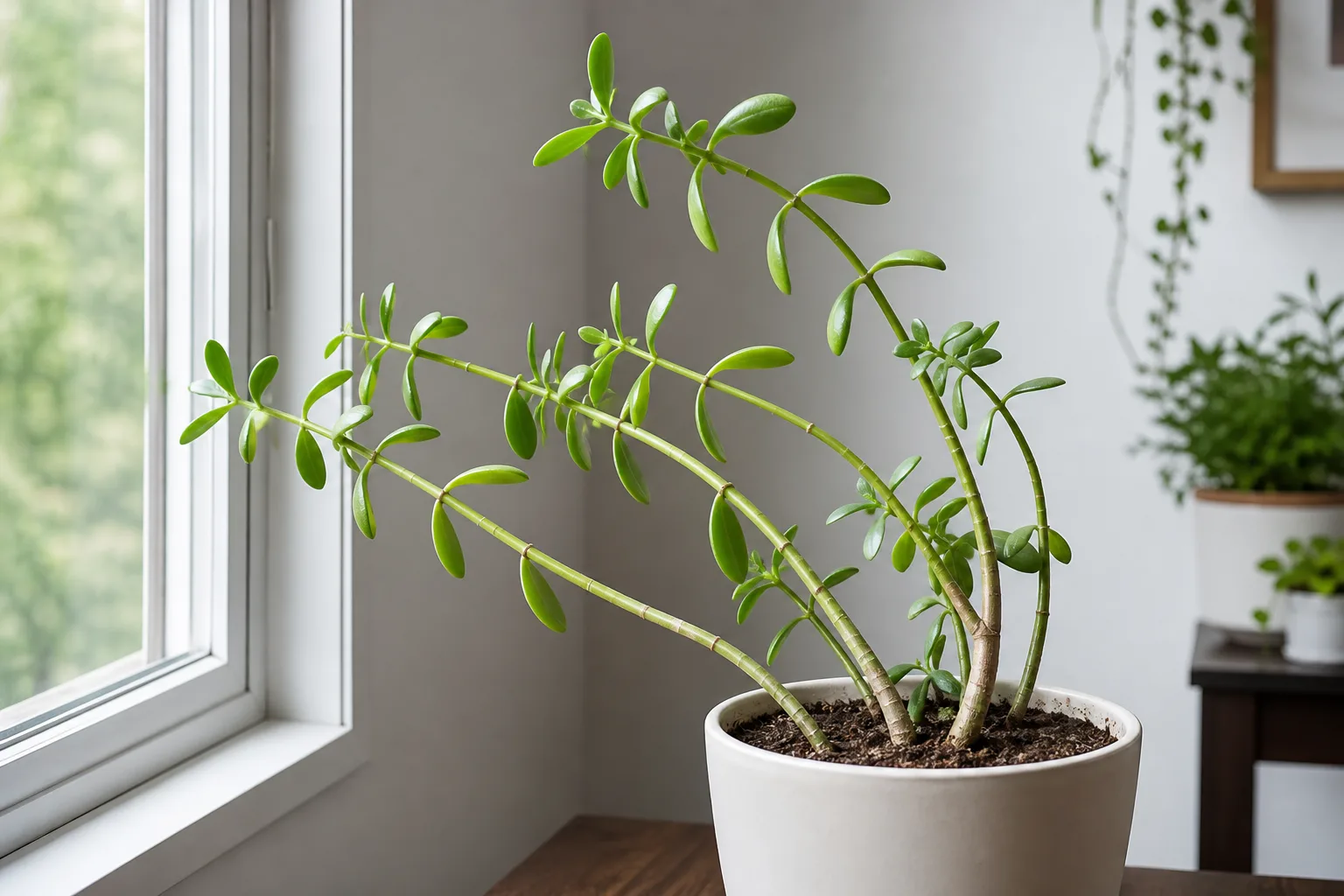 GrowthWeak StemsWeak stems are structural failures, not just slow growth. Stems bend, lean, or flop when the plant builds tissue that is too soft, too elongated, or poorly supported for the leaves, flowers, or canopy above it. Low light is the classic reason because it drives stretch and thinner growth, but weak stems can also come from overfertilizing in dim conditions, crowding, drought setbacks, or root problems that reduce overall vigor.
The diagnosis depends on the whole plant. A stem that is long, pale, and leaning toward a window points in a different direction than a stem that suddenly softens near the base. One is usually a light-quality problem. The other may be water stress or rot. The fix works best when you separate chronic weak growth from acute collapse.
GrowthWeak StemsWeak stems are structural failures, not just slow growth. Stems bend, lean, or flop when the plant builds tissue that is too soft, too elongated, or poorly supported for the leaves, flowers, or canopy above it. Low light is the classic reason because it drives stretch and thinner growth, but weak stems can also come from overfertilizing in dim conditions, crowding, drought setbacks, or root problems that reduce overall vigor.
The diagnosis depends on the whole plant. A stem that is long, pale, and leaning toward a window points in a different direction than a stem that suddenly softens near the base. One is usually a light-quality problem. The other may be water stress or rot. The fix works best when you separate chronic weak growth from acute collapse.No problems matched your search. Try different keywords or clear the category filter.
This growth problems problem guide was researched and written by . Growth problems symptoms, lookalike causes, and step-by-step fixes are cross-checked against extension pest, disease, and care references before publication.
We prioritize sources that hold up under scrutiny:
- University cooperative extension bulletins and fact sheets (Penn State, Clemson, UMD, NC State, and similar programs)
- Botanical garden and horticultural society publications
- Peer-reviewed plant science and veterinary toxicology references where pet safety matters (including ASPCA Animal Poison Control)
- Established reference works on indoor plant culture
The LeafyPixels editorial team then reviews the draft for clarity, step-by-step usefulness, and fit with real apartment and home conditions-not ideal greenhouse setups. When guidance changes materially, we update the page and note the revision date.
Sources used
- University of Florida IFAS (n.d.) Light for houseplants. [Online]. Available at: https://edis.ifas.ufl.edu/publication/EP145 (Accessed: 29 June 2026).
- University of Maryland Extension (n.d.) Lighting for indoor plants. [Online]. Available at: https://extension.umd.edu/resource/lighting-indoor-plants (Accessed: 29 June 2026).
- University of Maryland Extension (n.d.) Nutrient deficiency of indoor plants. [Online]. Available at: https://extension.umd.edu/resource/nutrient-deficiency-indoor-plants (Accessed: 29 June 2026).
- University of Maryland Extension (n.d.) Diagnose indoor plant problems. [Online]. Available at: https://extension.umd.edu/resource/diagnose-indoor-plant-problems (Accessed: 29 June 2026).