Plant Leaning: Causes, Diagnosis, and Safe Fixes
When a houseplant stops producing new leaves or stems look weak, owners often assume fertilizer is the fix. Plant Leaning with Plant bends strongly toward light or becomes unstable usually traces to light, roots, temperature, or season. This guide helps you distinguish normal slow periods from problems that need intervention. Track weekly progress after you change care, and note watering, light, and repotting dates so you can tell whether the symptom is improving or returning. Compare upper versus lower leaves, new versus old growth, and soil moisture at root depth before you treat, because the same visible symptom can come from watering, light, pests, or normal aging on different plants.
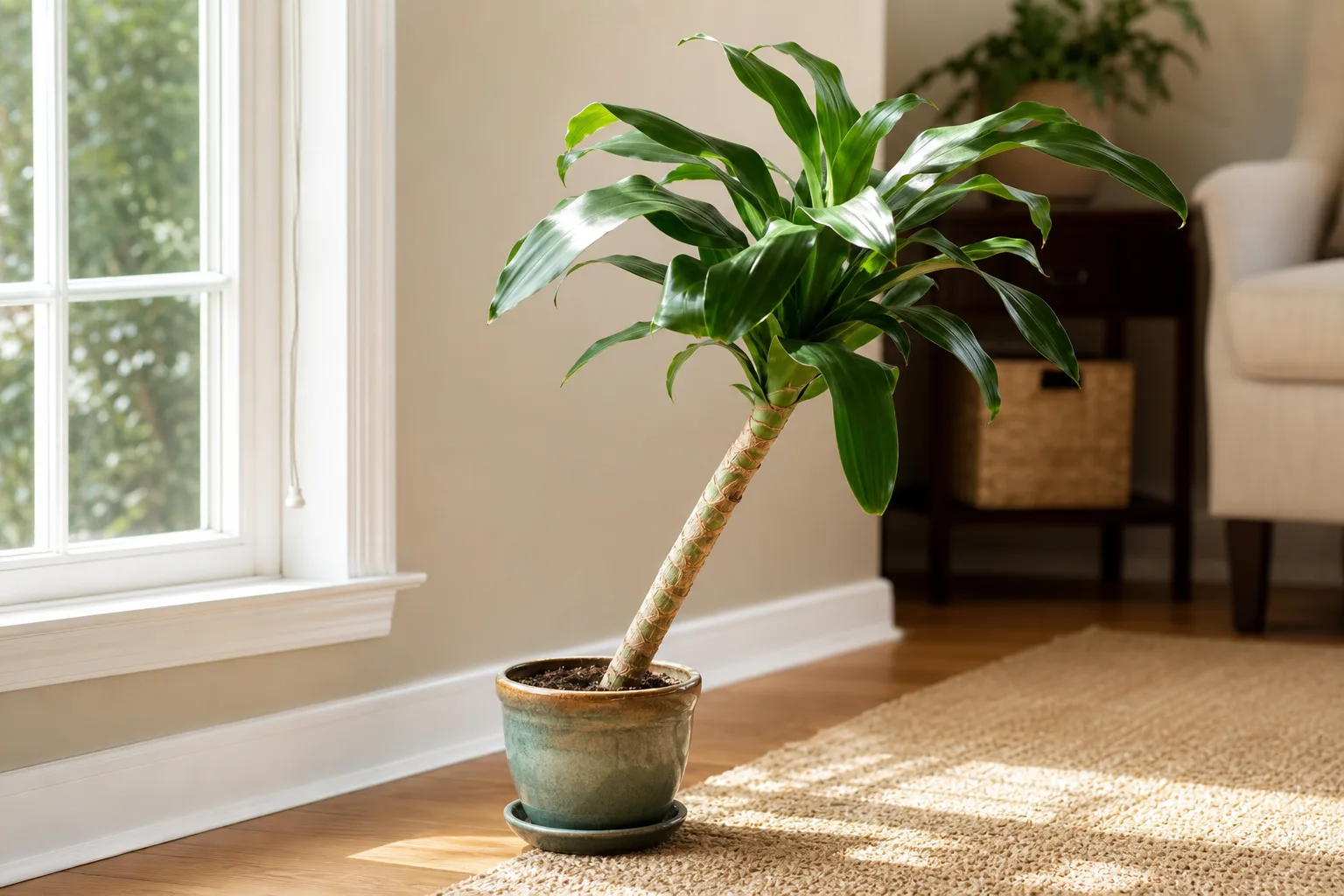
Plant Leaning on Houseplants
Still unsure?Match your symptoms to the most likely problems in under a minute.Run diagnosis →Understand and fix plant leaning
When a houseplant stops producing new leaves or stems look weak, owners often assume fertilizer is the fix. Plant Leaning with Plant bends strongly toward light or becomes unstable usually traces to light, roots, temperature, or season. This guide helps you distinguish normal slow periods from problems that need intervention. Track weekly progress after you change care, and note watering, light, and repotting dates so you can tell whether the symptom is improving or returning. Compare upper versus lower leaves, new versus old growth, and soil moisture at root depth before you treat, because the same visible symptom can come from watering, light, pests, or normal aging on different plants.
Overview
When a houseplant stops producing new leaves or stems look weak, owners often assume fertilizer is the fix. Plant Leaning with Plant bends strongly toward light or becomes unstable usually traces to light, roots, temperature, or season. This guide helps you distinguish normal slow periods from problems that need intervention. Track weekly progress after you change care, and note watering, light, and repotting dates so you can tell whether the symptom is improving or returning. Compare upper versus lower leaves, new versus old growth, and soil moisture at root depth before you treat, because the same visible symptom can come from watering, light, pests, or normal aging on different plants.
How to identify it
- No new leaves for 2+ months during spring/summer
- Stems elongate with wide gaps between leaves
- New leaves smaller than older ones
- Roots visible on soil surface or circling pot
- Plant in a very dark corner or tiny pot for years
When to worry
Stunted growth with yellowing, pests, or soft stems suggests root or disease issues beyond normal slow winter growth.
Common causes
Insufficient light for growth
Plants conserve energy in dim spots. Plant Leaning with leggy stems is classic low-light etiolation.
Root-bound container
When roots fill the pot, there is little soil left to support new growth-growth stalls even with good care.
Winter or cool-season dormancy
Many houseplants naturally slow in short, cool months. Little new growth in winter can be normal.
Chronic underwatering or nutrient lack
Ongoing stress limits the resources available for new leaves and branches.
Step-by-step fix
Confirm the season and recent care changes
Pause expectations in winter. Note any repotting, moves, or pest issues in the last 3 months.
Increase light if stems are stretching
Move closer to a window or add a grow light. Prune leggy growth to encourage bushier new shoots.
Check if the plant is root-bound
Roots circling the pot edge mean repot into a container 1–2 inches larger with fresh mix.
Feed lightly during active growth
Half-strength fertilizer once a month in spring and summer if light is adequate.
Be patient after fixing conditions
New growth may take 3–6 weeks to appear once light and roots are corrected.
Prevention tips
- Match plant species to available light
- Repot before roots circle tightly
- Fertilize during growth season only
- Rotate plants for even light exposure
Common mistakes
- Over-fertilizing to force growth in low light
- Repotting into an oversized pot hoping for faster growth
- Expecting summer growth rates in winter
A leaning houseplant may be doing exactly what its growth habit and light environment encourage, or it may be losing structural support. Those possibilities look similar from across the room. The difference becomes clear when you inspect where the bend begins, whether the tissue is firm, which direction new growth faces, and how securely roots and potting mix anchor the plant.
Do not start by pulling the stem upright. A forced correction can crack healthy tissue, hide root failure, or turn a manageable imbalance into damage. Diagnose the type of lean first, then decide whether the plant needs better light, a support, a more stable container, pruning, root care, or simply room to follow its natural habit.
This guide synthesizes cooperative Extension and horticultural guidance rather than reporting a controlled trial on one plant. The two photographs show patterns worth inspecting, not proof of a particular cause. Diagnose the point where the lean begins, tissue firmness, root-ball stability, growth habit, and change over time before deciding that rotation, support, pruning, or repotting is appropriate.
Quick diagnosis: orientation, weakness, or instability?
Classify the lean before searching for a cause:
- Directional orientation: firm stems and leaves point toward the brightest side; the root ball and stem base are stable.
- Weak elongated growth: long internodes, small leaves, pale growth, and thin flexible stems accompany the lean.
- Loss of turgor: stems or petioles droop temporarily and feel limp; moisture, roots, or temperature may be involved.
- Root or stem instability: the whole crown rocks, the base is soft, roots are damaged, or the plant suddenly collapses.
- Mechanical imbalance: a heavy canopy, shallow planting, narrow pot, or one-sided branch structure shifts the center of gravity.
- Natural habit: vines, climbers, trailers, and young woody shoots grow outward until they find support.
Urgency depends on tissue condition. A firm pothos vine reaching for a window is not an emergency. A cane that suddenly folds at a dark soft base, or a whole plant that rocks because roots have decayed, needs prompt investigation.
Penn State Extension notes that plant symptoms can have multiple interacting causes, including light, moisture, fertility, temperature, pests, disease, and physical factors. Treat the direction of the stem as evidence, not a complete diagnosis.
When leaning is normal plant behavior
Many plants do not grow as symmetrical freestanding columns. Vining aroids search for a surface, trailing species spill over an edge, orchids may orient leaves and flower spikes toward light, and new woody shoots can arc before they harden. A plant sold on a temporary nursery stake may reveal its natural climbing habit after the stake is removed.
Learn the species’ architecture before “correcting” it. A Monstera, Philodendron, Hoya, or pothos may benefit from an appropriate climbing support, while a trailing basket plant may look best and remain healthy without being vertical. Some rosette plants should stay centered; for them, a sudden crown lean deserves closer inspection.
Normal leaning should still be firm and progressive rather than collapsing. Leaves should maintain normal color and texture, roots should anchor the crown, and the bend should follow growth direction rather than a mushy lesion. If all those conditions hold, the task is training and presentation, not rescue.
Directional light and one-sided growth
Plants respond to directional light by orienting leaves and shoots toward a more useful light source. Indoors, a window often supplies most of the usable light from one side, so new growth gradually faces it. This is common even when the plant receives enough total light.
University of Maryland Extension’s indoor-light guidance explains that intensity, duration, and quality all affect plant performance. Direction matters too in practical indoor placement: a plant deep in a room receives a narrow beam from the window rather than the broad overhead sky exposure it would receive outdoors.
Evidence for a light-directed lean includes a consistent bend toward the window, leaves presenting their surfaces toward the same side, and stronger growth on the bright side. Turn the pot temporarily and observe the next growth over several weeks. A change in the orientation of new tissue supports light as the driver, although it does not prove that total light is adequate.
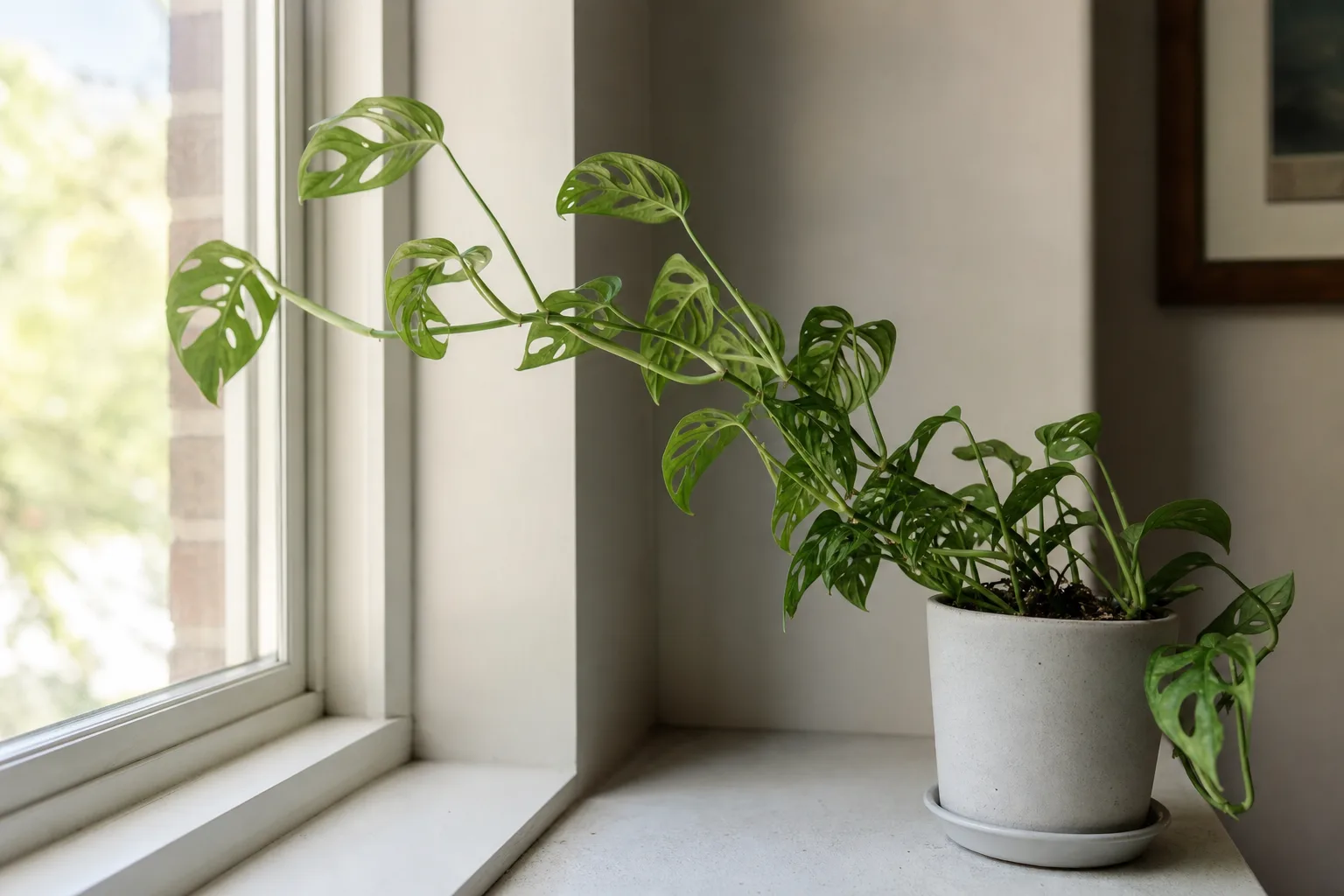
Rotation helps future growth, not old wood
Rotate only when the plant’s habit allows it. University of Minnesota Extension recommends rotating indoor plants to encourage even growth. A quarter-turn every week or two can distribute exposure for compact freestanding foliage plants, but constant daily turning can produce twisting and makes growth harder to read. Climbers attached to a pole or wall should usually keep a consistent front and back.
Rotation changes the direction of future extension. Mature woody stems and hardened petioles may not straighten, and forcing them can cause a split. If old structure is unattractive, use support, selective pruning, or propagation after improving the conditions that produced the lean.
Do not rotate a shade-acclimated plant so a previously protected side suddenly receives harsh direct sun. Increase bright exposure gradually. Leaf scorch will not improve structural balance, and damaged leaves can reduce the plant’s useful photosynthetic area.
Low light, elongation, and weak stems
A plant can lean toward light without being light-starved, but long sparse growth suggests the total supply is inadequate. Extended internodes, small new leaves, reduced variegation in some cultivars, and thin stems indicate that the plant is stretching while producing less robust structure.
NC State Extension identifies light as a key factor in container-plant growth and explains that light intensity, quality, and duration influence performance. Human eyes adapt to dim rooms, so visual impressions are unreliable; compare the plant’s location with the window or use a light meter at leaf level.
Improve light before using hard pruning as the sole answer. Otherwise new shoots may repeat the same weak pattern. Move closer to an appropriate window in stages, open a curtain where safe, clean dusty glazing and foliage, or add a suitable grow light positioned to provide even coverage.
Watch watering after the move. More light usually increases water use, while the old dim location may have allowed mix to stay wet. Check the root zone rather than preserving the previous schedule.
Water stress versus a permanent lean
A permanent lean keeps roughly the same structural angle when the plant is hydrated. Water stress causes a change in firmness: petioles sag, leaves fold, or stems lose turgor. Both drought and root damage from prolonged wetness can reduce water delivery to shoots, so “drooping means thirsty” is not a safe rule.
Probe the mix at root depth and lift the pot. Dry, shrunken mix and a light pot support drought; a heavy pot, persistent saturation, odor, and soft roots point toward impaired roots. A hydrophobic root ball can also allow water to run around the edge while the center remains dry.
NC State’s container guidance describes how watering need changes with light, temperature, humidity, pot size, medium, root volume, species, and growth stage. Use those variables to interpret the plant, not a fixed weekday.
Correct moisture carefully. Rehydrate genuinely dry mix evenly, let excess drain, and observe whether firmness returns. For wet mix, stop adding water, empty standing water, improve the conditions responsible for slow drying, and inspect roots if collapse, odor, or ongoing decline supports it.
Root and stem problems that need urgency
When the entire crown rocks at soil level, hold the pot and gently test the base. A recently repotted plant may simply be loose in fresh mix, but root decay, broken roots, or a buried weak stem can remove anchorage. Slide out the root ball only when the evidence warrants disturbing it.
Healthy roots vary by species but should generally be firm. Rotting roots are often soft, sloughing, hollow, or foul-smelling. A dark water-soaked lesion at the stem base, sudden folding, or spreading softness suggests structural tissue is failing rather than merely orienting toward light.
University of Maryland’s diagnostic resource connects indoor symptoms with cultural problems, pests, and diseases. If rot is present, remove collapsed tissue with clean tools, use suitable fresh medium and drainage, and correct the moisture-light mismatch. Propagate healthy material when the remaining roots or stem base cannot safely support the canopy.
Isolate plants with unexplained lesions or pests. Inspect nodes, leaf undersides, sheaths, and the root zone as appropriate. Sap-feeding pests can weaken new growth, but apply treatment only after identification and according to the label.
Pot shape, soil level, and top-heavy canopies
Sometimes the plant is healthy and the container system is unstable. A tall canopy in a light plastic nursery pot has a high center of gravity. A narrow base, dry lightweight medium, one heavy branch, or a decorative cachepot that does not fit the nursery pot can make the whole assembly tilt.
Set the pot on a level surface and check whether the root ball itself is leaning inside it. Confirm that the container has not cracked and that the nursery pot sits flat rather than on standing water or a raised object. A heavier outer cachepot can improve stability without disturbing roots, provided drainage water is emptied.
If the root ball is firm but planted off-center, correct it at an appropriate repotting time. Keep the crown at the species-appropriate depth; burying stems deeply to make them stand can encourage decay in plants not adapted to it. Use fresh medium around intact roots and water it in enough to settle large air gaps without compacting it into a solid mass.
Prune a severely one-sided canopy only when the species tolerates pruning and the plant has enough light and vigor to regrow. Remove no more than the structure needed for safety and balance. A support may be the less stressful option.
Climbing, trailing, and self-supporting plants
Match the solution to the plant. Climbers use aerial roots, twining stems, tendrils, or other structures and often grow more securely when guided onto a trellis, pole, slab, or hoop. Trailers should be allowed to spill or be clipped back for branching; they are not failing because a vine points downward.
Self-supporting plants—many palms, dracaenas, ficus, succulents, and rosette species—should hold themselves when roots and stems are sound, although a temporary stake may protect a newly rooted or recently repotted specimen. Permanent staking can conceal a weak root system or keep soft ties rubbing the same tissue.
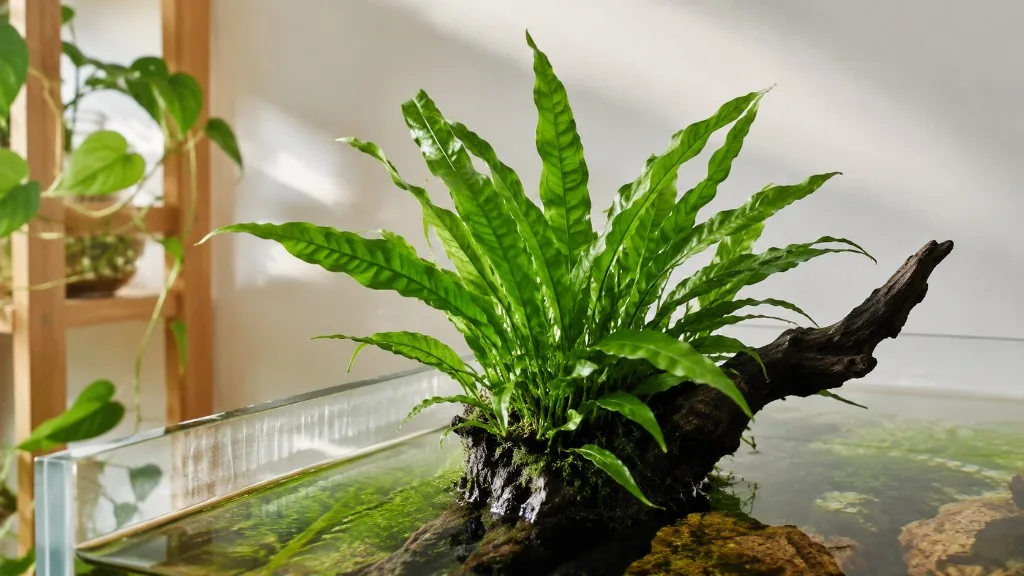
Aquatic plants require another lens. Current or buoyancy can angle shoots, and substrate anchorage differs from terrestrial potting media. Avoid applying dry-pot rules to an aquarium plant simply because its photographed angle resembles a leaning houseplant.
A hands-on inspection before you intervene
Perform the inspection in this order:
- Photograph the whole plant from front and side.
- Identify whether the lean starts at the pot, stem base, node, petiole, or newest shoot.
- Feel for firmness without bending the stem.
- Note the brightest direction and compare leaf orientation.
- Check internode length and recent leaf size.
- Test root-zone moisture and empty standing water.
- Inspect for pests, wounds, and soft lesions.
- Test whether the root ball rocks independently of the pot.
- Examine roots only if instability, abnormal drying, odor, or decline justifies it.
Record recent moves, window changes, repotting, pruning, shipping, missed watering, and pest treatment. The timing often distinguishes gradual phototropic growth from a sudden mechanical or root failure.
Decision table: pattern, cause, and first move
| Pattern | Best-supported explanation | First move |
|---|---|---|
| Firm growth consistently faces window | Directional light response | Adjust position or rotate gradually |
| Long internodes and thin pale stems | Inadequate total light | Increase appropriate light |
| Limp tissue changes with root moisture | Water-delivery stress | Diagnose dry versus wet root zone |
| Whole plant rocks; roots are soft | Root failure | Correct rot and stabilize viable tissue |
| Firm healthy vine grows outward | Natural climbing or trailing habit | Provide suitable support or let it trail |
| Pot tips but root ball is secure | Mechanical imbalance | Use a stable container or rebalance canopy |
| Sudden bend at a damaged node | Stem injury | Support, prune, or propagate based on damage |
If two patterns coexist, address immediate safety first. A top-heavy plant in low light may need temporary support today and better light for stronger future growth. Document both actions rather than expecting the stake to correct the underlying weakness.
Correct light without causing scorch
Move a plant in stages over one to three transitions rather than from a deep shelf into hot direct sun. Monitor the leaf surface, pot drying rate, and temperature near glass. A grow light can provide a more controllable direction and duration when window exposure is uneven.
Position the light so the canopy receives broad coverage. A lamp placed far to one side can reinforce the lean even if intensity increases. Follow the light manufacturer’s distance and duration guidance, then adjust for the species’ response.
The aim is compact, appropriately sized new growth. Old elongated stems will not become shorter. When the environment is corrected, use new internode length, leaf size, and stem firmness to judge success.
Stake or trellis a plant safely
Choose a support suited to the mature habit and weight. Insert it with awareness of the root ball; forcing a thick stake through dense roots can cause damage. When possible, place supports during planned repotting or along the pot edge where resistance is lower.
Use wide soft ties in a loose figure-eight between support and stem. Leave room for thickening and check monthly. Wire, thin string, and tight plastic ties can girdle tissue, especially when hidden behind leaves.
Support more than one point on a tall plant so one tie does not carry the entire load. Tie the firm stem, not a leaf petiole. For climbing plants, guide nodes toward the support and let new growth attach; do not bend a hardened stem sharply.
A stake is temporary for a newly anchored self-supporting plant but may be permanent infrastructure for a natural climber. Reassess rather than leaving ties indefinitely by default.
Repot, prune, or propagate: choosing the right repair
Repot when roots are severely restricted, decayed, poorly anchored after a failed potting, or the container is mechanically unsuitable. Use a modest size increase and species-appropriate medium. NC State Extension notes that circling roots can stunt growth, but one visible root is not proof that every lean needs a larger pot.
Prune when healthy but permanently crooked stems create a safety or space problem and the species reliably branches. Improve light first so replacement shoots are stronger. Keep healthy foliage when possible, because it supports recovery.
Propagate when the base or a major stem cannot be made structurally sound but healthy nodes remain. Use a method appropriate to the species. Keep the original plant only if its remaining viable tissue can be stabilized without continued decay.
Common mistakes that make leaning worse
Do not force a rigid stem vertical in one motion. Do not bury an unsuitable stem deeply, use an oversized wet pot for ballast, or compact the root zone until it excludes air. Do not assume every droop needs water.
Avoid rotating natural climbers constantly, fastening ties tightly, and leaving wire against stems. Do not cut away the whole canopy before correcting light, because weak regrowth will repeat the problem.
Do not stack repotting, heavy pruning, fertilizer, and pesticide treatment on the same day. Make the safety intervention first, correct the best-supported cause, and allow the plant to respond.
Recovery signs and prevention
Success appears in future growth: shorter appropriate internodes, firmer stems, normal leaf size, stable roots, and a predictable moisture cycle. A supported old stem may remain angled. That is cosmetic history, not treatment failure.
Prevent recurrence by matching plant habit to placement, providing a support early for climbers, measuring light at the canopy, and using a stable container. Rotate compatible freestanding plants at a consistent modest interval rather than reacting after a dramatic bend.
Track the angle from the same camera position rather than judging it by memory. Put a small removable mark on the support at the newest node, record the date, and compare again after the plant has produced meaningful extension. If new growth is compact and holds its position while the old curve remains, the cause has probably been corrected even though the silhouette is not symmetrical.
For a repeatable comparison, mark the pot’s orientation, keep the camera height and distance similar, and measure the angle against the same vertical reference. Record only one major intervention at a time. A change in angle without firmer new tissue may reflect repositioning rather than biological recovery, so use the stem, roots, and next growth unit as corroborating evidence.
Season affects how quickly this evidence appears. A light or support correction made during active growth may be visible in the next shoot, while a winter correction may simply stop the lean from worsening. Avoid increasing water or fertilizer merely to accelerate the test; a plant receiving less seasonal light may use both more slowly.
Also review the room rather than only the pot. A nearby shade, furniture move, newly leafed-out outdoor tree, or change in grow-light height can recreate one-sided exposure. On a crowded shelf, neighboring foliage may shade one side of a plant even when the lamp looks centered from above.
Inspect ties, stakes, roots, and pot stability during routine care. Record location changes and monthly photographs. If leaning progresses alongside collapse, lesions, or root loss despite corrections, contact a cooperative Extension diagnostic service with the plant name, timeline, and clear images.
Conclusion
A leaning plant is not one diagnosis. Locate the bend, assess tissue firmness and root anchorage, compare the direction with the strongest light, and identify whether the species naturally climbs or trails. Those observations separate ordinary orientation from weak low-light growth, water stress, root failure, stem injury, and mechanical imbalance.
Correct the cause with the smallest effective intervention. Improve light gradually, stabilize the pot, add a safe support, repot only with root evidence, and prune or propagate only when structure cannot be preserved. Judge the result by healthy future growth rather than expecting old hardened stems to erase their history.
Plants commonly affected
These houseplants often struggle with plant leaning. Open a care guide or plant-specific troubleshooting page for tailored fixes.
 Medium
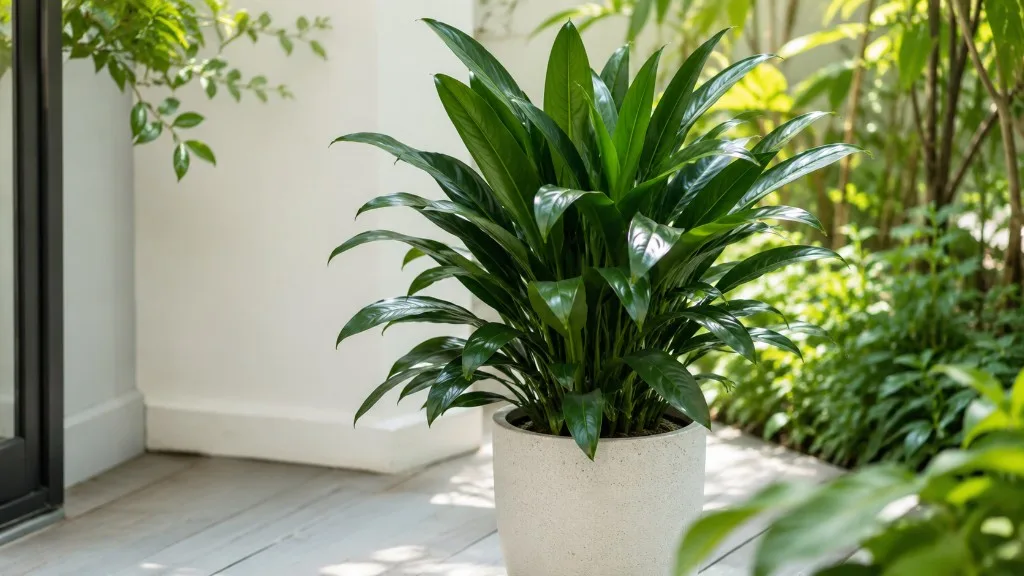
Janet Craig Dracaena
Likely causeFeb 3, 2026 · While it handles shade, this plant basically glows in bright, indirect light. Placement: Near an East window or a few feet back from a South/West window is ideal. Result: In these conditions, you'll see faster growth, wider le
Quick fixConfirm diagnosis on your Janet Craig Dracaena, then address the most likely care or pest factor described in current extension guidance.
 Medium
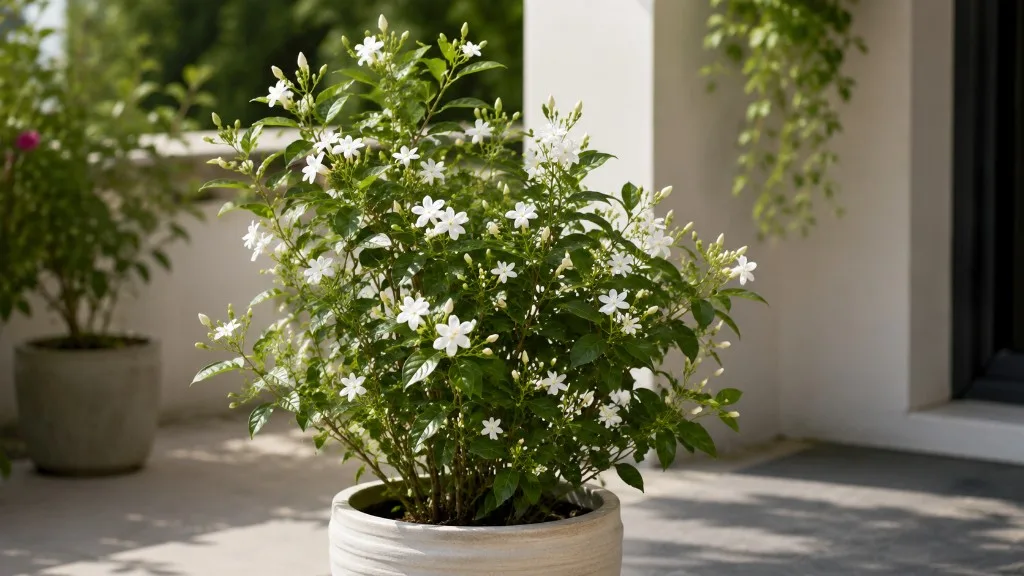
Jasmine
Likely causeJul 16, 2023 · As jasmine plants grow taller and produce more foliage, they can become top-heavy and start leaning towards one side . Without proper support, the weight of the plant can cause it to bend and grow in a sideways direction.
Quick fixConfirm diagnosis on your Jasmine, then address the most likely care or pest factor described in current extension guidance.
 Easy
EasyJava Fern
Likely causeJava fern is one of the most popular plants in the aquarium hobby, due to its aesthetic appeal and ease of care. Several cultivars of Java fern exist, including the "narrow leaf", "needle leaf", "Windelov", "trident", and "lance leaf" varia
Quick fixConfirm diagnosis on your Java Fern, then address the most likely care or pest factor described in current extension guidance.
 Medium
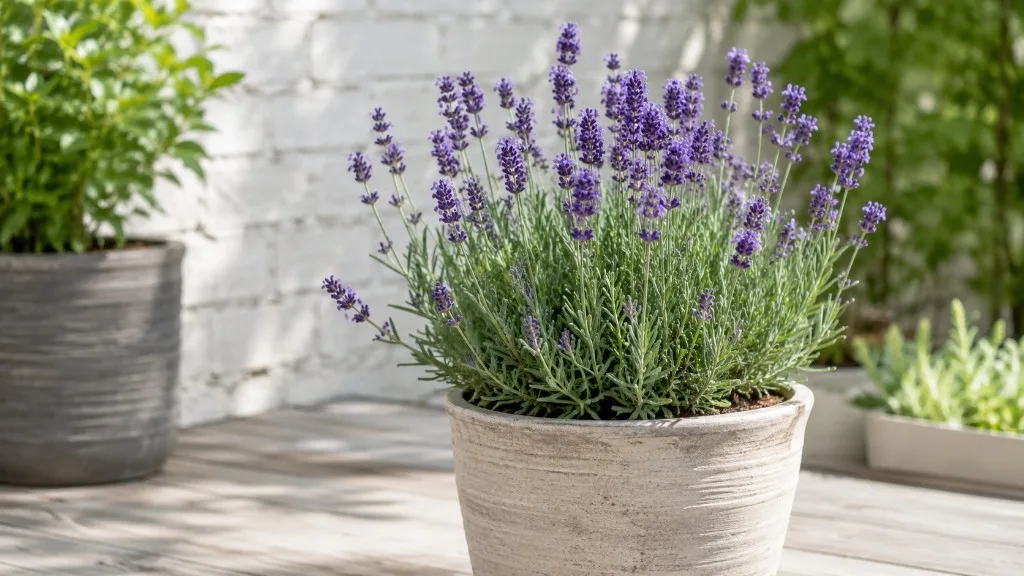
Lavender
Likely causeMar 28, 2026 · In this comprehensive guide, we’ll dive deep into the common reasons why lavender plants start leaning and, more importantly, equip you with expert tips and actionable steps to prevent and fix this issue.
Quick fixConfirm diagnosis on your Lavender, then address the most likely care or pest factor described in current extension guidance.
 Medium
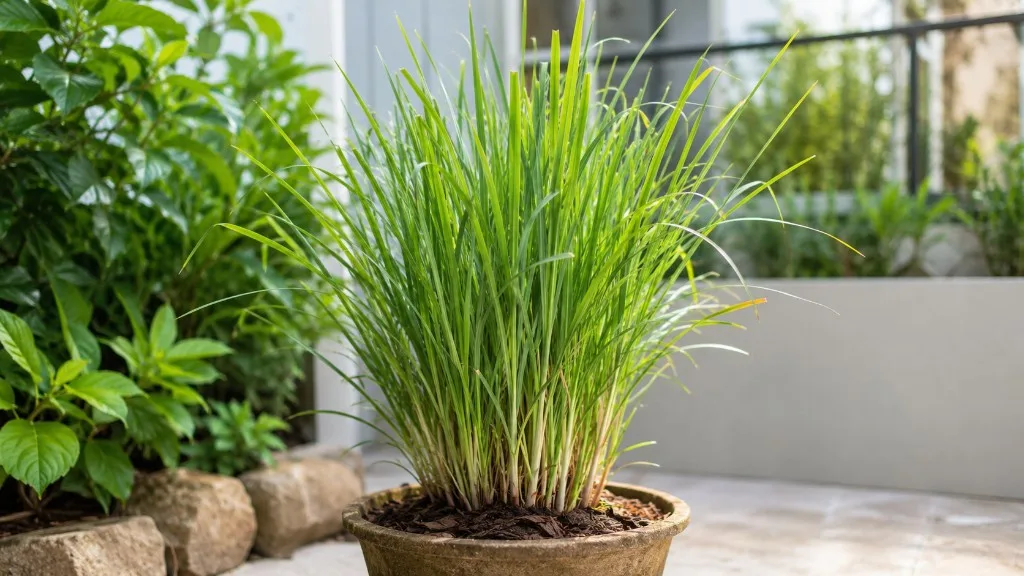
Lemongrass
Likely causeMay 1, 2025 · Lemongrass is a tropical grass grown primarily as a flavoring for foods and beverages. Here's everything you need to know about growing lemongrass at home.
Quick fixFollow extension or botanical guidance for Lemongrass plant leaning; adjust care before applying broad treatments.
 Medium
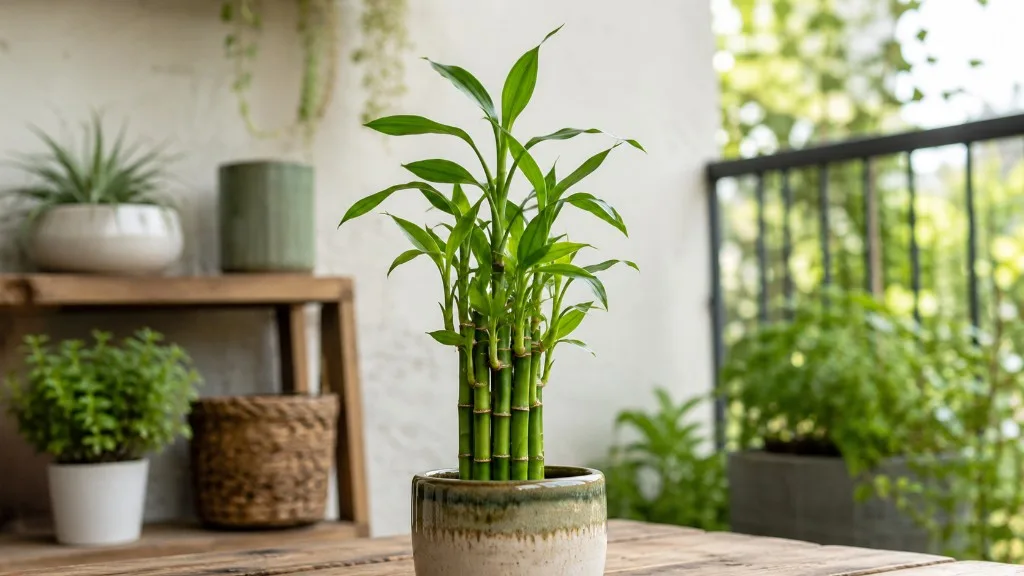
Lucky Bamboo
Likely causeFeb 15, 2024 · In water, lucky bamboo roots can become tangled and cramped, which affects the plant’s stability. Occasionally, give them room to breathe by gently untangling the roots and replanting them in a slightly larger container if ne
Quick fixConfirm diagnosis on your Lucky Bamboo, then address the most likely care or pest factor described in current extension guidance.
 Medium
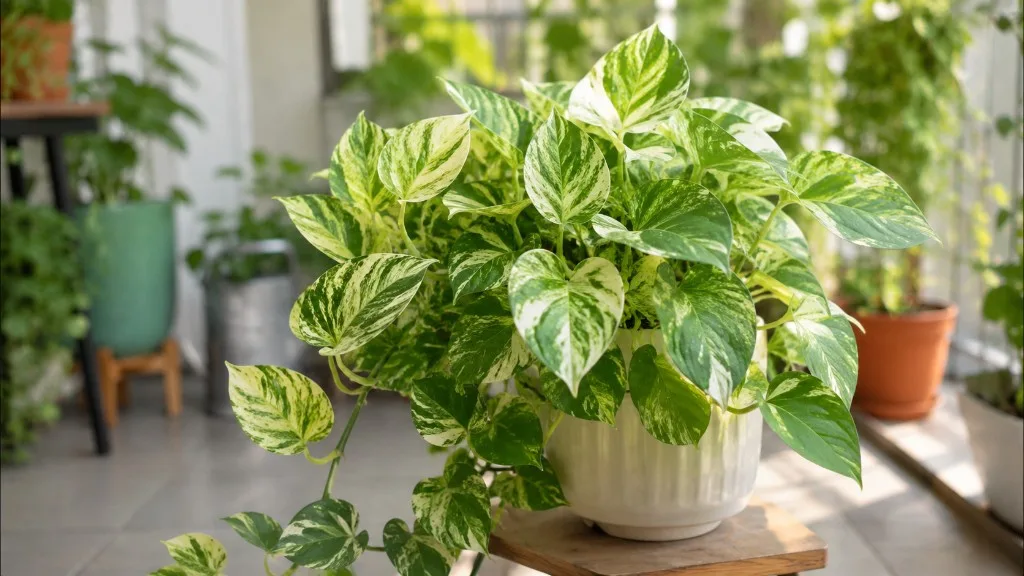
Manjula Pothos
Likely causeFeb 7, 2026 · The plant produces more chlorophyll (green) to compensate for low light. Move to a brighter location and prune fully reverted vines to encourage variegated growth.
Quick fixConfirm diagnosis on your Manjula Pothos, then address the most likely care or pest factor described in current extension guidance.
 Medium
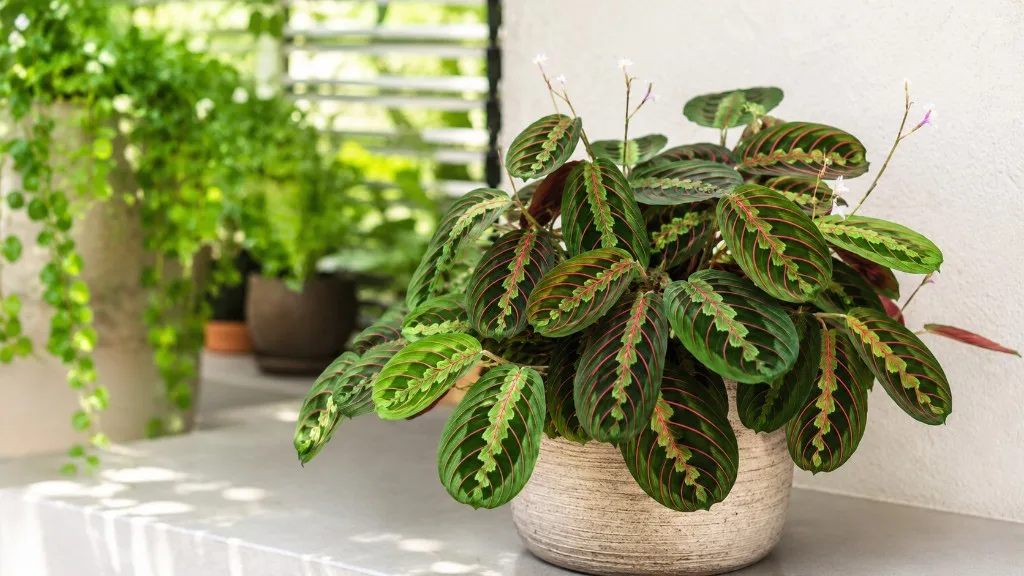
Maranta Leuconeura
Likely causeMaranta leuconeura , widely known as the prayer plant due to its daily sunlight-dependent movements (which are said to resemble hands "in-prayer"), is a species of flowering plant in the family Marantaceae native to the Brazilian tropical f
Quick fixConfirm diagnosis on your Maranta Leuconeura, then address the most likely care or pest factor described in current extension guidance.
 Medium
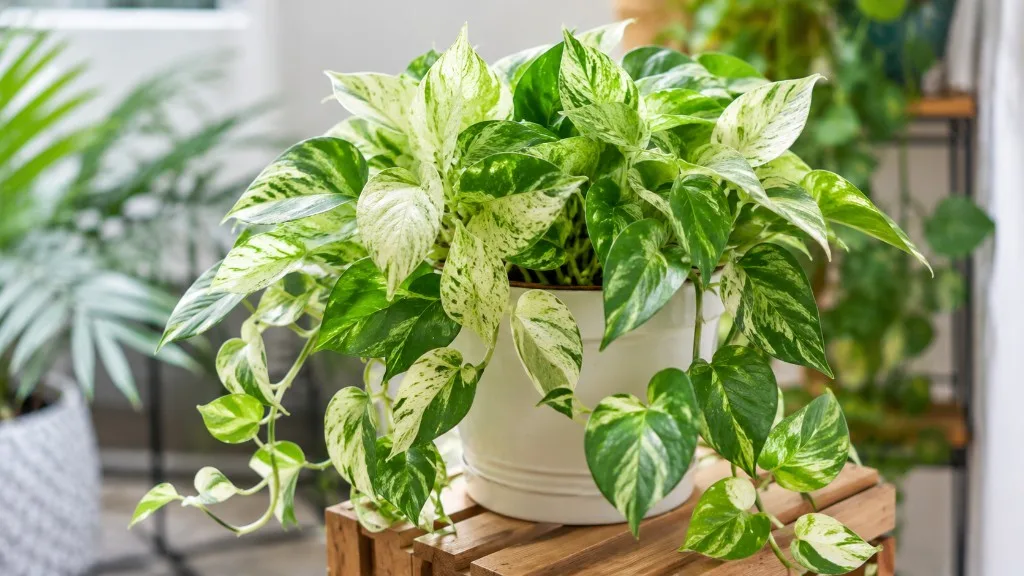
Marble Queen Pothos
Likely causeFor buyers who want a trailing or climbing plant that looks intentional with minimal drama, Marble Queen fits neatly into that role, as long as light and water are handled with basic competence. The variegation on Marble Queen looks like a
Quick fixConfirm diagnosis on your Marble Queen Pothos, then address the most likely care or pest factor described in current extension guidance.
 Medium
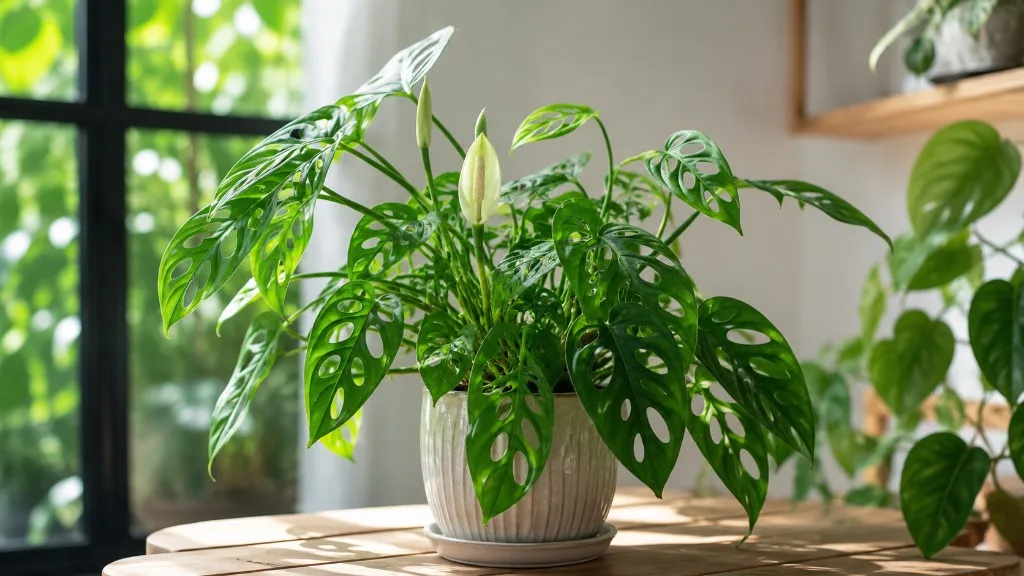
Monstera Adansonii
Likely causeMonstera adansonii Monsteras are widely cultivated as ornamental houseplants around the world for their large, decorative foliage and tolerance of indoor conditions.
Quick fixConfirm diagnosis on your Monstera Adansonii, then address the most likely care or pest factor described in current extension guidance.
 Medium
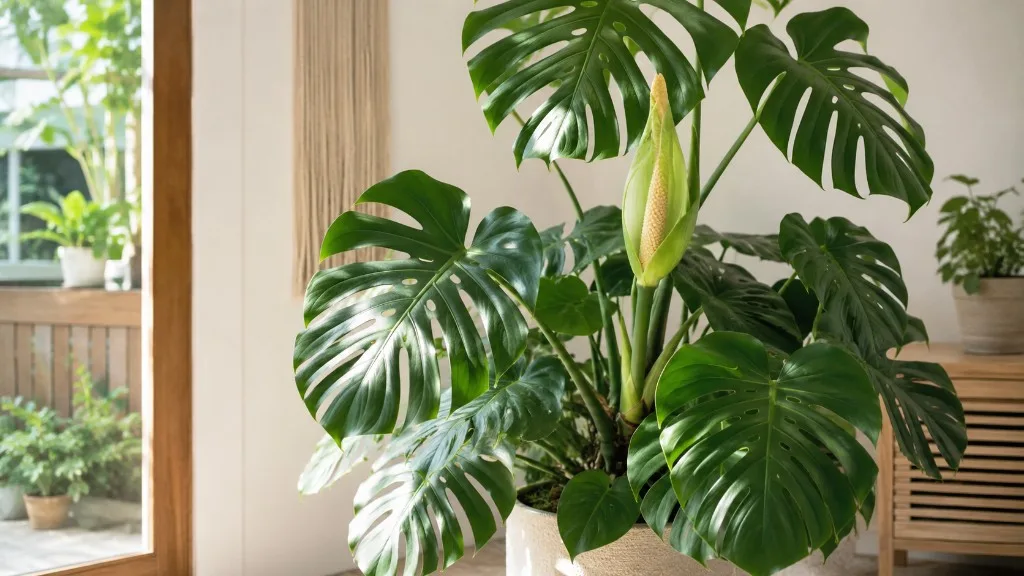
Monstera Deliciosa
Likely causeMonstera adansonii Monsteras are widely cultivated as ornamental houseplants around the world for their large, decorative foliage and tolerance of indoor conditions.
Quick fixConfirm diagnosis on your Monstera Deliciosa, then address the most likely care or pest factor described in current extension guidance.
 Medium
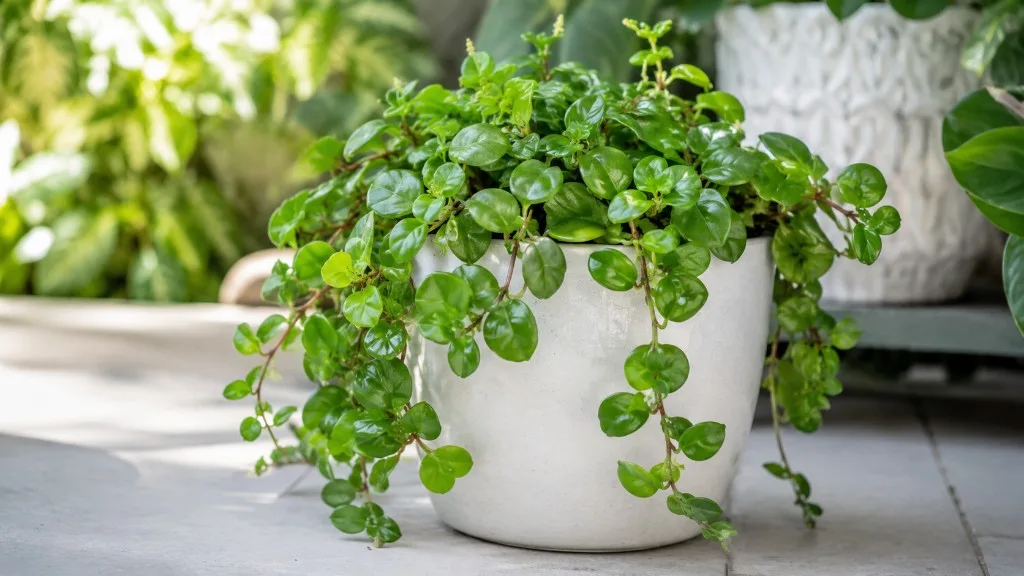
Peperomia Hope
Likely causeSep 3, 2025 · Peperomia is a large genus of ornamental foliage tropical plants in the family Piperaceae native to Mexico, South America, and the Caribbean. With more than 1,500 known species, like …
Quick fixFollow extension or botanical guidance for Peperomia Hope plant leaning; adjust care before applying broad treatments.