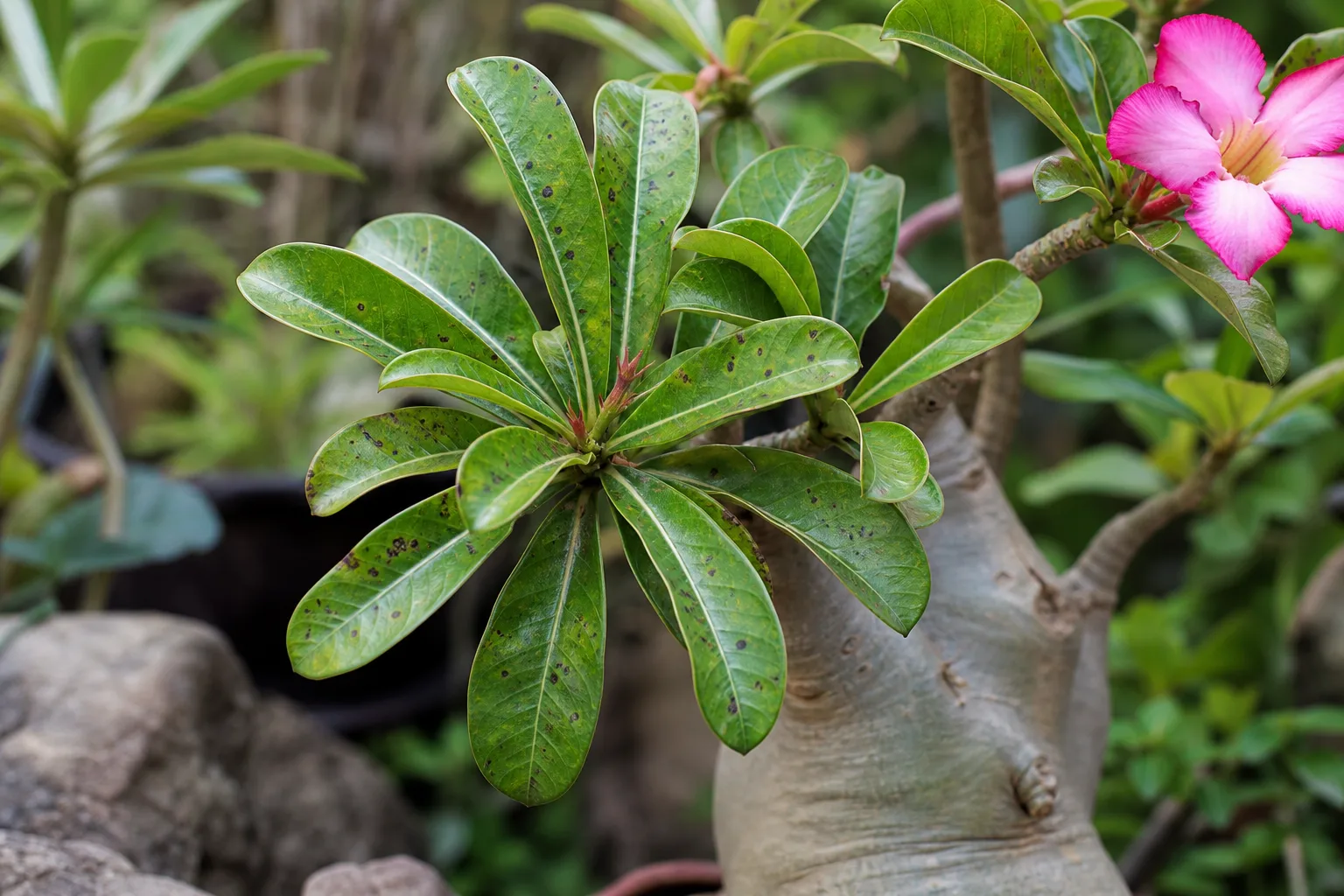
 LeavesBlack SpotsBlack spots on houseplant leaves often indicate localized tissue death caused by pathogens, prolonged leaf wetness, or severe stress injury. The spots may start small and water-soaked, then turn dark brown to black. Some develop yellow halos as surrounding tissue reacts. While a few isolated spots can be cosmetic, spreading lesions across new leaves usually signal active disease pressure or unfavorable humidity/airflow conditions.
Control requires sanitation and environment correction at the same time. Removing infected tissue slows spore spread, but recurrence is common if leaves stay wet or crowded. Water at the soil level, increase airflow, and avoid nighttime leaf wetness. In persistent cases, species-safe fungicidal support may be necessary. Recovery is tracked by clean new leaves, not disappearance of old lesions. Early isolation protects nearby plants in dense indoor collections.
LeavesBlack SpotsBlack spots on houseplant leaves often indicate localized tissue death caused by pathogens, prolonged leaf wetness, or severe stress injury. The spots may start small and water-soaked, then turn dark brown to black. Some develop yellow halos as surrounding tissue reacts. While a few isolated spots can be cosmetic, spreading lesions across new leaves usually signal active disease pressure or unfavorable humidity/airflow conditions.
Control requires sanitation and environment correction at the same time. Removing infected tissue slows spore spread, but recurrence is common if leaves stay wet or crowded. Water at the soil level, increase airflow, and avoid nighttime leaf wetness. In persistent cases, species-safe fungicidal support may be necessary. Recovery is tracked by clean new leaves, not disappearance of old lesions. Early isolation protects nearby plants in dense indoor collections.Leaves problems
Yellow, brown, spotted, and misshapen leaf problems explained.
Not sure where to start? Match symptoms in under a minute
Select what you see on your plant and we'll suggest the most likely problems to check first.
How to read leaf symptoms
Leaf color, texture, and location tell you where to start. Older yellow leaves often point to watering or nutrient stress, while new distorted leaves suggest pests, low humidity, or root disruption.
- Inspect both leaf surfaces with bright light before assuming a nutrient issue.
- Track whether symptoms appear on old leaves, new leaves, edges, tips, or veins.
- Match leaf symptoms with recent changes in light, watering, fertilizer, or repotting.
LeavesBlack SpotsBlack spots on houseplant leaves often indicate localized tissue death caused by pathogens, prolonged leaf wetness, or severe stress injury. The spots may start small and water-soaked, then turn dark brown to black. Some develop yellow halos as surrounding tissue reacts. While a few isolated spots can be cosmetic, spreading lesions across new leaves usually signal active disease pressure or unfavorable humidity/airflow conditions.
Control requires sanitation and environment correction at the same time. Removing infected tissue slows spore spread, but recurrence is common if leaves stay wet or crowded. Water at the soil level, increase airflow, and avoid nighttime leaf wetness. In persistent cases, species-safe fungicidal support may be necessary. Recovery is tracked by clean new leaves, not disappearance of old lesions. Early isolation protects nearby plants in dense indoor collections.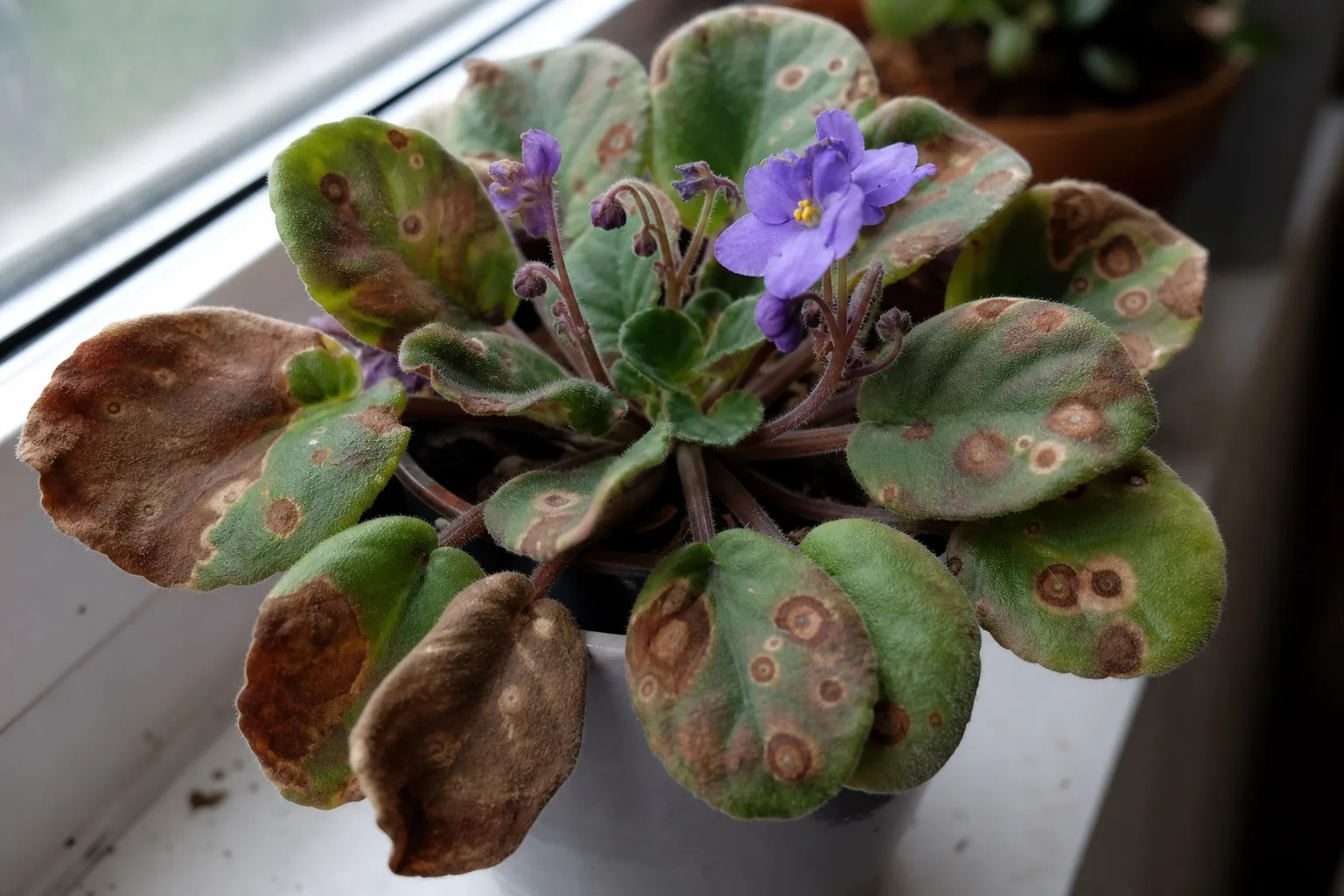 LeavesBrown LeavesBrown leaves are a late-stage stress signal showing tissue death from unresolved environmental or root-zone problems. Unlike small brown tips, full-leaf browning often means stress has persisted long enough to overwhelm the plant's recovery capacity in that tissue. Common triggers include severe underwatering, chronic overwatering with root damage, direct sun scorch, salt accumulation, and disease lesions that expand into necrosis.
The goal is to stop progression by identifying the active driver, then optimizing conditions for healthy regrowth. Start with root-zone moisture and drainage checks, then review light intensity and recent care changes. Remove fully dead leaves to improve hygiene and appearance, but preserve partially functional foliage when possible. Existing brown tissue will not recover, so progress should be judged by cleaner new leaves and stabilized canopy over the next several growth cycles.
LeavesBrown LeavesBrown leaves are a late-stage stress signal showing tissue death from unresolved environmental or root-zone problems. Unlike small brown tips, full-leaf browning often means stress has persisted long enough to overwhelm the plant's recovery capacity in that tissue. Common triggers include severe underwatering, chronic overwatering with root damage, direct sun scorch, salt accumulation, and disease lesions that expand into necrosis.
The goal is to stop progression by identifying the active driver, then optimizing conditions for healthy regrowth. Start with root-zone moisture and drainage checks, then review light intensity and recent care changes. Remove fully dead leaves to improve hygiene and appearance, but preserve partially functional foliage when possible. Existing brown tissue will not recover, so progress should be judged by cleaner new leaves and stabilized canopy over the next several growth cycles.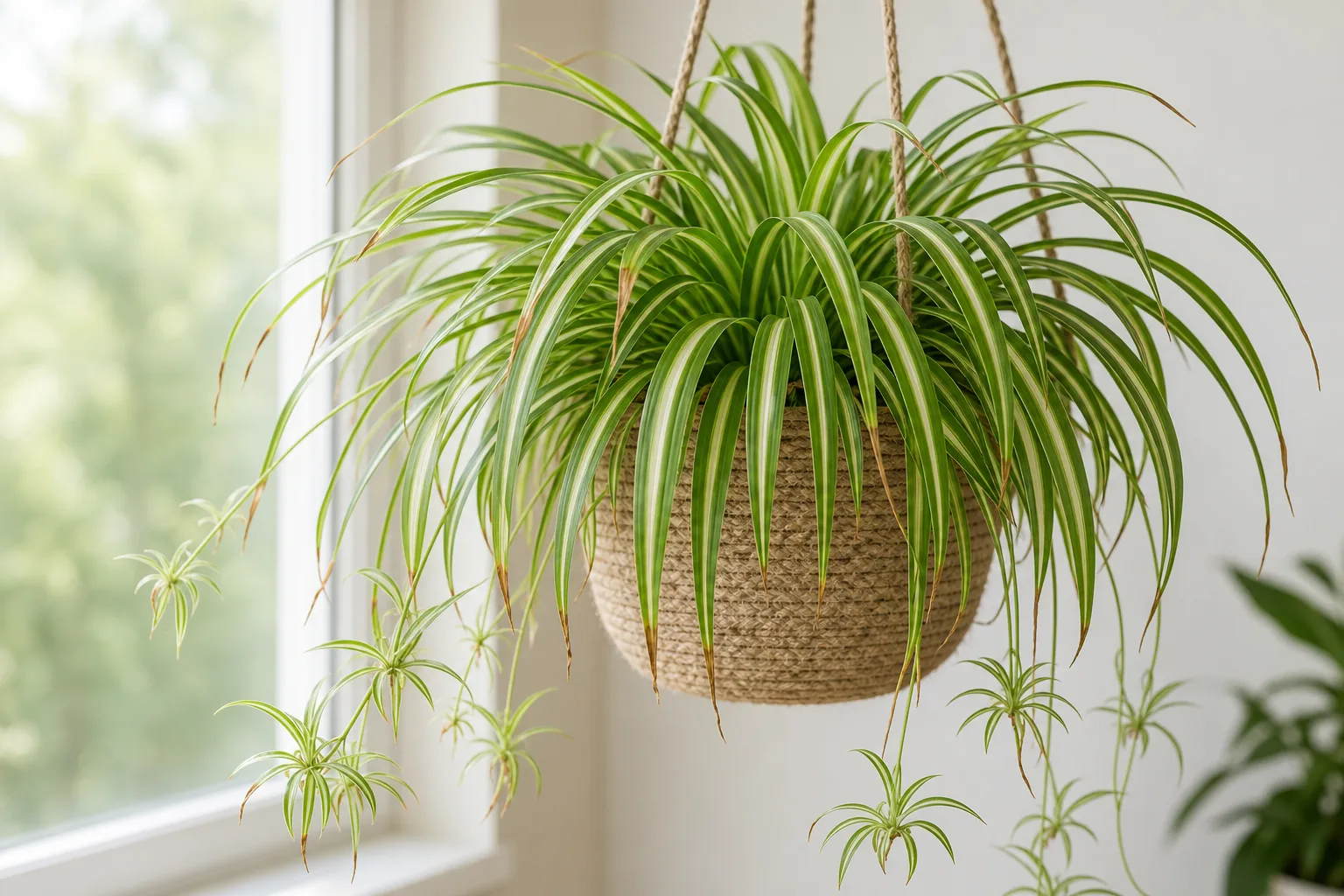 LeavesBrown TipsBrown tips are typically the earliest warning that a plant's water balance is under pressure. The tip is the farthest point from the roots, so it dries first when moisture delivery is inconsistent. This is especially common in humidity-sensitive species such as calathea, peace lily, and dracaena, but any houseplant can show tip burn under stress. Brown tips can also be cosmetic from occasional dryness, so severity and progression are key.
The most reliable diagnosis combines humidity, watering consistency, and water quality. Chronic low humidity increases transpiration faster than roots can replace moisture. Long dry intervals followed by heavy watering also injure feeder roots. In addition, fertilizer salts and hard-water minerals accumulate in potting mix and can scorch leaf edges. Correcting the environment and root-zone chemistry usually stops new damage quickly, although existing brown tissue stays brown and can be trimmed for appearance.
LeavesBrown TipsBrown tips are typically the earliest warning that a plant's water balance is under pressure. The tip is the farthest point from the roots, so it dries first when moisture delivery is inconsistent. This is especially common in humidity-sensitive species such as calathea, peace lily, and dracaena, but any houseplant can show tip burn under stress. Brown tips can also be cosmetic from occasional dryness, so severity and progression are key.
The most reliable diagnosis combines humidity, watering consistency, and water quality. Chronic low humidity increases transpiration faster than roots can replace moisture. Long dry intervals followed by heavy watering also injure feeder roots. In addition, fertilizer salts and hard-water minerals accumulate in potting mix and can scorch leaf edges. Correcting the environment and root-zone chemistry usually stops new damage quickly, although existing brown tissue stays brown and can be trimmed for appearance.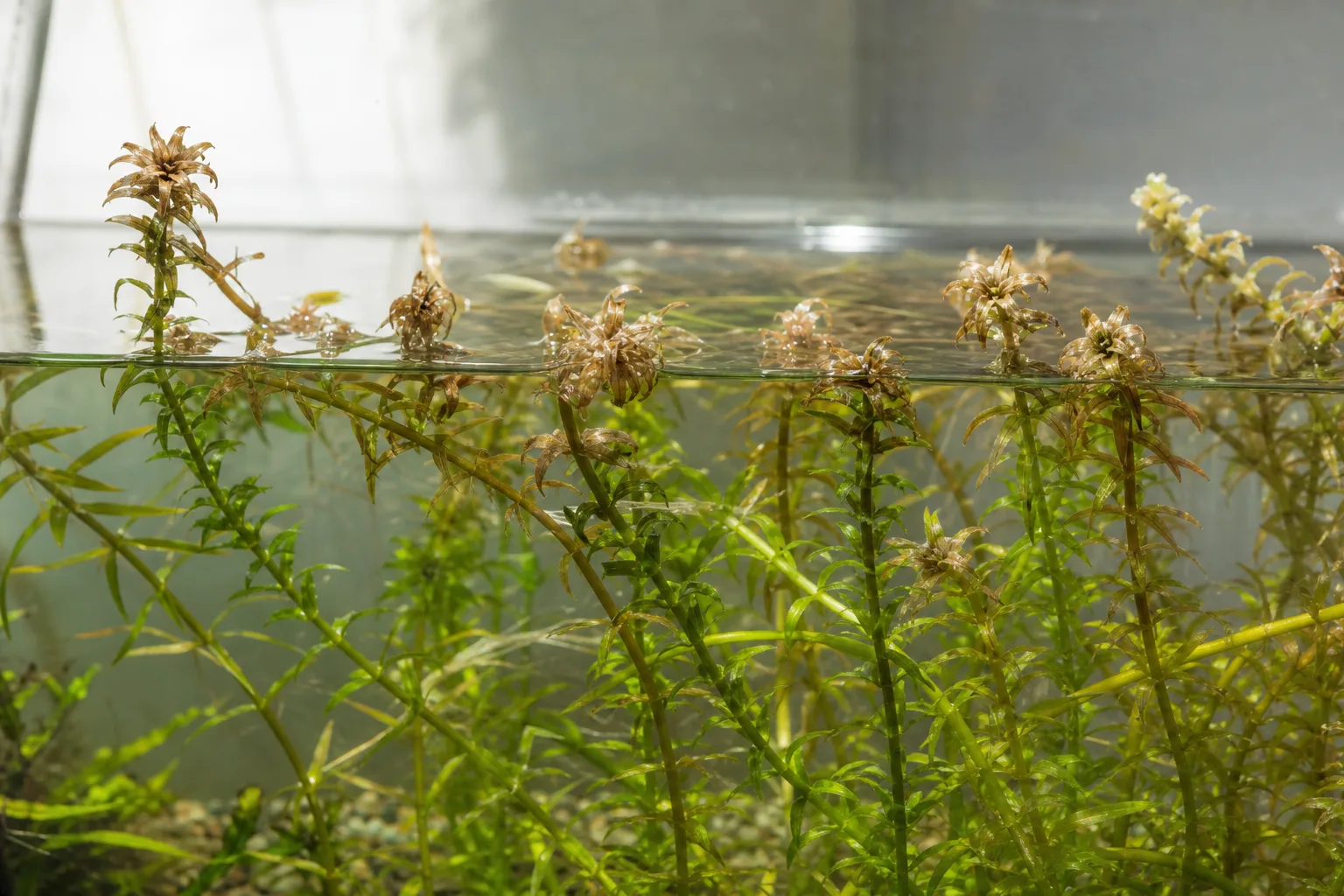 LeavesCrispy Leaves'Leaf problems are often the first sign something is off with a houseplant. Crispy Leaves can look alarming, but the fix depends on where symptoms start, how fast they spread, and what the soil and roots are doing. This guide walks through how to identify Dry, brittle leaves caused by heat, underwatering, or low humidity, rule out look-alikes, and treat the underlying cause. Track weekly progress after you change care, and note watering, light, and repotting dates so you can tell whether the symptom is improving or returning.'. Compare upper versus lower leaves, new versus old growth, and soil moisture at root depth before you treat, because the same visible symptom can come from watering, light, pests, or normal aging on different plants.
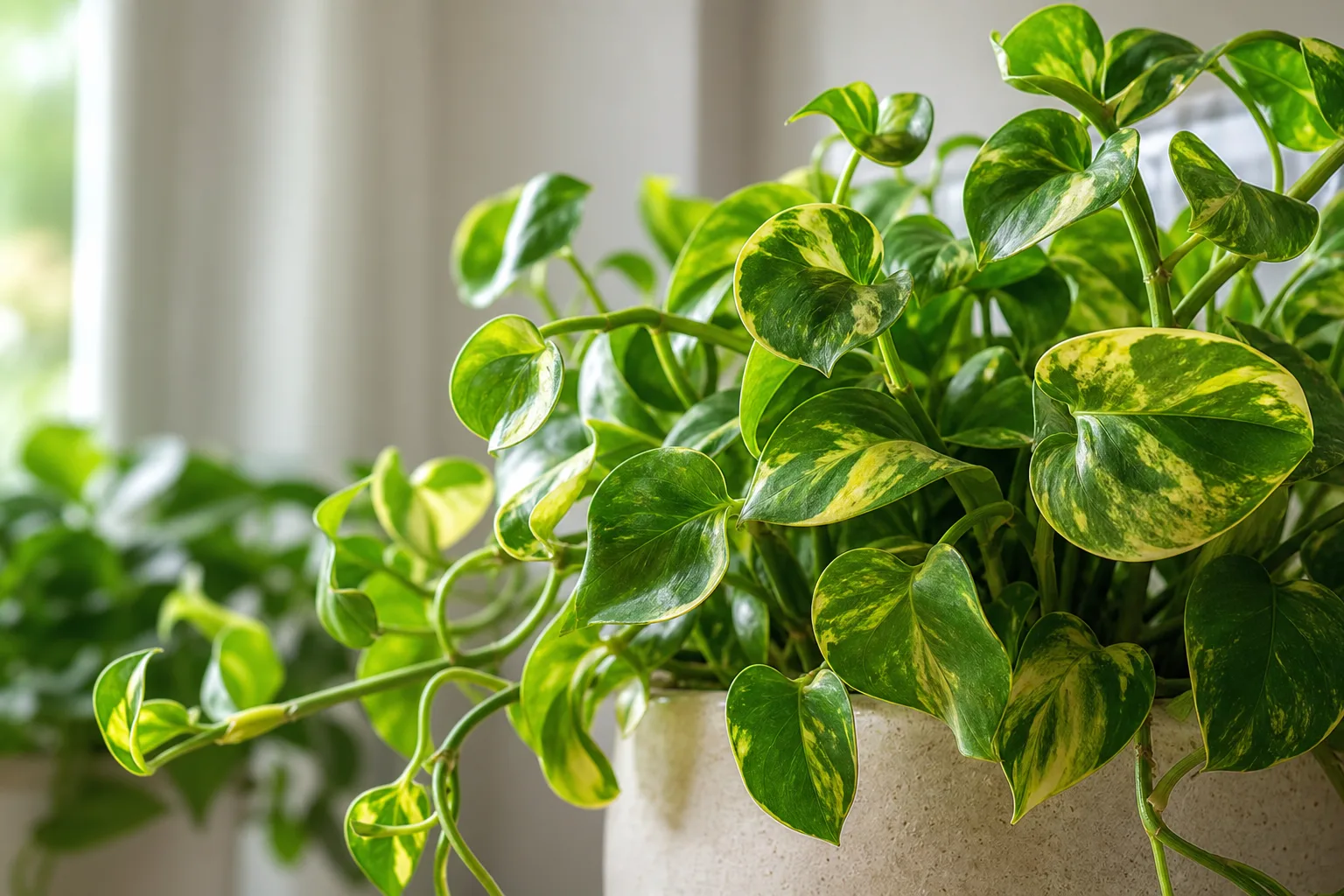 LeavesCurling LeavesLeaf curl is a protective plant response that reduces exposed leaf surface under stress. Indoors, curling usually points to moisture imbalance, environmental extremes, or pest pressure rather than a single nutrient issue. Inward curl can reflect dehydration or heat load, while twisted, deformed new leaves may signal pests such as thrips or mites feeding on unfolding tissue. Reading the pattern across old and new leaves helps narrow the cause quickly.
Effective treatment starts with environmental stability. Plants exposed to hot glass, dry airflow, or irregular watering often cycle between stress and partial recovery, producing ongoing curl. If environmental corrections do not improve new growth within a few weeks, inspect underside veins and growth tips for pests using magnification. Existing curled leaves may remain misshapen, so success is measured by normal new foliage. Early response prevents long-term stunting and improves overall canopy quality.
LeavesCurling LeavesLeaf curl is a protective plant response that reduces exposed leaf surface under stress. Indoors, curling usually points to moisture imbalance, environmental extremes, or pest pressure rather than a single nutrient issue. Inward curl can reflect dehydration or heat load, while twisted, deformed new leaves may signal pests such as thrips or mites feeding on unfolding tissue. Reading the pattern across old and new leaves helps narrow the cause quickly.
Effective treatment starts with environmental stability. Plants exposed to hot glass, dry airflow, or irregular watering often cycle between stress and partial recovery, producing ongoing curl. If environmental corrections do not improve new growth within a few weeks, inspect underside veins and growth tips for pests using magnification. Existing curled leaves may remain misshapen, so success is measured by normal new foliage. Early response prevents long-term stunting and improves overall canopy quality.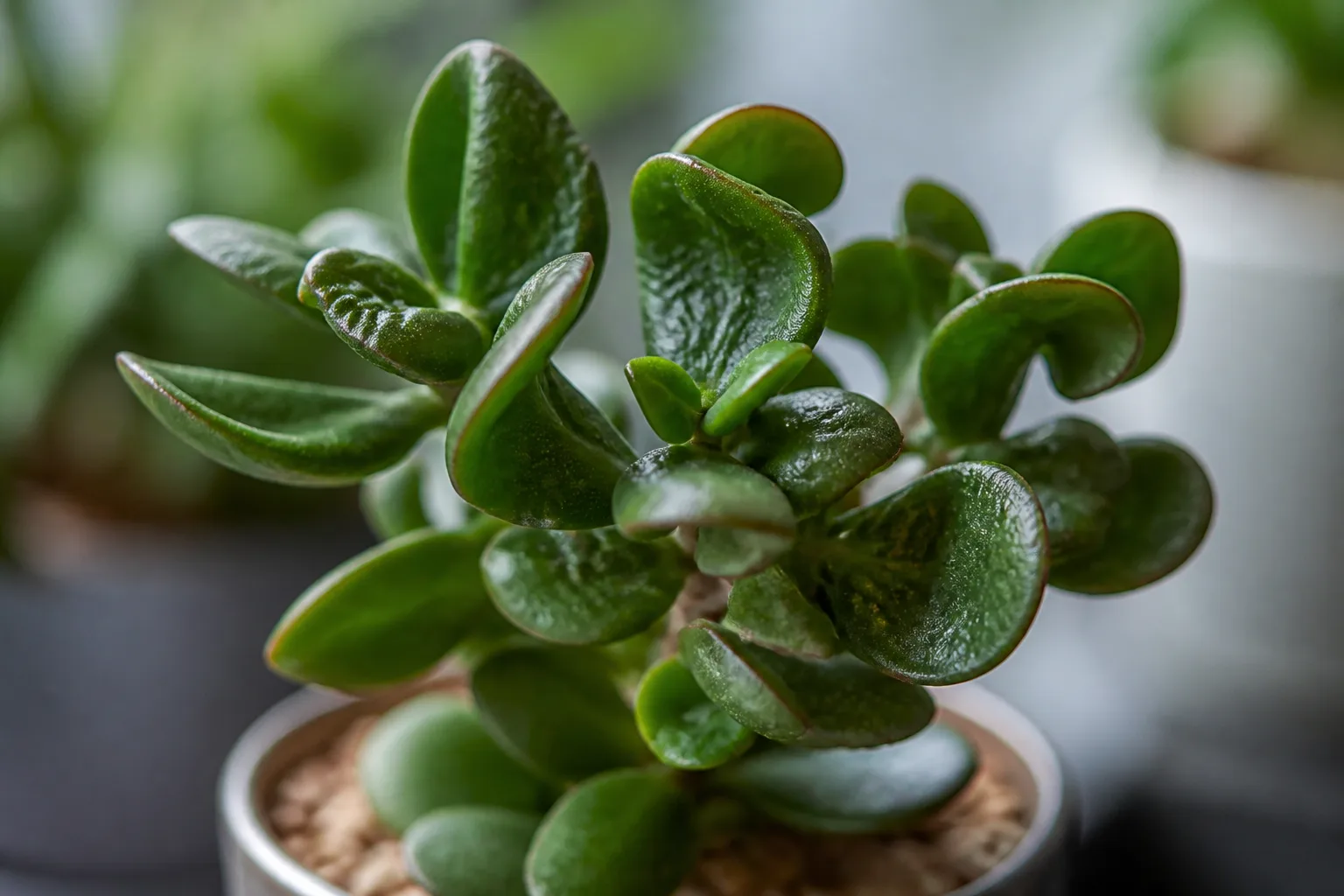 LeavesDistorted Leaves'Leaf problems are often the first sign something is off with a houseplant. Distorted Leaves can look alarming, but the fix depends on where symptoms start, how fast they spread, and what the soil and roots are doing. This guide walks through how to identify New leaves grow twisted, wrinkled, curled, or misshapen, rule out look-alikes, and treat the underlying cause. Track weekly progress after you change care, and note watering, light, and repotting dates so you can tell whether the symptom is improving or returning.'. Compare upper versus lower leaves, new versus old growth, and soil moisture at root depth before you treat, because the same visible symptom can come from watering, light, pests, or normal aging on different plants.
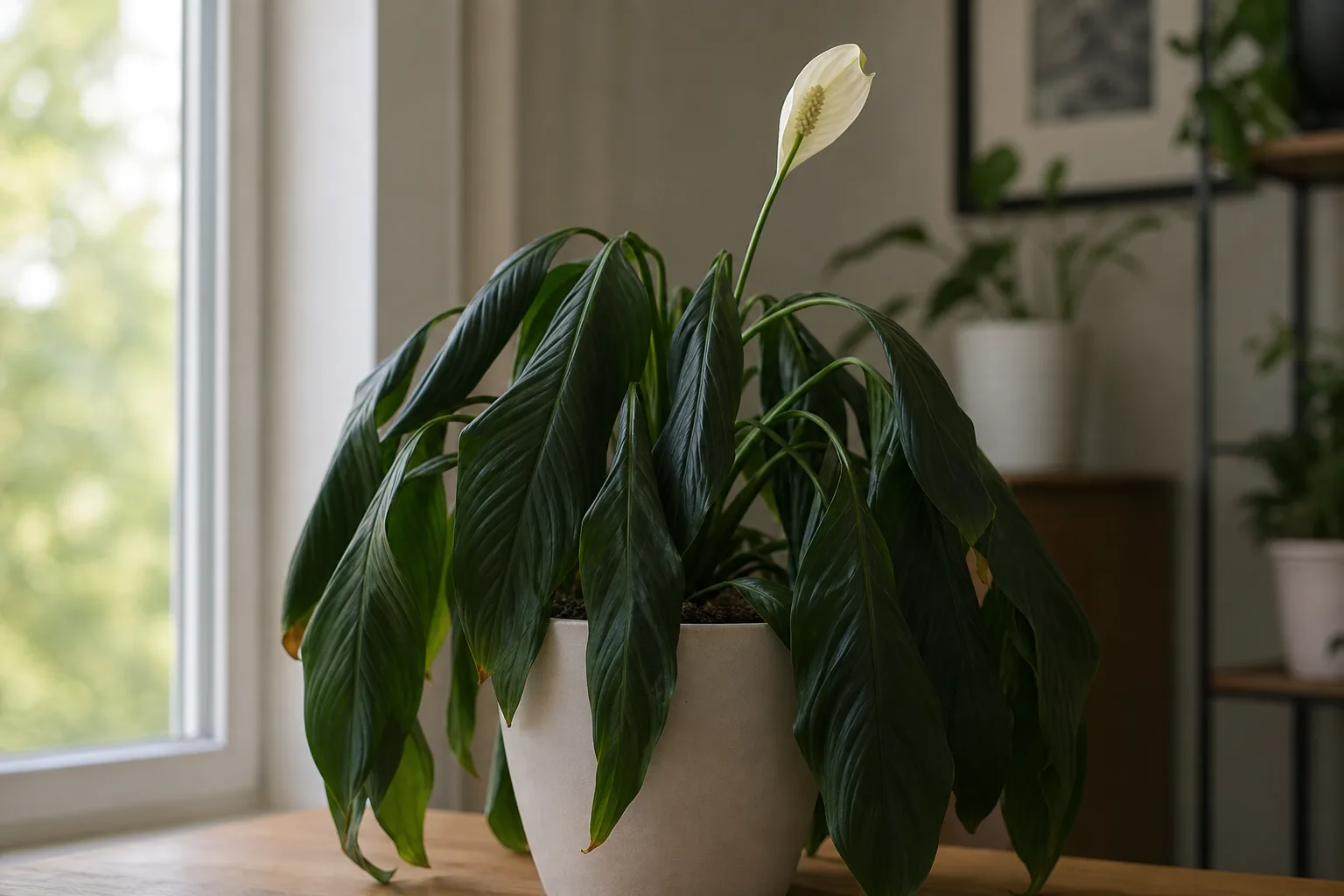 LeavesDrooping LeavesDrooping leaves look dramatic, but they are often a fast signal rather than a final diagnosis. Leaves lose rigidity when cells lack internal water pressure, called turgor. That can happen from underwatering, overwatering-related root failure, heat stress, or sudden environmental changes. Because the visual symptom is similar across causes, context is crucial: dry soil suggests dehydration, while wet soil with droop suggests compromised roots.
Most houseplants recover from temporary droop if the root zone is corrected quickly. Start with a moisture check at depth, then review light, temperature, and recent location changes. Plants moved from stable to harsh conditions can droop even with acceptable watering. When droop is paired with yellowing, mushy stems, or sour soil smell, treat root problems first. The recovery timeline varies by cause, but true improvement is seen when leaves regain firmness and new growth resumes without repeated collapse.
LeavesDrooping LeavesDrooping leaves look dramatic, but they are often a fast signal rather than a final diagnosis. Leaves lose rigidity when cells lack internal water pressure, called turgor. That can happen from underwatering, overwatering-related root failure, heat stress, or sudden environmental changes. Because the visual symptom is similar across causes, context is crucial: dry soil suggests dehydration, while wet soil with droop suggests compromised roots.
Most houseplants recover from temporary droop if the root zone is corrected quickly. Start with a moisture check at depth, then review light, temperature, and recent location changes. Plants moved from stable to harsh conditions can droop even with acceptable watering. When droop is paired with yellowing, mushy stems, or sour soil smell, treat root problems first. The recovery timeline varies by cause, but true improvement is seen when leaves regain firmness and new growth resumes without repeated collapse.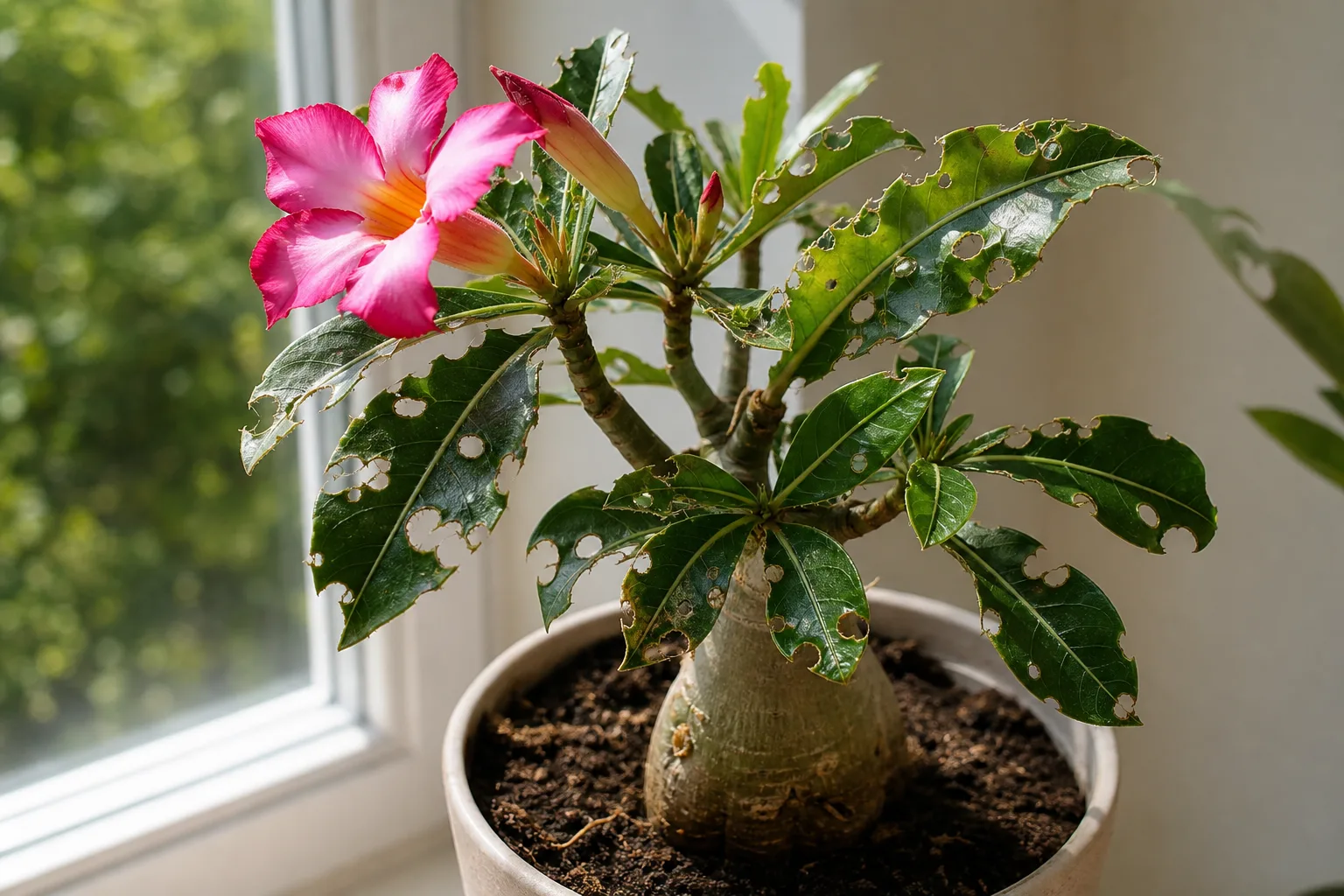 LeavesHoles in Leaves'Leaf problems are often the first sign something is off with a houseplant. Holes in Leaves can look alarming, but the fix depends on where symptoms start, how fast they spread, and what the soil and roots are doing. This guide walks through how to identify Chewed or damaged leaf tissue, often from pests, rule out look-alikes, and treat the underlying cause. Track weekly progress after you change care, and note watering, light, and repotting dates so you can tell whether the symptom is improving or returning.'. Compare upper versus lower leaves, new versus old growth, and soil moisture at root depth before you treat, because the same visible symptom can come from watering, light, pests, or normal aging on different plants.
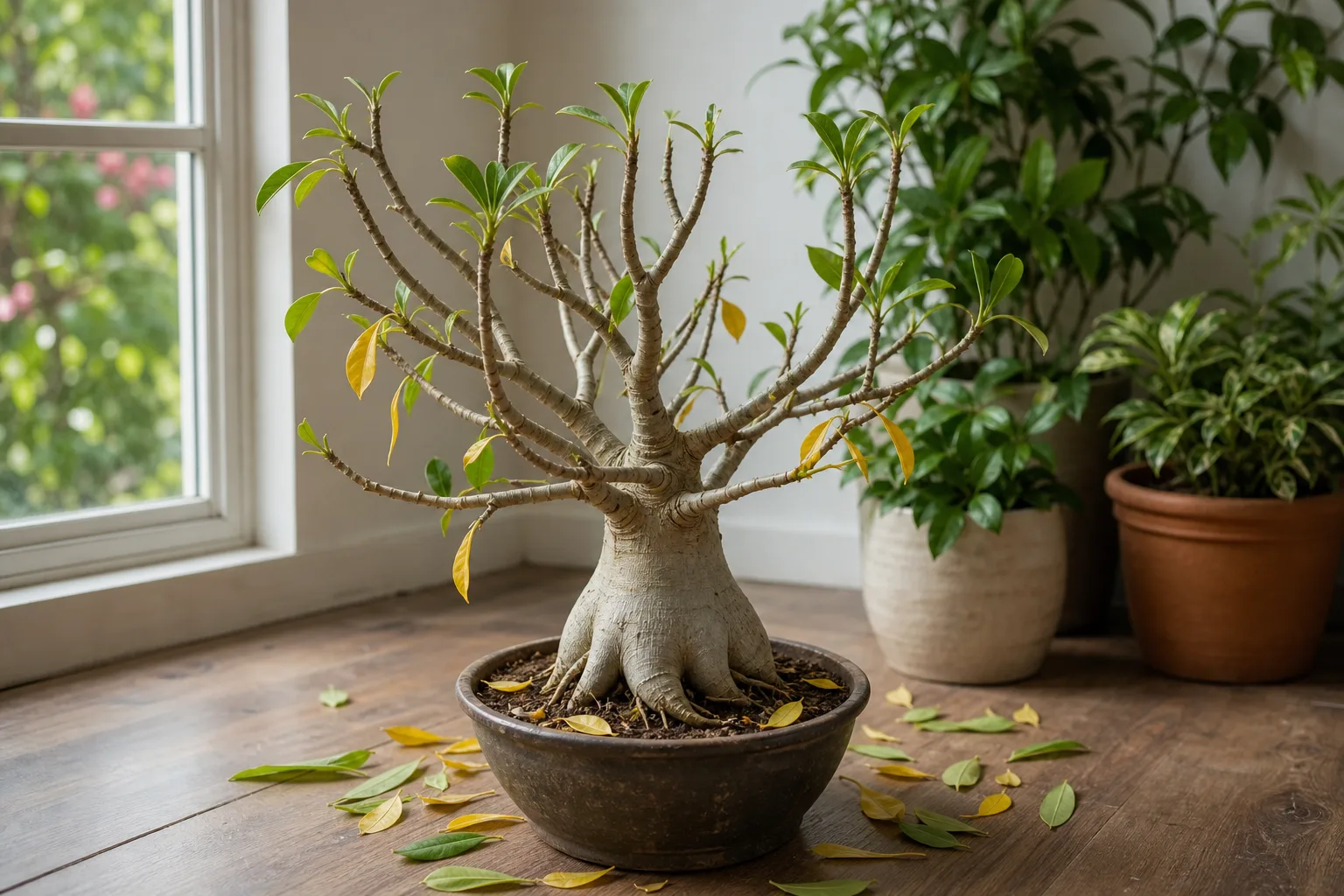 LeavesLeaf DropLeaf drop is a stress response where plants shed foliage to conserve resources under unfavorable conditions. A few lower leaves dropping occasionally is normal, especially during seasonal shifts. Problematic leaf drop is continuous, rapid, or includes otherwise healthy leaves. Indoors, the most common triggers are watering inconsistency, low light, sudden relocation, draft exposure, and root stress from poor drainage.
Plants often drop leaves after a major environmental change even when care is mostly correct. The key is to stabilize conditions rather than making frequent drastic adjustments. Check root-zone moisture, light duration, temperature swings, and recent repotting or movement. If root damage is present, treating roots takes priority over cosmetic pruning. Recovery is gradual: leaf drop should slow first, then new growth should resume over subsequent weeks.
LeavesLeaf DropLeaf drop is a stress response where plants shed foliage to conserve resources under unfavorable conditions. A few lower leaves dropping occasionally is normal, especially during seasonal shifts. Problematic leaf drop is continuous, rapid, or includes otherwise healthy leaves. Indoors, the most common triggers are watering inconsistency, low light, sudden relocation, draft exposure, and root stress from poor drainage.
Plants often drop leaves after a major environmental change even when care is mostly correct. The key is to stabilize conditions rather than making frequent drastic adjustments. Check root-zone moisture, light duration, temperature swings, and recent repotting or movement. If root damage is present, treating roots takes priority over cosmetic pruning. Recovery is gradual: leaf drop should slow first, then new growth should resume over subsequent weeks.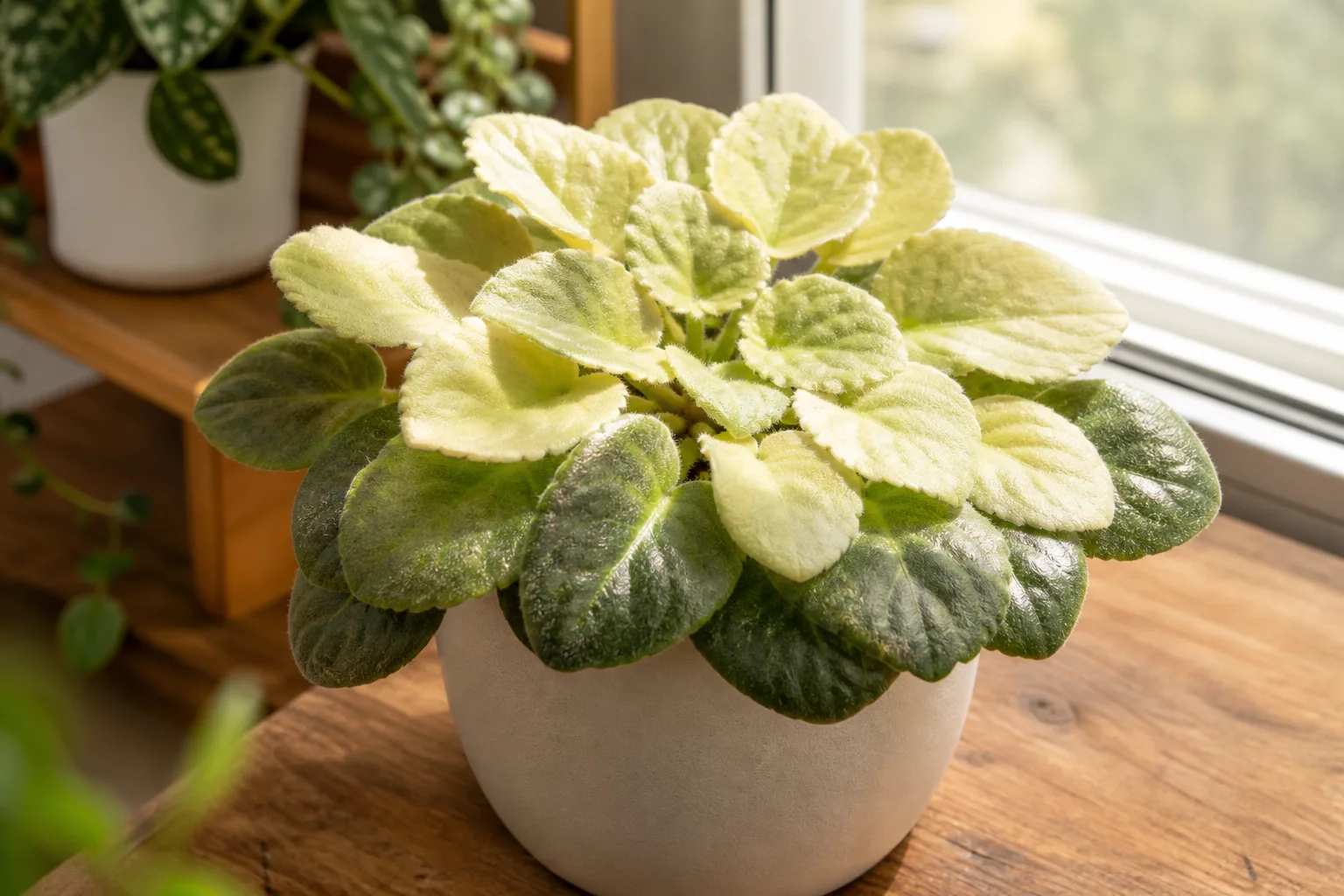 LeavesPale Leaves'Leaf problems are often the first sign something is off with a houseplant. Pale Leaves can look alarming, but the fix depends on where symptoms start, how fast they spread, and what the soil and roots are doing. This guide walks through how to identify Leaves become light green, yellowish, or faded, rule out look-alikes, and treat the underlying cause. Track weekly progress after you change care, and note watering, light, and repotting dates so you can tell whether the symptom is improving or returning.'. Compare upper versus lower leaves, new versus old growth, and soil moisture at root depth before you treat, because the same visible symptom can come from watering, light, pests, or normal aging on different plants.
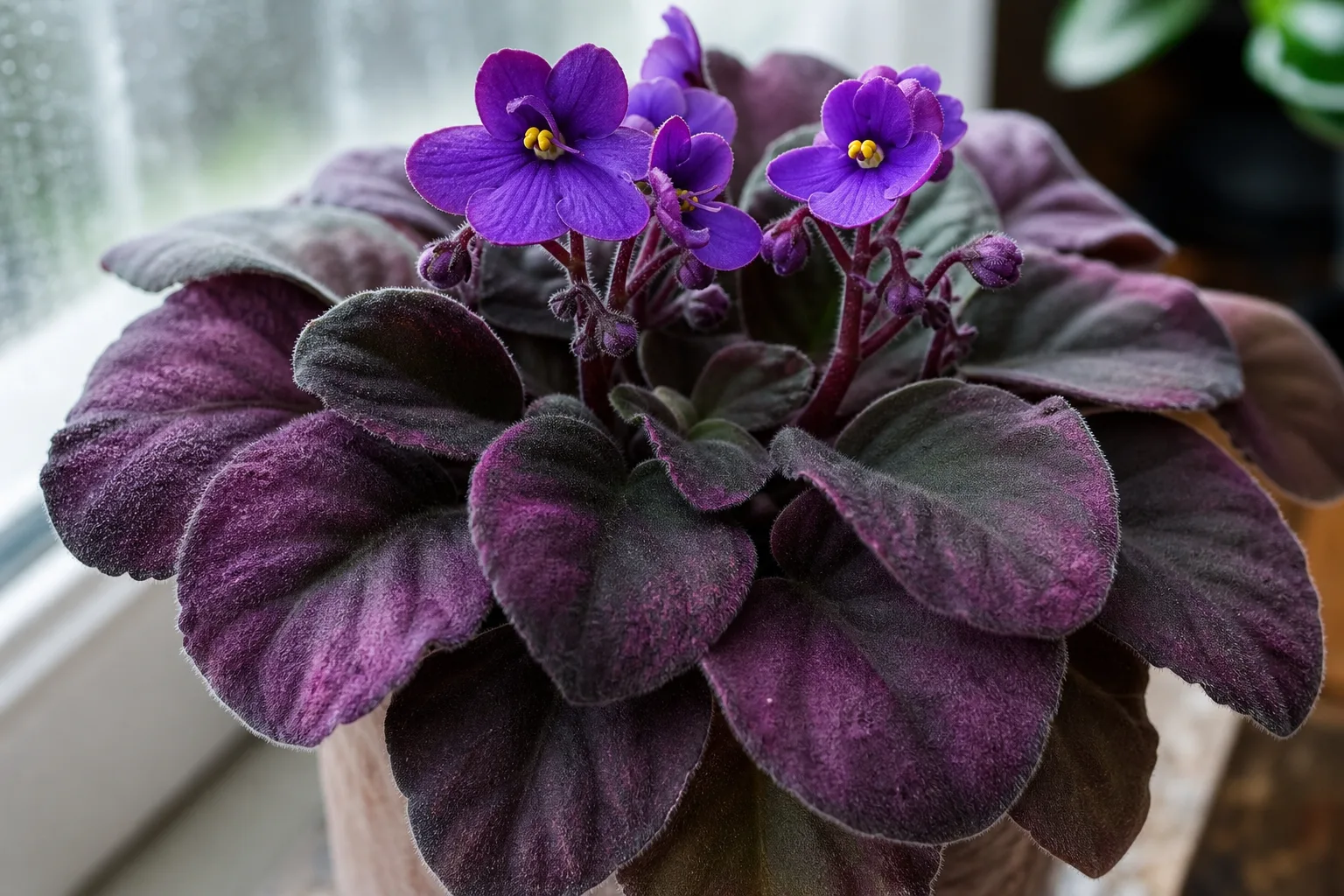 LeavesPurple Leaves'Leaf problems are often the first sign something is off with a houseplant. Purple Leaves can look alarming, but the fix depends on where symptoms start, how fast they spread, and what the soil and roots are doing. This guide walks through how to identify Purple or reddish tint due to stress, cold, or phosphorus deficiency, rule out look-alikes, and treat the underlying cause. Track weekly progress after you change care, and note watering, light, and repotting dates so you can tell whether the symptom is improving or returning.'. Compare upper versus lower leaves, new versus old growth, and soil moisture at root depth before you treat, because the same visible symptom can come from watering, light, pests, or normal aging on different plants.
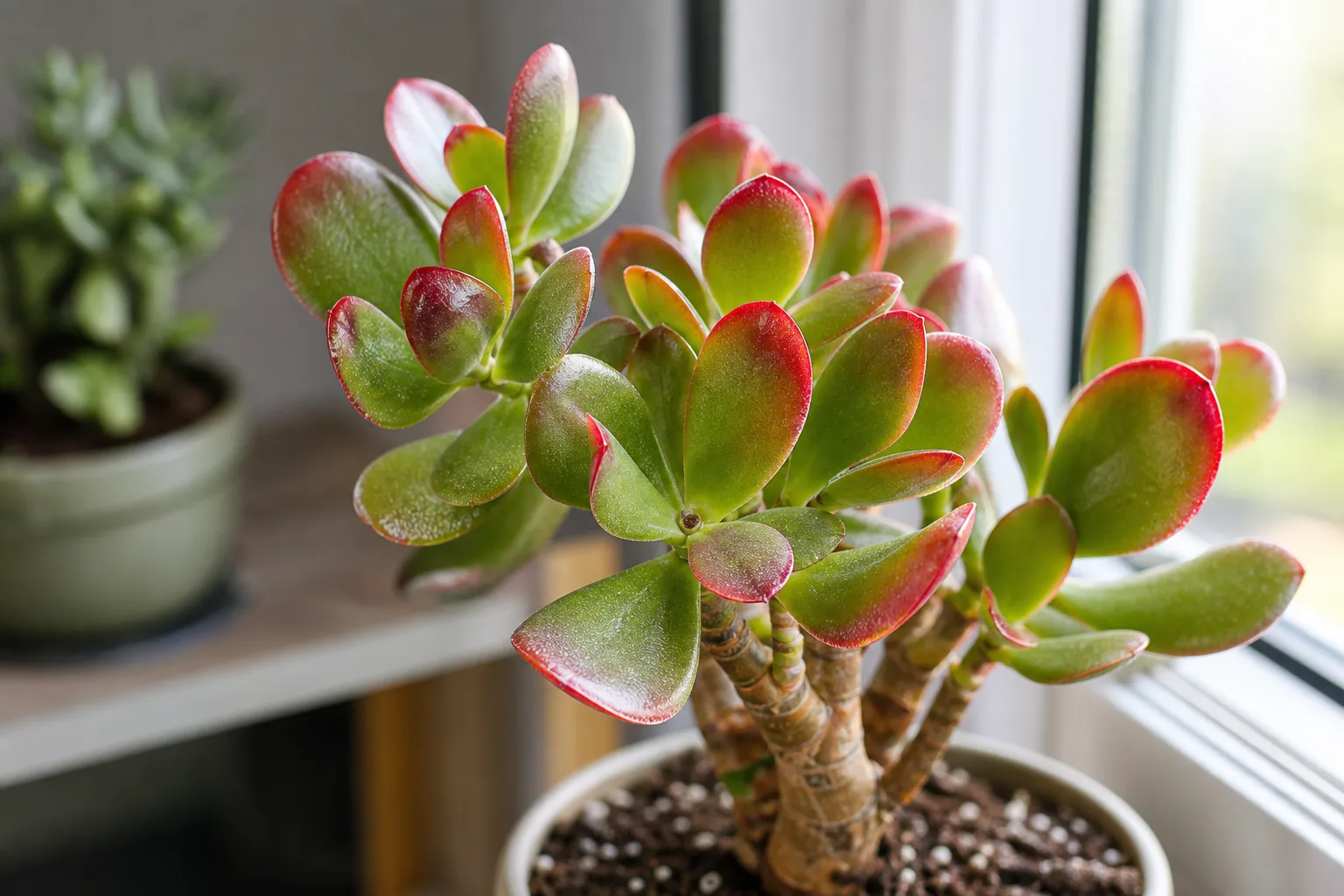 LeavesRed Leaves'Leaf problems are often the first sign something is off with a houseplant. Red Leaves can look alarming, but the fix depends on where symptoms start, how fast they spread, and what the soil and roots are doing. This guide walks through how to identify Red discoloration from stress, light, cold, or nutrient imbalance, rule out look-alikes, and treat the underlying cause. Track weekly progress after you change care, and note watering, light, and repotting dates so you can tell whether the symptom is improving or returning.'. Compare upper versus lower leaves, new versus old growth, and soil moisture at root depth before you treat, because the same visible symptom can come from watering, light, pests, or normal aging on different plants.
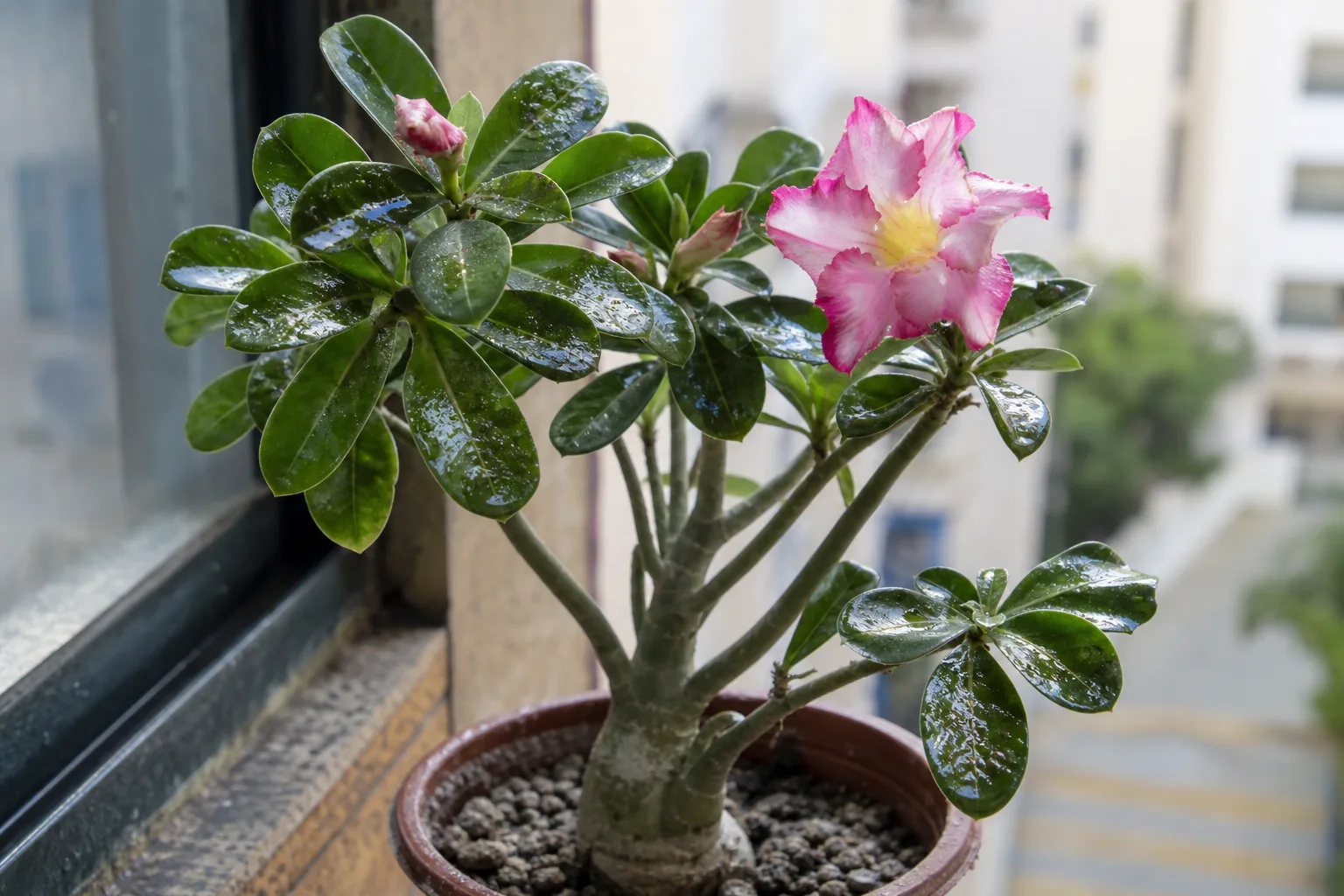 LeavesSticky Leaves'Leaf problems are often the first sign something is off with a houseplant. Sticky Leaves can look alarming, but the fix depends on where symptoms start, how fast they spread, and what the soil and roots are doing. This guide walks through how to identify Sticky residue from sap-sucking pests like aphids or scale, rule out look-alikes, and treat the underlying cause. Track weekly progress after you change care, and note watering, light, and repotting dates so you can tell whether the symptom is improving or returning.'. Compare upper versus lower leaves, new versus old growth, and soil moisture at root depth before you treat, because the same visible symptom can come from watering, light, pests, or normal aging on different plants.
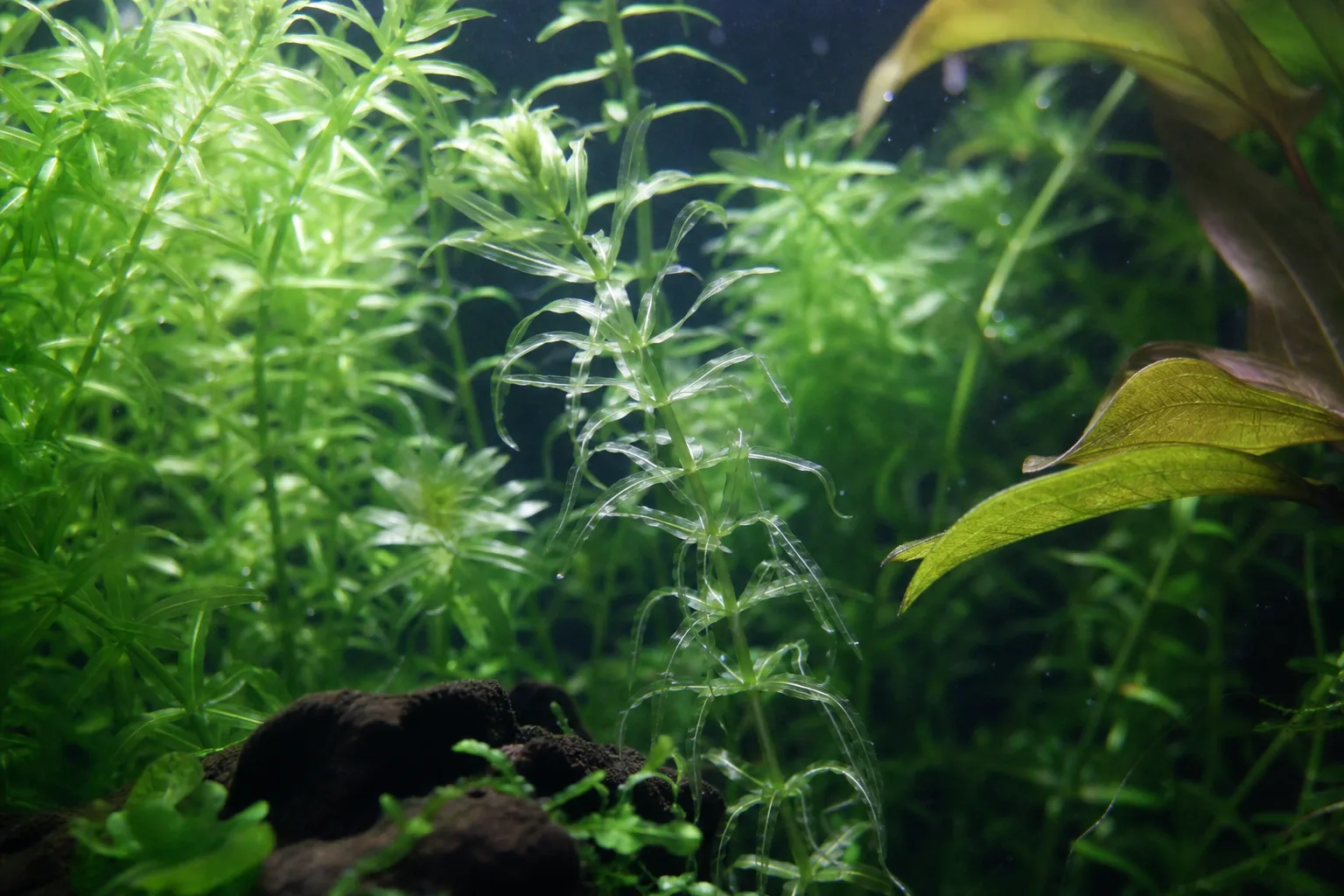 LeavesTransparent Leaves'Leaf problems are often the first sign something is off with a houseplant. Transparent Leaves can look alarming, but the fix depends on where symptoms start, how fast they spread, and what the soil and roots are doing. This guide walks through how to identify Thin, water-soaked, translucent patches on leaves, rule out look-alikes, and treat the underlying cause. Track weekly progress after you change care, and note watering, light, and repotting dates so you can tell whether the symptom is improving or returning.'. Compare upper versus lower leaves, new versus old growth, and soil moisture at root depth before you treat, because the same visible symptom can come from watering, light, pests, or normal aging on different plants.
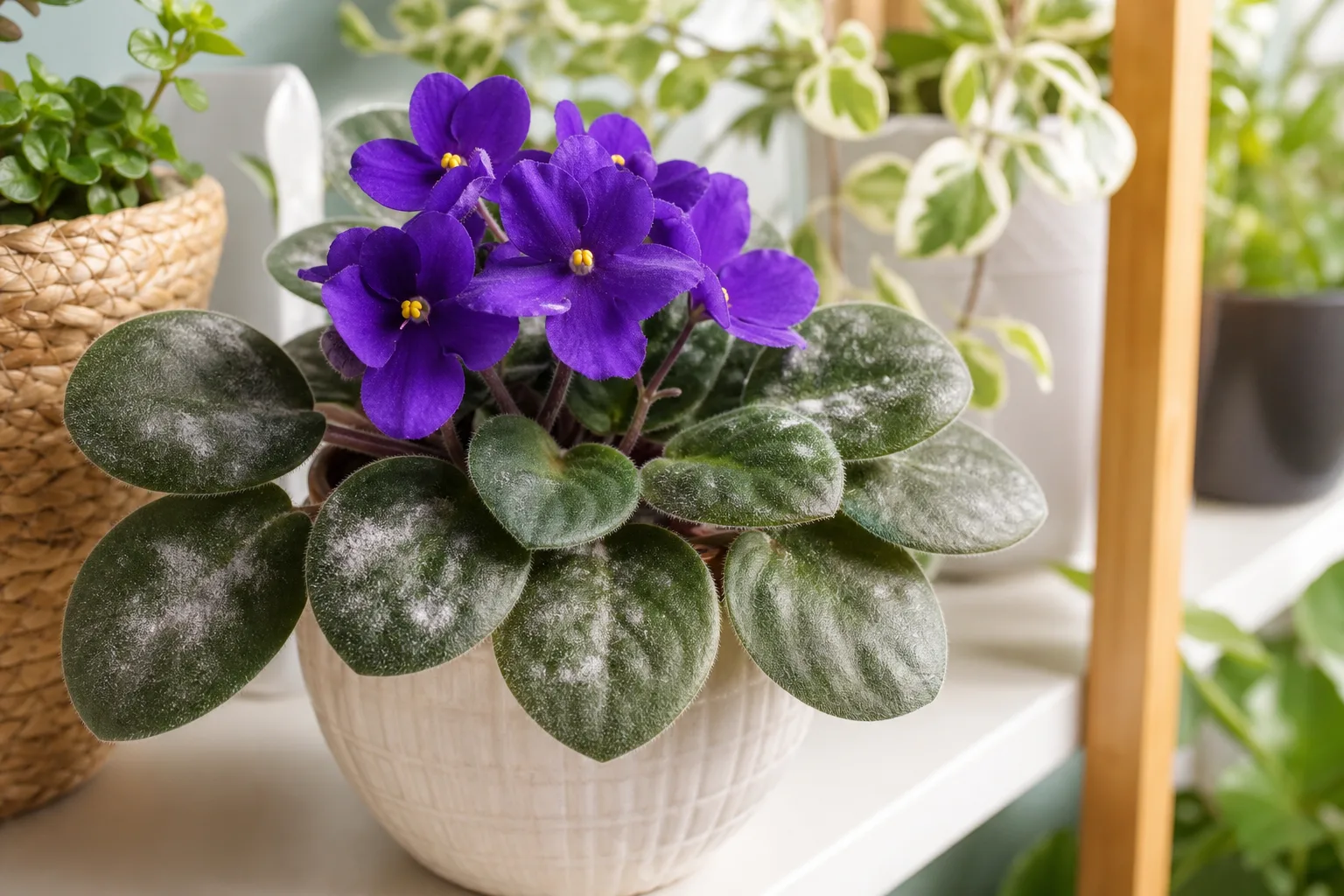 LeavesWhite SpotsWhite spots on leaves are a broad symptom with three common indoor causes: mineral deposits from hard water, fungal growth such as powdery mildew, and sap-sucking pests including mealybugs. Correct identification prevents unnecessary treatments. Residue from water often appears as chalky dots that wipe away cleanly. Fungal patches may look powdery and expand over time. Pest-related white spots are often cottony clusters at leaf joints and undersides.
A structured inspection is the fastest way to diagnose. Check whether the spots are on the surface or within tissue, examine growth tips and nodes, and look for stickiness or insect movement. If infection or pests are present, isolate the plant and start targeted treatment immediately. If residue is the cause, adjust water quality and leaf-cleaning habits. Early action keeps cosmetic spotting from becoming growth-limiting damage.
LeavesWhite SpotsWhite spots on leaves are a broad symptom with three common indoor causes: mineral deposits from hard water, fungal growth such as powdery mildew, and sap-sucking pests including mealybugs. Correct identification prevents unnecessary treatments. Residue from water often appears as chalky dots that wipe away cleanly. Fungal patches may look powdery and expand over time. Pest-related white spots are often cottony clusters at leaf joints and undersides.
A structured inspection is the fastest way to diagnose. Check whether the spots are on the surface or within tissue, examine growth tips and nodes, and look for stickiness or insect movement. If infection or pests are present, isolate the plant and start targeted treatment immediately. If residue is the cause, adjust water quality and leaf-cleaning habits. Early action keeps cosmetic spotting from becoming growth-limiting damage.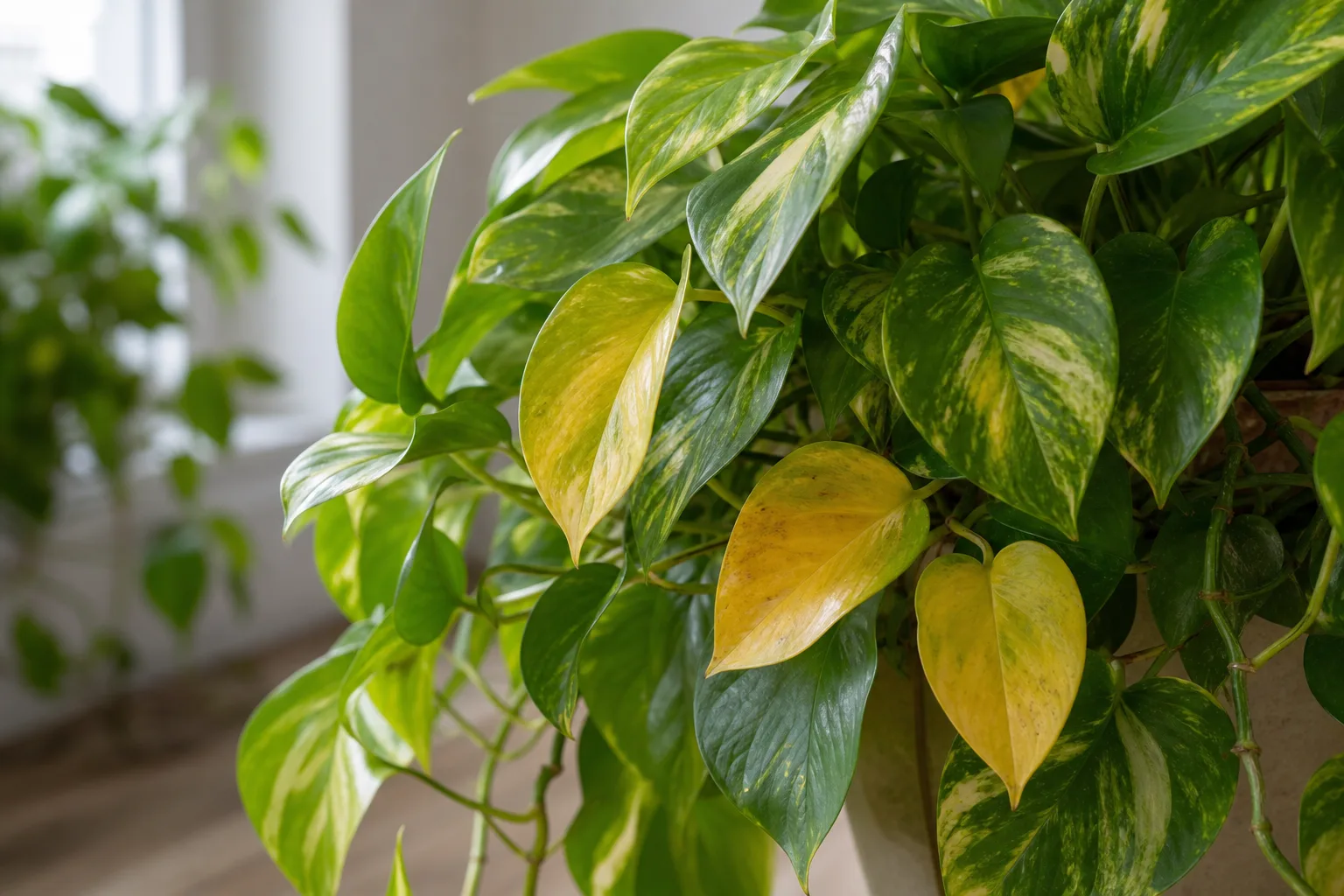 LeavesYellow LeavesYellow leaves are one of the most common houseplant complaints, but they are a symptom, not a single diagnosis. In many plants, a few older leaves yellowing over time is normal aging. Concern starts when yellowing appears on multiple leaves at once, moves into newer growth, or appears alongside soft stems, drooping, or stalled growth. The pattern matters: lower-leaf yellowing often points to watering or nutrient issues, while yellow patches on sun-facing leaves can indicate light stress.
Most yellow-leaf cases come from roots under stress. Overwatering limits oxygen in soil, while chronic underwatering damages fine roots and prevents nutrient uptake. Low light slows water use, making an otherwise normal watering routine suddenly excessive. A practical fix is to check moisture depth, root health, pot drainage, and recent environmental changes together. Once you correct the root cause, new growth usually returns to healthy green, though already-yellow leaves rarely recover fully.
LeavesYellow LeavesYellow leaves are one of the most common houseplant complaints, but they are a symptom, not a single diagnosis. In many plants, a few older leaves yellowing over time is normal aging. Concern starts when yellowing appears on multiple leaves at once, moves into newer growth, or appears alongside soft stems, drooping, or stalled growth. The pattern matters: lower-leaf yellowing often points to watering or nutrient issues, while yellow patches on sun-facing leaves can indicate light stress.
Most yellow-leaf cases come from roots under stress. Overwatering limits oxygen in soil, while chronic underwatering damages fine roots and prevents nutrient uptake. Low light slows water use, making an otherwise normal watering routine suddenly excessive. A practical fix is to check moisture depth, root health, pot drainage, and recent environmental changes together. Once you correct the root cause, new growth usually returns to healthy green, though already-yellow leaves rarely recover fully.No problems matched your search. Try different keywords or clear the category filter.
This leaves problems problem guide was researched and written by . Leaves problems symptoms, lookalike causes, and step-by-step fixes are cross-checked against extension pest, disease, and care references before publication.
We prioritize sources that hold up under scrutiny:
- University cooperative extension bulletins and fact sheets (Penn State, Clemson, UMD, NC State, and similar programs)
- Botanical garden and horticultural society publications
- Peer-reviewed plant science and veterinary toxicology references where pet safety matters (including ASPCA Animal Poison Control)
- Established reference works on indoor plant culture
The LeafyPixels editorial team then reviews the draft for clarity, step-by-step usefulness, and fit with real apartment and home conditions-not ideal greenhouse setups. When guidance changes materially, we update the page and note the revision date.
Sources used
- Clemson HGIC (n.d.) Diseases of indoor plants. [Online]. Available at: https://hgic.clemson.edu/?s=diseases%20of%20indoor%20plants (Accessed: 29 June 2026).
- Clemson HGIC (n.d.) Leaf drop and yellowing. [Online]. Available at: https://hgic.clemson.edu/?s=leaf%20drop%20and%20yellowing%20of%20houseplants (Accessed: 29 June 2026).
- Colorado State Extension (n.d.) Insect control on houseplants. [Online]. Available at: https://extension.colostate.edu/search/?q=insect%20control%20on%20houseplants%205%20584 (Accessed: 29 June 2026).
- Texas A&M AgriLife (n.d.) Houseplant leaf tip burn. [Online]. Available at: https://aggie-horticulture.tamu.edu/archives/parsons/trees/housepl.html (Accessed: 29 June 2026).
- University of Connecticut (n.d.) Brown leaf tips on houseplants. [Online]. Available at: https://plantsciencecalendar.uconn.edu/fact_sheet/brown-leaf-tips/ (Accessed: 29 June 2026).
- University of Maryland Extension (n.d.) Fungal leaf spots on indoor plants. [Online]. Available at: https://extension.umd.edu/resource/fungal-leaf-spots-indoor-plants (Accessed: 29 June 2026).
- University of Maryland Extension (n.d.) Bacterial leaf spots on indoor plants. [Online]. Available at: https://extension.umd.edu/resource/bacterial-leaf-spots-indoor-plants (Accessed: 29 June 2026).
- University of Maryland Extension (n.d.) Diagnose indoor plant problems. [Online]. Available at: https://extension.umd.edu/resource/diagnose-indoor-plant-problems (Accessed: 29 June 2026).
- University of Maryland Extension (n.d.) Lighting for indoor plants. [Online]. Available at: https://extension.umd.edu/resource/lighting-indoor-plants (Accessed: 29 June 2026).
- University of Maryland Extension (n.d.) Drought stress to indoor plants. [Online]. Available at: https://extension.umd.edu/resource/drought-stress-indoor-plants (Accessed: 29 June 2026).
- University of Maryland Extension (n.d.) Diagnosing houseplant problems. [Online]. Available at: https://www.extension.umd.edu/resource/diagnose-indoor-plant-problems (Accessed: 29 June 2026).
- University of Maryland Extension (n.d.) Powdery mildew on houseplants. [Online]. Available at: https://www.extension.umd.edu/resource/powdery-mildew-indoor-plants (Accessed: 29 June 2026).
- University of Minnesota Extension (n.d.) Mealybugs. [Online]. Available at: https://extension.umn.edu/product-and-houseplant-pests/mealybugs (Accessed: 29 June 2026).