Red Leaves on Houseplants: Causes and Fixes
'Leaf problems are often the first sign something is off with a houseplant. Red Leaves can look alarming, but the fix depends on where symptoms start, how fast they spread, and what the soil and roots are doing. This guide walks through how to identify Red discoloration from stress, light, cold, or nutrient imbalance, rule out look-alikes, and treat the underlying cause. Track weekly progress after you change care, and note watering, light, and repotting dates so you can tell whether the symptom is improving or returning.'. Compare upper versus lower leaves, new versus old growth, and soil moisture at root depth before you treat, because the same visible symptom can come from watering, light, pests, or normal aging on different plants.
Red Leaves on Houseplants
Still unsure?Match your symptoms to the most likely problems in under a minute.Run diagnosis →Understand and fix red leaves
'Leaf problems are often the first sign something is off with a houseplant. Red Leaves can look alarming, but the fix depends on where symptoms start, how fast they spread, and what the soil and roots are doing. This guide walks through how to identify Red discoloration from stress, light, cold, or nutrient imbalance, rule out look-alikes, and treat the underlying cause. Track weekly progress after you change care, and note watering, light, and repotting dates so you can tell whether the symptom is improving or returning.'. Compare upper versus lower leaves, new versus old growth, and soil moisture at root depth before you treat, because the same visible symptom can come from watering, light, pests, or normal aging on different plants.
Overview
'Leaf problems are often the first sign something is off with a houseplant. Red Leaves can look alarming, but the fix depends on where symptoms start, how fast they spread, and what the soil and roots are doing. This guide walks through how to identify Red discoloration from stress, light, cold, or nutrient imbalance, rule out look-alikes, and treat the underlying cause. Track weekly progress after you change care, and note watering, light, and repotting dates so you can tell whether the symptom is improving or returning.'. Compare upper versus lower leaves, new versus old growth, and soil moisture at root depth before you treat, because the same visible symptom can come from watering, light, pests, or normal aging on different plants.
How to identify it
- Note which leaves are affected-oldest lower leaves vs newest growth
- Check whether spots are dry and crispy or soft and spreading
- Inspect leaf undersides for pests, webbing, or sticky residue
- Compare light exposure-did the plant move or get direct sun recently?
- Feel soil moisture before assuming the issue is only on the leaves
When to worry
Soft brown patches spreading fast, black stems, or more than a third of leaves declining in a week warrants urgent inspection for rot or disease.
Common causes
Watering stress
Both over- and underwatering show up on leaves first. Yellowing, browning, and drop often trace back to roots sitting too wet or too dry.
Low humidity or harsh tap water
Dry indoor air and mineral buildup cause brown tips and edges on sensitive plants like calatheas and peace lilies.
Incorrect light
Too little light weakens leaves; too much direct sun scorches them. Red discoloration from stress, light, cold, or nutrient imbalance after a window move often points to light.
Pests or fungal disease
Stippling, webbing, spots with halos, or powdery patches mean the leaf damage may be infectious or insect-related-not just care stress.
Step-by-step fix
Document the pattern
Photograph affected leaves and note whether damage is on old growth, new growth, or one side of the plant.
Check soil, roots, and drainage
Confirm moisture at root level and that the pot drains. Many leaf issues resolve once watering stabilizes.
Adjust light and humidity
Move to bright indirect light if leggy or faded; pull back from harsh sun if scorched. Group plants or use a humidifier for crispy edges.
Treat pests or fungus if present
Isolate affected plants. Wipe leaves, use insecticidal soap for pests, and improve airflow for fungal spots.
Remove damaged tissue
Trim fully yellow or brown leaves at the base. Partial brown tips can be trimmed for appearance; they will not turn green again.
Prevention tips
- Water based on soil dryness, not leaf appearance alone
- Keep plants in appropriate light for their species
- Inspect leaves monthly for early pest signs
- Use filtered water on sensitive foliage plants
Common mistakes
- Removing all yellow leaves before fixing the root cause
- Fertilizing a stressed plant hoping leaves green up faster
- Spraying leaves at night, which encourages fungal spots
Red leaves can be healthy, protective, or a sign that a plant is under strain. Some houseplants are genetically red, burgundy, pink, or purple. Others produce more red pigment after brighter light, cooler temperatures, drought, or another environmental change. Still others develop red margins or patches shortly before tissue becomes brown and dry.
That range is why “red leaves” should not be treated as a diagnosis. Color alone cannot tell you whether a plant needs less sun, more water, warmer conditions, a root inspection, or no intervention at all. The dependable clues are where the color appears, whether the tissue is still firm, how quickly the pattern developed, and what changed before it began.
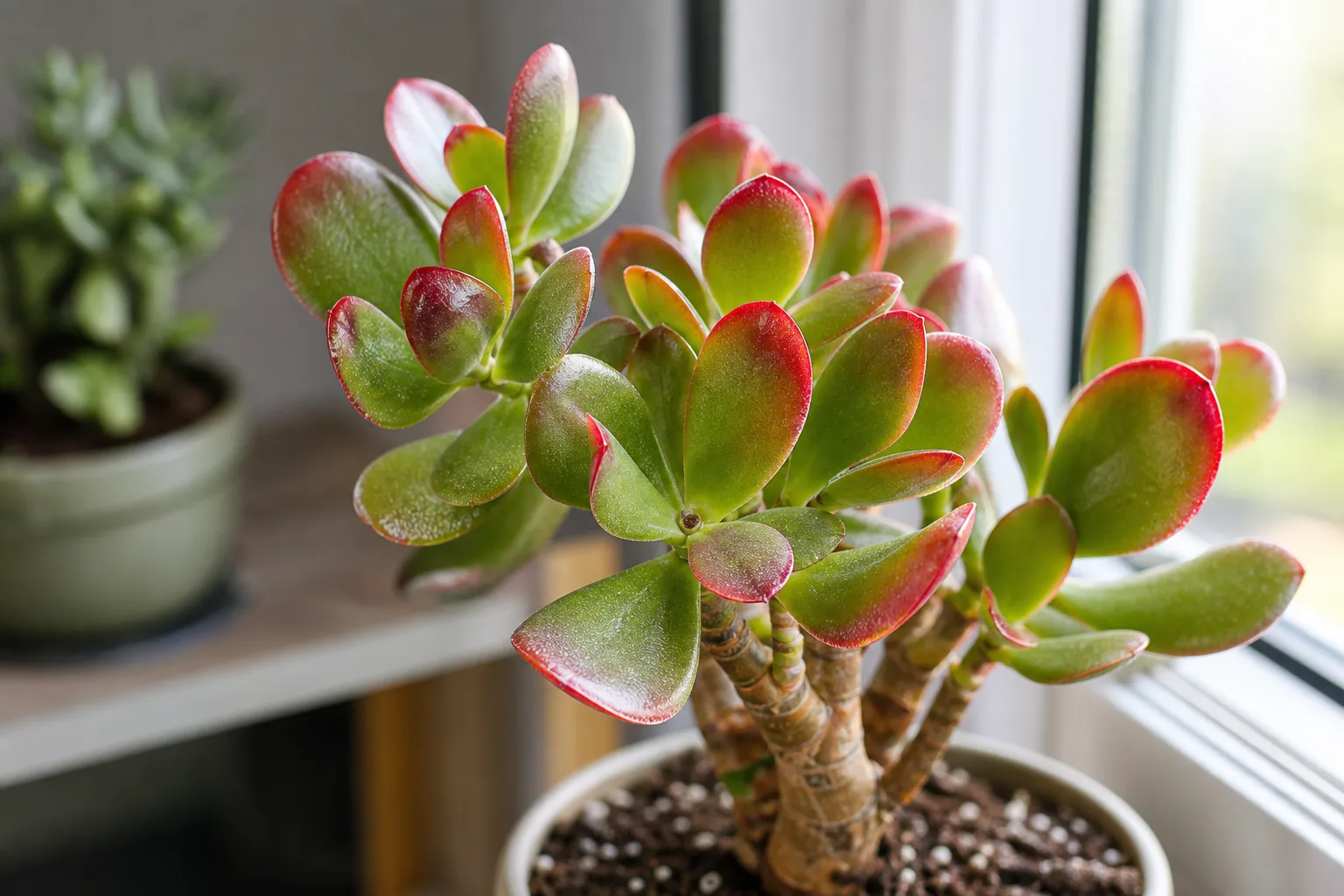
This guide uses a conservative symptom-to-action method based on plant-diagnostic guidance from extension and horticultural sources. It does not diagnose a disease or deficiency from a photograph. The jade plant images below are useful for comparing distribution and texture, but the same color pattern can have different causes on another species.
Quick Diagnosis: Red Is a Clue, Not a Disease
Red coloration usually comes from pigments called anthocyanins, but the reason those pigments are visible varies. They may be a permanent cultivar feature, normal juvenile color, seasonal coloration, or a response to light, temperature, water, or nutrient conditions. A healthy red leaf stays firm and normally shaped; damaged tissue often becomes soft, bleached, crispy, spotted, or distorted.
Start with three questions:
- Is this plant supposed to be red? Check reliable species or cultivar references and compare older photographs.
- Is the red tissue healthy? Firm texture, normal growth, and stable color are reassuring. Collapse, spreading lesions, or rapid leaf drop are not.
- What changed recently? A new window, grow light, cold night, watering gap, repot, or fertilizer application often explains timing better than color alone.
The RHS guide to houseplant leaf damage recommends diagnosing leaf symptoms in the context of light, water, temperature, humidity, pests, and physical injury. That broad approach matters because several stresses can overlap. A plant moved to a brighter window may also dry faster; a plant beside cold glass may remain wetter because growth has slowed.
Use this shortlist:
| Pattern | More likely explanations | Check next |
|---|---|---|
| Stable red color across healthy leaves | Cultivar trait or normal pigmentation | Species reference and older photos |
| Red margins on the brightest side | Protective pigmentation or early light stress | Exposure history and tissue texture |
| Pale, tan, or brown patches within red tissue | Sunscorch or temperature injury | Recent move, hot glass, cold contact |
| Dull red or purple older leaves with slow growth | Root stress or reduced nutrient availability | Moisture, roots, temperature, feeding history |
| Red patches with spots, halos, insects, or webbing | Pest, pathogen, or unrelated leaf injury | Magnified inspection and spread pattern |
The Five-Minute Pattern Check
First, map the affected leaves. Red color only on new growth can be normal for species whose juvenile foliage emerges bronze or red. Color confined to the window-facing surface points toward light exposure. Red or purple color on older, shaded leaves combined with stalled growth deserves a root-zone and temperature check.
Next, feel the tissue. Pigmented but healthy leaves retain their usual firmness and thickness. Sunscorched areas may begin pale or bleached and then become tan, brown, papery, or crisp. Chilling injury may look water-soaked or dark before drying. Disease lesions often have defined margins, halos, or a pattern of enlargement rather than an even wash of color.
Then inspect the entire plant under bright light. Look at the undersides, petiole junctions, stem base, and new growth. The UC IPM houseplant problem guide shows why symptoms such as discoloration, distortion, stickiness, speckling, and leaf drop should be interpreted together. Red pigment without insects or tissue collapse is less urgent than red tissue paired with expanding lesions or a declining crown.
Finally, document the plant before changing anything. Photograph both sides, note the date, and record light and watering changes. A weekly comparison will tell you whether the red area is stable, expanding, or appearing only on new leaves.
When Red Leaves Are Normal
Many foliage plants are selected specifically for red pigment. Red Aglaonema cultivars, crotons, coleus, fittonias, tradescantias, begonias, and some philodendrons naturally display red or burgundy areas. In those plants, the correct baseline is the cultivar description—not the assumption that every leaf should be green.
New leaves may also emerge reddish and green as they mature. This is not the same as a mature green leaf suddenly developing red edges. Compare equivalent leaves: new with new, old with old, and exposed surfaces with shaded surfaces.
Succulents create another common source of confusion. Jade plants and other succulents may show red margins in strong light while remaining compact and firm. Gardeners often call this “sun stress,” but the word stress does not automatically mean injury. A visible acclimation response can coexist with healthy growth. The decision point is tissue condition: color plus firmness is different from color plus bleaching, collapse, or expanding necrosis.
Use the image as a comparison for distribution, not as a universal diagnosis. Confirm whether your plant’s species commonly carries red pigment and whether the color appeared gradually. If the plant is growing normally and the pattern is stable, observation may be more appropriate than treatment.
Anthocyanins and Stress Color
Anthocyanins are red, purple, and blue plant pigments. Their visibility depends on genetics, leaf development, light environment, temperature, and plant physiology. They can help screen excess light and participate in antioxidant protection, but a red leaf does not reveal which trigger is active or whether the plant is seriously harmed.
Think of anthocyanin as the mechanism behind the color, not the final diagnosis. The diagnostic task is to identify the conditions surrounding that pigment:
- Was the plant moved from dim retail lighting to direct sun?
- Did nights become colder near a window?
- Did the pot dry much farther than usual?
- Has growth slowed while the mix stays wet?
- Is the color a uniform flush or a set of defined lesions?
This prevents a common reasoning error: treating the pigment itself. There is no general-purpose product that “removes red leaves.” You correct a confirmed environmental mismatch, or you leave normal coloration alone.
Too Much Light and Sudden Sun Exposure
Plants acclimate to a particular light environment. A leaf formed in low light may not tolerate a sudden move into several hours of strong direct sun, even if the species can handle brighter conditions after gradual adjustment. The RHS notes that excessive direct sunlight can scorch houseplant foliage, while insufficient light can also weaken growth; placement must match the species and season.
Light-related red color usually appears most strongly on the exposed side, along upper margins, or on leaves nearest the window or lamp. It may be accompanied by compact growth and otherwise healthy tissue. Actual injury is more likely when red areas become bleached, tan, brown, papery, or sharply bounded.
Before moving the plant, check duration and intensity. Morning sun through glass differs from intense afternoon sun. A grow light placed close to a leaf can create a localized pattern. Dusty glass, seasonal sun angle, and removal of an outdoor shade cloth can change exposure even when the pot never moved.
If light is the likely cause and the tissue is not injured, make a modest adjustment: increase distance from the glass or lamp, use a sheer curtain, or reduce direct exposure in stages. Do not move a high-light succulent into a dark corner solely to erase healthy red edges. Judge the plant by new growth, shape, and tissue condition.
Pigmentation Versus Sunscorch
Healthy pigmentation usually preserves the surface. The red tissue remains smooth, firm, and integrated with the rest of the leaf. Sunscorch damages cells, so the affected area progresses toward bleaching or dead, dry tissue. The border may correspond to the exposed section of the leaf.
Use this comparison:
| Feature | Protective or normal pigment | Sunscorch |
|---|---|---|
| Texture | Firm and typical for species | Papery, crisp, bleached, or sunken |
| Pattern | Gradual flush or margin | Exposure-shaped patch |
| Progress | Stabilizes after acclimation | Damaged area turns tan or brown |
| Plant response | Normal new growth | Injury on newly exposed leaves |
| Best action | Monitor or adjust gradually | Reduce harsh exposure and protect new growth |
Damaged leaf tissue will not rebuild. The goal is to prevent new injury, not to make a scorched patch turn green.
Cold, Drafts, and Temperature Swings
Cold exposure can change pigment and damage cells. Risk is highest where leaves touch winter glass, sit in an air-conditioner stream, or experience a sharp temperature drop during transport. Tropical houseplants can react even when a room feels comfortable at human height because the leaf surface beside glass may be much colder.
Cold injury is not always red. It may begin as dull, water-soaked, dark, translucent, or limp tissue and later become brown. The RHS houseplant troubleshooting guide advises considering cold drafts and sudden environmental changes when foliage deteriorates.
Move affected foliage away from direct contact with cold glass and stabilize the environment. Avoid placing a chilled plant immediately against strong heat; rapid extremes add stress. Do not prune every questionable area on the first day. Wait until the boundary between living and dead tissue becomes clear, unless the tissue is soft and rotting.
Water and Root Stress
Water stress can contribute to red or purple coloration, but it more commonly appears with wilting, yellowing, browning, edema, leaf drop, or slowed growth. Treat moisture as evidence, not an automatic explanation.
Check the root zone rather than the surface alone. Insert a finger or wooden skewer to the depth appropriate for the pot, lift the container, and inspect the drainage path. A dry crust can sit above wet mix, while a small root ball can remain dry inside a larger wet pot. The UC IPM guide links poor drainage and inappropriate watering to a wide range of houseplant symptoms because roots need both water and oxygen.
If the mix is dry throughout and the plant normally wants more consistent moisture, water thoroughly and let excess drain. If it is persistently wet, empty the cachepot, improve drainage, and delay the next watering until the plant-specific moisture threshold is reached. Do not alternate flooding and severe drought.
Red color alone is not a reason to repot. Repot when evidence points to a root problem: sour odor, black or mushy roots, a pot with no drainage, severely compacted mix, or a root ball that cannot be rewetted evenly.
Nutrient Availability Without Guesswork
Red or purple coloration is often attributed to phosphorus deficiency. That association can occur in plants, but it is not specific enough to diagnose a houseplant from leaf color. Cold, root injury, unsuitable pH, excess salts, and waterlogged mix can all limit nutrient uptake even when fertilizer is present.
Leaf position and plant history matter. A deficiency affecting mobile nutrients may begin in older foliage, while other nutrient disorders appear in new growth. Yet species differ, and cultivar pigment can imitate a disorder. A soil or tissue test is more reliable than matching color to an online chart.
Before feeding, ask:
- Has the plant been actively growing?
- Was it fertilized recently?
- Is the mix old, salty, or compacted?
- Are roots healthy enough to absorb nutrients?
- Is the water or substrate pH likely to affect availability?
- Is the red color actually abnormal for the cultivar?
Correct drainage, temperature, and moisture first. If the plant is actively growing, roots are healthy, and the care history supports depletion, use a complete fertilizer labeled for the plant at the labeled rate.
Why Fertilizer Is Not the First Fix
Fertilizer cannot repair dead cells, cold injury, or sunscorch. Adding it to dry or damaged roots can increase salt stress. Feeding a plant that has slowed because of winter light may also be unnecessary.
The safer sequence is:
- Confirm abnormal new coloration.
- Stabilize light, temperature, and moisture.
- Inspect drainage and roots if decline continues.
- Review the last fertilizer application and mix age.
- Test or feed conservatively only when the evidence supports it.
Avoid single-nutrient remedies based solely on red leaves. They can create imbalances without addressing the actual constraint.
Pests, Disease, and Red Look-Alikes
Most common houseplant pests do not cause an even red flush. They are more likely to produce stippling, yellowing, distortion, sticky honeydew, webbing, cottony wax, or scale-like bumps. Inspect with a hand lens, especially along veins and new growth. Colorado State Extension’s houseplant pest guide describes the distinct signs left by mites, thrips, aphids, mealybugs, whiteflies, and scales.
Disease should be considered when red or purplish areas are discrete lesions that enlarge, develop a halo, become water-soaked, or move into petioles and stems. Plant diseases cannot be identified reliably by color alone. The Penn State guide to bacterial diseases of ornamentals notes that bacterial spots are often water-soaked and can become dark with surrounding yellow tissue, rather than forming a uniform healthy red margin.
Other look-alikes include:
- natural burgundy undersides;
- mechanical bruising;
- spray injury;
- old edema scars;
- sunscorch transitioning from red to brown;
- mite or thrips bronzing;
- red residue on the surface.
Perform a wipe test only gently. Surface residue may lift; pigment and tissue injury will not. If lesions are spreading, isolate the plant and avoid splashing water between plants while you seek a species-specific diagnosis.
Decide Whether to Watch, Adjust, or Escalate
Use the least disruptive response that fits the evidence. The color itself does not set the urgency; tissue failure, rate of change, and involvement of roots or stems do.
| Evidence you can confirm | Proportionate action now | Escalate when |
|---|---|---|
| Stable red color, firm tissue, normal growth, known red cultivar | Photograph and monitor; do not treat | New tissue becomes distorted, soft, or necrotic |
| Red margins developed gradually after brighter light; tissue remains firm | Hold conditions stable or reduce exposure slightly | Bleached or papery areas appear on newly exposed leaves |
| Red or dull-purple foliage follows cold contact or a sharp temperature change | Move away from glass or drafts and stabilize conditions | Tissue becomes water-soaked, black, soft, or stem-associated |
| Abnormal color accompanies persistently wet mix, sour odor, or continuing wilt | Check drainage and inspect roots if decline continues | Roots or crown are extensively soft or decay spreads |
| Defined lesions enlarge or appear on neighboring plants | Isolate, avoid splashing, photograph progression | Daily spread continues or diagnosis remains uncertain |
This matrix is a triage tool, not a species diagnosis. A red Aglaonema, a jade plant, and a tropical foliage plant can show very different normal pigment and injury patterns. When the cultivar baseline is unknown, verify it before treating color as damage.
A Safe Seven-Day Recovery Plan
Day 1: Photograph the plant, mark affected leaves, and inspect both surfaces. Confirm the cultivar baseline.
Day 2: Measure the actual exposure period. Check whether leaves touch hot or cold glass and whether a grow light is unusually close.
Day 3: Assess root-zone moisture and drainage. Empty standing water. Do not water again simply because the leaf is red.
Day 4: Inspect for insects, cast skins, webbing, sticky residue, and defined lesions. Isolate only if pest or disease evidence exists.
Day 5: Choose one reversible correction: modestly reduce harsh exposure, remove a cold draft, or restore appropriate watering.
Days 6–7: Leave the plant stable. Watch for new lesions or continued collapse. Old pigment may remain even when the cause is corrected.
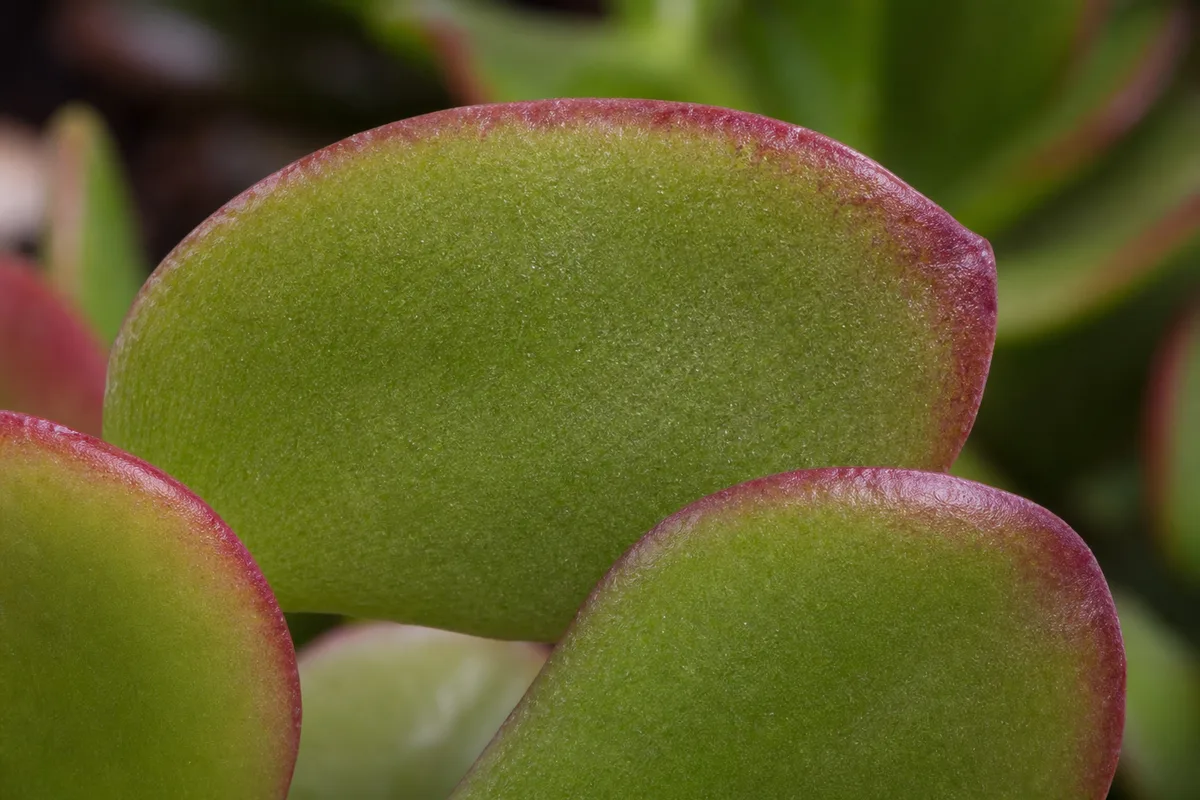
The macro image helps compare whether color follows margins or forms damaged patches. It cannot establish the light level, root condition, temperature history, or species response that caused the symptom.
When to Inspect or Repot the Roots
Inspect roots when the plant continues to wilt despite moist mix, smells sour, has a soft stem base, or remains waterlogged far longer than normal. Healthy roots vary by species but are generally firm. Rotted roots are often dark, soft, or easily stripped.
If only a small portion is damaged, remove dead roots with clean tools and repot into a container with drainage using an appropriate fresh mix. Do not oversize the pot; excess wet substrate around a small root system prolongs drying. If roots and crown are extensively rotten, propagation from healthy tissue may be more realistic than repeated treatments.
If roots are firm and the mix behaves normally, put the plant back. An unnecessary repot introduces another variable and can delay recovery.
How to Judge Recovery
Judge the next leaves, not the color of old tissue. A successful correction produces stable moisture use, firm stems, normal leaf shape, and new growth without expanding injury. A red leaf may remain red because pigment does not vanish immediately; a damaged patch will not become living tissue again.
Track:
- number of newly affected leaves each week;
- whether red areas remain firm or become necrotic;
- interval between appropriate waterings;
- direction and compactness of new growth;
- pest activity or lesion expansion.
Escalate if red areas become rapidly water-soaked, black, soft, or stem-associated; if more leaves decline each day; or if pest signs increase despite correctly applied controls. A local extension plant clinic can often assess sharp photographs and a detailed care history.
Prevention for Stable Leaf Color
Acclimate plants gradually when moving them into stronger light. Keep tropical foliage away from cold glass and heating or cooling vents. Water according to root-zone moisture and species needs, not a fixed calendar. Use containers with working drainage and empty decorative sleeves after watering.
Quarantine new plants and inspect leaf undersides before placing them in a collection. Keep a simple record of repotting and feeding so a nutrient question can be evaluated from evidence. Most importantly, learn the normal colors of the particular cultivar. Knowing the baseline prevents both neglect and unnecessary treatment.
Change one variable at a time whenever the plant is stable enough to allow it. This turns care into a small controlled test: if new leaves improve, the change was probably useful; if not, reassess instead of stacking remedies.
Conclusion
Red leaves on houseplants can represent normal genetics, protective pigmentation, or stress from light, temperature, water, roots, nutrients, pests, or disease. The color is the beginning of the investigation, not the answer.
Compare leaf age and position, test tissue texture, reconstruct recent changes, and check the root zone before acting. Preserve healthy red color, reduce genuine injury with one measured correction, and judge recovery by new growth. That approach is slower than guessing—but much safer for the plant.
Plants commonly affected
These houseplants often struggle with red leaves. Open a care guide or plant-specific troubleshooting page for tailored fixes.
 Medium
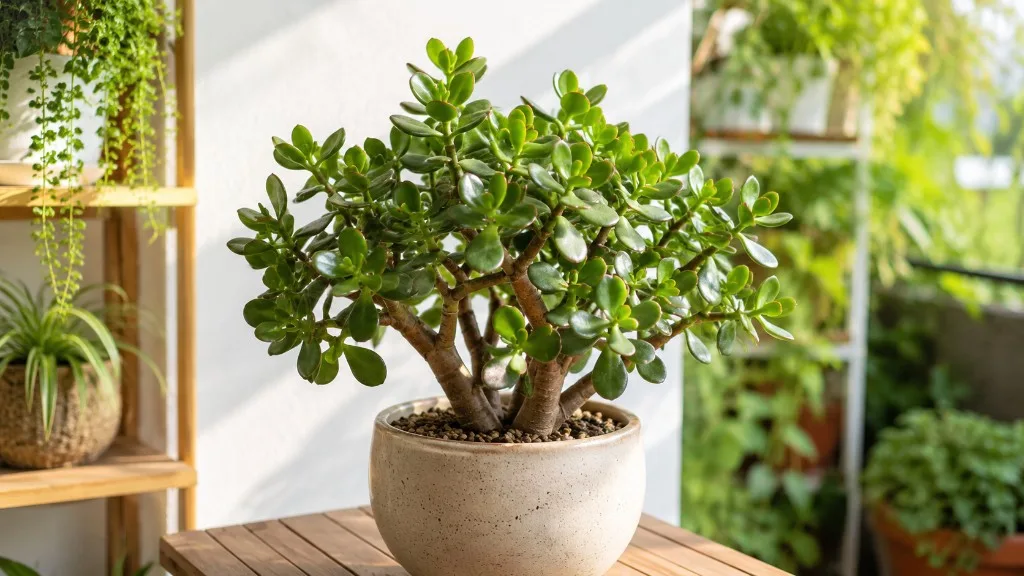
Jade Plant
Likely causeSep 1, 2025 · Seeing red on your jade plant is a moment for celebration, not concern. It’s a sign that you’re in tune with your plant’s needs and are providing it with the environment it needs to not just survive, but truly flourish.
Quick fixConfirm diagnosis on your Jade Plant, then address the most likely care or pest factor described in current extension guidance.
 Medium
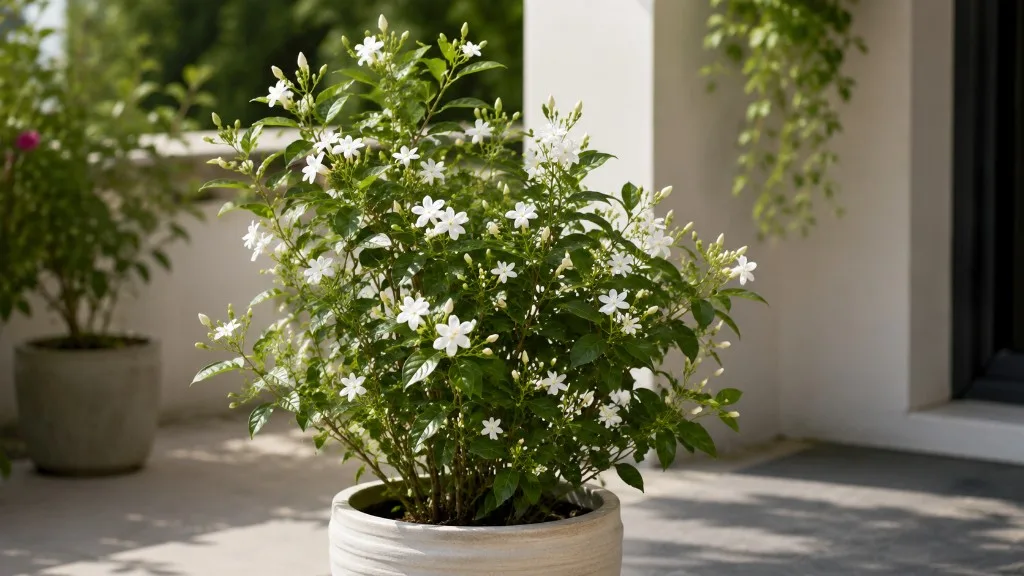
Jasmine
Likely causeMay 21, 2026 · When jasmine leaves turn from their usual lush green to red , it’s a sign that your plant is stressed or unwell. Identifying the underlying causes is critical to restoring your jasmine ’s health. View all 1. Seasonal Changes
Quick fixConfirm diagnosis on your Jasmine, then address the most likely care or pest factor described in current extension guidance.
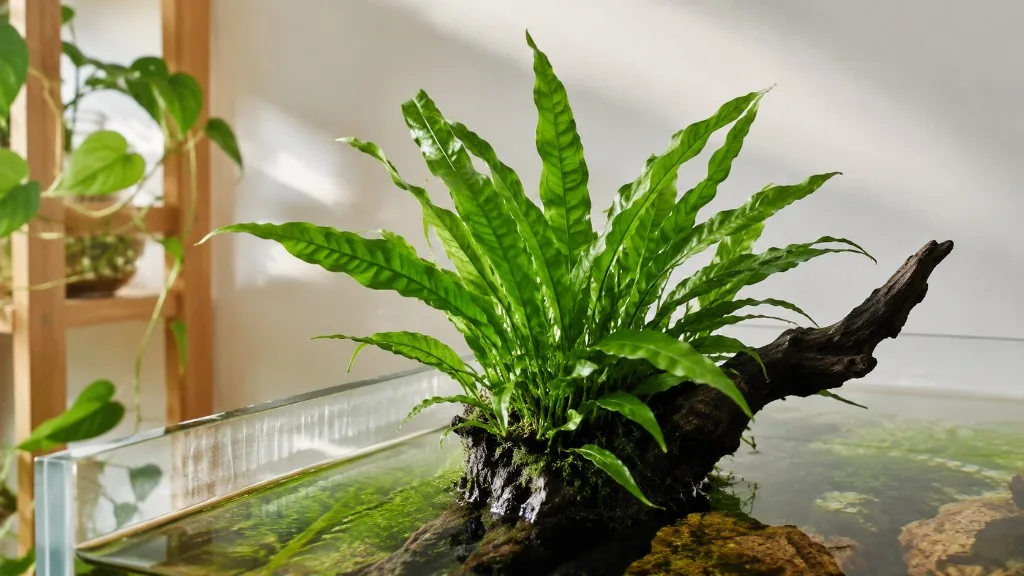 Easy
EasyJava Fern
Likely causeOf all the available aquarium plants in the trade, Java fern (Microsorum pteropus) is one of the most popular. Praised for its hardness and adaptability, it’s a suitable cultivar for a wide variety of tanks. Java fern care is simple and thi
Quick fixConfirm diagnosis on your Java Fern, then address the most likely care or pest factor described in current extension guidance.
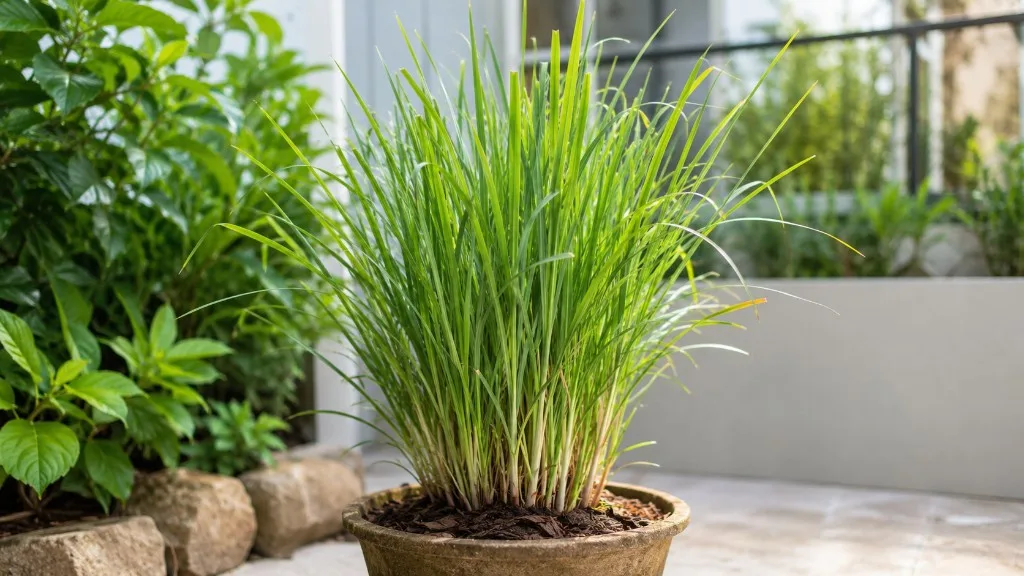 Medium
Lemongrass
Likely causeDec 7, 2024 · But sometimes, lemongrass leaves can turn an unexpected reddish color, causing concern for plant owners. Red lemongrass leaves often signal an underlying issue that needs attention. Various factors can cause this color change,
Quick fixConfirm diagnosis on your Lemongrass, then address the most likely care or pest factor described in current extension guidance.
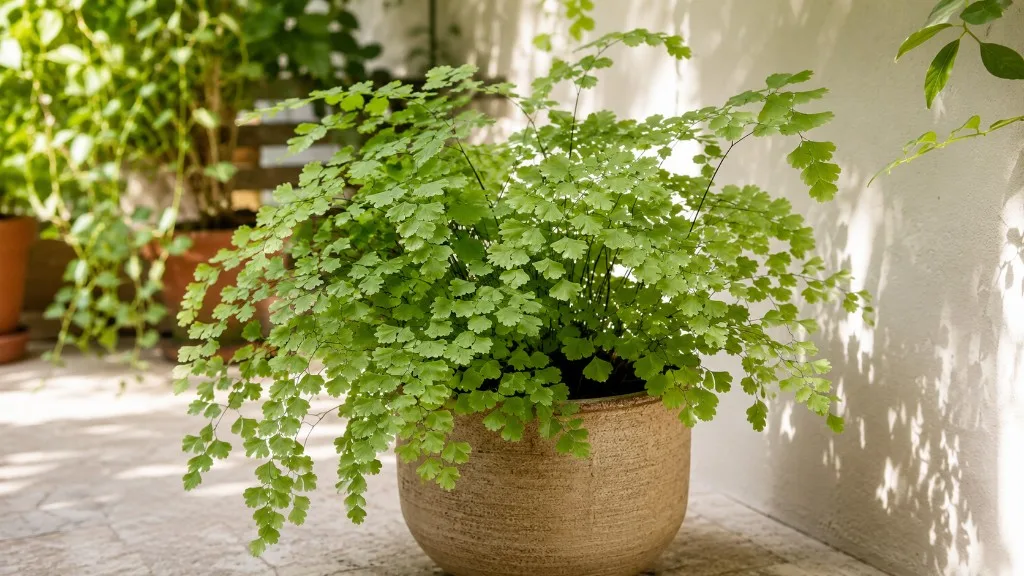 Medium
Maidenhair Fern
Likely causeDec 29, 2025 · Maidenhair ferns (Adiantum species) are some of the most elegant and delicate ferns you can find. Their airy, finely divided leaves and glossy black stems make them a stunning addition to any plant collection. With about 250
Quick fixConfirm diagnosis on your Maidenhair Fern, then address the most likely care or pest factor described in current extension guidance.
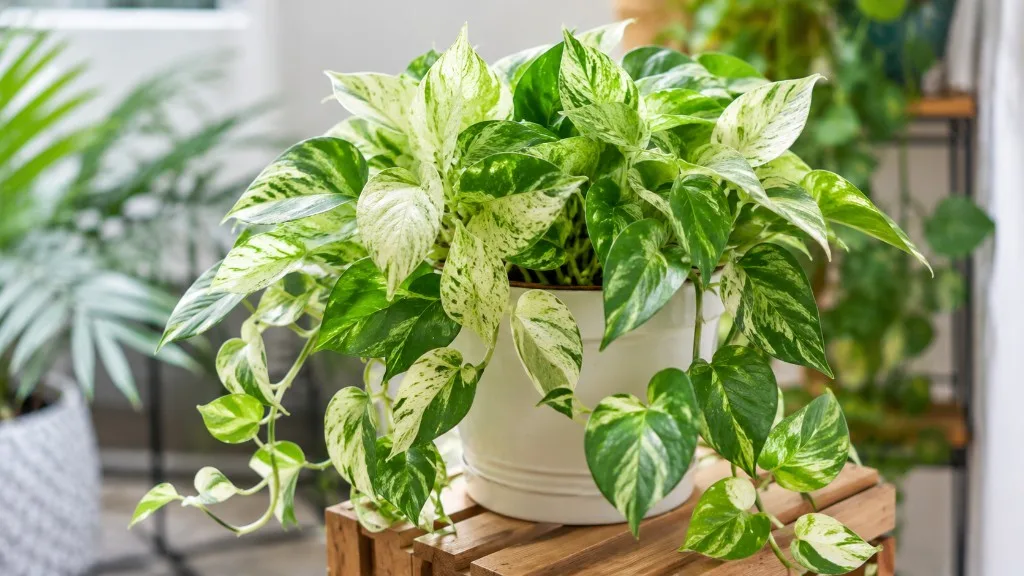 Medium
Marble Queen Pothos
Likely causeJul 5, 2022 · Looking for an interesting and unique houseplant? Look no further than the Marble Queen pothos ! This could very well be the perfect houseplant to add to your collection. Not only is it easy to care for, but its beautifully ma
Quick fixConfirm diagnosis on your Marble Queen Pothos, then address the most likely care or pest factor described in current extension guidance.
 Medium
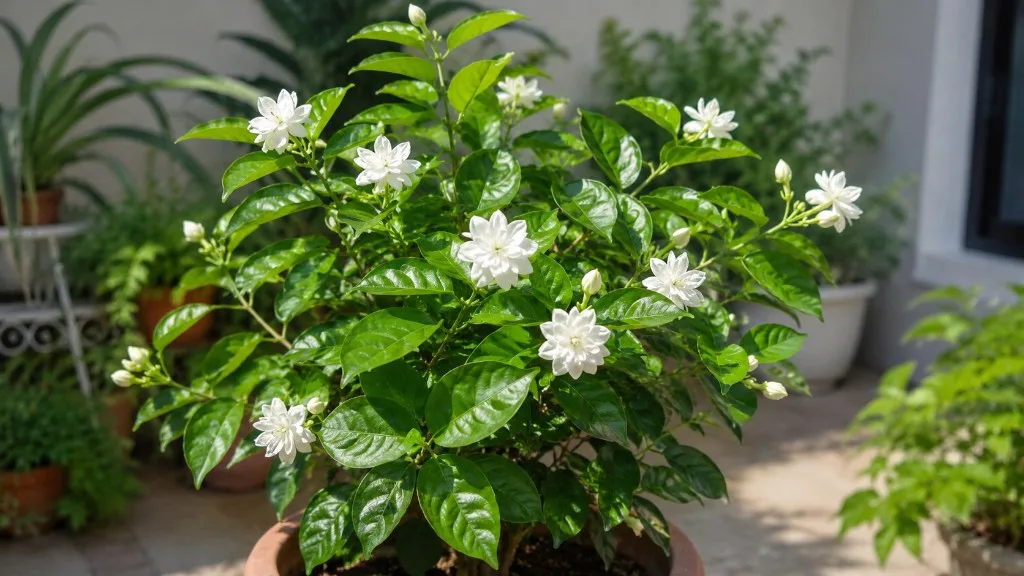
Mogra
Likely causeFeb 28, 2023 · There are numerous types of Jasminum Sambac differentiated by the shape of their leaves and their corolla’s structure. The cultivars that need mention are Maid of Orleans, Belle of India, Arabian Nights, Grand Duke of Tuscany
Quick fixConfirm diagnosis on your Mogra, then address the most likely care or pest factor described in current extension guidance.
 Medium
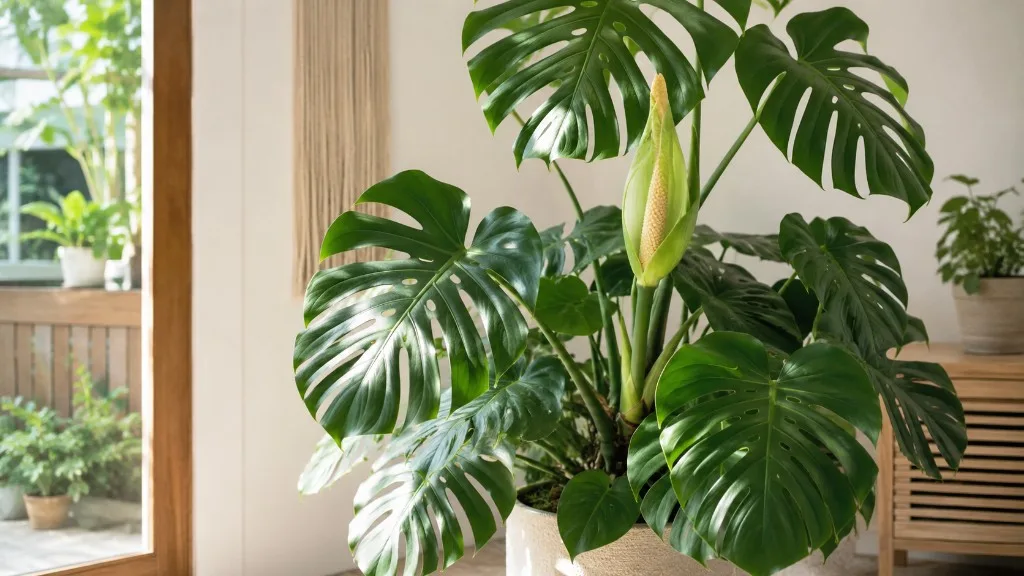
Monstera Deliciosa
Likely causeMar 13, 2025 · Monstera deliciosa: The most popular variety, Monstera deliciosa, is known for its large, dark green leaves that can reach 2 feet or more across and are decorated with fenestrations, says …
Quick fixConfirm diagnosis on your Monstera Deliciosa, then address the most likely care or pest factor described in current extension guidance.
 Medium
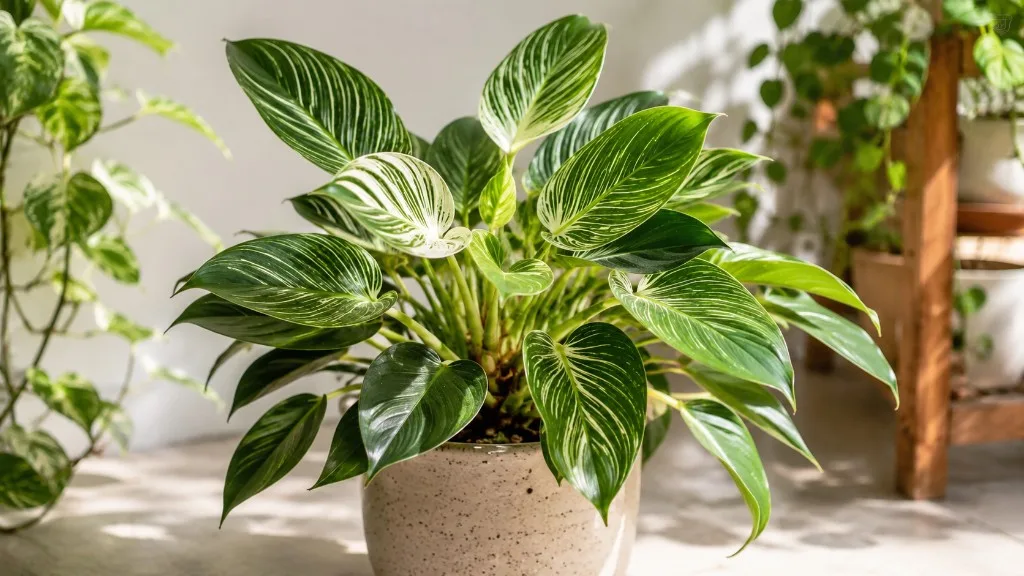
Philodendron Birkin
Likely causeSep 16, 2025 · What Does a Mature Philodendron Birkin Look Like? A mature philodendron birkin has likely grown taller (up to 3 feet tall) with leaves branching off the main stem in alternating directions, and less dense growth. Some leaves
Quick fixFollow extension or botanical guidance for Philodendron Birkin red leaves; adjust care before applying broad treatments.
 Medium
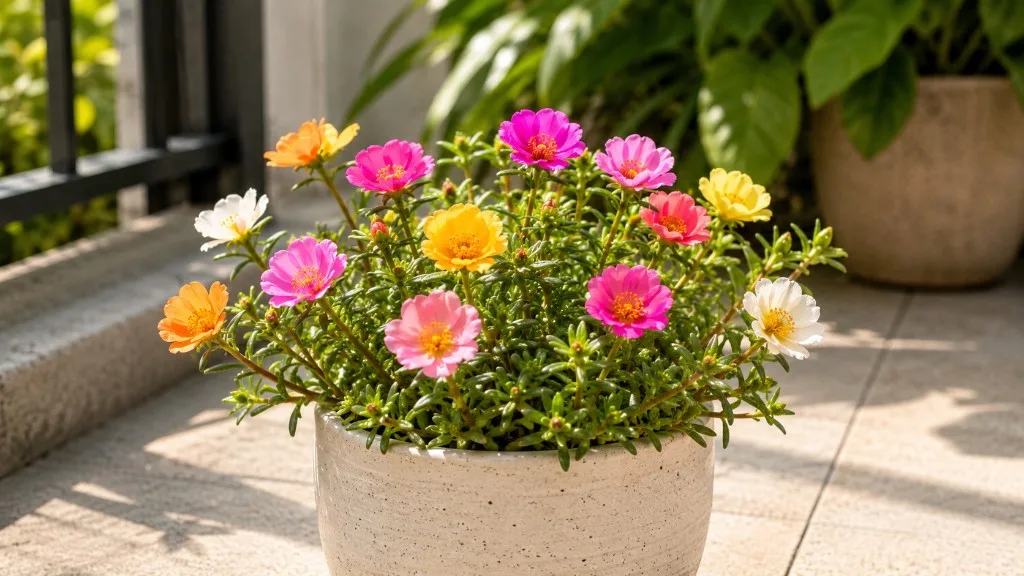
Portulaca
Likely causeJun 2, 2026 · Portulaca ( Portulaca grandiflora) is a ground-hugging succulent that displays garden blooms all summer. Learn how to grow and care for this easy plant. View all Portulaca flowers are single or double, with rounded or ruffly p
Quick fixConfirm diagnosis on your Portulaca, then address the most likely care or pest factor described in current extension guidance.
 Medium
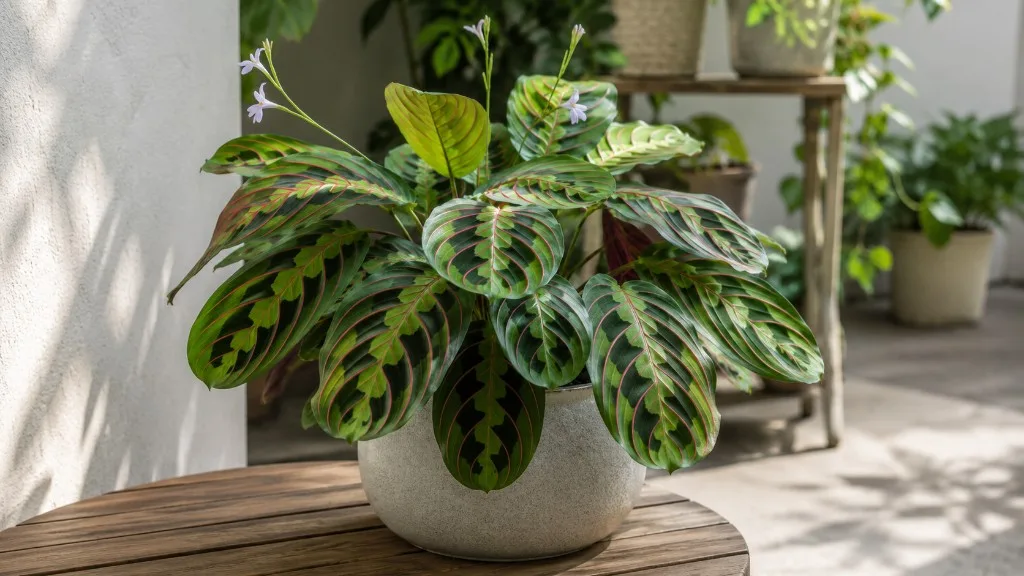
Prayer Plant
Likely causeNov 13, 2025 · The Maranta Red Plant, scientifically known as Maranta leuconeura ‘Erythroneura’, is a highly sought-after houseplant. It is commonly called the Red Prayer Plant due to the striking red veins contrasting with its deep green a
Quick fixConfirm diagnosis on your Prayer Plant, then address the most likely care or pest factor described in current extension guidance.
 Medium
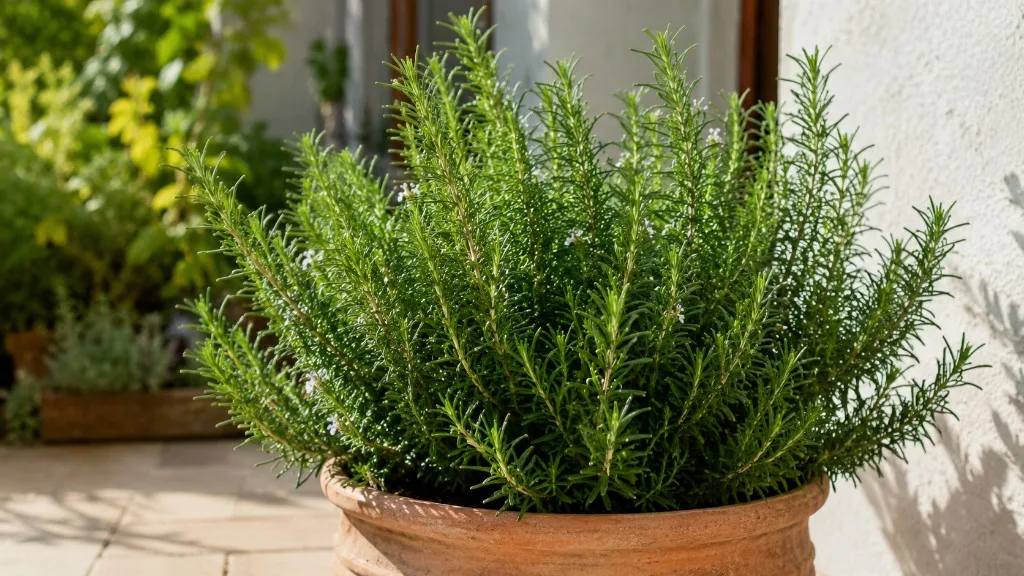
Rosemary
Likely causeSalvia rosmarinus, synonym Rosmarinus officinalis, commonly known as rosemary, is a shrub with fragrant, evergreen, needle-like leaves and purple or sometimes white, pink, or blue flowers. It is a …
Quick fixConfirm diagnosis on your Rosemary, then address the most likely care or pest factor described in current extension guidance.