Brown Leaves on Houseplants: Diagnose and Fix the Cause
Brown leaves are a late-stage stress signal showing tissue death from unresolved environmental or root-zone problems. Unlike small brown tips, full-leaf browning often means stress has persisted long enough to overwhelm the plant's recovery capacity in that tissue. Common triggers include severe underwatering, chronic overwatering with root damage, direct sun scorch, salt accumulation, and disease lesions that expand into necrosis. The goal is to stop progression by identifying the active driver, then optimizing conditions for healthy regrowth. Start with root-zone moisture and drainage checks, then review light intensity and recent care changes. Remove fully dead leaves to improve hygiene and appearance, but preserve partially functional foliage when possible. Existing brown tissue will not recover, so progress should be judged by cleaner new leaves and stabilized canopy over the next several growth cycles.
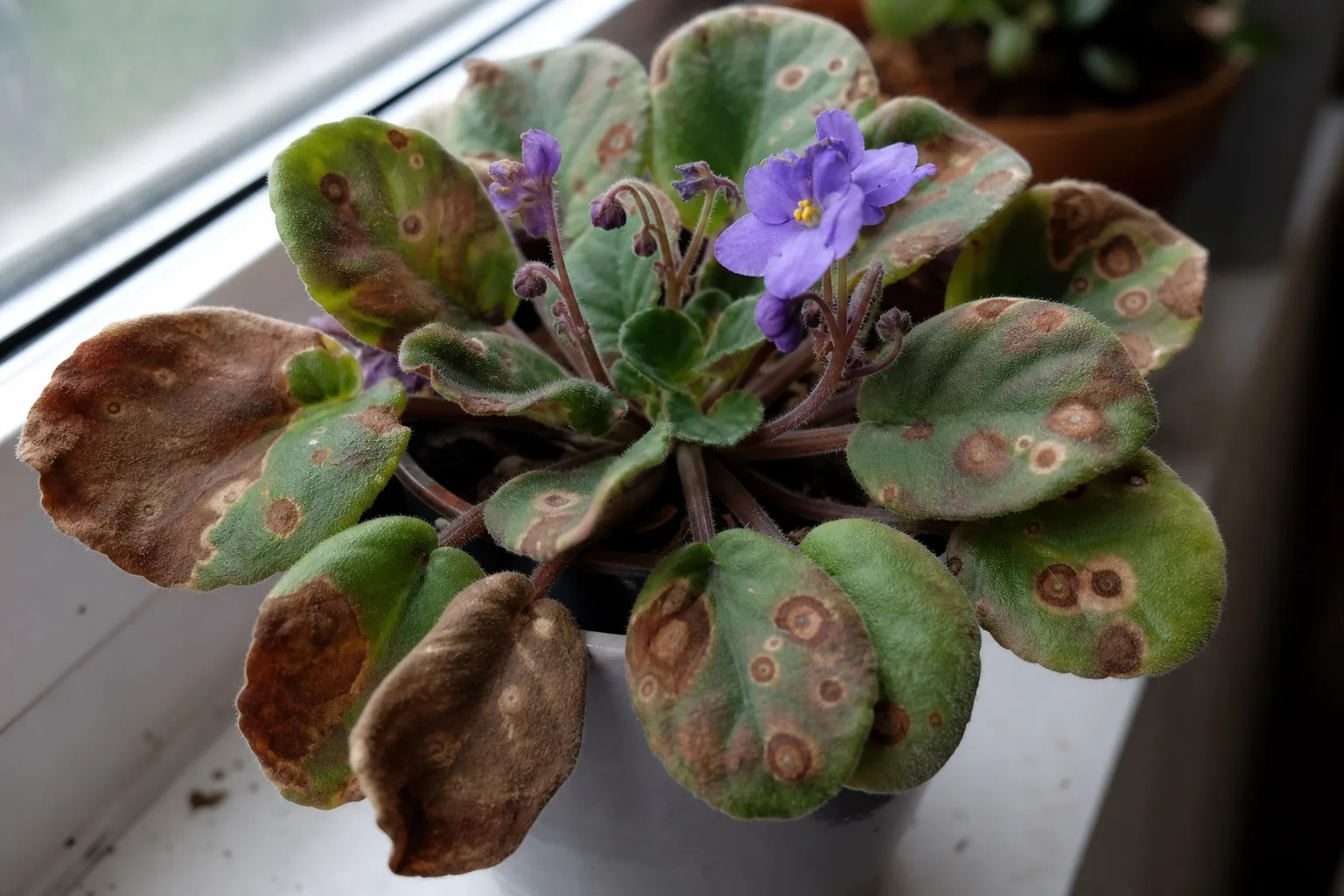
Brown Leaves on Houseplants
Still unsure?Match your symptoms to the most likely problems in under a minute.Run diagnosis →Understand and fix brown leaves
Broad brown patches or fully brown leaves typically indicate prolonged water stress, sun/heat scorch, root problems, or disease rather than minor cosmetic dryness.
Overview
Brown leaves are a late-stage stress signal showing tissue death from unresolved environmental or root-zone problems. Unlike small brown tips, full-leaf browning often means stress has persisted long enough to overwhelm the plant's recovery capacity in that tissue. Common triggers include severe underwatering, chronic overwatering with root damage, direct sun scorch, salt accumulation, and disease lesions that expand into necrosis.
The goal is to stop progression by identifying the active driver, then optimizing conditions for healthy regrowth. Start with root-zone moisture and drainage checks, then review light intensity and recent care changes. Remove fully dead leaves to improve hygiene and appearance, but preserve partially functional foliage when possible. Existing brown tissue will not recover, so progress should be judged by cleaner new leaves and stabilized canopy over the next several growth cycles.
Brown Leaves patterns: what you see vs. likely cause
Match your plant to the closest pattern, then start with the first step before trying other fixes.
| What you see | Likely cause | First step |
|---|---|---|
| Whole leaves brown on sun-facing side | Sunburn or scorch | Move to filtered light; remove severely damaged leaves |
| Brown, crispy leaves with very dry soil | Severe underwatering | Rehydrate slowly with thorough watering cycles |
| Brown patches spreading with soft tissue | Fungal or bacterial infection | Isolate; prune affected parts; improve airflow |
| Brown after cold window exposure | Cold damage | Move away from cold glass; trim dead tissue only |
How to identify it
- Leaves show dry brown patches, edges, or full browning.
- Texture may be crispy (dry stress) or soft-dark (rot/disease).
- Damage pattern may match sun-facing side in scorch cases.
- Soil history often shows prolonged wetness or severe dryness.
- Older leaves are affected first unless stress is severe.
- Some leaves drop after turning mostly brown.
When to worry
Seek rapid intervention if browning affects new leaves, appears with black soft tissue, or progresses quickly across multiple stems.
Common causes
Severe dehydration episodes
Extended dryness causes irreversible tissue death, especially at margins and older leaves.
Root injury from overwatering
Compromised roots fail to supply water evenly, resulting in browning despite moist substrate.
Sunburn and heat scorch
Direct intense sun on shade-adapted foliage creates localized tan or brown necrotic patches.
Salt and fertilizer burn
High root-zone salts draw moisture from tissue and trigger edge or patch necrosis.
Leaf spot progression
Untreated black or brown lesions can merge and kill large leaf sections over time.
Step-by-step fix
Identify browning pattern
Differentiate crispy dry damage, soft rot-like damage, and sun-exposed patching to guide treatment correctly.
Correct moisture management
Adopt moisture-based watering and ensure full drainage to prevent repeat root-zone extremes.
Adjust light exposure
Move stressed plants from harsh direct sun to bright filtered light while recovery begins.
Flush or refresh substrate
Leach excess salts or repot if mix is degraded, compacted, or repeatedly problematic.
Remove fully dead leaves
Prune entirely brown tissue with clean tools to reduce pathogen risk and redirect energy.
Monitor new growth quality
Track whether new leaves emerge without brown margins over the next 4-8 weeks.
Prevention tips
- Avoid long dry spells followed by heavy saturation.
- Protect foliage from sudden direct midday sun.
- Flush salts and fertilize moderately.
- Keep root systems healthy with airy media.
- Respond early to minor tip or spot symptoms.
Common mistakes
- Assuming all browning is from underwatering.
- Leaving plants in intense sun right after relocation.
- Fertilizing heavily to compensate for brown leaves.
- Cutting all foliage and reducing recovery capacity.
Related care topics
These care guides help prevent repeat issues once you have treated the immediate problem.
Quick Diagnosis
Brown leaves on houseplants are not one problem with one fix. Whole-leaf browning, marginal scorch, soft dark tissue, and localized tan patches point toward different causes. Match the pattern with root-zone moisture, light exposure, recent changes, and species requirements before acting.
The six causes that cover most indoor houseplants:
- Fluoride and salt margin necrosis - Tan-to-brown crispy edges and margins on otherwise firm deep-green leaves after months of tap water.
- Overwatering and root stress in low light - Soft yellow-brown whole leaves, heavy wet pot, stalled crown growth, sometimes sour soil.
- Drought crisping in brighter placements - Light pot weight, dry mix halfway down, crisp brown edges on slightly drooping leaves.
- Cold or heat injury - Brown patches concentrated on the side facing cold glass, an exterior door, heater, or air-conditioner. The damaging temperature depends on species and duration, so use event history rather than one universal threshold.
- Normal lower-leaf senescence - One mature strap leaf browning slowly at the lowest node on a firm upright stem as the trunk elongates.
- Sun scorch - Bleached or tan patches on leaves moved suddenly to harsh afternoon sun.
First step: check pot weight and push a finger or skewer halfway into the mix. A heavy wet pot with soft yellow-brown lower leaves points to overwatering-do not add water. A very light pot with crisp brown edges points to drought. Firm leaves with only margin necrosis and a history of tap watering point to fluoride-switch water before changing your watering interval.
For damage limited to tips and narrow margins only, start with brown tips on houseplants. Full species context: the species care guide.
Brown leaves vs. brown tips on houseplants
Houseplant owners often search both terms because fluoride injury starts at tips and margins-but the diagnostic scope differs.
Brown tips describe the location of damage, not one cause. Low humidity, inconsistent watering, soluble salts, sensitive-species fluoride injury, root stress, and physical damage can all begin at tips or margins. When browning consumes a whole blade or appears as separate patches, widen the inspection to roots, light, temperature, pests, and disease.
Brown leaves (this page) covers wider tissue failure: whole strap leaves turning yellow-brown on wet mix, multiple leaves crisping from drought, single lower leaves browning as the stem develops, cold-draft necrosis across exposed foliage, or tan scorch patches from direct sun.
| Symptom scope | Leaf texture | Pot / soil | Likely cause | Read next |
|---|---|---|---|---|
| Tips and margins only; blade stays green | Firm | Normal dry-down for light | Fluoride / salts | Brown tips |
| Whole lower leaves yellow-brown | Soft, may droop | Heavy, wet at depth | Overwatering / rot | Root rot, overwatering |
| Crisp edges, slight droop | Firm to slightly limp | Light, dry halfway down | Drought | Watering guide |
| One lowest leaf browning slowly | Firm | Normal | Normal aging | Monitor; overview |
| Tan patches after bright move | Firm then necrotic | Variable | Sun scorch | Sunburn guide |
| Brown on draft-facing side | Variable | Variable | Recent cold or heat exposure | Temperature-injury check |
If leaves are yellow without brown necrosis, route to yellow leaves first-yellowing often precedes brown tissue on houseplants.
What brown leaves look like on houseplants
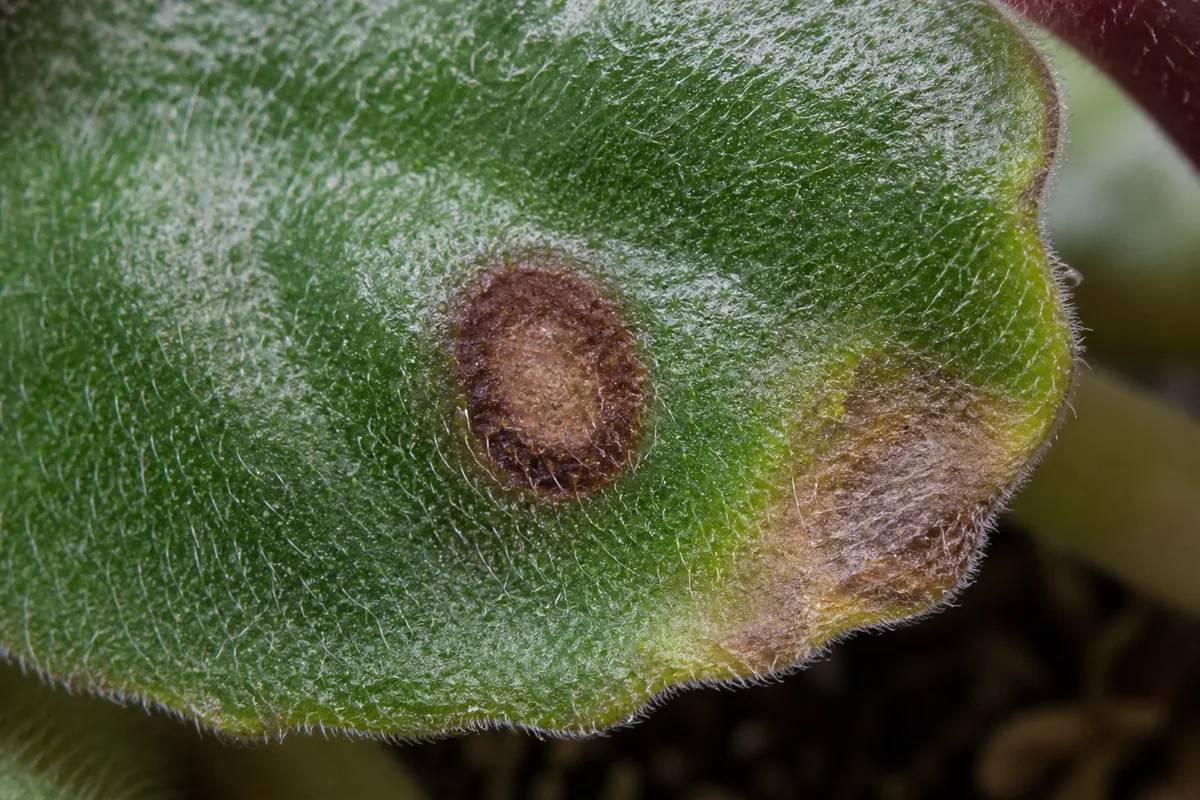
Houseplant foliage varies from thin and soft to thick and waxy. Diagnose damage by comparing affected tissue with healthy leaves on the same plant, not with one universal leaf shape. Brown damage shows distinct patterns depending on cause.
Compare both photographs with healthy tissue on the same plant. They illustrate patterns, not a confirmed cause.
Fluoride and salt margin necrosis
- Tan-to-brown crispy tissue at leaf margins and tips while the central blade stays deep green
- Damage may creep inward along edges over months of tap watering
- Leaves feel firm, not soft; pot weight matches your normal dry-down rhythm
- White crust on soil surface may accompany salt buildup from fertilizer or hard water
- New crown leaves may show early margin burn if fluoride is already high in the root zone
- More persuasive on a plant known to be fluoride-sensitive and watered repeatedly from a fluoridated source
For tip-focused fluoride protocols, see brown tips.
Overwatering and root stress (whole-leaf browning)
- Lower and inner leaves turn soft yellow-brown; some drop while still partially green-yellow
- Pot stays heavy days or weeks after the last watering
- Crown growth stalls-no new rolled leaves emerging for weeks
- stem may soften at the soil line in advanced cases; mix may smell sour when lifted
- Common in dim offices watered on a bright-room weekly schedule
- Fungus gnats sometimes appear as a secondary moisture signal
This pattern overlaps yellow leaves early-yellow often comes before brown necrosis on wet mix.
Drought crisping
- Brown crisp edges on leaves that may also show slight droop
- Pot feels very light; mix is dry well below the surface
- More common in brighter or warmer placements where the root ball dries faster than expected
- stem usually stays firm; damage concentrates on oldest outer leaves first
- Distinct from fluoride when pot weight is light and you have skipped waterings
Cold-draft damage
- Brown or yellow-brown patches on leaves facing a winter window, AC register, or exterior door
- May follow a cold event, contact with cold glass, or direct exposure to conditioned air; tolerance varies by species
- Can affect multiple leaves on one side of the canopy while the sheltered side stays green
- stem often remains firm unless overwatering is also present
- Often confused with disease-check placement before spraying anything
Normal lower-leaf aging
- One mature strap leaf at the lowest node browns slowly from the tip or margin inward
- stem is firm and upright; crown leaves stay deep green and healthy
- Happens gradually as a plant reallocates resources from its oldest leaf
- No sour soil, no heavy wet pot, no rapid spread up the stem
- A single oldest leaf declining slowly while the rest of the plant grows normally is more consistent with senescence than an active whole-plant problem
Sun scorch
- Bleached, tan, or brown patches on leaves exposed to direct afternoon sun through glass
- Often follows a sudden move from a dim shop or office to a bright south- or west-facing window without acclimation
- Damage is localized to sun-facing tissue; shaded portions of the same leaf may stay green
- See sunburn and scorched leaves for relocation and acclimation detail
Why Houseplant Leaves Turn brown leaves
Low-light office biology and slow transpiration
Many houseplants use less water as available light falls. In dim rooms, potting mix may therefore remain wet much longer than it did in a brighter position.
A watering interval borrowed from another plant can leave this root ball chronically wet in a dim room. Wet, airless mix damages roots; the plant cannot supply crown leaves even though soil feels “normal” to a calendar-based waterer. Lower leaves yellow-brown and drop while the pot stays heavy-a pattern detailed in overwatering and root rot.
Water-quality problems are species-dependent. Soluble salts can accumulate in any poorly leached container, while fluoride injury is especially associated with certain sensitive groups such as dracaenas, spider plants, and some palms. Treat fluoride as a hypothesis only when the plant is known to be sensitive and the damage pattern fits.
Fluoride sensitivity and salt buildup
Some houseplants are sensitive to fluoride, but this is not universal. The PNW Plant Disease Management Handbook describes characteristic tip and margin injury and lists susceptible plants; use that evidence only after confirming the species.
Salt from over-fertilizing or hard water produces similar margin browning. White crust on the soil surface is a visual clue. Margin necrosis is cosmetic on firm stem when moisture is correct-but it will not stop until water quality changes.
Watering mismatch across light levels
Watering needs change with species, pot size, mix, temperature, and light. Check moisture through the root ball and pot weight instead of applying a fixed 21-to-28-day interval.
Match rhythm to placement using the watering guide and light guide.
How to confirm the cause
Work through these checks in order. Pot weight and half-depth moisture beat guessing from leaf color alone.
- Pot weight - Lift the pot. Heavy days after watering with soft yellow-brown lower leaves → overwatering track. Very light with crisp brown edges → drought track. Normal weight with firm leaves and margin necrosis only → fluoride track.
- Half-depth moisture - Push a finger or wooden skewer to the middle of the pot. Wet cling on a heavy pot confirms overwatering suspicion. Dry throughout on a light pot confirms drought.
- Water source history - Months of municipal tap with progressive margin browning on firm leaves strongly implicates fluoride. NC Extension recommends filtered or rain water for houseplants when tap causes browning.
- stem firmness - Firm throughout: environmental or water-quality stress. Soft at soil line with sour smell: escalate to root inspection-see root rot.
- Crown new growth - Clean emerging leaves mean the current fix direction is working. Stalled crown with wet mix means roots-not fluoride-are the bottleneck.
- Which leaves failed - Single lowest leaf on firm stem: aging. Cluster of lower yellow-brown on wet mix: rot. Margins only on many leaves: fluoride. Draft-side patchiness: cold. Tan patches after bright move: scorch.
- Recent placement changes - Move, repot, or light shift in the last two weeks narrows sun scorch vs. chronic fluoride.
Confirmation decision table
| Pattern | Leaf tissue | Pot / mix | stem | Likely cause | First direction |
|---|---|---|---|---|---|
| Tan crispy margins, green blade center | Firm | Normal dry-down | Firm | Fluoride / salts | Switch water; flush mix |
| Whole leaves yellow-brown, lower first | Soft, droopy | Heavy, wet at depth | Firm to soft | Overwatering / rot | Stop water; inspect roots if soft |
| Crisp brown edges, slight droop | Firm | Light, dry halfway | Firm | Drought | One thorough soak; fix rhythm |
| One lowest leaf browning slowly | Firm | Normal | Firm | Normal aging | Monitor; trim if desired |
| Draft-side brown patches | Variable | Variable | Firm | Temperature event | Relocate and verify species range |
| Tan patches after bright move | Necrotic patches | Variable | Firm | Sun scorch | Filter light; acclimate |
You have confirmed fluoride margin necrosis when margins and tips crisp on firm leaves, tap water has been the primary source for months, pot moisture matches light level, and stem stays solid.
You have confirmed overwatering browning when lower leaves yellow-brown on a heavy wet pot, crown growth has stalled, and half-depth moisture stays wet days after the last watering.
You have confirmed normal aging when exactly one lower mature leaf browns on an otherwise healthy firm stem with appropriate dry-down and no sour soil.
First fix for houseplants (by likely cause)
Apply one evidence-led change at a time. Do not stack repotting, heavy pruning, fertilizer, and pesticide on the same day.
Fluoride and salt margins (firm leaves, margin necrosis): Switch to rainwater, distilled, or reverse-osmosis water immediately. Water thoroughly once with the new source, then let the top half of mix dry before the next drink. Flush the pot with plain low-fluoride water at two to three times pot volume to leach accumulated salts. Trim dead margins for appearance only. Avoid superphosphate fertilizers. Full tip-focused protocol: brown tips.
Overwatering and root stress (heavy wet pot, soft yellow-brown leaves): Stop watering and let mix dry deeper than usual-potentially an extra week in low light. Empty saucers after every future watering. If stem softens or mix smells sour, unpot and inspect roots per root rot. Do not increase watering because leaves look brown-wet soil in dim rooms worsens rot.
Drought crisping (light pot, dry mix): Water thoroughly once with filtered low-fluoride water until a modest amount runs from the drainage hole, then empty the saucer. Resume dry-down checks matched to light-see watering guide. Do not water on a fixed calendar.
Temperature injury: Move the plant off the direct path of conditioned air, heaters, cold glass, or exterior-door gusts. Return it to the species’ documented temperature range and hold conditions steady while new growth is assessed. Misting does not reverse temperature-killed tissue.
Normal lower-leaf aging: No emergency treatment. Trim the spent leaf at the node if it bothers you visually. Monitor that only one leaf at a time browns on a firm stem. Progressive multi-leaf loss routes to yellow leaves.
Sun scorch: Relocate to bright indirect light without direct afternoon sun on the leaves. Acclimate gradually over one to two weeks if you need brighter placement long term. Remove scorched tissue; it will not re-green. Details: sunburn guide.
Recovery timeline
Fluoride margin necrosis - Existing brown tissue does not re-green. Margin spread should stop within two to four weeks after switching to low-fluoride water and flushing salts. Judge success by clean new crown leaves without fresh tip burn.
Overwatering / mild root stress - Lower damaged leaves may drop. Crown growth may stay stalled two to six weeks after you correct dry-down. Firm stem with new rolled leaves emerging means recovery is underway. Advanced rot with mushy roots needs repotting-timeline extends several months.
Drought crisping - Leaves perk within days after a thorough soak. Crisp edge tissue remains brown permanently; new growth should emerge clean within two to four weeks if rhythm stays matched to light.
Cold-draft damage - Damaged tissue is permanent. New crown leaves after relocation may take two to four weeks in warm months; slower in winter low light.
Normal aging - The single browned leaf is replaced by trunk elongation over time-not by that same leaf re-greening.
Sun scorch - Scorched patches are permanent on affected tissue. New leaves formed after acclimated placement should be full deep green within one to two growth cycles.
What not to do
Do not increase watering when margins brown from fluoride alone-wet mix in low light causes separate rot problems.
Do not use untreated tap water if margin necrosis persists after you have “fixed” watering rhythm.
Do not mist leaves to fix fluoride burn or cold damage-it does not leach fluoride from tissue and can encourage fungal spotting when air circulation is poor.
Do not water on a fixed weekly calendar. Recheck moisture at a depth appropriate to the pot and species; lower light often slows dry-down, but drought-tolerant and moisture-loving plants require different endpoints.
Do not assume every lower brown leaf means rot-single-leaf aging on a firm stem is normal as the trunk develops.
Do not stack repotting, pruning, and fertilizer on the same day while the plant is stressed.
Do not assume softened water solves mineral injury. Sodium-based softened water can add salts; use an appropriate source for the identified species and local water chemistry.
Pet toxicity varies by species; identify the plant and consult a species-specific veterinary poison reference before deciding placement or disposal.
How to prevent brown leaves next time
Match water quality to the plant and evidence. If a known fluoride-sensitive plant continues developing tip or margin necrosis despite sound roots and watering, compare the local water report and trial rainwater, distilled water, or reverse-osmosis water. For other species, first investigate total salts, fertilizer, drought, roots, heat, and humidity.
Match dry-down to species and conditions—use pot weight and a depth check rather than a calendar. Light, temperature, pot size, mix, roots, and growth rate all change water use.
Flush salts seasonally - Run plain low-fluoride water through the pot at two to three times volume every few months if you fertilize lightly or use harder water.
Shield from temperature extremes—keep foliage away from heater blasts, cold glass, and direct conditioned-air streams, using the species’ documented tolerance rather than a universal cutoff.
Acclimate before bright moves - Shift gradually over one to two weeks when relocating from dim shops to sunny windows to avoid scorch.
Inspect weekly during routine dusting or watering checks-crown new growth, pot weight, and lowest leaf nodes tell you problems are building before half the canopy browns.
Practical checks
Urgency check
Same-day attention when stem tissue softens at the base, soil smells sour, yellow-brown leaves cluster on a heavy wet pot, or crown growth has stalled for weeks in warm indoor temperatures-that is root rot risk, not cosmetic fluoride margins.
This week when multiple leaves brown after a cold event, sun scorch covers most of the canopy after a sudden bright move, or margin necrosis spreads rapidly despite normal moisture-identify cause and apply one fix.
Monitor when one lower leaf browns on a firm stem with clean crown growth-likely normal aging.
Lower urgency when firm leaves show only margin necrosis and you have not yet switched off tap water-start with water quality before repotting.
Best inspection order
Crown new growth → pot weight → half-depth moisture → water source (fluoride history) → which leaves failed (lowest vs. many vs. margins only) → draft and sun placement → stem firmness at soil line → roots only if wet decline persists
Use related guides contextually: a heavy wet pot and soft roots belong on the overwatering or root-rot path; a dry root ball belongs on the underwatering path; discrete lesions need the black-spots path; and damage confined to the tip can be refined with the brown-tips guide. Always return to the identified species’ care reference before changing moisture, light, or temperature.
The RHS houseplant leaf-damage guide notes that brown leaves can result from several cultural conditions and that the accompanying pattern is necessary for diagnosis. The UC IPM houseplant problem key likewise connects poor root health with excess or insufficient water, root disease, salts, compaction, and drainage. These references support a root-zone-first assessment rather than automatic watering.
When evidence remains mixed, the Colorado State diagnostic guide recommends considering symptom distribution and environmental history before choosing a cause. The University of Maryland root-rot guide supports escalating when roots are brown or black and soft rather than treating leaf color alone. General guidance from the Royal Horticultural Society reinforces correcting the growing condition instead of stacking unrelated treatments.
Conclusion
Brown leaves are irreversible tissue loss, but they do not automatically mean the whole plant is dying. Diagnose the distribution, texture, soil moisture, root condition, light exposure, pest evidence, and recent care changes before acting. Correct the best-supported cause, keep the remaining routine stable, and judge success by healthy new growth and browning that stops advancing.
Plants commonly affected
These houseplants often struggle with brown leaves. Open a care guide or plant-specific troubleshooting page for tailored fixes.
 Medium
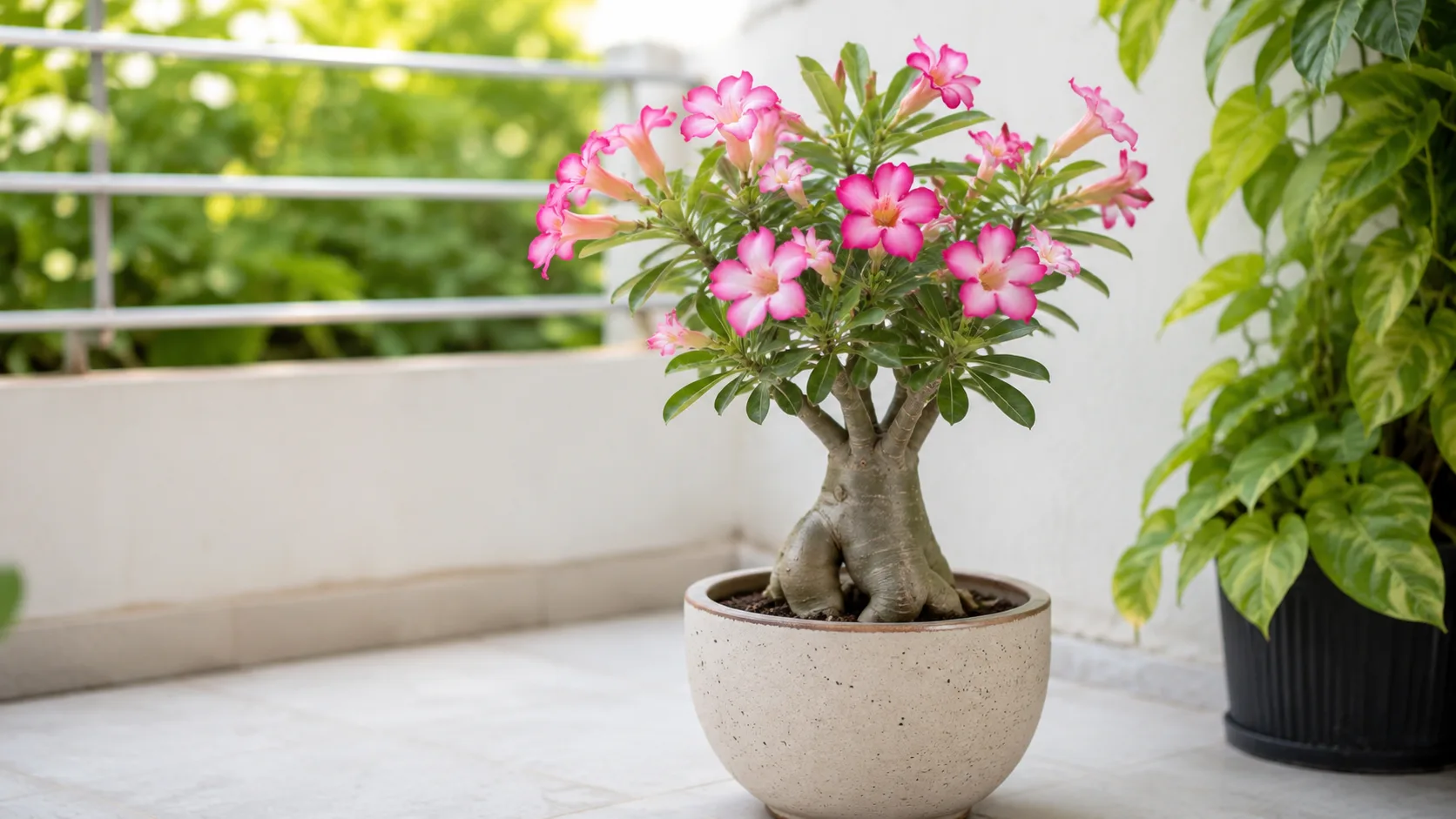
Adenium
Likely causeCommon brown leaves pattern on Adenium under indoor care stress.
Quick fixInspect roots, watering, light, and pests; adjust one variable and monitor new growth.
 Medium
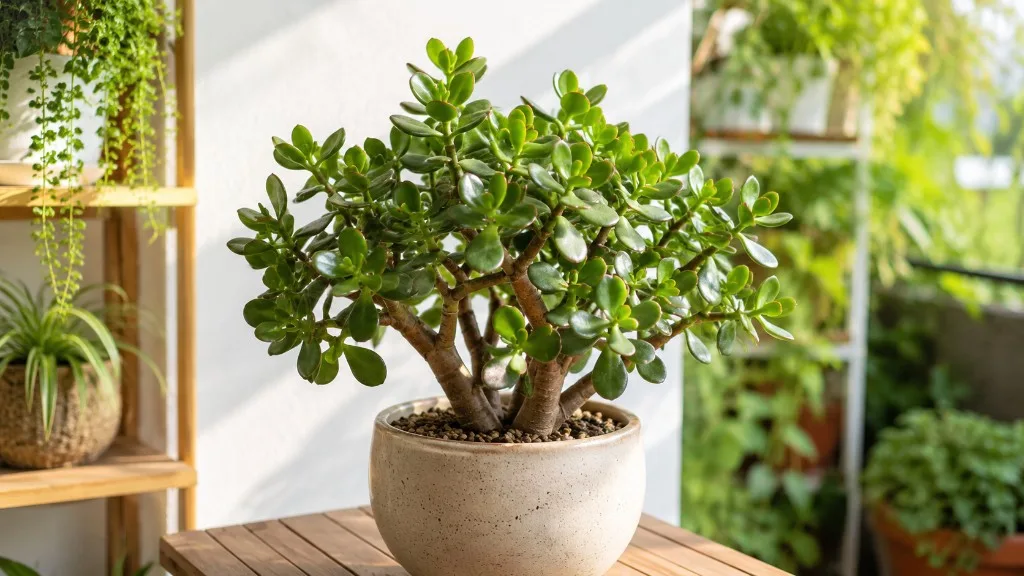
African Milk Tree
Likely causeCommon brown leaves pattern on African Milk Tree under indoor care stress.
Quick fixInspect roots, watering, light, and pests; adjust one variable and monitor new growth.
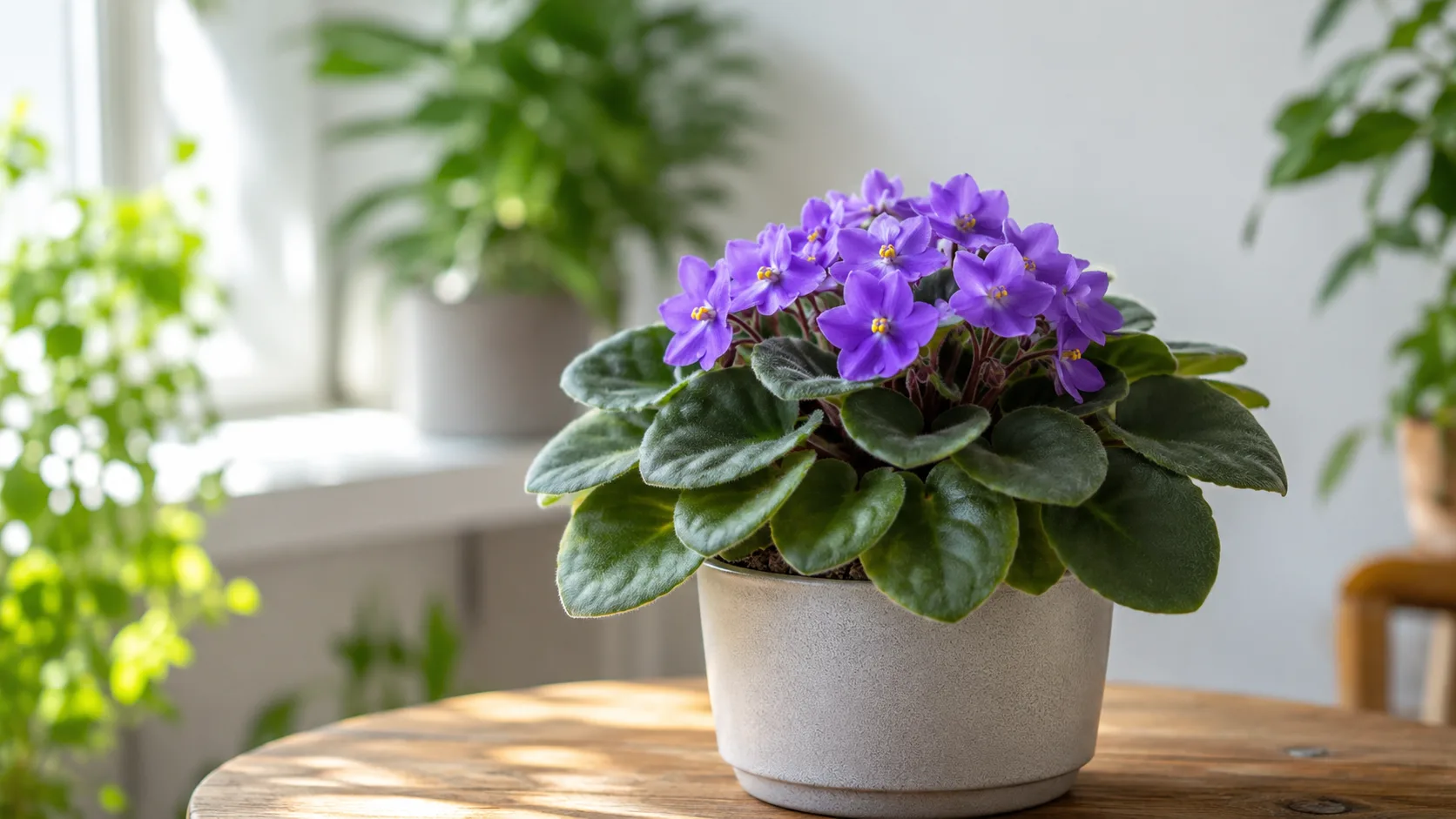 Medium
African Violet
Likely causeBrown Leaves on African Violet: This beginner-friendly guide will walk you through some common african violet leaf problems, and what you need to do next.
Quick fixInspect African Violet, confirm brown leaves matches your symptoms, then adjust care or treat per authoritative guides.
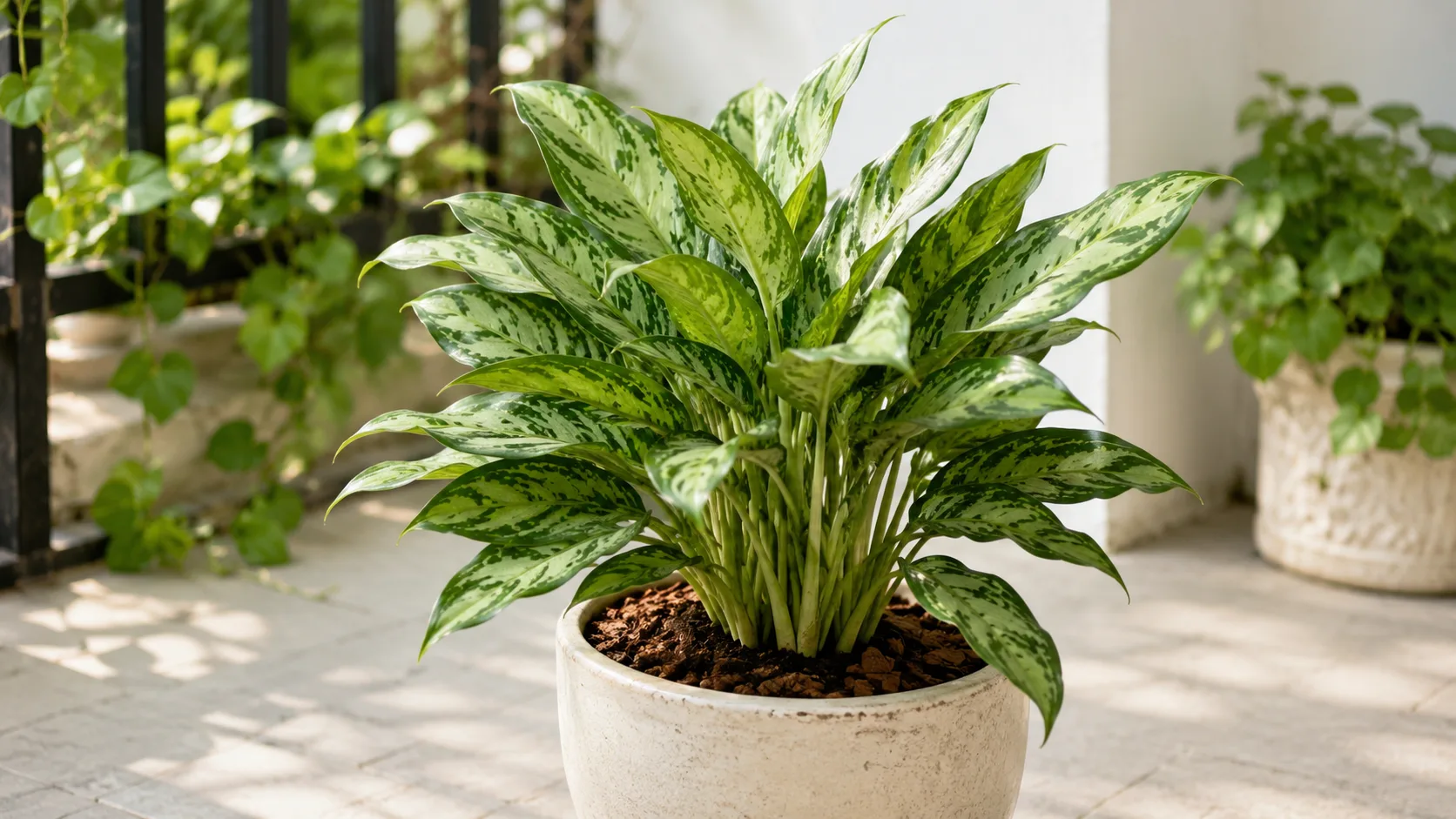 Medium
Aglaonema
Likely causeCommon brown leaves pattern on Aglaonema under indoor care stress.
Quick fixInspect roots, watering, light, and pests; adjust one variable and monitor new growth.
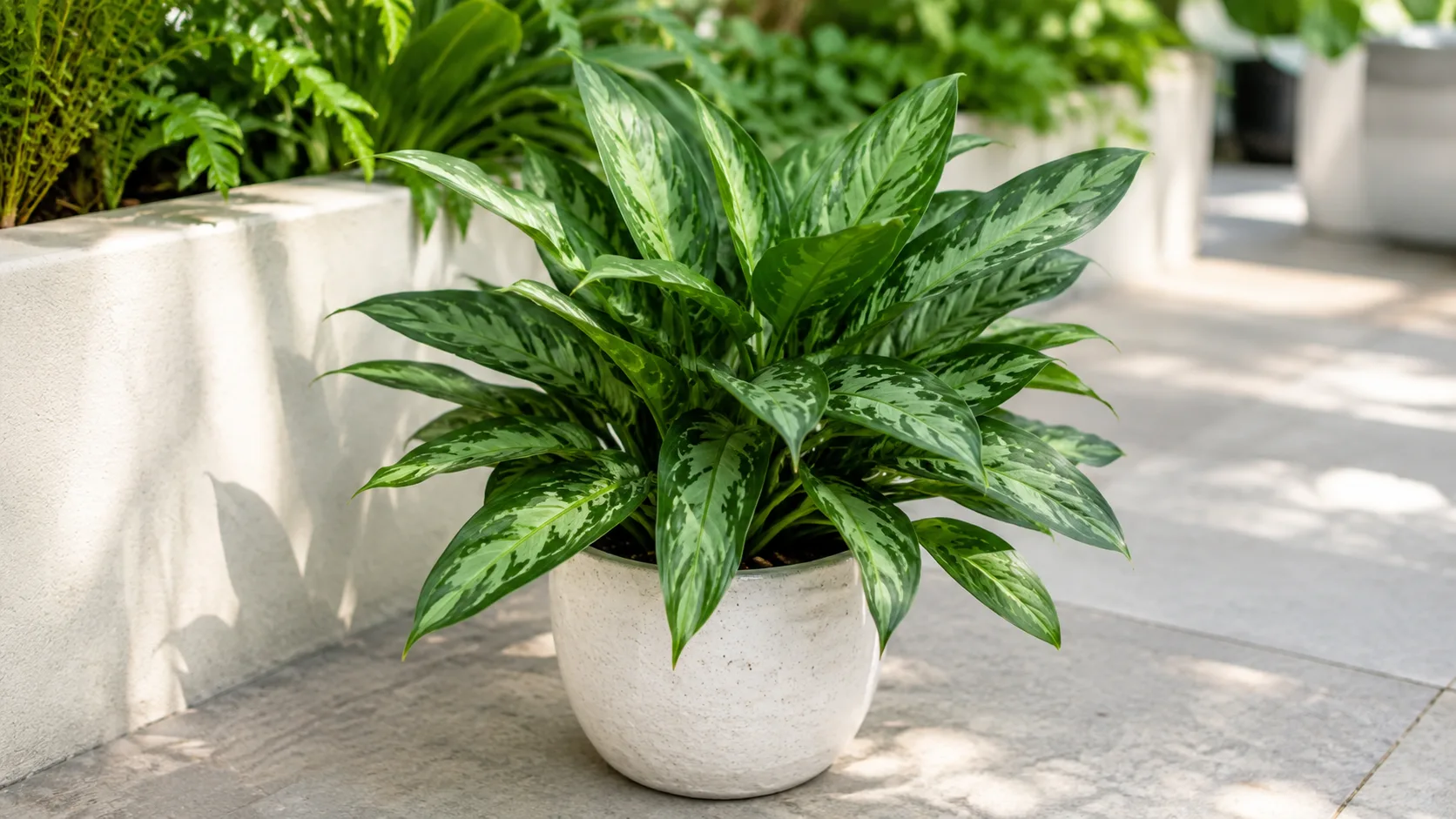 Medium
Aglaonema Cutlass
Likely causeCommon brown leaves pattern on Aglaonema Cutlass under indoor care stress.
Quick fixInspect roots, watering, light, and pests; adjust one variable and monitor new growth.
- Medium
Aglaonema Lady Valentine
Likely causeCommon brown leaves pattern on Aglaonema Lady Valentine under indoor care stress.
Quick fixInspect roots, watering, light, and pests; adjust one variable and monitor new growth.
- Medium
Aglaonema Maria
Likely causeCommon brown leaves pattern on Aglaonema Maria under indoor care stress.
Quick fixInspect roots, watering, light, and pests; adjust one variable and monitor new growth.
- Medium
Aglaonema Pictum Tricolor
Likely causeCommon brown leaves pattern on Aglaonema Pictum Tricolor under indoor care stress.
Quick fixInspect roots, watering, light, and pests; adjust one variable and monitor new growth.
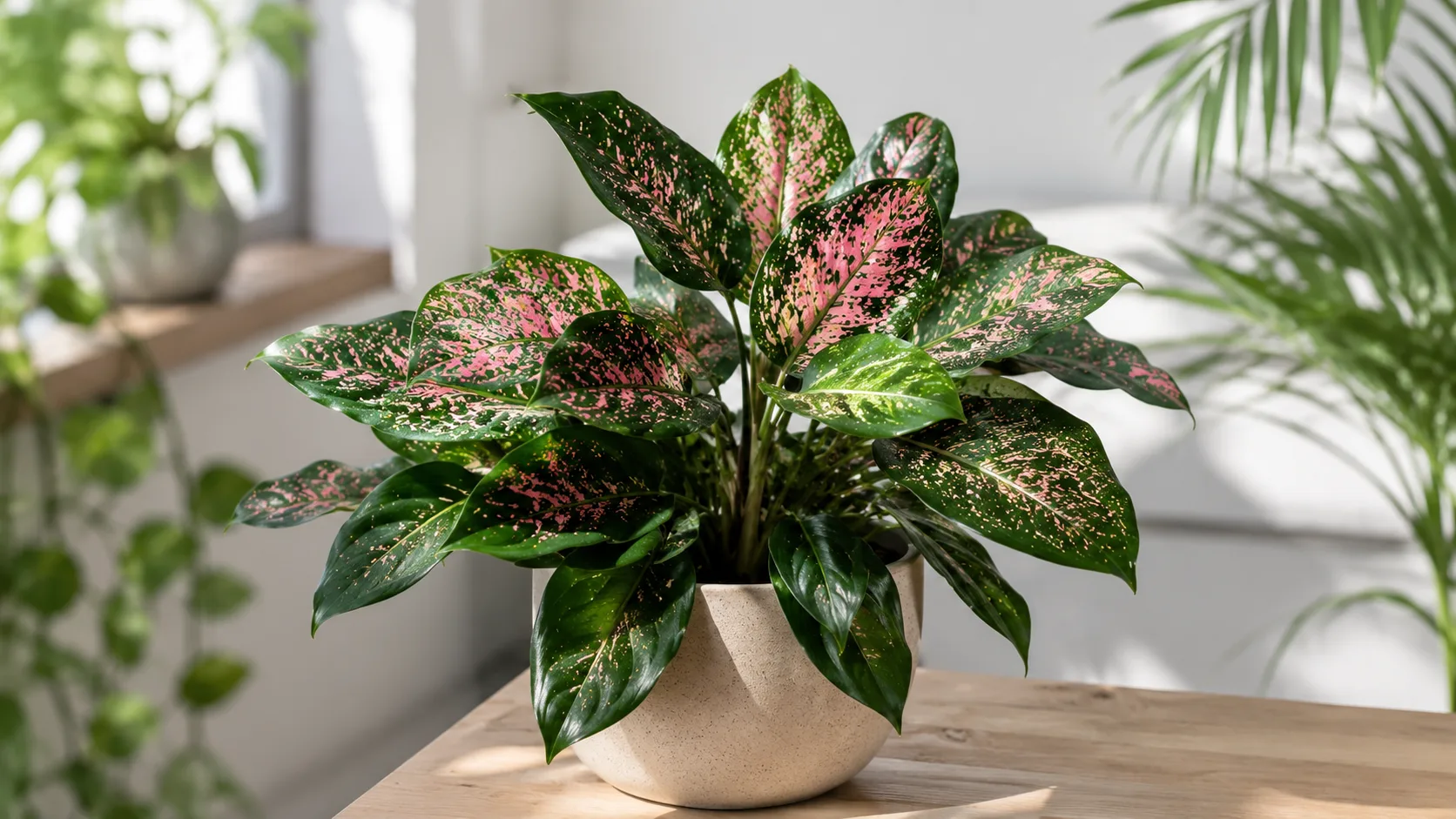 Medium
Aglaonema Pink Dalmatian
Likely causeCommon brown leaves pattern on Aglaonema Pink Dalmatian under indoor care stress.
Quick fixInspect roots, watering, light, and pests; adjust one variable and monitor new growth.
- Medium
Aglaonema Red Siam
Likely causeCommon brown leaves pattern on Aglaonema Red Siam under indoor care stress.
Quick fixInspect roots, watering, light, and pests; adjust one variable and monitor new growth.
 Medium
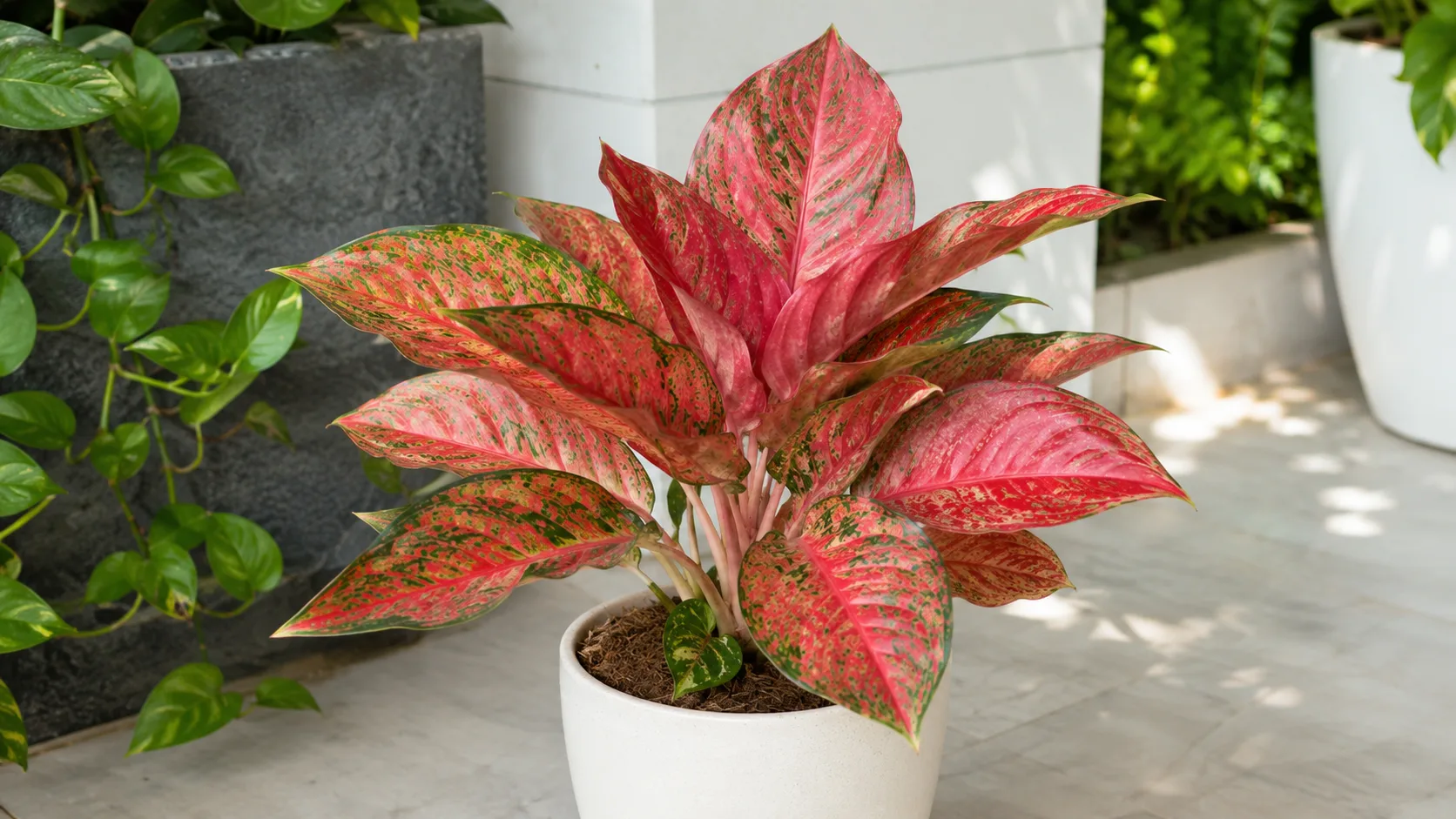
Aglaonema Red Valentine
Likely causeCommon brown leaves pattern on Aglaonema Red Valentine under indoor care stress.
Quick fixInspect roots, watering, light, and pests; adjust one variable and monitor new growth.
 Medium
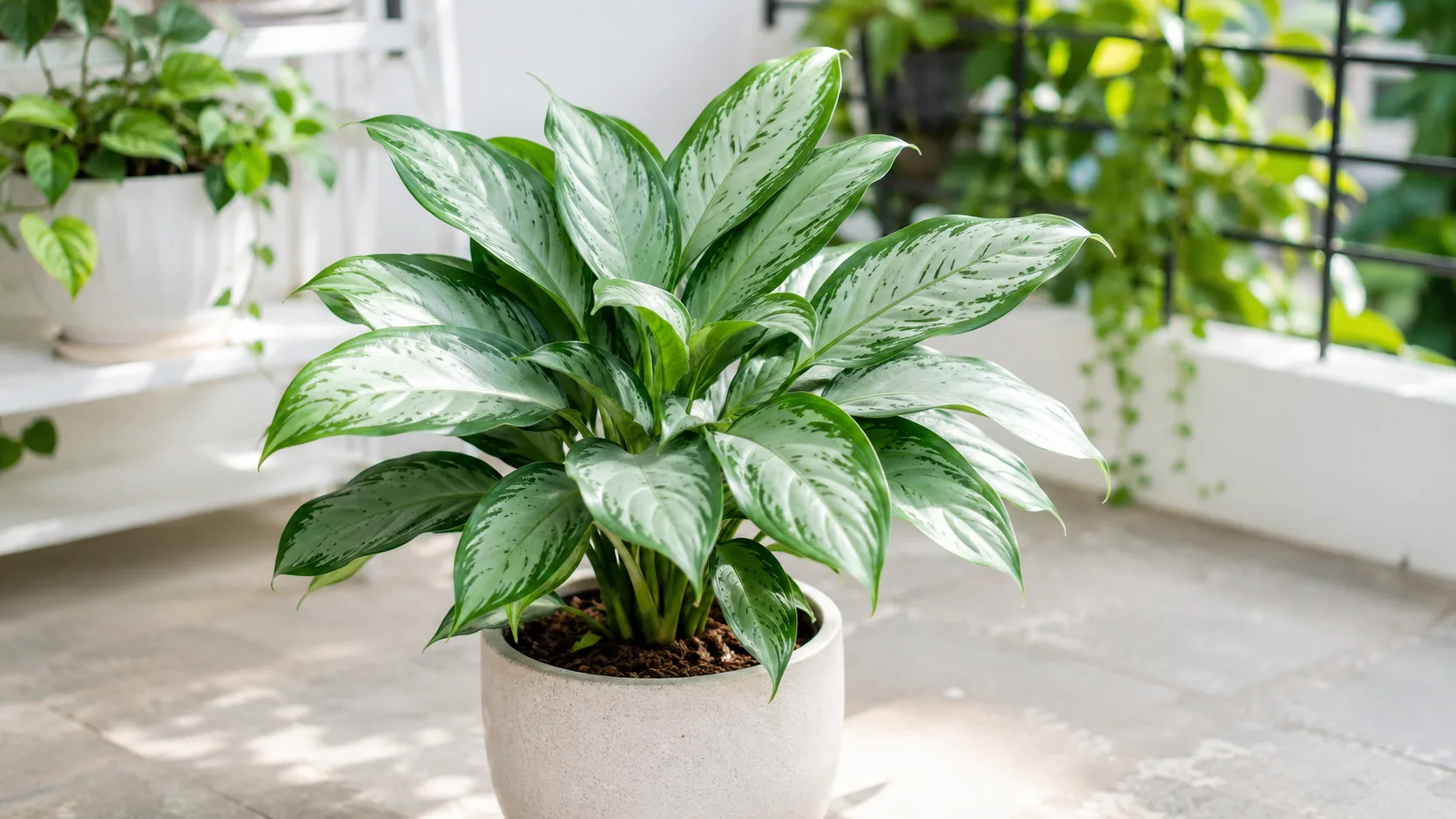
Aglaonema Silver Bay
Likely causeCommon brown leaves pattern on Aglaonema Silver Bay under indoor care stress.
Quick fixInspect roots, watering, light, and pests; adjust one variable and monitor new growth.