Plant Problem Diagnosis
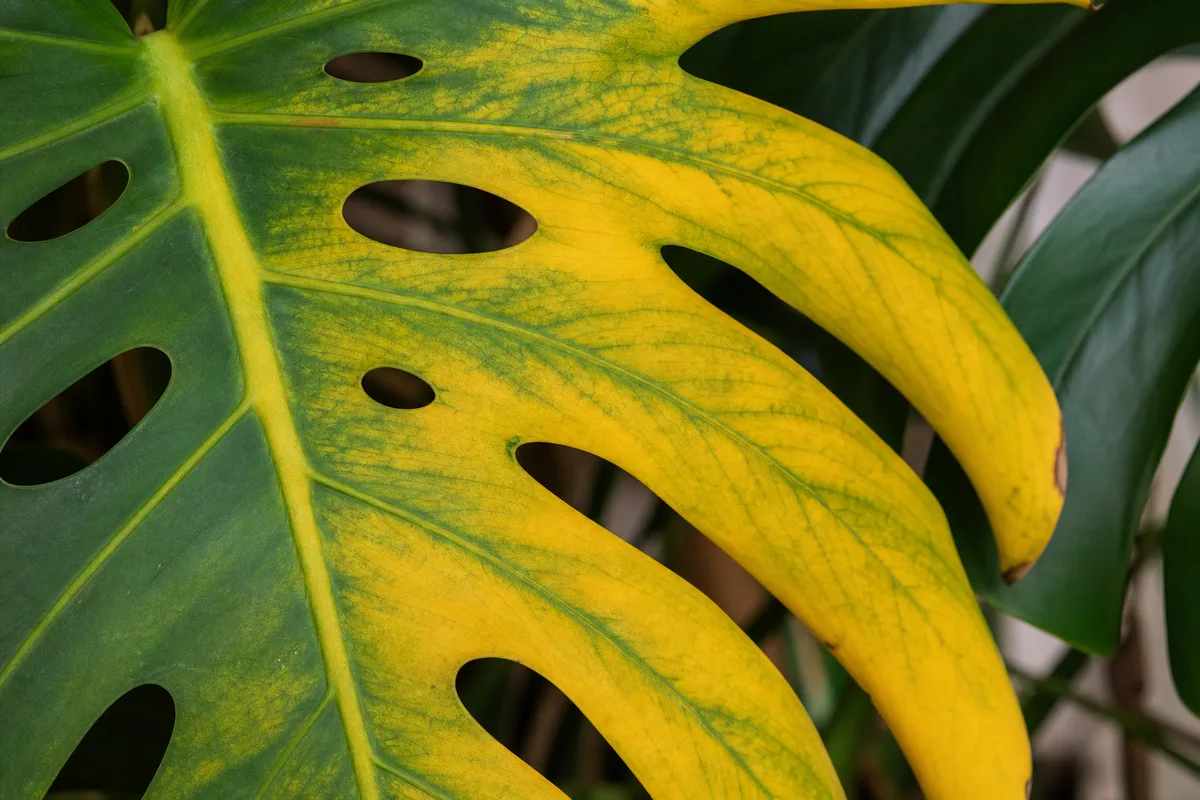
A struggling houseplant rarely gives you one clean clue. Yellow leaves can come from wet roots, dry roots, weak light, cold drafts, pests, old foliage, fertilizer salts, or a recent move. Drooping can mean drought, but it can also mean the roots are too damaged to move water through the plant. The point of Plant Problem Diagnosis is to turn that overlap into a practical shortlist instead of a guessing game.
Use the tool when you can see a change but are not sure which care habit to adjust first. It works best when you combine symptom selection with a quick physical inspection: leaf texture, soil moisture, pot weight, drainage, root smell, light exposure, recent temperature swings, and signs of insects. The result is not a lab diagnosis. It is a structured way to decide which problem is most likely, which checks should come next, and which LeafyPixels guide is worth opening first.
Plant Problem Diagnosis compares visible symptoms against common indoor-plant stress patterns. It looks at signals such as yellowing, brown tips, drooping, curling, spots, sticky residue, webbing, slow growth, leaf drop, and root-zone clues. Those symptoms are mapped to likely causes such as overwatering, underwatering, low light, excess light, low humidity, pests, disease, fertilizer stress, repotting shock, cold damage, or poor drainage.
The useful part is the ranking. Many symptom lists stop at “could be overwatering or underwatering,” which is technically true but not enough to act on. This tool pushes you to add context: Is the soil wet below the surface? Did the problem start after repotting? Are the newest leaves affected or only old leaves? Are there insects on the undersides? That context helps separate broad categories and points you toward pages such as /symptoms/yellow-leaves/, /symptoms/drooping-leaves/, /symptoms/brown-tips/, and /symptoms/root-rot/.
It does not identify every pathogen, every nutrient imbalance, or every species-specific disorder. Some problems need a local extension office, a lab test, or an experienced grower looking at the plant in person. The tool is strongest as a first-pass triage system for indoor plants where the likely cause is cultural stress, pest pressure, or a common root problem.
No online diagnosis can see the whole plant. It cannot smell sour potting mix, feel whether a stem is mushy, see a tiny colony hiding in a leaf axil, or measure the real light level at the leaf surface. It also cannot know whether your plant is a species that naturally sheds older leaves, pauses growth in winter, or reacts badly to a specific repotting mix.
That matters because many plant symptoms are non-specific. University of Maryland Extension notes that leaf yellowing is often an early sign of plant stress, not a single-cause diagnosis, and indoor plant problems can come from water, light, temperature, humidity, salts, pests, or disease plant stress. A result should therefore be treated as a probability, not a verdict.
Use the tool to decide what to inspect and what not to do next. If it points toward overwatering, do not automatically repot a fragile plant the same minute. Check root condition, drainage, pot size, and soil moisture first. If it points toward pests, do not spray every product you own. Isolate the plant, identify the pest, and choose a treatment that matches the pest and the plant’s sensitivity.
The diagnosis method in plain language
The method starts with symptom grouping. Leaf color, leaf shape, leaf texture, stem firmness, soil condition, pest evidence, and the speed of decline each carry different weight. A single old yellow leaf on a vigorous plant is less diagnostic than rapid yellowing across new growth. A drooping plant in bone-dry mix points in a different direction than a drooping plant in wet, sour-smelling mix.
The second step is context. Recent care changes matter because plants often react after a move, repot, cold draft, heat wave, fertilizer application, missed watering, or pest introduction. A plant that declined the week after being moved from a bright greenhouse to a dim room may be reacting to reduced light. A plant that declined after being placed in an oversized pot may be staying wet too long around a small root ball.
The third step is confirmation. The tool gives you likely causes, then the confirmation checks tell you whether the result holds up. Overwatering should have moisture or root evidence. Pest results should have insects, webbing, honeydew, stippling, cottony residue, scale bumps, larvae, or damage patterns. Disease results should have spreading lesions, rot, mold, or recurring spots that do not fit simple dryness or sun scorch.
A quick pre-check before you use it
Before entering symptoms, spend two minutes with the plant. Turn the pot, inspect the oldest and newest leaves, check undersides, look at stems, and feel the potting mix at more than one depth. If the pot has drainage holes, lift it and check whether water is trapped in a saucer or decorative cachepot. If the plant is safe to handle, slide the root ball out only when the result depends on root condition and the plant is stable enough to tolerate inspection.
Take note of timing. A leaf that yellowed over three months tells a different story from a plant that collapsed in two days. Fast collapse can indicate severe drought, heat, cold, root rot, or acute damage. Slow decline often points toward light mismatch, chronic overwatering, underfeeding, compacted mix, pest buildup, or normal seasonal slowdown.
Also separate old damage from active damage. Brown tips will not turn green again, and spotted leaves usually stay spotted. The better question is whether new growth is clean and whether the problem is still spreading. The tool result becomes much more useful when you judge progress by new leaves, root recovery, and slowed decline rather than by cosmetic repair of already damaged tissue.
Choose every symptom you can confirm, but avoid selecting symptoms that only “sort of” fit. If leaves are limp and the soil is dry, drooping and dry mix are useful inputs. If the plant has one small brown mark from a bump, do not select leaf spot disease unless marks are spreading or repeating on multiple leaves.
Soil moisture is one of the most important inputs because it changes the meaning of other symptoms. University of Maryland Extension states that excess moisture can cause wilting or yellowing of lower and inner leaves and may resemble drought stress when roots are damaged wilting or yellowing. That is why the tool asks you to compare the leaves with the potting mix, not the leaves alone.
Light context also matters. A plant can sit in a room that feels bright to a person but still receive weak light if it is far from a window, blocked by curtains, or shaded by buildings. If weak growth, leaning stems, small leaves, or fading variegation appear alongside slow drying soil, low light should move higher in the result. Use /tools/light-requirement-calculator/ or /tools/grow-light-distance-calculator/ when the diagnosis points toward a light mismatch.
Reading yellow leaves without jumping to one cause
Yellow leaves are a signal, not a diagnosis. Start by asking where the yellowing appears. Older lower leaves yellowing one at a time can be normal aging on many plants, especially when new growth is healthy. Widespread yellowing, yellowing with wilting, yellowing with wet soil, or yellowing that moves into new growth deserves closer attention.
Wet roots are a common culprit, but they are not the only one. Iowa State University Extension lists overwatering symptoms that include yellowing or browning leaves, leaf drop, wilting from a damaged root system, crown rot, fungus gnats, and plant death overwatering symptoms. Low light can worsen the same pattern because the plant uses water more slowly, leaving the potting mix wet for longer.
Nutrients can also be involved, especially when new growth is pale or the plant has been in the same depleted mix for a long time. Still, fertilizer should not be the first fix when the pot is wet, the roots smell sour, or the plant is in poor light. Feeding a stressed plant before correcting the stress can make the problem harder to read.
Drooping: drought, root rot, heat, or shock
Drooping is one of the easiest symptoms to misread because both dry and damaged roots can leave the plant unable to move enough water. A dry, light pot with crisp leaves points toward dehydration. A wet, heavy pot with limp leaves points toward root stress, poor drainage, or cold wet mix. The same visual symptom can lead to opposite actions.
Root inspection is useful when the pot has stayed wet and the plant is declining. South Dakota State University Extension describes root rot clues as wilting even when soil is moist, yellowing leaves, and roots that are mushy, brown, fragile, or smelly rather than sturdy and pliable root rot clues. If those signs are present, more water will not solve the droop.
Shock can also cause temporary drooping. Repotting, shipping, heat exposure, cold exposure, and a sudden move into stronger light can all reduce water balance for a short period. The key is whether the plant stabilizes after conditions are corrected. If drooping continues with spreading yellowing, stem softness, or root odor, treat it as active decline rather than simple adjustment.
Brown tips, crispy edges, and leaf scorch
Brown tips usually point toward stress at the leaf edge, where water movement and salts often show first. Common contributors include dry air, inconsistent watering, fertilizer or mineral salt buildup, underwatering, excess direct sun, heat, and root damage. The pattern matters: dry tips on otherwise firm leaves tell a different story from large bleached patches on the sun-facing side of a leaf.
University of Maryland Extension notes that mineral and fertilizer salt deposits can appear as white crystallized residue on leaves or potting medium white crystallized residue. If brown tips appear with crusty buildup, hard water, frequent fertilizing, or no leaching through the pot, salt stress becomes more plausible.
Do not trim every leaf before diagnosing. Removing the evidence can make patterns harder to compare. Trim only dead, dry tissue if it bothers you, leave a small margin of brown so you do not cut living tissue, and watch whether new growth emerges clean after watering, humidity, light, or fertilizer practices change.
Spots, blotches, and marks that spread
Spots need a different kind of inspection. Physical damage usually stays where it is. Sun scorch often appears on exposed leaf surfaces after a move to stronger light. Disease-like spots tend to spread, repeat, develop halos, or appear during humid, low-airflow conditions. Pest feeding can look like stippling, silvering, speckling, distortion, or small scars rather than classic round spots.
Missouri Botanical Garden’s indoor plant problem guide lists chilling injury as a possible cause of dropping, wilting, discolored leaves, or leaf spots, especially for tropical and subtropical plants exposed to cold temperatures chilling injury. That is a useful reminder to check placement near winter windows, exterior doors, air conditioners, and cold floors before assuming a pathogen.
When spots are wet-looking, rapidly expanding, or paired with stem rot, isolate the plant. Avoid overhead watering while you investigate, increase spacing, remove leaves that are fully dead or rotting, and clean tools between cuts. If the plant is valuable or the problem is spreading across a collection, get an extension or plant clinic opinion before applying broad treatments.
Pests leave evidence if you know where to look. Spider mites often show fine stippling and webbing. Mealybugs look like white cottony clusters in nodes, leaf axils, and roots. Scale insects can look like small bumps stuck to stems or leaf veins. Aphids cluster on soft new growth. Fungus gnats are often noticed as small flies around wet potting mix, while their larvae live in the growing medium.
Penn State Extension recommends quarantining new houseplants and checking for mealybugs, aphids, fungus gnats, whiteflies, scale, spider mites, and other pests before they spread into a collection quarantining new houseplants. Mississippi State University Extension similarly notes that many houseplant pests are small insects or mites that spend much of their time on leaf undersides leaf undersides. That is why a top-of-leaf glance is not enough.
If the tool points toward pests, isolate first and identify second. A spider mite approach is not the same as a fungus gnat approach, and sensitive plants can react badly to heavy-handed sprays. Start with inspection, rinsing where appropriate, pruning badly infested growth, and a treatment matched to the pest and label directions.
Root-zone clues that change the answer
The root zone often decides between two competing diagnoses. A plant can look thirsty because the roots are dry, or because they are rotted, crowded, chilled, compacted, or sitting in a mix that no longer wets evenly. Surface moisture is only part of the story; the lower root ball can be wet while the top looks dry, or the outside of a peat-heavy root ball can repel water while the pot edge feels damp.
Pot size is a major clue. Missouri Botanical Garden warns that placing an indoor plant with a small root ball into a large pot can keep soil wet for too long and lead to root rot, and recommends moving up only one pot size at a time in many cases large pot. If your diagnosis result mentions overwatering after a recent repot, this is one of the first things to check.
Drainage matters just as much. A nursery pot sitting inside a decorative cachepot can hold water even when the top looks fine. A pot with blocked holes can create the same problem. If the plant is repeatedly wet, the next step is not a stricter calendar; it is a better physical setup, a more suitable mix, or a pot size that matches the root system.
Light, humidity, and temperature stress
Environmental stress often hides behind symptoms that look like watering mistakes. Low light slows drying and growth. Harsh direct sun can scorch leaves that were grown in softer light. Low humidity can crisp thin leaf edges. Cold drafts can cause spots, yellowing, leaf drop, or collapse in tropical plants. Heat near vents can dry foliage faster than the root zone can keep up.
The tool is useful here because it asks about surroundings, not just leaves. A plant under an air-conditioning vent, beside a hot window, or in a dim corner may not need a pest treatment or fertilizer. It may need a steadier microclimate. Use /tools/humidity-calculator/ when the issue points toward dry indoor air, and use /tools/winter-plant-care-planner/ when seasonal light and heating changes are involved.
Be careful with abrupt corrections. A stressed plant moved from deep shade into intense sun can scorch. A plant in wet soil moved into a cold room can decline faster. Improve conditions in a way the plant can tolerate: brighter indirect light before hard sun, airflow without cold drafts, and steadier watering rather than dramatic swings.
Worked example: yellow leaves on a pothos
Imagine a pothos with five yellow lower leaves, limp vines, and a pot that still feels heavy ten days after watering. The soil surface is slightly dry, but a wooden skewer comes out damp from the lower root ball. There are no insects on the leaf undersides and no sticky residue. The plant was moved into a larger decorative pot last month.
The diagnosis should put wet-root stress above simple thirst. The strongest clues are lower-leaf yellowing, drooping, slow-drying mix, recent up-potting, and no pest evidence. The next step is to inspect drainage and root health, then correct the setup. That may mean emptying the cachepot, improving light, reducing watering frequency, or repotting into a better-sized container if the roots are compromised.
In this scenario, fertilizer is a weak first move. The plant is not showing a clean nutrient pattern, and feeding wet or damaged roots can add stress. A better path is to stabilize the root zone, remove dead leaves, and judge recovery by new growth over the next few weeks.
Worked example: fine webbing on a calathea
Now picture a calathea with curled leaves, pale stippling, fine webbing near leaf undersides, and no major soil moisture issue. The room is warm and dry, and the plant sits near other foliage plants. Several leaves have small speckled marks rather than broad yellowing. The pot does not smell sour and roots are firm where visible.
The diagnosis should move spider mites or a related pest issue higher than watering. The webbing and stippling matter more than the curling by itself. The immediate action is isolation, close inspection of nearby plants, and a pest-specific response. Because calatheas can be sensitive, a gentle and repeated approach is usually safer than a single harsh treatment.
This is also where the tool connects to /tools/pest-identifier/ and /symptoms/spider-mites/. Plant Problem Diagnosis tells you that pest pressure is likely; the pest guide helps you confirm the organism and decide how to respond without treating the wrong problem.
Worked example: brown tips after fertilizing
Consider a peace lily with brown tips, a white crust on the potting mix, and a recent habit of full-strength fertilizer at every watering. The plant is not collapsing, and new leaves are still emerging, but the tips continue to brown. The diagnosis should consider salt buildup or fertilizer stress alongside water quality and humidity.
The confirmation check is the residue, fertilizer history, and pattern of damage. If the pot drains freely, a careful flush may help move soluble salts out of the medium, but only if the plant is not already waterlogged. Future feeding should be lighter and tied to active growth rather than a rigid habit.
Pet households need an extra layer of judgment with plants such as peace lily, pothos, philodendron, dieffenbachia, lilies, sago palm, and other species that may be unsafe if chewed. The ASPCA maintains a toxic and non-toxic plant database for dogs, cats, and horses toxic and non-toxic plant database, so use /tools/pet-safe-plant-checker/ when plant safety is part of the decision.
What to do after the result
Read the top result as your first inspection target. If the tool says overwatering, check root-zone evidence before changing anything else. If it says pests, isolate the plant and inspect neighboring plants. If it says low light, compare the plant’s actual placement with the light it needs. If it says humidity or heat stress, look for vent exposure, window heat, and crisping patterns on thin leaves.
Make one meaningful change at a time whenever the plant is stable enough. Changing water, light, pot, mix, fertilizer, pruning, and pest treatment all at once may save a plant in an emergency, but it also makes cause and effect hard to understand. For most routine problems, a staged approach gives you cleaner feedback and reduces the risk of adding a new stress.
Track the right outcome. Damaged leaves may remain damaged, so look for slower spread, firmer stems, cleaner new growth, better soil drying rhythm, and fewer active pests. If the plant continues to decline after the most likely cause has been corrected, rerun the tool with updated observations rather than forcing the first result to fit.
Plant Problem Diagnosis is the broad triage page. Once you know the likely direction, a narrower tool can give you a better next step. Use /tools/root-rot-risk-checker/ when wet soil, yellowing, drooping, and poor drainage point toward root trouble. Use /tools/plant-watering-calculator/ or /tools/water-amount-calculator/ when the issue is likely a watering rhythm problem rather than a pathogen or pest.
Use /tools/brown-tips-diagnosis/, /tools/yellow-leaves-diagnosis/, /tools/drooping-leaves-diagnosis/, and /tools/leaf-curl-diagnosis/ when one symptom clearly dominates. Those pages let you go deeper without dragging in every possible plant problem.
For species fit, use plant pages and finders rather than only symptom tools. A plant that always struggles in your room may be mismatched to the light, humidity, pet situation, or care style. Pages such as /tools/low-light-plant-finder/, /tools/bathroom-plant-finder/, and /tools/beginner-plant-finder/ help solve the underlying mismatch instead of repeatedly treating symptoms.
When to stop and get expert help
Get human help when the plant is valuable, the issue is spreading through a collection, or the diagnosis points toward a disease or pest you cannot identify confidently. A local extension office, plant clinic, nursery specialist, or experienced grower can see details that a tool cannot. Photos help, but physical samples and local context can matter for pathogens, outdoor-to-indoor transitions, and recurring infestations.
Also pause before using pesticides, especially indoors. Always identify the pest first, read the product label, confirm the plant is listed or tolerant, and keep children and pets away according to label directions. If a plant is edible, in a terrarium with animals, or in a room with vulnerable people, the risk calculation changes.
Discarding a plant can be a reasonable decision when a small plant is heavily infested, severely rotted, or likely to infect a larger collection. That is not failure; it is containment. A diagnosis tool should help you decide when rescue is realistic and when protecting the rest of your plants matters more.
Common mistakes that make diagnosis harder
The first mistake is diagnosing from one symptom. Yellow leaves, brown tips, curling, and drooping each have multiple causes. The second mistake is watering immediately whenever a plant wilts. If the roots are damaged from excess moisture, more water can push the plant further in the wrong direction.
The third mistake is treating before identifying. Spraying for pests without finding pests, fertilizing a plant with root rot, or repotting a plant that is only thirsty can create a second problem. The tool works best when you use the result to inspect, not to skip inspection.
The fourth mistake is expecting old leaves to repair themselves. Diagnosis is about stopping the cause, not restoring every damaged leaf. New growth, slower decline, and stable roots are better signs of recovery than whether old marks disappear.
How to improve the next diagnosis
Keep a simple plant note for recurring issues. Record the date, symptom, last watering, light change, fertilizer use, repotting date, pest sightings, and what action you took. A short note can reveal patterns that memory misses, such as the same plant declining every winter or the same shelf staying too dim.
Take photos before and after changes. Use the same angle and similar lighting so you can compare real progress. A plant that looks unchanged day to day may show clear improvement over three weeks, and a problem that feels sudden may have been creeping in for longer than you realized.
Rerun the tool after new evidence appears. If you later find webbing, sour roots, cold-window damage, or fertilizer crust, the likely result changes. Diagnosis is not a one-time label; it is a loop of observation, action, and reassessment.
Conclusion
Plant Problem Diagnosis is most useful when you treat it as a disciplined first step. Select the symptoms you can confirm, add the care context around them, then use the ranked result to inspect the most likely cause. The goal is not to make a fragile plant fit a single answer; it is to avoid the random sequence of watering, fertilizing, repotting, and spraying that often makes plant problems worse.
Start with evidence: soil moisture below the surface, root condition, pest signs, light placement, temperature exposure, and the timing of recent changes. Then make the smallest correction that matches the evidence and watch new growth. That approach gives your plant a better chance to recover, and it gives you a diagnosis you can explain instead of a guess you hope is right.