Free Beginner Plant Finder for Houseplants
Find easy-care plants for beginners based on your space and care habits.
Beginner Plant Finder
Find beginner-friendly plants
Find the most forgiving and easy-care plants for first-time plant owners.
Free Beginner Plant Finder for Houseplants
Find easy-care plants for beginners based on your space and care habits.
Find the most forgiving and easy-care plants for first-time plant owners.
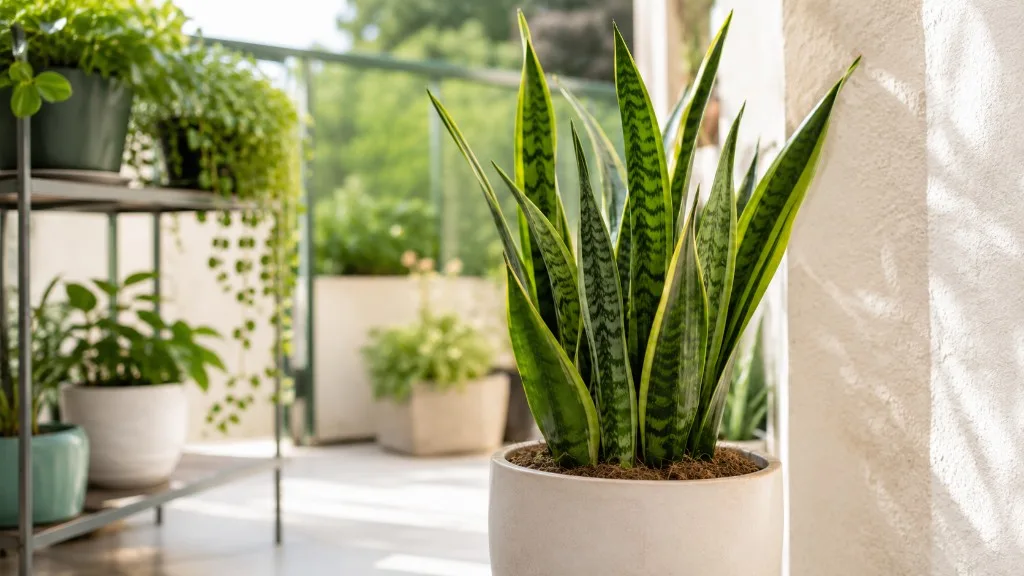
Beginner plant advice often starts with a list of “easy” houseplants, but easy only means something when it matches the room, the person, and the risk. A snake plant can be forgiving in dry indoor air, yet it is not the right first choice for a curious cat. A pothos can grow in ordinary homes and tolerate imperfect care, yet a dark corner still slows growth and increases the chance of watering mistakes. A peace lily communicates thirst clearly, but that same dramatic wilt can teach new plant owners to overcorrect.
Beginner Plant Finder is built for that real-world gap. It helps you filter beginner-friendly plants by light, pet safety, room type, and care level so the recommendation fits your actual home instead of a generic shopping list. Use it before you buy, before you move a struggling plant, or when you want to narrow a nursery shelf down to a few plants you can care for with confidence.
The tool turns a few practical inputs into a shortlist of forgiving houseplants. It looks at the factors that usually decide whether a first plant becomes a steady habit or a repeated rescue project: available light, watering consistency, pet exposure, room humidity, mature size, and the amount of attention the plant is likely to receive.
This is a finder, not a diagnostic lab. It cannot measure light from your window, inspect roots, identify every cultivar, or promise that a plant will thrive after purchase. What it can do is keep you from starting with a plant whose basic needs clash with your space. Light is a core requirement because plants need it for photosynthesis and energy production, and inadequate light eventually limits growth even when watering is perfect (University of Minnesota Extension).
Use the result as a starting shortlist. Then open the plant guide for each match, compare the care notes, and choose the plant that best fits the weakest part of your setup. For many new plant owners, that weak point is not enthusiasm. It is inconsistent watering, low winter light, pets, a shelf that is too small, or a pot with poor drainage.
Beginner Plant Finder does not tell you that one plant is universally best. There is no single easiest houseplant for every beginner because the same plant behaves differently in a sunny kitchen, a dim office, a humid bathroom, and a bedroom with pets.
It also does not replace plant identification. If a nursery label says “tropical foliage,” “assorted houseplant,” or a trade name without a botanical name, verify the plant before relying on safety or care assumptions. This matters most for pet homes because some common indoor plants are listed as toxic to cats and dogs, while others with similar-looking leaves may be listed as non-toxic.
The tool also cannot turn a high-maintenance plant into a low-maintenance one. If your inputs point away from a plant you already wanted, treat that friction as useful information. It is better to choose a plant that matches your habits now than to buy a demanding plant and hope your routine changes later.
The finder starts by sorting plants through four practical gates: light fit, care tolerance, safety fit, and space fit. A plant needs to pass the basics before it earns a place on the shortlist.
Light fit comes first because many indoor problems begin when a plant is placed where it cannot grow strongly. University of Arizona Cooperative Extension’s indoor plant guidance emphasizes matching plants to indoor conditions such as light, temperature, humidity, soil, water, and fertilizer rather than choosing only by appearance (University of Arizona Cooperative Extension). A beginner-friendly plant in the wrong light is no longer beginner-friendly.
Care tolerance is the second gate. The tool favors plants that can handle a missed watering, a slightly late repot, or ordinary indoor humidity without collapsing quickly. That does not mean neglect is good plant care. It means the plant gives you room to learn.
Safety fit is the third gate. If you select a pet-sensitive home, the tool should prefer plants with stronger safety profiles and push chew-risk plants lower. The ASPCA lists golden pothos as toxic to dogs and cats because of insoluble calcium oxalates (ASPCA golden pothos), while spider plant appears on ASPCA’s cat plant list as a non-toxic entry for cats (ASPCA cat plant list).
Space fit is the final gate. A tiny starter plant can become a trailing vine, a wide rosette, or a floor plant. Beginner plants should not force you into repotting, pruning, or moving furniture immediately unless that is part of the plan.
When you use the tool, answer the light question conservatively. Human eyes adapt to dim rooms, so a room can feel bright while still being weak for plant growth. A plant sitting several feet from a window receives much less useful light than a plant close to the glass, and curtains, balconies, trees, and neighboring buildings can change the result.
Think in four practical buckets. Direct sun means actual sunbeams hit the leaves for part of the day. Bright indirect light means the room is bright and the plant sits near a window, but harsh sun does not bake the foliage. Medium light means the plant has a clear window source but sits farther back or near a less intense exposure. Low light means the plant can see the window but the spot is dim for much of the day.
Low light is not no light. A plant that tolerates low light may survive and grow slowly, but it still needs enough light to maintain itself. If your best spot is truly dark, use the Light Requirement Calculator before choosing. If your tool result leans toward low-light plants, compare it with the Low Light Plant Finder and be honest about whether you can move the plant closer to a window.
For first plants, light is also a watering issue. Plants in stronger light usually use water faster. Plants in low light use water more slowly, so the same weekly watering habit can become too much. That is why a forgiving plant in dim light still needs a cautious watering routine.
A good beginner plant should match the way you naturally care for things. If you travel often, forget schedules, or prefer not to check plants daily, choose plants that tolerate drying down between waterings. If you enjoy checking soil and want a plant that communicates clearly, you can consider plants that prefer steadier moisture.
Do not answer the watering input based on the person you hope to become. Answer based on the last month of your actual routine. If you forget small tasks, choose the lower-care option. If you tend to fuss, choose a plant that does not punish careful observation but also does not want constantly wet soil.
Several extension sources give the same practical warning: watering by calendar is weaker than watering by soil condition. University of Minnesota Extension recommends checking houseplant soil and watering when the top inch feels dry during active growth, while also avoiding soaking wet conditions (UMN spring houseplant care). Illinois Extension notes that wilting can indicate either too little or too much water, which is why symptoms alone can mislead new plant owners (Illinois Extension).
If the finder suggests a plant but your watering habit seems mismatched, run the Plant Watering Calculator after you choose a candidate. The finder answers “what plant fits me?” The watering calculator answers “how should I care for this specific plant in this specific pot?”
If a cat, dog, rabbit, or child can reach the plant, treat safety as a serious filter rather than a nice-to-have preference. Hanging a toxic plant high may reduce risk, but leaves drop, vines trail, pots fall, and some pets climb. The safer beginner choice is often a non-toxic plant that still fits your light and care routine.
Pet safety is also more specific than “houseplant safe” or “mildly toxic.” For example, ASPCA lists mother-in-law’s tongue, commonly sold as snake plant, as toxic to dogs and cats with saponins as the toxic principle (ASPCA mother-in-law’s tongue). ASPCA lists blunt leaf peperomia as non-toxic to dogs and cats (ASPCA blunt leaf peperomia). Those two plants can both be marketed as easy indoor plants, but they are not equivalent in a chew-risk home.
Use the tool’s pet filter first, then double-check with the Pet-Safe Plant Checker before buying. If your home includes a pet that chews plants, prioritize spider plant, peperomia, some hoyas, some ferns, and other candidates that match authoritative safety lists. If you already own a plant and are unsure, move it out of reach while you verify the exact species.
Room type is not just decoration. Kitchens, bathrooms, bedrooms, offices, and balconies create different care patterns.
A bathroom may offer higher humidity and lower light, which can help some foliage plants but hurt plants that need strong sun. Missouri Extension notes that kitchens and bathrooms often have higher humidity and that 40 to 60 percent relative humidity is best for most houseplants, though that range can be difficult indoors (Missouri Extension). That makes humidity a useful input, but not a universal advantage.
An office plant needs to tolerate weekends, air conditioning, and uneven attention. A bedroom plant needs to fit the available light without crowding sleep space. A balcony plant faces stronger sun, wind, heat, and faster drying than a plant behind glass. For balcony conditions, use the Balcony Plant Finder instead of treating an outdoor ledge like an indoor shelf.
If you are choosing for a desk or shelf, pay attention to mature spread. A young pothos or philodendron may look tidy at purchase, then trail beyond the surface. A snake plant may stay upright but become top-heavy in a light nursery pot. A spider plant may produce arching plantlets that need clearance.
For low to medium light and an inconsistent routine, the tool will often favor tough foliage plants over flowering plants. Pothos, snake plant, ZZ plant, and some dracaenas can tolerate ordinary home conditions better than many high-humidity specialty plants. Missouri Botanical Garden describes golden pothos as a climbing vine commonly grown smaller as a houseplant in colder climates (Missouri Botanical Garden), and describes ZZ plant as a rhizomatous evergreen typically grown for glossy compound leaves (Missouri Botanical Garden ZZ plant).
For pet-sensitive homes, the shortlist changes. Spider plant becomes more attractive because it is widely grown, adaptable, and listed by ASPCA as non-toxic for cats. Peperomia can also be a strong choice for small spaces when the exact species is verified. If you want a pet-safe first plant and your room is not very bright, compare the finder result with the Pet-Safe Plant Finder.
For bright windows and forgetful watering, succulents may seem obvious, but they are not always the easiest first plant indoors. They need enough light to stay compact, and many decline slowly in weak windows. University of Minnesota Extension says cacti and succulents should dry out completely between waterings and that water need rises as light increases in spring (UMN cacti and succulents). If your window is not bright, a tough foliage plant may be more forgiving than a succulent.
For people who want visible feedback, peace lily and spider plant can be useful teachers. They show thirst, light stress, or leaf-tip problems more visibly than a ZZ plant. The trade-off is that visible feedback can tempt beginners into constant adjustment. If you choose a responsive plant, change one variable at a time.
Suppose your room has a north-facing window, the plant will sit four feet from the glass, you travel some weekends, and you have no pets. Enter low to medium light, low care frequency, no pet constraint, and tabletop or floor placement depending on the space.
The finder should avoid plants that need bright light, constant moisture, or high humidity. A ZZ plant, snake plant, or solid green pothos may rank higher than a calathea, fern, or flowering plant. That does not mean the recommended plant will grow quickly. It means the plant is less likely to punish the exact conditions you described.
Now sanity-check the result. If the room is dim enough that you rarely cast a shadow near the plant, move the plant closer to the window or choose the lowest-light option. If you are drawn to pothos, open the Pothos care guide and check whether trailing growth works in your space. If you prefer upright growth, compare Snake Plant with the pet warning in the result.
The final choice should be based on your limiting factor. In this example, the limiting factor is light and missed watering. A plant that tolerates both is better than a plant that only wins on looks.
Now suppose the plant will sit near a bright kitchen window, you check soil often, and a cat can reach the leaves. Enter bright indirect light, medium care frequency, pet-sensitive home, and small-to-medium placement.
The tool should push toxic chew-risk plants lower and favor plants with better pet-safety records. Spider plant, peperomia, and certain hoyas may be more practical than pothos, snake plant, peace lily, or philodendron. A bright kitchen can support more options, but pet exposure narrows the field.
This is where the finder is more useful than a generic beginner list. Pothos and snake plant are common beginner recommendations, but both have ASPCA toxicity listings for dogs and cats. In this scenario, “easy” is not enough. The plant also needs to be safe enough for the way the room is used.
After the shortlist, check exact species. A plant sold as “fern” could be a Boston fern, asparagus fern, or another lookalike with a different safety profile. A plant sold as “baby rubber plant” may refer to peperomia, not rubber plant. Common names are useful for shopping, but botanical names are safer for final decisions.
When two plants both look suitable, choose based on the failure mode you can handle. A drought-tolerant plant may forgive a missed watering but decline if you keep watering it “just in case.” A moisture-loving plant may look lush when cared for well but wilt faster when ignored. A fast-growing vine may be satisfying, but it may need pruning and training sooner than an upright plant.
Use three questions. Which plant matches the worst month in your home, not the best week? Which plant creates the lowest safety risk? Which plant will still fit after a year?
If the two choices are still close, start smaller. A small or medium nursery plant costs less, is easier to move, and teaches you faster because you can observe changes at close range. Avoid starting with a large, expensive specimen unless the room conditions are already proven.
Also consider whether the plant has a clear troubleshooting path. A pothos with yellowing leaves can be checked for light, watering, and root stress. A calathea with crispy edges may involve humidity, water quality, pests, light, and normal leaf aging at once. Beginners learn faster when the plant’s problems are easier to narrow down.
The first mistake is choosing for appearance before checking light. A plant can look perfect in a nursery because it was grown under controlled greenhouse conditions. Your home is a different environment.
The second mistake is treating all easy plants as pet-safe plants. Some of the toughest houseplants are not appropriate for pets that chew foliage. The tool’s pet filter exists because convenience and safety are separate decisions.
The third mistake is overwatering after choosing a low-light plant. University of Minnesota Extension’s indoor pest guidance notes that overwatering and poor drainage can cause root rot and encourage fungus gnats and other pest issues (UMN indoor insects). A low-light plant that grows slowly often needs less frequent watering, not more encouragement.
The fourth mistake is ignoring drainage. A decorative pot without a drainage hole can turn an easy plant into a root problem. If the cachepot is part of the design, keep the nursery pot inside it, water thoroughly, let excess water drain, and empty the outer pot.
The fifth mistake is buying too many plants at once. One plant teaches you your room’s light, your watering rhythm, and your attention pattern. Ten plants make it harder to know what went wrong.
Pause if the tool recommends only plants you do not like. That may mean your selected inputs are too restrictive, but it may also mean your current location is not a good plant spot. Try changing the placement before changing the plant.
Pause if the plant you want keeps failing the pet filter. Do not solve a safety mismatch with wishful thinking. Use a different plant, a closed room, a cabinet, or a hanging setup only if you can genuinely keep the plant out of reach.
Pause if the result depends on a light level you guessed. Run the finder again with one lower light category. If the shortlist changes sharply, light is the decision driver. The Best Plant for My Room Finder can help compare room conditions more broadly.
Pause if you are buying for a space that changes seasonally. A window that is bright in June may be weak in December. A room heated in winter may become much drier. A balcony that is gentle in spring may become harsh in summer. Beginner-friendly choices should survive the less favorable season, not only the current one.
Take the shortlist to the store, but do not buy the first matching label. Inspect the exact plant. Look under leaves, along stems, and near the soil surface for webbing, sticky residue, cottony clusters, scale bumps, fungus gnats, mushy stems, sour smell, or roots circling heavily at the pot edge.
Check the pot. A beginner plant should be in a container with drainage, a stable root ball, and no standing water. If the pot is wrapped in decorative foil, remove or open the bottom before watering. Illinois Extension recommends disease- and pest-free potting mixes for repotting houseplants and notes that houseplants perform best in a sterilized mix with good drainage (Illinois Extension potting mixes).
Read the label skeptically. “Low light” usually means tolerant of lower indoor light, not happy in darkness. “Water weekly” is a rough retail instruction, not a permanent rule. “Pet friendly” should be verified against a source such as ASPCA when pets are part of the home.
If two plants look equally good, choose the healthier specimen over the larger one. New plant owners do better with clean roots, firm stems, and pest-free leaves than with a bigger plant that is already stressed.
Keep the first two weeks boring. Place the plant in the chosen spot, check the soil before watering, and resist the urge to repot immediately unless the plant is waterlogged, unstable, pest-infested, or severely root-bound. Plants often need time to adjust after moving from greenhouse to store to home.
Watch new growth more than old damage. Old torn leaves, shipping marks, or previous brown tips may not repair. The useful signal is whether new leaves look normal and whether the plant holds its posture.
If the plant declines, change one variable at a time. Move it closer to light, adjust watering, improve drainage, or inspect for pests, but do not do all of those on the same day unless the plant is in obvious trouble. If symptoms are confusing, use Why Is My Plant Dying? or Plant Problem Diagnosis before guessing.
Keep notes for the first month. A simple record of watering dates, soil dryness, leaf changes, and room placement will make your second plant choice much easier. Beginner success is not about never making a mistake. It is about noticing the pattern early enough to adjust.
Beginner Plant Finder works best when you treat it as a decision filter, not a popularity contest. Start with the facts of your room: light, pets, humidity, space, and your real care habits. Then let the tool narrow the field to plants that can tolerate those conditions without asking you to become a different person overnight.
The best first plant is not always the trendiest, the cheapest, or the one with the boldest leaves. It is the plant whose needs line up with the home you actually have. Use the finder to build that shortlist, verify pet safety and care details, and start with one healthy plant you can observe closely. That is the simplest path from buying a plant to becoming someone who can keep choosing better ones.
This Beginner Plant Finder was researched and written by . Logic, safety notes, and result copy for Beginner Plant are reviewed against LeafyPixels plant-care data, extension references, and veterinary toxicity sources where pet safety is involved.
We prioritize sources that hold up under scrutiny:
The LeafyPixels editorial team then reviews the draft for clarity, step-by-step usefulness, and fit with real apartment and home conditions-not ideal greenhouse setups. When guidance changes materially, we update the page and note the revision date.
The long-form review for this page covers Beginner Plant Finder. Its bottom source list includes 14 external citations pulled from the long-form guide, then deduplicated with the tool’s frontmatter sources.
The most beginner-friendly houseplants are those that tolerate inconsistent watering, varying light levels, and occasional neglect without dramatically suffering. Top picks include pothos, snake plant, ZZ plant, spider plant, peace lily, rubber plant, and aloe vera. These plants have built-in resilience that forgives common beginner mistakes like underwatering, overwatering, or placing them in suboptimal light conditions.
Most beginner-friendly plants are drought-tolerant and prefer to dry out between waterings, which means watering once every one to two weeks is usually sufficient. The key is to check the soil with your finger before watering rather than following a rigid schedule - if the top inch or two of soil is still moist, wait a few more days. This flexible approach is far more forgiving for new plant parents than strict timetables.
Yes, many of the most beginner-friendly houseplants are specifically chosen for their tolerance of low to medium light, making them suitable for apartments and offices with limited windows. Pothos, snake plant, ZZ plant, and cast iron plant are all excellent choices for dimly lit spaces. Placing these plants near a window, even a north-facing one, gives them enough light to grow steadily without any special setup.
Starting with small to medium-sized plants is generally better for beginners because they are less expensive if mistakes happen, easier to move around to find the right spot, and often easier to observe for early signs of problems. As you gain confidence and learn to read your plants’ signals, you can graduate to larger, more dramatic species. A few small, easy-care plants to start with build skills and confidence more effectively than a single large investment plant.
The single most important skill for a beginner plant owner is learning to check soil moisture before watering, rather than watering on a fixed schedule. Overwatering is the number one killer of houseplants, and it stems directly from watering by the calendar rather than by what the plant actually needs. Once you master reading your plant’s soil moisture and watching for stress signals, everything else about plant care becomes significantly easier.