Free Balcony Plant Finder for Houseplants
Find the right balcony plants based on sunlight, heat, wind, and container size.
Balcony Plant Finder
Find balcony plants
Find the best plants for balconies based on sun, wind, and container conditions.
Free Balcony Plant Finder for Houseplants
Find the right balcony plants based on sunlight, heat, wind, and container size.
Find the best plants for balconies based on sun, wind, and container conditions.
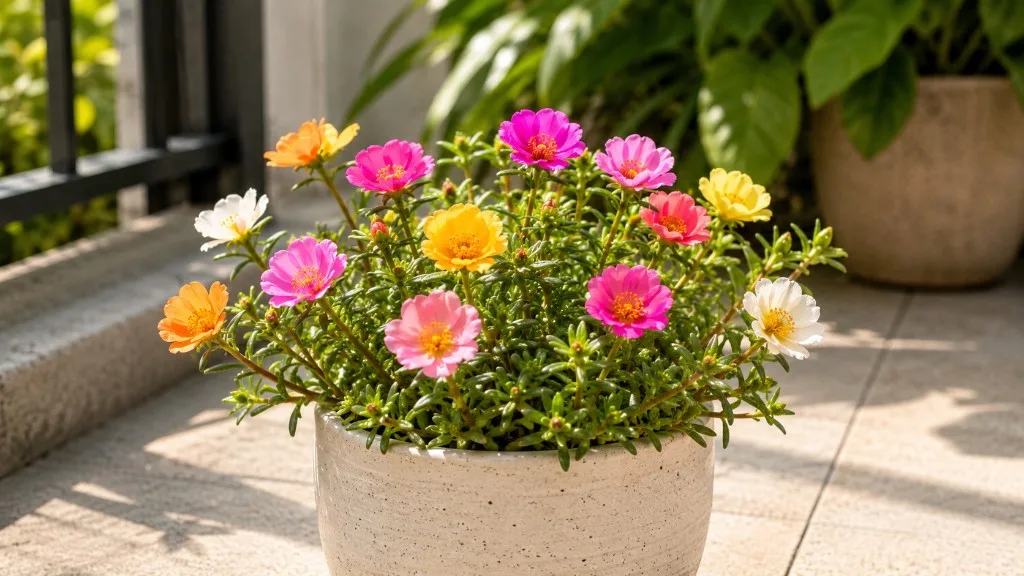
Balcony plants live in a tougher microclimate than plants on a windowsill. A pot on a balcony may get more light, more heat, stronger wind, faster drying, colder nights, and less forgiveness from a missed watering than the same plant would get indoors. The Balcony Plant Finder is built for that reality: it helps you match plants to the balcony you actually have, not the balcony you wish faced a different direction.
Use the finder as a shortlisting tool before you buy plants, upsize containers, or move indoor plants outside for the season. It weighs the practical variables that decide whether a balcony planting feels easy or becomes a weekly rescue project: sun exposure, reflected heat, wind, container volume, watering access, pets, and how much plant care you want in your routine.
The tool turns your balcony conditions into a practical plant match list. Instead of asking only whether a plant is “full sun” or “shade,” it treats the balcony as a small outdoor site with exposure, hard surfaces, railings, walls, roof overhangs, and container limits. That matters because container plants are more exposed than in-ground plants: the root zone is above ground, the pot walls heat and cool quickly, and the growing mix dries faster than garden soil.
The finder is most useful when you are choosing between plant types. It can point a hot, bright, windy balcony toward lavender, rosemary, sedums, portulaca, geraniums, or other compact sun plants, while steering a shaded balcony toward begonias, ferns, pothos, calatheas, or other plants that do not need hours of direct sun. It can also help you decide when a related tool is a better next step, such as the Light Requirement Calculator for a dim balcony corner or the Plant Watering Calculator once you already know what you are growing.
The finder does not inspect your building structure, local wind code, lease rules, railing load limits, or storm exposure. Heavy planters, hanging baskets, self-watering reservoirs, and railing boxes can create safety issues if they are poorly secured or placed where they can fall. Use the tool for plant fit, then check building rules and choose hardware that is rated for the location.
It also does not guarantee survival. Plants vary by cultivar, age, root health, acclimation, nursery history, and local weather. A balcony that works beautifully in April may become punishing in July, especially if the floor, wall, or railing reflects heat into the pot. Treat the result as a strong starting point, then adjust based on new growth, soil drying speed, leaf scorch, wilting, and pest pressure.
Light is the first filter because it decides which plant groups are even realistic. Edible crops and many flowering balcony plants need strong direct sun; University of Illinois Extension notes that vegetables grown in containers generally need six or more hours of sunlight daily. Herbs such as rosemary and lavender also perform best in bright exposure, while many foliage plants tolerate less direct sun but still need enough ambient light to keep producing healthy leaves.
Direction helps, but it is not enough by itself. A south-facing balcony blocked by a neighboring tower may be dimmer than an east-facing balcony with open sky. A west-facing balcony may receive fewer total hours than a south-facing one, yet still run hotter because late-afternoon sun arrives when surfaces are already warm. Before using the finder, watch the balcony on a clear day and note when direct sun first reaches the plant area and when it leaves.
Balcony heat is not only sunlight. Pale walls, glass doors, concrete floors, metal railings, and nearby windows can reflect light and radiate heat around containers. The result is a growing space that may feel one climate zone harsher than the weather app suggests, especially for small black plastic pots that heat quickly.
This is why a plant can be described as sun-loving and still fail on a balcony. Full sun in a garden bed with cool soil is not the same as full sun in a ten-inch pot beside a west-facing wall. If the finder asks about heat, answer based on how the balcony feels at the plant level in the afternoon, not only on the compass direction. If you see repeated sunburn or scorched leaves, the exposure is probably harsher than the plant label implied.
Wind changes a balcony planting more than many new gardeners expect. It increases water loss from leaves and potting mix, pushes flexible stems around, breaks brittle growth, and can tip tall containers. Penn State Extension notes that container-grown plants often need close watering attention because containers dry out faster than garden beds, especially in exposed conditions with heat and wind.
The finder treats wind as a plant-shape problem and a watering problem. Compact plants with small, narrow, tough, or succulent leaves usually cope better than tall plants with broad soft leaves. On exposed balconies, low bowls, heavy containers, grouped pots, and wind-tolerant choices are usually more reliable than a single tall nursery plant sitting alone by the railing.
Container volume sets the size of the root zone, the water reserve, and the margin for error. Small pots are easy to move and cheap to fill, but they dry quickly and restrict large plants. Large containers buffer temperature and moisture better, but they become heavy once filled with moist potting mix, plants, and water.
Use the finder with the mature plant in mind, not only the starter plant in the nursery pot. A young geranium may look tidy in a small pot, but a mixed planter with geranium, trailing plants, and herbs needs enough root volume for all of them. If you are unsure whether a pot is large enough, pair this tool with the Pot Size Calculator before buying the container.
The easiest way to get a good result is to think in exposure groups. Hot, bright, exposed balconies favor plants that naturally tolerate high light, fast drainage, and some drying between waterings. Shaded or partly shaded balconies favor plants that keep good color without intense sun and that will not stretch badly in lower light.
For bright balconies, the finder may steer you toward herbs, succulents, dwarf shrubs, and tough flowering annuals. Lavender, rosemary, sedums, portulaca, marigolds, geraniums, and many culinary herbs can be strong candidates when the balcony has enough direct sun and drainage. Missouri Botanical Garden describes lavender as preferring full sun and well-drained soil, which is why it belongs in bright, fast-draining container scenarios rather than damp shade.
For shaded balconies, the shortlist changes. Pothos, spider plant, calatheas, ferns, begonias, peace lilies, and some peperomias may fit better if the space is bright but protected from direct afternoon sun. These are not “no light” plants. If the balcony is so shaded that you cannot comfortably read there during the day, the Low Light Plant Finder or a grow-light plan may be a better route than forcing outdoor containers into poor light.
Edibles are tempting because balconies can produce useful harvests in very little space. Basil, mint, chives, lettuce, peppers, compact tomatoes, radishes, and bush beans can all work in containers when light, watering, and pot size are right. The main mistake is treating food crops like decorative foliage plants. Fruiting crops usually need stronger light, steadier moisture, and more nutrition than a decorative trailing plant.
For vegetables, container depth and sun exposure matter together. University of Maryland Extension recommends container gardens with drainage holes and enough root room for vegetables, and it notes that containers may need frequent watering during hot weather. If your balcony gets only morning sun, herbs and salad greens may be more realistic than tomatoes or peppers. If it gets intense afternoon sun but you travel often, a self-watering container or a simpler ornamental planting may be the better choice.
If a cat, dog, or child can reach the balcony plants, safety belongs near the top of the filter list. Some popular ornamental plants can cause oral irritation, vomiting, or other problems if chewed, and fallen leaves can be just as reachable as leaves still attached to the plant. The ASPCA maintains a searchable toxic and non-toxic plant list for cats and dogs, which is a useful cross-check before buying anything that will sit within reach.
The finder can help you avoid obvious mismatches, but it cannot watch your pet’s behavior. A plant that is safe in a hanging basket may be unsafe once vines trail to the floor. A heavy pot may still be a hazard if a pet climbs into it or knocks it against a railing. If pet safety is the deciding factor, use the Pet-Safe Plant Finder after this tool and avoid relying on common names alone.
Start with the balcony, then choose the plant. Enter the direction, estimated direct sun hours, wind level, container size, heat level, watering access, pet constraints, and care effort honestly. If you are between two answers, choose the harsher one: less light, more wind, more heat, smaller container, or less frequent watering. That produces a more conservative shortlist.
Then run the tool twice. First, enter the current conditions. Second, test one improvement you are actually willing to make, such as moving pots away from the railing, choosing a larger container, adding a saucer where appropriate, grouping pots, or using a self-watering planter. The difference between the two results tells you whether plant choice or setup change will do more work.
Imagine a west-facing apartment balcony with four to five hours of direct afternoon sun, a concrete floor, noticeable wind at railing height, and room for two medium containers. This is not a gentle place for thin-leaved tropical foliage. The best matches are usually compact plants that tolerate strong light, fast drainage, and some drying: rosemary, lavender, sedum, portulaca, geranium, marigold, or a drought-leaning herb mix.
The setup matters as much as the plant list. A low, wide ceramic pot will usually be steadier than a tall light plastic pot. A gritty, free-draining mix suits lavender and rosemary better than a moisture-retentive indoor mix, and a morning watering routine is safer than waiting until plants wilt in late afternoon heat. If leaves crisp from the edges or plants collapse every sunny day, check crispy leaves and water stress before assuming the plant is simply “bad.”
Now imagine an east-facing or north-facing balcony with open sky, no direct afternoon sun, and space for hanging baskets. The finder should lean away from heat-loving herbs and toward plants that keep good form in bright indirect light. Pothos, spider plant, begonias, ferns, peace lily, peperomia, calathea, and some philodendrons may be better fits, provided the balcony does not get cold drafts or harsh dry wind.
This setup still needs monitoring. Shaded balconies can stay damp after rain, especially in deep pots with peat-heavy mixes. If the plant stays wet for days and starts yellowing, use the Root Rot Risk Checker or review yellow leaves before adding more water. Shade-friendly does not mean wet-soil-friendly.
A small balcony used by pets needs a tighter filter. Choose stable containers first, then plant safety, then light fit. If the balcony gets bright indirect light and pets can reach the plants, spider plant, some peperomias, and certain herbs may be more sensible than toxic aroids or trailing vines that invite chewing. If you want pothos or philodendron for the look, keep in mind that common houseplant aroids are often poor choices for chew-prone pets.
The best design is usually boring in the right way: fewer pots, heavier containers, no loose railing planters, no trailing stems at nose height, and plants you can identify by scientific name before checking safety. The finder gives the shortlist, but the final decision should account for animal behavior and access.
Balcony watering is not a fixed schedule. The same pot may need water every few days in mild weather and daily attention during a hot, windy spell. Container media should usually be checked by feel, pot weight, and drainage behavior rather than by calendar alone. North Carolina State Extension notes that container plants need drainage and may require more frequent watering than plants in the ground because of the limited soil volume.
Use the finder result to choose plants with a water demand you can actually meet. If you cannot water daily in summer, avoid tiny pots, thirsty annuals, and fruiting vegetables on a hot exposed balcony. If you love tropical foliage, keep it in a protected bright-shade position rather than asking it to survive railing-level wind. For a more specific routine, the Vacation Plant Care Planner can help you plan absences before the weather exposes a weak setup.
Use potting mix rather than dense garden soil for balcony containers. Garden soil can compact in pots, drain poorly, and become heavy. A good container mix should hold enough moisture to bridge the time between waterings while still draining freely through the bottom holes. If the balcony gets rain, drainage is not optional; a decorative cachepot with no exit path can turn one storm into a root problem.
Fertilizer depends on plant type and watering frequency. Fast-growing annuals, vegetables, and herbs in containers often need more regular feeding than slow-growing succulents or woody herbs because nutrients leach from pots as water drains through. Do not solve every weak plant with fertilizer, though. Low light, root rot, compacted mix, heat stress, and pest damage can all look like poor growth. The Soil Mix Calculator and Fertilizer Schedule Calculator are better next steps once the plant choice is already sound.
A balcony plant setup should be stable before it is beautiful. Use low, wide containers where wind is strong, keep tall plants away from the outer edge, and avoid hanging anything over public space unless the hardware is allowed and secure. Grouping pots can reduce individual exposure, but leave enough room for airflow so damp foliage does not sit pressed together after rain.
Plant shape matters here. Ornamental grasses, lavender, rosemary, sedums, portulaca, and compact geraniums usually handle wind better than large-leaved tropical plants. If you want dramatic foliage outdoors, place it in a sheltered corner and treat wind damage as a likely constraint. Repeated torn leaves, leaning stems, and desiccated edges are signs to check wind damage rather than simply watering more.
The most common balcony mistake is buying for the flower or leaf first and asking about exposure later. That works only when the balcony happens to match the plant. A better sequence is exposure, container, watering reality, safety, then appearance. Once those filters are met, style choices become much easier.
Another mistake is confusing “outdoor” with “tough.” A peace lily can be outside in a protected, shaded, warm balcony, but that does not make it a full-sun railing plant. A succulent can handle bright light, but that does not mean it wants a sealed pot with wet soil after every rain. The finder is designed to prevent those category mistakes by treating balcony conditions as the starting point.
Trust the result most when your inputs came from observation rather than guesswork. Direct sun hours, wind level, drainage, pot size, and watering frequency are all things you can verify. If the result points to plants you already see thriving on similar balconies in your building or neighborhood, that is a useful real-world confirmation.
Be more cautious when the balcony has extremes: high floors, coastal wind, intense reflected heat, deep shade, frost exposure, monsoon rain, or rules that restrict planters. In those cases, choose the hardier plant from the shortlist and start with fewer containers. A small successful planting is better than a crowded balcony that fails all at once.
After the finder gives you a shortlist, open the plant guides before buying. A plant can match your balcony and still have a deal-breaker, such as pet toxicity, mature size, thorny stems, heavy pruning needs, or a winter rest period. Start with known plant pages such as lavender, rosemary, mint, spider plant, peace lily, and snake plant to compare care details.
If you are trying to solve a problem on an existing balcony plant, a finder may not be the first tool you need. Use the Plant Problem Diagnosis tool when leaves are yellowing, dropping, spotting, or curling. Use the Summer Heat Stress Checker when a plant declines during hot spells. The best workflow is to diagnose stress first, then use the finder to choose replacements or better placements.
The Balcony Plant Finder is a decision filter for a small, exposed growing space. Give it honest inputs about light, heat, wind, pot size, watering access, pets, and care effort, then treat the result as a shortlist to test against real conditions. The best balcony plant is not the trendiest plant or the one with the prettiest nursery photo; it is the plant whose needs line up with the microclimate outside your door.
Start conservatively. Choose plants that match the harshest reliable condition on the balcony, use containers with enough root volume and drainage, and watch how the first planting responds before expanding. A balcony garden gets easier when plant choice, pot setup, and daily access all support the same plan.
This Balcony Plant Finder was researched and written by . Logic, safety notes, and result copy for Balcony Plant are reviewed against LeafyPixels plant-care data, extension references, and veterinary toxicity sources where pet safety is involved.
We prioritize sources that hold up under scrutiny:
The LeafyPixels editorial team then reviews the draft for clarity, step-by-step usefulness, and fit with real apartment and home conditions-not ideal greenhouse setups. When guidance changes materially, we update the page and note the revision date.
The long-form review for this page covers Balcony Plant Finder. Its bottom source list includes 7 external citations pulled from the long-form guide, then deduplicated with the tool’s frontmatter sources.
Balcony plant choices depend primarily on sun exposure - south and west-facing balconies suit sun-loving plants like herbs, geraniums, petunias, succulents, bougainvillea, and dwarf citrus trees. North and east-facing balconies with shade suit ferns, begonias, impatiens, and hostas. Windswept balconies need especially tough and compact plants that can handle exposure without breaking or drying out quickly.
Balcony plants typically need more frequent watering than indoor plants because wind, direct sun, and smaller containers cause soil to dry out faster. During hot summer months, daily watering may be necessary for sun-exposed containers. Grouping pots together reduces individual drying rates, and mulching the soil surface with wood chips or gravel helps retain moisture between waterings.
Wind-tolerant balcony plants include ornamental grasses, lavender, sea thrift, salvia, agapanthus, and most sedums and succulents. Avoid large-leafed tropicals like cannas or elephant ears on very windy balconies, as their large leaves act like sails and can tip pots or cause the plant to dry out rapidly from wind-driven moisture loss. Low-growing, compact, and small-leafed plants are the most resilient in exposed, windy conditions.
Yes, balconies can produce impressive edible gardens even in limited space. Herbs like basil, mint, rosemary, thyme, and chives thrive in pots, as do compact vegetables like cherry tomatoes, peppers, lettuce, radishes, and bush beans. A south or west-facing balcony with at least six hours of direct sunlight per day is ideal for edible plants, while herbs and salad greens can manage with four to five hours of sun.
Use heavy terracotta or ceramic pots rather than lightweight plastic on exposed balconies, or add weight to plastic pots by placing rocks at the bottom. Low, wide pots have a lower center of gravity and are more stable than tall, narrow containers. Securing pots to railings with pot hangers or brackets provides the most reliable protection during storms and high winds.