Geranium Plant Care: Light, Water & Types
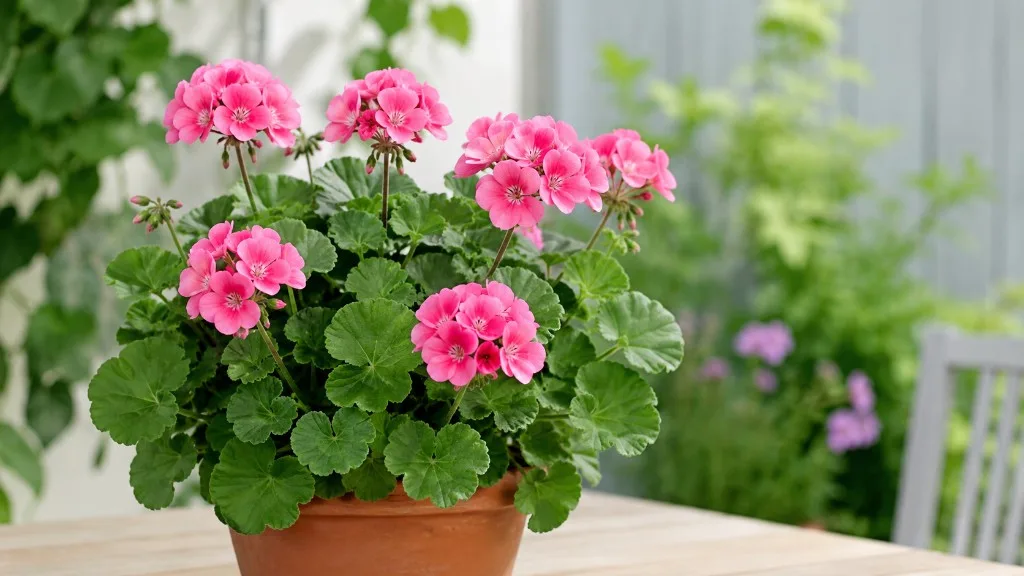
Pelargonium × hortorum
Geraniums need full sun and regular deadheading for continuous blooms. Water when top inch dries and drain well. Protect from frost in winter. High-potassium feed for more flowers.
Geranium Plant Care: Light, Water & Types
Start with wateringThe most common care mistake for GeraniumWatering guide →Geranium care essentials
Light
full sun to partial shade - 4–6 hours of direct morning sun ideal
Water
Water when top inch dries. Drain completely. In summer heat, may need daily watering. Never leave in standing water.
Soil
Fast-draining compost. Loam-based or gritty compost. Good drainage essential.
Humidity
Low to moderate (30–50%); high humidity promotes fungal issues
Temperature
15°C to 27°C (60–80°F)
Fertilizer
Use high-potassium liquid fertilizer (tomato feed works well) for best flowering and stop if the plant is stressed, newly repotted, or not actively growing.
About Geranium
Geranium is native to Southern Africa, typically reaches 30–60 cm tall; 30–45 cm wide indoors, with moderate growth. Geranium has a bushy growth habit and part of the Geraniaceae family. It is also known as Zonal Geranium, Garden Geranium, and Pelargonium.
| Detail | Information |
|---|---|
| Also known as | Zonal Geranium, Garden Geranium, Pelargonium |
| Native region | Southern Africa |
| Mature size | 30–60 cm tall; 30–45 cm wide |
| Growth rate | Moderate |
| Growth habit | Bushy |
| Scientific name | Pelargonium × hortorum |
| Family | Geraniaceae |
Geranium Plant Care: Light, Water & Types
What Is Geranium?
When gardeners say geranium, they almost always mean Pelargonium - the sun-loving, frost-tender plants sold by the millions for window boxes, patio pots, and bright indoor windows. The true geraniums in the genus Geranium - often called hardy geraniums or cranesbills - are a separate group of mostly cold-hardy perennials with a different growth habit and care profile. For the rest of this guide, geranium means Pelargonium, because that is what you will find on nursery benches, seed packets, and most care tags.
Pelargoniums are woody-stemmed, semi-succulent plants in the family Geraniaceae, native to Southern Africa and adapted to bright light, warm days, cool nights, and dry intervals between rains. In cultivation they typically reach 30 to 60 cm (12 to 24 inches) tall and 30 to 45 cm (12 to 18 inches) wide, though trailing ivy types spread wider in baskets and upright zonals can grow taller with age. Growth is moderate in good conditions - faster in warm outdoor summer light, slower on a dim winter windowsill.
The honest summary for anyone deciding whether to buy one: pelargoniums reward strong light, fast-draining soil, and a Geranium watering guide tied to how the pot actually dries - and they punish cold, soggy roots, and shade. They are easier than a finicky orchid and harder than a pothos. The payoff is months of vivid flower clusters outdoors, or year-round foliage and scent indoors if you choose the right type and give it enough sun. One critical caveat for pet owners: Pelargonium is toxic to cats and dogs, largely because of essential oils in the foliage - a detail many buyers miss because the plant looks like harmless summer color.
Pelargonium vs True Geranium
The naming confusion is old and entrenched. Botanists separated Pelargonium from Geranium centuries ago, but the trade never fully updated common language. A hardy geranium (Geranium spp.) survives frost in many temperate gardens, spreads as a low mounding perennial, and is grown mainly for foliage and understated flowers. A zonal geranium (Pelargonium × hortorum) behaves like a tropical short-lived perennial: it wants heat, sun, and excellent drainage, and it dies or goes dormant when frost arrives unless you protect it.
Why the distinction matters practically: if you follow hardy-geranium advice - shade tolerance, evenly moist soil, leave outdoors through winter in Zone 5 - your pelargonium will fail quickly. If you follow pelargonium advice on a hardy cranesbill - full blazing sun on a moisture-loving woodland type - you will also get poor results. Check the tag for Pelargonium when you need the care in this guide. When in doubt, look at the stems: pelargoniums have thick, somewhat succulent stems and often scented or zone-marked leaves; hardy geraniums have thinner herbaceous stems and a spreading mound habit without the classic zonal leaf band.
Zonal, Ivy, and Scented Types
Most nursery geraniums fall into three groups, each with a slightly different job in the garden or home.
Zonal geraniums (Pelargonium × hortorum, also sold as P. × hybridum) are the upright, bushy classics with dark horseshoe-shaped “zones” on the leaves. They produce the largest flower clusters - single or double blooms in red, pink, salmon, white, and bicolor - from spring through fall outdoors. Zonals are the default choice for bedding, patio urns, and sunny windowsills. They root easily from stem cuttings, which is how most named cultivars are propagated.
Ivy geraniums (Pelargonium peltatum) have trailing stems and glossy, ivy-shaped leaves. Flowers are similar in form to zonals but often slightly smaller; the plant’s strength is cascading habit in hanging baskets, window boxes, and elevated planters. Ivy types are somewhat less heat-tolerant than zonals and benefit from afternoon shade in hot climates, according to Iowa State University Extension. They are prone to edema - small watery blisters on leaves - when nights are cool, soil stays wet, and air is humid.
Scented-leaved geraniums (Pelargonium graveolens and many hybrids) are grown primarily for fragrant foliage - rose, lemon, mint, nutmeg, apple, and other scents released when leaves are brushed. Flowers are usually smaller and less showy than zonal blooms; the plant is a sensory and culinary accent in pots, greenhouses, and sunny kitchens. The widely sold “citronella” or “mosquito geranium” is a scented type whose oils smell citrusy when crushed - but Iowa State Extension notes that simply growing the plant in a patio pot does not repel mosquitoes, because the oils release only when leaves are physically bruised or rubbed.
Regal geraniums (Pelargonium × domesticum) are a fourth group worth mentioning: showy ruffled flowers and often bicolor petals, but more finicky about heat and preferring partial shade in hot regions. If your plant blooms in early spring with large patterned flowers and struggles in midsummer heat, it may be regal rather than zonal.
Best Growing Conditions for Geranium
Pelargoniums perform best when your space approximates their native rhythm: bright light, warm days, cooler nights, and soil that dries partially between waterings. The four variables that decide almost every outcome are light, water, soil, and temperature. Align those and feeding, Geranium repotting guide, deadheading, and propagation become straightforward. Misalign one - especially water or cold - and the plant declines faster than its tough-looking stems suggest.
Light Requirements
Geraniums need strong light to bloom well. A practical baseline for most types is Geranium light guide to partial shade - roughly four to six hours of direct sun daily, with morning sun and afternoon protection in hot-summer climates. Clemson Cooperative Extension notes at least four hours of direct sun daily, while Iowa State University Extension recommends at least six hours for best flowering; indoors, that translates to the brightest window you have, ideally south- or west-facing with sheer filtering if midday rays scorch leaves.
Read new growth, not old damage. Compact stems, firm leaves, and steady bud formation mean light is probably adequate. Leggy stems, pale leaves, and months without buds mean the plant wants more light - a common indoor failure. Bleached patches, brown scorch on sun-facing leaves, or sudden collapse after a move mean too much unfiltered midday sun or insufficient acclimation. Move gradually over one to two weeks when shifting from a greenhouse or shop shelf to a blazing patio.
Type tweaks matter. Zonals take the most sun and drive the classic summer bedding look. Ivy types tolerate sun but perform better with afternoon shade where summers are intense. Scented types shine in greenhouse-bright conditions - full light but protected from scorching glass-house midday heat. Regal types often prefer bright indirect or morning sun and fade in all-day heat.
If natural light is weak for overwintered plants, a full-spectrum grow light on a 10–12 hour timer, 12–18 inches above the canopy, prevents the stretched, yellowing look common on geraniums parked in a north room from November through February. Rotate pots weekly for even growth.
Temperature and Humidity
Pelargoniums prefer daytime temperatures around 65–70°F (18–21°C) and nighttime temperatures around 55–60°F (13–16°C) during active growth indoors, according to Clemson Cooperative Extension. They tolerate heat when soil moisture keeps pace, but sustained cold shuts them down. Treat 55°F (13°C) as the practical floor for outdoor pots: when nights drop toward that mark in autumn, plan to bring plants indoors or take cuttings before frost. Iowa State University Extension notes that overwintered plants prefer cool indoor temperatures with relatively dry soil, and hard frost destroys unprotected outdoor plants.
Humidity is a secondary concern for most zonals and scented types - they handle low to moderate humidity (30–50%) well and actually suffer when air stays damp and cool, which encourages botrytis grey mold on spent flowers and dense canopies. Ivy geraniums are the exception: in cool, wet, shaded conditions, they develop edema on leaf undersides. Improve airflow, reduce watering, and increase light rather than misting leaves, which does little for humidity and can spread fungal spores.
Avoid problem microclimates: directly under AC vents, touching cold window glass in winter, and above radiators that bake roots while leaves freeze nearby. Each can push the plant out of its comfort zone within hours.
Soil and Drainage
Use fast-draining compost - loam-based or gritty mix with excellent drainage. The principle beats any single recipe: water should move through the root zone and leave air space around roots, not sit in wet mud for days. For containers, the RHS recommends peat-free multipurpose compost for lighter baskets or soil-based compost such as John Innes No. 2 for heavier urns and long-season outdoor pots. A workable home blend is two parts quality potting mix, one part perlite or grit, and optionally one part compost for outdoor containers that leach nutrients quickly.
Target pH around 5.8–6.5, though pelargoniums tolerate neutral to slightly alkaline mixes in practice better than acid-loving ericaceous plants. Hobbyists rarely need to meter pH; compaction, salt buildup, and blocked drainage holes cause more grief than a tenth of a pH point. Always use pots with drainage holes, and empty saucers after watering. In garden beds, plant only in well-drained soil - heavy clay that stays wet will rot roots even if the summer sun is perfect.
How to Water Geranium
The general rule is water when the top inch of soil dries, then soak thoroughly and drain completely. Pelargoniums store water in succulent stems and tolerate brief dry spells better than constant wet feet. More precisely, plan around every two to three days in active summer growth for many outdoor containers, and every five to seven days in cooler indoor winter conditions - but treat those intervals as reminders to check, not commands to pour.
Use a finger, skewer, or pot weight before every watering. If the deeper mix is still damp, wait. If the top inch is dry and the pot feels light, water until a small amount runs from the drainage hole, then empty the saucer. In midsummer heat, outdoor pots - especially small hanging baskets - may need daily checks; a geranium in full sun can go from fine to wilted in one hot afternoon even though it is not truly root-bound dry. Wilting on a heavy, wet pot is a red flag for root problems, not thirst.
Water at the soil surface, not overhead. Wet leaves and spent flower heads invite botrytis, especially in cool damp weather. Clemson Cooperative Extension explicitly warns against wet foliage, which favors disease development.
Watering Rhythm During Active Growth
During warm, bright months when stems elongate and bud clusters form, pelargoniums use water steadily. The goal is partial drying between drinks, not bone-dry stress and not perpetual dampness. Thorough soaking rewets the entire root ball; light daily sprinkles leave the center dry while the surface looks tended - a pattern that produces weak roots over time.
Newly purchased plants often arrive in peat-heavy greenhouse mix that dries unevenly compared with your home conditions. Do not compensate for transplant shock by watering more unless the pot is genuinely dry; stabilize light first, then adjust the interval based on how fast your container actually dries in your room or on your patio.
Seasonal Adjustments
In cooler, dimmer months - especially overwintered indoor specimens - growth slows and pots dry more slowly. Stretch intervals, pause fertilizer, and keep the plant in the coolest bright room you can manage without frost on the glass. The most common winter failure is continuing a midsummer watering schedule in lower light, which keeps mix waterlogged and leads to yellow lower leaves, fungus gnats, and root rot on Geranium.
Outdoor plants need a parallel shift in autumn. As nights cool and day length shortens, pelargoniums drink less. Move containers to sheltered spots before temperatures drop below 55°F (13°C), and check moisture before each watering rather than assuming the July rhythm still applies. If you are forcing dormancy for storage, reduce water sharply after pruning back, then keep plants barely moist or dry in cool dark storage - details covered in the indoor/outdoor section below.
Common Watering Mistakes
The most damaging mistake is watering on a calendar without checking the pot. Second is letting the pot sit in a full saucer, which suffocates roots within days even when the surface looks fine. Third is overhead watering that keeps petals and leaf axils wet overnight. Fourth is misreading wilting: a thirsty geranium in dry mix recovers after a thorough soak; a rotting geranium may wilt while mix stays wet and then decline despite your efforts. Always pair wilt with a moisture check at depth before adding water.
People also underwater indoor plants in bright, dry winter windows while overwatering on Geranium shade-stressed plants that are not using moisture - opposite problems that both show yellow leaves. Fix light and check roots before changing everything at once.
How to Feed Geranium
Pelargoniums are moderate feeders during active growth, not heavy ones. A balanced water-soluble fertilizer - for example 10-10-10 or 20-20-20 - diluted to one-quarter to one-half of the label rate is sufficient for most pots. Apply to already-moist soil every two to four weeks from spring through early fall, according to Iowa State University Extension and University of Minnesota Extension. Container plants leach nutrients faster than in-ground beddings and may benefit from the shorter end of that interval during peak bloom; hold back if leaves look deep green and soft with no bud formation despite good light - excess nitrogen can delay flowering while pushing foliage.
Pause feeding entirely during winter rest, after major repotting until new growth appears, and while the plant recovers from root rot or pest damage. Overfeeding produces salt crust on the soil surface and brown leaf margins that persist even when watering seems correct. Flush the pot with plain water at two to three times pot volume if salts are suspected, then resume feeding at half strength.
Deadheading - removing spent flower clusters - is part of bloom management. Snip the entire flower stem back to a leaf joint when petals brown, unless you are collecting seed. Spent heads invite botrytis and signal the plant to pause if left in place. For scented types grown for leaves, not flowers, occasional light pruning keeps shape compact and refreshes fragrance-rich new growth.
Repotting and Root Health
Repot pelargoniums roughly every one to two years, or when roots circle drainage holes, the plant dries out within a day of watering, or water runs straight through without soaking in. The best timing is early spring as active growth resumes, giving a full warm season to fill the new root zone. Go up only one pot size - typically 2.5 to 5 cm (1 to 2 inches) wider. Oversized pots hold excess wet mix around roots that cannot use it, the most common trigger for rot after repotting.
Use fresh, fast-draining mix, plant at the same depth, and water lightly for the first week while cut roots heal. Keep the plant in bright light without scorch and skip fertilizer until you see new tip growth. Pelargoniums tolerate being slightly root-bound and often bloom well in a snug pot; repot when performance drops, not on a rigid calendar alone.
Signs It Is Time to Repot
Physical signs include roots emerging from drainage holes, a top-heavy plant that wilts despite recent watering, or mix that has broken down into fine, water-retentive mud. Performance signs include stalled growth for weeks during warm weather despite adequate light and feeding, or chronic edge burn that persists after watering corrections - sometimes indicating mineral-loaded old mix rather than current care errors.
Do not repot a plant actively collapsing from overwatering until you inspect roots, trim brown mushy tissue, and let the root ball dry slightly. Moving a failing root ball into fresh mix without fixing moisture habits rarely saves pelargoniums.
Propagation Methods for Geranium
The standard home method for zonal and ivy geraniums is stem cuttings, which is also how commercial growers clone named cultivars. Seed is possible for species and some hybrids, but seedlings will not match patented or vegetatively propagated cultivars - cuttings are faster and more predictable.
Take a 10 to 15 cm (4 to 6 inch) cutting just below a leaf node with clean, sharp shears. Remove leaves from the lower half of the stem, leaving one or two leaf pairs at the top. Optionally air-dry the cut end for a few hours to reduce rot risk - pelargoniums root readily without hormone. Root directly in moist, well-draining mix or in water changed every few days; transplant water-rooted cuttings once roots reach 2.5 to 5 cm (1 to 2 inches).
Place cuttings in bright indirect light at warm temperatures near 21°C (70°F). Roots typically form in two to four weeks. Tug gently for resistance before treating the plant as established. Scented types propagate the same way and are ideal for overwintering favorite fragrances when frost threatens outdoor parent plants.
Do not propagate stressed, diseased, or heavily pest-infested stock - cuttings inherit the parent’s problems. Also note that patented cultivars may not be legally propagated for sale; home propagation for personal use is generally acceptable.
Indoor vs Outdoor Geranium Care
Pelargoniums are classic outdoor summer annuals in cold-winter climates and frost-tender perennials in warm regions, where they may bloom for much of the year if protected from frost, according to the RHS pelargonium growing guide. Most temperate gardeners treat them as seasonal performers: grow outdoors after frost, enjoy until autumn, then overwinter or restart from cuttings.
Moving outdoors: Wait until night temperatures stay consistently above 55°F (13°C) before placing pots outside, then harden off over 7 to 10 days - gradually increasing sun and wind exposure so leaves formed indoors do not scorch. The RHS emphasizes full light but protection from scorching midday sun during acclimation.
Moving indoors: Before the first frost, inspect for pests, prune back leggy growth by up to one-third, and place pots in the coolest bright window available - 50–60°F (10–16°C) nights with good air circulation work better than a hot dark room. Reduce watering to match lower light. Many gardeners restart from cuttings each spring rather than hauling large pots indoors; cuttings take less space and carry fewer pest hitchhikers.
Dormant overwintering is an alternative for zonals: shake soil from roots, store bare-root plants in paper bags or hanging upside down in a cool (45–50°F / 7–10°C), dark, dry place, soaking roots briefly once a month to prevent complete desiccation, then pot up again in spring. This old-fashioned method saves space but demands discipline - too much moisture causes rot, too little kills roots.
Indoors year-round is realistic only with enough light. A zonal geranium on a dim north windowsill will survive awhile but ** rarely matches outdoor bloom**. Scented types are often happier as permanent indoor plants if given sun-bright exposure and occasional pinching. Ivy types need room to trail and careful watering to avoid edema in cool rooms.
Common Geranium Problems
Most pelargonium problems are environmental or cultural, not mysterious diseases. The plant signals through bud failure, yellow leaves, stem softness, and pest clustering long before total collapse. Check light, moisture, and temperature in that order before escalating to chemicals.
Yellow leaves often mean overwatering, underwatering on Geranium, cold stress, low light, or natural aging of lower leaves. Soft yellow leaves on wet mix suggest root rot - inspect roots, trim mushy tissue, repot into fresh mix, and reduce water. Crisp yellow on a light, dry pot suggests drought. A few lower yellow leaves on an otherwise blooming plant are often normal senescence; remove them and watch new growth.
No blooms despite healthy foliage usually traces to insufficient light, excess nitrogen, or winter indoor conditions without cool-night stimulus. Move the plant brighter, reduce feed, and ensure spent blooms are removed so the plant does not shift into seed-set mode.
Botrytis grey mold appears as fuzzy grey growth on dead flowers and leaves, especially in cool, damp, poorly ventilated conditions. Remove affected tissue, improve airflow, water at soil level, and avoid crowding plants on a enclosed porch.
Edema on ivy types shows as tiny blister-like bumps on leaf undersides when soil stays wet and nights are cool. Reduce water, increase light and warmth, and avoid humid shade.
Pests include whiteflies, aphids, spider mites in dry indoor air, and budworms (caterpillars inside flower buds outdoors). Inspect weekly. Insecticidal soap and manual removal work if you catch populations early; isolate new purchases before mixing with overwintered stock.
Oedema, salt burn, and scorch are distinct: scorch is dry brown patches on sun-facing leaves; salt burn is crisp margins after heavy feeding or hard water; edema is blistering, not crisping. Match the symptom to the cause before treating.
Is Geranium Safe for Pets?
Pelargonium (geranium) is toxic to cats and dogs according to the ASPCA toxic and non-toxic plants listing. Listed clinical signs include vomiting, anorexia, depression, and dermatitis. The toxic principles include geraniol and linalool - essential oils concentrated in scented-leaved types and present in ivy and zonal foliage as well. Scented geraniums and geranium essential oil are especially risky for cats, which metabolize certain plant compounds poorly.
Toxic does not always mean fatal in tiny nibbles, but do not treat geraniums as pet-safe color on a coffee table a cat can reach. Place pots on high shelves, use hanging baskets outside jump range, or choose confirmed non-toxic alternatives if you have a pet that chews plants. Outdoors, dogs may be less interested but still vulnerable if they dig up or crush scented foliage during play.
If you suspect ingestion, contact your veterinarian or the ASPCA Animal Poison Control Center at (888) 426-4435 (a consultation fee may apply). Bring a photo of the plant tag to aid identification. This is general information, not veterinary advice - when symptoms are severe or persistent, professional care is appropriate.
Also remember the citronella geranium myth: even if a pet does not eat the plant, essential-oil products derived from pelargoniums are not substitutes for veterinarian-approved parasite control and can be harmful if applied to pets without professional guidance.
Conclusion
Geranium in the everyday garden sense means Pelargonium - a sun-loving Southern African plant with succulent stems, moderate growth to roughly 30–60 cm tall, and type-specific habits among zonal, ivy, and scented groups. Give it strong light (four to eight hours of direct sun outdoors or a truly bright window indoors), fast-draining soil, water when the top inch dries, and warm days with cool nights, and it will reward you with months of flowers or fragrance. Bring pots in before frost, take cuttings if space is tight, and deadhead spent clusters to keep bloom cycles going.
When something looks wrong, read the plant in context: leggy pale stems and no buds mean more light; scorched sun-facing leaves mean less midday sun or slower acclimation; wilt on dry mix means water; wilt on wet mix means roots. Yellow leaves usually trace to moisture imbalance, cold, or natural aging, not a missing magic nutrient. Ivy types blister with edema in cool wet shade; scented types need sun for oils, not just survival. Fix the environment first, adjust watering second, and treat pests before they spread - and keep plants away from pets that chew leaves. Do that, and pelargoniums become one of the highest-return plants for balconies, window boxes, sunny gardens, and bright indoor ledges alike.
When to use this page vs other Geranium guides
- Geranium overview - Canonical hub for this species - care topics and problems branch from here.
- Geranium problems - Symptom-first path when you already know something is wrong.
Related Geranium guides
How to care for Geranium?
How much light does Geranium need?
full sun to partial shade - 4–6 hours of direct morning sun ideal
- full sun to partial shade - 4–6 hours of direct morning sun ideal - full sun to partial shade - 4–6 hours of direct morning sun ideal.
When should you water Geranium?
Water when top inch dries. Drain completely. In summer heat, may need daily watering. Never leave in standing water.
- Water when top 2–3 cm is dry; lift the pot - light weight = needs water - Water when top inch dries.
- Drain excess water - Drain completely.
What soil works best for Geranium?
Fast-draining compost. Loam-based or gritty compost. Good drainage essential.
- 50% potting mix
- 30% perlite or coarse sand - Loam-based or gritty compost.
- 20% compost - Fast-draining compost.
Grower notes for Geranium
What matters most with Geranium
Geranium needs enough light and seasonal rhythm to bloom well. Leaves may stay alive in mediocre light, but flowers usually reveal whether the plant is truly getting what it needs. In practice, the care checkpoint is simple: full sun to partial shade - 4–6 hours of direct morning sun ideal. Pair that with fast-draining compost. Loam-based or gritty compost. Good drainage essential, and avoid changing water, pot size, and placement all at once.
Best placement in a real home
Geranium belongs where full sun to partial shade - 4–6 hours of direct morning sun ideal is realistic for most of the day, not only where the pot looks good. Water when top inch dries. Drain completely. In summer heat, may need daily watering. Never leave in standing water. If the pot stays wet longer than expected, move the plant into better light or reassess the mix before watering again. Humidity target: Low to moderate (30–50%); high humidity promotes fungal issues. Temperature comfort zone: 15°C to 27°C (60–80°F).
Before you buy this plant
Choose Geranium with firm new growth, clean leaf undersides, and soil that does not smell sour or feel compacted. Be cautious if you see grey mould, sticky residue, collapsed crowns, or a pot that is wet in poor light. Cosmetic old-leaf damage is less worrying than weak roots or active pests.
First month after bringing it home
Do not repot Geranium on day one unless the mix is failing or pests are obvious. Quarantine it, learn how fast the pot dries, and keep care boring while it adjusts. Watch especially for grey mould, yellow-leaves, and whitefly. If problems appear, correct the condition first rather than stacking fertilizer, repotting, and pruning together.
Safety note for Geranium
Geranium is not a plant to keep within reach of pets or children. The database flags it for cats, dogs, and horses. Use gloves if sap or plant tissue is irritating, and pick a pet-safe alternative for floor pots or low shelves.
How to tell Geranium is settling in
Also sold as Zonal Geranium, Garden Geranium, and Pelargonium, this plant should be judged by stable new growth rather than label names alone. If you plan to multiply it later, common methods include Stem cuttings. Repot only when you see roots escaping pot and reduced flowering. If yellow-leaves shows up early, inspect light, watering, and roots before assuming the plant is permanently weak.
Is it pet safe?
Geraniums are mildly toxic to cats and dogs.
Pelargonium mildly toxic to cats and dogs - causes dermatitis, mild GI upset. Not severely toxic but keep away from pets.
Watering Geranium
For Geranium, water when top 2–3 cm is dry; lift the pot - light weight = needs water and water every 2–3 days in summer; every 5–7 days in winter. Reduce significantly in winter - one of the most overwatered plants in this season.
| Detail | Information |
|---|---|
| How often | Every 2–3 days in summer; every 5–7 days in winter |
| How to check | Water when top 2–3 cm is dry; lift the pot - light weight = needs water |
| Seasonal changes | Reduce significantly in winter - one of the most overwatered plants in this season |
Signs of overwatering
- stem rot at base
- yellow lower leaves
- mushy roots
- botrytis on stems
Signs of underwatering
- wilting between waterings
- pale flowers
- dry crispy leaf edges
Soil & potting for Geranium
Use a mix of 50% potting mix, 30% perlite or coarse sand, 20% compost for Geranium. Excellent drainage essential. Target soil pH around 5.8–6.5. Repot every 1–2 years; slight root restriction encourages better flowering, ideally in spring.
| Detail | Information |
|---|---|
| Recommended mix | 50% potting mix, 30% perlite or coarse sand, 20% compost |
| Drainage | Excellent drainage essential |
| Soil pH | 5.8–6.5 |
| Repotting frequency | Every 1–2 years; slight root restriction encourages better flowering |
| Best season to repot | Spring |
Signs it needs repotting
- roots escaping pot
- reduced flowering
Humidity & temperature for Geranium
Geranium prefers low to moderate (30–50%); high humidity promotes fungal issues, though normal home humidity is usually fine. Keep temperatures around 15°C to 27°C (60–80°F).
| Detail | Information |
|---|---|
| Humidity | Low to moderate (30–50%); high humidity promotes fungal issues - normal home humidity is fine. |
| Ideal temperature | 15°C to 27°C (60–80°F) |
Fertilizer & pruning for Geranium
Use use high-potassium liquid fertilizer (tomato feed works well) for best flowering and stop if the plant is stressed, newly repotted, or not actively growing. for Geranium.
| Detail | Information |
|---|---|
| Fertilizer type | Use high-potassium liquid fertilizer (tomato feed works well) for best flowering and stop if the plant is stressed, newly repotted, or not actively growing. |
Common problems on Geranium
Yellow Leaves
MediumLikely cause: Overwatering or waterlogged soil causes yellowing of lower leaves in geraniums
Quick fix: Allow soil to dry more; check drainage; remove standing water from saucers
Full fix guide →Brown Tips
MediumLikely cause: Common on this plant type; confirm with recent watering, light, and root checks.
Quick fix: Inspect the plant and correct the most likely care stressor before stacking treatments.
Full fix guide →Root Rot
MediumLikely cause: Common on this plant type; confirm with recent watering, light, and root checks.
Quick fix: Inspect the plant and correct the most likely care stressor before stacking treatments.
Full fix guide →Overwatering
MediumLikely cause: Common on this plant type; confirm with recent watering, light, and root checks.
Quick fix: Inspect the plant and correct the most likely care stressor before stacking treatments.
Full fix guide →Underwatering
MediumLikely cause: Common on this plant type; confirm with recent watering, light, and root checks.
Quick fix: Inspect the plant and correct the most likely care stressor before stacking treatments.
Full fix guide →Spider Mites
MediumLikely cause: Common on this plant type; confirm with recent watering, light, and root checks.
Quick fix: Inspect the plant and correct the most likely care stressor before stacking treatments.
Full fix guide →Mealybugs
MediumLikely cause: Common on this plant type; confirm with recent watering, light, and root checks.
Quick fix: Inspect the plant and correct the most likely care stressor before stacking treatments.
Full fix guide →Aphids
MediumLikely cause: Common on this plant type; confirm with recent watering, light, and root checks.
Quick fix: Inspect the plant and correct the most likely care stressor before stacking treatments.
Full fix guide →Leggy Growth
MediumLikely cause: Common on this plant type; confirm with recent watering, light, and root checks.
Quick fix: Inspect the plant and correct the most likely care stressor before stacking treatments.
Full fix guide →Slow Growth
MediumLikely cause: Common on this plant type; confirm with recent watering, light, and root checks.
Quick fix: Inspect the plant and correct the most likely care stressor before stacking treatments.
Full fix guide →Wilting
MediumLikely cause: Common on this plant type; confirm with recent watering, light, and root checks.
Quick fix: Inspect the plant and correct the most likely care stressor before stacking treatments.
Full fix guide →Drooping Leaves
MediumLikely cause: Common on this plant type; confirm with recent watering, light, and root checks.
Quick fix: Inspect the plant and correct the most likely care stressor before stacking treatments.
Full fix guide →Low Humidity
MediumLikely cause: Common on this plant type; confirm with recent watering, light, and root checks.
Quick fix: Inspect the plant and correct the most likely care stressor before stacking treatments.
Full fix guide →Not Enough Light
MediumLikely cause: Common on this plant type; confirm with recent watering, light, and root checks.
Quick fix: Inspect the plant and correct the most likely care stressor before stacking treatments.
Full fix guide →Fungus Gnats
MediumLikely cause: Common on this plant type; confirm with recent watering, light, and root checks.
Quick fix: Inspect the plant and correct the most likely care stressor before stacking treatments.
Full fix guide →Mold on Soil
MediumLikely cause: Common on this plant type; confirm with recent watering, light, and root checks.
Quick fix: Inspect the plant and correct the most likely care stressor before stacking treatments.
Full fix guide →