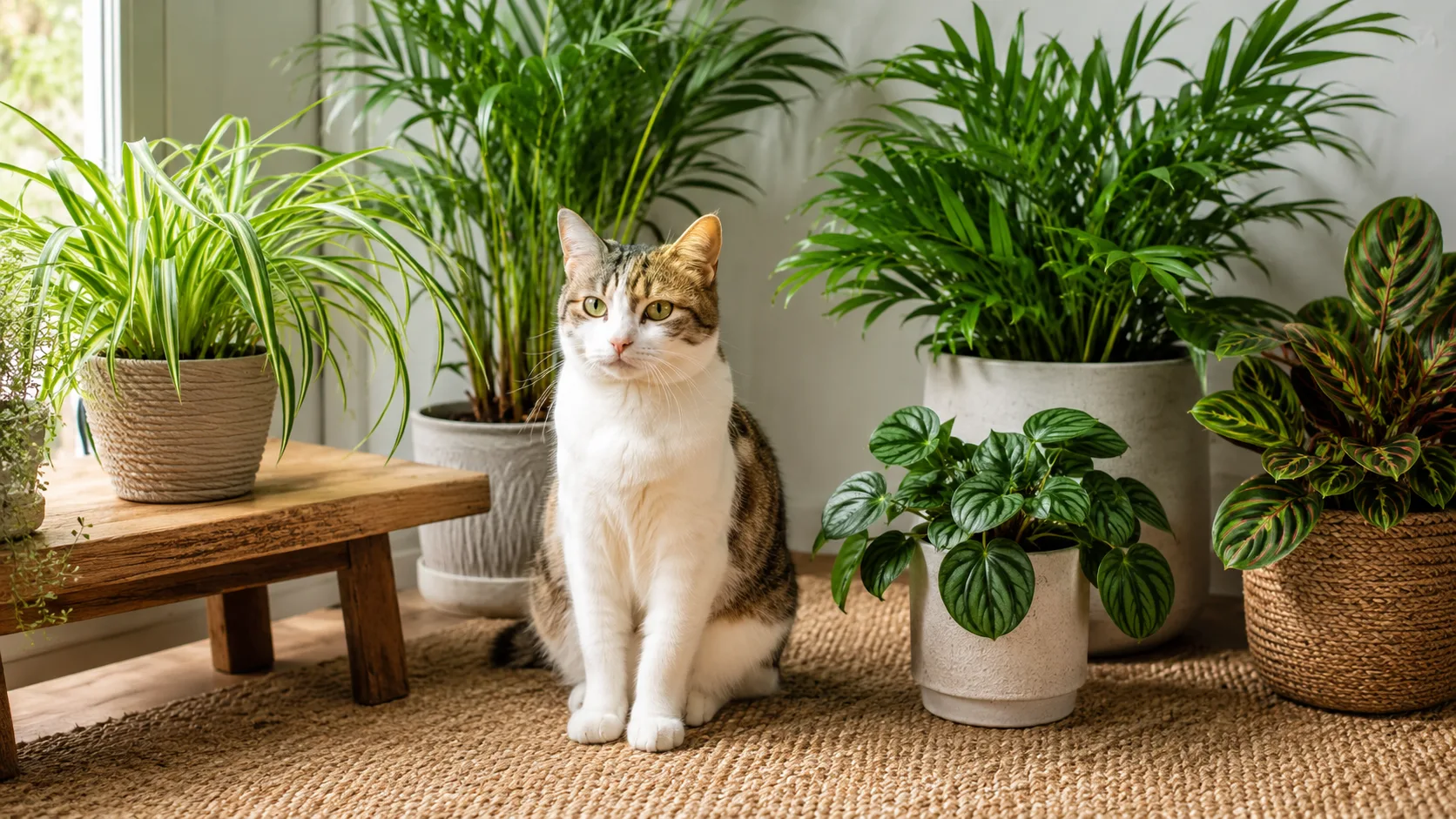
Safe for cats58 plants

Indoor Plants Safe for Cats

Verified houseplants that are classified as non-toxic to cats, with practical notes on chewing, placement, and which beginner-friendly picks are easiest to live with.

Cats with houseplants

Indoor Plants Safe for Cats

Start here

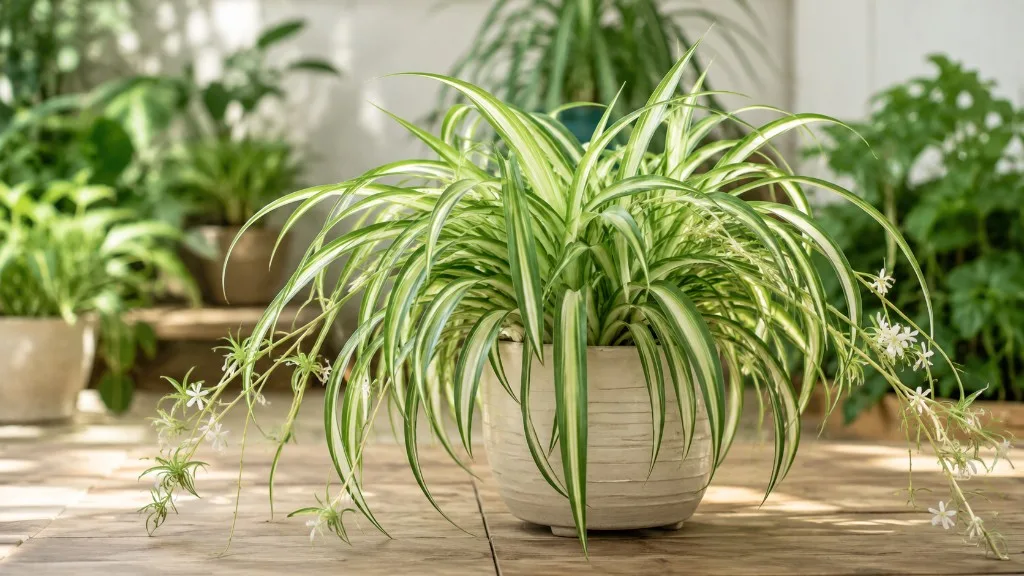
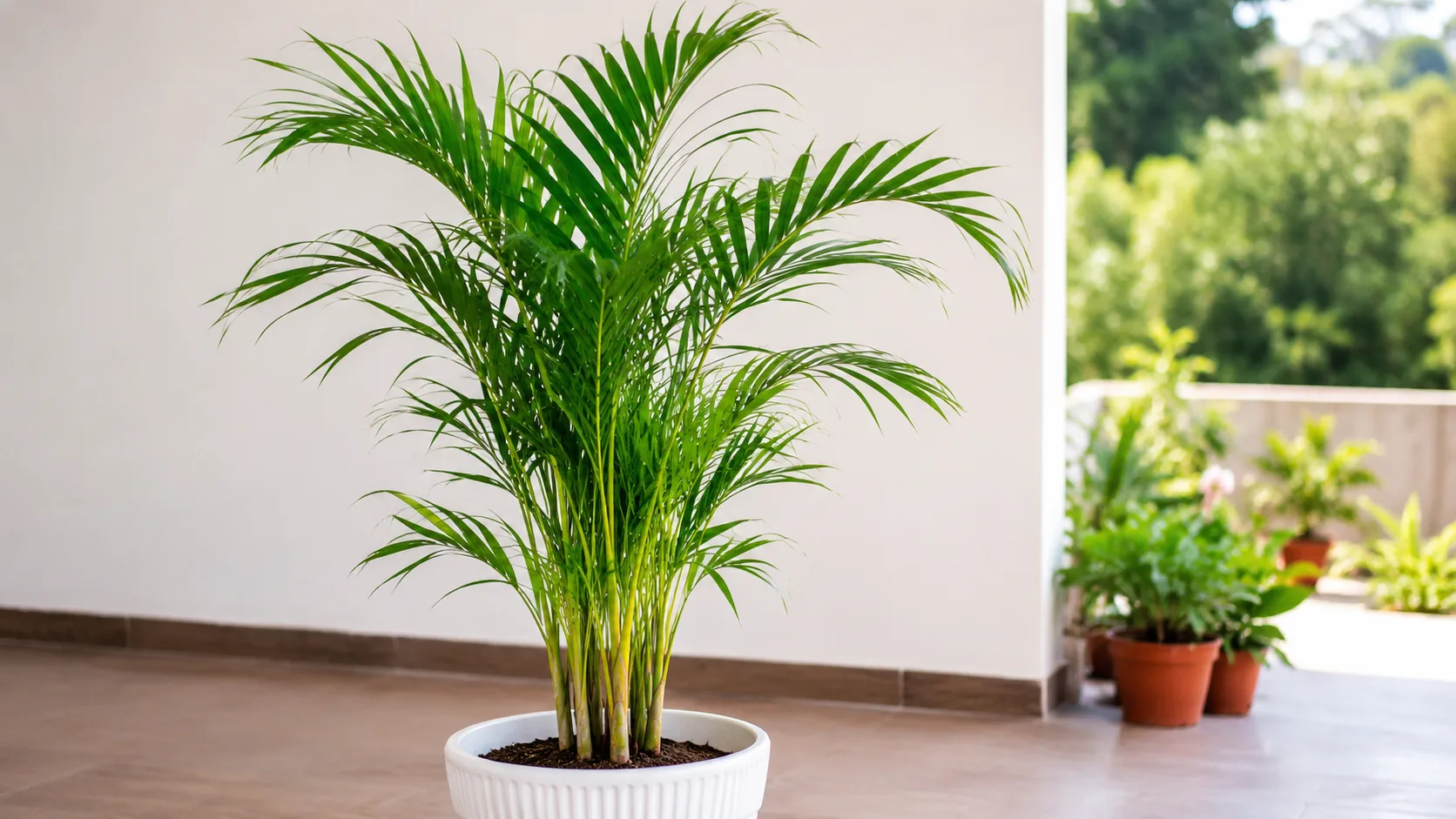
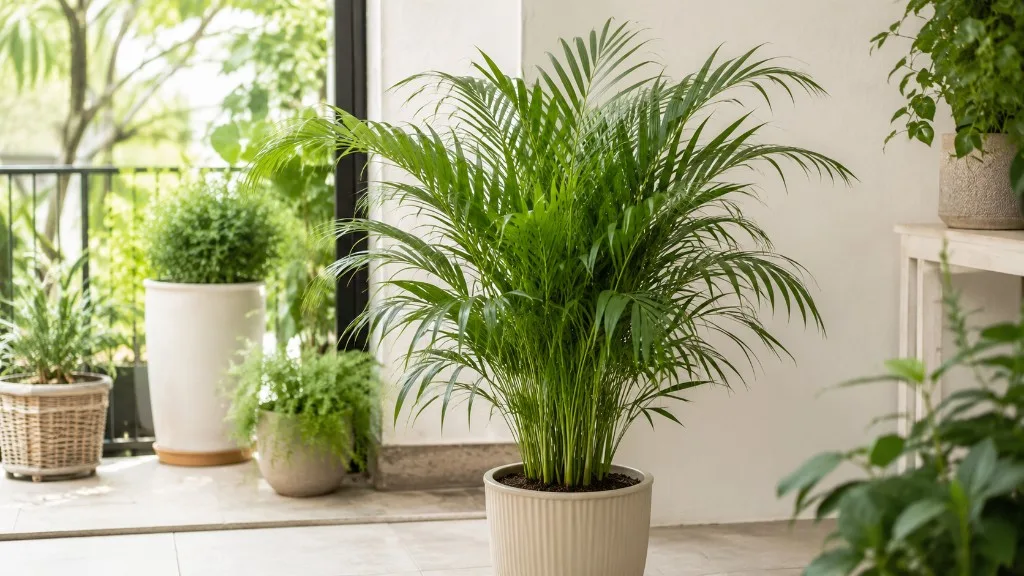
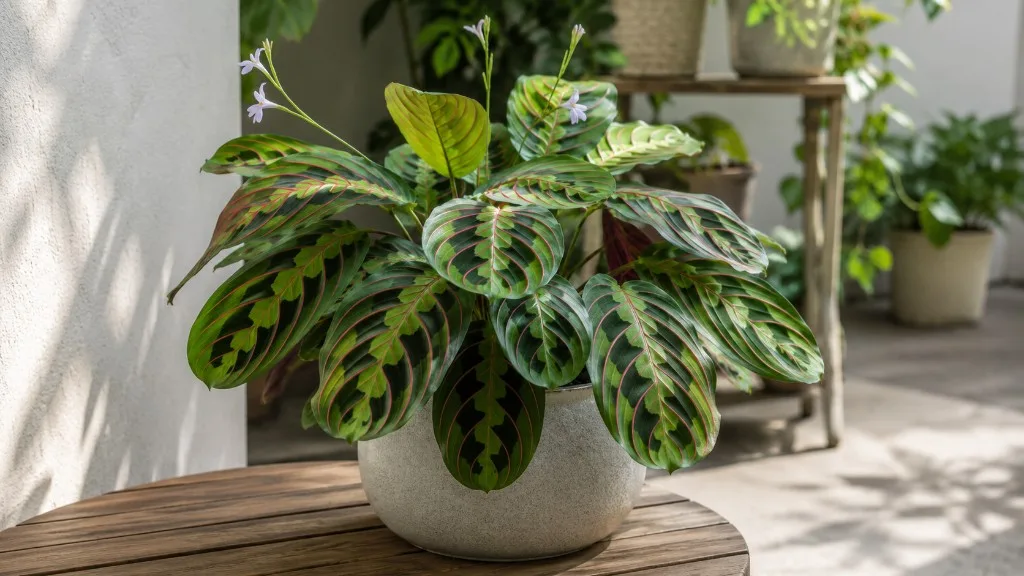
Start with spider plant, areca palm, prayer plant, peperomia, and parlor palm if your cat patrols shelves, sills, and floor pots.

Indoor Plants Safe for Cats

58 plants · Indoor Plants Safe for Cats
#PlantLightDifficultyCats
1Spider Plantbright to medium indirect light, low light, some morning direct sunMediumSafe
2Areca Palmbright indirect lightMediumSafe
3Parlor Palmmedium indirect light, low indirect light, bright indirect lightMediumSafe
4Prayer Plantmedium indirect light, low indirect light, bright indirect lightMediumSafe
5Peperomiamedium to bright indirect light, low indirect lightMediumSafe
6Cast Iron Plantlow to medium indirect light, very low lightMediumSafe
7Haworthiabright indirect lightMediumSafe
8Boston Fernbright to medium indirect light, medium indirect lightMediumSafe
9African Violetbright indirect light (north or east-facing window)MediumSafe
10Aluminum Plantbright indirect lightMediumSafe
11Baby Rubber Plantmedium to bright indirect lightMediumSafe
12Basilfull sun (6+ hours of direct sunlight)MediumSafe
13Bird's Nest Fernmedium indirect lightMediumSafe
14Blue Star Fernmedium indirect lightMediumSafe
15Burro's Tailbright indirect light to some direct morning sun, several hours of direct morning sunMediumSafe
16Calatheamedium to bright indirect light, low indirect lightMediumSafe
17Calathea Medallionmedium indirect light, low indirect lightMediumSafe
18Calathea Orbifoliamedium indirect light, low indirect light, bright indirect (not harsh)MediumSafe
19Calathea Peacock Plantmedium indirect light, low indirect lightMediumSafe
20Calathea Rattlesnakemedium indirect light, low indirect lightMediumSafe
21Calathea Roseopictamedium indirect light, low indirect lightMediumSafe
22Christmas Cactusbright indirect light, medium indirect lightMediumSafe
23Corianderfull sun to partial shade - morning sun with afternoon shade ideal in hot climatesMediumSafe
24Ctenanthemedium to bright indirect light, low indirect lightMediumSafe
25Curry Leaf Plantfull sun - 6+ hours of direct sunlightMediumSafe
26Echeveriabright light with several hours of direct sunMediumSafe
27Fishbone Cactusbright indirect lightMediumSafe
28Fittonialow to medium indirect lightMediumSafe
29Hibiscusfull sun - 6+ hours of direct sunlight for maximum floweringMediumSafe
30Hoyabright indirect lightMediumSafe
31Hoya Carnosabright indirect lightMediumSafe
32Hoya Kerriibright indirect lightMediumSafe
33Hoya Pubicalyxbright indirect lightMediumSafe
34Jasminefull sun to partial shade (4–6 hours of direct sun)MediumSafe
35Maidenhair Fernmedium indirect lightMediumSafe
36Maranta Leuconeuramedium indirect light, low indirect lightMediumSafe
37Mografull sun to partial shade - 4–6 hours of direct sun for prolific floweringMediumSafe
38Money Treebright indirect lightMediumSafe
39Peperomia Hopebright indirect light, medium indirect lightMediumSafe
40Petuniafull sun - 5–6 hours of direct sun minimum; more sun = more bloomsMediumSafe
41Phalaenopsis Orchidbright indirect light (east or north-facing window), medium indirect lightMediumSafe
42Pilea Moon Valleybright indirect light, medium indirect lightMediumSafe
43Pilea Peperomioidesbright indirect light, medium indirect lightMediumSafe
44Polka Dot Plantmedium to bright indirect light, low indirect lightMediumSafe
45Ponytail Palmbright light with direct sun, bright indirect lightMediumSafe
46Raindrop Peperomiabright indirect light, medium indirect lightMediumSafe
47Rhipsalismedium to bright indirect lightMediumSafe
48Rosefull sun - 6+ hours of direct sunlight daily for maximum floweringMediumSafe
49Rosemaryfull sun - 6+ hours of direct sunlight dailyMediumSafe
50Staghorn Fernbright indirect lightMediumSafe
51String of Heartsbright indirect light, some direct morning sunMediumSafe
52Stromanthe Triostarmedium to bright indirect light, lower indirect lightMediumSafe
53Swedish Ivybright indirect light, medium indirect lightMediumSafe
54Tillandsiabright indirect light, some direct morning sunMediumSafe
55Venus Flytrapfull sun-minimum 4 hours of direct sun per dayMediumSafe
56Watermelon Peperomiabright indirect light, medium indirect lightMediumSafe
57Zebra Plantbright indirect light, medium indirect lightMediumSafe
58Zinniafull sun - 6+ hours of direct sunlight for continuous floweringMediumSafe

Verified cat-safe houseplants worth starting with

These are the strongest indoor picks in our database for cat households: common houseplants with verified cat-safe classifications, useful care data, and realistic placement options for lived-in homes.

  1. Spider Plant houseplant

    Spider PlantChlorophytum comosum

    • Spider plant care for beginners - watering, bright indirect light, propagating plantlets, pet-safe growing tips.
    • Spider Plant grows best in bright to medium indirect light, low light, some morning direct sun when grown as an indoor houseplant.
    • For Spider Plant, water when the top 2 inches of soil are dry - roughly every 7–10 days in the growing season.
    • Spider Plant does best at 40–60% humidity and needs well-draining general-purpose potting mix.
    • Spider Plant is rated medium care for indoor growing.
    Pet safety details →
  2. Areca Palm houseplant

    Areca PalmDypsis lutescens

    • Areca palm indoor care - bright indirect light, even moisture, spider mite prevention, pet-safe growing.
    • Areca Palm grows best in bright indirect light when grown as an indoor houseplant.
    • Water when the top 1–2 inches of soil are dry; areca palms prefer consistent moisture without waterlogging.
    • Areca Palm grows to 6–8 ft tall indoors; arching yellow-green fronds spreading 3–5 ft indoors, does best at 50–70% humidity and needs well-draining, fertile potting mix suitable for palms.
    • Areca Palm is rated medium care for indoor growing.
    Pet safety details →
  3. Parlor Palm houseplant

    Parlor PalmChamaedorea elegans

    • Parlor Palm needs bright to low indirect light, watering every 7–10 days when top 3–5 cm is dry, and 40–60 % humidity. Non-toxic to pets - an excellent pet-safe indoor palm.
    • Parlor Palm grows best in medium indirect light, low indirect light, bright indirect light when grown as an indoor houseplant.
    • For Parlor Palm, every 7–10 days - allow top 3–5 cm to dry. Every 14 days in winter.
    • Parlor Palm does best at 40–60% humidity and needs standard potting mix + 20 % perlite. well-draining. ph 5.5–7.0.
    • Parlor Palm is rated medium care for indoor growing.
    Pet safety details →
  4. Prayer Plant houseplant

    Prayer PlantMaranta leuconeura

    • Prayer plants need consistently moist soil, high humidity (50–70%), and medium indirect light. Leaves fold upward at night.
    • Prayer Plant is listed as non-toxic to cats by the ASPCA. Non-toxic to cats, dogs, and humans per the ASPCA.
    • Prayer Plant grows best in medium indirect light, low indirect light, bright indirect light when grown as an indoor houseplant.
    • For Prayer Plant, keep soil consistently moist but not waterlogged - water when the top inch dries out.
    • Prayer Plant does best at 50–70% humidity and needs rich, moisture-retentive but well-draining potting mix.
    • Prayer Plant is rated medium care for indoor growing.
    Pet safety details →
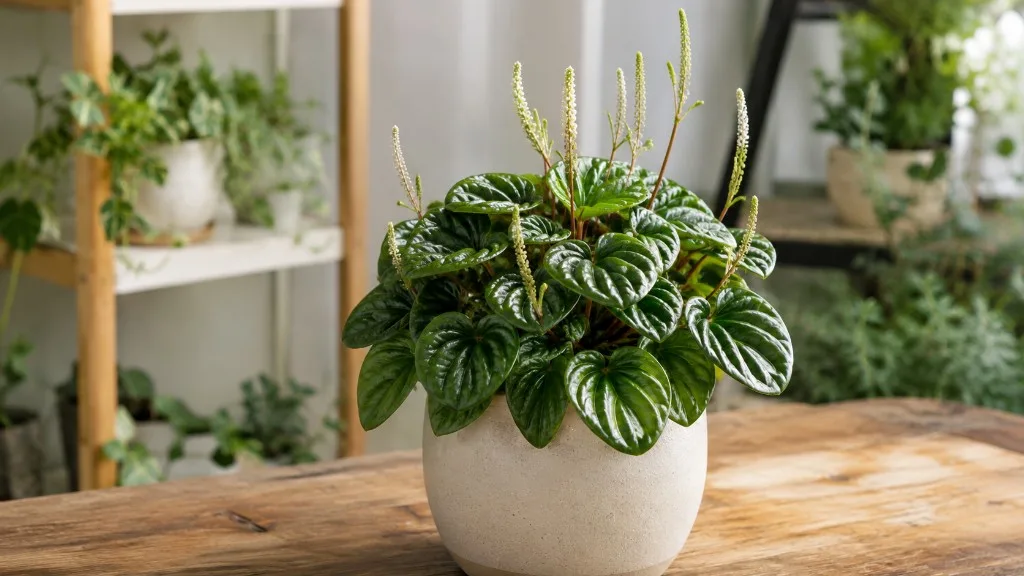
  5. Peperomia houseplant

    PeperomiaPeperomia spp.

    • Peperomia needs bright to medium indirect light, watering every 10–14 days when soil is completely dry, fast-draining mix, and minimal fertilising. Non-toxic to pets.
    • Peperomia grows best in medium to bright indirect light, low indirect light when grown as an indoor houseplant.
    • For Peperomia, every 10–14 days in summer - allow soil to dry completely. Every 3–4 weeks in winter.
    • Peperomia does best at 40–50% humidity and needs 50 % potting compost + 50 % perlite. fast-draining - essential. ph 6.0–7.0.
    • Peperomia is rated medium care for indoor growing.
    Pet safety details →

Not sure if a plant is safe? Check before you buy

Filter our plant library by cats, dogs, rabbits, birds, horses, turtles, or tortoises using verified per-pet toxicity research.

Open pet-safe plant finder
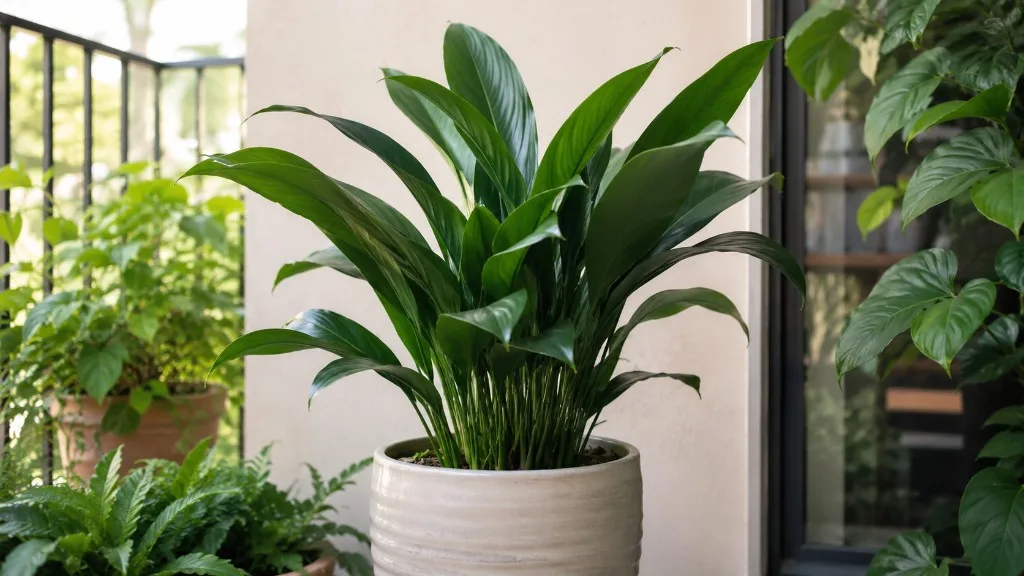
  1. Cast Iron Plant houseplant

    Cast Iron PlantAspidistra elatior

    • Cast iron plant tolerates deep shade, irregular watering (every 10–14 days), and low humidity. Avoid direct sun and overfeeding.
    • Cast Iron Plant is listed as non-toxic to cats by the ASPCA. Non-toxic to cats and dogs per ASPCA.
    • Cast Iron Plant grows best in low to medium indirect light, very low light when grown as an indoor houseplant.
    • For Cast Iron Plant, every 10–14 days (top 3–5 cm dry). Every 14–21 days in winter or low light.
    • Cast Iron Plant does best at 40–50% humidity and needs well-draining potting mix. ph 6.0–7.0. undemanding.
    • Cast Iron Plant is rated medium care for indoor growing.
    Pet safety details →
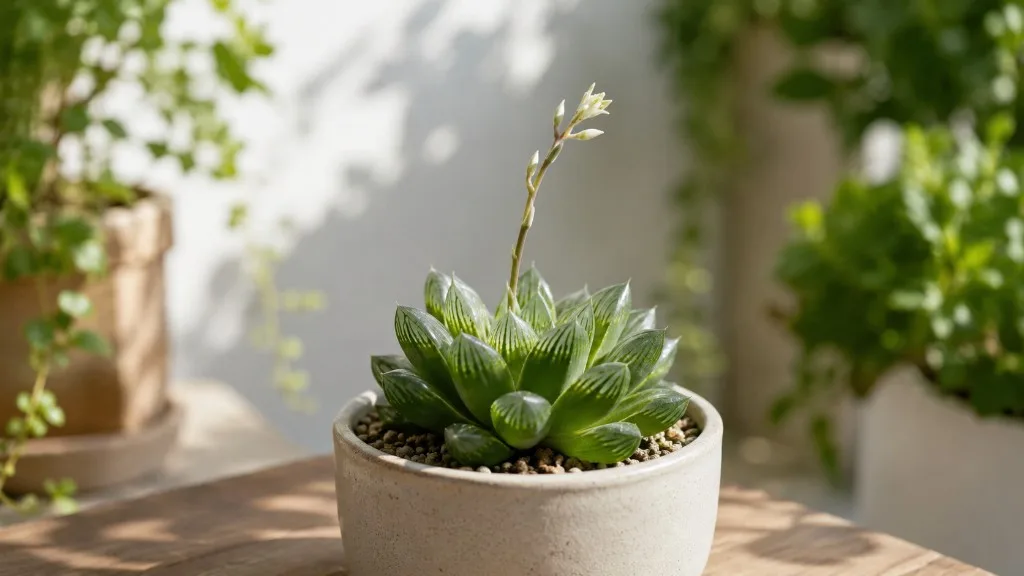
  2. Haworthia houseplant

    HaworthiaHaworthia spp.

    • Haworthia tolerates lower light than other succulents. Water when soil is completely dry - every 10–14 days in summer.
    • Haworthia is listed as non-toxic to cats by the ASPCA. Non-toxic to cats and dogs per ASPCA.
    • Haworthia grows best in bright indirect light when grown as an indoor houseplant.
    • For Haworthia, soak and dry. Water when soil is completely dry - every 10–14 days summer; 21–28 days winter.
    • Haworthia grows to 4–6 inches tall, 4–8 inch rosette spread indoors, does best at low to average (30–50%) humidity and needs fast-draining succulent mix: standard compost 50% + perlite 30% + grit 20%.
    • Haworthia is rated medium care for indoor growing.
    Pet safety details →
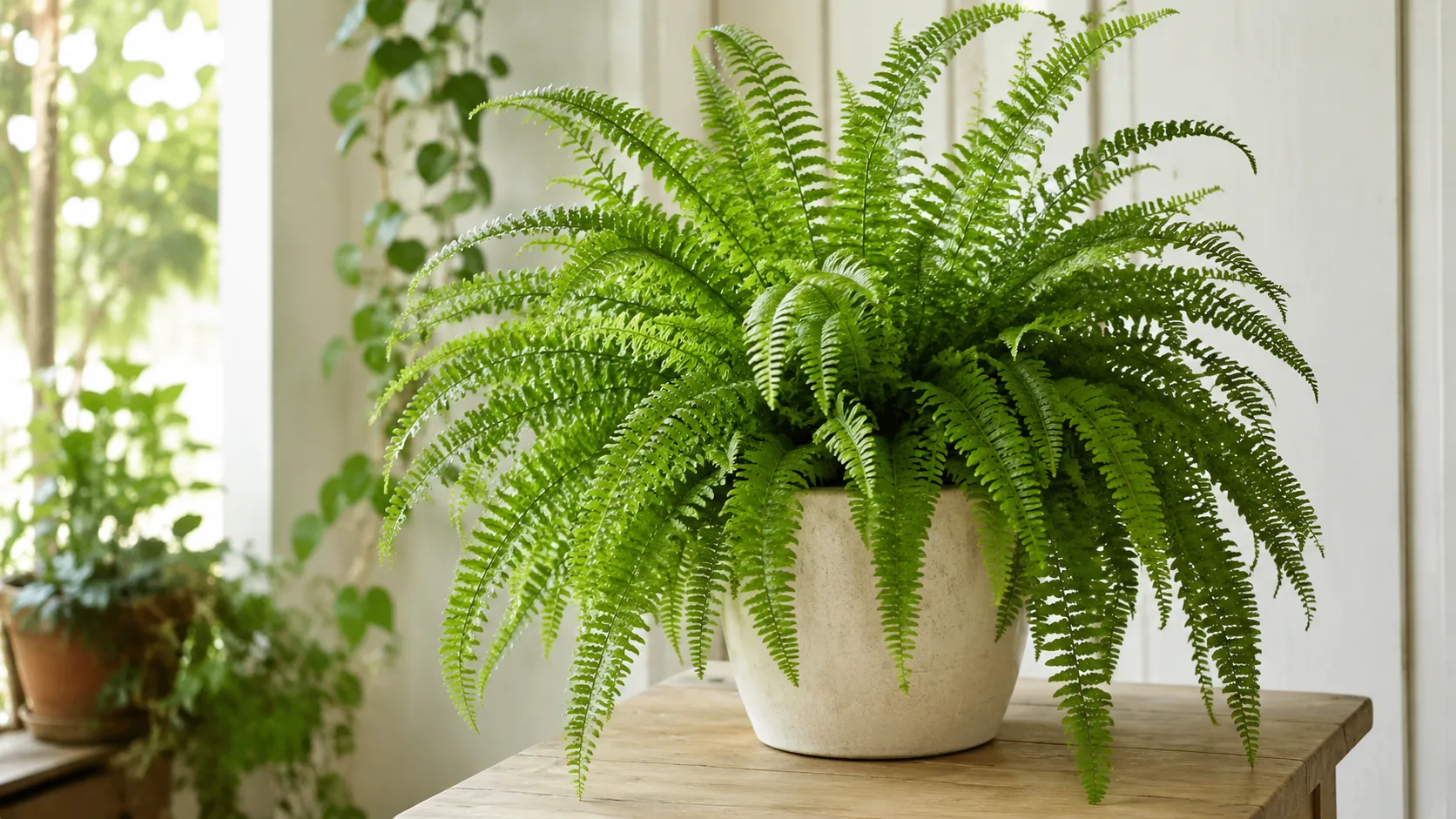
  3. Boston Fern houseplant

    Boston FernNephrolepis exaltata

    • Keep Boston fern lush - high humidity, consistent moisture, indirect light, and brown frond fixes.
    • Boston Fern is listed as non-toxic to cats by the ASPCA. Non-toxic to cats, dogs, and humans per the ASPCA.
    • Boston Fern grows best in bright to medium indirect light, medium indirect light when grown as an indoor houseplant.
    • For Boston Fern, every 3–5 days spring and summer (top 2 cm beginning to dry). 5–7 days in winter.
    • Boston Fern does best at 50–70% humidity and needs well-draining but moisture-retentive potting mix. ph 5.0–5.5. peat or coco-based with perlite.
    • Boston Fern is rated medium care for indoor growing.
    Pet safety details →
  4. African Violet houseplant

    African VioletStreptocarpus sect. Saintpaulia

    • African Violets bloom continuously with bright indirect light and a high-phosphorus fertilizer. Always water from the bottom-cold water splashed on leaves causes permanent brown spots.
    • African Violet is listed as non-toxic to cats by the ASPCA. Non-toxic to cats and dogs per ASPCA.
    • African Violet grows best in bright indirect light (north or east-facing window) when grown as an indoor houseplant.
    • For African Violet, water from the bottom to avoid leaf spots-cold water on leaves causes brown rings. Water when the top inch of soil is dry.
    • African Violet grows to 4–16 inches wide rosette; compact with velvety leaves indoors, does best at 40–60% humidity and needs light, well-aerated african violet mix or a very light peat-free mix.
    • African Violet is rated medium care for indoor growing.
    Pet safety details →
  5. Aluminum Plant houseplant

    Aluminum PlantPilea cadierei

    • Aluminum Plant needs bright indirect light to maintain its distinctive silver markings and watering when the surface soil just dries. It becomes leggy with age-propagate cuttings regularly for bushy plants.
    • Aluminum Plant is listed as non-toxic to cats by the ASPCA. Non-toxic to cats and dogs per ASPCA.
    • Aluminum Plant grows best in bright indirect light when grown as an indoor houseplant.
    • For Aluminum Plant, water when the top half-inch of soil dries. Pilea cadierei prefers consistent moisture but not soggy soil.
    • Aluminum Plant grows to 8–12 inches tall; bushy with oval leaves marked with silver patches indoors, does best at 50–60% humidity and needs well-draining, light potting mix.
    • Aluminum Plant is rated medium care for indoor growing.
    Pet safety details →

Already have a plant that looks unhappy?

Match symptoms to likely causes in under a minute, then jump to the right fix guide.

Run plant diagnosis
  1. Baby Rubber Plant houseplant

    Baby Rubber PlantPeperomia obtusifolia

    • Baby Rubber Plant (Peperomia obtusifolia) needs medium indirect light and watering only when the top inch dries-its thick leaves store water and it dies quickly from overwatering. Pet-safe and great for beginners.
    • Baby Rubber Plant grows best in medium to bright indirect light when grown as an indoor houseplant.
    • For Baby Rubber Plant, water when the top inch of soil dries. Stores water in thick succulent-like leaves-far more tolerant of drought than overwatering.
    • Baby Rubber Plant grows to 8–12 inches tall; compact bushy growth with shiny oval leaves indoors, does best at 40–50% humidity and needs light, well-draining mix; small pots prevent waterlogging.
    • Baby Rubber Plant is rated medium care for indoor growing.
    Pet safety details →
  2. Basil houseplant

    BasilOcimum basilicum

    • Basil needs at least 6 hours of direct sun daily, consistent watering every 1–2 days in summer, pinching off flower spikes to prevent bolting, and regular tip harvesting to encourage bushy growth.
    • Basil is listed as non-toxic to cats by the ASPCA. ASPCA lists sweet basil (Ocimum basilicum) as non-toxic to cats and dogs.
    • Basil grows best in full sun (6+ hours of direct sunlight) when grown as an indoor houseplant.
    • For Basil, keep soil moist but not waterlogged - every 1–2 days in summer, every 3 days in winter or cooler weather. Allow top 2–3 cm to dry between waterings.
    • Basil grows to 30–60 cm tall and 30 cm wide indoors, does best at moderate (40–60%); tolerates indian outdoor conditions well humidity and needs well-draining potting mix with 20% perlite or coarse sand. ph 6.0–7.5. good drainage prevents damping off.
    • Basil is rated medium care for indoor growing.
    Pet safety details →
  3. Bird's Nest Fern houseplant

    Bird's Nest FernAsplenium nidus

    • Grow bird's nest fern indoors with bright indirect light, consistent moisture, and 60%+ humidity. Easy to care for with no direct sun.
    • Bird's Nest Fern is listed as non-toxic to cats by the ASPCA. Non-toxic to cats, dogs, and humans.
    • Bird's Nest Fern grows best in medium indirect light when grown as an indoor houseplant.
    • For Bird's Nest Fern, every 5–7 days summer (top 2–3 cm dry). Water into soil, never the central rosette.
    • Bird's Nest Fern grows to 30–90 cm tall and wide indoors, does best at 50–70% humidity and needs well-draining potting mix with 20% orchid bark or coco coir for aeration. ph 5.5–7.0.
    • Bird's Nest Fern is rated medium care for indoor growing.
    Pet safety details →
  4. Blue Star Fern houseplant

    Blue Star FernPhlebodium aureum

    • Blue star fern needs medium to bright indirect light (no direct sun), watering every 5–7 days when the top 3 cm is dry, 40–60%+ humidity (more forgiving than most ferns), and monthly half-strength fertiliser in the growing season.
    • Blue Star Fern is listed as non-toxic to cats by the ASPCA. Non-toxic to cats, dogs, and humans.
    • Blue Star Fern grows best in medium indirect light when grown as an indoor houseplant.
    • For Blue Star Fern, every 5–7 days summer (top 3 cm dry). 7–10 days winter.
    • Blue Star Fern grows to 30–60 cm tall indoors, does best at 40–60% humidity and needs well-draining potting mix with 20% orchid bark. wide, shallow pot for spreading rhizome. ph 6.0–7.0.
    • Blue Star Fern is rated medium care for indoor growing.
    Pet safety details →
  5. Burro's Tail houseplant

    Burro's TailSedum morganianum

    • Burro's tail needs bright direct or indirect light, watering only when soil is completely dry (every 14 days summer, 21–28 days winter), sharp-draining succulent soil, and minimal handling to prevent leaf loss.
    • Burro's Tail is listed as non-toxic to cats by the ASPCA. Non-toxic to cats and dogs per ASPCA.
    • Burro's Tail grows best in bright indirect light to some direct morning sun, several hours of direct morning sun when grown as an indoor houseplant.
    • For Burro's Tail, only when soil is completely dry - every 14 days in summer, 21–28 days in winter (or withhold in cool months). Deep water then drain fully.
    • Burro's Tail does best at low humidity preferred (below 40%) humidity and needs succulent/cactus mix with 30% perlite or coarse sand for very sharp drainage.
    • Burro's Tail is rated medium care for indoor growing.
    Pet safety details →

Not sure if a plant is safe? Check before you buy

Filter our plant library by cats, dogs, rabbits, birds, horses, turtles, or tortoises using verified per-pet toxicity research.

Open pet-safe plant finder
  1. Calathea houseplant

    CalatheaCalathea ornata

    • Calathea needs 60–80% humidity (humidifier essential), filtered water to prevent tip browning, medium indirect light (no direct sun), and consistently moist soil watered every 5–7 days.
    • Calathea is listed as non-toxic to cats by the ASPCA. Non-toxic to cats, dogs, and humans per the ASPCA.
    • Calathea grows best in medium to bright indirect light, low indirect light when grown as an indoor houseplant.
    • For Calathea, every 5–7 days spring and summer (top 2 cm beginning to dry). 7–10 days winter.
    • Calathea does best at 50–70% humidity and needs well-draining but moisture-retentive mix. ph 6.0–7.5. peat or coco coir base with perlite.
    • Calathea is rated medium care for indoor growing.
    Pet safety details →
  2. Calathea Medallion houseplant

    Calathea MedallionCalathea veitchiana

    • Calathea Medallion needs filtered water, 60–80% humidity (humidifier essential), medium indirect light (no direct sun), and watering every 5–7 days when the top 2 cm is beginning to dry.
    • Calathea Medallion is listed as non-toxic to cats by the ASPCA. Non-toxic to cats, dogs, and humans.
    • Calathea Medallion grows best in medium indirect light, low indirect light when grown as an indoor houseplant.
    • For Calathea Medallion, every 5–7 days growing season (top 2 cm beginning to dry). 7–10 days winter.
    • Calathea Medallion does best at high humidity (60%+) humidity and needs moisture-retentive but well-draining potting mix. ph 6.0–7.5.
    • Calathea Medallion is rated medium care for indoor growing.
    Pet safety details →
  3. Calathea Orbifolia houseplant

    Calathea OrbifoliaCalathea orbifolia

    • Calathea Orbifolia needs filtered water, 60–80% humidity (humidifier essential), medium indirect light (no direct sun), and watering every 5–7 days when the top 2 cm is beginning to dry.
    • Calathea Orbifolia is listed as non-toxic to cats by the ASPCA. Non-toxic to cats, dogs, and humans.
    • Calathea Orbifolia grows best in medium indirect light, low indirect light, bright indirect (not harsh) when grown as an indoor houseplant.
    • For Calathea Orbifolia, every 5–7 days growing season (top 2 cm beginning to dry). 7–10 days winter.
    • Calathea Orbifolia does best at high humidity (60%+); extremely sensitive to dry air humidity and needs moisture-retentive but well-draining potting mix. ph 6.0–7.5.
    • Calathea Orbifolia is rated medium care for indoor growing.
    Pet safety details →
  4. Calathea Peacock Plant houseplant

    Calathea Peacock PlantCalathea makoyana

    • Calathea Peacock Plant is calathea Peacock needs filtered water, 60–80% humidity (humidifier essential), medium indirect light (no direct sun), and watering every 5–7 days when the top 2 cm is beginning to dry.
    • Calathea Peacock Plant is listed as non-toxic to cats by the ASPCA. Non-toxic to cats, dogs, and humans.
    • Calathea Peacock Plant grows best in medium indirect light, low indirect light when grown as an indoor houseplant.
    • For Calathea Peacock Plant, every 5–7 days growing season (top 2 cm beginning to dry). 7–10 days winter.
    • Calathea Peacock Plant does best at high humidity (60%+) humidity and needs moisture-retentive but well-draining potting mix. ph 6.0–7.5.
    • Calathea Peacock Plant is rated medium care for indoor growing.
    Pet safety details →
  5. Calathea Rattlesnake houseplant

    Calathea RattlesnakeGoeppertia insignis

    • Calathea Rattlesnake needs filtered water, 60–80% humidity (humidifier essential), medium indirect light (no direct sun), and watering every 5–7 days when the top 2 cm is beginning to dry.
    • Calathea Rattlesnake is listed as non-toxic to cats by the ASPCA. Non-toxic to cats, dogs, and humans.
    • Calathea Rattlesnake grows best in medium indirect light, low indirect light when grown as an indoor houseplant.
    • For Calathea Rattlesnake, every 5–7 days growing season (top 2 cm beginning to dry). 7–10 days winter.
    • Calathea Rattlesnake does best at high humidity (60%+) humidity and needs moisture-retentive but well-draining potting mix. ph 6.0–7.5.
    • Calathea Rattlesnake is rated medium care for indoor growing.
    Pet safety details →

Already have a plant that looks unhappy?

Match symptoms to likely causes in under a minute, then jump to the right fix guide.

Run plant diagnosis
  1. Calathea Roseopicta houseplant

    Calathea RoseopictaCalathea roseopicta

    • Calathea Roseopicta needs filtered water, 60–80% humidity (humidifier essential), medium indirect light (no direct sun), and watering every 5–7 days when the top 2 cm is beginning to dry.
    • Calathea Roseopicta is listed as non-toxic to cats by the ASPCA. Non-toxic to cats, dogs, and humans.
    • Calathea Roseopicta grows best in medium indirect light, low indirect light when grown as an indoor houseplant.
    • For Calathea Roseopicta, every 5–7 days growing season (top 2 cm beginning to dry). 7–10 days winter.
    • Calathea Roseopicta does best at high humidity (60%+) humidity and needs moisture-retentive but well-draining potting mix. ph 6.0–7.5.
    • Calathea Roseopicta is rated medium care for indoor growing.
    Pet safety details →
  2. Christmas Cactus houseplant

    Christmas CactusSchlumbergera x buckleyi

    • Christmas cactus needs bright indirect light (no direct sun), watering every 7–10 days when the top 2–3 cm is dry, and a 6-week cool dark period (10–13°C nights, 14+ dark hours) in autumn to trigger flowering.
    • Christmas Cactus is listed as non-toxic to cats by the ASPCA. Non-toxic to cats and dogs per ASPCA.
    • Christmas Cactus grows best in bright indirect light, medium indirect light when grown as an indoor houseplant.
    • For Christmas Cactus, every 7–10 days growing season (top 2–3 cm dry). Reduce to every 14 days in pre-flowering dormancy.
    • Christmas Cactus does best at 50–60% humidity and needs well-draining potting mix with 20% orchid bark. ph 6.0–7.0. aerated, not compacted.
    • Christmas Cactus is rated medium care for indoor growing.
    Pet safety details →
  3. Coriander houseplant

    CorianderCoriandrum sativum

    • Sow coriander in cool conditions, directly in the final pot. Harvest from 3–4 weeks, sow again every three weeks for continuous supply.
    • Coriander is listed as non-toxic to cats by the ASPCA. Coriander (Coriandrum sativum) is considered non-toxic to cats and dogs.
    • Coriander grows best in full sun to partial shade - morning sun with afternoon shade ideal in hot climates when grown as an indoor houseplant.
    • For Coriander, keep soil consistently moist but never waterlogged; water when top 1–2 cm dries.
    • Coriander grows to 20–50 cm tall; 15–30 cm wide indoors, does best at moderate (40–60%) humidity and needs lightweight, moist, well-draining potting mix with good organic content.
    • Coriander is rated medium care for indoor growing.
    Pet safety details →
  4. Ctenanthe houseplant

    CtenantheCtenanthe burle-marxii

    • Ctenanthe needs consistent moisture, high humidity (60%+), and filtered water to maintain its fishbone leaf pattern. Curling edges indicate low humidity or underwatering.
    • Ctenanthe is listed as non-toxic to cats by the ASPCA. Non-toxic to cats and dogs.
    • Ctenanthe grows best in medium to bright indirect light, low indirect light when grown as an indoor houseplant.
    • For Ctenanthe, keep evenly moist but not waterlogged; water when top inch dries.
    • Ctenanthe does best at high humidity (60%+); sensitive to dry air humidity and needs moisture-retentive but well-draining peat-based or coco coir mix.
    • Ctenanthe is rated medium care for indoor growing.
    Pet safety details →
  5. Curry Leaf Plant houseplant

    Curry Leaf PlantMurraya koenigii

    • Curry leaf plant needs 6+ hours of direct sun, moderate moisture, monthly fertilizer, and iron supplementation when soil goes alkaline. Winter leaf drop is normal dormancy - the plant returns in spring.
    • Curry Leaf Plant is listed as non-toxic to cats by the ASPCA. Curry leaf plant is considered non-toxic to cats and dogs.
    • Curry Leaf Plant grows best in full sun - 6+ hours of direct sunlight when grown as an indoor houseplant.
    • For Curry Leaf Plant, water when top 3–5 cm of soil dries out; reduce significantly in winter.
    • Curry Leaf Plant grows to up to 4–6 m in ground; 60–120 cm in pots indoors, does best at moderate to high (50–70%); native to indian subcontinent and thrives in local conditions humidity and needs well-draining, slightly acidic to neutral potting mix enriched with organic matter.
    • Curry Leaf Plant is rated medium care for indoor growing.
    Pet safety details →

Not sure if a plant is safe? Check before you buy

Filter our plant library by cats, dogs, rabbits, birds, horses, turtles, or tortoises using verified per-pet toxicity research.

Open pet-safe plant finder
  1. Echeveria houseplant

    EcheveriaEcheveria spp.

    • Echeveria needs maximum bright light to maintain tight rosette form. Water thoroughly then let soil dry completely before watering again.
    • Echeveria is listed as non-toxic to cats by the ASPCA. Non-toxic to cats and dogs per ASPCA.
    • Echeveria grows best in bright light with several hours of direct sun when grown as an indoor houseplant.
    • For Echeveria, soak and dry method. Water thoroughly then wait for complete soil dryness.
    • Echeveria grows to 3–12 inch rosette diameter depending on species indoors, does best at low humidity, under 40% humidity and needs very fast-draining succulent mix: standard potting compost 50% + coarse perlite 30% + grit 20%.
    • Echeveria is rated medium care for indoor growing.
    Pet safety details →
  2. Fishbone Cactus houseplant

    Fishbone CactusDisocactus anguliger

    • Fishbone cactus is a cloud forest epiphyte - needs more water than desert cacti. Bright indirect light.
    • Fishbone Cactus is listed as non-toxic to cats by the ASPCA. Non-toxic to cats and dogs.
    • Fishbone Cactus grows best in bright indirect light when grown as an indoor houseplant.
    • For Fishbone Cactus, water when top inch dries in spring/summer - every 7–10 days. Reduce to every 2–3 weeks in autumn to trigger blooming.
    • Fishbone Cactus grows to trailing stems up to 90 cm; 30–60 cm as a typical houseplant indoors, does best at 40–60% humidity and needs epiphytic mix: 40% potting compost + 30% perlite + 30% orchid bark.
    • Fishbone Cactus is rated medium care for indoor growing.
    Pet safety details →
  3. Fittonia houseplant

    FittoniaFittonia albivenis

    • Fittonia wilts dramatically when thirsty but recovers quickly. Keep humidity high - dry air causes permanent leaf margin browning.
    • Fittonia is listed as non-toxic to cats by the ASPCA. Non-toxic to cats and dogs per ASPCA.
    • Fittonia grows best in low to medium indirect light when grown as an indoor houseplant.
    • For Fittonia, water when top inch dries - before dramatic wilt stage. Every 4–7 days depending on humidity and temperature.
    • Fittonia grows to 3–6 inches tall; low-spreading mat; oval leaves 1–3 inches indoors, does best at 60–90% humidity and needs moist, well-draining potting mix. slight moisture retention acceptable.
    • Fittonia is rated medium care for indoor growing.
    Pet safety details →
  4. Hibiscus houseplant

    HibiscusHibiscus rosa-sinensis

    • Hibiscus needs 6+ hours direct sun for spectacular blooms. Water frequently in summer - may need daily.
    • ASPCA lists Hibiscus rosa-sinensis as non-toxic to cats. Even so, chewing large amounts of leaves, flowers, soil, or treated foliage can still cause stomach upset.
    • Hibiscus grows best in full sun - 6+ hours of direct sunlight for maximum flowering when grown as an indoor houseplant.
    • For Hibiscus, water when top inch dries. May need daily watering in summer heat.
    • Hibiscus grows to 1–3 m tall; 1–2 m wide; compact in containers indoors, does best at moderate to high (50–70%); naturally suited to indian tropical climate humidity and needs well-draining, slightly moisture-retentive compost. ph 6.0–7.0.
    • Hibiscus is rated medium care for indoor growing.
    Pet safety details →
  5. Hoya houseplant

    HoyaHoya spp.

    • Never cut the peduncle - hoyas bloom from the same stem repeatedly. Bright indirect light with seasonal cool/dry rest triggers flowering.
    • Hoya is listed as non-toxic to cats by the ASPCA. The ASPCA lists Hoya carnosa (wax plant) as non-toxic to cats and dogs.
    • Hoya grows best in bright indirect light when grown as an indoor houseplant.
    • For Hoya, allow top half to dry before watering. Every 7–14 days in summer; 21–28 days in winter.
    • Hoya grows to trails or climbs 2–10 ft depending on species indoors, does best at 40–60% humidity and needs well-draining mix: standard compost 50% + perlite 30% + orchid bark 20%.
    • Hoya is rated medium care for indoor growing.
    Pet safety details →

Already have a plant that looks unhappy?

Match symptoms to likely causes in under a minute, then jump to the right fix guide.

Run plant diagnosis
  1. Hoya Carnosa houseplant

    Hoya CarnosaHoya carnosa

    • Hoya carnosa is the most reliable hoya for beginners. Bright indirect light with morning sun, seasonal cool/dry winter rest triggers annual blooming.
    • Hoya Carnosa is listed as non-toxic to cats by the ASPCA. Non-toxic to cats and dogs per ASPCA.
    • Hoya Carnosa grows best in bright indirect light when grown as an indoor houseplant.
    • For Hoya Carnosa, allow top half to dry in summer; more complete drying in winter. Seasonal rest supports annual blooming.
    • Hoya Carnosa grows to vines up to 3–6 m in habitat; 60–120 cm as houseplant indoors, does best at 40–60% humidity and needs well-draining epiphytic mix: compost + perlite + orchid bark.
    • Hoya Carnosa is rated medium care for indoor growing.
    Pet safety details →
  2. Hoya Kerrii houseplant

    Hoya KerriiHoya kerrii

    • Single Hoya kerrii leaves (gift plants) will never grow new leaves - they have no node. True multi-leaved vine specimens grow slowly but eventually bloom.
    • Hoya Kerrii is listed as non-toxic to cats by the ASPCA. Non-toxic to cats and dogs per ASPCA.
    • Hoya Kerrii grows best in bright indirect light when grown as an indoor houseplant.
    • For Hoya Kerrii, top half dry before watering. Every 10–14 days summer; every 21–28 days winter.
    • Hoya Kerrii grows to up to 4 m vining; single-leaf cuttings sold as novelties never vine indoors, does best at 40–60% humidity and needs epiphytic mix: compost + perlite + orchid bark. small pot.
    • Hoya Kerrii is rated medium care for indoor growing.
    Pet safety details →
  3. Hoya Pubicalyx houseplant

    Hoya PubicalyxHoya pubicalyx

    • Hoya pubicalyx is the fastest-blooming gateway hoya. Vigorous grower, dark dramatic flowers, sweet fragrance.
    • Hoya Pubicalyx is listed as non-toxic to cats by the ASPCA. Non-toxic to cats and dogs.
    • Hoya Pubicalyx grows best in bright indirect light when grown as an indoor houseplant.
    • For Hoya Pubicalyx, top half dry before watering. Every 7–14 days summer; every 21–28 days winter.
    • Hoya Pubicalyx grows to up to 6 m vining indoors, does best at 40–60% humidity and needs epiphytic mix: compost + perlite + orchid bark.
    • Hoya Pubicalyx is rated medium care for indoor growing.
    Pet safety details →
  4. Jasmine houseplant

    JasmineJasminum officinale

    • Jasmine needs a cool winter period (7–13°C) to set flower buds - this is the most important care fact. Bright light and some direct sun in summer.
    • Jasmine is listed as non-toxic to cats by the ASPCA. ASPCA lists Jasminum officinale (true jasmine) as non-toxic to cats and dogs.
    • Jasmine grows best in full sun to partial shade (4–6 hours of direct sun) when grown as an indoor houseplant.
    • For Jasmine, allow top inch to dry between waterings. Water regularly during flowering.
    • Jasmine grows to 3–9 m as climber; 60–90 cm as container shrub with support indoors, does best at moderate (40–60%); tolerates indian outdoor humidity well humidity and needs well-draining standard potting mix. ph 6.0–7.5.
    • Jasmine is rated medium care for indoor growing.
    Pet safety details →
  5. Maidenhair Fern houseplant

    Maidenhair FernAdiantum raddianum

    • Maidenhair Fern needs humidity above 60 %, consistently moist soil (never dry), bright indirect light, and protection from cold drafts. Cut all collapsed fronds to the soil line - new ones emerge in 2–4 weeks.
    • Maidenhair Fern is listed as non-toxic to cats by the ASPCA. Non-toxic to cats, dogs, and humans per ASPCA.
    • Maidenhair Fern grows best in medium indirect light when grown as an indoor houseplant.
    • For Maidenhair Fern, every 2–3 days - keep soil consistently moist. Never allow the root ball to dry out.
    • Maidenhair Fern grows to 30–60 cm tall and wide indoors, does best at 60–80% humidity and needs 50 % potting compost + 30 % coco coir + 20 % fine orchid bark. moisture-retaining but well-draining. ph 5.5–7.0.
    • Maidenhair Fern is rated medium care for indoor growing.
    Pet safety details →

Not sure if a plant is safe? Check before you buy

Filter our plant library by cats, dogs, rabbits, birds, horses, turtles, or tortoises using verified per-pet toxicity research.

Open pet-safe plant finder
  1. Maranta Leuconeura houseplant

    Maranta LeuconeuraMaranta leuconeura

    • Maranta Leuconeura is prayer Plant needs bright indirect light, consistently moist soil (filtered water), 50%+ humidity, and temperatures above 15 °C. Non-toxic to pets.
    • Maranta Leuconeura grows best in medium indirect light, low indirect light when grown as an indoor houseplant.
    • For Maranta Leuconeura, every 5–7 days - keep soil consistently moist at 2 cm depth. Use filtered or overnight tap water to avoid fluoride brown tips.
    • Maranta Leuconeura does best at high humidity (60%+); more tolerant than calathea but still prefers humid conditions humidity and needs 60 % potting compost + 20 % perlite + 20 % coco coir. moisture-retaining and well-draining. ph 5.5–7.0.
    • Maranta Leuconeura is rated medium care for indoor growing.
    Pet safety details →
  2. Mogra houseplant

    MograJasminum sambac

    • Mogra needs 5–6+ hours direct sun, consistent moderate moisture, biweekly feeding with flowering fertiliser, and pruning after each bloom flush. Non-toxic to pets.
    • Mogra grows best in full sun to partial shade - 4–6 hours of direct sun for prolific flowering when grown as an indoor houseplant.
    • For Mogra, every 2–4 days during active growth - keep soil moderately moist. Allow top 2–3 cm to dry.
    • Mogra grows to 0.5–3 m tall depending on variety and training indoors, does best at moderate to high (50–70%); native to tropical asia and thrives in indian conditions humidity and needs well-draining potting mix with 15 % perlite and 10 % compost. moderately moisture-retaining. ph 6.0–7.5.
    • Mogra is rated medium care for indoor growing.
    Pet safety details →
  3. Money Tree houseplant

    Money TreePachira aquatica

    • Money Tree needs bright indirect light, deep watering every 7–14 days followed by full drying at root depth, and rotation for even growth. Non-toxic to pets.
    • Money Tree grows best in bright indirect light when grown as an indoor houseplant.
    • For Money Tree, deep water every 7–14 days in summer. Allow to dry at 5+ cm depth before next watering.
    • Money Tree grows to 1.5–2 m indoors; up to 18 m in natural habitat indoors, does best at moderate to high (50–70%); appreciates misting or pebble tray in dry conditions humidity and needs standard potting mix with 20–30 % perlite. well-draining - critical. ph 6.0–7.5.
    • Money Tree is rated medium care for indoor growing.
    Pet safety details →
  4. Peperomia Hope houseplant

    Peperomia HopePeperomia tetraphylla 'Hope'

    • Peperomia Hope needs bright to medium indirect light, watering every 10–14 days when soil is completely dry, and a fast-draining mix. Non-toxic to pets.
    • Peperomia Hope grows best in bright indirect light, medium indirect light when grown as an indoor houseplant.
    • For Peperomia Hope, every 10–14 days - soil must dry completely before watering. Every 3–4 weeks in winter.
    • Peperomia Hope does best at average household humidity (40–50%) humidity and needs 50 % potting compost + 50 % perlite. fast-draining. ph 6.0–7.0.
    • Peperomia Hope is rated medium care for indoor growing.
    Pet safety details →
  5. Petunia houseplant

    PetuniaPetunia × atkinsiana

    • Petunias need full sun (5–6+ hours), base watering every 1–3 days, deadheading every 2–3 days, and biweekly feeding. Non-toxic to pets.
    • Petunia grows best in full sun - 5–6 hours of direct sun minimum; more sun = more blooms when grown as an indoor houseplant.
    • For Petunia, every 1–3 days in hot weather - always at the base, never overhead. Check top 2–3 cm.
    • Petunia grows to 15–40 cm tall; 30–90 cm spread (trailing varieties much wider) indoors, does best at low to moderate; high humidity causes botrytis on flowers humidity and needs lightweight potting mix + 15–20 % perlite. well-draining. ph 6.0–7.0.
    • Petunia is rated medium care for indoor growing.
    Pet safety details →

Already have a plant that looks unhappy?

Match symptoms to likely causes in under a minute, then jump to the right fix guide.

Run plant diagnosis
  1. Phalaenopsis Orchid houseplant

    Phalaenopsis OrchidPhalaenopsis spp.

    • Phalaenopsis Orchid is phalaenopsis needs bright indirect light, watering through bark every 7–10 days allowing near-complete drying, 40–70 % humidity, and 5–8 °C cooler nights in autumn to trigger reblooming. Non-toxic to pets.
    • Phalaenopsis Orchid grows best in bright indirect light (east or north-facing window), medium indirect light when grown as an indoor houseplant.
    • For Phalaenopsis Orchid, every 7–10 days - run water through bark until draining, then allow bark to dry almost completely. Silver-grey roots = dry = time to water.
    • Phalaenopsis Orchid does best at 50–70% humidity and needs orchid bark chips or sphagnum moss. never standard potting soil. repot in fresh bark every 1–2 years.
    • Phalaenopsis Orchid is rated medium care for indoor growing.
    Pet safety details →
  2. Pilea Moon Valley houseplant

    Pilea Moon ValleyPilea mollis

    • Pilea Moon Valley needs bright indirect light for deepest colour, watering every 7–10 days when top 2–3 cm is dry, and moderate humidity. Non-toxic to pets.
    • Pilea Moon Valley grows best in bright indirect light, medium indirect light when grown as an indoor houseplant.
    • For Pilea Moon Valley, every 7–10 days in summer - allow top 2–3 cm to dry. Every 10–14 days in winter.
    • Pilea Moon Valley does best at moderate to high humidity (50–60%) humidity and needs standard potting mix + 15–20 % perlite. well-draining. ph 6.0–7.0.
    • Pilea Moon Valley is rated medium care for indoor growing.
    Pet safety details →
  3. Pilea Peperomioides houseplant

    Pilea PeperomioidesPilea peperomioides

    • Pilea peperomioides needs bright indirect light, watering every 7–10 days when top inch is dry, rotation every 2 weeks for symmetry, and pup separation when ready. Non-toxic to pets.
    • Pilea Peperomioides grows best in bright indirect light, medium indirect light when grown as an indoor houseplant.
    • For Pilea Peperomioides, every 7–10 days in summer - allow top inch to dry. Every 14 days in winter.
    • Pilea Peperomioides does best at average household humidity (40–50%) humidity and needs standard potting mix + 15–20 % perlite. well-draining. ph 6.0–7.0.
    • Pilea Peperomioides is rated medium care for indoor growing.
    Pet safety details →
  4. Polka Dot Plant houseplant

    Polka Dot PlantHypoestes phyllostachya

    • Polka Dot Plant needs medium to bright indirect light, consistent moisture every 2–4 days, weekly pinching to prevent flowering and legginess, and 50–70 % humidity. Non-toxic to pets.
    • Polka Dot Plant grows best in medium to bright indirect light, low indirect light when grown as an indoor houseplant.
    • For Polka Dot Plant, every 2–4 days - check top 1–2 cm. Water when surface begins to dry.
    • Polka Dot Plant does best at 50–70% humidity and needs standard potting compost + 15 % perlite + 10 % worm castings. slightly moisture-retaining but well-draining. ph 5.5–7.0.
    • Polka Dot Plant is rated medium care for indoor growing.
    Pet safety details →
  5. Ponytail Palm houseplant

    Ponytail PalmBeaucarnea recurvata

    • Ponytail Palm is one of the most drought-tolerant houseplants-water every 2–4 weeks when soil is completely dry. Its swollen trunk stores water.
    • Ponytail Palm is listed as non-toxic to cats by the ASPCA. Non-toxic to cats and dogs per ASPCA.
    • Ponytail Palm grows best in bright light with direct sun, bright indirect light when grown as an indoor houseplant.
    • For Ponytail Palm, water deeply every 2–4 weeks; the swollen trunk base is a water reservoir. Overwatering is fatal.
    • Ponytail Palm does best at low (30–40%) humidity and needs fast-draining cactus and succulent mix; drainage is critical.
    • Ponytail Palm is rated medium care for indoor growing.
    Pet safety details →

Not sure if a plant is safe? Check before you buy

Filter our plant library by cats, dogs, rabbits, birds, horses, turtles, or tortoises using verified per-pet toxicity research.

Open pet-safe plant finder
  1. Raindrop Peperomia houseplant

    Raindrop PeperomiaPeperomia polybotrya

    • Raindrop Peperomia is a compact, pet-safe plant needing bright indirect light and infrequent watering. Let the soil dry completely before watering.
    • Raindrop Peperomia grows best in bright indirect light, medium indirect light when grown as an indoor houseplant.
    • For Raindrop Peperomia, allow soil to dry completely between waterings.
    • Raindrop Peperomia does best at average household humidity (40–50%) humidity and needs well-draining potting mix with added perlite.
    • Raindrop Peperomia is rated medium care for indoor growing.
    Pet safety details →
  2. Rhipsalis houseplant

    RhipsalisRhipsalis spp.

    • Rhipsalis is a pet-safe rainforest cactus needing medium indirect light and watering when the top half of soil dries. It trails beautifully from hanging baskets.
    • Rhipsalis grows best in medium to bright indirect light when grown as an indoor houseplant.
    • For Rhipsalis, more water than desert cacti-allow top half of soil to dry before watering. This is a rainforest epiphytic cactus.
    • Rhipsalis grows to trailing stems 30–90 cm or more depending on species indoors, does best at 40–60% humidity and needs well-draining mix; more moisture-retentive than desert cactus mix but still well-aerated.
    • Rhipsalis is rated medium care for indoor growing.
    Pet safety details →
  3. Rose houseplant

    RoseRosa × hybrida

    • Roses need 6+ hours of direct sun, base watering only, regular feeding with rose fertilizer, and hard pruning in January to reward you with fragrant blooms through India's winter and spring.
    • Rose is listed as non-toxic to cats by the ASPCA. ASPCA lists roses (Rosa spp.
    • Rose grows best in full sun - 6+ hours of direct sunlight daily for maximum flowering when grown as an indoor houseplant.
    • For Rose, water deeply at the base when the top 3–4 cm of soil dries; never wet the foliage.
    • Rose grows to 60 cm–1.5 m tall; 60–90 cm wide in containers indoors, does best at moderate (40–60%); high humidity combined with poor airflow promotes fungal disease humidity and needs rich, moisture-retentive but well-draining soil - roses are heavy feeders.
    • Rose is rated medium care for indoor growing.
    Pet safety details →
  4. Rosemary houseplant

    RosemarySalvia rosmarinus

    • Rosemary needs full sun, gritty fast-draining soil, and infrequent watering - overwatering in humid climates is the number-one cause of death.
    • Rosemary is listed as non-toxic to cats by the ASPCA. ASPCA lists rosemary as non-toxic to cats and dogs.
    • Rosemary grows best in full sun - 6+ hours of direct sunlight daily when grown as an indoor houseplant.
    • For Rosemary, drought-tolerant; water only when soil is completely dry.
    • Rosemary grows to 60–150 cm tall; 60–90 cm wide indoors, does best at low to moderate (30–50%); dislikes very high humidity humidity and needs sandy, gritty, alkaline mix with excellent drainage.
    • Rosemary is rated medium care for indoor growing.
    Pet safety details →
  5. Staghorn Fern houseplant

    Staghorn FernPlatycerium bifurcatum

    • Staghorn Ferns are epiphytic and thrive when mounted on wood. Soak the mount thoroughly then let it nearly dry-they tolerate brief neglect better than overwatering.
    • Staghorn Fern is listed as non-toxic to cats by the ASPCA. Non-toxic to cats, dogs, and humans.
    • Staghorn Fern grows best in bright indirect light when grown as an indoor houseplant.
    • For Staghorn Fern, soak the mounted board or root mass fully then let nearly completely dry before the next watering. Lift the mount-it should feel nearly lightweight before watering.
    • Staghorn Fern grows to 60–90 cm wide when mounted; antler fronds up to 90 cm indoors, does best at 50–70% humidity and needs staghorns are epiphytic-typically mounted on wood with sphagnum moss rather than potted in soil.
    • Staghorn Fern is rated medium care for indoor growing.
    Pet safety details →

Already have a plant that looks unhappy?

Match symptoms to likely causes in under a minute, then jump to the right fix guide.

Run plant diagnosis
  1. String of Hearts houseplant

    String of HeartsCeropegia woodii

    • String of Hearts needs bright indirect light and watering only when soil is nearly dry-every 10–14 days in summer. It's non-toxic to cats and dogs and propagates easily from the bead-like tubers on its strands.
    • String of Hearts grows best in bright indirect light, some direct morning sun when grown as an indoor houseplant.
    • For String of Hearts, water when the soil is mostly or completely dry-roughly every 10–14 days in summer. This plant has tuberous roots that store water.
    • String of Hearts does best at low to moderate humidity (30–50%) humidity and needs fast-draining mix similar to a cactus blend.
    • String of Hearts is rated medium care for indoor growing.
    Pet safety details →
  2. Stromanthe Triostar houseplant

    Stromanthe TriostarStromanthe thalia 'Triostar'

    • Stromanthe Triostar needs high humidity and consistent moisture to keep its vivid pink, white, and green variegation looking its best.
    • Stromanthe Triostar is listed as non-toxic to cats by the ASPCA. Non-toxic to cats and dogs.
    • Stromanthe Triostar grows best in medium to bright indirect light, lower indirect light when grown as an indoor houseplant.
    • For Stromanthe Triostar, keep evenly moist; water when top inch dries. Use filtered water.
    • Stromanthe Triostar does best at high humidity (60%+) humidity and needs moisture-retentive, well-draining peat-based mix.
    • Stromanthe Triostar is rated medium care for indoor growing.
    Pet safety details →
  3. Swedish Ivy houseplant

    Swedish IvyPlectranthus australis

    • Swedish Ivy is an easy, fast-growing trailing plant that likes bright indirect light and moderate watering. Pinch tips to keep it bushy.
    • Swedish Ivy is listed as non-toxic to cats by the ASPCA. Non-toxic to cats and dogs.
    • Swedish Ivy grows best in bright indirect light, medium indirect light when grown as an indoor houseplant.
    • For Swedish Ivy, water when the top inch of soil dries; allows moderate drying between waterings.
    • Swedish Ivy does best at average household humidity (40–60%) humidity and needs standard well-draining potting mix.
    • Swedish Ivy is rated medium care for indoor growing.
    Pet safety details →
  4. Tillandsia houseplant

    TillandsiaTillandsia spp.

    • Tillandsia air plants need bright indirect light and weekly soaking for 20–30 minutes, after which they must dry completely within 4 hours to prevent rot. They need no soil and are non-toxic to pets.
    • Tillandsia grows best in bright indirect light, some direct morning sun when grown as an indoor houseplant.
    • For Tillandsia, mist 2–3 times per week OR soak in water for 20–30 minutes weekly. After soaking, shake out excess water and allow to fully dry within 4 hours to prevent rot.
    • Tillandsia does best at 50–70% humidity and needs no soil required. grows attached to wood, cork, wire, or displayed freely.
    • Tillandsia is rated medium care for indoor growing.
    Pet safety details →
  5. Venus Flytrap houseplant

    Venus FlytrapDionaea muscipula

    • Venus Flytrap needs full sun (4+ hours direct), distilled or rainwater only (never tap water), nutrient-free acidic soil, and a 3–5 month cold winter dormancy to survive long-term. It is non-toxic to pets.
    • Venus Flytrap grows best in full sun-minimum 4 hours of direct sun per day when grown as an indoor houseplant.
    • For Venus Flytrap, use only distilled water or rainwater-never tap water. Keep the growing medium consistently moist by standing the pot in 1–2 cm of distilled water (tray method).
    • Venus Flytrap grows to 4–6 inch rosette; traps 0.5–1.5 inches indoors, does best at 50–70% humidity and needs pure nutrient-free medium-standard potting soil kills this plant. use pure sphagnum moss or a 1:1 mix of peat moss and perlite (no fertiliser-amended products).
    • Venus Flytrap is rated medium care for indoor growing.
    Pet safety details →

Not sure if a plant is safe? Check before you buy

Filter our plant library by cats, dogs, rabbits, birds, horses, turtles, or tortoises using verified per-pet toxicity research.

Open pet-safe plant finder
  1. Watermelon Peperomia houseplant

    Watermelon PeperomiaPeperomia argyreia

    • Watermelon Peperomia is pet-safe and easy to grow. It needs bright indirect light and very infrequent watering - let the soil dry completely between waterings.
    • Watermelon Peperomia grows best in bright indirect light, medium indirect light when grown as an indoor houseplant.
    • For Watermelon Peperomia, allow soil to dry completely between waterings; water sparingly.
    • Watermelon Peperomia does best at average to moderate humidity (40–60%) humidity and needs well-draining potting mix with perlite or coarse sand.
    • Watermelon Peperomia is rated medium care for indoor growing.
    Pet safety details →
  2. Zebra Plant houseplant

    Zebra PlantAphelandra squarrosa

    • Zebra plants need bright indirect light, high humidity, and even moisture. They are demanding but reward with stunning striped foliage and yellow bracts.
    • Zebra Plant is listed as non-toxic to cats by the ASPCA. Non-toxic to cats, dogs, and humans.
    • Zebra Plant grows best in bright indirect light, medium indirect light when grown as an indoor houseplant.
    • For Zebra Plant, keep evenly moist but never waterlogged; water when the top inch of soil dries.
    • Zebra Plant does best at high humidity (60–70%); mist regularly or use a pebble tray humidity and needs well-draining, moisture-retentive peat-based mix with perlite.
    • Zebra Plant is rated medium care for indoor growing.
    Pet safety details →
  3. Zinnia houseplant

    ZinniaZinnia elegans

    • Zinnias are among the easiest sun-loving annuals for warm climates - direct-sow in well-draining soil, deadhead spent blooms, and enjoy continuous colour from summer through autumn.
    • Zinnia is listed as non-toxic to cats by the ASPCA. ASPCA lists zinnias as non-toxic to cats and dogs.
    • Zinnia grows best in full sun - 6+ hours of direct sunlight for continuous flowering when grown as an indoor houseplant.
    • For Zinnia, water deeply at the base when the top 3 cm dries; avoid wetting foliage and flowers.
    • Zinnia grows to 30–90 cm tall; 30–40 cm wide indoors, does best at low to moderate; high humidity promotes powdery mildew on foliage humidity and needs well-draining, moderately fertile soil; zinnias are not fussy.
    • Zinnia is rated medium care for indoor growing.
    Pet safety details →

How this Indoor Plants Safe for Cats list is reviewed?

Editorial policyReview board

Written by · Reviewed by LeafyPixels Review Board · Updated June 29, 2026

This Indoor Plants Safe for Cats plant list was researched and written by . Plant picks, rankings, and suitability notes for Indoor Plants Safe for Cats are checked against LeafyPixels plant metadata, care requirements, pet-toxicity references, and practical indoor suitability.

We prioritize sources that hold up under scrutiny:

  • University cooperative extension bulletins and fact sheets (Penn State, Clemson, UMD, NC State, and similar programs)
  • Botanical garden and horticultural society publications
  • Peer-reviewed plant science and veterinary toxicology references where pet safety matters (including ASPCA Animal Poison Control)
  • Established reference works on indoor plant culture

The LeafyPixels editorial team then reviews the draft for clarity, step-by-step usefulness, and fit with real apartment and home conditions-not ideal greenhouse setups. When guidance changes materially, we update the page and note the revision date.

What this guide covered

LeafyPixels builds cat-safety lists from plant records with verified per-pet toxicity data, then curates the order around common indoor availability, beginner-friendliness, and realistic home exposure patterns such as low shelves, windowsills, and hanging baskets. We do not treat ‘safe’ as a permission to let cats graze foliage.


Sources used

  1. ASPCA Animal Poison Control (n.d.) Toxic and Non-Toxic Plants. [Online]. Available at: https://www.aspca.org/pet-care/animal-poison-control/toxic-and-non-toxic-plants (Accessed: 29 June 2026).
  2. NC State Extension (n.d.) Houseplants. [Online]. Available at: https://plants.ces.ncsu.edu/find_a_plant/?plant_type__id=10 (Accessed: 29 June 2026).
  3. Pet Poison Helpline (n.d.) Emergency-response guidance when a cat chews a plant and why non-toxic plants can still upset the stomach. [Online]. Available at: https://www.petpoisonhelpline.com/ (Accessed: 29 June 2026).