Parlor Palm Light Needs: Best Window, Sun & Warning Signs
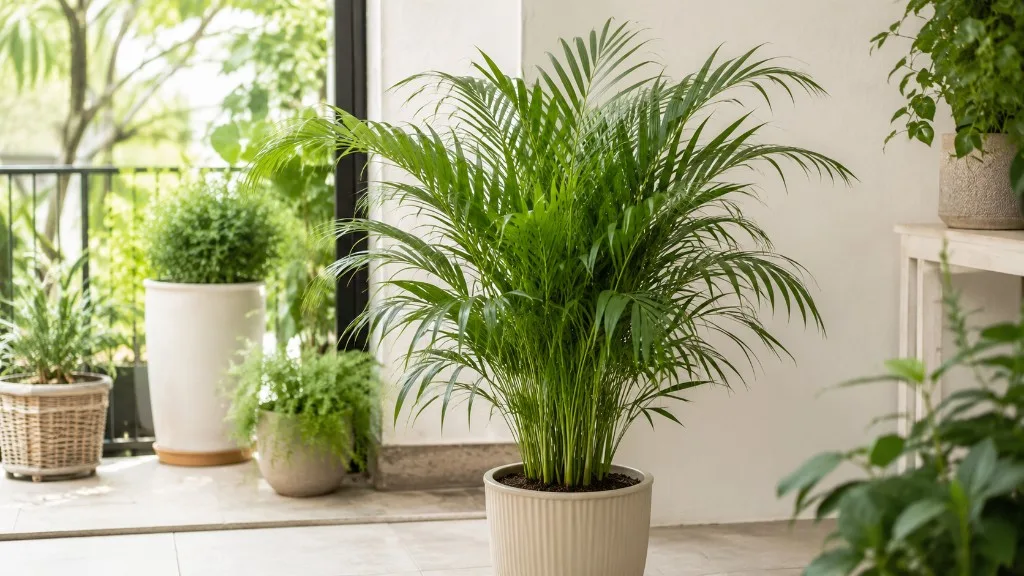
Parlor Palm Light Needs: Best Window, Sun & Warning Signs
Parlor Palm Light Needs: Best Window, Sun & Warning Signs
Chamaedorea elegans - the parlor palm, neanthe bella palm, or parlour palm - earned its Victorian nickname because it looked lush in rooms that would starve most houseplants. That history is not marketing fluff. It reflects real biology: this slow-growing palm evolved under the filtered canopy of rainforests in southern Mexico and Guatemala, where direct sun rarely hits the foliage for long stretches. Indoors, that translates into one of the most forgiving light profiles in the palm family. Low to bright indirect light covers most healthy homes, with north- and east-facing windows among the easiest placements and direct sun among the fastest ways to damage fronds.
The mistake I see most often is treating “low-light tolerant” as “any corner will do,” or the opposite error - parking a shop-grown palm in hot afternoon glass because palms “love sun.” Parlor palm sits in a practical middle band. It survives dim offices better than majesty palm or many areca types, yet it still produces the firmest, deepest green fronds when it receives bright, indirect light for much of the day. The Royal Horticultural Society recommends bright but indirect light for best growth and healthy green foliage, notes that partial shade is also acceptable with slower growth, and warns explicitly to avoid direct sun, especially in summer, because it scorches leaves. (RHS Growing Guide)
This guide focuses on placement decisions you can test in your own home: how much light parlor palm actually needs, why it outperforms other palms in low light, which windows work without modification, how to handle brighter exposures safely, when grow lights make sense, and how to read warning signs on new frond growth before yellowing or crisp edges spread.
How Much Light Parlor Palm Actually Needs
Parlor palm is not a single-number plant. Useful indoor light for Parlor Palm overview spans low indirect light through bright indirect light - ambient daylight that reaches the fronds without hard direct rays landing on leaf tissue for hours at a time. NC State Extension describes the native cultural range as dappled sunlight to deep shade, with indoor preference for bright indirect light near a north- or east-facing window when possible, and notes that parlor palm can adapt to low-light conditions in shaded or north-facing windows.
Think in terms of hours of usable brightness, not compass direction alone. A north window with open sky and no outdoor obstruction can deliver perfectly adequate medium indirect light all day. A south window blocked by a deep overhang may behave more like north light than its label suggests. What matters is whether the fronds receive soft, reflected, or filtered daylight strong enough to support photosynthesis without the heat load and UV intensity of unfiltered midday sun on glass.
For most homes, the target is several hours of bright ambient light daily, with tolerance for less in truly low-light rooms. The Missouri Botanical Garden notes parlor palm grows best in part shade to shade indoors and avoids direct sun - a flexibility few palms match indoors. That flexibility has limits. A windowless interior room is not a long-term home without supplemental lighting, and “low light” still means some daylight or artificial photons reaching the canopy.
Light also sets the pace for everything else in the care system. A palm in brighter indirect light dries its pot faster, uses nutrients more actively in warm months, and produces new spears on a steadier rhythm. A palm in dim light stays wet longer, grows slowly, and punishes overwatering that would have been harmless near a brighter sill. Treat light as the throttle, not an isolated checkbox.
The Short Answer for Busy Growers
If you only remember four rules, use these. Default placement: bright indirect light - east window, open north window, or three to six feet back from a sunny south or west window with a sheer curtain. Low light is tolerated, not ideal: parlor palm is one of the best low-light palms for offices and north rooms, but expect slower growth and thinner fronds, not nursery-lush density. Avoid direct sun on fronds: especially afternoon summer rays through south or west glass; scorch appears as bleached or crisp patches on sun-facing leaflets. Judge by new growth: the newest frond or leaflet cluster should emerge green, firm, and proportionate; persistent stretch toward glass, pale new tissue, or one-sided bleaching means adjust placement before changing water or fertilizer.
Give any placement change 10 to 14 days before calling it a failure. Parlor palm reacts slowly compared to coleus or pothos. Old damaged leaflets do not repair; only new spears tell you whether the current light is working.
Why Parlor Palm Handles Low Light Better Than Most Palms
Not all palms share the same indoor light budget. Areca, majesty, and many fan palms lean toward brighter exposures and show stress quickly when light is thin. Parlor palm’s advantage is structural and ecological: it is a understory species built for long periods of diffuse light, modest vertical stretch, and slow metabolic pace. RHS notes it grows naturally beneath larger trees in rainforest habitat - the classic recipe for a houseplant that tolerates the light levels found in living rooms, bedrooms, and offices away from the brightest sill. (RHS Growing Guide)
Victorian parlours were not dark by modern grow-light standards, but they were dimmer than a south-facing bay window at noon. Parlour palms stayed fashionable because they maintained green arching fronds without the crisp edge burn that sun-hungry palms suffer in those rooms. That same trait makes Chamaedorea elegans a reliable choice today for north-facing apartments, cubicles with fluorescent ambient light, and hallway tables that receive bounced daylight rather than direct beams.
The trade-off is honest: low-light tolerance buys survival and acceptable appearance, not maximum size. RHS describes parlor palm as naturally slow growing and compact, typically 30–60 cm (1–2 ft) indoors with potential to reach 120 cm (4 ft) over years in good conditions. (RHS Growing Guide) Low light keeps the plant alive and graceful; bright indirect light is what pushes toward the upper end of that size range and supports occasional small yellow flowers on mature specimens - a rarity indoors but more likely when light is adequate.
Do not confuse parlor palm with “no-light” plants. It beats most palms in dim rooms, but it is not a ZZ plant or cast iron plant for deep interior shade. If you cannot read a book comfortably without a lamp at noon near the pot, plan on a grow light rather than assuming palm genetics will compensate forever.
Rainforest Understory Origins and What That Means Indoors
In southern Mexico and Guatemala, Chamaedorea elegans experiences warm, stable temperatures and moist air under a broken canopy. Light arrives as moving patches - bright for minutes, softer for hours - rather than continuous direct beams. Leaflets are narrow and relatively thin compared to sun-adapted palms, which makes them efficient in diffuse light but vulnerable to photobleaching when suddenly exposed to harsh rays.
Indoors, mimic the pattern, not the jungle humidity. Give gentle, extended brightness rather than short bursts of direct sun. A sheer curtain converts punishing window light into something closer to understory diffusion. Pulling the pot one to two metres (three to six feet) back from a hot window achieves a similar effect by increasing the proportion of reflected room light to direct beam light. Either approach protects the frond architecture that makes this plant worth keeping in the first place.
Best Window Placement for Parlor Palm
Window direction is a starting guess, not a verdict. What counts is what the fronds receive, measured by observation over two weeks. Still, compass exposure helps you predict intensity and heat load before you scorch a plant.
Place the pot close enough that light lands on the canopy, not merely on the floor beside the table. Parlor palms are often sold as grouped clumps in one container; rotate the pot a quarter turn every week or two so all sides see similar brightness and the crown does not lean permanently toward the glass. Keep leaves from pressing against cold winter glass or hot summer glass - surface contact accelerates localized damage even when overall room light is acceptable.
North and East Windows: The Easiest Fits
A north-facing window is the classic parlor palm home in the northern hemisphere. Light is soft and indirect all day, without the summer heat spike that turns south glass into a lens. NC State Extension lists dappled sunlight and deep shade among acceptable indoor light levels for this species. NC State Extension likewise recommends north- or east-facing windows for optimal indoor light levels. (NC State Extension)
North windows work best when not heavily obstructed. Outdoor evergreens, porch roofs, or adjacent buildings can reduce north light to true low light. If new spears are pale or the crown stretches toward the pane, your north window may be weaker than the label implies - not wrong for the species, but a signal to move closer to the glass or add a small LED panel.
An east-facing window is equally friendly and often ideal for growth quality. Morning sun is bright but cooler than afternoon rays. Many growers successfully place parlor palm within a metre (three feet) of east glass without sheer curtains, receiving one to three hours of gentle direct morning light on the outer fronds. NC State Extension recommends bright indirect light near north- or east-facing windows as optimal indoor placement. Watch the outermost leaflets for light bleach during summer; if bleach appears, shift the pot slightly back or add a thin sheer during peak morning hours.
For both north and east, the “friendly” label assumes indoor culture: stable temperatures, no cold drafts on the crown, and watering adjusted to slower dry-down in dimmer exposures.
South and West Windows With Sheer Curtains or Distance
South- and west-facing windows can work when you manage intensity, not when you treat them like open-sky patio placements. Unfiltered south or west glass - especially afternoon west sun - concentrates enough energy to scorch parlor palm fronds within days, particularly in summer. RHS warns to avoid direct sun especially in summer for this reason. (RHS Growing Guide)
Successful south/west strategies:
- Hang a sheer curtain or light-filtering blind to convert direct beams into bright indirect light.
- Position the pot three to six feet back from the window so the canopy sits in strong ambient room brightness without sitting in the beam.
- Prefer south in winter when angles are lower and heat is milder; add diffusion in summer when glass temperature rises.
- Watch for one-sided stress: the fronds facing the pane bleach first while the shaded side stays green - a clear sign to reduce intensity, not to rotate harder and call it balance.
West windows demand more caution than south in hot climates because afternoon light carries higher heat load even when duration is shorter. If west is your only bright option, treat sheer diffusion as mandatory, not optional décor.
Direct Sun and Sunburn Risk on Delicate Fronds
Parlor palm should not live in direct sun indoors. Full stop for most homes. Brief morning touch on outer leaflets through east glass is the common exception when acclimated. Midday or afternoon direct rays - the kind that hit an unshaded south or west window - exceed what the leaflets tolerate.
The mechanism is straightforward. Direct sun drives leaf temperature and photon flux beyond what thin palm leaflets evolved to handle in understory shade. Cells in the sun-facing tissue lose water faster than roots can supply, pigments bleach, and margins crisp. Damage is often permanent on affected leaflets; the plant may survive, but the aesthetic cost is high on a slow-growing specimen.
The Missouri Botanical Garden describes parlor palm as suited to filtered sun and moist shady locations - with sheer curtains as a tool when the room is otherwise sunny. Do not rely on “it looked fine for a week” as proof. Sun stress can accumulate, showing as tip burn or patchy yellowing after the exposure event, especially if the root zone was slightly dry or the air was hot.
If you want a palm for a sunny conservatory, choose a different species bred for higher light, or keep Chamaedorea elegans on a shaded bench where trees or blinds break the beam. Parlor palm’s value proposition is grace in moderate light, not solar heroics.
What Sun Scorch Looks Like and How Fast Damage Appears
Sunburn on parlor palm rarely mimics underwatering at first glance, but growers confuse them because both can brown leaflet tips. Sun scorch is more often patchy, bleached, or yellow-white on the sun-facing side, sometimes with crisp texture in the center of a leaflet rather than only the tip. Outer fronds that press against hot glass show localized rectangles of damage aligned with the pane.
Timeline matters for diagnosis. Sudden moves from a dim shop to unfiltered south glass can produce visible bleach in two to five days in summer. Gradual summer angle changes may worsen an acceptable spring placement by June without you moving the pot - the beam simply creeps deeper into the room. If damage appears seasonally, suspect sun angle, not mysterious disease.
Response protocol: move the plant out of the beam immediately, do not fertilize burned tissue back to health, and wait for new spears before judging recovery. Trim fully dead leaflets for appearance if you wish, but avoid heavy pruning of partially green fronds the plant still uses for photosynthesis.
How Low Light Affects Parlor Palm Growth
Low light is where parlor palm separates from most of the palm aisle. It tolerates conditions that would weaken areca or majesty palm, which is why it remains a top pick for offices, apartments, and north rooms. RHS states parlour palms cope in light shade, with the caveat that too little light will cause leaves to yellow and growth to be poor. (RHS Growing Guide)
Interpret “cope” precisely. In low light, parlor palm typically:
- Slows vertical growth and may stay compact for years
- Produces smaller new leaflets on emerging spears
- Holds deeper green on older fronds while new growth looks slightly paler
- Leans toward the brightest vector - window, desk lamp, or hallway opening
None of those alone proves failure. Failure looks like chronic pale new spears, persistent lower frond yellowing from inability to sustain older leaves, or soil that stays wet for weeks because photosynthesis cannot drive water use.
The Missouri Botanical Garden emphasizes that low-light plant does not mean no light - parlor palms still need filtered daylight, even if they adapt to shade. A desk with only overhead fluorescent ambient may work if the fixture runs long hours and the canopy sits within a metre of the tubes, but a distant corner lit by a single bulb rarely qualifies.
When Dim Light Is Fine vs When It Becomes a Problem
Dim light is fine when the plant is stable: no progressive yellowing of new spears, no foul soil smell, fronds arch cleanly without collapsing, and the pot dries on a predictable schedule - even if that schedule is two to three weeks between waterings in winter.
Dim light becomes a problem when:
- New spears emerge pale, thin, or stunted for multiple months
- The crown stretches noticeably toward one light source
- Lower fronds yellow faster than the plant replaces them
- Soil stays soggy and roots decline despite ” careful” watering
- Pests - especially spider mites - appear; stressed, dusty, dry-air palms in dim corners are vulnerable
Upgrade path when problems appear: move closer to the brightest non-direct source, add a grow light for 10–12 hours daily, and reduce watering until you confirm faster dry-down. Changing all three at once makes troubleshooting impossible.
Using Grow Lights When Natural Light Falls Short
Natural north light plus office fluorescents carries many parlor palms for years. When windows are absent, obstructed, or seasonal daylight drops sharply, full-spectrum LED grow lights fill the gap without the heat of older incandescent bulbs. Target bright indirect equivalent, not stadium intensity.
Practical starting protocol:
- Choose a full-spectrum LED labeled for houseplants or seedlings; avoid narrow red/blue “blurple” panels unless they include adequate white diodes for natural-looking growth.
- Position the fixture 30–60 cm (12–24 inches) above the tallest fronds - far enough to avoid hot spots, close enough to matter.
- Run lights 10–12 hours daily on a timer; parlor palm does not need short-day manipulation indoors.
- Watch leaf temperature with your hand at canopy height after one hour; if the air feels ** noticeably warm**, raise the fixture.
Grow lights also help north rooms in winter at high latitudes when daylength shrinks. Supplement November through February if new spears stall, then taper as spring windows strengthen. Do not blast 16-hour days year-round unless you accept slightly faster growth and the watering adjustments that follow.
Fixture Height, Hours, and Spectrum for Steady Fronds
Height controls intensity faster than wattage labels. Start at 45 cm (18 inches) for a typical 20–40 watt SAN-style panel over a single tabletop palm, then adjust based on new spear color. Pale, stretched new growth with the light on means raise intensity carefully by lowering the fixture 5 cm at a time; bleach or crisp tips mean raise the fixture or shorten hours.
Hours near 12 daily mimic a reasonable indoor day. Parlor palm does not require photoperiod tricks to stay foliage-focused; it rarely blooms indoors anyway without bright, stable conditions.
Spectrum should read as white to the eye for your sanity and the plant’s balanced development. Monochromatic red-heavy light produces odd leaf color without meaningful benefit for a green foliage palm.
Integration tip: place the lamp offset, not directly between plant and window, when you have some natural light - combined sources are easier to tune than either alone at maximum.
Seasonal Light Changes and Indoor Daylength
Indoor parlor palms experience seasonal light shifts even when your thermostat stays constant. Winter lowers sun angle and daylength; summer increases beam penetration into north and east rooms. Many “mystery” yellowing events are seasonal placement drift, not sudden root rot on Parlor Palm.
In late autumn and winter, acceptable north placements may weaken. If growth stalls entirely and new spears stop emerging for eight to ten weeks, add supplemental light or move the pot closer to the glass while guarding against cold drafts. Reduce watering in parallel - lower light and cooler rooms both slow water use.
In late spring and summer, south and west exposures intensify. A spot that was perfect in January may bleach fronds by July as the sun climbs. Rehang sheers, shift the pot deeper into the room, or rotate the plant away from peak beam hours. RHS repeats the summer direct-sun warning for good reason - heat plus light compounds scorch. (RHS Growing Guide)
Track two dates on your calendar: June solstice and December solstice. Quick checks around those dates catch angle changes before damage becomes the plant’s new normal.
Warning Signs Your Parlor Palm Has the Wrong Light
Parlor palm communicates slowly. By the time lower fronds yellow, the light issue may have been building for weeks. Train your eye on new spears and the youngest leaflets - they are the live dashboard. Old fronds naturally age and brown at tips in dry air; do not rewrite placement based solely on bottom canopy senescence unless it accelerates suddenly across many fronds at once.
Use a simple split: too little light vs too much light. The fixes differ. Adding sun to a plant already bleaching is catastrophic; moving a dim, soggy palm closer to hot west glass without reducing water duplicates the failure in a new direction.
Too Little Light - Stretch, Pale Fronds, Wet Soil
Insufficient light signatures on parlor palm include:
- Crown lean toward the window or brightest corner within two to three weeks of placement
- Longer gaps between new leaflets on emerging spears - a stretched look even without obvious height gain
- Pale green or yellow-green new fronds that never deepen after unfurling
- Very slow spear emergence beyond the species’ normal slow pace - no new frond for many months in warm seasons
- Persistent wet soil because transpiration is low
- Increased spider mite risk in dry, dusty, dim offices
Fix sequence: increase brightness first - closer to north/east glass, or grow light - then adjust watering after you confirm faster dry-down. Fertilizing a dark, wet palm ** amplifies stress**.
Too Much Light - Bleach, Crisp Patches, One-Sided Burn
Excess light signatures include:
- Bleached or yellow-white patches on sun-facing leaflets, often crisp to the touch
- Brown tips appearing rapidly after a move to a brighter sill, especially south/west
- Curling or folding of leaflets during midday hours near unfiltered glass
- Asymmetric damage - one side of the plant scarred, the other pristine
- Spear collapse in extreme cases when heat and light combine with underwatering
Fix sequence: reduce intensity immediately - sheer curtain, distance, or move to east/north - then stabilize watering. Do not ” acclimate” by leaving scorching exposure in place hoping toughening occurs; parlor palm is not a cactus.
Browning leaf tips can trace to too much sunlight as well as underwatering - light belongs on your checklist before assuming drought (University of Florida IFAS).
How to Move or Acclimate Parlor Palm Safely
Sudden light jumps cause more parlor palm casualties than gradual drift. Shop palms often come from bright greenhouse shade - high diffuse light, no hot direct beams. Your home north window is dimmer but safe; your unfiltered west window is brighter and dangerous. Match the direction of change to the plant’s origin when possible.
Moving to brighter indirect light: shift the pot closer over 7–10 days - for example, from six feet back to three feet, then to filtered sill - rather than one leap to glass. If you add morning direct on east windows, increase exposure one hour at a time while checking outer leaflets daily.
Moving to lower light: easier for parlor palm than for sun-trained foliage, but reduce watering preemptively. Lower light means lower water demand; keeping the old bright-light schedule invites root rot.
After any move, wait 10–14 days before changing fertilizer, Parlor Palm repotting guide, or pruning heavily. One variable at a time preserves clarity. Rotate weekly for even crown development, but do not rotate daily in high light - you may equalize sunburn instead of preventing it.
Quarantine new purchases in stable medium light for the first two weeks while you learn dry-down speed. The temptation to showcase a fresh palm in the sunniest room is how summer scorch starts.
Conclusion
Parlor palm light needs are forgiving but not formless. Low to bright indirect light covers the healthy range, with north- and east-facing windows as the most reliable defaults and direct sun as the main thing to avoid - especially on south and west glass in summer, where fronds bleach and crisp faster than roots can compensate. Among common indoor palms, Chamaedorea elegans remains one of the best choices for low-light rooms, offices, and filtered bright spaces alike, provided you distinguish survival from thriving and adjust watering when light drops.
Place the pot where new spears emerge green and firm, use sheer curtains or distance to soften harsh windows, add a full-spectrum LED when natural light is thin, and read new frond behavior before rewriting the whole care plan. Get light roughly right and parlor palm rewards you with slow, steady arching fronds that still look at home in a modern parlour - no direct sun required.
When to use this page vs other Parlor Palm guides
- Parlor Palm overview - Start here for whole-plant context before deep-diving this topic.
- Parlor Palm problems hub - Jump to symptom-specific fix guides when this care topic does not resolve the issue.
Related Parlor Palm guides
- Parlor Palm overview
- Parlor Palm watering
- Parlor Palm soil
- Parlor Palm propagation
- Parlor Palm fertilizer
- Parlor Palm repotting
- Parlor Palm problems
Related tool
Try the Plant Problem Diagnosis Tool with parlor-palm pre-selected to estimate needs for your setup.