Parlor Palm Repotting: When, How, and Mistakes to Avoid
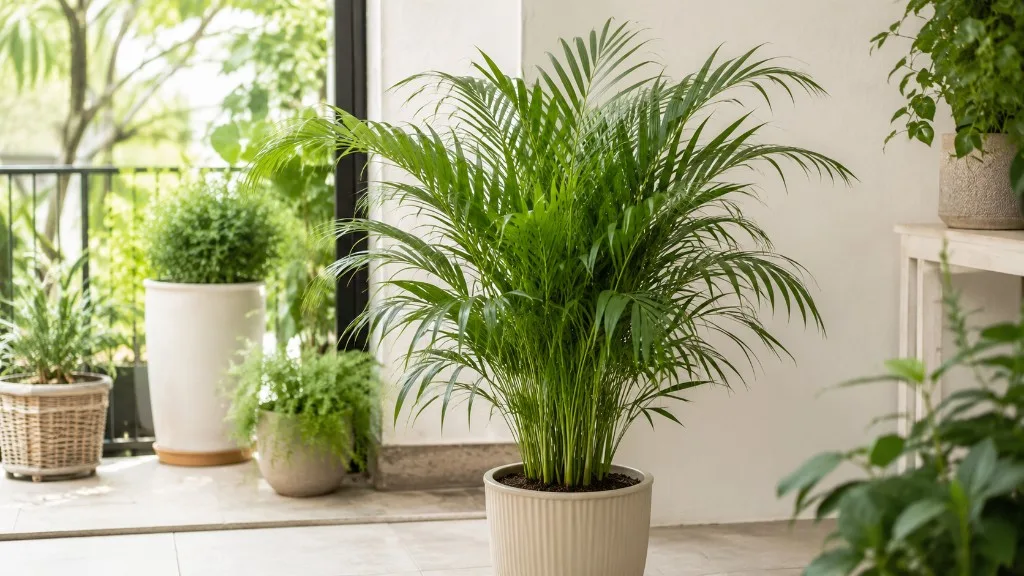
Parlor Palm Repotting: When, How, and Mistakes to Avoid
Parlor Palm Repotting: When, How, and Mistakes to Avoid
A parlor palm that yellows for weeks after a pot change, sheds lower fronds, or sits in wet soil doing nothing is usually not a difficult plant. It is a slow-growing understory palm that was repotted too often, into a container that was too large, or with more root disturbance than its shallow, fibrous root system can absorb. Chamaedorea elegans-the parlor palm, also sold as Neanthe Bella palm-evolved on the dim rainforest floor of Mexico and Guatemala, where it spreads through thin leaf litter with modest roots that prefer stability over constant upheaval. Get the timing, pot size, soil, and handling right and the same plant that looked stunned after transplant will push new fronds within a month. Get them wrong and you may wait half a year for recovery that never fully arrives.
This guide covers every decision that matters: when repotting is actually necessary versus when patience is the better tool, why spring is the safest window, how to choose a pot one size up without drowning the roots, the soil blend that drains fast enough for indoor life, the step-by-step procedure built around minimal root disturbance, and the post-repot care that determines whether the plant settles cleanly. Guidance is grounded in botanical references including the Missouri Botanical Garden, NC State Extension, and RHS Chamaedorea guide.
Why Parlor Palm Repotting Requires Restraint
Most houseplant advice assumes that bigger pots and fresh soil always equal faster growth. Parlor palm breaks that assumption in two ways. First, it is one of the slowest common indoor palms, adding height and fronds at a measured pace even under ideal conditions. Second, its roots are shallow, fine, and easily damaged-qualities that make the plant sensitive to transplant shock in a way a pothos or spider plant is not. RHS recommends repotting only when the plant is genuinely root-bound or the soil has degraded. For Chamaedorea elegans, that usually means every two to three years, not every spring on autopilot.
The practical takeaway is simple: repotting is maintenance you perform when the root zone or soil structure demands it, not a growth hack you schedule because the calendar turned. A healthy parlor palm in a well-draining mix can look unchanged for months while quietly extending roots below the surface. Disturbing that system without a clear reason costs the plant energy it would otherwise spend on fronds.
Chamaedorea elegans and Its Shallow, Sensitive Root System
In its native understory habitat, parlor palm grows among decaying leaves and thin humus-not deep, waterlogged soil. The Missouri Botanical Garden describes Chamaedorea elegans as a small palm typically reaching about 4 feet tall as a houseplant, with a clustering habit and fibrous roots that spread horizontally rather than diving deep. Those fine root hairs are the plant’s water-and-nutrient interface. They are also the first tissue damaged when a gardener washes the root ball aggressively, bare-roots the plant, or teases apart a dense mat too enthusiastically.
Indoors, the closest analogue is a well-aerated potting mix in a container with drainage holes, kept evenly moist but never saturated for days. Repotting is your opportunity to refresh that environment before salt buildup, compaction, or circling roots restrict function. It is not an invitation to rebuild the entire root system from scratch. The less you break, the faster the plant recovers.
Parlor palm also stores limited reserves in its stems and existing fronds, which is why it can look stable on top while roots below are struggling-and why post-repot setbacks show up as lower frond yellowing before the crown fails. Treat the roots as the priority during every step of the process.
Why Slightly Root-Bound Palms Often Perform Better
Here is the counterintuitive part that separates parlor palm care from fast-growing tropicals: these plants often perform well when their roots are somewhat snug in the pot. RHS notes that Chamaedorea palms do best when not overpotted and should only be repotted when root-bound - sometimes as infrequently as every three years. NC State Extension describes the species as multi-stemmed with a slow growth rate and shallow roots that dislike frequent disturbance.
That does not mean you should never repot. It means you should repot less often, into only slightly larger pots, and with a clear diagnostic reason-not because you bought a prettier container or read that “spring is repotting season” for all houseplants. Jumping two sizes up because you want the palm to “grow faster” usually backfires: the extra soil holds moisture the modest root mass cannot use, oxygen drops around the crown, and establishment slows to a crawl. Many experienced growers refresh the top few inches of mix annually and defer full repotting until roots clearly demand it.
When to Repot Parlor Palm: Signs You Actually Need It
Parlor palm is patient. It can hold green fronds while the soil below quietly degrades for years. The signs below are worth checking each spring, especially if your plant has not been repotted in three or more years. You are looking for evidence that the root zone or substrate has become the limiting factor-not a single yellow leaflet that might trace back to watering or light instead.
Roots emerging from drainage holes in significant numbers. A single white root tip exploring the hole is normal curiosity. Several thick roots curling out of multiple holes, or a dense mat visible when you lift the plant, means the container is full.
Water runs straight through the pot within seconds. When the root mass displaces most of the soil volume, irrigation has nowhere to linger. The plant may wilt between waterings even though you are watering on schedule.
The mix dries out within one to two days of a thorough soak. Same underlying problem viewed from the other direction: too little functioning soil for the root mass you have.
Growth has stalled during spring and summer despite good care. If no new fronds appear, existing spears stop opening, and light, water, and temperature are reasonable, depleted or compacted soil may be the limit.
The soil has broken down. Pull back the top layer. If the mix smells sour, looks like fine mud, or has collapsed into a dense brick that repels water, it is time for fresh substrate regardless of how the fronds look.
Salt crust or chronic leaf-tip burn despite conservative feeding. Mineral buildup in old mix is a legitimate reason to repot, not just to add more fertilizer on top.
The plant is unstable or top-heavy relative to the pot. A tall cluster in a small container that tips easily may need a slightly wider base-not necessarily a much deeper pot.
Root, Soil, and Growth Signals That Mean It Is Time
Two signs deserve a closer look because beginners misread them. Lower frond yellowing alone is not a repotting trigger. Parlor palms naturally shed older fronds over time, especially lower ones, and repotting a plant that is otherwise healthy often adds stress without fixing the symptom. Look for root or soil problems to corroborate the decision.
Slow growth is normal for Parlor Palm overview. Chamaedorea elegans is not a philodendron that doubles in size each summer. NC State Extension lists a slow growth rate and mature height of 2 to 7.5 feet depending on conditions. Use stalled growth as a signal only when it represents a change from the plant’s own baseline during the active season, not when you compare it to faster houseplants on the same shelf.
When two or more root-zone signs appear together-roots at the holes, fast dry-down, and water channeling through-you have a strong case for repotting in the next spring window.
When an Emergency Repot Cannot Wait
The ideal window is spring through early summer, when lengthening days and warmer temperatures support root repair. Two situations override that schedule.
Active root rot on Parlor Palm. Soft, dark roots when you probe the surface, a sour smell from the mix, or fronds collapsing from the base mean you need to unpot immediately, trim damaged tissue, and repot into fresh, barely moist mix-regardless of season. Delaying lets rot climb the stem.
Severe overpotting or a sealed container. If the plant sits in a pot with no drainage, or in a vessel so large that the mix never dries, treat it as urgent. The seasonal ideal matters less than stopping chronic waterlogging.
Emergency repots in late fall or winter carry more risk because the plant is not in active growth and soil stays wet longer in cooler rooms. If you must repot off-season, use the smallest appropriate container, the chunkiest mix you can manage, water lightly once, and keep temperatures in the 65–80°F range with Parlor Palm light guide. Accept that recovery may take longer than a spring repot.
Best Time of Year and How Often to Repot
The single most important timing rule for parlor palm: repot in spring when the plant is entering active growth, not during the low-light, cool months when roots barely function. RHS recommends repotting root-bound plants in spring. University of Florida IFAS notes that parlor palm can be repotted year-round in frost-free zones but rebounds fastest when repotted during active growth - in the Northern Hemisphere, that generally means March through May, with early summer as a workable backup if spring passed before you noticed a problem.
Avoid repotting in late fall and winter unless you are responding to rot or another emergency. NC State Extension lists USDA zones 10a–12b as the outdoor hardiness range - indoors in cooler seasons, repotting increases shock risk because the plant lacks the metabolic momentum to repair torn roots quickly. Short days, cooler room temperatures, and lower evaporation rates all keep fresh mix wetter around the root zone for longer-exactly the condition parlor palm roots tolerate least.
Frequency: most healthy parlor palms need repotting every two to three years, not annually. RHS suggests repotting may be needed only every two to three years when the plant becomes root-bound. The spread reflects how snug you are willing to let the plant stay and how quickly your mix breaks down in your watering routine. A plant that is thriving, pushing occasional new fronds, and draining normally can wait. A plant with degraded soil or roots circling the pot cannot.
Between full repots, top-dressing-scraping out the top inch or two of old mix and replacing it with fresh soil each spring-can extend the interval by another year without disturbing the root ball. That is often the smarter move for a palm that looks good but has not been refreshed in a while.
Choosing the Right Pot: Size, Material, and Drainage
Three decisions define the container: diameter, material, and whether water can leave the bottom. The last one is not negotiable. Every credible source requires a drainage hole for Chamaedorea elegans. A decorative pot without one is a long-term rot trap, no matter how carefully you water.
The One-Size-Up Rule and Why Oversized Pots Cause Rot
When the plant has genuinely outgrown its container, move up only one pot size - about one to two inches (2.5–5 cm) wider in diameter than the current pot. Missouri Botanical Garden notes that as a houseplant this palm usually grows to about 4 feet tall - modest root colonization makes oversized pots a common rot trigger.
The biology behind the rule is straightforward. Parlor palm roots colonize soil slowly. A jump from a 6-inch pot to a 10-inch pot surrounds a modest root ball with a reservoir of wet mix it cannot occupy for months. Oxygen stays low in that unused zone, fungi multiply, and the roots you actually disturbed during repotting sit in the worst part of the profile. One size up gives room for two or three years of slow growth without creating a swamp.
Depth matters less than width for this species. Parlor palm roots are shallow. A deep pot full of unused mix at the bottom is another version of the overpotting problem. Choose a pot that matches the root ball’s width more than the frond height.
If the plant is root-bound but you want to avoid upsizing-for example, because shelf space is fixed-trim only the bottom quarter-inch of circling roots and repot into the same container with fresh mix. That is a valid alternative to sizing up, provided you do not remove more than a small fraction of the root mass.
Terracotta, Plastic, and Non-Negotiable Drainage Holes
Unglazed terracotta is an excellent default indoors because porous clay wicks moisture through the walls, helping the root zone dry evenly between waterings. That extra evaporation is forgiving if you tend to water generously.
Plastic works well and is lighter for larger specimens on shelves. It dries more slowly, so pair it with extra perlite in the mix and a lighter hand on the watering can.
Glazed ceramic is acceptable with a drainage hole but behaves like plastic: less airflow through the walls, longer dry-down times.
Whatever material you choose, verify the drainage hole is open-not plugged by a factory sticker or a layer of gravel. Skip the myth that gravel at the bottom “improves drainage.” It creates a perched water table that keeps the root zone wetter, not drier. If you use a decorative cachepot, grow the palm in a plain nursery pot with holes and lift it out to water.
The Best Soil Mix for Parlor Palm Repotting
Soil is the variable that determines whether repotting succeeds or triggers rot within weeks. The target is a mix that holds moisture for several days-parlor palms do not want to go bone dry-but drains fast enough that the roots never sit in stagnant water.
Why Heavy Mix Sets Up Root Rot
Standard indoor potting soil straight from the bag is often too fine and moisture-retentive for palm roots in enclosed rooms. Fine peat particles compact over time, reducing the air pockets roots need. In an unchanged heavy mix, water lingers around the crown, oxygen drops, and fungal rot follows. Parlor palms are frequently killed by kindness: too much water in soil that cannot breathe.
Garden soil or outdoor topsoil is an even worse choice indoors. It compacts, carries pests and pathogens, and rarely dries predictably in a pot. University of Florida IFAS recommends organic soil and shaded indoor placement for parlor palm - never heavy garden soil in a container.
Commercial palm mixes or houseplant blends amended with perlite solve most of the problem. The goal is structure you can see and feel: chunky particles that stay open after repeated watering.
A Proven Indoor Palm Blend
A reliable starting blend used by many experienced growers combines:
- 2 parts indoor potting soil or peat-free houseplant mix - supplies organic matter and slow moisture release
- 1 part perlite - creates pore space and prevents compaction
- 1 part coco coir or fine orchid bark - improves drainage and keeps the mix airy
For plastic pots or humid climates, lean slightly perlite-heavy. For terracotta in dry indoor air, the 2:1:1 ratio above retains enough moisture without going soggy. If you buy a pre-made palm mix, stir in a handful of extra perlite per quart. The finished mix should feel loose when you squeeze it, not like uniform mud.
pH in the 5.5–7.0 range suits Chamaedorea elegans and matches what most quality peat-free potting blends already provide. You do not need specialty additives for a typical repot.
Step-by-Step: How to Repot Parlor Palm With Minimal Root Disturbance
The procedure is straightforward once soil, pot, and timing are settled. The highest-risk moments are pulling on fragile fronds, washing away the entire root ball, burying the plant too deep, and watering too heavily before roots recover.
Preparing the Plant and Removing It Safely
Water lightly one day before repotting, not the morning of the job. RHS and palm production guides recommend lightly moist soil at repot time because it holds the root ball together without smearing. Soggy soil makes the plant heavier, tears fine roots, and increases rot risk if you cannot repot immediately.
Gather a clean workspace, fresh mix, the new pot, and sterilized scissors. Lay down newspaper or a tray because old mix will spill.
Turn the pot on its side and slide the plant out by supporting the root ball with your hand, not yanking fronds. If the pot is stuck, squeeze flexible plastic sides or run a dull knife around the inner edge once. Never pull individual stems; they break at the base and open wounds that rot easily.
Once out, leave most of the existing soil attached. The goal is not a bare root ball. Parlor palm fine root hairs cling to the old mix; stripping them sets recovery back weeks.
Gentle Root Handling and Proper Planting Depth
Brush away only loose, degraded soil from the sides and bottom-enough to see what you are working with, not enough to expose every root. Healthy parlor palm roots are white to light tan and firm. Trim only black, mushy, or foul-smelling roots with clean scissors. If the root ball shows a dense circle at the bottom, gently loosen the outer layer with your fingers-no aggressive fork work, no power washing, no bare-rooting unless you are treating active rot.
Add an inch or two of fresh mix to the new pot. Set the plant so the base of the stems sits at the same depth as before. Burying the crown lower than it originally grew invites stem rot where fronds meet soil. There should be roughly half an inch to an inch of space between the soil surface and the pot rim for watering room.
Fill around the sides with mix, using a chopstick or pencil to settle soil into gaps without compacting the center. Firm the surface lightly with fingertips and stop. The plant may wobble slightly until new roots anchor; that is normal in a correctly sized pot.
Water lightly once until a small amount runs from the drainage hole, then stop. This first watering settles mix around roots; it is not a deep soak. Place the palm back in bright indirect light-the same exposure it had before, not a brighter spot “to help it grow.”
Post-Repotting Recovery: Watering, Light, and Feeding
The four to six weeks after repotting determine whether your work sticks. Parlor palm forgives a lot, but it does not forgive wet soil on torn roots, cold drafts, or fertilizer on a healing root system.
Watering: resume your normal schedule only after the top two to three centimeters of mix feel dry to the touch. During the first two weeks, err slightly dry rather than wet. Overcompensating with extra water is one of the most common post-repot errors and shows up as yellow lower fronds and limp spears within days. Empty the saucer after every watering so the pot never sits in standing water.
Light: keep the plant in medium to bright indirect light for the first two weeks. A north- or east-facing window, or several feet back from a south window, is ideal. Direct sun on a stressed root system accelerates water loss faster than the roots can replace it, and sunburn on fronds is permanent.
Temperature and humidity: aim for 65–80°F and avoid cold drafts from windows or hot blasts from heating vents. Average indoor humidity of 40–60% is acceptable; parlor palms adapt to typical homes when watering is disciplined. Extra humidity helps but is not required if you avoid overwatering.
Fertilizer: hold all feeding for at least four weeks, and many growers wait six weeks. Fresh mix contains residual nutrients, and salts on healing roots cause tip burn. Resume a diluted balanced houseplant fertilizer only after you see a new frond opening cleanly.
What to expect: mild transplant shock-slight droop on outer fronds, a brief pause in new growth for one to two weeks-is normal. Lower fronds may yellow and drop; do not panic unless the crown spear collapses or multiple fronds brown simultaneously. New growth is the clearest recovery signal. Damaged fronds will not green up again, but a healthy spear pushing from the center means the roots are re-establishing.
Division note: spring repotting is also when some growers divide a multi-stem cluster for propagation, cutting offsets with roots attached. That is a separate, more invasive procedure than a routine repot. Only divide if you accept that each section will need the same gentle recovery routine-and that not every offset survives.
Common Repotting Mistakes and How to Fix Transplant Shock
Most post-repot problems trace back to a short list of avoidable errors.
Repotting on a fixed calendar instead of diagnostic signs. Annual repotting “because it is spring” disturbs roots that did not need moving. Wait for root-bound or soil-degradation signals.
Choosing a pot two or more sizes larger. Excess wet soil around a small root mass causes slow rot and stalled growth. Go one size up, or refresh mix in the same pot.
Bare-rooting or aggressively washing the root ball. Stripped fine root hairs cannot absorb water efficiently for weeks. Keep most original soil attached and tease only the outer circling layer.
Using heavy garden soil or unamended potting mix. Dense substrates stay wet too long. Add perlite and bark, or use the blend above.
Watering heavily every few days after repotting. Torn roots plus wet soil equals fungal infection. Let the top layer dry between light waterings.
Burying the crown deeper than it grew before. Stem bases rot where they touch soggy mix. Match the original planting depth exactly.
Pulling fronds instead of supporting the root ball. Broken stems are open wounds. Always unpot from the container side.
Fertilizing in the first month. Salt burn on healing roots sets growth back further than no feed at all.
Repotting a stressed plant for unrelated symptoms. Yellow fronds from overwatering, cold drafts, or low light will not be fixed by a new pot. Correct the underlying care issue first unless roots or soil are clearly the problem.
Mild transplant shock-slight frond droop or a brief growth pause-usually self-corrects if you keep conditions stable and avoid overwatering. Severe wilting with a collapsing crown after repotting suggests rot or catastrophic root damage. Unpot, trim all soft tissue back to firm stem and healthy root, let the plant dry on a paper towel for several hours, and repot into fresh, barely moist mix in the smallest appropriate container. Restart the no-fertilizer waiting period and keep light indirect.
If lower fronds drop but the central spear is firm and the soil dries on a normal schedule, the plant is often reallocating resources rather than dying. Maintain the recovery routine and watch for new frond emergence within three to six weeks after a spring repot.
Conclusion
Parlor palm repotting is less about giving the plant room to explode in size and more about refreshing the root zone on a schedule the plant actually tolerates. Repot every two to three years, or sooner only when roots crowd the pot, the mix has collapsed, or drainage has failed. Do the work in spring through early summer, when active growth gives the plant the best chance to repair disturbed roots, and avoid winter repots unless rot or another emergency leaves no choice.
Use a container one size up with a drainage hole-or the same pot with new mix if space is fixed. Fill it with a well-draining indoor blend of potting soil, perlite, and coco coir or bark, not garden dirt and not straight peat. Handle the root ball gently, keep the crown at the same depth, water lightly once to settle the mix, then return to a disciplined dry-down schedule. Hold fertilizer for at least a month and keep the plant in bright indirect light while it settles.
Follow that sequence and repotting becomes quiet maintenance instead of a multi-month setback. The lower fronds may shed; that is normal. What matters is the center spear: when it opens again, your parlor palm is back on the slow, steady track that made it a Victorian parlor favorite in the first place.
When to use this page vs other Parlor Palm guides
- Parlor Palm overview - Start here for whole-plant context before deep-diving this topic.
- Parlor Palm problems hub - Jump to symptom-specific fix guides when this care topic does not resolve the issue.
- Root Rot on Parlor Palm - Escalate here when repotting adjustments are not enough.
Related Parlor Palm guides
- Parlor Palm overview
- Parlor Palm watering
- Parlor Palm light
- Parlor Palm soil
- Parlor Palm propagation
- Parlor Palm fertilizer
- Root Rot on Parlor Palm
- Parlor Palm problems
Related tool
Try the Pot Size Calculator with parlor-palm pre-selected to estimate needs for your setup.