Parlor Palm Care: Light, Water, Soil & Tips
Chamaedorea elegans
Parlor Palm needs bright to low indirect light, watering every 7–10 days when top 3–5 cm is dry, and 40–60 % humidity. Non-toxic to pets - an excellent pet-safe indoor palm.
Parlor Palm Care: Light, Water, Soil & Tips
Start with wateringThe most common care mistake for Parlor PalmWatering guide →Parlor Palm care essentials
Light
medium indirect light, low indirect light, bright indirect light
Water
Every 7–10 days - allow top 3–5 cm to dry. Every 14 days in winter. Avoid chronic overwatering.
Soil
Standard potting mix + 20 % perlite. Well-draining. pH 5.5–7.0.
Humidity
40–60%
Temperature
18–27°C (65–80°F)
Fertilizer
Feed lightly during active growth. Use monthly during spring and summer.
About Parlor Palm
Parlor Palm has a upright growth habit.
| Detail | Information |
|---|---|
| Growth habit | Upright |
| Scientific name | Chamaedorea elegans |
Parlor Palm Care: Light, Water, Soil & Tips
What Is Parlor Palm?
Parlor palm is a compact, slow-growing palm grown for arching green fronds that soften a room without demanding a sun-drenched window or a daily watering ritual. The accepted scientific name is Chamaedorea elegans, though older books and tags may still list Neanthe bella palm, good luck palm, or dwarf mountain palm. All of those names refer to the same species for practical care purposes, and the advice below applies regardless of which label is printed on your pot.
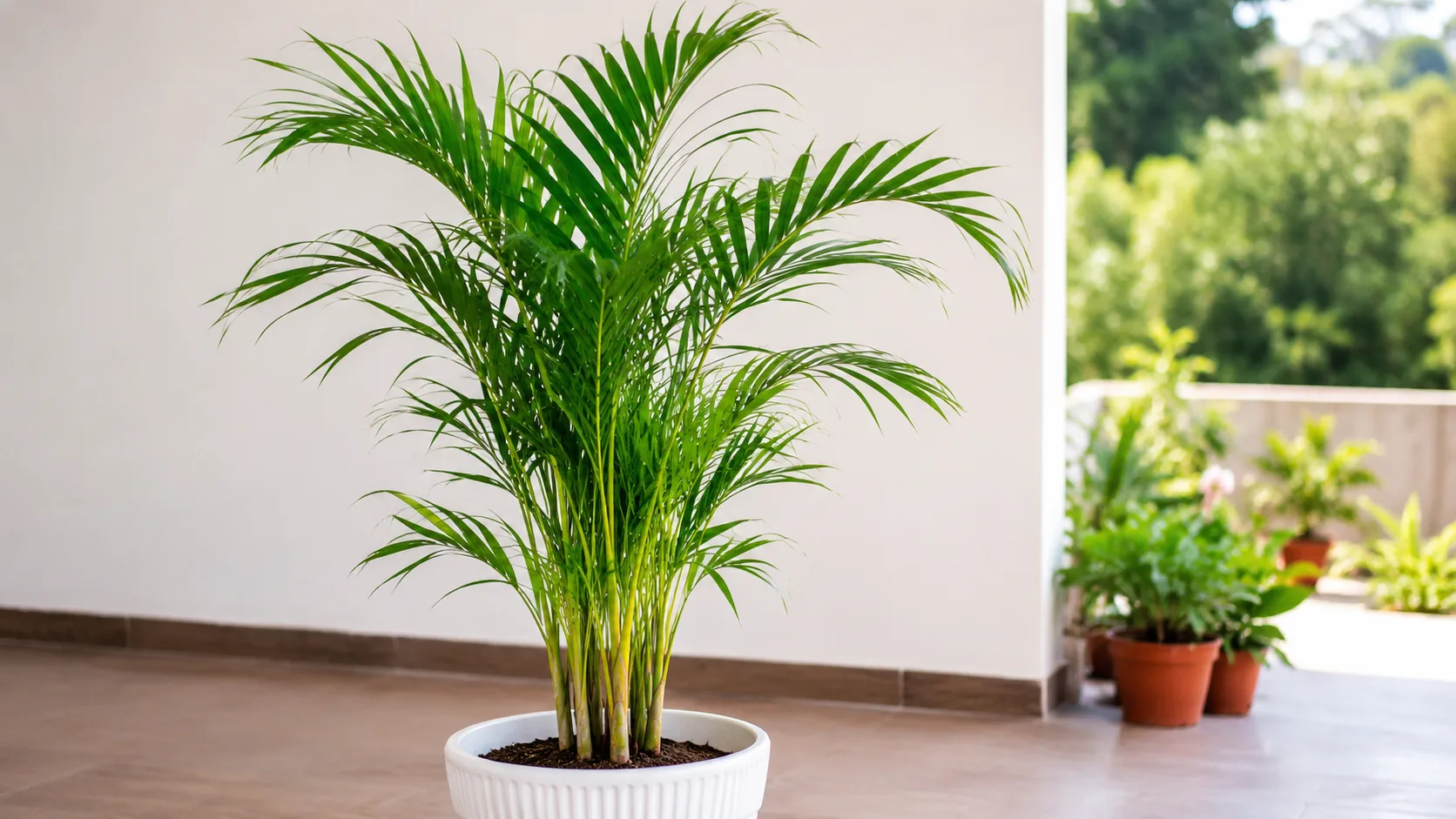
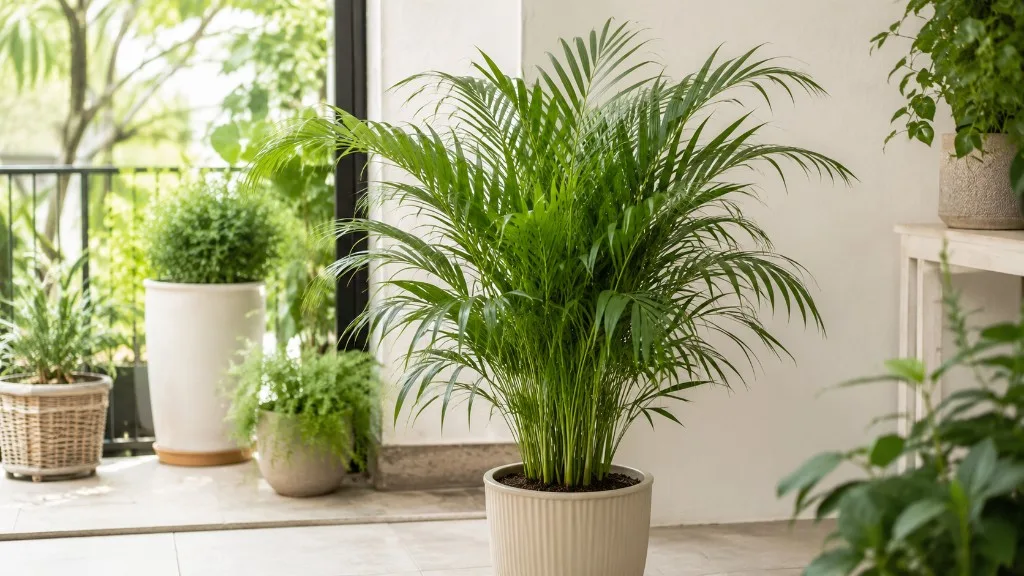
Indoors, parlor palm typically reaches 2 to 4 feet (60 to 120 cm) over many years, sometimes taller in very favorable conditions, with a clumping, upright habit of thin cane-like stems topped by feathery, divided fronds. Growth is slow by houseplant standards - often just one to four new fronds per year depending on light - which is a feature, not a flaw, if you want a palm that stays manageable in a living room or office. Most retail pots contain several seedlings planted together; over time the strongest stems dominate while weaker neighbors fade, leaving a few long-lived trunks that can persist for decades in the same container when care is consistent.
If you are deciding whether parlor palm fits your home, the honest summary is this: it tolerates lower light than almost any other common indoor palm, it is verified non-toxic to cats and dogs by the ASPCA, and it rewards patient, root-conscious watering - but it punishes soggy soil, heavy-handed Parlor Palm repotting guide, and the assumption that all palms want bright sun. It is easier than an areca palm in dry air and harder than a snake plant in every way that involves waiting. The payoff is a plant with genuine historical charm, a soft tropical silhouette, and a track record of surviving the dim corners where most foliage plants give up.
Botanical Background and Victorian History
Parlor palm belongs to the family Arecaceae - the true palm family - native to the rainforest floors of southern Mexico and Guatemala, where it evolved under dense canopy shade, steady humidity, and filtered light. That understory origin is the single most important fact about its indoor behavior. Unlike sun-hungry palms from open coastlines, Chamaedorea elegans is built to photosynthesize efficiently in low to moderate light and to grow slowly on modest root resources. When you place it in a north-facing office or a Victorian-style parlor with filtered daylight, you are closer to its native niche than when you put it in a south window.
The common name parlor palm is not marketing fluff. During the Victorian era (1837–1901), when exotic plants became fashionable in middle- and upper-class homes on both sides of the Atlantic, this palm earned its place in the parlor - the best room reserved for entertaining guests. Victorian interiors were often dark by modern standards: heavy drapes, coal-heated air, and limited glazing meant many rooms received far less light than today’s open-plan spaces. Parlor palm survived anyway, which made it a status symbol as much as a decoration. Botanical references describe Chamaedorea elegans as tolerating deep shade and dappled sunlight better than most tropical imports - a trait that explains its Victorian parlor popularity in dim, often unheated rooms better than most sun-hungry palms of the period (RHS Chamaedorea guide).
You may also encounter the older synonym Neanthe bella, which some gardeners still consider more elegant. Retail naming lags behind taxonomy, and nursery tags occasionally confuse parlor palm with unrelated “bamboo palms” or miniature fishtail palms. For care and especially for pet safety verification, rely on the botanical name Chamaedorea elegans rather than common names alone. One critical confusion to avoid: sago palm (Cycas revoluta) is not a true palm and is highly toxic to pets. Always confirm the scientific name before assuming any palm-shaped plant is safe around animals.
Parlor palm gained a second wave of attention in the 1990s when NASA’s interior-landscape study highlighted it among plants that help filter certain indoor air pollutants. That research is often oversold as a reason to buy houseplants, but it reinforced what Victorian growers already knew intuitively: parlor palm is a dual-purpose room plant - attractive and well suited to the conditions where people actually live, not just where plants look best on Instagram.
Why Delicate Roots Define the Care
The care mistake that kills more parlor palms than any pest is treating the root system like a tough succulent’s. Parlor palm roots are fine, fibrous, and easily damaged by compacted soil, oversized pots, and chronic wetness. In the wild, roots spread shallowly through leaf litter that drains fast after rain while staying evenly humid at the surface. In a pot, the equivalent is light, airy mix that dries on a predictable rhythm - not a schedule, but a pattern you learn by checking.
Because roots are delicate, parlor palm recovers slowly from insult. Overwater once in low light and yellow fronds may not appear for weeks; by then root tissue has already declined. Repot into a container two sizes too large and the extra wet mix around unused space invites rot before new roots can colonize it. Disturb a root ball aggressively during division and the plant may sit visibly unchanged for months while it rebuilds below soil level. The practical takeaway is conservative: protect roots first, optimize frond count second. A parlor palm with fewer perfect fronds and healthy white roots will outlive a lush-looking plant sitting in sour, waterlogged mix.
The slow growth habit connects directly to root metabolism. In dim corners, parlor palm may push only one or two new fronds per year and use water slowly. In Parlor Palm light guide near an east window, three or four fronds and slightly faster soil dry-down are realistic. Neither rate is “wrong.” The error is watering on a summer calendar when the plant is in a winter-light pocket, or repotting because the plant looks small when the real limitation is light, not root space.
Best Growing Conditions for Parlor Palm
Parlor palm does best when your space approximates the warm, shaded, humid rhythm of a tropical forest floor. The four variables that decide almost every outcome are light, water, soil, and temperature. Align those and feeding, repotting, and occasional division become routine maintenance. Misalign any one - especially water in low light - and the plant declines on a delay that makes diagnosis harder than it should be.
Light Requirements
Parlor palm grows best in bright indirect light but tolerates lower light better than most indoor palms. A practical placement range runs from filtered east or north windows to several feet back from a sheer-curtained south or west exposure. Direct midday sun on unacclimated fronds causes bleaching, scorch, and crisp brown patches on the sun-facing side; leaves formed in low light burn easily if you move the pot suddenly into harsh afternoon rays. Acclimate over one to two weeks by stepping the plant closer to the window in stages.
Low light is where parlor palm earns its reputation. It can survive in dim offices, interior hallways, and north-facing rooms where areca and kentia palms would thin out and stop growing. The trade-off is explicit: survival is not thriving. In very low light expect paler fronds, wider spacing between leaves on each stem, and slower soil dry-down, which means you must water less, not more, to compensate for reduced photosynthesis. If new spears fail to open for more than a season, the plant is telling you it wants brighter ambient light - not fertilizer.
The fastest diagnostic for incorrect light is new frond quality, not old damage. A healthy parlor palm produces firm, evenly green leaflets on upright spears. Small, pale, or slow-opening fronds suggest insufficient light. Yellow-bleached patches or curled fronds at midday suggest too much direct sun. Rotate the pot quarterly so clumps grow evenly rather than leaning toward the window. If natural light is weak in winter, a full-spectrum grow light on a 10–12 hour timer, positioned 12–24 inches above the canopy, prevents the gradual fade and stretch that appears on parlor palms kept far from windows between November and February in northern latitudes.
Compared with other common indoor palms, parlor palm is the most forgiving in low humidity and lower light. Areca palm (Dypsis lutescens) wants brighter exposure and humidity above roughly 60% to stay pristine indoors. Kentia palm (Howea forsteriana) tolerates shade but is more sensitive to overwatering. Parlor palm sits in the middle: less demanding than areca, slightly more tolerant of dry air than kentia, and uniquely suited to the “I have a desk and a north window” scenario.
Temperature and Humidity
Parlor palm prefers stable indoor temperatures between 65 and 80°F (18 and 27°C) during active growth. It tolerates brief dips slightly below that range but suffers in cold drafts below about 55°F (13°C) and loses vigor near hot radiators, heat vents, and AC blasts that desiccate fronds within hours. The RHS plant guide for Chamaedorea emphasizes warmth and indirect light as the baseline for long-term indoor success. Keep the pot away from frequently opened doors in winter and from single-pane window ledges where leaf tips can frost-touch glass on cold nights.
Humidity is helpful but secondary to light and watering for Parlor Palm overview. Parlor palm tolerates 40 to 50% relative humidity - typical of many heated homes - better than areca or majesty palms, though 40 to 60% produces the cleanest leaf margins. Very dry air below about 30%, especially combined with warm forced-air heat, encourages spider mites and accelerates brown tipping on older fronds. Grouping plants, using a pebble tray with the pot elevated above the water line, or running a small humidifier nearby all help more reliably than misting, which raises humidity for minutes and can leave wet foliage that invites fungal spotting if air circulation is poor.
Do not chase tropical greenhouse humidity unless you are also correcting a mite problem. Parlor palm’s Victorian success story is partly a humidity story: it survived dry coal-heated parlors when other palms did not. Your goal is stable, moderate air, not a steam room.
Soil and Drainage
Use a well-draining houseplant mix amended with perlite or coarse bark so water moves through the pot freely while the root zone retains even moisture. A workable home recipe is roughly standard peat-free or peat-based potting mix with 20% perlite by volume, targeting a slightly acidic to neutral pH of 5.5 to 7.0. The principle matters more than a branded bag label: the mix should hold air around fine roots, drain within minutes after a thorough watering, and not compact into a waterlogged brick after six months indoors.
Always plant in a container with a drainage hole. Decorative cachepots are fine only if you empty runoff after every watering. Stones at the bottom of a pot do not fix poor mix structure; they reduce usable root volume and can create a perched water table that keeps the lower root zone wetter than the surface suggests. Because parlor palm roots are shallow and delicate, a pot slightly wider than deep often works better than a tall narrow cylinder that stays saturated at the bottom.
Refresh mix every one to two years, or sooner if the surface crusts with salt, water runs straight down the sides without soaking in, or the pot smells sour. Old, broken-down peat holds water longer than fresh mix, which silently shifts your watering needs even if your habits stay the same.
How to Water Parlor Palm
The general rule for parlor palm is water when the top 1 to 2 inches (3 to 5 cm) of mix feel dry, then soak thoroughly until a small amount runs from the drainage hole. In bright, warm conditions that often means roughly every 7 to 10 days; in cooler or dimmer conditions every 14 to 21 days is common in fall and winter. Your calendar is a reminder to check, not permission to pour.
Parlor palm prefers even moisture without chronic wetness. The native rainforest floor dries slightly between rain events but rarely bakes bone-dry. Indoors, that translates to a full drink followed by a real dry-down at the surface - not perpetual dampness and not repeated drought cycles that shatter fine roots. Check moisture with a finger, a wooden skewer, or by lifting the pot: light weight plus dry top layer means water; heavy pot with cool, damp deeper mix means wait.
Because light level changes water use, every placement change changes the watering interval. A parlor palm moved from a bright kitchen to a dim bedroom can need half as much water within a week. Failing to adjust is the most common root-rot trigger.
Parlor Palm watering guide During Active Growth
During the warm, bright months when spears are opening and new leaflets are expanding, parlor palm uses water on a steady rhythm. Water evenly across the surface until excess drains, then empty the saucer completely. Avoid splashing water into the crown repeatedly; while parlor palm is less crown-sensitive than some tree palms, stagnant water in tight frond bases can contribute to rot in already stressed plants.
If you struggle with overwatering, bottom watering is a useful occasional method: set the pot in a tray of water for 20 to 30 minutes, let the mix wick upward, then remove and drain. Do not leave the pot sitting in the tray indefinitely. Bottom watering encourages roots to stay near the base of the pot and helps you avoid flooding the surface on compacted mix, but top watering with a controlled pour remains the default for flushing salts.
Seasonal Adjustments
In cooler, dimmer months, growth slows and the pot dries more slowly. Stretch the interval between waterings and pause fertilizer until new spears appear in spring. The classic winter failure is continuing a midsummer rhythm in October light: the mix stays wet, lower fronds yellow, fungus gnats appear, and roots decline before you notice the crown slowing.
Outdoor summer vacations on a shaded patio are possible in USDA zones where nights stay above 55°F, but acclimate gradually and never leave the pot in direct afternoon sun. Move back indoors before heating season drops nighttime temperatures near the plant’s comfort floor.
Common Watering Mistakes
The single most damaging mistake is watering on a fixed weekly schedule without checking the pot, especially in low light. The second is letting the plant sit in a full saucer or cachepot, which suffocates delicate roots within days even when the top inch looks acceptable. The third is giving tiny daily sips instead of a thorough soak when the plant is genuinely dry - that wets only the surface while the center stays parched, producing a cycle of tip browning and weak new roots.
People also misread parlor palm stress signals. Whole-frond yellowing on wet mix points to overwatering and possible root rot on Parlor Palm, not thirst. Drooping fronds on a light, dry pot point to underwatering or root loss from past overwatering. Always pair visible symptoms with a moisture check at depth before adding water. If stems are soft at the base and the mix smells sour, stop watering, inspect roots, trim any brown mushy tissue, and repot into fresh mix rather than hoping the next drink fixes the problem.
Fluoride and chlorine in tap water can contribute to persistent brown tips even when watering rhythm is correct. If tips brown on newest and oldest fronds alike and salt crust is absent, try filtered or distilled water for a few months, or flush the pot with plain water at two to three times the pot volume monthly.
How to Feed Parlor Palm
Parlor palm is a light feeder during active growth, not a hungry foliage plant. A balanced water-soluble houseplant fertilizer - for example 10-10-10 or 20-20-20 - diluted to one-quarter to one-half of the label rate is sufficient for most indoor specimens. Apply to already-moist soil roughly every four to six weeks from spring through early fall, or monthly at quarter strength if growth is steady and frond color is deep green.
Hold fertilizer entirely during cool, low-light months, after a major repot until new growth appears, and while the plant is recovering from root rot or pest damage. Overfeeding produces salt buildup and brown leaf margins that mimic drought stress but persist even when moisture is correct. If margins crisp despite good watering, flush the pot with plain water at two to three times the pot volume and pause feeding for six to eight weeks.
Slow growth is normal; do not compensate with stronger fertilizer. A parlor palm pushing two fronds a year in moderate light is working as designed. Extra nitrogen will not force Victorian-parlor grandeur in a dim corner - it will salt the mix and stress roots.
Repotting and Root Health
Repot parlor palm roughly every two to three years, or whenever roots circle drainage holes, water runs straight through without soaking in, or the plant dries out within a day of watering despite a previously normal interval. The best timing is early spring as spears begin to move, giving the plant a full warm season to re-establish. Because growth is slow, many parlor palms live happily root-bound longer than faster houseplants - repot on evidence, not on calendar anxiety.
Choose a pot only one size larger than the current root ball - typically 1 to 2 inches (2.5 to 5 cm) wider. Oversized pots hold excess wet mix around roots that cannot use it, which is the most common trigger for rot after repotting. Use fresh, well-draining mix, disturb the root ball minimally, and water lightly for the first week while cut roots callus. Keep the plant in bright indirect light and skip fertilizer until a new spear shows movement.
Signs It Is Time to Repot
Physical signs include roots emerging from drainage holes, a top-heavy clump that tips easily, or mix that has broken down into fine mud. Performance signs include stalled spear production for two seasons during otherwise adequate light or chronic tip burn that persists after you have corrected watering and water quality - sometimes indicating mineral-loaded old mix rather than current care errors.
Do not repot a plant that is actively collapsing from overwatering until you have inspected roots, trimmed rot, and let the root zone stabilize. Moving a failing root ball into fresh mix without fixing moisture habits rarely saves parlor palm.
Propagation Methods for Parlor Palm
Home propagation of parlor palm is division or seed, not stem cuttings. Unlike pothos or coleus, cut palm fronds do not produce new plants because there are no lateral nodes that reroot from leafless cane sections. Attempting to root a chopped stem is one of the most persistent myths in houseplant forums and it fails predictably on Chamaedorea elegans.
Division is the practical method when your pot contains multiple stems with separate root systems, which is how most nursery parlor palms are sold. Unpot the clump in spring, identify natural separations where each stem has its own roots, and tease or cut between crowns with a clean knife only when necessary. Replant each division in its own small pot with fresh mix, water lightly, and keep humidity moderate with bright indirect light. Expect slow re-establishment - divisions may show little above-ground change for weeks while roots heal.
Seed propagation is possible but slow and mainly of interest to collectors. Fresh seeds germinate over weeks to months with warmth and consistent moisture; commercial production relies on seed batches, which is why retail pots often contain many young plants competing for space.
Do not propagate stressed, rotting, or pest-infested plants. Division inherits the parent’s root condition; weak material stays weak. Stabilize watering and light first, then divide only from firm spears and white roots.
Common Parlor Palm Problems
Most parlor palm problems are environmental and gradual, which makes them easier to prevent than to reverse quickly. The plant communicates through spear movement, frond color, and tip condition long before the entire clump collapses. The useful habit is to check light, moisture, and water quality in that order before reaching for pesticide or extra fertilizer.
Yellow Leaves, Brown Tips, and Pests
Yellow fronds can mean overwatering, underwatering, natural aging of lower fronds, sudden temperature drop, or - less commonly - nutrient issues. If yellowing starts on lower, older fronds while spears still open green, natural senescence is likely; remove the frond at the base and watch the crown. If multiple fronds yellow at once on wet mix, suspect root rot and inspect immediately. If yellowing follows a move to a colder spot, warmth may be the fix, not water.
Brown leaf tips and margins usually point to low humidity, fluoride or chlorine in tap water, salt buildup from over-fertilizing, or inconsistent moisture where roots alternately drown and dry. Tips that are already brown will not turn green again; judge success by undamaged new leaflets on the next opened frond. Flush salts if crust appears on the soil surface, switch to filtered water if fluoride is suspected, and review whether your watering rhythm matches how fast the pot actually dries in its current light.
Spider mites are the most common pest indoors, especially in dry winter air. Look for fine webbing, stippled yellow leaflets, and dusty undersides. Increase humidity, shower the fronds gently, and apply insecticidal soap per label directions on repeat intervals to catch hatch cycles. Mealybugs hide in leaf bases as white cottony clusters; scale appears as immobile bumps on stems. Catch infestations early with weekly inspection. Parlor palm’s dense frond bases make manual cleaning tedious - prevention through humidity and quarantine of new plants is cheaper than cure.
Fungus gnats indicate overly wet surface mix, often in low light. Let the top layer dry slightly longer between waterings, avoid decorative moss that traps moisture on the surface, and address the watering rhythm rather than only trapping adult flies.
Is Parlor Palm Safe for Pets?
Parlor palm is non-toxic to cats and dogs according to the ASPCA’s toxic and non-toxic plants listing for Chamaedorea elegans. The ASPCA also lists common alternate names including miniature fishtail dwarf palm, good luck palm, and bamboo palm under this entry - verify the scientific name on your tag because other plants share those common names. Non-toxic does not mean edible: ingestion may still cause mild stomach upset in sensitive pets, and chewed fronds are messy, but parlor palm lacks the compounds that cause serious poisoning in cats and dogs.
This matters because many palm-shaped houseplants are not safe. Sago palm (Cycas revoluta) is extremely toxic despite the name. Some true palms have spiny leaf bases that cause physical injury rather than chemical toxicity. Parlor palm is one of the few indoor palms widely confirmed safe for households with curious cats that treat foliage as enrichment.
Practical placement still helps: elevated stands, stable heavy pots, and separation from known chewers reduce damage to the plant and mess in the home. If you suspect your pet ingested an unidentified plant, contact your veterinarian or the ASPCA Animal Poison Control Center at (888) 426-4435 (a consultation fee may apply). This is general information, not veterinary advice.
For pet owners who want tropical greenery without constant worry, parlor palm belongs in the same short list as calathea and spider plant - with the added advantage of real palm architecture and low-light tolerance.
Conclusion
Parlor palm (Chamaedorea elegans) is a slow-growing understory palm from southern Mexico and Guatemala that has decorated indoor spaces since the Victorian parlor era - and for good reason. Give it bright indirect to low indirect light, root-conscious watering when the top inch dries, well-draining mix in a pot with drainage, and stable warmth between 65 and 80°F, and it will produce arching green fronds for years with minimal fuss. Expect one to four new fronds per year, not a weekly growth spurt, and treat that pace as normal.
When something looks wrong, read the plant in context: small pale fronds mean more light; bleached sun-facing leaflets mean less direct sun; yellow lower fronds on wet mix mean roots; brown tips often mean water quality or humidity, not hunger. Divide multi-stem clumps in spring if you want more pots - forget stem cuttings on palms. Repot gently and infrequently, feed lightly, and keep the plant away from cold drafts and soggy saucers.
Do that, and parlor palm becomes one of the most reliable low-light, pet-safe palms you can grow - a living piece of houseplant history that rewards patience more than perfection.
When to use this page vs other Parlor Palm guides
- Parlor Palm overview - Canonical hub for this species - care topics and problems branch from here.
- Parlor Palm problems - Symptom-first path when you already know something is wrong.
Related Parlor Palm guides
How to care for Parlor Palm?
How much light does Parlor Palm need?
medium indirect light, low indirect light, bright indirect light
- medium indirect light, low indirect light, bright indirect light - medium indirect light, low indirect light, bright indirect light.
When should you water Parlor Palm?
Every 7–10 days - allow top 3–5 cm to dry. Every 14 days in winter. Avoid chronic overwatering.
- Check top 2 inches - Every 7–10 days - allow top 3–5 cm to dry.
- Drain excess water - Avoid chronic overwatering.
What soil works best for Parlor Palm?
Standard potting mix + 20 % perlite. Well-draining. pH 5.5–7.0.
- Well-draining mix - Well-draining.
Grower notes for Parlor Palm
What matters most with Parlor Palm
Parlor Palm declines slowly, which can hide mistakes for weeks. Watch spear growth, lower fronds, and soil drying speed rather than judging only one yellow leaflet. In practice, the care checkpoint is simple: medium indirect light, low indirect light, bright indirect light. Pair that with standard potting mix + 20 % perlite. Well-draining; pH 5.5–7.0, and avoid changing water, pot size, and placement all at once.
Best placement in a real home
Parlor Palm belongs where medium indirect light, low indirect light, bright indirect light is realistic for most of the day, not only where the pot looks good. Every 7–10 days - allow top 3–5 cm to dry. Every 14 days in winter. Avoid chronic overwatering. If the pot stays wet longer than expected, move the plant into better light or reassess the mix before watering again. Humidity target: 40–60%. Temperature comfort zone: 18–27°C (65–80°F).
Before you buy this plant
Choose Parlor Palm with firm new growth, clean leaf undersides, and soil that does not smell sour or feel compacted. Be cautious if you see brown-tips, sticky residue, collapsed crowns, or a pot that is wet in poor light. Cosmetic old-leaf damage is less worrying than weak roots or active pests.
First month after bringing it home
Do not repot Parlor Palm on day one unless the mix is failing or pests are obvious. Quarantine it, learn how fast the pot dries, and keep care boring while it adjusts. Watch especially for brown-tips, yellow-leaves, and root-rot. If problems appear, correct the condition first rather than stacking fertilizer, repotting, and pruning together.
Safety note for Parlor Palm
Parlor Palm is not a plant to keep within reach of pets or children. Treat it as an inaccessible display plant. Use gloves if sap or plant tissue is irritating, and pick a pet-safe alternative for floor pots or low shelves.
How to tell Parlor Palm is settling in
If you plan to multiply it later, common methods include Division and Seeds. If yellow-leaves shows up early, inspect light, watering, and roots before assuming the plant is permanently weak.
Is it pet safe?
Parlor Palm is generally considered pet safe.
Watering Parlor Palm
Every 7–10 days - allow top 3–5 cm to dry. Every 14 days in winter. Avoid chronic overwatering.
Soil & potting for Parlor Palm
Standard potting mix + 20 % perlite. Well-draining. pH 5.5–7.0.
Humidity & temperature for Parlor Palm
Parlor Palm prefers 40–60%, though normal home humidity is usually fine. Keep temperatures around 18–27°C (65–80°F).
| Detail | Information |
|---|---|
| Humidity | 40–60% - normal home humidity is fine. |
| Ideal temperature | 18–27°C (65–80°F) |
Fertilizer & pruning for Parlor Palm
Use feed lightly during active growth. Use monthly during spring and summer. for Parlor Palm.
| Detail | Information |
|---|---|
| Fertilizer type | Feed lightly during active growth. Use monthly during spring and summer. |
Common problems on Parlor Palm
Brown Tips
MediumLikely cause: Low humidity or fluoride in tap water
Quick fix: Increase humidity; use filtered water; trim brown tips
Full fix guide →Root Rot
MediumLikely cause: Persistently wet soil
Quick fix: Repot in fresh draining mix
Full fix guide →Slow Growth
LowLikely cause: Insufficient light or nutrient depletion
Quick fix: Move to brighter indirect light; feed monthly
Full fix guide →Yellow Leaves
MediumLikely cause: Overwatering - most common cause
Quick fix: Allow top 3–5 cm to dry; ensure drainage
Full fix guide →Aphids
MediumLikely cause: Aphids on Parlor Palm gather on soft unfolding spears, tender pinnae, and indoor flower stalks, sucking sap and dripping sticky honeydew onto fronds below. First step: move the plant away from others
Quick fix: See plant-specific guide for step-by-step fixes.
Full fix guide →Drooping Leaves
MediumLikely cause: Drooping on Parlor Palm starts with a soil moisture check at 3–5 cm depth-dry soil with a light pot means thirst; wet soil with limp fronds often means root stress. Do not water until you know which.
Quick fix: See plant-specific guide for step-by-step fixes.
Full fix guide →Fungus Gnats
MediumLikely cause: Fungus gnats on parlor palm mean the soil surface stays wet too long-common when a shade-tolerant Chamaedorea elegans in a dim office gets watered on a calendar. First step: stop watering until the to
Quick fix: See plant-specific guide for step-by-step fixes.
Full fix guide →Leggy Growth
MediumLikely cause: Leggy growth on Parlor Palm means elongated petioles and sparse new leaflets stretching toward light. This clumping palm is not a vine-first step: move gradually to brighter indirect light near a nort
Quick fix: See plant-specific guide for step-by-step fixes.
Full fix guide →Low Humidity
MediumLikely cause: Dry indoor air stresses Parlor Palm through brown tips, stiff fronds, and spider mites. Move it away from vents, then raise ambient humidity with a humidifier or pebble tray.
Quick fix: See plant-specific guide for step-by-step fixes.
Full fix guide →Mealybugs
MediumLikely cause: Mealybugs on Parlor Palm cluster as white cottony masses where new spear fronds emerge from each cane crown and along pinnate leaflet joints. First step: isolate the plant and dab every visible colony
Quick fix: See plant-specific guide for step-by-step fixes.
Full fix guide →Mold on Soil
MediumLikely cause: White or gray mold on parlor palm soil is usually harmless surface fungus fed by damp organic mix. On Chamaedorea elegans the real risk is chronic wetness rotting fine roots in dim, slow-drying pots.
Quick fix: See plant-specific guide for step-by-step fixes.
Full fix guide →Not Enough Light
MediumLikely cause: Parlor Palm tolerates dim rooms but needs bright indirect light for compact fronds. First step: run a placement audit-if new spears stay pale, the clump leans toward glass, or soil dries very slowly,
Quick fix: See plant-specific guide for step-by-step fixes.
Full fix guide →Overwatering
MediumLikely cause: Overwatering on parlor palm shows as yellowing lower fronds on persistently wet mix, brown leaf tips, fungus gnats, and a sour smell from soil. First step: stop watering and check whether the top 3–5
Quick fix: See plant-specific guide for step-by-step fixes.
Full fix guide →Spider Mites
MediumLikely cause: Spider mites on parlor palm cause fine stippling on pinnae and webbing at frond bases, especially beside winter heat vents. First step: isolate the plant and shower-rinse every frond underside with lu
Quick fix: See plant-specific guide for step-by-step fixes.
Full fix guide →Underwatering
MediumLikely cause: Parlor Palm underwatering shows as a very light pot, limp pinnate fronds, and dry mix when the top 1–2 inches have stayed dry too long. First step: water thoroughly until excess drains out, then wait
Quick fix: See plant-specific guide for step-by-step fixes.
Full fix guide →Wilting
MediumLikely cause: Wilting on Parlor Palm almost always comes down to water-either the mix is too dry or too wet for roots to work. Before watering, stick your finger 3–5 cm into the soil and lift the pot. Dry and light
Quick fix: See plant-specific guide for step-by-step fixes.
Full fix guide →