Parlor Palm Problems: Causes & Quick Fixes
Quick answer
Parlor Palm is prone to 16 common issues - each link below is a plant-specific fix guide.
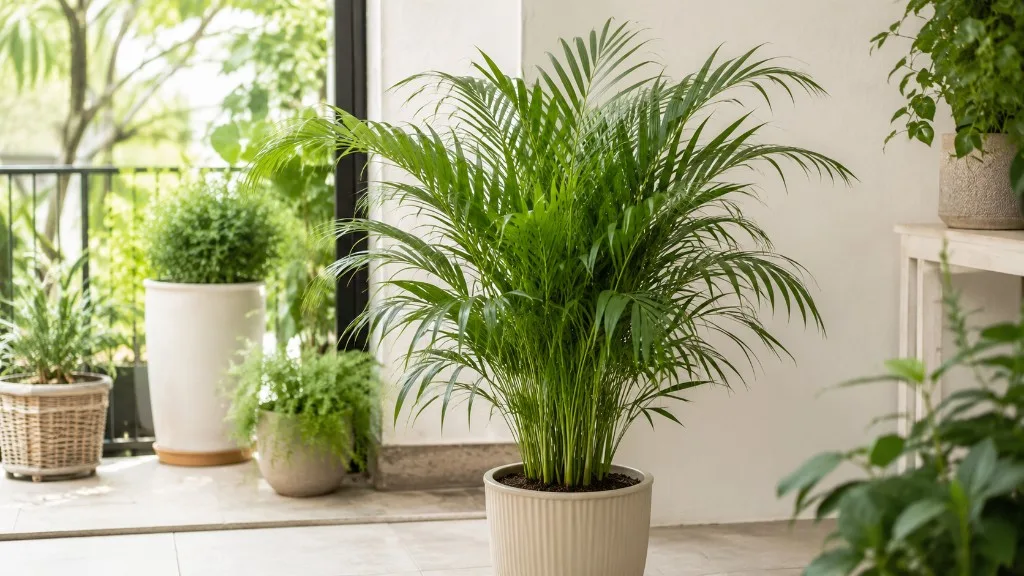
Parlor Palm problems
Use the guides below to diagnose and fix common issues on Parlor Palm. Each problem page explains why it happens on this species and what to do first.
Or use our problem diagnosis tool to narrow down symptoms.
Common problems on Parlor Palm
Brown Tips
MediumLikely cause: Low humidity or fluoride in tap water
Quick fix: Increase humidity; use filtered water; trim brown tips
Full fix guide →Root Rot
MediumLikely cause: Persistently wet soil
Quick fix: Repot in fresh draining mix
Full fix guide →Slow Growth
LowLikely cause: Insufficient light or nutrient depletion
Quick fix: Move to brighter indirect light; feed monthly
Full fix guide →Yellow Leaves
MediumLikely cause: Overwatering - most common cause
Quick fix: Allow top 3–5 cm to dry; ensure drainage
Full fix guide →Aphids
MediumLikely cause: Aphids on Parlor Palm gather on soft unfolding spears, tender pinnae, and indoor flower stalks, sucking sap and dripping sticky honeydew onto fronds below. First step: move the plant away from others
Quick fix: See plant-specific guide for step-by-step fixes.
Full fix guide →Drooping Leaves
MediumLikely cause: Drooping on Parlor Palm starts with a soil moisture check at 3–5 cm depth-dry soil with a light pot means thirst; wet soil with limp fronds often means root stress. Do not water until you know which.
Quick fix: See plant-specific guide for step-by-step fixes.
Full fix guide →Fungus Gnats
MediumLikely cause: Fungus gnats on parlor palm mean the soil surface stays wet too long-common when a shade-tolerant Chamaedorea elegans in a dim office gets watered on a calendar. First step: stop watering until the to
Quick fix: See plant-specific guide for step-by-step fixes.
Full fix guide →Leggy Growth
MediumLikely cause: Leggy growth on Parlor Palm means elongated petioles and sparse new leaflets stretching toward light. This clumping palm is not a vine-first step: move gradually to brighter indirect light near a nort
Quick fix: See plant-specific guide for step-by-step fixes.
Full fix guide →Low Humidity
MediumLikely cause: Dry indoor air stresses Parlor Palm through brown tips, stiff fronds, and spider mites. Move it away from vents, then raise ambient humidity with a humidifier or pebble tray.
Quick fix: See plant-specific guide for step-by-step fixes.
Full fix guide →Mealybugs
MediumLikely cause: Mealybugs on Parlor Palm cluster as white cottony masses where new spear fronds emerge from each cane crown and along pinnate leaflet joints. First step: isolate the plant and dab every visible colony
Quick fix: See plant-specific guide for step-by-step fixes.
Full fix guide →Mold on Soil
MediumLikely cause: White or gray mold on parlor palm soil is usually harmless surface fungus fed by damp organic mix. On Chamaedorea elegans the real risk is chronic wetness rotting fine roots in dim, slow-drying pots.
Quick fix: See plant-specific guide for step-by-step fixes.
Full fix guide →Not Enough Light
MediumLikely cause: Parlor Palm tolerates dim rooms but needs bright indirect light for compact fronds. First step: run a placement audit-if new spears stay pale, the clump leans toward glass, or soil dries very slowly,
Quick fix: See plant-specific guide for step-by-step fixes.
Full fix guide →Overwatering
MediumLikely cause: Overwatering on parlor palm shows as yellowing lower fronds on persistently wet mix, brown leaf tips, fungus gnats, and a sour smell from soil. First step: stop watering and check whether the top 3–5
Quick fix: See plant-specific guide for step-by-step fixes.
Full fix guide →Spider Mites
MediumLikely cause: Spider mites on parlor palm cause fine stippling on pinnae and webbing at frond bases, especially beside winter heat vents. First step: isolate the plant and shower-rinse every frond underside with lu
Quick fix: See plant-specific guide for step-by-step fixes.
Full fix guide →Underwatering
MediumLikely cause: Parlor Palm underwatering shows as a very light pot, limp pinnate fronds, and dry mix when the top 1–2 inches have stayed dry too long. First step: water thoroughly until excess drains out, then wait
Quick fix: See plant-specific guide for step-by-step fixes.
Full fix guide →Wilting
MediumLikely cause: Wilting on Parlor Palm almost always comes down to water-either the mix is too dry or too wet for roots to work. Before watering, stick your finger 3–5 cm into the soil and lift the pot. Dry and light
Quick fix: See plant-specific guide for step-by-step fixes.
Full fix guide →