How to Prune a Parlor Palm: When, Where & What to Cut
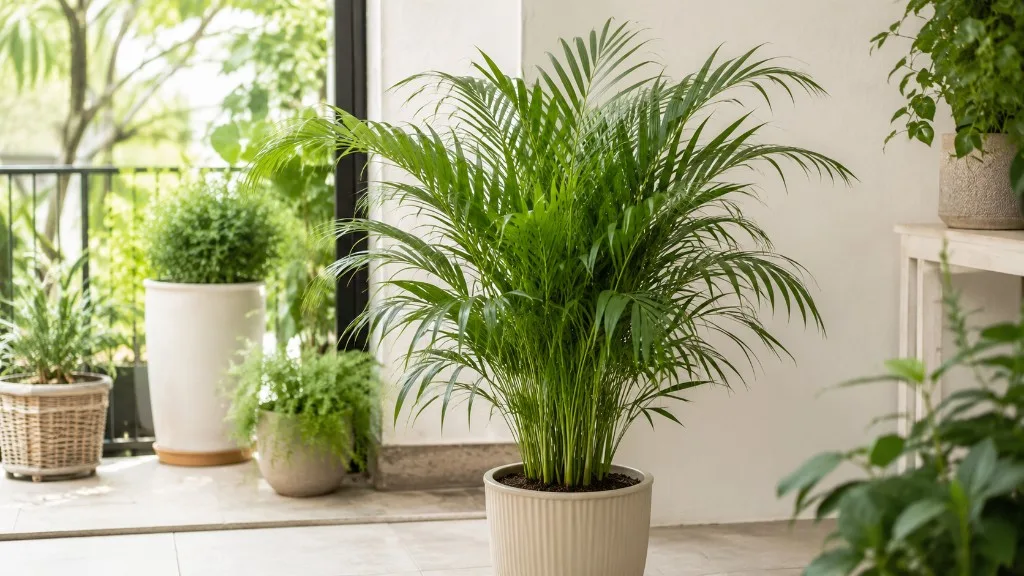
How to Prune a Parlor Palm: When, Where & What to Cut
How to Prune a Parlor Palm: When, Where & What to Cut
Quick answer
First, remove only fronds that are fully brown and dry - cut each one at the petiole base where it meets the cane. That single housekeeping cut is what most indoor Chamaedorea elegans plants need. Parlor Palm is a clustering palm with one growing point at the top of each live cane; it does not branch from mid-stem cuts the way pothos or philodendron do. Leave green and mostly yellow fronds in place until they finish senescing, optionally snip dead tips on green leaflets for appearance, and never cut the terminal spear unfolding from the crown.
What pruning means for a slow clustering palm
Indoor Parlor Palm pruning is maintenance grooming, not shape control. Also sold as Neanthe bella palm, Chamaedorea elegans grows as a clump of slender cane-like stems, each crowned by arching pinnate fronds. NC State Extension notes its popularity as a low-light-tolerant houseplant - a trait that also means slow replacement of lost leaf area after aggressive cuts. You cannot shorten a live cane and expect leaves to sprout lower down, and you cannot make the plant bushier by pinching frond tips.
University of Florida IFAS palm guidance applies here: remove only dead or broken fronds and keep as much healthy canopy as possible. Palms recycle nutrients - especially potassium and magnesium - from older fronds into new growth. Green and yellowing leaves still photosynthesize and act as internal nutrient reserves, which matters in pots where fertility is often imperfect. (UF/IFAS EP443: Pruning Palms)
Parlor palms are also self-cleaning: dead lower fronds eventually loosen and drop on their own. Indoors, fronds hang longer before falling, so manual removal keeps the plant tidy and reduces pest hiding spots - but it is still cleanup of spent tissue, not hedge shaping.
Fronds, canes, and the terminal spear
Each frond is one compound leaf: a petiole attaches to the cane; the rachis runs through the feather-like blade; leaflets line both sides. The correct removal unit for a declining frond is almost always the whole frond at its base, not a partial cut up the rachis. Removing one yellow leaflet does not regenerate a fuller frond.
At the clump level, each cane is an independent stem. A nursery pot often holds several canes planted together for a fuller look. The terminal spear - the folded new frond emerging from the crown - is the only growing point on that cane. Clemson HGIC warns that damaging the terminal bud can kill the stem. New canes appear from suckers at the soil line over years, not from cuts mid-cane. Understanding that anatomy prevents the most common indoor mistake: stripping green fronds to expose a neat skirt or cutting a cane mid-height to reduce height.
What to check before you cut
Walk around the plant and sort fronds into three groups before touching tools:
- Brown and crispy - petiole, rachis, and most leaflets dry. Safe to remove.
- Yellow or mottled but still pliable - often still working. Usually wait.
- Green - keep unless physically damaged beyond use.
Check the canes at soil level. Healthy stems look green to light gray-green with firm tissue. Gray, shriveled, leafless canes may be dead - scratch a thin sliver of outer tissue with a clean knife: green underneath means live; uniform dry brown usually means dead.
Look for patterns, not single blemishes. One brown lower frond on an otherwise vigorous clump is normal senescence as new spears emerge from the crown. Many fronds yellowing at once signals Parlor Palm watering guide, low humidity, salt buildup, or fertilizer imbalance - pruning will not replace fixing those conditions. Also inspect petiole bases for scale, mealybugs, or soft rot before you cut; infected material should be removed promptly with sterilized tools.
The first cut to make
Remove the lowest fully brown frond first, cutting through its petiole flush with the cane without gouging live bark. Start low because dead bottom fronds often hide the base of the clump where pests congregate and block your view of cane health. Work upward only after each dead frond is out and you have reassessed.
Do not combine this with Parlor Palm repotting guide, heavy fertilizing, or moving the plant to a new light exposure on the same day. One stress event at a time keeps recovery predictable on a palm that grows slowly indoors.
When to groom Parlor Palm
Fully brown dead fronds can come off any time of year, including winter. They no longer photosynthesize and may harbor fungal spores or insects in a humid room.
For planned multi-frond cleanup, extensive brown-tip trimming, or dead-cane removal, work during active growth from late spring through early summer when new spears emerge most reliably. Avoid stripping live green fronds in late fall and winter when indoor growth nearly stalls - the plant will not replace that canopy quickly.
Brown tip trimming on individual green leaflets is cosmetic and can happen whenever you notice damage, as long as you cut dead tissue only.
Removing dead brown fronds step by step
- Identify a frond where the petiole and rachis are fully brown and dry, with no pliable green tissue remaining.
- Trace the petiole to where it attaches to the cane.
- Cut at the base with clean snips or scissors - sterilize with alcohol between plants or if you removed diseased tissue.
- Cut close to the cane without slicing into live stem tissue. Clemson palm guidance recommends cutting leaf bases close but not into the trunk, and never tearing fibers.
- Pull only if the frond releases with zero resistance; otherwise cut. Tearing causes wounds that invite disease.
Do not strip individual dead leaflets off a green rachis. If the central rachis is still green and firm, the frond is still contributing - wait until senescence completes.
Yellow fronds - wait or remove?
If more than half the frond is still green and the rachis is firm, leave it. Parlor Palm declines slowly; yellow often precedes brown by weeks as the plant mobilizes nutrients from older fronds toward new crown growth. Removing yellow fronds early wastes partial photosynthetic capacity on a species that replaces leaves slowly.
Remove the whole frond when more than half is brown, the rachis loses turgor and bends easily, or the petiole base has turned fully brown. Cut at the petiole base as you would for a dead frond.
Widespread yellowing across many fronds at once is a care signal, not a pruning project. Check overwatering, dry spells, fluoride or salt in tap water, and humidity below 40% before mass removal. Fixing the condition matters more than clearing leaves.
Trimming brown leaflet tips
Brown tips on otherwise green fronds are common indoors from dry air, inconsistent watering, fluoride in tap water, or magnesium deficiency. They are cosmetic damage - trimming improves appearance but does not fix the cause.
Use sharp scissors to snip dead tissue only, angled to match the natural leaflet tip. Leave a narrow margin of brown if needed to avoid cutting into green tissue; aggressive tip cuts on some palms can cause further browning along the rachis edge.
Target 40–60% humidity and stable watering (allow the top 3–5 cm of mix to dry between waterings) to reduce new tip burn. Filtered water helps if your tap is heavily fluoridated or mineral-rich.
Removing dead canes at the base
Canes that are gray, brown, and completely leafless for several months may be dead. Scratch the outer tissue near the base: green means live; uniform dry brown through the stem usually means dead.
Remove confirmed dead canes at soil level with a clean knife or saw, cutting without gouging live neighbors. Limit removal to one or two canes per year during the growing season. A multi-cane nursery clump can look thinner afterward - new suckers take years, not weeks.
Never remove a cane just because it looks leggy or sparse if it still has a healthy terminal spear and green fronds. That cane is still alive.
How much live tissue you can safely remove
There is no cap on fully brown, dead fronds - remove all of them safely. For live green tissue, stay conservative:
- Never strip green fronds for a neat “palm tree” skirt
- Never cut the terminal spear or crown on any live cane
- Never remove more than one or two weak or dead canes per year
- Avoid removing yellow fronds that are still mostly green
UF/IFAS emphasizes that over-pruning live palm fronds worsens nutrient stress and can move deficiency symptoms up the canopy. On a slow indoor Parlor Palm, that stress shows for months because new spears emerge infrequently in low to medium light.
Pruning cannot make Parlor Palm bushier, shorter, or fuller in the way trimming a ficus would. Fuller appearance comes from multiple canes in one pot, time, and good light - not from cutting frond tips or removing green leaves.
What not to cut
- The terminal spear - the folded new frond at each cane’s crown. Cutting it kills that stem permanently.
- Live green fronds for cosmetic neatness - you lose photosynthetic area the plant replaces slowly.
- Yellow fronds that are still mostly green - wait until senescence finishes.
- Mid-rachis on a partially green frond - stubs decay and look worse than the original damage.
- The top of a cane to reduce height - Parlor Palm does not branch from trunk cuts. Topping stops vertical growth on that stem.
- Healthy lower fronds in a “lion’s tail” pattern - Clemson notes that removing only upper green leaves while leaving a tuft at the top stresses palms and increases cold-sensitivity; indoors, the equivalent stress slows recovery.
Aftercare and recovery timeline
After grooming, return the plant to stable conditions - medium to Parlor Palm light guide suits active growth, though Parlor Palm tolerates lower light. Water when the top 3–5 cm of mix dries; fewer fronds mean slightly slower water use, not a reason to keep soil wet.
Hold off on fertilizer for two to three weeks unless the plant is in strong spring growth and was not recently fed. Do not repot on pruning day unless the mix is failing.
Recovery expectations: Removing dead fronds alone causes little stress - new spears continue on schedule. After correct spring cleanup on a healthy clump, expect visible new crown growth within a few weeks in good light. If no new spear appears for months after light dead-frond removal, the issue is likely roots, light, or watering - not the cut itself.
Recovery from aggressive green-frond removal can take a full growing season or longer, and some canopy loss may never fully refill in low light. Signs pruning worked: new spears unfolding cleanly, lower frond decline slowing, and no spreading rot at cut sites.
Mistakes to avoid
Topping the palm to reduce height - kills the cane’s only growing point. Removing yellow fronds immediately - wastes partial function and nutrient recycling. Cutting mid-rachis - leaves ugly stubs with decay risk. Pruning instead of fixing overwatering - yellow returns on the next tier of leaves. Stripping green lower fronds for a clean trunk look - classic over-pruning error on palms. Expecting fast fill-in - Parlor Palm replaces fronds slowly; patience matters more than repeated trimming.
Because Parlor Palm is non-toxic to cats and dogs per the ASPCA, grooming around pets is safer than with many houseplants - still dispose of trimmed debris and sanitize tools between plants.
Conclusion
Parlor Palm pruning removes brown fronds at the base, trims dead tips cosmetically, and protects the terminal spear on every live cane. Treat it as sanitation, not shrub shaping - UF/IFAS palm pruning principles apply in miniature indoors. With patient grooming, stable moisture, and realistic expectations about slow regrowth, Chamaedorea elegans stays an elegant, pet-safe palm without the risky height-reduction cuts that generic houseplant advice sometimes suggests.
When to use this page vs other Parlor Palm guides
- Parlor Palm overview - Start here for whole-plant context before deep-diving this topic.
- Parlor Palm problems hub - Jump to symptom-specific fix guides when this care topic does not resolve the issue.
- Slow Growth on Parlor Palm - Escalate here when pruning adjustments are not enough.
- Brown Tips on Parlor Palm - Escalate here when pruning adjustments are not enough.