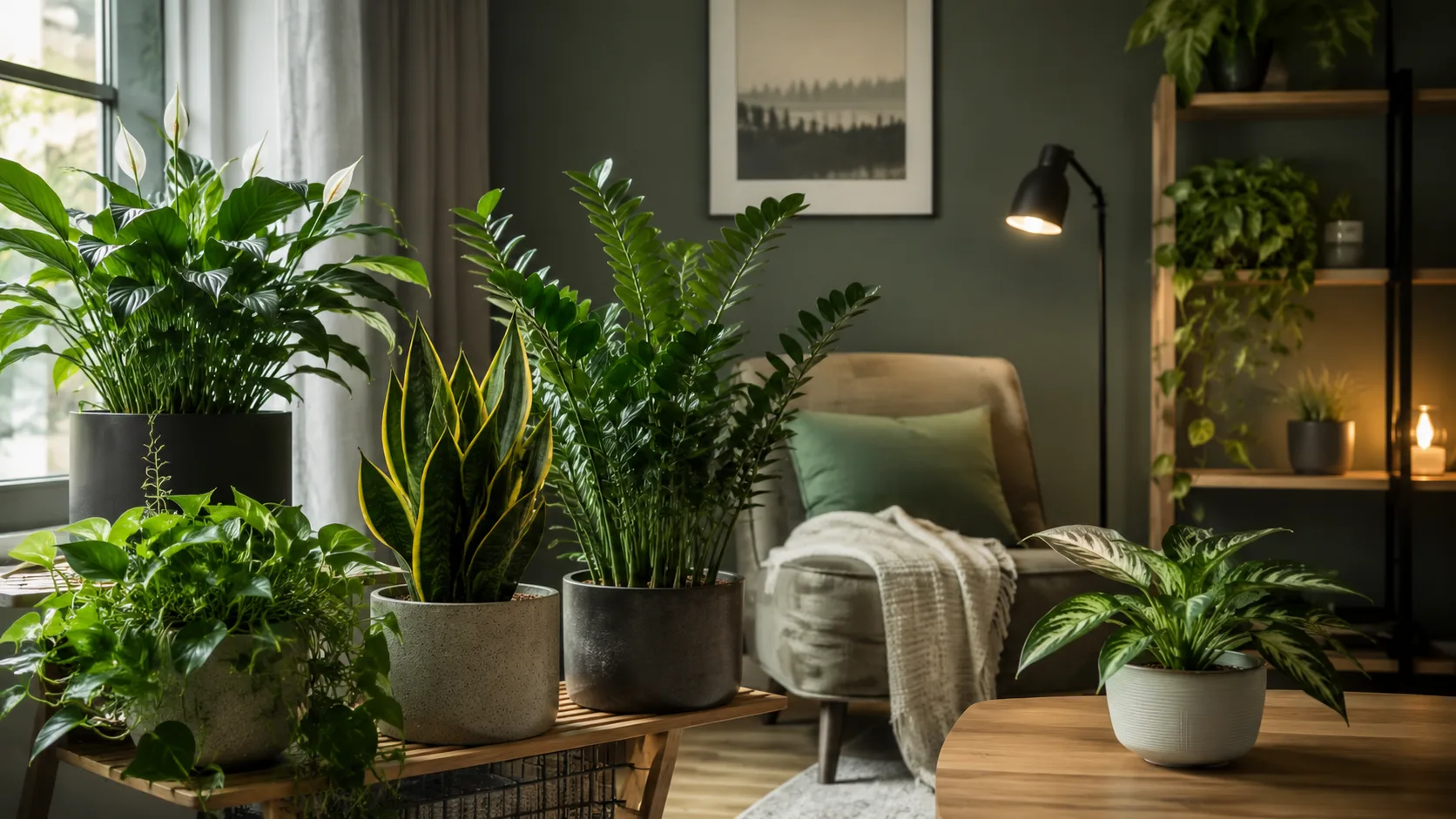
Best Low Light Indoor Plants
Indoor plants that tolerate low-light rooms, offices, and north-facing windows.
Find indoor plants matched to your light, room, routine, and pet situation instead of scrolling generic top-10 lists.
Indoor plants that tolerate low-light rooms, offices, and north-facing windows.
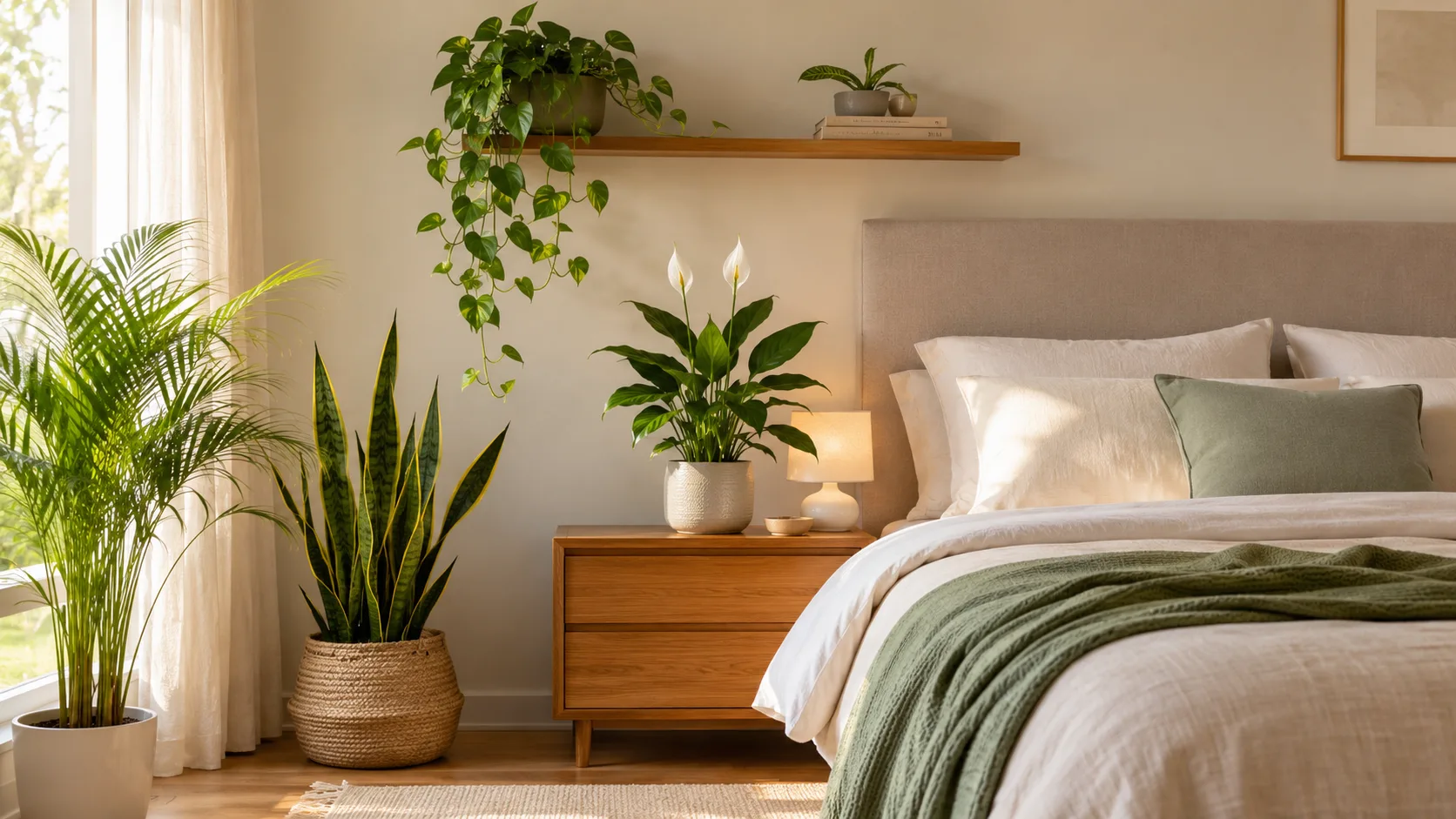
Quiet, low-maintenance plants suited to bedrooms and sleeping spaces.
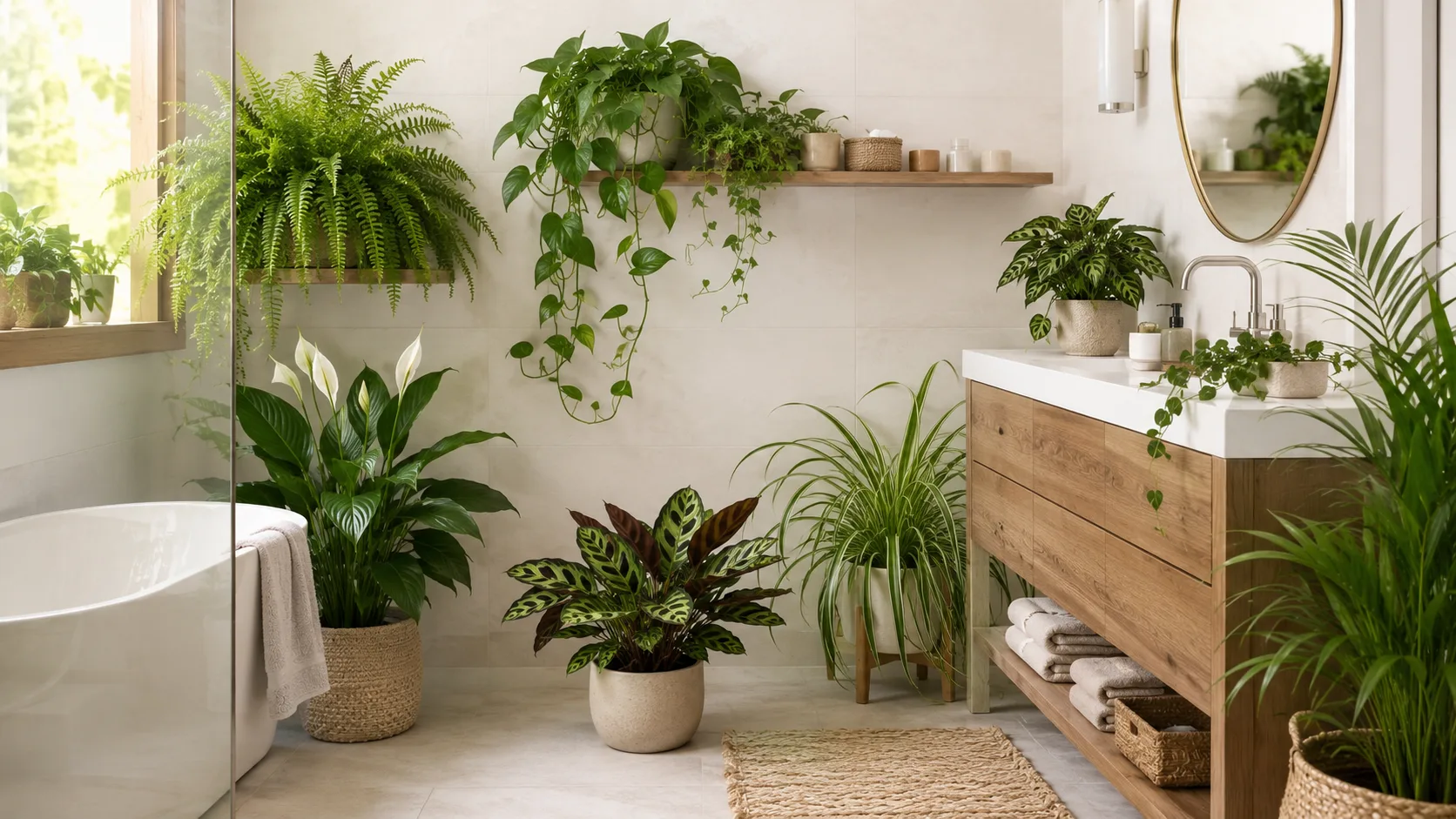
Plants that enjoy humidity from showers and tolerate bathroom light.
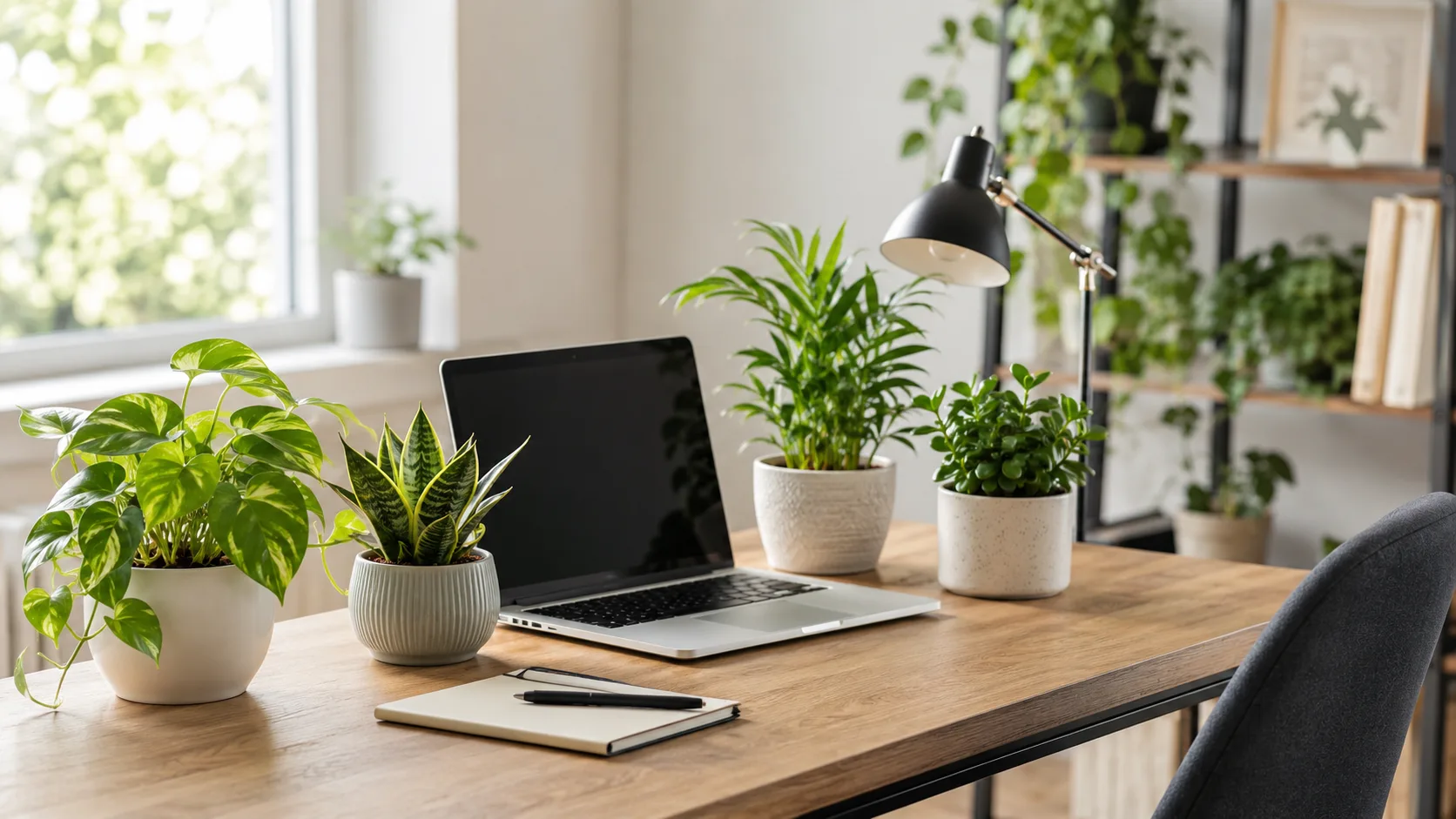
Compact, forgiving plants for desks under fluorescent or indirect light.
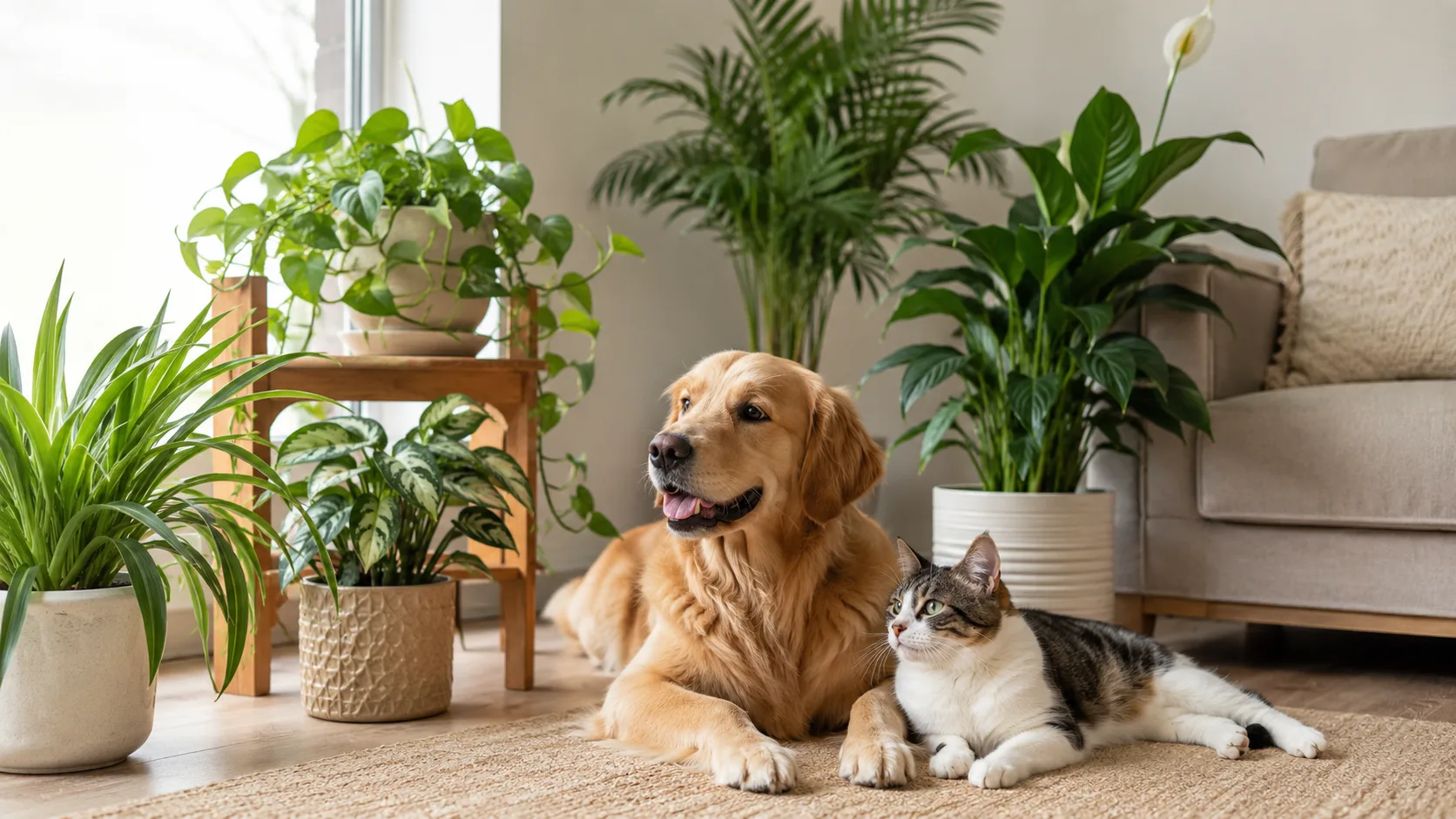
ASPCA-verified houseplants for homes with cats and dogs, compared by light, care level, and chewing risk—with clear notes on what non-toxic really means.
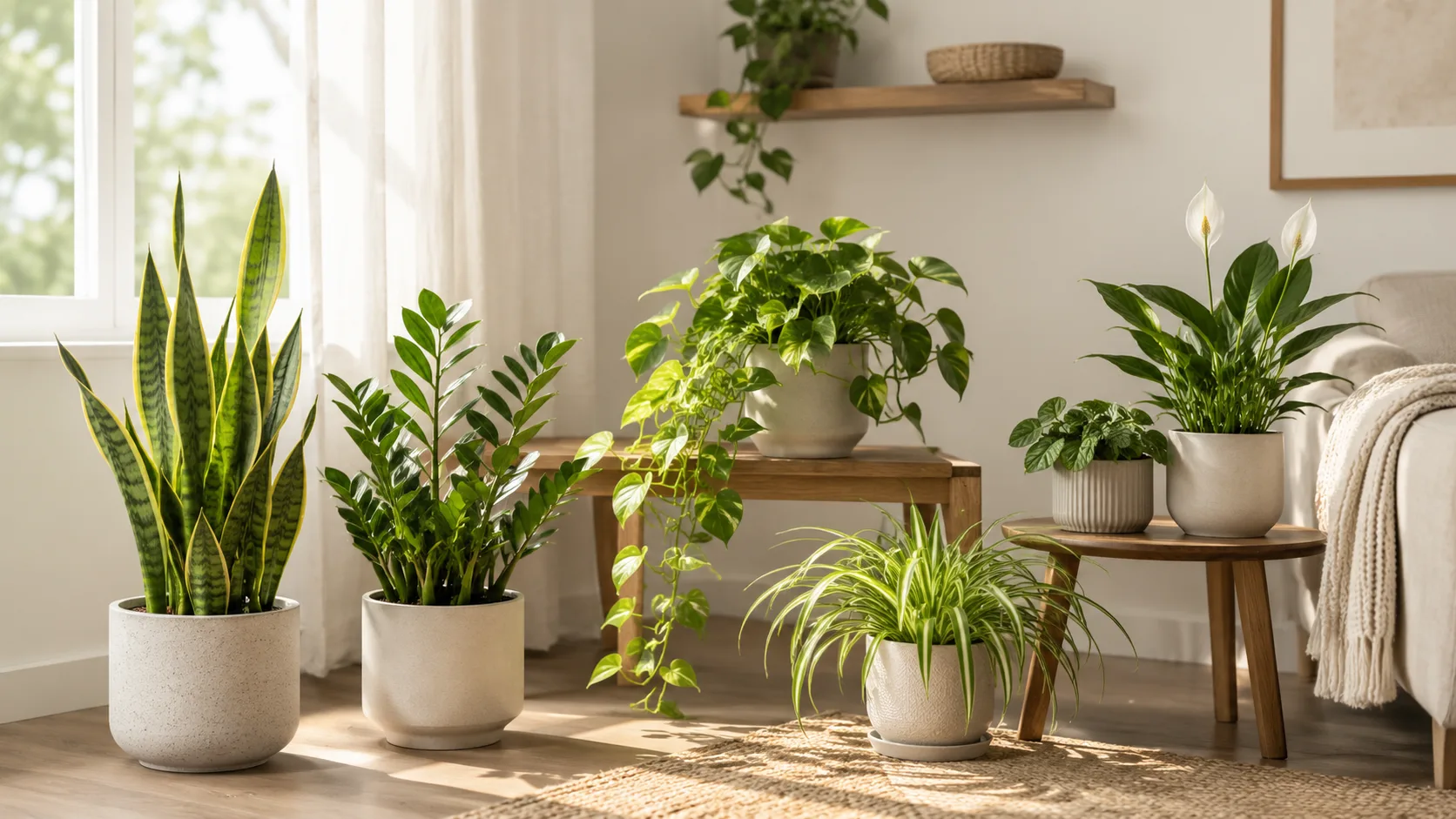
Forgiving plants that recover from common first-time care mistakes—matched to real indoor light, watering habits, and pet safety.
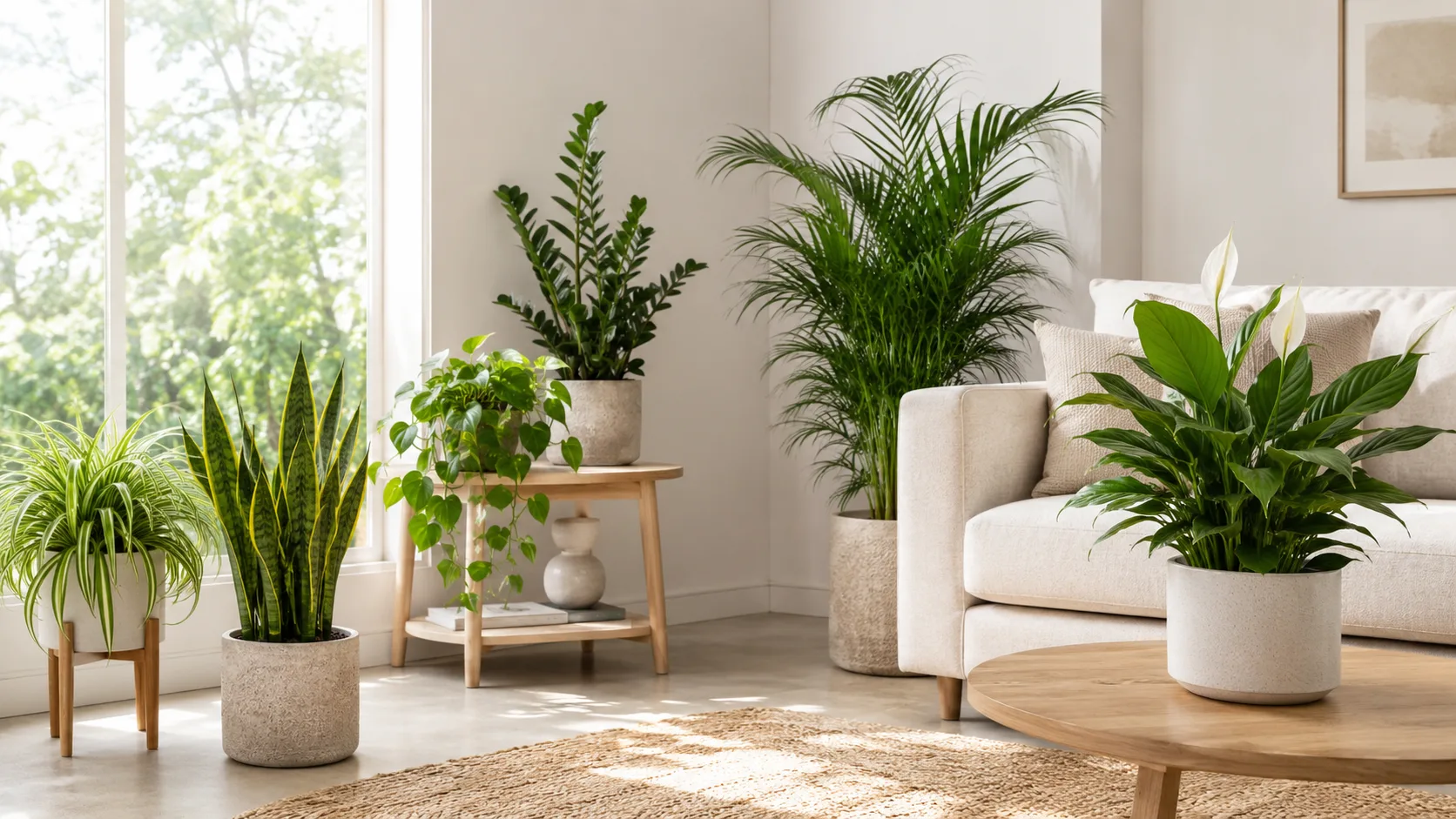
Popular houseplants often associated with fresher-feeling indoor spaces, with realistic context on what plants can and cannot do for air quality.
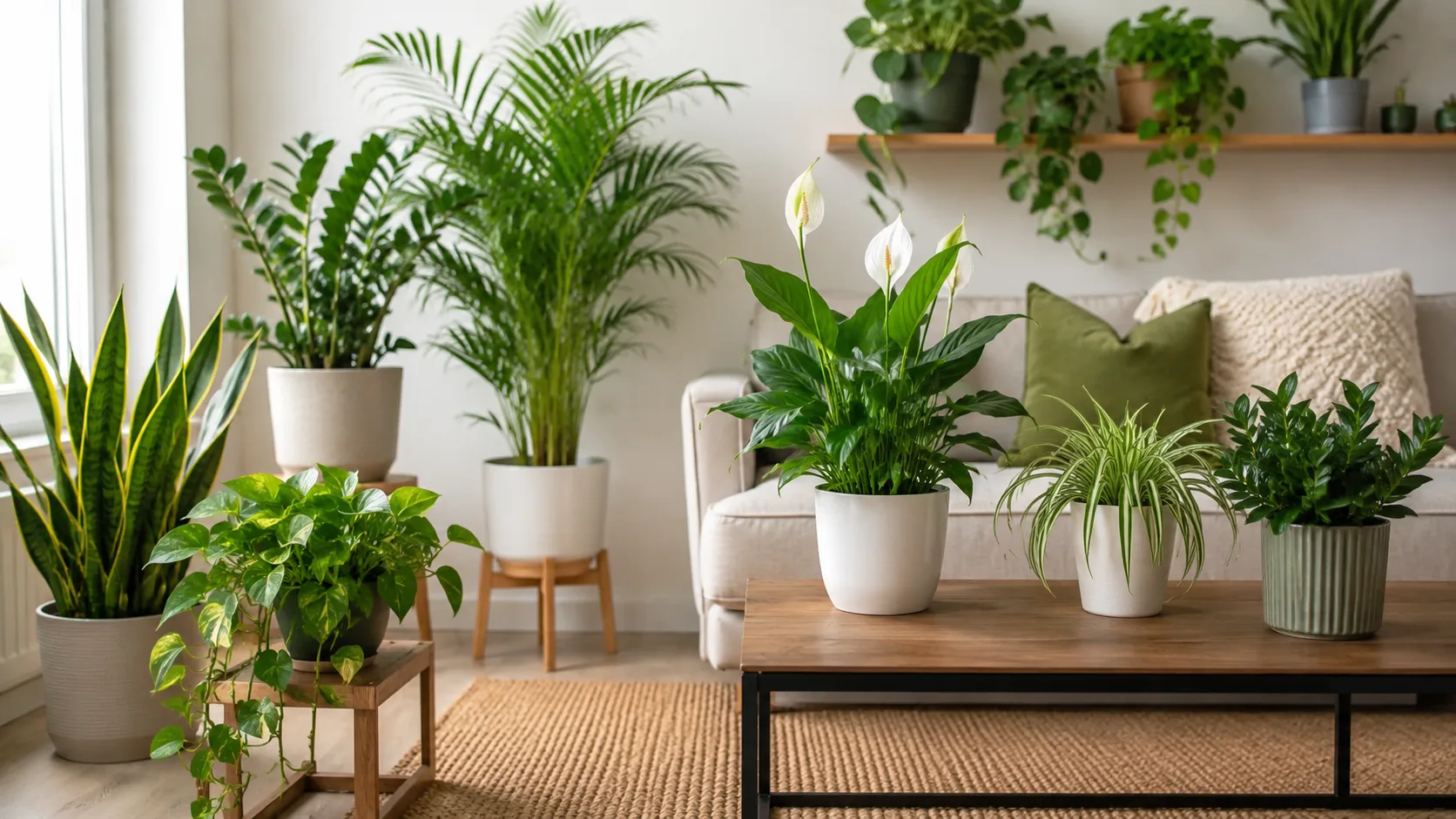
Plants that thrive with minimal watering and care attention.
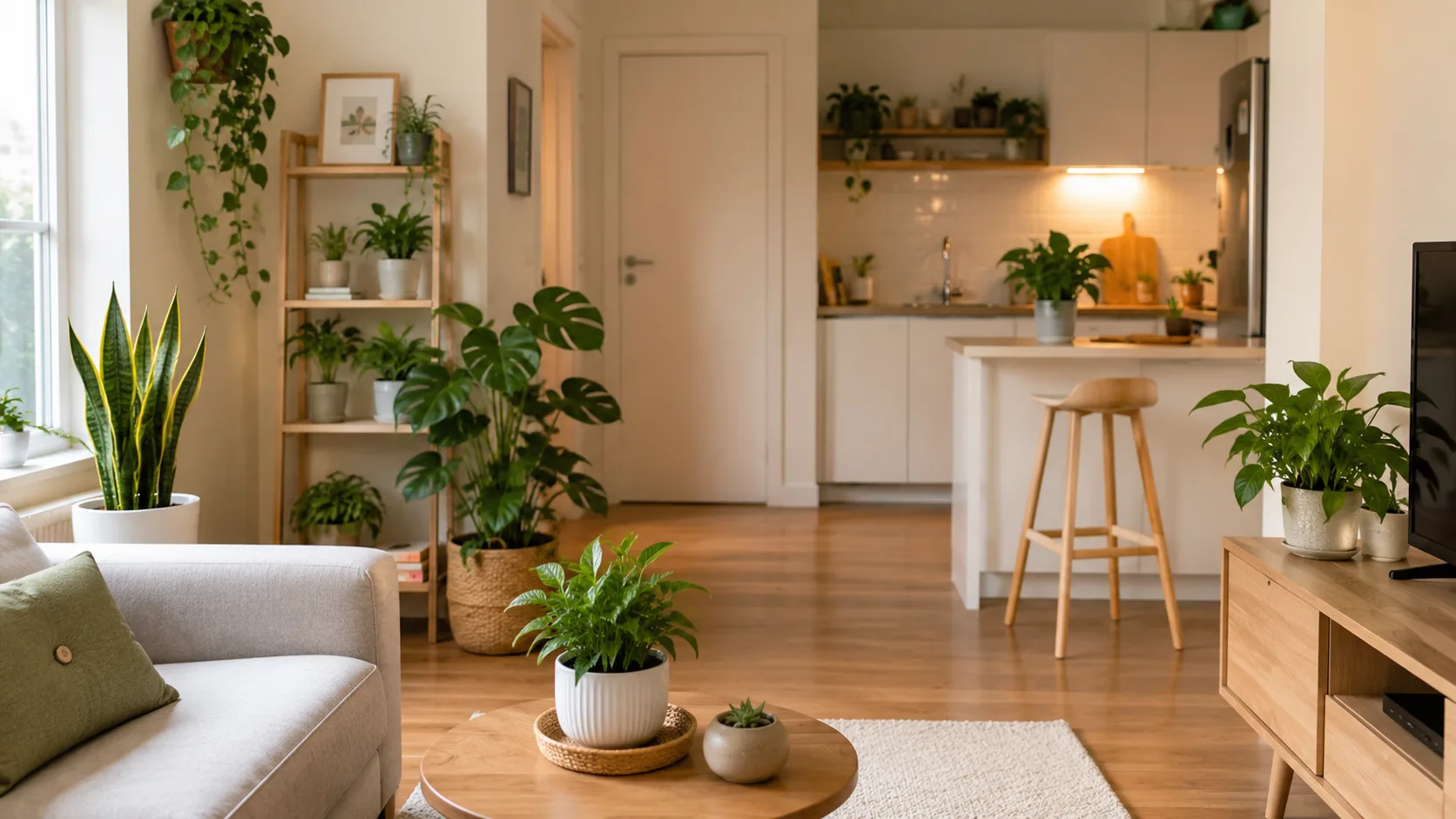
Compact, forgiving houseplants that fit studio layouts, narrow shelves, and one-window rentals without outgrowing the room.
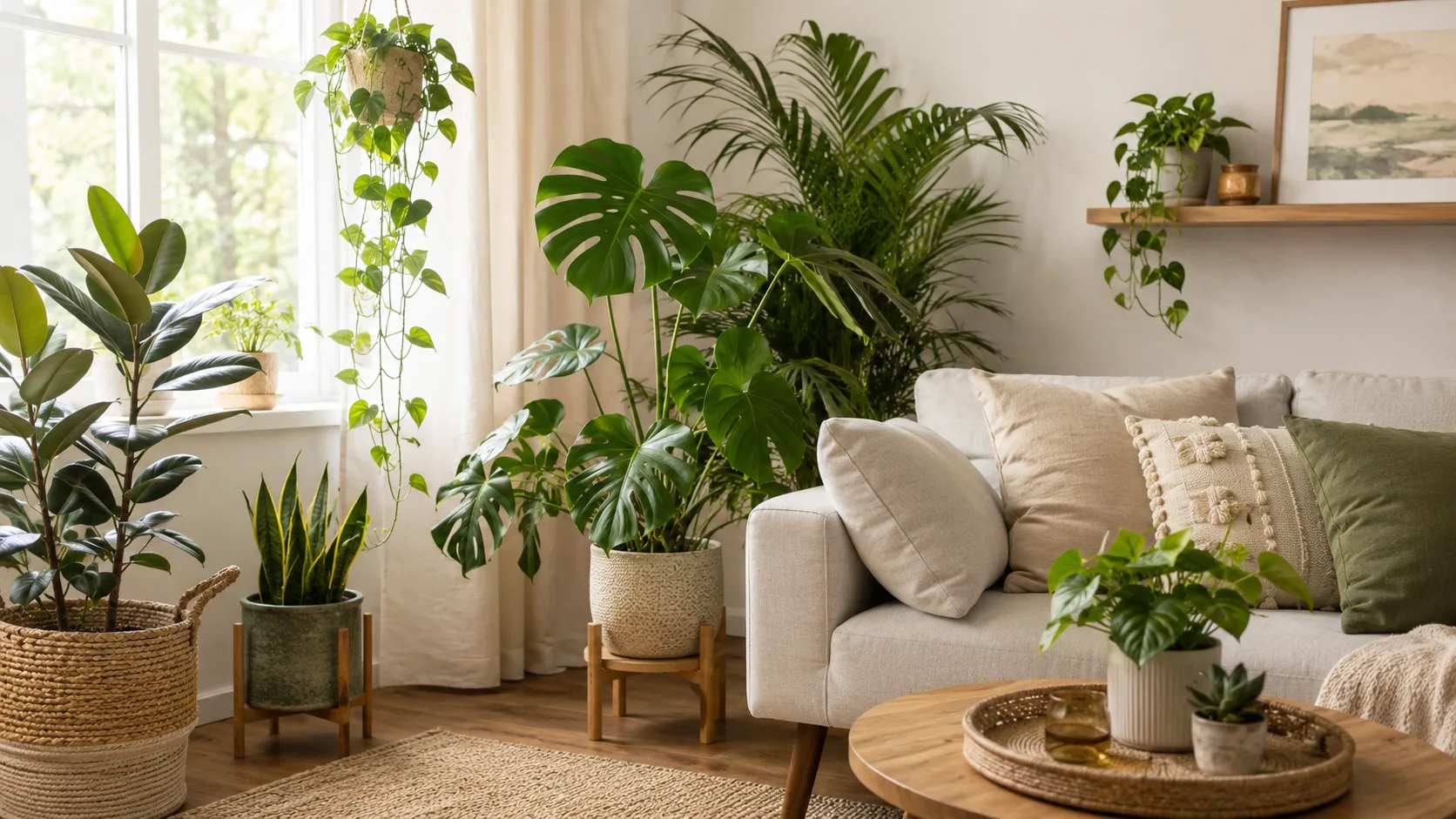
Statement and medium living-room plants compared by focal-point potential, window light, pet safety, and the styling mistakes that make corners look cluttered.
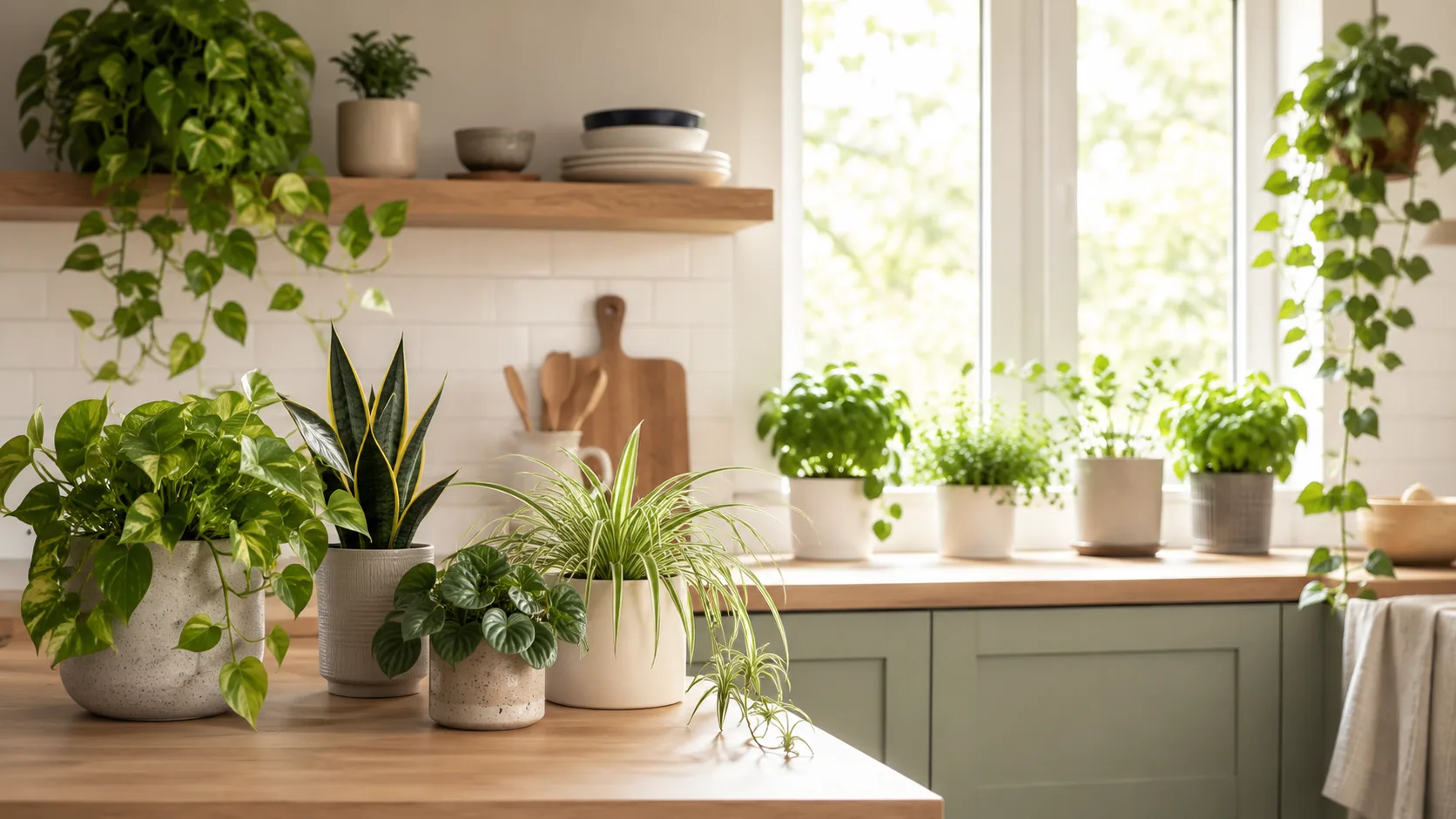
Herbs and hardy kitchen plants compared for sill light, cooking humidity, grease exposure, and the placement mistakes that cook leaves at the stove.
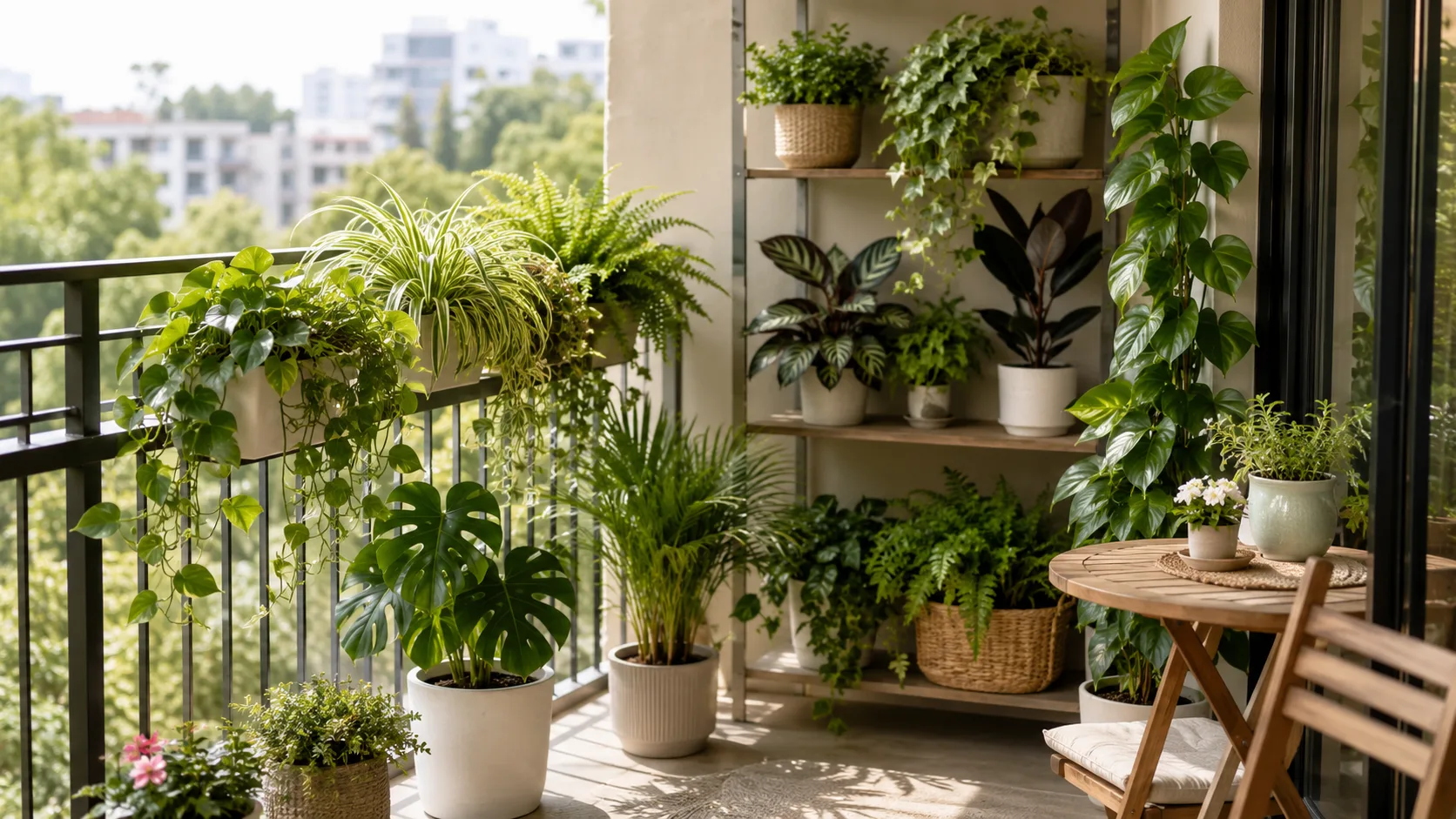
Balcony and patio container plants compared for sun exposure, wind, seasonal hardiness, and the mistakes that kill pots on high-rise ledges.
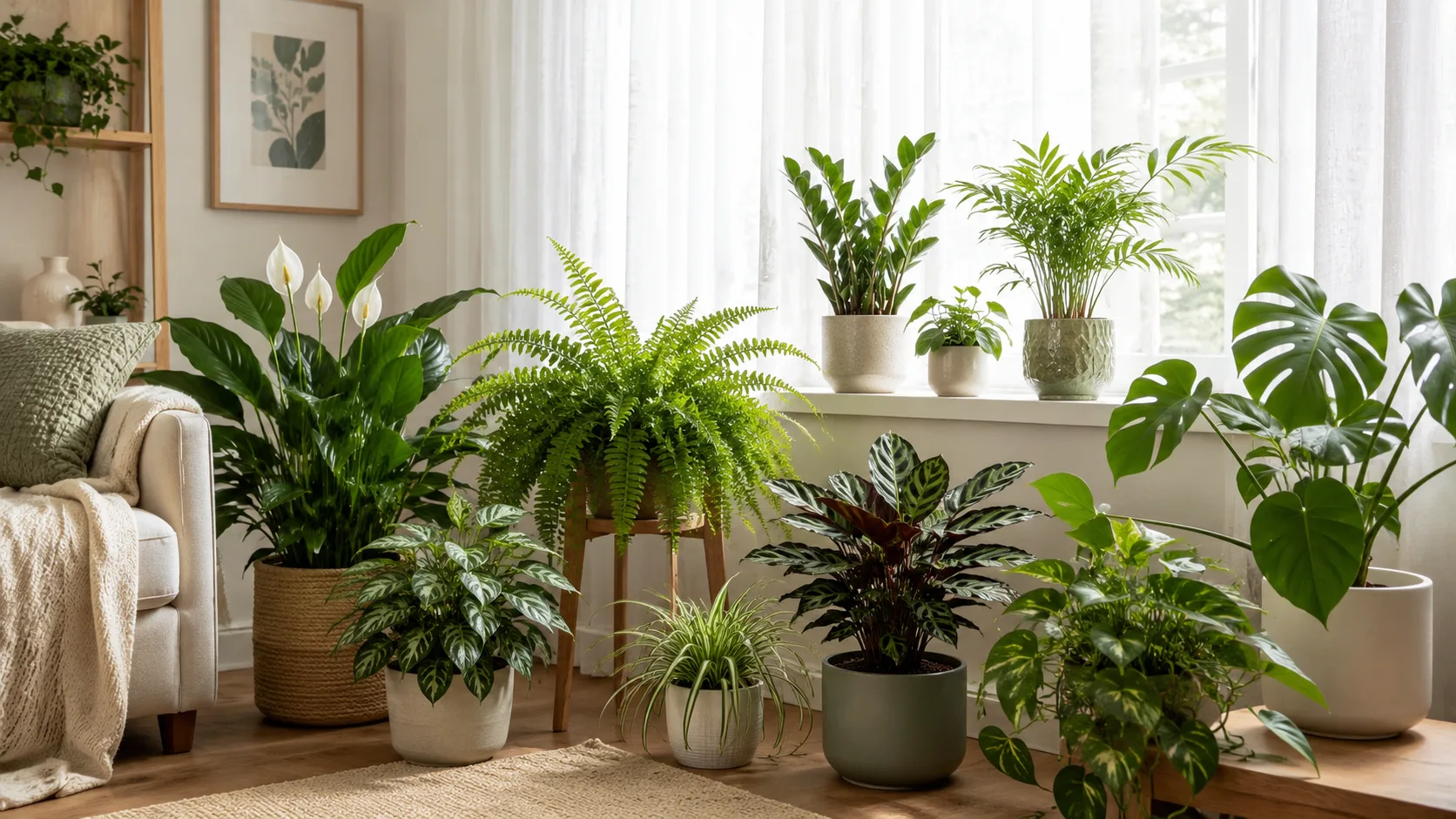
Houseplants for bright, filtered light near windows—without harsh direct sun on the leaves.
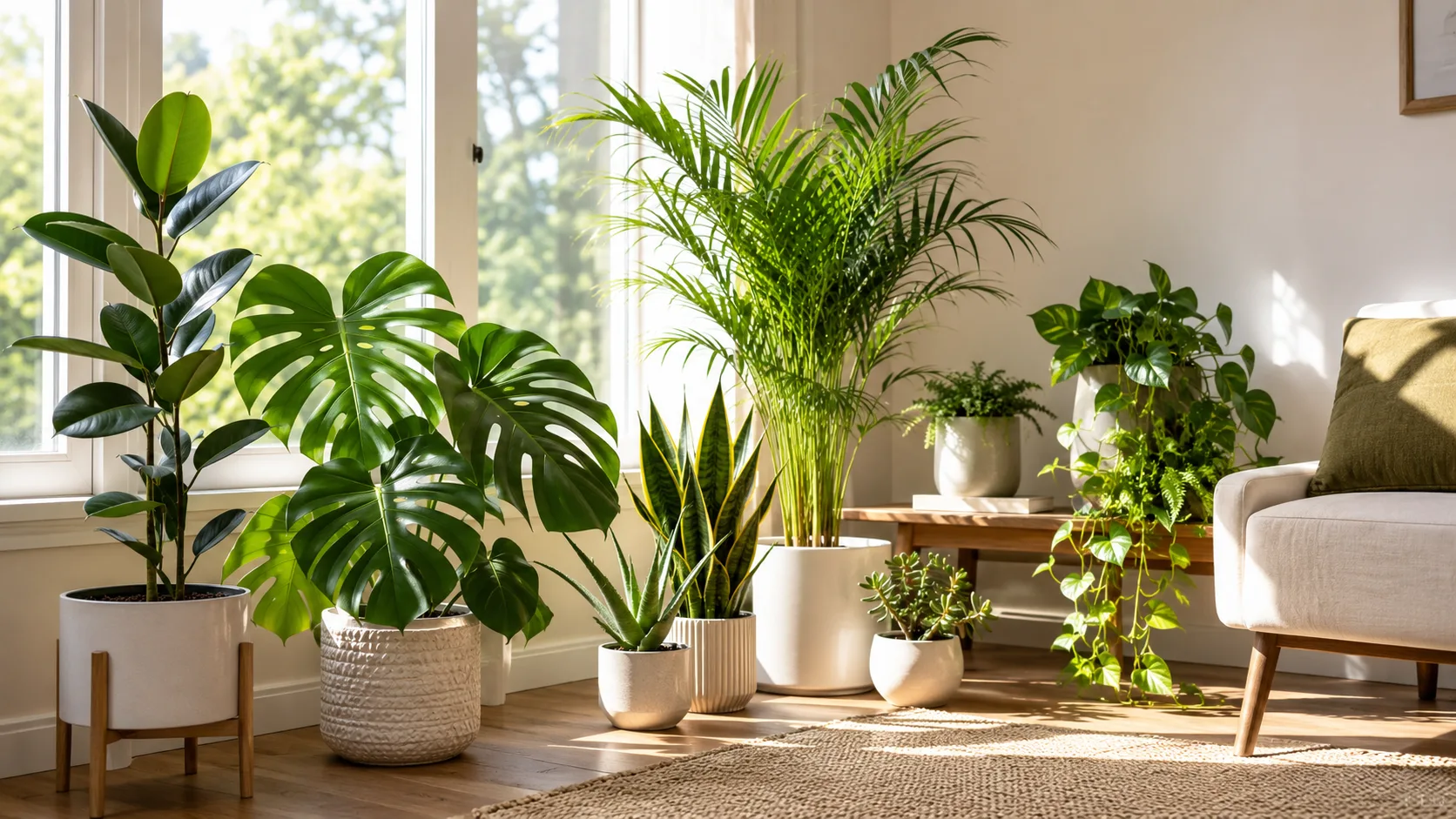
Houseplants that thrive in sunny south- and west-facing windows, with placement notes for direct sun versus bright filtered light.
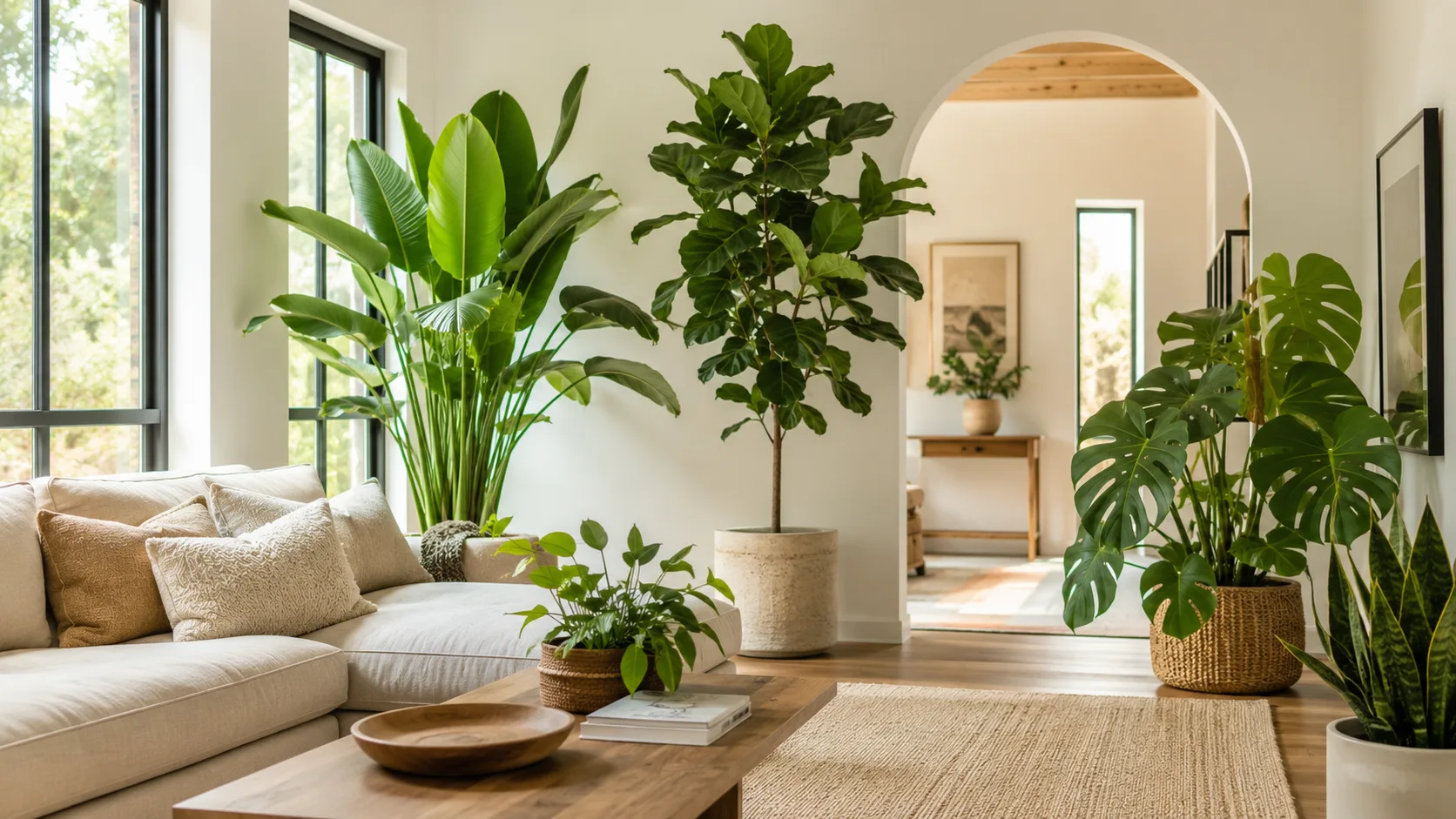
Floor-scale statement plants compared by mature height, light needs, pet safety, and the mistakes that shrink big specimens indoors.
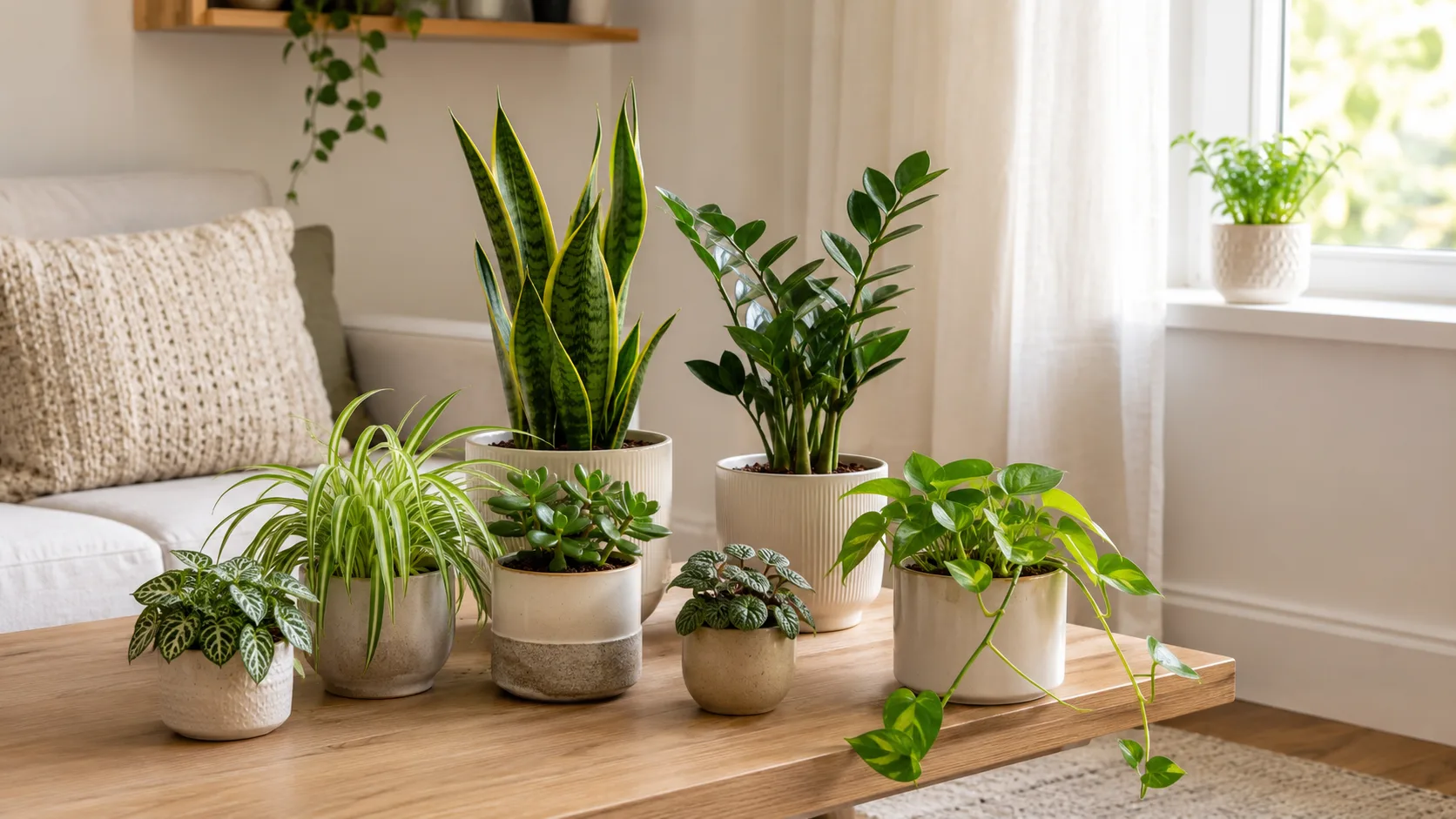
Compact houseplants for shelves, desks, and windowsills—species that stay manageable in small pots without becoming floor trees.
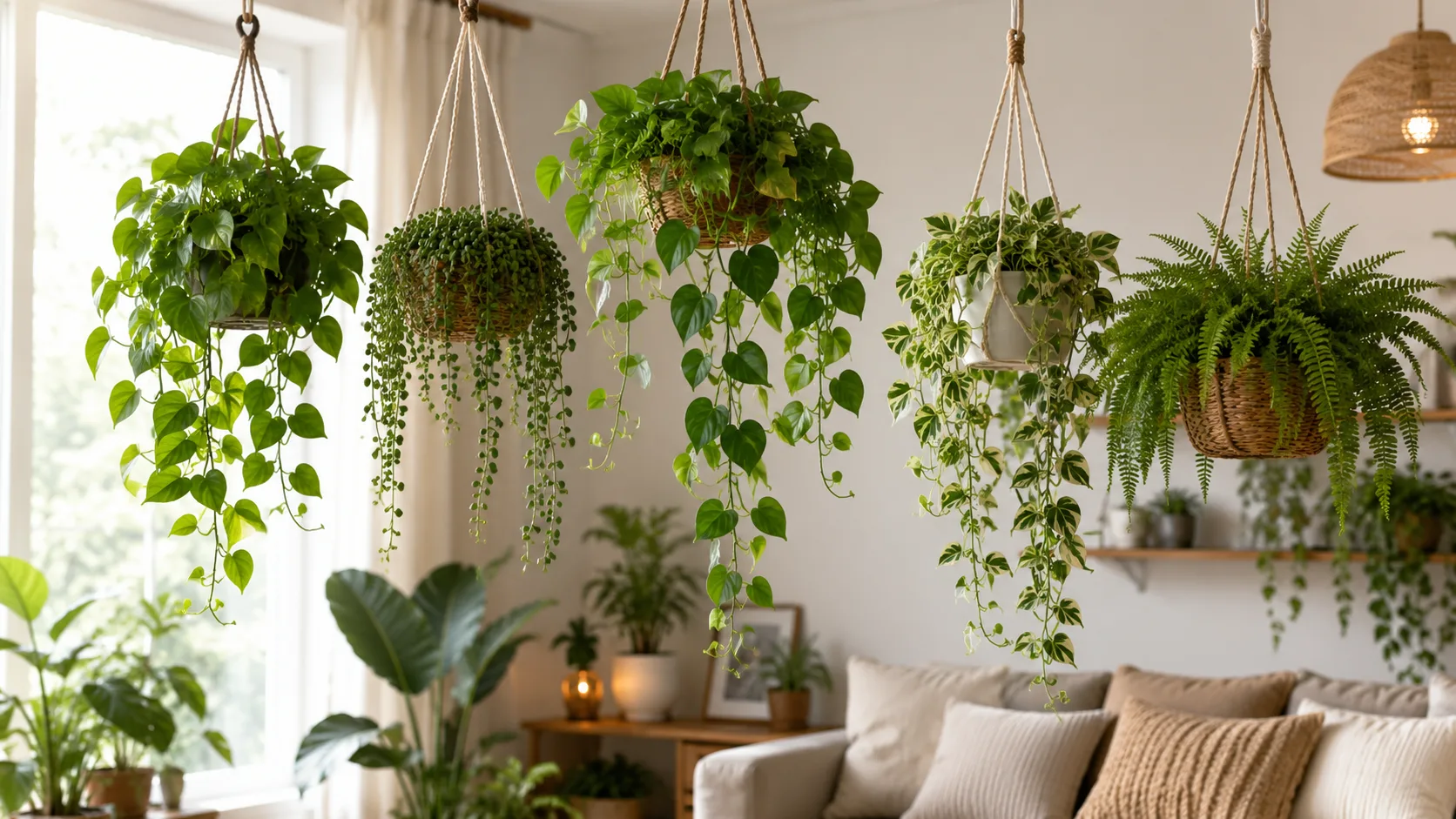
Trailing houseplants for hanging baskets and high shelves—with placement, watering, and light notes for elevated pots.
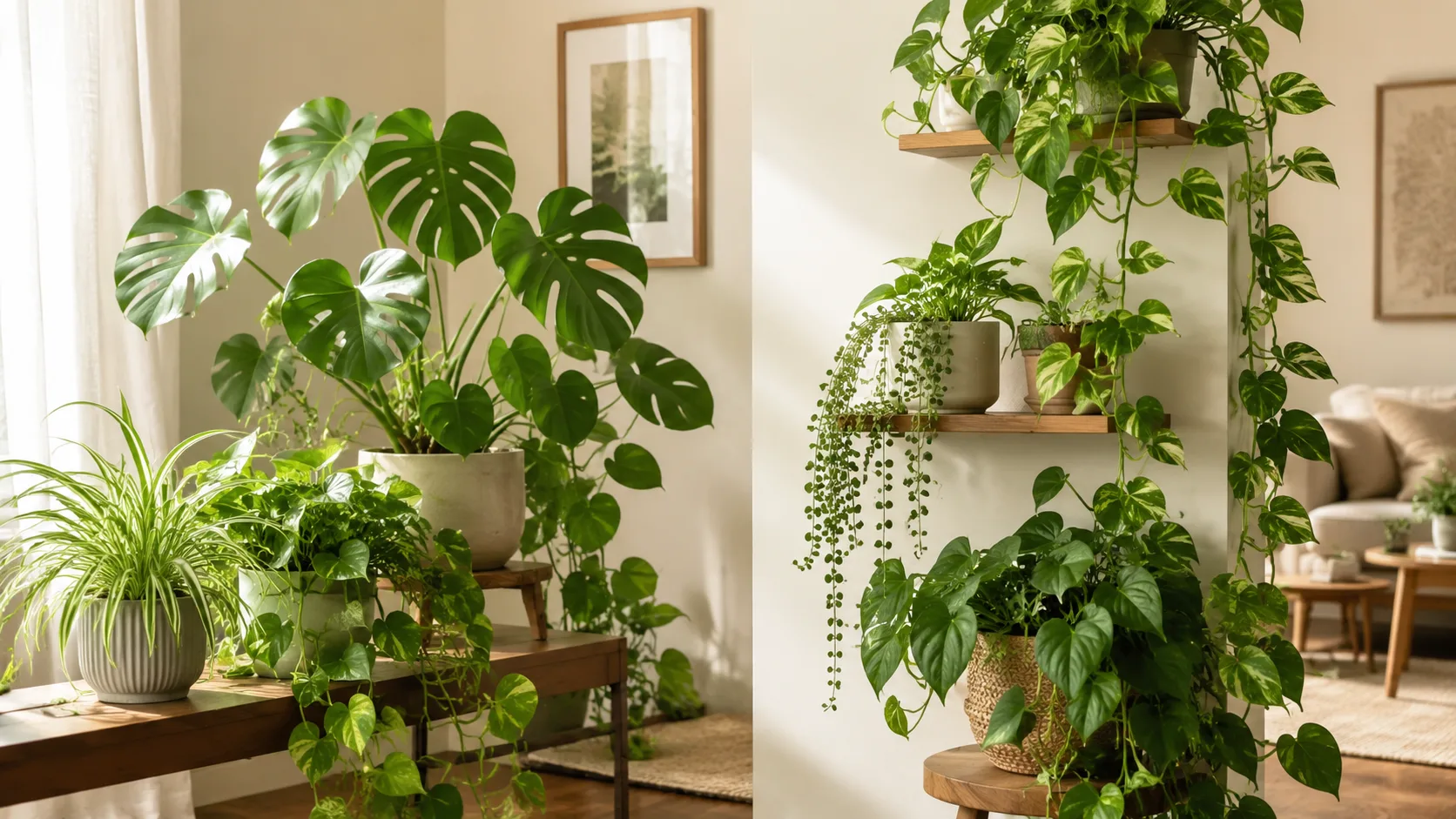
Vigorous indoor growers compared by visible growth rate, light needs, space demands, and the repotting reality of plants that never stop.
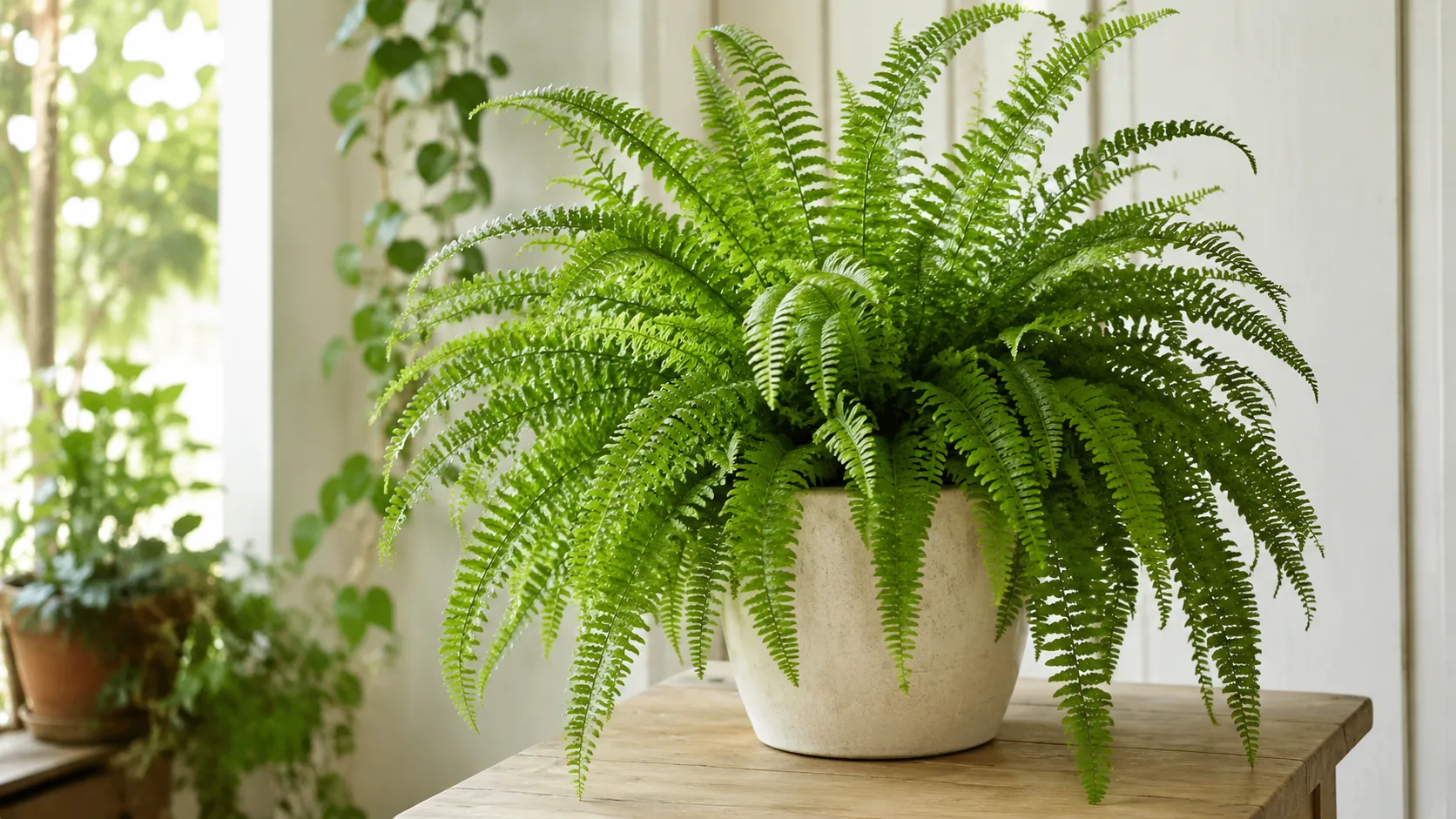
Humidity-loving houseplants for steamy bathrooms, kitchens, and grouped plant corners.
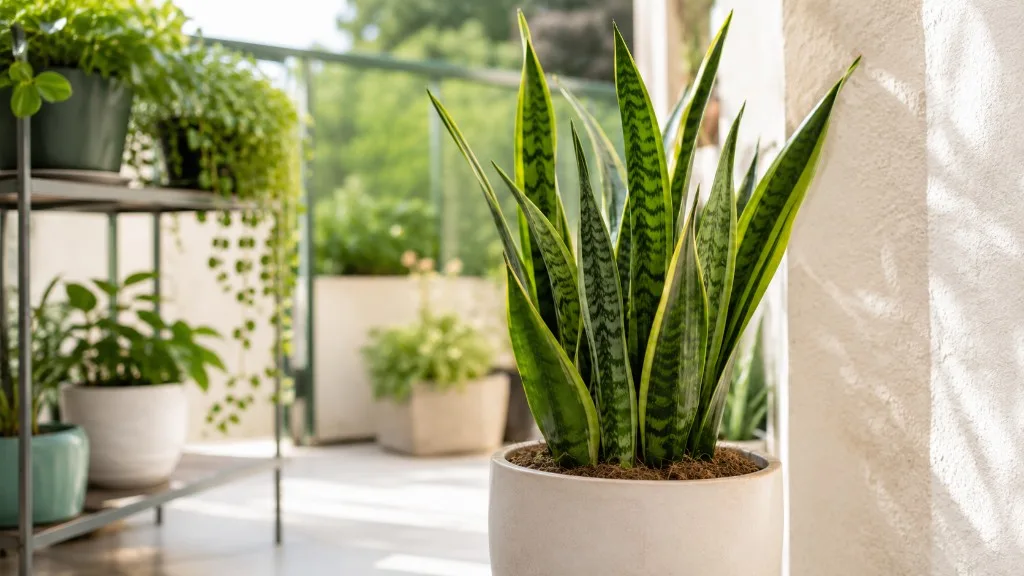
Houseplants that tolerate low humidity from heating, AC, and winter radiators.
Houseplants that tolerate low light from north-facing windows and interior placements.
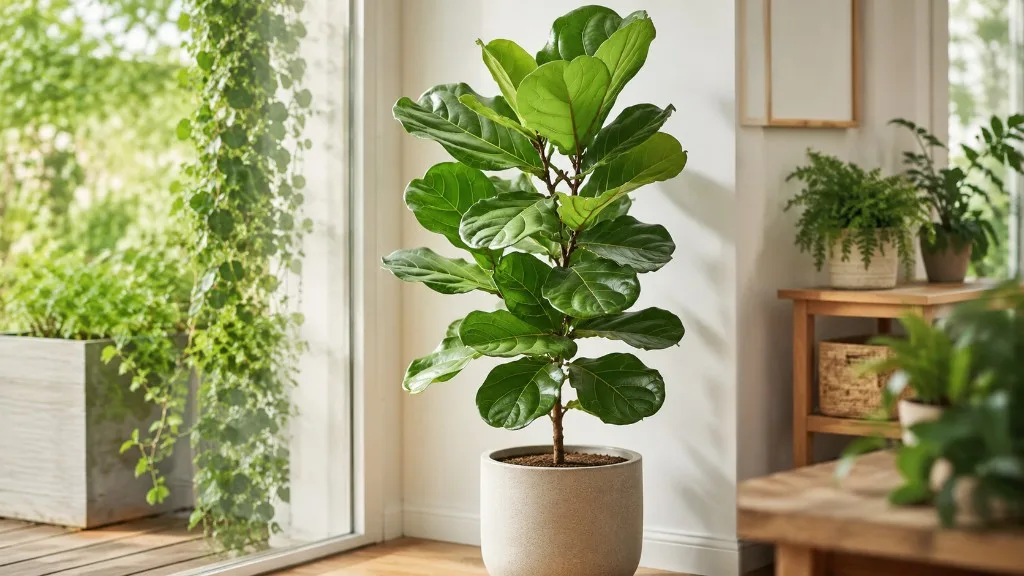
Sun-loving houseplants for bright south-facing windows and sunny sills.
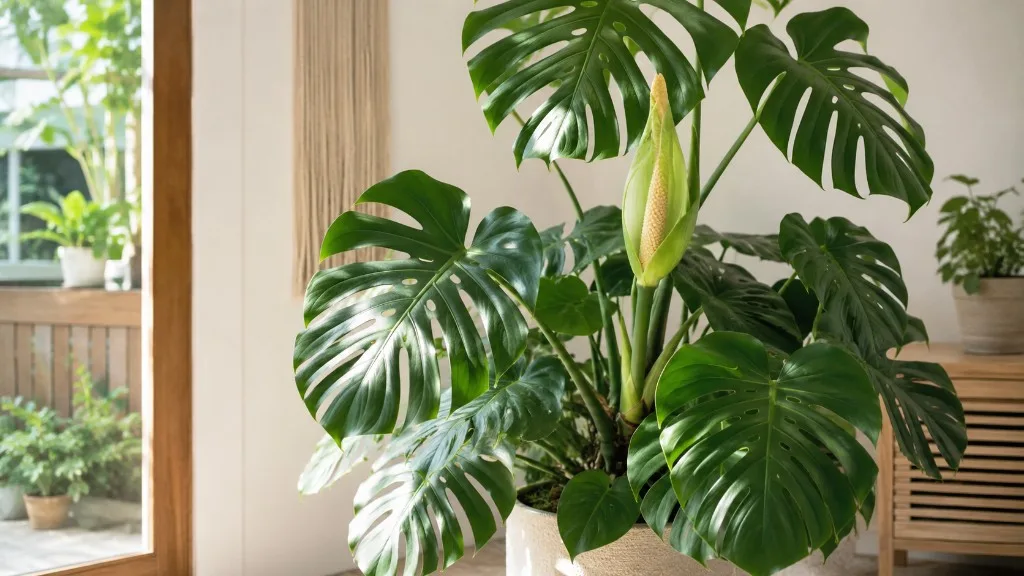
Houseplants that thrive on gentle morning sun from east-facing windows.
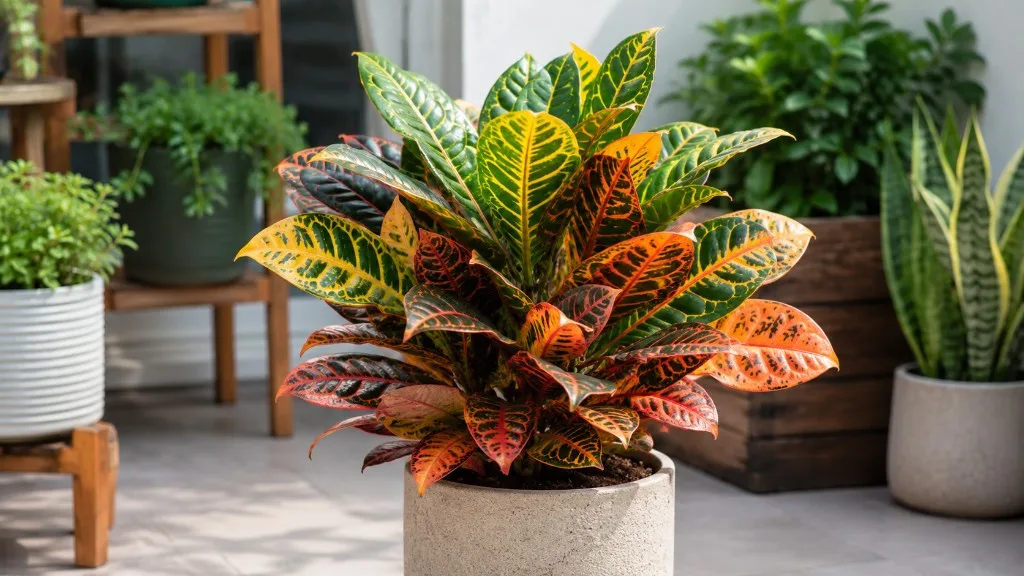
Houseplants that handle bright afternoon sun from west-facing windows.
Low-maintenance houseplants that tolerate dry, climate-controlled air from air conditioning.
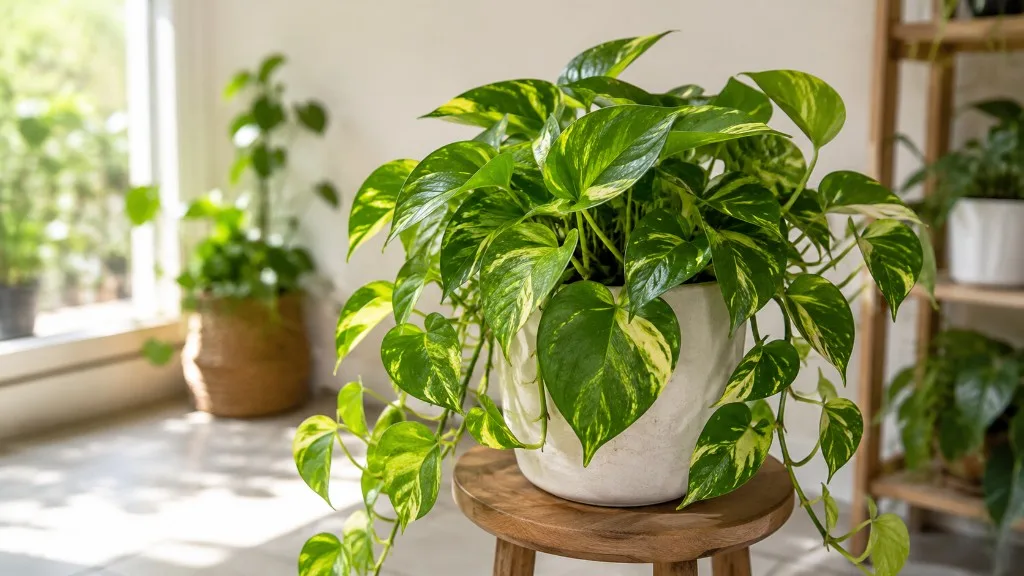
Forgiving houseplants that tolerate extra water better than succulents—though drainage still matters.
Drought-tolerant houseplants that survive missed waterings and travel weeks.
Easy houseplants to propagate from cuttings, division, and plantlets for beginners.
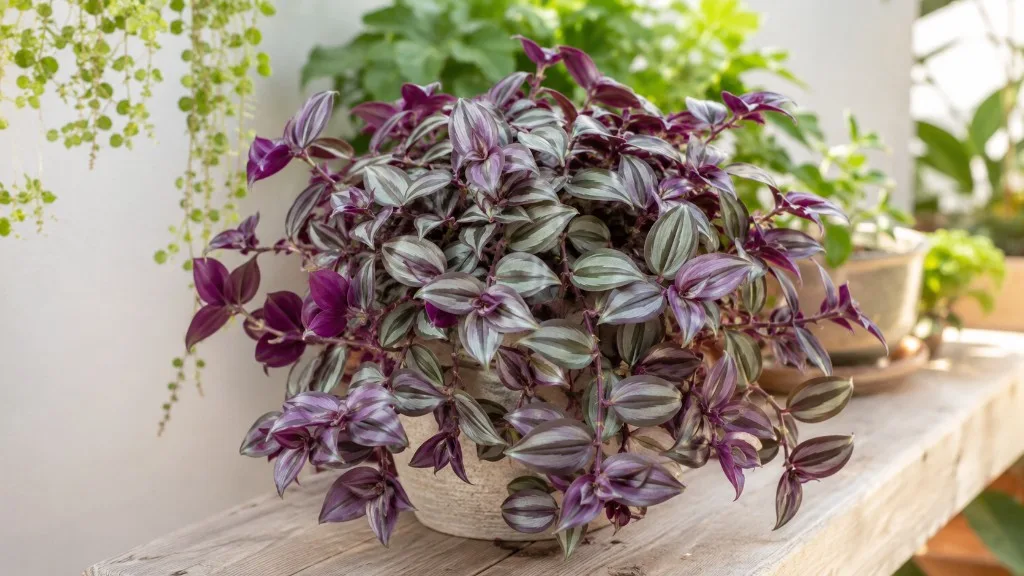
Houseplants that root quickest from cuttings and offsets—visible results in days to weeks.
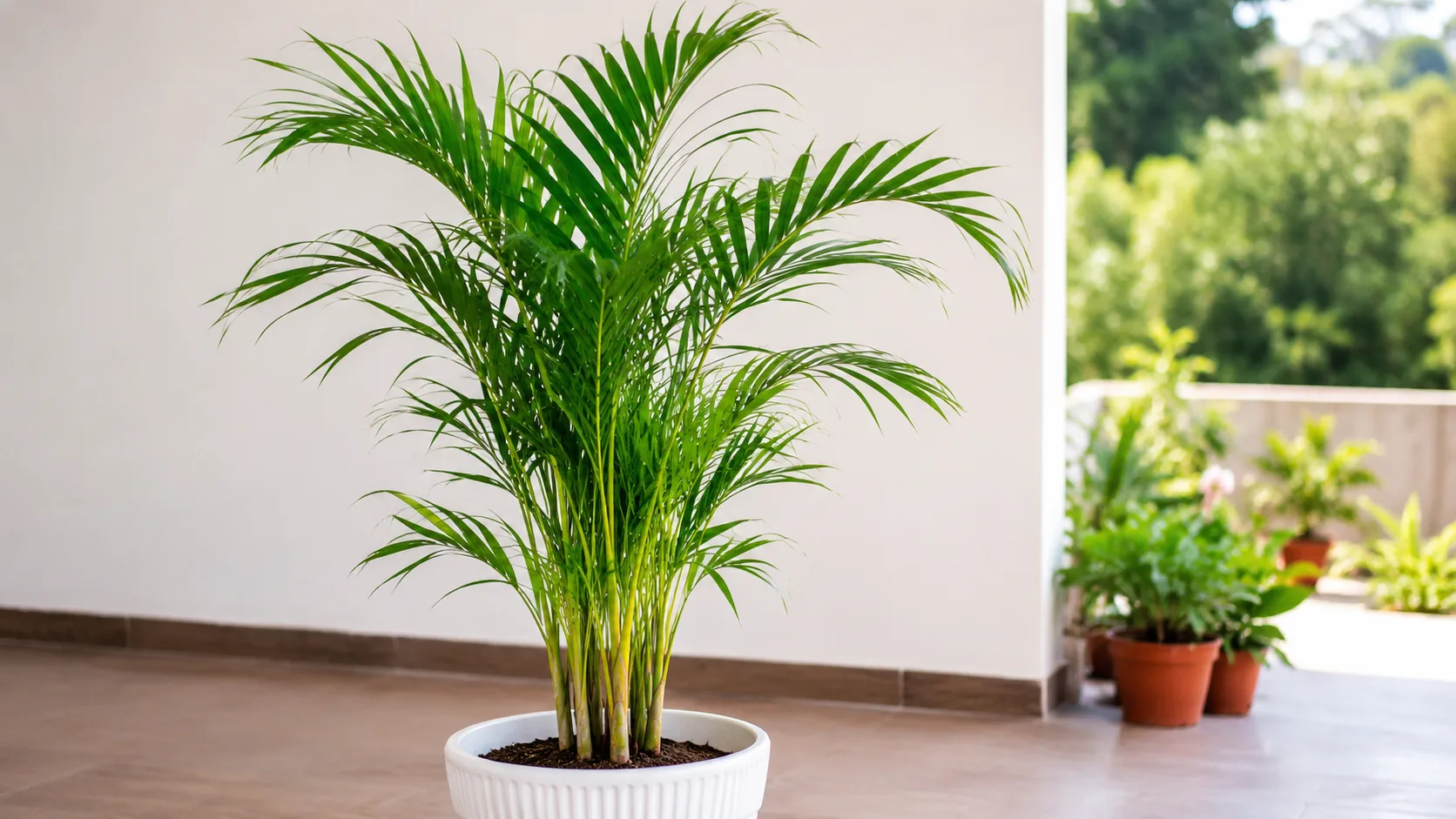
ASPCA-verified floor-scale houseplants safe for homes with cats and dogs.
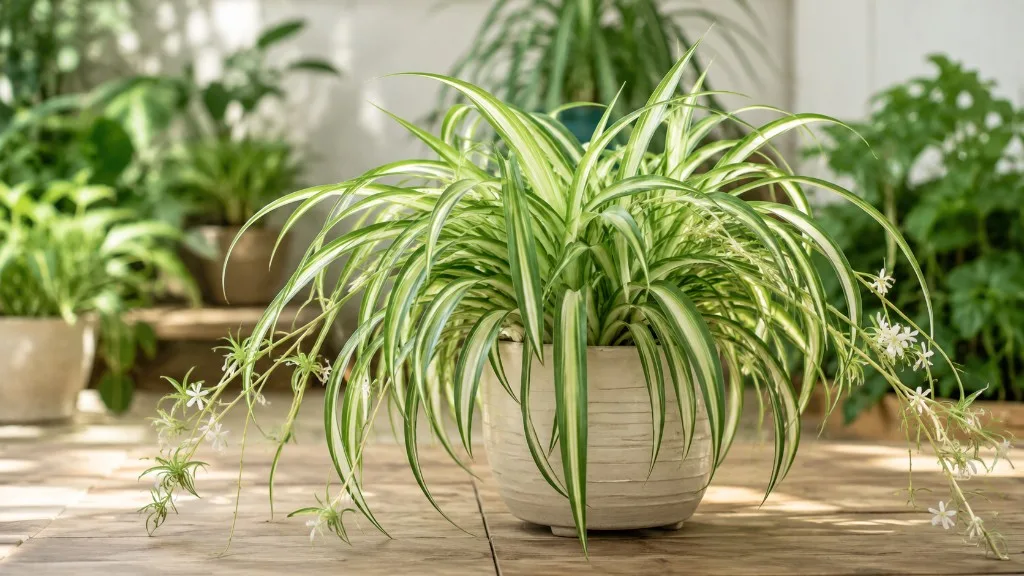
ASPCA-verified trailing houseplants safe for cat and dog homes.
Heat-tolerant, low-maintenance houseplants suited to Indian apartments, AC rooms, and monsoon humidity swings.
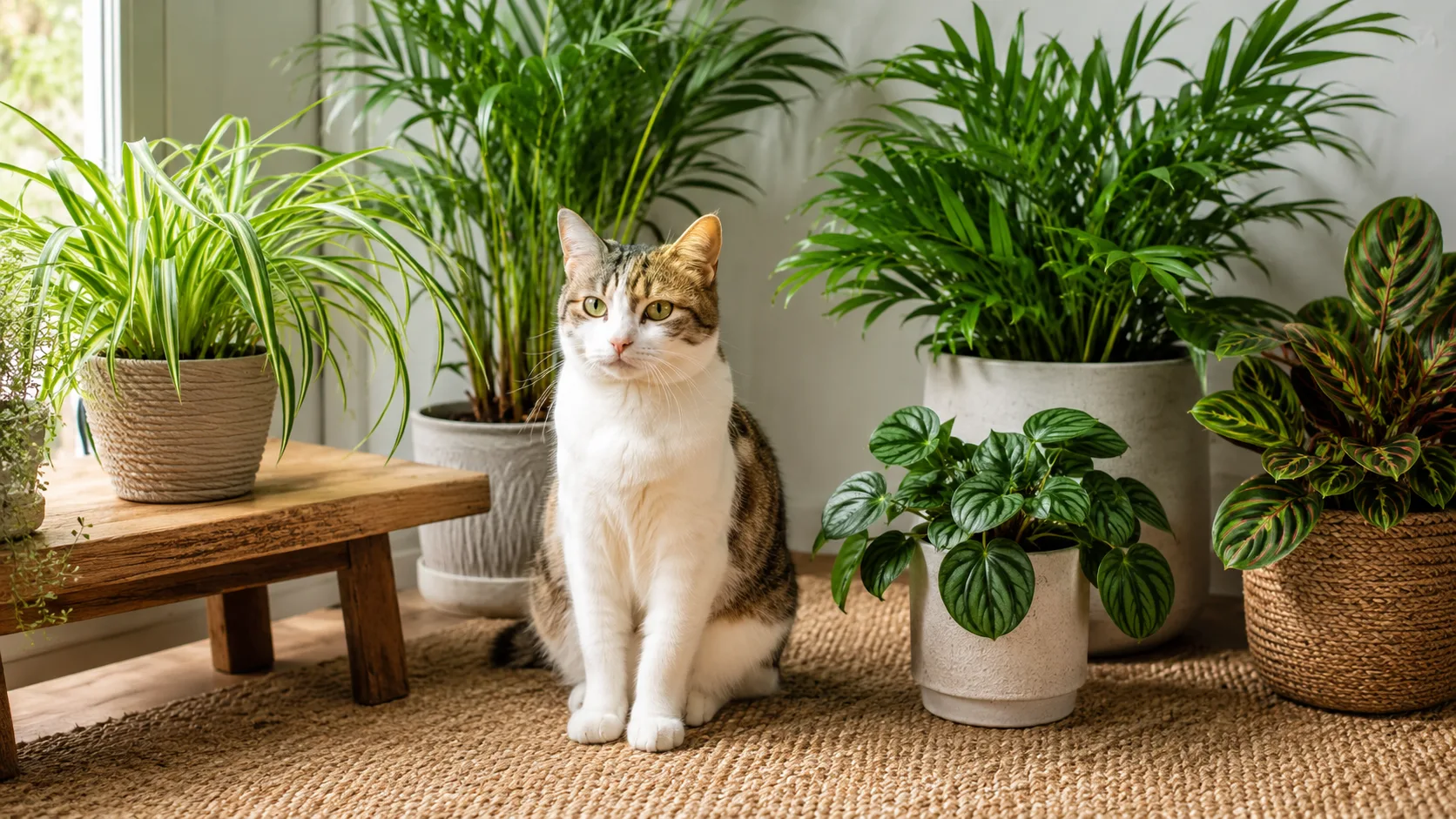
Verified houseplants that are classified as non-toxic to cats, with practical notes on chewing, placement, and which beginner-friendly picks are easiest to live with.
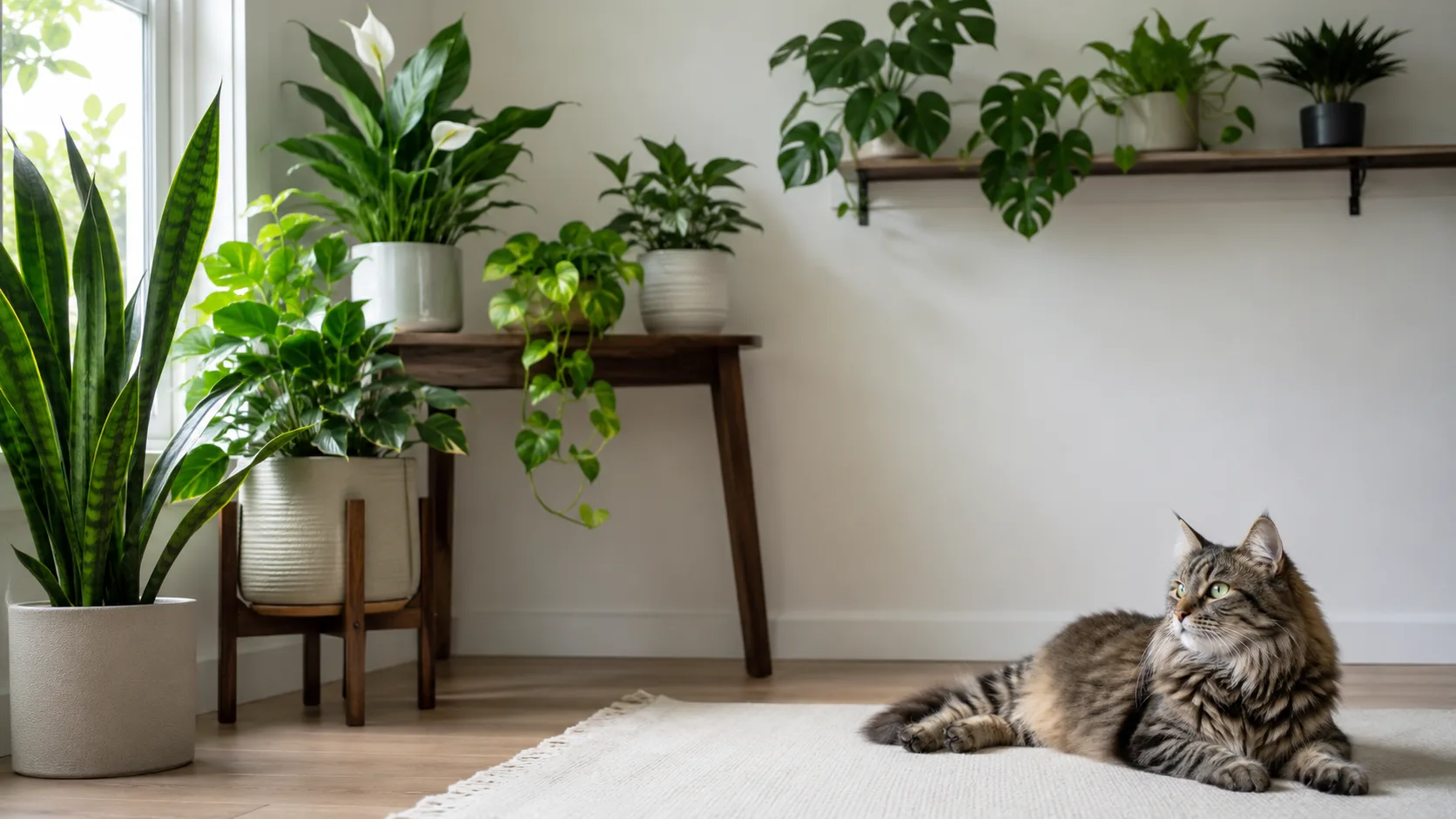
Common indoor plants that are toxic to cats or require real caution, prioritized around the species most likely to cause preventable at-home exposures.
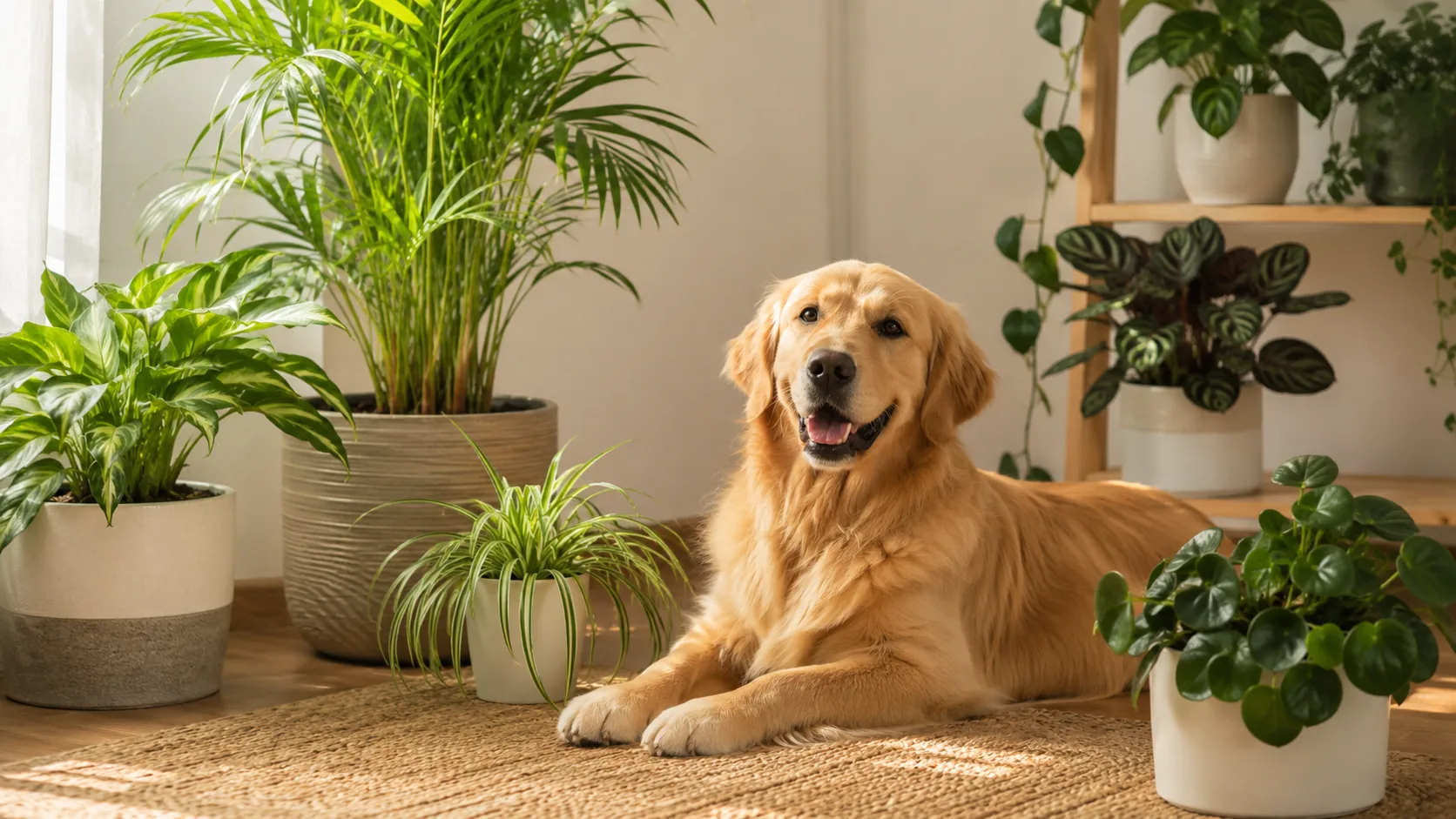
Verified houseplants that are classified as non-toxic to dogs, with practical notes on floor placement, chewing risk, and the easiest starter picks for dog homes.
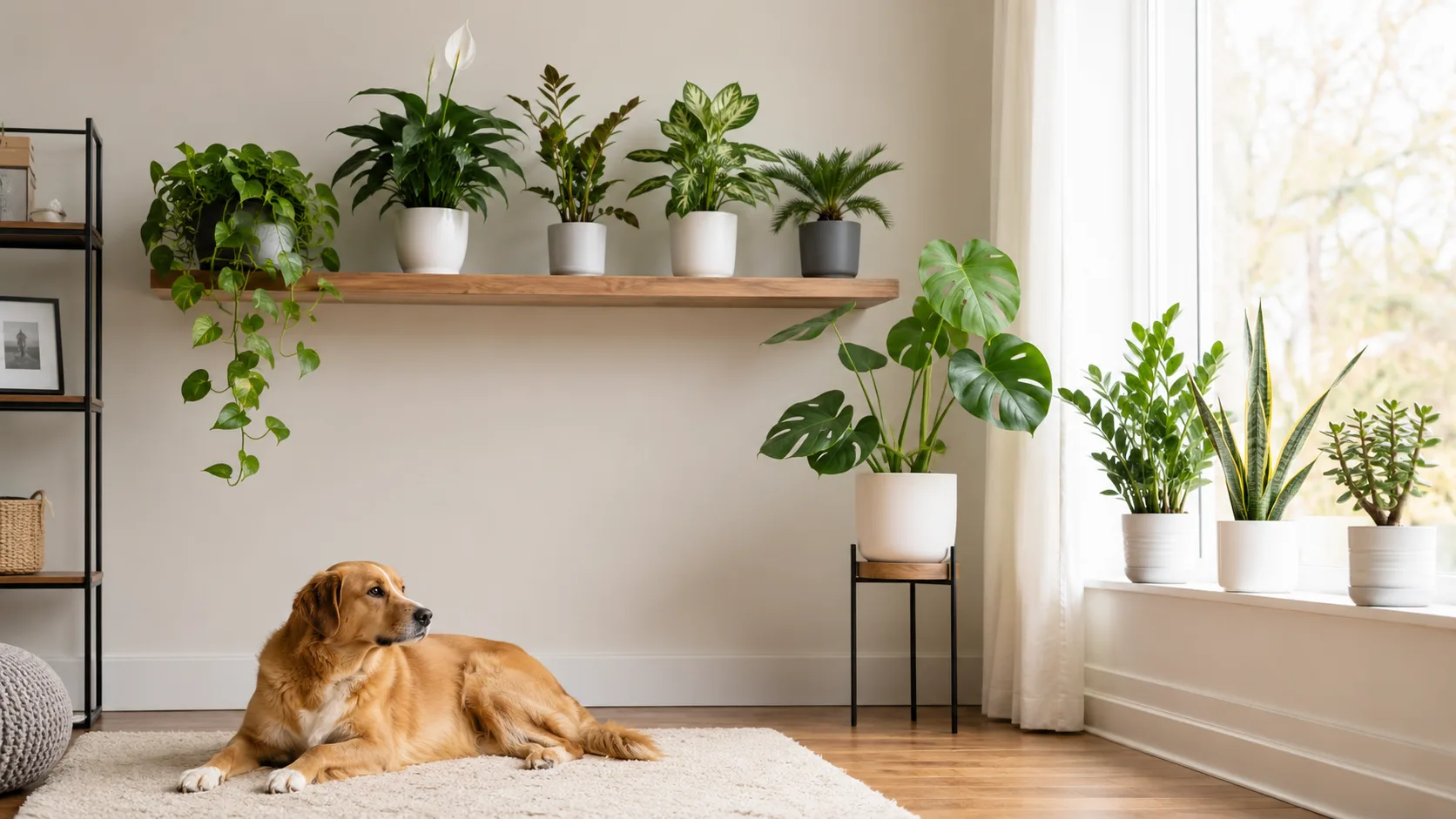
Common indoor plants that are toxic to dogs or require real caution, prioritized around the species most likely to create preventable home exposures.
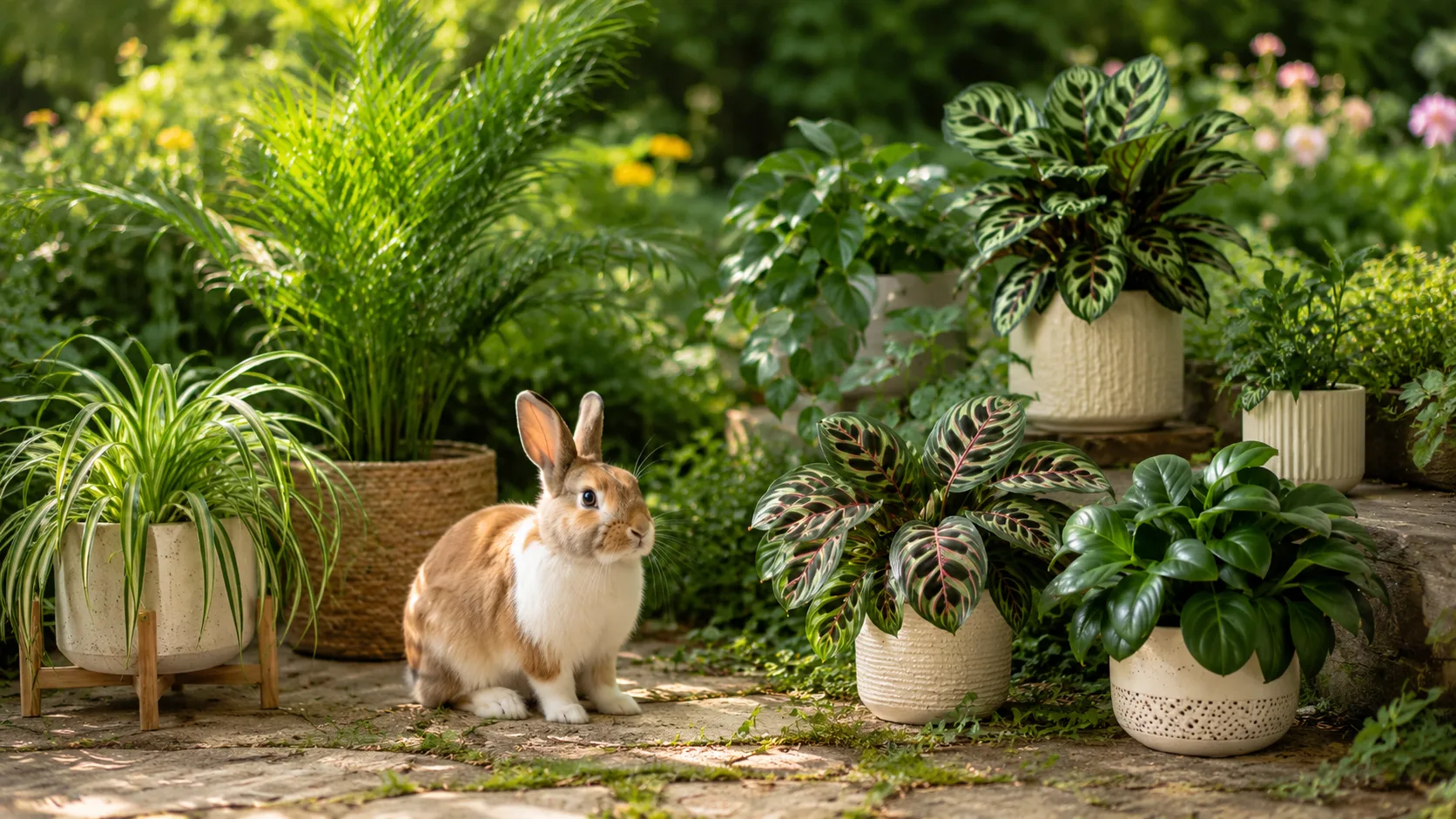
A conservative shortlist of ASPCA-verified herbs and flowers safer around rabbits, with practical notes on free-roam grazing, quantity limits, and why non-toxic does not mean unlimited food.
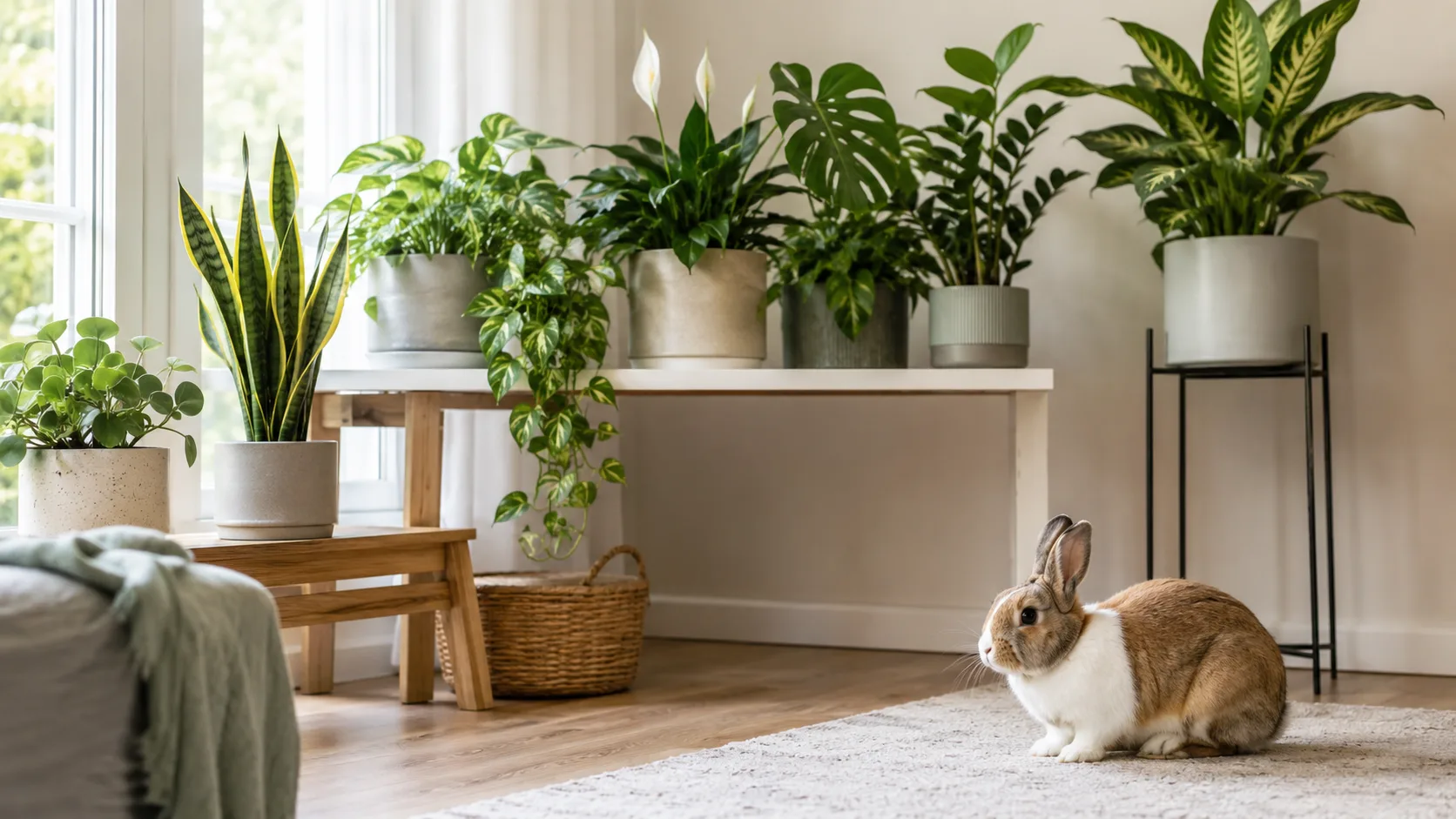
Common indoor plants rabbits should not chew, prioritized around decorative foliage that creates the clearest risk in free-roam and low-shelf setups.
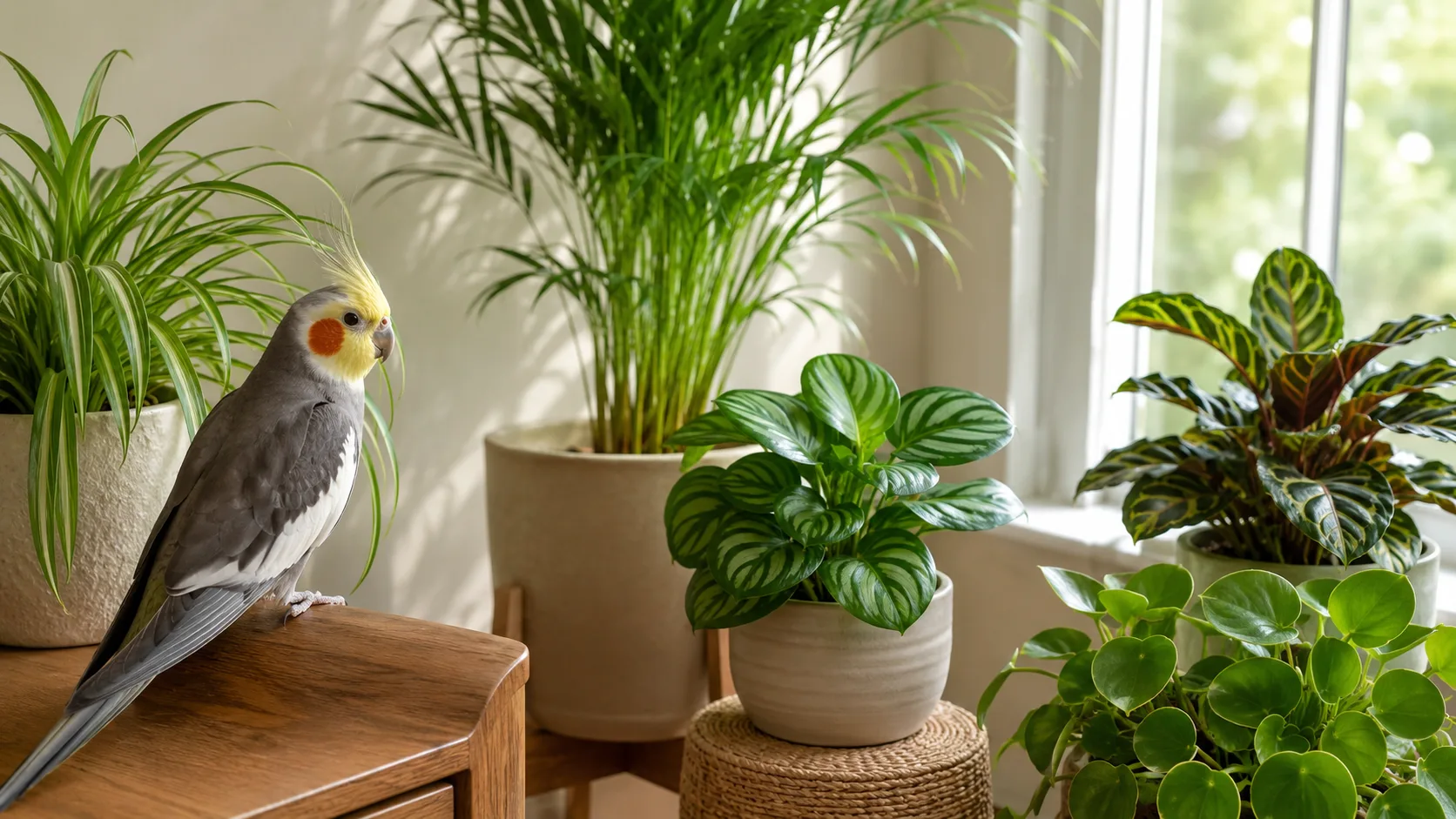
A conservative ASPCA-backed list of houseplants safer around pet birds, with practical cageside placement notes and clear limits on what non-toxic means for parrots and companion birds.
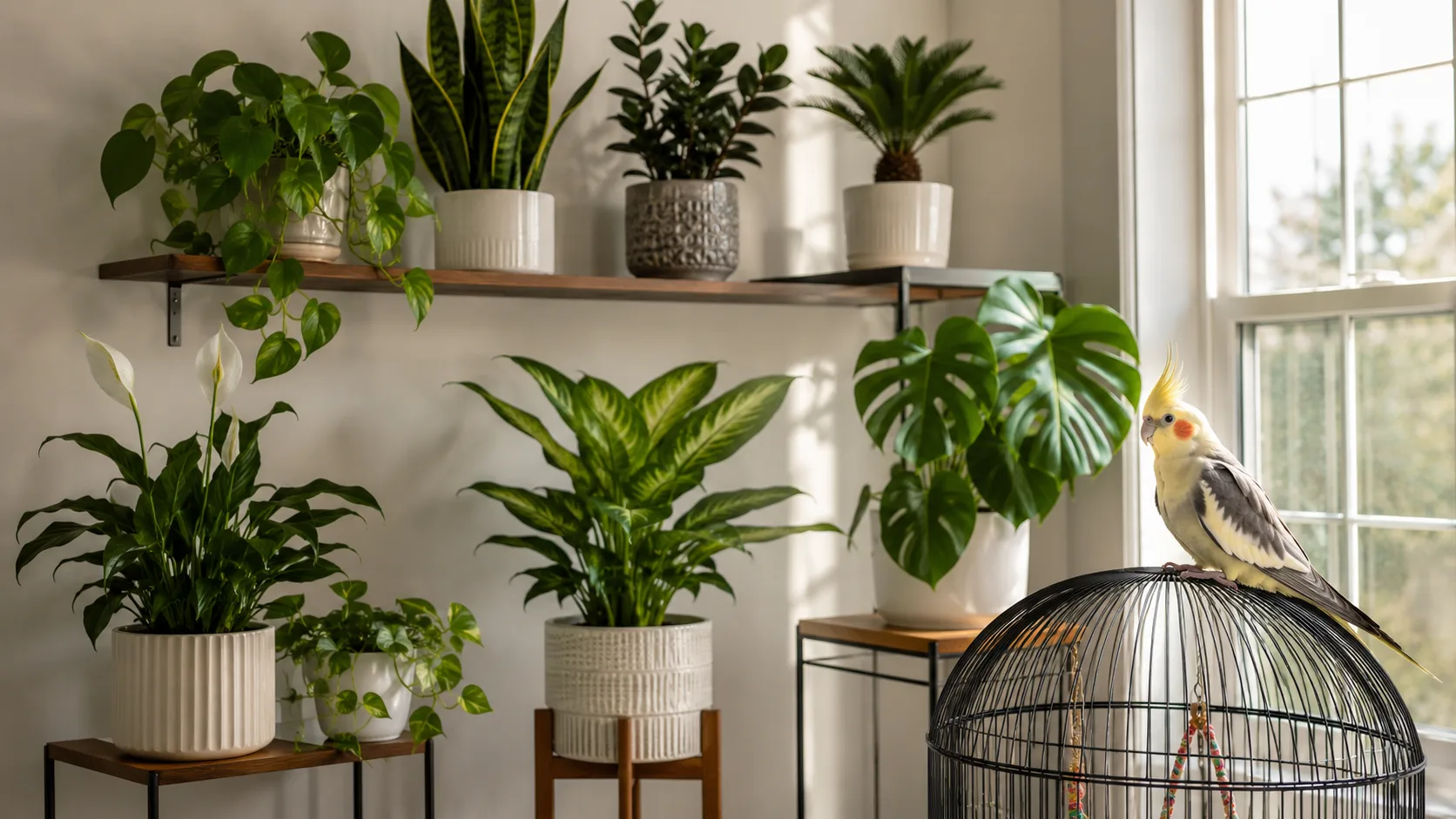
Common indoor plants bird owners should remove or isolate first, with emphasis on species that are easy for parrots and other companion birds to reach and chew.
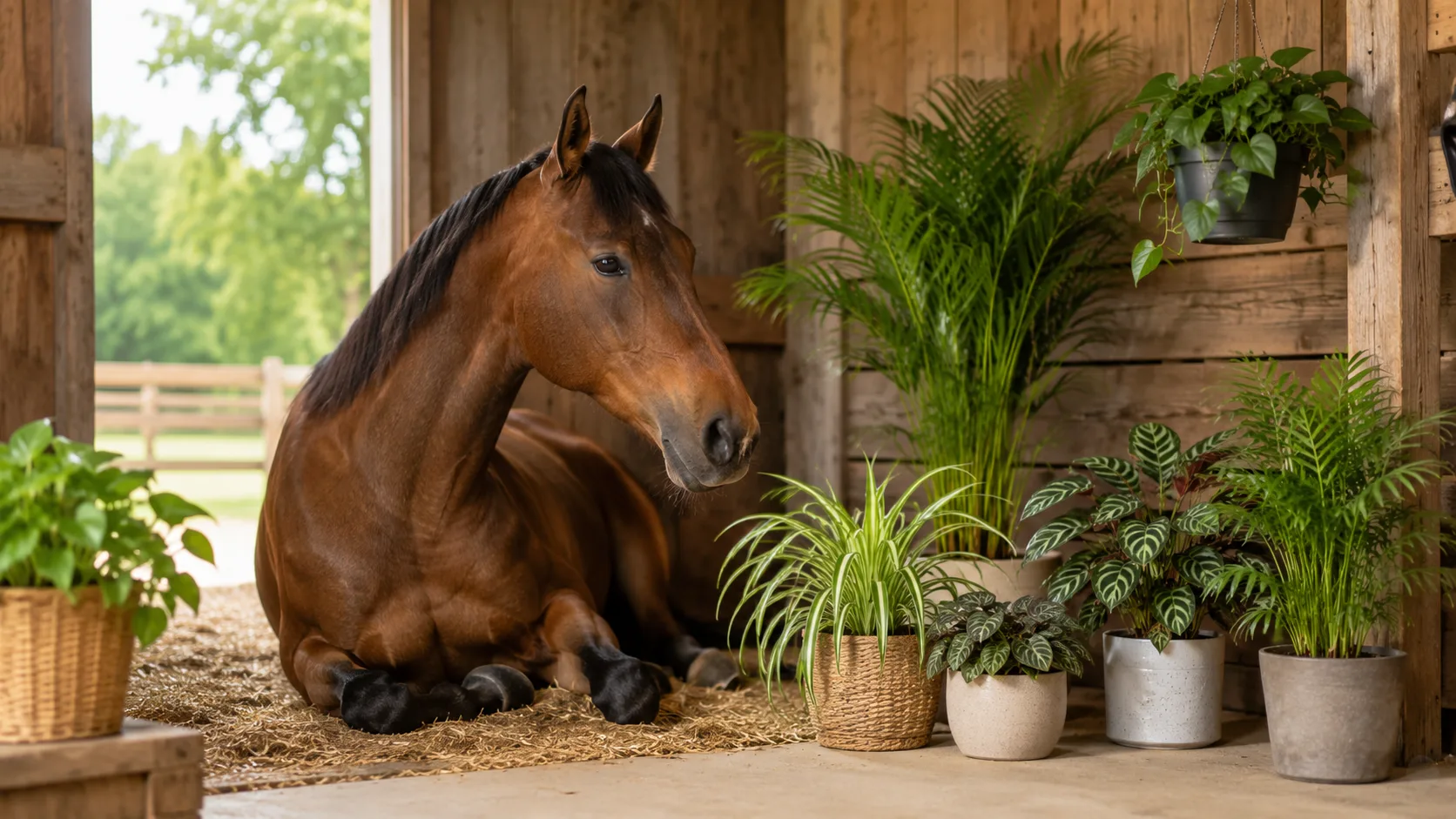
ASPCA-verified ornamental plants safer around horses, with practical guidance for tack rooms, barn offices, porches, and accidental grazing near doors and aisles.
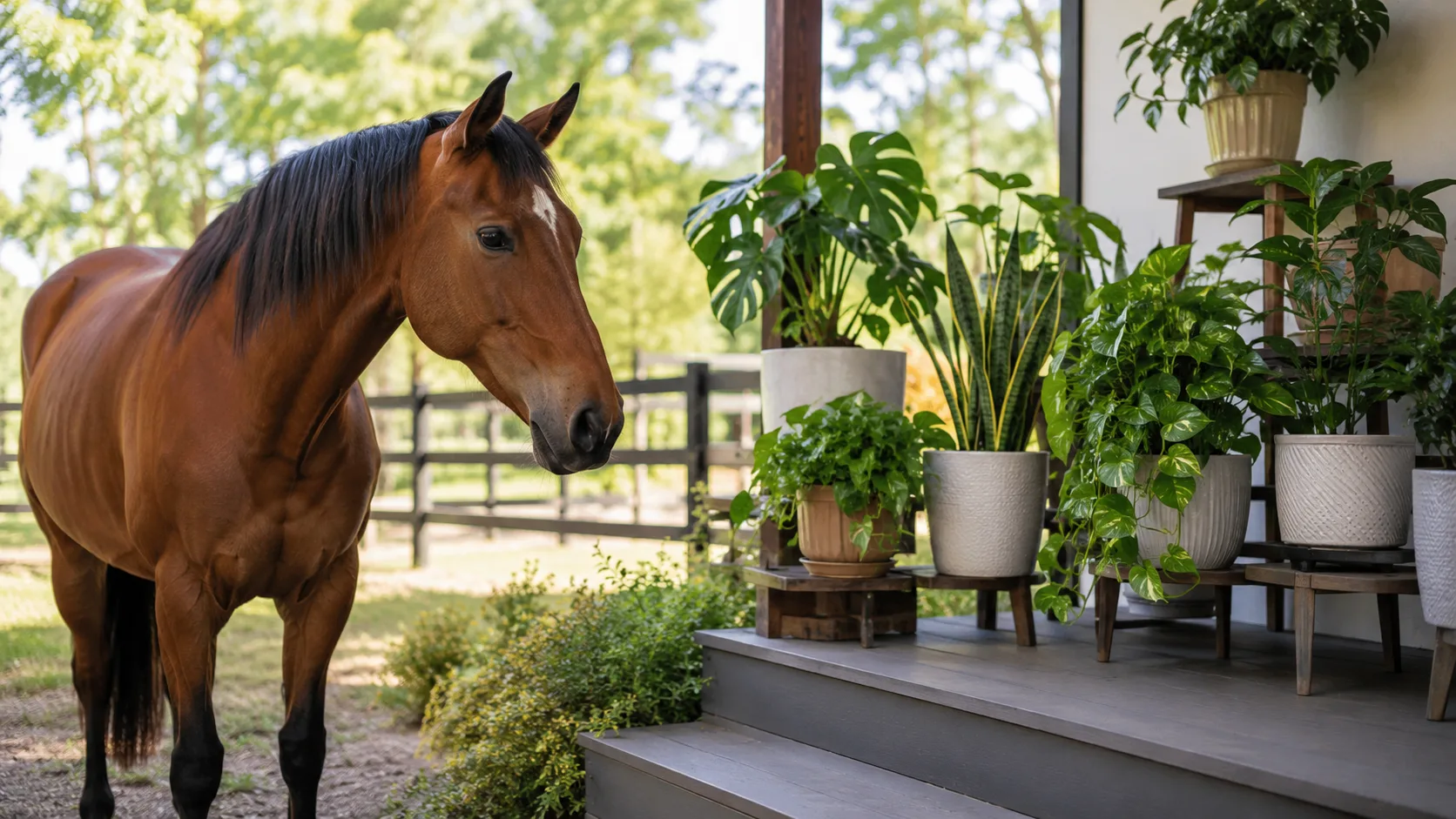
Ornamental plants that horses should not be able to reach, prioritized around species that still show up in barn offices, porches, and horse-adjacent spaces.
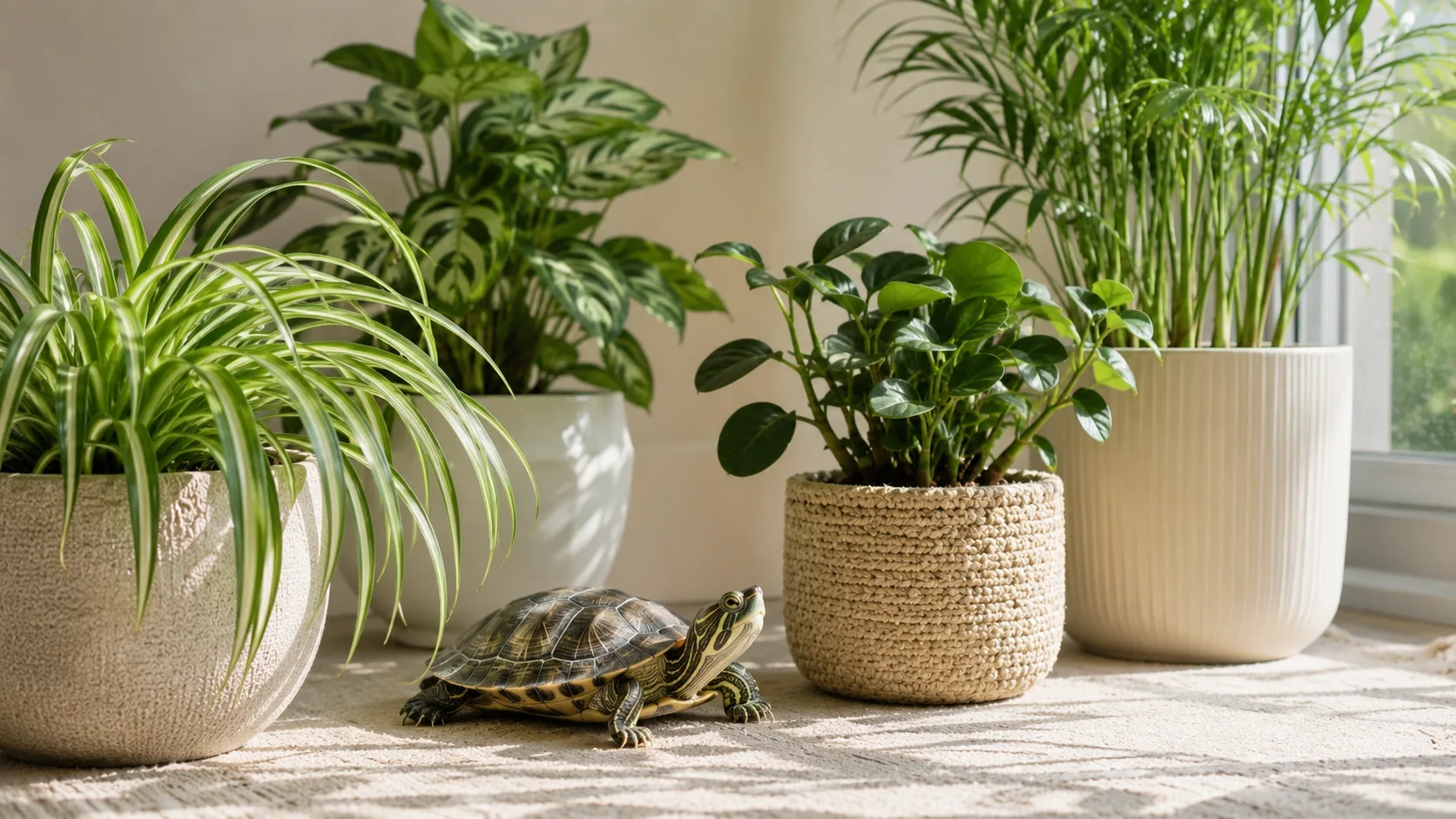
A conservative list of plants LeafyPixels currently treats as lower-risk starting points for turtles, with emphasis on aquatic and enclosure-adjacent species that fit tanks, basking setups, and pond-style habitats.
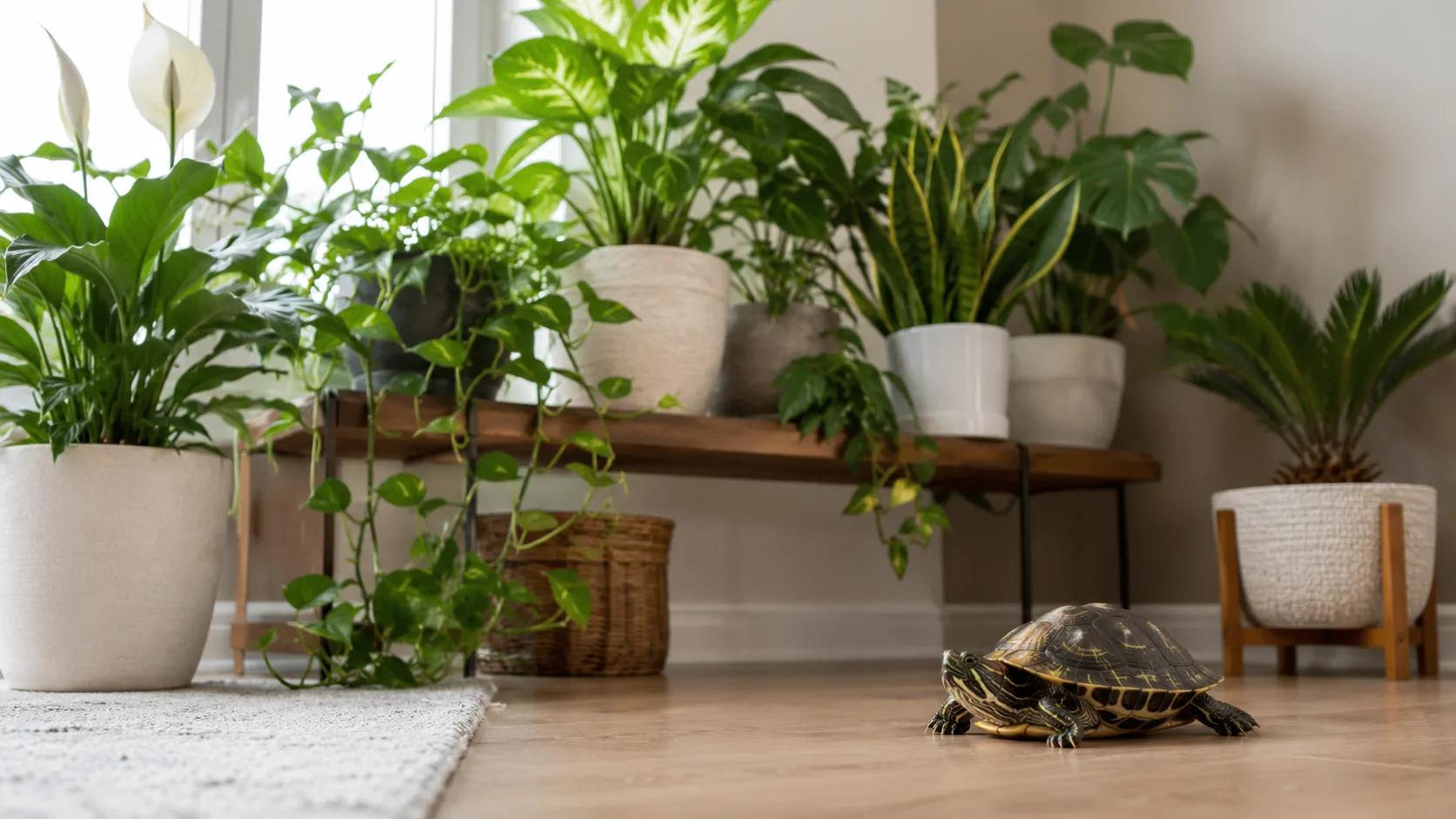
Common ornamentals and houseplants turtles should not be able to sample, prioritized around species that may be placed near tanks, basking zones, or indoor pond setups.
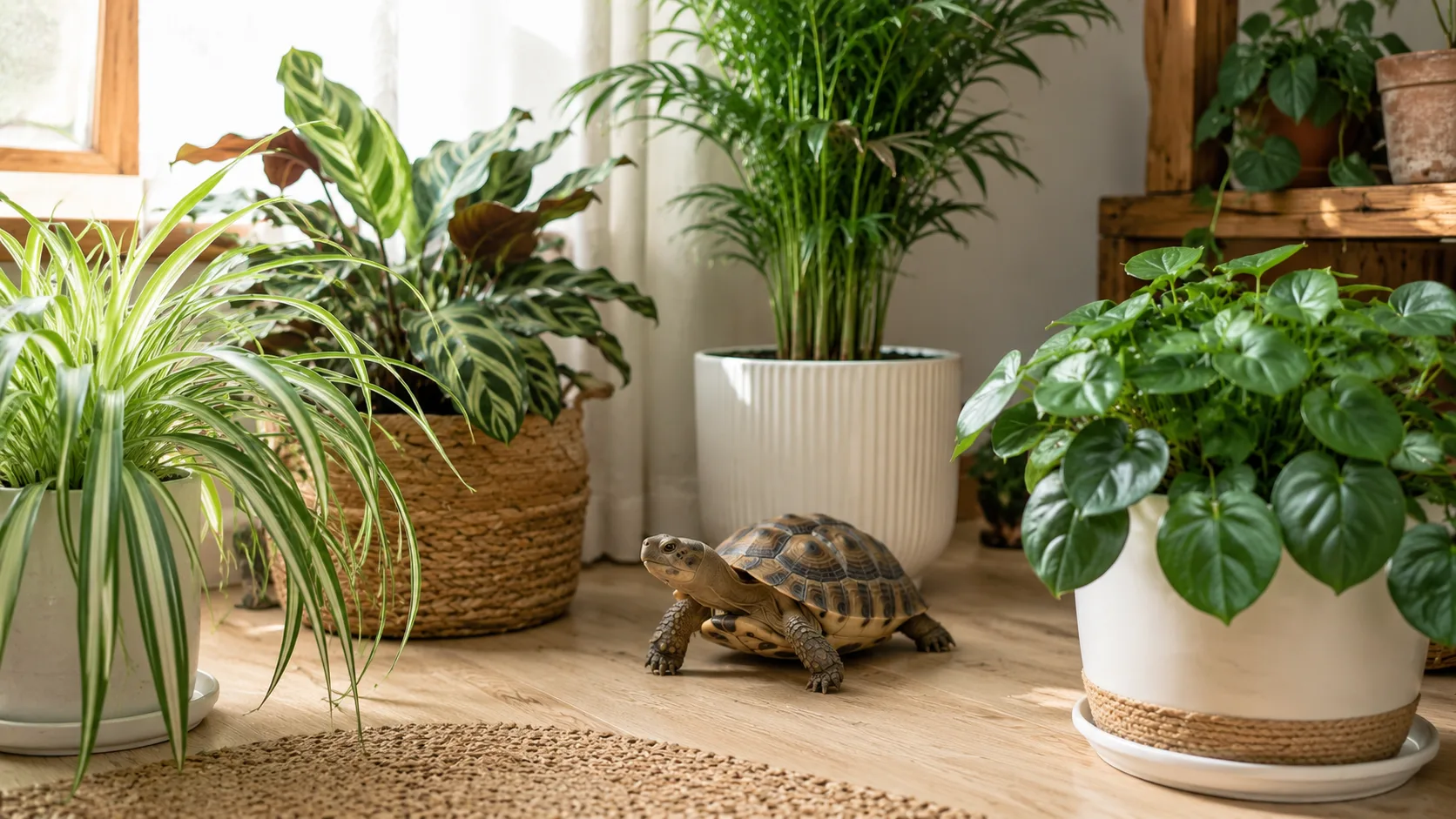
A conservative shortlist of plants LeafyPixels currently treats as lower-risk around tortoises, focused on species that fit grazing-style setups better than decorative houseplants do.
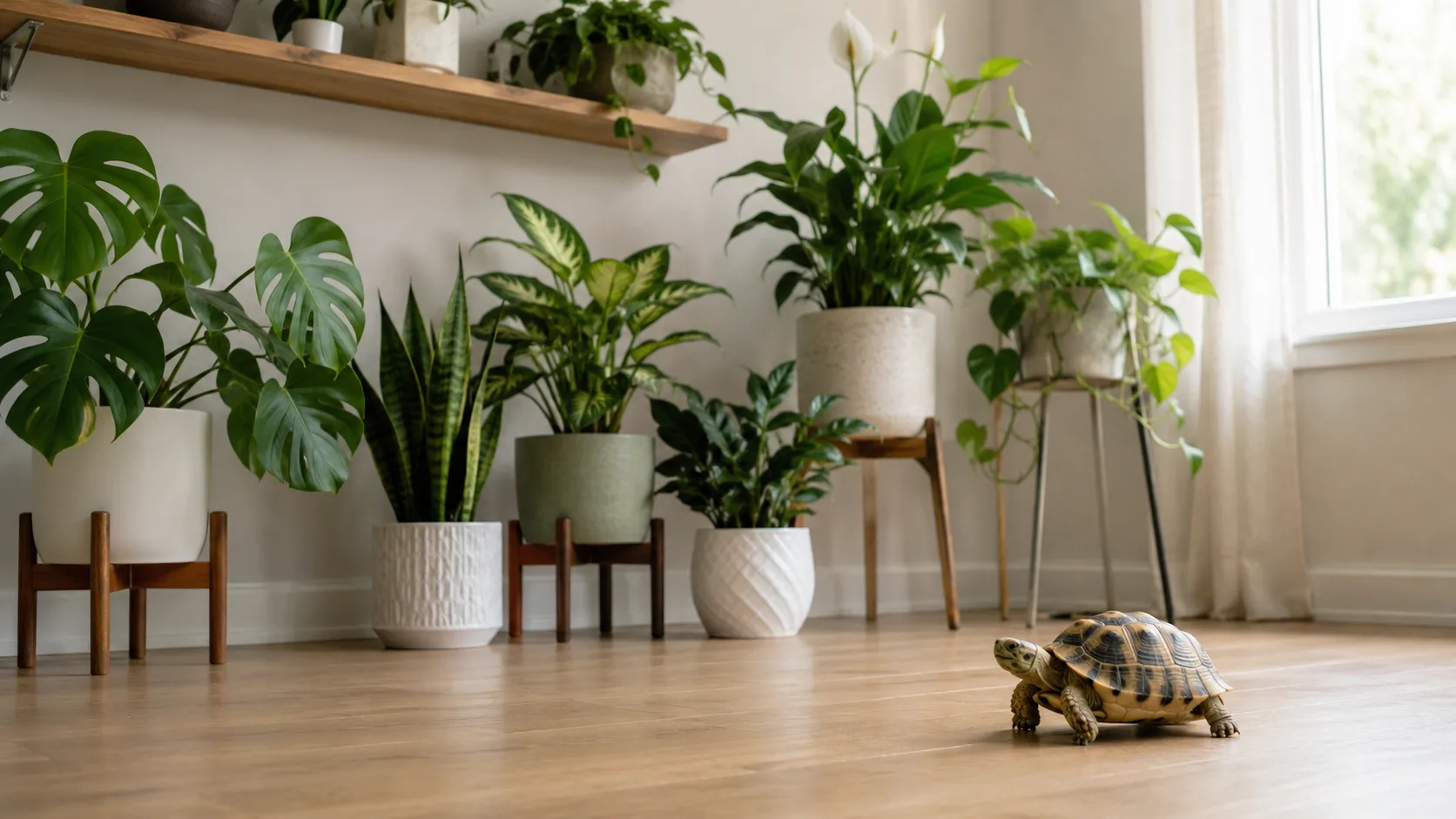
Common ornamentals tortoises should not be able to graze, prioritized around plants that are easy to reach in indoor pens, patios, and supervised roaming setups.