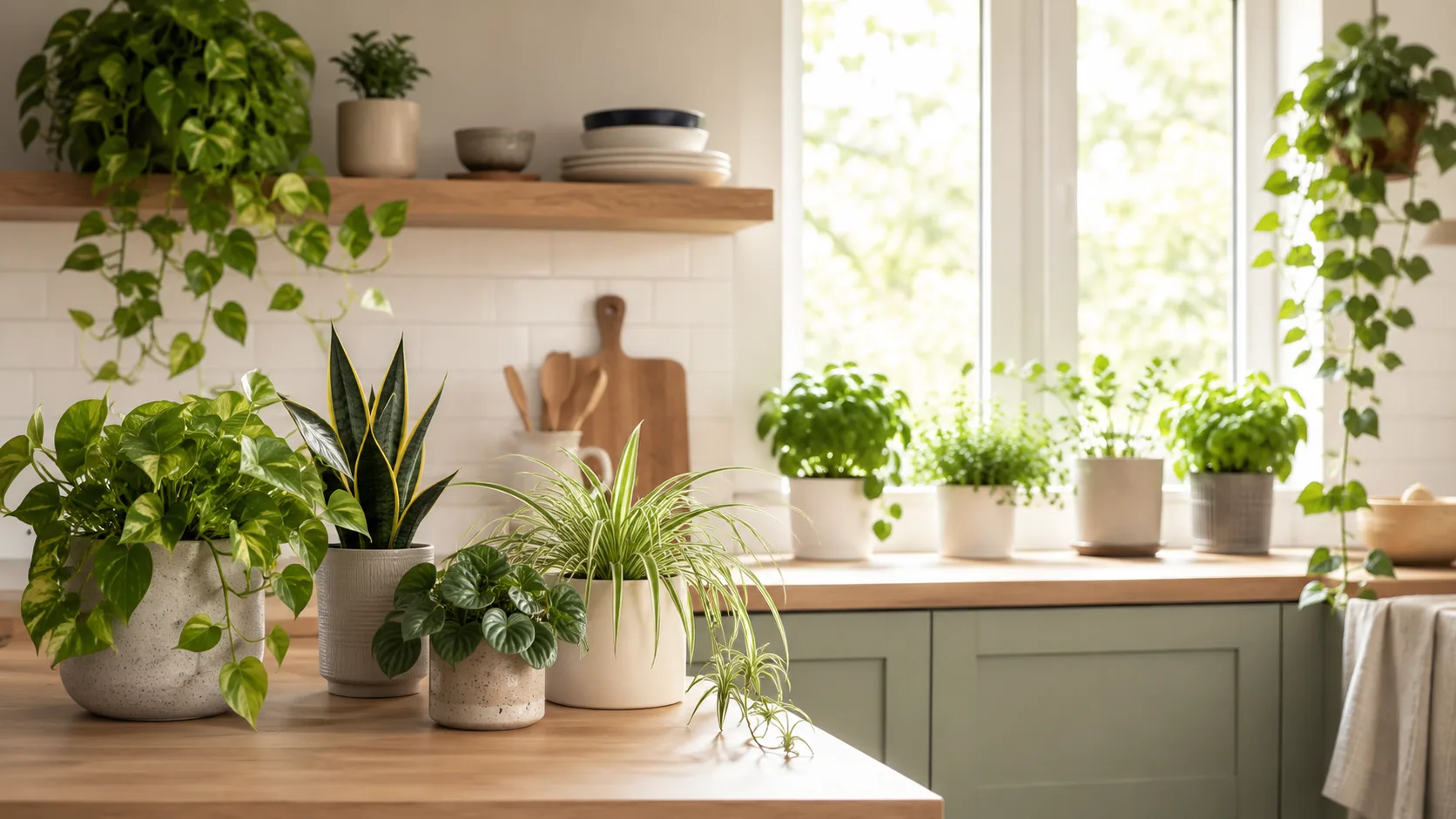
Kitchens are harsh plant habitats: heat spikes, grease film, splashing water, and light that exists only on the sill. The best kitchen plants either feed you (herbs) or tolerate the room’s chaos without demanding greenhouse conditions.
If you want fast growers for other rooms, see Fast-Growing Houseplants. This guide compares ten kitchen-suited species: sill herbs, counter foliage, humidity tolerance, pet safety, and placement away from the stove.
The 10 best kitchen plants are pothos, basil, mint, rosemary, aloe vera, spider plant, english ivy, heartleaf philodendron, jade plant, and snake plant.
Editor note (grease film): Monthly leaf wiping on kitchen foliage matters more than in bedrooms—thin cooking residue blocks light and feeds sooty mold on ivy and pothos near ranges.
Quick Pick: Best Kitchen Plant for Your Setup
For a sunny south or west sill you will cook from, choose basil or mint. Harvesting teaches watering rhythm faster than passive décor.
For a bright counter without direct sill sun, choose pothos or spider plant. Spider plant is ASPCA-listed non-toxic—useful when cats patrol counters.
For the windowsill that bakes in afternoon sun, choose aloe vera or rosemary—both prefer bright, drier conditions than mint.
For dim galley kitchens, choose snake plant on an open shelf away from the sink splash zone—not herbs, which need sun.
For trailing greenery above the sink (not over burners), choose english ivy or philodendron in hanging pots beyond grease range.
How to Choose Kitchen Plants
Split the kitchen into zones: sunny sill (herbs), bright counter (foliage), dim shelf (succulents), and no-plant zone within two feet of active burners.
Match Herbs to Sill Light
Basil and mint need roughly six hours of bright light for dense leaves—south or west sills work best. Rosemary tolerates drier sill edges; mint wants steadier moisture. (University of Florida IFAS - Herbs)
Keep Foliage Away From Heat
Leaves cook faster than you expect above kettles and toaster ovens. Steam is fine; sustained radiant heat browns tips permanently.
Plan Drainage Near Food Prep
Use saucers or inner pots with holes. Standing water near cutting boards invites gnats and bacteria odors.
How We Selected These Ten
Chosen for kitchen-relevant placement, harvest or visual value, tolerance of humidity swings, and LeafyPixels guide coverage. We skipped large floor trees better suited to Plants for Living Room.
Kitchen Plants Compared
*ASPCA non-toxic; chewing can still upset stomachs.
The 10 Best Kitchen Plants
1. Pothos
Best for: counters with indirect light, hanging beyond range hood.
Difficulty: Easy | Light: Medium–bright indirect | Water: Top 1–2 in dry
Pet safety: Toxic | Placement: Open counter or high shelf
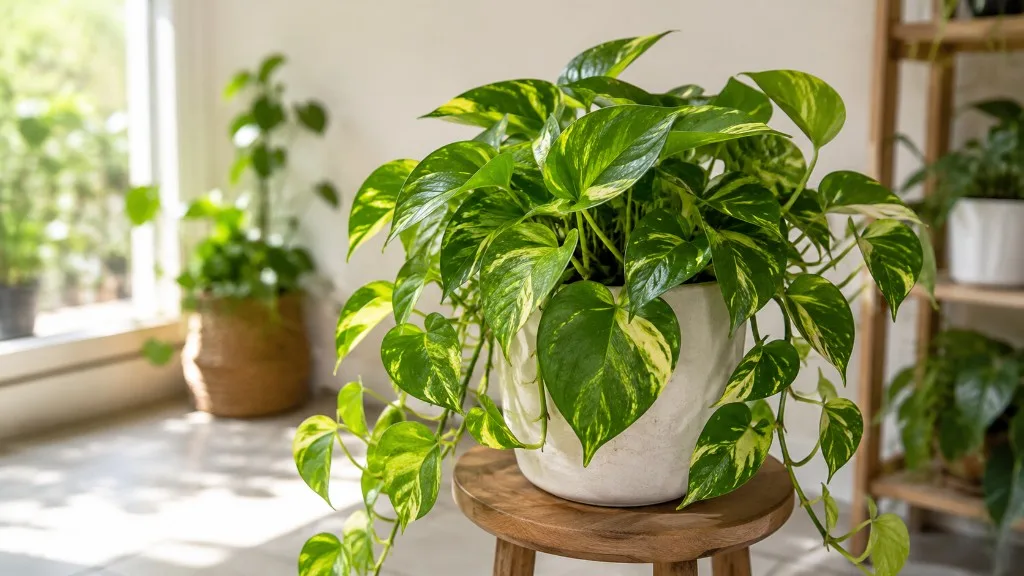
Pothos handles kitchen humidity and intermittent care. Trailing stems soften upper cabinets without needing sill space herbs require.
Why it works: Forgiving foliage where sill is reserved for herbs.
Care tip: Wipe leaves monthly if grease film builds.
Common mistake: Hanging directly above the stove.
Avoid if: Cats bat trailing vines into burners.
Useful care guides:
2. Basil
Best for: sunny kitchen sills, cooks who harvest weekly.
Difficulty: Easy–medium | Light: Bright direct to indirect | Water: Steady moisture
Pet safety: Culinary herb—not pet food | Placement: Brightest sill
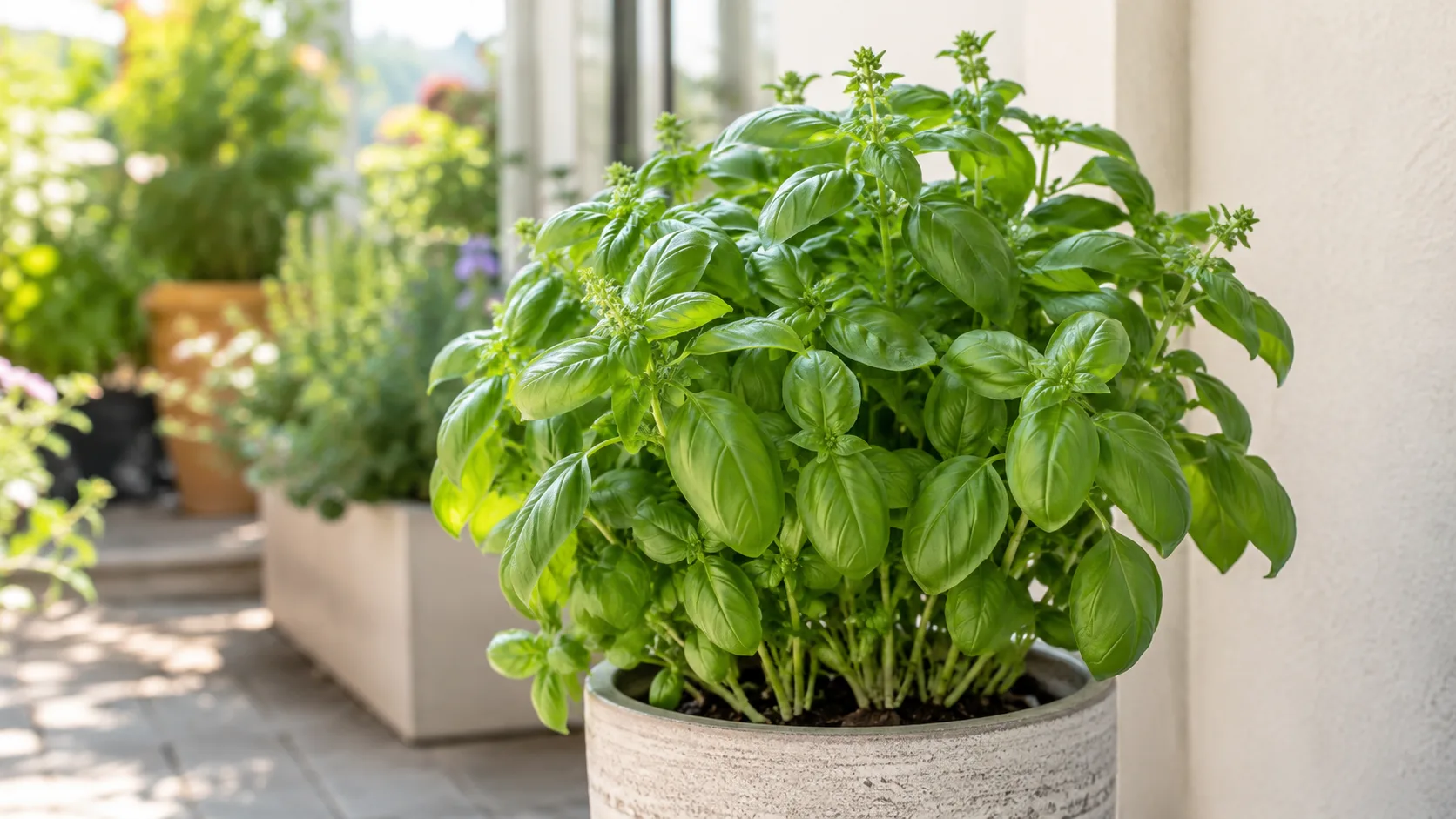
Basil (Ocimum basilicum) is the kitchen plant that pays rent in pesto and garnish. Wilts visibly when dry—useful feedback for beginners.
Why it works: Teaches daily observation on the sill you pass most.
Care tip: Pinch flower buds to keep leaves tender.
Common mistake: Same low-light sill as snake plant—legs out and flavor fades.
Avoid if: Your only kitchen window faces north without grow lights.
Useful care guides:
3. Mint
Best for: tea and cooking, moist bright sills.
Difficulty: Easy | Light: Bright indirect | Water: Evenly moist
Pet safety: Culinary only | Placement: Sill or counter with drainage
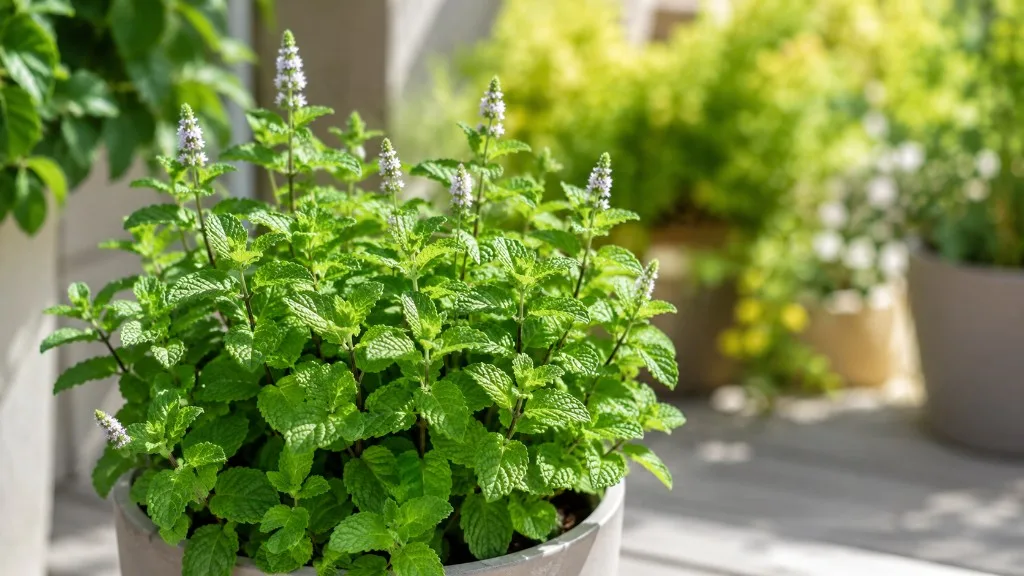
Mint spreads aggressively—fine in a contained sill pot, risky in open garden beds. Kitchen confinement actually helps control it.
Why it works: Fast harvest cycles in good light.
Care tip: Harvest tops to keep growth bushy.
Common mistake: Letting soil dry completely—mint collapses fast.
Avoid if: You cannot water every few days in summer.
Useful care guides:
4. Rosemary
Best for: sunny sills, Mediterranean cooking, drier soil.
Difficulty: Medium | Light: Bright direct | Water: Dry between drinks
Pet safety: Culinary only | Placement: Sunniest sill edge
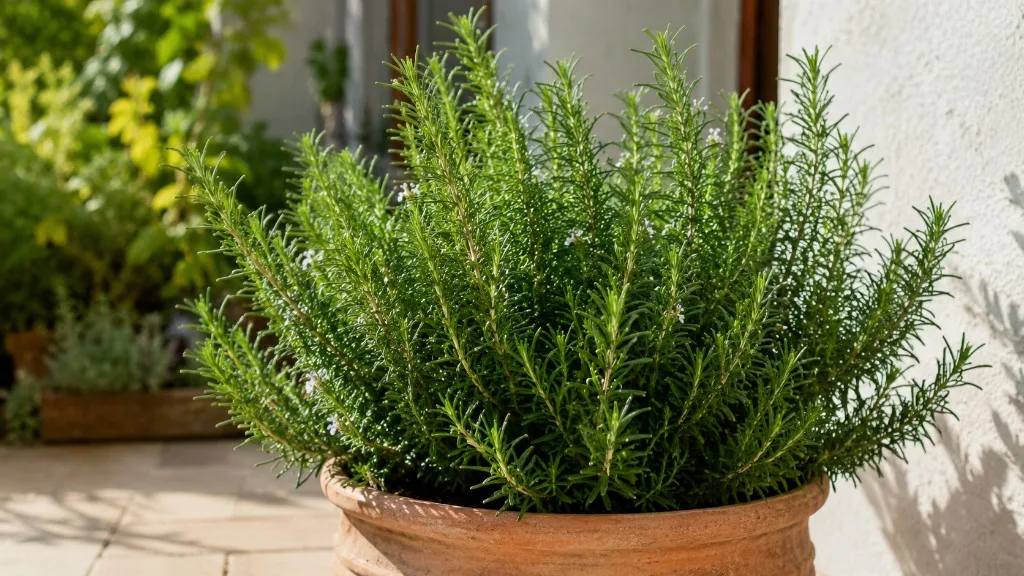
Rosemary wants sun and airflow—often the sill above the sink if south-facing. Struggles in steamy dark corners.
Why it works: Woody herb tolerates kitchen dry spells better than basil.
Care tip: Do not pair with mint’s watering schedule—roots rot if kept soggy.
Common mistake: Overwatering because neighboring herbs need moisture.
Avoid if: Only fluorescent kitchen light—use pothos instead.
Useful care guides:
5. Aloe Vera
Best for: hot sunny sills, occasional topical gel use.
Difficulty: Easy | Light: Bright direct | Water: Dry deeply between
Pet safety: Toxic to cats and dogs per ASPCA | Placement: Sunbaked sill, not kid/pet reach
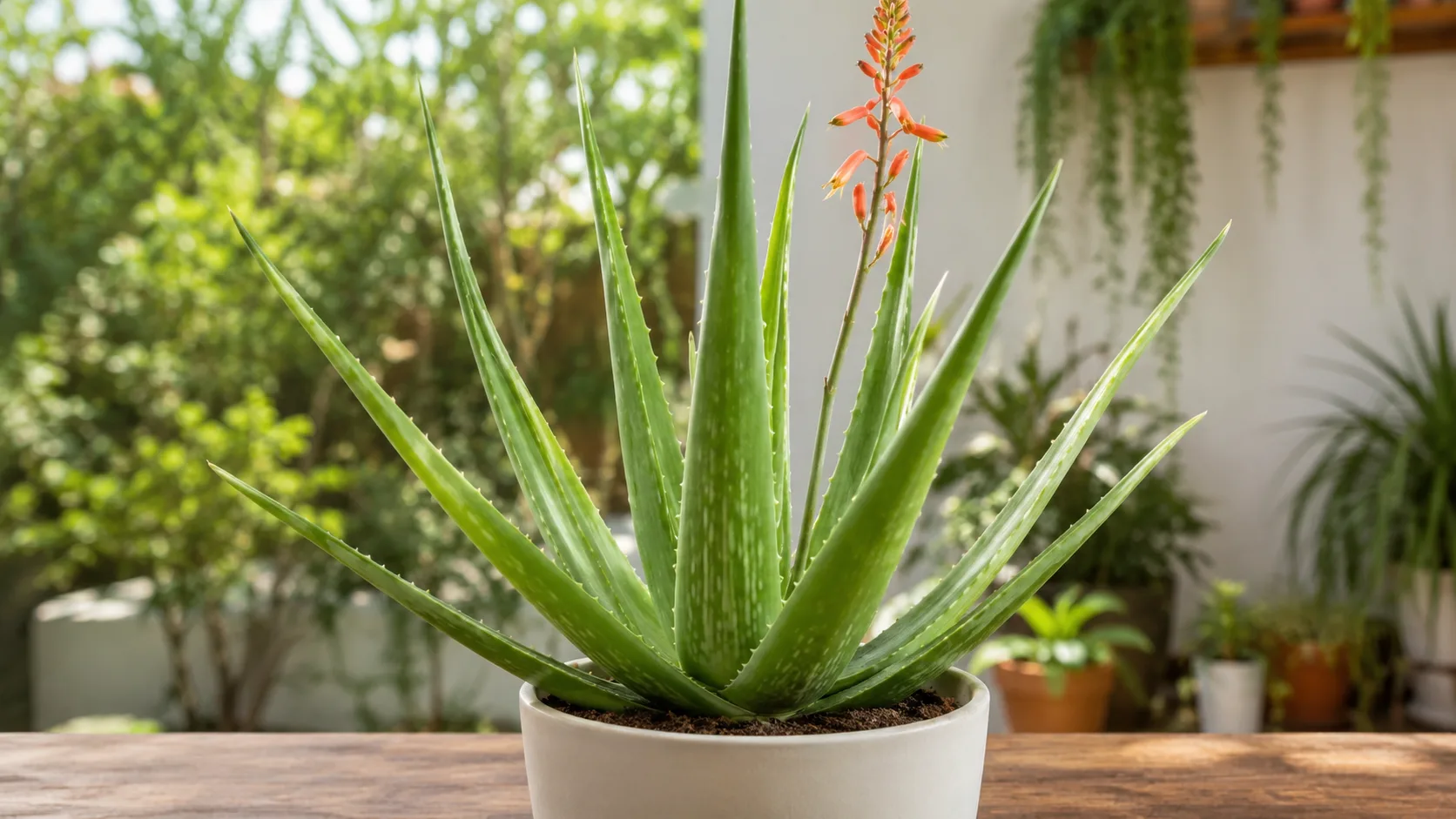
Aloe vera tolerates the sill that cooks basil in summer—bright and warm. Gel use is topical; internal consumption is not recommended.
Why it works: Succulent survival on the brightest kitchen ledge.
Care tip: Use cactus mix; kitchen humidity does not replace drainage.
Common mistake: Watering weekly like herbs on the same sill.
Avoid if: Pets chew succulents at sill height.
Useful care guides:
6. Spider Plant
Best for: pet-aware kitchens, bright counters.
Difficulty: Easy | Light: Bright indirect | Water: Top 1–2 in dry
Pet safety: ASPCA non-toxic | Placement: Counter away from sink splash
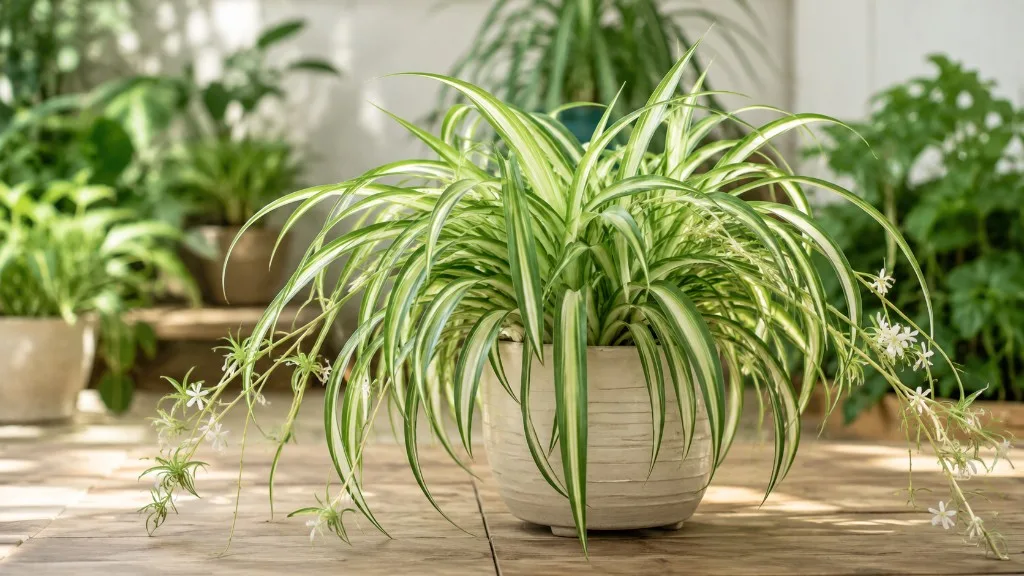
Spider plant is the rare kitchen foliage plant that is pet-safe and humidity-friendly. Plantlets on runners amuse—but attract batting cats.
Why it works: Non-toxic counter greenery with steam tolerance.
Care tip: Brown tips? Check fluoride in tap water and soggy soil.
Common mistake: Dark corner placement because “it is easy.”
Avoid if: Cats destroy dangling plantlets—choose elevated pothos instead.
Useful care guides:
7. English Ivy
Best for: hanging baskets away from grease, cool bright kitchens.
Difficulty: Medium | Light: Medium–bright indirect | Water: Even moisture
Pet safety: Toxic | Placement: Hang beyond stove splatter
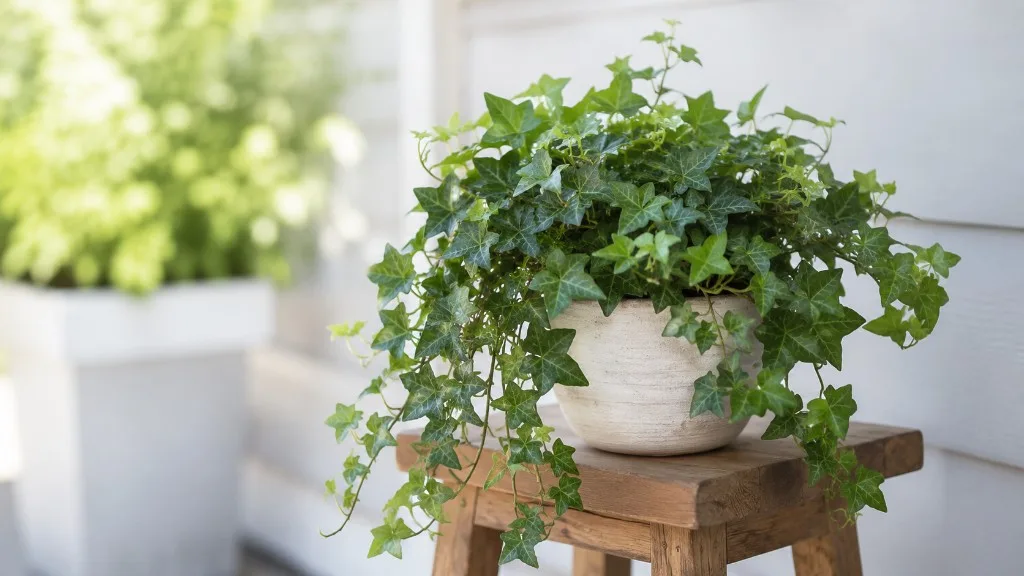
English ivy trails beautifully over cabinet tops when hung high—not over burners. Spider mites appear if grease dust coats leaves; wipe regularly.
Why it works: Vertical green without sill competition.
Care tip: Increase airflow if leaves stay wet near the sink.
Common mistake: Low light plus overwatering after cooking steam fools you into daily pours.
Avoid if: Pets chew hanging vines.
Useful care guides:
8. Heartleaf Philodendron
Best for: hanging shelf, medium-bright kitchen zones.
Difficulty: Easy | Light: Medium–bright indirect | Water: Top 1–2 in dry
Pet safety: Toxic | Placement: High shelf or hanger
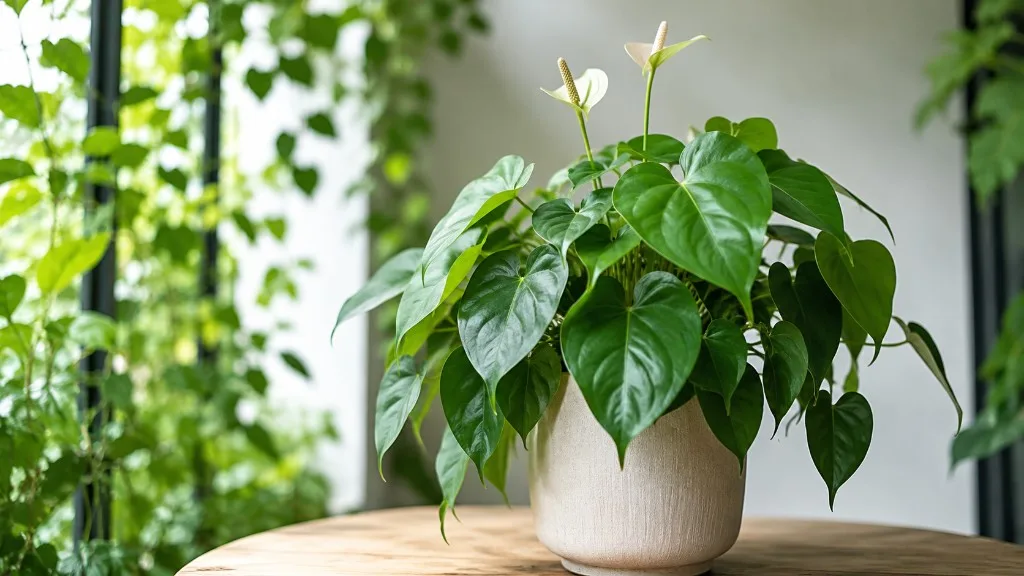
Heartleaf philodendron (Philodendron hederaceum) mirrors pothos care with softer leaf texture—good mix with herbs on separate zones.
Why it works: Trailing filler where herbs need the sill.
Care tip: Rotate hanger monthly for even growth.
Common mistake: Letting vines dangle into dishwater splash constantly.
Avoid if: You need pet-safe trailing plants—use spider plant.
Useful care guides:
9. Jade Plant
Best for: sunny sills beside rosemary, low watering.
Difficulty: Easy | Light: Bright direct | Water: Dry between
Pet safety: Toxic | Placement: Sunniest dry sill
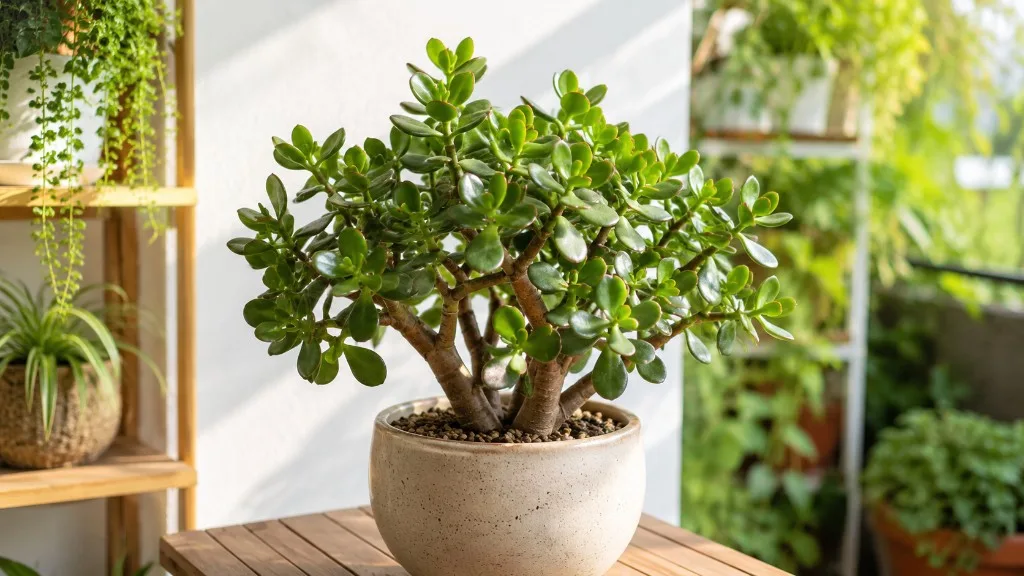
Jade plant (Crassula ovata) stores water in thick leaves—ideal when you forget herbs but remember the succulent monthly. Likes the same bright sill as rosemary, opposite watering.
Why it works: Succulent structure without herb maintenance.
Care tip: Cooler winter sill slows growth—water even less.
Common mistake: Overwatering because the kitchen feels humid.
Avoid if: Sill is shaded by exterior awnings year-round.
Useful care guides:
10. Snake Plant
Best for: dim kitchen shelves, zero-herb light zones.
Difficulty: Easy | Light: Low–bright indirect | Water: Fully dry between
Pet safety: Toxic | Placement: Open shelf away from heat appliances
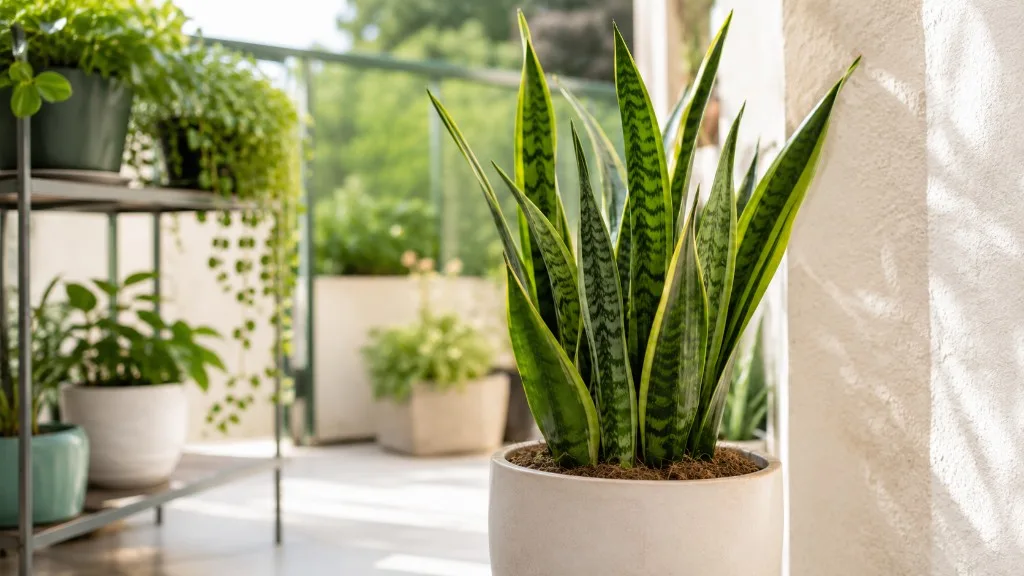
Snake plant survives the kitchen corner no sill reaches. Use it where herbs would fail—not where you could grow food.
Why it works: Lowest-light kitchen survival.
Care tip: Never seal in a closed cabinet with poor airflow.
Common mistake: Placing on top of the refrigerator where heat and darkness combine.
Avoid if: You have sunny sill space wasted on snake plant while basil struggles elsewhere.
Useful care guides:
Common Kitchen Plant Mistakes
Herbs on dark sills produce leggy, bland leaves—move or add grow lights.
Plants on the stove backsplash cook during roasting and frying.
Same watering for herbs and succulents on one sill—rosemary and jade rot when watered like mint.
Ignoring grease dust blocks light and invites pests on ivy and pothos.
Conclusion
Sunny sill: basil and mint. Hot dry sill: rosemary and aloe. Counter foliage: pothos or pet-safe spider plant. Dim shelf: snake plant.
Reserve the brightest real estate for plants you eat or that need sun. Everything else is decoration—still worth growing, but second in line for window access.