Rosemary Plant Care: Light, Water & Soil
Salvia rosmarinus
Rosemary needs full sun, gritty fast-draining soil, and infrequent watering - overwatering in humid climates is the number-one cause of death.
Rosemary Plant Care: Light, Water & Soil
Start with wateringThe most common care mistake for RosemaryWatering guide →Rosemary care essentials
Light
full sun - 6+ hours of direct sunlight daily
Water
Drought-tolerant; water only when soil is completely dry.
Soil
Sandy, gritty, alkaline mix with excellent drainage.
Humidity
Low to moderate (30–50%); dislikes very high humidity
Temperature
15°C to 28°C (60–82°F)
Fertilizer
Use low-nitrogen fertilizer or tomato feed diluted to quarter strength and stop if the plant is stressed, newly repotted, or not actively growing.
About Rosemary
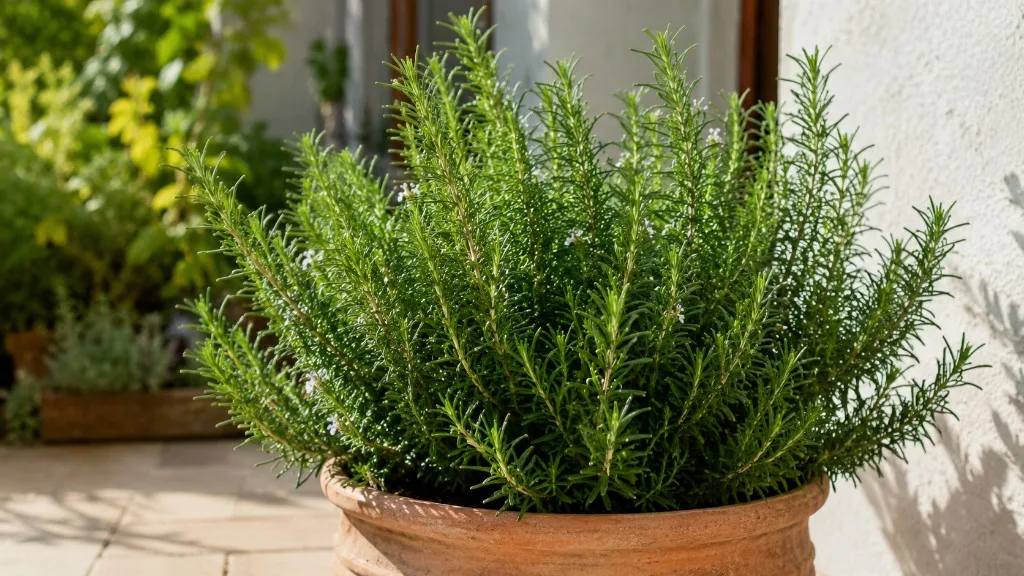
Rosemary is native to Mediterranean basin, typically reaches 60–150 cm tall; 60–90 cm wide indoors, with slow to moderate growth. Rosemary has a bushy growth habit and part of the Lamiaceae family. It is also known as Rosmarinus officinalis and Rusmari.
| Detail | Information |
|---|---|
| Also known as | Rosmarinus officinalis, Rusmari |
| Native region | Mediterranean basin |
| Mature size | 60–150 cm tall; 60–90 cm wide |
| Growth rate | Slow to moderate |
| Growth habit | Bushy |
| Scientific name | Salvia rosmarinus |
| Family | Lamiaceae |
Rosemary Plant Care: Light, Water & Soil
Rosemary is an evergreen woody herb grown for needle-like aromatic leaves, small two-lipped flowers, and a fragrance that reads somewhere between pine, camphor, and eucalyptus. The accepted scientific name is Salvia rosmarinus, though nursery tags and poison-control databases still list the older synonym Rosmarinus officinalis - both names refer to the same plant for practical care purposes. Botanists moved rosemary into the genus Salvia in 2017 based on molecular data, but that taxonomic shift does not change how you water, light, or prune the plant on your windowsill. What does change outcomes is whether you treat rosemary like a moisture-loving houseplant or like the Mediterranean shrub it actually is.
In cultivation, rosemary typically reaches 60 to 150 cm (2 to 5 feet) tall and 60 to 90 cm (2 to 3 feet) wide depending on cultivar and habit. Growth is slow to moderate in typical home conditions - faster in full outdoor sun with warm roots, slower on a dim winter windowsill - and the plant develops a woody base over time that benefits from regular trimming to stay dense. Outdoors in the right zone, rosemary is one of the lowest-maintenance culinary herbs you can grow. Indoors through a northern winter, it is one of the more frustrating - not because the rules are complicated, but because heated living rooms and Mediterranean plants disagree on what “dry” means. The payoff for getting it right is year-round fresh sprigs for cooking, pollinator-friendly blue flowers in season, and a plant that deer typically avoid according to Penn State Extension.
Understanding Rosemary as a Mediterranean Shrub
Rosemary is a long-lived evergreen shrub that evolved on rocky, sun-baked slopes where summers are hot and dry, winters are cool and bright, and water drains away within hours of a rain event. When rosemary fails indoors, the failure is almost always an environmental mismatch rather than a mysterious disease. The four variables that decide almost every outcome are light, water, soil drainage, and temperature - align those and feeding, Rosemary repotting guide, pruning, and propagation become routine.
Botanical Identity and Native Habitat
Rosemary belongs to the family Lamiaceae - the mint family - which matters for care more than most herb buyers realize. Lamiaceae plants share baseline patterns: they prefer well-drained soil, they dislike wet roots in cool weather, and many problems begin underground before they show clearly on the foliage. The square stems that turn woody with age, the opposite needle-like leaves with revolute margins, and the resinous aroma when you crush a leaf are classic mint-family traits shared with sage, thyme, lavender, and hyssop - Mediterranean companions that thrive under similar sun and drainage.
The species is native to the Mediterranean basin, including rocky scrublands of southern Europe and North Africa where soils drain fast between infrequent rains. In that climate, rosemary grows as a hardy evergreen shrub. In USDA Hardiness Zones 8 through 10, established plants survive outdoors year-round according to the Missouri Botanical Garden. North of those zones, gardeners treat rosemary as a container plant brought indoors for winter or accept it as a seasonal outdoor herb replaced each spring. Rosemary is drought-tolerant once established in the ground but remains sensitive to wet, poorly drained soil - a combination that kills more plants than cold alone in marginal climates.
The RHS notes that even well-established UK plants may need fleece protection below about −8°C (18°F), and that harsh frost combined with cold wind can damage stems while roots survive. NC State Extension lists rosemary as tolerant of drought, heat, salt spray, and heavy pruning - but with low tolerance for wet, humid environments where root rot on Rosemary and powdery mildew become chronic. Understanding that contrast - tough in dry sun, fragile in wet shade - prevents the most common ownership mistakes.
Upright vs Prostrate Cultivars
Two pots labeled “rosemary” at a garden center may be different cultivars with meaningfully different height, cold hardiness, and growth habit. Upright forms such as ‘Tuscan Blue’ and ‘Gorizia’ build vertical shrubs suited to hedges, borders, and large kitchen pots. Prostrate (trailing) forms such as ‘Prostratus’ and ‘Huntington Carpet’ spread low and cascade over walls, rock gardens, and hanging baskets. ‘Tuscan Blue’ grows tall and mild-flavored in warm zones but is a poor choice where winter lows drop below about −7°C (20°F). ‘Arp’ and ‘Madelene Hill’ (also sold as Hill Hardy) were selected partly for cold tolerance and suit northern gardeners who want in-ground permanence into Zones 6 and 7 with good drainage and winter protection.
Named cultivars do not come true from seed. Penn State Extension reports low viability and slow germination for rosemary seed, with seedlings that vary from the parent. If you want a specific habit or hardiness profile, buy the labeled cultivar or propagate it from stem cuttings, not seed. Keep the tag when you have one; when you do not, observe whether the plant grows upright or trailing, how blue the flowers are, and how it responds to your first winter - those clues narrow which care mistakes are most likely.
Light and Placement Indoors and Out
Rosemary does best when your space approximates the bright, dry rhythm of its native range. Light is the non-negotiable variable: without enough of it, the plant stretches, weakens, and becomes far more vulnerable to every other stress - especially overwatering on Rosemary in winter. Before you adjust fertilizer or repot, confirm the plant is actually receiving adequate direct sun for the season and location.
Full-Sun Requirements
Rosemary needs Rosemary light guide - at least six hours of direct sunlight daily for compact growth, strong aroma, and reliable flowering. Outdoors, place rosemary in the sunniest available spot with open sky exposure. In containers, a south- or west-facing patio that receives unfiltered morning and midday sun usually outperforms a partly shaded herb bed. The Old Farmer’s Almanac and multiple extension sources agree that partial shade may be tolerated briefly but produces weaker, less aromatic plants over time.
The fastest diagnostic for incorrect light is new growth, not old needles. Firm, dark green new tips with tight spacing mean the plant is probably getting enough energy. Thin, floppy stems with widely spaced needles mean more light is needed. Bleached or bronzed patches on sun-facing foliage after a sudden move mean you need slower acclimation or afternoon shade in extreme heat. Leaves formed in low light burn easily if you jump straight into harsh midday sun - acclimate over one to two weeks by increasing exposure gradually.
Outdoor rosemary in Zones 8–10 tolerates intense summer sun when roots stay in well-drained soil. In hot, humid subtropical summers, heat alone is less dangerous than heat plus poor air circulation plus wet roots, which invites powdery mildew. Space plants so air moves between them, and avoid overhead watering that keeps foliage wet overnight.
Grow Lights and Window Placement
Indoors, a bright south-facing window is the default recommendation from Illinois Extension. East windows can work for summer but often fail from November through February in northern latitudes when day length and sun angle drop. If you cannot deliver six hours of real sun indoors, use a full-spectrum grow light on a 10–12 hour timer, positioned 12–18 inches above the canopy. Weak winter light produces pale, sparse new growth, elongated internodes, and a plant that looks healthy from across the room but is quietly starving.
Rotate the pot weekly so all sides receive light and growth stays even. Keep rosemary close to the glass - ambient room brightness is not the same as plant-facing photons.
Temperature, Hardiness, and Overwintering
Rosemary prefers warm, bright summers and cool, bright winters - not the hot, dry furnace air of a typical heated living room. Active growth thrives roughly between 15 and 29°C (60 and 85°F). Established outdoor plants survive brief dips well below freezing in protected Zone 8 locations, but wet soil during cold spells is often fatal even when the thermometer reading suggests the plant should survive.
USDA Zones and Cold-Hardy Selections
In USDA zones 8 through 10, rosemary behaves as a perennial evergreen shrub outdoors. In zones 6 and 7, success depends on cultivar choice and drainage: ‘Arp’ and ‘Madelene Hill’ are the usual recommendations for in-ground trials, with mulch applied after the soil freezes and breathable fleece during Arctic outbreaks. Avoid plastic sheeting that traps moisture against stems. In spring, wait until late spring to prune apparent die-back - scratch a stem with your thumbnail; green cambium means live wood even if needles look dead.
For overwintering container rosemary indoors, aim for a cool room around 10 to 18°C (50 to 65°F) with maximum available light. Illinois Extension specifically recommends a cool location - not a hot kitchen counter above a dishwasher. Rosemary does little active growing during short winter days, so pairing a warm room with frequent watering is a common kill pattern: the plant cannot use the moisture, roots stay wet, and needles brown from the base up.
Bring containers indoors two to three weeks before the first frost, per Penn State Extension, so the plant adjusts before heat goes on full blast. Humidity in winter is a paradox: very dry indoor air (below ~30% relative humidity) desiccates needle tips and encourages spider mites, especially above heating vents. Yet the fix is not watering more. Use a pebble tray with the pot elevated above the water line, group plants to raise local humidity, or run a small humidifier nearby. Misting helps briefly but wet foliage in stagnant air can invite fungal issues; improving air circulation matters more than a daily spray bottle ritual.
Soil, Pots, and Drainage
Use a sandy, gritty, well-draining mix with excellent aeration around the roots. The principle matters more than a single branded recipe: water should enter fast, drain fast, and leave air pockets that roots can breathe in. A workable container blend is roughly equal parts quality potting mix and coarse grit, perlite, or pumice, with an optional handful of horticultural sand if your mix is peat-heavy. In garden beds with heavy clay, plant in raised beds or containers amended with copious grit or pumice - rosemary performs poorly in boggy native clay according to both the RHS and Penn State Extension.
Target a slightly acidic to mildly alkaline pH around 6.0 to 8.0; rosemary tolerates the alkaline conditions of its native limestone soils. The bigger practical issues are compaction, organic mulch that holds moisture against the crown, and pots without drainage holes. Outdoors, pea gravel or sandy mulch beats bark mulch that stays wet against woody stems. Penn State Extension specifically prefers gravel mulch over organic mulch for that reason.
Clay pots outperform plastic for rosemary in many indoor and patio setups because terracotta breathes and dries faster on the sidewalls, matching the plant’s preference for dry root zones. Plastic is fine if you adjust watering downward and use an exceptionally gritty mix. Always plant in a container with a drainage hole, and never let the pot sit in a full saucer for more than a few minutes after watering. Match pot size to the plant: rosemary prefers slightly root-bound conditions, and an oversized pot holds excess wet soil the root ball cannot colonize quickly - a classic post-repot rot scenario.
Watering Rosemary Without Root Rot
The general rule for rosemary is water only when the soil is dry on top and approaching dry through the upper root zone - not on a fixed calendar. For mature container plants, that usually means watering when the top 2 to 5 cm (1 to 2 inches) feels dry and the pot has noticeably light weight. In bright summer conditions outdoors, that might be every few days for a small pot. In a cool winter indoor room, it might be every two to three weeks - or longer.
Water thoroughly until a modest amount runs from the drainage hole, then empty the saucer. Rosemary is highly susceptible to root rot when roots sit in stagnant wet mix, especially in cool, low-light conditions. The Missouri Botanical Garden states plainly that overwatering inevitably leads to root rot for container rosemary, and that soil should be dry on top but not desiccated throughout before the next drink. Use a finger, a wooden skewer, or pot weight - not a day-of-the-week schedule.
During active growth - typically late spring through early fall - rosemary uses water steadily but still prefers deep, infrequent drinks over shallow daily sprinkles. Shallow watering encourages roots to hug the surface where they dry fastest and heat fastest, making the plant more volatile in summer and more rot-prone in winter. In ground plantings past the first year, established rosemary often needs no supplemental irrigation except during exceptional drought, per RHS guidance. In containers, plan to check pots two to three times weekly at midsummer.
When you move a patio rosemary indoors in fall, cut watering immediately even if the foliage looks unchanged. Short days and cool room temperatures slash water demand while evaporation from terracotta drops. Many indoor deaths between December and February are overwatering deaths misread as underwatering on Rosemary because needle tips brown in dry air - owners see brown, add water, and accelerate root decay.
How to Check Moisture Correctly
Develop a three-point check before every watering: surface dryness, pot weight, and root-zone probe. Press a finger or wooden skewer into the mix; if it comes out damp two inches down, wait. Lift the pot - a rosemary in dry gritty mix feels distinctly lighter than one holding moisture. If the plant looks wilted but the mix smells sour or feels wet deep down, hold water; root rot can mimic drought stress because damaged roots cannot transport water.
The single most common rosemary mistake is watering on sympathy when needle tips brown in winter. Brown tips in a heated room usually mean dry air plus possibly mild salt stress, not thirst. Other frequent errors include using a moisture-retentive peat-heavy mix in a plastic pot indoors, leaving runoff in the saucer, daily light sprinkles that never reach deep roots, and assuming wilting always means dry soil. Fix the check habit first; the Rosemary watering guide follows from there.
Fertilizing and Harvest Pruning
Rosemary is not a heavy feeder. In reasonably fertile garden soil, many plants need little or no supplemental fertilizer. In containers where nutrients leach with each watering, a modest balanced feed during active growth keeps color and new tip production steady without the salt buildup that causes brown needle margins.
A balanced water-soluble fertilizer - such as 10-10-10 or a labeled herb vegetable formula - at one-quarter to one-half the label rate every four to six weeks from late spring through early fall is a safe starting point. Apply to already-moist soil so the solution distributes without burning fine roots. If your potting mix includes a starter fertilizer charge, skip supplemental feeding for the first six to eight weeks after repotting. Pause feeding entirely during winter indoors, after repotting, and while the plant recovers from root rot or major pest stress.
Prune after flowering to maintain shape and encourage dense foliage, per Penn State Extension and RHS guidance. Harvest young green tips regularly for kitchen use - that light trimming counts as pruning and keeps the base from going bare and woody. Never cut back into old bare wood without live green below the cut; rosemary struggles to regenerate from fully woody stems. Limit any single pruning session to no more than one-third of the foliage so the plant can recover without shock.
Repotting Container Rosemary
Repot rosemary every one to two years, or when the pot dries within hours of watering, roots circle the drainage holes, or water runs straight through without soaking in. The best timing is early spring as new growth begins - not mid-winter when the plant is surviving on stored reserves and weak light.
Move up only one pot size at a time. Use fresh gritty mix, tease only the outer circling roots, and water lightly once after repotting rather than soaking a damaged root system. Resume normal deep watering after a week when new white root tips appear at the drainage hole. For indoor overwintering success, Illinois Extension recommends annual spring repotting for container rosemary that spent winter inside, because salt accumulation and degraded structure from months of cautious watering are common. Combine repotting with a light structural prune so the root loss matches the top growth you removed.
The clearest repot signals are physical: roots emerging from drainage holes, water racing through dry mix in under a minute, a top-heavy shrub that tips easily, or a soil surface that stays crusted and hydrophobic despite watering. A sour smell from the mix means organic breakdown and poor aeration - repot into fresh gritty medium even if the calendar says otherwise.
Propagation from Stem Cuttings
Rosemary is best propagated from stem cuttings, not seed. Penn State Extension advises taking a 15 cm (6-inch) stem tip cutting, stripping the lower leaves, optionally dipping the base in rooting hormone, and inserting it into a sterile, well-aerated soilless mix with bottom heat around 21 to 24°C (70 to 75°F). Roots typically form in 10 to 20 days under those conditions; without bottom heat, rooting can take substantially longer and fail more often on a cool windowsill.
Take cuttings in late spring or early summer from healthy, non-flowering shoots when the parent plant is actively growing. Use clean, sharp scissors and remove flowers or buds from the cutting so energy routes to root formation. Keep humidity steady but not sodden - a loose clear bag over the pot works if you vent it daily to prevent mold. Place cuttings in bright indirect light until you see resistance when gently tugged, then pot individually into gritty mix and acclimate gradually to full sun.
Layering - bending a low branch to contact soil while still attached to the parent - is a low-skill outdoor method for prostrate cultivars along a garden edge. Do not propagate from a pest-infested, drought-stressed, or root-rot-compromised parent; cuttings inherit the parent’s problems and fail at higher rates.
Pests, Diseases, and Symptom Diagnosis
Most rosemary problems are environmental, not mysterious diseases. Needles telegraph stress early if you know what to read: tip browning, interior needle drop, powdery white coating, and base die-back each map to specific causes. Patience matters - recovery takes weeks because woody herbs rebuild roots slowly. Fix light and drainage first, then water, then feeding.
Yellowing needles often indicate overwatering, poor drainage, or root rot in progress, especially indoors in winter. Check the root zone first. If mix is wet and roots are brown and mushy, trim damaged tissue, repot into dry gritty mix, and hold water until new growth appears. Brown needle tips frequently trace to dry winter air, salt buildup from tap water and fertilizer, or incipient root stress. Flush container soil monthly during active growth by watering deeply with plain water until twice the pot volume runs through.
Outdoor full-sun plants resist most pests better than indoor ones. Spider mites thrive in dry air, aphids cluster on soft new tips, whiteflies, mealybugs, and thrips can all appear on stressed indoor specimens. Inspect weekly, shower small plants with strong water spray, wipe mealybugs with alcohol on a cotton swab, and use insecticidal soap for larger outbreaks - always rinsing edible herbs before kitchen use.
Powdery Mildew and Root Rot
Powdery mildew shows as white dusty patches on needles, common when air circulation is poor and humidity is high - typical in crowded indoor herb trays or humid coastal summers. Increase spacing, run a small fan, avoid wetting foliage at night, and remove heavily infected stems. Prevention through airflow is more reliable indoors than reactive spraying.
Root rot from overwatering is the leading killer of container rosemary. The Missouri Botanical Garden and Penn State Extension both emphasize that browning of tips can signal rot advancing from below - not always drought. Sudden whole-plant collapse after a wet spell outdoors is often rot or botrytis on crowded stems. Prevention beats cure: grit, drainage holes, restraint with the watering can, and a cool bright winter room instead of a warm dark one.
Rosemary in the Kitchen and Garden
Rosemary earns its garden space because it is genuinely useful in the kitchen. Harvest in the morning after dew dries for peak essential-oil concentration, cutting young green tips rather than woody stems. In the landscape, upright cultivars make low hedges in warm zones; prostrate forms excel on walls and cascading containers. Rosemary flowers attract bees and butterflies and are edible as a mild garnish.
If you are choosing between in-ground and container growing, match the decision to your zone. In zones 8–10, in-ground rosemary with sharp drainage is the lowest-effort path. In zones 6–7, containers with cold-hardy cultivars and winter protection beat repeated in-ground losses. North of zone 6, plan on outdoor summer display plus indoor overwintering or treat rosemary as a seasonal purchase.
Pet Safety and Essential Oils
The rosemary plant is classified as non-toxic to dogs, cats, and horses by the ASPCA, which lists Rosmarinus officinalis (the former botanical name for the same species). That makes rosemary one of the safer culinary herbs to grow within reach of curious pets, especially compared with toxic Lamiaceae members such as oregano in large doses.
Non-toxic does not mean no effect. Rosemary leaves contain volatile oils including camphor, cineole, and borneol. Eating large quantities of plant material can cause vomiting, diarrhea, or lethargy in cats and dogs - uncommon because the strong scent deters most animals, but worth monitoring if a pet strips a small pot. A curious nibble is generally harmless; a repeated feast is not.
Rosemary essential oil is a separate risk. Concentrated oils can cause gastrointestinal upset, central nervous system depression, and respiratory changes if ingested or applied topically to pets that groom themselves. Do not diffuse undiluted rosemary oil near bird cages or cat sleeping areas, and never use essential-oil products on pets unless a veterinarian specifically directs it. The ASPCA draws a clear line: the fresh or dried herb in normal culinary amounts is one thing; the essential oil is another. If you suspect a pet ate a large volume of plant material or any essential oil product, contact your veterinarian or ASPCA Animal Poison Control with the product label and an estimate of quantity.
Conclusion
The most useful thing to know about rosemary is that it is a Mediterranean evergreen shrub that wants full sun, gritty fast-draining soil, and a watering rhythm that respects dry roots - especially during the low-light months when indoor sympathy watering kills more plants than spider mites ever will. Match your cultivar to your USDA zone (‘Arp’ and ‘Madelene Hill’ for colder gardens, ‘Tuscan Blue’ and prostrate forms for warm coastal and container displays), propagate from stem cuttings with bottom heat when you want backups, and prune after flowering to keep the base from going bare and woody.
If your plant struggles, fix light and drainage first, then water, then feeding. Brown winter tips usually ask for humidity and patience, not another drink. Root rot asks for less water and fresher mix. Get those environmental basics aligned and rosemary becomes a resilient, fragrant, genuinely useful herb - one worth the extra thought containers and winter windows demand.
When to use this page vs other Rosemary guides
- Rosemary overview - Canonical hub for this species - care topics and problems branch from here.
- Rosemary problems - Symptom-first path when you already know something is wrong.
Related Rosemary guides
How to care for Rosemary?
How much light does Rosemary need?
full sun - 6+ hours of direct sunlight daily
- full sun - 6+ hours of direct sunlight daily - full sun - 6+ hours of direct sunlight daily.
When should you water Rosemary?
Drought-tolerant; water only when soil is completely dry.
- Push finger 5 cm into soil - water only when completely dry at that depth - Drought-tolerant; water only when soil is completely dry.
- Drain excess water - Drought-tolerant; water only when soil is completely dry.
What soil works best for Rosemary?
Sandy, gritty, alkaline mix with excellent drainage.
- 40% potting mix - Sandy, gritty, alkaline mix with excellent drainage.
- 40% coarse sand or perlite - Sandy, gritty, alkaline mix with excellent drainage.
- 20% fine gravel
Grower notes for Rosemary
What matters most with Rosemary
Rosemary is usually grown for harvest, so flavor, fresh shoots, and quick regrowth matter more than keeping old stems forever. Replace or restart tired plants instead of nursing woody, exhausted growth indefinitely. In practice, the care checkpoint is simple: full sun - 6+ hours of direct sunlight daily. Pair that with sandy, gritty, alkaline mix with excellent drainage, and avoid changing water, pot size, and placement all at once.
Best placement in a real home
Rosemary belongs where full sun - 6+ hours of direct sunlight daily is realistic for most of the day, not only where the pot looks good. Drought-tolerant; water only when soil is completely dry. If the pot stays wet longer than expected, move the plant into better light or reassess the mix before watering again. Humidity target: Low to moderate (30–50%); dislikes very high humidity. Temperature comfort zone: 15°C to 28°C (60–82°F).
Before you buy this plant
Choose Rosemary with firm new growth, clean leaf undersides, and soil that does not smell sour or feel compacted. Be cautious if you see root-rot, sticky residue, collapsed crowns, or a pot that is wet in poor light. Cosmetic old-leaf damage is less worrying than weak roots or active pests.
First month after bringing it home
Do not repot Rosemary on day one unless the mix is failing or pests are obvious. Quarantine it, learn how fast the pot dries, and keep care boring while it adjusts. Watch especially for root-rot, white-spots, and brown-leaves. If problems appear, correct the condition first rather than stacking fertilizer, repotting, and pruning together.
Pet-aware note for Rosemary
Rosemary is a better choice for pet-aware homes than toxic ornamentals, but pet safe does not mean the plant should be chewed. Use hanging, shelf, or room placement if pets dig in soil or shred leaves, and choose sturdier plants for high-traffic pet zones.
How to tell Rosemary is settling in
Also sold as Rosmarinus officinalis and Rusmari, this plant should be judged by stable new growth rather than label names alone. If you plan to multiply it later, common methods include Stem cuttings and Layering. Repot only when you see roots circling pot base and growth stalls despite good care. If white-spots shows up early, inspect light, watering, and roots before assuming the plant is permanently weak.
Is it pet safe?
Rosemary is generally considered pet safe.
Watering Rosemary
For Rosemary, push finger 5 cm into soil - water only when completely dry at that depth and water every 5–7 days in summer; every 10–14 days in winter. Drastically reduce watering in winter and monsoon; most deaths are from overwatering.
| Detail | Information |
|---|---|
| How often | Every 5–7 days in summer; every 10–14 days in winter |
| How to check | Push finger 5 cm into soil - water only when completely dry at that depth |
| Seasonal changes | Drastically reduce watering in winter and monsoon; most deaths are from overwatering |
Signs of overwatering
- brown mushy stems at base
- yellowing foliage
- root rot
Signs of underwatering
- needle-like leaves curl inward
- dry brown tips
- severe wilting
Soil & potting for Rosemary
Use a mix of 40% potting mix, 40% coarse sand or perlite, 20% fine gravel for Rosemary. Exceptional drainage is critical - never allow water to sit in saucer. Target soil pH around 6.0–8.0 (tolerates alkaline conditions native to Mediterranean). Repot every 2–3 years; rosemary likes being slightly root-bound, ideally in spring.
| Detail | Information |
|---|---|
| Recommended mix | 40% potting mix, 40% coarse sand or perlite, 20% fine gravel |
| Drainage | Exceptional drainage is critical - never allow water to sit in saucer |
| Soil pH | 6.0–8.0 (tolerates alkaline conditions native to Mediterranean) |
| Repotting frequency | Every 2–3 years; rosemary likes being slightly root-bound |
| Best season to repot | Spring |
Signs it needs repotting
- roots circling pot base
- growth stalls despite good care
Humidity & temperature for Rosemary
Rosemary prefers low to moderate (30–50%); dislikes very high humidity, though normal home humidity is usually fine. Keep temperatures around 15°C to 28°C (60–82°F).
| Detail | Information |
|---|---|
| Humidity | Low to moderate (30–50%); dislikes very high humidity - normal home humidity is fine. |
| Ideal temperature | 15°C to 28°C (60–82°F) |
Fertilizer & pruning for Rosemary
Use use low-nitrogen fertilizer or tomato feed diluted to quarter strength and stop if the plant is stressed, newly repotted, or not actively growing. for Rosemary.
| Detail | Information |
|---|---|
| Fertilizer type | Use low-nitrogen fertilizer or tomato feed diluted to quarter strength and stop if the plant is stressed, newly repotted, or not actively growing. |
Common problems on Rosemary
Root Rot
HighLikely cause: Overwatering is the primary killer of rosemary in humid climates
Quick fix: Unpot, trim black roots, let air-dry, replant in gritty dry mix
Full fix guide →White Spots
MediumLikely cause: Powdery mildew from poor airflow and high humidity
Quick fix: Improve air circulation; spray diluted neem oil weekly; remove affected stems
Full fix guide →Brown Leaves
MediumLikely cause: Overwatering followed by root failure, or drought stress
Quick fix: Diagnose by soil moisture; adjust watering and ensure drainage
Full fix guide →Leggy Growth
LowLikely cause: Insufficient direct sunlight
Quick fix: Move to full sun outdoor position; trim leggy stems
Full fix guide →Yellow Leaves
MediumLikely cause: Common on this plant type; confirm with recent watering, light, and root checks.
Quick fix: Inspect the plant and correct the most likely care stressor before stacking treatments.
Full fix guide →Brown Tips
MediumLikely cause: Common on this plant type; confirm with recent watering, light, and root checks.
Quick fix: Inspect the plant and correct the most likely care stressor before stacking treatments.
Full fix guide →Overwatering
MediumLikely cause: Common on this plant type; confirm with recent watering, light, and root checks.
Quick fix: Inspect the plant and correct the most likely care stressor before stacking treatments.
Full fix guide →Underwatering
MediumLikely cause: Common on this plant type; confirm with recent watering, light, and root checks.
Quick fix: Inspect the plant and correct the most likely care stressor before stacking treatments.
Full fix guide →Spider Mites
MediumLikely cause: Common on this plant type; confirm with recent watering, light, and root checks.
Quick fix: Inspect the plant and correct the most likely care stressor before stacking treatments.
Full fix guide →Mealybugs
MediumLikely cause: Common on this plant type; confirm with recent watering, light, and root checks.
Quick fix: Inspect the plant and correct the most likely care stressor before stacking treatments.
Full fix guide →Aphids
MediumLikely cause: Common on this plant type; confirm with recent watering, light, and root checks.
Quick fix: Inspect the plant and correct the most likely care stressor before stacking treatments.
Full fix guide →Slow Growth
MediumLikely cause: Common on this plant type; confirm with recent watering, light, and root checks.
Quick fix: Inspect the plant and correct the most likely care stressor before stacking treatments.
Full fix guide →Wilting
MediumLikely cause: Common on this plant type; confirm with recent watering, light, and root checks.
Quick fix: Inspect the plant and correct the most likely care stressor before stacking treatments.
Full fix guide →Drooping Leaves
MediumLikely cause: Common on this plant type; confirm with recent watering, light, and root checks.
Quick fix: Inspect the plant and correct the most likely care stressor before stacking treatments.
Full fix guide →Low Humidity
MediumLikely cause: Common on this plant type; confirm with recent watering, light, and root checks.
Quick fix: Inspect the plant and correct the most likely care stressor before stacking treatments.
Full fix guide →Not Enough Light
MediumLikely cause: Common on this plant type; confirm with recent watering, light, and root checks.
Quick fix: Inspect the plant and correct the most likely care stressor before stacking treatments.
Full fix guide →Fungus Gnats
MediumLikely cause: Common on this plant type; confirm with recent watering, light, and root checks.
Quick fix: Inspect the plant and correct the most likely care stressor before stacking treatments.
Full fix guide →Mold on Soil
MediumLikely cause: Common on this plant type; confirm with recent watering, light, and root checks.
Quick fix: Inspect the plant and correct the most likely care stressor before stacking treatments.
Full fix guide →