Best Soil for Rosemary: Mix, Drainage & pH
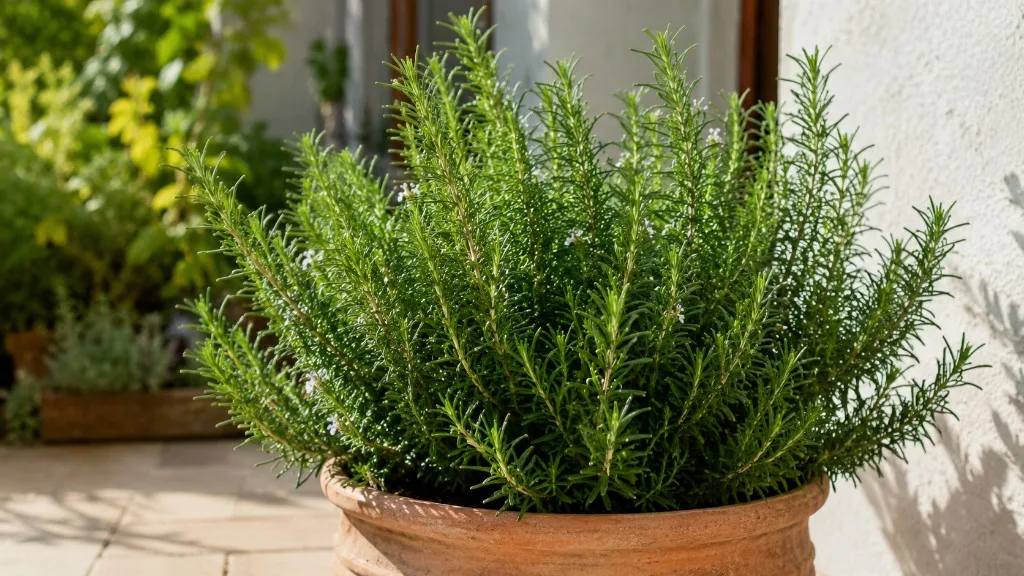
Best Soil for Rosemary: Mix, Drainage & pH
Best Soil for Rosemary: Mix, Drainage & pH
Best soil for rosemary is not the rich, moisture-holding mix most houseplants want. Salvia rosmarinus - the woody Mediterranean herb formerly classified as Rosmarinus officinalis - evolved on lean, rocky slopes where water moves through fast, air stays around the roots, and pH runs neutral to slightly alkaline. Give rosemary a peat-heavy potting blend or a clay garden bed that holds winter wet, and the plant may look fine for a few weeks - then needles brown at the tips, the base goes soft, and root rot on Rosemary wins while upper stems still feel firm. The soil job is simple to state and easy to get wrong in practice: build a gritty, fast-draining, low-fertility medium with pH roughly 6.0 to 7.5, match the pot to that mix, and never let the root zone sit saturated for days.
The practical starting point for containers is one part peat-free potting compost to one part coarse grit or perlite to one part perlite or pumice by volume - or the simpler two-thirds compost to one-third horticultural sand or grit ratio many commercial herb growers use in rainy climates. For in-ground planting on heavy clay, skip amending the whole yard and instead build a raised bed or mound with gravelly, inorganic material so winter rain drains away from the crown. Test drainage before you blame watering: after a full soak, water should move through the mix in seconds, not pool on the surface for minutes.
This guide covers why rosemary rejects “good” soil, how to hit the right pH, proven mix recipes for pots and beds, amendments that actually improve drainage, and how to diagnose and fix soil problems before they kill an established plant.
Why Rosemary Demands Lean, Fast-Draining Soil
Rosemary is a Mediterranean woody shrub, not a tropical foliage plant. In its native range across Spain, southern France, Italy, and coastal North Africa, it grows in poor, rocky, calcareous soils that dry quickly between infrequent rains. Roots sit in a matrix of mineral particles and coarse organic matter with large air pockets. That structure matters as much as chemistry: rosemary roots need oxygen at the root surface continuously. When pore spaces fill with water and stay full - especially in winter when growth slows and evaporation drops - roots stop absorbing nutrients, anaerobic conditions develop, and rot pathogens gain the upper hand.
The Royal Horticultural Society states that rosemary likes warmth and free-draining soil, hates wet roots especially in winter, and should be planted in light, free-draining soil in Rosemary light guide (RHS - How to grow rosemary). For containers, the RHS recommends peat-free soil-based compost mixed with up to 25% horticultural grit by volume and plenty of drainage holes so rosemary never sits in waterlogged compost. Penn State Extension lists full sun and light, well-drained soil - sandy or gravelly - with pH 6.5 to 7.0 as core requirements, and warns that rosemary is sensitive to wet, poorly drained soils where overwatering on Rosemary causes root rot that can be deadly outdoors and especially in pots overwintered indoors (Penn State Extension - Herb Garden Plants: Rosemary).
Standard all-purpose potting soil works against these requirements. Most commercial mixes are designed to retain moisture for general houseplants and vegetables. Peat and coir hold water in fine pores; moisture-control additives and wetting agents push water into places rosemary roots do not want it. Using that mix straight from the bag is the most common indoor rosemary mistake. The fix is not a better brand of “premium” soil - it is diluting richness with inorganic grit until the mix behaves like rocky hillside soil.
Lean soil also shapes plant quality. Rosemary grown in overly rich, moist mix produces soft, fast growth with weaker aroma - the opposite of what you want from a culinary herb. Home growers are not measuring essential oil content, but the same principle applies: over-rich mix produces leggy stems and fewer flavorful needles. Rosemary performs best when soil feeds the roots lightly and dries predictably between waterings. Drought tolerance is real once roots establish in the right matrix, but that tolerance disappears when the mix stays wet even if you water infrequently.
What Rosemary Soil Should Feel Like in Your Hand
Before mixing recipes or buying amendments, learn what “well drained” means physically. Pick up a handful of your proposed mix after it has been moistened and allowed to drain for an hour. Good rosemary soil crumbles when you open your fist - individual particles stay separate, and almost nothing sticks to your palm. Bad soil forms a tight ball that holds its shape, or worse, oozes water when squeezed.
Texture targets:
- Coarse, not silky. You should feel distinct grit, sand, or perlite particles between your fingers. If the mix feels uniform and smooth like flour, it is too fine.
- Light weight in pots. A heavily grit-amended container mix weighs less than straight peat-based soil. That is a feature - it means more pore space.
- No standing water on the surface five minutes after watering. Water should penetrate immediately and exit the drainage hole within seconds in a small pot.
Rosemary roots are adapted to sharp drainage, not the spongy, water-retentive texture that keeps ferns and calatheas happy. When you cannot feel grit in the mix, assume drainage is insufficient until a timed water test proves otherwise.
The Squeeze Test and Drainage Speed Check
Run two checks before planting rosemary in any mix, new or existing.
Squeeze test: Moisten a handful of mix to uniform dampness - not dripping. Close your fist firmly for three seconds and open it. Pass: the material falls apart with a light tap. Fail: a muddy ball holds together or water squeezes out between your fingers. Fail means add more coarse grit, perlite, or pumice and retest.
Drainage speed check: In the pot you plan to use, fill to within 2 cm of the rim with your mix. Water until it runs freely from the bottom. Start a timer. In a 15–20 cm pot, water should move through the entire column within 5–15 seconds and stop dripping within a few minutes. If water sits on top and only slowly sinks, the mix is too fine or the pot lacks sufficient drainage holes. For in-ground tests, dig a hole roughly 30 cm wide and deep, fill with water, and observe: it should drain within a few hours, not stand overnight. Standing water after half a day means you need a raised planting strategy, not more rosemary plants in the same spot.
These checks matter more than copying a recipe from a label. Local humidity, pot material, and water quality all change how fast a mix dries in your home or garden. The tests tell you whether your version of the mix behaves like rosemary soil.
Ideal pH for Rosemary: Neutral to Slightly Alkaline
Rosemary tolerates a wider pH band than many garden plants, with most authoritative sources citing pH 6.0 to 7.5 and some cultivars tolerating roughly 4.3 to 8.3 in field conditions. Penn State Extension recommends pH 6.5 to 7.0 for herb garden planting. The Missouri Botanical Garden lists moderately acid to slightly alkaline soil ranging between 6.0 and 7.5 for rosemary.
Unlike lavender, rosemary is somewhat more forgiving of neutral compost-based mixes if drainage is excellent. You do not always need to chase high alkalinity aggressively. The bigger risk for container growers is acidic, peat-heavy mix that holds water, not pH being 6.2 instead of 7.0. Still, if native garden soil tests strongly acidic, adjustment helps long-term performance in the ground.
Iron and manganese issues become more likely in very acidic, waterlogged conditions; pale, stunted growth and needle tip burn can follow. If you are starting from scratch indoors, choose a peat-free or low-peat base and confirm drainage before obsessing over lime.
When to Test and Adjust pH
Buy an inexpensive soil pH test kit or meter if you garden in-ground on unknown native soil or mix your own medium from components with different pH profiles. For a typical container blend built from peat-free compost and grit, pH often lands near neutral without adjustment - test before adding lime.
If native soil tests below 6.0, incorporate garden lime (calcium carbonate) or dolomitic lime if magnesium is also low. Follow product label rates based on your test results and soil texture; sandy soils need less lime than heavy clay to move pH one point. Mix lime into the top 15–20 cm several weeks before planting so it can react. Retest before planting rosemary - jumping pH aggressively in one dose stresses the bed and can lock up micronutrients.
In pots, use lime sparingly. A tablespoon per 10 liters of mix may be enough when starting from acidic peat. Over-liming creates chalky, crusty surfaces and can push pH above 8.0, which hurts as much as chronic acidity paired with wet roots. When in doubt, prioritize drainage amendments first and adjust pH second. A neutral, gritty mix outperforms a perfectly limed but waterlogged one every time.
Best Soil Mix Recipes for Rosemary in Pots
The best soil for rosemary in containers is a custom blend, not a single product from the shelf. Start from a lean base and add inorganic material until drainage tests pass.
Reliable all-purpose container recipe:
- 1 part peat-free multipurpose compost or soil-based compost
- 1 part coarse horticultural grit or coarse sand
- 1 part perlite or pumice
That yields roughly 67% inorganic, 33% organic by volume - appropriate for humid climates and indoor growing where evaporation is slower. In very dry, hot regions, you can reduce grit slightly, but never below 50% inorganic in a closed pot.
Commercial grower–style recipe (common in rainy climates):
- 2 parts compost or multipurpose potting mix
- 1 part horticultural sand or grit
Penn State Extension notes that commercial herb growers in wet climates often amend potting soil with as much as 50% horticultural sand or grit to balance drainage. When root rot is the main risk - which is almost always - more grit is safer than less.
Minimalist recipe many experienced growers use:
- 1 part potting compost
- 2 parts coarse grit, perlite, or pumice
Simple, easy to measure, and aligned with RHS container guidance while pushing drainage higher for safety.
Do not use moisture-control potting soil, garden soil straight from the yard without amendment, or compost-heavy mixes with added wetting agents. Do not add slow-release fertilizer pellets at mixing time unless you know the dose is very low; rosemary roots meet nutrients quickly in small pots and soft growth follows overfeeding.
Indoor vs Outdoor Container Mixes
Indoor and overwintering pots need the grittiest version of the recipe. Evaporation from the top is limited; sides may be plastic or glazed ceramic with low porosity. Cold winter compost that stays damp for weeks is the primary killer of indoor rosemary. Target 70–80% grit, perlite, pumice, or coarse sand. Use terracotta if possible - the porous walls pull moisture away from the root zone and give you feedback when the pot lightens. The RHS specifically warns that cold, wet compost can cause rosemary roots to rot and die, and recommends moving potted plants to sheltered spots in high-rainfall winters (RHS - How to grow rosemary).
Outdoor containers in full sun can use 60–70% inorganic material. Terracotta or wood boxes both work if drainage holes are clear. Elevate pots on feet so water never sits under the base. A pot at least 30 cm wide and deep gives roots room while still drying between rains in summer.
Raised beds and mounds for in-ground culture use a different logic. You are building a drainage structure, not filling a small pot. Combine native soil only if it is already sandy or gravelly; otherwise use 50% coarse gravel, stone, or grit with 50% compost or loam in the planting zone, or import sandy loam. The bed should be at least 20–30 cm above grade where winter wet is an issue.
Indoor mix dries slowly and needs maximum grit. Outdoor raised beds shed rain and can tolerate slightly more organic matter - but never revert to rich vegetable-garden soil. If tomatoes would love it, rosemary probably will not.
Choosing Drainage Amendments: Grit, Sand, Perlite, and Pumice
Each amendment changes texture and weight differently. All improve drainage when used coarsely; fine sand or play sand can make clay worse by filling pores without creating structure.
Horticultural grit (2–6 mm crushed stone) is the gold standard - durable air channels, no decomposition, and drainage that outperforms fine sand in wet climates. Coarse horticultural sand (not play sand) works in the two-thirds compost, one-third sand ratio. Perlite suits lightweight indoor pots; pumice adds stability in long-term containers. Avoid moisture-retention crystals entirely.
For in-ground clay, do not rototill sand into heavy clay in small amounts - that often creates concrete-like texture. Dig out and replace the planting zone or build above grade with gravelly material instead. Penn State Extension is explicit: rosemary does poorly in wet or poorly drained clay soil.
Cactus and Succulent Mix: Shortcut or Compromise?
Cactus and succulent potting mix is a legitimate shortcut for rosemary because it is already formulated for fast drainage and low moisture retention. The RHS recommends fast-draining compost for containers; cactus mix used as-is for maximum drainage, or blended 2 parts cactus soil with 1 part regular potting soil, balances drainage with a small nutrient reserve.
Straight cactus mix works well for indoor overwintering pots where the main enemy is cold wet compost. For outdoor summer containers in hot, dry climates, pure cactus mix may dry too fast on windy balconies - adding 10–20% compost slows drying slightly without sacrificing drainage.
Check the label before buying. Some “cactus” mixes still contain slow-release fertilizer at doses meant for fast-growing succulents. Rosemary needs far less. If fertilizer is baked in, use that mix for established plants in full sun rather than fragile new cuttings, and skip additional feeding for the first season.
The shortcut fails when the product is fine-textured “desert blend” that compacts after a few months. Run the squeeze test on any bagged mix before trusting the marketing. If it forms a ball, cut it with perlite or grit until it crumbles.
Pot and Container Choices That Support Soil Performance
Soil mix and pot choice work as one system. The best gritty blend fails in a pot with no drainage hole, a cachepot that holds runoff, or a giant container where only the center dries while the outer ring stays wet for days.
Drainage holes are non-negotiable. One hole is minimum; three to five in a wide pot is better. Cover holes with mesh or a coffee filter to stop mix loss, not with stones - the “gravel layer” myth does not improve drainage and can create a perched water table at the bottom interface.
Terracotta is the classic rosemary pot for good reason: walls breathe, salts move outward visibly as white deposits, and you can judge moisture by pot weight. Penn State Extension notes that clay pots permit better drainage and air circulation for overwintering herbs indoors. Plastic works if mix is very gritty and you are disciplined about checking dryness. Glazed ceramic is acceptable with excellent drainage holes and careful watering.
Pot size: Plant rosemary at the same depth it grew in the nursery pot, with the crown at or slightly above the final soil line - the RHS warns against planting too deep. Choose a container only slightly wider than the root ball for new plants. A young rosemary in a 30 cm pot is a recipe for wet, unused mix and root rot. Upsize only when roots circle the pot and the plant dries the entire volume within your normal watering interval.
Depth vs width: Rosemary roots spread somewhat horizontally but also appreciate depth for anchoring on a woody base. A shallow bowl looks attractive and dries unevenly; a standard-depth pot with grit-heavy mix performs better for long-term harvest plants.
Preparing Garden Soil for Rosemary Planting
In-ground rosemary succeeds where rain and irrigation move through the profile quickly and the crown stays above the wettest zone. Full sun - six or more hours of direct light daily - pairs with soil prep; shade plus heavy soil is the combination that kills the most plants.
Start with a soil test for pH and texture if you are planting more than one specimen or investing in a permanent herb bed. Rosemary needs little nitrogen; do not pre-load beds with manure or high-nitrogen compost. A modest amount of composted organic matter worked into sandy soil improves structure without waterlogging if grit or sand dominates the blend.
Work soil when moist but not saturated - clods break apart without turning to paste. Remove perennial weeds before planting; rosemary is a poor competitor while young. Space plants 45 cm apart as the RHS recommends so air moves between canopies and soil dries at the base.
Plant in spring after the last frost when soil is warming, or in early fall where winters are mild and roots have six to eight weeks to establish. Avoid winter planting into cold, wet clay - young roots rot before they anchor.
Clay, Sandy, and Chalky Sites Compared
Sandy or gravelly native soil is the easiest scenario. Confirm pH, plant at grade or in a slight mound, and avoid over-amending with compost. A 5 cm gravel mulch around the base (not touching the stem) keeps crowns dry and reflects heat.
Chalky alkaline soil suits rosemary well. pH is often already in range; focus on weed control and winter crown protection in cold climates. Drainage is usually adequate unless the site sits in a depression.
Heavy clay is the hardest case. Do not plant rosemary in a low spot where water collects. Options ranked by reliability:
- Raised bed or berm 25–40 cm high with imported gravelly mix (see next section).
- Planting mound on existing grade: loosen a 60 cm circle, mix grit and compost into the top 30 cm, and shape so the crown sits on the highest point.
- Container culture if amending the ground is impractical on rented property or waterlogged sites.
Trying to “fix” entire clay yards is expensive and slow. Localize excellent drainage where rosemary lives and keep lawn sprinklers away from the planting zone.
Raised Beds, Berms, and Mounds for Heavy Soil
When native soil fails the hole-drainage test, build above it. Raised beds solve winter wet feet without fighting clay chemistry across the whole garden.
Build 25–40 cm above grade in high-rainfall regions, filling with roughly 40–50% coarse stone or grit, 30% sandy loam or compost, and native soil only if already sandy. Frame with timber or stone, or shape a freestanding berm. Plant on the crest, not in troughs where water collects. Avoid impermeable fabric around roots - they need contact with aerated mix. The RHS recommends raised beds when heavy soil would otherwise keep roots wet through winter.
Signs Your Rosemary Has the Wrong Soil
Soil problems often show up as whole-plant decline rather than a single yellow needle. Learn these patterns:
- Sudden collapse of an otherwise green plant after a rainy week or heavy winter watering - classic root rot on heavy or waterlogged mix.
- Brown needle tips with wet mix at depth - Penn State Extension lists browning tips as a sign of root rot, not always drought as beginners assume.
- Persistent wilting even when the surface feels moist - roots damaged and cannot take up water; check for sour smell at the drainage hole.
- Yellowing lower foliage with wet mix at depth - overwatering on slow-draining soil, not nitrogen deficiency.
- Leggy, soft growth with weak aroma in rich, moist mix - excess fertility and insufficient stress for compact habit.
- White crust on pot rim with brown needle tips - salt buildup from fertilizer on a plant that is not growing vigorously enough to use it; often paired with peat-heavy mix that never flushes cleanly.
- No new roots when gently sliding the plant from the pot in spring - black, mushy roots mean the mix stayed too wet too long.
Smell the root zone when in doubt. Earthy is good; swampy or vinegar-sour is bad. Fix soil and drainage before reaching for fungicides - chemicals cannot compensate for a wet root zone indefinitely.
Fixing Waterlogged or Compacted Rosemary Soil
If rosemary is declining but stems are still partly green, act on drainage first.
Container recovery:
- Stop watering until the mix is dry several centimeters down.
- Slide the plant out and inspect roots. Trim black, mushy roots with clean shears; keep white or tan firm roots.
- Discard the old mix entirely - do not reuse waterlogged substrate.
- Repot into fresh gritty mix in a clean pot with drainage holes, same size or only slightly larger.
- Place in full sun and wait for new white root tips before resuming sparse watering.
In-ground recovery is harder. If the site is a low wet pocket, transplant to a raised mound or pot rather than fighting physics. If the plant is small and soil is compacted, lift it, loosen a wide circle, and replant on a grit mound with improved drainage. Established plants in wrong sites are often better replaced in autumn or spring in a new location than repeatedly treated for rot.
Compaction without rot: Aerate the root zone lightly with a fork, avoid deep rototilling that damages woody roots, and top-dress with grit mulch. Reduce irrigation frequency so cycles of wet-dry return.
Prevention beats rescue. One season in correct soil saves years of nursing a marginal plant.
When to Refresh or Repot Rosemary
Rosemary in containers needs fresh mix every two to three years, or sooner if drainage slows. Organic components break down into fine particles that hold water; even grit-heavy mixes compact as roots explore every pore. The RHS notes that even with regular trimming, replacing rosemary every seven or eight years with a young plant is often best - but that timeline shortens dramatically when soil fails first.
Repot when water runs down the sides without penetrating the root ball, the mix dries unevenly (wet core, dry surface), roots circle densely and the plant outgrows the pot, or sour smell and salt crust return despite careful watering. Repot in spring or early fall - avoid mid-winter unless the mix is clearly failing. Use the same gritty recipe when upsizing; do not “upgrade” to richer soil.
Pairing Soil With Watering, Light, and Fertilizer
Soil does not work in isolation. Fast drainage only helps if you water like a Mediterranean gardener, not a tropical foliage parent.
Watering: Let the mix dry substantially between drinks. In summer full sun, that may mean every five to seven days in a small terracotta pot; indoors in winter, three weeks or longer between waterings is normal when the top 5–8 cm is fully dry. Penn State Extension recommends watering overwintering rosemary every two to three weeks when indoors - adjust for your pot size and humidity. Probe depth - surface dryness with wet core means the soil structure is still wrong or the pot is too large.
Light: Six or more hours of direct sun drives transpiration and keeps the root zone cycling. Rosemary in dim rooms on peat mix is a rot waiting to happen regardless of recipe. NC State Extension and the Missouri Botanical Garden both emphasize full sun as non-negotiable for healthy rosemary.
Fertilizer: Lean soil means minimal feeding. A light spring application of balanced fertilizer at quarter to half strength suffices for containers. In-ground plants in poor gravelly beds often need no fertilizer after establishment. Overfeeding on rich soil produces soft growth that powdery mildew and botrytis exploit in humid air.
When troubleshooting, change one variable. If you repot into gritty mix, do not simultaneously double water and add fertilizer. Give roots four to six weeks to callous and grow in the new matrix.
Common Rosemary Soil Mistakes
The failures show up repeatedly: straight potting soil, stones at the pot bottom instead of fixing mix texture, oversized pots, planting too deep, sand mixed into clay, heavy manure at planting, moisture-retention crystals, wet organic mulch against stems, lawn sprinklers on slow-draining soil, skipping the drainage test, and overwintering indoors on peat-heavy mix with summer watering habits. Each is fixable if you catch sour smell, slow percolation, or chronic wetness early.
Conclusion
Best soil for rosemary means lean, gritty, fast-draining mix with pH between 6.0 and 7.5 - the opposite of what most houseplant soil delivers out of the bag. Build containers from one part compost to one or two parts coarse grit, sand, perlite, or pumice, confirm drainage with a squeeze test and a timed water pass, and use terracotta pots with clear drainage holes sized to the root ball. In the garden, plant on raised beds or gravel mounds where clay or winter wet would otherwise suffocate roots, keep mulch mineral and dry near the crown, and pull lawn irrigation away from the planting zone.
When something goes wrong, read the root zone before the needles. Mushy roots, sour smell, and water that will not move through the mix point to soil failure - not a missing fertilizer. Repot into fresh gritty medium, trim rot, place in full sun, and water sparingly until new growth proves the system works. Get soil, pot, light, and watering aligned and rosemary stops being a fragile experiment. It becomes the drought-tolerant, aromatic shrub it is supposed to be - built on rock and air, not peat and patience.
When to use this page vs other Rosemary guides
- Rosemary overview - Start here for whole-plant context before deep-diving this topic.
- Rosemary problems hub - Jump to symptom-specific fix guides when this care topic does not resolve the issue.
- Root Rot on Rosemary - Escalate here when soil adjustments are not enough.
- Mold on Soil on Rosemary - Escalate here when soil adjustments are not enough.
Related Rosemary guides
- Rosemary overview
- Rosemary watering
- Rosemary light
- Rosemary propagation
- Rosemary fertilizer
- Rosemary repotting
- Root Rot on Rosemary
- Mold on Soil on Rosemary
- Rosemary problems
Related tool
Try the Soil Mix Calculator with rosemary pre-selected to estimate needs for your setup.