Slow Growth on Rosemary: Causes, Checks & Fixes
Quick answer
Slow growth on Rosemary is usually tied to insufficient light, cold wet roots, or an oversized pot. First step: Confirm six or more hours of direct sun and that soil dries fully between soaks.
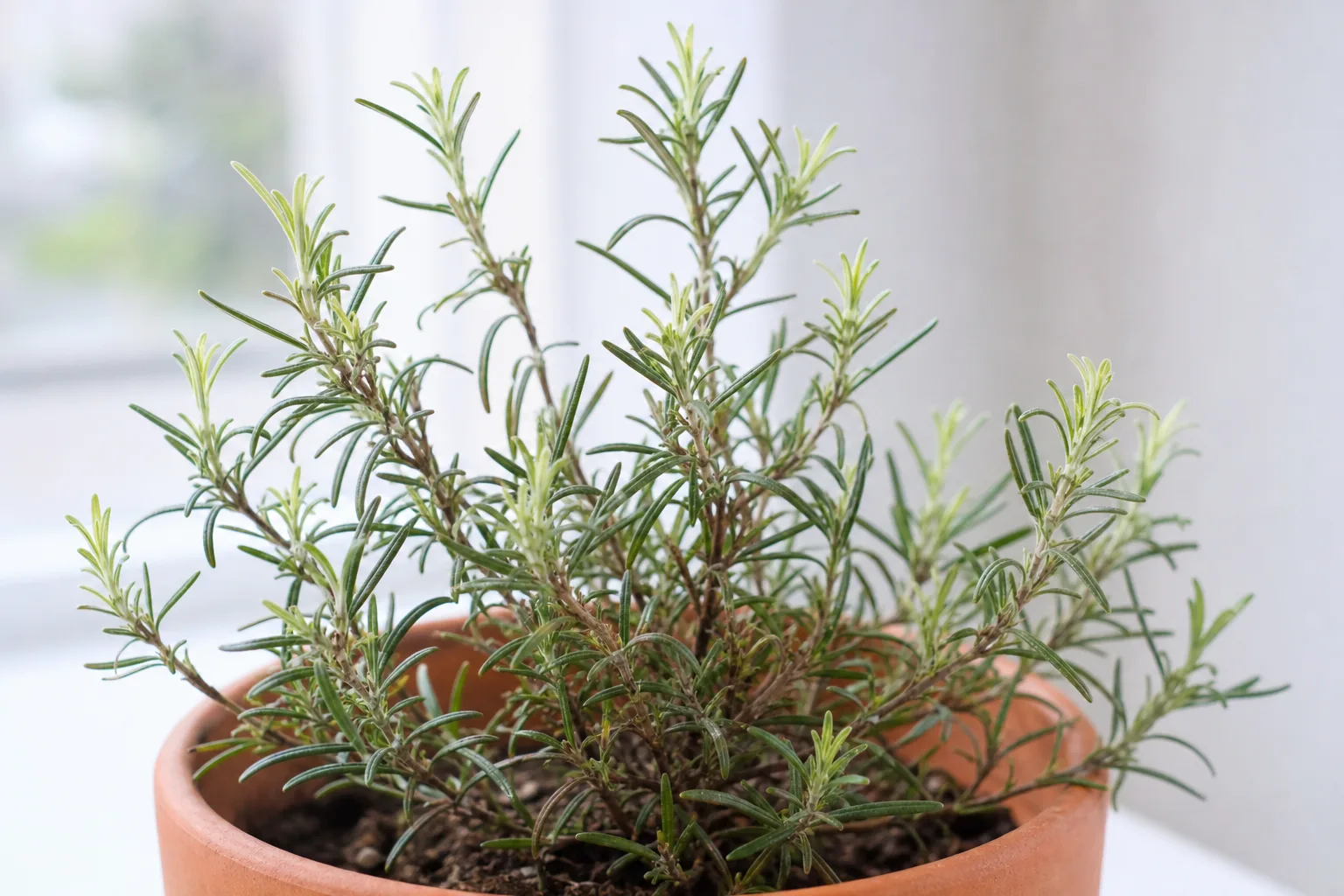
Slow Growth on Rosemary: Causes, Checks & Fixes
This guide covers slow growth on Rosemary. See also the general Slow Growth guide, watering, and light pages for this plant.
Slow Growth on Rosemary: Causes, Checks & Fixes
Quick answer
Slow growth on Rosemary is usually tied to insufficient light, cold wet roots, or an oversized pot. First step: confirm six or more hours of direct sun and that soil dries fully between soaks.
Rosemary (Salvia rosmarinus) is a woody evergreen shrub with a naturally slow to moderate growth rate-not a fast filler like mint. Stalling through spring, when days lengthen and outdoor pots should push fresh needle pairs, usually means environment, not mystery disease. Winter pause indoors is normal; chronic stagnation on soggy mix is not.
What slow growth looks like on Rosemary
Normal slow growth:
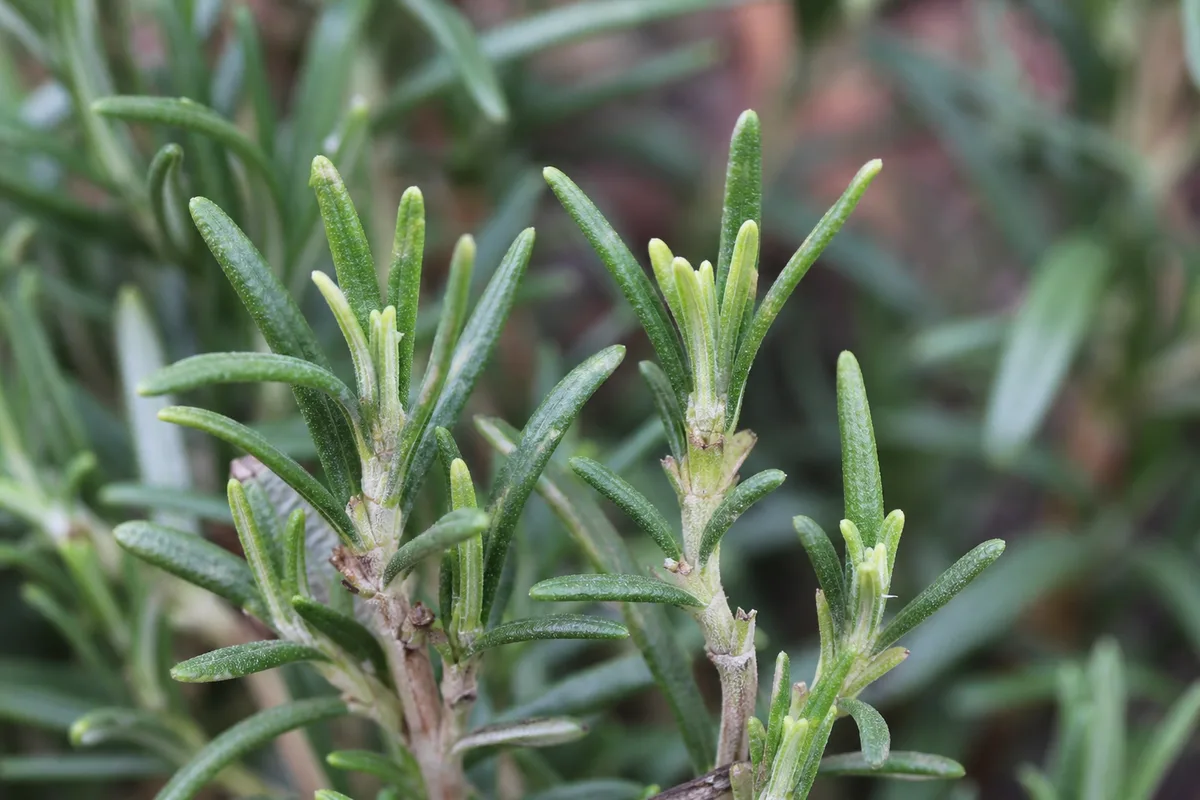
Slow Growth symptoms on Rosemary - compare with healthy tissue on the same plant.
- Few new shoots through short winter days while existing needles stay firm and aromatic
- Steady but modest extension on outdoor plants in full sun during cool spring weather
- Harvest regrowth that returns within one to two weeks after clipping soft tips in summer
Problem slow growth:
- No new needle pairs for several weeks through warm spring or summer despite regular watering
- New tips stay tiny, pale, or widely spaced while stems look thin
- Plant feels static month after month-same height, weak scent, no harvest rebound
- Lower needles yellow or drop while the mix stays wet or the pot never lightens between drinks
- Soil surface stays damp for days after a single watering in a dim room
Rosemary stores energy in woody stems. When roots or light fail, the plant often looks alive but stops investing in new tissue. That quiet stall differs from leggy stretch toward a window-which is light stress with direction-or from sudden wilt, which is acute water mismatch.
Why Rosemary gets slow growth
Too little direct light
Rosemary evolved on dry Mediterranean scrub. Outdoors it wants full sun; indoors it needs at least 6 hours of sun per day or supplemental grow lights. Kitchen shelves and north windows rarely deliver enough photons for meaningful photosynthesis. Without strong light, internodes stay short but new buds stay dormant, harvest cuts heal slowly, and aroma weakens because volatile oils concentrate in sun-lit young tissue.
Low light also slows soil drying. A dim rosemary pot stays wet longer, which compounds root stress even when you water conservatively.
overwatering on Rosemary and wet roots
Rosemary is drought tolerant once established but cannot survive stagnant water. Wet, poorly-drained soils in winter are usually fatal on Rosemary overview. When roots sit in oxygen-poor mix, uptake slows and top growth stalls long before total collapse. Overwatering and poor drainage are among the most common reasons rosemary fails to thrive in containers.
Indoor overwintering makes this worse: cool rooms plus reduced evaporation mean a modest drink can linger for days. The plant looks fine for weeks, then simply stops producing new tips.
Oversized pots and heavy mix
Rosemary prefers light, free-draining soil and does poorly in wet or poorly drained clay. A pot far larger than the root ball holds excess moisture around roots that cannot use it-especially in winter. Standard peat-heavy potting mix without grit retains water longer than the rocky soils this herb expects.
Rosemary tolerates being slightly root-bound; an enormous wet pot is worse than a snug one with open drainage.
Seasonal pause and cold stress
Growth naturally slows when day length and temperatures drop. Container plants brought indoors for winter may show little extension until late spring-even with adequate care. Cold, wet compost can cause roots to rot and die, which stalls growth before obvious wilting appears.
Do not compare January indoor performance to July outdoor harvest regrowth. Track whether new tips resume when light and warmth return.
Less common bottlenecks
Severe root binding can limit uptake when circling roots fill the pot and water runs straight through. Light annual trimming after bloom keeps plants bushy; left unpruned, old woody rosemary can look stalled at the base even when tips grow. Low-level spider mites or aphids on indoor plants sap vigor without dramatic leaf drop. Nutrient depletion in old container mix can matter after several years-but only after light and watering are already correct.
How to confirm the cause
Work through these checks in order:
- Sun log - Count hours of direct sun on the pot face, not just “bright room.” If indoors falls below six hours, light is the primary suspect before fertilizer or Rosemary repotting guide.
- Dry-down test - Push a finger 5 cm into the mix. Note how many days after watering the pot feels completely dry at that depth. Constant dampness confirms overwatering, poor drainage, or an oversized pot.
- Pot weight - Lift the container. A heavy pot days after watering signals slow evaporation-often low light, heavy mix, or excess volume.
- New tip inspection - Look for any pale buds breaking at stem ends. None through warm weather on wet soil suggests root stress; none in dim light with dry soil confirms light shortage.
- Stem base check - Soft brown tissue at the soil line on wet mix points toward root rot on Rosemary beginning-urgent, not a patience issue.
- Season context - If growth paused only in winter and needles stayed firm, wait for spring before major intervention.
Separate confirmed diagnosis from hunches. Wet soil plus no new tips is root environment. Dry soil, firm needles, and a distant window is light. Both can coexist indoors.
First fix for Rosemary
Move the pot to the sunniest available spot and pause watering until the top 5 cm of mix is completely dry.
Outdoors when frost-free, place rosemary in a sunny, sheltered position with maximum direct sun. Indoors, use a south-facing window or add grow lights if six hours of sun is impossible. Only after relocation, resume a let soil dry out between water applications rhythm-deep soak, then wait until the probe depth is dry.
Do not fertilize a stalled plant on day one. Do not repot into a bigger container hoping to jump-start growth-that often makes wet-root problems worse. Fix light and dry-down first; reassess in two weeks.
Step-by-step recovery
After the initial light-and-dry-down correction:
- Track new tips weekly - Mark a stem and photograph the terminal bud. Measure progress by fresh needle pairs, not overall height overnight.
- Adjust watering to pot weight - In strong sun, mix dries faster; in winter indoors, stretch intervals to every 10–14 days or longer if the top 5 cm stays moist.
- Improve drainage if soil stays soggy - If the pot is much wider than the root ball, step down one size in spring using gritty mix (potting soil, coarse sand or perlite, and fine gravel). Never repot into standard peat alone.
- Trim lightly after new growth appears - Pinch soft tips or harvest sprigs to force side breaks once tips look firm and aromatic again.
- Address pests if present - Rinse needle undersides and isolate if mites or aphids appear on indoor plants; pests are secondary to light and water on rosemary.
- Feed sparingly only when growing - If the plant has been in the same mix for two or more years and new tips are active in spring, a quarter-strength low-nitrogen feed once may help. Skip feeding on stressed or winter-dormant pots.
Recovery timeline
Corrected light and watering usually produce visible new tips within two to four weeks during active season. Harvest regrowth may take one to two weeks once conditions stabilize. Old thin needles rarely revert to deep green; judge success by firm aromatic new growth and stable stem bases.
Severe root damage from chronic wet soil can take six or more weeks to show any response-and may not recover if most roots were mushy. Replace with rooted cuttings rather than waiting indefinitely on a hollow woody frame.
Lookalike symptoms to rule out
Leggy growth stretches toward glass with long gaps between needles-that is weak light with directional stretch, not pure stagnation. Fix placement and prune; growth direction tells the story.
Root rot shows yellowing on wet soil, soft stems, and sour smell. Slow growth may be the early stage; unpot if bases soften.
Drought stress curls needles inward and browns tips on bone-dry mix. The plant may look stalled because new tips abort-soil will be light and dusty, not heavy.
Powdery mildew coats needles in humid dim rooms. Growth slows as foliage struggles; white coating confirms, not just pale color.
Normal winter rest keeps needles firm with zero extension. Resume expectations in spring, not mid-January on a windowsill.
Mistakes to avoid
Do not reach for high-nitrogen fertilizer on a dim, wet plant-that pushes soft tissue prone to fungal issues in humid indoor air.
Do not upgrade to a larger pot when growth stalls. Oversized containers are a common hidden cause of slow rosemary.
Do not keep watering because the plant “looks thirsty” while the mix is still damp at 5 cm depth.
Do not assume rosemary should match basil or mint speed. Moderate growth in good conditions is success.
Do not repot, prune hard, fertilize, and relocate on the same day-you will not know which change helped.
Rosemary care cross-check
Rosemary wants full sun, gritty fast-draining mix, and drought-tolerant rhythm. If your pot stays heavy for days in a dim corner, improve light before the next drink. Slightly root-bound is acceptable; chronically waterlogged is not. Rosemary hates having wet roots, especially in winter-match that tolerance in every season, not only summer.
How to prevent slow growth on Rosemary
Size pots to the root mass with open drainage holes-clay or terracotta dries faster than glazed ceramic. Use sandy alkaline mix and empty saucers after watering. Give six or more hours of direct sun daily outdoors; supplement indoors when needed. Rotate pots weekly for even exposure. Harvest lightly through the growing season to maintain bushy breaks. Replace tired woody plants every several years with fresh cuttings rather than nursing bare stems indefinitely.
When to worry
Treat as urgent if stem bases soften on wet soil, blackening climbs from soil line, powdery mildew spreads fast on dense indoor foliage, or the plant declines through spring despite corrected sun and dry-down. Unpot when in doubt-more than one-third mushy roots means rescue may fail.
Slow growth alone through winter in a cool bright room is not urgent. Confirm the calendar and light before panic.
Conclusion
Rosemary grows on its own timetable, but spring stagnation usually traces to too little sun, too much water, or a pot that never dries. Confirm six hours of direct light and a full dry-down cycle before fertilizer or upsizing. Track new needle tips-not old foliage-for recovery. Fix those two levers first and most stalled rosemary pots resume the steady, aromatic growth this Mediterranean herb is built for.
When to use this page vs other Rosemary guides
- Rosemary watering guide - Use for routine moisture checks before assuming slow growth is the main issue.
- Rosemary problems hub - Browse all 18 common issues on this species.
- Not Enough Light on Rosemary - Different entry point when symptoms overlap with slow growth.
- Leggy Growth on Rosemary - Different entry point when symptoms overlap with slow growth.
- Yellow Leaves on Rosemary - Different entry point when symptoms overlap with slow growth.