Slow Houseplant Growth: Causes and Practical Fixes
Slow growth is not always a problem, since many houseplants naturally pause in winter or after repotting. Concern begins when growth remains minimal through favorable seasons despite stable care. In most cases, growth rate is constrained by low light, cool temperatures, root congestion, depleted substrate, or mismatched watering and feeding. The plant may look stable but fail to produce meaningful new foliage. Diagnosing slow growth works best as a system check: evaluate light intensity, root health, pot size, substrate age, and nutrition together. A single fix rarely solves chronic stagnation if multiple bottlenecks exist. Once constraints are removed, growth usually resumes gradually rather than suddenly. Track progress by new leaf frequency and size over 6-8 weeks, not day-to-day changes.
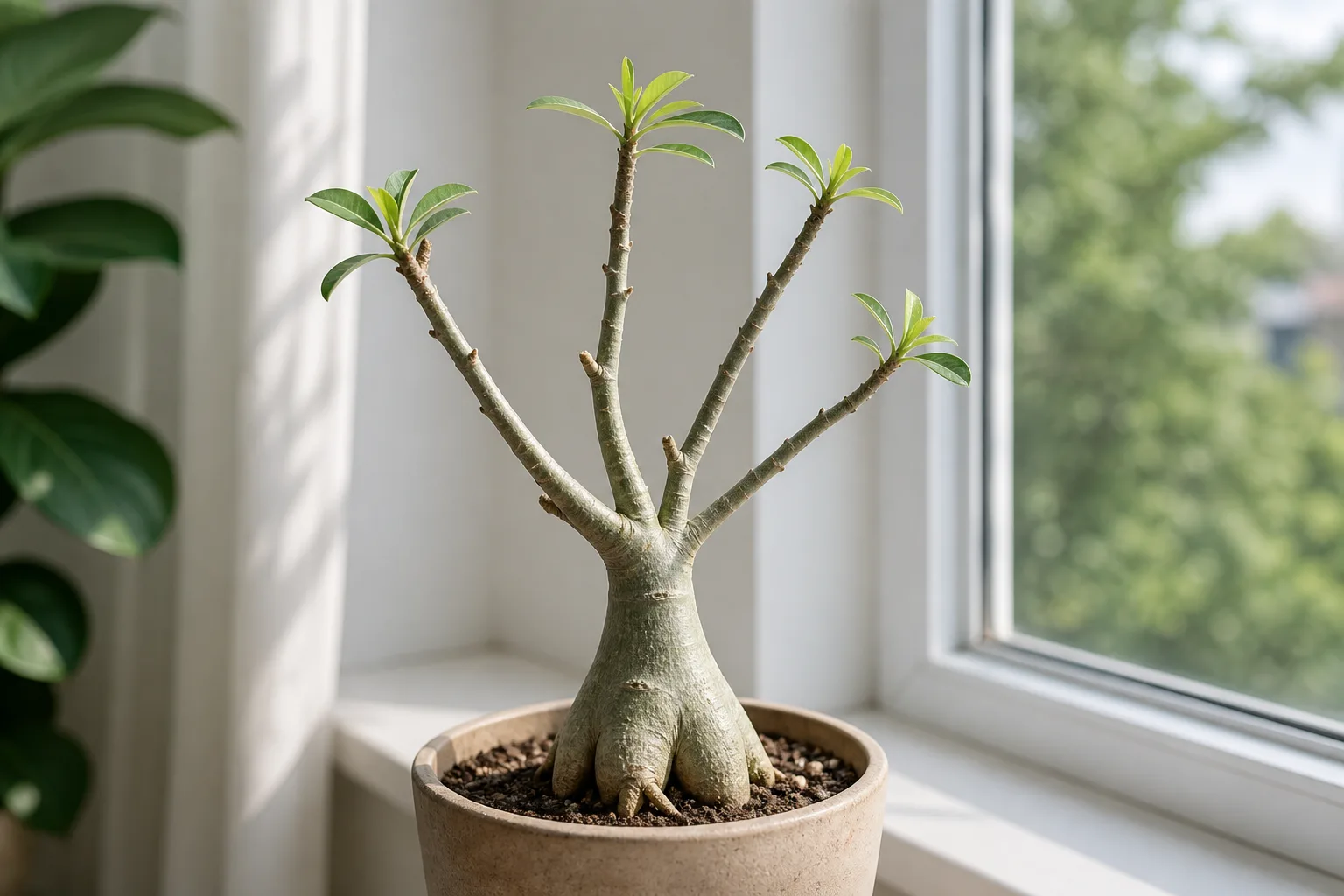
Slow Growth on Houseplants
Still unsure?Match your symptoms to the most likely problems in under a minute.Run diagnosis →Understand and fix slow growth
If leaves emerge far less often than usual and internodes stay short without active decline, growth is likely limited by light, root space, temperature, or nutrition.
Overview
Slow growth is not always a problem, since many houseplants naturally pause in winter or after repotting. Concern begins when growth remains minimal through favorable seasons despite stable care. In most cases, growth rate is constrained by low light, cool temperatures, root congestion, depleted substrate, or mismatched watering and feeding. The plant may look stable but fail to produce meaningful new foliage.
Diagnosing slow growth works best as a system check: evaluate light intensity, root health, pot size, substrate age, and nutrition together. A single fix rarely solves chronic stagnation if multiple bottlenecks exist. Once constraints are removed, growth usually resumes gradually rather than suddenly. Track progress by new leaf frequency and size over 6-8 weeks, not day-to-day changes.
Slow Growth patterns: what you see vs. likely cause
Match your plant to the closest pattern, then start with the first step before trying other fixes.
| What you see | Likely cause | First step |
|---|---|---|
| No new leaves for months; plant in dim corner | Low light limiting photosynthesis | Move to brighter indirect light |
| Slow growth in winter only | Seasonal dormancy (normal for many species) | Reduce watering; wait for spring before expecting growth |
| Slow with roots circling pot walls | Root-bound; limited room for new roots | Repot one size up in spring or early summer |
| Slow with pale or small new leaves | Nutrient deficiency | Feed at half strength during active growth |
How to identify it
- Few or no new leaves over long periods in growing season.
- New leaves appear smaller than older baseline foliage.
- Roots circle pot edges tightly or emerge from drainage holes.
- Soil structure appears broken down or compacted.
- Plant remains alive but visually static month after month.
- No major acute symptoms like rot or severe pest damage.
When to worry
Investigate deeper when growth stalls across an entire active season, roots are circling heavily, or leaves emerge progressively smaller.
Common causes
Insufficient light energy
Low light reduces photosynthesis and limits carbohydrate production needed for new tissue development.
Rootbound conditions
Crowded roots reduce efficient water and nutrient uptake, slowing or halting meaningful growth.
Nutrient depletion
Old substrate may lack available nitrogen and micronutrients required for sustained foliage production.
Suboptimal temperature range
Cool indoor conditions slow metabolic activity and can suppress growth even when other care is acceptable.
Chronic mild stress
Repeated small stressors from watering swings, drafts, or low humidity consume energy that would otherwise support growth.
Step-by-step fix
Increase light exposure
Move plants closer to bright indirect light or supplement with grow lights for consistent daily photoperiod.
Assess root space and media
Repot one size up if roots are crowded, using fresh, airy mix to restore uptake efficiency.
Implement balanced feeding
Apply diluted complete fertilizer during active growth at regular intervals, then adjust based on response.
Optimize temperature consistency
Maintain species-appropriate warmth and avoid night-time temperature drops that suppress metabolism.
Stabilize water routine
Prevent repeated over- and under-watering cycles that divert energy into stress recovery instead of growth.
Track growth metrics
Log leaf count and leaf size monthly to confirm whether interventions are producing measurable improvement.
Prevention tips
- Match light levels to each species' growth demands.
- Refresh substrate and pot size before severe root binding.
- Feed consistently but lightly during active seasons.
- Maintain stable climate and watering patterns.
- Monitor growth trends instead of reacting only to decline.
Common mistakes
- Overfertilizing to force rapid growth.
- Ignoring light limitations while changing other variables.
- Leaving plants rootbound for multiple years.
- Expecting winter growth rates year-round.
Related care topics
These care guides help prevent repeat issues once you have treated the immediate problem.
Slow growth is meaningful only in context. A plant that produces one firm, full-sized leaf during its naturally quiet season may be healthier than a plant producing several pale, stretched leaves in poor light. Before trying to accelerate anything, determine whether the plant’s rate and quality have changed from its own normal pattern.
Indoor growth is a system. Light supplies energy; roots supply water and mineral nutrients; temperature controls biological processes; and healthy tissue must be free enough from pests, disease, and repeated care shocks to invest in new growth. Improvement comes from identifying the strongest constraint, not maximizing every input at once.
This article is a synthesis of current cooperative Extension guidance, not a controlled comparison across houseplant species. Its photographs illustrate growth patterns but cannot identify the limiting factor by themselves. The process below relies on the plant’s own baseline, multiple observations, and one primary correction at a time so that normal seasonal variation is not mistaken for failure.
Quick answer: growth is limited by the tightest constraint
Houseplants grow slowly when one or more requirements fall below the level needed for sustained tissue production. The most common indoor constraints are insufficient usable light, a root zone that is too wet or repeatedly too dry, restricted or damaged roots, cool or unstable temperature, unsuitable nutrition, and chronic pest pressure. Species genetics, age, and season can also make slow growth normal.
Think of the plant as a production line. More fertilizer cannot compensate for inadequate light; more water cannot repair roots that lack oxygen; a larger pot cannot make a naturally slow species behave like a vine. Correcting the limiting step lets the other inputs become useful again.
Start with the trend. Slow but steady, normally shaped growth is usually lower risk. A falling growth rate combined with smaller leaves, yellowing, distorted tips, root odor, or canopy loss deserves investigation.
Penn State Extension’s plant-diagnosis guidance warns that symptoms may come from interacting cultural, environmental, pest, and disease factors. That supports a measured sequence rather than a single-cause guess.
Define “slow” with a useful baseline
Do not compare an indoor plant with greenhouse advertising photos or another species on the same shelf. Compare it with itself under similar seasonal conditions. Review dated photos, note how many leaves or centimeters of extension appeared during the last active period, and record whether the newest growth has changed in size or spacing.
Use simple repeatable measurements. Photograph from the same position monthly, mark the tip of a vine with a removable tag, count active growth points, and measure one representative new leaf after it hardens. For rosette or cane plants, note the date each leaf begins to unfurl and when it reaches full size.
A newly purchased plant lacks a home baseline. Treat the first months as an acclimation record. NC State Extension explains acclimatization as adjustment from nursery production conditions to the often lower light, humidity, moisture, and fertilizer levels indoors. A slower pace after purchase can be expected even when the plant remains sound.
Separate slow growth from no new growth because the monitoring questions differ. A slow plant still advances: a bud enlarges, a vine extends, roots reach new medium, or a leaf expands over a longer interval. A stalled plant shows no measurable advance at the chosen growth point. The distinction prevents a naturally slow but progressing specimen from receiving unnecessary rescue care.
Choose a measurement that fits the plant. Leaf count works for compact rosettes, but it can mislead on a plant producing fewer larger leaves. Stem length works for a vine but not for a palm whose new leaf develops inside a spear. For a branching plant, track active tips and total canopy gain rather than one quiet branch.
Make comparisons over useful intervals. Daily measurements amplify normal movement, camera angle, and human error. Weekly checks suit fast vines and herbs; monthly checks are often better for slow foliage plants and woody specimens. Keep the measurement method unchanged through the test.
Finally, record losses as well as gains. A plant that adds two leaves and drops none has made progress; one that adds two and sheds three is losing canopy. Note whether leaf loss is normal lower-leaf aging or a spreading symptom. This simple net-growth record is more informative than an isolated count.
Judge growth quality as well as speed
Rate alone hides important differences. Healthy slow growth is firm, appropriately colored, normally proportioned, and retained. Stress growth may be unusually small, pale, thin, distorted, widely spaced, or aborted before expansion.
Compare new leaves with older leaves produced under known good conditions. Smaller leaves plus longer internodes suggest a light or support problem in many foliage vines. Pale interveinal or overall color can point toward nutrition, roots, pH, or light depending on which leaves are affected. Distortion directs attention toward pests, root stress, temperature, or damage while the leaf was forming.
Watch retention. A plant producing one new leaf while shedding two older leaves is not gaining canopy. Conversely, a slow mature plant maintaining every leaf may be functioning normally. Track net change, not merely the excitement of one emerging shoot.
The growth point itself also gives clues. A plump firm bud that advances slowly differs from a blackened, dried, or pest-scarred tip. If the primary tip was damaged, side buds may need time to activate before visible growth resumes.
Species, maturity, and season set the pace
Genetics establish the range. Fast tropical vines, annual herbs, palms, succulents, woody trees, cycads, ferns, and aquatic plants do not share a meaningful universal growth schedule. Mature plants may produce fewer but larger structural changes, while a recent cutting may spend weeks building roots before extending above ground.
Season changes indoor conditions even when room temperature feels constant. Winter daylight is often shorter and weaker, and the sun angle, curtains, outdoor shade, and distance from glass affect the plant’s daily light. Many tropical houseplants do not become fully dormant, but their growth can slow enough to appear paused.
Flowering, fruiting, propagation, pruning, and root repair can redirect resources. A plant may grow leaves more slowly while supporting flowers or rebuilding roots after division. That is not automatically a deficiency.
Set expectations using reliable species-specific guidance and your records. A plant should be evaluated against its potential in the conditions you can provide, not pushed toward an arbitrary rate.
Light is often the indoor bottleneck
Light frequently limits indoor growth because intensity falls rapidly with distance and obstruction. A room may look bright while a shelf away from the window receives a fraction of the light at the glass. Human vision adjusts; plants cannot treat perceived brightness as energy.
University of Maryland Extension describes light intensity, duration, and quality as important to indoor-plant performance. Check each. A short burst of bright light may not provide the same daily resource as longer appropriate exposure, and a lamp that lights only the top leaf may leave the rest of the canopy under-supplied.
Low-light evidence includes widening internodes, smaller recent leaves, weak stems, loss of lower leaves, window-facing growth, or a declining drying rate. These clues are stronger together than alone.
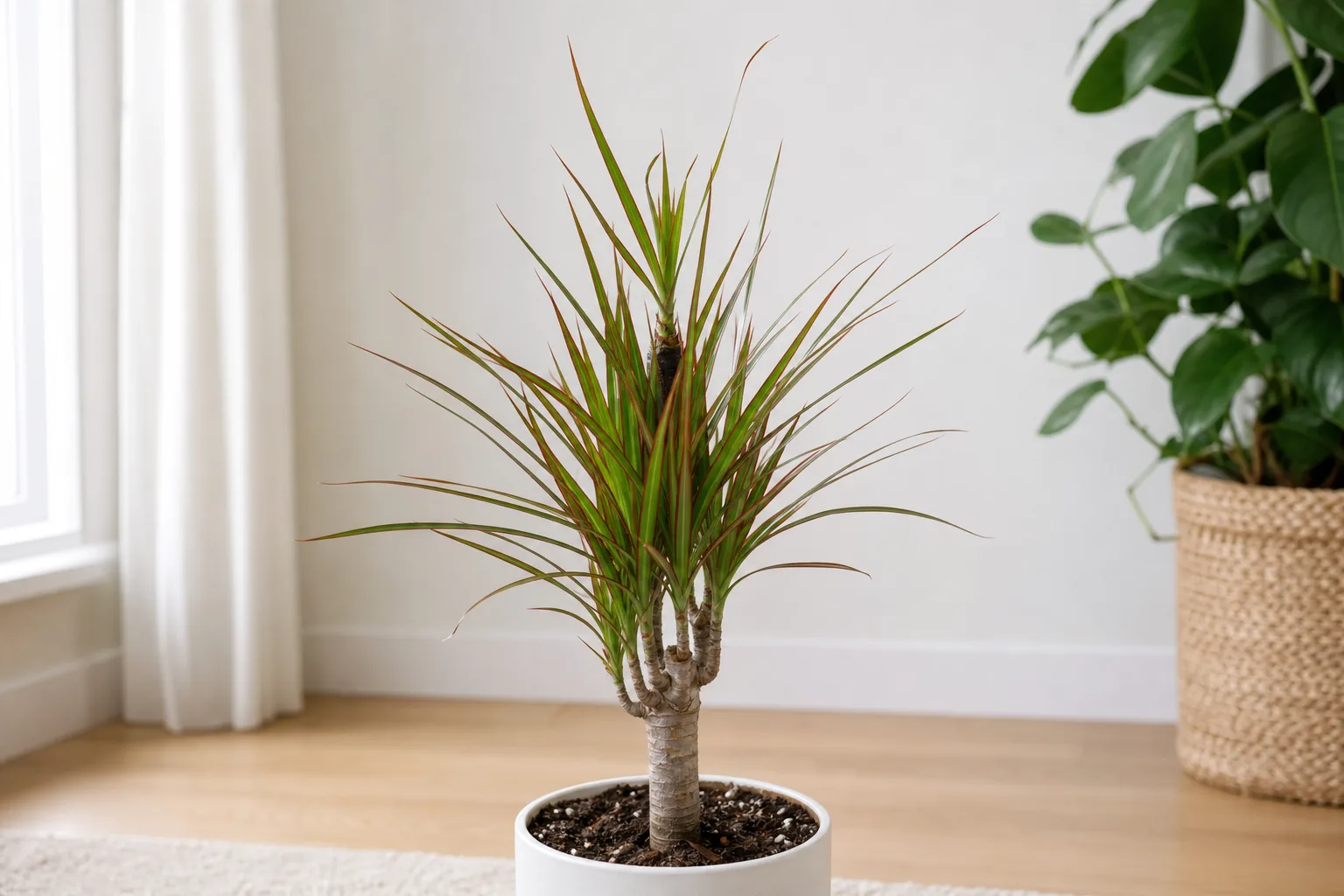
Compare intensity, duration, and canopy coverage
Measure at leaf level. A phone app can compare positions even if its absolute reading is imperfect. Record observations at several times rather than measuring one bright moment, and note direct-sun duration separately because some shade-acclimated leaves can scorch after an abrupt move.
If light is the leading constraint, move the plant closer gradually or use an appropriate grow light. Follow manufacturer distance guidance, provide broad canopy coverage, and allow a stable daily schedule. The goal is stronger new tissue, not an overnight cosmetic change.
Reassess watering after light changes. Brighter and warmer conditions can increase use; dimmer seasonal conditions can slow it. Keep checking the mix instead of carrying the old interval into a new environment.
Watering and root-zone oxygen
Growth needs water, but roots also need air in the pore spaces of the medium. Repeated drought interrupts cell expansion and can damage fine roots. Prolonged saturation reduces root-zone oxygen and can lead to root decline, even while the owner interprets slow growth as a need for more water.
Test the root zone, not only the surface. Lift the pot, probe with a wooden skewer, and learn how its weight changes from watered to ready. Watch whether water penetrates evenly, pools on compacted mix, races down channels, or remains trapped in a cachepot.
NC State’s container handbook explains that watering needs vary with light, temperature, humidity, pot size, medium, root proportion, species, and growth stage. Those interacting variables make calendar-only watering unreliable.
Correct a recurring pattern. Rehydrate genuinely dry hydrophobic mix evenly; for chronic wetness, empty standing water, improve drainage and appropriate light, and wait for the species-specific dry point. Do not alternate panic flooding and extreme drying, which keeps roots recovering instead of supporting shoots.
Roots, pot size, and aging potting mix
A crowded root ball can slow growth when roots circle densely, little loose medium remains, water channels through, and the plant wilts soon after watering. One root at a drainage hole is not enough. Some houseplants grow well when snug and can be harmed by an unnecessary jump to a much larger pot.
Old media can collapse, become hydrophobic, accumulate salts, or hold water differently from when it was fresh. Diagnose function: does water enter and drain evenly, does the center remain saturated, and can roots access a balance of moisture and air?
NC State Extension notes that girdled roots can stunt container plants. When evidence supports repotting, choose a modest size increase, drainage holes, and a medium appropriate to the species. Preserve healthy roots and avoid compressing the mix.
Root damage produces a different problem from root crowding. Soft, hollow, sloughing, or foul-smelling roots cannot support faster top growth. Remove collapsed tissue with clean tools, correct the moisture cause, and delay fertilizer until viable roots and new growth show recovery.
Temperature, drafts, and acclimation
Temperature influences growth rate and water use. A plant beside cold glass, an exterior door, an air conditioner, a radiator, or a hot window can experience extremes not reflected by the room thermostat. Check overnight and root-zone conditions as well as midday air.
Abrupt change can slow growth without visible permanent injury. Shipping, a move between rooms, repotting, division, or transition indoors after summer changes multiple inputs at once. Stabilize the environment rather than relocating the plant repeatedly in search of an instant response.
The NC State container guide discusses gradual acclimatization when plants move between high and low light. Use the same principle for major environment changes: transition in stages where possible and judge the new tissue.
Do not chase warmth with a location that sacrifices light or exposes leaves to drying hot air. The right target is species-appropriate stability, not simply the warmest spot.
Nutrition without the fertilizer reflex
Mineral nutrients support growth, but fertilizer is useful only when roots can absorb it and the plant has enough energy to use it. A depleted medium, minimal feeding over a long active period, and pale or undersized growth under adequate light can support a nutrition hypothesis. These signs are not specific, so inspect roots and moisture first.
University of Minnesota Extension recommends following fertilizer labels for container plants and describes how watering can remove nutrients. Indoor foliage plants often grow more slowly than outdoor flowering containers, so choose the product, timing, and rate for the species rather than copying an outdoor schedule.
Do not feed a cold, dormant, pest-stressed, recently root-pruned, or waterlogged plant to force growth. Excess soluble salts can injure roots and worsen the stall. If crust, a recent strong dose, or burned margins suggest accumulation, pause feeding and review drainage and water quality.
When nutrition is the best-supported constraint, begin during active growth with a complete fertilizer used according to the label and species needs. Record the date and evaluate several subsequent leaves. A single heavy application is not a valid test.
Pests, disease, and hidden chronic stress
Spider mites, thrips, scale, mealybugs, and root pests can reduce vigor before damage becomes obvious. Inspect leaf undersides, nodes, sheaths, tender tips, and—when warranted—the roots with a bright light and hand lens. Look for stippling, webbing, honeydew, scars, insects, cast skins, or distorted new tissue.
Disease is less likely to present as slow growth alone, but root rot, crown injury, or a spreading vascular problem can suppress growth while other symptoms develop. University of Maryland’s diagnostic guide helps connect indoor symptoms with cultural, pest, and disease causes.
Isolate a suspicious plant. Identify the pest or disease before choosing treatment, and follow product labels. A general pesticide applied to a plant with a light or root problem adds risk without correcting the constraint.
Also consider repeated minor shocks: irregular watering, frequent moves, harsh cleaning sprays, pet damage, or a growth point that is repeatedly broken. The plant may spend resources repairing rather than expanding.
A practical diagnostic sequence
Work from high-value, low-disturbance evidence:
- Confirm species and usual growth habit.
- Compare rate, leaf size, internodes, and retention with earlier photos.
- Record season and recent moves, repotting, pruning, feeding, or treatment.
- Observe and compare light at leaf level.
- Test moisture through the root zone and inspect drainage.
- Examine growth points and leaf undersides for pests or damage.
- Check temperature exposures and drafts.
- Slide out the root ball only when drying behavior, odor, decline, or severe restriction supports it.
Take a photograph before changing anything. Then choose one dominant constraint. This preserves a baseline and keeps the plant from receiving several stressful interventions at once.
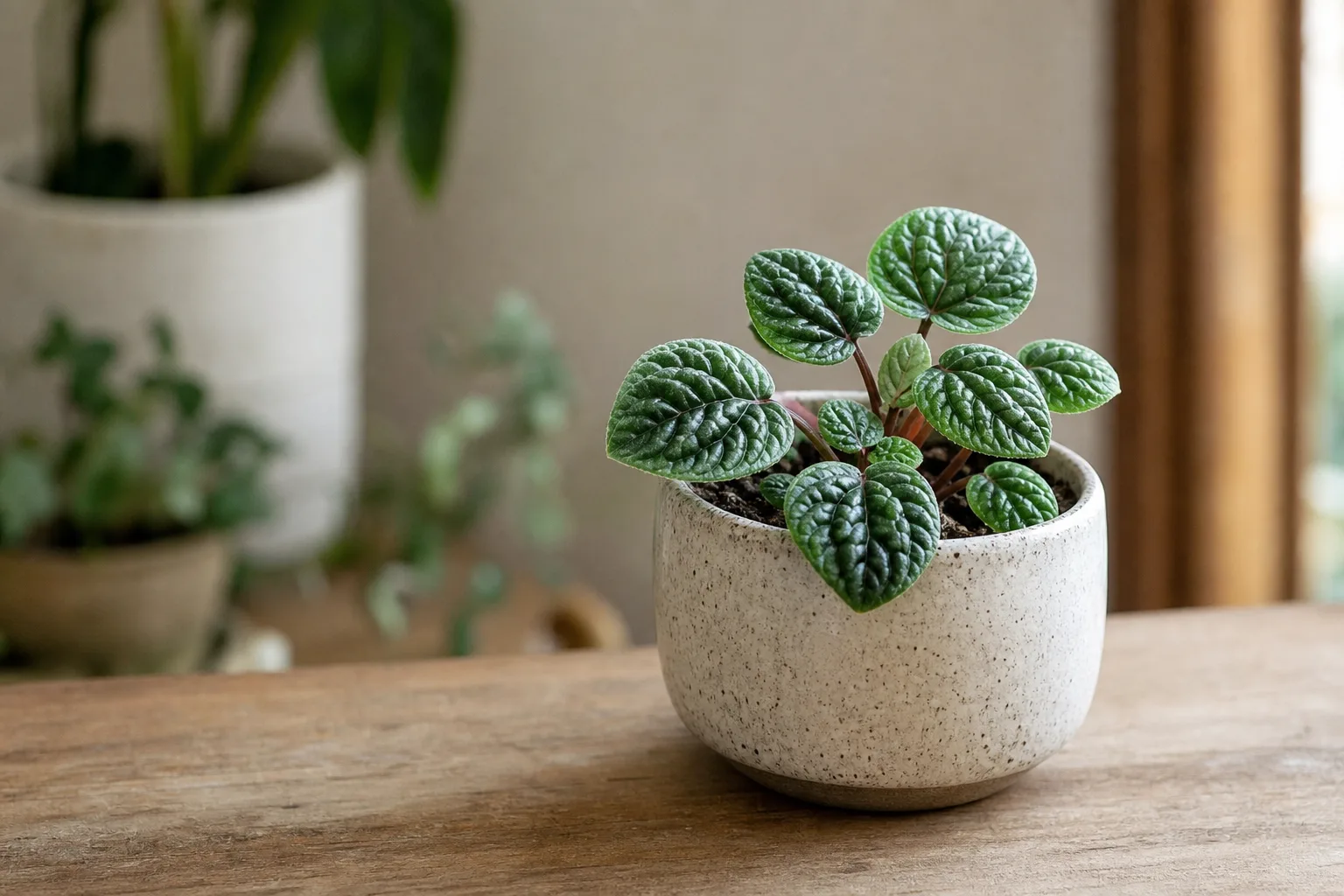
Decision table: evidence and first correction
| Evidence pattern | Leading constraint | First correction |
|---|---|---|
| Long internodes, small leaves, window-facing growth | Low usable light | Increase appropriate light gradually |
| Pot remains wet and growth declines | Root-zone oxygen stress | Correct watering, drainage, and light |
| Pot dries extremely fast; dense circling roots | Root restriction | Repot one modest size up |
| Healthy roots and light; depleted mix; pale weak growth | Possible nutrition gap | Feed conservatively in active growth |
| Stable slow plant in short days | Seasonal slowdown | Maintain care and monitor |
| Distorted new leaves, stippling, webbing, insects | Pest pressure | Isolate, identify, and treat specifically |
| Slowdown follows move or repot without decline | Acclimation | Stabilize conditions and wait |
This table ranks first actions, not certainties. Light and watering often interact, and a pest can coexist with root stress. Reassess after the first correction rather than assuming every secondary clue needs treatment immediately.
Improve growth one variable at a time
First stabilize urgent problems: standing water, active pests, temperature extremes, or collapsing roots. Next, correct the strongest chronic constraint. Improve light gradually, rebuild the moisture cycle, repot only with evidence, or apply a measured nutrient plan.
Hold unrelated variables steady for several weeks. A plant cannot provide a readable response if it is moved, pruned, repotted, sprayed, and fertilized together. Keep notes on water use, growth-point activity, leaf size, and loss of older foliage.
Support active growth after it appears. Resume species-appropriate feeding, maintain even exposure, and adjust watering to the new rate. Do not interpret the first imperfect leaf as failure; it may have begun forming during the earlier stress.
Common fixes that backfire
Overfertilizing is the classic mistake. It adds salts without fixing low light or root damage. Oversized pots are another: unused wet medium can create the oxygen problem that slow growth was wrongly assumed to solve.
Moving a shade-acclimated plant into harsh direct sun can scorch leaves. Hard pruning removes functioning leaf area and will not improve the next shoots unless light and roots are already suitable. Repeated unpotting can damage fine roots and delay the growth being measured.
Avoid rigid time promises and universal watering schedules. Do not compare a slow species with a fast vine, and do not interpret winter maintenance as failure. Correct evidence, not expectations.
Track response and know when to escalate
Recovery appears first as stability: leaf loss stops, roots remain firm, the moisture cycle becomes predictable, and the growth point swells. Stronger proof is a sequence of normally shaped leaves approaching the plant’s baseline size and spacing.
Fast species in active conditions may respond sooner than woody plants, palms, succulents, cycads, or specimens recovering from root loss. A correction made in winter may hold the plant stable until light improves. Judge trend over appropriate intervals rather than checking daily.
Escalate if growth quality keeps deteriorating, roots or stems collapse, a suspected pest cannot be identified, lesions spread, or several plants show the same unexplained pattern. A cooperative Extension office or diagnostic clinic can use the species name, care timeline, whole-plant images, close-ups, and an accepted sample to narrow the cause.
Prevent recurrence by matching species to available light, using containers and media appropriate to the root system, adjusting water with season and exposure, and recording fertilizer and repotting. Monthly photographs are often enough to reveal a gradual slowdown before it becomes a stall.
When tracking a correction, retain the same measurement, interval, camera position, and leaf or shoot reference. Record the date of the primary change and avoid stacking a repot, fertilizer application, pesticide, and relocation unless urgent evidence requires it. The resulting trend is still an observation rather than proof, but it is more useful than relying on memory or one unusually fast leaf.
Conclusion
Slow houseplant growth is best treated as a comparison and a system problem. Establish the plant’s own baseline, judge the quality and retention of new tissue, then inspect light, root-zone moisture, roots, temperature, nutrition, and pests. The strongest constraint should determine the first correction.
Healthy growth cannot be forced by stacking more water, fertilizer, pot volume, and pruning. Make one evidence-led change, keep the environment stable, and evaluate successive new leaves. When decline continues or the evidence remains ambiguous, documented observations and a diagnostic service are more useful than another generic growth booster.
Plants commonly affected
These houseplants often struggle with slow growth. Open a care guide or plant-specific troubleshooting page for tailored fixes.
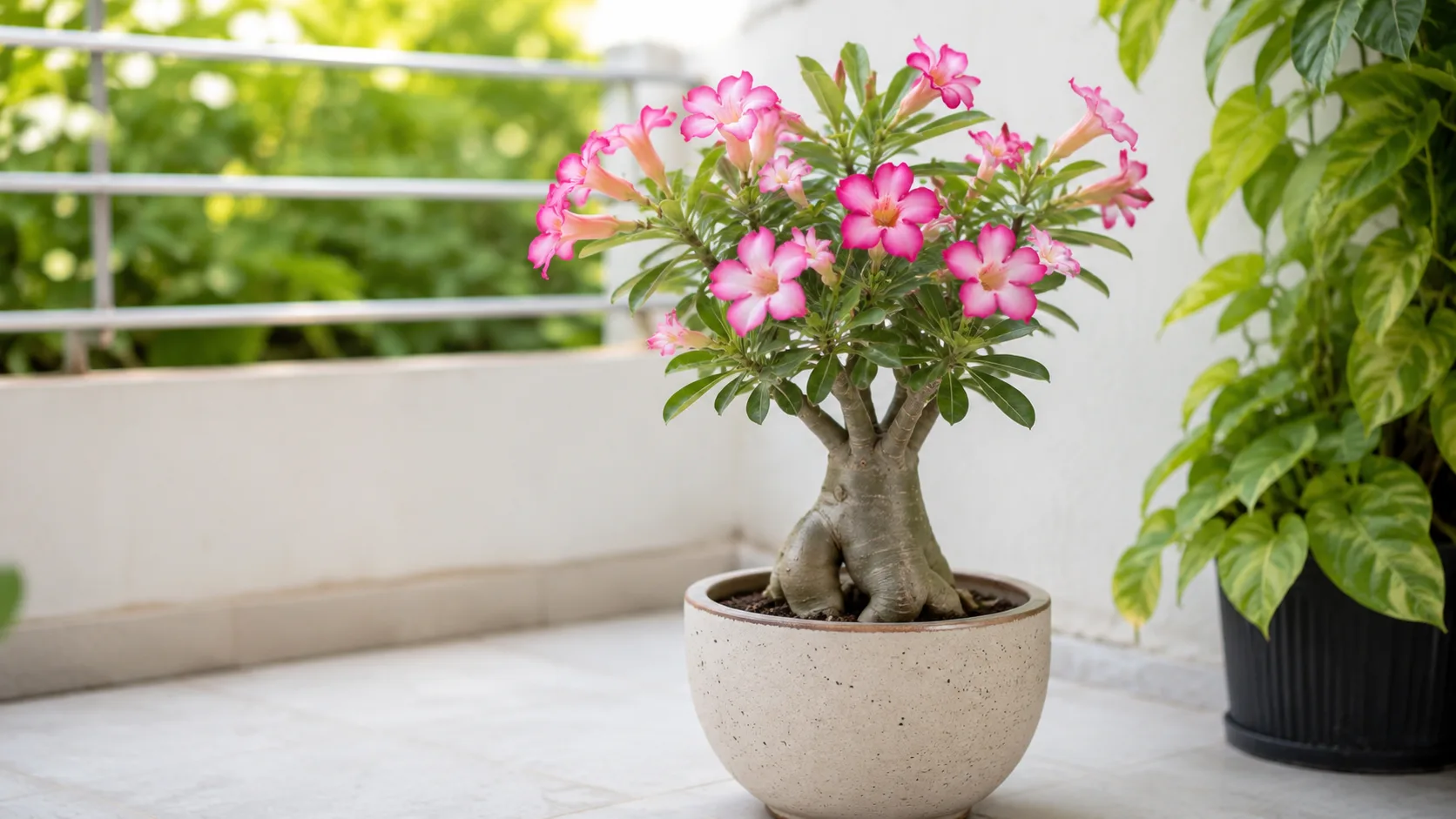 Medium
Adenium
Likely causeInsufficient sun, cool weather, recent dormancy, or root stress slows new leaves and caudex swelling.
Quick fixMove to full direct sun, resume spring watering/feeding after dormancy, and check caudex firmness.
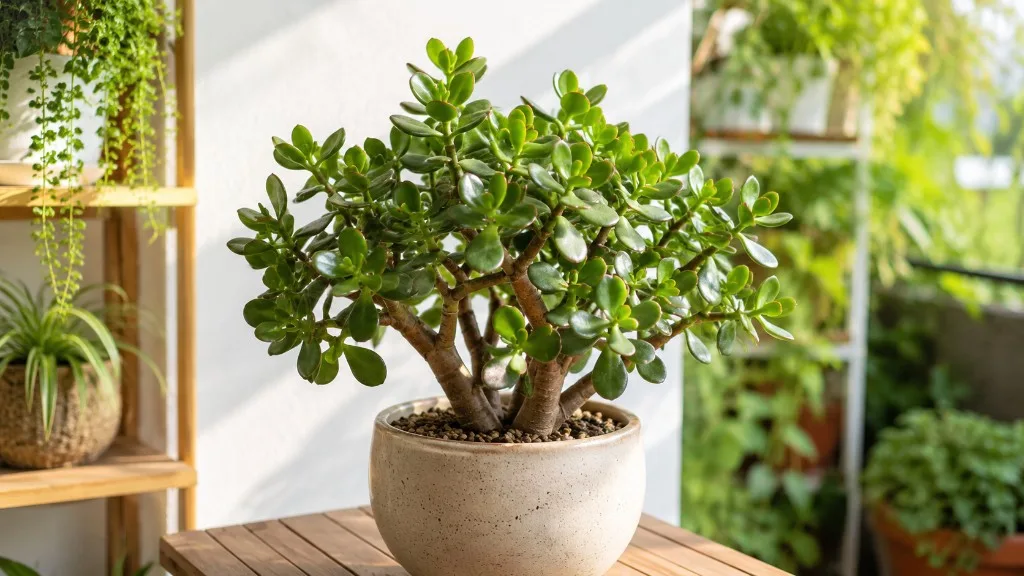 Medium
African Milk Tree
Likely causeCommon on this plant type; confirm with recent watering, light, and root checks.
Quick fixInspect the plant and correct the most likely care stressor before stacking treatments.
 Medium
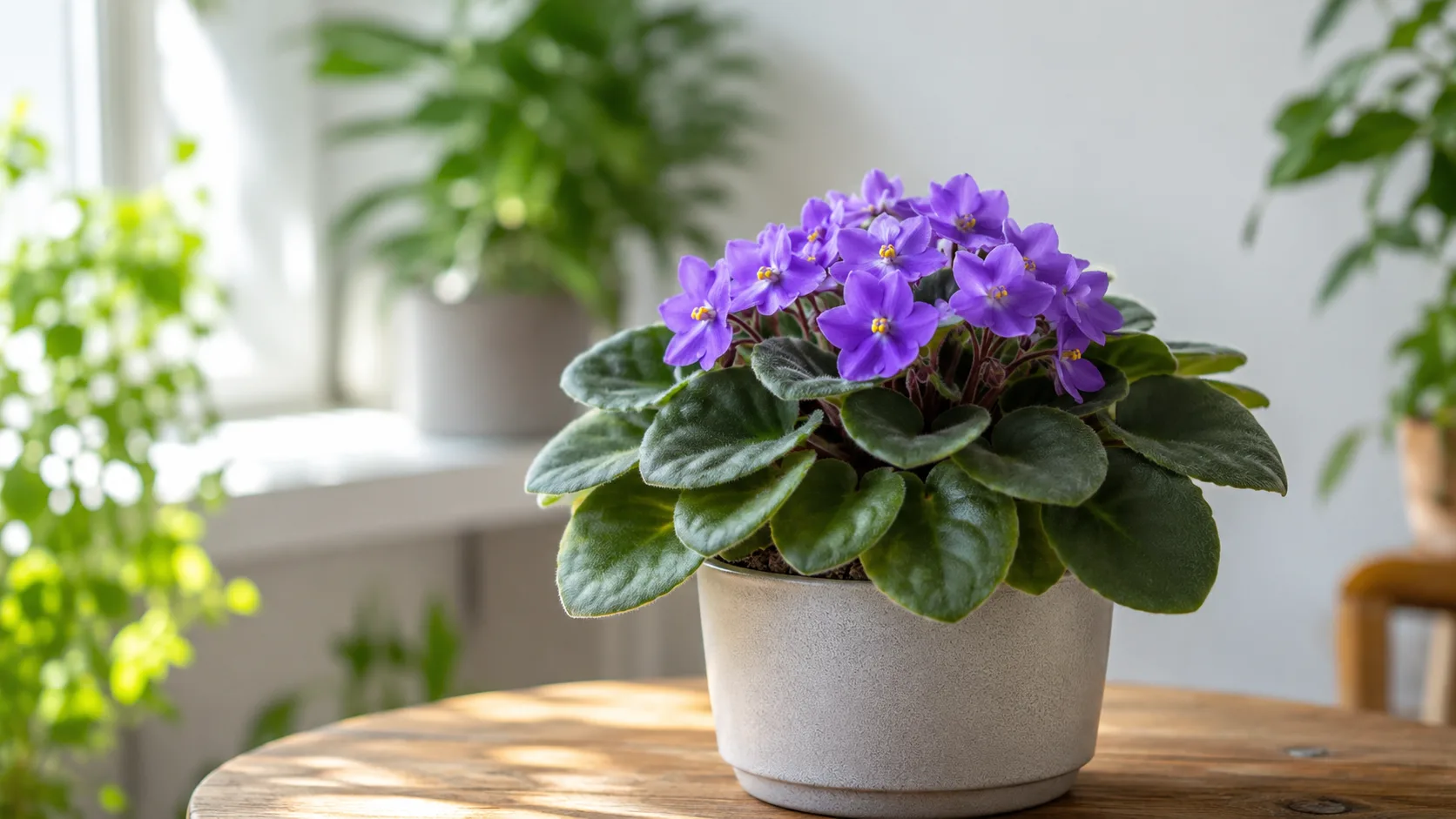
African Violet
Likely causeSlow growth on African Violet means the crown produces few or no new leaves for weeks while older foliage stays static-not a normal winter pause if light and warmth are adequate. First fix: audit dail
Quick fixSee plant-specific guide for step-by-step fixes.
 Medium
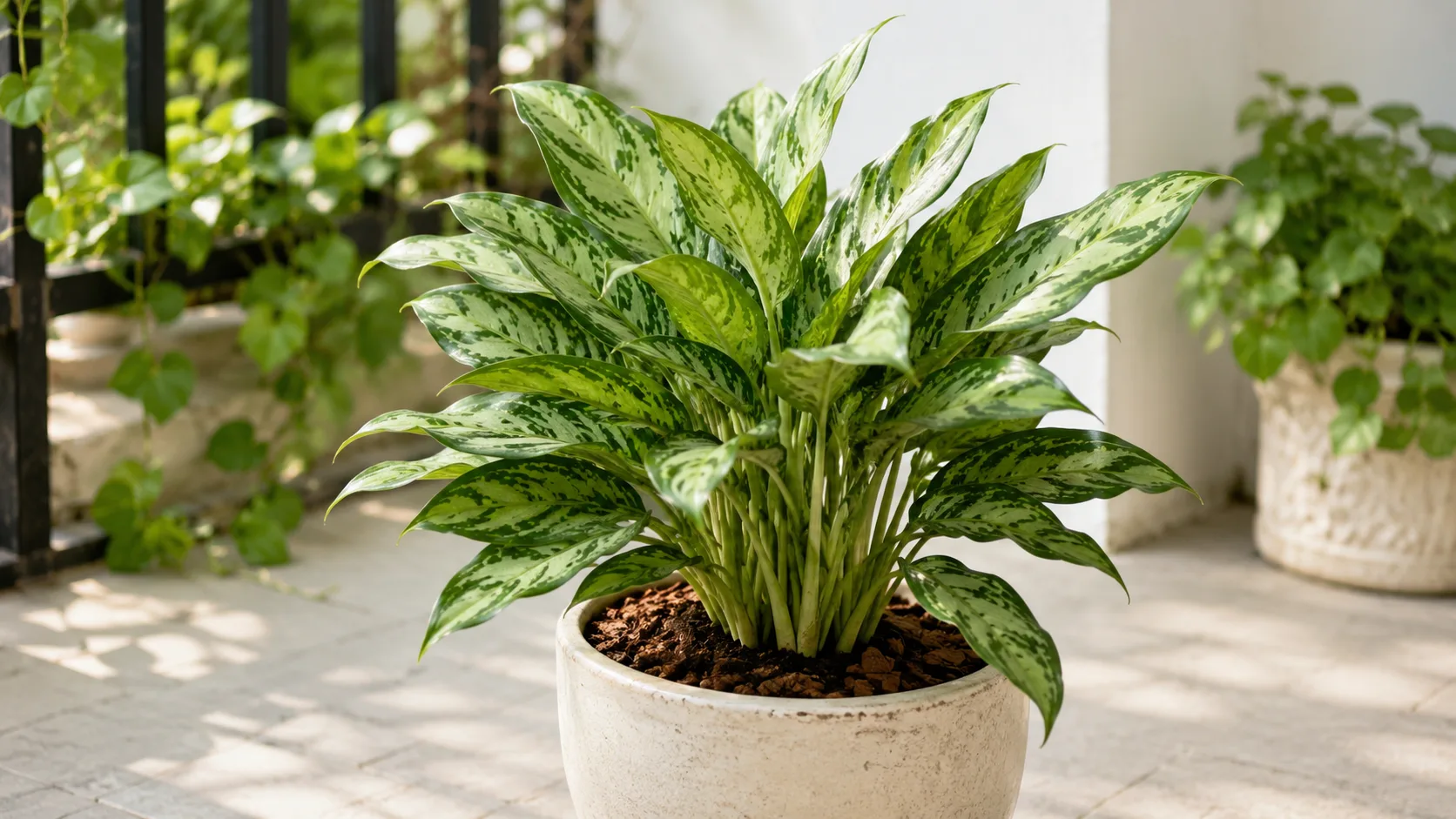
Aglaonema
Likely causeCommon on this plant type; confirm with recent watering, light, and root checks.
Quick fixInspect the plant and correct the most likely care stressor before stacking treatments.
 Medium
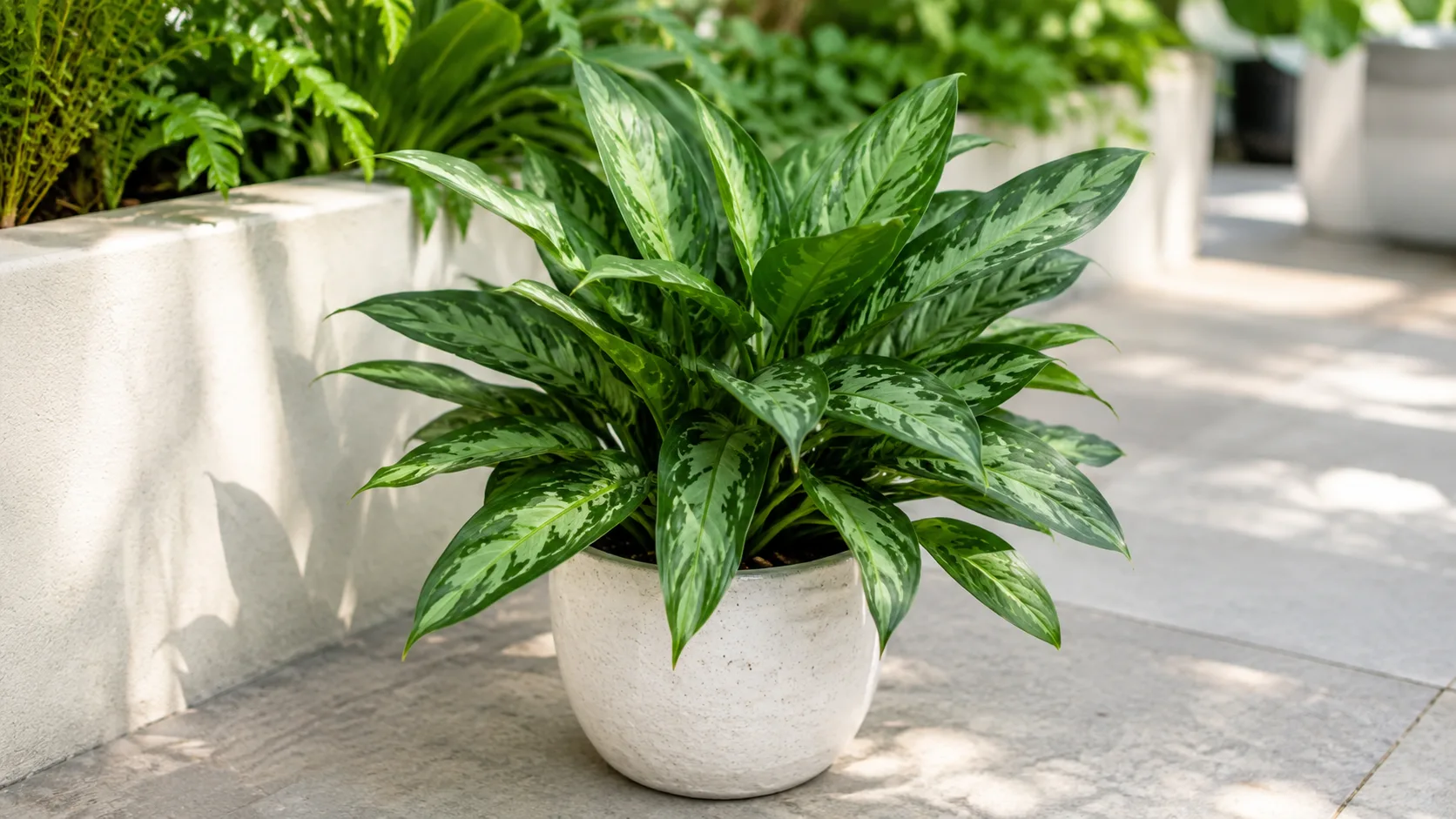
Aglaonema Cutlass
Likely causeCommon on this plant type; confirm with recent watering, light, and root checks.
Quick fixInspect the plant and correct the most likely care stressor before stacking treatments.
- Medium
Aglaonema Lady Valentine
Likely causeCommon on this plant type; confirm with recent watering, light, and root checks.
Quick fixInspect the plant and correct the most likely care stressor before stacking treatments.
- Medium
Aglaonema Maria
Likely causeCommon on this plant type; confirm with recent watering, light, and root checks.
Quick fixInspect the plant and correct the most likely care stressor before stacking treatments.
- Medium
Aglaonema Pictum Tricolor
Likely causeCommon on this plant type; confirm with recent watering, light, and root checks.
Quick fixInspect the plant and correct the most likely care stressor before stacking treatments.
 Medium
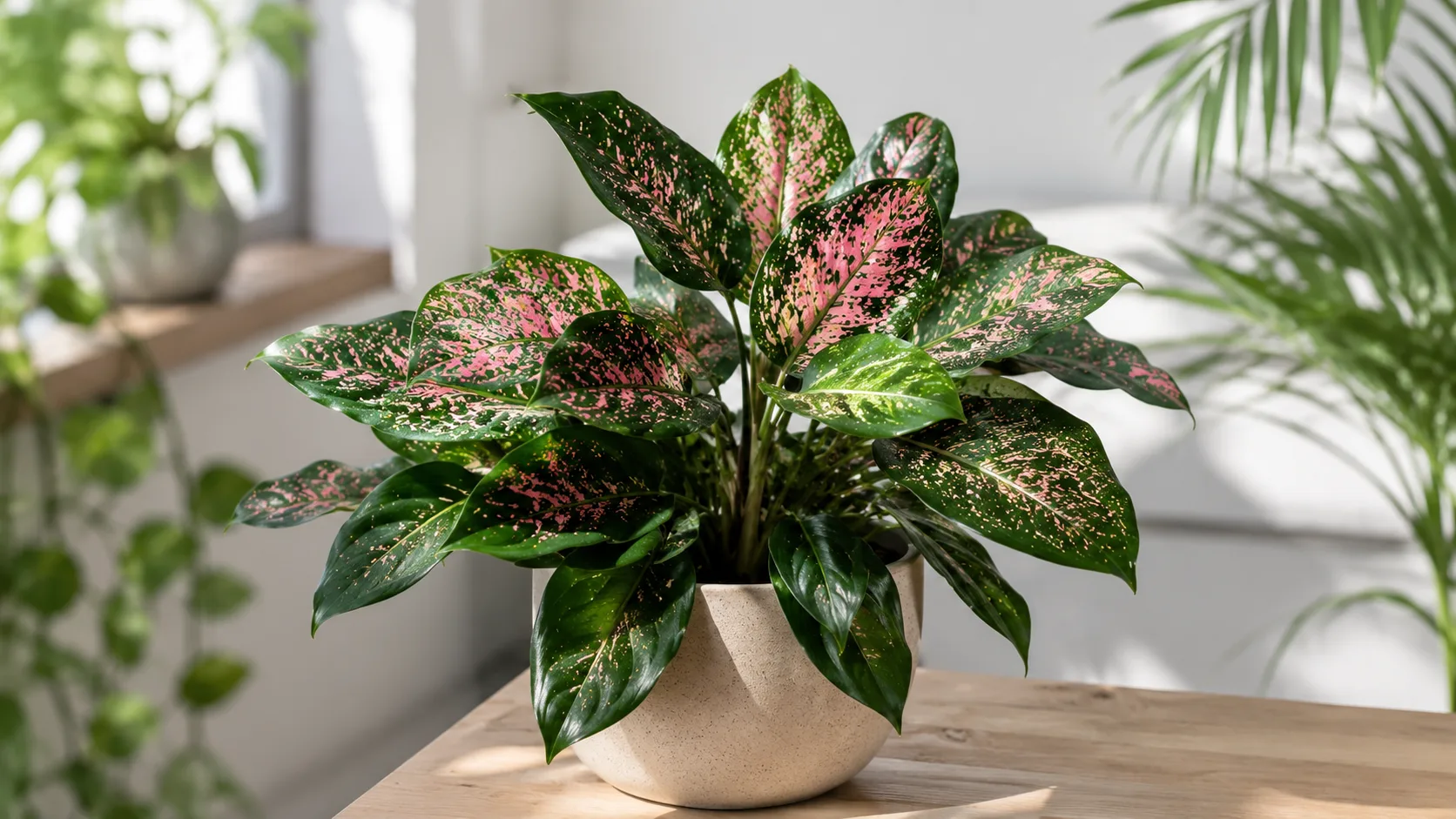
Aglaonema Pink Dalmatian
Likely causeCommon on this plant type; confirm with recent watering, light, and root checks.
Quick fixInspect the plant and correct the most likely care stressor before stacking treatments.
- Medium
Aglaonema Red Siam
Likely causeCommon on this plant type; confirm with recent watering, light, and root checks.
Quick fixInspect the plant and correct the most likely care stressor before stacking treatments.
 Medium
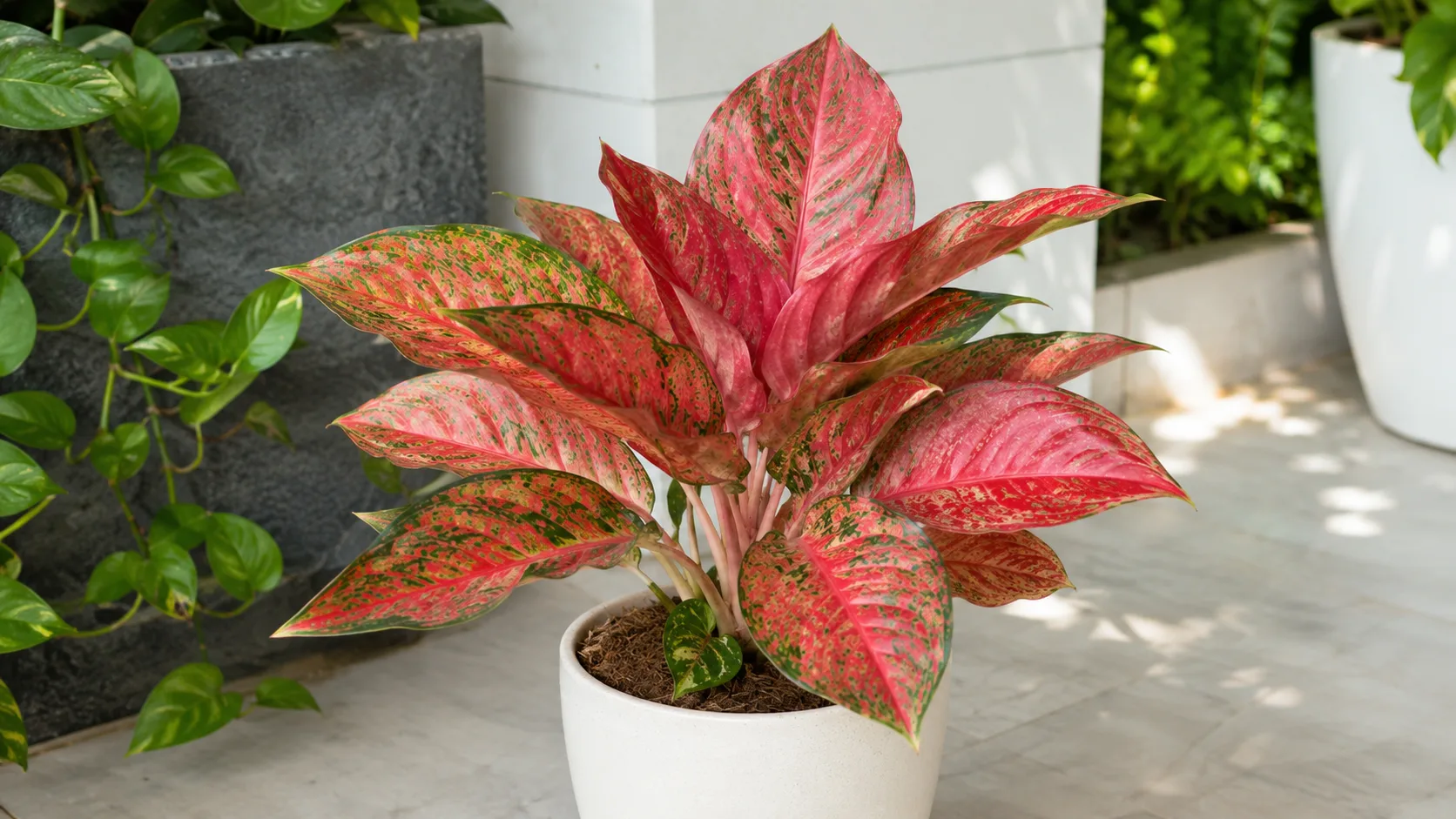
Aglaonema Red Valentine
Likely causeCommon on this plant type; confirm with recent watering, light, and root checks.
Quick fixInspect the plant and correct the most likely care stressor before stacking treatments.
 Medium
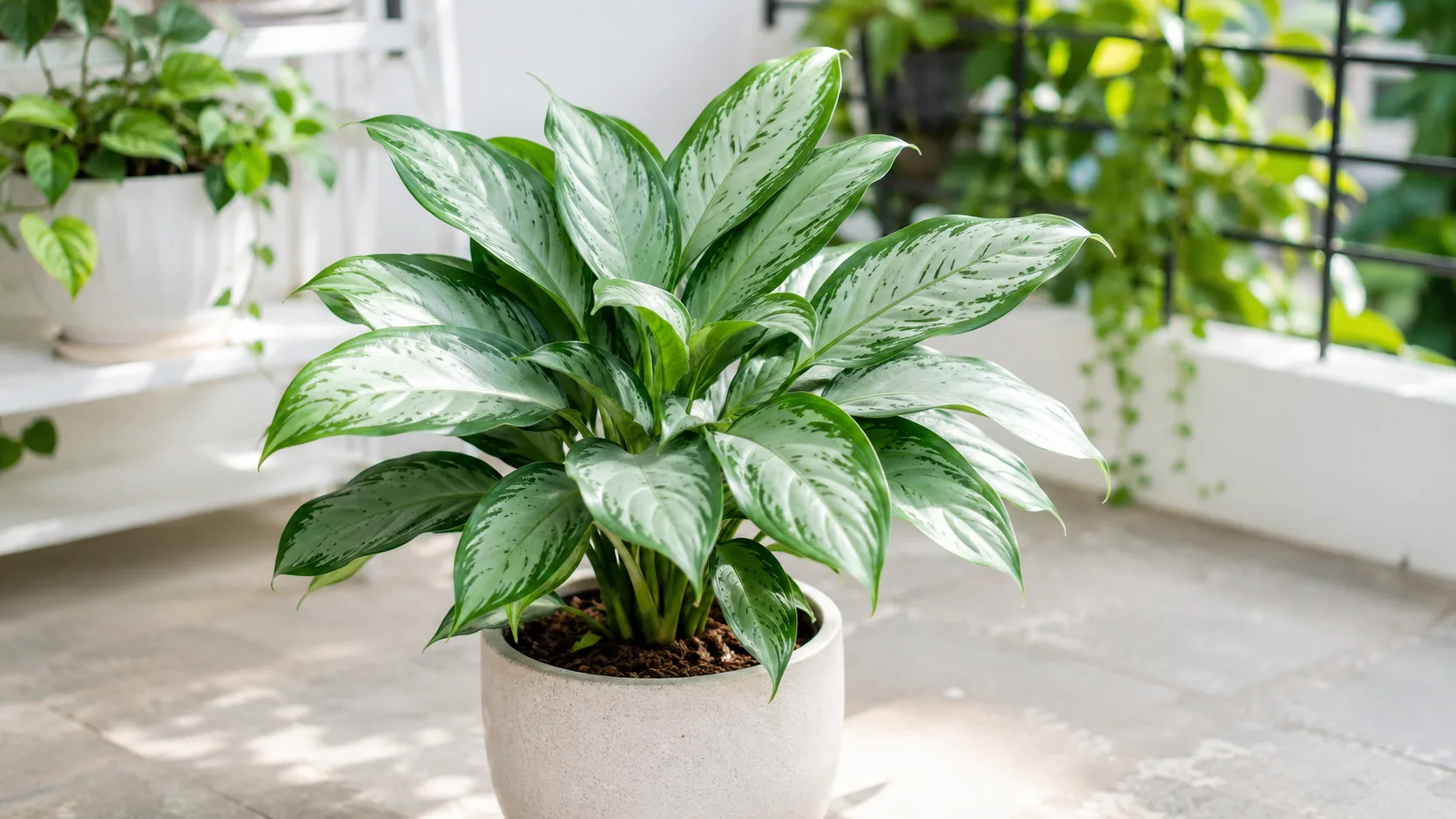
Aglaonema Silver Bay
Likely causeCommon on this plant type; confirm with recent watering, light, and root checks.
Quick fixInspect the plant and correct the most likely care stressor before stacking treatments.