Why Is My Plant Dying?
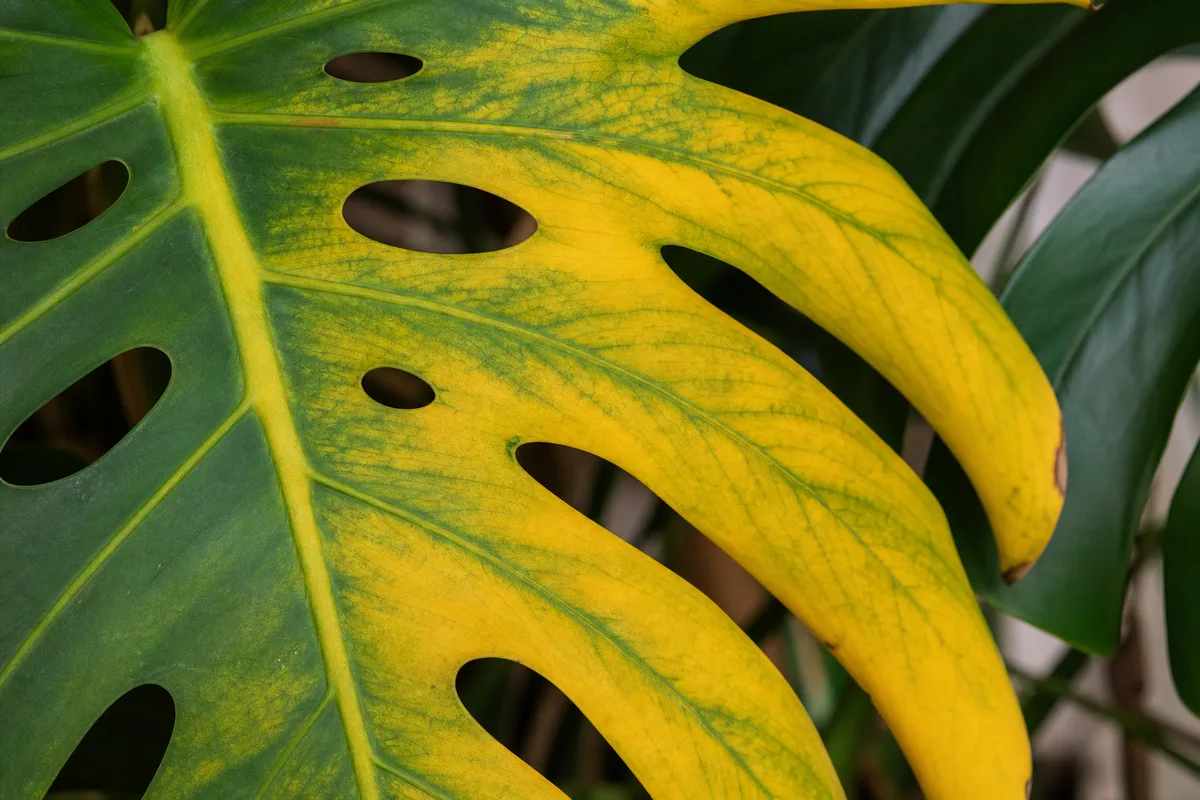
A dying houseplant rarely has one neat symptom that points to one neat cause. Yellow leaves can come from wet roots, dry roots, low light, pests, cold stress, fertilizer burn, natural aging, or a potting mix that has collapsed around the root ball. Drooping can mean drought, but it can also mean roots are so damaged by excess moisture that they can no longer move water into the leaves. That overlap is why guessing often makes a weak plant worse.
Why Is My Plant Dying? is a guided diagnosis tool for turning visible clues into a practical shortlist. It helps you compare the speed of decline, the plant’s most obvious symptoms, recent care changes, soil moisture, pot setup, light, and pest evidence. The goal is not to label the plant from one photo. The goal is to slow the panic, sort the likely causes, and choose the least risky next action.
Use the tool when your plant is yellowing, wilting, dropping leaves, browning at the edges, growing weakly, or declining after a move, repot, purchase, season change, or missed watering. Then use this guide to check the result before you repot, cut, treat, fertilize, or throw the plant away.
The tool works like a triage checklist. It asks what you can actually observe: which leaves are changing, whether the soil is wet or dry, whether the decline is sudden or slow, whether pests are visible, and whether anything changed recently. Those inputs are matched to common houseplant problem patterns such as overwatering, underwatering, root rot, not enough light, spider mites, mealybugs, scale insects, cold damage, and fertilizer burn.
It is most useful when the answer could change what you do next. If the pattern points to wet roots, watering again is likely to compound the problem. If the pattern points to drought, withholding water for another week is not careful; it is another stress event. If the pattern points to pests, repotting without inspecting leaf undersides wastes time.
The tool also helps separate urgent problems from cosmetic ones. One old yellow leaf on a stable plant usually matters less than yellowing that spreads through new growth. A few dry brown tips are different from a mushy stem base. A slow plant in winter is not the same as a plant collapsing in wet soil.
No online diagnostic tool can smell sour potting mix, feel whether a stem is firm, inspect every root, or identify every pest from a vague description. The result is a ranked starting point, not a lab diagnosis.
It also cannot know the exact tolerance of every plant in your collection. A cactus, calathea, pothos, peace lily, ficus, orchid, and fern can show similar stress symptoms for different reasons. Species matters, so pair this tool with the relevant LeafyPixels plant profile when you know the plant name. If you do not, start with the broad symptom pages and avoid extreme fixes until the diagnosis is clearer.
The tool is not a substitute for veterinary advice, poison control, or professional help. If a pet may have chewed a plant, check the plant against a reliable toxicity database and contact a veterinarian or animal poison control. The ASPCA notes that its plant list is not all-inclusive and advises contacting a veterinarian or its poison hotline if an animal is ill or may have ingested a poisonous substance (ASPCA toxic and non-toxic plants).
Start with the speed of decline
Speed is one of the strongest diagnostic clues. A plant that has looked gradually thinner for two months is usually telling a different story from one that collapsed over a weekend.
Fast decline often points to root failure, severe dehydration, heat, cold, chemical exposure, major transplant shock, or a sudden pest or disease flare. If a plant goes limp while the soil is wet, do not assume it needs more water. Excess moisture can reduce oxygen in the potting mix, damage fine roots, and leave the plant unable to take up water even though the pot is wet (University of Maryland Extension).
Slow decline often points to lower light than the plant can use, a potting mix that stays wet too long, accumulated fertilizer salts, chronic underwatering, pests that are easy to miss, or a plant slowly exhausting the root space available to it. These problems are less dramatic, but they can still kill a plant if every new leaf is smaller, paler, or weaker than the last.
Season matters too. Many indoor plants grow more slowly in short winter days, and a stable plant may need less water during that period. But “winter slowdown” should not be used to excuse spreading yellow leaves, soft stems, fungus gnats, sticky residue, or new leaf distortion. Those are active clues.
Check moisture before you interpret leaves
Leaf symptoms make more sense after you know what is happening in the root zone. Before changing care, check the pot weight, the top inch or two of mix, the drainage holes, and, when the plant is seriously declining, the roots themselves.
Overwatering is not just “too much water once.” It is a pattern where roots stay wet long enough that oxygen becomes limited and root tissues weaken. Iowa State University Extension describes overwatering as a common reason houseplants fail and notes that roots sitting for long periods in wet soil can develop root rot, with symptoms including yellowing or browning leaves, leaf drop, wilting, crown rot, fungus gnats, and death (Iowa State University Extension).
Underwatering has a different feel. The pot is light, the mix may pull away from the sides, leaves may droop or crisp, and the plant may perk up after a thorough watering if the roots are still functional. Very dry peat-heavy mixes can become hard to rewet, so one quick splash may run around the root ball instead of through it. The University of Maryland Extension notes that potting media that has pulled away from the sides may need several applications of water to rehydrate properly (University of Maryland Extension).
The confusing part is that both wet roots and dry roots can cause wilting. That is why the tool asks about soil condition. Wilting plus bone-dry mix points one way; wilting plus soggy mix points another.
Read yellow leaves by location
Yellow leaves are not a diagnosis by themselves. Their location and pattern matter.
Lower, older leaves yellowing one at a time can be normal aging, especially if the plant is otherwise growing well. Lower leaves yellowing in groups, especially with wet soil, leaf drop, or a sour smell, points toward water stress or root trouble. Yellowing that begins in new growth can suggest nutrient availability, pH-related uptake issues, root damage, or light stress, but indoor plants should not be fertilized blindly just because leaves are pale.
If yellowing is paired with drooping, check moisture first. If it is paired with fine stippling, webbing, sticky residue, cottony patches, or hard bumps, inspect for pests. If it is paired with a recent move from bright light to a dim corner, investigate light. If it follows repotting, look for transplant shock, root damage, a pot that is too large, or a mix that holds more water than the old one.
Use yellow leaves as a symptom path, not a final answer. The tool’s value is in combining yellowing with the rest of the evidence.
Separate drooping from true drought
Drooping leaves are emotionally persuasive. They make you want to water immediately. Sometimes that is right; sometimes it is the mistake that finishes the plant.
Treat drooping as a moisture-and-root question. If the pot is light, the mix is dry through the root ball, and leaves are limp but not mushy, water thoroughly and let excess drain. If the pot is heavy, the mix is wet, and leaves are limp, the roots may be damaged or oxygen-starved. In that case, adding more water can worsen the root environment.
RHS guidance on houseplant leaf damage recommends checking the roots when leaves brown or plants collapse; brown, soft, rotted roots indicate the watering pattern likely needs adjustment (Royal Horticultural Society). For a plant with persistent droop and wet soil, the tool should push root inspection higher than surface-level leaf treatment.
Also check heat and cold. A plant in direct sun behind glass can wilt from heat even when watered. A plant near a cold draft can collapse after chilling. In both cases, the leaves are describing stress, but the fix is placement before watering.
Inspect roots when the pattern points below the soil
You do not need to unpot every plant with one yellow leaf. You should inspect roots when several clues point underground: persistent wilting with wet soil, a sour or swampy smell, fungus gnats, a mushy stem base, blackened roots visible through drainage holes, or rapid decline after heavy watering.
Healthy roots vary by species, but they are generally firm. Many are pale, cream, tan, or light brown; some plants naturally have darker roots. Problem roots are soft, hollow, slimy, foul-smelling, or easy to pull apart. If most roots are gone, the plant cannot support the same leaf mass, which is why severe root rot can look like drought above the soil.
If some firm roots remain, recovery may be possible. Remove the plant gently, cut away only dead or mushy roots with clean tools, discard collapsed or sour mix, and repot into a container with drainage and a mix suited to the plant. Then keep conditions steady. A recovering plant needs oxygen, moderate moisture, appropriate light, and time; it does not need a stack of fertilizer, pruning, pesticide, and relocation all on the same day.
If no firm roots remain and the stem base is soft, the parent plant may not recover. Check whether a healthy cutting can be taken before discarding it, especially for pothos, philodendron, tradescantia, hoya, monstera, and other plants that can root from nodes.
Look for pest evidence in the right places
Pests often hide where casual checks miss them: leaf undersides, petioles, nodes, new growth, sheaths, and the soil surface. Use bright light and, if you have one, a magnifier. Rotate the pot. Check the plant next to it too.
Common indoor pests include aphids, whiteflies, mealybugs, scales, thrips, spider mites, and broad mites; Mississippi State University Extension notes that many houseplant pests spend much of their time on leaf undersides (Mississippi State University Extension). The clue is often not the insect itself but the pattern: fine stippling and webbing for spider mites, cottony clusters for mealybugs, sticky honeydew for sap-feeding insects, hard bumps for scale, silvery scarring or black specks for thrips, or small flies rising from wet soil for fungus gnats.
Pest stress can mimic nutrition, light, and watering problems because damaged leaves yellow, distort, spot, or drop. Before feeding a weak plant, check for pests. Fertilizer does not fix mites, scale, or mealybugs.
Colorado State University Extension also notes that many houseplant insect infestations are introduced on recently purchased or gifted plants, and recommends quarantining new plants for a few weeks before mixing them into the household collection (Colorado State University Extension). That is why the tool asks about recent purchases and neighboring plants.
Match treatment to the pest, not the panic
Once you find pests, identify them before treating. Broad, random spraying indoors can waste effort and create safety problems, especially around children, pets, aquariums, food-prep areas, and sensitive plants.
For minor infestations, start with physical control where appropriate. Illinois Extension recommends observing plants for pests, washing leaves, spraying plants with water to knock pests off, scraping off small numbers of scale, and removing mealybugs with tweezers or a cotton swab dipped in alcohol (Illinois Extension). Clemson Extension notes that insecticidal soap works only by direct contact and is most effective against soft-bodied pests and related pests such as aphids, mealybugs, immature scale crawlers, thrips, whiteflies, and spider mites (Clemson HGIC).
Severe infestations are different. If a plant is badly damaged, inexpensive, or sitting beside a valuable collection, discarding it may be the most rational plant-care decision. That is not failure; it is containment.
Weigh light before fertilizer
Low light is a quiet killer because it often looks like many other problems. A plant in weak light uses less water, dries more slowly, grows thinner stems, produces smaller leaves, and becomes more vulnerable to overwatering. If you keep watering as if the plant were in bright growth, the root zone can stay wet too long.
Human eyes are poor light meters. A room can feel bright to you and still be dim for a plant several feet from a window. The tool cannot measure your room, but it can use clues: leggy growth, leaning, long gaps between leaves, slow drying, loss of variegation, and repeated yellowing after watering.
Do not solve low light with fertilizer. Fertilizer supplies nutrients; it does not replace usable light. In low light, extra fertilizer can accumulate as salts because the plant is not growing fast enough to use it. Iowa State University Extension notes that excess fertilizer salts can damage roots and cause symptoms such as browning or yellowing leaves, leaf drop, wilting, spindly growth, and potentially death (Iowa State University Extension).
If the likely issue is light, move the plant gradually toward a brighter suitable spot or use the relevant LeafyPixels tools, such as a light or grow-light planner if available from the tools hub. Then adjust watering to the new drying rate.
Check the pot setup
The pot is part of the diagnosis. A plant in a cachepot with standing water can rot even if you water “only a little.” A plant in a pot without drainage can look fine until the lower root zone becomes stagnant. A plant moved into a much larger pot can stay wet because the extra mix holds water the roots are not using. A plant in old, compacted mix can dry unevenly: wet at the bottom, hydrophobic at the edges, and misleading at the surface.
Good pot setup gives you feedback. A drainage hole lets you water thoroughly and see excess leave the pot. A nursery pot inside a decorative cover pot lets you remove the plant, water it, drain it, and return it without letting the roots sit in runoff. A mix with structure lets water and air move through the root zone.
When the tool points to poor drainage, no drainage hole, pot too large, or wrong soil mix, treat the container as a cause, not a background detail.
Use recent changes as evidence
Many plant problems follow a change. The change may not be bad by itself, but it narrows the likely cause.
A plant yellowing after repotting may be responding to root disturbance, a heavier mix, a larger pot, or a watering routine that no longer fits. A plant declining after purchase may be adjusting from greenhouse conditions to home conditions, or it may have arrived with pests. A plant dropping leaves after a move may be reacting to lower light, different temperature, drafts, or a changed watering rate. A plant browning after a fertilizer application may be showing salt or concentration stress.
Build a simple timeline before you act: when symptoms started, when you last watered, when you repotted, when the plant moved, when weather or indoor heating changed, when you fertilized, and when new plants entered the room. The tool’s result is stronger when the timeline supports it.
Decide what to do first
The safest first action is usually the one that confirms the diagnosis while doing the least irreversible harm.
If the soil is wet and the plant is wilting, stop watering and inspect drainage, pot weight, smell, and roots. If the soil is dry and the plant is limp, water thoroughly and watch whether it recovers. If pests are visible, isolate the plant and identify the pest before treating. If the plant is in very low light, improve light before increasing fertilizer. If the plant has cold or heat damage, stabilize placement before pruning heavily.
Avoid stacking five interventions. Repotting, pruning, fertilizing, moving, treating pests, and changing watering on the same day makes it hard to know what helped or harmed. It can also push a stressed plant past its recovery capacity. Make the highest-confidence correction, then observe new growth.
Old damage is not a useful recovery metric. A brown tip will not turn green. A fully yellow leaf usually will not recover. Judge progress by whether decline slows, new growth looks healthier, roots remain firm, pests stop spreading, and soil dries in a more reasonable rhythm.
Isolation is worthwhile when pests, disease, or unknown decline could spread. Move the plant away from the rest of the collection if you see webbing, sticky leaves, cottony masses, scale bumps, thrips scarring, unexplained leaf drop near other plants, fungus gnats in several pots, or a new plant that has not been inspected.
Isolation does not have to be dramatic. A separate room, a bright bathroom, a laundry area, or a shelf away from airflow between plants can reduce risk while you inspect and treat. Keep tools clean. Wash hands after handling pests or rotten roots. Do not reuse suspect potting mix.
If several plants decline at once, think environmental first. A heater vent, cold window, recent pesticide drift, contaminated watering can, sudden low humidity, or a batch of poorly draining mix can affect multiple plants together. The tool can still help, but group patterns often matter more than one plant’s symptom.
When a plant may be beyond saving
A plant is in serious trouble when the stem base is soft, most roots are black or mushy, all growing points are dead, or rot has moved into the crown. It may also be impractical to save when a severe pest infestation would endanger more valuable plants nearby.
Still, “the plant is dying” does not always mean “every part is dead.” Look for firm stems, green cambium under a small scratch on woody plants, live nodes, firm rhizomes, bulbs, corms, or healthy offsets. If the species can propagate from cuttings, take clean material above the damaged zone and root it separately. Keep that cutting away from pest-infested or rotten material.
Do not compost pest-heavy plants indoors if doing so could keep the pest cycle going. Bag and discard when containment matters. Clean the pot before reuse, and be cautious about reusing mix from a plant that failed from rot or pests.
Worked example: wet pot, yellow leaves, drooping
Imagine a pothos with several yellow lower leaves, limp vines, soil that still feels wet eight days after watering, and a plastic nursery pot sitting inside a decorative cover pot. The leaves look thirsty, but the pot is heavy.
The likely first path is root stress from excess moisture, not simple drought. The next step is to remove the nursery pot from the cover pot, check for standing water, inspect drainage holes, smell the mix, and look at the roots if decline is spreading. If the roots are mostly firm, the fix may be as simple as draining fully, increasing light, and waiting longer between waterings. If roots are mushy, the plant needs a root-zone reset and possibly cuttings.
In this scenario, fertilizing would be a poor first move. The plant is not failing because it lacks food; it is failing because roots may not be functioning.
Worked example: dry pot, crispy edges, fast wilt
Now imagine a peace lily or calathea with a very light pot, curling leaves, crispy edges, and soil pulling away from the pot wall. The plant drooped quickly after a hot afternoon near a window.
This pattern points toward drought, heat, or low humidity before root rot. Water thoroughly, let excess drain, and check whether the root ball actually rewets. If water runs straight down the sides, bottom-soak briefly or water in rounds until the mix takes up moisture. Move the plant out of harsh heat and watch new growth rather than trimming every damaged edge immediately.
If the same plant wilts again two days later, the pot may be too small, the mix may be hydrophobic, the room may be too hot, or the roots may be compromised. The second decline is new data, not proof that the first diagnosis was useless.
Worked example: fine speckles, webbing, slow decline
Consider a plant with pale stippling on leaves, faint webbing near petioles, and no obvious soil problem. The pot dries at a normal rate, but leaves look dusty and tired.
That pattern should move spider mites high on the shortlist. Isolate the plant, rinse leaves thoroughly, inspect neighboring plants, and repeat checks because mites can rebound from missed eggs or hidden leaf surfaces. Avoid treating only the top of leaves; pests often live underneath.
If the plant is also near a heater or in very dry air, correct the stress that helped the problem develop. Treatment works better when the plant is not fighting the same environmental pressure that favored the pest.
How to use the result with LeafyPixels guides
After the tool gives a likely cause, open the matching symptom page and compare the detailed signs. Start with the biggest clue: wilting, drooping leaves, brown tips, leaf drop, curling leaves, sticky leaves, mold on soil, or slow growth.
If you know the plant, use the plants library too. A snake plant, fern, orchid, succulent, and aroid should not be judged by the same watering rhythm. The tool can rank the general problem, but the plant profile helps tune the fix.
For related decision support, use the tools hub to find calculators and planners for watering, light, humidity, soil, repotting, fertilizer, pests, and care schedules. A diagnosis is more useful when it turns into a repeatable care adjustment.
Conclusion
Why Is My Plant Dying? works best when you treat it as a structured investigation instead of a magic answer. Start with the speed of decline, then check moisture, roots, light, pests, pot setup, and recent changes. Let the strongest physical evidence lead the next step.
Most houseplant rescues are won by avoiding the wrong fix. Do not water a wet, wilting plant just because the leaves droop. Do not fertilize a plant that lacks light or has damaged roots. Do not repot a pest problem without identifying the pest. Do not expect old leaf damage to reverse before the plant has produced healthier new growth.
Use the tool, compare the result with what you can verify, make one careful correction, and observe. That approach gives a struggling plant the best chance to recover while protecting the rest of your collection from avoidable mistakes.