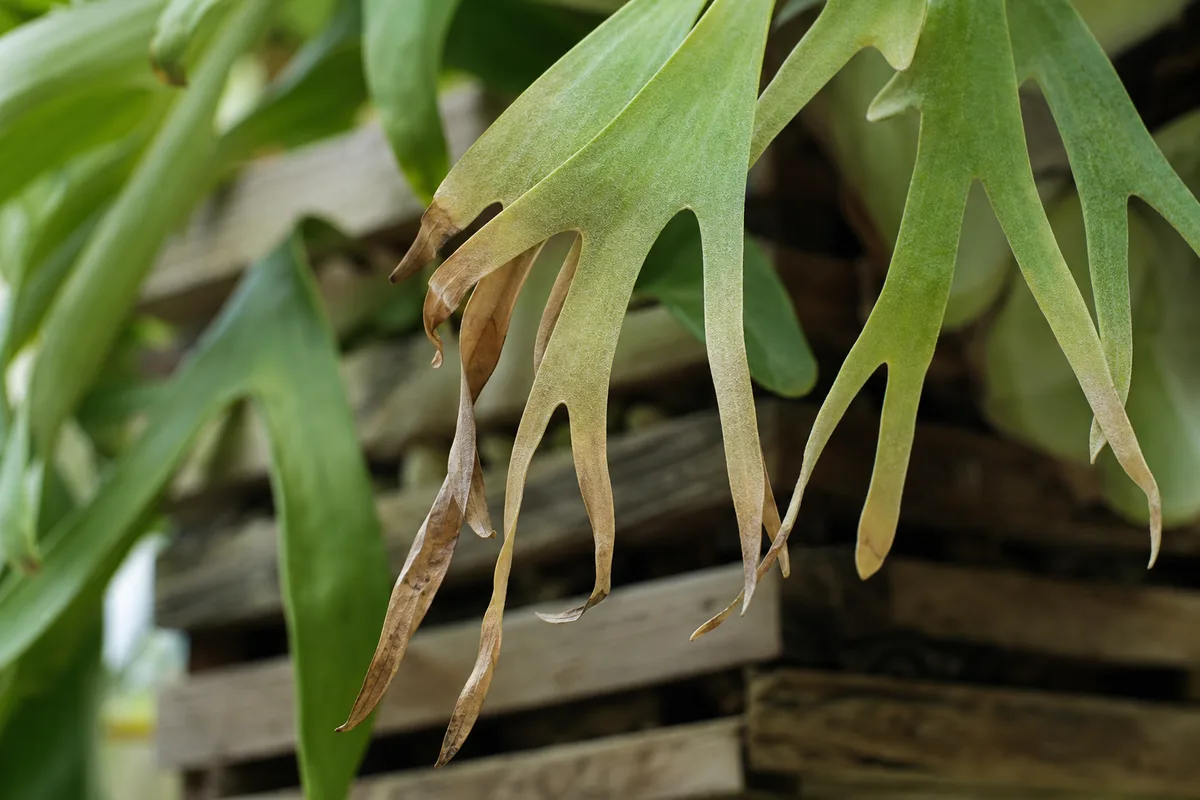
Drooping leaves are frustrating because the same visible symptom can point in opposite directions. A plant can wilt because the root ball is bone dry, but it can also wilt because saturated roots have lost oxygen and can no longer move water properly. Missouri Botanical Garden describes this overlap plainly: underwatering can make many plants wilt, while overwatering can lower oxygen in the root zone and lead to root rot, and both problems may show up as yellowing or wilted leaves in indoor plants (proper watering).
The Drooping Leaves Diagnosis Tool is built for that confusing middle moment: the plant looks tired, the pot may or may not be wet, and you need a calm way to decide what to check first. It does not replace your eyes, your finger in the potting mix, or a root inspection. It turns those observations into a ranked shortlist so you can avoid the two most common bad reactions: watering a plant that is already waterlogged, or withholding water from a plant that is actually dry.
Use the tool as a triage guide. It helps you separate likely causes such as underwatering, overwatering, root rot, heat stress, cold drafts, pest pressure, transplant shock, and severe root crowding. The better your inputs, the better the result. A quick guess can still point you in the right direction, but a few direct checks make the diagnosis much sharper.
This tool focuses on drooping, wilting, limp foliage, collapsed petioles, and leaves that hang lower than normal. Those symptoms are about water movement, root function, leaf pressure, and environmental stress. They are not a complete diagnosis of every houseplant problem.
The tool compares visible leaf behavior with soil moisture, pot weight, drainage, recent watering, recent repotting, temperature exposure, light changes, pest clues, and how fast the decline happened. A plant that droops within hours after sitting in direct afternoon sun should be handled differently from one that slowly wilts while the pot remains heavy for a week. A plant that perks up after a thorough watering tells a different story from one that stays limp in wet mix.
The output is a ranked probability, not a lab result. It can suggest that drought stress is more likely than root rot, or that wet-soil wilt deserves priority over heat stress, but it cannot see hidden roots or test pathogens. If the result points toward a serious root issue, unpotting the plant and inspecting the root ball is still the decisive step.
The tool does not identify every pest, pathogen, or nutrient deficiency from a single drooping symptom. It also does not promise that a damaged plant will recover. Some plants rebound within hours after a correct water adjustment. Others keep drooping because roots were already damaged, stems were chilled, or a pest problem has been building out of sight.
It also does not give one universal watering schedule. Indoor plants dry at different speeds depending on species, pot size, pot material, root density, light, season, humidity, temperature, and the structure of the potting mix. A large glazed cachepot in winter may stay wet far longer than a small terracotta pot under a warm grow light. That is why the tool asks for condition clues instead of only asking, “When did you last water?”
Finally, it does not diagnose pet safety. If a drooping plant has also been chewed by a cat, dog, or child, separate plant care from safety. Use a toxicity source such as the ASPCA toxic and non-toxic plant database from the parent page before deciding whether the situation is only horticultural.
Start with the fastest physical checks
Begin with checks that give real information in under two minutes. Lift the pot. A dry potting mix in a plastic nursery pot often feels surprisingly light, while a saturated pot feels heavy. Missouri Botanical Garden recommends pot weight as one of the best quick ways to judge moisture in smaller indoor plants because dry soilless mix becomes very light and heavy pots can signal waterlogged conditions (lift the pot).
Then check the surface and below the surface. The top inch can dry while the lower root ball remains wet, especially in deep pots, dense peat-heavy mixes, or decorative containers without airflow. If you use a moisture meter, take more than one reading. A wet reading lower in the pot matters more for root rot risk than a dry-looking surface.
Look at the drainage path. A pot inside a decorative sleeve, a saucer full of standing water, foil around a gift plant, or blocked drainage holes can turn a normal watering into a prolonged wet-soil problem. Excess water should be able to drain away; leaving a pot sitting in collected water increases the chance of root stress.
Reading the leaves without overreading them
Drooping leaves are useful, but they are not specific enough by themselves. Leaf feel matters. Dry, papery edges with a light pot and dry mix point toward underwatering. Soft, yellowing, translucent, or mushy tissues with a heavy pot point toward overwatering or rot. A plant that wilts during the warmest part of the day but partly recovers in the evening may be reacting to heat, light intensity, or temporary water demand rather than permanent root failure.
Leaf age also matters. One lower leaf drooping and yellowing on an otherwise stable plant is much less urgent than new growth collapsing. Older foliage often shows stress first because the plant reallocates resources. New growth wilting, stems softening at the base, or the whole plant collapsing quickly deserves faster investigation.
Do not expect old damage to reverse. A leaf that has browned, crisped, yellowed, or become limp from cell damage may not stand back up even after the underlying problem is fixed. Judge recovery by new leaves, stable stems, firmer petioles, and the absence of spreading decline.
The overwatering pattern
Overwatering does not simply mean “too much water once.” It means the roots spend too long in conditions where air is limited. In soil that stays too wet, roots can lose function, roots can die, and rot organisms can move in; Missouri Botanical Garden notes that plants in overly wet soil suffer from lack of oxygen, leading to root death and loss of vigor (too wet).
The classic pattern is a plant that droops even though the potting mix is moist or wet. The pot feels heavy. Lower leaves may yellow. Stems near the soil may feel soft. The plant may smell sour or swampy when you disturb the mix. If you remove the plant from its pot, unhealthy roots may be brown, black, hollow, slimy, or mushy instead of pale and firm.
The important point is that an overwatered plant can look thirsty above the soil line. Damaged roots cannot supply the leaves properly, so the leaves wilt even while the mix is wet. This is why watering every drooping plant is risky. If the tool ranks overwatering or root rot high, stop adding water until you have checked the pot, drainage, and root zone.
The underwatering pattern
Underwatering is usually easier to confirm because the whole container often tells the same story. The pot is light. The mix pulls away from the pot wall. The surface is dry and lower readings are dry. Leaves may hang, curl inward, feel thin, or develop crispy edges. Some plants recover dramatically after a deep soak and full drainage.
Water thoroughly when the plant actually needs water. A small splash on top can leave the inner root ball dry, especially if peat-based mix has become hydrophobic. Water until the root ball is evenly moist and excess water drains from the bottom, then empty the saucer. Missouri Botanical Garden advises watering the root ball until water comes out of the bottom and then letting the soil dry to the right level before watering again (water thoroughly).
If the plant perks up, do not treat that as permission to water on a fixed calendar. Use the recovery as evidence. The plant was dry, but the next interval still depends on light, season, pot size, and species. A fern, fittonia, peace lily, pothos, snake plant, and succulent should not all be managed from the same schedule.
Root rot and wet-soil wilt
Root rot is the red-flag version of overwatering. Wisconsin Horticulture describes root rots as diseases that deteriorate the root system, with wilt despite wet soil, yellow or red leaves, soft brown roots, and sometimes bad odor among the warning signs (root rot). That combination matters: limp leaves plus wet soil plus compromised roots is more serious than a single missed watering.
If the tool points toward root rot, confirm before making major cuts. Slide the plant out of the pot if it is safe to do so. Healthy roots are usually firm and pale, though some species naturally have tan or brown outer root surfaces. Rotten roots are soft, dark, smelly, hollow, or sloughing. If most roots are gone, the plant may not have enough working root mass to support its current foliage.
The first correction is environmental, not cosmetic. Remove standing water, improve drainage, and replace collapsed or sour mix when appropriate. Trim only clearly dead roots with clean tools. Repot into a container that fits the remaining root ball rather than jumping to a much larger pot. Missouri Botanical Garden warns that growing a small root ball in a large pot can leave soil wet for too long and contribute to root rot (large pot).
Heat, sun, and dry-air stress
Heat stress can make a plant droop even when the root ball is not fully dry. Warm air, direct sun through glass, low humidity, and a small pot can make leaves lose water faster than roots can replace it. Outdoor guidance from University of Minnesota Extension notes that hot midday or afternoon sun can burn foliage and dry containers quickly when houseplants are moved outside (hot afternoon sun).
Indoor heat sources create a similar pattern. A plant near a radiator, heat duct, sunny window, or electronics shelf may wilt at predictable times of day. The mix may dry quickly on the warm side of the pot. Leaves may feel limp but not mushy. Edges may brown if the stress repeats.
The fix is usually placement and timing, not simply more water. Move the plant out of the hottest beam, increase distance from vents, and water based on root-zone moisture rather than leaf panic. If the plant droops only in direct sun and recovers in softer light, the tool should push heat or light stress higher than root rot.
Cold drafts and sudden temperature changes
Tropical foliage plants often react badly to cold windows, exterior doors, air-conditioning blasts, and sharp temperature swings. University of Minnesota Extension warns that poinsettias can be damaged below 50 degrees Fahrenheit and should be kept away from cold drafts, heat ducts, fireplaces, fans, and space heaters (temperature fluctuates). The exact threshold varies by species, but the diagnostic logic is useful across many indoor plants: a sudden environmental shock can look like water stress.
Cold stress often appears after a move, delivery, window exposure, winter night, or a plant sitting in a car. Leaves may droop, curl, darken, or collapse in patches. Soil moisture may be normal. Watering more will not repair chilled tissue and can make things worse if the plant is growing slowly in cool conditions.
If the tool ranks temperature stress high, stabilize the plant first. Move it away from drafts and glass, keep it in steady bright indirect light, and avoid fertilizing while it is not actively growing. Damaged leaves may continue to decline, so watch the crown and new growth for the real recovery signal.
Pest clues that can mimic watering problems
Pests do not always announce themselves with obvious insects. Spider mites, for example, can make leaves look dull, stippled, bronzed, or generally weak before you see movement. University of Minnesota Extension notes that spider mite feeding creates tiny white or yellow spots, severe feeding can make leaves look bronzed or bleached, and webbing indicates infestation (stippled appearance).
A pest-weakened plant may droop because its leaves are damaged and its water balance is disrupted. Check undersides of leaves, petioles, nodes, and new growth. Tap a suspect leaf over white paper and look for moving specks. Look for webbing, sticky honeydew, cottony clusters, scale bumps, distorted growth, or fine yellow speckling.
The tool should move pests higher when drooping is paired with stippling, webbing, sticky residue, distorted new leaves, or a plant that recently came from a shop, patio, balcony, or another collection. Do not fertilize a pest-stressed plant as a first move. Identify the pest, isolate the plant if needed, and treat with a method appropriate to the pest and the plant species.
New-plant and repotting shock
A newly purchased or freshly repotted plant may droop because its environment changed faster than its roots and leaves can adjust. Light intensity, humidity, potting mix, watering style, and temperature may all be different from the greenhouse or store. Some leaf drop or temporary wilt can happen even when nothing is fundamentally wrong.
Repotting adds another variable. Root disturbance can reduce water uptake for a while. A new mix may hold more or less water than the previous mix. A larger pot may dry more slowly. A plant moved from a tight nursery pot into a much wider decorative pot may be at greater risk of staying wet than it was before.
Use the tool to decide whether the timing supports shock or whether the clues point somewhere else. Drooping that begins the same day as repotting, with normal moisture and no odor, may call for patience and stable conditions. Drooping that worsens over a week in a heavy, wet pot needs a root-zone check.
Severe root crowding
Rootbound plants can droop because the container no longer holds enough usable mix and moisture swings become extreme. The plant may dry quickly, wilt soon after watering, and show roots circling the pot or emerging from drainage holes. Illinois Extension notes that houseplants can outgrow their containers and become rootbound, and that limited soil and nutrients can contribute to plant decline (rootbound).
Do not assume every rootbound plant needs a huge upgrade. A modest increase is usually safer than a dramatic jump. For many indoor plants, one pot size larger gives roots more room without surrounding them with a large volume of wet, unused mix. The goal is to reduce wild moisture swings while keeping the root zone airy.
The tool should rank root crowding higher when the plant dries very fast, has visible circling roots, has not been repotted in a long time, and has otherwise normal light and temperature. It should rank root rot higher when the plant is in a large pot, dries slowly, smells sour, or has mushy roots.
Use direct observations wherever possible. Enter soil as wet, moist, lightly dry, dry, or uncertain based on the root zone, not just the surface. Enter pot weight as heavy, normal, or light only after lifting the plant or comparing it with a known dry pot. Note whether the container has drainage holes and whether water can actually leave the pot.
Record recent changes. Did you water in the last 24 hours? Did you miss a normal watering? Did the plant move to a brighter window, a darker corner, a balcony, a heater-adjacent shelf, or a cold windowsill? Was it repotted, shipped, purchased, divided, pruned, or treated with pesticide? Recent context often separates primary cause from background stress.
Check the leaves in zones. New growth, older lower leaves, sun-facing leaves, and leaves near vents may tell different stories. A whole-plant slump points toward water movement, roots, or temperature. One-sided drooping near a window or vent points toward local exposure. Lower-leaf decline with otherwise firm new growth is often less urgent than crown collapse.
How to interpret the ranked result
Treat the top result as your first inspection priority, not as a command. If the tool says underwatering is likely, confirm with pot weight and deep moisture before soaking. If it says overwatering is likely, stop and inspect drainage before adding anything else. If it says pests are likely, turn leaves over before spraying.
The second and third results are useful because plant problems often stack. A plant can be rootbound and underwatered. It can be overwatered because it was moved to lower light for winter. It can have spider mites because it was already drought-stressed in hot, dry air. The ranked list helps you decide the order of checks, not a single permanent label.
When the top results conflict, look for the strongest physical evidence. Wet root ball beats a vague memory that you “probably forgot to water.” Moving specks and webbing beat a general guess about fertilizer. A pot with no drainage beats a calendar interval. Diagnosis improves when you let observations outrank habits.
Worked example: limp pothos in a heavy pot
Imagine a pothos with drooping leaves, yellowing lower foliage, and a pot that feels heavy five days after watering. The top inch is slightly dry, but a probe halfway down reads wet. The plant sits in a decorative outer pot, and there is stale water in the bottom.
The tool should rank overwatering or wet-soil root stress above underwatering. The key inputs are heavy pot, slow drying, blocked drainage, and yellowing with wilt. The immediate action is not another drink. Remove standing water, let the plant drain, inspect the root ball if decline continues, and consider whether the mix or container setup is holding too much moisture.
If the roots are firm and the smell is normal, the plant may recover with better drainage and a longer interval. If roots are dark and mushy, the issue has moved from simple overwatering into root rot management. Either way, the diagnosis came from the root zone, not from the leaf droop alone.
Worked example: peace lily that collapses every Friday
Now imagine a peace lily that droops dramatically near the end of each week. The pot is light, the mix is dry several inches down, and the leaves recover within a few hours after thorough watering and drainage. There is no sour smell, no mushy stem base, and no pest residue.
The tool should rank underwatering high. The useful correction is not a tiny daily splash. It is a deeper watering when the root zone reaches the appropriate dryness for that plant, plus a review of whether light, pot size, warm air, or root crowding is making the plant dry faster than expected.
This example also shows why recovery response is a strong diagnostic clue. A plant that reliably perks up after water is giving you evidence. A plant that stays limp in wet mix is giving you different evidence.
Worked example: calathea near a winter window
Consider a calathea that droops after a cold night near a window. The pot is moderately moist, not wet. The leaves closest to the glass are most affected. There is no pest stippling, and the plant was fine before a temperature drop.
The tool should rank cold stress or environmental shock higher than drought. Watering heavily would add stress without solving the cause. The better move is to pull the plant back from the glass, keep conditions steady, avoid fertilizer, and watch new growth.
This is where species sensitivity matters. Many tropical foliage plants dislike abrupt changes, but some react more dramatically than others. The tool gives a direction; your plant knowledge decides how cautious to be.
Pick one corrective action first. If the plant is dry, water thoroughly and let it drain. If it is wet, improve drainage and pause watering. If pests are present, isolate and identify before treatment. If temperature is the issue, stabilize placement. If root crowding is the main pattern, plan a measured repot rather than an emergency overhaul.
Avoid stacking fixes. Repotting, pruning, fertilizing, moving, spraying, and changing the watering interval all on the same day makes it impossible to know what helped or hurt. It also adds stress to a plant that is already struggling.
Set a review window. Some drought wilt may improve the same day. Root recovery can take weeks. Pest control requires repeat checks because eggs and hidden individuals can persist. Temperature-damaged leaves may decline even after the plant is moved. Your best sign is not a perfect old leaf; it is stable new growth and no spreading collapse.
Use this diagnosis tool when drooping is the main symptom and you need a first-priority cause. If the pattern is mostly yellowing, compare it with the relevant yellow-leaf guidance under /symptoms/. If the issue is mostly brown tips, spotting, curling, or visible pests, symptom-specific pages can narrow the next step faster.
For watering rhythm after the emergency is handled, use related tools under /tools/ that focus on watering schedules or vacation care. A diagnosis tells you what likely happened this time. A schedule tool helps prevent the same pattern from repeating.
For species context, check /plants/ before making a big change. A succulent, fern, calathea, orchid, pothos, and monstera can all droop, but they do not want the same moisture pattern. The same input can mean different risk depending on the plant.
When to get expert help
Get outside help when the plant is valuable, rare, part of a large collection, or declining despite corrected basics. An extension office, plant clinic, experienced grower, or local horticulturist may be able to identify disease, pest, or cultural issues that are hard to separate online. University of Alaska Fairbanks Cooperative Extension lists drooping leaves as a symptom that can come from root disease, chemical damage, sucking insects, dry soil, or overcrowded roots, which is exactly why overlapping cases benefit from careful diagnosis (indoor plant problems).
Also pause before using pesticides, fungicides, or strong home remedies. Product labels, plant sensitivity, indoor use restrictions, pets, children, and ventilation all matter. A drooping plant is already stressed; an unnecessary treatment can add leaf burn or root damage.
If the plant has sentimental value, take clear photos before unpotting or pruning. Photograph the whole plant, soil surface, pot setup, roots, and close-ups of leaf undersides. Those images make expert feedback much more useful than a description alone.
Conclusion
The Drooping Leaves Diagnosis Tool is most useful when you treat drooping as a pattern, not a verdict. Start with pot weight, deep moisture, drainage, recent changes, leaf texture, root clues, temperature exposure, and pest signs. Then use the ranked result to decide what to inspect first.
The safest habit is simple: confirm before acting. Dry roots need a thorough drink and drainage. Wet roots need air, time, and sometimes repotting. Heat, cold, pests, shock, and root crowding need different responses. Once you know which pattern fits, you can make one measured change, watch the plant’s new growth, and avoid turning one drooping episode into a bigger problem.