Slow Growth on Ajwain Plant: Causes, Checks & Fixes
Quick answer
Ajwain is normally a fast-growing tropical herb in warm bright conditions-winter slowdown is expected, but a summer stall with wet soil in a dim corner is not. First step: note the season, then check whether the top 2–3 cm of mix is dry and whether new leaf pairs are forming on the square stems.
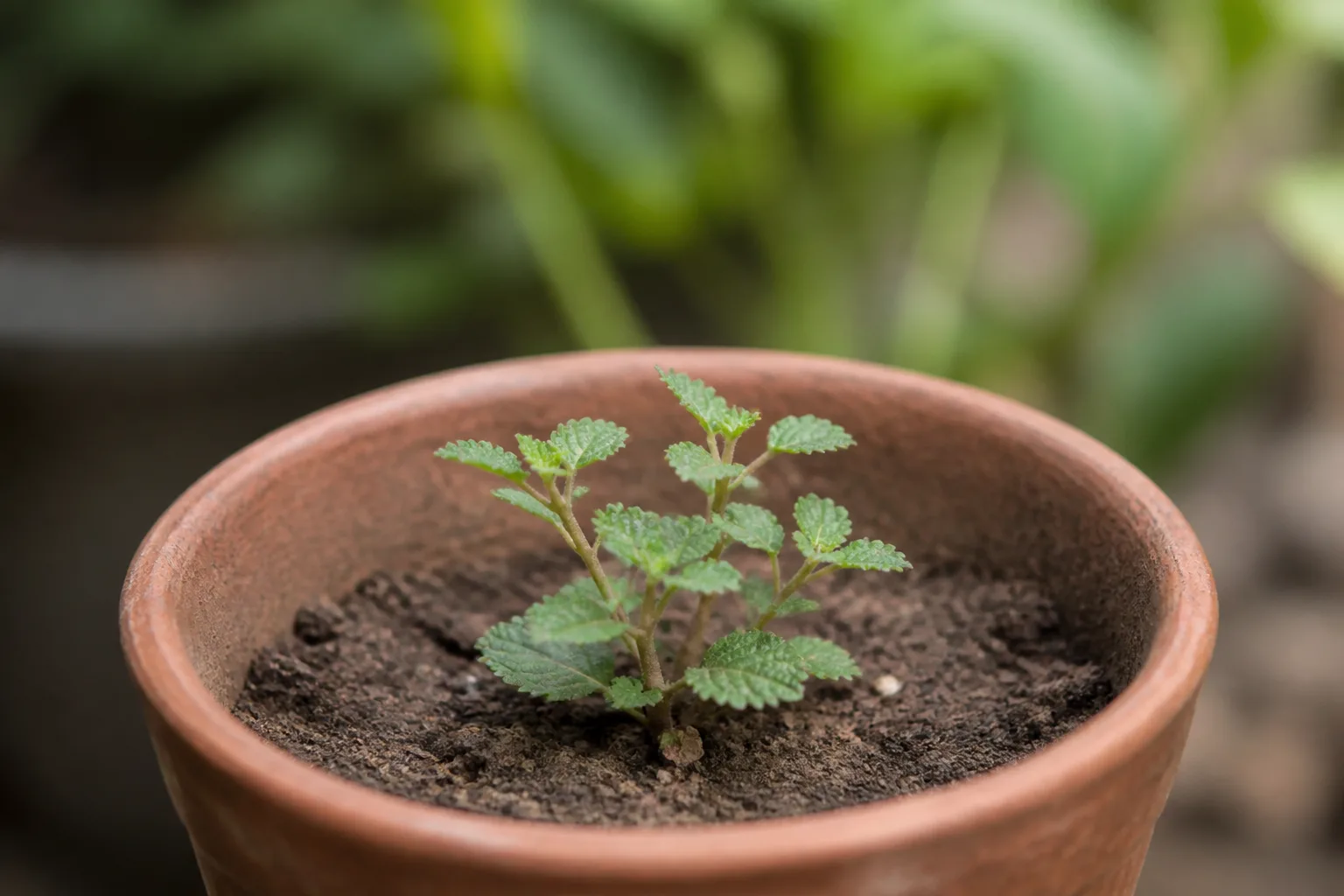
Slow Growth on Ajwain Plant: Causes, Checks & Fixes
This guide covers slow growth on Ajwain Plant. See also the general Slow Growth guide, watering, and light pages for this plant.
Slow Growth on Ajwain Plant: Causes, Checks & Fixes
Quick answer
Ajwain (Plectranthus amboinicus, also called Indian borage, Cuban oregano, and Mexican mint) has a rapid growth rate and is normally a vigorous warm-season herb when light, temperature, and drainage align. The majority of its growth takes place in spring and summer. In a bright kitchen window during warm months, you should see steady new tips on square stems within a few weeks-not daily like basil, but enough that the plant rarely looks frozen for months.
Winter slowdown is expected. As a semi-succulent mint-family herb, ajwain naturally pauses when days shorten, room temperatures cool, and you stretch watering to every two to three weeks. A firm plant with no new tips from late fall through early spring is often healthy dormancy, not failure.
Summer stall in a dim corner with wet soil is not normal. That pattern usually means insufficient light, chronic overwatering, cold drafts, root-bound congestion, or harvest stress-not a missing fertilizer dose.
First step: note the calendar month and season, then push your finger into the top 2–3 cm of mix and inspect the newest stem tips. Dry, light pot with firm square stems points to underwatering or cold. Wet, heavy pot with no new growth in summer points to root stress or low light. See our ajwain overview for baseline growth habit, and our light and watering guides for species-specific expectations.
Slow growth vs. leggy growth vs. wilting on Ajwain
These three symptoms overlap on kitchen-window ajwain but need different first fixes.
| Symptom pattern | What it usually means | First move |
|---|---|---|
| Slow growth - firm leaves, no new tips for weeks, plant otherwise upright | Winter pause, low light, cold draft, harvest stress, or root-bound stall | Confirm season first; then light and soil moisture |
| Leggy growth - long weak stems, small pale leaves, plant leans toward window | Reaching for light, not thriving slowly | Move to brighter spot with morning sun; see leggy growth |
| Wilting - thin floppy leaves, limp stems, pot very light or very wet | Active drought or root failure, not a pace question | Check moisture and roots immediately; see wilting |
Slow growth is about pace. Leggy growth is about stretch. Wilting is about water failure right now. A dim wet corner can produce slow growth and leggy stretch together-fix light before watering more.
What normal growth looks like on Ajwain Plant
Understanding ajwain’s baseline pace prevents panic in December and catches real problems in July.
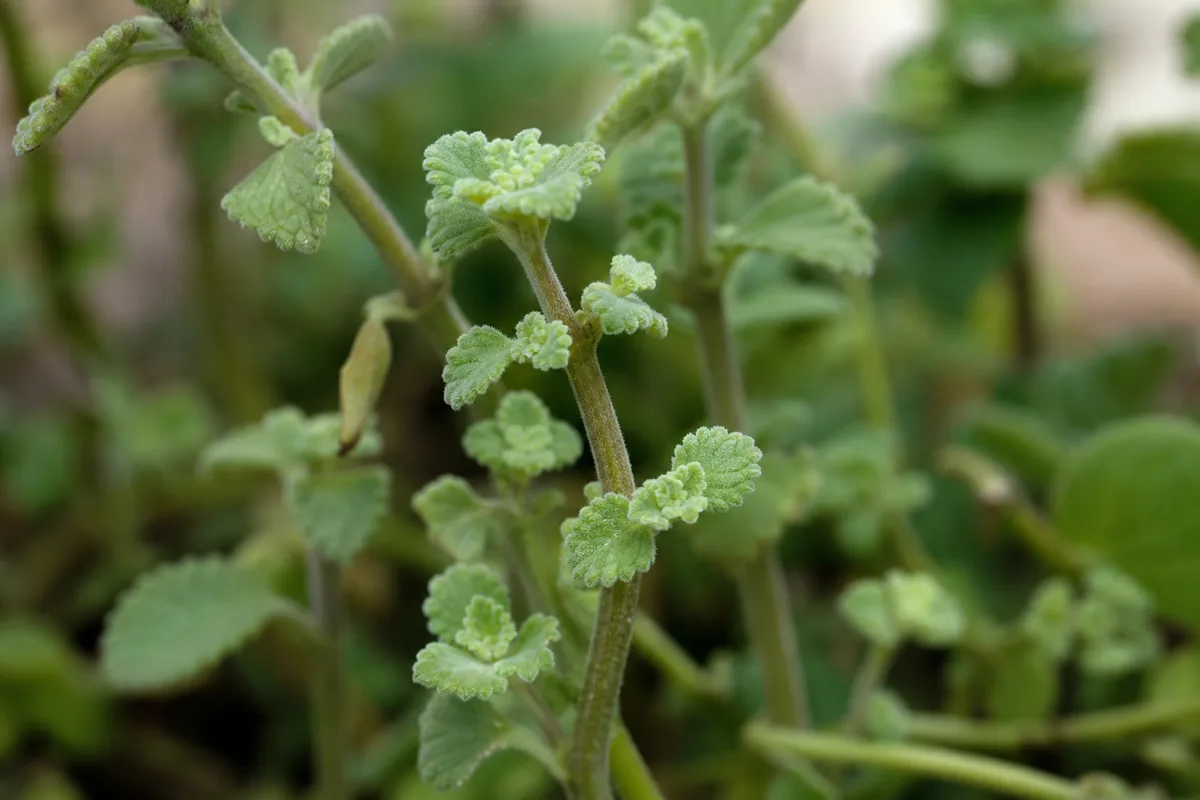
Slow Growth symptoms on Ajwain Plant - compare with healthy tissue on the same plant.
Expected warm-season pace indoors
Healthy indoor ajwain in spring and summer typically shows:
- Visible new tips within a few weeks along thick, square mint-family stems when light is bright and temperatures stay in the comfortable indoor range - tied to NC State’s rapid growth rate classification, not a fixed weekly calendar
- Compact, bushy branching after light tip harvests or pinching above a leaf node
- Thick, velvety new leaves that feel rubbery and aromatic when crushed-smaller, thinner new foliage often means light or root stress, not normal pace
- Horizontal spreading habit as stems grow outward from the center, forming a mounding shrub rather than a single vertical spike
NC State Extension describes this species as a rapid-growing groundcover and houseplant that prefers a hot, dry location for best performance with some protection from the hottest midday sun. Indoors, that translates to bright light with gentle morning sun-not a dim shelf where growth crawls even in summer.
Outdoor vs. indoor pace: In frost-free tropical or subtropical gardens, ajwain can push foliage year-round when heat and sun stay high. Indoors above USDA Zone 9, expect a sharper seasonal rhythm-most expansion in spring and summer, then a visible winter pause even when the plant stays green.
Winter slowdown and semi-succulent pause
Ajwain stores water in its fleshy leaves and stems. When light drops and you water less often in winter, metabolism slows by design. Normal winter signs include:
- Little to no new leaf pairs for weeks or months while existing foliage stays firm and green
- Slower soil drying-the top 2–3 cm may stay dry for two to three weeks between drinks
- Slightly paler older leaves without widespread yellowing or soft stems
This pause mirrors how many semi-succulent tropical herbs behave indoors. It is not the same as a summer stall with soggy soil and collapsing lower stems.
Signs ajwain is healthy despite slower pace
A slow-looking plant that is actually fine usually has:
- Firm square stems with no soft, dark base
- Stable leaf color on the canopy-occasional bottom-leaf drop is normal aging
- Seasonal context-stall aligns with short days and cooler rooms
- Dry-down rhythm-mix dries between waterings without staying wet for a week
- Strong aroma when crushed-thin, mute new leaves suggest light or root stress before size changes become obvious
If those boxes check and it is winter, wait for spring light before aggressive fixes.
When slow growth is actually a problem
Treat growth as abnormal when any of these appear during warm months or regardless of season:
- No new tips for four or more weeks in spring or summer despite adequate warmth and corrected light
- New leaves dramatically smaller and paler than established foliage while older leaves look acceptable
- Wet soil for seven or more days with zero new tips in a dim room-classic root-stress habitat
- Soft, mushy stems at the base with yellow lower leaves on damp mix
- Cold exposure-growth can stall for weeks after nights below about 10°C (50°F) near a drafty window; the species is frost-tender above USDA Zone 9
- Heavy repeated harvest with more than one-third of foliage removed and no recovery flush
Winter pause with firm green leaves is low urgency. Summer stall with wet soil in a dark corner warrants inspection within days.
Why ajwain grows slowly (when it shouldn’t)
Growth stalls when photosynthesis, root function, or stem expansion cannot keep pace with what this tropical herb expects.
1. Insufficient light - Ajwain needs bright indirect light with several hours of gentle direct sun. Dim placement produces pale small leaves, open floppy habit, and months without new tips while soil stays wet because transpiration drops. See not enough light.
2. Cold stress and draft exposure - This species is frost-tender and grows best between roughly 18°C and 27°C (65–80°F). Brief dips to about 10°C (50°F) can pause growth for weeks. A plant on a freezing winter windowsill or under a blasting AC vent often stalls before leaves yellow.
3. Overwatering in low light - Cuban oregano requires well-drained soil and only occasional irrigation. Wet, dense mix suffocates roots; growth stops before widespread collapse. The thick leaves look thirsty when roots are actually drowning. See overwatering and root rot.
4. Underwatering during active warmth - Repeated drought in summer kills fine root hairs. Recovery is slower than on a species with rapid warm-season potential. Leaves feel thin and floppy; pot is very light. See underwatering when the whole plant is limp, not merely static.
5. Root-bound congestion - Shallow, spreading roots circle the pot; water channels through dry channels while the center stays untouched. New shoots have limited room. Stall often appears one to two years after the last repot.
6. Heavy harvest without recovery - Removing more than about one-third of foliage at once removes photosynthetic capacity. Frequent light pinching encourages bushiness; repeated heavy cuts leave the crown static.
7. Leggy stretch mistaken for vigor - Long weak stems with small leaves mean the plant is reaching for light, not thriving. That is a light deficit pattern-see leggy growth-not healthy slow growth.
Premature fertilizer rarely fixes stalled ajwain. Herbs grown in very fertile soils can produce lush leaves that lack flavor while growth still looks weak if light or roots are the real limiters.
Slow growth vs lookalikes
| Pattern | Likely cause | Key differentiator on ajwain |
|---|---|---|
| No new tips Oct–Feb, firm leaves, dry soil rhythm | Winter dormancy | Seasonal; resumes in spring with light |
| No growth, wet soil, yellow lower leaves | Overwatering / root rot | Soft base, gnats, sour smell - see root rot |
| Long stems, pale small leaves, plant leans to window | Leggy etiolation | Stretching-not compact slow flush; see leggy growth |
| No growth, dry light pot, thin floppy leaves | Underwatering | Whole plant limp; see wilting or underwatering |
| Stall after heavy harvest | Harvest stress | Recent large cut; firm roots and adequate light |
| Pale droop after cold night near window | Cold shock | Draft history; may recover in warmth |
| Smaller new leaves, dim room, wet soil | Not enough light | Old leaves look fine; crown static months - see not enough light |
| Firm plant, pale drooping tips, adequate moisture | Low humidity stress | Less common on ajwain than on ferns; see low humidity if only tips droop |
How to confirm the cause
Work through these checks in order before repotting, fertilizing, or buying new equipment:
- Season and light context - Note the month and window direction. No growth in January in a north room is often normal. No growth in June with adequate warmth is not.
- Last new tip date - Mark when the newest full leaves opened along a stem. Fewer than one new flush in four weeks during summer signals a problem; zero tips all winter may not.
- Soil moisture and pot weight - Push your finger into the top 2–3 cm. Constantly wet heavy pots point to overwatering or poor drainage. Bone-dry, very light pots with thin leaves suggest drought per our watering guide.
- Leaf thickness and aroma - Healthy ajwain leaves feel thick and smell strongly when crushed. Thin, mute new leaves implicate light or chronic root stress.
- Stem and base inspection - Square stems should be firm. Soft, dark tissue at the soil line with wet mix warrants a root check-not fertilizer.
- Temperature and drafts - Note proximity to winter window glass, AC vents, and doors. Cold history explains sudden stalls even after you move the plant.
- Harvest history - Large recent cuts explain temporary pause when light and moisture are otherwise fine.
- Root glance if soil stays soggy - Slide the plant partway from the pot. Healthy ajwain roots are firm and pale; mushy brown roots need intervention per root rot.
Seasonal vs. pathological decision table
| Situation | Urgency | What to do now |
|---|---|---|
| Firm green plant, no tips Oct–Feb, soil dries slowly | Wait | Hold steady care; no repot, no fertilizer |
| No tips 4+ weeks in summer, dim room, wet soil | Inspect within days | Brighten light; stop watering until top 2–3 cm dry; check roots if yellowing spreads |
| Soft base, sour smell, fungus gnats | Act today | Unpot and assess roots per root rot - do not wait for spring |
| Stall after cold night, stems still firm | Stabilize | Move to stable warmth; hold watering until moisture confirmed |
| No improvement 6 weeks after one clear fix in warm season | Reassess | Contact local cooperative extension or master gardener; chronic root damage may need propagation fallback |
If winter dormancy fits checks 1 and 2 and the plant is otherwise firm and green, wait until spring before aggressive fixes. If four or more checks point to environment or roots during warm weather, proceed to a targeted first fix.
First fix for Ajwain Plant
Make one care correction at a time so you can read the plant’s response over the next two to three weeks. Match your first action to the most likely confirmed cause:
Insufficient light (dim placement, pale small new leaves, wet soil that never dries): Move to bright indirect light with morning sun-an east-facing windowsill is the default. Do not increase watering when you brighten the spot; transpiration will rise on its own. See not enough light.
Overwatering (wet soil, sour smell, fungus gnats): Stop watering until the top 2–3 cm dry completely. Inspect roots if yellowing spreads or stems soften. Repot only if tissue is mushy-see root rot.
Underwatering (dry soil, light pot, thin floppy leaves): Soak thoroughly until water drains, empty the saucer, then resume check-based watering when the top 2–3 cm dry.
Cold draft (stall after cold night, pale drooping leaves): Move to stable warmth away from window glass and vents. Hold watering until soil moisture is confirmed-cold roots take up water slowly.
Root-bound (spring, firm plant, water races through): Repot into a pot one size larger with gritty well-drained mix per our repotting guide. Avoid winter repotting on a merely slow dormant plant.
Heavy harvest stress (recent large cut, otherwise healthy environment): Wait two to three weeks with stable light and moisture before harvesting again. Light tip pinches only until new pairs appear.
Winter dormancy (seasonal pause, firm green foliage): Hold steady care-less water, no fertilizer until new spring tips appear.
Recovery timeline
Ajwain’s rapid growth rate means recovery is measured in new leaf pairs, not overnight size gains.
- Light correction: The first new pair after a move shows whether leaves are larger and more aromatic-allow two to three weeks in the new spot before judging
- Watering fix: Firm leaves return within days for mild drought; root rebuilding after chronic overwatering may take three to six weeks before steady new tips
- Cold shock recovery: Growth often resumes within one to two weeks after stable warmth if stems stayed firm
- Harvest recovery: New branching typically appears within two to three weeks after a heavy cut when light is adequate
- Spring repot: Expect a one-week pause, then new root growth before visible tips-three to four weeks total in warm weather
Old leaves do not enlarge after a stall. Judge success by the next compact leaf pair on square stems-not by older foliage catching up.
If no new growth appears six weeks after one clear environmental fix during the warm season, reassess the next most likely cause rather than stacking repotting, fertilizer, and pesticide on the same day. When stems stay firm but the crown remains static, consider stem cuttings as a fallback while you correct the original pot.
What not to do
Do not fertilize a stalled ajwain before confirming light, temperature, moisture, and root health. Salt stress on recovering roots worsens slow growth.
Do not pour more water because growth is slow in a dim corner-soggy soil in low light is a common path to root rot on this semi-succulent species.
Do not repot during winter dormancy unless roots are rotting or the pot cannot hold moisture. Spring repotting aligns with active growth.
Do not stack repotting, heavy pruning, and pesticide on the same day. Stressed ajwain needs boring stability.
Do not interpret winter pause as death and discard a firm, green plant. Wait for spring light before major interventions.
Do not expect leggy stretch to mean the plant is healthy because stems are long. Stretching is a light deficit-see leggy growth-not vigorous compact growth.
How to prevent abnormal slow growth next time
- Log new leaf dates each warm season so winter pauses do not trigger panic
- Keep ajwain in bright light with morning sun year-round-supplement with a grow light before winter short days stall the crown per our light guide. A full-spectrum LED 6–12 inches above the canopy for 12–14 hours daily from late fall through early spring can maintain compact tips where north windows alone cannot
- Water when the top 2–3 cm dry, not on a blind calendar-less in winter, more in summer per our watering guide
- Use gritty well-drained mix in a pot with drainage holes-well-drained soil is essential for this species
- Harvest lightly and often rather than stripping large sections at once
- Keep temperatures stable away from freezing window ledges and AC blasts
- Repot every one to two years in spring when roots crowd the pot
- Fertilize monthly at half strength only during active spring and summer growth per our fertilizer guide-withhold feed in winter and while recovering from stress
Ajwain care cross-check
| Variable | Target for active growth | Quick check |
|---|---|---|
| Light | Bright indirect + 3–5 h morning sun | Compact new leaves; strong aroma when crushed |
| Temperature | 18–27°C (65–80°F); avoid sub-10°C drafts | Away from winter glass and AC vents |
| Water | Top 2–3 cm dry before soak | Pot lighter before each drink; no standing saucer water |
| Soil | Gritty, fast-draining mix | Water runs through; mix never soggy for a week |
| Harvest | ≤⅓ foliage per session | Tip pinches above nodes for bushy regrowth |
| Feed | Monthly half-strength in warm season only | No fertilizer on winter-dormant or stressed plant |
When to worry
Seasonal winter stall with firm green leaves is low urgency. Escalate when:
- No new leaf pairs through an entire warm growing season despite corrected light and watering
- Crown softens or stems collapse at the base while soil stays wet-possible rot, not slow growth; unpot same-day per root rot
- Multiple yellow leaves spread from the base with wet mix-inspect roots immediately
- New leaves emerge smaller and paler for three cycles in adequate light-possible chronic root damage; six-week reassessment failure may mean propagation, not more fertilizer
- No improvement after six weeks of one corrected variable during warm weather-contact your local cooperative extension office
If the plant pushes clean new pairs on schedule in summer, you are meeting ajwain’s biology-not failing as a grower.
Related ajwain guides
- Ajwain overview - growth habit, naming, and baseline care
- Light - brightness as the main growth engine
- Watering - semi-succulent wet-dry rhythm
- Fertilizer - when feeding helps vs. harms
- Not enough light - stall vs. stretch
- Root rot - wet-soil stall escalation
- Leggy growth - differential diagnosis
- Yellow leaves - when stall pairs with chlorosis
What to do next: wait, fix, or escalate
Use this closing decision path instead of guessing:
- Wait through winter when the plant is firm, green, and seasonally paused-resume active checks in March or April when days lengthen
- Fix one variable when summer stall matches light, water, cold, or harvest stress-judge the next new tip, not old leaf size
- Unpot same-day when the base is soft, soil smells sour, or yellowing climbs from wet mix-slow growth has become root rot
- Reassess at six weeks when one clear correction during warm weather produces no new tips-try the next most likely cause or contact extension; chronic root damage may need stem-cuttings fallback while you salvage genetics
FAQs
Is it normal for an ajwain plant to stop growing in winter?
Yes. Plectranthus amboinicus slows sharply when days shorten, room temperatures drop, and you water less often. A firm plant with no new leaf pairs from late fall through early spring is often a normal semi-succulent pause-not a crisis. Resume active growth checks in spring when light and warmth return.
How fast should ajwain grow in summer?
NC State Extension lists a rapid growth rate for this species, with most expansion in spring and summer. In warm bright indoor conditions, many growers see visible new tips within a few weeks-not daily like basil, but steady enough that the crown should not look frozen all summer. If no new leaves appear for a month or more in summer, treat that as abnormal.
Can heavy harvesting cause slow growth on ajwain?
Yes. Removing more than about one-third of the foliage at once starves the plant of photosynthetic tissue and can stall regrowth for several weeks. Frequent light tip harvests encourage branching, but repeated heavy cuts without recovery time leave the crown static even when light and water are correct.
When is slow growth on ajwain actually a problem?
Worry when no new leaves appear across an entire warm bright season, when new leaves arrive smaller and paler than older ones, when soil stays wet for a week or more while growth stops, or when stems feel soft at the base. Winter pause with firm foliage is usually normal; summer stall in a dim wet corner often signals root stress or insufficient light.
Should I fertilize a slow-growing ajwain plant?
Not before you confirm light, temperature, soil moisture, and root health. Ajwain is a light feeder, and fertilizer cannot fix cold-limited or light-limited growth. Feeding a stressed plant with wet soil or damaged roots can burn fine roots and make recovery slower. Resume monthly half-strength feed only after new compact growth returns in spring.