Ajwain Plant Repotting Guide: When, How, and the Best Soil
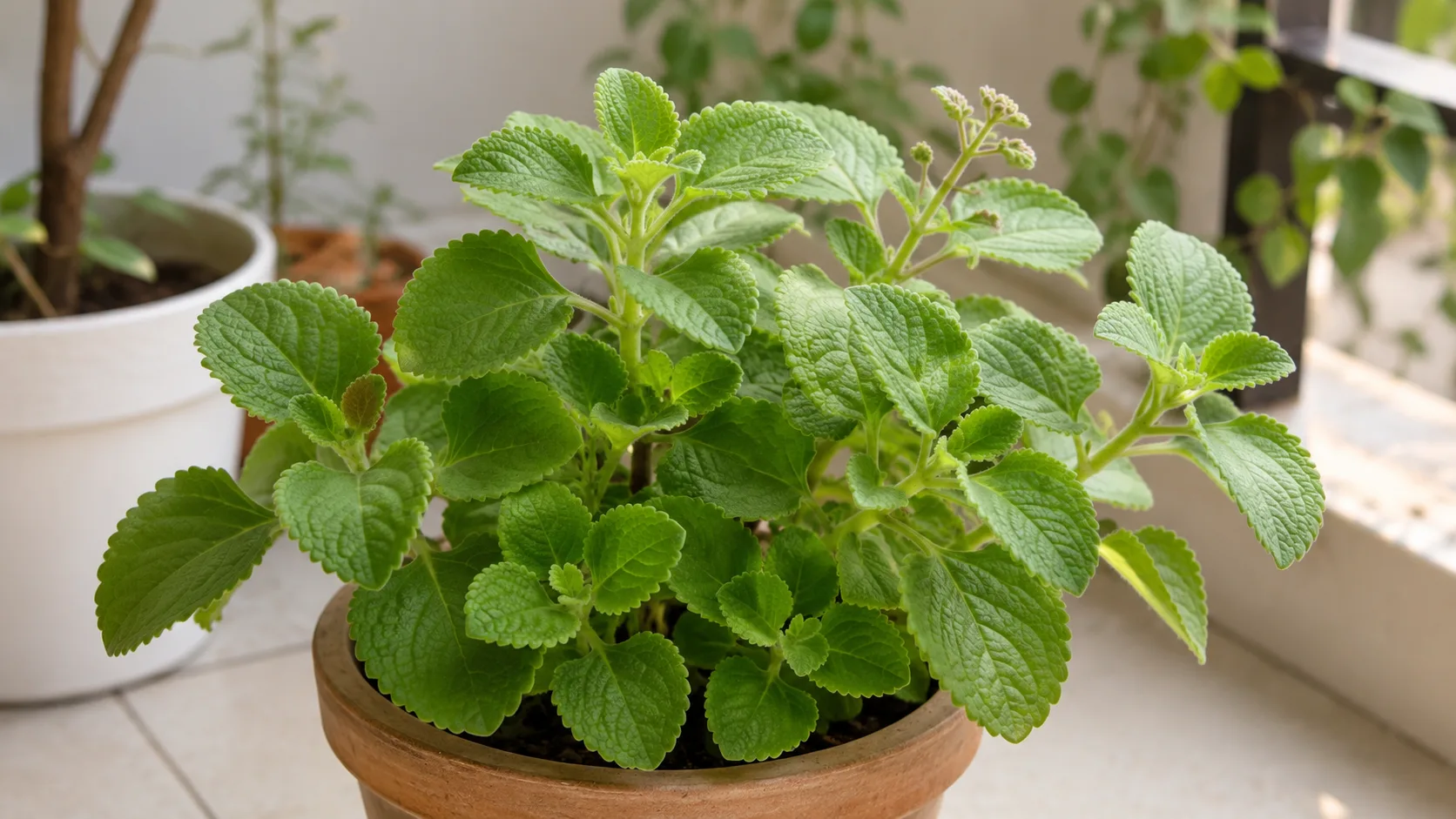
Ajwain Plant Repotting Guide: When, How, and the Best Soil Mix
Ajwain Plant Repotting Guide: When, How, and the Best Soil Mix
If your kitchen ajwain plant has gone from a tidy windowsill pot to a sprawling mat of stems hanging over the rim, you are not imagining things. Plectranthus amboinicus - the fuzzy-leaved herb sold as ajwain plant, Indian borage, Cuban oregano, and Coleus amboinicus in newer catalogs - is a fast-growing mint-family herb that can exhaust a small container within a year. Repotting gives those shallow roots fresh, airy mix and resets drainage before compaction turns every watering into a slow drowning. Get the timing, pot jump, and first-week watering right, and you will usually see new leaves within 10 to 14 days. Oversize the pot, repot in cold weather, or soak the mix daily after transplant, and you will spend the next month rescuing a sulking plant instead of harvesting leaves. This guide walks through when to repot, what pot and soil mix to use, how to unpot without snapping brittle stems, and what to do when roots are already rotting at the bottom.
Why Ajwain Plant Repotting Matters
Shallow fibrous roots and fast lateral growth
Ajwain develops a fibrous, relatively shallow root system that spreads outward as quickly as the stems sprawl sideways. In the ground the plant can spread 60 to 90 cm across, but in a pot the same root mass hits a hard wall within months. NC State Extension describes the species as preferring hot conditions with well-drained loam and good drainage, and that growth habit is exactly why a yearly pot refresh becomes routine maintenance rather than an emergency rescue. As roots fill the available soil, they exhaust nutrients, compress the mix into a brick, and crowd drainage holes until water runs straight through without soaking in. A plant that looked fine in March can wilt in May for no obvious reason above the soil line, and the cause is almost always roots that ran out of room and oxygen.
A thoughtful repot supplies fresh, nutrient-rich medium so you can hold fertilizer for several weeks, breaks up compaction so air pockets return around fine roots, and replaces peat-heavy, broken-down mix that holds water too long - the single biggest post-repot risk for a herb whose stems store moisture. For full species context and naming clarity between ajwain leaf-herb and true ajwain seed spice, see the ajwain plant overview.
Succulent stems and drainage sensitivity
NParks Singapore’s Indian borage profile classifies the plant as a hardy succulent herb that is very vulnerable to root rot on Ajwain Plant unless pots drain well and the mix includes plenty of inorganic amendments. The thick, fuzzy leaves and semi-succulent stems store water between irrigations, which is why ajwain tolerates short dry spells but collapses when the root zone stays wet for days. UF/IFAS Gardening Solutions recommends well-drained soil with only occasional irrigation for Cuban oregano, the same species under a different common name. Every successful repot is, in effect, a fresh drainage system for those shallow roots - not just a bigger home.
When to Repot an Ajwain Plant
Spring and monsoon-onset windows in India and warm climates
The safest window is active growth, not dormancy. NC State Extension notes that the majority of growth occurs in spring and summer and that the plant propagates easily from stem cuttings in spring - the same season roots establish fastest after disturbance. In USDA zones 9a through 11b, that usually means late February through April, before peak summer heat. For Indian balcony and kitchen gardeners, late February through April (pre-monsoon active growth) is the primary window across most regions; South India often gets a second chance in September through November once heavy rains taper and warmth returns. Avoid repotting during peak monsoon months (roughly June through August) when covered pots may still dry slowly but open balconies stay saturated for days - exactly the condition that invites rot in a shallow-rooted herb. Early monsoon onset, when warmth is back but daily downpours have not yet locked soil wet, can work only if you increase perlite or coarse sand in the mix and shelter the pot from direct rainfall for the first week.
Skip winter repotting unless the plant is severely root-bound or actively rotting and cannot wait. Cold, dim months slow transpiration and root regeneration; a freshly disturbed ajwain in wet, cool mix is a common winter casualty.
Frequency and clear signs it is time
Most ajwain plants in 6- to 8-inch kitchen pots need repotting every 12 to 18 months. Larger balcony containers may stretch to 18 to 24 months. Treat repotting as scheduled maintenance, not a last resort. Better Homes & Gardens notes that Cuban oregano outgrows its container within a few months in active growth - ajwain behaves the same way in a small kitchen pot, which is why many growers refresh yearly even when the plant still looks green on top.
Clear signals include roots circling the soil surface, roots emerging from drainage holes, water running straight through without absorbing, growth that stalls despite good light, stems flopping over the rim, a soil line that has dropped an inch or more, or white salt crust on the surface. Two or more signs together mean the plant is overdue. One sign alone may mean thirst or a bad watering day - confirm with a gentle unpot check before you commit. Lifting the pot and finding it top-heavy with more root than soil visible at the rim is the most convincing single test for a fast sprawler like ajwain.
Routine repot vs emergency rot repot
| Situation | What you see | Best move |
|---|---|---|
| Routine refresh | Healthy white/tan roots, plant still growing | Upsize 1–2 inches OR same-pot refresh with 30% new mix |
| Root-bound, healthy top | Dense root mat, quick wilting between waterings | Tease roots, upsize one pot size |
| Suspected rot | Sour smell, mushy stem base, yellow leaves on wet soil | Emergency unpot, trim to firm tissue, dry mix, backup cuttings |
| Peak monsoon / winter stress | Plant OK but calendar says “repot” | Wait for spring or post-monsoon unless rot is active |
Choosing the Right Pot
One-to-two-inch upsizing with a worked example
The most common ajwain repot failure is jumping too far in pot size. A large volume of unused soil holds unused water, and shallow succulent roots rot long before they colonize the extra space. Clemson HGIC advises selecting a container only 1 to 2 inches larger in diameter than the current pot when repotting houseplants. Better Homes & Gardens gives the same one- to two-inch guidance for Cuban oregano, noting that this fast grower outgrows its container within a few months unlike many annual herbs.
Worked example: A 6-inch plastic kitchen pot with a root ball 5 inches across and stems spilling over the rim is ready for an 8-inch terracotta pot with one drainage hole, not a 10- or 12-inch statement planter. Add one inch of fresh mix to the bottom, set the crown half an inch below the rim, backfill, water once until runoff, then move to Ajwain Plant light guide. Under warm spring conditions, expect the first new leaf pairs in 10 to 14 days; if nothing appears after three weeks, check that the mix is drying on schedule per the watering guide rather than staying constantly damp.
Terracotta, plastic, and fabric compared
| Material | Drying speed | Best for | Post-repot note |
|---|---|---|---|
| Unglazed terracotta | Fastest | Humid balconies, monsoon climates | Water slightly more often first week |
| Plastic | Moderate | Indoor kitchens, dry heat | Easier to overwater after repot |
| Fabric grow bag | Fastest | Hot terraces, air-pruning roots | May need daily checks in summer |
For most indoor or covered-balcony growers, an 8-inch terracotta pot with a drainage hole is the safest default. Outdoor growers in very hot, dry climates sometimes prefer plastic to reduce watering frequency. Never use a decorative pot without drainage as the primary container - use it as a cachepot only.
Drainage holes are non-negotiable. University of Wisconsin Horticulture Extension explains that root rot pathogens thrive in waterlogged soil, and standing water at the bottom of a sealed pot is the textbook trigger. Cover the hole with mesh or a coffee filter to keep mix from washing out; Illinois Extension notes that a gravel layer at the bottom does not improve drainage and can actually slow water movement - skip it.
The Best Soil Mix for Ajwain Plant
What ajwain roots need from the mix
Ajwain wants a mix that holds a little moisture for its succulent leaves but never stays soggy at the bottom. The medium should be loose enough that you can push a finger an inch down without resistance, crumbly in the hand rather than sticky, and slightly acidic to neutral. NC State Extension lists pH 6.0–8.0 with a Good Drainage requirement. For a deeper dive into ingredient choices and store-bought amendments, see the dedicated ajwain soil guide.
DIY 2:1:1 recipe and climate adjustments
A reliable all-purpose blend is 2 parts all-purpose potting soil, 1 part compost or well-rotted manure, and 1 part perlite, coarse river sand, or pumice. In humid monsoon climates, push the drainage fraction to 1.5 parts perlite or sand. In hot, dry regions, add a half-part cocopeat to slow drying slightly. Mix in a clean bucket until uniform, moisten until a squeezed handful clumps but does not drip, and use immediately. Avoid unsterilized garden soil in pots - PlantTalk Colorado warns that garden soil lacks drainage and carries weed seeds and pathogens. Pre-made aroid or herb blends are reasonable starting points if you amend with extra perlite, since most bagged mixes are too peat-heavy for ajwain on their own.
How to Repot Ajwain Plant Step by Step
Unpotting without snapping brittle stems
Gather a new pot with drainage, your mix, a trowel, sterilized pruning shears (wiped with 70% alcohol), newspaper or a tray, and mesh for the drainage hole. Wash the new pot with hot soapy water even if it is brand new, and rinse reused pots with a dilute bleach solution if they previously held a diseased plant. Water the plant lightly the day before to soften the root ball - not the same day, which makes a wet mess harder to handle and increases the chance you tug on stems that are already brittle from saturation.
Tip the pot on its side, support the base of the stems with one hand, and tap or squeeze the pot sides to loosen the ball. Slide the plant out; never yank by the stems. NParks notes that Indian borage stems are liable to snap if they get too long; short, firm support from below prevents losing a major growth point. If the pot resists, run a butter knife around the inside edge and try again. For plastic nursery pots that have warped inward, cut the pot away with shears rather than forcing the rootball through a too-tight lip - a few seconds with scissors beats a broken main stem.
Root inspection, teasing, and rot trimming
Shake off loose old soil and inspect the roots. Healthy tissue is white to tan and firm. Brown, black, or mushy roots with a sour smell are rotted and must be cut back to firm material with sterilized shears. Gently tease circling roots apart with your fingers or a fork; a few shallow vertical slices through a dense mat encourage new lateral growth. When upsizing, keep at least two-thirds of the healthy root mass and remove no more than one-third even when correcting severe binding. Clemson HGIC recommends filling around the rootball without packing wet media and leaving the top of the rootball within about one inch of the container rim - the same headspace that makes post-repot watering controlled rather than splashy.
Place the crown at the same depth it grew before - burying succulent stems invites rot. Add one inch of mix to the pot bottom, center the plant, backfill while tapping the pot to settle mix without packing hard, leave one inch of headspace below the rim, water until runoff, drain fully, and empty the saucer. Oklahoma State Extension notes that healthy roots should look white and vigorous; crowded brown roots signal a pot-bound plant that benefits from the one- to two-inch upsize you planned rather than a dramatic jump. If you are refreshing mix in the same pot, scrape away the top two to three inches of old medium and replace it with fresh blend - a useful halfway step when the plant is not yet bound but the mix has broken down.
Post-Repotting Care and Harvest Pause
Move the repotted plant to bright, indirect light for 7 to 10 days. Direct sun during recovery stresses tender new roots and pulls moisture from leaves faster than damaged roots can replace it. An east window, covered patio, or shaded balcony corner works well. NC State Extension notes that full sun can burn ajwain leaves even on established plants; freshly repotted specimens need that protection more than ever. After the first thorough watering, let the top inch dry before watering again - usually every 3 to 5 days in a small pot at moderate light. overwatering on Ajwain Plant during week one is the most common cause of post-repot decline; follow the ajwain watering guide rather than a calendar. If leaves look slightly soft but the mix is dry, give one deep soak and wait - if leaves stay soft while the mix is wet, suspect hidden rot and unpot again rather than watering more.
Hold fertilizer for 3 to 4 weeks. Fresh mix already carries nutrients, and new root tips are easily burned. When growth resumes, use balanced liquid feed at half strength. If you top-dressed with compost at repot time, you can stretch the fertilizer hold toward four weeks - the organic fraction releases slowly and pairs well with ajwain’s moderate feeding needs.
Harvest pause: Wait at least 2 weeks before picking leaves for kitchen use after a routine repot. The plant is reallocating energy to root repair; stripping foliage too soon slows recovery and can leave you with thin, stressed shoots. Light tip harvests of one or two outer leaves are acceptable after new growth appears; save heavy cut-and-come-again harvesting until the plant looks visibly fuller. If you repotted because of rot and trimmed heavily, wait until stems firm up and new leaves unfold along multiple nodes.
Root-Bound Plants, Root Rot, and Hanging Baskets
Mild binding: Tease the outer mat and move up one pot size. Severe binding in the same-sized pot: Slice off the outer half-inch of root mat, trim circling roots, repot with fresh mix, water once, and expect a week of sulking before new shoots appear.
Root rot emergency: Unpot, rinse healthy roots in lukewarm water, cut all mushy tissue, optionally dust cuts with cinnamon or soak firm roots 10 minutes in a 1:4 dilution of 3% hydrogen peroxide and water, then repot in dry, gritty mix in a clean pot. Withhold water 2 to 3 days, then resume careful watering checks. If more than two-thirds of roots are gone, take healthy stem cuttings immediately per the propagation guide before you finish the rot repot - ajwain roots easily from nodes and a backup pot costs less than losing the only mature plant.
Hanging kitchen baskets: Lower the basket to bench height, unhook it, and work over a tray. Support the root ball from below with one hand while you loosen the hanger wires or coconut liner with the other. If the liner is degraded, replace it rather than reusing soggy material. Choose a basket only slightly wider than the root ball; ajwain does not need a deep hanging pot. NParks Singapore recommends container growing for Indian borage and notes that stems snap when allowed to grow too long - hanging specimens often reach that brittle length faster because they cascade downward. Repot at the same crown depth, hang back in bright indirect light, and skip turning the basket for a week so stems are not twisted and snapped. After hanging, check weight daily for the first week; a freshly filled liner holds more water than the old one and can stay wet longer on the bottom.
Pet and child safety during repot: The ASPCA lists Coleus/Plectranthus amboinicus (Spanish thyme / Indian borage) as toxic to cats, dogs, and horses, with essential oils that can cause vomiting, diarrhea, and depression if ingested. During repot, keep pets out of the room, bag discarded soil and trimmed stems promptly, and wash hands before handling pets or food prep surfaces. If a pet eats plant material or licks soil from the floor, contact your veterinarian or the ASPCA Animal Poison Control Center at (888) 426-4435. The leaves are used in cooking by many households, but that culinary use is not the same as pet-safe grazing - treat messy repot debris as a hazard until cleaned up.
Common Repotting Mistakes to Avoid
Overpotting is the fastest way to undo good work. A small ajwain in a giant pot sits in cold, wet soil for weeks while roots fail to colonize the volume, and rot moves in from the bottom. Watering on a schedule instead of by soil feel is second - the top inch of mix must dry between drinks, especially in plastic pots that stay damp longer after repot. Fertilizing too soon burns tender root tips that are still re-establishing contact with fresh medium. Repotting in winter because the calendar reminded you, even though the plant is barely transpiring, is fourth. Using heavy garden soil in pots is fifth: it compacts, drains poorly, and can introduce pathogens that ajwain’s shallow roots cannot outrun.
Smaller pitfalls deserve attention too. Do not pack soil hard to “stabilize” the plant; loose mix lets roots breathe and grow faster. Do not bury stems deeper than they grew originally, because the buried portion can rot on a semi-succulent herb. Do not let the pot sit in a full saucer after the first watering. Do not repot the same week you heavily prune, relocate to harsh new light, or bring home a nursery plant still in quarantine - stack one stress at a time. Do not reuse old soil from a rotted plant unless you know it was healthy; discard contaminated mix and wash pots with dilute bleach before reuse. Do not skip backup cuttings when more than half the root system is mushy; ajwain forgives a sharp trim only when you have a propagation safety net ready.
Post-Repot Checklist
- Pot: Only 1–2 inches wider; drainage hole open; crown at original depth
- Mix: Loose 2:1:1 (or extra perlite in humid weather); no garden soil
- Week 1: Bright indirect light; water when top inch is dry; empty saucer
- Weeks 2–4: No fertilizer; light harvest only after new growth
- Watch: Soft stems, sour smell, or wilting on wet soil → inspect roots immediately
Conclusion
Ajwain plant repotting rewards a simple pattern: refresh in spring or a dry post-monsoon window, move up only one to two inches, use a gritty 2:1:1 mix, water once then wait for the top inch to dry, and pause heavy harvesting for two weeks.
Link repot timing to how fast your pot dries in real life, not to a generic annual reminder. When roots are rotting, prioritize trimming to firm tissue and starting backup cuttings over saving every leaf.
Done with restraint, ajwain bounces back quickly - and your kitchen pot keeps producing the pungent leaves that make this herb worth the ten minutes at the potting bench.
When to use this page vs other Ajwain Plant guides
- Ajwain Plant overview - Start here for whole-plant context before deep-diving this topic.
- Ajwain Plant problems hub - Jump to symptom-specific fix guides when this care topic does not resolve the issue.
- Root Rot on Ajwain Plant - Escalate here when repotting adjustments are not enough.