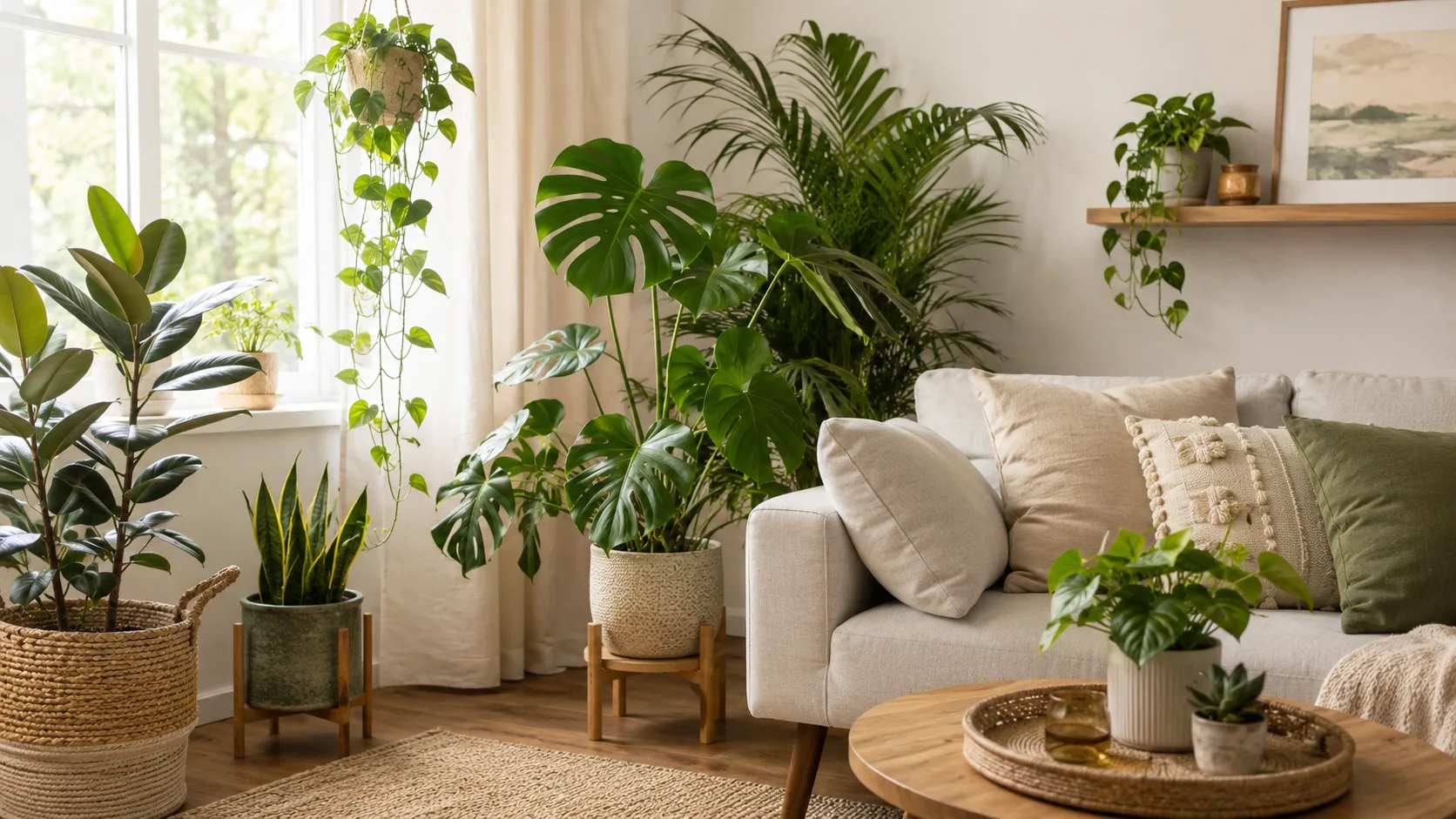
Living rooms are where guests look—and where plants either complete the room or look like an afterthought. The best living-room plants match your window light, scale with your sofa, and survive the temperature swings of open doors, Netflix marathons, and weekend neglect.
If you want a filterable metadata list, see Large Indoor Plants for floor-scale picks or Plants for Bright Light if your living room is sun-drenched. This guide compares ten species for shared spaces: focal-point potential, light needs, pet safety, and styling mistakes that clutter corners.
The 10 best living room plants for most homes are monstera deliciosa, fiddle leaf fig, rubber plant, bird of paradise, philodendron selloum, yucca plant, dracaena, areca palm, money tree, and snake plant.
Quick Pick: Best Living Room Plant for Your Setup
For a bright living room with a empty corner, choose monstera deliciosa or rubber plant. Both read as intentional design choices, grow steadily in good light, and tolerate the occasional missed watering better than fiddle leaf fig.
For sculptural height when you will not move the pot, choose fiddle leaf fig beside your largest window—stable light and stable location matter more than fertilizer.
For pet-aware households that need floor height, choose areca palm. The ASPCA lists it non-toxic to cats and dogs—uncommon among tall living-room specimens.
For the dim corner far from windows, choose snake plant as a supporting accent—not a competing focal point. Snake plant survives low light while your statement plant takes the bright zone.
For modern cane architecture in sunny lofts, choose yucca plant or dracaena—upright forms that do not sprawl across walkways.
How to Choose Living Room Plants
Living rooms usually mix one focal plant, one secondary accent, and hard surfaces that reflect or block light. Judge candidates on scale, light zone, and traffic—not trend alone.
Anchor One Focal Point
Designers typically use one floor specimen per sightline. A monstera by the window plus a snake plant in the opposite dark corner works; two six-foot trees fighting for attention does not. (NC State Extension - Houseplants)
Map Window Orientation
South and west windows deliver the brightest indirect and direct light—suit fiddle leaf fig, bird of paradise, yucca. East windows give gentle morning sun—ideal for monstera and rubber plant. North windows need snake plant, dracaena, or supplemental grow lights for tropical statements.
Factor Pets and Kids
Floor-level pots in living rooms get investigated. Areca palm is the primary pet-safe tall option here; most other statement plants are toxic if chewed. See Pet-Safe Indoor Plants for a broader filter.
How We Selected These Ten
Chosen for living-room visual impact, distinct silhouettes, realistic indoor culture, and LeafyPixels guide depth. We favored plants that work as floor or large-console specimens—not desk-only species. Hanging and small-shelf picks live on Hanging Indoor Plants and Small Indoor Plants.
Living Room Plants Compared
*ASPCA non-toxic listing; chewing can still upset stomachs.
The 10 Best Living Room Plants
1. Monstera Deliciosa
Best for: primary focal point, split-leaf tropical look.
Difficulty: Easy to medium | Light: Bright indirect | Water: Top 2 in dry
Pet safety: Toxic | Typical size: 6–10 ft with support
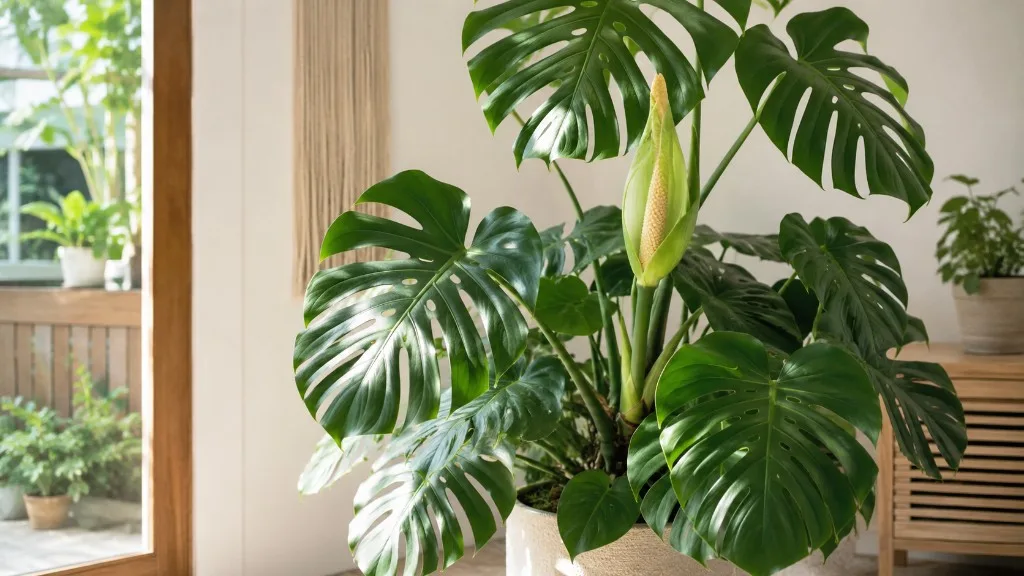
Monstera turns a living room corner into a designed space quickly. Pair with a simple sofa and let leaves do the decorating. Climbs on a moss pole to stay vertical in eight-foot ceilings. Climbs on a moss pole to stay vertical in eight-foot ceilings.
Why it works: Maximum impact per pot in bright living rooms.
Care tip: Dust large leaves monthly near HVAC returns.
Common mistake: Placing in a north corner without supplemental light.
Avoid if: Ceiling under eight feet with no pruning plan.
Useful care guides:
2. Fiddle Leaf Fig
Best for: single-trunk sculpture beside large windows.
Difficulty: Medium–hard | Light: Bright indirect | Water: Consistent, not soggy
Pet safety: Toxic | Typical size: 6–10 ft
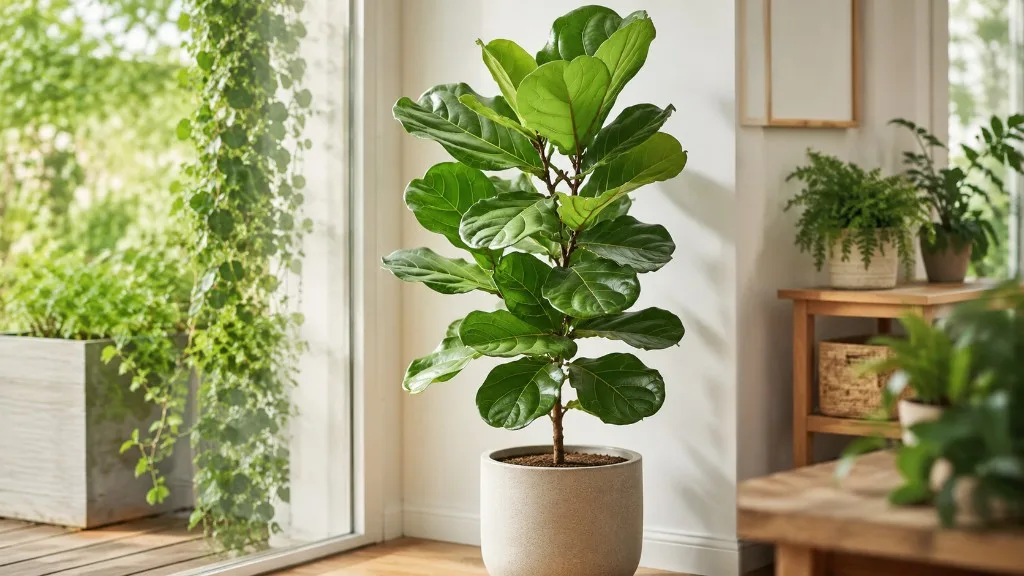
Fiddle leaf fig is the living-room plant most photographed—and most stressed by relocation. Choose only if the brightest spot is its permanent home.
Why it works: Iconic vertical silhouette in modern layouts.
Care tip: Clean leaves with a damp cloth, not leaf shine products.
Common mistake: Moving between summer and winter windows.
Avoid if: You rearrange furniture seasonally.
Useful care guides:
3. Rubber Plant
Best for: forgiving focal point, glossy leaves.
Difficulty: Easy | Light: Bright indirect | Water: Top 2 in dry
Pet safety: Toxic | Typical size: 6–8 ft
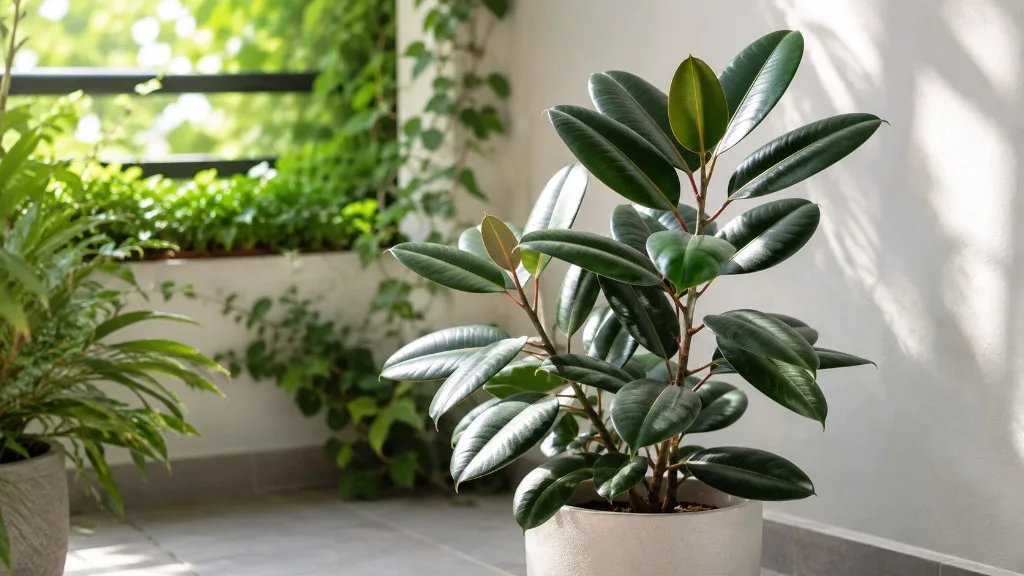
Rubber plant delivers designer gloss without fiddle leaf sensitivity—better default for first-time living-room statements.
Why it works: Tall Ficus look with beginner-friendly habits.
Care tip: Rotate quarterly, not weekly.
Common mistake: Overwatering after leaves collect dust and look “sad.”
Avoid if: Pets chew floor leaves.
Useful care guides:
4. Bird of Paradise
Best for: wide paddle leaves, sunny living rooms.
Difficulty: Medium | Light: Bright to some direct | Water: Steady moisture
Pet safety: Toxic | Typical size: 5–7 ft
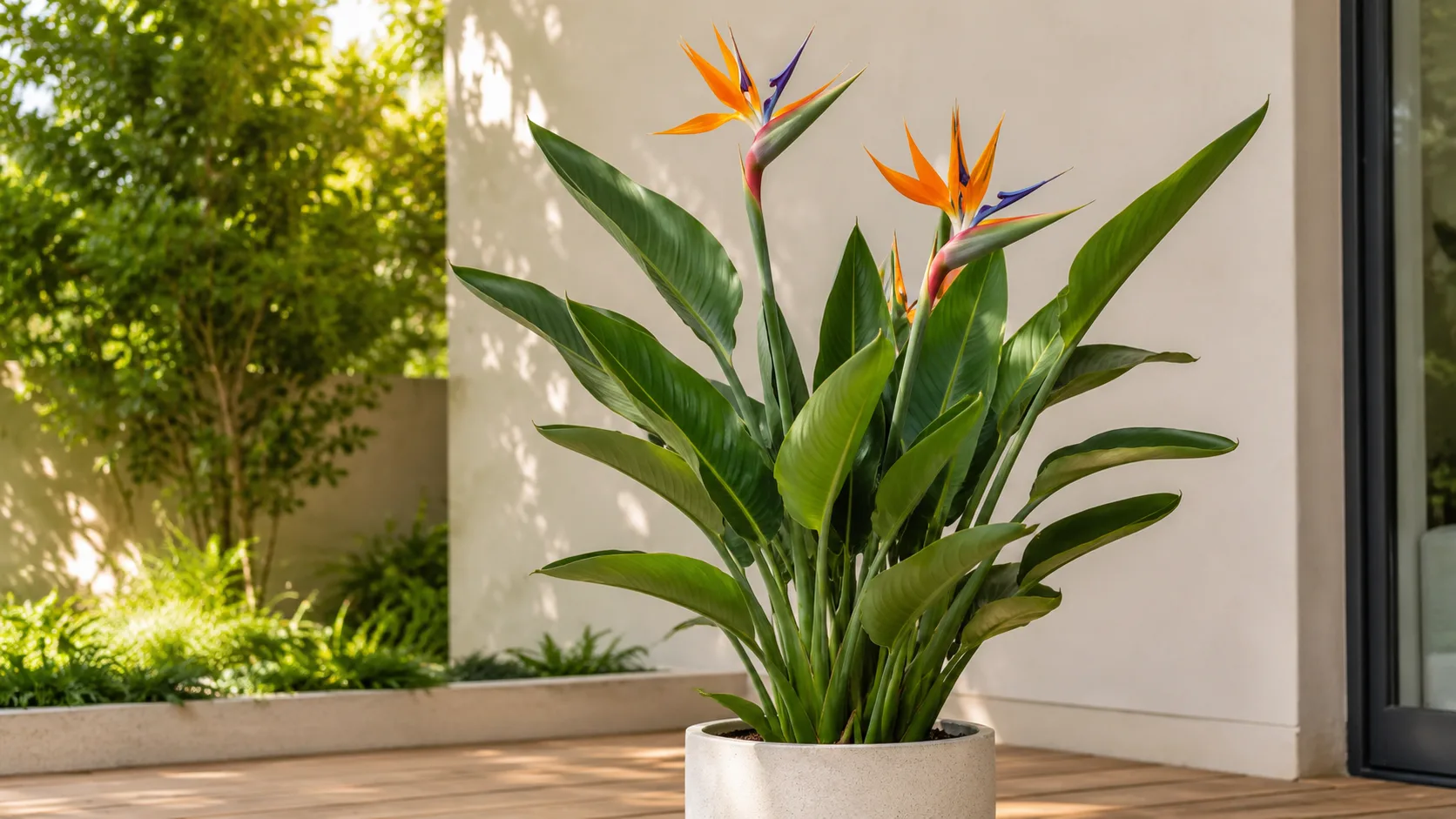
Bird of paradise suits open-plan living rooms with wall-to-wall windows. Needs width—leaves arch two feet or more.
Why it works: Resort-scale foliage indoors.
Care tip: Heavy pot prevents tipping in traffic paths.
Common mistake: Expecting orange flowers in average apartment light.
Avoid if: Only north-window light available.
Useful care guides:
5. Philodendron Selloum
Best for: lush tropical mass without climbing hardware.
Difficulty: Easy–medium | Light: Medium–bright indirect | Water: Top 2 in dry
Pet safety: Toxic | Typical size: 5–6 ft wide
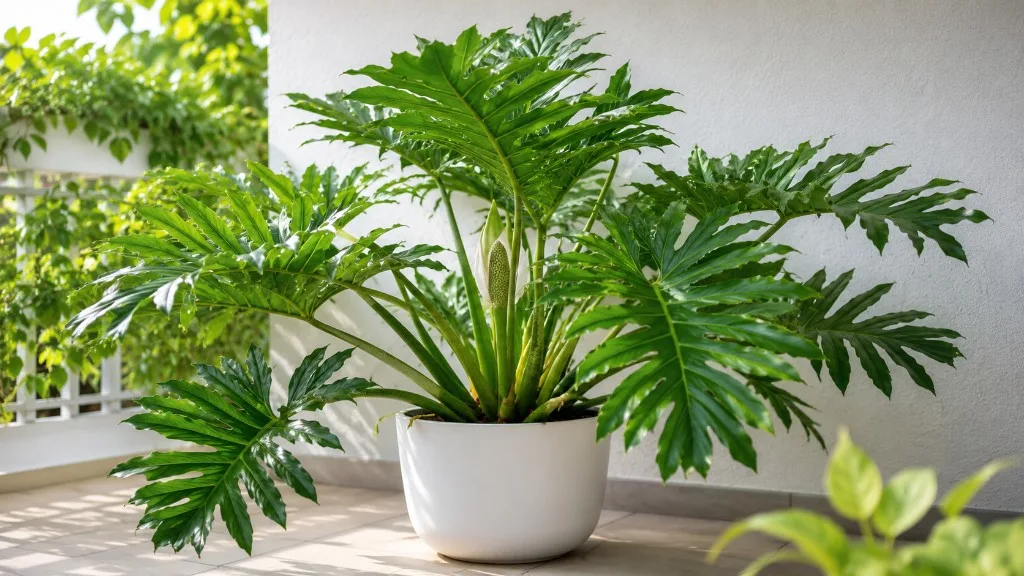
Philodendron selloum fills wide corners where a narrow dracaena would look lost. Dramatic lobed leaves soften hard-edged modern furniture.
Why it works: Horizontal tropical presence.
Care tip: Leave clearance from walls so leaves are not crushed.
Common mistake: Squeezing into tight alcoves.
Avoid if: You need a slim profile.
Useful care guides:
6. Yucca Plant
Best for: sunny modern living rooms, low humidity.
Difficulty: Easy | Light: Bright to direct indoors | Water: Dry between
Pet safety: Toxic | Typical size: 4–8 ft canes
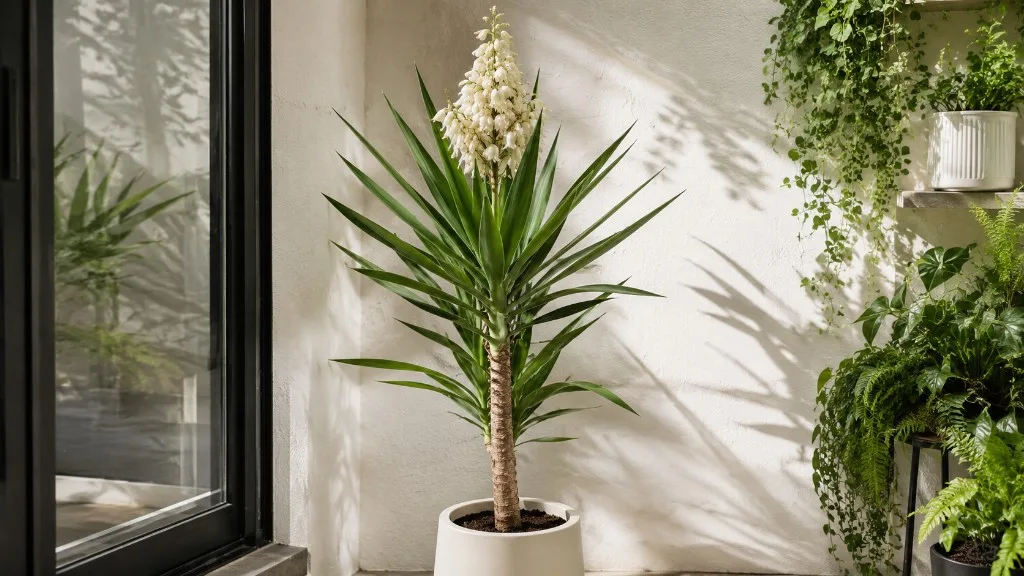
Yucca adds architectural lines beside floor lamps and media consoles. Tolerates dry winter air from heating vents better than areca palm.
Why it works: Sculptural height without tropical humidity.
Care tip: Sharp tips—place away from sofa-level pet traffic.
Common mistake: Low light leginess with dropped lower leaves.
Avoid if: You want soft, pet-safe fronds.
Useful care guides:
7. Dracaena
Best for: medium-light corners, color stripes.
Difficulty: Easy | Light: Medium–bright indirect | Water: Half soil dry
Pet safety: Toxic | Typical size: 5–8 ft
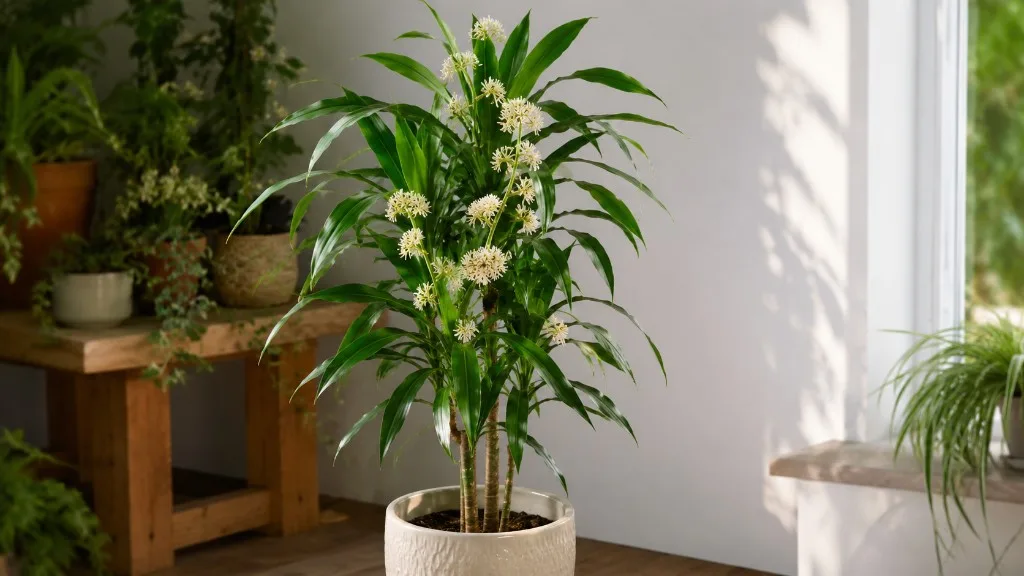
Dracaena bridges bright and medium living rooms—useful when your “statement” window is taken and you need a secondary tree form.
Why it works: Upright habit without monstera spread.
Care tip: Filtered water reduces brown tips on marginata types.
Common mistake: Drafty placement beside frequently opened patio doors.
Avoid if: Pets chew woody stems.
Useful care guides:
8. Areca Palm
Best for: pet-safe soft height, bright living rooms.
Difficulty: Medium | Light: Bright indirect | Water: Steady moisture
Pet safety: ASPCA non-toxic | Typical size: 6–8 ft
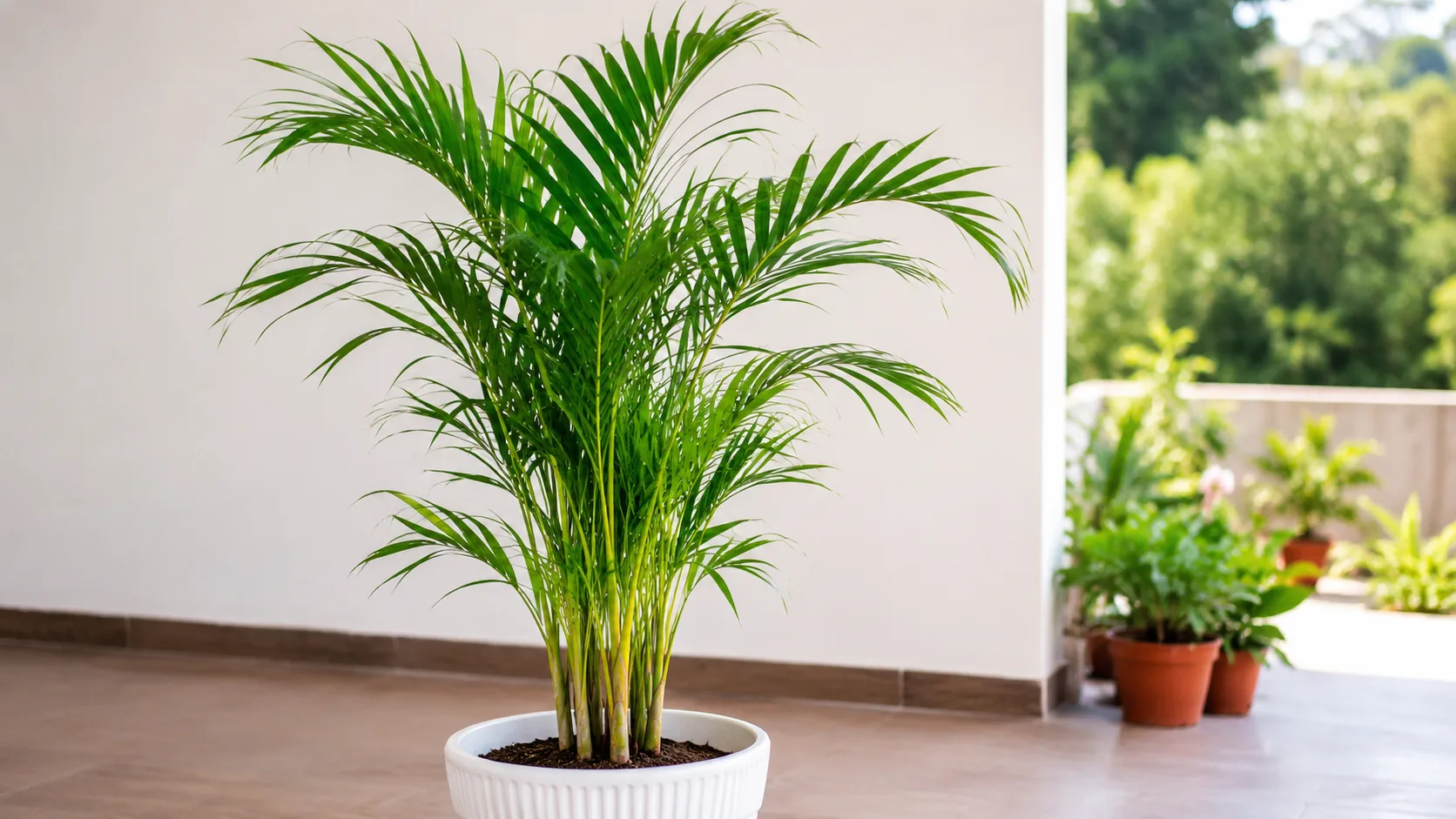
Areca palm is the living-room palm for cat and dog homes that still want floor-scale greenery. Fronds soften leather and stone surfaces.
Why it works: Pet-safe vertical texture.
Care tip: Group plants to raise humidity in dry living rooms.
Common mistake: Dark corners—fronds brown from low light.
Avoid if: You cannot maintain even moisture.
Useful care guides:
9. Money Tree
Best for: entry or living-room transition zones, braided trunk.
Difficulty: Easy–medium | Light: Bright indirect | Water: Top 2 in dry
Pet safety: Verify species | Typical size: 6–8 ft
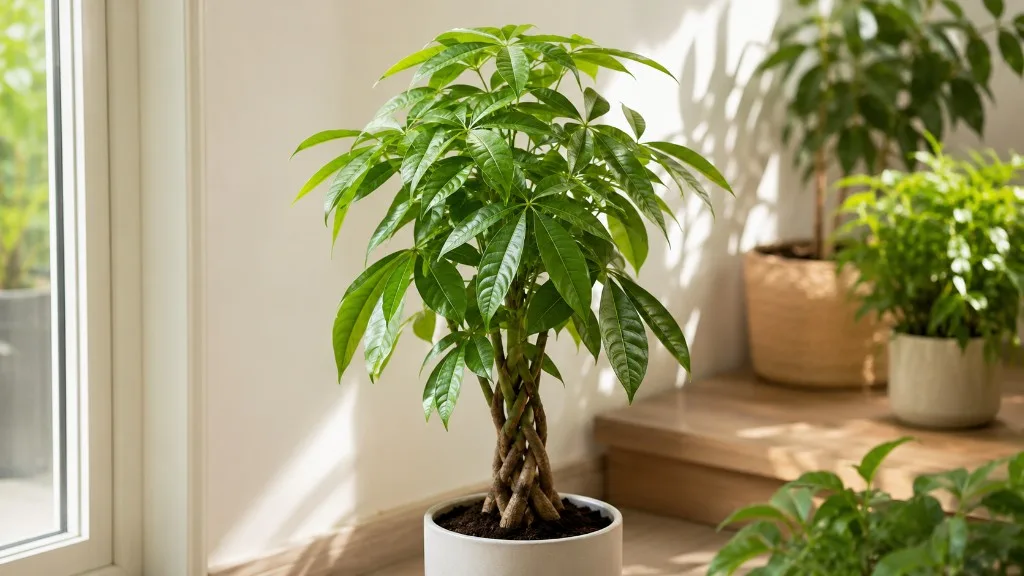
Money tree works beside entry consoles visible from the living room—built-in trunk interest without waiting years for structure.
Why it works: Instant sculptural trunk in nursery stock.
Care tip: Avoid soggy soil at braid points.
Common mistake: Overwatering based on the “aquatica” name.
Avoid if: You need verified pet-safe floor placement.
Useful care guides:
10. Snake Plant
Best for: dim living-room corners, low-maintenance balance.
Difficulty: Easy | Light: Low–bright indirect | Water: Fully dry between
Pet safety: Toxic | Typical size: 2–4 ft upright
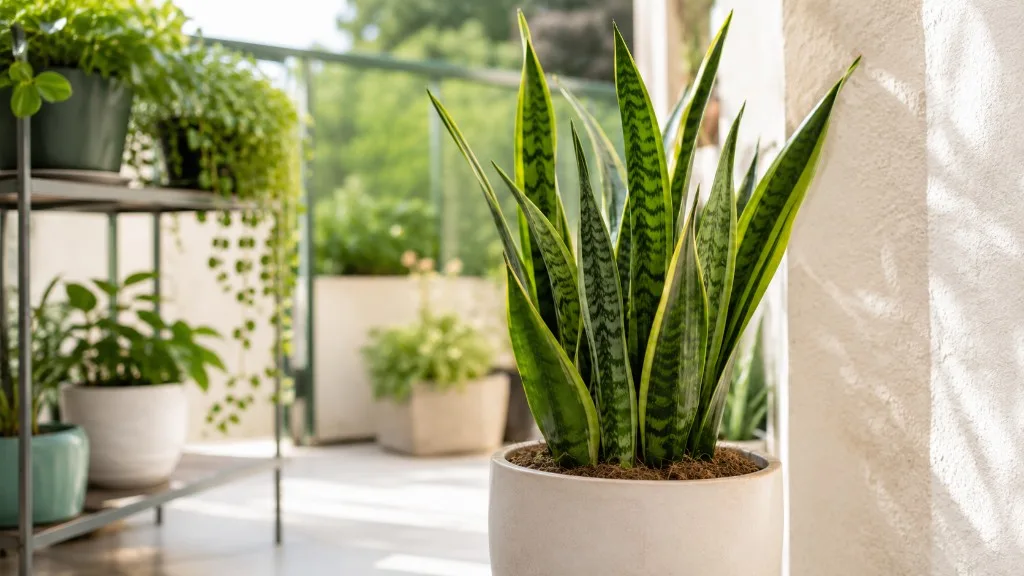
Snake plant is the supporting cast—not the star—in most living rooms. Use it where sofas block window light and tropical statements would fail.
Why it works: Survives the darkest viable living-room zones.
Care tip: Do not pair heavy watering with dim placement.
Common mistake: Using snake plant as the only plant in a bright room—you waste the window.
Avoid if: You want a single dramatic focal point—choose monstera.
Useful care guides:
Common Living Room Plant Mistakes
Three competing focal plants in one sightline reads cluttered. Anchor one corner, accent elsewhere.
Plants on the floor in main walkways get kicked and tipped. Pull pots six inches behind traffic lines.
Ignoring HVAC: hot dry air from floor registers browns palm tips and stresses fiddle leaf figs. Redirect vents or move pots seasonally.
Decorative no-drain pots rot roots on heavy specimens you cannot lift easily.
Conclusion
Bright living rooms: start with monstera or rubber plant. Pet-safe height: areca palm. Dim corners: snake plant supporting a brighter focal point. Patient growers with stable windows: fiddle leaf fig.
One intentional floor plant plus thoughtful accents beats a jungle that is hard to water. Match light zones before you match Pinterest.