Toxic to turtles92 plants

Plants Toxic to Turtles

Common ornamentals and houseplants turtles should not be able to sample, prioritized around species that may be placed near tanks, basking zones, or indoor pond setups.

Turtles with houseplants

Plants Toxic to Turtles

Remove first

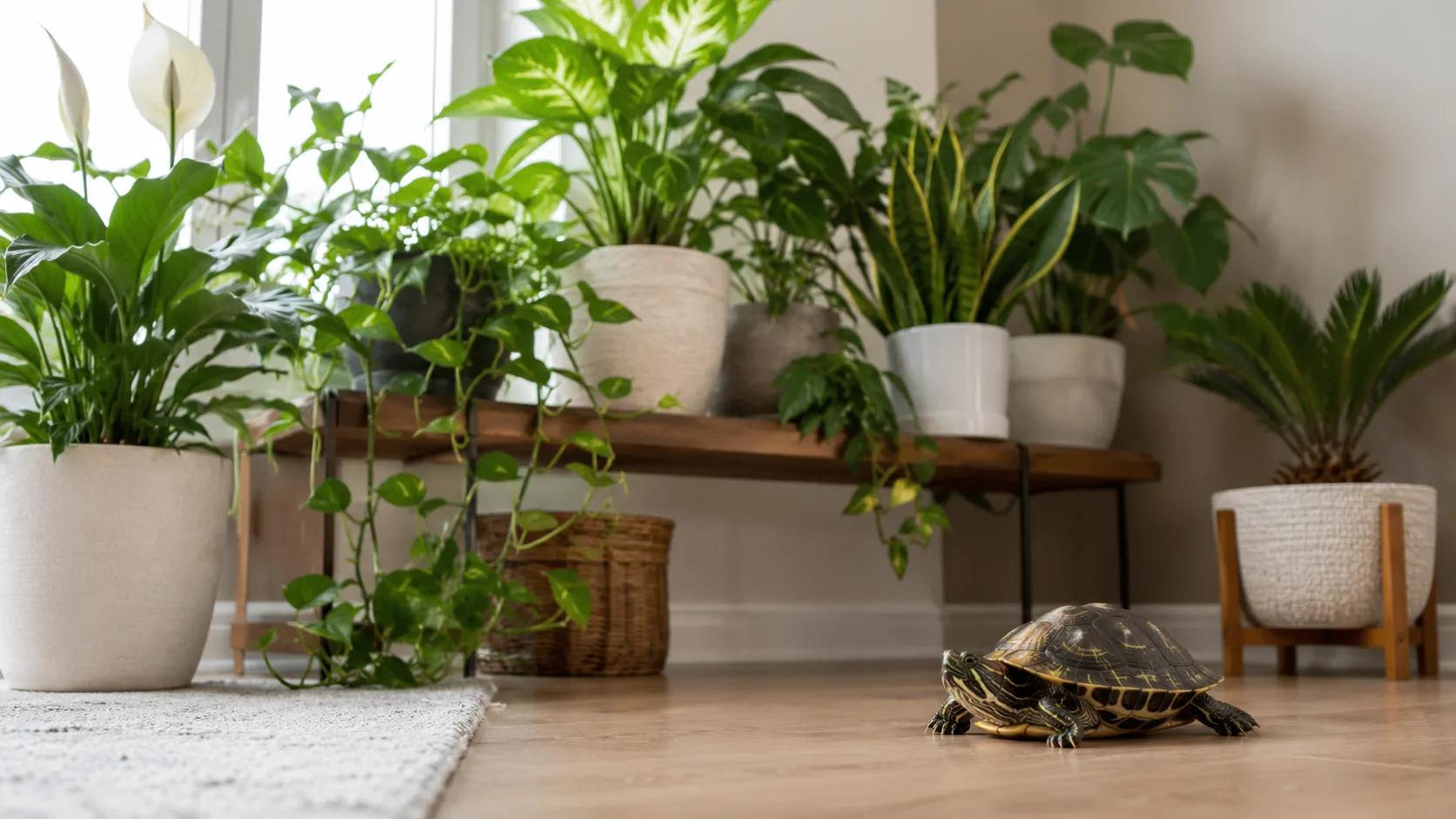
Keep turtles away from pothos, philodendron, peace lily, dieffenbachia, ZZ plant, and English ivy anywhere they can climb, bask, or graze.

Plants Toxic to Turtles

92 plants · Plants Toxic to Turtles
#PlantLightDifficultyTurtles
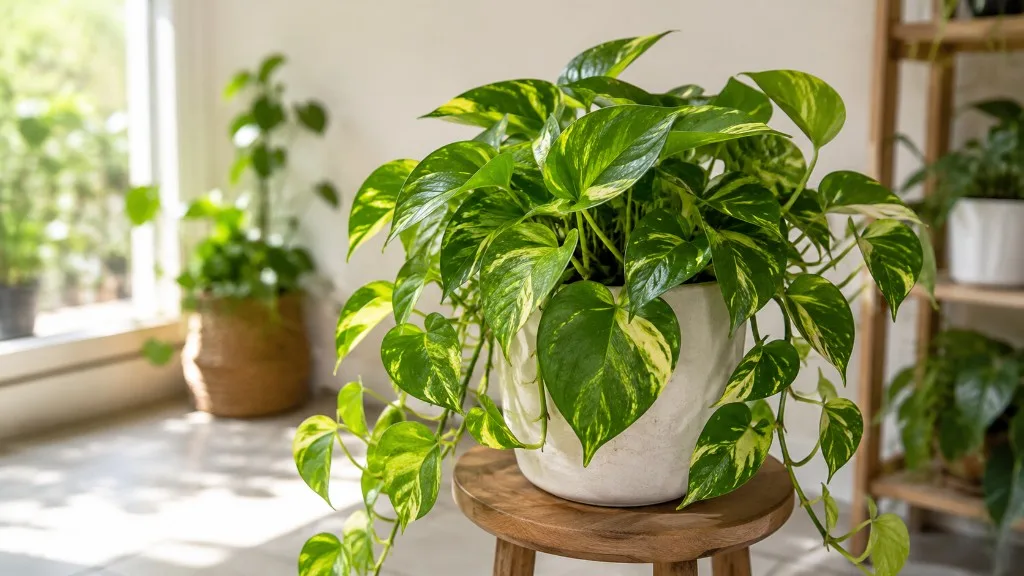
1Pothosbright to medium indirect light, low light, fluorescent office lightMediumToxic
2Heartleaf Philodendronmedium to bright indirect lightMediumToxic
3Peace Lilylow to medium indirect light, bright indirect light, fluorescent office lightMediumToxic
4Dieffenbachiamedium to bright indirect lightMediumToxic
5ZZ Plantindirect light, low light, fluorescent office light, medium indirect lightMediumToxic
6English Ivymedium to bright indirect lightMediumToxic
7Aloe Verabright indirect light to direct morning sunMediumToxic
8Anthuriumbright indirect lightMediumToxic
9Adeniumfull sun or very strong direct light, ideally 6+ hours in warm active growthMediumToxic
10Aglaonemalow to medium indirect lightMediumToxic
11Aglaonema Marialow to medium indirect light, low lightMediumToxic
12Aglaonema Pink Dalmatianmedium to bright indirect light, low indirect light (pink fades)MediumToxic
13Aglaonema Red Valentinemedium to bright indirect light, low indirect light (colour fades)MediumToxic
14Aglaonema Silver Baymedium indirect light, low light, bright indirect lightMediumToxic
15Alocasia Amazonicabright indirect lightMediumToxic
16Alocasia Dragon Scalebright indirect light, medium indirect lightMediumToxic
17Alocasia Pollybright indirect lightMediumToxic
18Aparajitafull sun - 5–6 hours of direct sunlight for prolific floweringMediumToxic
19Asparagus Fernbright indirect lightMediumToxic
20Begonia Maculatabright indirect lightMediumToxic
21Begonia Rexbright indirect lightMediumToxic
22Bird of Paradisebright indirect to direct sunlight, several hours of direct sunMediumToxic
23Bougainvilleafull sun - minimum 5–6 hours of direct sunlight dailyMediumToxic
24Cebu Blue Pothosbright indirect lightMediumToxic
25Chrysanthemumfull sun - 5–6 hours of direct sunlight for best floweringMediumToxic
26Coleusbright indirect light to partial shade; too much direct sun bleaches coloursMediumToxic
27Corn Plantmedium to bright indirect light, low lightMediumToxic
28Crotonbright indirect to some direct sunMediumToxic
29Dahliafull sun - 6–8 hours of direct sunlight for maximum flower productionMediumToxic
30Dieffenbachia Camillemedium to bright indirect light, low indirect lightMediumToxic
31Dieffenbachia Tropic Snowmedium to bright indirect light, low indirect lightMediumToxic
32Dracaenamedium to bright indirect lightMediumToxic
33Dragon Treebright indirect light, medium indirect light, some direct sunMediumToxic
34Dwarf Umbrella Treebright indirect light, medium indirect lightMediumToxic
35Ficus Audreybright indirect light, medium indirect lightMediumToxic
36Ficus Benjaminabright indirect light, medium indirect lightMediumToxic
37Ficus Burgundybright indirect light, medium indirect lightMediumToxic
38Ficus Elastica Rubybright indirect light, some morning direct sunMediumToxic
39Ficus Tinekebright indirect light, medium indirect lightMediumToxic
40Fiddle Leaf Figbright indirect lightMediumToxic
41Geraniumfull sun to partial shade - 4–6 hours of direct morning sun idealMediumToxic
42Golden Pothosmedium indirect lightMediumToxic
43Hoyabright indirect lightMediumToxic
44Hoya Carnosabright indirect lightMediumToxic
45Hoya Kerriibright indirect lightMediumToxic
46Hoya Pubicalyxbright indirect lightMediumToxic
47Ixorafull sun to partial shade - 4–6 hours direct sun for prolific floweringMediumToxic
48Jade Plantbright indirect light to 4 hours of direct sunMediumToxic
49Janet Craig Dracaenamedium indirect light, low light, bright indirect lightMediumToxic
50Lavenderfull sun - 6+ hours of direct sunlight; no compromise on thisMediumToxic
51Lemongrassfull sun - 6+ hours of direct sunlight dailyMediumToxic
52Lucky Bamboomedium indirect light, low indirect light, bright indirect lightMediumToxic
53Manjula Pothosbright indirect lightMediumToxic
54Marble Queen Pothosbright indirect lightMediumToxic
55Marigoldfull sun - 6+ hours of direct sunlight for maximum floweringMediumToxic
56Mintfull sun to partial shade (4–6 hours)MediumToxic
57Monstera Adansoniibright indirect light, medium indirect lightMediumToxic
58Monstera Deliciosabright indirect light, medium indirect lightMediumToxic
59Neon Pothosmedium to bright indirect lightMediumToxic
60Norfolk Island Pinebright indirect light with some direct sun, a few hours of direct morning sunMediumToxic
61Oxalis Triangularisbright indirect light, some direct morning sunMediumToxic
62Pearls and Jade Pothosbright indirect lightMediumToxic
63Philodendron Birkinbright indirect light, medium indirect lightMediumToxic
64Philodendron Brasilbright indirect light, medium indirect lightMediumToxic
65Philodendron Gloriosumbright indirect light, medium indirect lightMediumToxic
66Philodendron Imperial Greenmedium to bright indirect light, low indirect lightMediumToxic
67Philodendron Imperial Redmedium to bright indirect light, low indirect light (colour dulls)MediumToxic
68Philodendron Lemon Limemedium to bright indirect light, low light (colour becomes greener)MediumToxic
69Philodendron Melanochrysumbright indirect light, medium indirect lightMediumToxic
70Philodendron Micansmedium to bright indirect light, low indirect light (growth slows)MediumToxic
71Philodendron Pink Princessbright indirect light, medium indirect light (pink fades)MediumToxic
72Philodendron Selloumbright indirect light, medium indirect lightMediumToxic
73Philodendron White Knightbright indirect light, medium indirect light (variegation fades)MediumToxic
74Portulacafull direct sun - 6+ hours; opens flowers only in bright sunlightMediumToxic
75Rhaphidophora Tetraspermabright indirect lightMediumToxic
76Rubber Plantbright indirect lightMediumToxic
77Sago Palmbright indirect light, some direct sunMediumToxic
78Satin Philodendronmedium to bright indirect light, lower indirect lightMediumToxic
79Schefflerabright indirect light, medium indirect lightMediumToxic
80Scindapsus Pictusmedium to bright indirect lightMediumToxic
81Snake Plantindirect lightMediumToxic
82Song of Indiabright indirect light, medium indirect lightMediumToxic
83String of Heartsbright indirect light, some direct morning sunMediumToxic
84String of Pearlsbright indirect light with some morning direct sun, direct morning sunMediumToxic
85Syngoniummedium to bright indirect light, low indirect lightMediumToxic
86Syngonium Albobright indirect light, medium indirect lightMediumToxic
87Syngonium Neon Robustabright indirect light, medium indirect lightMediumToxic
88Syngonium Pinkbright indirect light, medium indirect lightMediumToxic
89Syngonium White Butterflymedium to bright indirect light, low indirect light (variegation fades)MediumToxic
90Tradescantia Nanoukbright indirect light, some direct morning sunMediumToxic
91Tradescantia Zebrinabright indirect light, medium indirect lightMediumToxic
92Yucca Plantbright indirect to direct light, some shadeMediumToxic

Plants to remove from turtle-access spaces first

We place the likeliest turtle hazards first: common decorative plants that end up near tanks or ponds and should not be treated as safe enrichment or enclosure greenery.

  1. Pothos houseplant

    PothosEpipremnum aureum

    • How to grow pothos indoors - watering rhythm, best light, soil mix, propagation from cuttings, and fixes for yellow leaves and brown tips.
    • Pothos (Araceae) contains calcium oxalate crystals harmful to reptiles. Aquatic turtles may nibble plants in enclosures-avoid this species in turtle habitats. Possible signs include vomiting, drooling, oral irritation. Keep Pothos away from turtles.
    • Pothos grows best in bright to medium indirect light, low light, fluorescent office light when grown as an indoor houseplant.
    • For Pothos, water when the top 2 inches of soil are dry - roughly every 7–10 days in summer.
    • Pothos does best at 40–60% humidity and needs light, well-draining potting mix with added perlite.
    • Pothos is rated medium care for indoor growing.
    Pet safety details →
  2. Heartleaf Philodendron houseplant

    Heartleaf PhilodendronPhilodendron hederaceum

    • Heartleaf philodendron (Philodendron hederaceum) care: fast-growing trailing aroid, light requirements, watering, and propagation.
    • Heartleaf Philodendron (Araceae) contains calcium oxalate crystals harmful to reptiles. Aquatic turtles may nibble plants in enclosures-avoid this species in turtle habitats. Possible signs include vomiting, drooling, oral irritation. Keep Heartleaf Philodendron away from turtles.
    • Heartleaf Philodendron grows best in medium to bright indirect light when grown as an indoor houseplant.
    • For Heartleaf Philodendron, water when top 2–3 cm dries. Every 7–10 days in summer; 14–21 days in winter.
    • Heartleaf Philodendron grows to trails 4–6 ft indoors; glossy heart-shaped leaves 2–4 inches indoors, does best at 40–60% humidity and needs well-draining standard potting mix with perlite and optional chunky additions.
    • Heartleaf Philodendron is rated medium care for indoor growing.
    Pet safety details →
  3. Peace Lily houseplant

    Peace LilySpathiphyllum wallisii

    • Peace lily care - droop-when-dry watering, medium indirect light, humidity, and brown tip fixes.
    • Peace Lily (Araceae) contains calcium oxalate crystals harmful to reptiles. Aquatic turtles may nibble plants in enclosures-avoid this species in turtle habitats. Possible signs include vomiting, drooling, oral irritation. Keep Peace Lily away from turtles.
    • Peace Lily grows best in low to medium indirect light, bright indirect light, fluorescent office light when grown as an indoor houseplant.
    • For Peace Lily, every 7–10 days - water when the top 3–5 cm is dry or at the first sign of leaf drooping. Use filtered or settled tap water.
    • Peace Lily does best at 50–60% humidity and needs standard potting mix + 20 % perlite. slightly moisture-retaining but well-draining. ph 5.5–7.0.
    • Peace Lily is rated medium care for indoor growing.
    Pet safety details →
  4. Dieffenbachia houseplant

    DieffenbachiaDieffenbachia spp.

    • Dieffenbachia tolerates low light and needs watering only when the top inch of soil dries. Always wear gloves - all parts are toxic to cats, dogs, and humans.
    • Dieffenbachia (Araceae) contains calcium oxalate crystals harmful to reptiles. Aquatic turtles may nibble plants in enclosures-avoid this species in turtle habitats. Possible signs include drooling, oral irritation. Keep Dieffenbachia away from turtles.
    • Dieffenbachia grows best in medium to bright indirect light when grown as an indoor houseplant.
    • For Dieffenbachia, water when the top inch of soil is dry. Every 7–10 days in summer; every 14–21 days in winter.
    • Dieffenbachia grows to 2–5 ft tall indoors; large variegated leaves 8–14 inches indoors, does best at 60% humidity and needs well-draining light potting mix with perlite.
    • Dieffenbachia is rated medium care for indoor growing.
    Pet safety details →
  5. ZZ Plant houseplant

    ZZ PlantZamioculcas zamiifolia

    • ZZ plant care for low-light offices - infrequent watering, soil mix, and toxicity notes for pets.
    • ZZ Plant (Araceae) contains calcium oxalate crystals harmful to reptiles. Aquatic turtles may nibble plants in enclosures-avoid this species in turtle habitats. Possible signs include vomiting, drooling, oral irritation. Keep ZZ Plant away from turtles.
    • ZZ Plant grows best in indirect light, low light, fluorescent office light, medium indirect light when grown as an indoor houseplant.
    • For ZZ Plant, water only when the soil is completely dry - ZZ stores water in rhizomes and is highly drought-tolerant.
    • ZZ Plant does best at 30–50% humidity and needs very well-draining, low-nutrient mix to prevent rhizome rot.
    • ZZ Plant is rated medium care for indoor growing.
    Pet safety details →

Bringing a new plant home? Check it against turtles

Search any houseplant in our library and see verified toxicity status for your pet before it enters your home.

Open pet-safe plant finder
  1. English Ivy houseplant

    English IvyHedera helix

    • English ivy prefers cool, bright indirect light. Keep humidity high to suppress spider mites - the primary indoor pest.
    • English Ivy is toxic to cats and dogs and should be considered unsafe for turtles. Reptile veterinary sources recommend avoiding plants with known mammalian toxicity in enclosures. Possible signs include vomiting, drooling, diarrhea. Keep English Ivy away from turtles.
    • English Ivy grows best in medium to bright indirect light when grown as an indoor houseplant.
    • For English Ivy, water when top inch of soil dries. Every 5–7 days in summer; every 10–14 days in winter.
    • English Ivy grows to trails or climbs 3–8 ft indoors; lobed leaves 1–4 inches indoors, does best at 40–60% humidity and needs well-draining potting mix. slightly acidic ph 6–6.5.
    • English Ivy is rated medium care for indoor growing.
    Pet safety details →
  2. Aloe Vera houseplant

    Aloe VeraAloe vera

    • Aloe vera needs bright light and watering only every 2–4 weeks when soil is completely dry. It thrives on neglect, grows well on windowsills, but is toxic to cats and dogs.
    • Aloe Vera is toxic to cats and dogs and should be considered unsafe for turtles. Reptile veterinary sources recommend avoiding plants with known mammalian toxicity in enclosures. Possible signs include vomiting, diarrhea, lethargy. Keep Aloe Vera away from turtles.
    • Aloe Vera grows best in bright indirect light to direct morning sun when grown as an indoor houseplant.
    • For Aloe Vera, water deeply and infrequently - only when the soil is completely dry, roughly every 2–4 weeks.
    • Aloe Vera grows to 1–2 ft tall and wide indoors; thick fleshy serrated leaves indoors, does best at 20–40% humidity and needs fast-draining cactus and succulent mix with added grit.
    • Aloe Vera is rated medium care for indoor growing.
    Pet safety details →
  3. Anthurium houseplant

    AnthuriumAnthurium andraeanum

    • Anthurium needs bright indirect light, high humidity (60–80%), and watering when the top inch dries. With consistent warmth and a phosphorus-rich fertilizer, it can bloom almost year-round indoors.
    • Anthurium (Araceae) contains calcium oxalate crystals harmful to reptiles. Aquatic turtles may nibble plants in enclosures-avoid this species in turtle habitats. Possible signs include vomiting, drooling, oral irritation. Keep Anthurium away from turtles.
    • Anthurium grows best in bright indirect light when grown as an indoor houseplant.
    • Water when the top inch of soil dries. Anthuriums like consistent moisture but cannot tolerate soggy roots.
    • Anthurium grows to 12–18 inches tall; waxy spathes (flowers) 2–6 inches indoors, does best at 60–80% humidity and needs chunky, well-aerated aroid mix-anthuriums are semi-epiphytic.
    • Anthurium is rated medium care for indoor growing.
    Pet safety details →
  4. Adenium houseplant

    AdeniumAdenium obesum

    • Adenium care made practical: direct sun, fast-draining soil, careful watering, winter rest, flowering tips, and toxic Desert Rose safety notes.
    • Adenium contains compounds toxic to reptiles including cardiac glycosides or bulb alkaloids. Veterinary toxicology references classify these as unsafe for turtles. Possible signs include vomiting, diarrhea, oral irritation. Keep Adenium away from turtles.
    • Adenium grows best in full sun or very strong direct light, ideally 6+ hours in warm active growth when grown as an indoor houseplant.
    • For Adenium, water deeply only after the mix dries through; keep much drier during cool dormancy.
    • Adenium grows to 30–90 cm in containers; up to 3 m in natural habitat indoors, does best at low to moderate household humidity with strong airflow humidity and needs loose, gritty, sharply draining succulent mix with plenty of mineral material.
    • Adenium is rated medium care for indoor growing.
    Pet safety details →
  5. Aglaonema houseplant

    AglaonemaAglaonema commutatum

    • Aglaonema thrives in low to medium indirect light and only needs watering every 7–10 days when the top 2 inches of soil are dry. One of the most forgiving colourful houseplants for warm climates, though toxic to pets.
    • Aglaonema (Araceae) contains calcium oxalate crystals harmful to reptiles. Aquatic turtles may nibble plants in enclosures-avoid this species in turtle habitats. Possible signs include vomiting, drooling, oral irritation. Keep Aglaonema away from turtles.
    • Aglaonema grows best in low to medium indirect light when grown as an indoor houseplant.
    • For Aglaonema, water when the top 2 inches of soil are dry - roughly every 7–10 days in summer.
    • Aglaonema grows to 1–3 ft tall and wide; lance-shaped leaves patterned in green, silver, and red indoors, does best at 40–60% humidity and needs well-draining, lightly fertile potting mix.
    • Aglaonema is rated medium care for indoor growing.
    Pet safety details →

Already have a plant that looks unhappy?

Match symptoms to likely causes in under a minute, then jump to the right fix guide.

Run plant diagnosis
  1. Aglaonema Maria houseplant

    Aglaonema MariaAglaonema commutatum 'Maria'

    • Aglaonema Maria is one of the toughest low-light tolerant houseplants. Its dark green and silver leaves thrive even in dim offices.
    • Aglaonema Maria (Araceae) contains calcium oxalate crystals harmful to reptiles. Aquatic turtles may nibble plants in enclosures-avoid this species in turtle habitats. Possible signs include oral irritation, drooling, difficulty swallowing. Keep Aglaonema Maria away from turtles.
    • Aglaonema Maria grows best in low to medium indirect light, low light when grown as an indoor houseplant.
    • For Aglaonema Maria, water when top half of soil dries; very drought-tolerant.
    • Aglaonema Maria does best at average household humidity humidity and needs well-draining potting mix.
    • Aglaonema Maria is rated medium care for indoor growing.
    Pet safety details →
  2. Aglaonema Pink Dalmatian houseplant

    Aglaonema Pink DalmatianAglaonema commutatum 'Pink Dalmatian'

    • Aglaonema Pink Dalmatian is easy to grow with its cheerful pink-spotted foliage. Brighter indirect light intensifies the pink spots.
    • Aglaonema Pink Dalmatian (Araceae) contains calcium oxalate crystals harmful to reptiles. Aquatic turtles may nibble plants in enclosures-avoid this species in turtle habitats. Possible signs include oral irritation. Keep Aglaonema Pink Dalmatian away from turtles.
    • Aglaonema Pink Dalmatian grows best in medium to bright indirect light, low indirect light (pink fades) when grown as an indoor houseplant.
    • For Aglaonema Pink Dalmatian, water when top half of soil dries.
    • Aglaonema Pink Dalmatian does best at average household humidity (40–60%) humidity and needs well-draining standard potting mix.
    • Aglaonema Pink Dalmatian is rated medium care for indoor growing.
    Pet safety details →
  3. Aglaonema Red Valentine houseplant

    Aglaonema Red ValentineAglaonema commutatum 'Red Valentine'

    • Aglaonema Red Valentine keeps its vibrant red colour in brighter indirect light. It's easy to care for and very forgiving of occasional neglect.
    • Aglaonema Red Valentine (Araceae) contains calcium oxalate crystals harmful to reptiles. Aquatic turtles may nibble plants in enclosures-avoid this species in turtle habitats. Possible signs include oral irritation. Keep Aglaonema Red Valentine away from turtles.
    • Aglaonema Red Valentine grows best in medium to bright indirect light, low indirect light (colour fades) when grown as an indoor houseplant.
    • For Aglaonema Red Valentine, water when top half of soil dries.
    • Aglaonema Red Valentine does best at average to moderate humidity (40–60%) humidity and needs well-draining potting mix with perlite.
    • Aglaonema Red Valentine is rated medium care for indoor growing.
    Pet safety details →
  4. Aglaonema Silver Bay houseplant

    Aglaonema Silver BayAglaonema commutatum 'Silver Bay'

    • Aglaonema Silver Bay is one of the easiest indoor plants, tolerating low light and drought. Its silver-green leaves brighten any dim room.
    • Aglaonema Silver Bay (Araceae) contains calcium oxalate crystals harmful to reptiles. Aquatic turtles may nibble plants in enclosures-avoid this species in turtle habitats. Possible signs include oral irritation. Keep Aglaonema Silver Bay away from turtles.
    • Aglaonema Silver Bay grows best in medium indirect light, low light, bright indirect light when grown as an indoor houseplant.
    • For Aglaonema Silver Bay, water when the top half of soil dries; very tolerant of underwatering.
    • Aglaonema Silver Bay does best at average household humidity (40–60%) humidity and needs well-draining potting mix with perlite.
    • Aglaonema Silver Bay is rated medium care for indoor growing.
    Pet safety details →
  5. Alocasia Amazonica houseplant

    Alocasia AmazonicaAlocasia × amazonica

    • Alocasia Amazonica needs bright indirect light, 60–80% humidity, and fast-draining aroid mix. Reduce watering in winter as it may go dormant.
    • Alocasia Amazonica (Araceae) contains calcium oxalate crystals harmful to reptiles. Aquatic turtles may nibble plants in enclosures-avoid this species in turtle habitats. Possible signs include vomiting, drooling, oral irritation. Keep Alocasia Amazonica away from turtles.
    • Alocasia Amazonica grows best in bright indirect light when grown as an indoor houseplant.
    • For Alocasia Amazonica, water when the top 2–3 cm of soil is dry; never let roots sit in water.
    • Alocasia Amazonica grows to 60–90 cm tall indoors, does best at 60–80% humidity and needs light, well-aerated aroid mix that drains freely.
    • Alocasia Amazonica is rated medium care for indoor growing.
    Pet safety details →

Bringing a new plant home? Check it against turtles

Search any houseplant in our library and see verified toxicity status for your pet before it enters your home.

Open pet-safe plant finder
  1. Alocasia Dragon Scale houseplant

    Alocasia Dragon ScaleAlocasia baginda 'Dragon Scale'

    • Alocasia Dragon Scale needs bright indirect light, 70–80% humidity, and excellent drainage. It is prone to root rot-never let soil stay wet.
    • Alocasia Dragon Scale (Araceae) contains calcium oxalate crystals harmful to reptiles. Aquatic turtles may nibble plants in enclosures-avoid this species in turtle habitats. Possible signs include oral irritation. Keep Alocasia Dragon Scale away from turtles.
    • Alocasia Dragon Scale grows best in bright indirect light, medium indirect light when grown as an indoor houseplant.
    • For Alocasia Dragon Scale, water when the top 2–3 cm of soil is dry. Highly sensitive to overwatering.
    • Alocasia Dragon Scale does best at 70–80% humidity and needs extremely well-draining aroid mix; this cultivar is especially prone to root rot.
    • Alocasia Dragon Scale is rated medium care for indoor growing.
    Pet safety details →
  2. Alocasia Polly houseplant

    Alocasia PollyAlocasia × amazonica 'Polly'

    • Alocasia Polly needs bright indirect light, high humidity (60–80%), and well-draining aroid mix. Water when the top inch dries and avoid cold drafts.
    • Alocasia Polly (Araceae) contains calcium oxalate crystals harmful to reptiles. Aquatic turtles may nibble plants in enclosures-avoid this species in turtle habitats. Possible signs include vomiting, drooling, oral irritation. Keep Alocasia Polly away from turtles.
    • Alocasia Polly grows best in bright indirect light when grown as an indoor houseplant.
    • For Alocasia Polly, water when the top inch of soil is dry; reduce significantly in winter when dormancy is likely.
    • Alocasia Polly grows to 45–60 cm tall indoors indoors, does best at 60–80% humidity and needs well-draining, chunky aroid mix that holds some moisture without becoming waterlogged.
    • Alocasia Polly is rated medium care for indoor growing.
    Pet safety details →
  3. Aparajita houseplant

    AparajitaClitoria ternatea

    • Aparajita is an easy tropical climber needing full sun, a trellis, and regular watering - sow seeds in March for beautiful indigo-blue flowers through India's summer and rainy season.
    • Aparajita is toxic to cats and dogs and should be considered unsafe for turtles. Reptile veterinary sources recommend avoiding plants with known mammalian toxicity in enclosures. Possible signs include lethargy, reduced appetite. Keep Aparajita away from turtles.
    • Aparajita grows best in full sun - 5–6 hours of direct sunlight for prolific flowering when grown as an indoor houseplant.
    • For Aparajita, regular watering; allow top 3 cm to dry between waterings.
    • Aparajita grows to 2–5 m as climber; compact in 30–60 cm containers with support indoors, does best at moderate to high (50–70%); naturally adapted to indian tropical climate humidity and needs well-draining, moderately fertile potting mix or garden soil; fixes nitrogen.
    • Aparajita is rated medium care for indoor growing.
    Pet safety details →
  4. Asparagus Fern houseplant

    Asparagus FernAsparagus setaceus

    • Asparagus Fern needs bright indirect light and evenly moist soil. Keep humidity moderate and never let roots dry out completely.
    • Asparagus Fern is toxic to cats and dogs and should be considered unsafe for turtles. Reptile veterinary sources recommend avoiding plants with known mammalian toxicity in enclosures. Possible signs include lethargy, reduced appetite. Keep Asparagus Fern away from turtles.
    • Asparagus Fern grows best in bright indirect light when grown as an indoor houseplant.
    • For Asparagus Fern, keep soil evenly moist but not soggy; do not let it fully dry out.
    • Asparagus Fern grows to 60–180 cm as a climbing vine; 30–60 cm as a bushy houseplant indoors, does best at 40–60% humidity and needs standard well-draining potting mix with added perlite.
    • Asparagus Fern is rated medium care for indoor growing.
    Pet safety details →
  5. Begonia Maculata houseplant

    Begonia MaculataBegonia maculata

    • Begonia maculata needs bright indirect light, watering every 7–10 days (top 3 cm dry between waterings), 60–80% humidity, and monthly feeding during the growing season.
    • Begonia Maculata is toxic to cats and dogs and should be considered unsafe for turtles. Reptile veterinary sources recommend avoiding plants with known mammalian toxicity in enclosures. Possible signs include lethargy, reduced appetite. Keep Begonia Maculata away from turtles.
    • Begonia Maculata grows best in bright indirect light when grown as an indoor houseplant.
    • For Begonia Maculata, every 7–10 days summer (top 3 cm dry). Every 10–14 days winter.
    • Begonia Maculata grows to 60–150 cm tall indoors indoors, does best at 45–60% humidity and needs light, well-draining potting mix with 20% perlite. ph 6.0–7.0.
    • Begonia Maculata is rated medium care for indoor growing.
    Pet safety details →

Already have a plant that looks unhappy?

Match symptoms to likely causes in under a minute, then jump to the right fix guide.

Run plant diagnosis
  1. Begonia Rex houseplant

    Begonia RexBegonia rex-cultorum

    • Begonia Rex is rex begonia needs 50–70% humidity (humidifier essential), bright to medium indirect light, bottom watering every 7–10 days when top 3 cm is dry, and temperatures consistently above 15°C.
    • Begonia Rex is toxic to cats and dogs and should be considered unsafe for turtles. Reptile veterinary sources recommend avoiding plants with known mammalian toxicity in enclosures. Possible signs include vomiting. Keep Begonia Rex away from turtles.
    • Begonia Rex grows best in bright indirect light when grown as an indoor houseplant.
    • For Begonia Rex, bottom-water every 7–10 days when top 3 cm is dry. Avoid wetting leaves or rhizome.
    • Begonia Rex grows to 30–45 cm tall and wide indoors, does best at 50–60% humidity and needs light, well-draining potting mix with 20% perlite. ph 5.7–6.2. avoid compacted mixes.
    • Begonia Rex is rated medium care for indoor growing.
    Pet safety details →
  2. Bird of Paradise houseplant

    Bird of ParadiseStrelitzia reginae

    • Bird of paradise needs the brightest available indoor light (including some direct sun), watering every 7–10 days when the top 5 cm is dry, well-draining fertile soil, and patience - it may take years to flower indoors.
    • Bird of Paradise is toxic to cats and dogs and should be considered unsafe for turtles. Reptile veterinary sources recommend avoiding plants with known mammalian toxicity in enclosures. Possible signs include vomiting. Keep Bird of Paradise away from turtles.
    • Bird of Paradise grows best in bright indirect to direct sunlight, several hours of direct sun when grown as an indoor houseplant.
    • For Bird of Paradise, every 7–10 days summer (top 5 cm dry). Every 14–21 days winter.
    • Bird of Paradise does best at 50–60% humidity and needs well-draining potting mix with 20–30% perlite. ph 6.0–7.5. fertile and rich.
    • Bird of Paradise is rated medium care for indoor growing.
    Pet safety details →
  3. Bougainvillea houseplant

    BougainvilleaBougainvillea spectabilis

    • Bougainvillea needs full sun (6+ hours daily), drought stress between waterings (every 5–7 days in containers), hard pruning after each flower flush, and high-potassium fertiliser every 2–3 weeks during the growing season.
    • Bougainvillea is toxic to cats and dogs and should be considered unsafe for turtles. Reptile veterinary sources recommend avoiding plants with known mammalian toxicity in enclosures. Possible signs include vomiting, diarrhea. Keep Bougainvillea away from turtles.
    • Bougainvillea grows best in full sun - minimum 5–6 hours of direct sunlight daily when grown as an indoor houseplant.
    • For Bougainvillea, every 5–7 days in containers during growing season (allow top 5 cm to dry). More frequent in very hot weather.
    • Bougainvillea grows to 3–12 m as climber; 1–2 m compact in containers indoors, does best at low to moderate; thrives in dry sunny conditions humidity and needs well-draining potting mix with 20% perlite. ph 5.5–6.5. does not tolerate waterlogged roots.
    • Bougainvillea is rated medium care for indoor growing.
    Pet safety details →
  4. Cebu Blue Pothos houseplant

    Cebu Blue PothosEpipremnum pinnatum 'Cebu Blue'

    • Cebu blue pothos needs bright to medium indirect light for vivid silver-blue colouration, watering every 7–10 days when the top 3–5 cm is dry, and a climbing structure to develop spectacular fenestrated adult leaves.
    • Cebu Blue Pothos (Araceae) contains calcium oxalate crystals harmful to reptiles. Aquatic turtles may nibble plants in enclosures-avoid this species in turtle habitats. Possible signs include oral irritation, drooling, difficulty swallowing. Keep Cebu Blue Pothos away from turtles.
    • Cebu Blue Pothos grows best in bright indirect light when grown as an indoor houseplant.
    • For Cebu Blue Pothos, every 7–10 days spring and summer (top 3–5 cm dry). Every 10–14 days in autumn and winter.
    • Cebu Blue Pothos grows to up to 3 m trailing; leaves grow much larger when climbing indoors, does best at 50–70% humidity and needs well-draining potting mix with 20% perlite. ph 6.1–6.5.
    • Cebu Blue Pothos is rated medium care for indoor growing.
    Pet safety details →
  5. Chrysanthemum houseplant

    ChrysanthemumChrysanthemum morifolium

    • Chrysanthemum needs full sun (5+ hours daily), watering every 5–7 days when the top 2 cm is dry, tip pinching in spring and early summer for bushy growth, and high-potassium feeding once buds form.
    • Chrysanthemum is toxic to cats and dogs and should be considered unsafe for turtles. Reptile veterinary sources recommend avoiding plants with known mammalian toxicity in enclosures. Possible signs include vomiting, diarrhea. Keep Chrysanthemum away from turtles.
    • Chrysanthemum grows best in full sun - 5–6 hours of direct sunlight for best flowering when grown as an indoor houseplant.
    • For Chrysanthemum, every 4–5 days during dry weather (top 2 cm dry). Reduce in cool or wet conditions.
    • Chrysanthemum grows to 30–90 cm tall; 30–60 cm wide indoors, does best at moderate (40–60%); tolerates indian conditions well humidity and needs well-draining fertile potting mix or garden soil. ph 6.0–7.0.
    • Chrysanthemum is rated medium care for indoor growing.
    Pet safety details →

Bringing a new plant home? Check it against turtles

Search any houseplant in our library and see verified toxicity status for your pet before it enters your home.

Open pet-safe plant finder
  1. Coleus houseplant

    ColeusPlectranthus scutellarioides

    • Coleus thrives in bright indirect light, consistently moist soil, and weekly pinching to stay compact and colourful. Remove flower spikes immediately to maintain vibrant leaf colour.
    • Coleus is toxic to cats and dogs and should be considered unsafe for turtles. Reptile veterinary sources recommend avoiding plants with known mammalian toxicity in enclosures. Possible signs include vomiting, diarrhea. Keep Coleus away from turtles.
    • Coleus grows best in bright indirect light to partial shade; too much direct sun bleaches colours when grown as an indoor houseplant.
    • For Coleus, keep soil consistently moist but not soggy; water when the top 1–2 cm feels dry.
    • Coleus grows to 30–90 cm tall; 30–60 cm wide indoors, does best at moderate to high (50–70%); thrives in naturally humid rooms humidity and needs rich, moist, well-draining potting mix with good organic content.
    • Coleus is rated medium care for indoor growing.
    Pet safety details →
  2. Corn Plant houseplant

    Corn PlantDracaena fragrans

    • Corn plant tolerates low light and needs watering every 1–2 weeks when the top two inches dry out. Switch to filtered water to prevent fluoride-induced brown tips.
    • Corn Plant is toxic to cats and dogs and should be considered unsafe for turtles. Reptile veterinary sources recommend avoiding plants with known mammalian toxicity in enclosures. Possible signs include vomiting, drooling. Keep Corn Plant away from turtles.
    • Corn Plant grows best in medium to bright indirect light, low light when grown as an indoor houseplant.
    • For Corn Plant, water when the top half of soil is dry; very sensitive to fluoride in tap water.
    • Corn Plant does best at average household humidity (40–50%) humidity and needs well-draining loamy potting mix with perlite.
    • Corn Plant is rated medium care for indoor growing.
    Pet safety details →
  3. Croton houseplant

    CrotonCodiaeum variegatum

    • Croton needs the brightest light available to maintain vivid colour. Keep it in a stable position - any move triggers leaf drop.
    • Croton is toxic to cats and dogs and should be considered unsafe for turtles. Reptile veterinary sources recommend avoiding plants with known mammalian toxicity in enclosures. Possible signs include vomiting, diarrhea, oral irritation. Keep Croton away from turtles.
    • Croton grows best in bright indirect to some direct sun when grown as an indoor houseplant.
    • For Croton, water when the top inch of soil dries. Every 5–7 days in summer; every 10–14 days in winter.
    • Croton grows to 2–4 ft tall indoors; leaves 4–12 inches indoors, does best at 40–80% humidity and needs rich, well-draining potting mix with perlite and worm castings.
    • Croton is rated medium care for indoor growing.
    Pet safety details →
  4. Dahlia houseplant

    DahliaDahlia pinnata

    • Plant dahlia tubers in warm soil with good drainage. Pinch at 30 cm for more flowers.
    • Dahlia is toxic to cats and dogs and should be considered unsafe for turtles. Reptile veterinary sources recommend avoiding plants with known mammalian toxicity in enclosures. Possible signs include oral irritation. Keep Dahlia away from turtles.
    • Dahlia grows best in full sun - 6–8 hours of direct sunlight for maximum flower production when grown as an indoor houseplant.
    • For Dahlia, deep watering when top 3–5 cm dries out; every 2–3 days in summer.
    • Dahlia grows to 30 cm–1.5 m tall depending on variety; 30–60 cm wide indoors, does best at moderate (40–60%); not a high-humidity plant humidity and needs rich, loose, well-draining soil with excellent organic content.
    • Dahlia is rated medium care for indoor growing.
    Pet safety details →
  5. Dieffenbachia Camille houseplant

    Dieffenbachia CamilleDieffenbachia seguine 'Camille'

    • Dieffenbachia Camille needs medium indirect light to maintain cream variegation. Water when top 3–5 cm dries.
    • Dieffenbachia Camille (Araceae) contains calcium oxalate crystals harmful to reptiles. Aquatic turtles may nibble plants in enclosures-avoid this species in turtle habitats. Possible signs include oral irritation. Keep Dieffenbachia Camille away from turtles.
    • Dieffenbachia Camille grows best in medium to bright indirect light, low indirect light when grown as an indoor houseplant.
    • For Dieffenbachia Camille, water when top 3–5 cm dries; every 7–14 days in summer; 2–3 weeks in winter.
    • Dieffenbachia Camille does best at moderate to high humidity (50–60%) humidity and needs well-draining rich potting mix with perlite.
    • Dieffenbachia Camille is rated medium care for indoor growing.
    Pet safety details →

Already have a plant that looks unhappy?

Match symptoms to likely causes in under a minute, then jump to the right fix guide.

Run plant diagnosis
  1. Dieffenbachia Tropic Snow houseplant

    Dieffenbachia Tropic SnowDieffenbachia amoena 'Tropic Snow'

    • Dieffenbachia Tropic Snow tolerates low light and needs watering every 7–14 days when top 3–5 cm dries. Large leaves benefit from humidity above 50%.
    • Dieffenbachia Tropic Snow (Araceae) contains calcium oxalate crystals harmful to reptiles. Aquatic turtles may nibble plants in enclosures-avoid this species in turtle habitats. Possible signs include oral irritation. Keep Dieffenbachia Tropic Snow away from turtles.
    • Dieffenbachia Tropic Snow grows best in medium to bright indirect light, low indirect light when grown as an indoor houseplant.
    • For Dieffenbachia Tropic Snow, water when top 3–5 cm of soil dries; every 7–14 days in summer.
    • Dieffenbachia Tropic Snow does best at moderate humidity (50–60%) humidity and needs rich, well-draining potting mix with perlite.
    • Dieffenbachia Tropic Snow is rated medium care for indoor growing.
    Pet safety details →
  2. Dracaena houseplant

    DracaenaDracaena fragrans

    • Dracaena thrives in medium indirect light, watered every 7–14 days when the top 2 inches dry. Use filtered water to prevent fluoride-induced brown tips.
    • Dracaena is toxic to cats and dogs and should be considered unsafe for turtles. Reptile veterinary sources recommend avoiding plants with known mammalian toxicity in enclosures. Possible signs include vomiting. Keep Dracaena away from turtles.
    • Dracaena grows best in medium to bright indirect light when grown as an indoor houseplant.
    • For Dracaena, water when top 2 inches are dry; every 7–14 days in summer; 14–21 days in winter.
    • Dracaena grows to 4–6 ft tall indoors as a cane plant; large strap leaves 2–3 ft long indoors, does best at 40–60% humidity and needs well-draining potting mix with perlite and coarse bark.
    • Dracaena is rated medium care for indoor growing.
    Pet safety details →
  3. Dragon Tree houseplant

    Dragon TreeDracaena marginata

    • Dragon tree tolerates low light and irregular watering. Avoid fluoride-rich tap water to prevent brown tips.
    • Dragon Tree is toxic to cats and dogs and should be considered unsafe for turtles. Reptile veterinary sources recommend avoiding plants with known mammalian toxicity in enclosures. Possible signs include vomiting. Keep Dragon Tree away from turtles.
    • Dragon Tree grows best in bright indirect light, medium indirect light, some direct sun when grown as an indoor houseplant.
    • For Dragon Tree, allow top half of soil to dry. Every 10–14 days in summer; every 21 days in winter.
    • Dragon Tree does best at average humidity (40–50%); tolerates dry air humidity and needs standard potting mix with 20% perlite. well-draining. slightly acidic ph 6–7.
    • Dragon Tree is rated medium care for indoor growing.
    Pet safety details →
  4. Dwarf Umbrella Tree houseplant

    Dwarf Umbrella TreeSchefflera arboricola

    • Dwarf umbrella tree needs bright indirect light to avoid legginess. Allow top half of soil to dry before watering to prevent root rot.
    • Dwarf Umbrella Tree is toxic to cats and dogs and should be considered unsafe for turtles. Reptile veterinary sources recommend avoiding plants with known mammalian toxicity in enclosures. Possible signs include vomiting, oral irritation. Keep Dwarf Umbrella Tree away from turtles.
    • Dwarf Umbrella Tree grows best in bright indirect light, medium indirect light when grown as an indoor houseplant.
    • For Dwarf Umbrella Tree, allow top half of soil to dry before watering. Every 7–10 days in summer; every 14–21 days in winter.
    • Dwarf Umbrella Tree does best at average to moderate humidity (40–60%) humidity and needs well-draining potting mix with perlite. slightly acidic ph 6–6.5.
    • Dwarf Umbrella Tree is rated medium care for indoor growing.
    Pet safety details →
  5. Ficus Audrey houseplant

    Ficus AudreyFicus benghalensis

    • Ficus Audrey is more forgiving than fiddle leaf fig. Needs bright indirect light.
    • Ficus Audrey is toxic to cats and dogs and should be considered unsafe for turtles. Reptile veterinary sources recommend avoiding plants with known mammalian toxicity in enclosures. Possible signs include lethargy, reduced appetite. Keep Ficus Audrey away from turtles.
    • Ficus Audrey grows best in bright indirect light, medium indirect light when grown as an indoor houseplant.
    • For Ficus Audrey, water when top 2–3 cm of soil dries. Every 7–10 days in summer; every 14–21 days in winter.
    • Ficus Audrey does best at moderate humidity (50–60%) humidity and needs well-draining standard potting mix with perlite.
    • Ficus Audrey is rated medium care for indoor growing.
    Pet safety details →

Bringing a new plant home? Check it against turtles

Search any houseplant in our library and see verified toxicity status for your pet before it enters your home.

Open pet-safe plant finder
  1. Ficus Benjamina houseplant

    Ficus BenjaminaFicus benjamina

    • Ficus benjamina: find the right position and never move it. Water consistently when top inch dries.
    • Ficus Benjamina is toxic to cats and dogs and should be considered unsafe for turtles. Reptile veterinary sources recommend avoiding plants with known mammalian toxicity in enclosures. Possible signs include oral irritation. Keep Ficus Benjamina away from turtles.
    • Ficus Benjamina grows best in bright indirect light, medium indirect light when grown as an indoor houseplant.
    • For Ficus Benjamina, water when top inch dries. Every 7 days in summer; every 10–14 days in winter.
    • Ficus Benjamina does best at moderate to high humidity (50–60%) humidity and needs well-draining potting mix with perlite. slightly acidic ph 6–6.5.
    • Ficus Benjamina is rated medium care for indoor growing.
    Pet safety details →
  2. Ficus Burgundy houseplant

    Ficus BurgundyFicus elastica 'Burgundy'

    • Ficus Burgundy needs bright light to maintain deep colour - in low light leaves turn muddy green. Water when top inch dries.
    • Ficus Burgundy is toxic to cats and dogs and should be considered unsafe for turtles. Reptile veterinary sources recommend avoiding plants with known mammalian toxicity in enclosures. Possible signs include oral irritation. Keep Ficus Burgundy away from turtles.
    • Ficus Burgundy grows best in bright indirect light, medium indirect light when grown as an indoor houseplant.
    • For Ficus Burgundy, water when top 2–3 cm dries. Every 7–10 days summer; 14–21 days winter.
    • Ficus Burgundy does best at average humidity (40–60%) humidity and needs well-draining standard potting mix with 20% perlite.
    • Ficus Burgundy is rated medium care for indoor growing.
    Pet safety details →
  3. Ficus Elastica Ruby houseplant

    Ficus Elastica RubyFicus elastica 'Ruby'

    • Ficus Elastica Ruby is ficus Ruby needs maximum bright light to maintain pink and cream variegation. Standard rubber plant watering: top 2–3 cm dry before watering.
    • Ficus Elastica Ruby is toxic to cats and dogs and should be considered unsafe for turtles. Reptile veterinary sources recommend avoiding plants with known mammalian toxicity in enclosures. Possible signs include oral irritation. Keep Ficus Elastica Ruby away from turtles.
    • Ficus Elastica Ruby grows best in bright indirect light, some morning direct sun when grown as an indoor houseplant.
    • For Ficus Elastica Ruby, water when top 2–3 cm dries. Every 7–10 days summer; 14–21 days winter.
    • Ficus Elastica Ruby does best at average to moderate humidity (40–60%) humidity and needs well-draining potting mix with 20% perlite.
    • Ficus Elastica Ruby is rated medium care for indoor growing.
    Pet safety details →
  4. Ficus Tineke houseplant

    Ficus TinekeFicus elastica 'Tineke'

    • Ficus Tineke needs bright light for cream-and-green variegation. Cream sectors are vulnerable - maintain humidity above 50%.
    • Ficus Tineke is toxic to cats and dogs and should be considered unsafe for turtles. Reptile veterinary sources recommend avoiding plants with known mammalian toxicity in enclosures. Possible signs include oral irritation. Keep Ficus Tineke away from turtles.
    • Ficus Tineke grows best in bright indirect light, medium indirect light when grown as an indoor houseplant.
    • For Ficus Tineke, water when top 2–3 cm dries. Every 7–10 days summer; 14–21 days winter.
    • Ficus Tineke does best at average to moderate humidity (40–60%) humidity and needs standard potting mix with 20% perlite.
    • Ficus Tineke is rated medium care for indoor growing.
    Pet safety details →
  5. Fiddle Leaf Fig houseplant

    Fiddle Leaf FigFicus lyrata

    • Fiddle leaf fig needs stable bright indirect light and consistent watering. Two types of brown spots: root rot (edge-inward, soft) and sunburn (papery, anywhere).
    • Fiddle Leaf Fig is toxic to cats and dogs and should be considered unsafe for turtles. Reptile veterinary sources recommend avoiding plants with known mammalian toxicity in enclosures. Possible signs include vomiting, drooling, oral irritation. Keep Fiddle Leaf Fig away from turtles.
    • Fiddle Leaf Fig grows best in bright indirect light when grown as an indoor houseplant.
    • For Fiddle Leaf Fig, water when top 2 inches dries. Every 7–10 days in summer; 14–21 days in winter.
    • Fiddle Leaf Fig grows to 6–10 ft tall indoors; large violin-shaped leaves 12–18 inches long indoors, does best at 30–65% humidity and needs well-draining potting mix with perlite. slightly acidic ph 6–7.
    • Fiddle Leaf Fig is rated medium care for indoor growing.
    Pet safety details →

Already have a plant that looks unhappy?

Match symptoms to likely causes in under a minute, then jump to the right fix guide.

Run plant diagnosis
  1. Geranium houseplant

    GeraniumPelargonium × hortorum

    • Geraniums need full sun and regular deadheading for continuous blooms. Water when top inch dries and drain well.
    • Geranium is toxic to cats and dogs and should be considered unsafe for turtles. Reptile veterinary sources recommend avoiding plants with known mammalian toxicity in enclosures. Possible signs include vomiting, lethargy. Keep Geranium away from turtles.
    • Geranium grows best in full sun to partial shade - 4–6 hours of direct morning sun ideal when grown as an indoor houseplant.
    • For Geranium, water when top inch dries. Drain completely.
    • Geranium grows to 30–60 cm tall; 30–45 cm wide indoors, does best at low to moderate (30–50%); high humidity promotes fungal issues humidity and needs fast-draining compost. loam-based or gritty compost. good drainage essential.
    • Geranium is rated medium care for indoor growing.
    Pet safety details →
  2. Golden Pothos houseplant

    Golden PothosEpipremnum aureum

    • Golden pothos is highly tolerant and beginner-friendly. Variegation fades in low light - brighter light maintains the gold.
    • Golden Pothos (Araceae) contains calcium oxalate crystals harmful to reptiles. Aquatic turtles may nibble plants in enclosures-avoid this species in turtle habitats. Possible signs include vomiting, drooling, oral irritation. Keep Golden Pothos away from turtles.
    • Golden Pothos grows best in medium indirect light when grown as an indoor houseplant.
    • For Golden Pothos, water when top half of soil dries. Every 7–10 days in bright light; every 14–21 days in low light.
    • Golden Pothos grows to up to 12 m in natural habitat; 2–3 m indoors indoors, does best at 30–50% humidity and needs well-draining standard potting mix.
    • Golden Pothos is rated medium care for indoor growing.
    Pet safety details →
  3. Hoya houseplant

    HoyaHoya spp.

    • Never cut the peduncle - hoyas bloom from the same stem repeatedly. Bright indirect light with seasonal cool/dry rest triggers flowering.
    • Hoya contains compounds toxic to reptiles including cardiac glycosides or bulb alkaloids. Veterinary toxicology references classify these as unsafe for turtles. Possible signs include lethargy, reduced appetite. Keep Hoya away from turtles.
    • Hoya grows best in bright indirect light when grown as an indoor houseplant.
    • For Hoya, allow top half to dry before watering. Every 7–14 days in summer; 21–28 days in winter.
    • Hoya grows to trails or climbs 2–10 ft depending on species indoors, does best at 40–60% humidity and needs well-draining mix: standard compost 50% + perlite 30% + orchid bark 20%.
    • Hoya is rated medium care for indoor growing.
    Pet safety details →
  4. Hoya Carnosa houseplant

    Hoya CarnosaHoya carnosa

    • Hoya carnosa is the most reliable hoya for beginners. Bright indirect light with morning sun, seasonal cool/dry winter rest triggers annual blooming.
    • Hoya Carnosa contains compounds toxic to reptiles including cardiac glycosides or bulb alkaloids. Veterinary toxicology references classify these as unsafe for turtles. Possible signs include lethargy, reduced appetite. Keep Hoya Carnosa away from turtles.
    • Hoya Carnosa grows best in bright indirect light when grown as an indoor houseplant.
    • For Hoya Carnosa, allow top half to dry in summer; more complete drying in winter. Seasonal rest supports annual blooming.
    • Hoya Carnosa grows to vines up to 3–6 m in habitat; 60–120 cm as houseplant indoors, does best at 40–60% humidity and needs well-draining epiphytic mix: compost + perlite + orchid bark.
    • Hoya Carnosa is rated medium care for indoor growing.
    Pet safety details →
  5. Hoya Kerrii houseplant

    Hoya KerriiHoya kerrii

    • Single Hoya kerrii leaves (gift plants) will never grow new leaves - they have no node. True multi-leaved vine specimens grow slowly but eventually bloom.
    • Hoya Kerrii contains compounds toxic to reptiles including cardiac glycosides or bulb alkaloids. Veterinary toxicology references classify these as unsafe for turtles. Possible signs include lethargy, reduced appetite. Keep Hoya Kerrii away from turtles.
    • Hoya Kerrii grows best in bright indirect light when grown as an indoor houseplant.
    • For Hoya Kerrii, top half dry before watering. Every 10–14 days summer; every 21–28 days winter.
    • Hoya Kerrii grows to up to 4 m vining; single-leaf cuttings sold as novelties never vine indoors, does best at 40–60% humidity and needs epiphytic mix: compost + perlite + orchid bark. small pot.
    • Hoya Kerrii is rated medium care for indoor growing.
    Pet safety details →

Bringing a new plant home? Check it against turtles

Search any houseplant in our library and see verified toxicity status for your pet before it enters your home.

Open pet-safe plant finder
  1. Hoya Pubicalyx houseplant

    Hoya PubicalyxHoya pubicalyx

    • Hoya pubicalyx is the fastest-blooming gateway hoya. Vigorous grower, dark dramatic flowers, sweet fragrance.
    • Hoya Pubicalyx contains compounds toxic to reptiles including cardiac glycosides or bulb alkaloids. Veterinary toxicology references classify these as unsafe for turtles. Possible signs include lethargy, reduced appetite. Keep Hoya Pubicalyx away from turtles.
    • Hoya Pubicalyx grows best in bright indirect light when grown as an indoor houseplant.
    • For Hoya Pubicalyx, top half dry before watering. Every 7–14 days summer; every 21–28 days winter.
    • Hoya Pubicalyx grows to up to 6 m vining indoors, does best at 40–60% humidity and needs epiphytic mix: compost + perlite + orchid bark.
    • Hoya Pubicalyx is rated medium care for indoor growing.
    Pet safety details →
  2. Ixora houseplant

    IxoraIxora coccinea

    • Ixora needs acidic soil (pH 5. 0–6.
    • Ixora is toxic to cats and dogs and should be considered unsafe for turtles. Reptile veterinary sources recommend avoiding plants with known mammalian toxicity in enclosures. Possible signs include lethargy, reduced appetite. Keep Ixora away from turtles.
    • Ixora grows best in full sun to partial shade - 4–6 hours direct sun for prolific flowering when grown as an indoor houseplant.
    • For Ixora, keep soil evenly moist. Use collected rainwater or filtered water to avoid raising pH.
    • Ixora grows to 1–2 m tall; 60–90 cm wide in pots indoors, does best at high humidity (60–80%); naturally adapted to humid tropical warm regions humidity and needs ericaceous (acid) compost, ph 5.0–6.0. acidic soil is non-negotiable.
    • Ixora is rated medium care for indoor growing.
    Pet safety details →
  3. Jade Plant houseplant

    Jade PlantCrassula ovata

    • Jade plant can live for decades. Needs bright direct light and very infrequent watering - top inch must be dry.
    • Jade Plant is toxic to cats and dogs and should be considered unsafe for turtles. Reptile veterinary sources recommend avoiding plants with known mammalian toxicity in enclosures. Possible signs include vomiting, lethargy. Keep Jade Plant away from turtles.
    • Jade Plant grows best in bright indirect light to 4 hours of direct sun when grown as an indoor houseplant.
    • For Jade Plant, water when top inch is completely dry. Every 2–3 weeks summer; every 4–6 weeks winter.
    • Jade Plant grows to 2–4 ft tall indoors; thick woody stems with fleshy oval leaves indoors, does best at 30–50% humidity and needs very fast-draining succulent mix: compost 40% + perlite 30% + coarse grit 30%. terracotta essential.
    • Jade Plant is rated medium care for indoor growing.
    Pet safety details →
  4. Janet Craig Dracaena houseplant

    Janet Craig DracaenaDracaena deremensis 'Janet Craig'

    • Janet Craig Dracaena is janet Craig is the best large Dracaena for low light. Avoid fluoride tap water to prevent brown tips.
    • Janet Craig Dracaena is toxic to cats and dogs and should be considered unsafe for turtles. Reptile veterinary sources recommend avoiding plants with known mammalian toxicity in enclosures. Possible signs include vomiting, drooling. Keep Janet Craig Dracaena away from turtles.
    • Janet Craig Dracaena grows best in medium indirect light, low light, bright indirect light when grown as an indoor houseplant.
    • For Janet Craig Dracaena, allow top half to dry. Very infrequent in low-light positions - every 21–28 days or more.
    • Janet Craig Dracaena does best at average household humidity (40–50%) humidity and needs standard well-draining potting mix with perlite.
    • Janet Craig Dracaena is rated medium care for indoor growing.
    Pet safety details →
  5. Lavender houseplant

    LavenderLavandula angustifolia

    • Lavender needs full sun (6+ hours direct), gritty fast-draining alkaline soil, and very infrequent watering. Drought-tolerant and fragrant - challenging in humid climates.
    • Lavender is toxic to cats and dogs and should be considered unsafe for turtles. Reptile veterinary sources recommend avoiding plants with known mammalian toxicity in enclosures. Possible signs include vomiting. Keep Lavender away from turtles.
    • Lavender grows best in full sun - 6+ hours of direct sunlight; no compromise on this when grown as an indoor houseplant.
    • For Lavender, water every 7–10 days in summer only when soil is completely dry at 7 cm depth. Every 3–4 weeks in winter.
    • Lavender grows to 30–90 cm tall; 60–90 cm wide indoors, does best at very low (20–40%); lavender is one of the least humidity-tolerant plants humidity and needs 1 part potting compost + 3 parts coarse grit or perlite. ph 6.5–8.0. drainage should be instant - water runs through in 2–3 seconds.
    • Lavender is rated medium care for indoor growing.
    Pet safety details →

Already have a plant that looks unhappy?

Match symptoms to likely causes in under a minute, then jump to the right fix guide.

Run plant diagnosis
  1. Lemongrass houseplant

    LemongrassCymbopogon citratus

    • Lemongrass needs full sun, consistently moist rich soil, and biweekly liquid fertilising during the growing season. Water every 1–3 days in hot weather.
    • Lemongrass is toxic to cats and dogs and should be considered unsafe for turtles. Reptile veterinary sources recommend avoiding plants with known mammalian toxicity in enclosures. Possible signs include lethargy, reduced appetite. Keep Lemongrass away from turtles.
    • Lemongrass grows best in full sun - 6+ hours of direct sunlight daily when grown as an indoor houseplant.
    • For Lemongrass, water every 1–3 days in hot weather, keeping soil consistently moist. Reduce to every 5–7 days in cool months.
    • Lemongrass grows to 90–180 cm tall; 60–90 cm clump diameter indoors, does best at moderate to high (50–80%); naturally suited to tropical indian climate humidity and needs rich potting mix with 15 % perlite and 10 % compost or worm castings. moisture-retaining but well-draining. ph 6.0–7.5.
    • Lemongrass is rated medium care for indoor growing.
    Pet safety details →
  2. Lucky Bamboo houseplant

    Lucky BambooDracaena sanderiana

    • Lucky Bamboo needs bright indirect light, clean filtered water changed every 7–10 days, and very dilute fertiliser. Avoid direct sun and fluoridated tap water.
    • Lucky Bamboo is toxic to cats and dogs and should be considered unsafe for turtles. Reptile veterinary sources recommend avoiding plants with known mammalian toxicity in enclosures. Possible signs include vomiting. Keep Lucky Bamboo away from turtles.
    • Lucky Bamboo grows best in medium indirect light, low indirect light, bright indirect light when grown as an indoor houseplant.
    • For Lucky Bamboo, keep 5–8 cm of clean, filtered water in the vase. Change every 7–10 days.
    • Lucky Bamboo does best at 40–60% humidity and needs for vase growing: clean filtered water with decorative pebbles. for soil: 60 % potting mix + 40 % perlite. ph 5.5–7.0.
    • Lucky Bamboo is rated medium care for indoor growing.
    Pet safety details →
  3. Manjula Pothos houseplant

    Manjula PothosEpipremnum aureum 'Manjula'

    • Manjula Pothos needs bright indirect light to maintain white variegation, well-draining soil watered every 7–10 days, and moderate humidity. Slow grower - new leaves unfurl over 1–2 weeks.
    • Manjula Pothos (Araceae) contains calcium oxalate crystals harmful to reptiles. Aquatic turtles may nibble plants in enclosures-avoid this species in turtle habitats. Possible signs include oral irritation, drooling, difficulty swallowing. Keep Manjula Pothos away from turtles.
    • Manjula Pothos grows best in bright indirect light when grown as an indoor houseplant.
    • For Manjula Pothos, allow the top 3–5 cm of soil to dry before watering. Every 7–10 days in summer, every 10–14 days in winter.
    • Manjula Pothos grows to up to 2 m trailing length indoors, does best at 40–60% humidity and needs standard potting mix with 20–30 % perlite. well-draining, airy mix. ph 6.0–6.5.
    • Manjula Pothos is rated medium care for indoor growing.
    Pet safety details →
  4. Marble Queen Pothos houseplant

    Marble Queen PothosEpipremnum aureum 'Marble Queen'

    • Marble Queen Pothos needs bright indirect light to maintain white variegation, watering every 7–10 days when top 3–5 cm are dry, and well-draining soil. Slow grower - patience required.
    • Marble Queen Pothos (Araceae) contains calcium oxalate crystals harmful to reptiles. Aquatic turtles may nibble plants in enclosures-avoid this species in turtle habitats. Possible signs include oral irritation. Keep Marble Queen Pothos away from turtles.
    • Marble Queen Pothos grows best in bright indirect light when grown as an indoor houseplant.
    • For Marble Queen Pothos, allow top 3–5 cm of soil to dry before watering - every 7–10 days in summer, every 10–14 days in winter. Well-draining soil prevents root rot.
    • Marble Queen Pothos grows to up to 2–3 m long indoors, does best at 40–60% humidity and needs standard potting mix with 20–30 % perlite. well-draining, airy. ph 6.0–6.5.
    • Marble Queen Pothos is rated medium care for indoor growing.
    Pet safety details →
  5. Marigold houseplant

    MarigoldTagetes erecta

    • Marigolds need full sun (5–6+ hours), base watering every 3–5 days, regular deadheading, and moderately fertile well-draining soil. Non-toxic to pets.
    • Marigold grows best in full sun - 6+ hours of direct sunlight for maximum flowering when grown as an indoor houseplant.
    • For Marigold, every 3–5 days during warm weather - check top 3–5 cm of soil. Always water at the base, never overhead.
    • Marigold grows to 30–90 cm tall; 30–45 cm wide indoors, does best at low to moderate; excess humidity causes botrytis (grey mould) on flowers humidity and needs moderately fertile, well-draining mix - standard potting soil with 15 % perlite. not too rich - excess nitrogen reduces flowers.
    • Marigold is rated medium care for indoor growing.
    Pet safety details →

Bringing a new plant home? Check it against turtles

Search any houseplant in our library and see verified toxicity status for your pet before it enters your home.

Open pet-safe plant finder
  1. Mint houseplant

    MintMentha spicata

    • Mint needs consistently moist soil, 4–6 hours of sun, and regular harvesting to prevent flowering. Container growing prevents it from taking over.
    • Mint is toxic to cats and dogs and should be considered unsafe for turtles. Reptile veterinary sources recommend avoiding plants with known mammalian toxicity in enclosures. Possible signs include vomiting, diarrhea, lethargy. Keep Mint away from turtles.
    • Mint grows best in full sun to partial shade (4–6 hours) when grown as an indoor houseplant.
    • For Mint, every 1–3 days in hot weather - keep soil consistently moist. Check the top 2 cm: water when dry.
    • Mint grows to 30–90 cm tall; spreads vigorously indoors, does best at moderate humidity (50–70%); tolerates indian outdoor humidity well humidity and needs rich potting mix with 10 % compost and 15 % perlite. moisture-retaining and well-draining. ph 6.0–7.0.
    • Mint is rated medium care for indoor growing.
    Pet safety details →
  2. Monstera Adansonii houseplant

    Monstera AdansoniiMonstera adansonii

    • Monstera Adansonii needs bright indirect light for fenestrations, watering every 7–10 days when top 3–5 cm is dry, 50%+ humidity, and a moss pole for climbing support.
    • Monstera Adansonii (Araceae) contains calcium oxalate crystals harmful to reptiles. Aquatic turtles may nibble plants in enclosures-avoid this species in turtle habitats. Possible signs include vomiting, drooling, oral irritation. Keep Monstera Adansonii away from turtles.
    • Monstera Adansonii grows best in bright indirect light, medium indirect light when grown as an indoor houseplant.
    • For Monstera Adansonii, every 7–10 days - allow top 3–5 cm to dry. Water thoroughly until drainage from holes.
    • Monstera Adansonii does best at 50–60% humidity and needs standard potting mix + 20–25 % perlite + 10–15 % orchid bark. well-draining aroid mix. ph 5.5–7.0.
    • Monstera Adansonii is rated medium care for indoor growing.
    Pet safety details →
  3. Monstera Deliciosa houseplant

    Monstera DeliciosaMonstera deliciosa

    • Monstera Deliciosa is grow split-leaf monstera indoors - watering, bright indirect light, moss pole support, and fixes for yellow leaves.
    • Monstera Deliciosa (Araceae) contains calcium oxalate crystals harmful to reptiles. Aquatic turtles may nibble plants in enclosures-avoid this species in turtle habitats. Possible signs include vomiting, drooling, oral irritation. Keep Monstera Deliciosa away from turtles.
    • Monstera Deliciosa grows best in bright indirect light, medium indirect light when grown as an indoor houseplant.
    • For Monstera Deliciosa, every 7–10 days - allow top 3–5 cm to dry. Water thoroughly.
    • Monstera Deliciosa does best at 50–70% humidity and needs standard potting mix + 20–25 % perlite + 10–15 % orchid bark. well-draining chunky aroid mix. ph 5.5–7.0.
    • Monstera Deliciosa is rated medium care for indoor growing.
    Pet safety details →
  4. Neon Pothos houseplant

    Neon PothosEpipremnum aureum 'Neon'

    • Neon Pothos needs bright to moderate indirect light for electric colour, watering every 7–10 days when top 3–5 cm is dry, and standard well-draining potting mix.
    • Neon Pothos (Araceae) contains calcium oxalate crystals harmful to reptiles. Aquatic turtles may nibble plants in enclosures-avoid this species in turtle habitats. Possible signs include drooling, oral irritation. Keep Neon Pothos away from turtles.
    • Neon Pothos grows best in medium to bright indirect light when grown as an indoor houseplant.
    • For Neon Pothos, every 7–10 days in summer - allow top 3–5 cm to dry. Every 10–14 days in winter.
    • Neon Pothos grows to up to 3 m long indoors, does best at 40–60% humidity and needs standard potting mix + 20–25 % perlite. well-draining. ph 6.0–6.5.
    • Neon Pothos is rated medium care for indoor growing.
    Pet safety details →
  5. Norfolk Island Pine houseplant

    Norfolk Island PineAraucaria heterophylla

    • Norfolk Island Pine needs 4–5 hours of bright light daily, 50%+ humidity, moderately moist soil, and monthly rotation for symmetrical growth. Toxic to pets.
    • Norfolk Island Pine is toxic to cats and dogs and should be considered unsafe for turtles. Reptile veterinary sources recommend avoiding plants with known mammalian toxicity in enclosures. Possible signs include vomiting. Keep Norfolk Island Pine away from turtles.
    • Norfolk Island Pine grows best in bright indirect light with some direct sun, a few hours of direct morning sun when grown as an indoor houseplant.
    • For Norfolk Island Pine, every 5–7 days - allow top 2–3 cm to dry. Keep consistently moist.
    • Norfolk Island Pine does best at 50–60% humidity and needs slightly acidic potting mix (ph 4.5–6.0) with 20 % perlite. well-draining and slightly moisture-retaining.
    • Norfolk Island Pine is rated medium care for indoor growing.
    Pet safety details →

Already have a plant that looks unhappy?

Match symptoms to likely causes in under a minute, then jump to the right fix guide.

Run plant diagnosis
  1. Oxalis Triangularis houseplant

    Oxalis TriangularisOxalis triangularis

    • Oxalis triangularis needs bright indirect light for deep purple colour, watering every 5–8 days when top 2–3 cm is dry, and nearly no water during dormancy. Toxic to pets.
    • Oxalis Triangularis (Oxalidaceae) contains calcium oxalate crystals harmful to reptiles. Aquatic turtles may nibble plants in enclosures-avoid this species in turtle habitats. Possible signs include oral irritation, drooling, difficulty swallowing. Keep Oxalis Triangularis away from turtles.
    • Oxalis Triangularis grows best in bright indirect light, some direct morning sun when grown as an indoor houseplant.
    • For Oxalis Triangularis, every 5–8 days in active growth - allow top 2–3 cm to dry. Nearly stop during dormancy.
    • Oxalis Triangularis does best at average household humidity (40–50%) humidity and needs standard potting mix + 20–25 % perlite. well-draining - essential for corm health. ph 6.0–7.0.
    • Oxalis Triangularis is rated medium care for indoor growing.
    Pet safety details →
  2. Pearls and Jade Pothos houseplant

    Pearls and Jade PothosEpipremnum aureum 'Pearls and Jade'

    • Pearls and Jade Pothos needs bright indirect light for white/grey variegation, watering every 7–10 days when top 3–5 cm is dry, and well-draining potting mix.
    • Pearls and Jade Pothos (Araceae) contains calcium oxalate crystals harmful to reptiles. Aquatic turtles may nibble plants in enclosures-avoid this species in turtle habitats. Possible signs include oral irritation, drooling, difficulty swallowing. Keep Pearls and Jade Pothos away from turtles.
    • Pearls and Jade Pothos grows best in bright indirect light when grown as an indoor houseplant.
    • For Pearls and Jade Pothos, every 7–10 days in summer - allow top 3–5 cm to dry. Every 10–14 days in winter.
    • Pearls and Jade Pothos grows to up to 2 m trailing; smaller than most pothos cultivars indoors, does best at 40–60% humidity and needs standard potting mix + 20–25 % perlite. well-draining. ph 6.0–6.5.
    • Pearls and Jade Pothos is rated medium care for indoor growing.
    Pet safety details →
  3. Philodendron Birkin houseplant

    Philodendron BirkinPhilodendron 'Birkin'

    • Philodendron Birkin needs bright indirect light for pinstripe variegation, watering every 7–10 days when top 3–5 cm is dry, 50–60 % humidity, and no moss pole needed. Toxic to pets.
    • Philodendron Birkin (Araceae) contains calcium oxalate crystals harmful to reptiles. Aquatic turtles may nibble plants in enclosures-avoid this species in turtle habitats. Possible signs include drooling, oral irritation. Keep Philodendron Birkin away from turtles.
    • Philodendron Birkin grows best in bright indirect light, medium indirect light when grown as an indoor houseplant.
    • For Philodendron Birkin, every 7–10 days - allow top 3–5 cm to dry. Every 10–14 days in winter.
    • Philodendron Birkin does best at 50–60% humidity and needs standard potting mix + 20–25 % perlite + 10 % orchid bark. well-draining. ph 5.5–7.0.
    • Philodendron Birkin is rated medium care for indoor growing.
    Pet safety details →
  4. Philodendron Brasil houseplant

    Philodendron BrasilPhilodendron hederaceum 'Brasil'

    • Philodendron Brasil needs bright indirect light for vivid colour, watering every 7–10 days when top 3–5 cm is dry, and standard well-draining potting mix. Toxic to pets.
    • Philodendron Brasil (Araceae) contains calcium oxalate crystals harmful to reptiles. Aquatic turtles may nibble plants in enclosures-avoid this species in turtle habitats. Possible signs include vomiting, drooling, oral irritation. Keep Philodendron Brasil away from turtles.
    • Philodendron Brasil grows best in bright indirect light, medium indirect light when grown as an indoor houseplant.
    • For Philodendron Brasil, every 7–10 days in summer - allow top 3–5 cm to dry. Every 10–14 days in winter.
    • Philodendron Brasil does best at 40–60% humidity and needs standard potting mix + 20–25 % perlite. well-draining. ph 5.5–7.0.
    • Philodendron Brasil is rated medium care for indoor growing.
    Pet safety details →
  5. Philodendron Gloriosum houseplant

    Philodendron GloriosumPhilodendron gloriosum

    • Philodendron Gloriosum needs bright indirect light, watering every 10–14 days when top 3–5 cm is dry, 60–70 % humidity for velvet texture, and a wide shallow pot for its horizontal growth.
    • Philodendron Gloriosum (Araceae) contains calcium oxalate crystals harmful to reptiles. Aquatic turtles may nibble plants in enclosures-avoid this species in turtle habitats. Possible signs include oral irritation, drooling, difficulty swallowing. Keep Philodendron Gloriosum away from turtles.
    • Philodendron Gloriosum grows best in bright indirect light, medium indirect light when grown as an indoor houseplant.
    • For Philodendron Gloriosum, every 10–14 days in summer - allow top 3–5 cm to dry. Reduce in winter.
    • Philodendron Gloriosum does best at high humidity (60–70%) humidity and needs well-draining chunky aroid mix: potting mix + perlite + orchid bark. wide shallow pot preferred. ph 5.5–7.0.
    • Philodendron Gloriosum is rated medium care for indoor growing.
    Pet safety details →

Bringing a new plant home? Check it against turtles

Search any houseplant in our library and see verified toxicity status for your pet before it enters your home.

Open pet-safe plant finder
  1. Philodendron Imperial Green houseplant

    Philodendron Imperial GreenPhilodendron erubescens 'Imperial Green'

    • Philodendron Imperial Green needs bright to medium indirect light, watering every 7–10 days when top 3–5 cm is dry, and standard draining aroid mix. Non-climbing - no moss pole needed.
    • Philodendron Imperial Green (Araceae) contains calcium oxalate crystals harmful to reptiles. Aquatic turtles may nibble plants in enclosures-avoid this species in turtle habitats. Possible signs include oral irritation, drooling, difficulty swallowing. Keep Philodendron Imperial Green away from turtles.
    • Philodendron Imperial Green grows best in medium to bright indirect light, low indirect light when grown as an indoor houseplant.
    • For Philodendron Imperial Green, every 7–10 days in summer - allow top 3–5 cm to dry. Every 10–14 days in winter.
    • Philodendron Imperial Green does best at moderate humidity (50–60%) humidity and needs standard potting mix + 20–25 % perlite. well-draining aroid mix. ph 5.5–6.5.
    • Philodendron Imperial Green is rated medium care for indoor growing.
    Pet safety details →
  2. Philodendron Imperial Red houseplant

    Philodendron Imperial RedPhilodendron erubescens 'Imperial Red'

    • Philodendron Imperial Red needs medium to bright indirect light for vivid red new leaves, watering every 7–10 days when top 3–5 cm is dry. Toxic to pets.
    • Philodendron Imperial Red (Araceae) contains calcium oxalate crystals harmful to reptiles. Aquatic turtles may nibble plants in enclosures-avoid this species in turtle habitats. Possible signs include oral irritation, drooling, difficulty swallowing. Keep Philodendron Imperial Red away from turtles.
    • Philodendron Imperial Red grows best in medium to bright indirect light, low indirect light (colour dulls) when grown as an indoor houseplant.
    • For Philodendron Imperial Red, every 7–10 days in summer - allow top 3–5 cm to dry. Every 10–14 days in winter.
    • Philodendron Imperial Red does best at moderate humidity (50–60%) humidity and needs standard potting mix + 20–25 % perlite. well-draining. ph 5.5–6.5.
    • Philodendron Imperial Red is rated medium care for indoor growing.
    Pet safety details →
  3. Philodendron Lemon Lime houseplant

    Philodendron Lemon LimePhilodendron hederaceum 'Lemon Lime'

    • Philodendron Lemon Lime needs bright indirect light for vivid yellow-green colour, watering every 7–10 days when top 3–5 cm is dry, and well-draining aroid mix. Fast-growing.
    • Philodendron Lemon Lime (Araceae) contains calcium oxalate crystals harmful to reptiles. Aquatic turtles may nibble plants in enclosures-avoid this species in turtle habitats. Possible signs include oral irritation, drooling, difficulty swallowing. Keep Philodendron Lemon Lime away from turtles.
    • Philodendron Lemon Lime grows best in medium to bright indirect light, low light (colour becomes greener) when grown as an indoor houseplant.
    • For Philodendron Lemon Lime, every 7–10 days in summer - allow top 3–5 cm to dry. Every 10–14 days in winter.
    • Philodendron Lemon Lime does best at moderate humidity (50–60%) humidity and needs standard potting mix + 20–25 % perlite. well-draining. ph 5.5–6.5.
    • Philodendron Lemon Lime is rated medium care for indoor growing.
    Pet safety details →
  4. Philodendron Melanochrysum houseplant

    Philodendron MelanochrysumPhilodendron melanochrysum

    • Philodendron Melanochrysum needs bright indirect light, watering every 7–14 days, 60–70 % humidity, and a tall moss pole for best leaf development. Toxic to pets.
    • Philodendron Melanochrysum (Araceae) contains calcium oxalate crystals harmful to reptiles. Aquatic turtles may nibble plants in enclosures-avoid this species in turtle habitats. Possible signs include oral irritation, drooling, difficulty swallowing. Keep Philodendron Melanochrysum away from turtles.
    • Philodendron Melanochrysum grows best in bright indirect light, medium indirect light when grown as an indoor houseplant.
    • For Philodendron Melanochrysum, every 7–14 days - allow top 3–5 cm to dry. Reduce in winter.
    • Philodendron Melanochrysum does best at high humidity (60–70%) humidity and needs chunky aroid mix: potting mix + perlite + orchid bark. excellent drainage. ph 5.5–7.0.
    • Philodendron Melanochrysum is rated medium care for indoor growing.
    Pet safety details →
  5. Philodendron Micans houseplant

    Philodendron MicansPhilodendron hederaceum var. hederaceum

    • Philodendron Micans needs medium to bright indirect light, watering every 7–10 days when top 3–5 cm is dry, and 50–60 % humidity for best velvet texture. Toxic to pets.
    • Philodendron Micans (Araceae) contains calcium oxalate crystals harmful to reptiles. Aquatic turtles may nibble plants in enclosures-avoid this species in turtle habitats. Possible signs include oral irritation. Keep Philodendron Micans away from turtles.
    • Philodendron Micans grows best in medium to bright indirect light, low indirect light (growth slows) when grown as an indoor houseplant.
    • For Philodendron Micans, every 7–10 days in summer - allow top 3–5 cm to dry. Every 10–14 days in winter.
    • Philodendron Micans does best at moderate to high humidity (50–60%) humidity and needs standard potting mix + 20–25 % perlite + optional orchid bark. well-draining. ph 5.5–6.5.
    • Philodendron Micans is rated medium care for indoor growing.
    Pet safety details →

Already have a plant that looks unhappy?

Match symptoms to likely causes in under a minute, then jump to the right fix guide.

Run plant diagnosis
  1. Philodendron Pink Princess houseplant

    Philodendron Pink PrincessPhilodendron erubescens 'Pink Princess'

    • Philodendron Pink Princess needs bright indirect light (essential for pink variegation), watering every 7–10 days when top 3–5 cm is dry, 55–70 % humidity, and a climbing support. Toxic to pets.
    • Philodendron Pink Princess (Araceae) contains calcium oxalate crystals harmful to reptiles. Aquatic turtles may nibble plants in enclosures-avoid this species in turtle habitats. Possible signs include oral irritation, drooling, difficulty swallowing. Keep Philodendron Pink Princess away from turtles.
    • Philodendron Pink Princess grows best in bright indirect light, medium indirect light (pink fades) when grown as an indoor houseplant.
    • For Philodendron Pink Princess, every 7–10 days in summer - allow top 3–5 cm to dry. Every 10–14 days in winter.
    • Philodendron Pink Princess does best at moderate to high humidity (55–70%) humidity and needs chunky well-draining aroid mix: potting mix + perlite + orchid bark. ph 5.5–6.5.
    • Philodendron Pink Princess is rated medium care for indoor growing.
    Pet safety details →
  2. Philodendron Selloum houseplant

    Philodendron SelloumThaumatophyllum bipinnatifidum

    • Philodendron Selloum needs bright to medium indirect light, watering every 7–10 days (top 5 cm dry), 50–60 % humidity, and a large pot. Toxic to pets.
    • Philodendron Selloum (Araceae) contains calcium oxalate crystals harmful to reptiles. Aquatic turtles may nibble plants in enclosures-avoid this species in turtle habitats. Possible signs include oral irritation. Keep Philodendron Selloum away from turtles.
    • Philodendron Selloum grows best in bright indirect light, medium indirect light when grown as an indoor houseplant.
    • For Philodendron Selloum, every 7–10 days in summer - allow top 5 cm to dry. Every 14–21 days in winter.
    • Philodendron Selloum does best at 50–60% humidity and needs chunky aroid mix: potting mix + 25 % perlite + 25 % orchid bark + 10 % worm castings. large pots with multiple drainage holes.
    • Philodendron Selloum is rated medium care for indoor growing.
    Pet safety details →
  3. Philodendron White Knight houseplant

    Philodendron White KnightPhilodendron erubescens 'White Knight'

    • Philodendron White Knight needs bright indirect light for white variegation, watering every 7–10 days when top 3–5 cm is dry, 55–70 % humidity, and a climbing support. Toxic to pets.
    • Philodendron White Knight (Araceae) contains calcium oxalate crystals harmful to reptiles. Aquatic turtles may nibble plants in enclosures-avoid this species in turtle habitats. Possible signs include oral irritation, drooling, difficulty swallowing. Keep Philodendron White Knight away from turtles.
    • Philodendron White Knight grows best in bright indirect light, medium indirect light (variegation fades) when grown as an indoor houseplant.
    • For Philodendron White Knight, every 7–10 days in summer - allow top 3–5 cm to dry. Every 10–14 days in winter.
    • Philodendron White Knight does best at moderate to high humidity (55–70%) humidity and needs chunky aroid mix: potting mix + perlite + orchid bark. well-draining. ph 5.5–6.5.
    • Philodendron White Knight is rated medium care for indoor growing.
    Pet safety details →
  4. Portulaca houseplant

    PortulacaPortulaca grandiflora

    • Portulaca is the ultimate summer flower - it thrives in the hottest, driest conditions with minimal water, sandy soil, and full direct sun where other flowers fail.
    • Portulaca is toxic to cats and dogs and should be considered unsafe for turtles. Reptile veterinary sources recommend avoiding plants with known mammalian toxicity in enclosures. Possible signs include lethargy, reduced appetite. Keep Portulaca away from turtles.
    • Portulaca grows best in full direct sun - 6+ hours; opens flowers only in bright sunlight when grown as an indoor houseplant.
    • For Portulaca, extremely drought-tolerant succulent-like plant; water sparingly and allow to dry fully.
    • Portulaca grows to 10–20 cm tall; 30–40 cm spreading indoors, does best at low to moderate; tolerates indian conditions but prefers drier air humidity and needs sandy, well-draining, low-fertility soil - portulaca thrives in poor conditions.
    • Portulaca is rated medium care for indoor growing.
    Pet safety details →
  5. Rhaphidophora Tetrasperma houseplant

    Rhaphidophora TetraspermaRhaphidophora tetrasperma

    • Rhaphidophora Tetrasperma needs bright indirect light and well-draining soil. Water when the top 2–3 cm is dry.
    • Rhaphidophora Tetrasperma (Araceae) contains calcium oxalate crystals harmful to reptiles. Aquatic turtles may nibble plants in enclosures-avoid this species in turtle habitats. Possible signs include drooling, oral irritation. Keep Rhaphidophora Tetrasperma away from turtles.
    • Rhaphidophora Tetrasperma grows best in bright indirect light when grown as an indoor houseplant.
    • For Rhaphidophora Tetrasperma, water when the top 2–3 cm of soil is dry; fast-growing and thirsty in summer.
    • Rhaphidophora Tetrasperma grows to up to 3–4 m as a climber; 60–120 cm as trailing houseplant indoors, does best at 50–70% humidity and needs well-draining aroid or chunky potting mix.
    • Rhaphidophora Tetrasperma is rated medium care for indoor growing.
    Pet safety details →

Bringing a new plant home? Check it against turtles

Search any houseplant in our library and see verified toxicity status for your pet before it enters your home.

Open pet-safe plant finder
  1. Rubber Plant houseplant

    Rubber PlantFicus elastica

    • Rubber plants thrive in bright indirect light with watering every 7–10 days when the top 2 inches of soil are dry. They are sensitive to sudden moves and draughts which trigger leaf drop, and are toxic to cats and dogs.
    • Rubber Plant is toxic to cats and dogs and should be considered unsafe for turtles. Reptile veterinary sources recommend avoiding plants with known mammalian toxicity in enclosures. Possible signs include vomiting, diarrhea, oral irritation. Keep Rubber Plant away from turtles.
    • Rubber Plant grows best in bright indirect light when grown as an indoor houseplant.
    • For Rubber Plant, water when the top 2 inches of soil are dry - roughly every 7–10 days in summer.
    • Rubber Plant grows to 4–10 ft tall indoors; large glossy oval leaves 8–12 inches long indoors, does best at 40–60% humidity and needs well-draining, moderately fertile potting mix.
    • Rubber Plant is rated medium care for indoor growing.
    Pet safety details →
  2. Sago Palm houseplant

    Sago PalmCycas revoluta

    • Sago palms need bright light and infrequent watering. They are extremely toxic to pets and humans - handle with care.
    • Sago Palm contains compounds toxic to reptiles including cardiac glycosides or bulb alkaloids. Veterinary toxicology references classify these as unsafe for turtles. Possible signs include lethargy, reduced appetite. Keep Sago Palm away from turtles.
    • Sago Palm grows best in bright indirect light, some direct sun when grown as an indoor houseplant.
    • For Sago Palm, water thoroughly but allow soil to dry between waterings; very drought-tolerant.
    • Sago Palm does best at average household humidity is fine (30–50%) humidity and needs fast-draining cactus or palm mix.
    • Sago Palm is rated medium care for indoor growing.
    Pet safety details →
  3. Satin Philodendron houseplant

    Satin PhilodendronPhilodendron brandtianum

    • Satin Philodendron needs medium to bright indirect light and watering when the top 2–3 cm of soil dries. Easy, fast-growing trailing plant for shelves.
    • Satin Philodendron (Araceae) contains calcium oxalate crystals harmful to reptiles. Aquatic turtles may nibble plants in enclosures-avoid this species in turtle habitats. Possible signs include oral irritation, drooling, difficulty swallowing. Keep Satin Philodendron away from turtles.
    • Satin Philodendron grows best in medium to bright indirect light, lower indirect light when grown as an indoor houseplant.
    • For Satin Philodendron, water when the top 2–3 cm of soil is dry.
    • Satin Philodendron does best at 50–70% humidity and needs well-draining potting mix with perlite.
    • Satin Philodendron is rated medium care for indoor growing.
    Pet safety details →
  4. Schefflera houseplant

    ScheffleraSchefflera arboricola

    • Schefflera needs bright indirect light and watering when the top 2 inches of soil dry out. It tolerates lower light than many tropical trees but responds to any sudden change with dramatic leaf drop.
    • Schefflera is toxic to cats and dogs and should be considered unsafe for turtles. Reptile veterinary sources recommend avoiding plants with known mammalian toxicity in enclosures. Possible signs include vomiting, drooling, oral irritation. Keep Schefflera away from turtles.
    • Schefflera grows best in bright indirect light, medium indirect light when grown as an indoor houseplant.
    • Water when the top 2 inches of soil are dry. Schefflera tolerates some drought but dislikes sitting in water.
    • Schefflera does best at 40–60% humidity and needs well-draining potting mix; standard mix with added perlite works well.
    • Schefflera is rated medium care for indoor growing.
    Pet safety details →
  5. Scindapsus Pictus houseplant

    Scindapsus PictusScindapsus pictus

    • Scindapsus Pictus needs medium to bright indirect light and watering when the top half of soil is dry. It is forgiving of missed care and great for beginners.
    • Scindapsus Pictus (Araceae) contains calcium oxalate crystals harmful to reptiles. Aquatic turtles may nibble plants in enclosures-avoid this species in turtle habitats. Possible signs include oral irritation. Keep Scindapsus Pictus away from turtles.
    • Scindapsus Pictus grows best in medium to bright indirect light when grown as an indoor houseplant.
    • For Scindapsus Pictus, water when the top half of the soil is dry; tolerates some drought.
    • Scindapsus Pictus grows to up to 3 m long trailing or climbing indoors, does best at 40–60% humidity and needs well-draining potting mix with perlite; similar to pothos requirements.
    • Scindapsus Pictus is rated medium care for indoor growing.
    Pet safety details →

Already have a plant that looks unhappy?

Match symptoms to likely causes in under a minute, then jump to the right fix guide.

Run plant diagnosis
  1. Snake Plant houseplant

    Snake PlantDracaena trifasciata

    • Snake plant care indoors - how often to water, best light, soil mix, and fixes for root rot and brown tips.
    • Snake Plant is toxic to cats and dogs and should be considered unsafe for turtles. Reptile veterinary sources recommend avoiding plants with known mammalian toxicity in enclosures. Possible signs include vomiting, diarrhea. Keep Snake Plant away from turtles.
    • Snake Plant grows best in indirect light when grown as an indoor houseplant.
    • For Snake Plant, water only when the soil is completely dry - roughly every 2–6 weeks depending on season.
    • Snake Plant grows to 2–4 ft indoors; sword-shaped leaves 1–3 inches wide indoors, does best at 30–50% humidity and needs fast-draining, gritty mix that prevents waterlogging.
    • Snake Plant is rated medium care for indoor growing.
    Pet safety details →
  2. Song of India houseplant

    Song of IndiaDracaena reflexa

    • Song of India needs bright indirect light to maintain its yellow-green variegation and regular but moderate watering. Avoid fluoride-heavy tap water.
    • Song of India is toxic to cats and dogs and should be considered unsafe for turtles. Reptile veterinary sources recommend avoiding plants with known mammalian toxicity in enclosures. Possible signs include vomiting. Keep Song of India away from turtles.
    • Song of India grows best in bright indirect light, medium indirect light when grown as an indoor houseplant.
    • For Song of India, water when top 3–5 cm of soil dries; avoid overwatering.
    • Song of India does best at average to moderate humidity (40–60%) humidity and needs well-draining potting mix with perlite.
    • Song of India is rated medium care for indoor growing.
    Pet safety details →
  3. String of Hearts houseplant

    String of HeartsCeropegia woodii

    • String of Hearts needs bright indirect light and watering only when soil is nearly dry-every 10–14 days in summer. It's non-toxic to cats and dogs and propagates easily from the bead-like tubers on its strands.
    • String of Hearts grows best in bright indirect light, some direct morning sun when grown as an indoor houseplant.
    • For String of Hearts, water when the soil is mostly or completely dry-roughly every 10–14 days in summer. This plant has tuberous roots that store water.
    • String of Hearts does best at low to moderate humidity (30–50%) humidity and needs fast-draining mix similar to a cactus blend.
    • String of Hearts is rated medium care for indoor growing.
    Pet safety details →
  4. String of Pearls houseplant

    String of PearlsCurio rowleyanus

    • String of Pearls needs bright indirect light with some morning sun and watering only every 2–3 weeks-the pearls store water and rot quickly in wet soil. It's toxic to cats and dogs.
    • String of Pearls is toxic to cats and dogs and should be considered unsafe for turtles. Reptile veterinary sources recommend avoiding plants with known mammalian toxicity in enclosures. Possible signs include vomiting, drooling, lethargy. Keep String of Pearls away from turtles.
    • String of Pearls grows best in bright indirect light with some morning direct sun, direct morning sun when grown as an indoor houseplant.
    • For String of Pearls, water sparingly-every 2–3 weeks in summer; barely once a month in winter. The pearls store water and rot easily.
    • String of Pearls does best at low humidity, below 40% humidity and needs fast-draining succulent or cactus mix-moisture retention causes inevitable rot.
    • String of Pearls is rated medium care for indoor growing.
    Pet safety details →
  5. Syngonium houseplant

    SyngoniumSyngonium podophyllum

    • Syngonium grows well in low to medium indirect light and needs watering when the top inch dries. Pinch it back regularly to maintain bushy growth and colourful juvenile leaves.
    • Syngonium (Araceae) contains calcium oxalate crystals harmful to reptiles. Aquatic turtles may nibble plants in enclosures-avoid this species in turtle habitats. Possible signs include vomiting, drooling, oral irritation. Keep Syngonium away from turtles.
    • Syngonium grows best in medium to bright indirect light, low indirect light when grown as an indoor houseplant.
    • For Syngonium, water when the top inch of soil dries. Tolerates some drought but grows best with consistent moisture.
    • Syngonium does best at 40–60% humidity and needs well-draining, light potting mix.
    • Syngonium is rated medium care for indoor growing.
    Pet safety details →

Bringing a new plant home? Check it against turtles

Search any houseplant in our library and see verified toxicity status for your pet before it enters your home.

Open pet-safe plant finder
  1. Syngonium Albo houseplant

    Syngonium AlboSyngonium podophyllum 'Albo Variegatum'

    • Syngonium Albo needs bright indirect light to keep its white variegation. Remove any fully green stems that revert to maintain the variegated look.
    • Syngonium Albo (Araceae) contains calcium oxalate crystals harmful to reptiles. Aquatic turtles may nibble plants in enclosures-avoid this species in turtle habitats. Possible signs include oral irritation, drooling, difficulty swallowing. Keep Syngonium Albo away from turtles.
    • Syngonium Albo grows best in bright indirect light, medium indirect light when grown as an indoor houseplant.
    • For Syngonium Albo, water when top inch of soil dries; variegated leaves are slightly more sensitive.
    • Syngonium Albo does best at moderate to high humidity (50–65%) humidity and needs well-draining aroid mix.
    • Syngonium Albo is rated medium care for indoor growing.
    Pet safety details →
  2. Syngonium Neon Robusta houseplant

    Syngonium Neon RobustaSyngonium podophyllum 'Neon Robusta'

    • Syngonium Neon Robusta needs bright indirect light to maintain its striking neon-pink colour. Water when the top inch of soil dries out.
    • Syngonium Neon Robusta (Araceae) contains calcium oxalate crystals harmful to reptiles. Aquatic turtles may nibble plants in enclosures-avoid this species in turtle habitats. Possible signs include oral irritation, drooling, difficulty swallowing. Keep Syngonium Neon Robusta away from turtles.
    • Syngonium Neon Robusta grows best in bright indirect light, medium indirect light when grown as an indoor houseplant.
    • For Syngonium Neon Robusta, water when top inch of soil dries.
    • Syngonium Neon Robusta does best at moderate humidity (50–60%) humidity and needs well-draining potting mix.
    • Syngonium Neon Robusta is rated medium care for indoor growing.
    Pet safety details →
  3. Syngonium Pink houseplant

    Syngonium PinkSyngonium podophyllum 'Pink'

    • Syngonium Pink needs bright indirect light to keep its rosy colouring. Water when the top inch dries and prune regularly to keep it bushy.
    • Syngonium Pink (Araceae) contains calcium oxalate crystals harmful to reptiles. Aquatic turtles may nibble plants in enclosures-avoid this species in turtle habitats. Possible signs include oral irritation, drooling, difficulty swallowing. Keep Syngonium Pink away from turtles.
    • Syngonium Pink grows best in bright indirect light, medium indirect light when grown as an indoor houseplant.
    • For Syngonium Pink, water when top inch of soil dries.
    • Syngonium Pink does best at moderate humidity (50–60%) humidity and needs well-draining potting mix.
    • Syngonium Pink is rated medium care for indoor growing.
    Pet safety details →
  4. Syngonium White Butterfly houseplant

    Syngonium White ButterflySyngonium podophyllum 'White Butterfly'

    • Syngonium White Butterfly is a fast-growing, easy indoor plant with beautiful pale variegation. Water when the top inch dries and give it bright indirect light.
    • Syngonium White Butterfly (Araceae) contains calcium oxalate crystals harmful to reptiles. Aquatic turtles may nibble plants in enclosures-avoid this species in turtle habitats. Possible signs include oral irritation. Keep Syngonium White Butterfly away from turtles.
    • Syngonium White Butterfly grows best in medium to bright indirect light, low indirect light (variegation fades) when grown as an indoor houseplant.
    • For Syngonium White Butterfly, water when top inch of soil dries.
    • Syngonium White Butterfly does best at moderate to high humidity (50–60%) humidity and needs well-draining standard potting mix.
    • Syngonium White Butterfly is rated medium care for indoor growing.
    Pet safety details →
  5. Tradescantia Nanouk houseplant

    Tradescantia NanoukTradescantia albiflora 'Nanouk'

    • Tradescantia Nanouk needs bright indirect light to maintain its pink and white variegation. Water when the top inch of soil dries.
    • Tradescantia Nanouk is toxic to cats and dogs and should be considered unsafe for turtles. Reptile veterinary sources recommend avoiding plants with known mammalian toxicity in enclosures. Possible signs include oral irritation. Keep Tradescantia Nanouk away from turtles.
    • Tradescantia Nanouk grows best in bright indirect light, some direct morning sun when grown as an indoor houseplant.
    • For Tradescantia Nanouk, water when the top inch of soil dries; do not let sit in water.
    • Tradescantia Nanouk does best at average to moderate humidity (40–60%) humidity and needs well-draining potting mix with perlite.
    • Tradescantia Nanouk is rated medium care for indoor growing.
    Pet safety details →

Already have a plant that looks unhappy?

Match symptoms to likely causes in under a minute, then jump to the right fix guide.

Run plant diagnosis
  1. Tradescantia Zebrina houseplant

    Tradescantia ZebrinaTradescantia zebrina

    • Tradescantia zebrina needs bright indirect light to keep its vivid purple-and-silver stripes. Water when the top inch dries and propagate easily from cuttings.
    • Tradescantia Zebrina is toxic to cats and dogs and should be considered unsafe for turtles. Reptile veterinary sources recommend avoiding plants with known mammalian toxicity in enclosures. Possible signs include oral irritation. Keep Tradescantia Zebrina away from turtles.
    • Tradescantia Zebrina grows best in bright indirect light, medium indirect light when grown as an indoor houseplant.
    • For Tradescantia Zebrina, water when the top inch of soil is dry; avoid waterlogging.
    • Tradescantia Zebrina does best at average to moderate humidity (40–60%) humidity and needs standard well-draining potting mix.
    • Tradescantia Zebrina is rated medium care for indoor growing.
    Pet safety details →
  2. Yucca Plant houseplant

    Yucca PlantYucca elephantipes

    • Yucca plants need bright light and infrequent watering. They tolerate drought and dry air, making them low-maintenance indoor trees.
    • Yucca Plant is toxic to cats and dogs and should be considered unsafe for turtles. Reptile veterinary sources recommend avoiding plants with known mammalian toxicity in enclosures. Possible signs include vomiting, drooling. Keep Yucca Plant away from turtles.
    • Yucca Plant grows best in bright indirect to direct light, some shade when grown as an indoor houseplant.
    • For Yucca Plant, water sparingly; allow soil to dry completely between waterings.
    • Yucca Plant does best at low to average humidity (30–50%) humidity and needs fast-draining sandy or cactus mix.
    • Yucca Plant is rated medium care for indoor growing.
    Pet safety details →

How this Plants Toxic to Turtles list is reviewed?

Editorial policyReview board

Written by · Reviewed by LeafyPixels Review Board · Updated June 29, 2026

This Plants Toxic to Turtles plant list was researched and written by . Plant picks, rankings, and suitability notes for Plants Toxic to Turtles are checked against LeafyPixels plant metadata, care requirements, pet-toxicity references, and practical indoor suitability.

We prioritize sources that hold up under scrutiny:

  • University cooperative extension bulletins and fact sheets (Penn State, Clemson, UMD, NC State, and similar programs)
  • Botanical garden and horticultural society publications
  • Peer-reviewed plant science and veterinary toxicology references where pet safety matters (including ASPCA Animal Poison Control)
  • Established reference works on indoor plant culture

The LeafyPixels editorial team then reviews the draft for clarity, step-by-step usefulness, and fit with real apartment and home conditions-not ideal greenhouse setups. When guidance changes materially, we update the page and note the revision date.

What this guide covered

LeafyPixels ranks toxic-to-turtles pages conservatively using veterinary toxicology references, species identity checks, and enclosure-exposure context. We prioritize plausible tank-side or pond-side ornamentals that owners actually use. The goal is to reduce common enclosure-adjacent exposures, not to publish a maximal species list.


Sources used

  1. Association of Reptile and Amphibian Veterinarians (n.d.) Reptile-health review context. [Online]. Available at: https://arav.org/ (Accessed: 29 June 2026).
  2. Merck Veterinary Manual (n.d.) Houseplants and Ornamentals Toxic to Animals. [Online]. Available at: https://www.merckvetmanual.com/toxicology/poisonous-plants/houseplants-and-ornamentals-toxic-to-animals (Accessed: 29 June 2026).
  3. NC State Extension (n.d.) Houseplants. [Online]. Available at: https://plants.ces.ncsu.edu/find_a_plant/?plant_type__id=10 (Accessed: 29 June 2026).