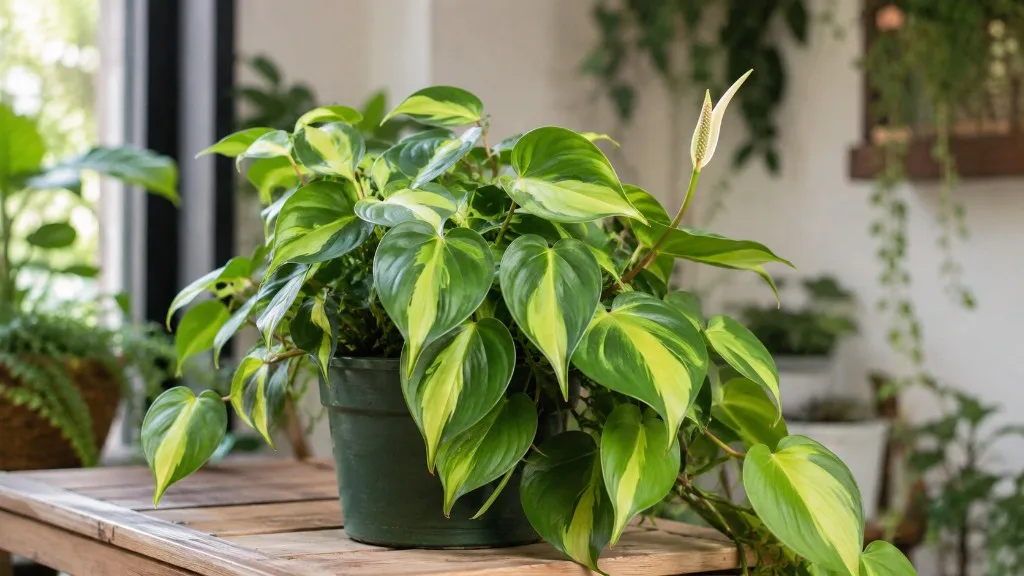
Philodendron Imperial Green: Self-Heading Care (No Moss
Philodendron erubescens 'Imperial Green'
Philodendron Imperial Green needs bright to medium indirect light, watering every 7–10 days when top 3–5 cm is dry, and standard draining aroid mix. Non-climbing - no moss pole needed. Toxic to pets.
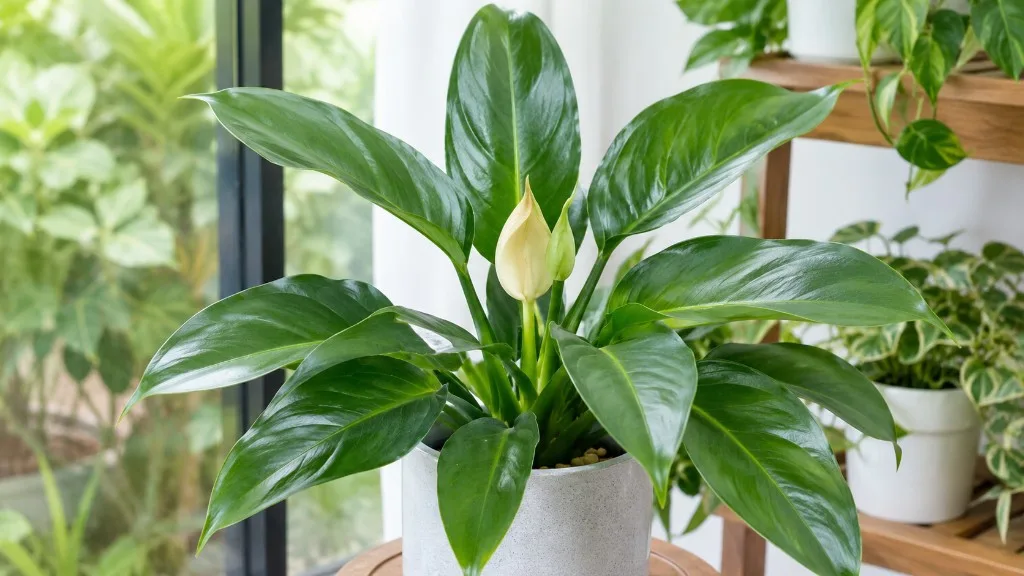
Philodendron Imperial Green: Self-Heading Care (No Moss Pole)
Start with wateringThe most common care mistake for Philodendron Imperial GreenWatering guide →Philodendron Imperial Green care essentials
Light
medium to bright indirect light, low indirect light
Water
Every 7–10 days in summer - allow top 3–5 cm to dry. Every 10–14 days in winter.
Soil
Standard potting mix + 20–25 % perlite. Well-draining aroid mix. pH 5.5–6.5.
Humidity
Moderate humidity (50–60%)
Temperature
18°C to 29°C (65–85°F)
Fertilizer
Feed lightly during active growth. Use monthly in spring and summer..
About Philodendron Imperial Green
Philodendron Imperial Green has a upright growth habit.
| Detail | Information |
|---|---|
| Growth habit | Upright |
| Scientific name | Philodendron erubescens 'Imperial Green' |
Philodendron Imperial Green: Self-Heading Care (No Moss Pole)
Philodendron Imperial Green Care Guide: Quick Answer
Philodendron Imperial Green (Philodendron erubescens ‘Imperial Green’) is a self-heading hybrid that grows as an upright glossy rosette - no moss pole, no vine management. Place it in medium to bright indirect light (light guide), use a well-draining aroid mix (soil guide), and water when the top 3–5 cm dries (watering guide). Feed lightly in active growth (fertilizer guide). Keep it out of pet reach - philodendrons contain calcium oxalate crystals toxic to cats and dogs (ASPCA). If new leaves emerge burgundy instead of green, you likely have Imperial Red or mislabeled stock, not a care failure.
Author: sai-ananth · Reviewed by: LeafyPixels Review Board · Reviewed: 2026-06-15
Walk into a hotel lobby or a well-stocked houseplant shop and you will often see a philodendron that looks nothing like the trailing heartleaf in a hanging basket. Imperial Green is one of those plants: a compact, self-heading hybrid with large, glossy, paddle-shaped leaves arranged in a tidy upright rosette. It fills a corner without vines, tolerates the kind of indirect light found in offices and living rooms, and-once you understand its growth habit-asks for less hardware than climbing philodendrons.
The goal is practical: by the end you should know whether your plant is truly Imperial Green, where to put it, how to water without rotting the roots, when to repot or divide it, and why it does not need a moss pole even though many philodendron articles assume every species is a climber.
For related Philodendron Imperial Green care, see Slow Growth on Philodendron Imperial Green.
What Is Philodendron Imperial Green?
Philodendron Imperial Green is a cultivated hybrid in the Araceae (arum) family, bred from the blushing philodendron Philodendron erubescens, a climbing species native to Colombia (NC State Extension Gardener Plant Toolbox). Where the wild parent produces long vines with heart-shaped leaves and reddish petioles, Imperial Green was selected for a different job: a self-heading, upright plant with broad, elliptical, permanently green foliage and short internodes that keep the crown dense and bushy (UF/IFAS hybrid philodendrons).
Indoors, mature plants typically reach roughly 60–100 cm (2–3 ft) tall with individual leaves that can span 40–50 cm (16–18 inches) (UF/IFAS hybrid philodendrons). New leaves emerge a lighter, soft green and harden to a lacquered deep emerald. The overall effect is architectural-one confident specimen rather than a tangle of stems-which is why Imperial Green shows up in modern interiors, office atriums, and statement floor displays.
Treating Imperial Green like a generic “philodendron” is the most common mistake. Climbing types need support and different pruning logic. Self-heading types need stable root moisture, even light, and a pot that will not tip as leaves enlarge. Get the habit right first; the daily care becomes much simpler.
Self-Heading Growth and Why It Changes Your Setup
A self-heading philodendron grows from a central crown, stacking leaves around a short stem instead of elongating into a vine. UF/IFAS Gardening Solutions groups these plants under “hybrid philodendrons,” noting their large spade-shaped leaves and upright habit compared with vining heartleaf types. Imperial Green fits that description exactly: rigid petioles hold leaves outward, internodes stay short, and the plant maintains a radial rosette without tying it to a pole.
That habit changes three practical decisions. First, skip the moss pole unless you are growing a different species entirely-Imperial Green will not climb one in a meaningful way, and forcing support can crowd the crown. Second, choose a sturdy, wide-based pot as the plant matures; UF/IFAS recommends stout containers for large self-heading philodendrons because top-heavy foliage can tip narrow pots. Third, read problems from the crown downward: if the plant leans, stretches, or sheds lower leaves while the pot stays wet, the issue is usually light or watering, not “lack of a trellis.”
For Imperial Green, think crown stability before watering rhythm: secure the upright rosette with even light and a wide base first, then match water to how fast that stable root zone dries. Self-heading plants hide early root stress until several lower leaves yellow at once-especially when the crown still looks firm while roots suffocate below.
Imperial Green also tolerates medium to bright indirect light and even lower indirect light better than many variegated aroids, which is part of its appeal in offices-but low light still has limits. A plant that stretches with long petioles and sparse leaves is asking for brighter placement, not fertilizer.
Imperial Green vs Imperial Red and Common Mix-Alikes
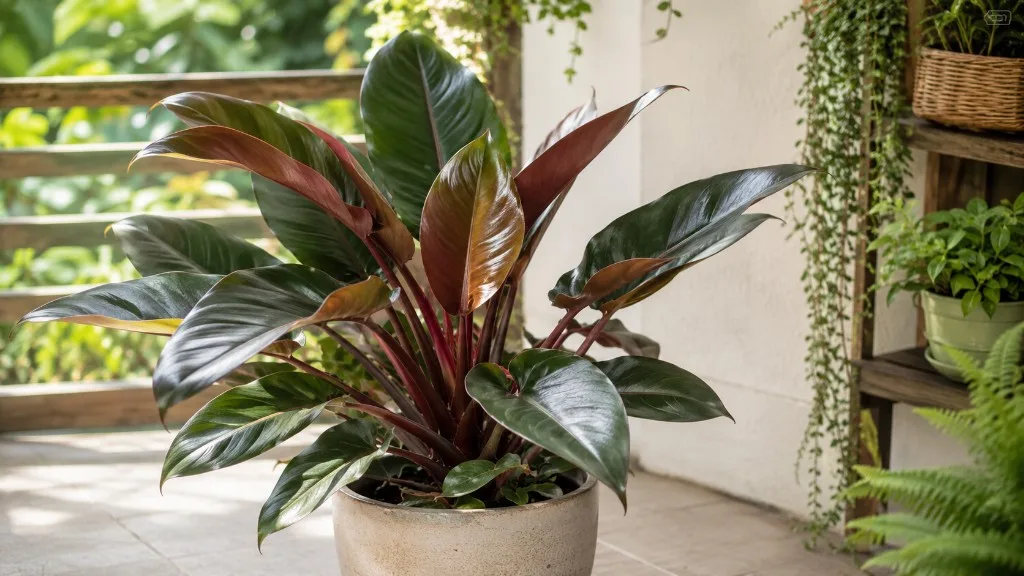
Imperial Green’s closest sibling is Philodendron ‘Imperial Red’, another self-heading P. erubescens hybrid with the same compact shape but different foliage color. On Imperial Red, new leaves emerge wine-burgundy or bright red and mature to dark green, often keeping reddish undersides (NC State Extension). Imperial Green stays glossy green from emergence to maturity-no burgundy flush on new growth.
If your “Imperial Green” pushes a burgundy new leaf, you likely have Imperial Red or a mislabeled plant, not a care failure. Care requirements are otherwise nearly identical: same light range, same watering logic, same aroid mix. Many growers keep both for contrast on the same shelf.
Use emergence color and mature habit to separate common Imperial-group look-alikes at the nursery bench:
| Cultivar | New leaf color | Mature leaf color | Habit | Quick ID note |
|---|---|---|---|---|
| Imperial Green | Soft light green | Glossy deep emerald | Compact self-heading rosette | Stays green from emergence to maturity |
| Imperial Red | Wine-burgundy or bright red | Dark green, often reddish undersides | Same compact self-heading shape | Burgundy flush on every new leaf |
| Prince of Orange | Coppery orange to yellow-orange | Bright green | Self-heading, slightly broader leaves | Orange show fades as each leaf ages |
| Black Cardinal | Very dark burgundy, near black | Deep dark green to near-black tone | Self-heading, stocky crown | Darkest new growth in the group |
Other look-alikes include Philodendron ‘Rojo Congo’, which resembles Imperial Red closely enough that retail tags swap names. Leaf shape and emergence color on the newest leaf remain the fastest ID tools. Imperial Green’s leaves are broad, oval to elliptical, uniformly green, and held on a dense upright rosette-more “sculptural floor plant” than “color-show hybrid.”
Best Growing Conditions for Philodendron Imperial Green
Imperial Green performs best when medium to bright indirect light, a well-draining aroid mix, and a watering rhythm matched to how fast the pot dries work together. It is often sold as low-maintenance, and that label is fair only when placement and drainage are right. In a dim corner with heavy, wet soil, even this forgiving hybrid will yellow, lean, or stall.
Light Requirements
Imperial Green wants bright, indirect light for most of the day and accepts medium or lower indirect light if you adjust watering accordingly (UF/IFAS hybrid philodendrons).
Practical placement: 3–6 feet back from an east- or north-facing window, or behind a sheer curtain on a south- or west-facing exposure. A few hours of gentle morning sun through glass is usually fine; avoid hot afternoon direct sun, which can bleach or scorch the glossy leaf surface. Offices with fluorescent or LED overhead light often suit Imperial Green well because the plant holds green color without the high light demands of variegated philodendrons.
Watch the plant, not the calendar. Healthy new leaves should be broad, evenly spaced, and deep green. Long petioles, a leaning crown, and small new leaves mean insufficient light-move brighter gradually over one to two weeks. Pale, bleached patches or crispy edges mean too much direct sun-pull back or filter the window. For window placement detail and stretch troubleshooting, see the full Imperial Green light guide.
Rotate the pot a quarter turn every week or two so leaf spacing stays even. Self-heading plants still phototropically lean toward the strongest source; regular rotation keeps the rosette symmetrical.
Grow Lights for Dim Offices
When the only available spot is a north-facing cubicle or a room with no usable window, supplement with a full-spectrum LED grow light rather than hoping overhead fluorescents alone will keep internodes short. A practical starting point for self-heading philodendrons: place the fixture 30–45 cm (12–18 inches) above the crown and run it 10–12 hours daily during months when natural light is weak. Increase duration before you increase intensity-bleached patches on the upper leaves mean the lamp is too close or too strong.
Grow lights do not replace drainage or dry-top watering. A plant under artificial light in a sealed cachepot will still rot if the mix never dries. Pair supplemental light with the finger-test rhythm in the watering guide and check for leggy growth if petioles lengthen despite the lamp.
Temperature and Humidity
Imperial Green grows comfortably at ordinary indoor temperatures, roughly 18–29°C (65–85°F). Avoid sustained exposure below about 10°C (50°F); like most tropical philodendrons, cold drafts and chilled window ledges in winter can stall growth and damage foliage (UF/IFAS heartleaf philodendron guidance applies to the same family tolerance floor).
Moderate humidity around 50–60% supports the cleanest leaf edges. The plant tolerates typical dry heated homes better than prayer plants or ferns, but winter air below ~40% relative humidity can encourage brown leaf tips and spider mites. A pebble tray, grouped plants, or a small humidifier near the pot-all with good airflow-help more than misting, which raises humidity briefly and can leave wet foliage vulnerable to fungal spotting.
Keep the plant away from blasting AC vents, radiators, and single-pane winter glass where leaf tissue temperature swings sharply. Stability matters as much as the absolute number on a thermostat.
Soil Mix and Pot Choice
Use a well-draining aroid mix that holds some moisture without staying soggy. A reliable starting recipe: standard indoor potting mix plus 20–25% perlite, or a commercial aroid blend with bark and perlite for extra structure. Target slightly acidic pH around 5.5–6.5, which suits philodendron roots and matches parent-species preferences for acidic to neutral, high-organic soils (NC State).
The principle matters more than the brand: roots need oxygen, steady moisture, and fast drainage. A heavy peat mix that compacts after a year is a common hidden cause of yellow lower leaves and crown stress. Refresh mix at repot time rather than topping with dense soil that seals the surface. For mix ratios and refresh timing, see the soil guide.
Pots must have drainage holes. Terracotta dries faster and suits growers who tend to overwater; plastic or glazed ceramic holds moisture longer and suits slightly drier waterers. As the plant grows, choose a wider, stable base over a tall narrow cylinder that tips easily-UF/IFAS specifically recommends stout containers for large self-heading philodendrons. Go up only one pot size at repotting; oversized pots hold water the root ball cannot use and are a direct path to root rot.
How to Water Philodendron Imperial Green
Watering should follow the pot, not a fixed calendar. In active growth with good light, many homes need a thorough drink every 7–10 days in summer (a check-gated heuristic, not a rule), allowing the top 3–5 cm (1–2 inches) of mix to dry first. In cooler, dimmer months, 10–14 days between waterings is common-but the only reliable test is whether the mix at that depth is actually dry (UF/IFAS hybrid philodendrons advises watering when the top inch feels dry).
The goal is a cycle of full saturation followed by partial drying, not constantly moist soil. Self-heading philodendrons hide early root stress well until several lower leaves yellow at once-especially if the crown still looks upright while roots suffocate in wet mix. That is why Imperial Green owners in dim offices should treat slow dry-down as a warning, not proof the plant needs less light.
Reading Soil Moisture by Touch
Insert your finger or a dry wooden chopstick to the first knuckle, about 3–5 cm. If the mix at that depth feels cool and slightly damp, wait. If it feels dry and the pot feels noticeably lighter, water thoroughly until excess runs from the drainage holes, then empty the saucer within 30 minutes so the plant never sits in runoff.
Lift the pot before and after watering a few times to learn the weight difference-a dry Imperial Green in a plastic pot is meaningfully lighter than a freshly watered one. In low light, the pot stays wet longer; resist the urge to water on schedule if the finger test says wait.
Use room-temperature water. If your tap water is very hard, occasional flushing with plain water until it runs clear helps wash accumulated salts that show up as crispy brown tips even when humidity is adequate.
Seasonal Adjustments and a Worked Example
During active growth-warm months with visible new leaves-Imperial Green uses water steadily. Maintain the dry-top-then-drench rhythm and keep light as bright as the room allows without direct scorch.
In winter, growth slows, days shorten, and the same interval will overwater the plant. Stretch time between drinks, rely more on the finger test, and pause fertilizer until new growth resumes in spring. A plant in a cool, dim room may need far less water than one near a bright window with dry air from heating.
Worked example - same plant, two placements in July: Imagine a 25 cm plastic nursery pot with fresh aroid mix. Placement A: north-facing office desk, fluorescent overheads only, AC running. Finger test at 3 cm depth stays cool and damp for 12–14 days after a full soak; lower leaves begin yellowing while the crown still looks firm. Fix: improve light (window shift or grow lamp) before adding more water. Placement B: east window three feet back, morning sun filtered by sheer curtain. The same pot dries at 3 cm in 7–9 days; new leaves emerge broad and evenly spaced. Log: Mon soak → Thu finger dry at surface only → Sun water again. The calendar differs; the dry-depth test stays constant.
If the pot stays heavy and wet for more than a week after watering, do not add more water-improve light or drainage first. Chronic wet soil in low light is the primary indoor failure mode for Philodendron Imperial Green overview and the usual trigger for overwatering and yellow leaves.
Fertilizer During Active Growth
Imperial Green is not a heavy feeder. Once light, drainage, and watering are stable, feed lightly during active growth with a balanced liquid fertilizer diluted to half strength, roughly monthly in spring and summer (UF/IFAS EP150 notes philodendrons respond to fertilizers in the 3:1:2 or 3:1:3 range in commercial production; home growers can use any balanced houseplant formula at reduced strength).
Never fertilize a dry plant-water first, then feed moist soil so salts do not burn roots. Skip feeding after repotting, during pest recovery, in winter dormancy, or while the plant shows stress (yellowing, wet soil, recent move). Unused fertilizer salts accumulate and manifest as brown leaf tips, the same symptom UF/IFAS flags for hybrid philodendrons receiving too much fertilizer or inconsistent watering.
If you prefer low input, a single slow-release granular application at the start of the growing season at label rate can carry the plant through summer. Watch new leaves: firm, glossy expansion is the only score that matters. See the fertilizer guide for dilution ratios and pause rules.
Repotting Without Losing the Crown
Repot Imperial Green every one to two years, or when roots circle the surface, water runs straight through without soaking, or the plant becomes top-heavy for its container. The best window is spring or early summer as new growth starts, giving a full season to re-establish.
Choose only one pot size up-about 2–5 cm (1–2 inches) wider-and use fresh aroid mix. Water lightly for the first week so torn roots can heal before the mix stays consistently moist. Do not repot on day one after bringing a new plant home unless the mix is clearly failing or pests are visible; quarantine, learn the drying rhythm, and let the plant settle first.
When removing the root ball, support the crown-self-heading philodendrons can snap soft petioles if the plant is handled roughly. Tease circling roots gently; cut only mushy, blackened tissue with sterile pruners. A stable crown with even leaf spacing after repot is the success marker, not immediate burst growth. Step-by-step timing and mix refresh are in the repotting guide.
Propagation by Division and Stem Cuttings
The two reliable home methods are division at repotting and stem cuttings with at least one node.
Division works when the root mass has multiple growth points or offshoots. Water the day before, unpot carefully, and separate sections with roots and crowns attached using a clean knife. Plant each section at the same depth in its own pot, keep humidity moderate, and hold in bright indirect light until new growth confirms roots are active.
Stem cuttings take a section of stem with a node (the swollen joint where leaves attach). Root in moist perlite, an aroid mix, or water, then transfer to soil once roots are several centimeters long. Keep warmth and indirect light stable; avoid propagating from a stressed, yellowing, or pest-infested parent-the cutting inherits the same problems.
Commercially, many named self-heading philodendrons are tissue-cultured (UF/IFAS EP150), which is why nursery plants look uniform. Home division preserves the exact cultivar without waiting for seed. Full protocols and recovery timelines are in the propagation guide.
Pruning and Shape Maintenance
Imperial Green rarely needs aggressive pruning. Remove dead or dying leaves at the base with clean pruners or a sharp knife when they are more than half brown-cosmetic trimming of only the tip on large paddle leaves often looks worse than removing the whole leaf.
Do not strip lower leaves prematurely; each leaf feeds the crown until the plant reabsorbs it naturally. If lower yellowing is repeated and paired with wet soil, fix drainage and watering before pruning heavily-a bare stem with a wet pot is a warning sign, not a styling choice.
Wipe glossy leaves occasionally with a damp cloth to remove dust that blocks light and to inspect undersides for pests. Avoid leaf shine sprays; they add residue and do not improve health. Crown-focused trim rules are expanded in the pruning guide.
Toxicity to Pets and People
Philodendron Imperial Green is toxic to cats, dogs, and other pets if chewed or ingested. Like all philodendrons, it contains insoluble calcium oxalate crystals that cause oral irritation, drooling, pawing at the mouth, and difficulty swallowing (ASPCA Philodendron listing). Severity is generally moderate, but the discomfort is real and repeated exposure warrants veterinary guidance.
UF/IFAS also warns that some philodendrons contain compounds toxic if eaten and recommends keeping plants away from pets and children. Sap may irritate sensitive skin; wear gloves when pruning if you react to arum-family saps.
Imperial Green is a poor fit for floor pots in pet households or on low shelves within reach of chewers. Treat it as an elevated display plant, or choose a confirmed pet-safe alternative for accessible spots.
What to Do If a Pet Chews the Plant
Remove access immediately and rinse the mouth with water if your veterinarian advises that for your species. Call ASPCA Animal Poison Control at 888-426-4435 (US) and your vet if you see swelling, persistent drooling, vomiting, or refusal to eat. Do not induce vomiting unless a professional specifically instructs you to.
Save a photo of the plant label if available-mislabeled philodendrons share the same toxicity profile, but accurate ID helps clinicians. Future prevention beats emergency treatment: relocate the pot, use a closed room, or swap for non-toxic species where pets explore.
Common Problems and Real Fixes
Most Imperial Green problems are environmental and read clearest when you diagnose from roots upward: check soil moisture, then light, then pests and salts, before changing three variables at once.
Slow growth in an otherwise healthy plant often means low light or cool temperatures-not necessarily disease. Move brighter or wait for warmer months before assuming fertilizer deficiency.
Mealybugs and scale appear as cottony clusters or hard brown bumps on petioles and leaf axils. Isolate the plant, dab alcohol on visible insects, and follow with insecticidal soap on a weekly cycle. Spider mites leave stippling and fine webbing in dry air; raise humidity and shower the foliage before treatment-see the spider mites guide if stippling persists.
Leaf tip burn on an otherwise green plant usually points to salt buildup or over-fertilizing; flush the pot and pause feeding (UF/IFAS links brown tips to fertilizer and watering imbalance). Creased or crowded leaves at purchase suggest nursery crowding-give the plant space and stable care rather than immediate repot unless roots are bound.
Yellow Leaves, Brown Tips, and Root Rot
Yellow lower leaves with wet, heavy soil almost always mean overwatering or poor drainage, especially in low light where the plant cannot transpire fast enough. Let the mix dry further, improve light if possible, and inspect roots if yellowing continues-soft, black roots require trimming and repotting into fresh mix. Full triage: yellow leaves and overwatering.
Yellow leaves with dry soil and light, papery feel suggest underwatering or extreme low humidity. A thorough soak and humidity adjustment usually corrects this within one to two weeks.
Single older yellow leaf on an otherwise firm crown is often natural senescence-remove it and watch whether the pattern repeats.
Brown tips on multiple leaves: check humidity, flush salts, and review fertilizer. See brown tips for salt vs humidity diagnosis.
Root rot presents as foul-smelling mix, mushy roots, and sudden lower leaf loss while the crown still stands. Unpot immediately, cut away black tissue, repot into fresh airy mix, and withhold water briefly before resuming a cautious rhythm. Follow the root rot guide if mushy roots dominate the root ball.
Decision shortcut: burgundy on the newest leaf → likely mislabel (Imperial Red), not overwatering. Yellow lower leaves plus wet soil → moisture and light first. Pale bleached patches on upper leaves → too much direct sun.
Conclusion
Imperial Green rewards growers who respect its self-heading architecture: a stable upright crown, wide-based pot, and diagnostics read from the crown downward-not a moss pole and not a heartleaf watering calendar. Wire the basics through the light, watering, and soil guides before chasing fertilizer or repotting.
When something looks wrong, separate mislabel burgundy emergence from wet-soil yellowing from sun bleaching before changing three variables at once. Keep the pot out of pet reach, confirm ID on the newest leaf, and let the finger test-not a fixed weekly date-set the watering rhythm. Get those pieces steady and Imperial Green behaves like the lobby plant it was bred to be: bold, bushy, and visually clean without the vine-management overhead of its climbing relatives.
When to use this page vs other Philodendron Imperial Green guides
- Philodendron Imperial Green overview - Canonical hub for this species - care topics and problems branch from here.
- Philodendron Imperial Green problems - Symptom-first path when you already know something is wrong.
Related Philodendron Imperial Green guides
- Philodendron Imperial Green watering
- Philodendron Imperial Green light
- Philodendron Imperial Green soil
- Philodendron Imperial Green propagation
- Philodendron Imperial Green fertilizer
- Philodendron Imperial Green repotting
- Philodendron Imperial Green pruning
- Ants on Plant on Philodendron Imperial Green
- Brown Tips on Philodendron Imperial Green
- Leaf Miners on Philodendron Imperial Green
- Leaf Drop on Philodendron Imperial Green
- Leaf Spot Disease on Philodendron Imperial Green
How to care for Philodendron Imperial Green?
How much light does Philodendron Imperial Green need?
medium to bright indirect light, low indirect light
- medium to bright indirect light, low indirect light - medium to bright indirect light, low indirect light.
When should you water Philodendron Imperial Green?
Every 7–10 days in summer - allow top 3–5 cm to dry. Every 10–14 days in winter.
- Check top 2 inches - Every 7–10 days in summer - allow top 3–5 cm to dry.
- Drain excess water - Empty the saucer after watering so the roots are not sitting in standing water.
What soil works best for Philodendron Imperial Green?
Standard potting mix + 20–25 % perlite. Well-draining aroid mix. pH 5.5–6.5.
- Well-draining mix - Well-draining aroid mix.
Grower notes for Philodendron Imperial Green
Imperial Green identity note
Imperial Green is the plain glossy version in the Imperial group, and that simplicity is its strength. It works in offices and modern rooms because the leaves stay visually clean without relying on red tones or variegation. The main care goal is a firm upright crown with even leaf spacing. If it stretches, move it brighter; if lower leaves yellow while the pot is wet, reduce watering and improve drainage.
Buying check for Imperial Green
Choose a plant with a strong central crown and leaves that are not creased from crowding. Avoid plants with soft petioles or a wet heavy pot, because self-heading Philodendrons can hide root stress in the crown until several leaves yellow.
What makes Imperial Green different
Philodendron Imperial Green is a self-heading plant, not a trailing vine. It should make a firm upright rosette of glossy green leaves. If it leans or stretches, the problem is usually placement, not lack of a moss pole.
What matters most with Philodendron Imperial Green
Philodendron Imperial Green is easiest to understand by its growth habit. Climbers need support for larger leaves, self-heading types need stable root moisture, and delicate velvet forms punish stale air faster than basic green philodendrons. In practice, the care checkpoint is simple: medium to bright indirect light, low indirect light. Pair that with standard potting mix + 20–25 % perlite. Well-draining aroid mix; pH 5.5–6.5, and avoid changing water, pot size, and placement all at once.
Best placement in a real home
Philodendron Imperial Green belongs where medium to bright indirect light, low indirect light is realistic for most of the day, not only where the pot looks good. Every 7–10 days in summer - allow top 3–5 cm to dry. Every 10–14 days in winter. If the pot stays wet longer than expected, move the plant into better light or reassess the mix before watering again. Humidity target: Moderate humidity (50–60%).. Temperature comfort zone: 18°C to 29°C (65–85°F).
Before you buy this plant
Choose Philodendron Imperial Green with firm new growth, clean leaf undersides, and soil that does not smell sour or feel compacted. Be cautious if you see yellow-leaves, sticky residue, collapsed crowns, or a pot that is wet in poor light. Cosmetic old-leaf damage is less worrying than weak roots or active pests.
First month after bringing it home
Do not repot Philodendron Imperial Green on day one unless the mix is failing or pests are obvious. Quarantine it, learn how fast the pot dries, and keep care boring while it adjusts. Watch especially for yellow-leaves, brown-tips, and root-rot. If problems appear, correct the condition first rather than stacking fertilizer, repotting, and pruning together.
Safety note for Philodendron Imperial Green
Philodendron Imperial Green is not a plant to keep within reach of pets or children. Treat it as an inaccessible display plant. Use gloves if sap or plant tissue is irritating, and pick a pet-safe alternative for floor pots or low shelves.
How to tell Philodendron Imperial Green is settling in
If you plan to multiply it later, common methods include Division and Stem cuttings. If brown-tips shows up early, inspect light, watering, and roots before assuming the plant is permanently weak.
Is it pet safe?
Philodendron Imperial Green is toxic to cats and dogs.
Toxic - calcium oxalate crystals.
Watering Philodendron Imperial Green
Every 7–10 days in summer - allow top 3–5 cm to dry. Every 10–14 days in winter.
Soil & potting for Philodendron Imperial Green
Standard potting mix + 20–25 % perlite. Well-draining aroid mix. pH 5.5–6.5.
Humidity & temperature for Philodendron Imperial Green
Philodendron Imperial Green prefers moderate humidity (50–60%), though normal home humidity is usually fine. Keep temperatures around 18°C to 29°C (65–85°F).
| Detail | Information |
|---|---|
| Humidity | Moderate humidity (50–60%) - normal home humidity is fine. |
| Ideal temperature | 18°C to 29°C (65–85°F) |
Fertilizer & pruning for Philodendron Imperial Green
Use feed lightly during active growth. Use monthly in spring and summer.. for Philodendron Imperial Green.
| Detail | Information |
|---|---|
| Fertilizer type | Feed lightly during active growth. Use monthly in spring and summer.. |
Common problems on Philodendron Imperial Green
Likely cause: Philodendron is a large genus of flowering plants in the family Araceae. As of September 2025, the Plants of the World Online …
Quick fix: Confirm diagnosis on your Philodendron Imperial Green, then address the most likely care or pest factor described in current extension guidance.
Full fix guide →Brown Tips
MediumLikely cause: Low humidity
Quick fix: Increase humidity to 50%+
Full fix guide →Leaf Miners
MediumLikely cause: Feb 21, 2024 · Philodendron Types with Pictures and Care Guide The green heartleaf Philodendron is a vining type of plant with dark-green leaves in a heart’s shape. This type of Philodendron can be grown …
Quick fix: Confirm diagnosis on your Philodendron Imperial Green, then address the most likely care or pest factor described in current extension guidance.
Full fix guide →Leaf Drop
MediumLikely cause: Feb 21, 2024 · Philodendron Types with Pictures and Care Guide The green heartleaf Philodendron is a vining type of plant with dark-green leaves in a heart’s shape. This type of Philodendron can be grown …
Quick fix: Confirm diagnosis on your Philodendron Imperial Green, then address the most likely care or pest factor described in current extension guidance.
Full fix guide →Leaf Spot Disease
MediumLikely cause: Feb 21, 2024 · Philodendron Types with Pictures and Care Guide The green heartleaf Philodendron is a vining type of plant with dark-green leaves in a heart’s shape. This type of Philodendron can be …
Quick fix: Confirm diagnosis on your Philodendron Imperial Green, then address the most likely care or pest factor described in current extension guidance.
Full fix guide →Root Rot
MediumLikely cause: Wet soil
Quick fix: Repot in fresh draining mix
Full fix guide →Slow Growth
LowLikely cause: Low light
Quick fix: Move to medium-bright indirect light
Full fix guide →Yellow Leaves
MediumLikely cause: Overwatering
Quick fix: Allow top 3–5 cm to dry
Full fix guide →