Philodendron Imperial Green Propagation: Division Steps &
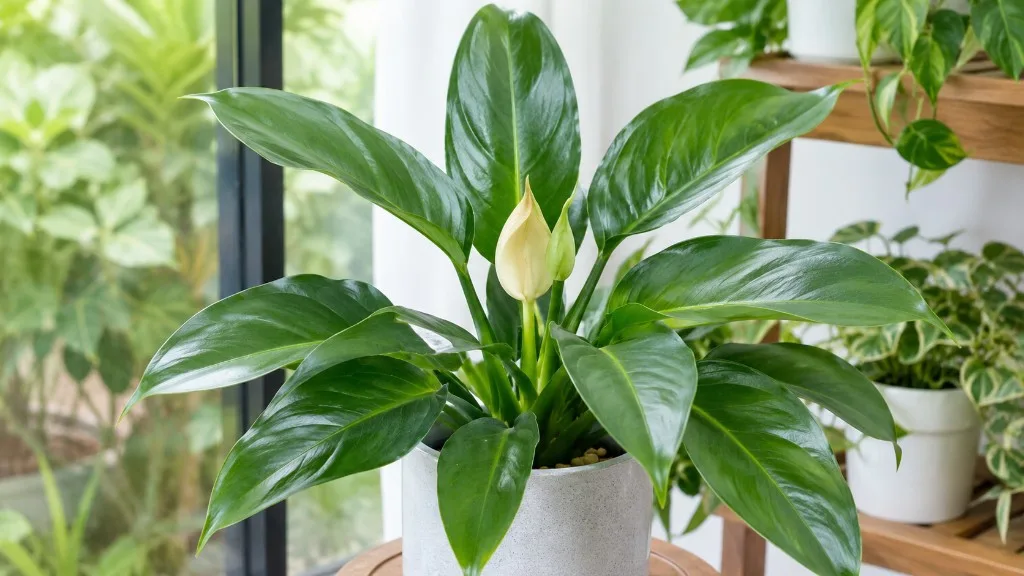
Philodendron Imperial Green Propagation: Division Steps & Aftercare
Philodendron Imperial Green Propagation: Division Steps & Aftercare
By sai-ananth · Reviewed by LeafyPixels Review Board · Updated June 15, 2026
If you own a Philodendron Imperial Green and want a second plant without buying one, the honest answer is simple: home propagation means division at repotting. This is a self-heading Philodendron erubescens cultivar with a short central stem and stacked leaves-not a trailing vine with long internodes you can stick in water. Stem cuttings and leafless-node experiments that work on pothos or heartleaf philodendron will not give you a viable Imperial Green plant. Division does, provided the parent already has separate crowns or basal offsets with their own roots.
Quick Answer: Imperial Green Propagates by Division Only
The only reliable way to propagate Philodendron Imperial Green indoors is division at repotting: unpot a mature plant, identify naturally separate crowns or pups at the base, cut or gently pull them apart so each section keeps roots and a growth point, then pot each division in fresh aroid mix. Wait until you see two or more distinct leaf clusters emerging from separate points in the soil. A young single-crown plant cannot be divided yet-you need patience until offsets form. Expect divisions to sulk for two to three weeks, then push a new leaf within four to eight weeks when warmth and light are right.
Why Stem Cuttings and Water Propagation Do Not Work
Imperial Green was selected and patented (USPP6086) for its self-heading, upright rosette habit and close symmetrical internodes-often roughly one centimeter apart on a mature plant. That compact architecture is exactly what makes the plant attractive on a shelf, but it leaves almost no bare stem between nodes to take a useful cutting. A segment without enough stem tissue and an attached growth point cannot restart as a full plant, even if it roots in water.
Water propagation tutorials built for vining philodendrons assume long trailing stems with multiple nodes. Imperial Green does not produce those stems. A leaf pulled with a short petiole may stay green for weeks in a jar and still never become a plant. Soil stem cuttings face the same problem: there is not enough internode length to harvest a cutting that carries both energy reserves and a viable apical or axillary bud. Commercial growers propagate Imperial Green through tissue culture in sterile lab conditions-something home growers cannot replicate with a kitchen jar and patience.
The practical takeaway: stop searching for the “right node” on Imperial Green. If your plant has only one upright crown, you cannot propagate it today. Grow it well, wait for basal offsets, and divide when the structure allows.
Know Your Plant: Self-Heading P. erubescens ‘Imperial Green’
Philodendron Imperial Green is a cultivated form of Philodendron erubescens, native to Colombia and grown worldwide as a houseplant. Unlike climbing blushing philodendron forms that need a moss pole, Imperial Green is a self-heading hybrid that builds a firm upright rosette from a central crown. Clemson HGIC describes self-heading philodendrons as plants that send leaves from a heavy clump at the base rather than vining outward-Tree Philodendron (P. bipinnatifidum) and cultivars like ‘Black Cardinal’ follow the same general pattern.
Imperial Green is the plain glossy green member of the Imperial group. It matures around 60–100 cm (2–3 ft) tall indoors with large elliptical leaves and does not need support. That growth habit defines every propagation decision: you are separating crowns, not chopping vines. For baseline culture-light, watering rhythm, and mix-see the Imperial Green overview, light guide, watering guide, and soil guide.
When Your Imperial Green Is Ready to Divide
Division works only when the plant has more than one growth point with attached roots. Look for these signs before you reach for a knife:
- Two or more leaf clusters rising from separate points at the soil line, not just multiple leaves on one crown
- Basal offsets (pups) with at least two to three leaves of their own and visible roots when you brush away surface mix
- A root ball that has clearly outgrown its pot, with roots circling the drainage holes-usually paired with the offset structure above
- Firm petioles and upright growth on each section; mushy bases mean rot, not propagation material
A standard 6-inch nursery Imperial Green with a single central rosette is not division-ready. Grow it another season in good light and stable moisture. Mature specimens in 8- to 10-inch pots are far more likely to show separable crowns. If you are unsure, unpot during a planned repotting session and inspect before cutting anything.
Best Timing for Division
Propagate during active growth-typically spring through early summer for most indoor growers. P. erubescens prefers warm temperatures between 65 and 85 °F with bright filtered light and even moisture; divisions made in that window root faster and push new leaves sooner than divisions made in cool, dim winter conditions.
Avoid dividing when:
- The plant was shipped or repotted within the last two to three weeks
- Active root rot on Philodendron Imperial Green, mealybugs, or spider mites are present-stabilize first
- Outdoor temperatures drop below comfortable room range and the plant has stopped producing new leaves
Timing is about the plant’s growth state, not the calendar alone. If your Imperial Green is unfurling new glossy leaves every few weeks, you are in the propagation window.
Tools, Sanitation, and Sap Safety
Gather supplies before unpotting so crown tissue does not sit exposed longer than necessary:
- A clean sharp knife or pruning shears (wipe with rubbing alcohol)
- Fresh pots one size smaller than you might expect-each division needs a tight but not cramped home
- Fresh aroid mix (see soil guide: standard indoor potting mix with 20–25% perlite)
- Newspaper or a tarp for workspace
- Gloves and eye protection
All philodendron parts contain calcium oxalate crystals that cause mouth and skin irritation. ASPCA lists philodendron as toxic to cats and dogs. Wear gloves when cutting through stems, wash hands and tools afterward, and keep divisions away from pets and children while sap is fresh. Work in a ventilated area; sap contact on skin can burn or itch for hours.
Step-by-Step Division at Repotting
Plan this as a combined divide-and-repot session. Water the parent lightly the day before so the root ball holds together but is not soggy.
Unpot and Inspect the Root Ball
Tip the pot on its side and slide the plant out with gentle pressure on the nursery pot sides-never yank by the leaves. Brush away loose old mix with your fingers so you can see where stems meet roots. Healthy roots are white to tan and firm; black mushy roots should be trimmed before you divide. Identify natural separation lines: offsets that already lean away from the mother crown, or two crowns connected by a narrow bridge of rhizome.
Separate Crowns Without Snapping Petioles
Hold each crown at the base of its petioles, not the leaf tips. Self-heading philodendrons have brittle petioles; Clemson HGIC notes that long leaf stalks on self-heading types break easily. If crowns pull apart with gentle twisting and each piece has roots, separation by hand is ideal. When a knife is needed, sterilize the blade and cut through the connecting stem or rhizome cleanly, leaving at least several roots and one active growth point per division. Two to four divisions from a mature crowded pot is typical; do not create six tiny fragments from one plant.
Pot Size, Aroid Mix, and First Watering
Pot each division at the same depth it grew before-never bury the crown. Choose a container only slightly larger than the root mass: a 4-inch pot for a small pup, 6-inch for a substantial crown. Use fresh airy mix rather than reused wet soil from the parent pot. Water lightly until a little drains from the holes, then empty the saucer. Skip fertilizer for the first four to six weeks. Full repotting technique and pot-sizing rules are covered in the Imperial Green repotting guide.
Light and Humidity for New Divisions
Place new divisions in bright indirect light-the same exposure that kept the parent healthy. NC State recommends partial shade and curtain-filtered sunlight for P. erubescens; direct sun on freshly divided plants causes wilt and leaf scorch. Moderate humidity around 50–60% helps, but stagnant wet air encourages rot-good airflow matters as much as misting. Avoid dark corners “to reduce stress”; low light slows root recovery more than bright filtered light does.
Aftercare: The First Four to Eight Weeks
Weeks 1–2: Expect some leaf droop or older leaf yellowing-normal transplant shock. Keep mix lightly moist, not wet. Do not dig up divisions to check roots.
Weeks 3–4: Soil should begin drying slightly faster as new root hairs form. If a division collapses entirely, it likely lacked roots or was overwatered.
Weeks 4–8: The first new upright leaf is the success signal. It may be smaller than mature leaves; size catches up over subsequent flushes. Resume a light feeding only after you see active new growth, following the fertilizer guide.
Hold off on pruning until divisions are clearly established-removing leaves too early steals energy from root rebuilding.
Signs Your Propagation Is Failing
Stop hoping and restart with cleaner material if you see:
- Mushy stem bases or sour-smelling mix - rot from overwatering or a division that was too small
- Complete crown collapse while the pot stays wet - insufficient roots or buried crown
- Blackening at the cut surface spreading upward - fungal infection; discard affected tissue
- No new growth after eight to ten weeks in warm bright conditions - division may lack a viable growth point
One yellow lower leaf on an otherwise firm crown is not failure. Total softness at the base is.
When Not to Propagate Imperial Green
Division is not emergency surgery. Do not propagate as a first response to yellow leaves, pest outbreaks, or suspected root rot-fix the parent environment first. Do not divide a plant you bought last week; let it acclimate. Do not create divisions smaller than a healthy fistful of roots with at least one growth point; they rarely survive. And do not attempt tissue culture at home because a blog post mentioned it-commercial labs use sterile media and hormone protocols unavailable in typical homes.
Division vs. Other Methods: What Works at Home
| Method | Viable for Imperial Green? | Notes |
|---|---|---|
| Division at repotting | Yes | Only reliable home method |
| Basal offset separation | Yes | Same technique when pups have own roots |
| Stem cuttings in water | No | Internodes too short; insufficient stem tissue |
| Stem cuttings in soil | No | Same structural limitation |
| Leaf cuttings | No | No growth point in leaf blade alone |
| Air layering | Impractical | Self-heading rosette offers no long stem to layer |
| Tissue culture | Commercial only | Not a home propagation path |
Imperial Green vs. Imperial Red Propagation
Imperial Green and Imperial Red are both self-heading P. erubescens hybrids in the Imperial group, and both propagate by division, not stem cuttings. The division technique-unpot, separate crowns with roots, repot in aroid mix-is identical. Imperial Red may need slightly brighter light after division to maintain burgundy new growth, while Imperial Green tolerates moderate light more forgivingly. Patent traits differ between cultivars, but home propagation limitations are the same: close internodes and upright habit rule out vine-style cuttings for both.
Common Mistakes to Avoid
Trying water propagation because it worked on a pothos. Imperial Green is not a pothos. Different genus, different stem architecture, different outcome.
Dividing too early on a single-crown plant. You end up with one crippled piece and no backup plant.
Burying the crown after division. Self-heading philodendrons rot when the growth point sits below mix level.
Overpotting new divisions. Excess wet soil around a small root mass is the fastest route to post-division rot.
Fertilizing immediately. Fresh cuts need to callus and root before nutrient pushes.
Skipping gloves. Calcium oxalate sap is real; irritation is preventable.
Conclusion
Philodendron Imperial Green rewards patient growers who respect its self-heading biology. You cannot shortcut multiplication with a jar of water and a hope-but you can reliably produce new plants by dividing mature specimens at repotting when separate crowns and roots are already present. Match timing to active growth, keep divisions bright and lightly moist, and wait four to eight weeks for the first new leaf. For everything that happens before and after propagation day, lean on the overview, repotting, watering, and light guides so parent and divisions share the same stable routine.
Related tool
Try the Propagation Success Calculator with philodendron-imperial-green pre-selected to estimate needs for your setup.