Philodendron Imperial Green Fertilizer: When, How
Philodendron Imperial Green Fertilizer: When, How, and Mistakes to Avoid
Philodendron Imperial Green Fertilizer: When, How, and Mistakes to Avoid
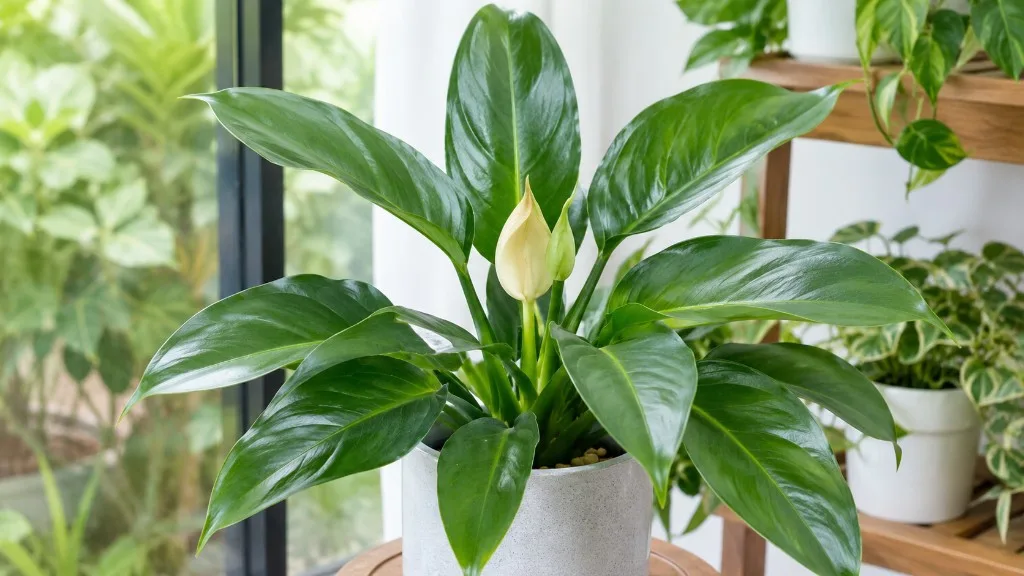
Philodendron Imperial Green (Philodendron erubescens ‘Imperial Green’, USPP6086) is a self-heading hybrid with large glossy green leaves on a compact upright stem-not a trailing pothos. Large leaf surface area and steady indoor growth mean nutrients leave the pot with every watering. UF/IFAS notes that plants in soilless potting media require supplemental fertilizer because containers cannot recharge minerals from surrounding earth.
NC State Extension describes Philodendron erubescens as a tropical aroid needing bright indirect light and consistent moisture-fertilizer supports that growth only when roots are healthy, moist, and actively photosynthesizing.
This guide covers feeding schedule, NPK choice, application method, seasonal pauses, and over-fertilizing signs specific to Imperial Green.
Quick Answer
Feed Philodendron Imperial Green with half-strength balanced liquid fertilizer every four to six weeks during spring and summer active growth. Pause in winter when growth stops. Water soil lightly before feeding; never fertilize dry, wilted, or newly repotted plants. Flush salts monthly in hot rooms with heavy feeding.
Do Self-Heading Philodendrons Need Fertilizer?
Imperial Green builds large leaves from container resources. Without feed, older leaves stay green while new leaves shrink and internodes tighten-classic lean-soil signal on aroids. Garden-bed philodendrons in the tropics access soil minerals; your living-room pot does not.
Skip fertilizer when:
- Soil is drought-dry and leaves wilt
- Plant was repotted into pre-fertilized mix within four weeks
- Active root rot on Philodendron Imperial Green or pest stress is present
- Winter dormancy in cool rooms with no new leaves
Best Fertilizer Type for Imperial Green
Balanced water-soluble (10-10-10 or 20-20-20) at half label strength is the default.
Slow-release prills mixed at Philodendron Imperial Green repotting guide reduce liquid frequency-follow product rate for container foliage plants.
Organic liquids (fish emulsion, seaweed) work diluted; rinse leaves if splashed-philodendrons contain calcium oxalate crystals irritating if chewed, unrelated to feed choice but relevant when wiping foliage.
Avoid lawn fertilizers or high-salt granular products on indoor aroids.
How to Apply Fertilizer
- Ensure soil is lightly moist-not bone dry, not waterlogged.
- Dilute liquid to half strength unless label specifies weak-feed houseplants.
- Pour evenly on soil, avoiding concentrated dumps on stem base.
- Empty saucer after drain if salts accumulate.
- Hold four weeks after repotting into fresh mix.
Feeding Schedule by Season
Spring–summer (active growth): Every four to six weeks at half strength in bright indirect light.
Autumn: Reduce to every eight weeks as growth slows.
Winter: Pause unless grow lights and warmth keep new leaves coming-then monthly quarter strength.
Resume full schedule when multiple new leaves unfurl in spring.
Fertilizer and Light
Low light slows metabolism-plants use less feed. Dim rooms need less fertilizer, not more, to “force growth.” Pair with light improvements before increasing nitrogen.
Bright light without feed produces pale smaller new leaves on depleted mix.
Fertilizer and Watering
Overfed roots in soggy soil burn faster. Imperial Green wants even moisture per Clemson aroid guidance-dry-down between drinks, not constant sogginess. Align watering before increasing feed frequency.
Signs Imperial Green Needs Fertilizer
- New leaves noticeably smaller than older ones
- Pale yellow-green new growth (rule out overwatering)
- Stalled growth despite good light and roots
- No new leaves for months in warm bright conditions
First fix: Half-strength balanced feed, reassess in three weeks.
Signs of Over-Fertilizing
- Brown crispy tips on large leaves
- White mineral crust on pot rim
- New leaves with dark necrotic edges
- Wilting on wet soil after feeding
First fix: Flush soil; pause six weeks.
Imperial Green vs. Imperial Red Feeding Notes
Both are P. erubescens hybrids with similar feed needs. Imperial Red’s reddish leaf color is genetic-not something high phosphorus “turns on” indoors. Use balanced NPK for both; avoid gimmick bloom boosters.
Common Fertilizer Mistakes
- Full-strength weekly feeding on slow indoor growers
- Fertilizing dry wilted plants
- Double-feeding pre-fertilized repot mix
- Winter feeding in cold dim rooms with no growth
- Using feed to fix low-light etiolation
When to Worry
Repeated salt burn can stunt self-heading philodendrons for a season. Worry when tip burn spreads on new leaves right after feeding. Flush and halve concentration permanently.
Recording Your Feed Schedule
Mark monthly feed dates on the pot or calendar when Imperial Green is actively growing-easy to double-feed after a skipped month or forget winter pause. Consistent dilute doses beat irregular full-strength bursts.
Micronutrients and Leaf Color
Imperial Green’s solid green foliage rarely needs iron supplements if pH stays near 6.0–6.5 in fresh mix. Persistent interveinal yellowing on new leaves with old leaves still green may indicate micronutrient lockout from high pH or chronic overwatering-fix roots and soil before chasing exotic chelated feeds.
Comparing Feed Rates to Imperial Red
Imperial Red and Imperial Green share P. erubescens parentage and similar container feed schedules. Color difference is genetic-do not increase phosphorus hoping to “deepen” either cultivar indoors.
Conclusion
Philodendron Imperial Green thrives on modest balanced feeding during active growth-half-strength liquid every four to six weeks, paused in dormancy, always on moist healthy roots in bright indirect light. Treat fertilizer as support for photosynthesis, not a substitute for light or proper soil structure.
When to use this page vs other Philodendron Imperial Green guides
- Philodendron Imperial Green overview - Start here for whole-plant context before deep-diving this topic.
- Philodendron Imperial Green problems hub - Jump to symptom-specific fix guides when this care topic does not resolve the issue.