Watering Philodendron Imperial Green: Schedule, Soil Checks
Watering Philodendron Imperial Green: Schedule, Soil Checks & Mistakes
Watering Philodendron Imperial Green: Schedule, Soil Checks & Mistakes
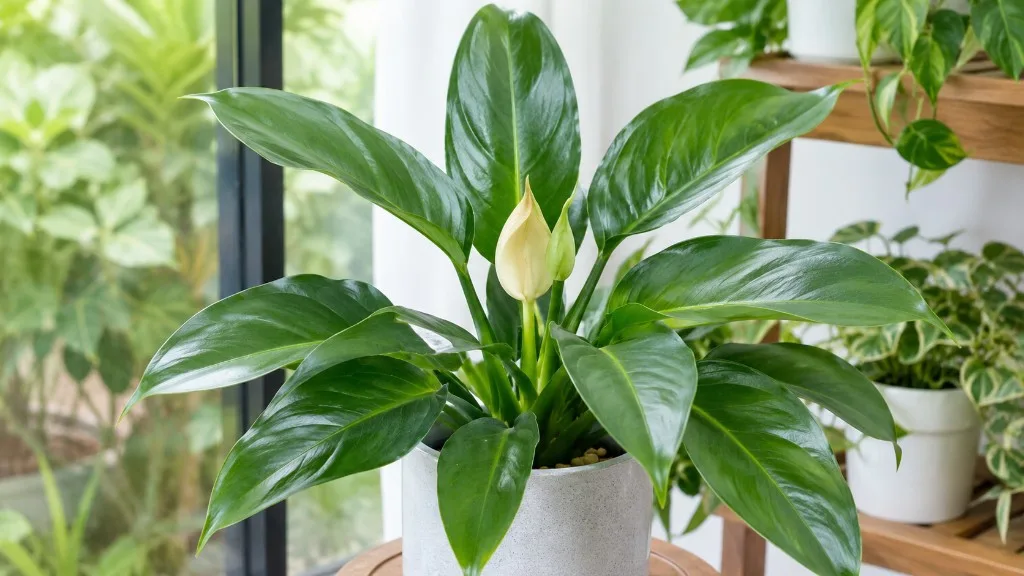
Philodendron Imperial Green looks like the kind of plant you can water every Tuesday and forget - glossy paddle leaves, upright crown, no moss pole drama. That appearance is exactly why so many specimens end up with yellow lower leaves on soil that still feels damp. Imperial Green is a self-heading Philodendron erubescens hybrid: it builds a compact upright rosette from a central crown, pushes large leaves on short internodes, and hides early root stress until several lower leaves yellow at once. Watering should follow the pot, not a calendar - and for this cultivar, the pot’s weight, the dry-down depth at the root zone, and whether it sits inside a decorative cachepot matter more than any generic “weekly philodendron” rule.
NC State Extension lists Philodendron erubescens for moist, well-drained soil - not constantly wet mix. UF/IFAS hybrid philodendron guidance advises watering when the top inch of soil feels dry. Iowa State Extension adds the corollary philodendron growers learn the hard way: do not let plants sit in soggy soils or saucers of water. The practical rhythm is partial dry-down, then full soak, then drain - a cycle self-heading Imperial Green tolerates well when light and mix cooperate, and a cycle it punishes when an office dim corner, heavy peat, and a cachepot that never gets emptied keep the root ball oxygen-starved.
This guide covers starting frequency ranges, moisture checks that actually match extension dry-depth language, office versus bright-room adjustments, over- and underwatering diagnostics, cachepot traps, how Imperial Green differs from trailing philodendrons, and the mistakes that turn a forgiving floor specimen into a root-rot case. For light level tied to dry-down speed, see the Imperial Green light guide. For mix and drainage that make watering safe, see soil guidance. For the full species picture, start with the Imperial Green overview.
Why Calendar Watering Fails for Self-Heading Imperial Green
Calendar watering fails because the same plant in the same pot can dry in four days or fourteen depending on light, season, pot material, and whether it lives inside a sealed decorative outer pot. Imperial Green adds a second complication: as a self-heading plant, it maintains a firm upright crown even when roots are struggling in wet mix below. Trailing heartleaf philodendrons often wilt obviously when dry and recover visibly after a soak. Self-heading Imperial Green can keep upper leaves glossy while lower leaves yellow one after another - the crown looks fine until the problem is advanced.
The species parent, Philodendron erubescens, is native to Colombia and evolved for moist but aerated tropical soil with regular drying cycles between rain. Indoors, you recreate that balance with a well-draining aroid mix (see soil guide), drainage holes, and a watering decision based on measured dryness - not a phone reminder that fires every seven days regardless of whether the office HVAC has kept the pot cool and heavy for two weeks.
Fast growth makes calendar habits worse in summer. Imperial Green can push large new leaves steadily in bright active growth, increasing transpiration and water uptake. A winter cadence applied in June underwaters a actively growing specimen; a summer cadence applied in a dim January room overwaters one that has barely metabolized the last drink. Check first. Water second.
Quick-Reference Watering Checklist
Run this sequence before every major watering - not just when the plant looks unhappy:
- Lift the pot. A noticeably light container means the root ball has lost most free moisture. A heavy, cool pot means wait.
- Probe the top 3–5 cm (1–2 inches). Insert a finger or dry chopstick to the first knuckle. Cool cling at depth means wait; dry and crumbly means proceed. This matches UF/IFAS “top inch dry” and Iowa State “top of soil dry” guidance.
- Note the season and light. Active warm growth with bright indirect light shortens the interval. Cool dim months lengthen it.
- Check the cachepot. If the plant sits in a decorative outer pot, lift the inner nursery pot and verify no standing water pools at the bottom.
- Water thoroughly once until excess runs from drainage holes, then empty the saucer or cachepot within 30 minutes.
- Do not fertilize a dry plant and do not change water, pot size, and placement in the same week.
If several lower leaves are yellowing while steps 1–2 still show wet mix, stop watering and read the root-rot guide before adding more moisture.
How Often to Water Philodendron Imperial Green
There is no honest universal schedule. What follows is a starting framework - adjust it with the checklist above until you know how your specific container behaves.
Starting Frequency Ranges (Summer vs Winter)
During active growth - warm months with visible new leaves and bright indirect light - many homes need a thorough drink every 7–10 days, but only after the top 3–5 cm (1–2 inches) of mix has dried. During cooler, dimmer months, 10–14 days between waterings is common, though low-light offices may go longer. These ranges are consequences of dryness, not causes: if the finger test says wait on day seven, wait.
UF/IFAS frames the decision simply - water hybrid philodendrons when the top inch feels dry. That is the same depth as 3–5 cm in metric. NC State emphasizes moist, well-drained conditions, which in container culture means moist after a soak, then allowed to partial-dry before the next soak - not permanently damp.
Track two full dry-down cycles in your home. Note the date you watered, when the pot felt light again, and what new growth looked like. Within a month you will know your rhythm better than any blog’s generic interval.
Adjusting for Light, Pot Size, and Fast Growth
Light is the largest variable after mix quality. Imperial Green in bright east-window light uses water faster than the same plant in a dim office corner - sometimes half the interval, sometimes less than half. If you recently moved the plant brighter per the light guide, expect faster dry-down and shorten the calendar assumption.
Pot size changes everything overnight. A newly repotted Imperial Green in a pot one size up holds more mix the root ball cannot yet colonize; that extra volume stays wet longer. Oversized floor cachepots are a common hidden cause of crown stress - more water per soak, slower dry-down, same dim light.
Fast growth in summer increases leaf surface area and water demand. Do not cling to a winter interval because the calendar still says June. New glossy leaves expanding steadily are a signal to check more often, not to pour on schedule.
Environment Adjustment Matrix: Office vs Bright Room
| Environment | Typical dry-down | Starting interval | Watch for |
|---|---|---|---|
| Bright east or filtered south window, warm room | Top 3–5 cm dry in 5–8 days | 7–10 days in active growth | Underwatering if summer heat spikes; crispy tips if allowed to go bone-dry repeatedly |
| Medium office light, stable HVAC | Top 3–5 cm dry in 10–18 days | 10–14 days; often longer in winter | Overwatering on a weekly habit; heavy pot still cool at depth |
| Recently repotted or oversized pot | Slow wet zone around sparse roots | Add 3–7 days to your prior interval | Yellow lower leaves while crown looks upright |
| Plastic pot in cachepot, no drainage check | Outer pot traps runoff indefinitely | No fixed interval - probe inner pot only | Sour smell, fungus gnats, sudden multi-leaf yellowing |
Worked example: A 25 cm floor Imperial Green in a dim office with the same perlite-amended mix may stay heavy 12+ days after one thorough watering. The same cultivar in a bright east window in a 20 cm plastic nursery pot may be ready again in 7 days in July. Same plant name, different watering reality.
Best Moisture Checks Before You Water
Surface color lies. Peat-heavy mixes can look pale and cracked on top while staying damp near the roots - especially in deep self-heading pots where the crown sits far above the wet zone. Use at least one physical check every time.
Finger, Skewer, and Pot-Weight Methods
Finger or knuckle test: Push into the mix to the first knuckle, about 3–5 cm. Coolness and slight cling mean wait. Dry, airy crumble means you can water. This is the fastest daily check and aligns with extension top 1–2 inch language.
Skewer or chopstick test: Insert a dry wooden skewer toward the pot bottom without snapping roots. Pull it out. Darkening or soil sticking means moisture remains. Clean dry wood means the root zone has dried enough for a philodendron soak.
Pot-weight test: Lift the container before and after watering several times until you learn the difference. A dry Imperial Green in plastic is meaningfully lighter than a freshly watered one. Weight is especially useful for floor specimens where reaching the soil surface past large leaves is awkward.
Moisture meters can help experienced growers but often read inconsistently in chunky aroid mix with bark and perlite. Treat meters as a secondary signal; finger, skewer, and weight remain more reliable for Philodendron Imperial Green overview.
Signs You Are Watering Too Much
Overwatering is the primary indoor failure mode for Imperial Green - worse in low light, worse in heavy peat, worse when a cachepot never gets emptied.
Watch for these patterns together:
- Lower leaves yellowing from the bottom up while the mix at depth is still cool and damp
- Soft petioles where leaves meet the crown, especially on older lower foliage
- Sour or musty smell from the mix surface
- Soil staying dark and heavy more than 7–10 days after a soak in ordinary room conditions
- Fungus gnats hovering at the pot surface - a sign of chronically moist upper mix
- New growth stalling or emerging smaller than prior leaves while the pot remains heavy
NC State links philodendron yellowing to overwatering and poor drainage. If several signs appear together, pause watering, inspect the root zone, and open the root-rot guide if roots are brown and mushy. Fix drainage and mix before resuming a normal soak cycle.
Overwatering is more likely when a well-draining mix is paired with low light, no drainage holes, or a decorative outer pot that holds runoff - the exact setup many office displays use.
Signs You Waited Too Long
Imperial Green is more forgiving of brief drought than of chronic wet feet, but repeated underwatering still damages fine roots and causes ugly stress displays.
Typical underwatering signals:
- Drooping or curling leaves with light, dry mix at depth (UF/IFAS heartleaf guidance describes wilting as a common moisture-stress sign in philodendrons)
- Crispy brown edges on older leaves after the plant goes bone-dry repeatedly
- Hydrophobic mix - water runs straight down the pot sides without wetting the root ball
- Slowed new growth and smaller emerging leaves in an otherwise bright room
A single dry episode is usually recoverable: one thorough soak until excess drains, then return to the partial dry-down rhythm. Do not compensate with daily sips - that keeps only the surface damp while deep roots stay stressed. If mix has shrunk away from the pot walls, bottom-water for 20–30 minutes in a basin, then drain fully and resume top watering once mix rehydrates.
Overwatering vs Underwatering: Symptom Decision Table
| What you see | Mix at 3–5 cm depth | Pot weight | Most likely cause | First action |
|---|---|---|---|---|
| Limp leaves, yellow lower foliage | Cool, damp | Heavy | Overwatering / poor drainage | Pause water; check roots; improve light or mix |
| Limp leaves, firm crown | Dry, crumbly | Light | Underwatering | Full soak; drain saucer |
| Yellow lower leaves only, crown glossy | Damp for 10+ days | Heavy | Chronic wet soil in low light | Stop calendar watering; move brighter or reduce volume |
| Brown crispy tips, no yellowing | Alternates dry/wet | Variable | Salt buildup or inconsistent depth checks | Flush pot; stabilize check method |
| Sudden wilt after repot | Evenly moist | Moderate | Root damage + too much water too soon | Hold water slightly longer; see repotting guide |
When symptoms conflict - limp leaves with wet soil - do not add more water. That combination is a warning, not thirst.
Seasonal Watering Changes
Imperial Green grows most steadily in warm months with longer days. Water use rises with new leaf production, so maintain the dry-top-then-drench rhythm and let brightness from the light guide drive frequency upward.
In winter, growth slows, transpiration drops, and the same pot holds moisture longer. Stretch intervals, rely more on the finger test, and pause fertilizer until spring growth resumes. A plant in a cool north room under short days may need far less water than a specimen near a bright window with dry heating air - even though both are “indoors in winter.”
If the pot stays heavy and wet more than a week after watering in winter, the problem is usually light or mix, not thirst. Improve one of those before the next soak.
How to Water Cleanly (Top Watering, Drainage, Cachepots)
The standard method for Imperial Green is top watering:
- Use room-temperature water. Very cold tap water can shock warm roots in summer.
- Apply slowly and evenly across the soil surface until water runs freely from drainage holes - confirming the root ball received moisture throughout, not just at the rim.
- Empty the saucer or cachepot within 30 minutes so roots never sit in stale runoff (Iowa State explicitly warns against saucers of standing water).
- Avoid repeatedly splashing the crown if your tap is hard; mineral spotting on glossy leaves is cosmetic but avoidable.
The goal is one full drink followed by an appropriate dry-down, not permanently damp soil. Partial top-ups every few days keep the upper layer moist while leaving deep mix unevenly wet - a pattern that encourages shallow roots and hides soggy zones low in the pot.
Bottom watering - setting the pot in a basin so mix wicks moisture upward - can rescue hydrophobic, shrunken mix after a drought episode. It is a recovery tool, not the default rhythm for a floor specimen. If you bottom-water, limit soaks to 20–30 minutes, drain completely, and confirm the top inch eventually feels moist. Do not leave pots standing in water overnight.
Cachepot and Decorative Pot Runoff Traps
Statement floor displays often hide the nursery pot inside a sealed decorative cachepot with no drainage. Water flows through the inner pot, pools in the outer shell, and the root ball sits in a reservoir - the fastest path to lower leaf yellowing on apparently “well-drained” mix. Always lift the inner pot after watering and pour out trapped water. If the outer pot cannot be drained easily, treat the plant as higher risk: check weight more often, reduce soak volume slightly, or repot into a single container with holes and a saucer you can empty.
Pet safety note: Imperial Green contains insoluble calcium oxalate crystals toxic to cats and dogs if chewed (ASPCA). When emptying saucers or cachepots, keep runoff water away from pets that drink from floor dishes. Elevate the pot or choose a pet-safe species for accessible spots.
How Imperial Green Differs From Trailing Philodendrons in Water Use
Trailing heartleaf philodendrons such as P. hederaceum ‘Brasil’ expose stress differently: vines wilt visibly when dry and perk after a soak. Self-heading Imperial Green does not send out long stems to signal thirst; it holds a upright crown while roots succeed or fail below.
| Trait | Imperial Green (self-heading) | Trailing heartleaf types |
|---|---|---|
| Growth form | Upright rosette, short internodes | Vining stems, multiple nodes |
| Stress visibility | Lower leaf yellow on wet soil; crown stays firm late | Obvious wilt on dry soil |
| Pot geometry | Deep floor pots common; wet zone hidden below crown | Hanging baskets dry faster at edges |
| Typical office use | Large statement floor plant | Shelves and hangers nearer windows |
| Watering pitfall | Cachepot + low light + heavy pot | Uneven dry in shallow baskets |
Both are Araceae aroids that prefer even moisture without soggy soil (Iowa State). The check method is the same; the symptom interpretation differs. On Imperial Green, never assume a firm crown means roots are happy.
Common Philodendron Imperial Green Watering Mistakes
Watering on a weekly calendar without checking. The most common mistake. Offices and homes do not share the same dry-down.
Adding small top-ups instead of full soaks. Keeps the surface damp, trains shallow roots, and masks a soggy core.
Ignoring the cachepot. Runoff trapped in decorative shells is a leading cause of self-heading philodendron decline in commercial interiors.
Using winter intervals during fast summer growth. Active new leaves need more frequent checks, not the same 14-day assumption.
Repotting into a much larger pot and watering on the old schedule. Extra mix stays wet until roots fill the volume. See repotting guidance.
Changing water, light, and pot in the same week. If lower leaves yellow after a move, you will not know which variable caused it. Fix one condition at a time.
Treating yellow lower leaves as a fertilizer problem while soil is wet. Feed only after moisture rhythm is stable. Fertilizing dry or stressed plants worsens salt burn.
Assuming Imperial Green wilts when thirsty. It often yellows silently first. Check mix depth, not crown posture alone.
When to use this page vs other Philodendron Imperial Green guides
- Philodendron Imperial Green overview - Start here for whole-plant context before deep-diving this topic.
- Philodendron Imperial Green problems hub - Jump to symptom-specific fix guides when this care topic does not resolve the issue.
- Root Rot on Philodendron Imperial Green - Escalate here when watering adjustments are not enough.
Related Philodendron Imperial Green guides
- Philodendron Imperial Green overview
- Philodendron Imperial Green light
- Philodendron Imperial Green soil
- Philodendron Imperial Green propagation
- Philodendron Imperial Green fertilizer
- Philodendron Imperial Green repotting
- Root Rot on Philodendron Imperial Green
- Philodendron Imperial Green problems
Conclusion
Philodendron Imperial Green rewards a simple rhythm: let the top 3–5 cm (1–2 inches) of mix dry, soak once until water drains, empty every saucer and cachepot, then wait until the pot is light and the probe reads dry at depth again. Starting ranges of 7–10 days in active growth and 10–14 days in cooler months are useful only as placeholders until your container teaches you its real interval. Self-heading architecture means the plant will not always wilt on your schedule - lower leaves on wet soil are the warning to respect. Match watering to light and mix, fix drainage before adding more water, and keep the cluster guides linked above open when you change pots, placement, or season.