Best Soil for Philodendron Imperial Green: Mix & Drainage
Best Soil for Philodendron Imperial Green: Mix & Drainage
Best Soil for Philodendron Imperial Green: Mix & Drainage
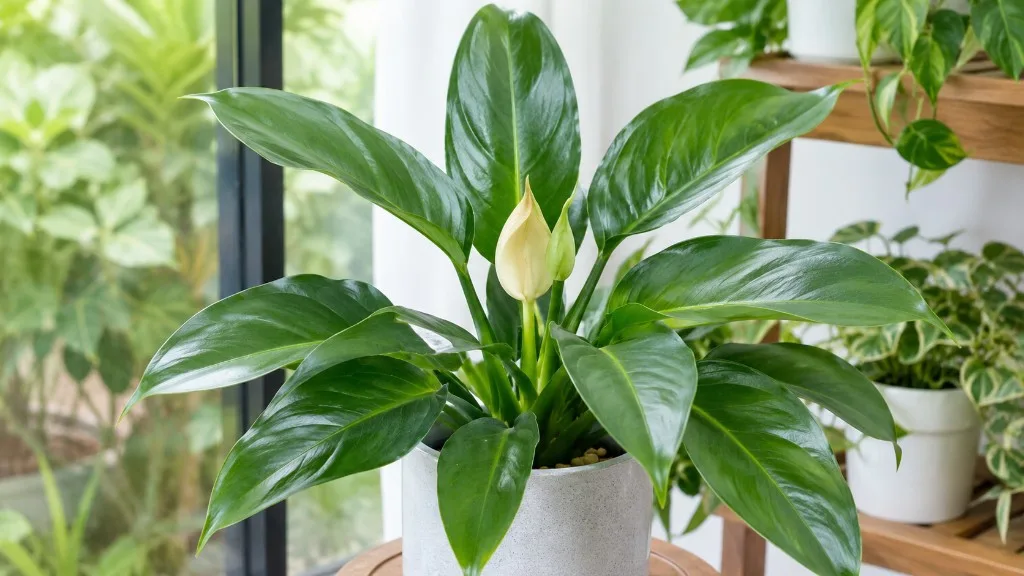
Best soil for Philodendron Imperial Green is a well-draining aroid mix built from standard indoor potting soil plus 20–25% perlite by volume - airy enough that roots breathe after every watering, yet moisture-retentive enough that a self-heading crown does not swing between drought and swamp in a typical office pot. Imperial Green is not a trailing heartleaf in a hanging basket; it is a compact, upright Philodendron erubescens hybrid that fills floor space fast, hides root stress in a dense crown, and punishes heavy peat that compacts after twelve months. This guide gives you measured recipes for three real home conditions, mixing and drainage tests, pot-depth rules for self-heading specimens, wrong-soil diagnostics, and links to the rest of the Imperial Green cluster so you can fix the root zone before chasing light or fertilizer.
Why Soil Structure Matters for Imperial Green
Soil is the control system for every watering decision you make. A mix that drains in seconds after a soak but holds light moisture in its pores gives Imperial Green predictable recovery time between drinks. A dense, peat-heavy blend in a large decorative pot does the opposite: the top inch dries while the center stays saturated, lower leaves yellow on wet soil, and growers often respond by watering less when the real fix is aeration.
NC State Extension describes Philodendron erubescens as preferring moist, well-drained soil rich in organic matter with good drainage and a slightly acidic root zone. That is not permission to pack the pot with straight bagged compost. “Moist” means evenly damp after watering, not constantly wet. “Well-drained” means excess water exits through the drainage hole within a reasonable time and air returns to the root zone before the next soak. Imperial Green’s self-heading habit makes that balance more visible than on a forgiving trailing philodendron: when the crown stays firm and new leaves emerge at even spacing, the mix is probably working. When lower leaves yellow while the pot feels heavy, drainage structure - not a calendar - is the first suspect.
What Self-Heading Roots Need From the Mix
UF/IFAS Gardening Solutions groups Imperial Green with hybrid, self-heading philodendrons - large spade-shaped leaves on an upright habit rather than a vining stem. Those plants develop a compact root ball under a short stem crown. Roots still need the same aroid oxygen as climbers, but the pot geometry differs: you are filling a wider, shallower effective root zone rather than a deep cylinder of trailing stems. Fine roots near the crown suffocate first when mix compacts.
Think of the substrate as a sponge with tunnels, not a brick and not a bog. After you water thoroughly, runoff should appear at the drainage hole within about a minute in a typical indoor pot. What remains should feel evenly damp through the root ball, not waterlogged at the bottom while the surface looks dry. UF/IFAS recommends a lightweight, well-drained potting medium for philodendrons generally - the same principle applies here, with slightly more perlite when the plant sits in dim offices where evaporation is slow.
Quick-Reference Aroid Mix Card
Mix by volume with a scoop or cup. These are starting points; run the drainage test below and adjust perlite upward if your pot stays wet more than seven to ten days after a normal watering in your home.
| Scenario | Recipe (by volume) | When to use |
|---|---|---|
| Default | 3 parts quality potting mix + 1 part perlite (~25%) | Bright to medium indirect light, typical humidity, plastic or glazed pot |
| Office / low-light | 2 parts potting mix + 1 part perlite (~33%) | Dim offices, north rooms, winter heat - slow dry-down |
| Bright active growth | 4 parts potting mix + 1 part perlite (~20%) plus optional 10% fine orchid bark | Warm, bright room, fast summer growth, terracotta that dries quickly |
Store-bought shortcut: Start with any peat- or coir-based indoor potting mix (not cactus mix alone). Add one scoop of perlite for every three scoops of mix and blend dry in a tub before moistening. If the bag looks fine and dark with no visible perlite, assume it needs amendment - Iowa State Extension notes philodendrons grow well in all-purpose potting soil in containers large enough to stay upright, but indoor growers still need drainage amendments because closed pots behave differently from greenhouse benches.
Best Soil Mix for Philodendron Imperial Green
The goal is a mix that matches how your room dries the pot, not a single magic bag every grower must buy. Imperial Green tolerates a range of textures when drainage and pot size stay appropriate; it fails when heavy peat compacts, oversized pots hold unused wet volume, or gravel at the bottom creates a perched water table (more on that below).
The Core Potting Mix + Perlite Formula
The most reliable baseline for Imperial Green:
- 75% quality indoor potting mix (peat- or coir-based)
- 25% perlite or pumice
That 3:1 ratio is a practical translation of extension language: organic base for moisture and nutrients, perlite for permanent air pockets. In a 25 cm (10 inch) floor pot in a dim office, unamended mix often stays wet ten days or longer after a full watering; the same plant in a 25% perlite blend commonly dries in six to eight days - close enough to the watering rhythm Imperial Green expects without chronic root-zone stagnation.
Squeeze test: Moisten a handful of finished blend. It should hold together briefly when squeezed, then crumble apart. A sticky mud clump means too little aeration - add perlite and retest. A mix that will not hold together at all may dry too fast for a low-light office; add a little more base or pre-moisten coir.
pH note: NC State lists P. erubescens soil pH as acid (<6.0) to neutral (6.0–8.0). Most peat-based mixes naturally land in a slightly acidic band around 5.5–6.5, which suits Imperial Green without constant testing. Chase texture and drainage behavior first; test pH only if growth stays poor despite correct watering and light.
Optional Amendments: Orchid Bark, Coco Coir, and Charcoal
None of these are required for a healthy Imperial Green, but each solves a specific problem:
- Fine orchid bark (10–15% of total volume): Slows peat compaction, adds chunkier air channels, helpful for fast-growing specimens pushing new leaves every few weeks in bright light. Skip or reduce bark in dim offices where the pot already dries slowly.
- Coco coir (replace up to half the peat base): Peat-free alternative with similar moisture buffering; pre-moisten before mixing so dry coir does not repel the first watering.
- Horticultural charcoal (5%): Optional; helps limit odor and organic buildup in mixes that stay in the same pot 18–24 months between full repots.
- Worm castings (small handful per quart): Gentle slow nutrition in fresh mix; not a substitute for fertilizer during active growth.
Do not turn Imperial Green into an orchid mount. This is still an indoor floor plant in a closed pot, not an open-board epiphyte. Bark and perlite support the base mix; they should not replace it entirely unless you are deliberately growing in very bright, warm conditions and watering frequently.
How to Mix and Test Drainage Before Repotting
Step 1 - Gather materials: Potting mix, perlite, optional bark, a clean tub, gloves, and a dust mask if perlite dust bothers you.
Step 2 - Measure by volume: Scoop three parts mix and one part perlite (adjust per the recipe card). Add bark or charcoal if using.
Step 3 - Blend dry: Stir until perlite is distributed evenly - white flecks throughout, not a layer at the bottom.
Step 4 - Pre-moisten lightly: Add water until the blend is evenly damp, not dripping. Dry peat can repel water and leave the root ball dry while runoff escapes down the pot wall.
Step 5 - Run the drainage test: Fill a nursery pot with the damp blend, water thoroughly until runoff, and time drainage (see next section). Adjust perlite up or down and retest before potting a prized plant.
Step 6 - Pot at the same crown depth: Position Imperial Green so the self-heading crown sits at the same level as before - never bury the stem base deeper to “stabilize” a leaning plant. Firm the mix gently; do not pack it like concrete.
For full repot timing and root inspection, see the dedicated Imperial Green repotting guide.
Drainage Speed and the One-Minute Check
UF/IFAS hybrid philodendrons advise watering when the top inch of soil feels dry - that guidance assumes the mix below drains well enough that the root ball is not sitting in permanent saturation. Your soil passes the test when:
- Runoff appears within about 60 seconds after a thorough watering in a pot with drainage holes.
- Water does not pool on the surface for more than ten seconds on the second watering of a freshly mixed batch.
- The pot weight drops noticeably within five to seven days in a typical indoor room (faster in bright heat, slower in a dim office).
One-minute field check: After watering until water runs from the hole, set a timer. If runoff is delayed beyond a minute, or the bottom of the pot stays waterlogged while the top dries in two days, increase perlite or reduce pot depth - do not simply wait longer between waterings while the center stays anaerobic.
Smell check: Fresh mix smells earthy. Sour, swampy, or stagnant odor from the drainage hole means roots may already be oxygen-starved. Inspect roots and repot into fresh, airier blend rather than topping with dry soil.
Drainage holes are mandatory. No mix compensates for a sealed container. Decorative cachepots work only when the inner nursery pot drains freely and you empty standing water within thirty minutes.
Pot Choice: Size, Depth, and Fast-Growth Traps
Match the pot to the root ball, not the leaf spread. Imperial Green can look small in the shop and fill a wide rosette within a season. Iowa State Extension notes philodendrons do well when slightly pot-bound because soil dries more quickly between waterings - a useful clue that oversized pots are dangerous.
Size rule: When repotting, go up only one pot size - roughly 2–5 cm (1–2 inches) wider in diameter than the current root ball. An oversized decorative pot holds a large volume of mix the roots cannot use; water stays in the “wet zone” around unused soil while the crown still looks fine for weeks.
Fast-growth trap: Imperial Green pushes large leaves on short internodes when happy. Growers often reward that vigor with a dramatic upsize into a heavy floor cachepot. Heavy peat plus extra pot volume plus low office light is the classic path to lower leaf yellowing on wet soil and eventual root rot. Upgrade mix aeration before upsizing the pot, or keep the same pot and refresh blend only.
Stout Containers for Top-Heavy Specimens
UF/IFAS recommends stout containers for large self-heading philodendrons because top-heavy foliage can tip narrow cylinders. Prefer a wide, stable base over a tall, skinny profile. Depth matters less than width for this habit - extra depth without extra roots holds stagnant mix at the bottom. Terracotta dries faster; plastic and glazed ceramic retain moisture longer. Adjust perlite percentage for pot material and room humidity rather than choosing pots for aesthetics alone.
pH, Minerals, and Salt Buildup
Imperial Green rarely needs a pH meter in home cultivation if you use a quality peat- or coir-based mix amended with perlite. NC State places the parent species in slightly acidic to neutral soils - consistent with the 5.5–6.5 band most indoor aroid blends naturally provide.
What causes more day-to-day trouble is salt and mineral buildup from tap water and fertilizer in a closed pot. Leaf tip burn, white crust on the soil surface, and stalled growth despite regular feeding often trace to the root zone, not humidity. Flush the pot by running water through until it drains freely several times, or refresh the mix at repotting rather than adding more fertilizer on top of exhausted soil.
When to Refresh the Mix
Peat and fine coir decompose and compact over 12–18 months in a fast-growing Imperial Green, even when watering is correct. Refresh soil when:
- Water runs straight through the pot without wetting the root ball (hydrophobic, collapsed mix).
- The pot stays wet more than ten days after a normal watering despite appropriate light.
- Mix smells sour or roots are circling tightly with little visible white root tips.
- Lower leaves yellow repeatedly while the crown stays wet.
Repot into fresh blend in spring or early summer when possible - the same seasonal window NC State recommends for philodendron repotting. You do not need to upsize every time; same pot, new mix is often the best fix for a mature floor specimen. Link to repotting for step-by-step root inspection and division timing.
How Imperial Green Differs From Trailing Philodendrons
Trailing heartleaf types hang in baskets with long stems; roots encounter mix along a narrower column and dry-down can be faster at the surface. Imperial Green stacks leaves from a central crown with a compact root ball that behaves more like a shrub than a vine. Trailing philodendrons may tolerate slightly denser mix in small pots that dry quickly; Imperial Green in a wide floor pot needs more deliberate perlite because the volume-to-root ratio is higher and office light slows evaporation.
| Factor | Imperial Green (self-heading) | Trailing heartleaf types |
|---|---|---|
| Pot profile | Wide, stout base; avoid excess depth | Deeper narrow pots often acceptable |
| Perlite in dim rooms | Often 30%+ | Sometimes 20% sufficient in small baskets |
| Failure signal | Lower leaves yellow on wet soil; firm crown hides stress early | Wilting runners; visible stem decline |
| Support | No moss pole | Basket or trellis |
Both need drainage holes and amended mix - the ratios shift with habit and pot geometry, not a different species biology.
Diagnosing Wrong Soil Before Leaves Show It
Catch mix problems early with root-zone checks before you rewrite the whole care routine:
- Wet pot weight seven-plus days after watering in a dim room: Perlite too low or pot too large - aerate blend or downsize refresh.
- Water runs down the inside wall while the center stays dry: Hydrophobic old peat - full repot with pre-moistened mix, not top-dressing.
- White healthy root tips sparse; brown mushy roots at bottom: Chronic wet mix - trim rot, repot into airier blend, review watering.
- New leaves small despite good light: Sometimes nutrition, but check whether compacted mix is limiting oxygen during peak growth - add bark and perlite at next refresh.
Pet safety during repot: Imperial Green contains calcium oxalate crystals toxic to cats and dogs if chewed (ASPCA Philodendron listing). Wear gloves if sap irritates your skin, keep pets out of the work area, and wash tools after handling. Choose elevated placement or a pet-safe species for floor-level displays.
Common Philodendron Imperial Green Soil Mistakes
Gravel or pot shards at the bottom. Illinois Extension is explicit: a gravel layer inside the pot does not improve drainage - it creates a perched water table that keeps soil above the gravel saturated longer. Fix the mix throughout the pot, not the bottom layer.
Unamended store mix in an oversized decorative pot. The most common Imperial Green failure mode in offices.
Changing soil, pot size, and window placement the same weekend. Repot into tested mix, wait two weeks, then adjust light or watering - not all three at once.
Assuming Imperial Green needs moss-pole soil. It is self-heading; do not copy chunky climber recipes meant for mounted epiphytes unless you are compensating for very fast drying in desert-dry air.
Ignoring refresh timing because leaves still look green. Compacted mix fails slowly, then suddenly when summer growth peaks.
Related Imperial Green Guides
- Imperial Green overview - full care context and ID
- Watering - how fast your mix should dry between drinks
- Light - placement that changes dry-down speed
- Repotting - when and how to move up a pot size
- Propagation - division at repot time
- Root rot - recovery when wet mix has already damaged roots
Conclusion
The best soil for Philodendron Imperial Green is a well-draining aroid blend built from quality potting mix plus 20–25% perlite, bumped to ~33% perlite in dim offices or paired with fine orchid bark in bright, fast-growing setups. Test drainage before you repot, match pot width to root ball rather than leaf spread, refresh decomposed mix every 12–18 months, and skip gravel layers that do more harm than good.
Imperial Green rewards growers who treat soil as a living system - air, moisture, and recovery time - not a bag label. Get the root zone right and the rest of the overview care routine becomes easier to calibrate.
Related tool
Try the Soil Mix Calculator with philodendron-imperial-green pre-selected to estimate needs for your setup.