Free Pet-Safe Plant Finder for Houseplants
Filter indoor plants by pet type using the site's current pet-safety data.
Pet-Safe Plant Finder
Find pet-safe plants
Filter verified pet-safe houseplants by pet type, light, and care level.
Free Pet-Safe Plant Finder for Houseplants
Filter indoor plants by pet type using the site's current pet-safety data.
Filter verified pet-safe houseplants by pet type, light, and care level.
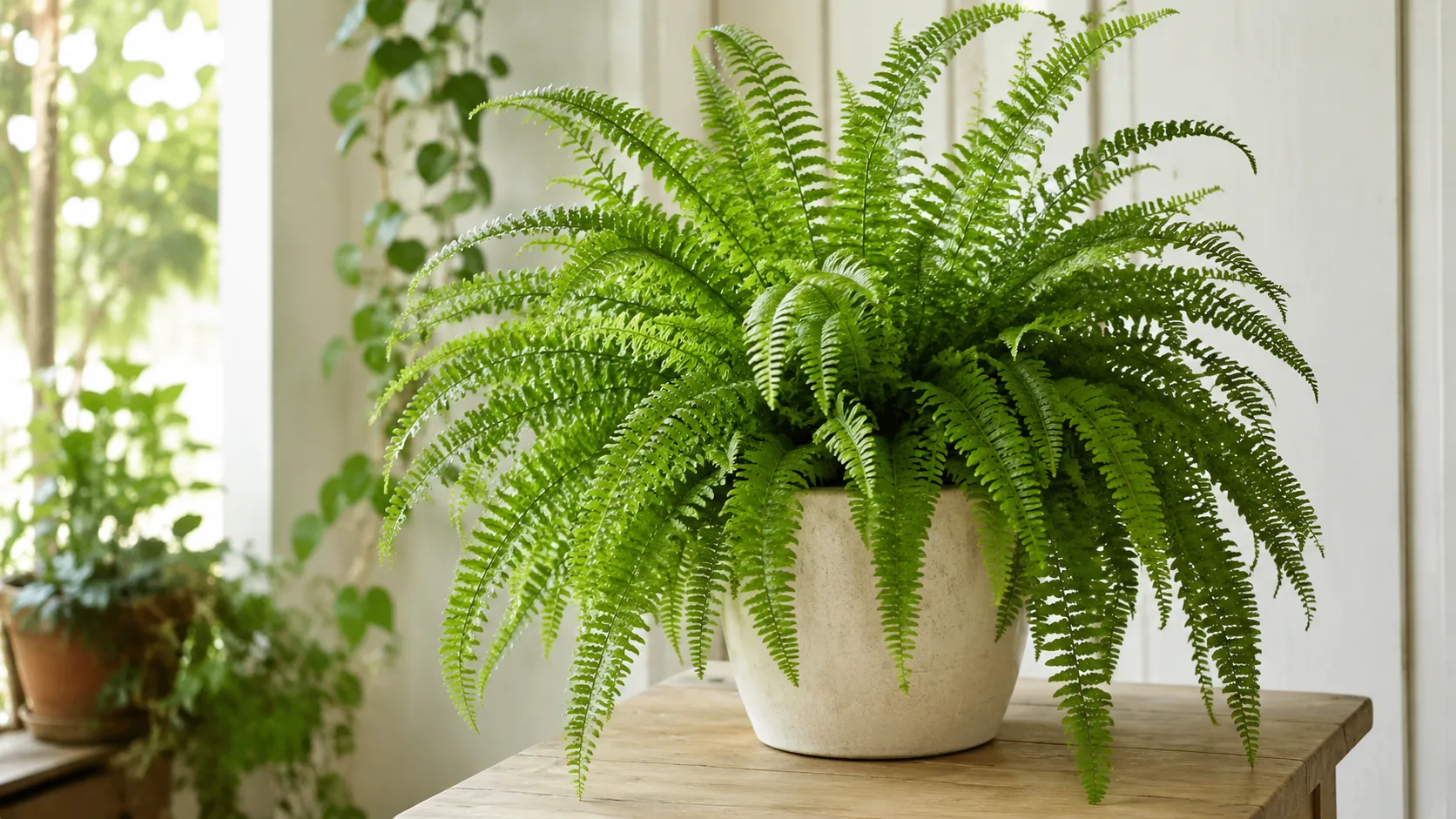
The Pet-Safe Plant Finder helps you narrow indoor plants by pet type, light level, and care effort before you buy, gift, or move a plant into a room your animals can reach. It is built for a practical problem: many houseplant lists use a single “pet friendly” label, while real homes may include cats, dogs, rabbits, birds, horses, turtles, or tortoises with very different exposure patterns.
Use the finder as a shortlist tool, not as a promise that a plant is harmless in every amount or every situation. The ASPCA separates plant safety by species and animal type in its toxic and non-toxic plant database, and that distinction matters because a plant listed for one pet group may not be verified for another ASPCA database. A careful result should still be paired with common-sense placement, supervision, and fast veterinary advice if an animal chews an unknown or toxic plant.
The finder filters the LeafyPixels plant data around three questions: which pet lives in the space, how much light the plant will receive, and how demanding the care routine should be. Those inputs let it sort plant options that are more realistic for your room than a generic best-of list. A cat-safe plant that needs bright indirect light may still be a poor choice for a dim hallway, and a low-light plant may still be wrong if it is toxic to the pet that will share the room.
It also helps separate plant safety from plant suitability. Safety asks whether a plant is classified as non-toxic, toxic, or caution-worthy for the selected pet. Suitability asks whether the plant can live well in your light, humidity, watering rhythm, and available space. A good match needs both. If you only check toxicity, you may buy a safe plant that fails within weeks; if you only check care needs, you may bring home a healthy plant that creates an avoidable pet risk.
The finder does not diagnose poisoning, predict the dose that would harm an individual animal, or confirm that every cultivar, hybrid, cutting, pesticide residue, potting additive, decorative moss, or fertilizer product around the plant is safe. Veterinary toxicology guidance commonly treats plant ingestion as exposure to a whole situation, not just a Latin name on a tag, because the amount eaten, the animal’s size, the plant part, and any products on the plant can change the risk.
It also does not replace animal-specific advice. The ASPCA Animal Poison Control Center publishes a 24-hour emergency number for suspected poison exposure, and the ASPCA notes that consultation fees may apply Animal Poison Control. If your pet has chewed a plant and is drooling, vomiting, pawing at the mouth, acting weak, refusing food, or behaving abnormally, use the finder later. In the moment, call your veterinarian, an emergency clinic, or poison control.
Cats and dogs are the easiest household pets to research because many common ornamental plants have established entries in veterinary poison-control databases. Horses are also covered in the ASPCA database, but indoor-houseplant exposure is usually less common unless plants are kept in barns, patios, conservatories, or grazing-adjacent areas. That is why the same plant may have clearer evidence for cats and dogs than for a rabbit, bird, turtle, or tortoise.
Rabbits, birds, and reptiles need extra caution because fewer houseplant-specific toxicity lists are built for them. The House Rabbit Society advises avoiding plants that are known to be poisonous and treating unknown plants cautiously rather than assuming they are edible House Rabbit Society guidance. For birds, VCA notes that many household plants are potentially toxic and that birds should be kept away from plants unless safety is confirmed VCA bird toxicities. For reptiles, diet and enclosure safety depend heavily on species, and herbivorous tortoises should not be treated like cats or dogs with shells.
Start with the pet that has the most access to the plant, not the pet you are most worried about in theory. A trailing plant on a bookshelf may be a higher cat risk than dog risk because cats can climb. A floor palm may be more relevant for dogs. A plant near a rabbit exercise pen is a rabbit question even if the same plant would be out of reach for the cat.
If several animals share the home, run the finder more than once. Choose cats first, then dogs, then any small animal or bird that has meaningful access. The safest purchase is usually one that appears as a good fit across every relevant pet type, light level, and care routine. If a plant is safe for cats but unclear for rabbits, do not treat the cat result as a universal clearance.
Light affects both plant health and pet risk. A stressed plant drops more leaves, grows weak stems, or becomes easier to knock apart, which can put more plant material within reach. Use the light input honestly: bright indirect light means the plant sits near a bright window without harsh all-day direct sun; medium light means it receives useful ambient light but is not close to the brightest glass; low light means it is in a dim room, shaded corner, or several feet from a window.
If you are unsure, pair this finder with the Light Requirement Calculator or the Low-Light Plant Finder. Human eyes adjust quickly indoors, so a room can feel bright while still being weak for a plant. When the light score is borderline, pick the more forgiving option. A pet-safe plant that tolerates medium light is usually a better indoor choice than a pet-safe plant that merely survives until it declines.
Maintenance level is not a moral test. It is a filter for how often the plant needs attention to stay healthy in a normal room. Easy plants tolerate some missed watering, average humidity, and a less precise routine. Moderate plants may need more consistent moisture or cleaner light. Demanding plants may need higher humidity, careful watering, frequent inspection, or a more stable setup.
For a pet household, lower-maintenance plants often have a second advantage: fewer interventions mean fewer loose leaves, fewer treatments, and fewer tempting changes around the plant. If you frequently use sprays, systemic products, fertilizers, or decorative soil covers, the plant’s risk profile is no longer only about the plant. The Merck Veterinary Manual describes many household and garden plants as sources of toxicosis in animals, and real exposure can involve plant parts, bulbs, sap, or related materials rather than a neat single bite Merck Veterinary Manual.
On LeafyPixels, pet-safe filtering means a plant is classified as safe or low-risk for the selected pet in the available source set and plant database. It does not mean “edible,” “good as forage,” or “safe in unlimited quantity.” Even plants commonly treated as non-toxic can cause stomach upset if an animal eats enough unfamiliar foliage, potting mix, bark, or decorative material.
This is why the finder works best as a risk reducer. It pushes you toward plants with better evidence and away from known toxic species such as aloe vera, monstera deliciosa, jade plants, snake plants, lilies, and many bulb plants. It cannot make chewing behavior disappear. A curious kitten, teething puppy, bored rabbit, or free-flight bird may still need barriers, training, rotation, or a plant-free zone.
For homes with cats and dogs, the easiest starting point is to choose plants that are widely listed as non-toxic by veterinary poison-control references, then check whether they fit the room. Spider plant, Boston fern, areca palm, many peperomias, many calatheas, phalaenopsis orchids, haworthias, and some holiday cacti are common examples people consider for pet households, but each result should still be checked by species or genus rather than by nickname.
The ASPCA’s search database is useful here because it lets you confirm a plant name directly rather than trusting a store label that may be vague. For example, the database separately lists many plants as toxic or non-toxic to cats, dogs, and horses, which prevents the common mistake of treating “pet-safe” as one universal tag ASPCA toxic and non-toxic plants. If you want a broader room match after safety filtering, compare the result with Best Plant for My Room.
Rabbits are not small cats. They chew differently, depend on constant gut motility, and may sample leaves, stems, dried plant debris, and floor-level pots during exercise time. A plant that is merely “out of the way” for a dog may sit directly in a rabbit’s browsing zone if it is on the floor or a low stand.
Use the rabbit filter as a conservative screen, then choose physical separation whenever the plant will be in a rabbit-access room. Avoid relying on bitter sprays or decorative covers as the main control. If a rabbit eats an unknown plant, the practical concern is not only toxicity but also appetite change, gut slowdown, and delayed symptoms. The safest houseplant setup for rabbits often means safe-list plants on higher shelves plus a separate rabbit-safe forage plan from a veterinarian or rabbit-savvy source.
Bird households need a wider lens than plant toxicity alone. Leaves, sap, pollen, soil treatments, pest-control residues, water in saucers, and chewing behavior all matter. A plant placed near a cage or flight path can become part of the bird’s environment even if the owner thinks of it as decor.
The bird filter should be paired with placement discipline: keep plants out of cages, avoid pesticide-treated foliage, remove fallen leaves, and do not offer ornamental houseplants as enrichment unless an avian veterinarian or reliable avian source confirms the specific plant. VCA’s bird-safety guidance emphasizes that household hazards include more than obvious poisons, and that many common plants and household items can be dangerous to birds VCA bird hazards. When evidence is thin, choose the boring answer: do not give the bird access.
Turtles and tortoises are often grouped together in casual plant lists, but their needs can be very different. An aquatic turtle that occasionally nibbles an enclosure plant is not the same risk scenario as a grazing tortoise that may eat plant material repeatedly. Diet, calcium balance, fiber, hydration, and species-specific husbandry all shape what “safe” means.
For tortoises, the finder should not be used as a feeding chart. It can help you avoid obviously risky ornamental plants near an enclosure, but it does not turn a houseplant into a recommended food. Reptile nutrition guidance from MSD explains that herbivorous reptiles need species-appropriate diets and mineral balance, not random ornamental foliage MSD reptile nutrition. If the animal will graze, use tortoise-specific forage resources and your exotics veterinarian, not a houseplant finder alone.
A strong finder result usually has three features: the plant is verified for the selected pet, the light level matches the room, and the care level matches the person who will water it. If one of those three is weak, treat the recommendation as conditional. A safe plant in the wrong light becomes a declining plant. A low-care plant that is unclear for your pet becomes a research task, not a purchase.
The best result is not always the trendiest plant. In a pet household, dull reliability often beats novelty. A compact plant with tougher leaves, a stable pot, and modest light needs may be better than a dramatic trailing plant that drops pieces into a cat’s path. If the finder returns several options, choose the plant that creates the fewest failure points in your actual room.
Plant placement changes risk. Hanging baskets can drop leaves. Tall stands can tip. Trailing stems can become toys. Floor plants can be chewed by dogs, rabbits, turtles, or tortoises. A shelf plant can still be reachable if a cat can jump to it or if leaves trail down the side.
Think in zones. A low-access zone is a closed room, a high shelf with no climbing route, or a plant cabinet with airflow and light. A medium-access zone is a table, windowsill, or plant stand that a determined pet might reach. A high-access zone is the floor, a cage-adjacent shelf, a rabbit exercise area, or any spot where fallen leaves land in a pet path. The same plant can move from reasonable to risky when the zone changes.
The first mistake is trusting store labels. “Pet friendly” on a tag may mean the plant is popular in pet homes, not that the exact species has been checked for your animal. Use the Pet-Safe Plant Checker when you already have a plant name and need a direct lookup rather than a shortlist.
The second mistake is checking only cats and dogs when the home also has rabbits, birds, or reptiles. The evidence base is not equally strong for every pet, so unclear should stay unclear until verified. The third mistake is assuming a non-toxic plant is safe to chew. Non-toxic is not the same as digestible, pesticide-free, or appropriate as enrichment.
Imagine a home with two indoor cats, a medium-light living room, and an owner who waters about once a week. The finder should be set to cats, medium light, and easy or moderate maintenance. That combination should prioritize plants with cat-safe evidence and avoid plants that need intense light or constant humidity.
If the result includes a compact spider plant and a higher-humidity fern, the better choice depends on the room and the cats. A spider plant can become a toy if its arching leaves are within reach, while a fern may crisp if the air is dry. The finder gives the shortlist, but the final decision should include placement, pot stability, leaf drop, and whether the cats chew grass-like foliage.
Now imagine a rabbit spends several hours each evening in a plant-filled office. The room has bright indirect light, but most pots sit on the floor. The finder can narrow plants by rabbits and light, yet the room setup is still the main risk because rabbits can reach the foliage, soil, and fallen debris.
In that case, the practical answer may be to keep only verified low-risk plants on high shelves and move floor plants out of the exercise zone. A result that looks good on the screen should not override access reality. For related setup issues, the Plant Watering Calculator and Humidity Calculator can help keep safer plants healthy without creating wet saucers, moldy soil, or other side problems.
Use this finder when you are shopping from scratch and want a shortlist. Use the Pet-Safe Plant Checker when you already know the plant and need a direct safety check. Use the Low-Light Plant Finder when light is the main constraint, then come back to pet safety before buying. Use Best Plant for My Room when pet safety is one factor among room size, care style, and plant goal.
If a plant declines after you bring it home, the issue may not be pet-related. Yellowing, drooping, brown tips, root rot, and pest damage are separate care problems that can make a safe plant messy or tempting to pets. Start with the symptom library at /symptoms/ or the Plant Problem Diagnosis tool before assuming the original safety match was wrong.
If an animal eats a plant, the most useful information is the plant name, the amount eaten, the time of exposure, the animal’s weight, and current symptoms. Keep the plant label, take a photo, and save a sample if your veterinarian asks for identification. Do not wait for an online article to reassure you when symptoms are already present.
Some plant families deserve special caution even before symptoms appear. Lilies can be especially dangerous to cats, and oxalate-containing aroids such as monstera, philodendron, pothos, and dieffenbachia can cause oral irritation and swallowing discomfort in cats and dogs; a review of poisonous houseplants describes calcium oxalate crystals as a common irritant mechanism in several ornamental plants poisonous houseplants review. If a result or plant label conflicts with veterinary guidance, follow the veterinarian.
The Pet-Safe Plant Finder is most useful when you treat it as a structured first pass: choose the pet with real access, set the light honestly, pick the maintenance level you can sustain, and use the result to build a short, safer shopping list. It helps you avoid known toxic plants, weak matches, and vague “pet friendly” claims that do not say which animal they apply to.
The final check still belongs in the room. Confirm the exact plant name, review the pet-specific evidence, place the plant where chewing and fallen leaves are unlikely, and keep emergency contacts handy. A good pet-safe plant choice is not just a non-toxic species; it is a plant that fits the animal, the room, the care routine, and the way the household actually works.
This Pet-Safe Plant Finder was researched and written by . Logic, safety notes, and result copy for Pet-Safe Plant are reviewed against LeafyPixels plant-care data, extension references, and veterinary toxicity sources where pet safety is involved.
We prioritize sources that hold up under scrutiny:
The LeafyPixels editorial team then reviews the draft for clarity, step-by-step usefulness, and fit with real apartment and home conditions-not ideal greenhouse setups. When guidance changes materially, we update the page and note the revision date.
The long-form review for this page covers Pet-Safe Plant Finder. Its bottom source list includes 7 external citations pulled from the long-form guide, then deduplicated with the tool’s frontmatter sources.
You can filter plants by cats, dogs, rabbits, birds, horses, turtles, or tortoises, or choose cats and dogs together. Evidence is strongest for cats, dogs, and horses; for rabbits, birds, turtles, and tortoises, treat the finder as a conservative shortlist rather than as a feeding or free-access clearance.
Great pet-safe options for cat and dog households include spider plants, Boston ferns, areca palms, calatheas, peperomias, haworthias, orchids (Phalaenopsis), air plants (Tillandsia), and money trees. The finder only shows plants verified safe for the pet type you select.
Start with the ASPCA Animal Poison Control plant database for cats, dogs, and horses. For rabbits, birds, and reptiles, cross-check narrower species-specific references and treat unclear plants conservatively. Use the finder to build a shortlist, then open each plant’s safety details before placing it where animals can chew it.
Many succulents are safe for pets, including haworthia, echeveria, sempervivum, and Christmas cactus. However, some popular succulents are toxic, notably aloe vera, which can cause vomiting, diarrhea, and lethargy in cats and dogs. Jade plants are also toxic to pets. Always verify individual succulent species before bringing them home, as the succulent family includes both safe and toxic members.
Yes, several culinary herbs are pet-safe and make lovely indoor plants, including basil, thyme, dill, fennel, and rosemary. Lavender, while popular as a houseplant, is mildly toxic to cats and dogs, so it is best kept out of reach. Growing a windowsill herb garden with pet-safe varieties is a great way to have living plants in your kitchen that serve double duty for your cooking.
Yes, snake plant (Sansevieria or Dracaena trifasciata) is mildly to moderately toxic to cats and dogs, containing saponins that can cause nausea, vomiting, and diarrhea if ingested. Despite being one of the most popular and low-maintenance houseplants, it should be kept out of reach in pet households. Safe alternatives with a similar aesthetic and care level include bird’s nest fern or cast iron plant.