Best Plant for My Room Finder
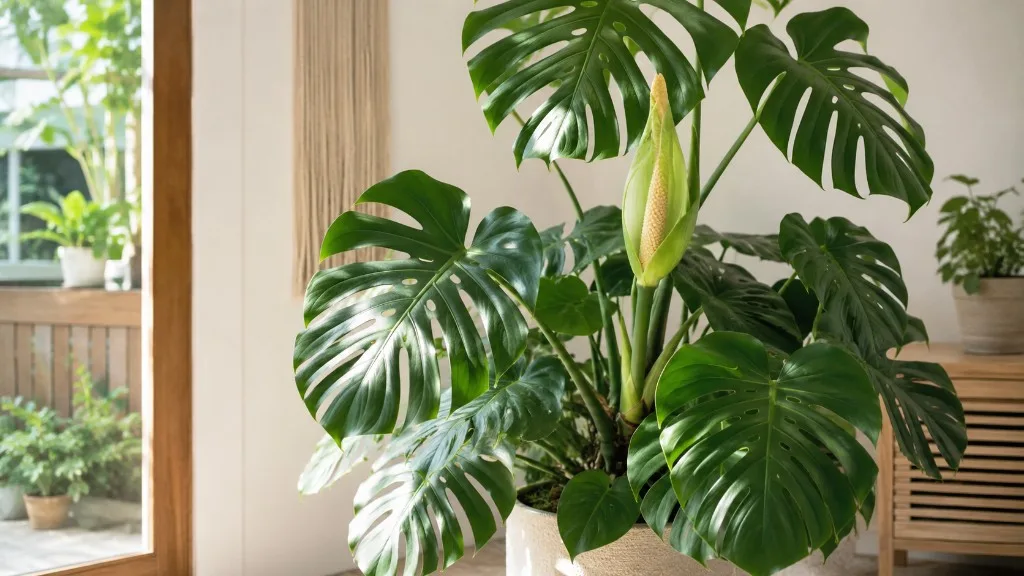
Choosing a houseplant by looks alone is how people end up with a fiddle-leaf fig in a dim hallway, a cactus on a bathroom shelf, or a trailing pothos where a curious cat can chew it. The better question is not “What plant is popular?” It is “What plant fits this exact room, with this light, this air, this routine, and these people or pets living in it?”
The Best Plant for My Room Finder is built around that practical fit. It asks you to describe the room before it suggests plants, because the room is usually the strongest predictor of whether a houseplant will settle in or quietly decline. Light, temperature, humidity, watering consistency, mature size, and pet safety all matter. Clemson Extension treats light level, container choice, drainage, fertilizer timing, and winter rest as practical indoor-plant care factors, which is why a useful room-matching tool has to consider more than decoration style indoor-plant care factors.
Use the finder as a shortlist builder. It will not inspect your window, measure your room, or know whether your dog steals leaves from low shelves. It gives you a better starting point than guessing, then helps you sanity-check that result before you buy, move, or replace a plant.
What the finder actually matches
The tool weighs the inputs that most often decide indoor plant success: room type, light level, humidity, pet exposure, available space, and care difficulty. A plant that matches all six is usually a better choice than a dramatic plant that only matches the photo you saved.
Room type matters because rooms behave differently. A kitchen may have brighter counter light, warmer bursts near appliances, and occasional humidity. A bathroom may be humid after showers but dim the rest of the day. A bedroom may be cooler, calmer, and darker. A living room may have the best windows but also more foot traffic, vents, pets, and furniture constraints.
Light level is the main gatekeeper. Indoor plants can be grouped by high, medium, or low light needs, and University of Maryland Extension recommends selecting indoor plants according to the natural light available in the home unless you plan to supplement it light needs. That does not mean every plant needs direct sun. It means the plant must receive enough usable light for its biology, not just enough brightness for a human eye.
Pet exposure changes the shortlist. The ASPCA maintains plant toxicity lists for cats, dogs, and horses, and pet homes should treat that database as a safety screen rather than a casual afterthought plant toxicity lists. A plant can be easy, beautiful, and completely wrong if it sits where an animal can mouth the foliage.
What the finder does not do
The finder does not guarantee survival. No tool can see a sealed nursery plug inside a decorative pot, a draft under a window, a heat vent aimed at leaves, a pest hiding under a leaf, or a watering habit that changes during travel season. The result is a plant-fit recommendation, not a health certificate.
It also does not replace species-specific care. Once the finder gives you candidates, open the matching plant guide before buying. A low-maintenance plant may still need fast-draining potting mix. A plant listed for bright indirect light may scorch in hard afternoon sun. A plant that tolerates lower light may grow slowly there and need less water than it would near a window.
Think of the finder as the first filter. It removes obvious mismatches, highlights stronger candidates, and points you toward follow-up checks. If the result suggests a low-light plant, compare it with the Low Light Plant Finder. If pets are the deciding factor, use the Pet-Safe Plant Finder or Pet-Safe Plant Checker before bringing anything home.
Start with the room, not the plant
The room gives you the truth. Stand where the plant would actually sit, not beside the best window in the room. Notice whether the spot receives direct sun, bright reflected light, dim ambient light, or mostly artificial light. Then watch that same spot at a different time of day. A room that feels bright at noon can be weak for plants if the plant shelf is ten feet from the glass or shaded by an overhang.
Treat room type as context, not destiny. A bathroom is not automatically good for tropical plants if it has no window. A living room is not automatically good for statement plants if the only open corner is dark. A bedroom is not automatically calm if a heating vent blasts dry air at the nightstand. The tool works best when you describe the actual plant position rather than the room’s general vibe.
Available space matters more than many buyers expect. Nursery plants are sold small because that is convenient, not because they stay that size. A plant that looks perfect on a shelf today may become awkward once it trails, leans toward light, or expands beyond the pot. Floor plants need leaf clearance, walkway clearance, and room for a saucer or cachepot. Hanging plants need enough height to water safely without dripping onto furniture.
Reading your light level honestly
Use plain categories if you do not own a light meter. “Bright direct” means sunbeams land on the leaves for part of the day. “Bright indirect” means strong daylight without harsh direct rays, often close to an east window or a little back from a south or west window. “Medium light” means the room is clearly bright for several hours but the plant is not close to the brightest glass. “Low light” means readable daylight but no strong brightness at the plant’s position.
Low light does not mean no light. Plants still need light for photosynthesis, and even tolerant species usually grow slower, use water more slowly, and stretch more in weak indoor light. Missouri Extension describes low-light indoor plants as generally receiving about 50 to 250 foot-candles, which is a useful reminder that “low” is still a measurable light range rather than darkness 50 to 250 foot-candles.
If you are unsure, choose the lower light category in the tool. That conservative input reduces the chance of being matched with a plant that needs more energy than your room can provide. You can always upgrade the result later by moving the plant closer to a window or adding a grow light.
Distance from the window changes everything. A bright window does not make a bright shelf if furniture, curtains, trees, buildings, or deep room layout block light. South and west exposures can be intense in some climates; north exposures can be gentle but weak; east exposures are often forgiving because morning sun is less punishing. The direction helps, but the plant only experiences the light where it sits.
Match watering style to the plant’s tolerance
Be honest about your care rhythm. Some people enjoy checking plants twice a week. Others want a plant that can forgive delayed watering, uneven attention, or travel. The finder uses care difficulty because watering style is one of the easiest mismatches to predict before a plant suffers.
If you tend to overwater, choose plants that prefer drying between waterings and use pots with drainage holes. If you forget to water, avoid plants that collapse quickly when the mix dries. If you travel often, pair the finder with the Vacation Plant Care Planner before choosing thirsty plants for sunny rooms.
Season matters. Houseplants often use less water in darker winter conditions, and Illinois Extension notes that plants usually need less water and fertilizer during colder months when growth slows winter rest periods. A plant that drinks weekly in summer may stay wet much longer in a cool, dim room in January.
Watering tolerance should also shape placement. A drought-tolerant plant near a bright window may be easier than a moisture-loving plant in the same spot. A plant that wants steady moisture may be better in a bathroom with good light than in a hot, dry office. The best recommendation is the one that matches both the room and the person caring for it.
Humidity is a room condition, not a label
Many tropical foliage plants prefer more humidity than a dry, heated home provides, but raising humidity for plants has to be balanced with comfort and building health. The EPA recommends keeping indoor relative humidity below 60 percent, ideally between 30 and 50 percent, to reduce moisture and mold risk 30 and 50 percent. That makes “more humidity” a condition to manage carefully, not a goal to chase blindly.
Bathrooms and kitchens can help humidity-loving plants if they also have adequate light and airflow. A windowless bathroom is still a poor plant room unless you add a grow light. A steamy bathroom with stagnant air can create its own problems, especially if pots stay wet for too long.
Dry rooms are not hopeless. Snake plants, ZZ plants, many hoyas, peperomias, jade plants, and other drought-tolerant choices often fit lower-humidity spaces better than ferns or calatheas. If the finder steers you away from a plant you wanted, it is usually because the room would force you to compensate constantly.
For a more precise check, use the Humidity Calculator and compare the result with the plant’s guide. A small humidifier, grouping plants, or a brighter placement may help, but the solution should fit the room. A plant recommendation that requires turning your bedroom into a greenhouse is not a good room match.
Pet safety deserves its own pass
Pet filtering should be conservative. A toxic plant on a tall shelf may be acceptable in one home and risky in another if leaves drop, vines trail, or a cat climbs. A non-toxic plant can still cause vomiting if a pet eats enough foliage, but toxicity screening helps avoid the more serious known hazards.
Use the finder’s pet input as a hard constraint if you have animals that chew plants, play with dangling leaves, or knock pots down. Then cross-check individual candidates against the ASPCA list or LeafyPixels pet-safe guides. For cats, be especially cautious with lilies and plants that shed tempting pieces. For dogs, consider plant height, pot stability, and whether the plant sits near a usual path or sleeping area.
Pet safety also affects plant form. Upright plants with stiff leaves may be easier to place out of reach than trailing plants that create moving targets. Hanging baskets can work, but only if watering runoff and fallen leaves are controlled. Large floor plants need heavier pots or stable cachepots so they cannot tip easily.
If pets are the main limitation, start with the Pet-Safe Plant Finder first, then come back to this room finder for light and care matching.
Best matches by room type
For living rooms, the best candidates are usually plants that fit available light and mature scale. In bright indirect light, rubber plant, monstera, bird of paradise, or larger philodendrons can work if you have floor space. In medium light, consider pothos, heartleaf philodendron, snake plant, ZZ plant, or Chinese evergreen. For homes with pets, move the shortlist through a toxicity screen before you commit.
For bedrooms, choose plants that tolerate stable conditions and do not demand daily attention. Snake plant, ZZ plant, pothos, peperomia, cast iron plant, and some dracaenas are common bedroom candidates, but pet safety can rule out several popular options. If the bedroom is very dim, the best answer may be a tolerant plant near the window or a grow light rather than a plant on the far nightstand.
For bathrooms, humidity helps only when light is sufficient. Bird’s nest fern, Boston fern, calathea, pothos, and peace lily may suit bright bathrooms, but a dark bathroom is better treated as a no-plant room unless you add artificial light. Use the Bathroom Plant Finder if shower humidity is the main reason you are shopping.
For kitchens, compact plants are often easier than large statement plants. Herbs need more light than many kitchens provide, so do not assume a kitchen counter is herb-friendly without checking sun. Pothos, peperomia, spider plant, hoya, and small philodendrons can work if they are kept away from heat bursts, grease, and crowding.
For offices, reliability matters. Office plants often face weekend neglect, artificial light, air conditioning, and inconsistent watering. ZZ plant, snake plant, pothos, aglaonema, cast iron plant, and some dracaenas are often better than thin-leaved, humidity-sensitive plants. Use the Office Plant Finder when the room is a work setting with limited natural light.
A practical scoring method
You can think of the finder as a weighted filter. Light gets the highest weight because it sets the plant’s energy budget. Pet safety becomes a hard filter when pets are present. Watering tolerance and care difficulty shape how forgiving the plant will be. Humidity and room type refine the shortlist. Mature size prevents a good biological match from becoming a bad spatial match.
A simple version looks like this: first remove plants that clearly need more light than the room gives. Then remove plants that fail your pet-safety requirement. Then favor plants that match your watering style. Then choose the plant that fits the room’s size and humidity without constant correction.
This order matters. A plant that is pet-safe but too light-hungry will still decline. A plant that tolerates your light but is unsafe for your cat is still a bad recommendation. A plant that matches light and safety but outgrows the only available shelf will become a problem later.
The finder is most useful when you answer with constraints, not wishes. If you want a dramatic floor plant but only have low light, say low light. If you want a fern but your room is dry, say dry. A stricter input gives a smaller but better shortlist.
Worked example: dim bedroom with a cat
Imagine a bedroom with one north-facing window, a plant stand six feet from the glass, dry winter air, and a cat that chews trailing leaves. The tempting answer might be pothos because it is common and tolerant, but pet exposure changes the risk. The low-light input also rules out plants that need bright sun to stay compact.
A better shortlist would prioritize low-to-medium light tolerance, non-toxic or lower-risk options, sturdy placement, and forgiving watering. The finder might push you toward a cast iron plant, certain peperomias, or a spider plant in a hanging position, depending on the pet setting and available light. It might also suggest moving the stand closer to the window before choosing anything.
The useful part is not just the name of the plant. It is the reason the plant made the list. The room’s limiting factors are weak light, pet access, and dry air. Once you see that, you can improve the setup: move the plant closer to the window, choose a heavier pot, skip trailing toxic plants, and water less often in winter.
If the same bedroom had no pets and a brighter east window, the shortlist would change. That is why the finder is more helpful than a static list of bedroom plants.
Worked example: bright living room with limited time
Now picture a bright living room with a large east-facing window, no pets, a warm but stable temperature, and an owner who travels two weekends a month. The room can support more options, but the care routine narrows the list.
The finder should favor plants that appreciate bright indirect light but do not collapse after a missed watering. Rubber plant, snake plant, ZZ plant, hoya, jade plant, or some philodendrons may be better candidates than a fern, calathea, or thirsty thin-leaved plant. If the user wants a statement plant, the tool should also consider mature height and walking paths.
This is where care difficulty prevents a mismatch. A plant can be perfect for the window and wrong for the schedule. If a recommended plant needs frequent moisture checks in that bright room, the better move may be to choose a tougher plant or use the Plant Watering Calculator after purchase to build a realistic routine.
Run the scenario twice: once with “easy care” and once with “moderate care.” If the recommendations change sharply, your routine is the deciding factor. Choose the plant you can care for during your busiest month, not the plant you can care for during a quiet week.
Worked example: humid bathroom with poor light
A bathroom can sound perfect for houseplants because showers raise humidity. But if the only window is frosted, tiny, or blocked, humidity alone will not carry the plant. The finder should treat this as a low-light room first and a humid room second.
In that situation, a fern may look logical because ferns often appreciate humidity, but the light may be too weak for steady growth. The better answer may be a low-light-tolerant plant placed as close as possible to the window, a rotation plan where the plant spends time in a brighter room, or a small grow light. If none of those are realistic, a preserved botanical display or cut greenery may be more honest than forcing a living plant into a room that cannot support it.
This example is a good reminder that the strongest input wins. Humidity is helpful only after the basic energy requirement is met. A plant in weak light also dries more slowly, so the same bathroom that feels plant-friendly can raise root-rot risk if the potting mix stays wet.
Common mistakes that lead to bad matches
The first mistake is treating “low maintenance” as universal. Low maintenance for a bright, dry, pet-free room is different from low maintenance for a dim bedroom with pets. The label only means something after the room is defined.
The second mistake is trusting human brightness. Human eyes adapt quickly, so a dim room can feel comfortable to you while still being weak for plants. If plants keep leaning, stretching, dropping lower leaves, or staying wet for too long, light may be the problem even if the room feels pleasant.
The third mistake is ignoring pot setup. A good room match can fail in a pot without drainage, a pot that is much too large, or a decorative cachepot that holds hidden water. If your chosen plant struggles after purchase, check the basics with the Root Rot Risk Checker and Repotting Calculator before blaming the plant.
The fourth mistake is overvaluing air-purifying claims. Plants are worth keeping for beauty, care rituals, and comfort, but claims that a few houseplants meaningfully clean a normal room are usually overstated. A review in the Journal of Exposure Science and Environmental Epidemiology found that potted plants remove volatile organic compounds too slowly to improve indoor air quality in typical buildings indoor air quality.
When to trust the result
Trust the result most when your inputs are specific. You know the plant’s actual spot. You have observed the light at more than one time of day. You know whether pets can reach the plant. You understand your watering style. You have checked whether the mature plant will fit.
Trust it less when you are guessing. “Bright room” without a location is vague. “Pet-safe enough” without knowing the species is risky. “I can water often” may be true now but false during travel, illness, work deadlines, or seasonal changes.
The result should feel like a ranked set of candidates, not a command. If the top plant is unavailable locally, choose the next plant that shares the same fit logic. If the top plant is not safe for your household, remove it. If the top plant needs a care routine you will not maintain, pick the easier match.
The best use of the tool is iterative. Run the room as it exists now. Then test one improvement: brighter placement, pet-safe filter, easier care level, smaller mature size, or higher humidity. If a small change opens much better options, you have learned what to fix.
How to use the recommendation after you buy
Keep the first month simple. Put the plant in the matched location, check the pot for drainage, and avoid changing everything at once. New plants often need time to acclimate to a different light level, watering rhythm, and indoor climate.
Watch new growth more than old damage. Leaves that were damaged in the store or during transport may not recover, but new leaves tell you whether the room is working. Pale, stretched, leaning growth often points to insufficient light. Crispy edges may point to dry air, inconsistent watering, salt buildup, or heat. Yellowing and soft stems may point to overwatering, poor drainage, or low light combined with wet soil.
Use related symptom guides when the plant gives you feedback. Yellow leaves can come from several causes, so do not assume one fix. Brown tips are common in dry rooms and inconsistent care. Drooping leaves can mean too little water, too much water, heat, cold, or root trouble. A room finder gives you the starting match; observation gives you the follow-up.
Use this finder when the main question is “Which plant fits this room?” Use a narrower tool when one constraint dominates.
If the room is dark, go straight to the Low Light Plant Finder. If the plant must be safe around cats or dogs, start with the Pet-Safe Plant Finder. If the plant is for a desk, shared workplace, or fluorescent office, use the Office Plant Finder. If the room is a bathroom, use the Bathroom Plant Finder to weigh humidity and light together.
If you already own the plant and it is declining, a plant picker is the wrong first step. Use Why Is My Plant Dying?, Plant Problem Diagnosis, or a symptom-specific checker. Choosing a new plant may solve a mismatch, but diagnosing the existing failure can teach you what the room is really doing.
Conclusion
The best plant for your room is the plant that matches the room’s limits without asking you to fight those limits every week. Start with honest light, real humidity, pet access, mature size, and your normal care rhythm. Then let the finder narrow the options to plants that can live well in that specific place.
A strong recommendation should feel practical, not aspirational. If the room is dim, choose a plant that tolerates dimmer conditions or improve the light. If pets chew leaves, make safety a hard filter. If your schedule is inconsistent, choose forgiveness over drama. The right plant is not just the one that looks good on day one; it is the one that still makes sense after a season of real life.